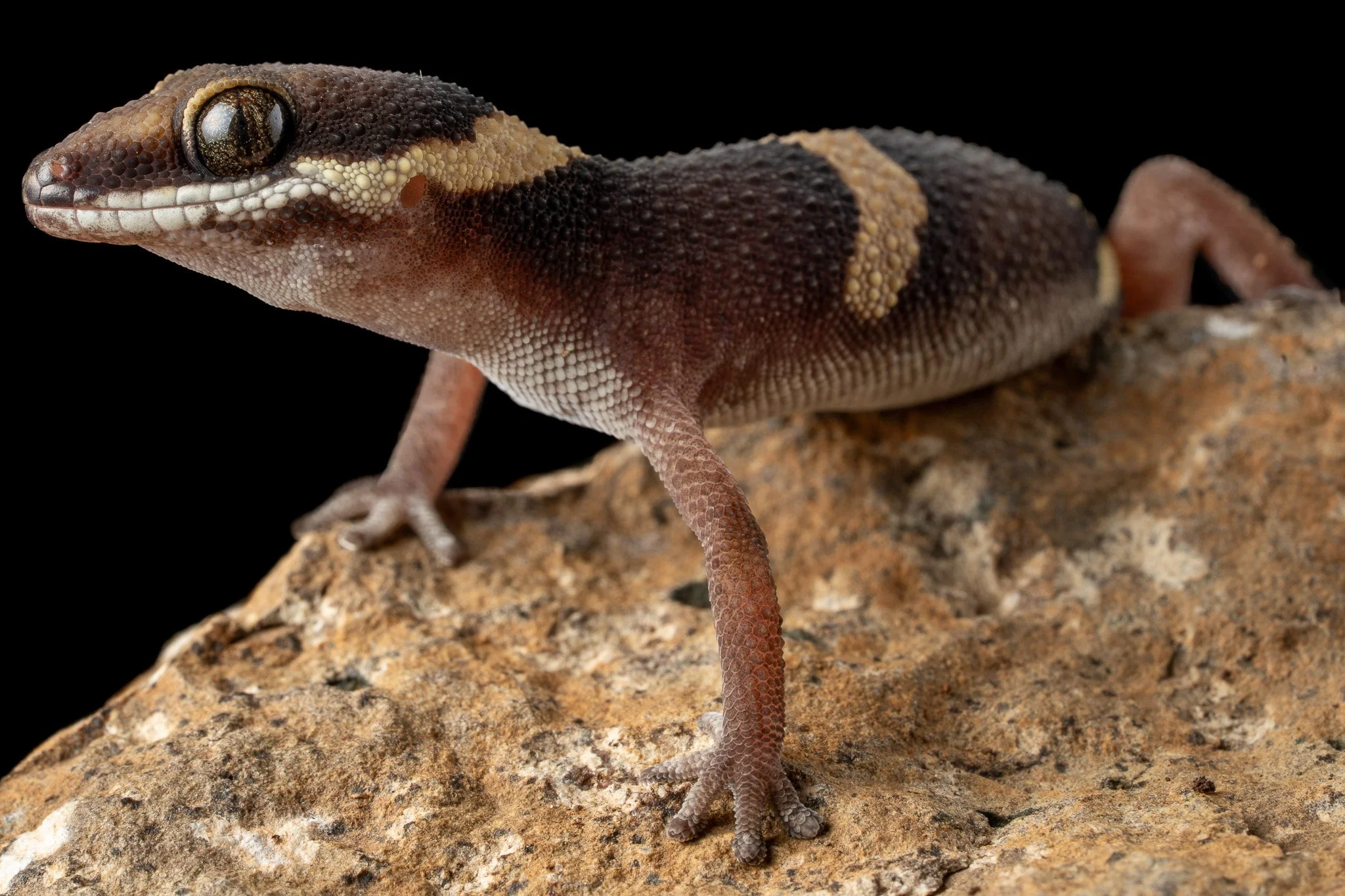



ZIMBABWE 2027ZIMBABWE IS A COUNTRY OF MANY EXTREMES. ON THIS EXPEDITION, WE EXPERIENCE MUCH OF SOUTHERN AFRICA’S LAST RAW, UNTAMED, AND GENUINELY NATURAL AREAS. WE ALSO BARE WITNESS TO A LAND BEING FOREVER CHANGED BY MANKIND.
What began as a passion project has evolved into something more. WE’RE EXCITED TO NOW BE IN A POSITION THAT ALLOWS GENUINE CONTRIBUTIONS TO SOUTHERN AFRICA’S SCIENTIFIC COMMUNITY.
THIS EXPEDITION IS CRITICAL TO COLLECT GENETIC SAMPLES IN THE FIELD OF CERTAIN SPECIES’ POPULATIONS ON THE ZIMBABWE/MOZAMBIQUE BORDER, WHICH REMAINS HISTORICALLY UNDERSURVEYED.
ITINERARY:
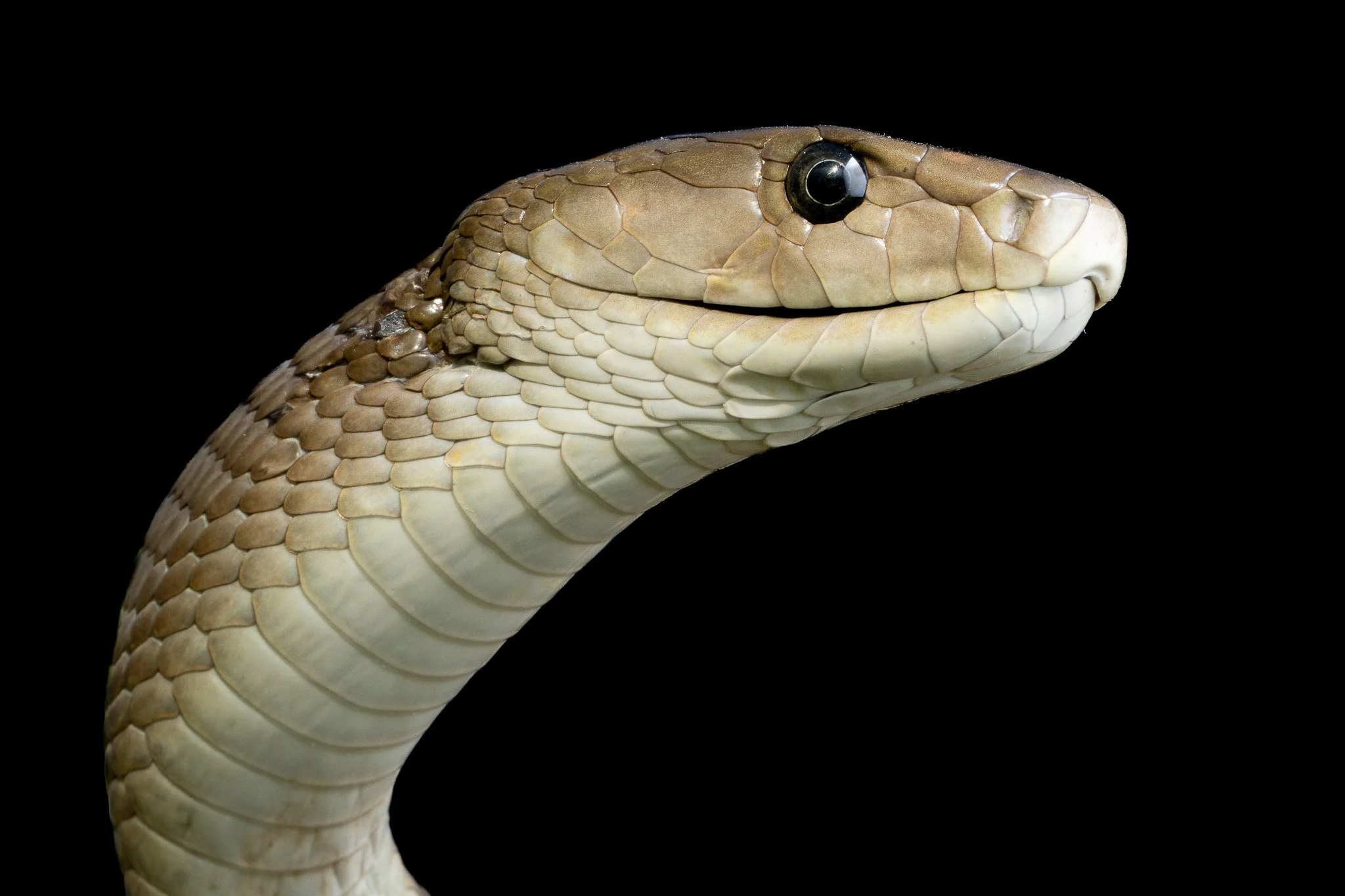
NOVEMBER 20: ARRIVAL AND TRANSFER TO ACHM
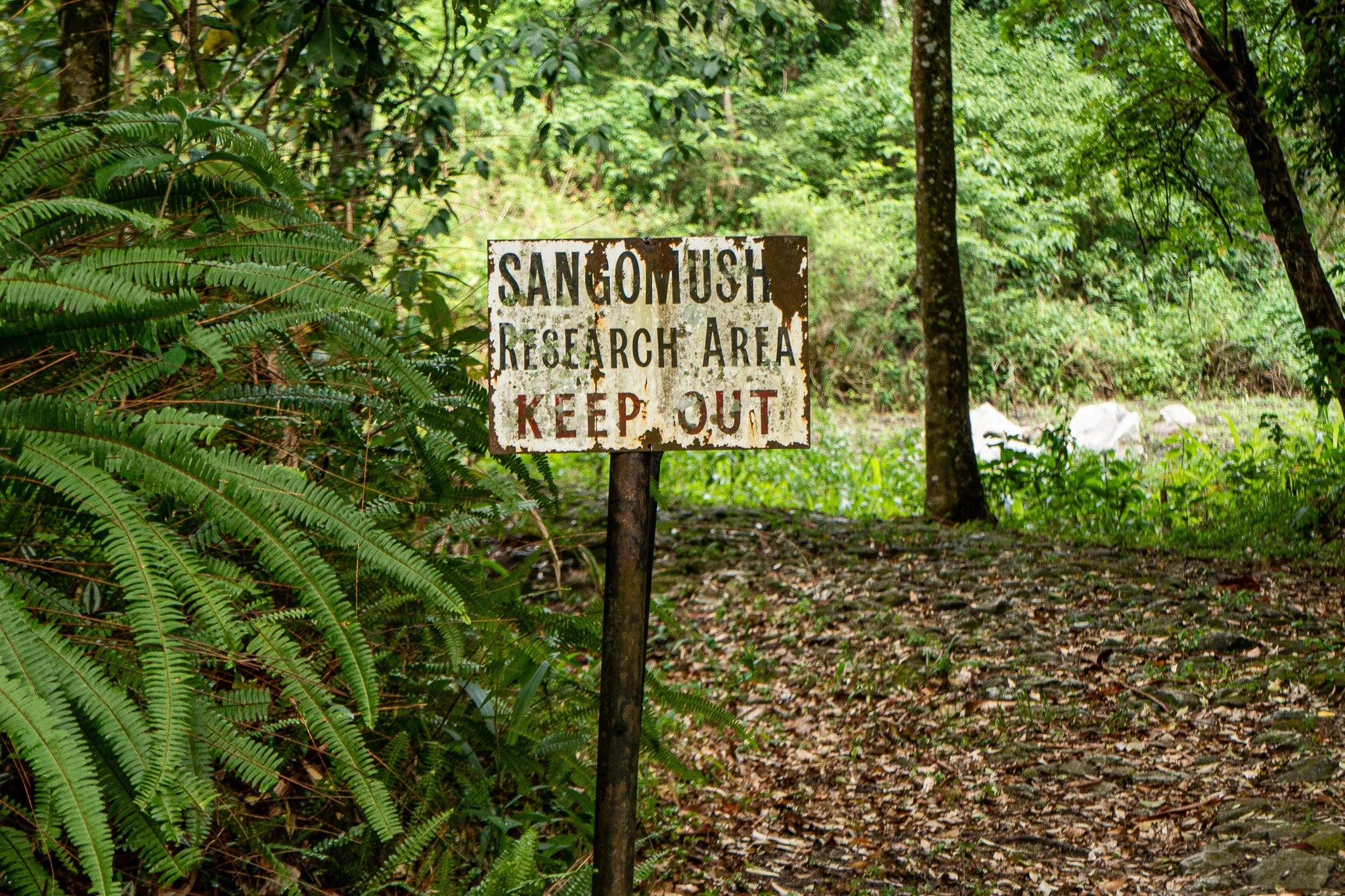
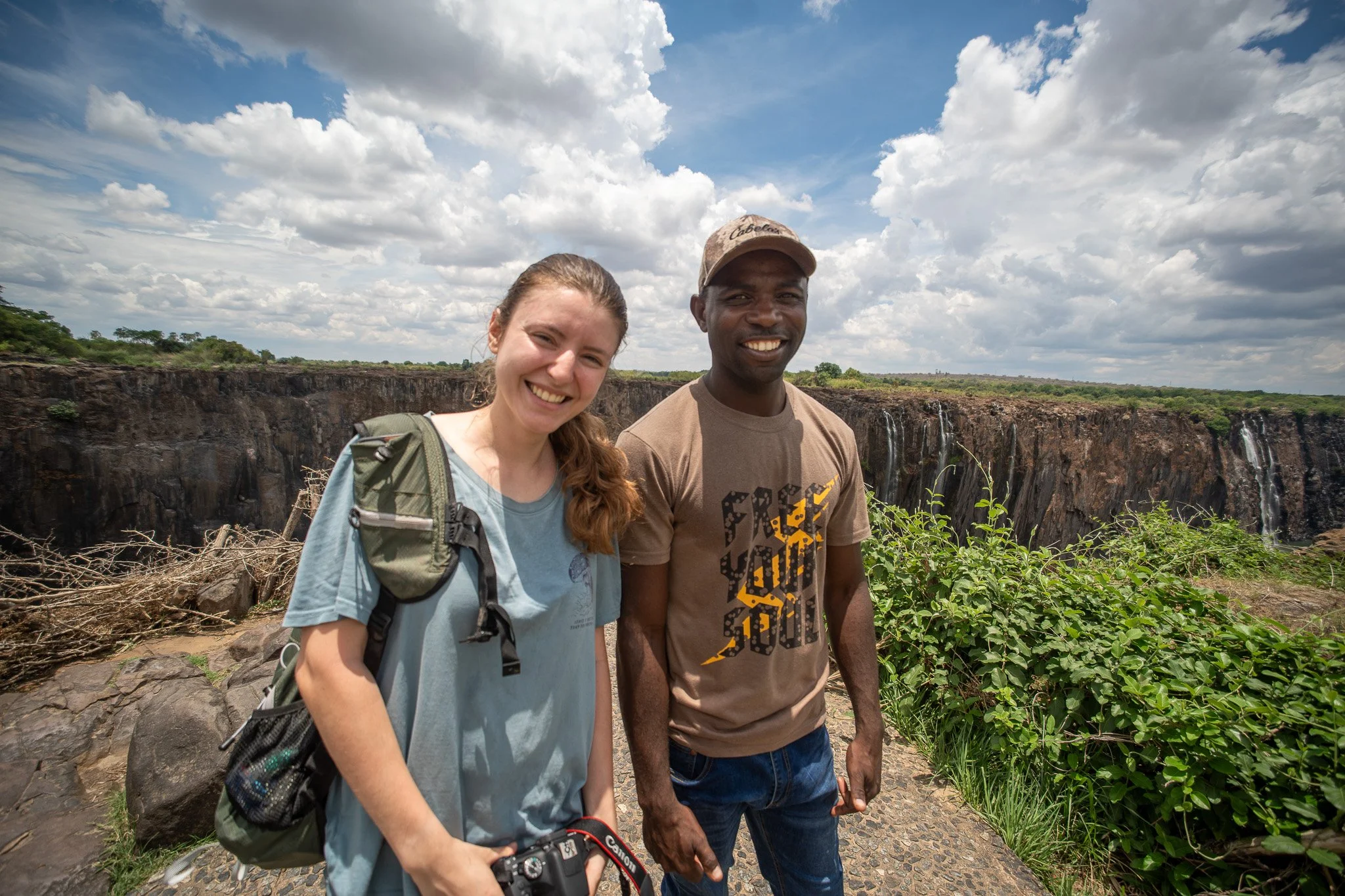
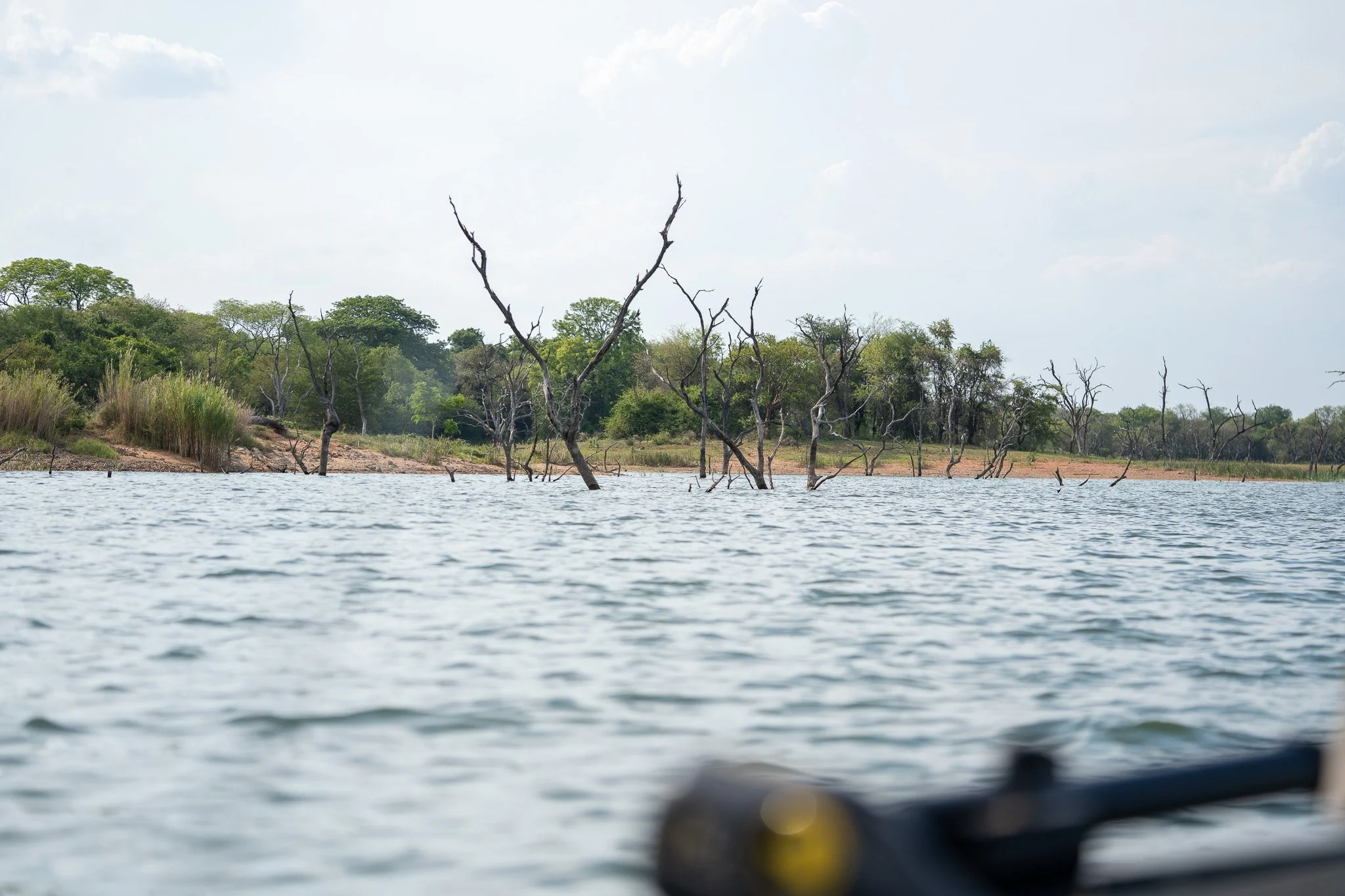
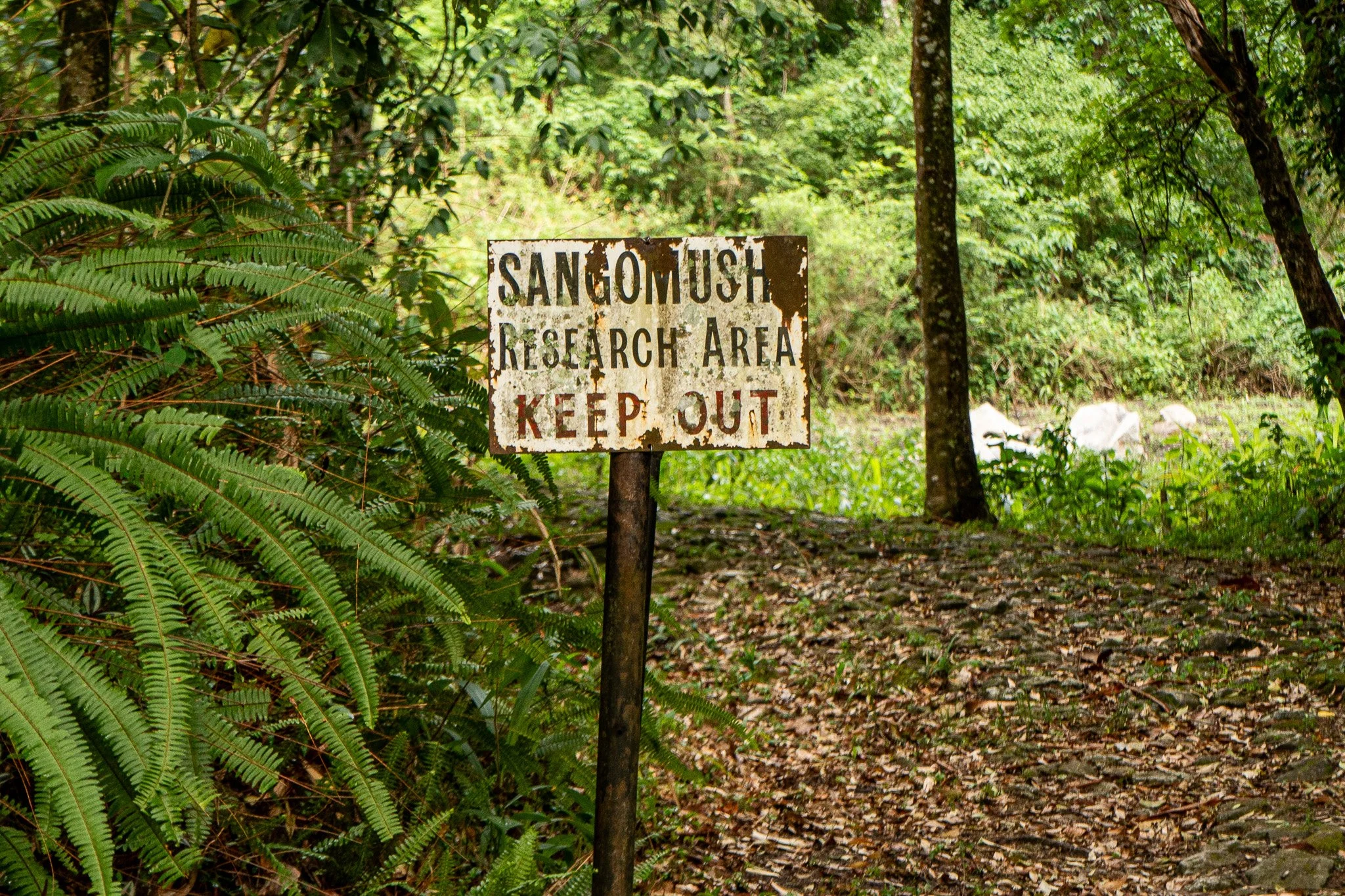
On November 20, we begin! After pickup from Victoria Falls International Airport (VFA), we’ll make the short drive (approx. 45 minutes) to the Africa Centre for Holistic Management. This private conservancy is expansive, at 3,200 hectares (about 7,900 acres). We also have frequent access to neighboring properties.
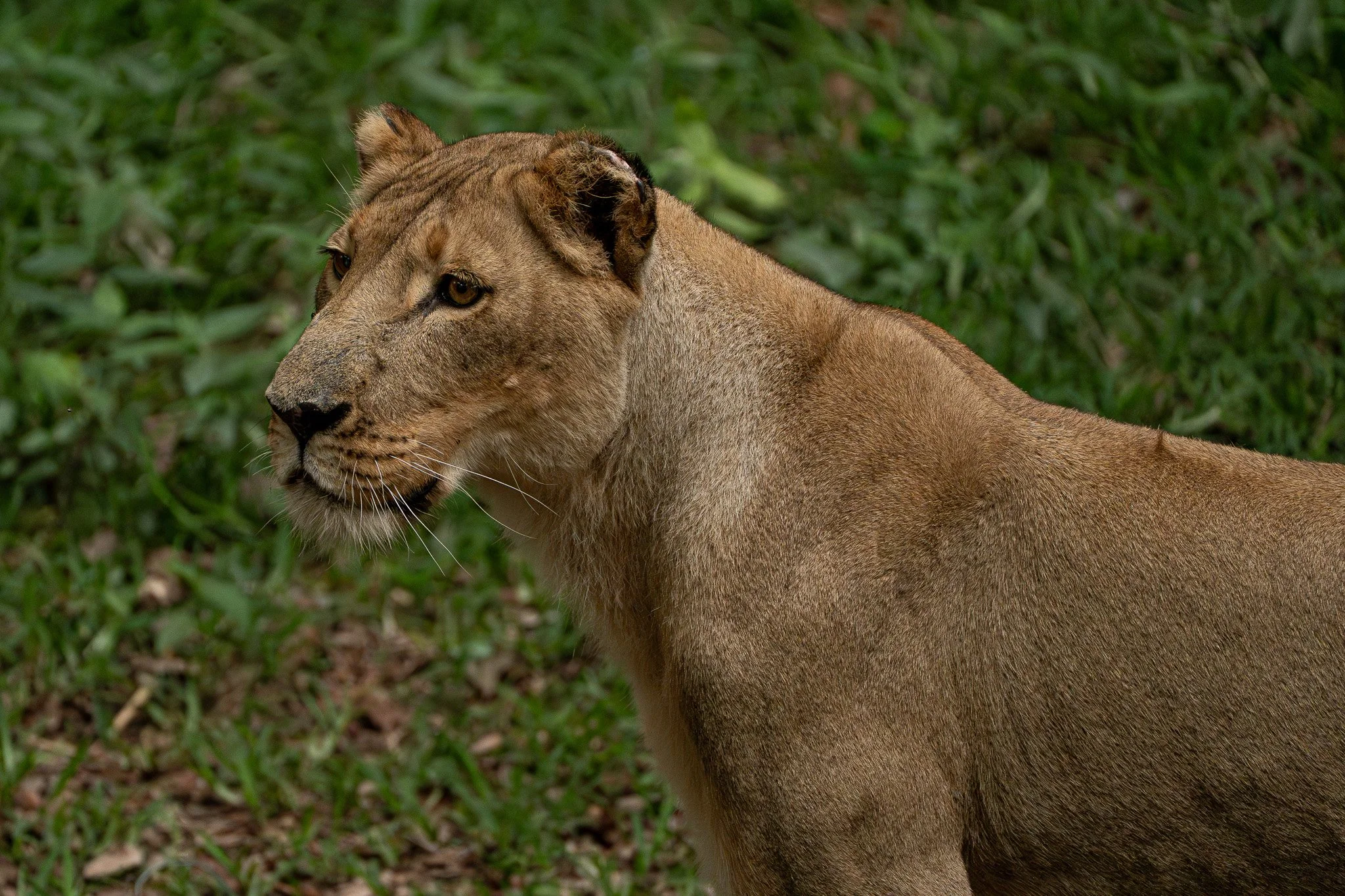
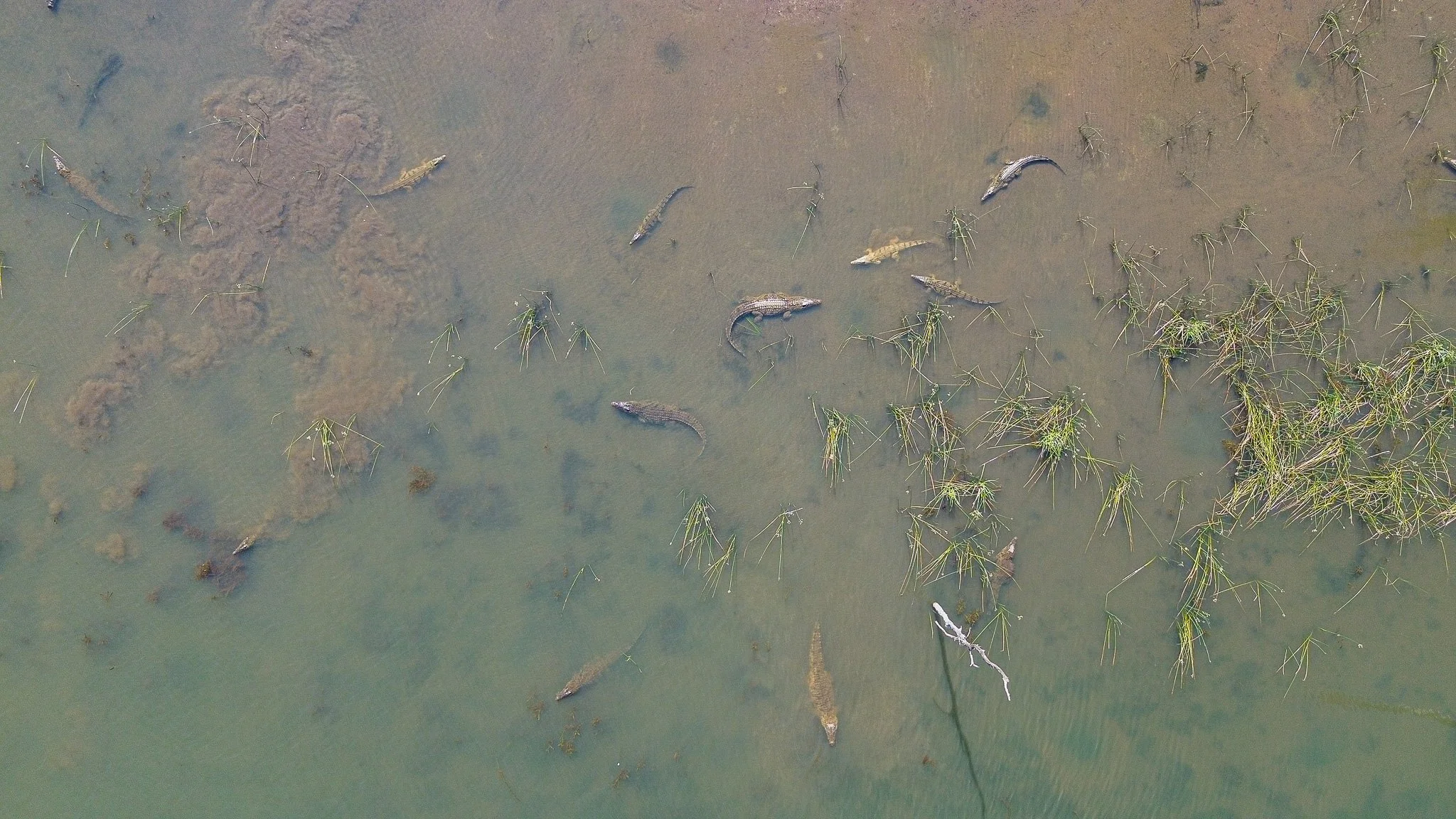
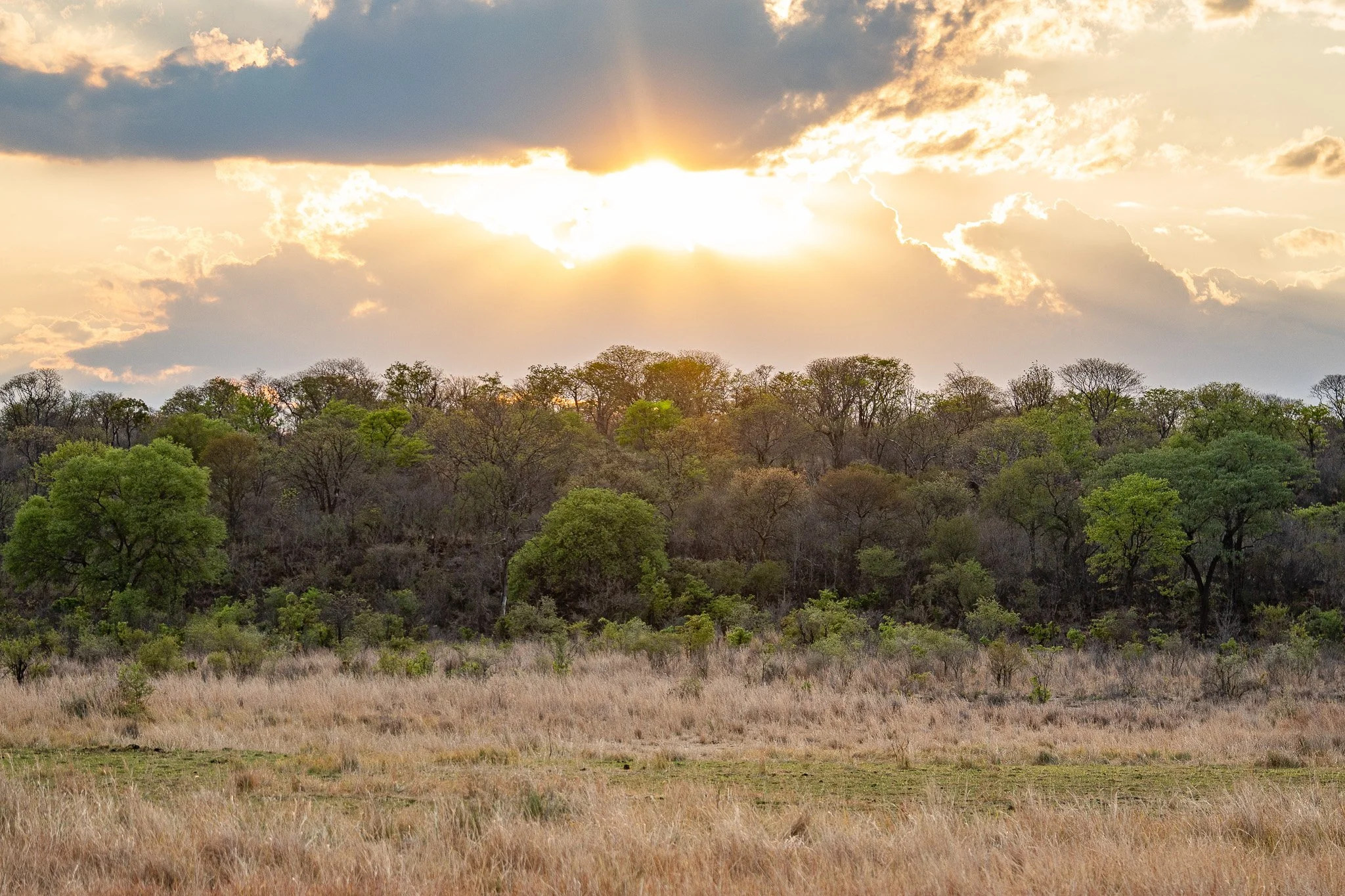
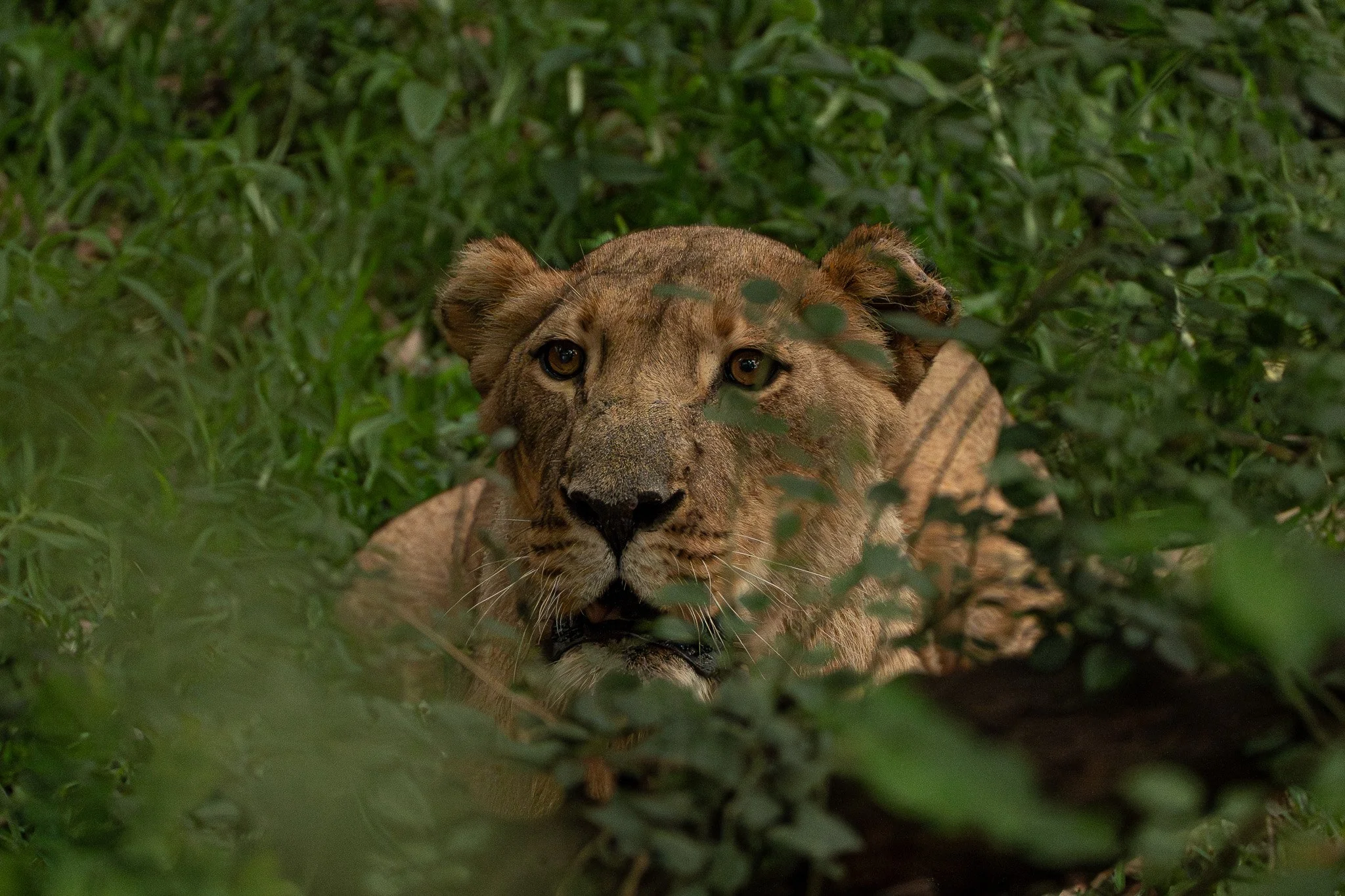
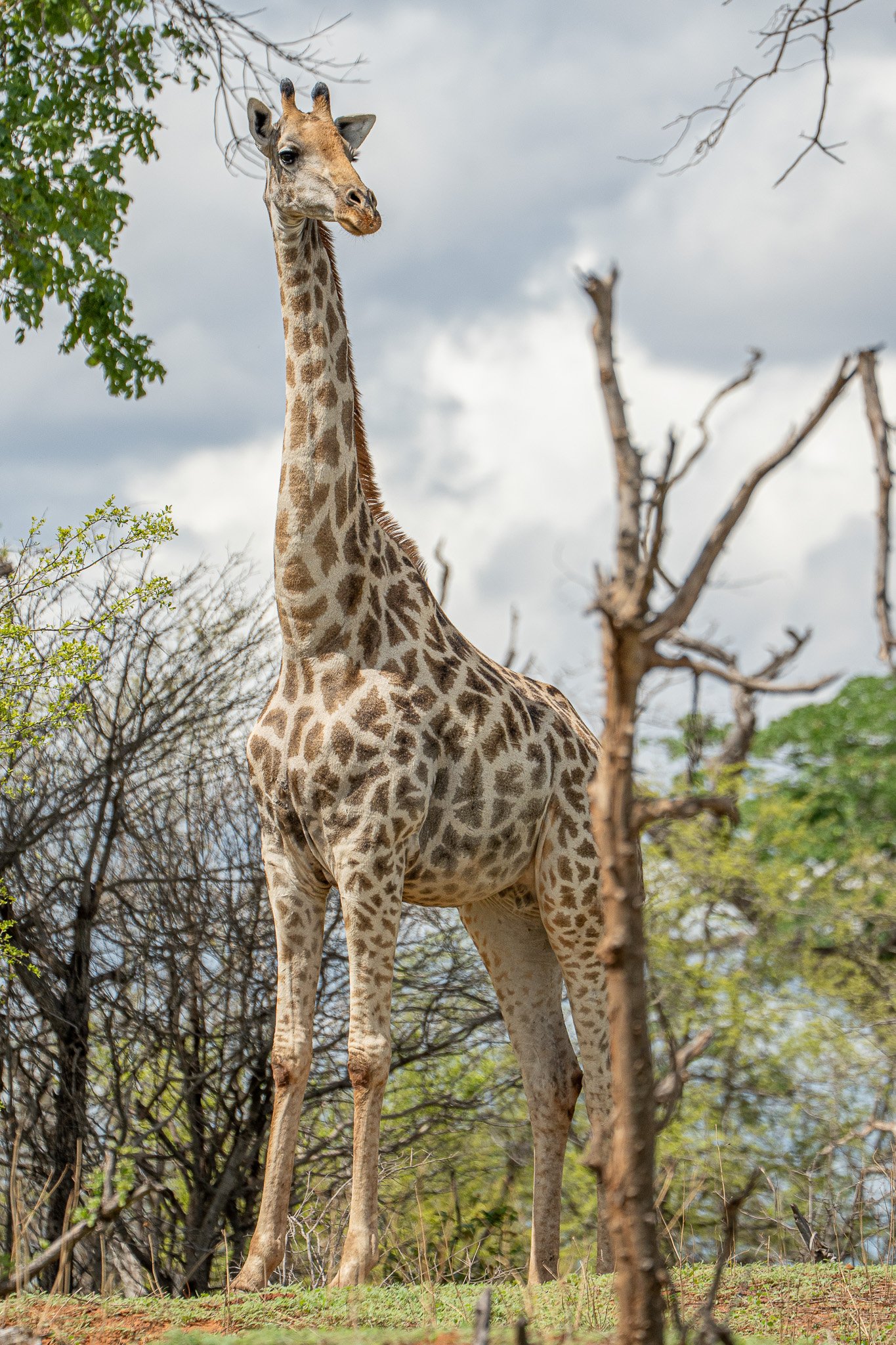
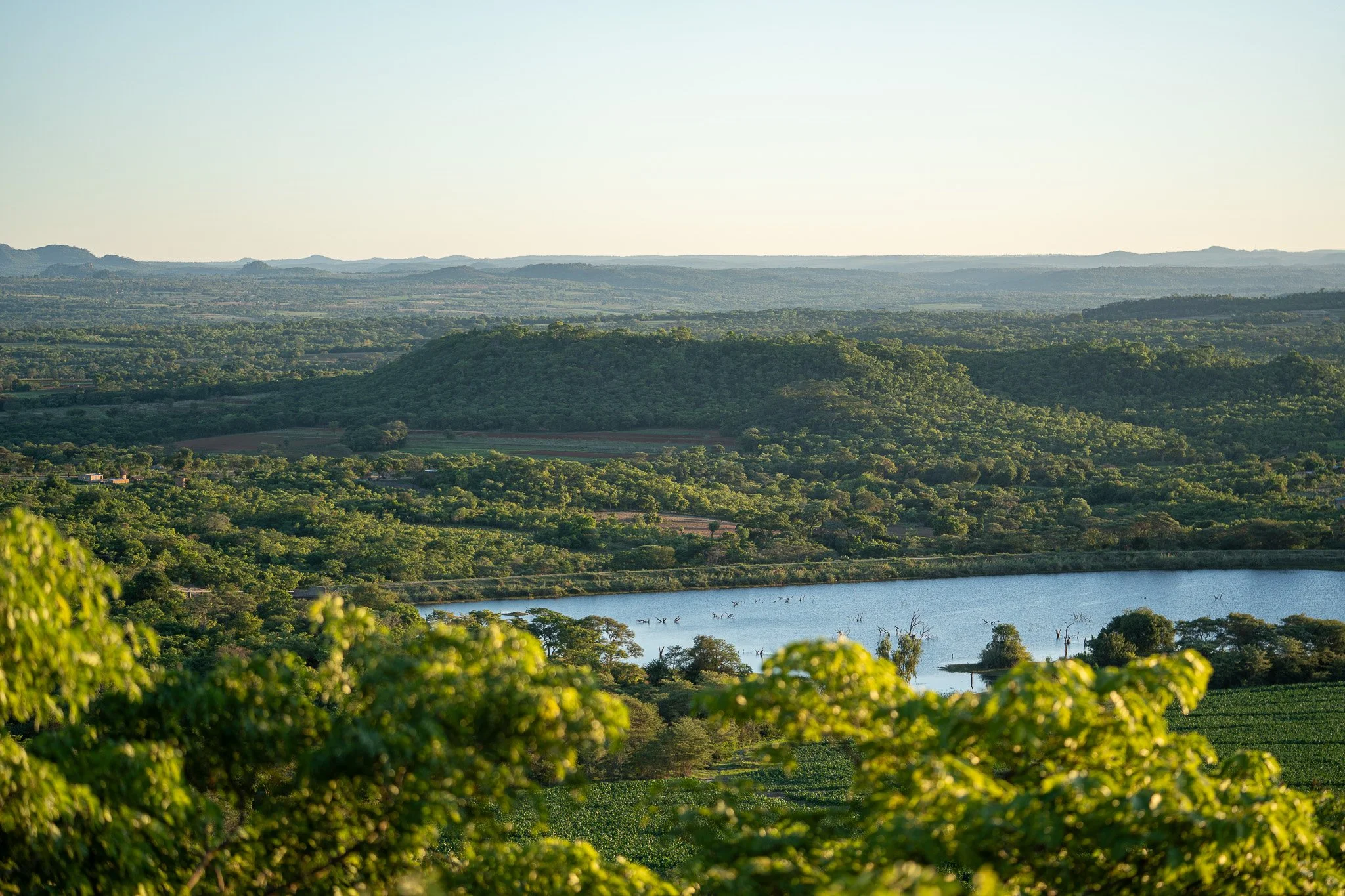
The property is chock-full of wildlife, thanks to ACHM’s rigorous, science-based land management practices. It is unfenced, allowing for the natural movement of everything from lions to giraffe and leopards. We’ll enjoy orientation and dinner, then prepare for our first night in the field.
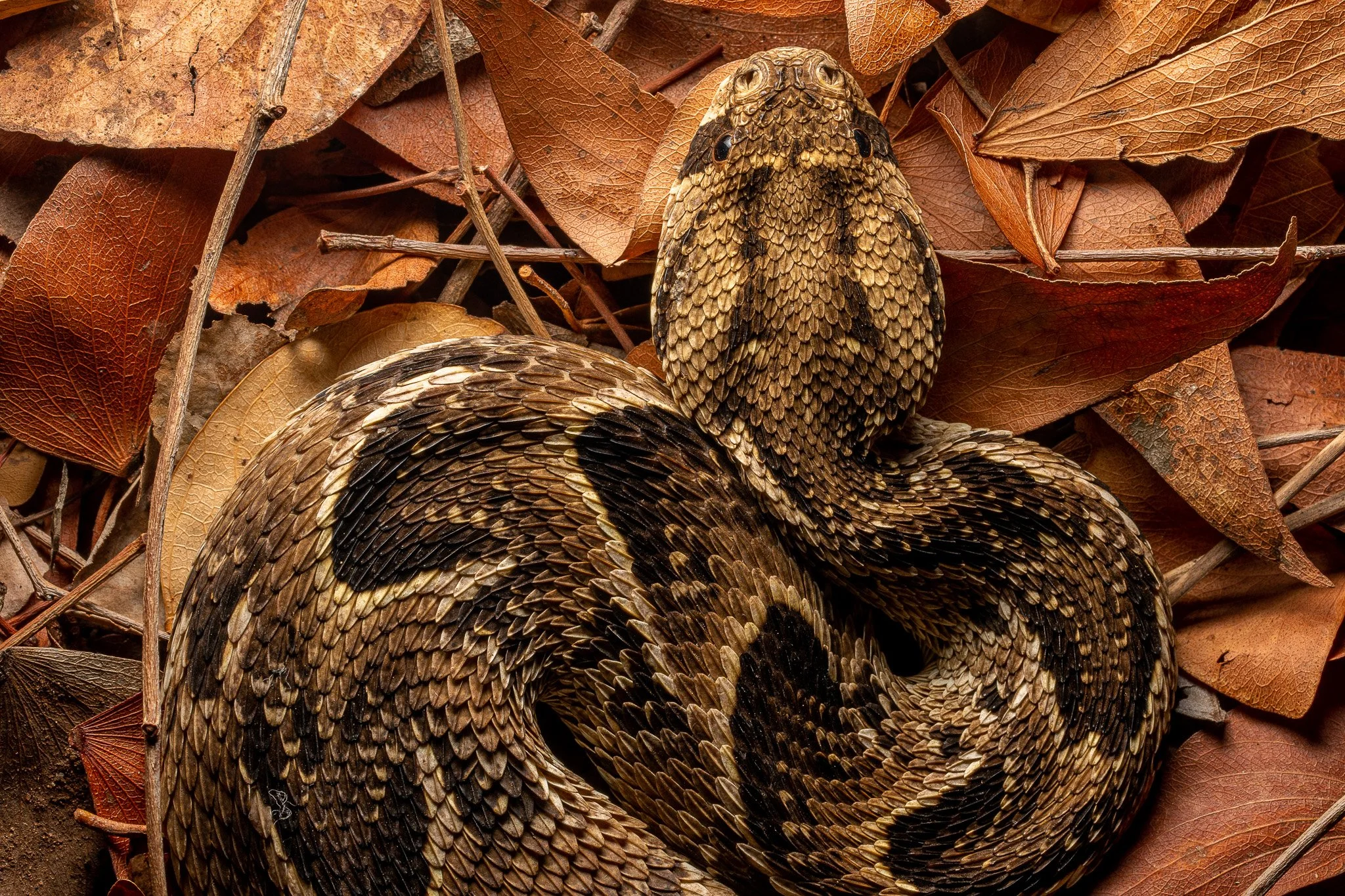
NOVEMBER 21-26: EXPLORE AND SURVEY THE GREATER VICTORIA FALLS ECOSYSTEM
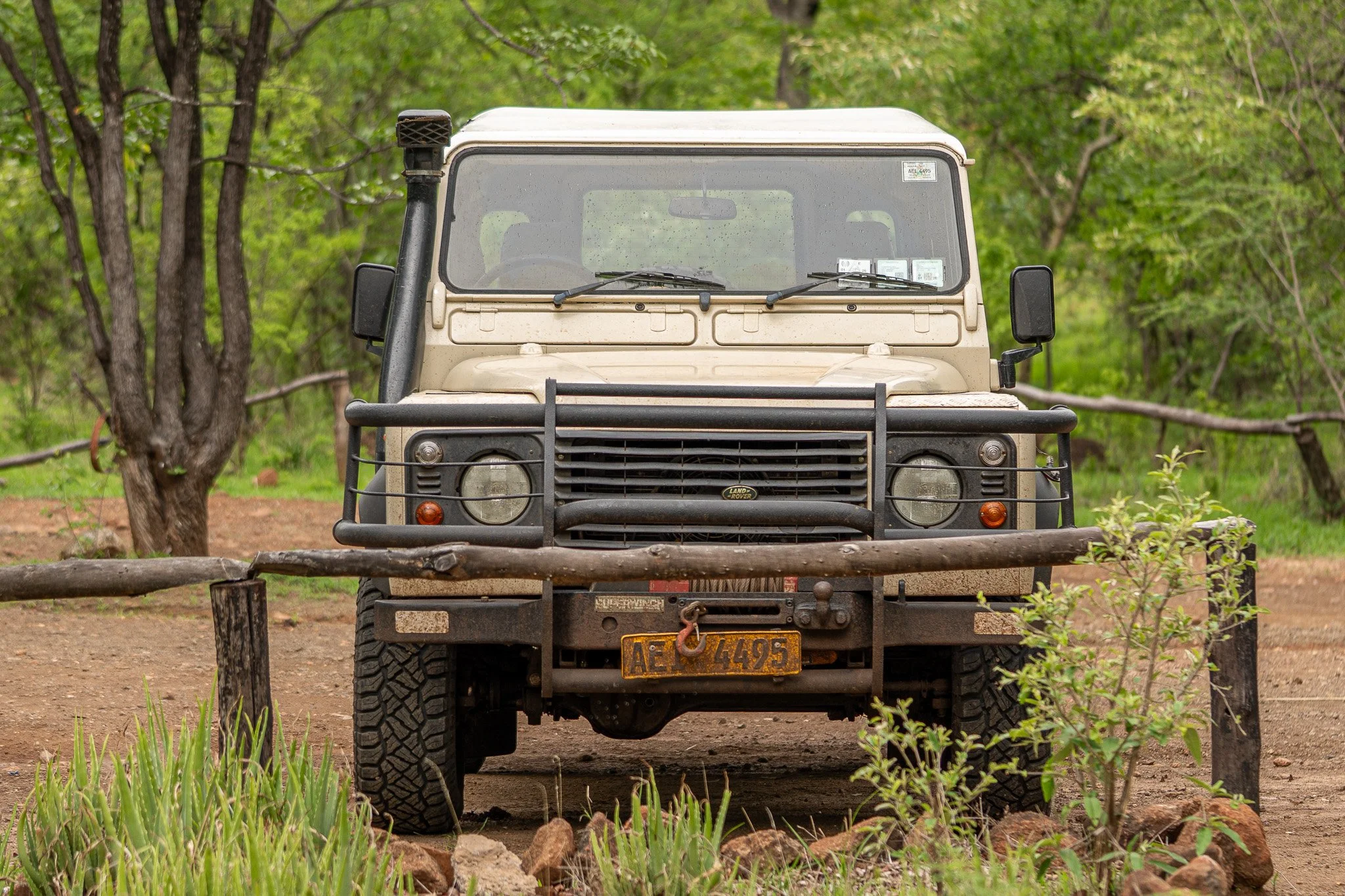
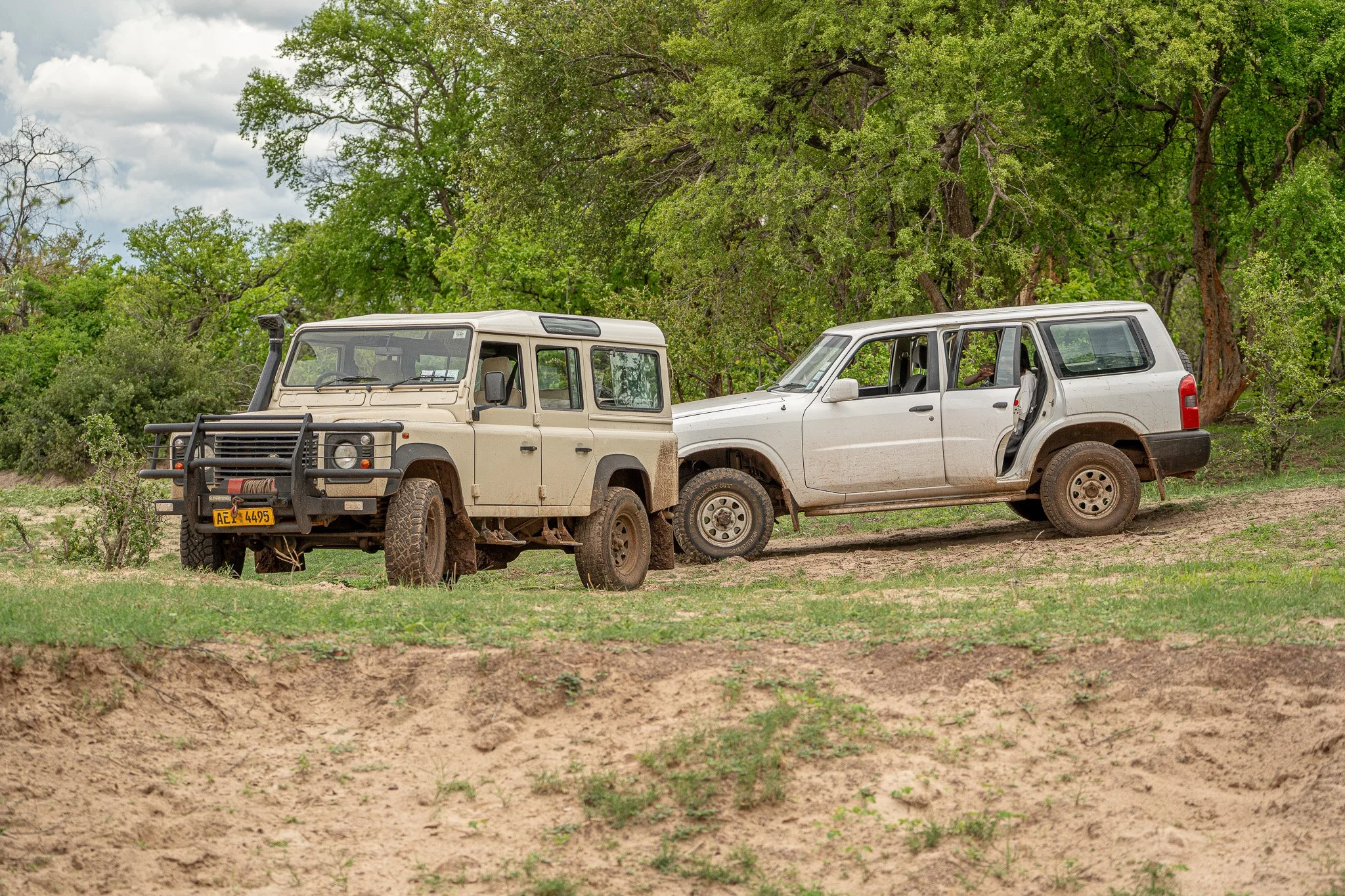
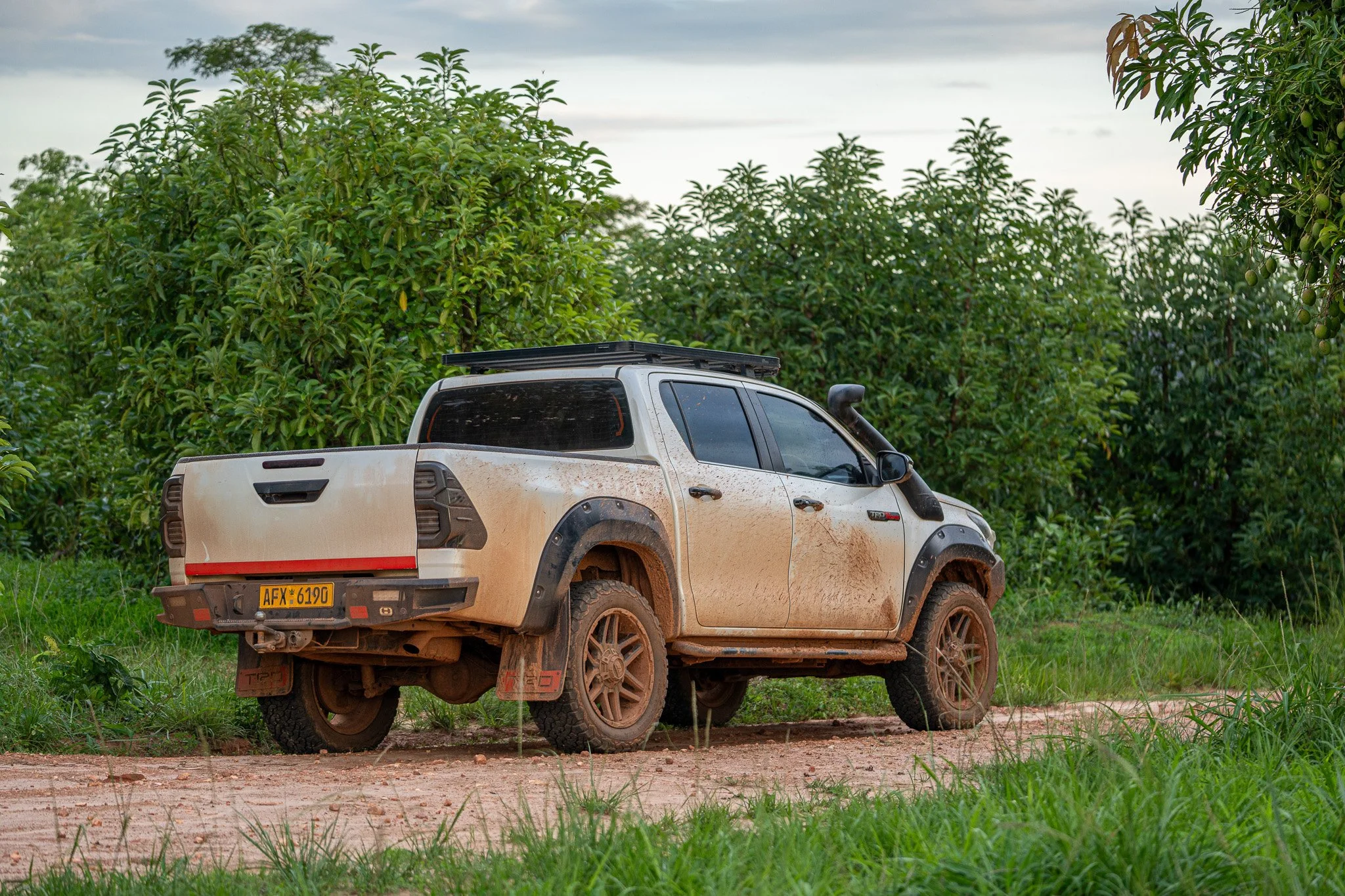
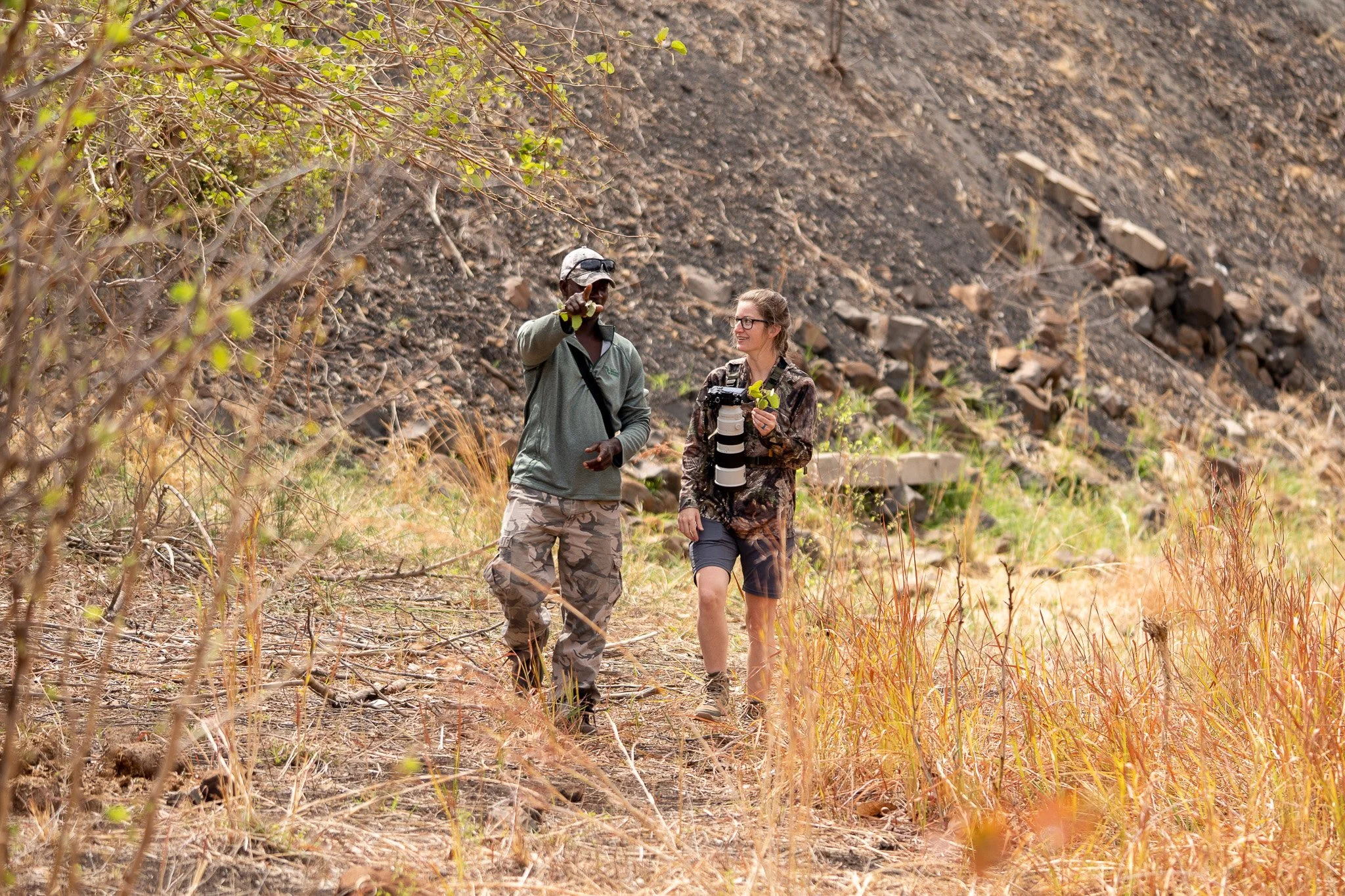
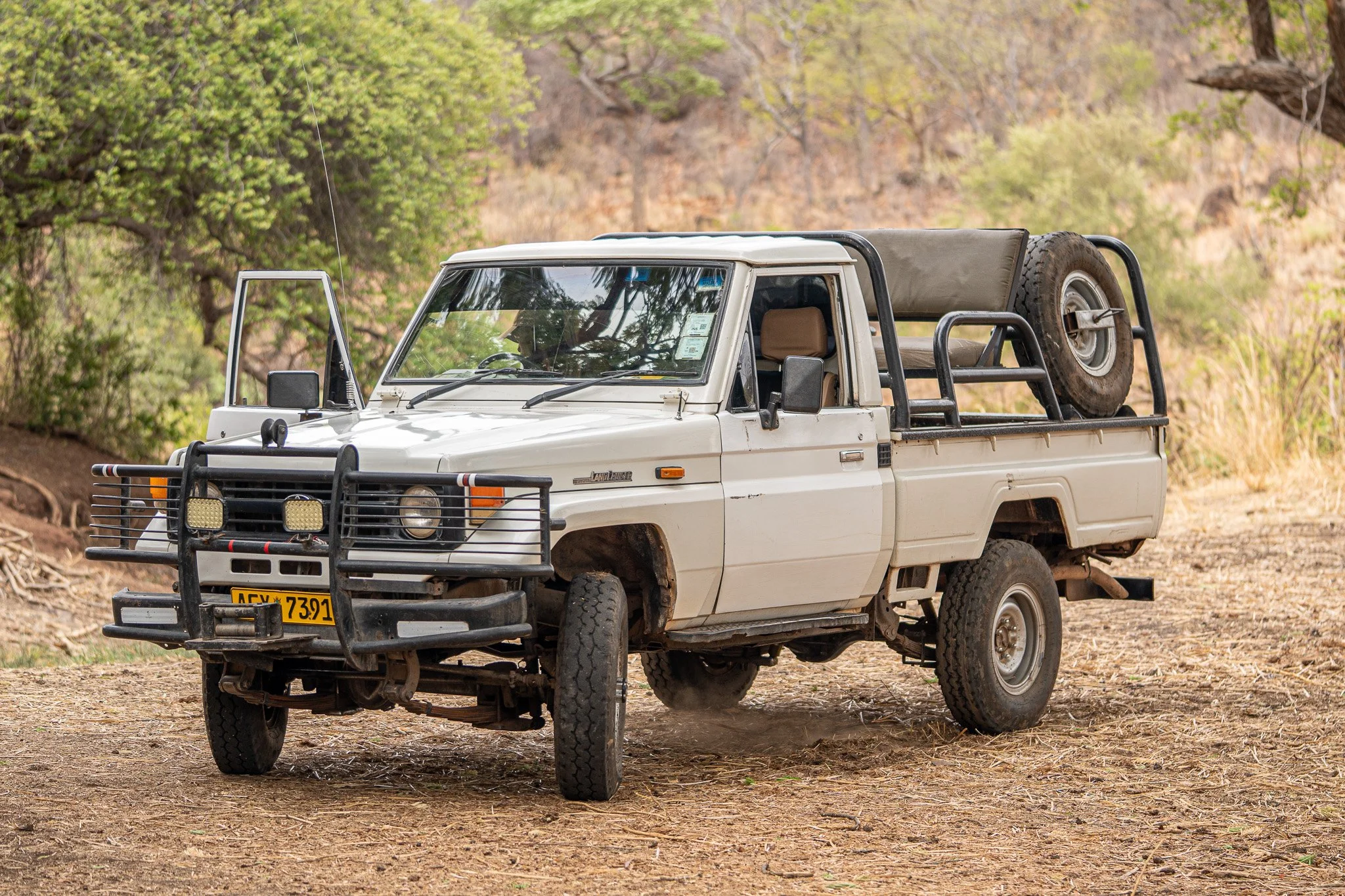
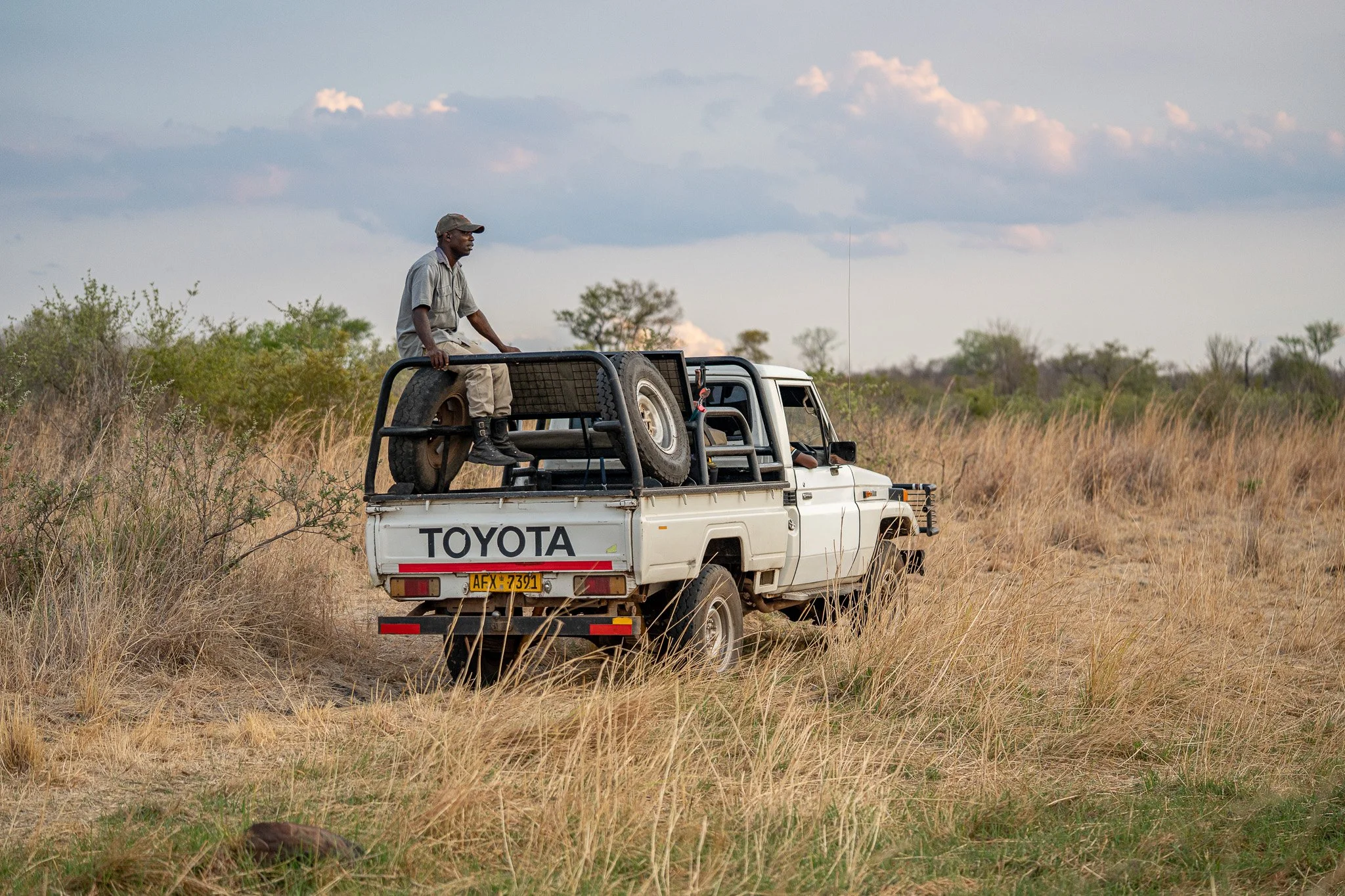
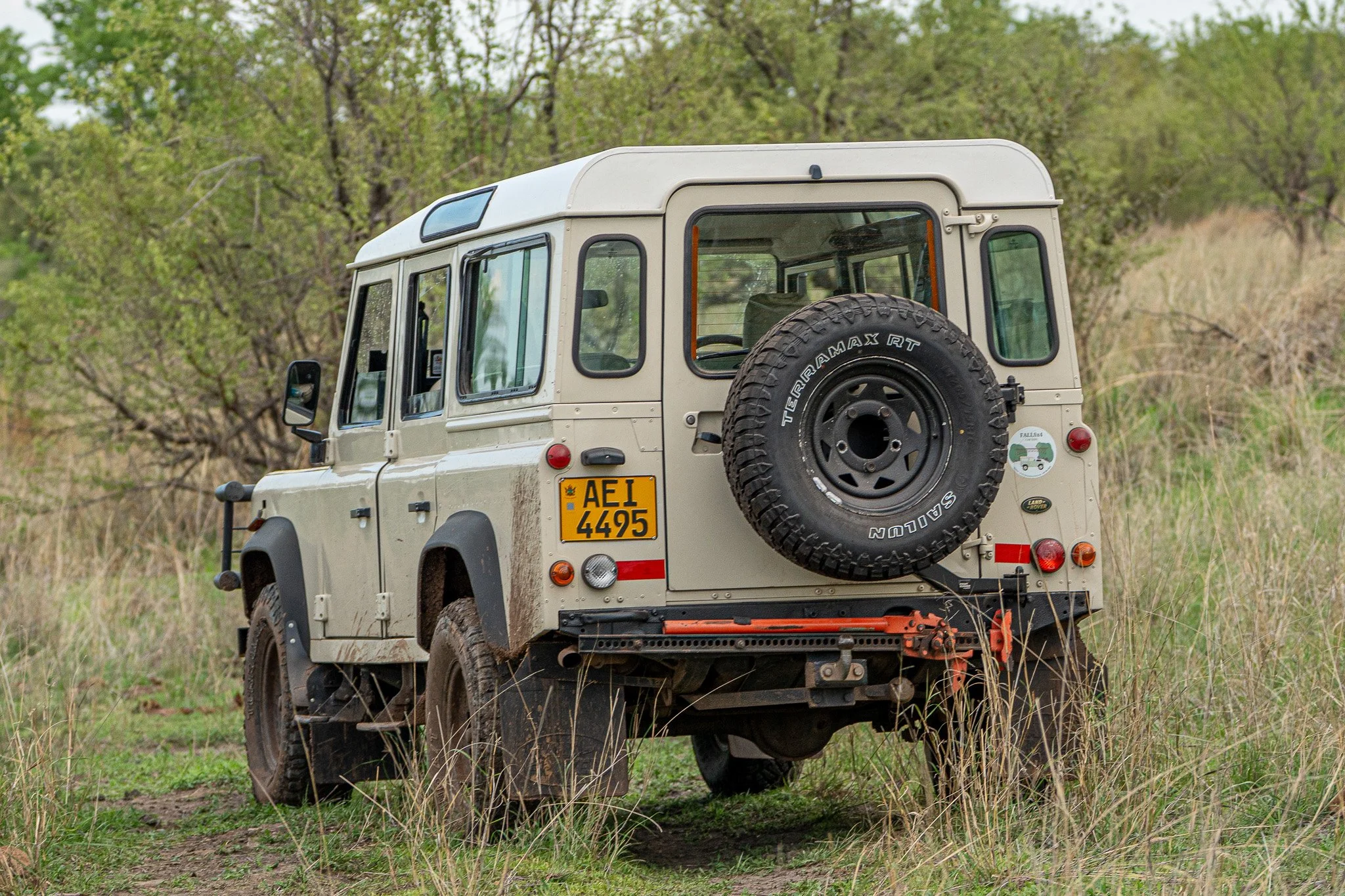
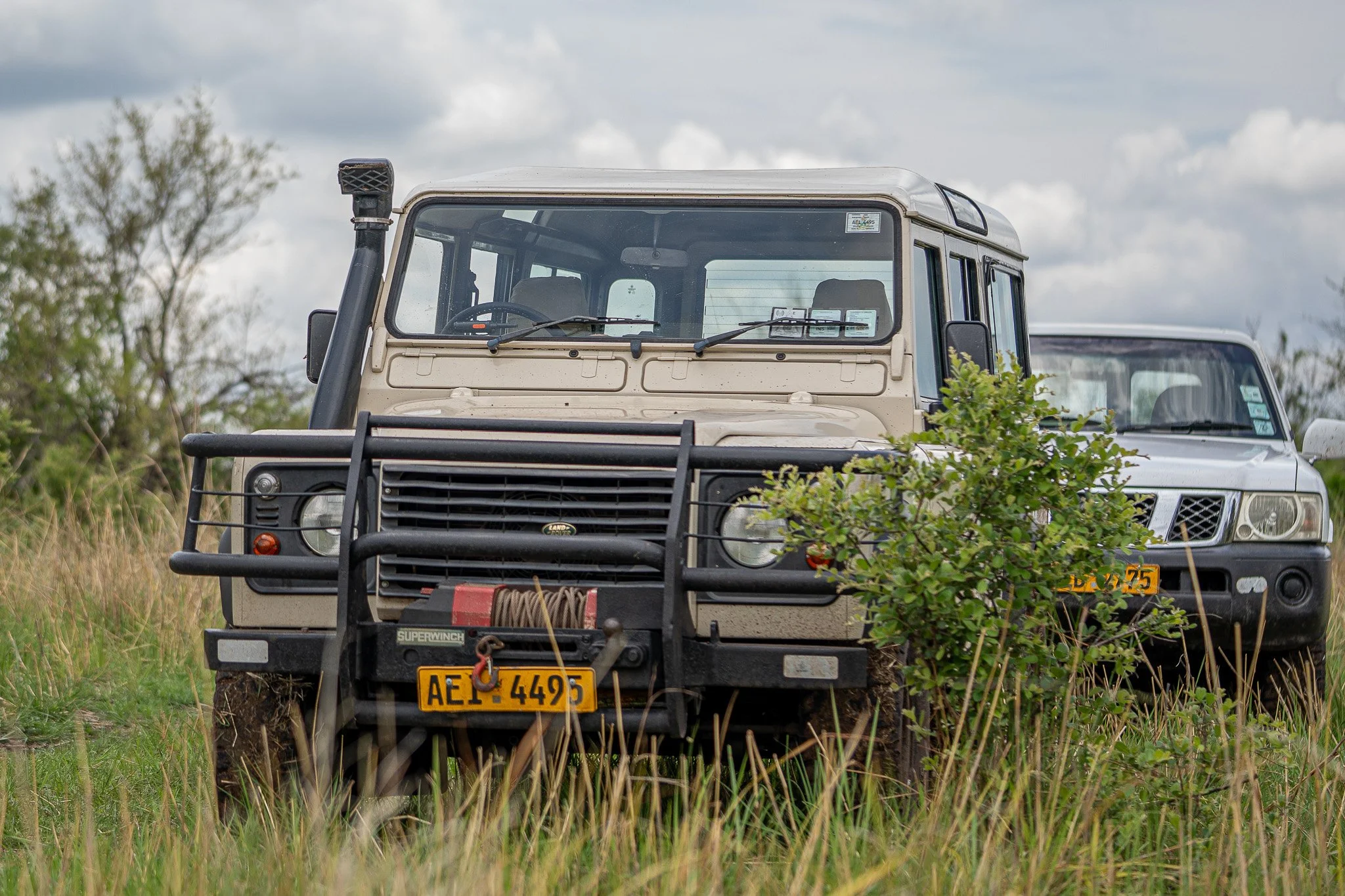
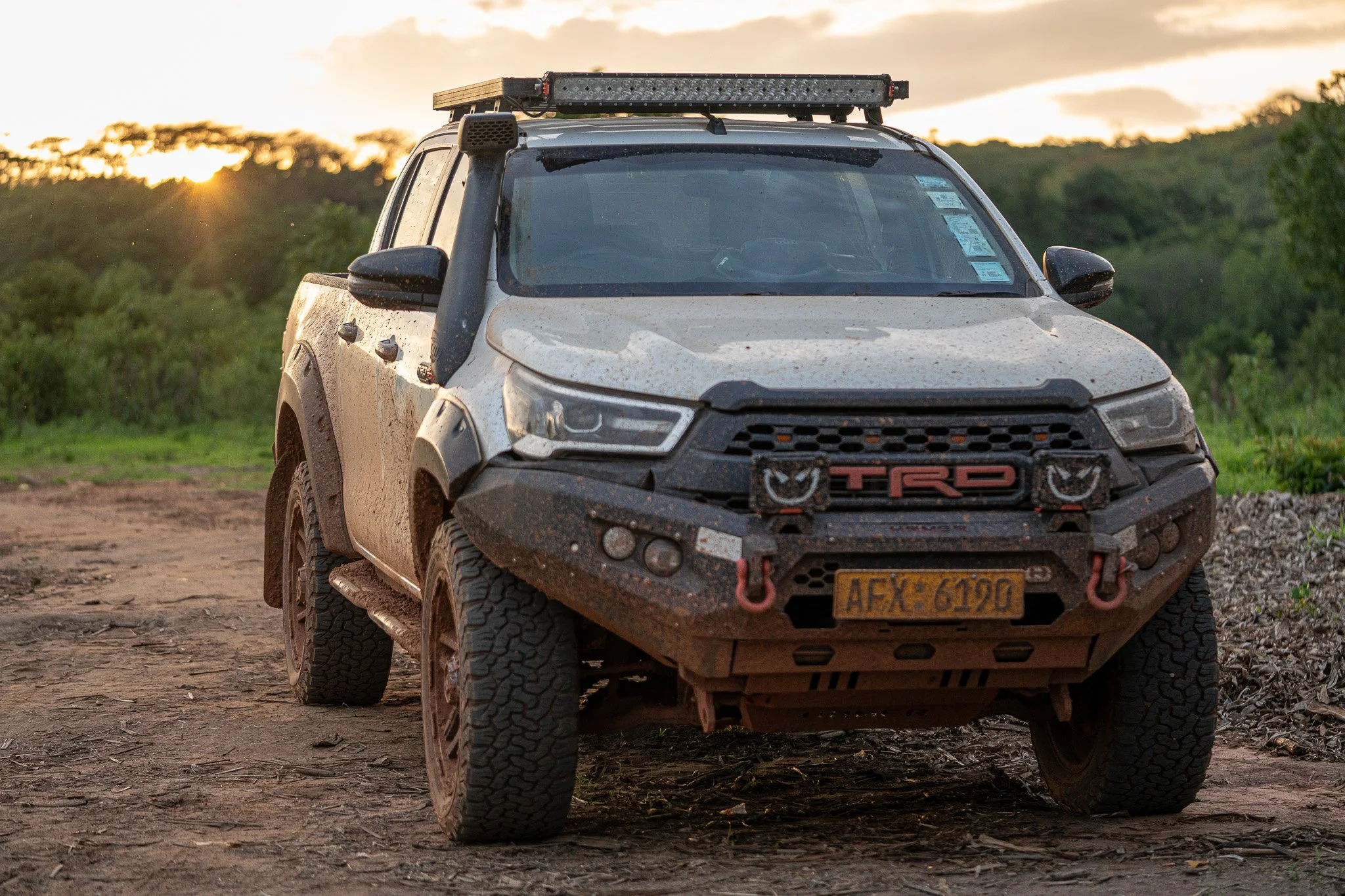
Armed with our trusty Land Rover Defender and Landcruiser 100 Series, we will engage with the environment in the most sufficient ways possible to encounter the most herpetofauna in the area.
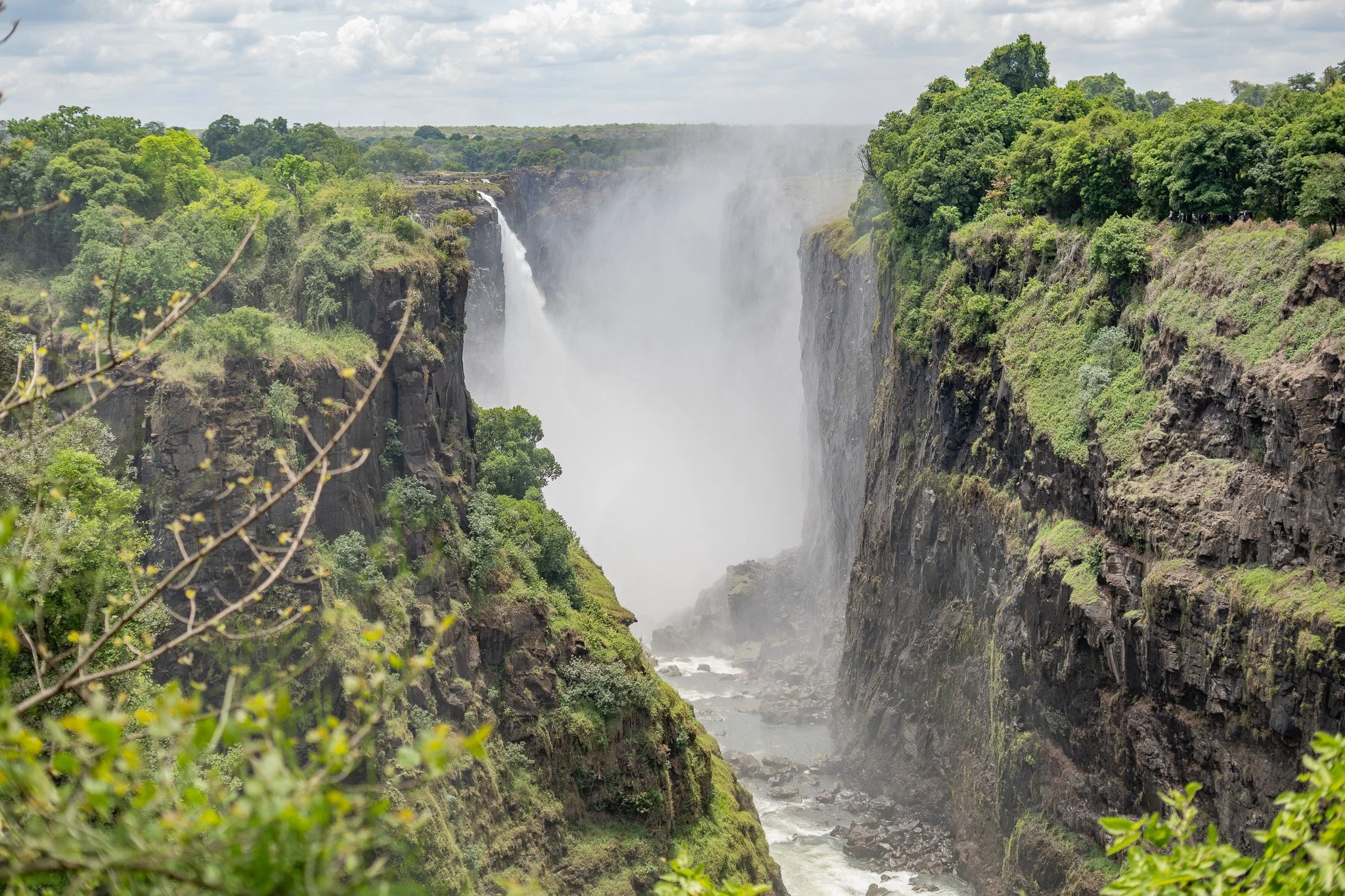
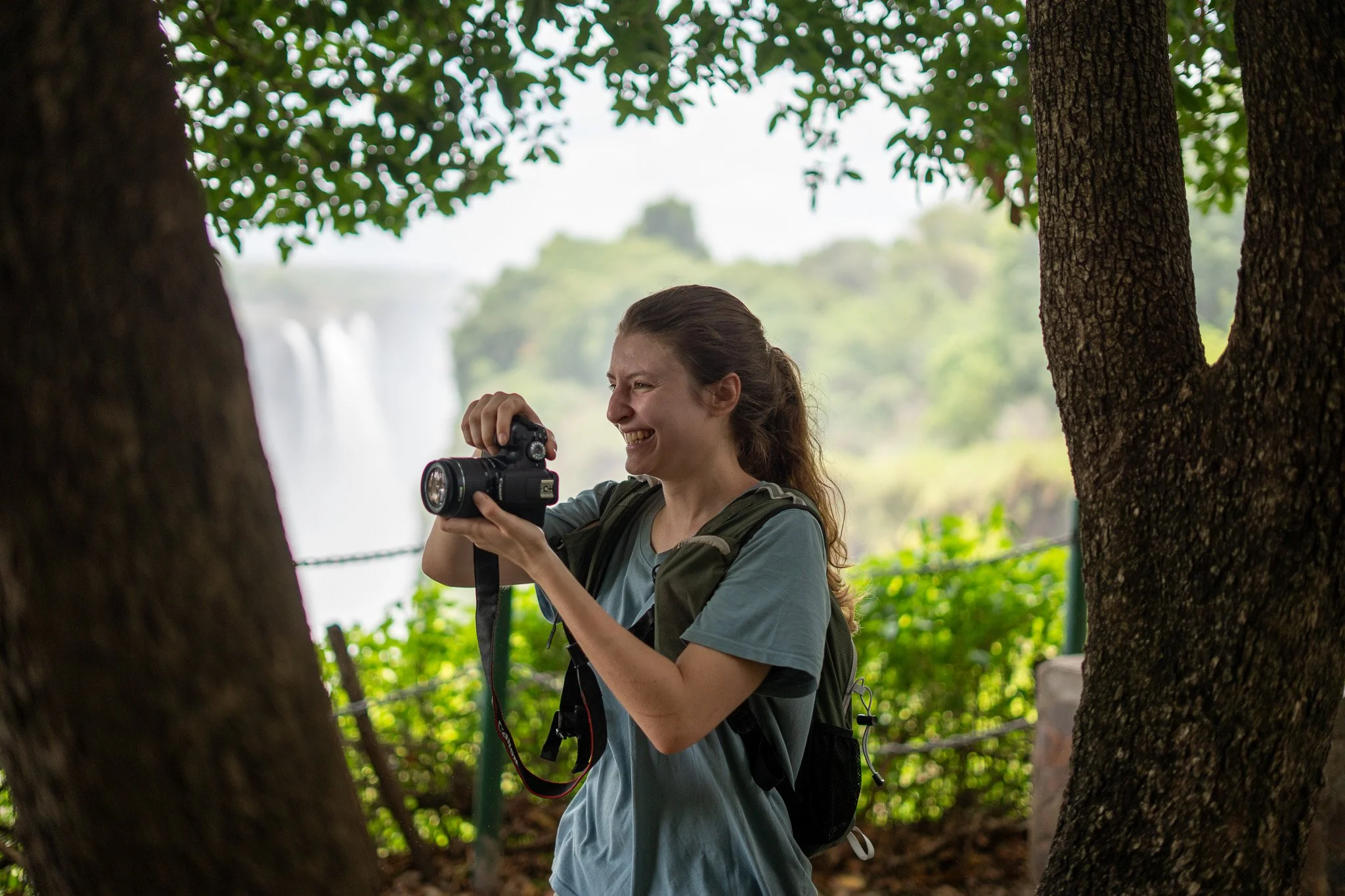
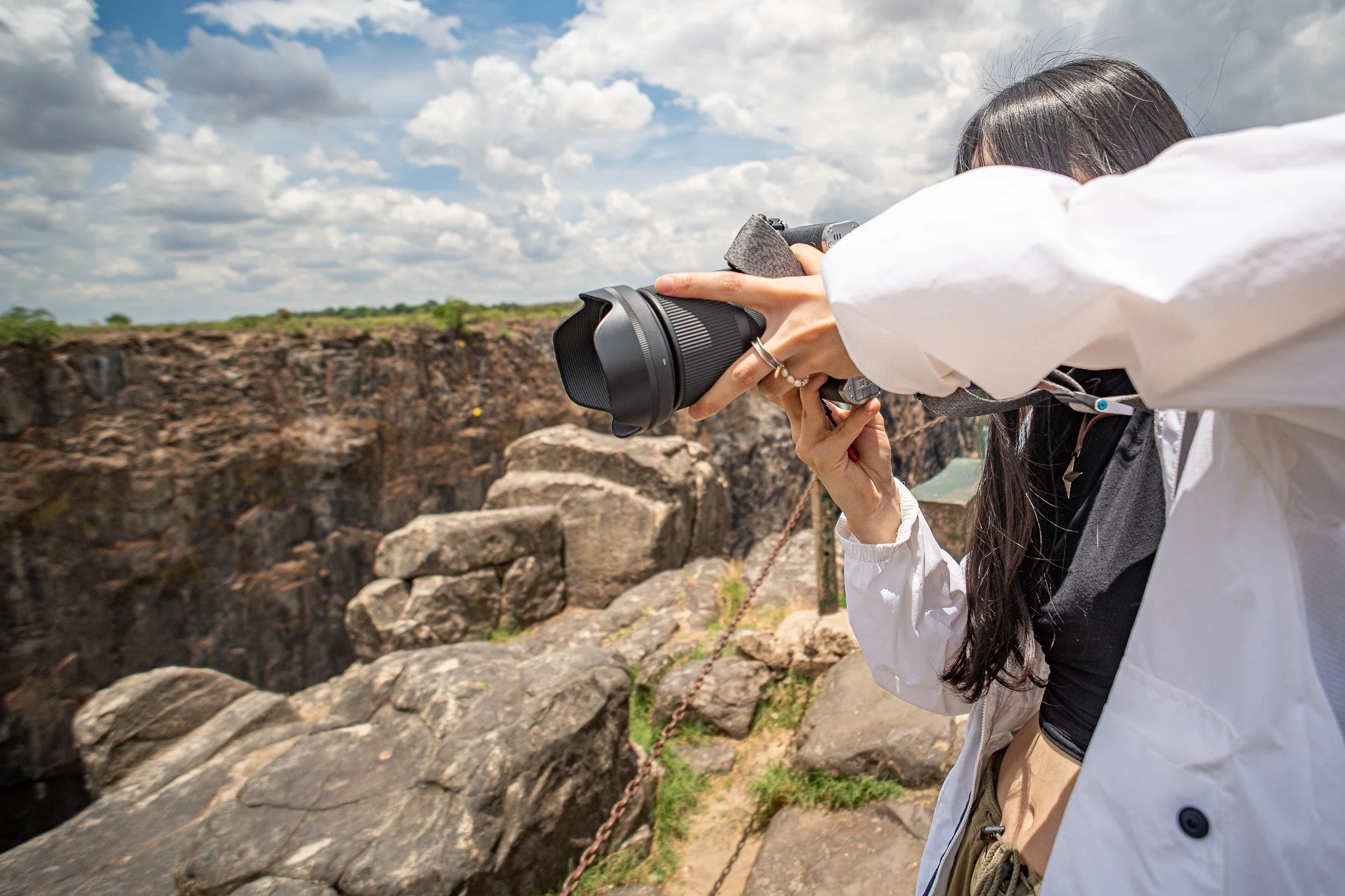
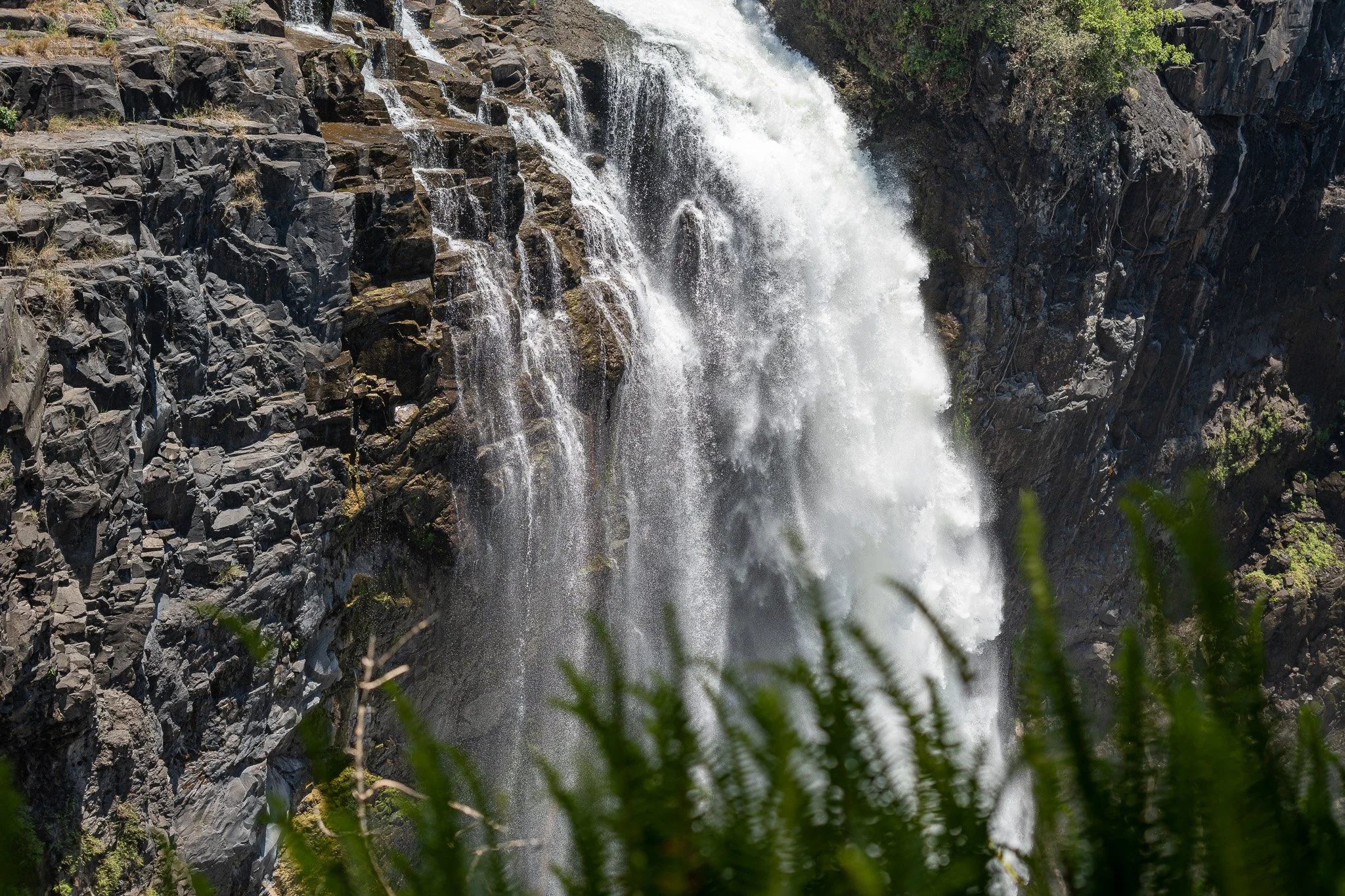
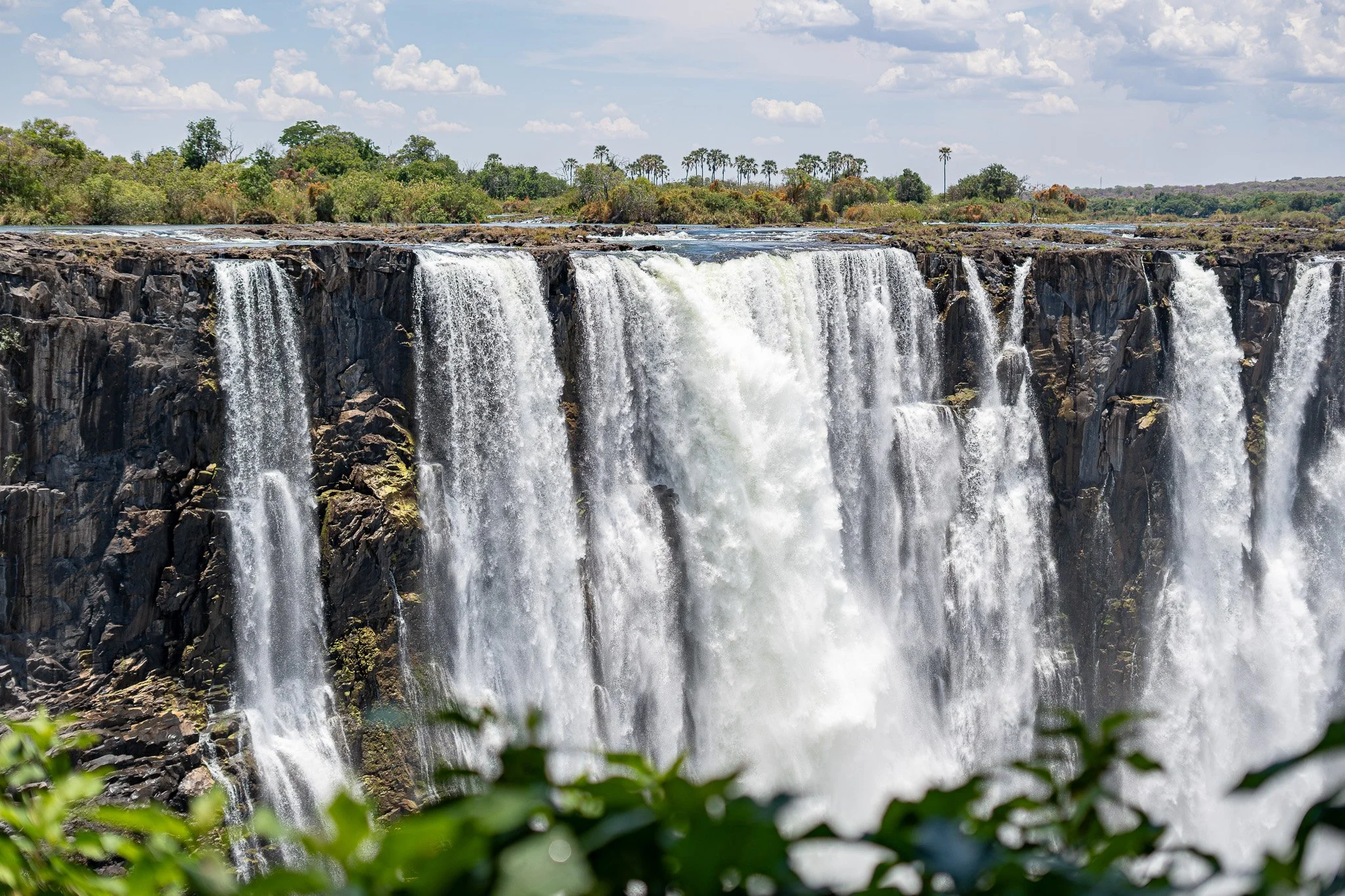
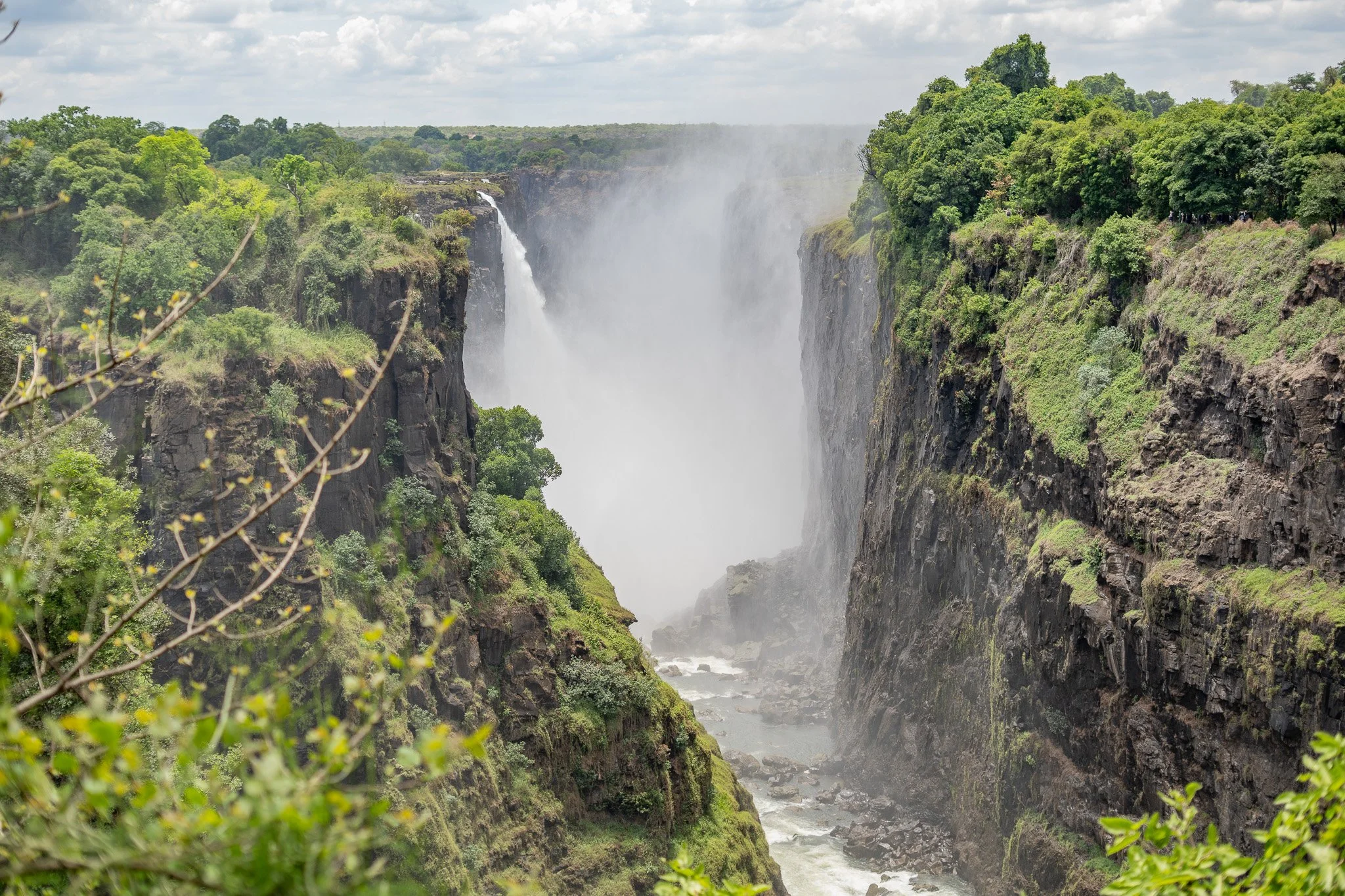
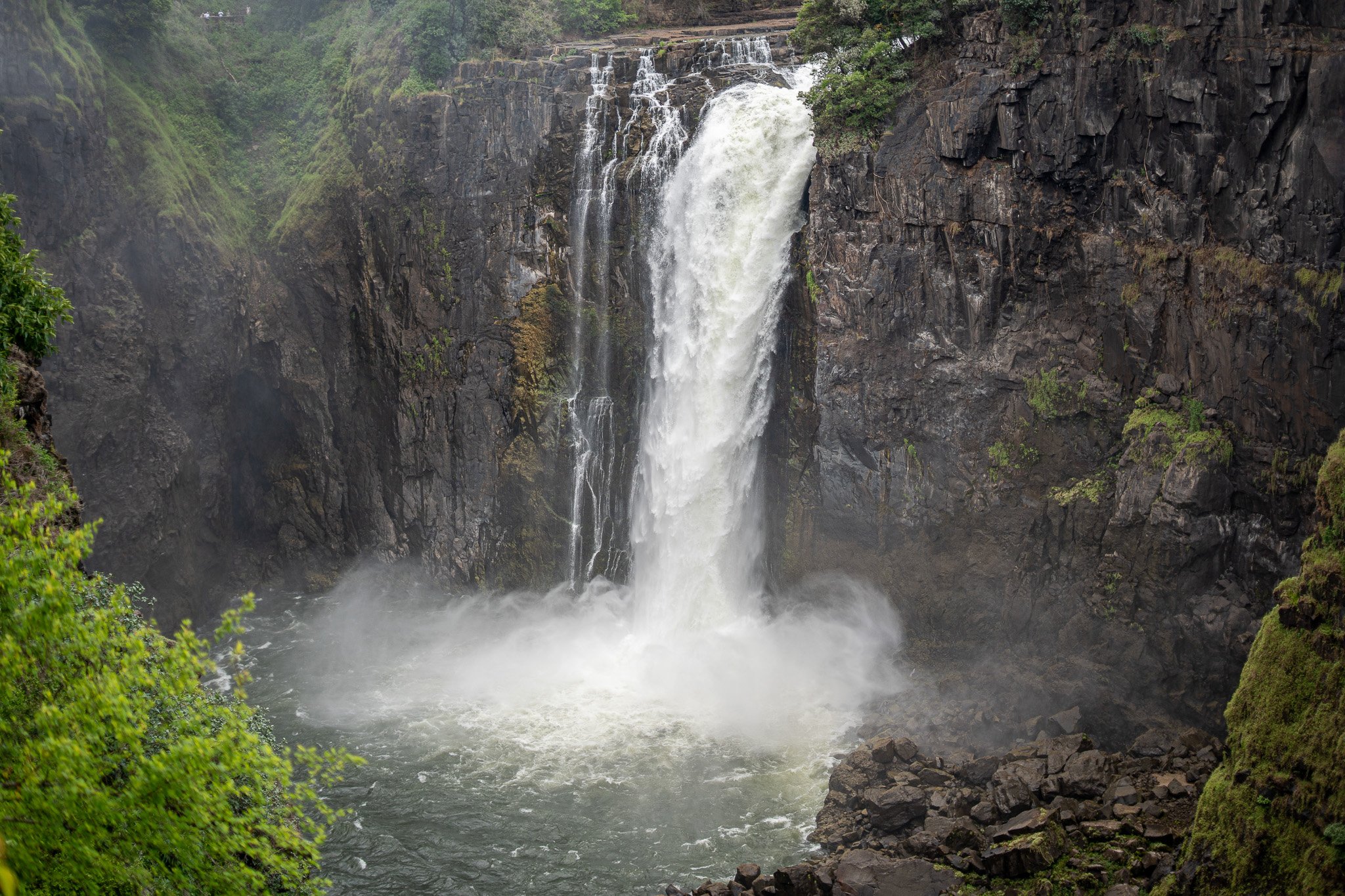
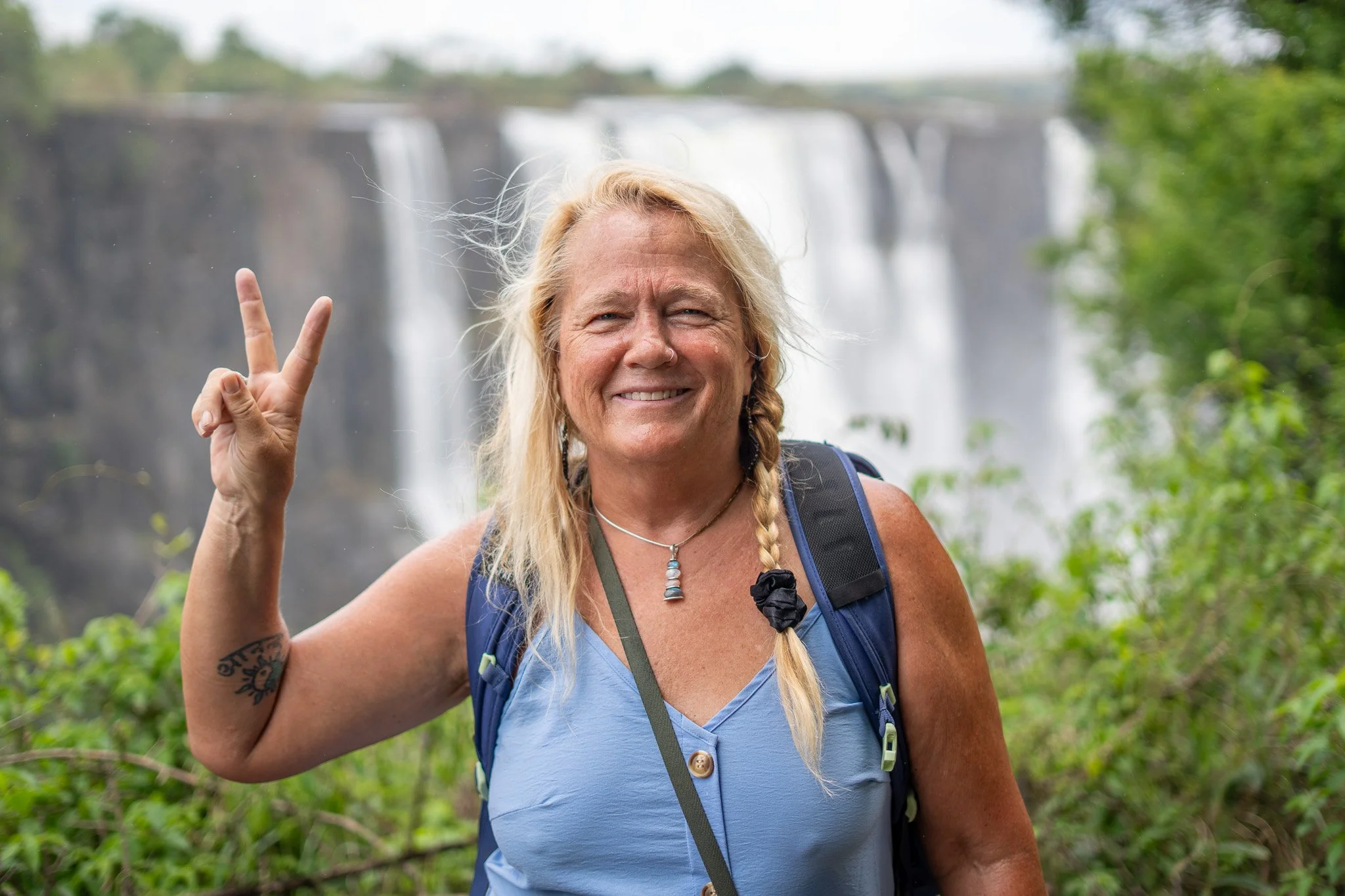
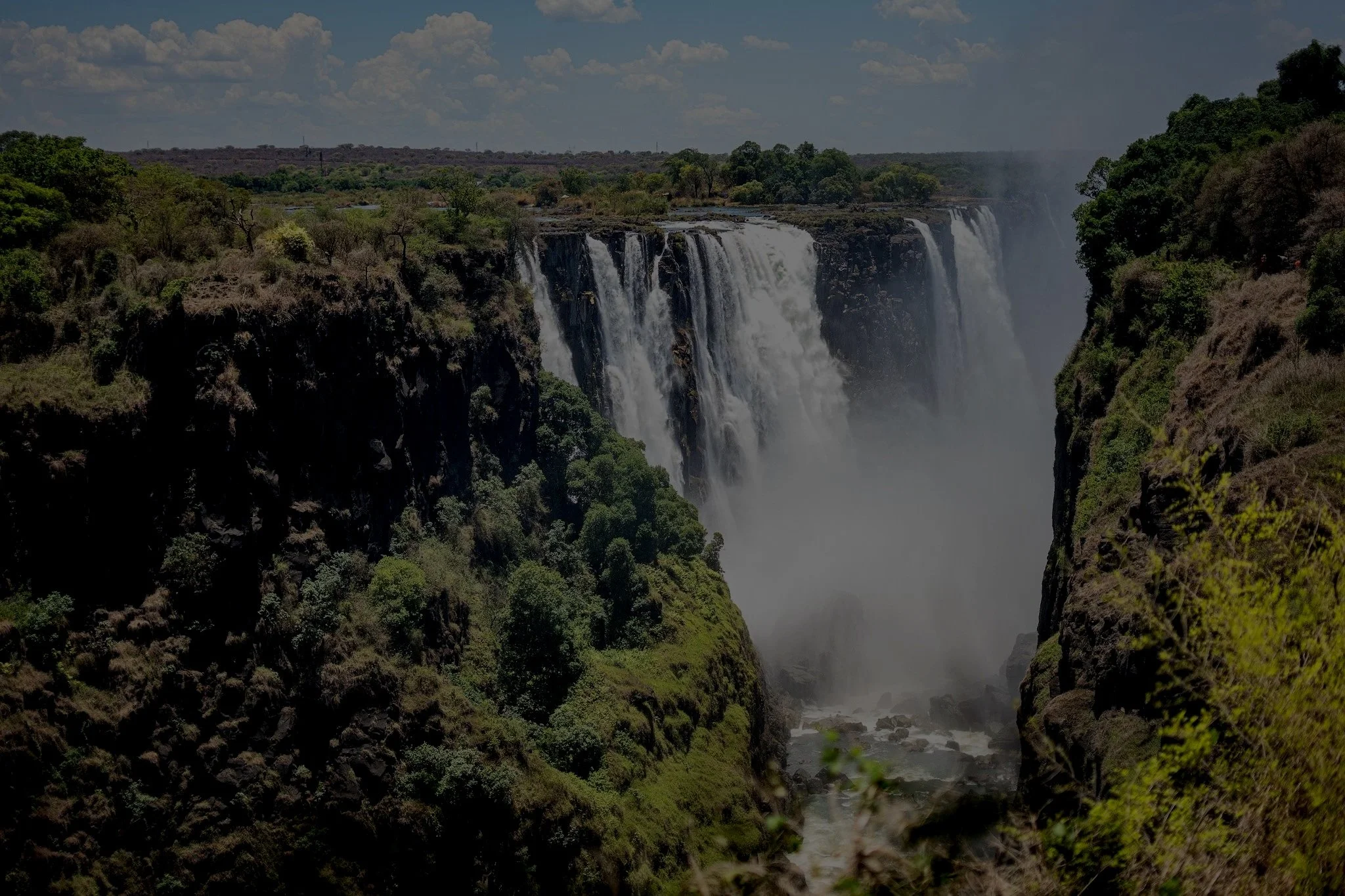
We will also be visiting the iconic Victoria Falls National Park, where the team will be able to watch the “Smoke that Thunders” in all her glory. Included in price.
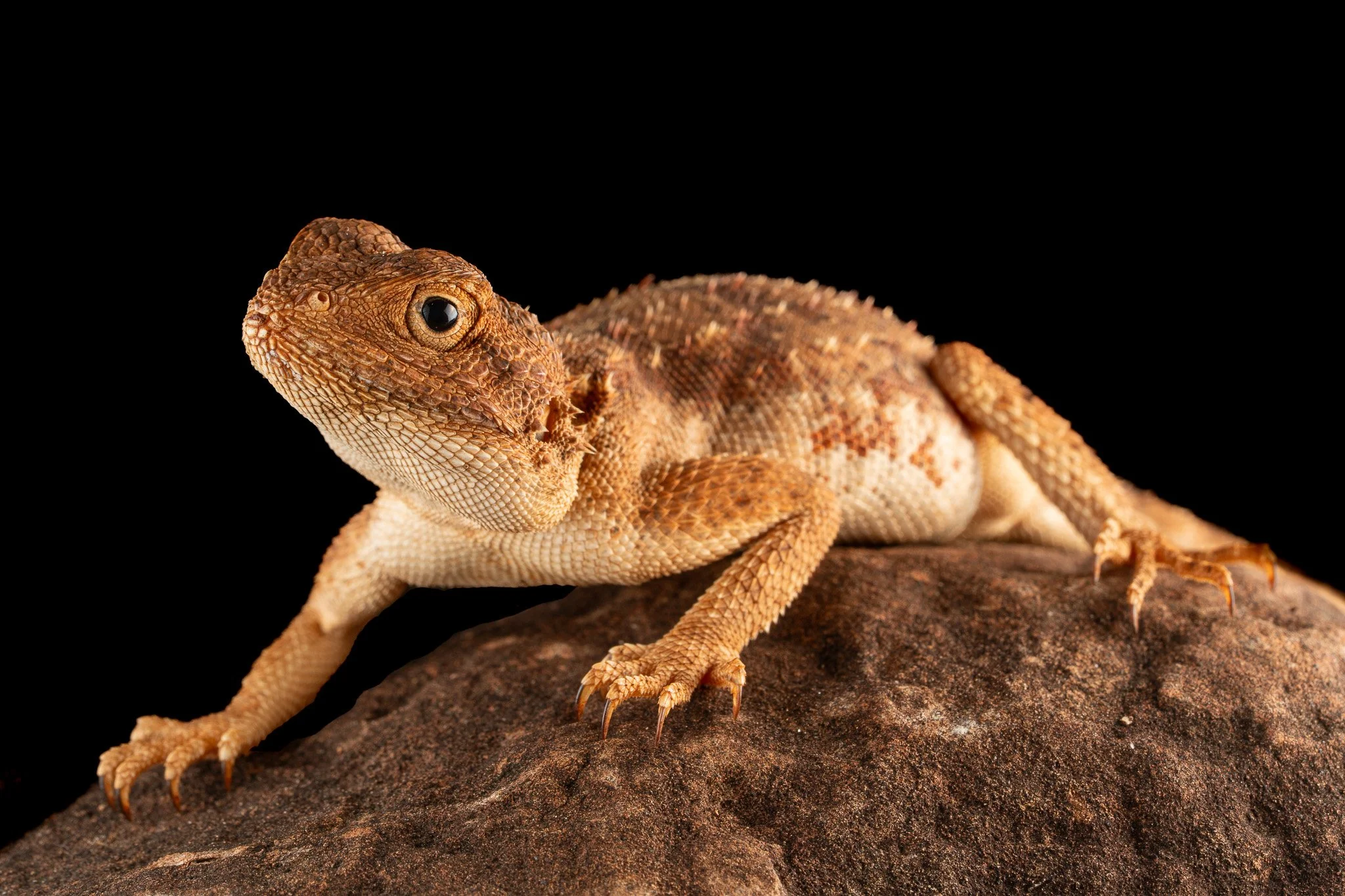
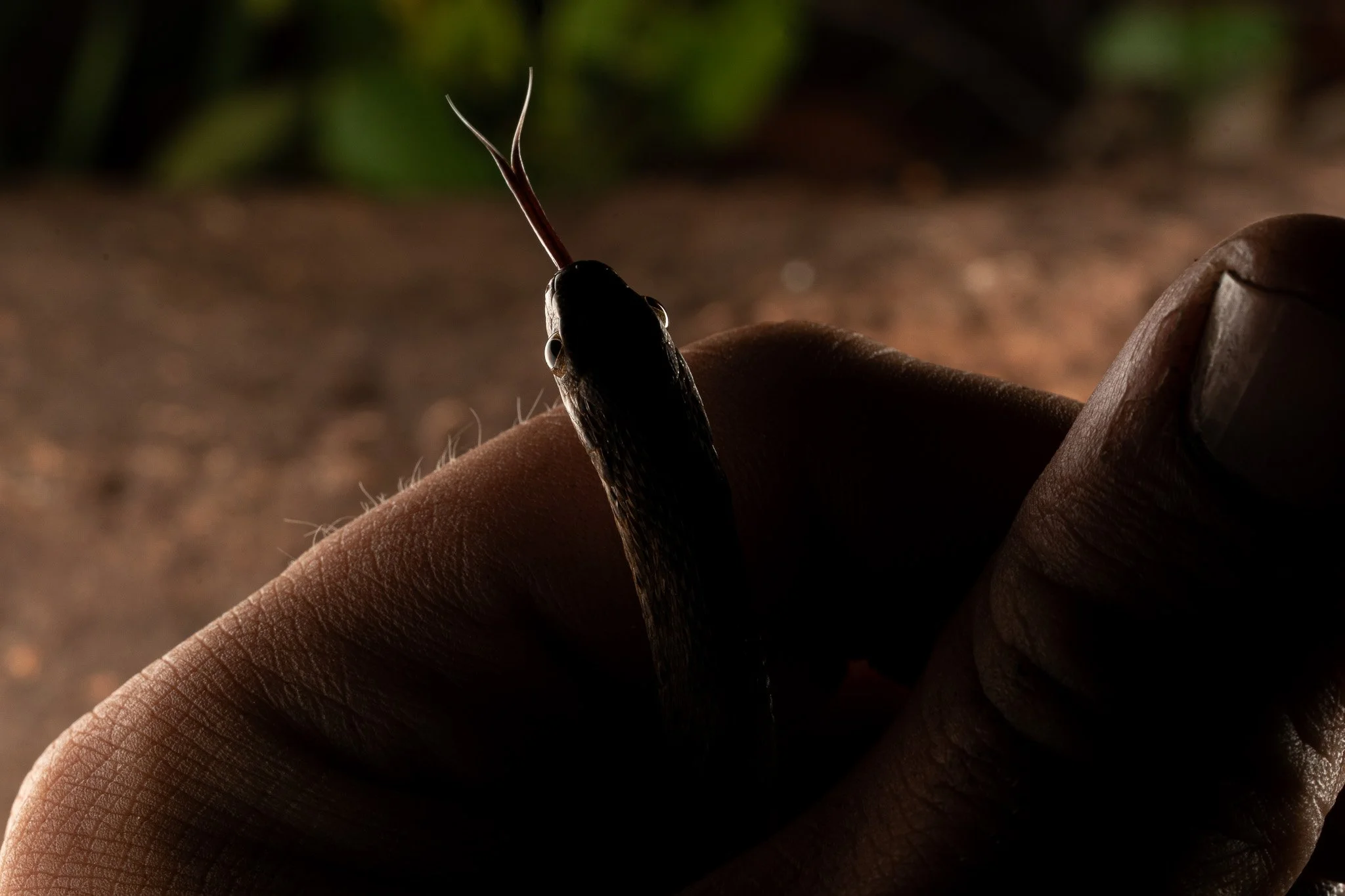
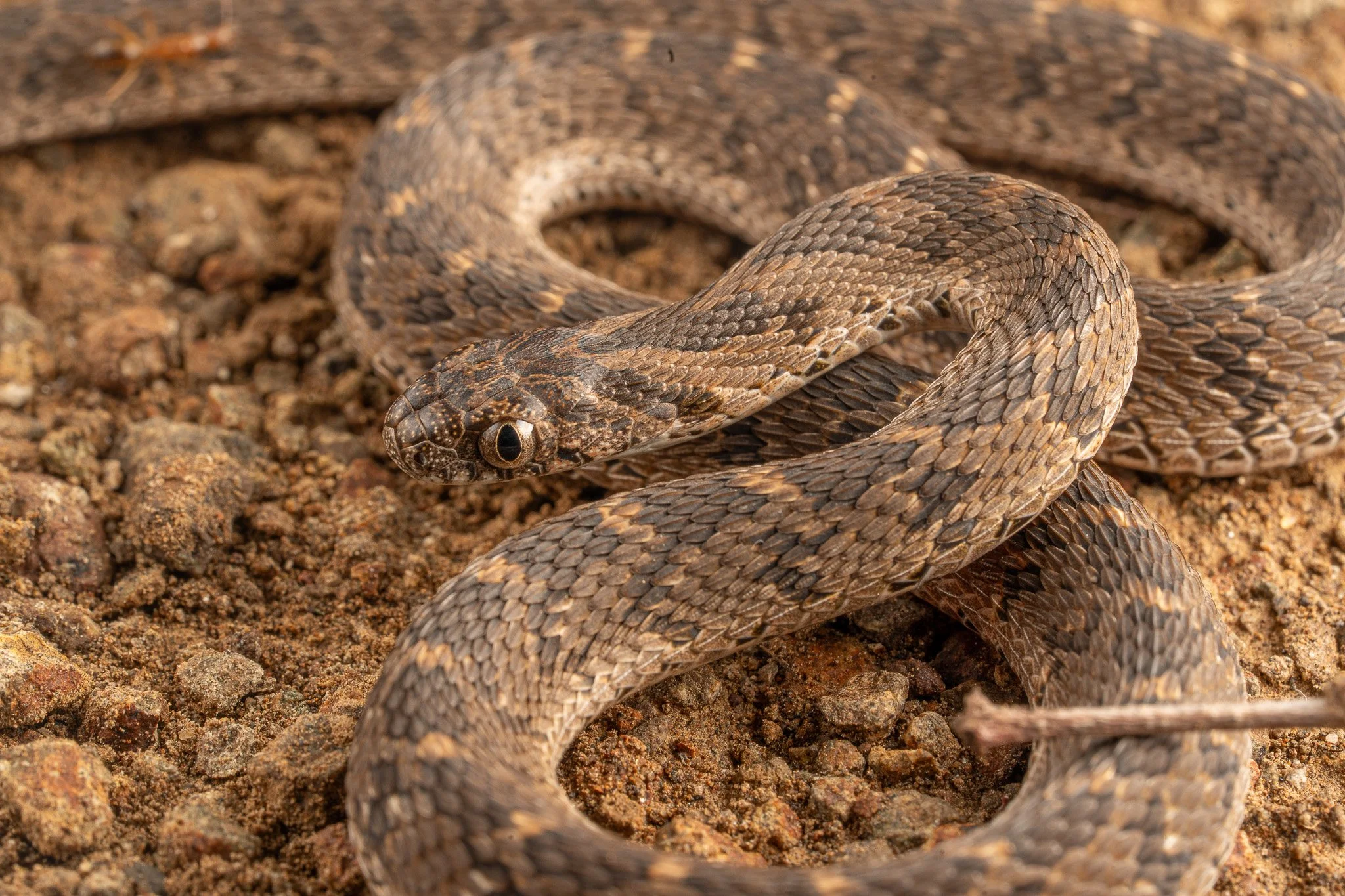
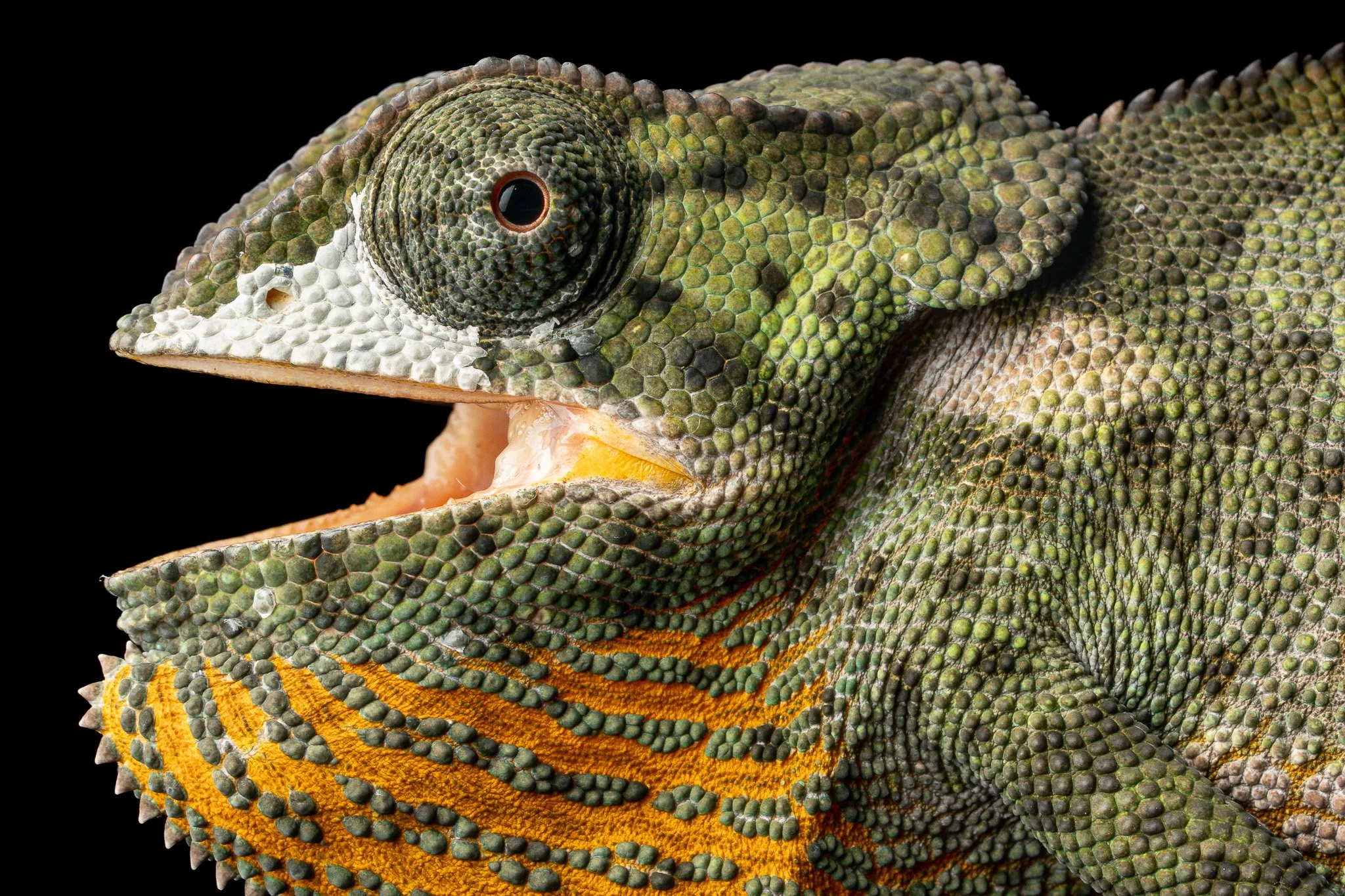
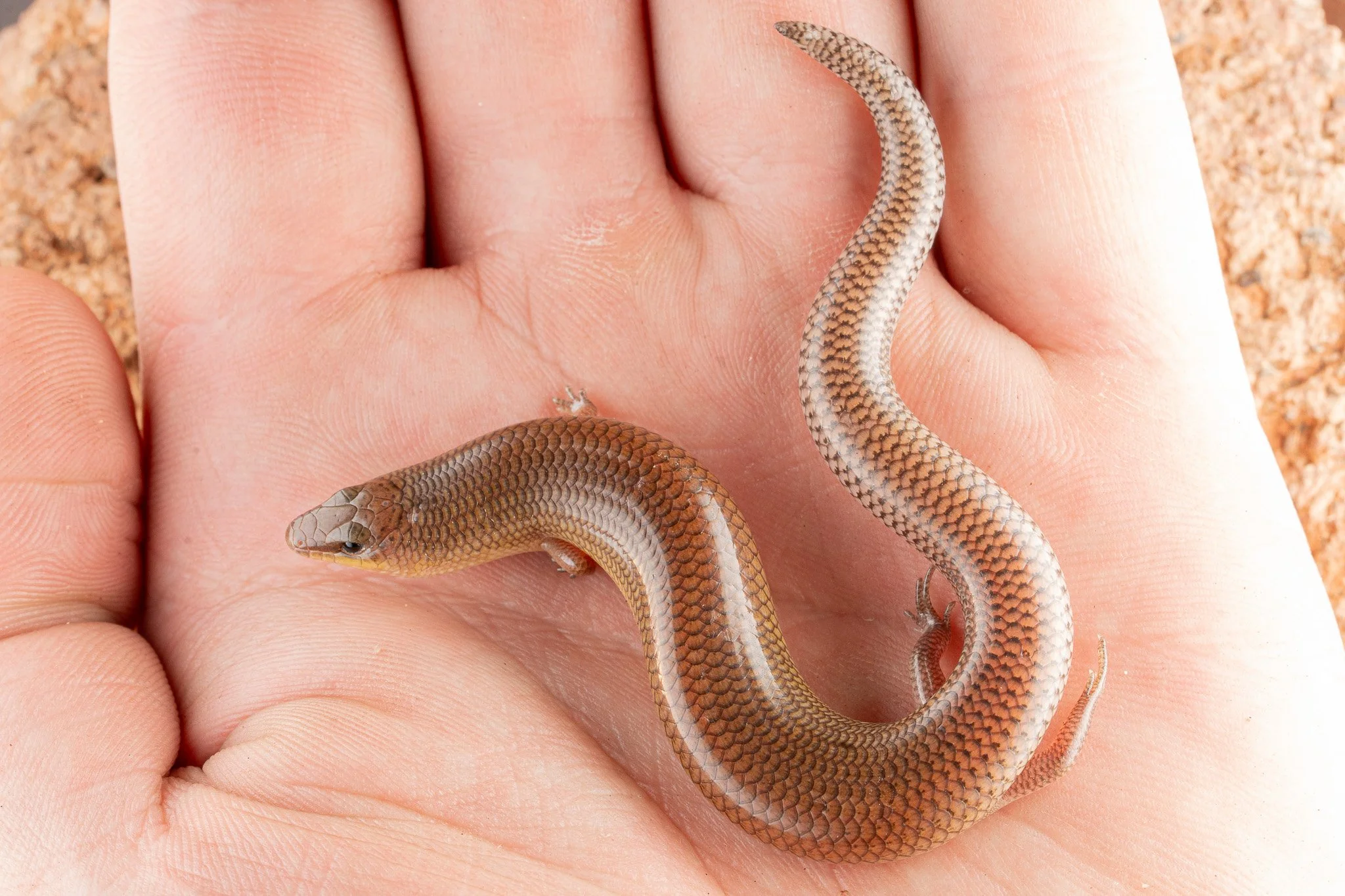
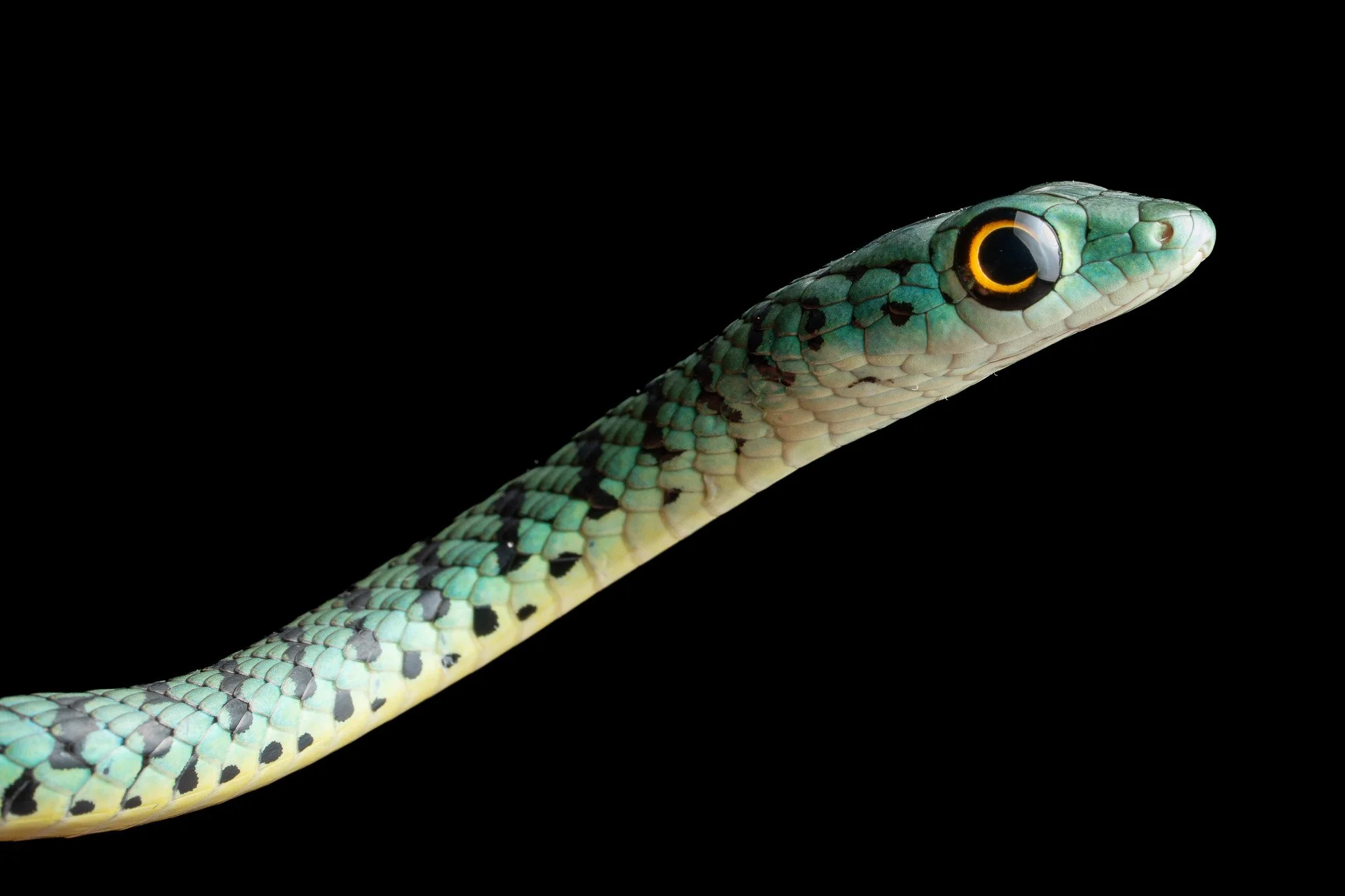
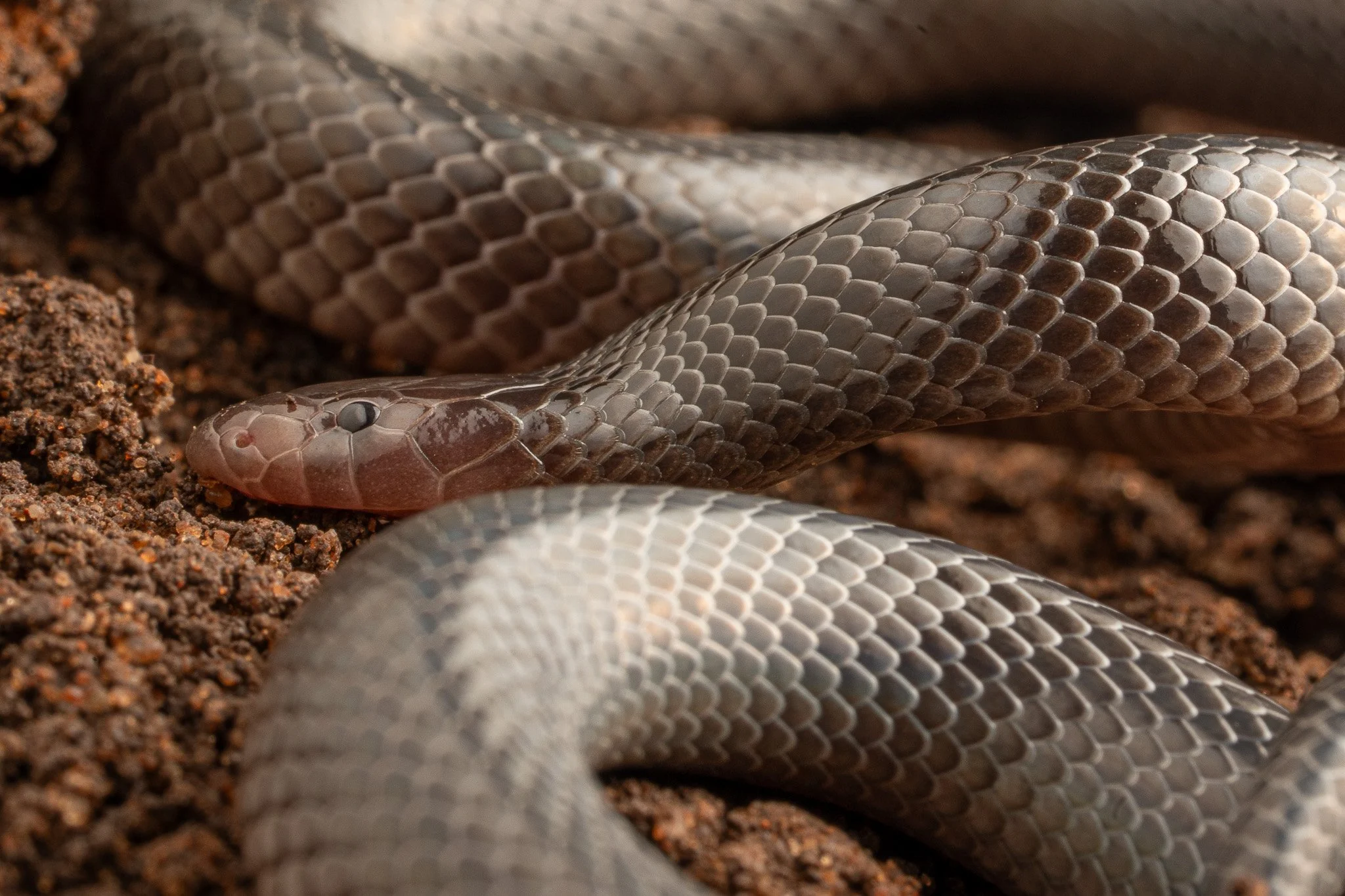
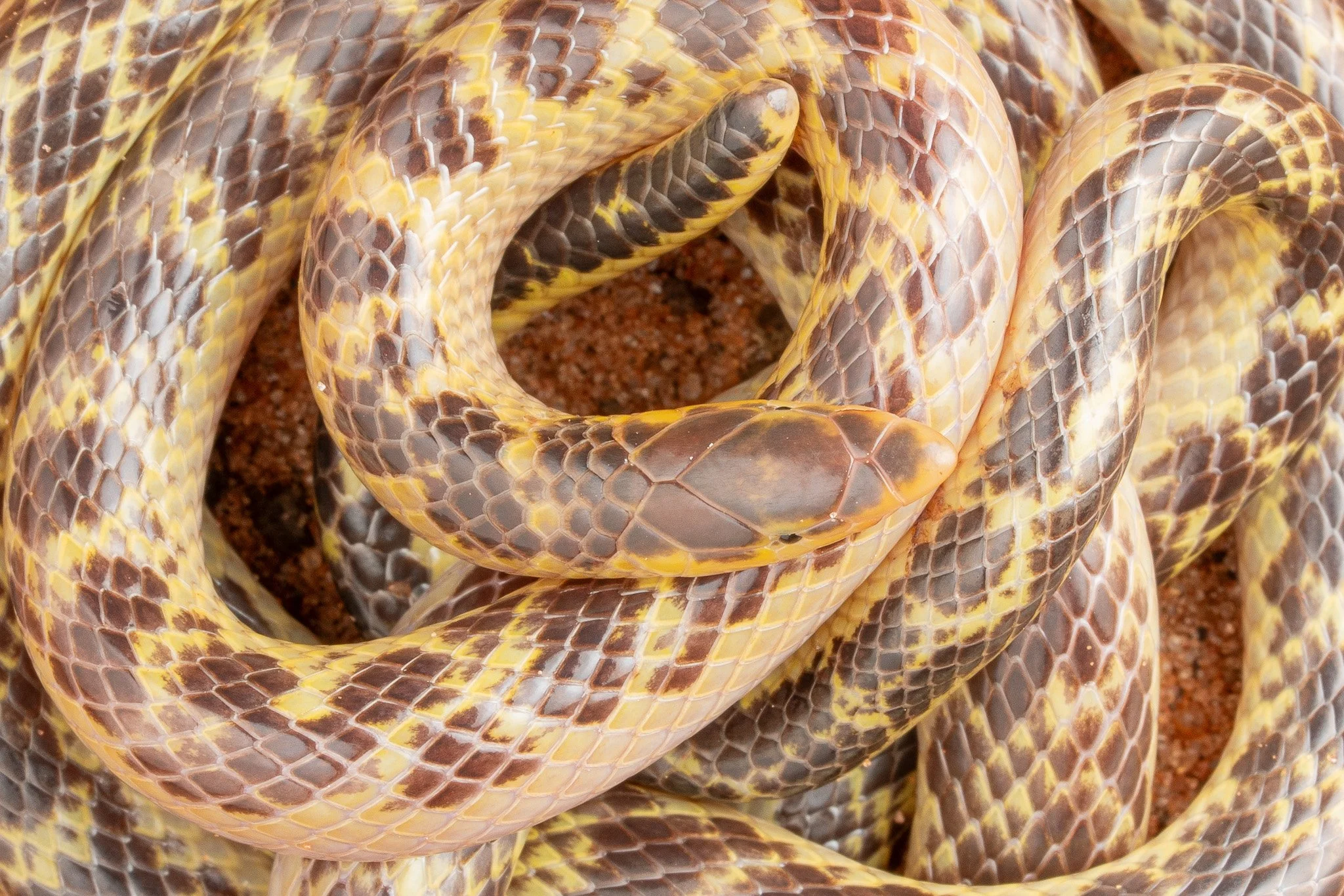
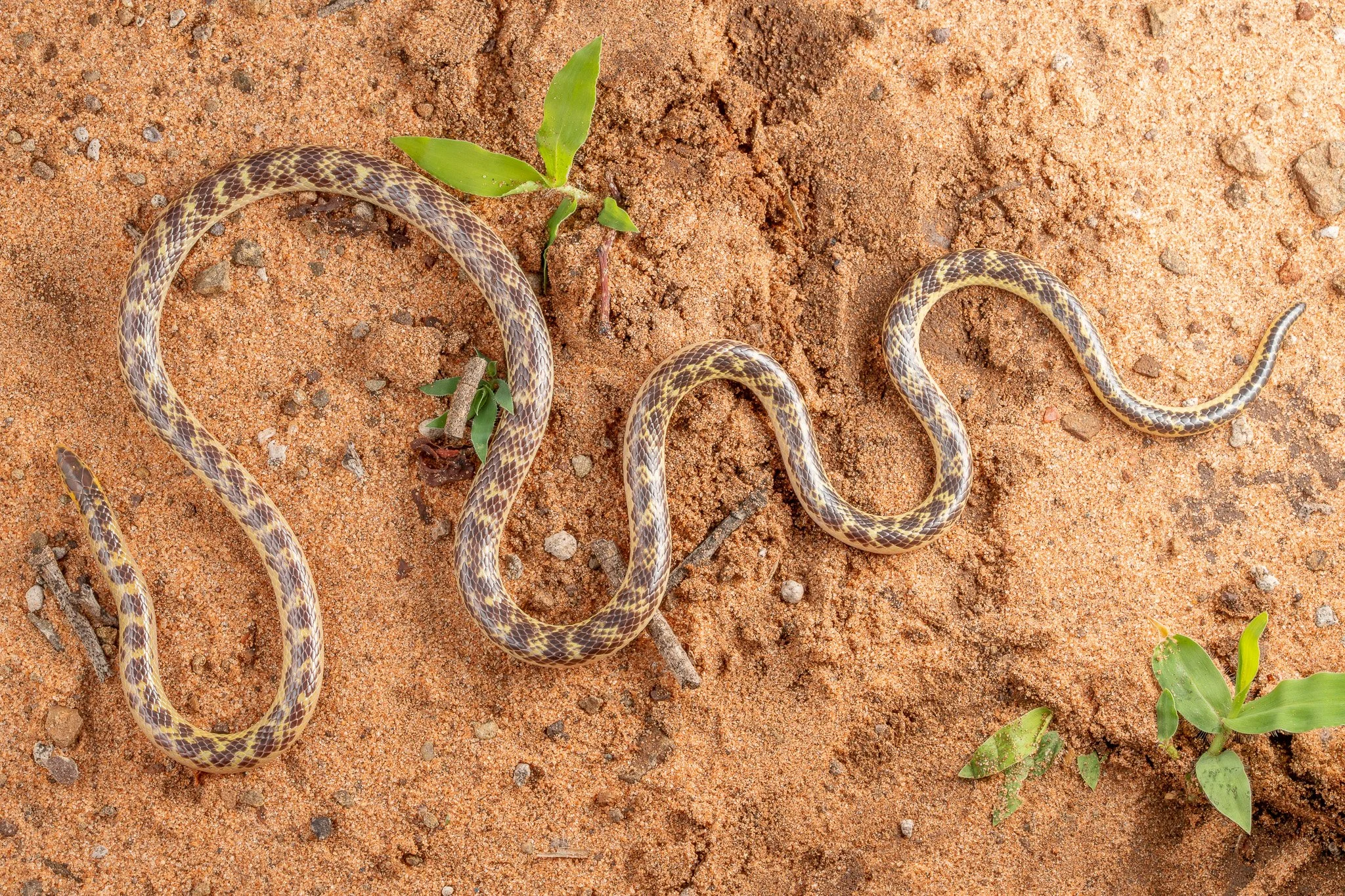
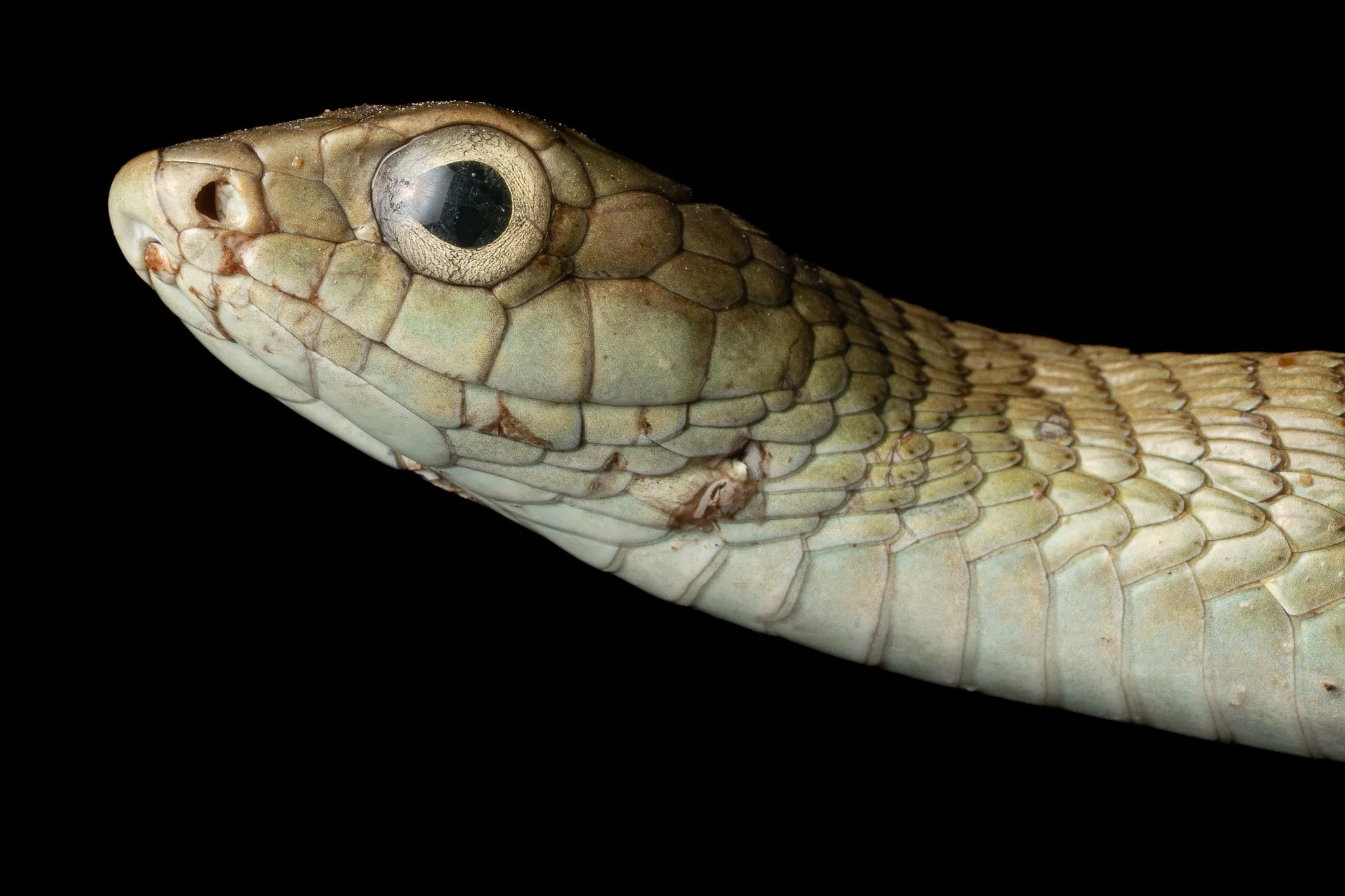
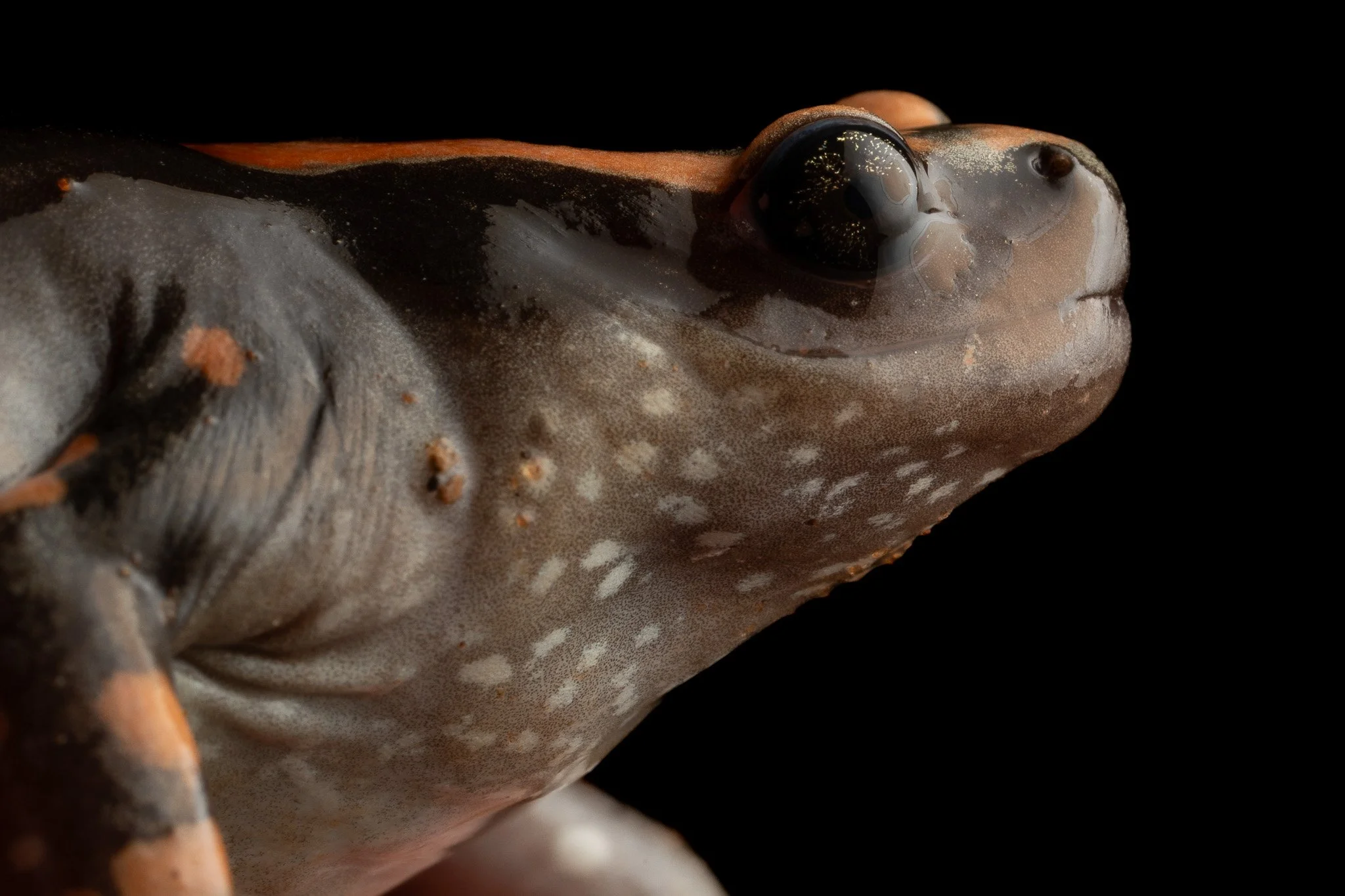
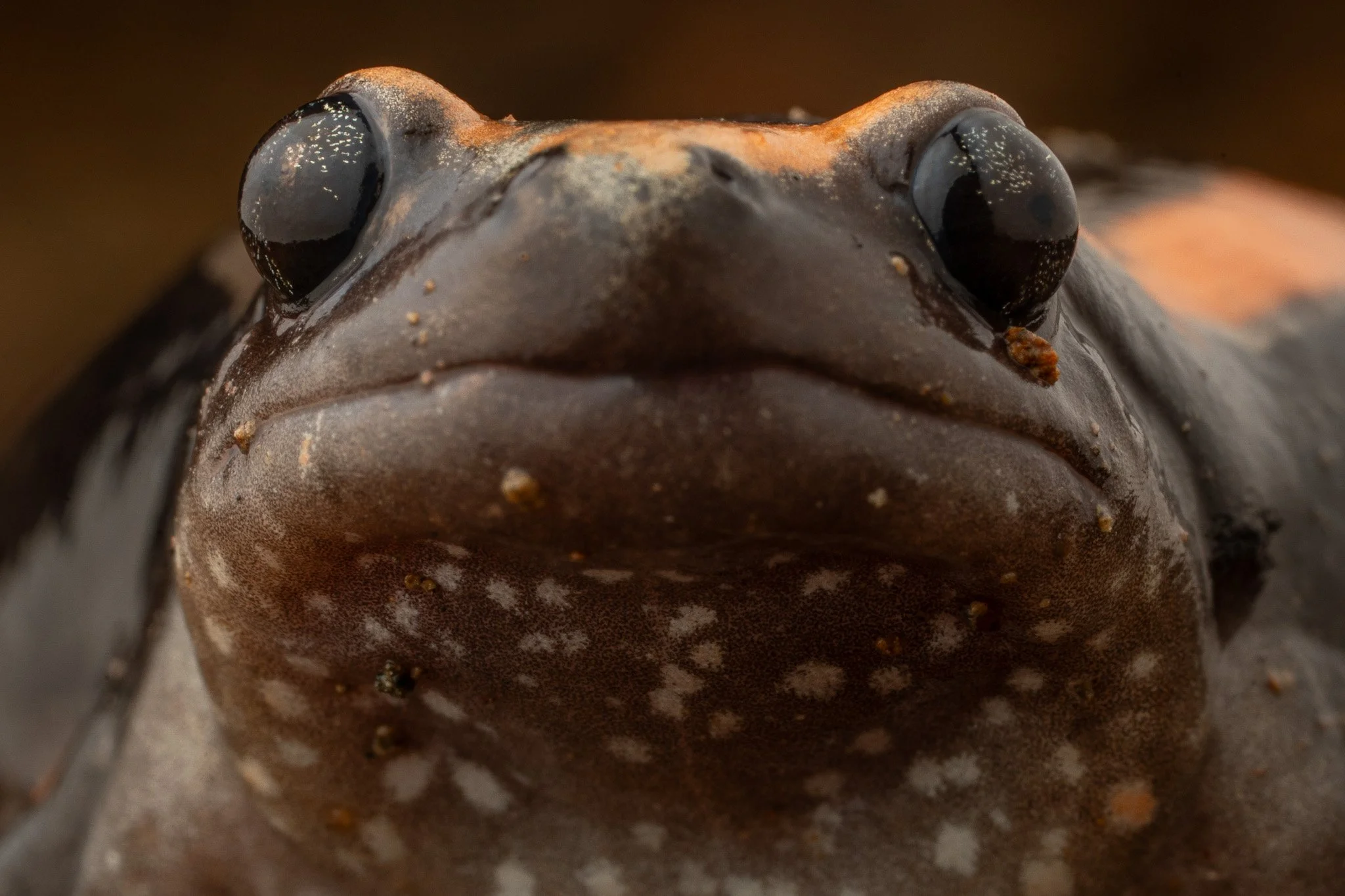
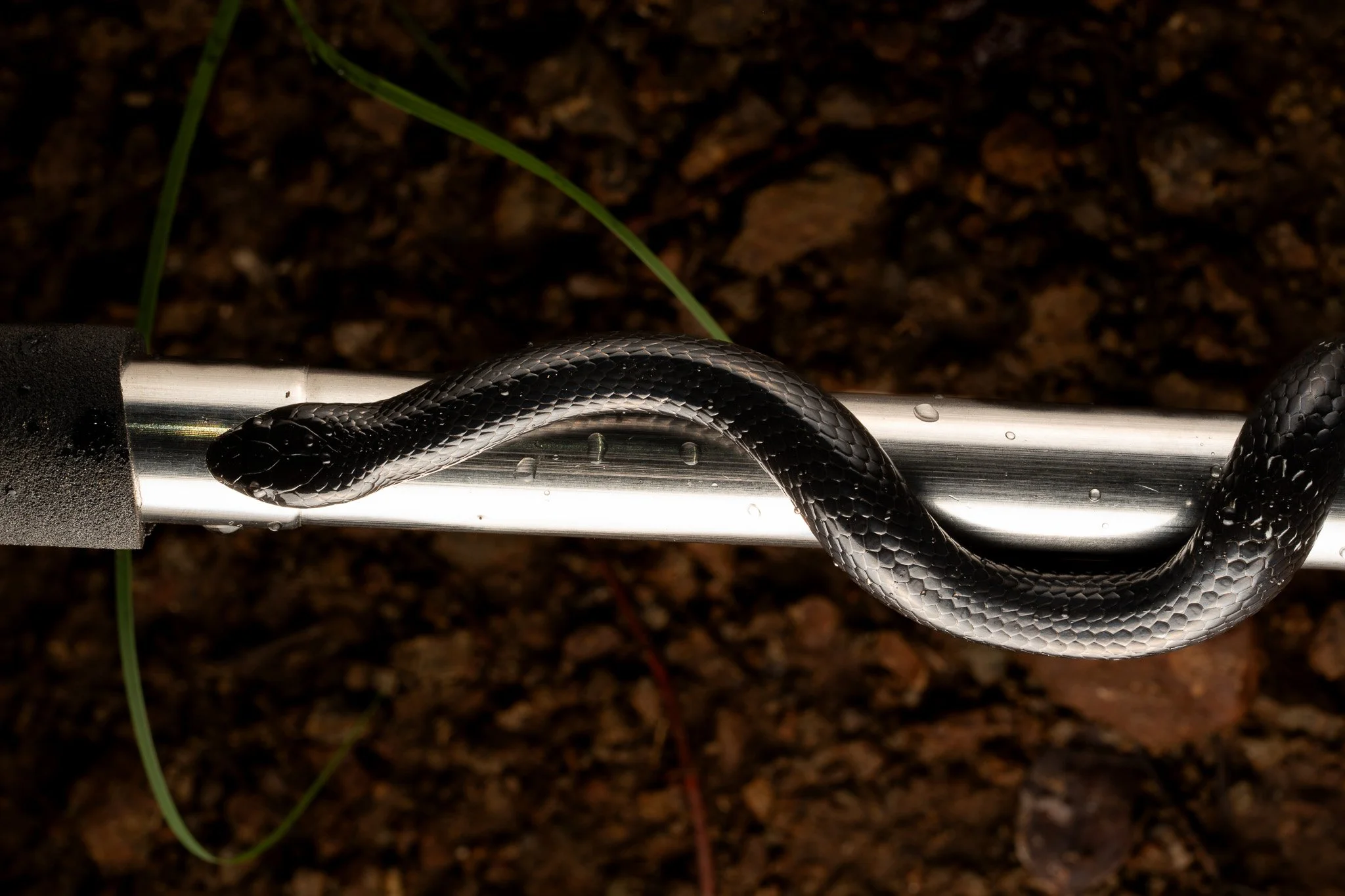
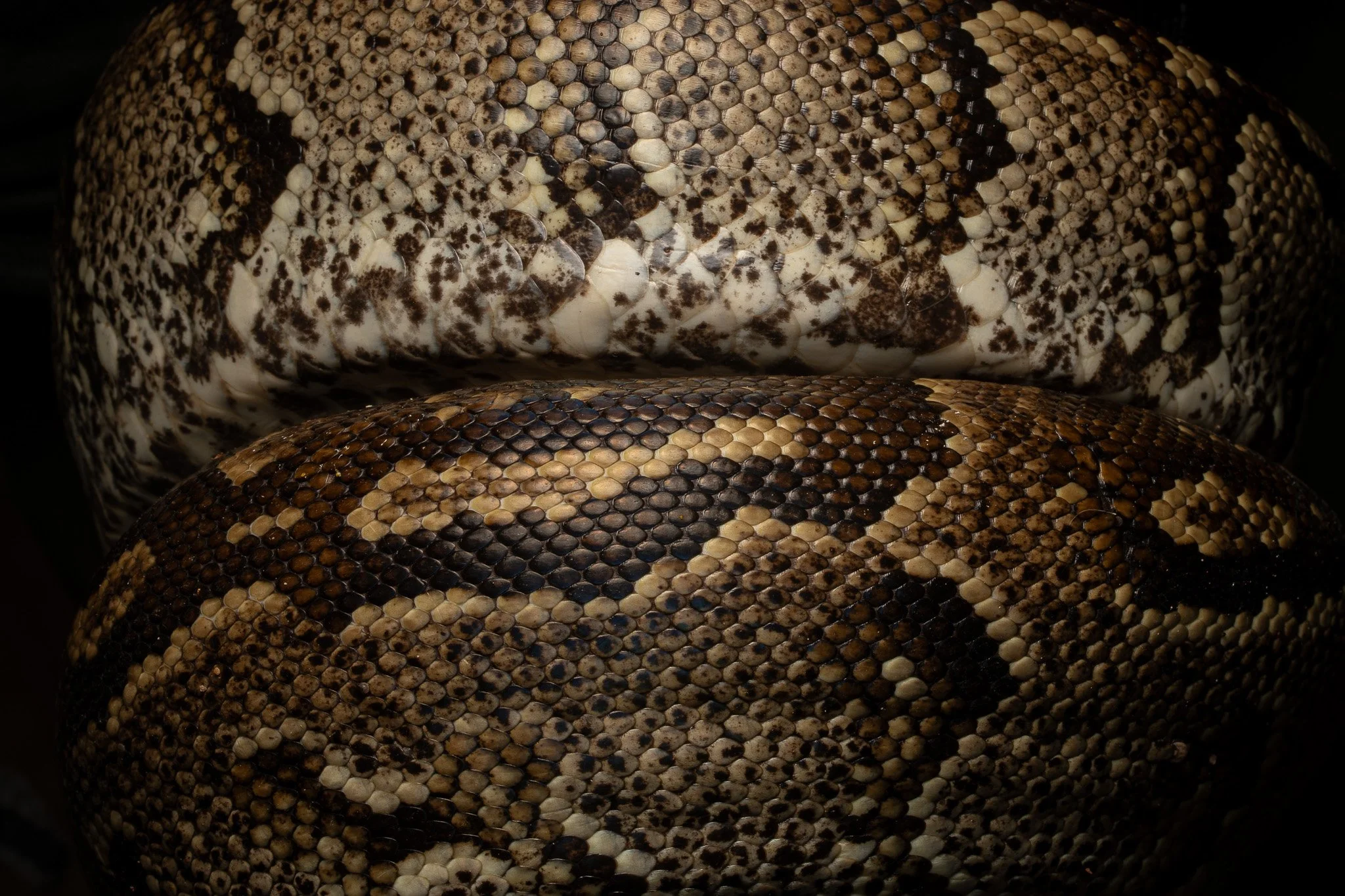
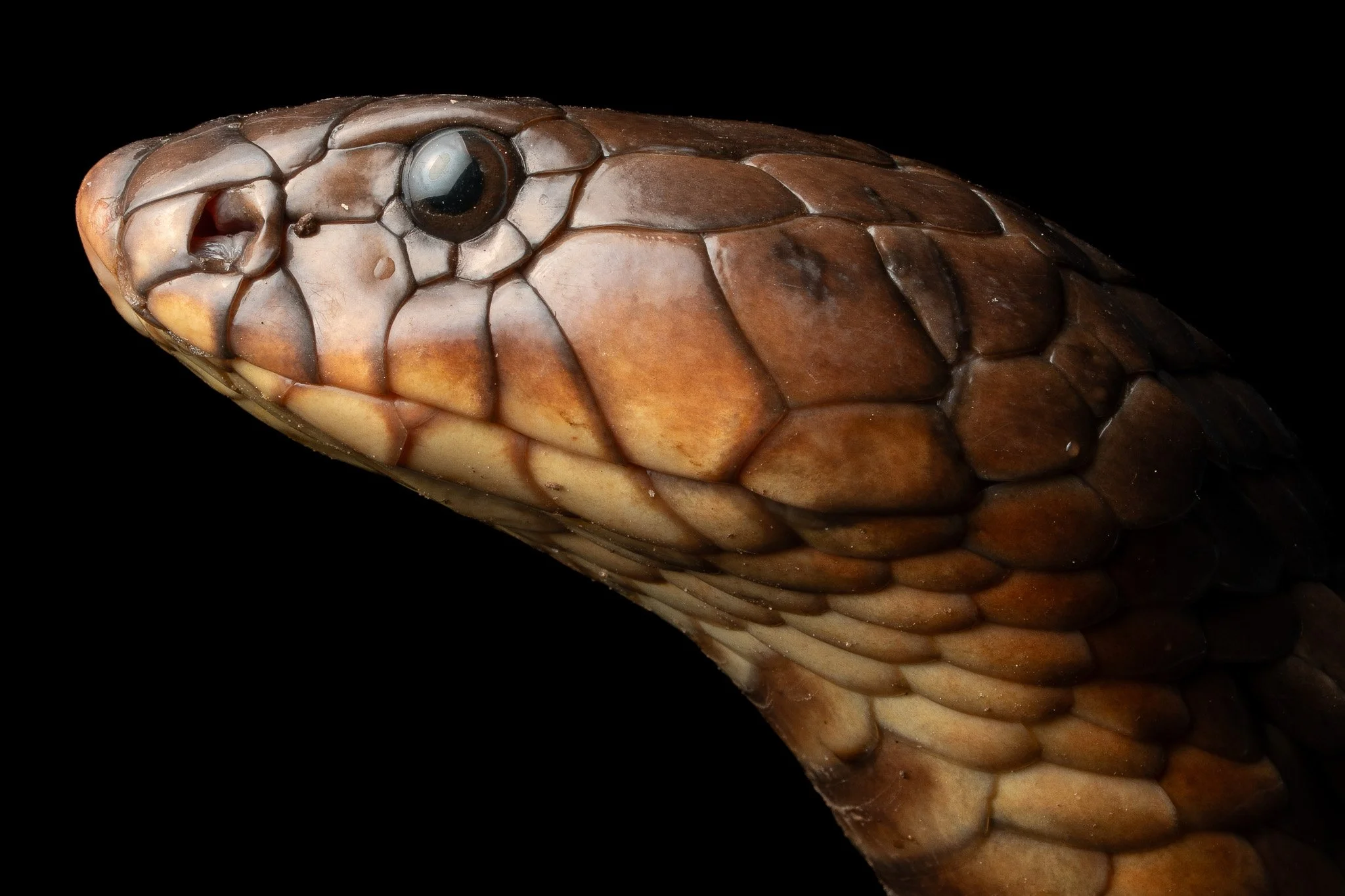
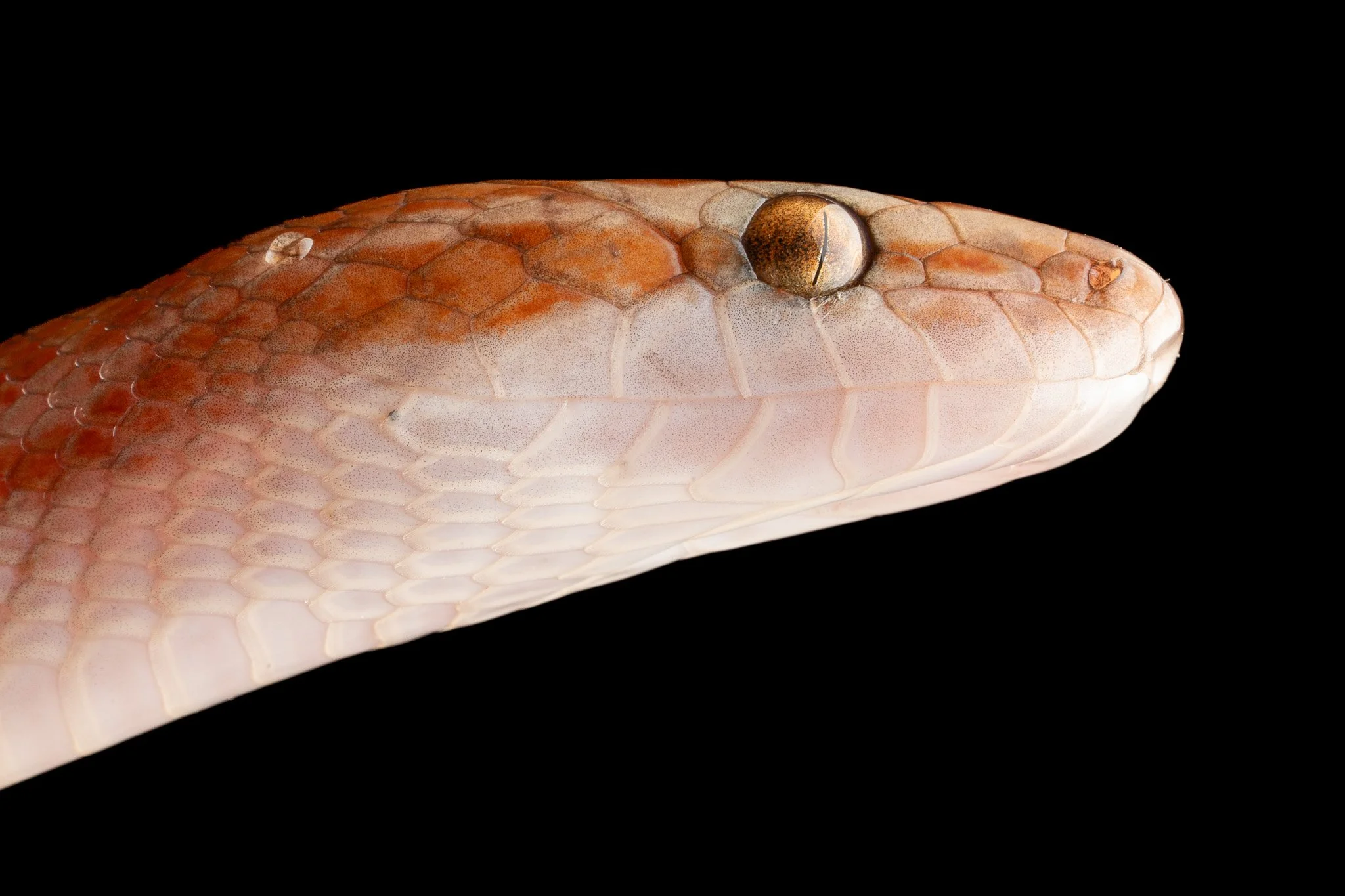
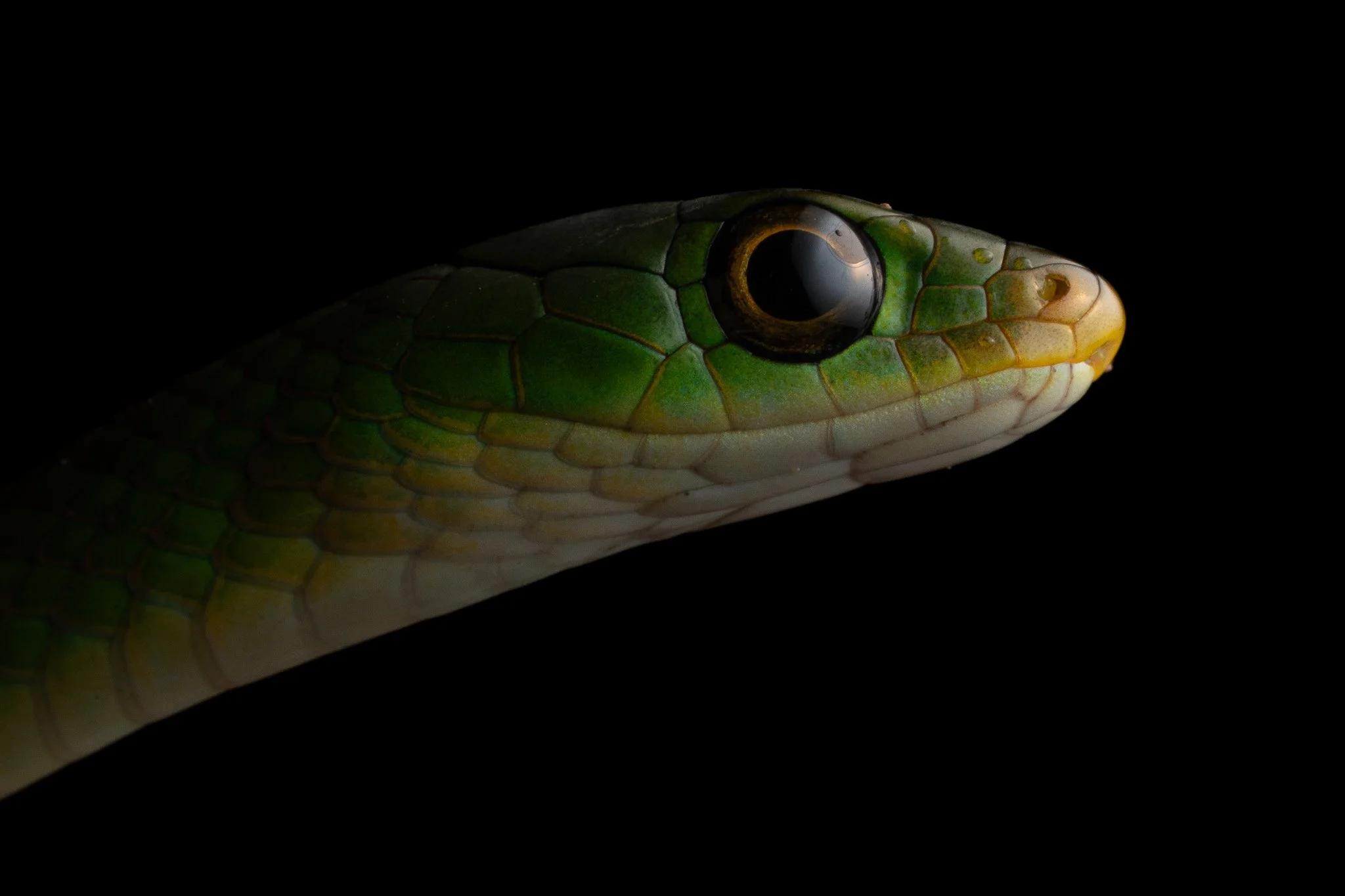
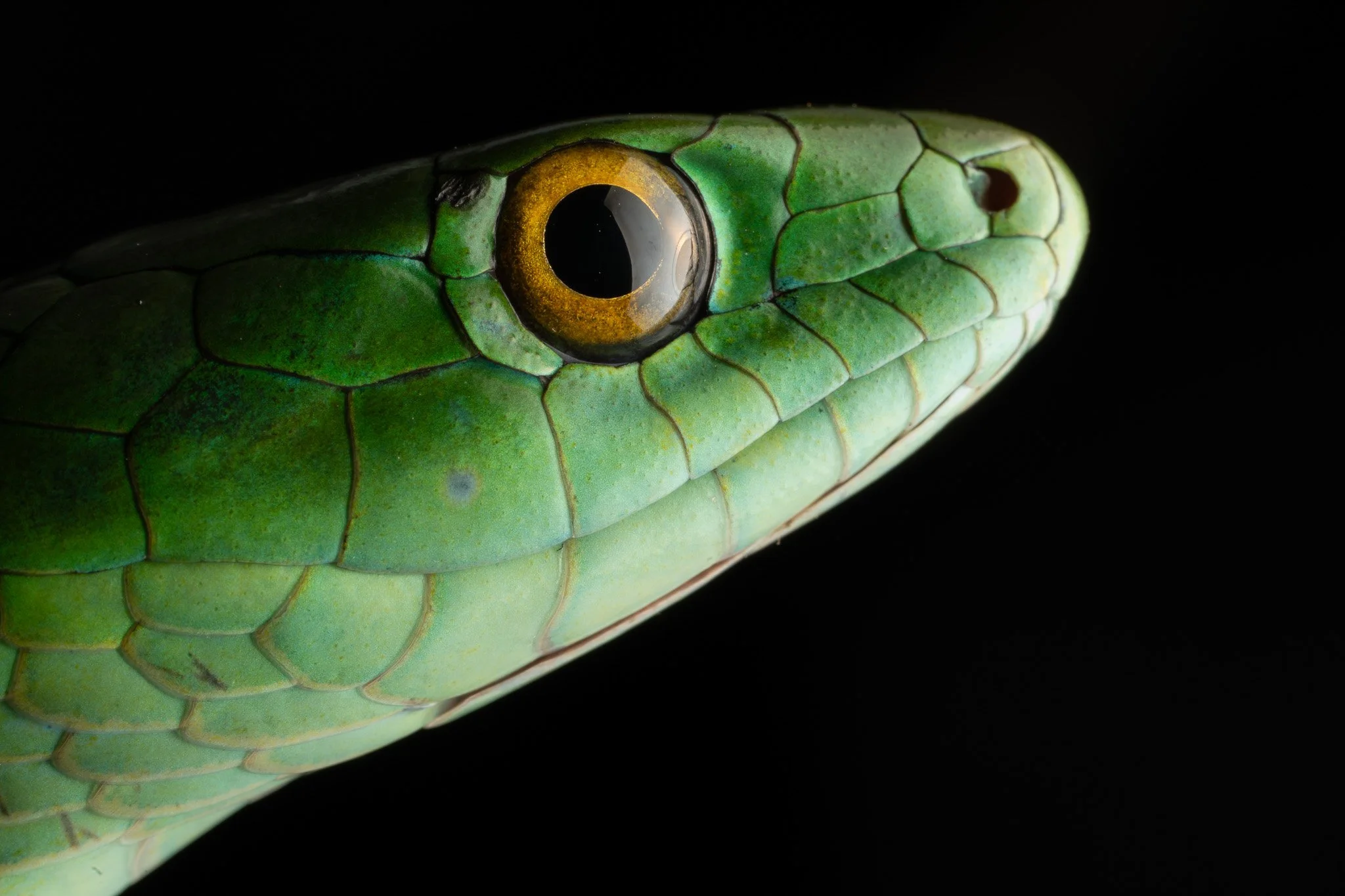
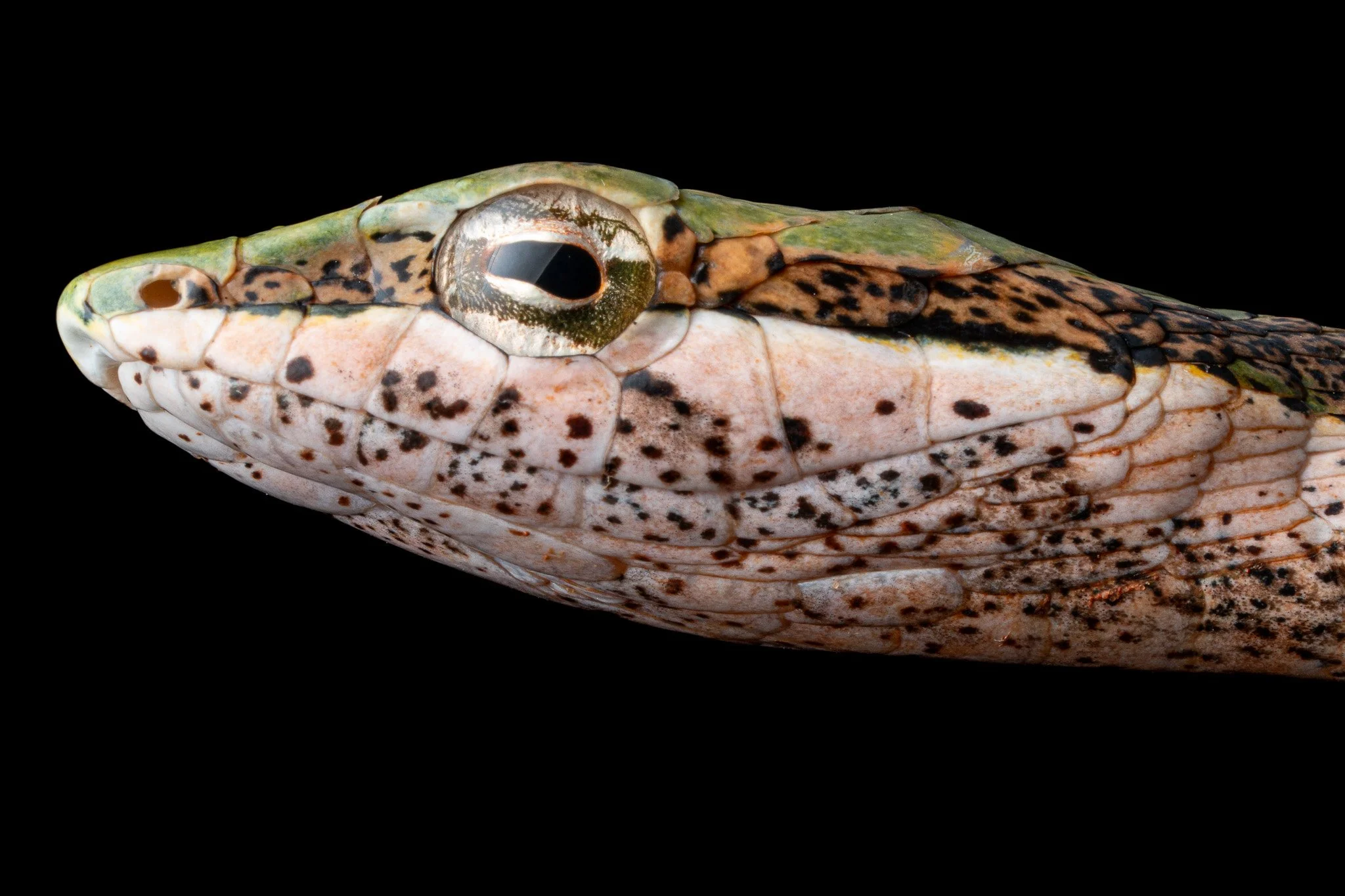
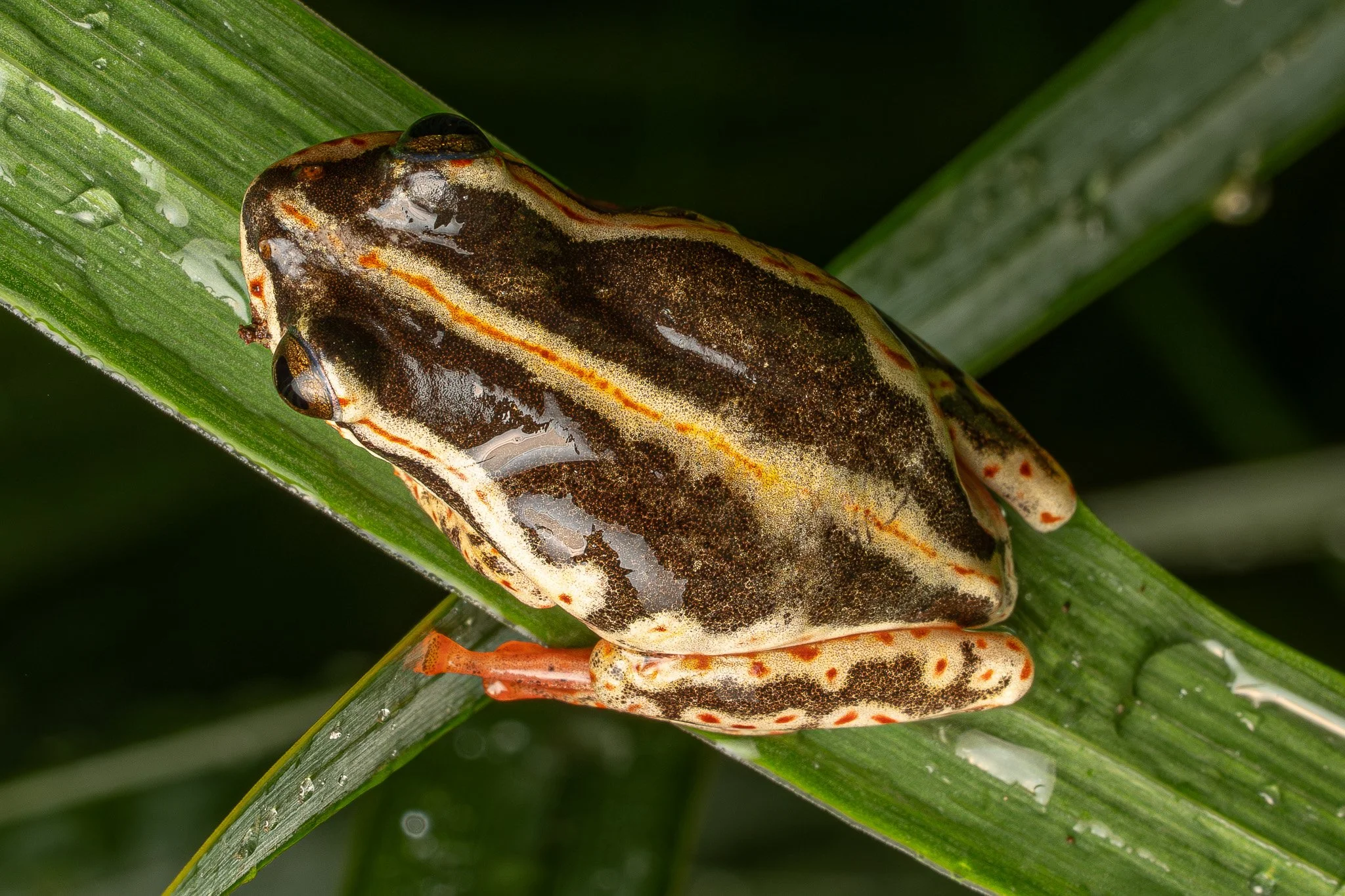
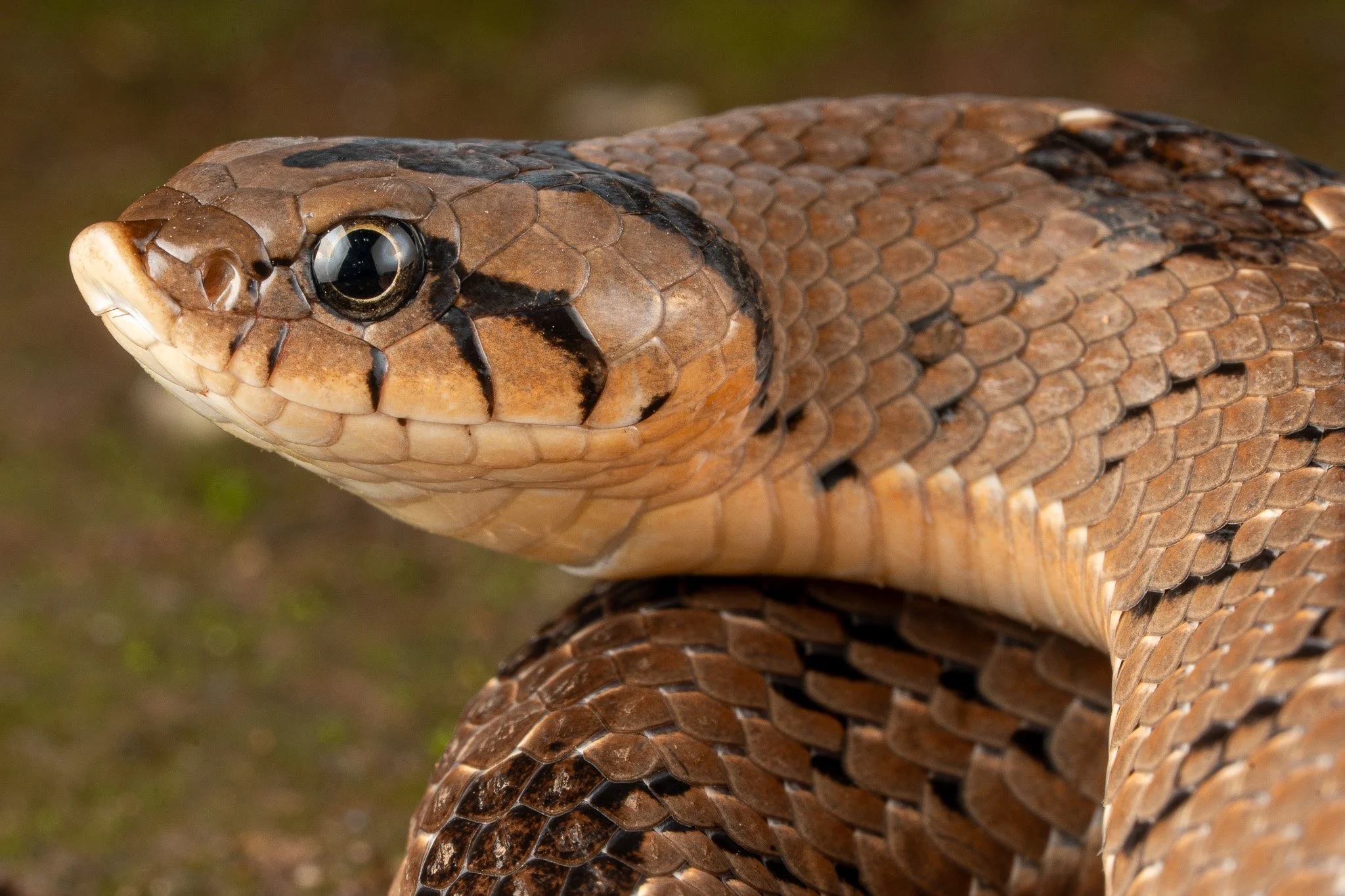
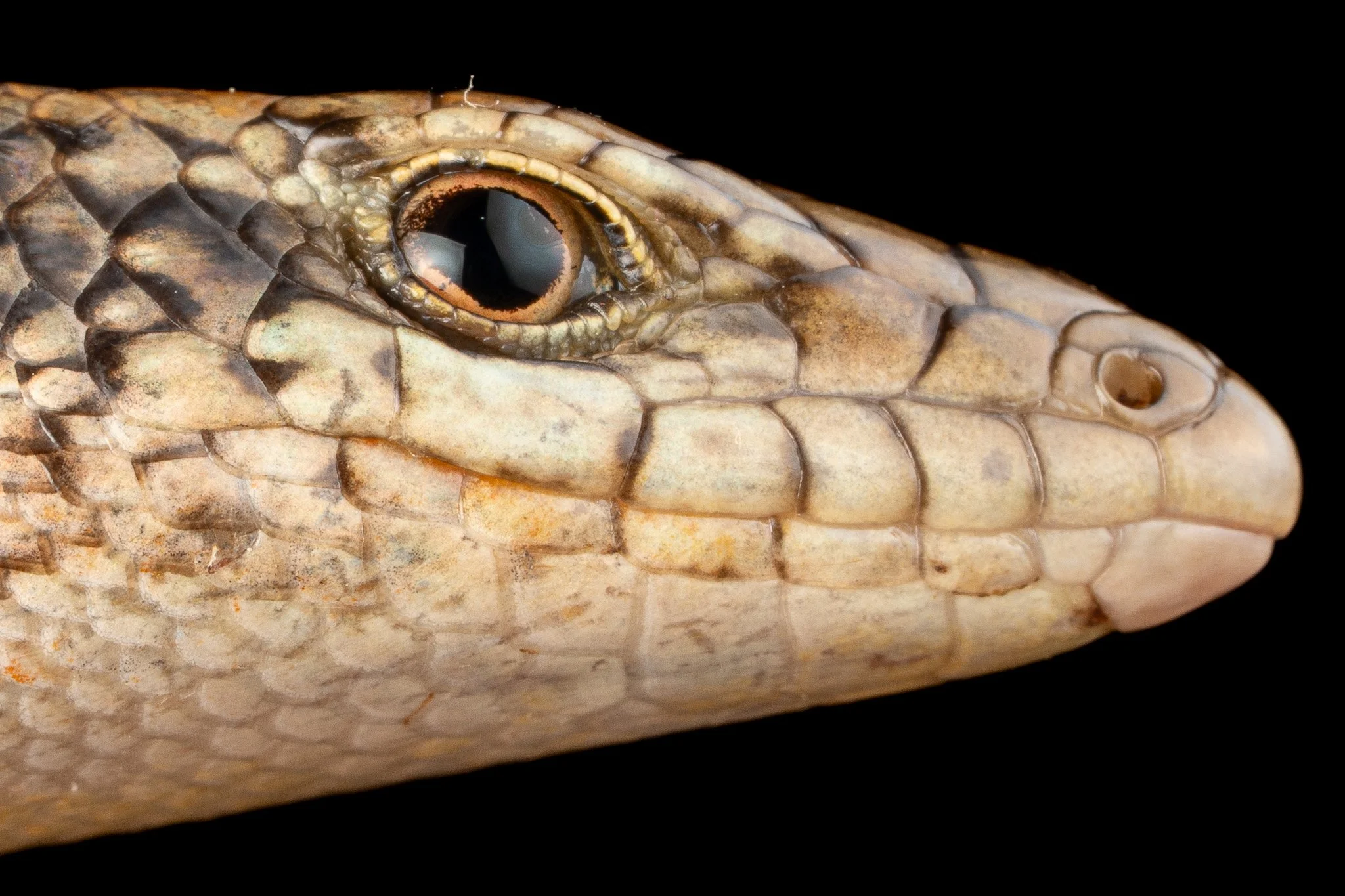
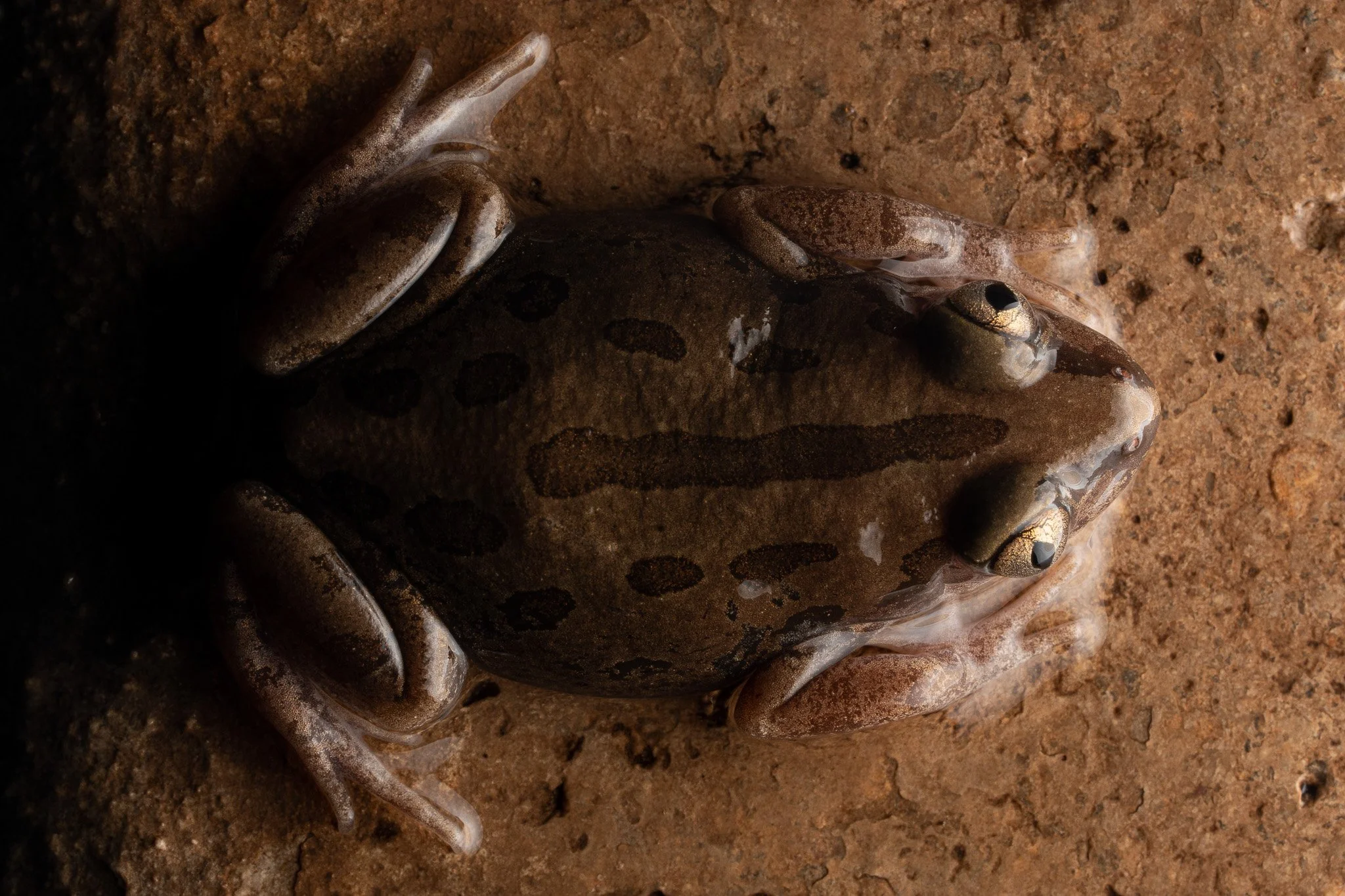
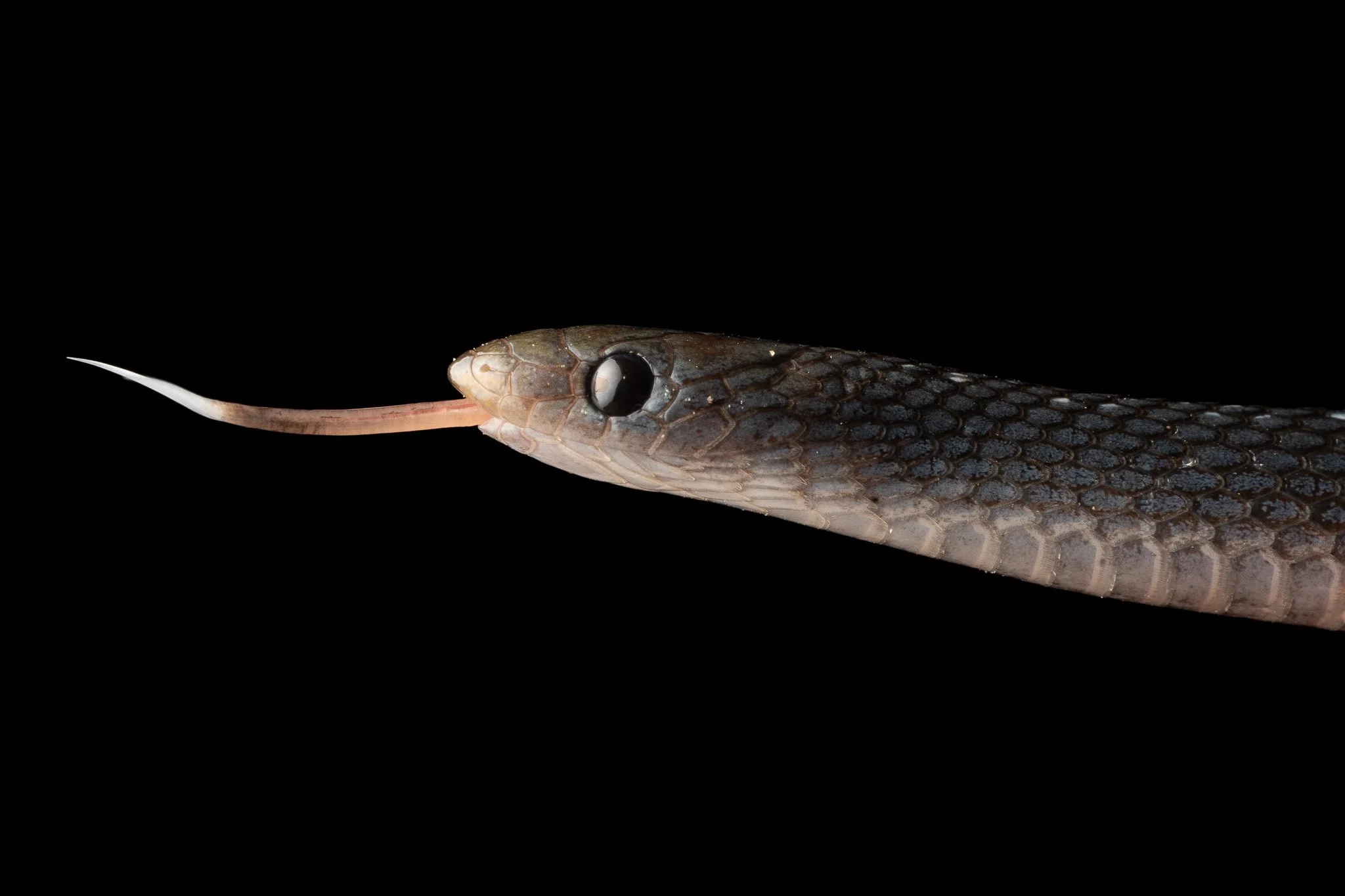
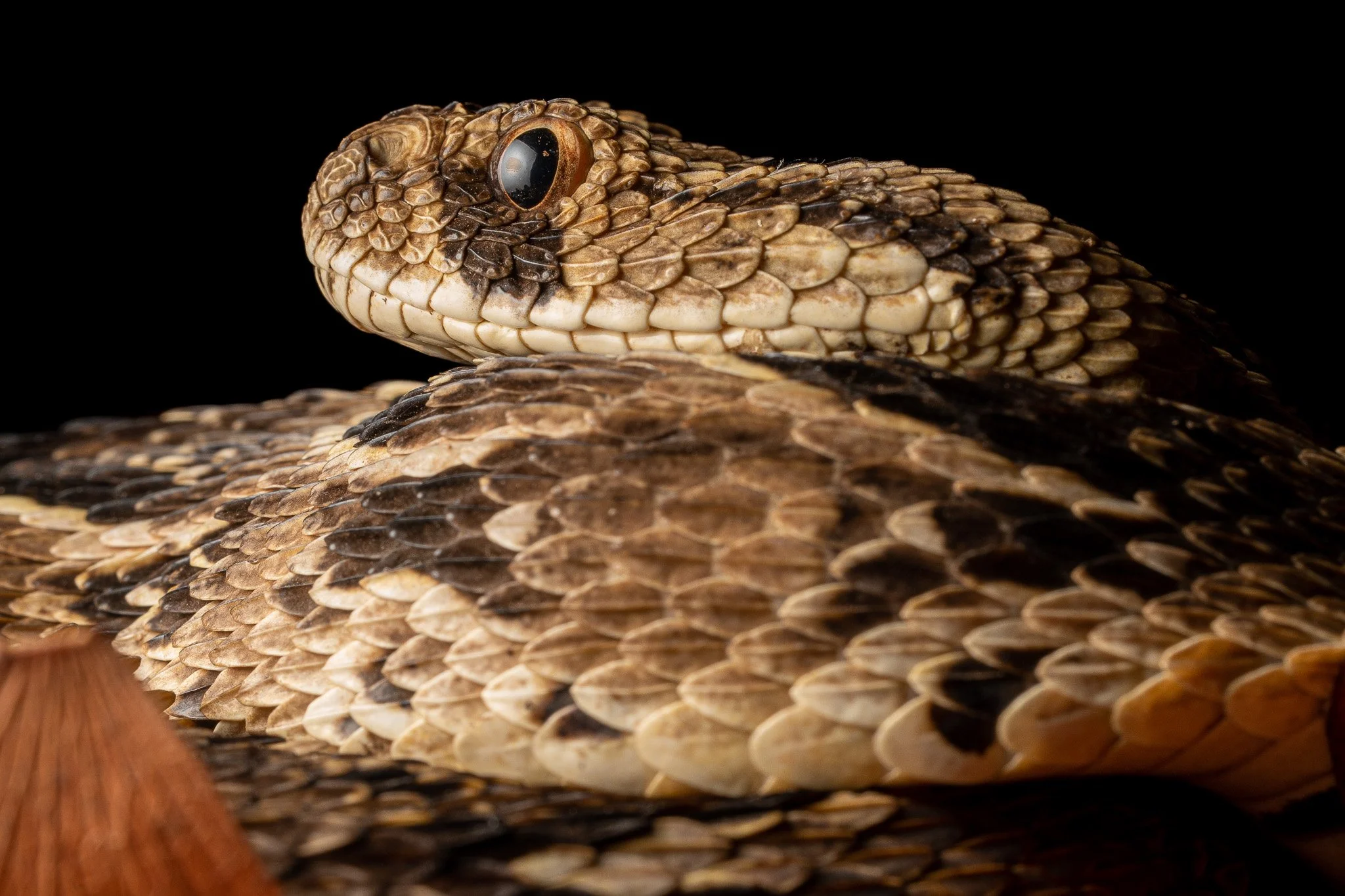
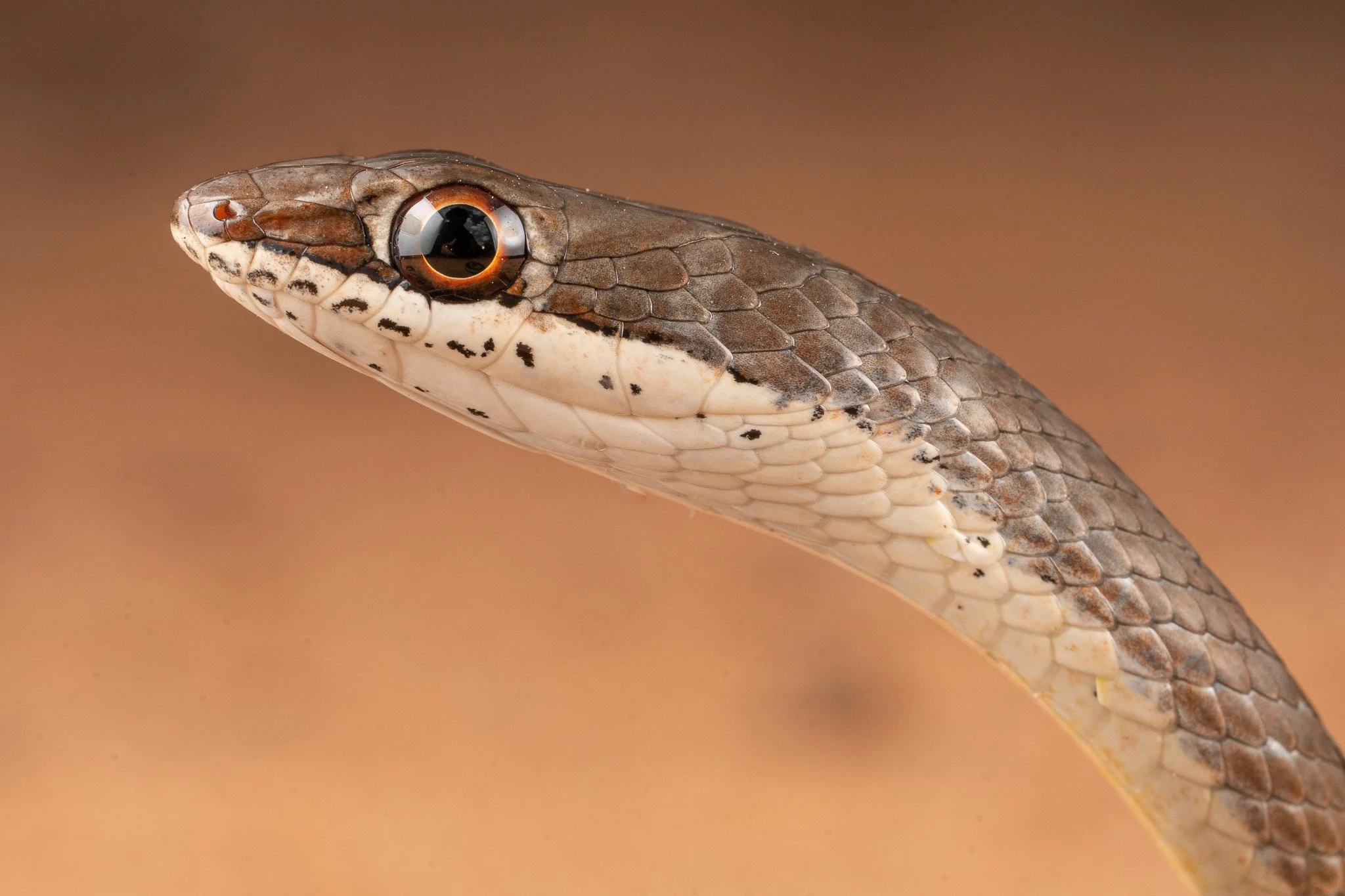
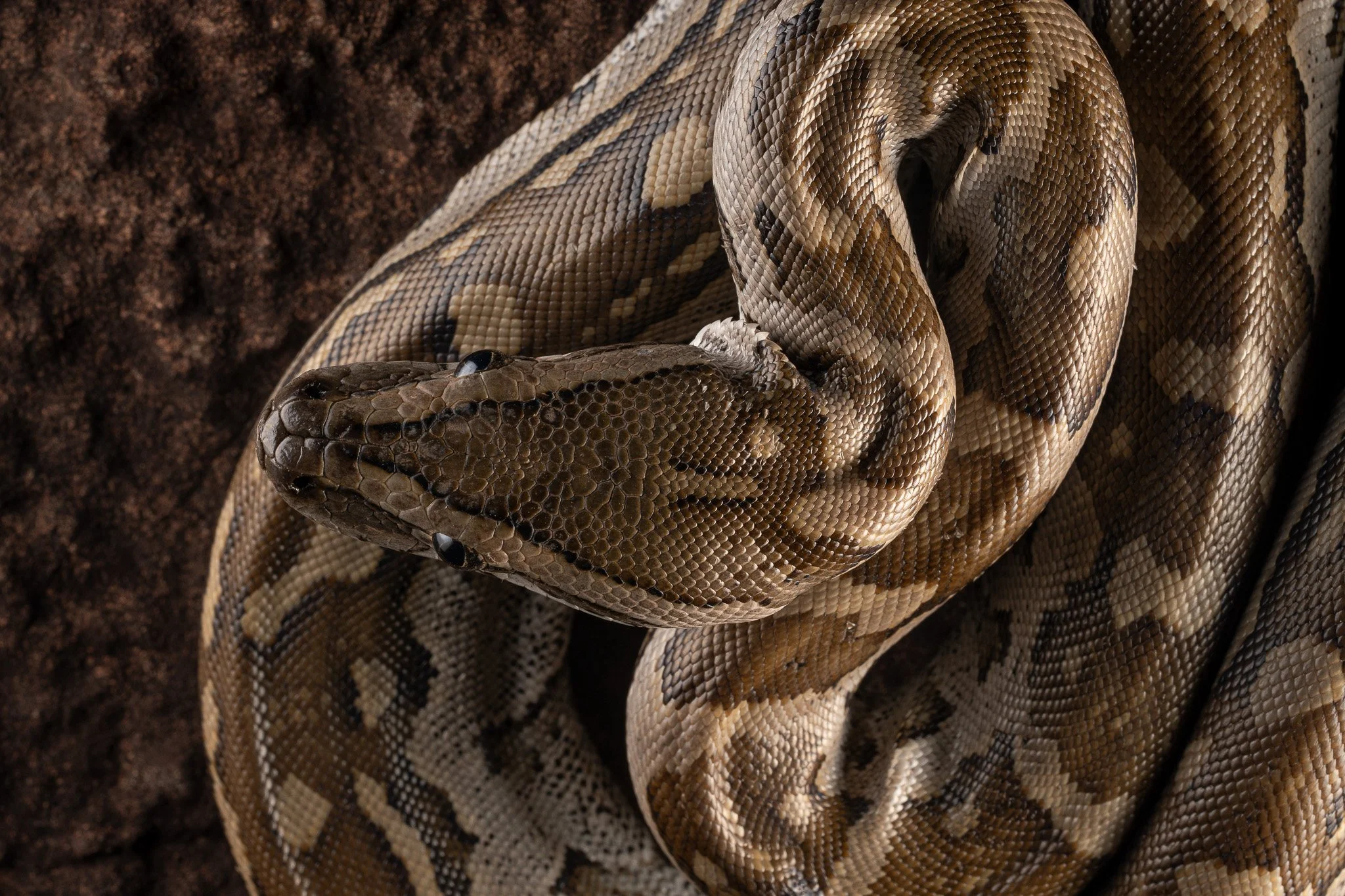
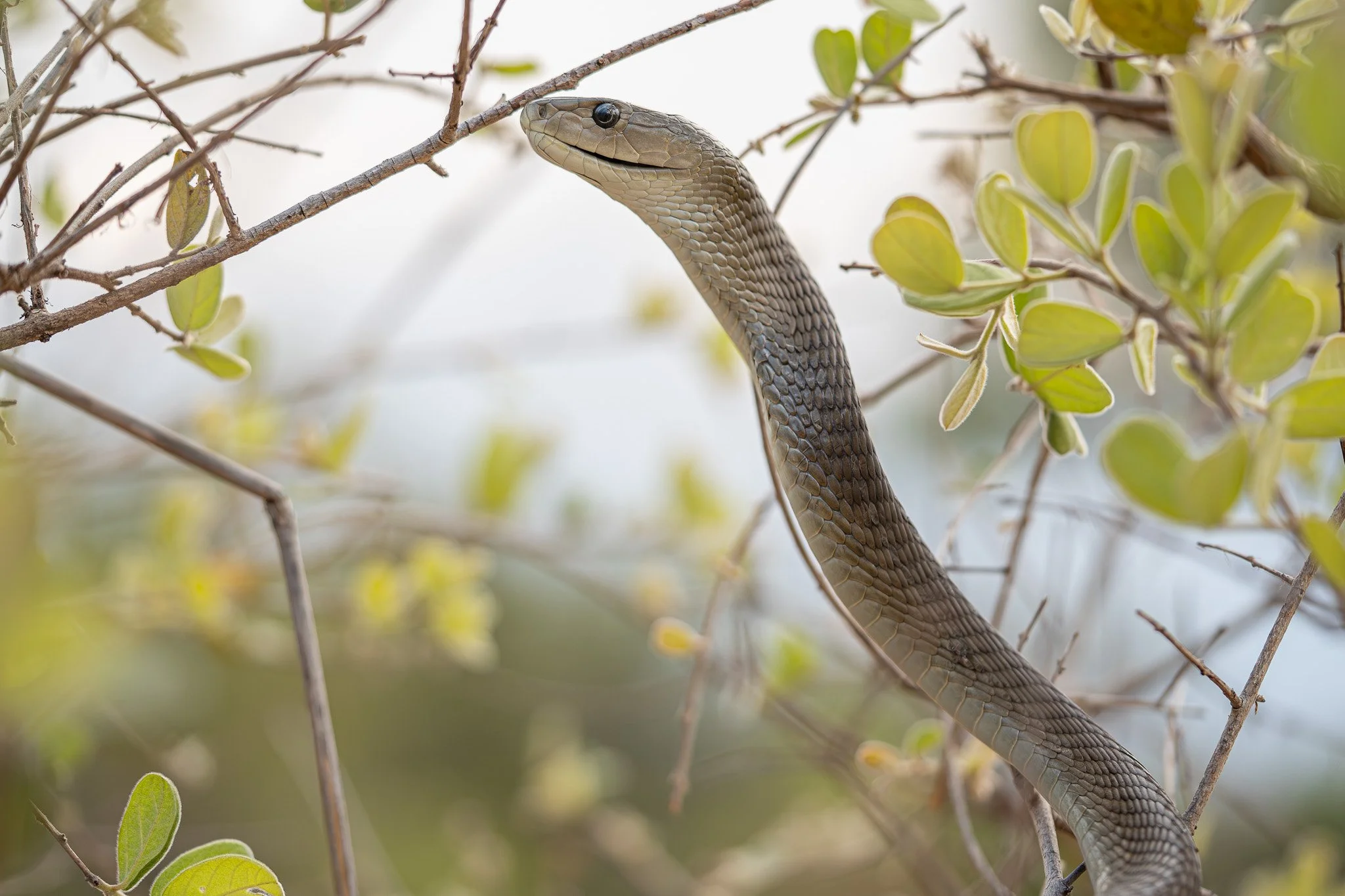
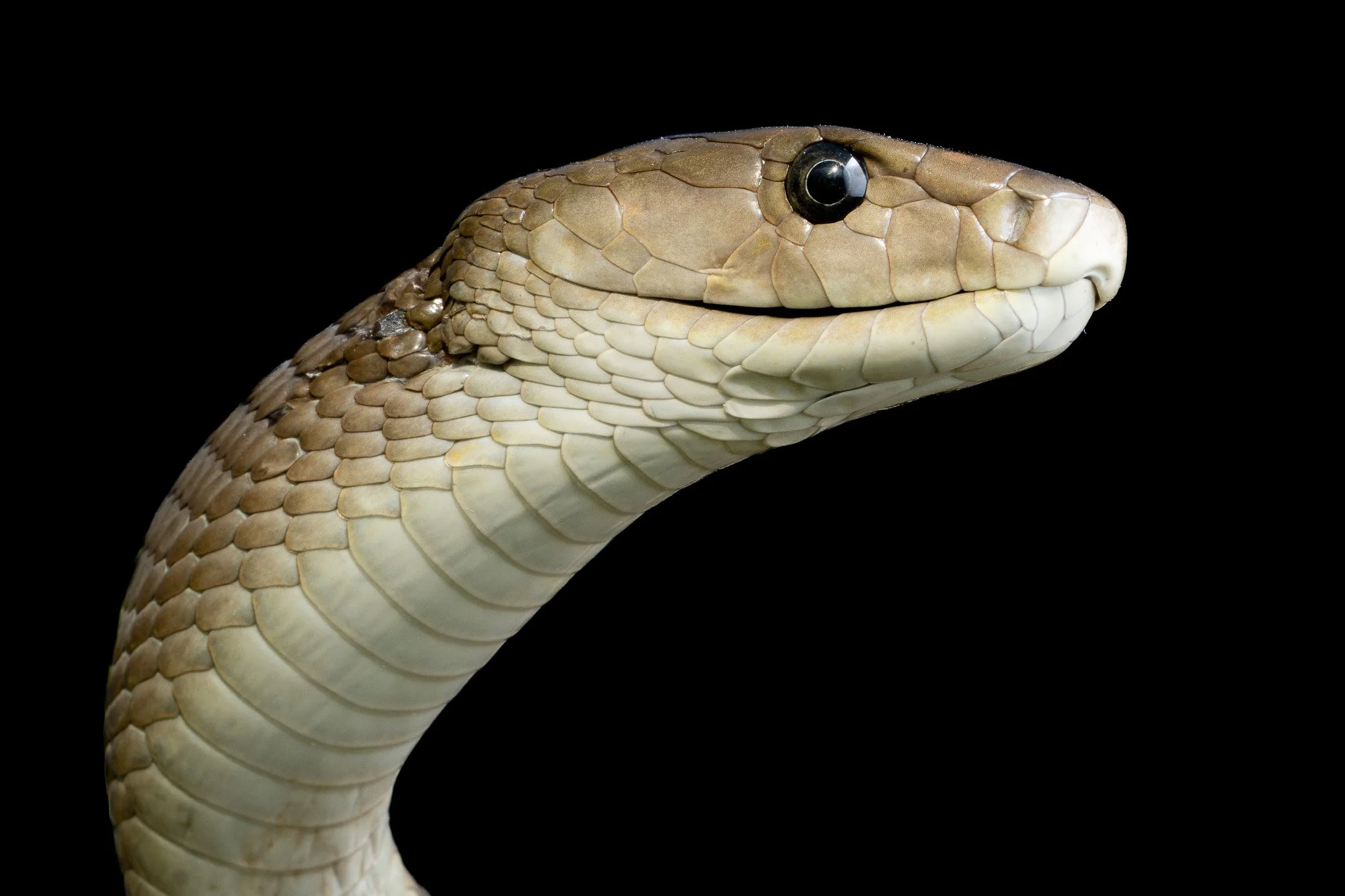
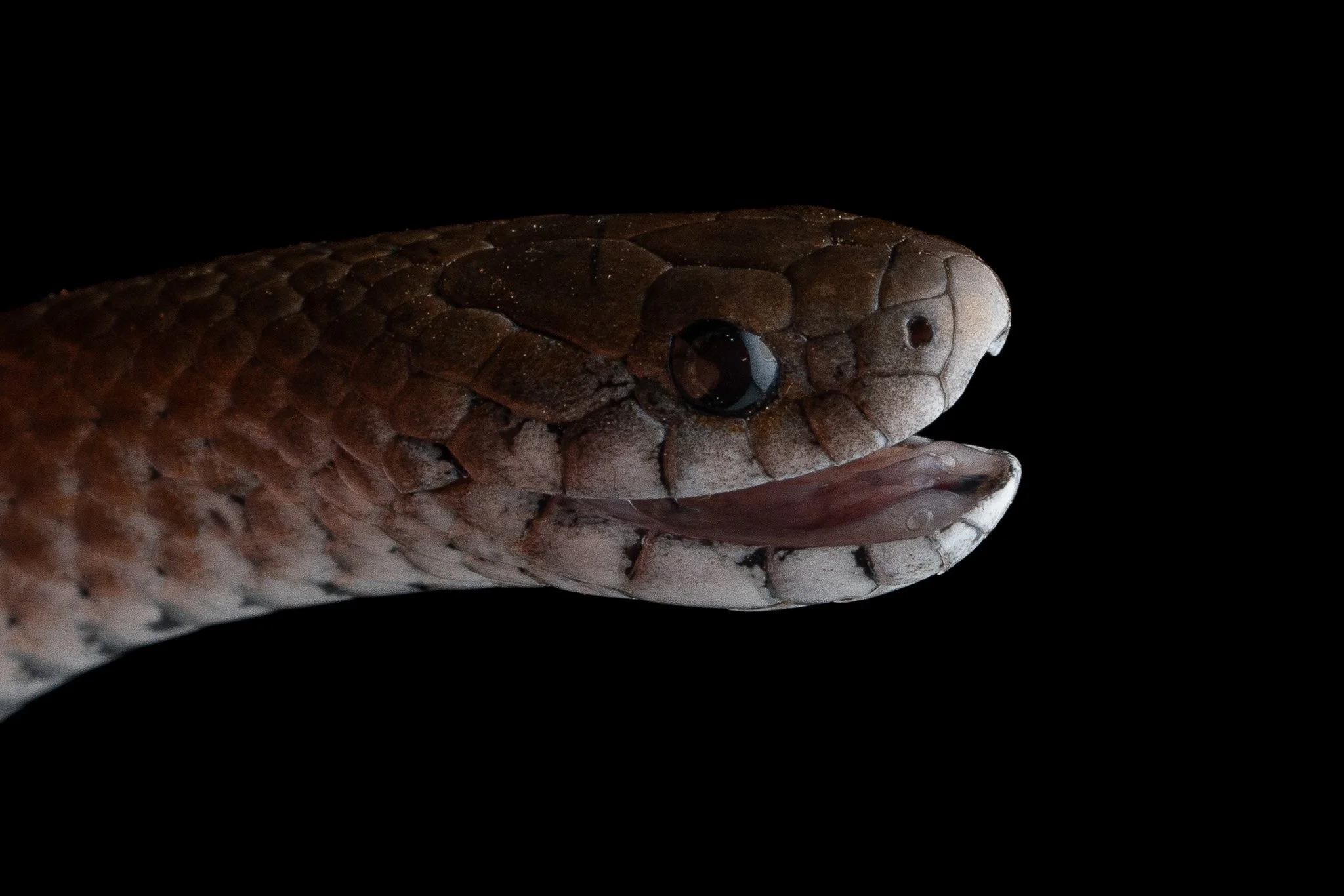
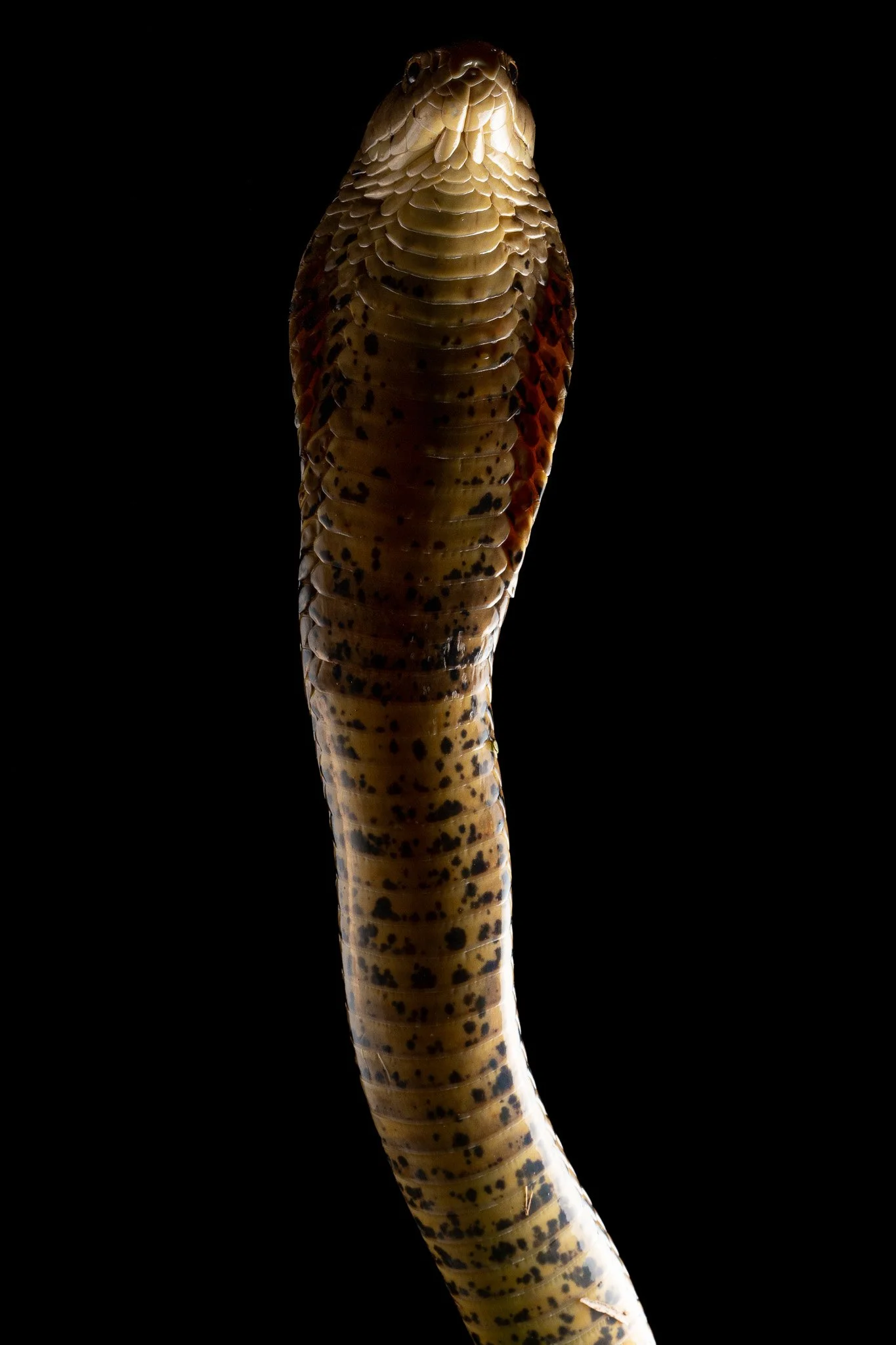
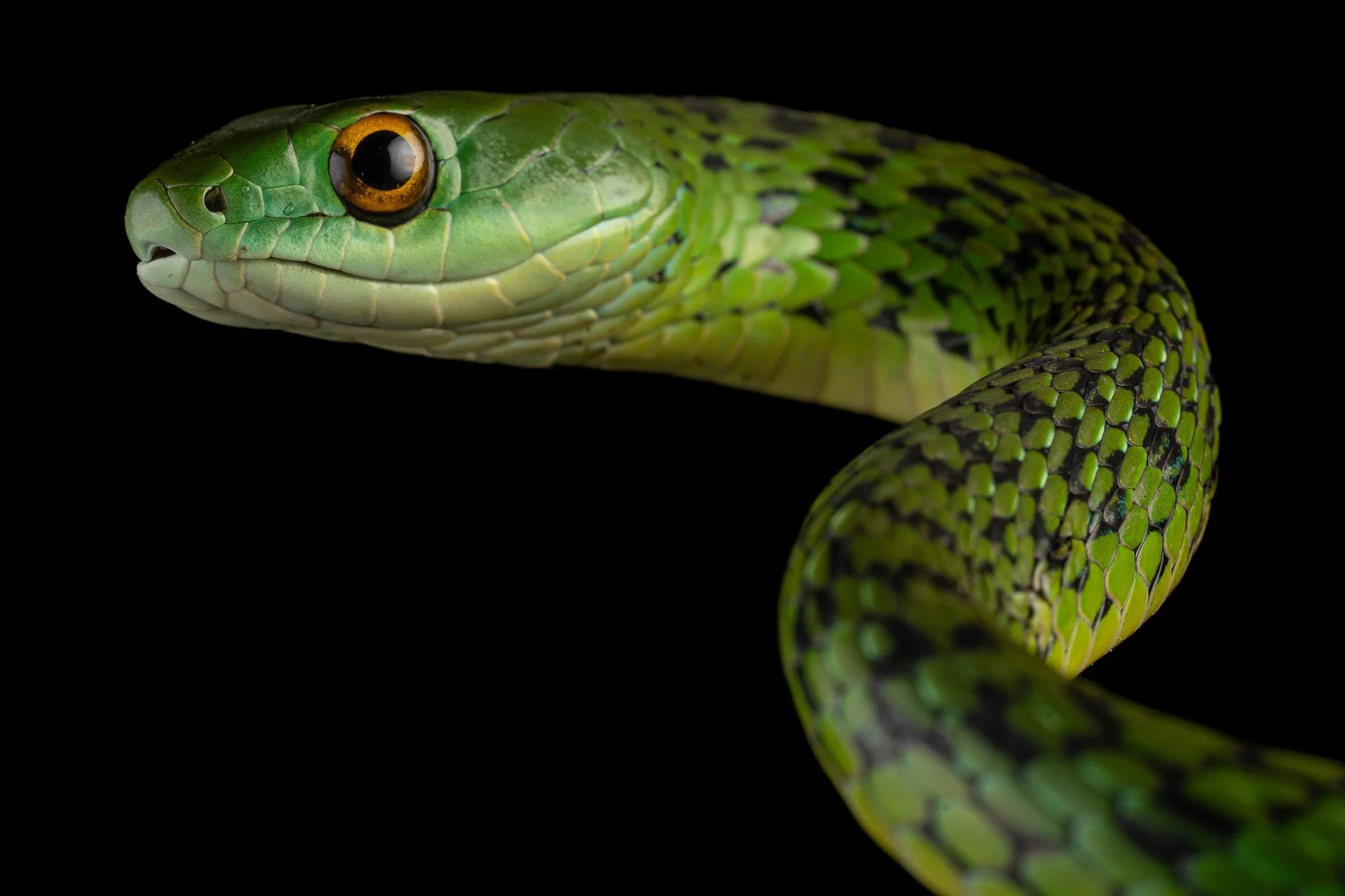
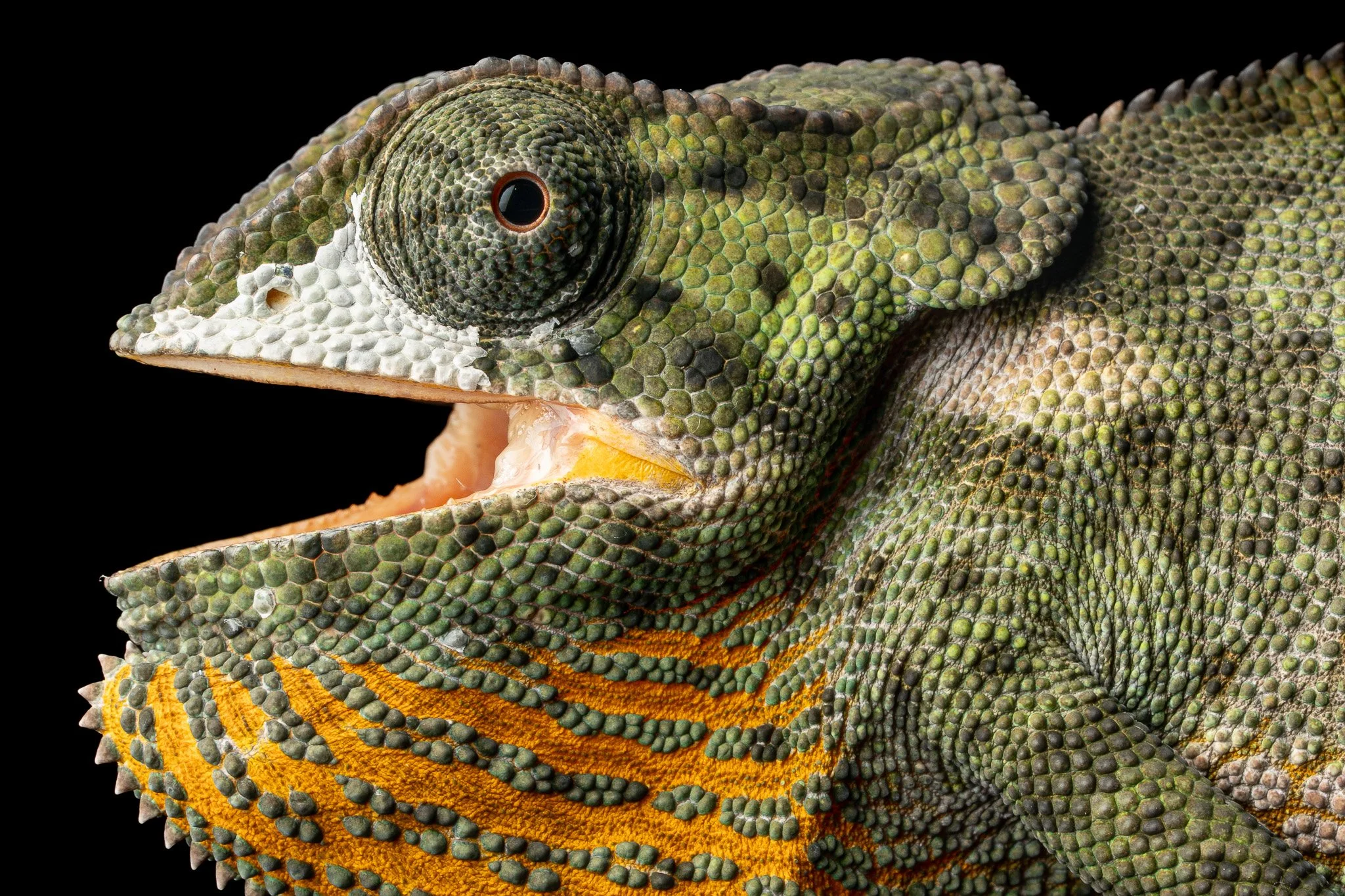
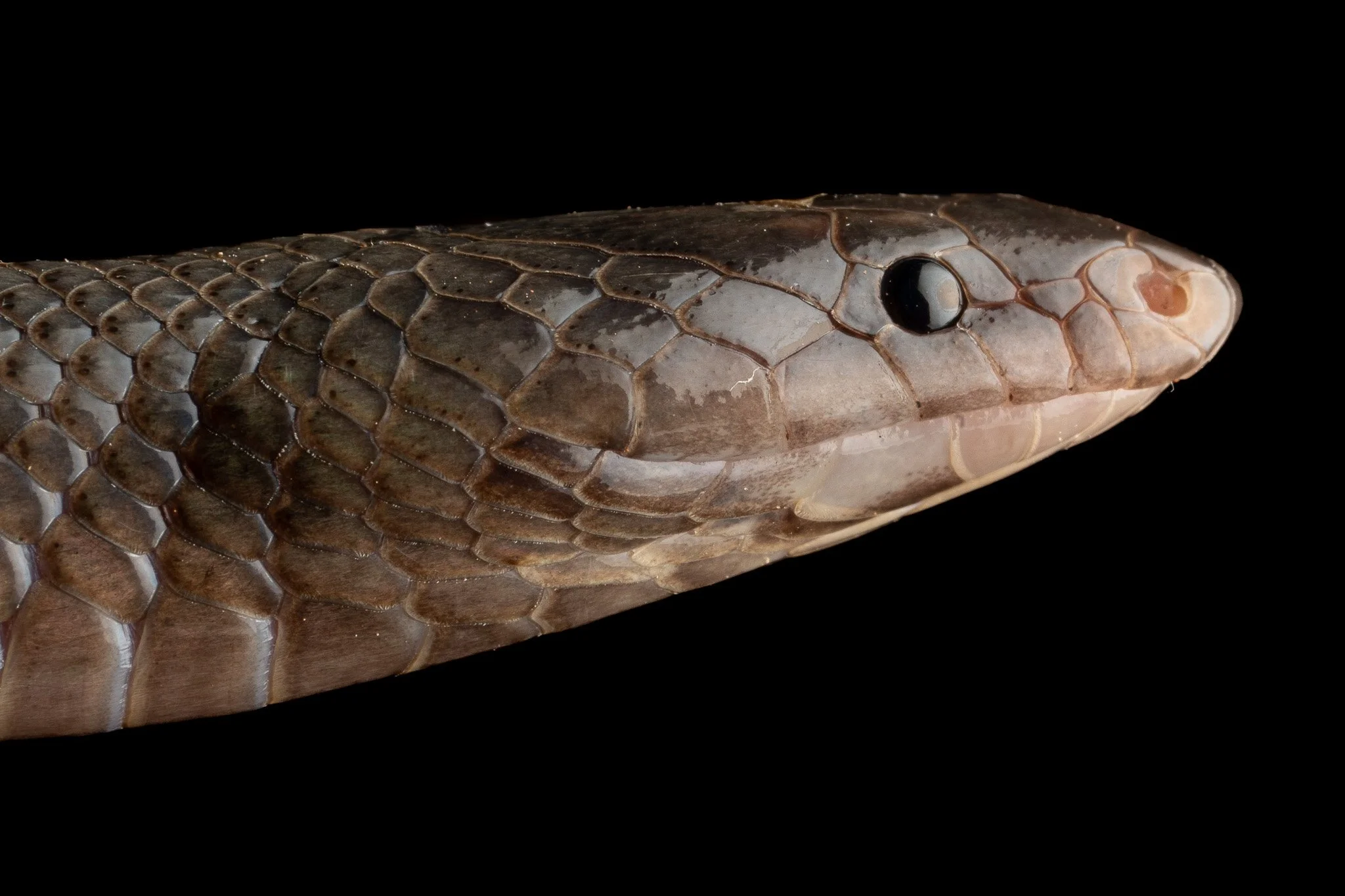
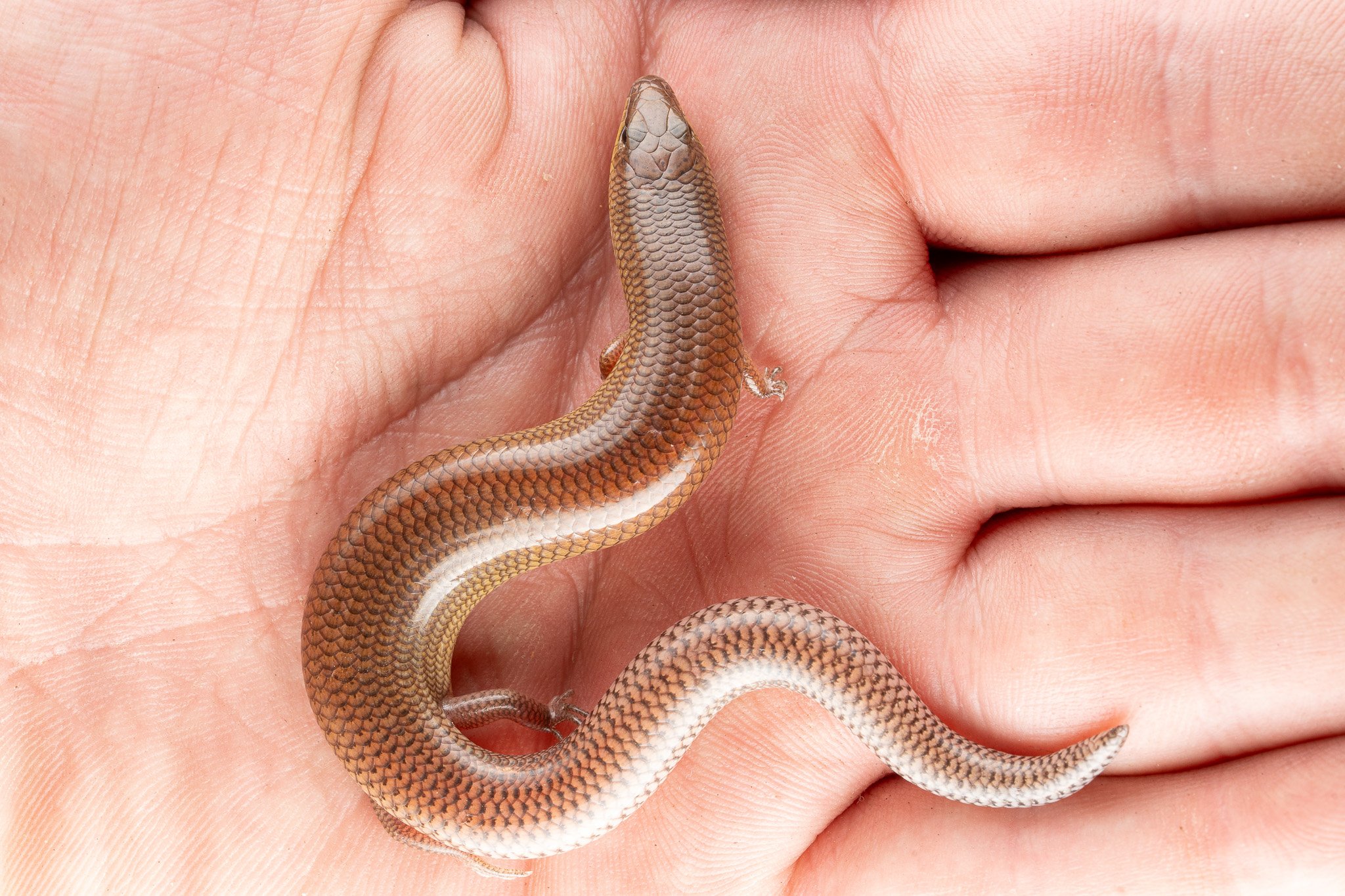
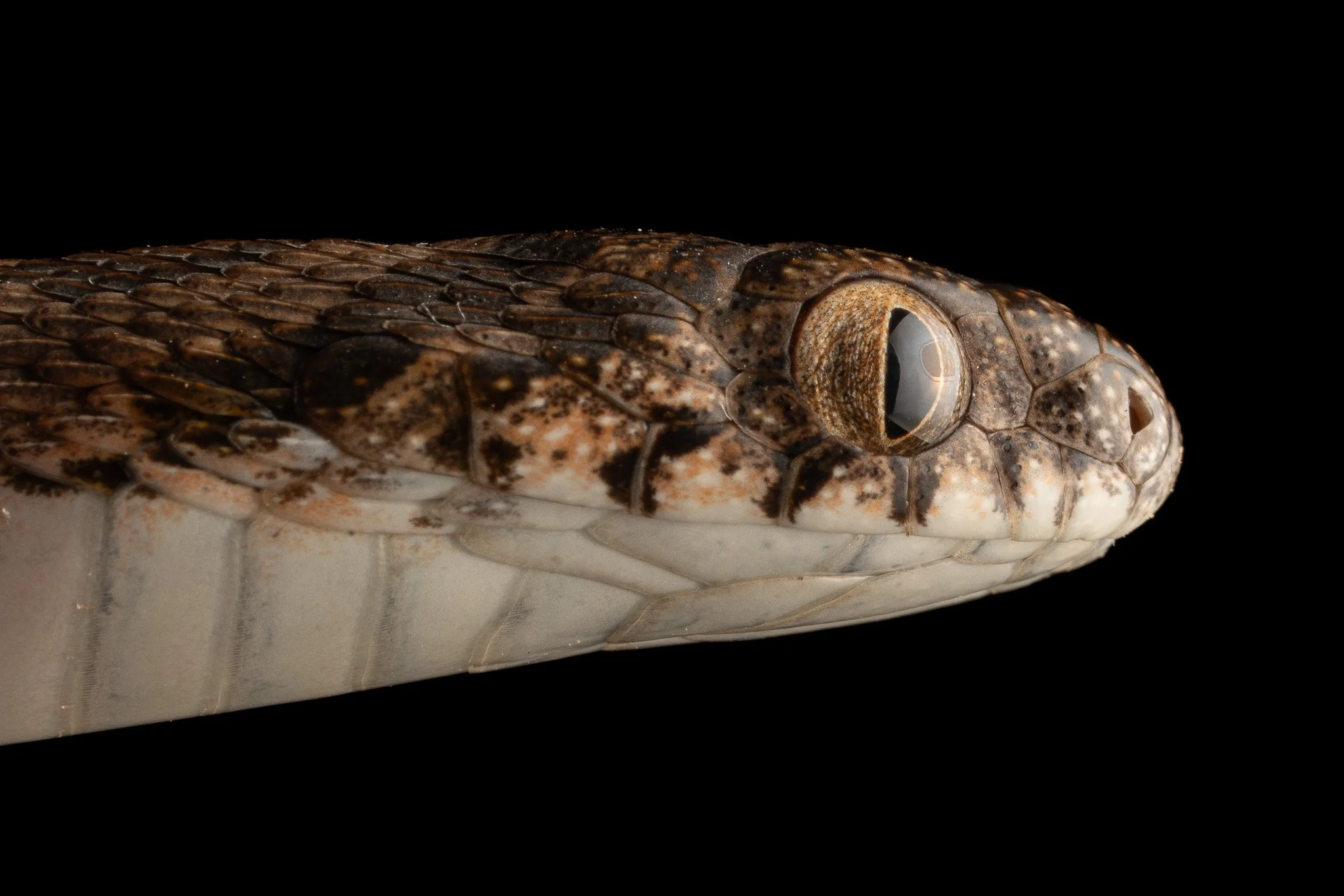
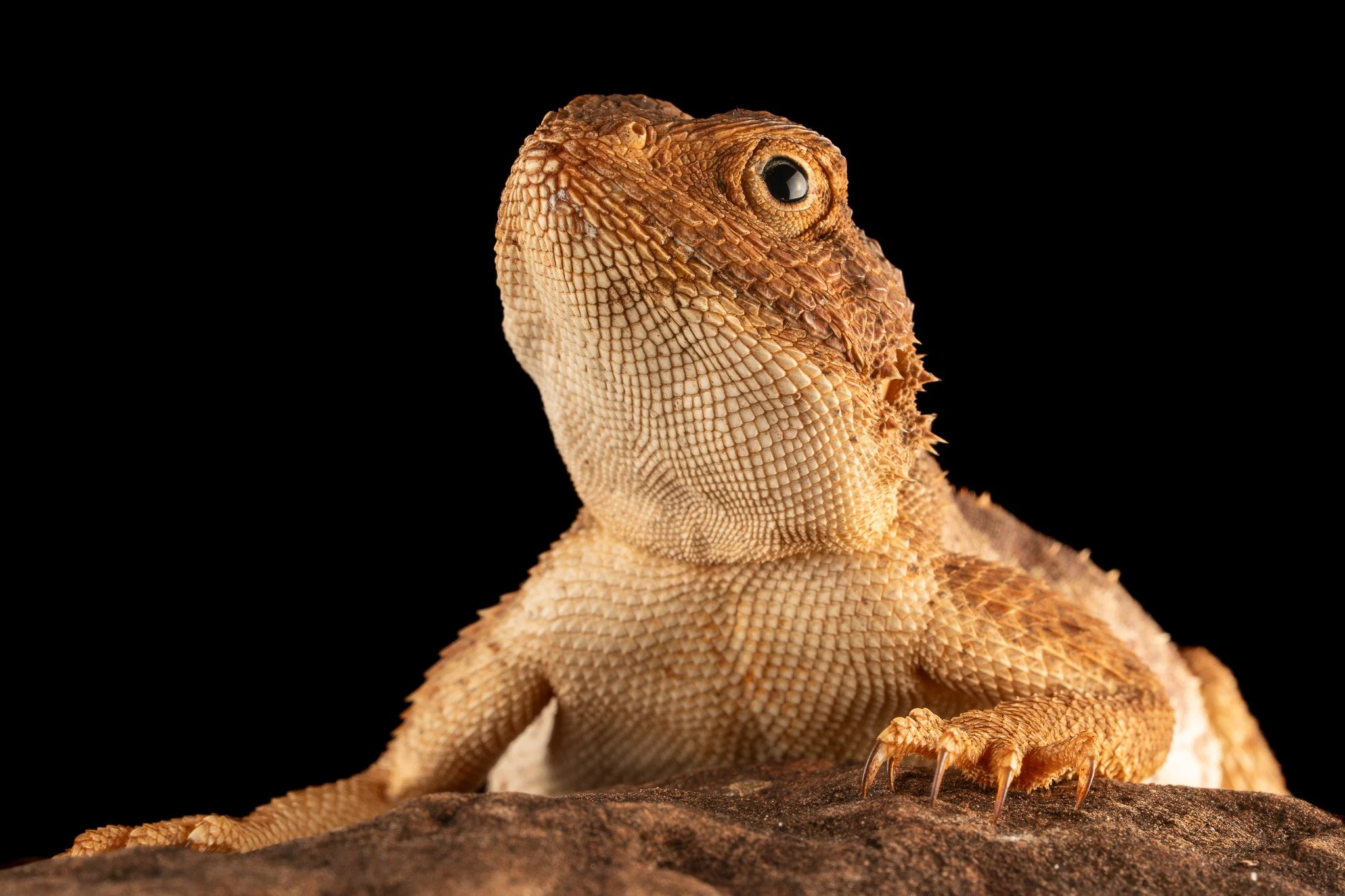
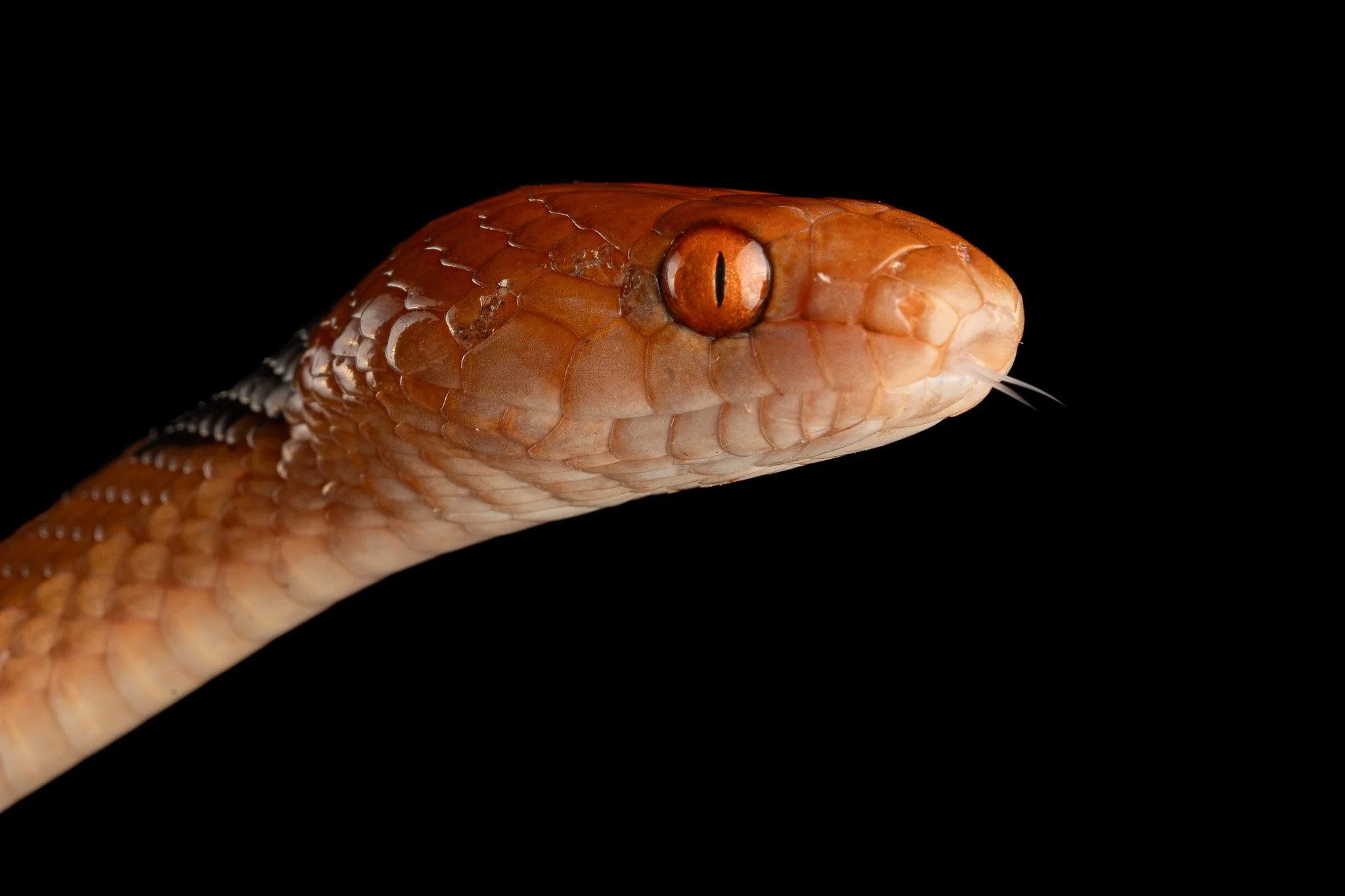
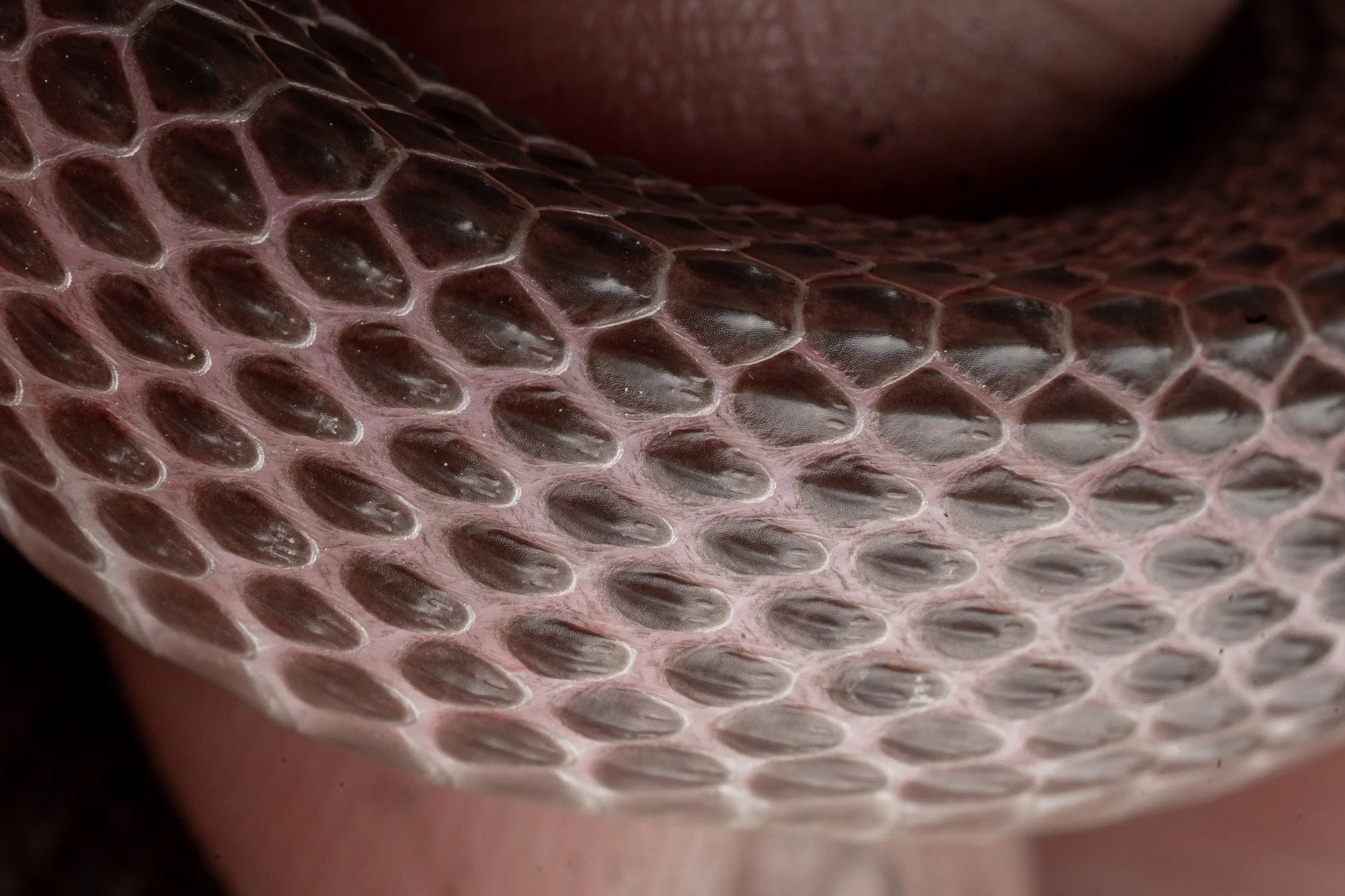
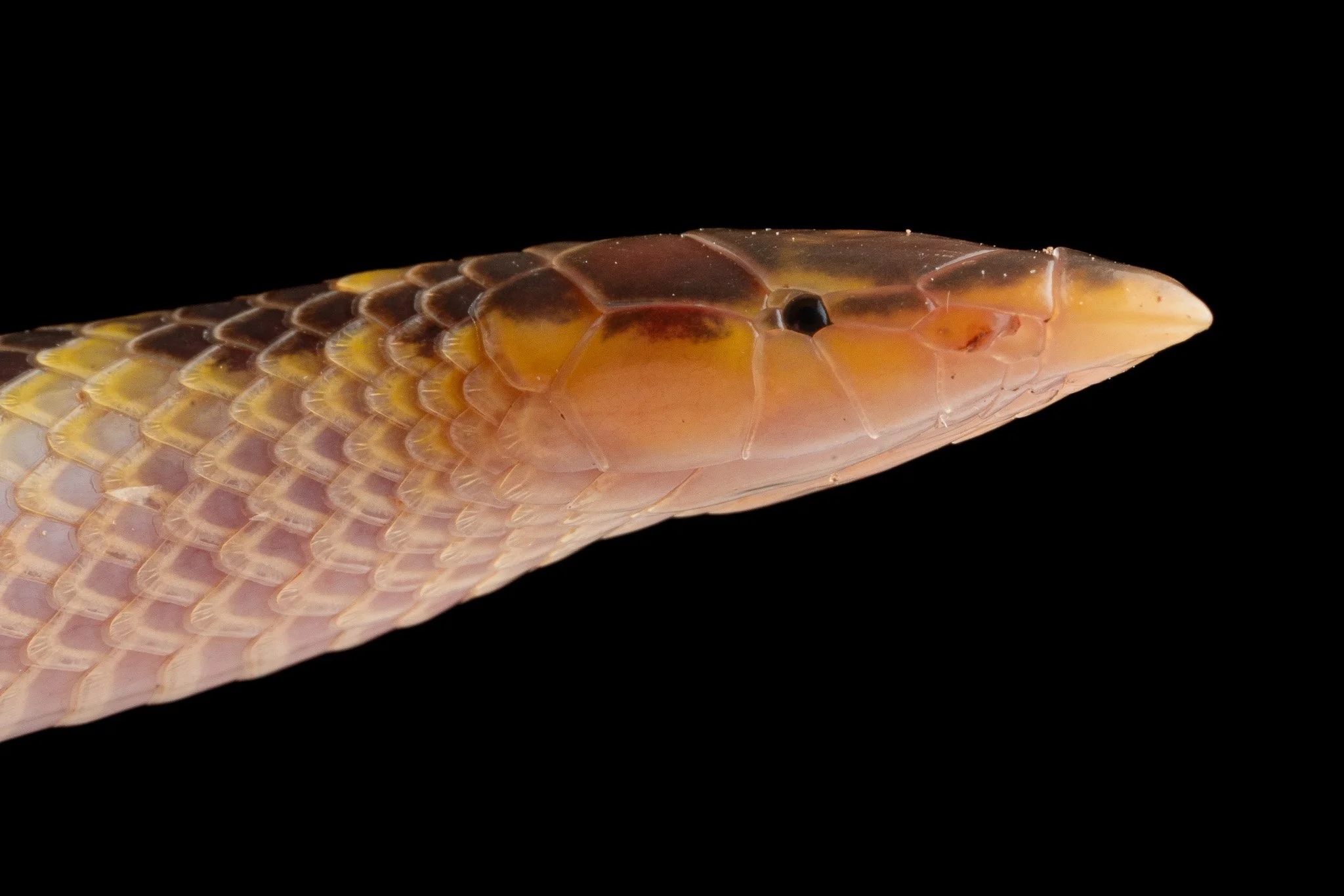
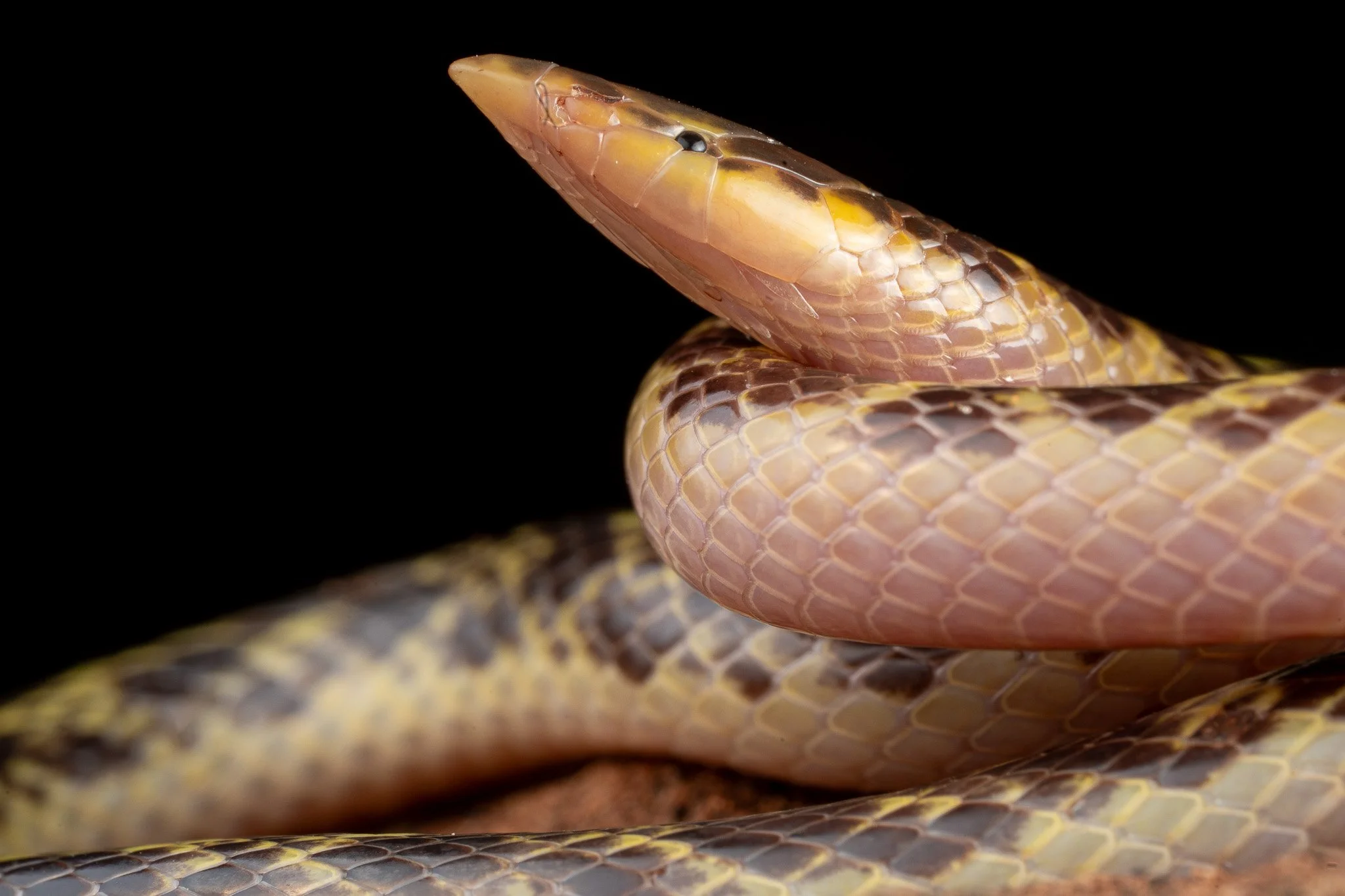
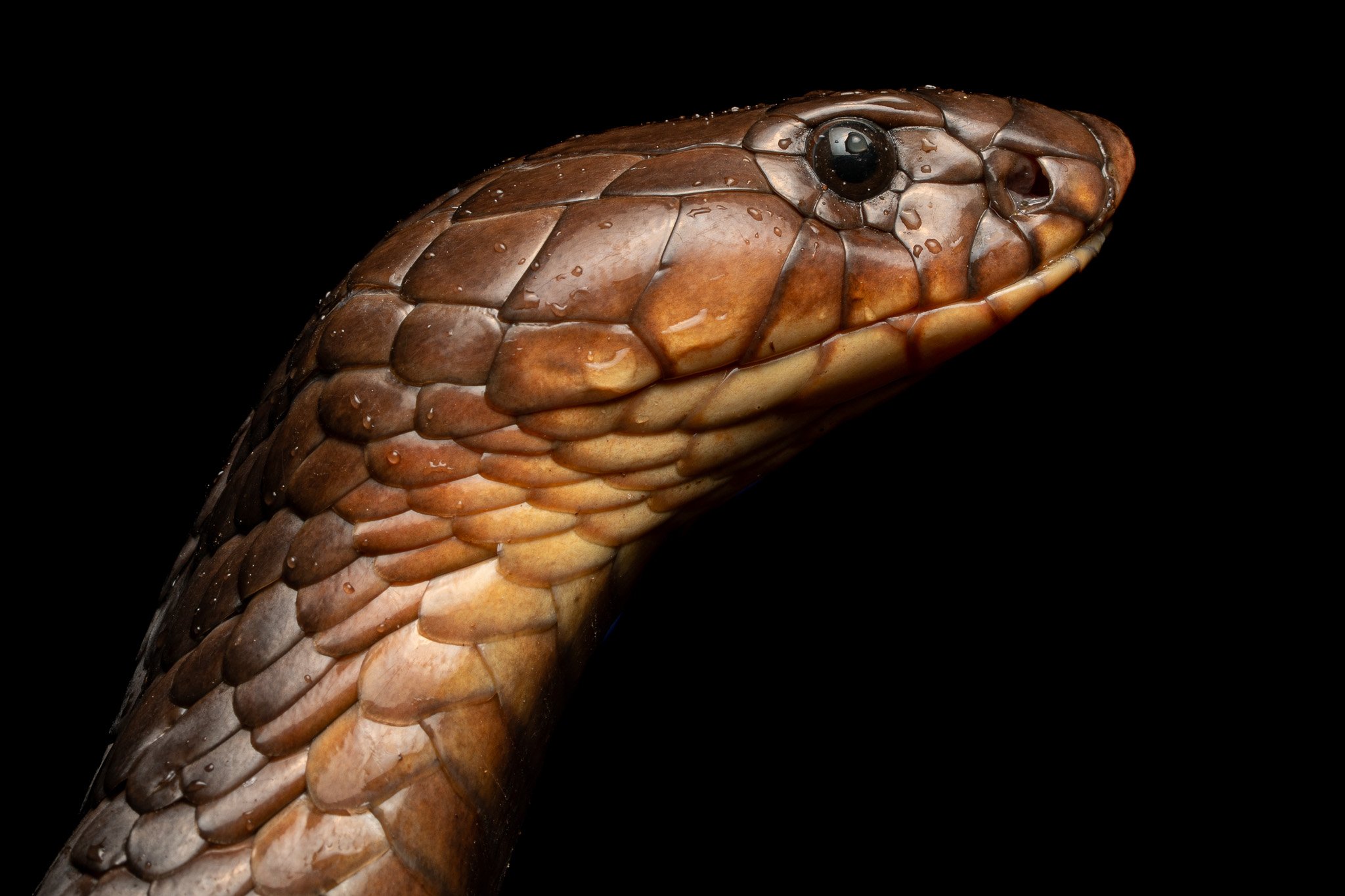
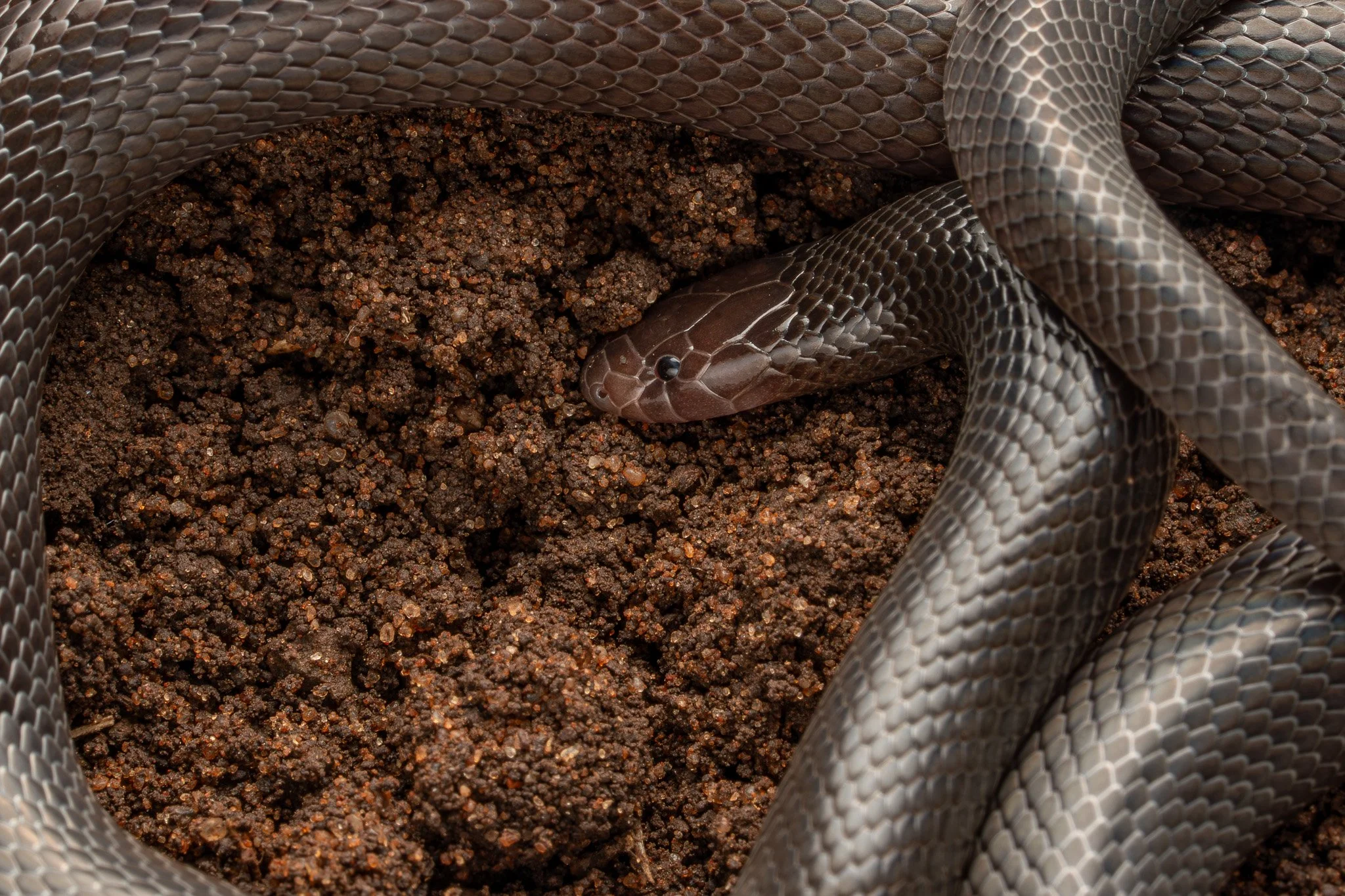
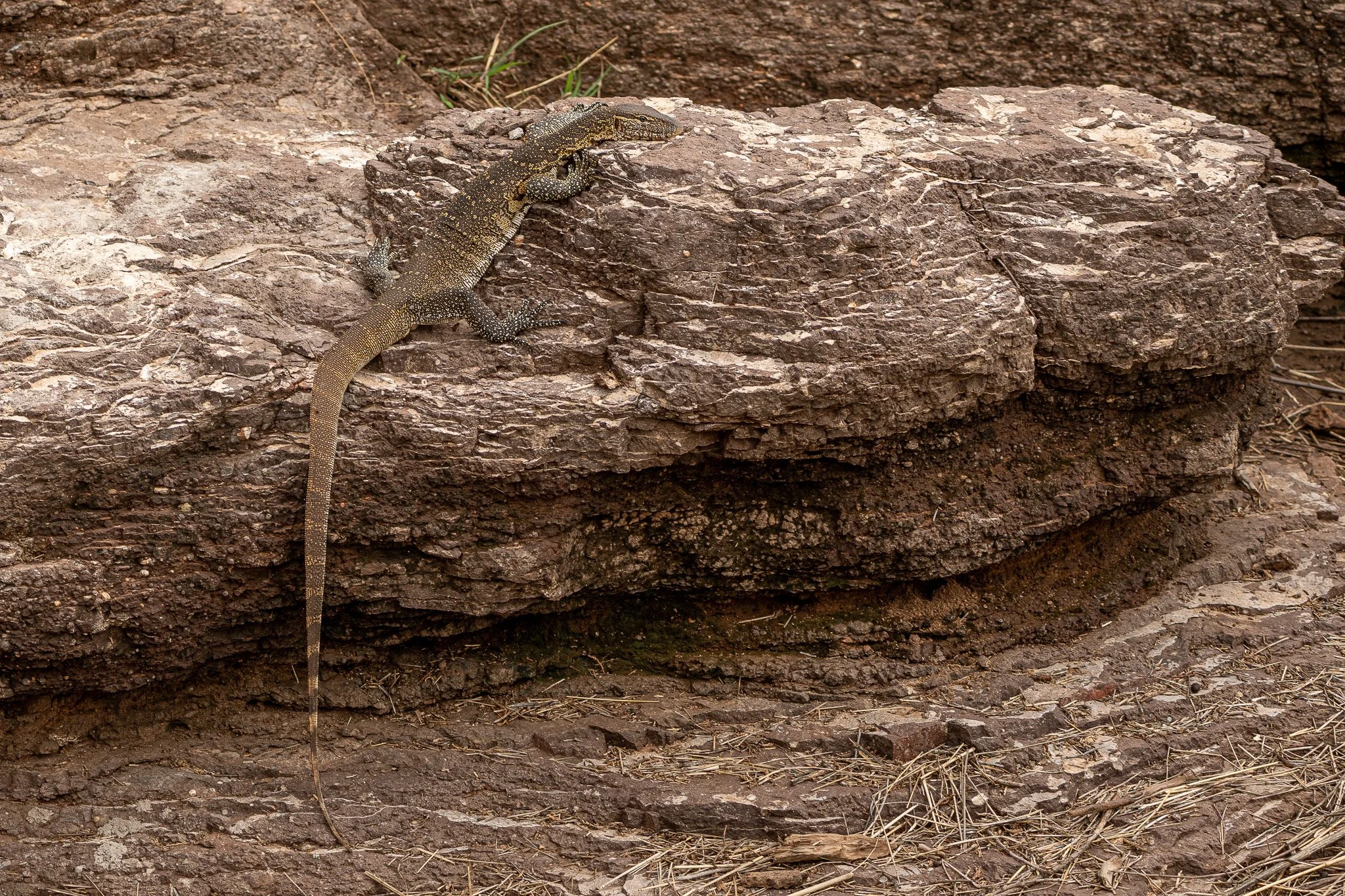
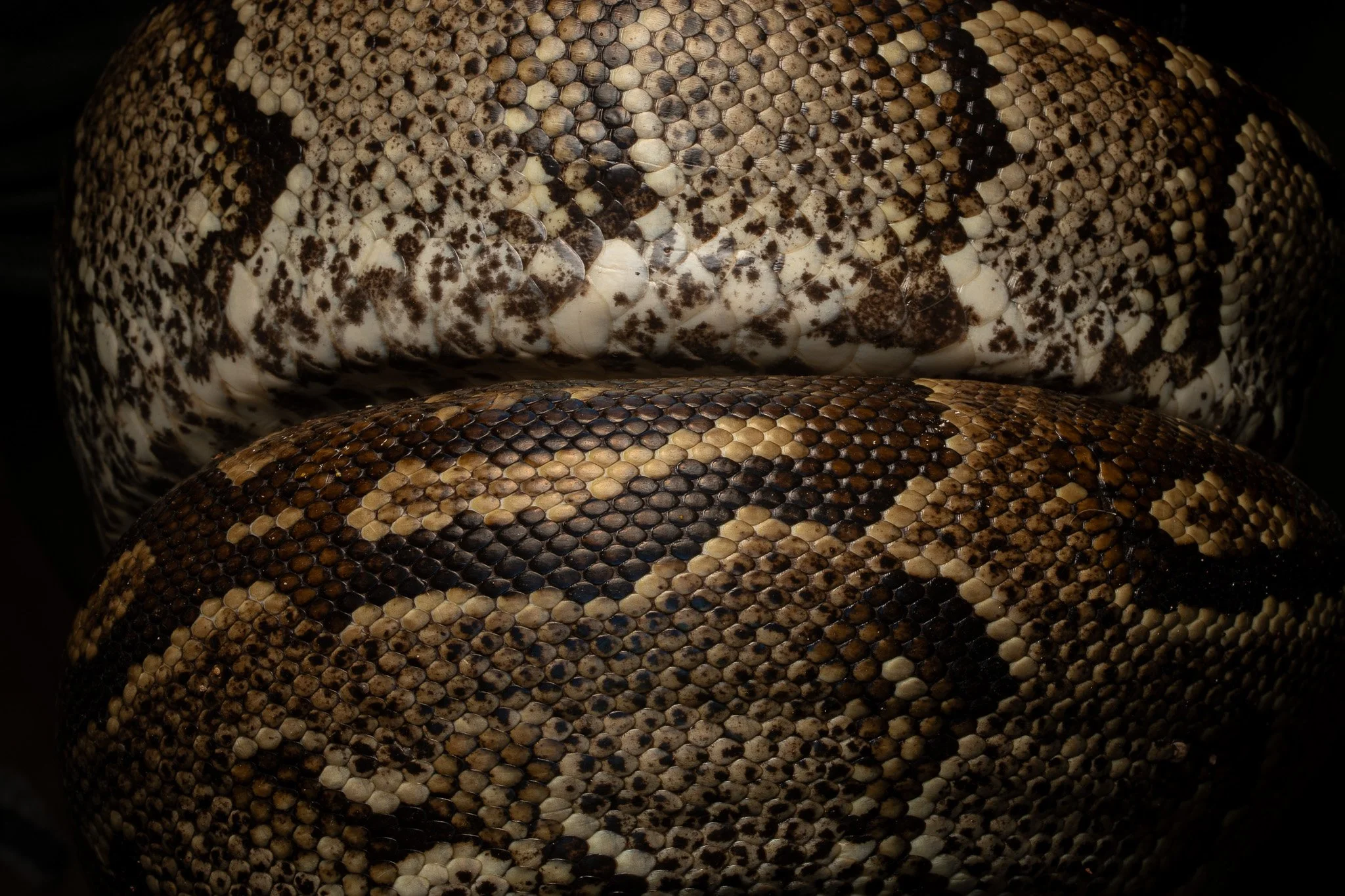
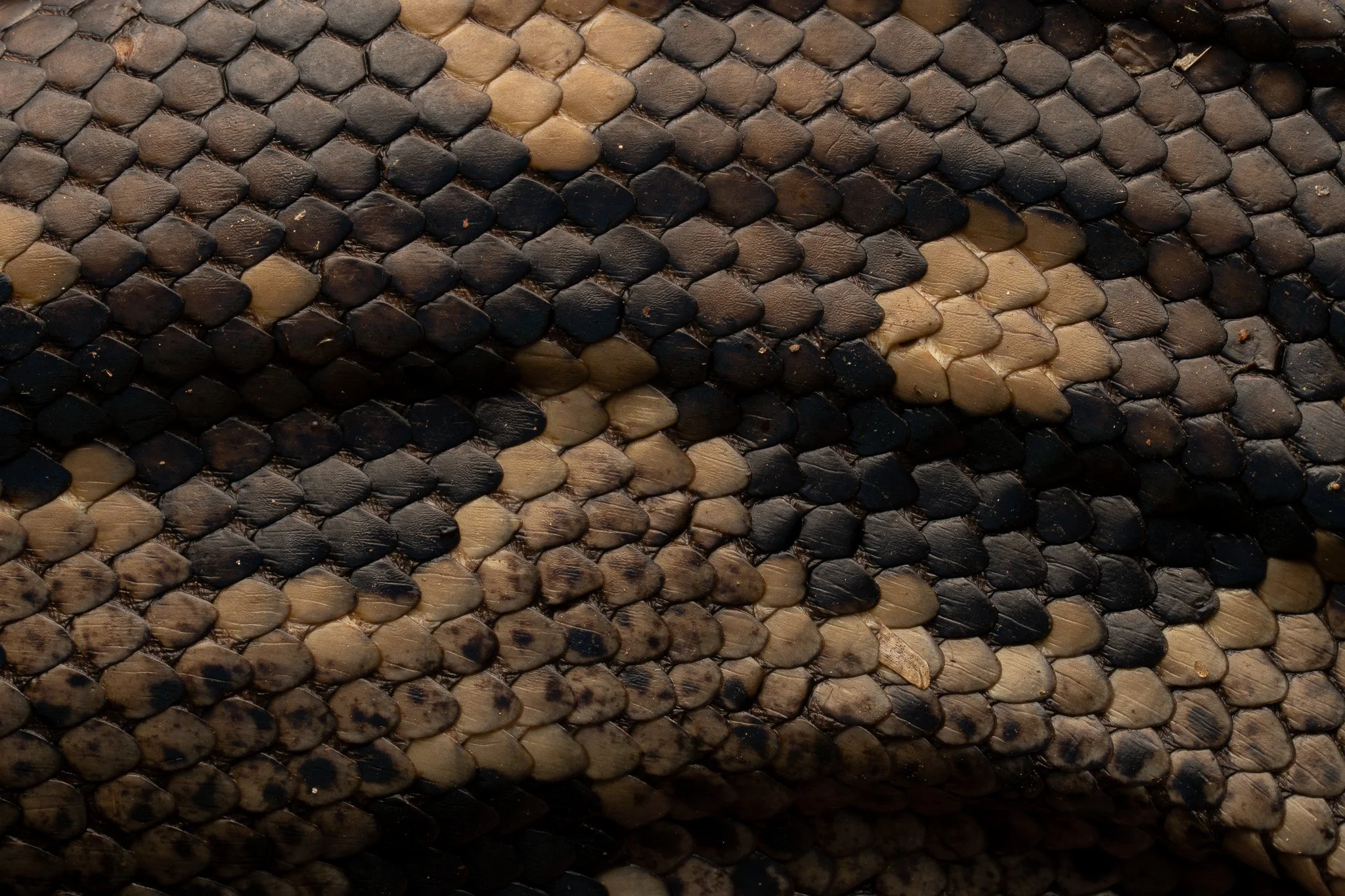
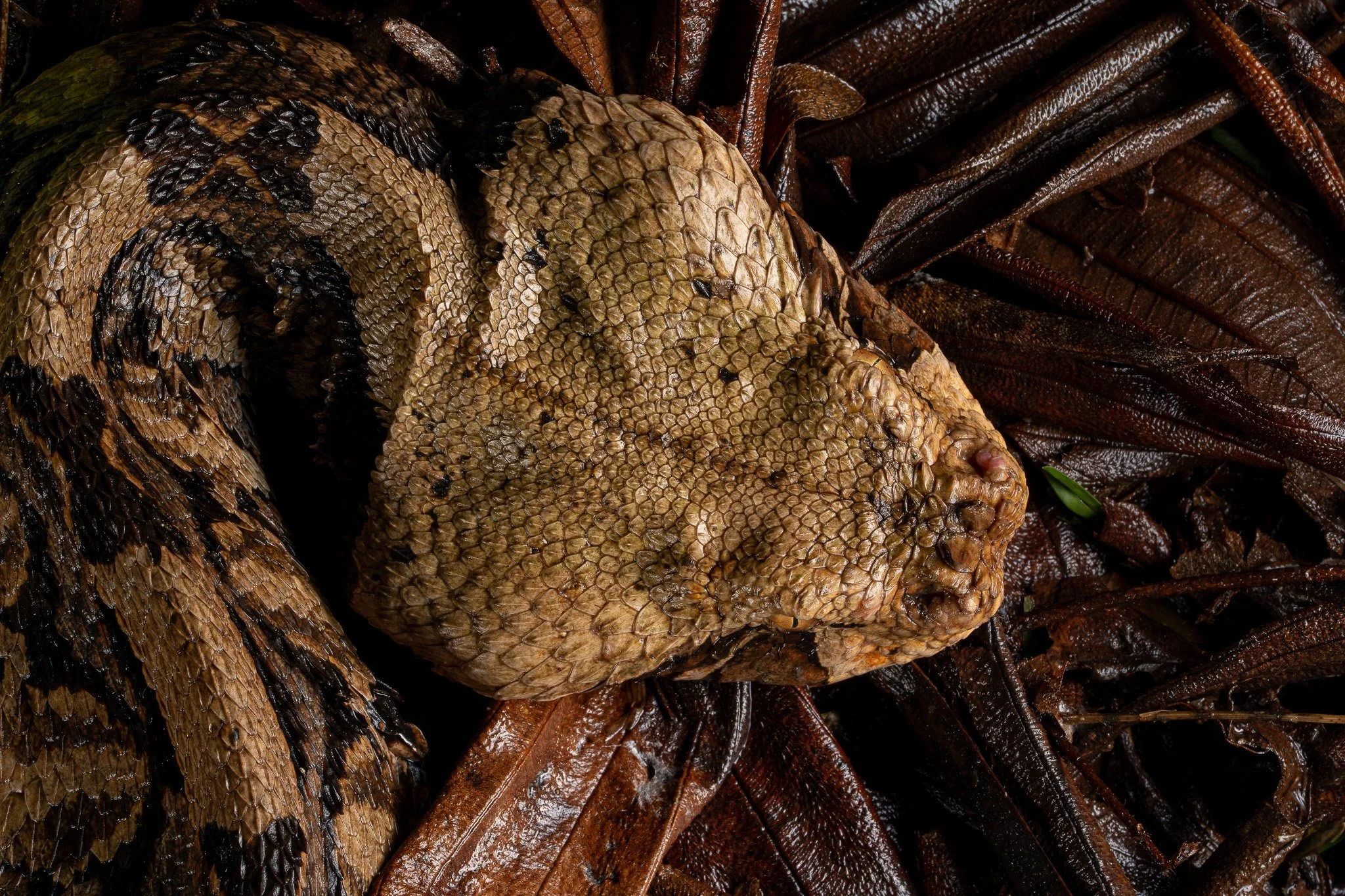
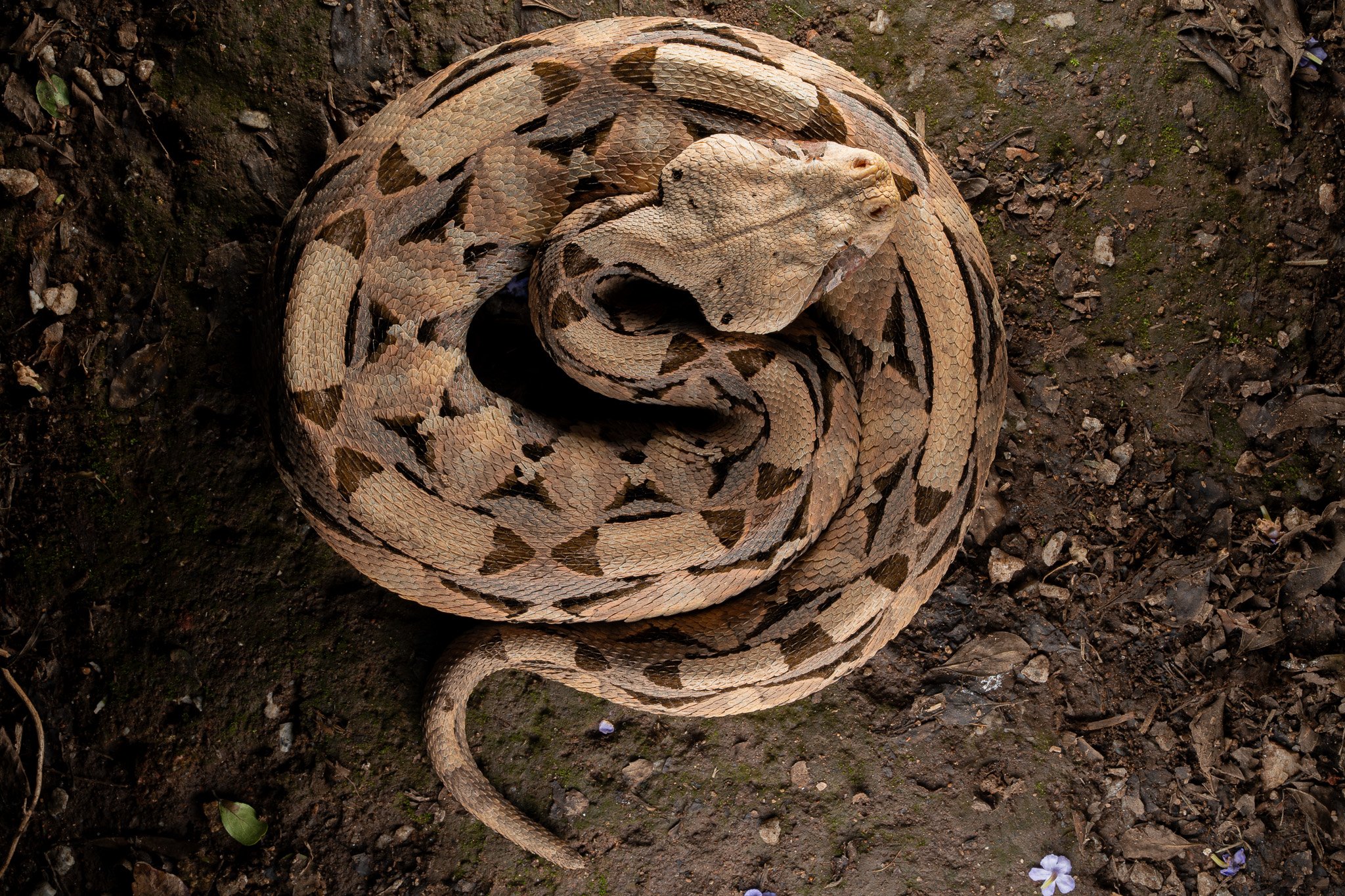
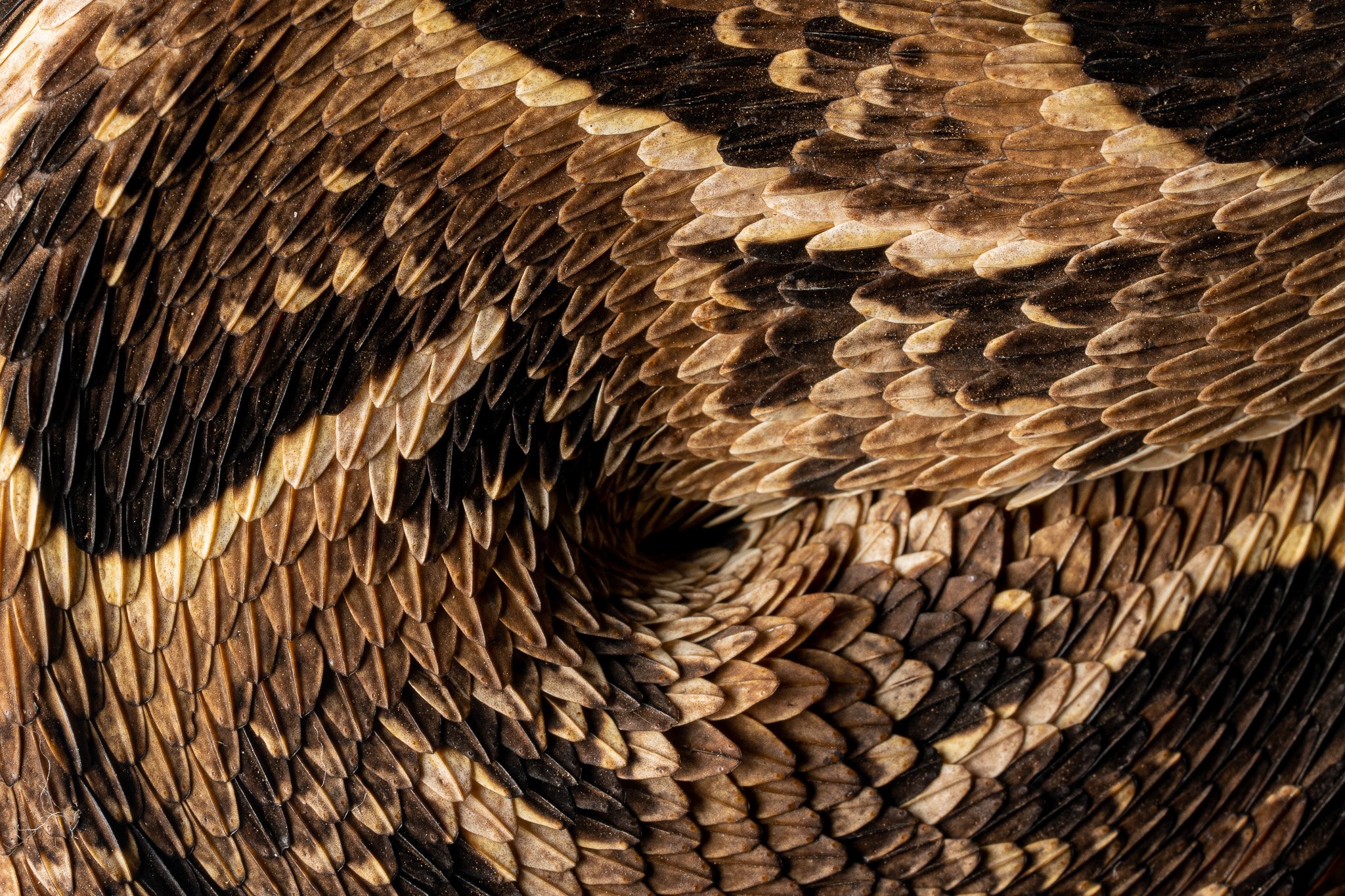
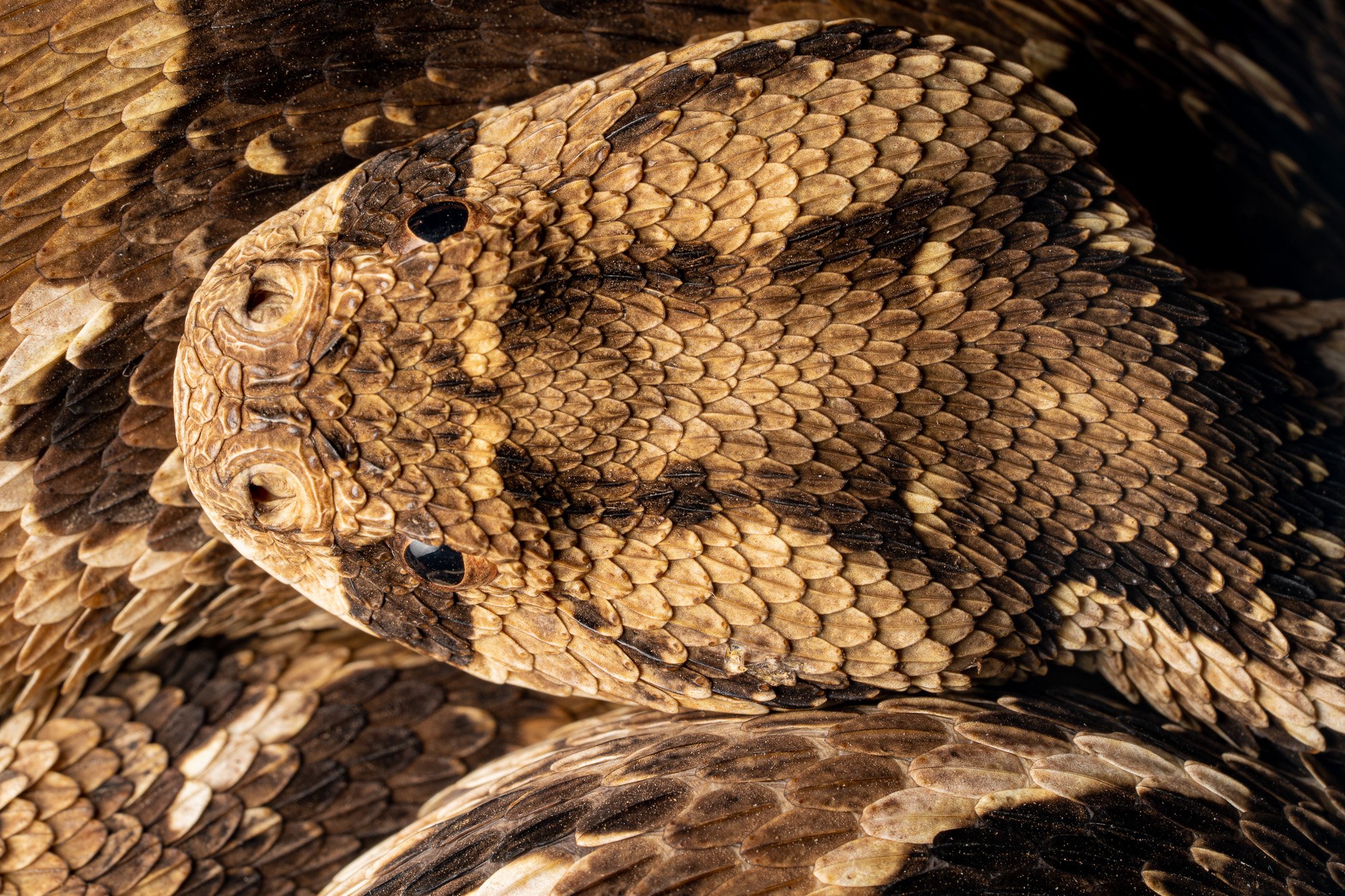
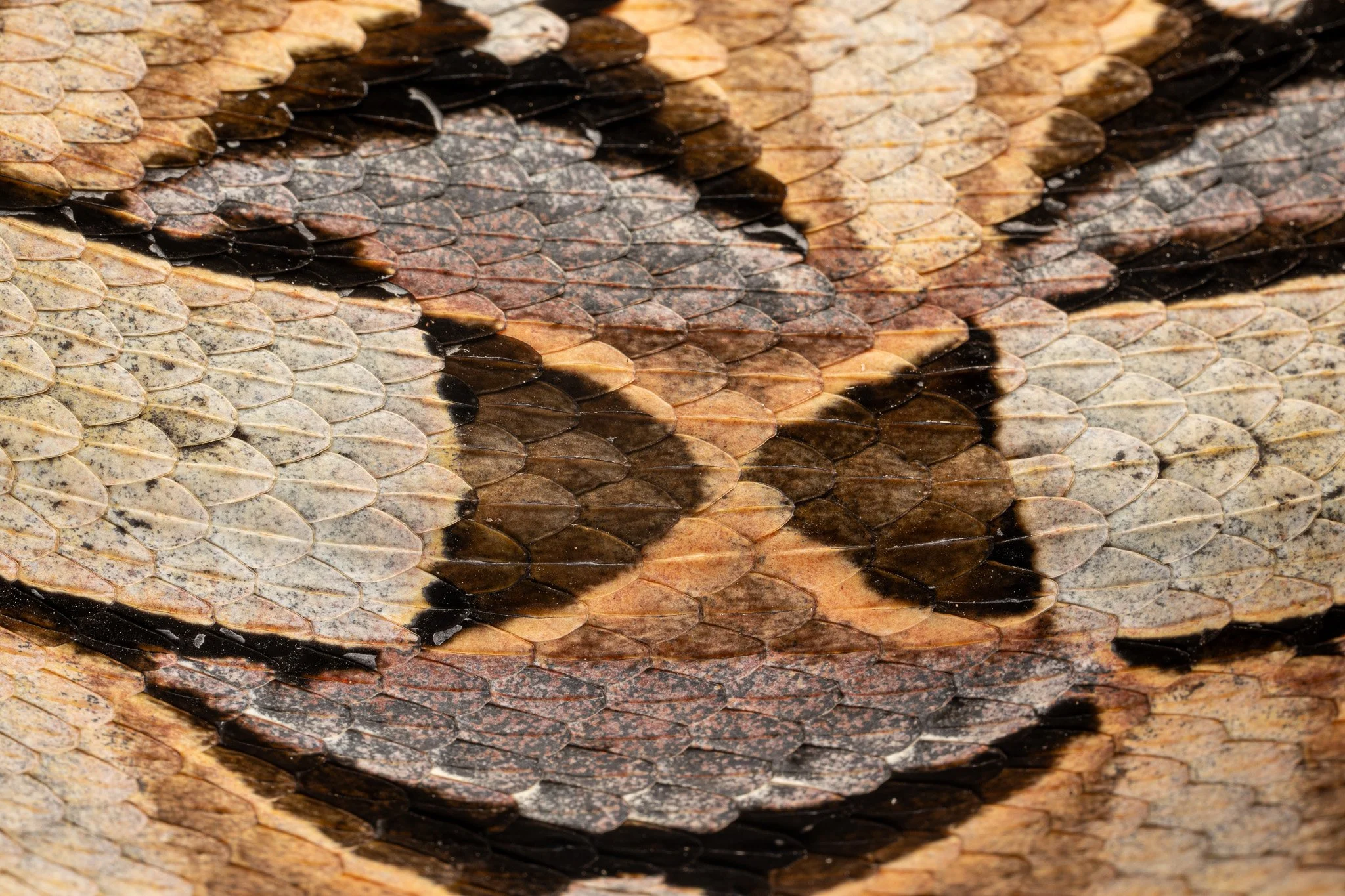
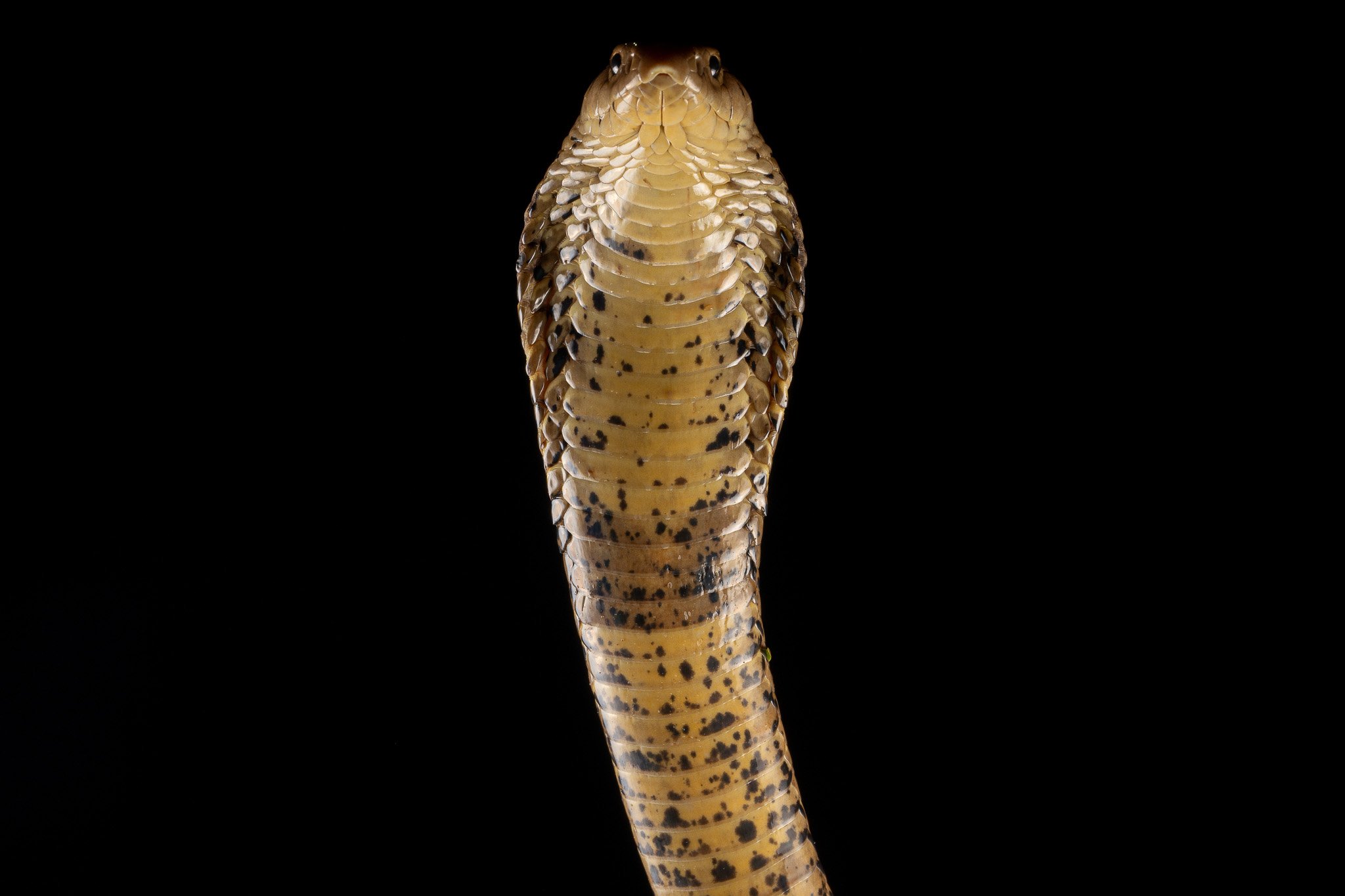
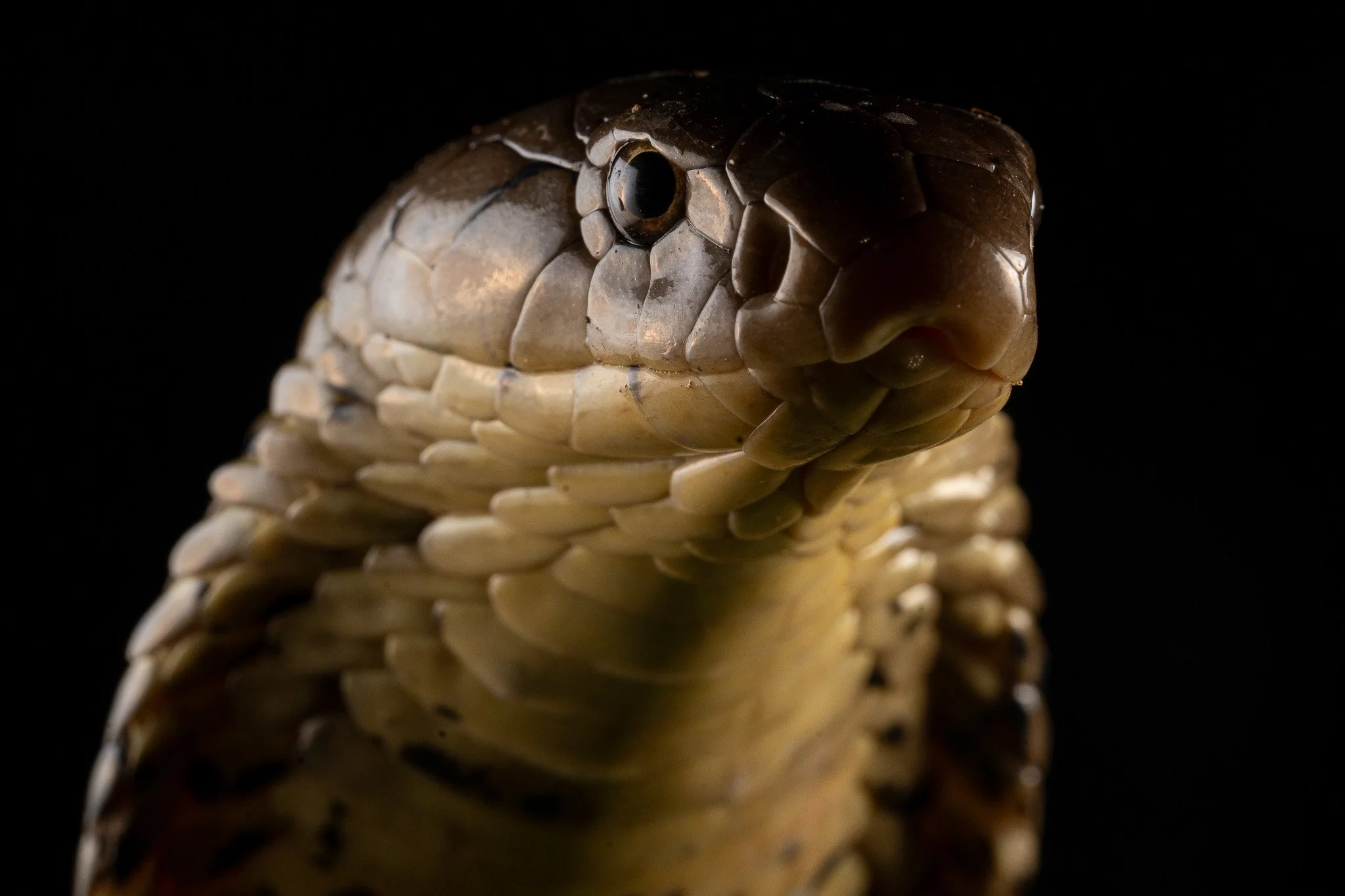
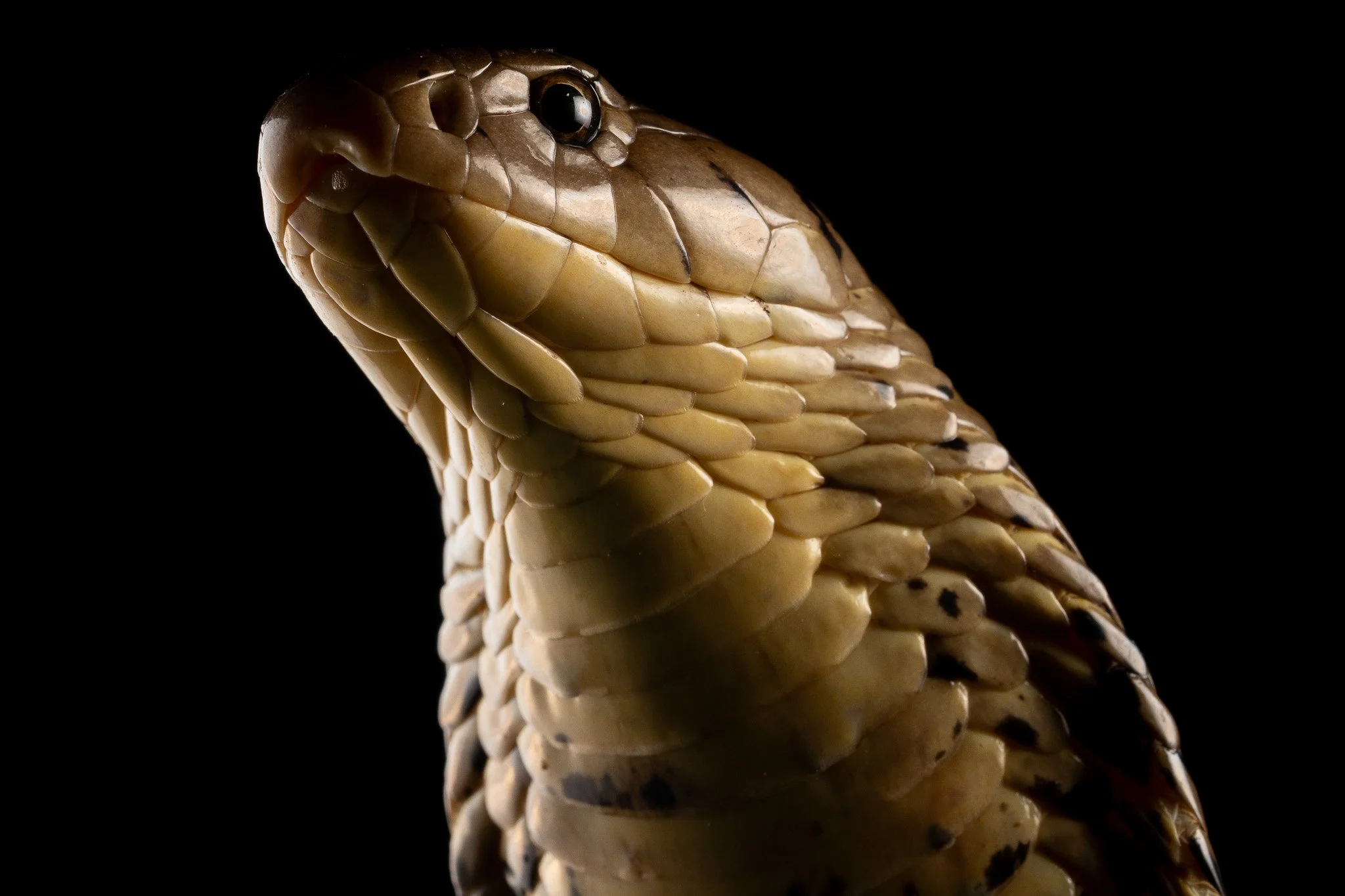
Targets here include the black mamba, snouted cobra, puff adder, mozambique spitting cobra, shieldnose cobra, elongate quill-snouted snake, white-throated monitor, the burrowing asp, boomslang, the flap-necked chameleon, and the Southern African rock python.
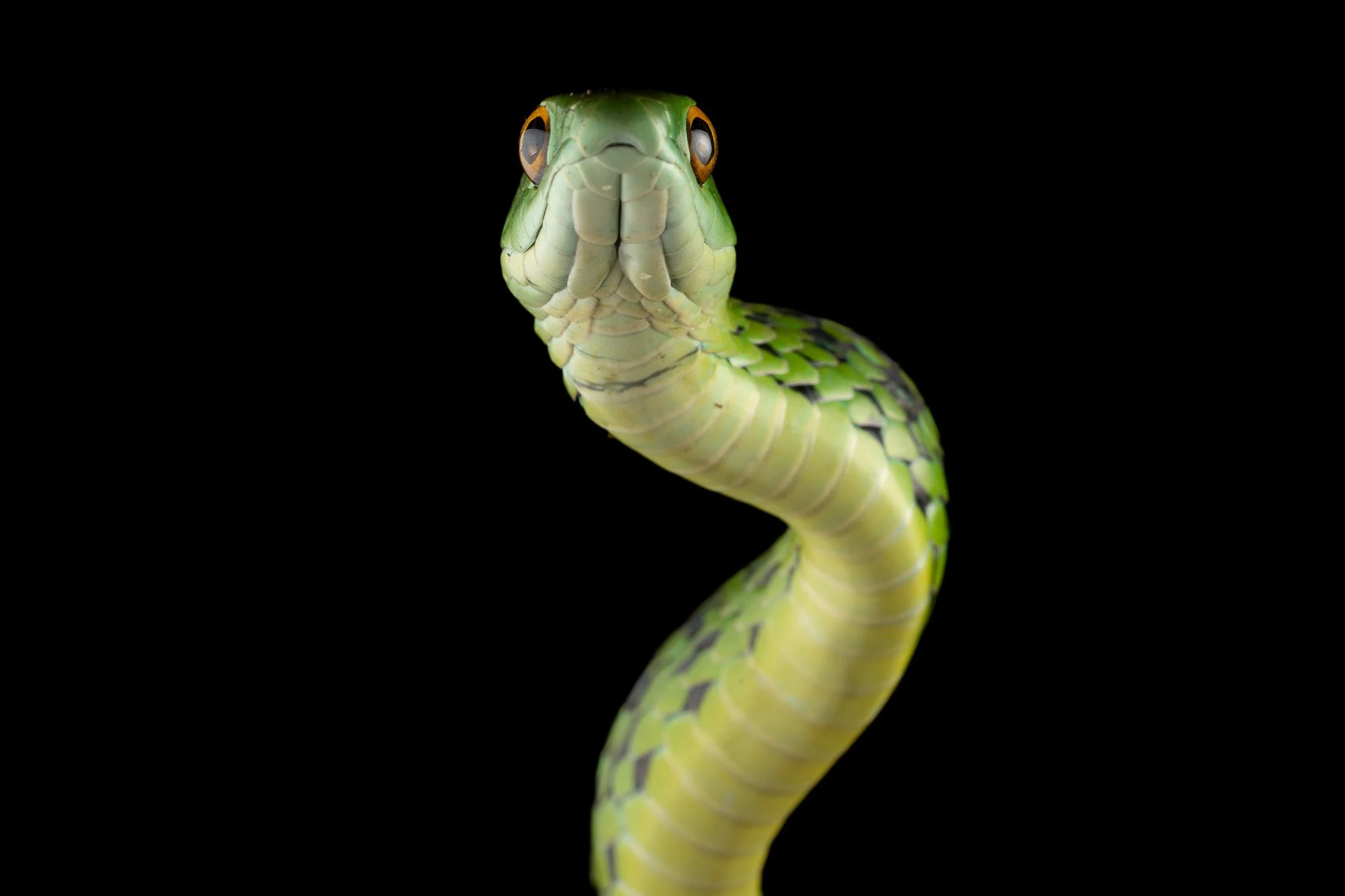
November 26: fly to harare, drive to honde valley in the eastern highlands.
This is a big travel day. Leading up to the trip, we will coordinate to make sure everyone is on the same flight from Victoria Falls to Harare (ticket not included), which is a quick, nonstop flight.
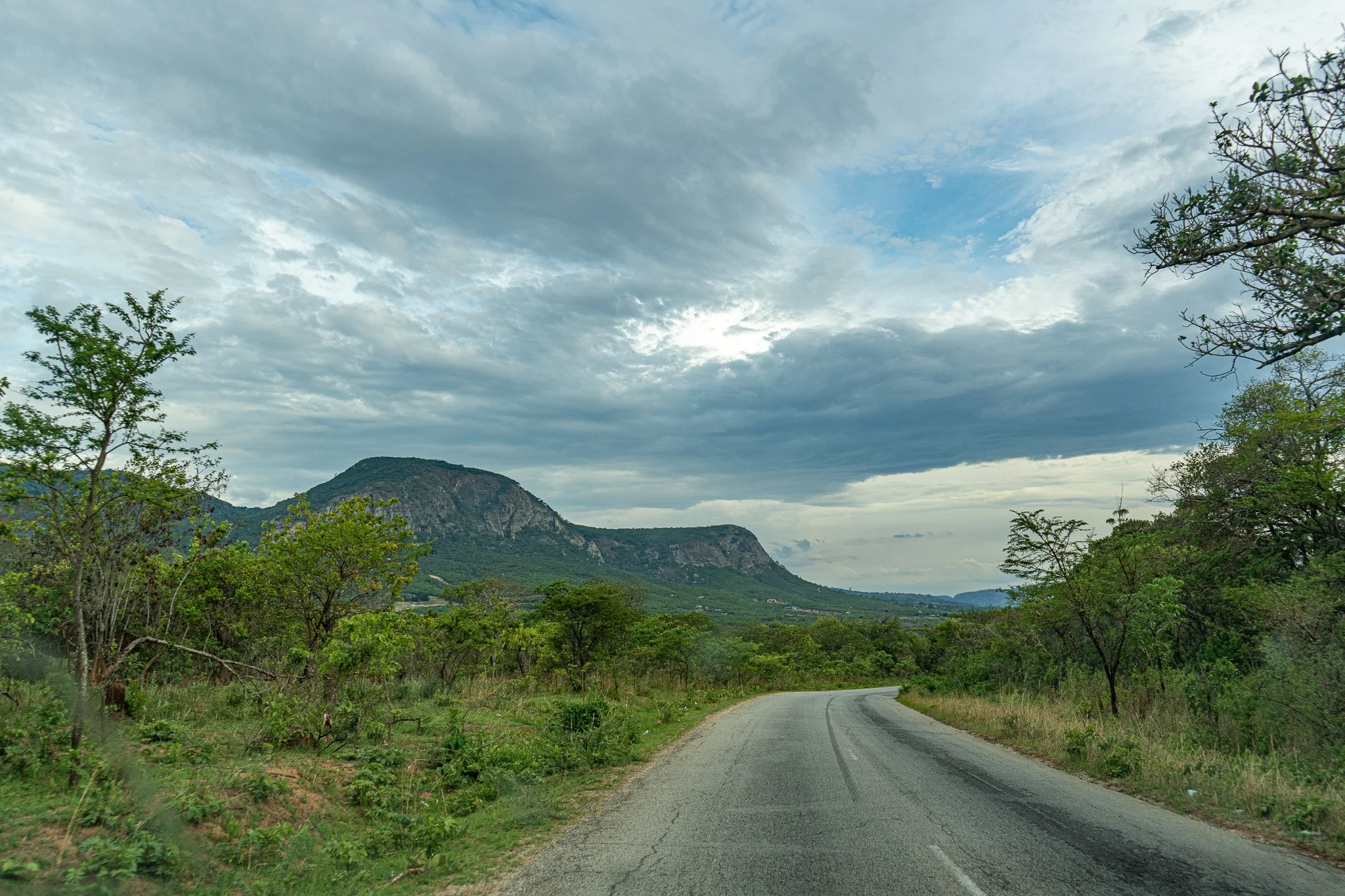
Once we land in Harare (the capital of Zimbabwe), we’ll grab our new rental trucks and head straight for the Eastern Highlands on the Mozambique border. The drive can be between 4-6 hours, depending on road conditions. Herping is very possible along the way.
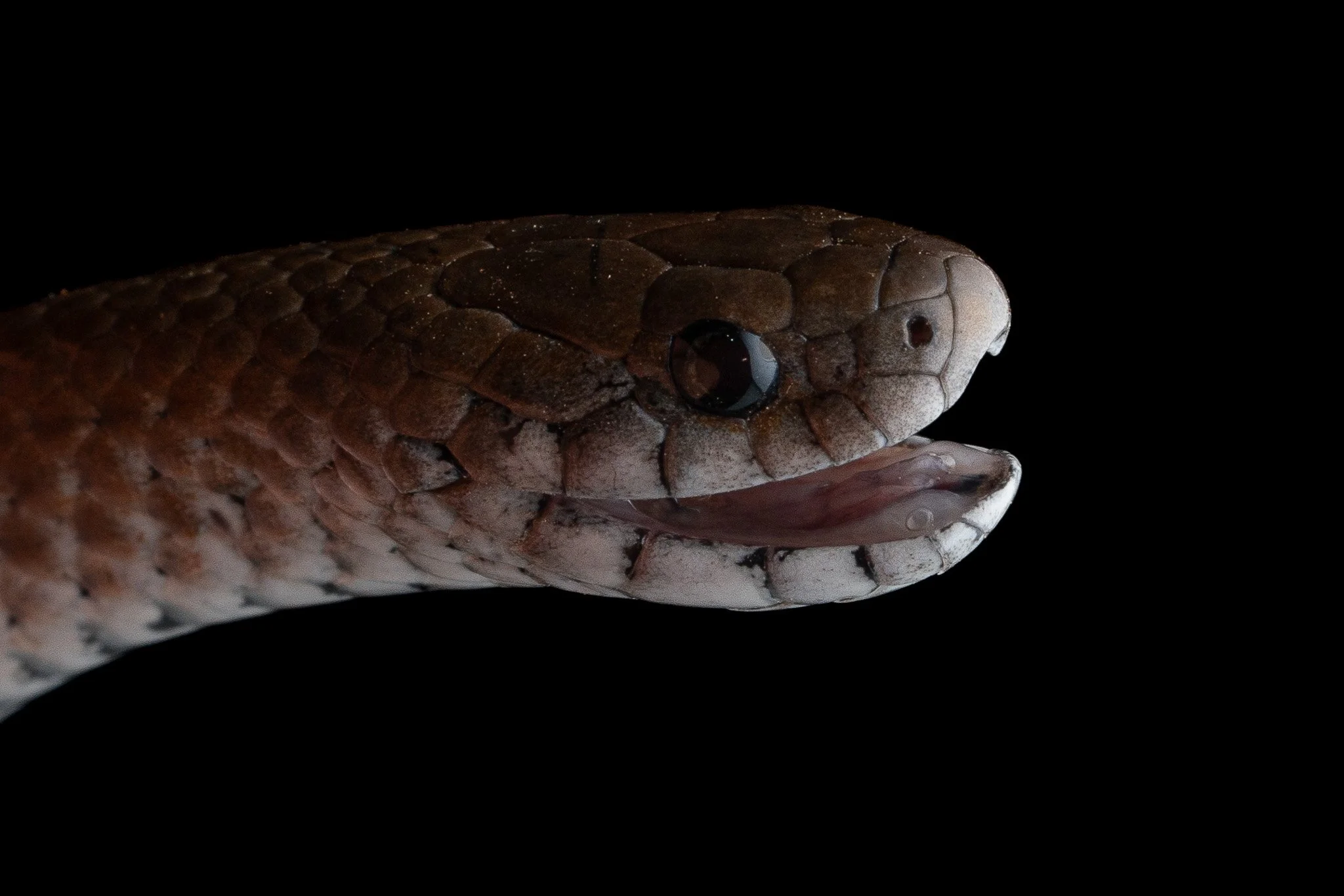
We will be passing directly through the park where the long-lost Nyanga rinkhals (Hemachatus nyangensi)sis known from. We will be stopping in the area of the last known individual was and giving it a good search. We will reach our accommodations in the evening.
ITINERARY (continued):
NOVEMBER 27-DEC. 02: EXPLORE HONDE VALLEY RAINFOREST AND TEA PLANTATIONS
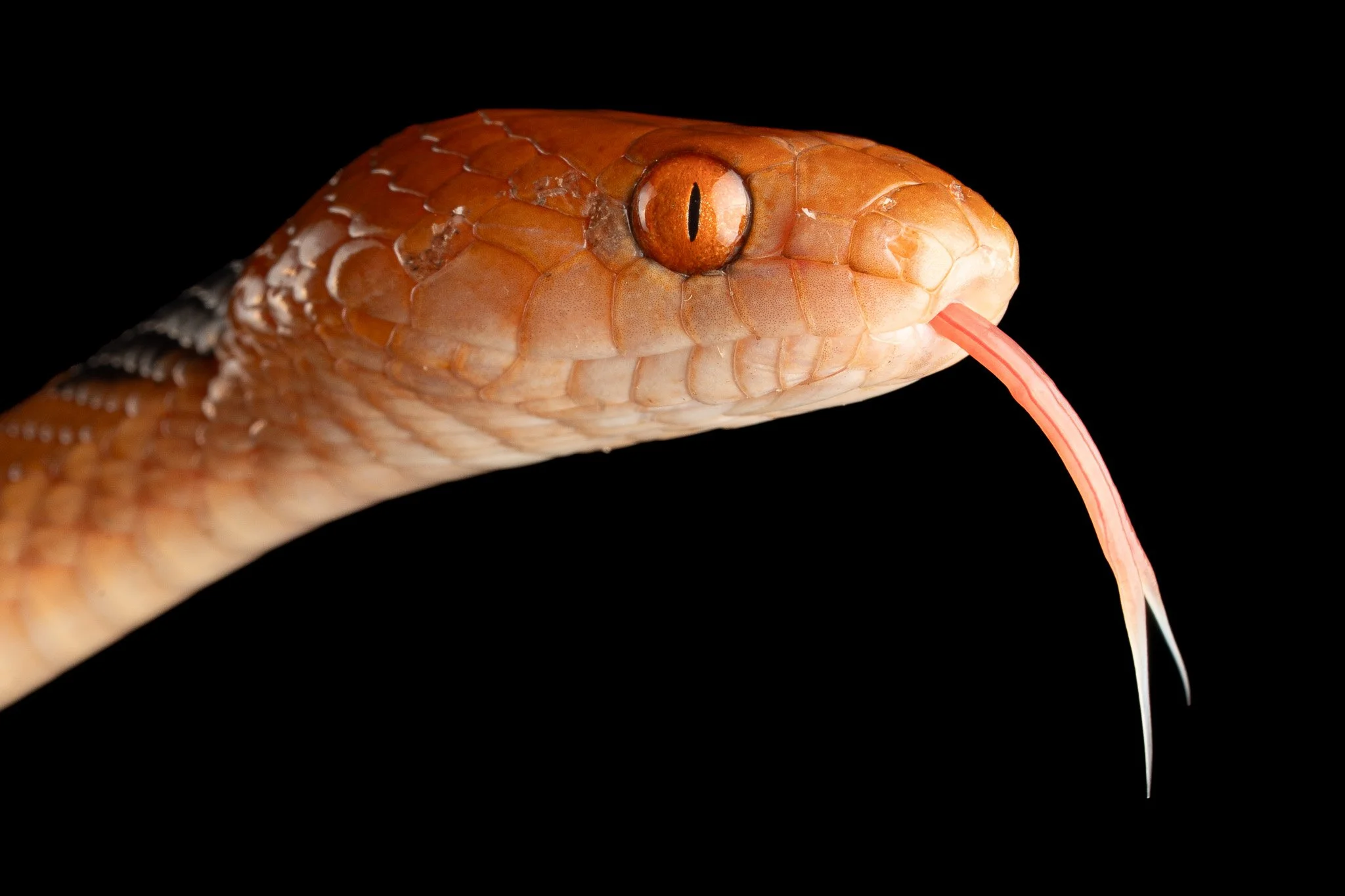
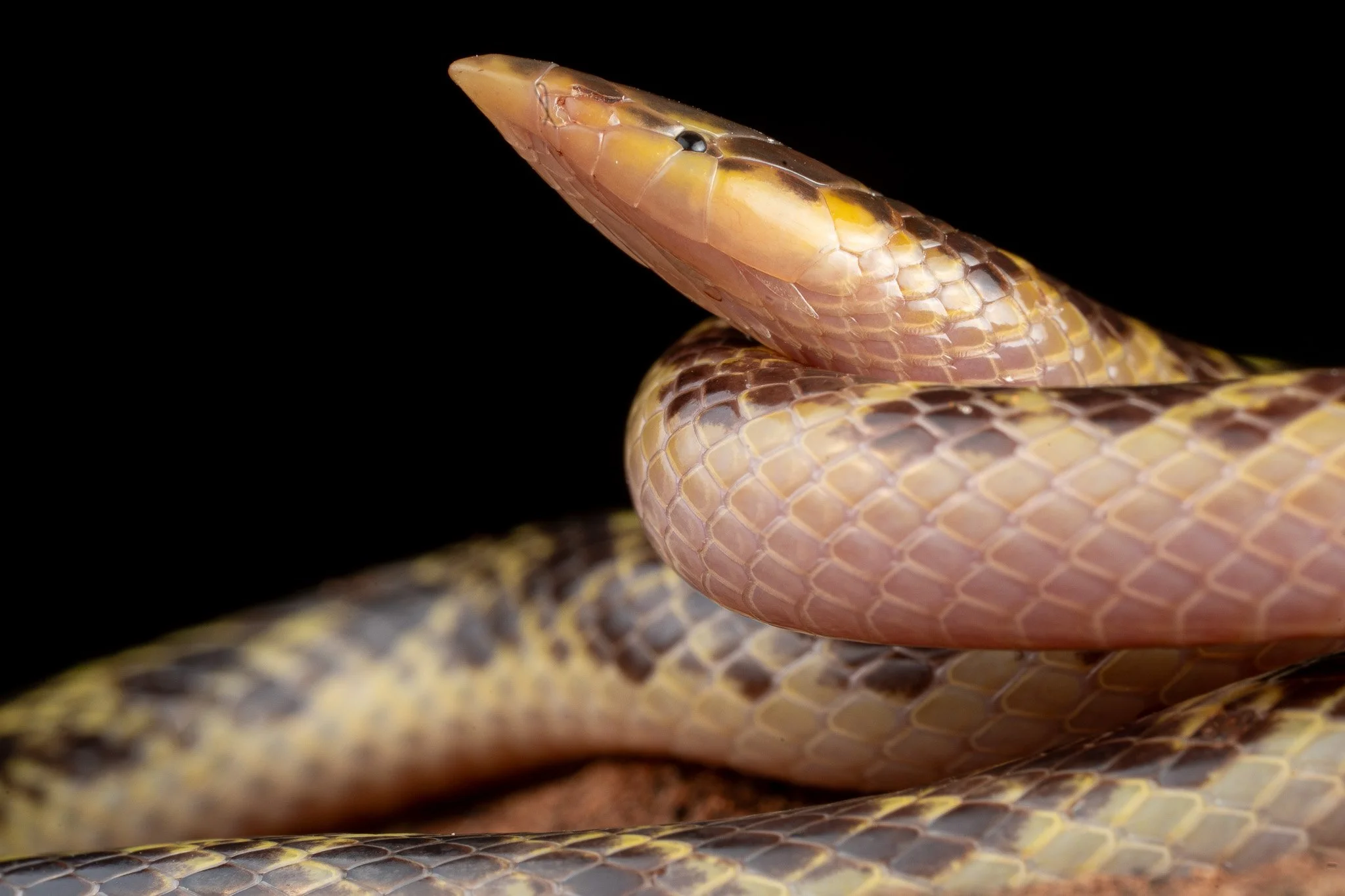
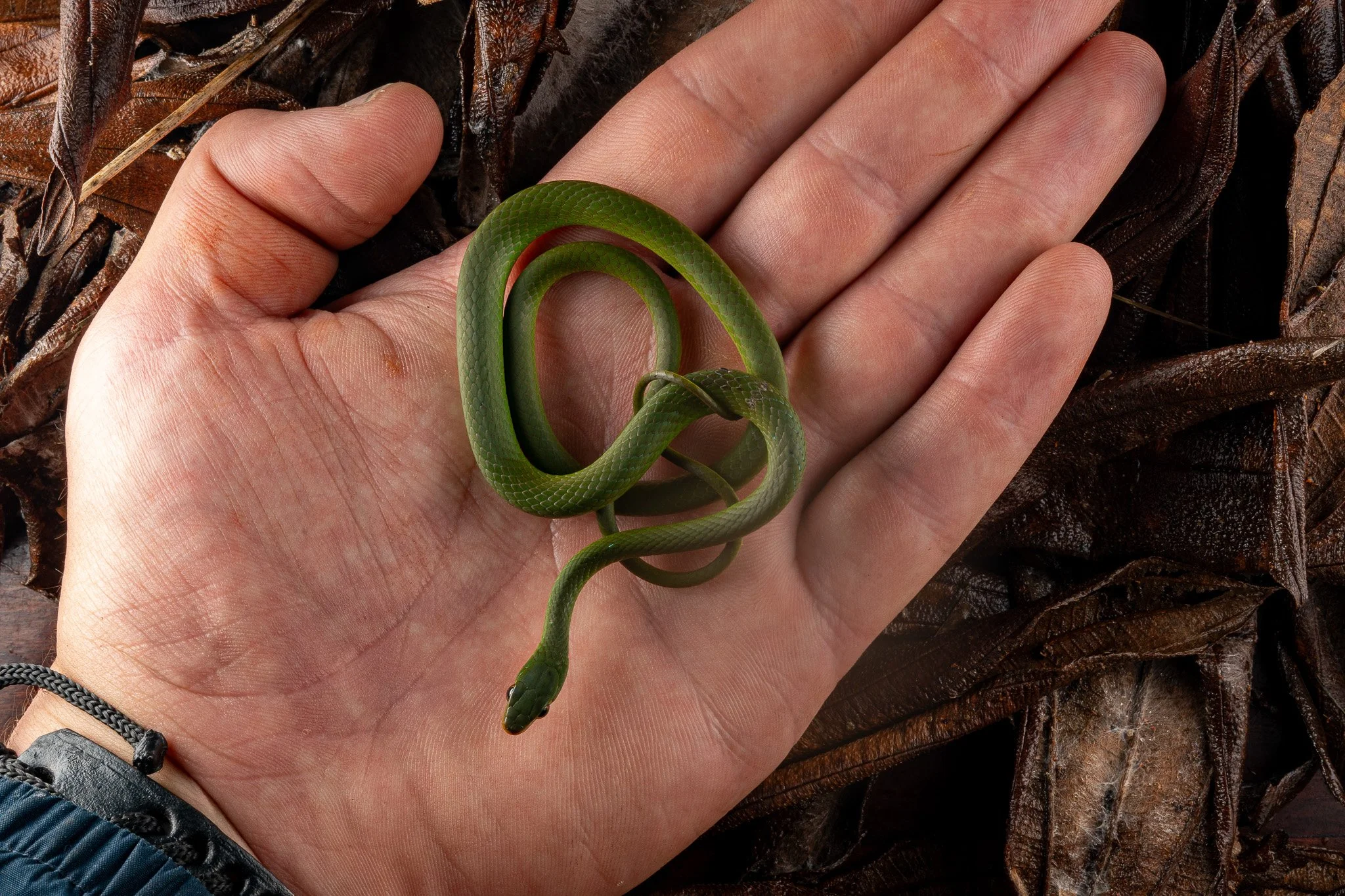
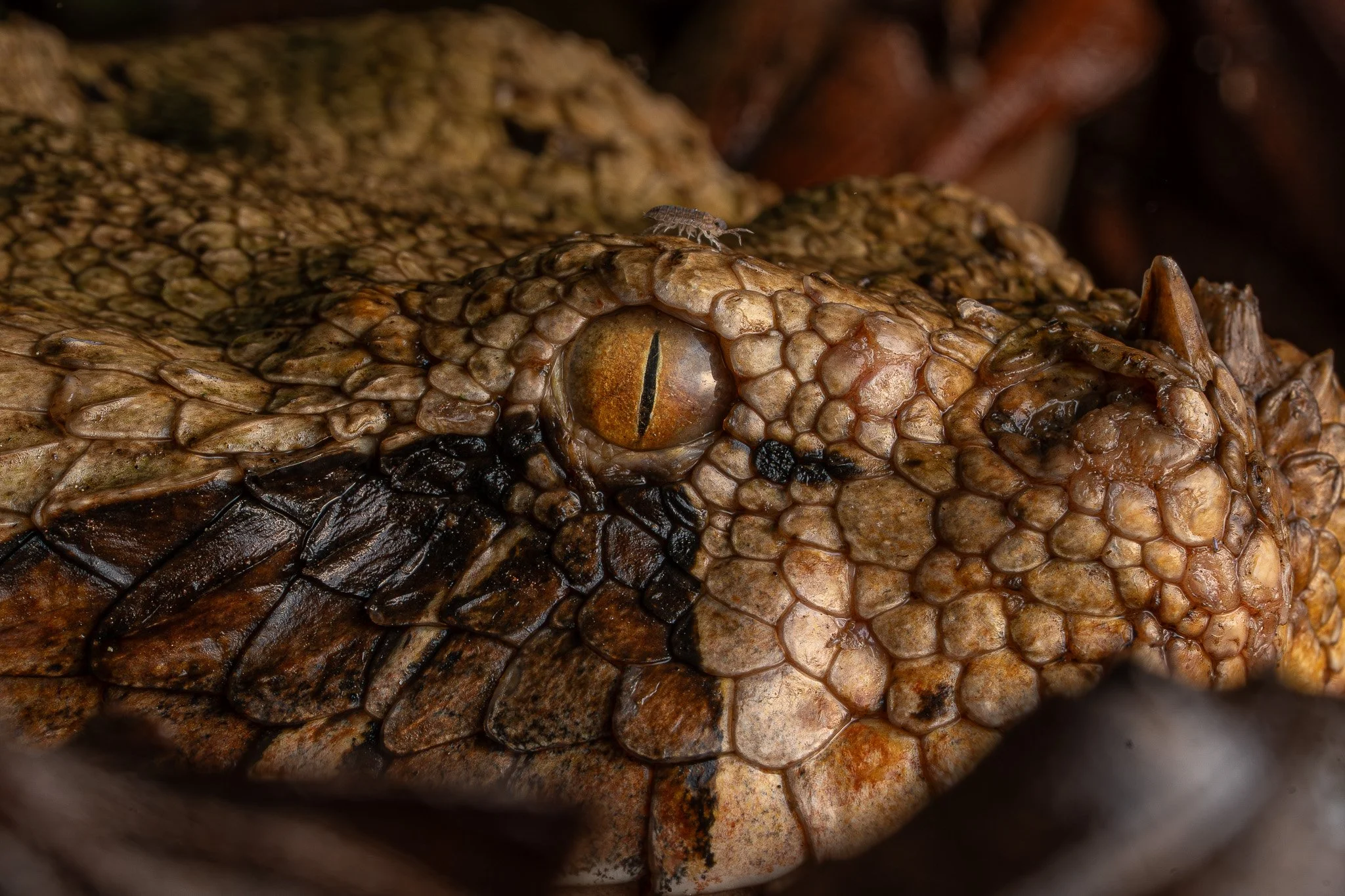
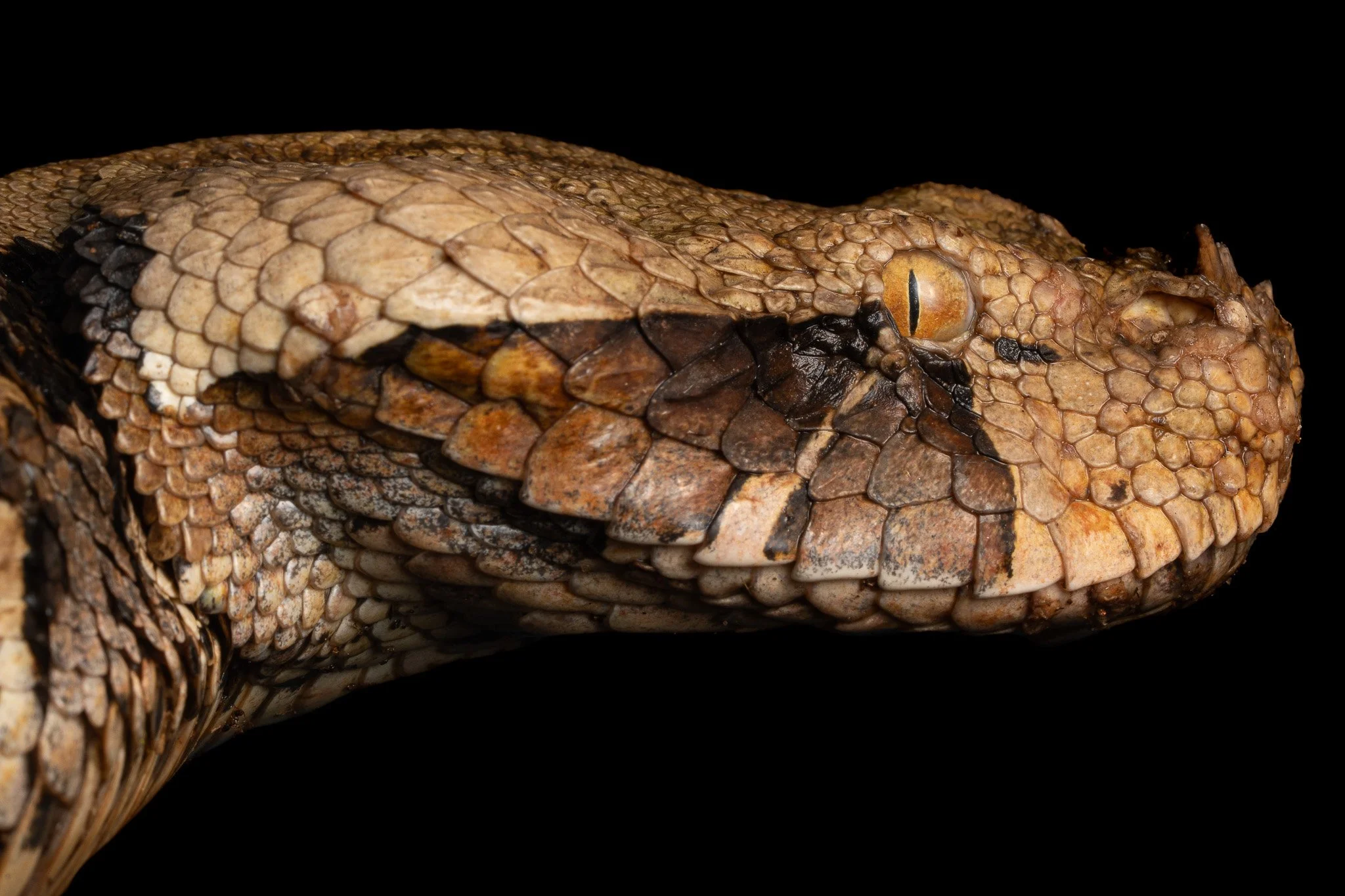
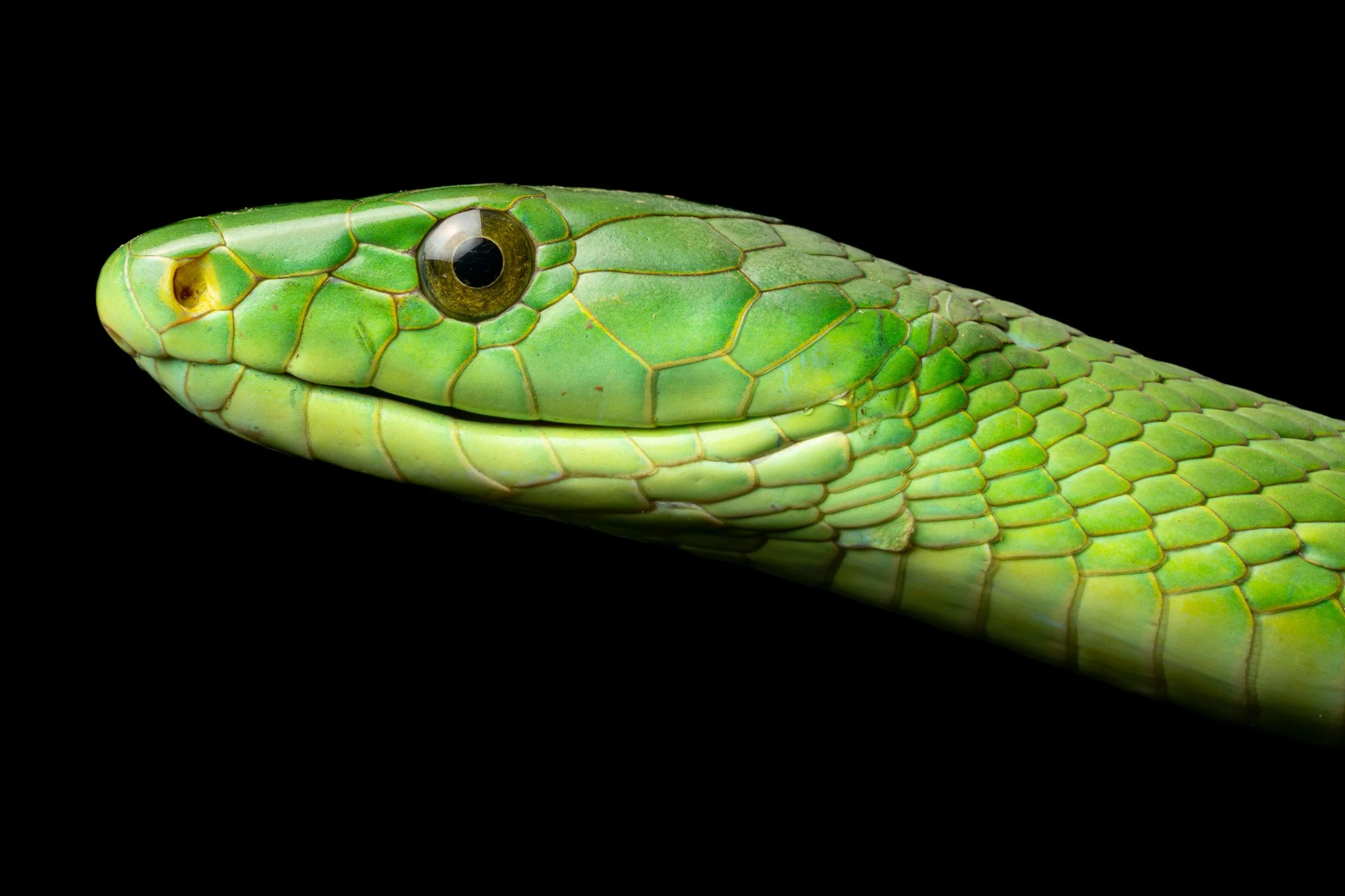
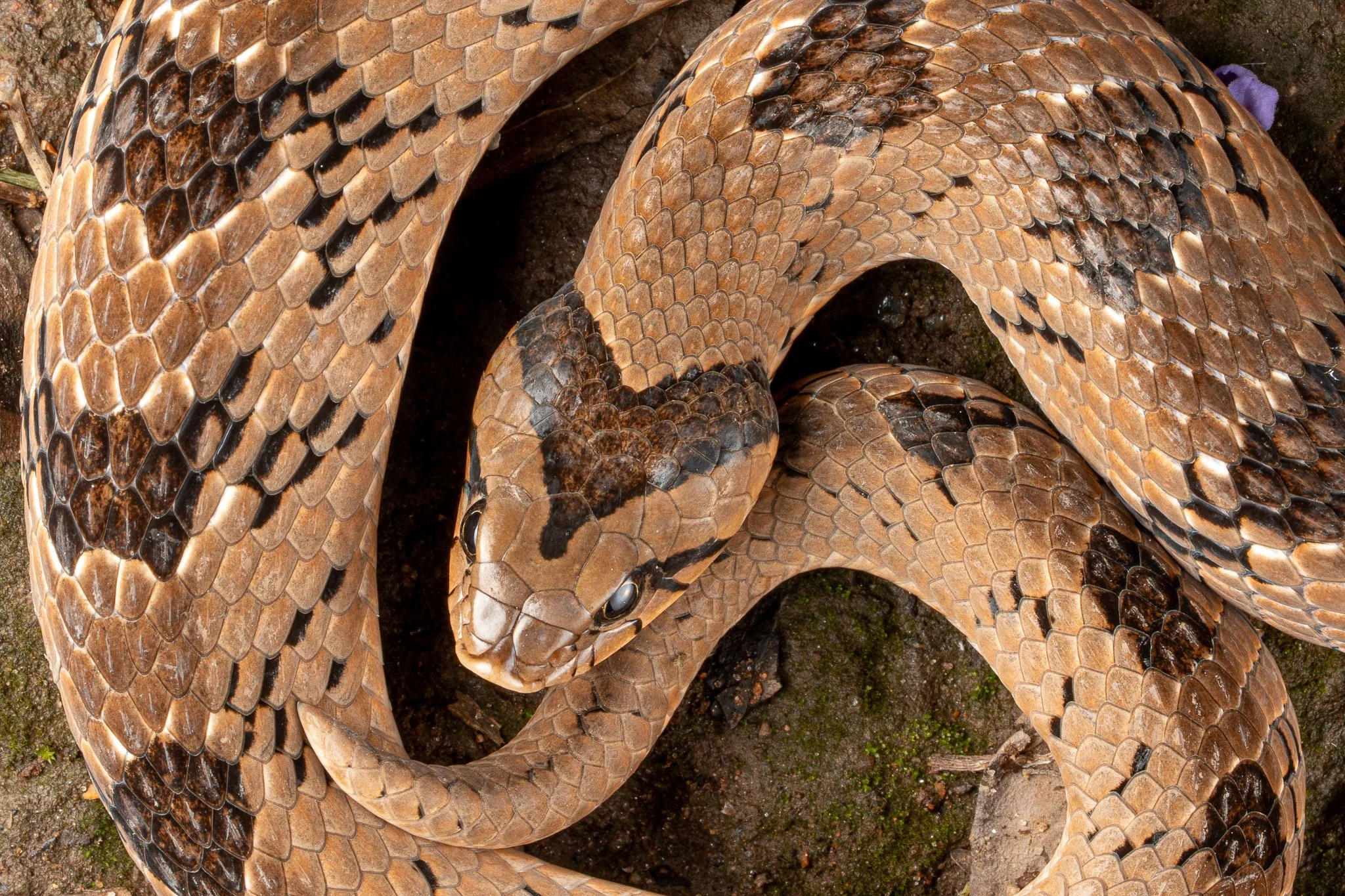
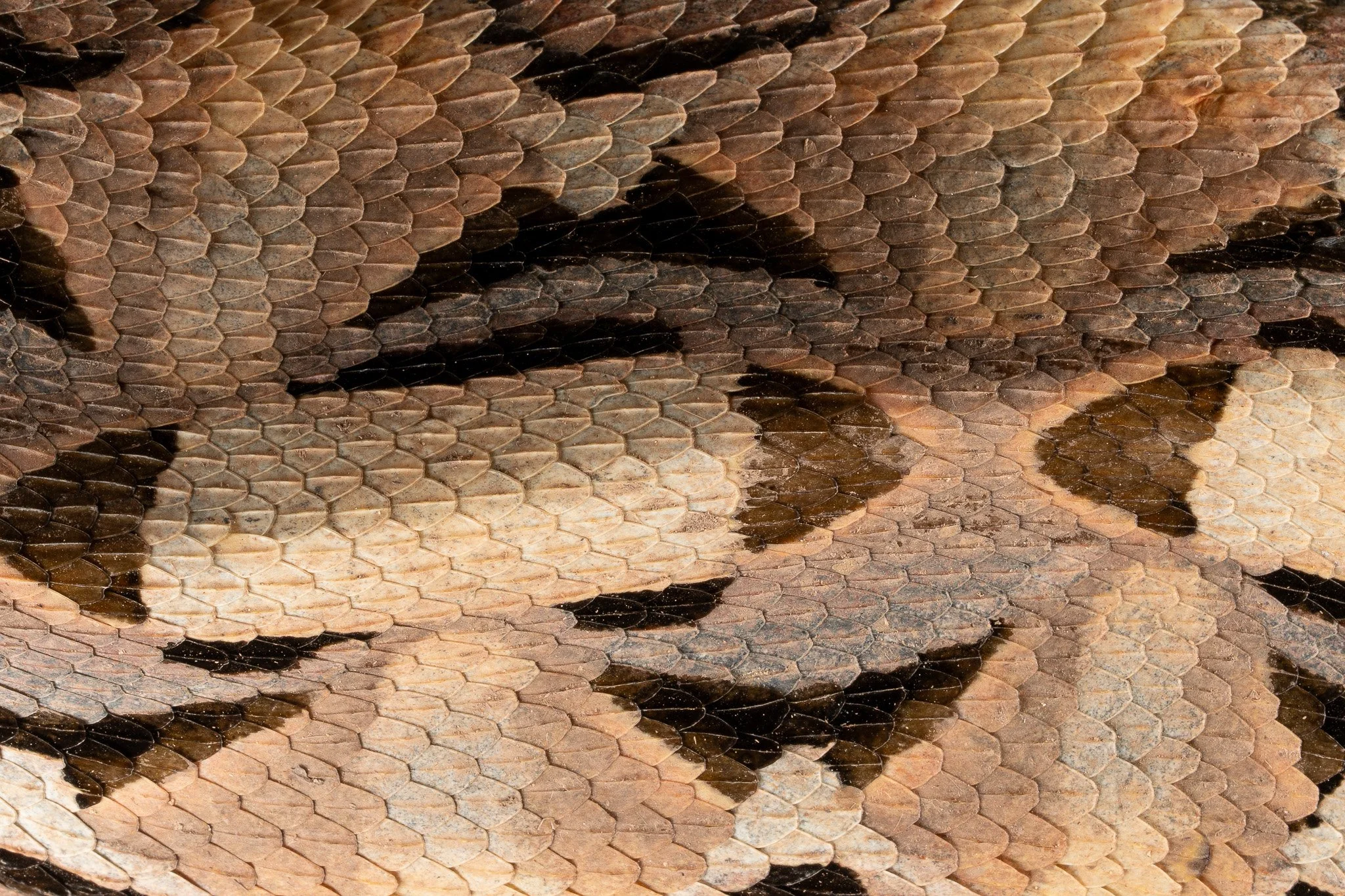
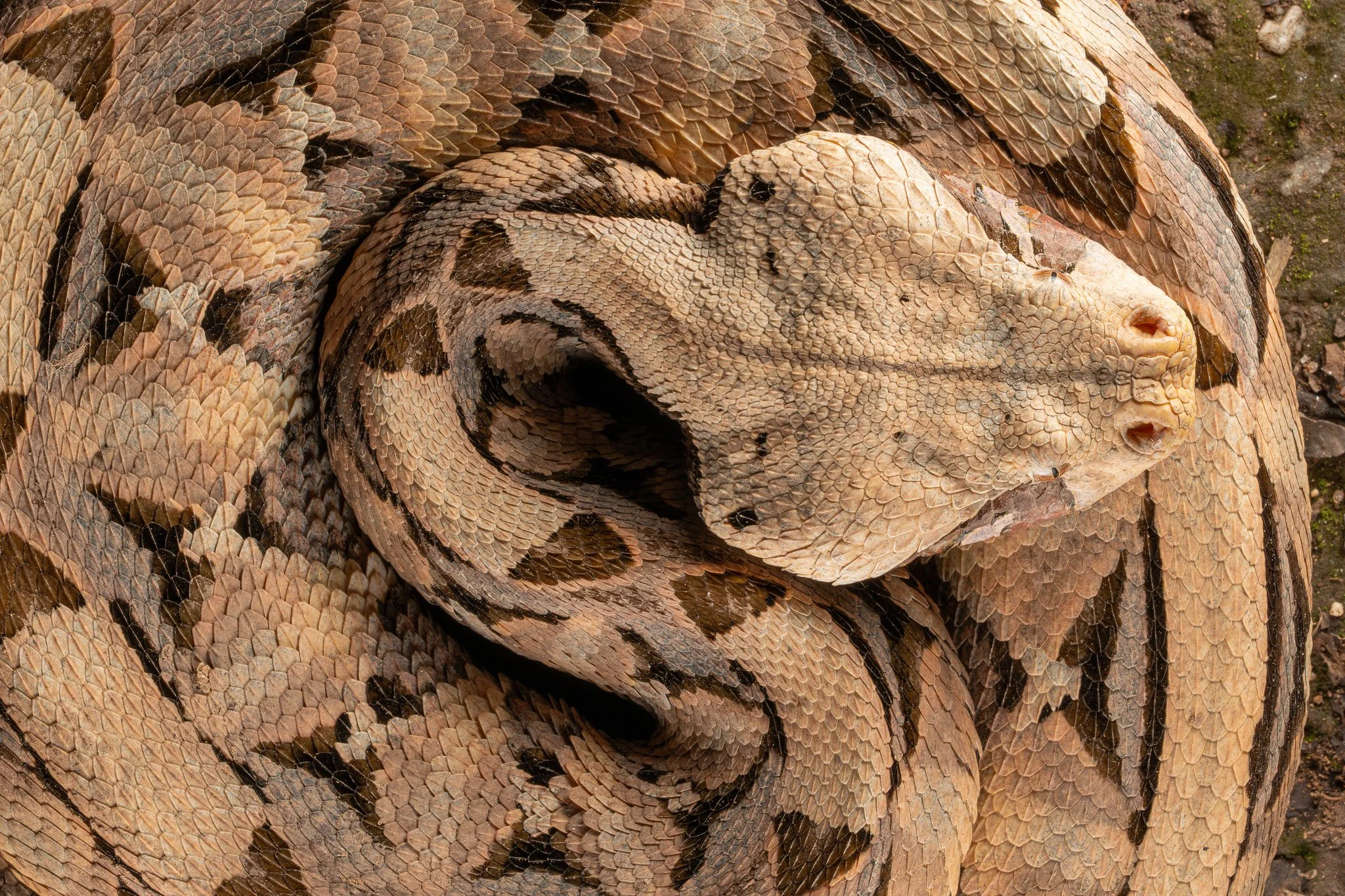
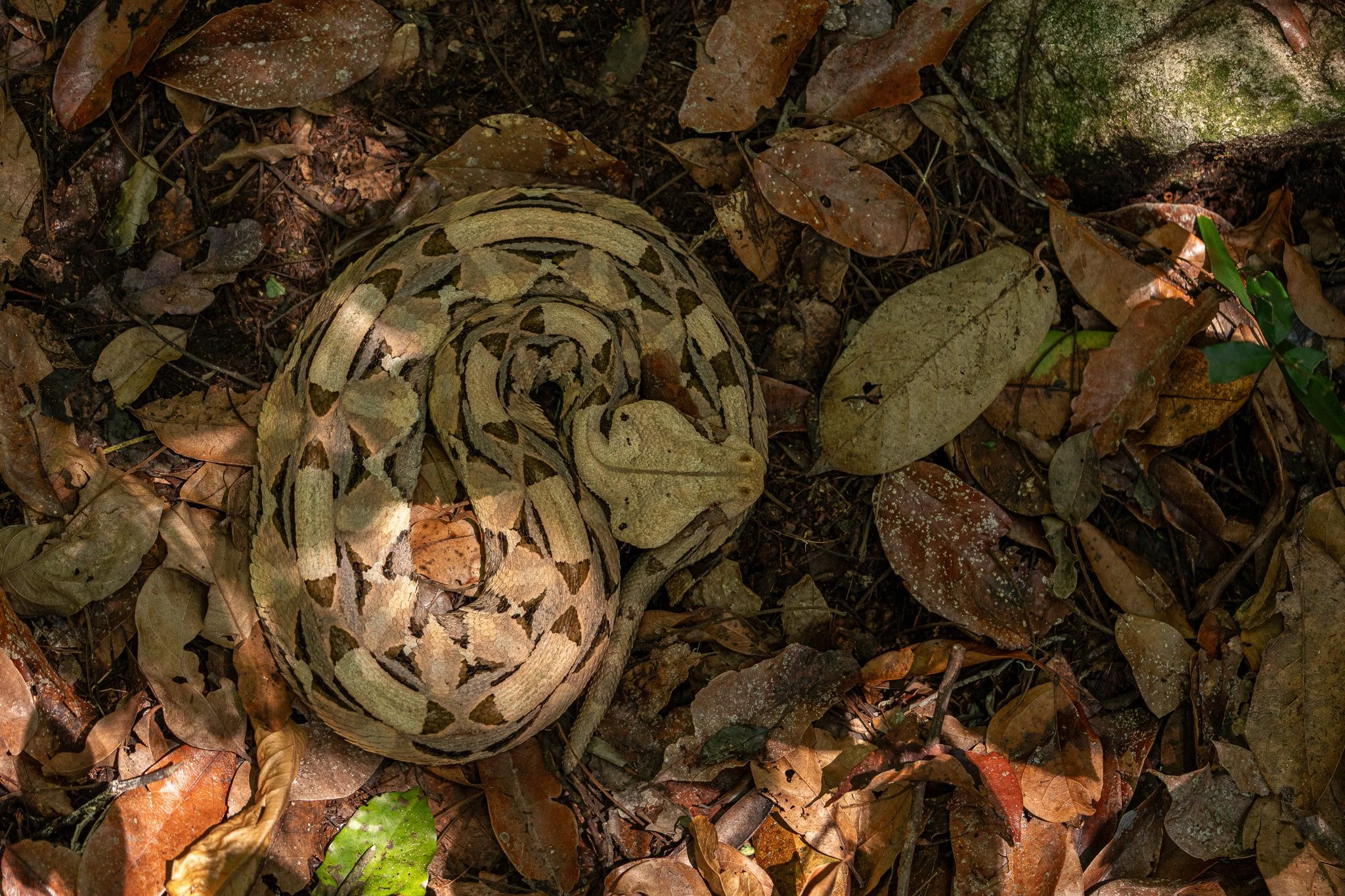
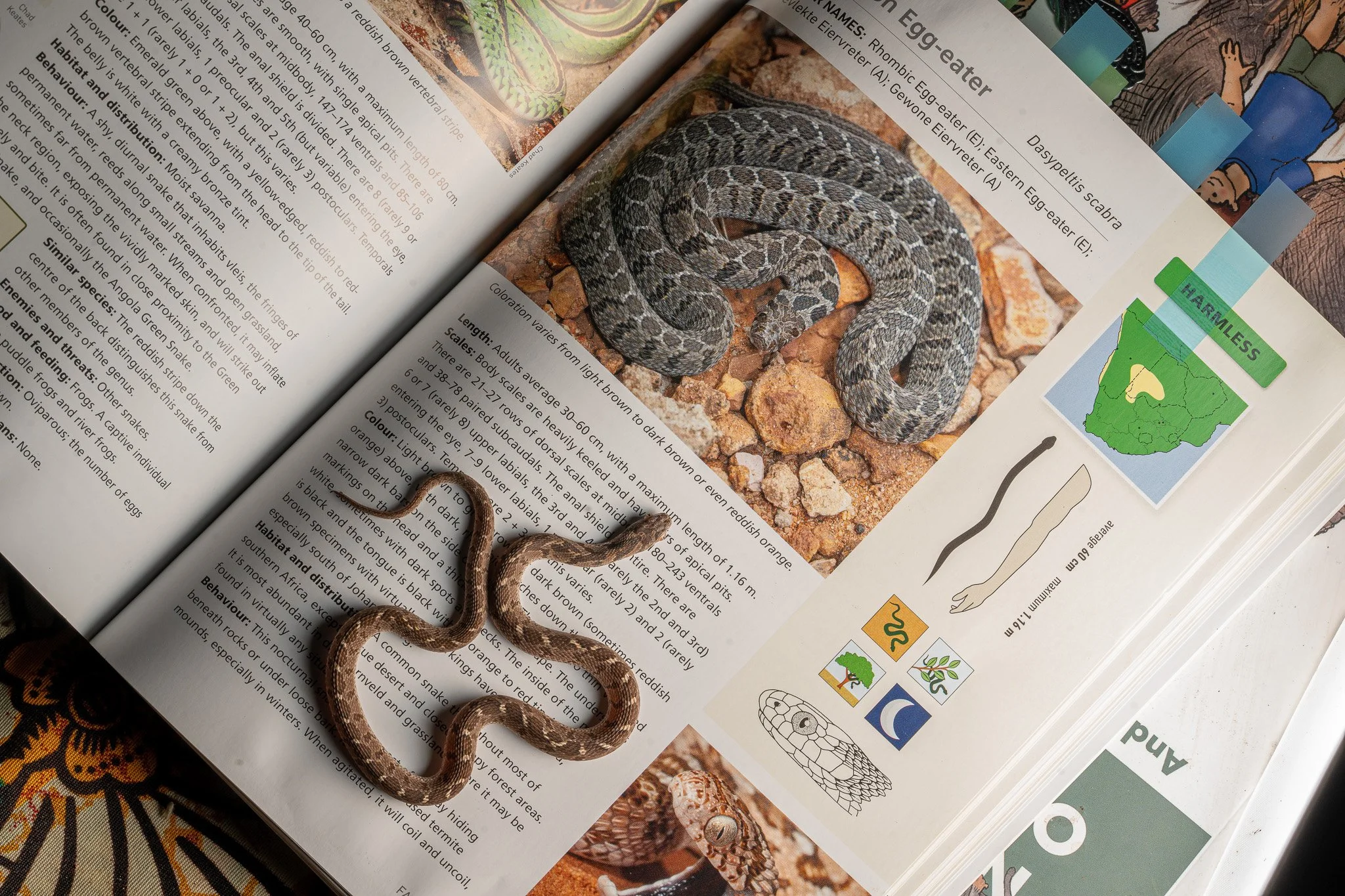
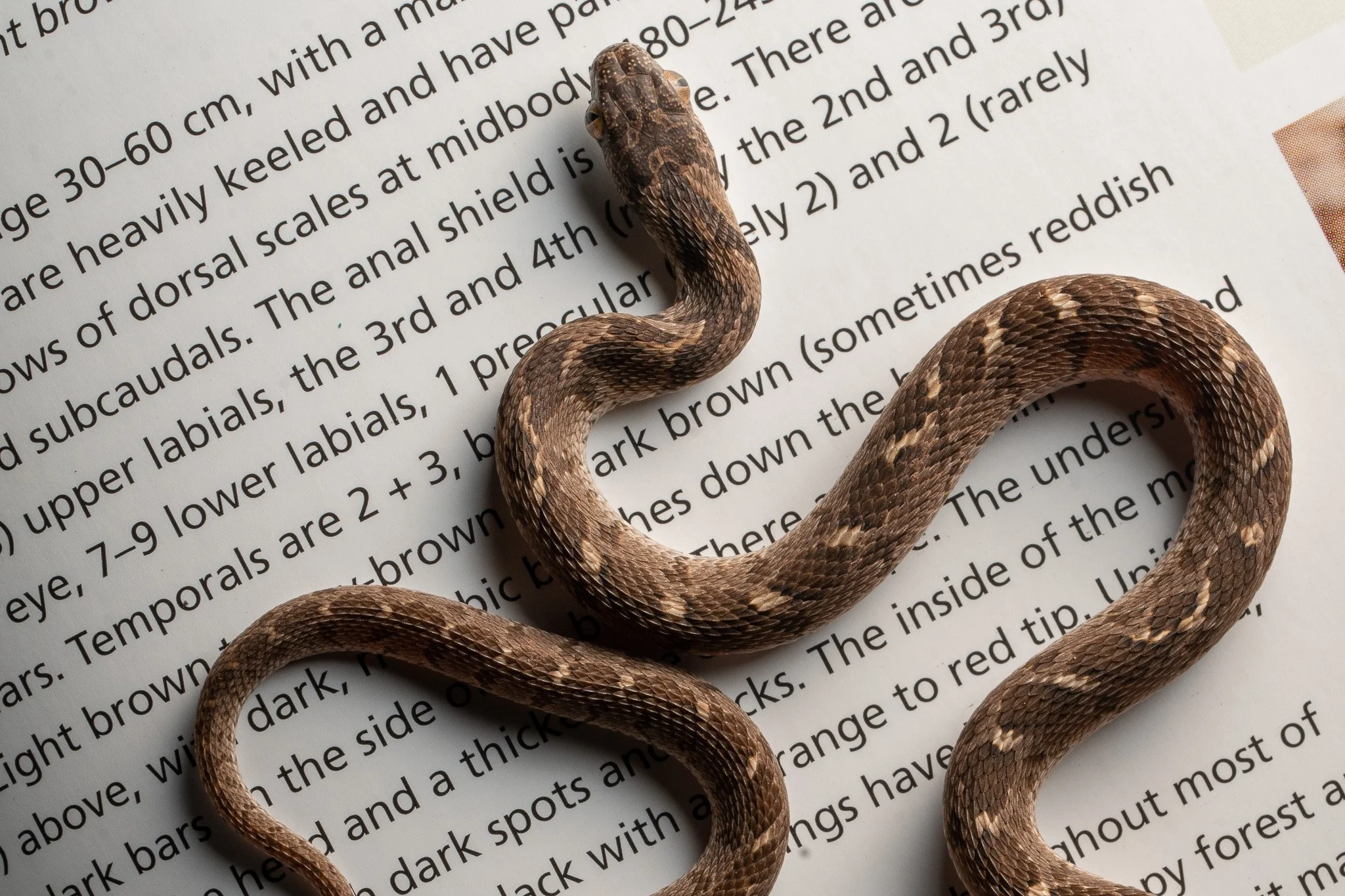
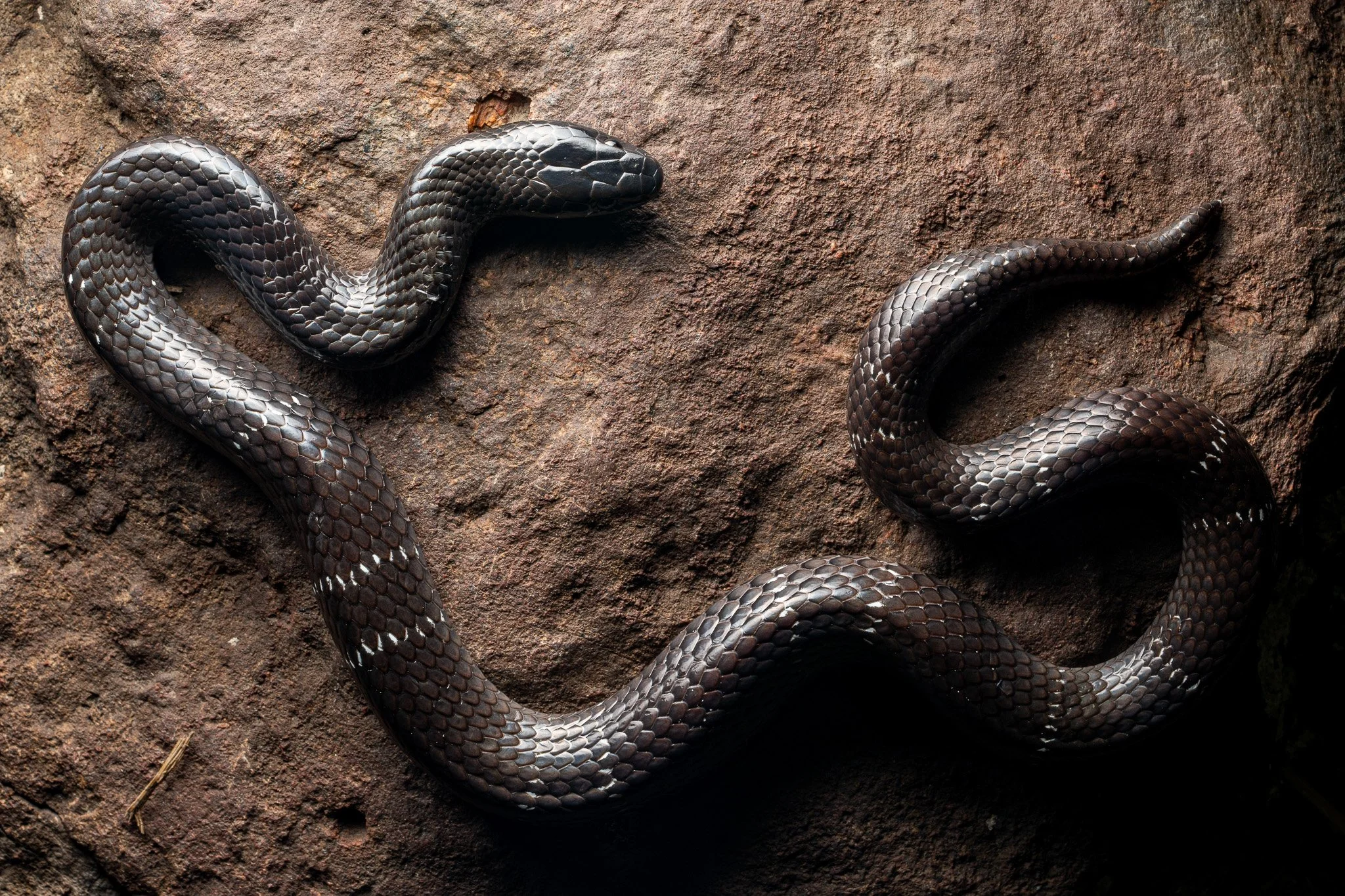
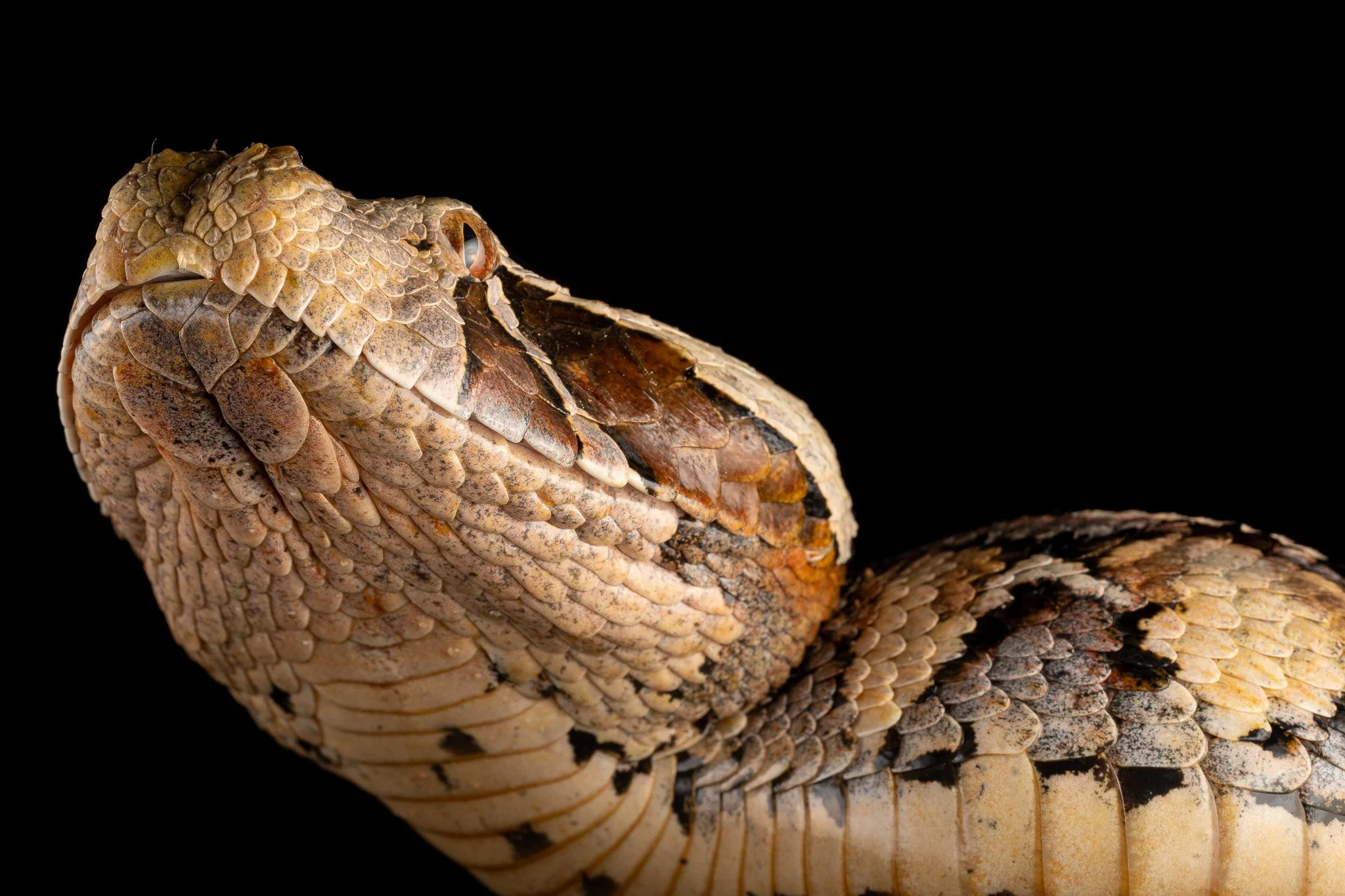
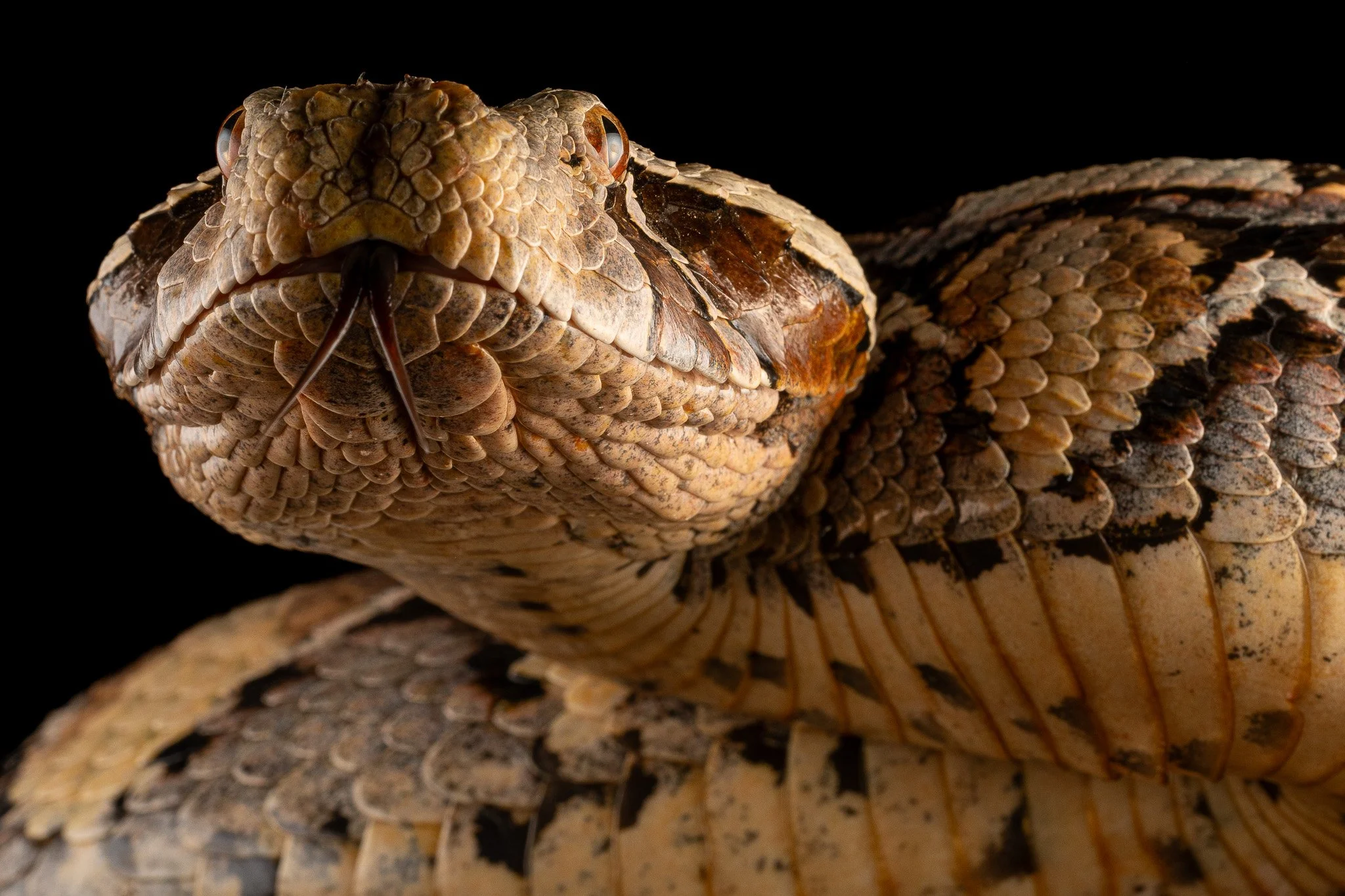
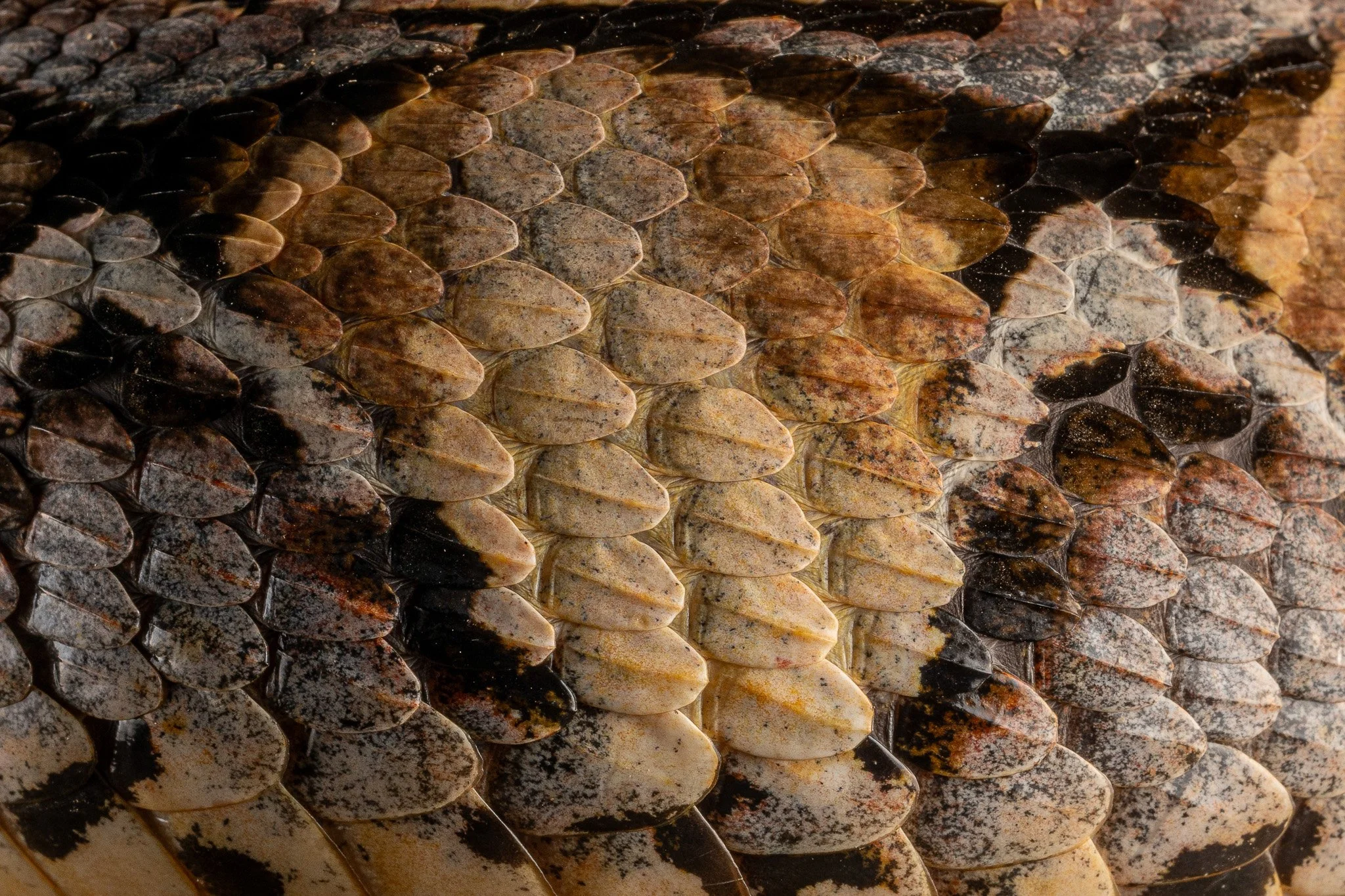
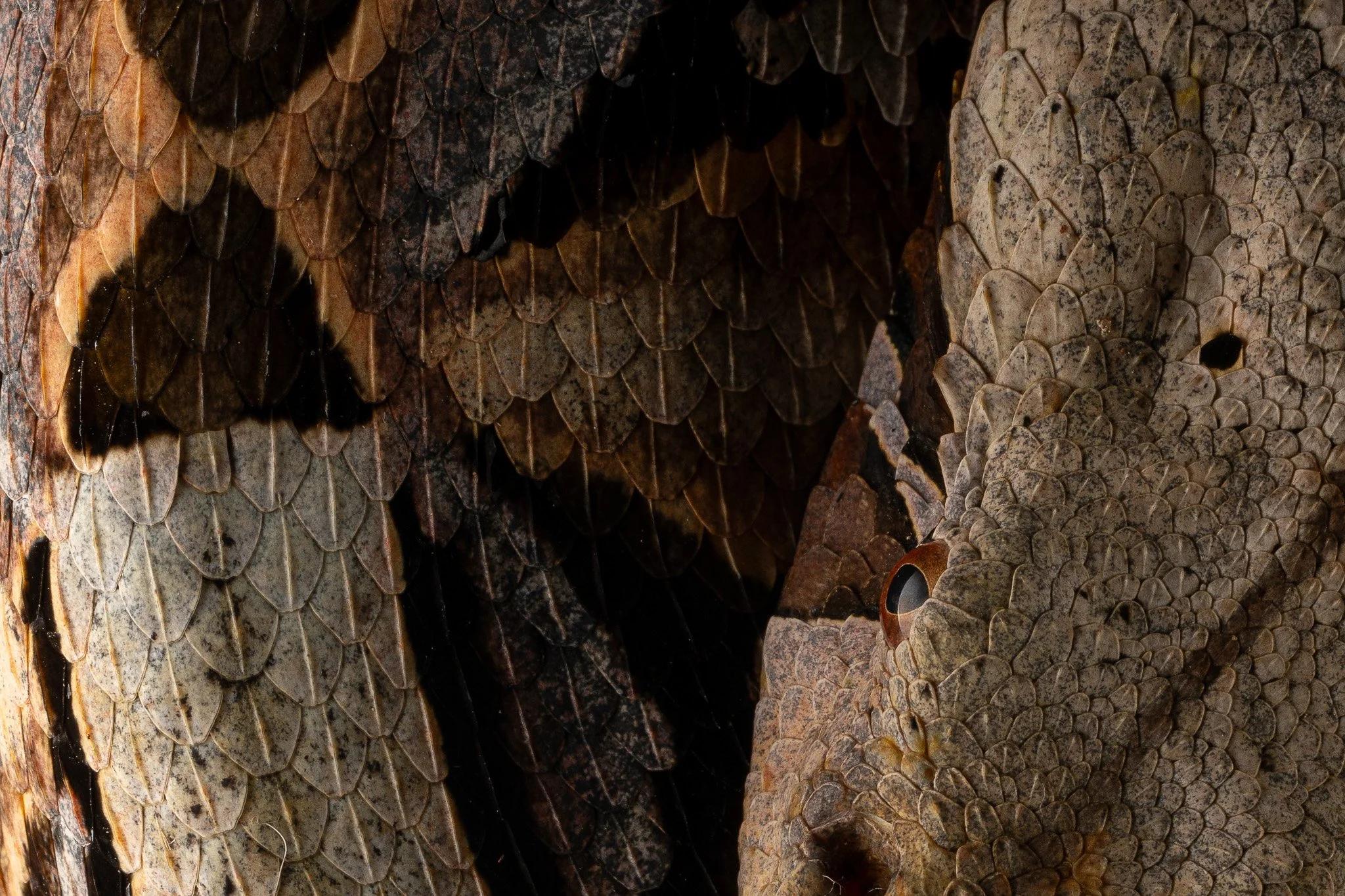
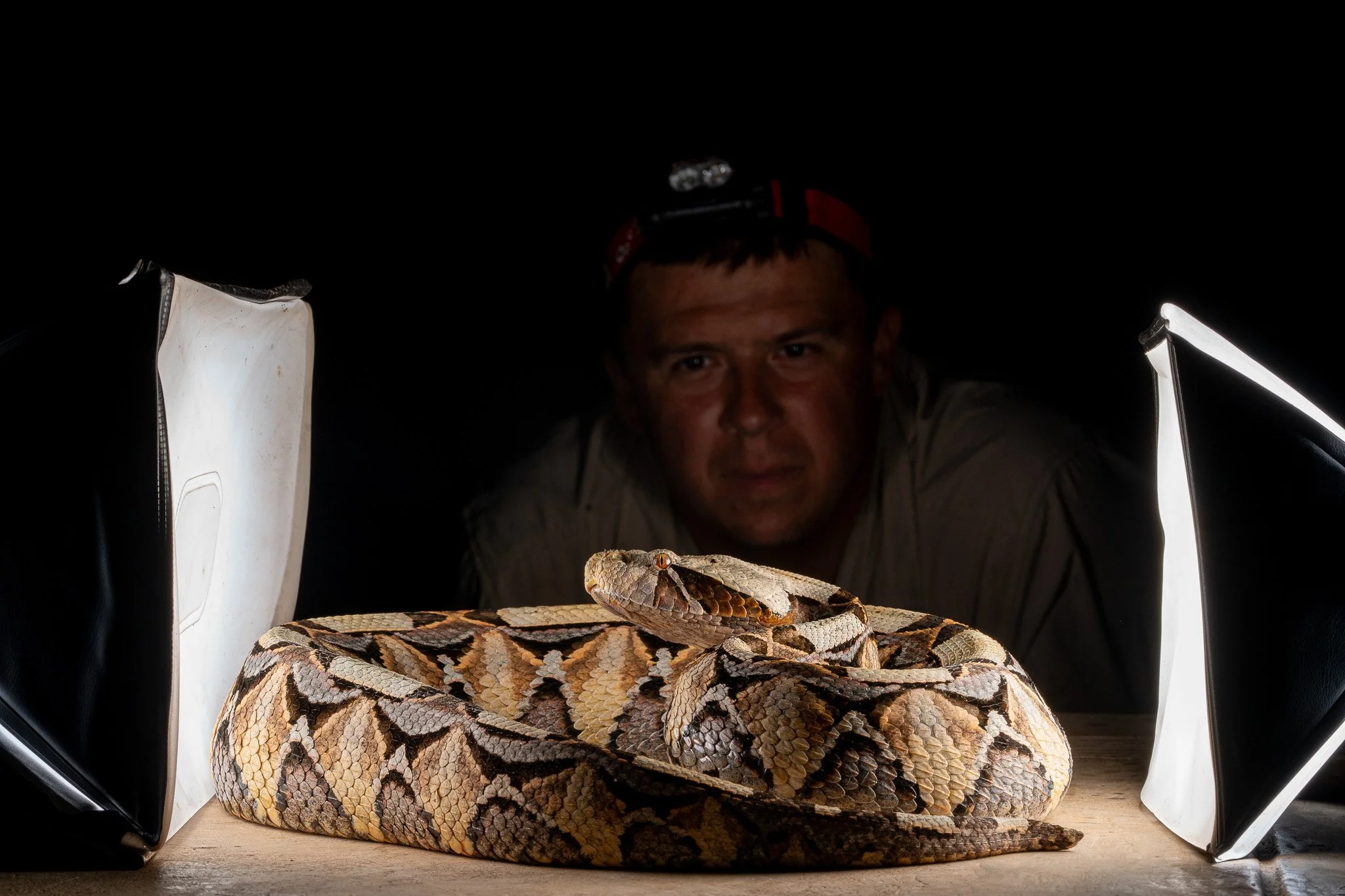
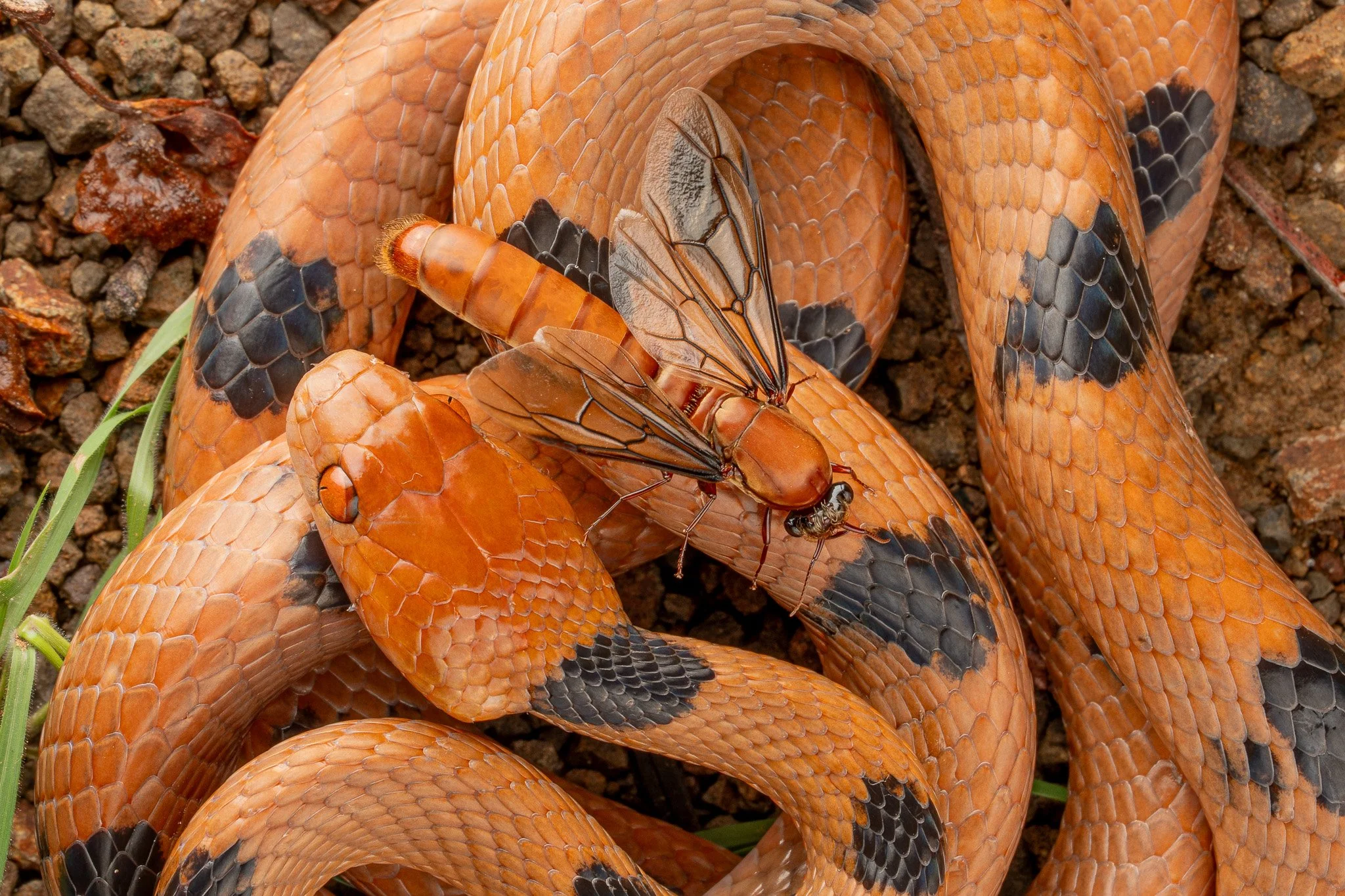
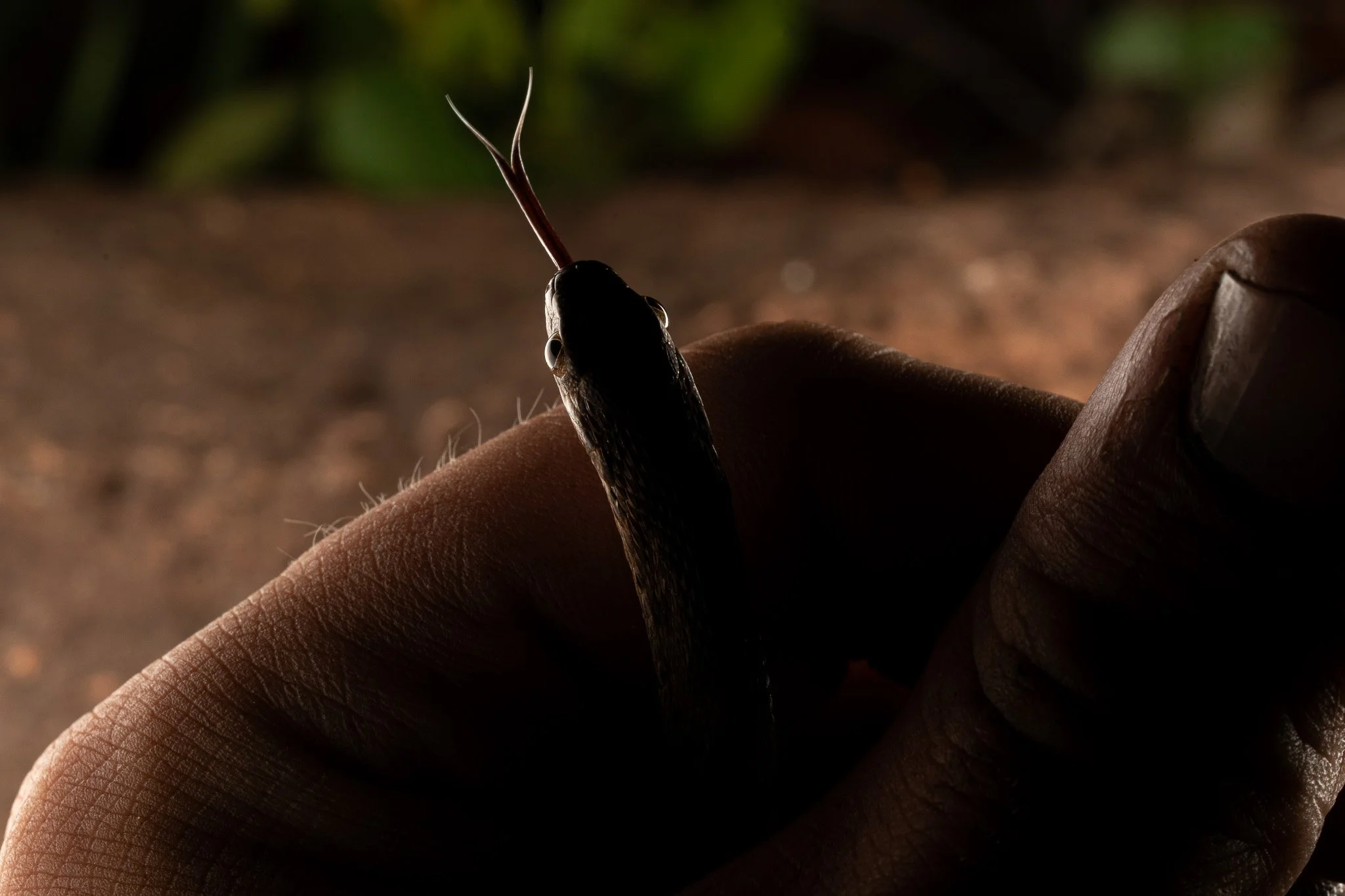
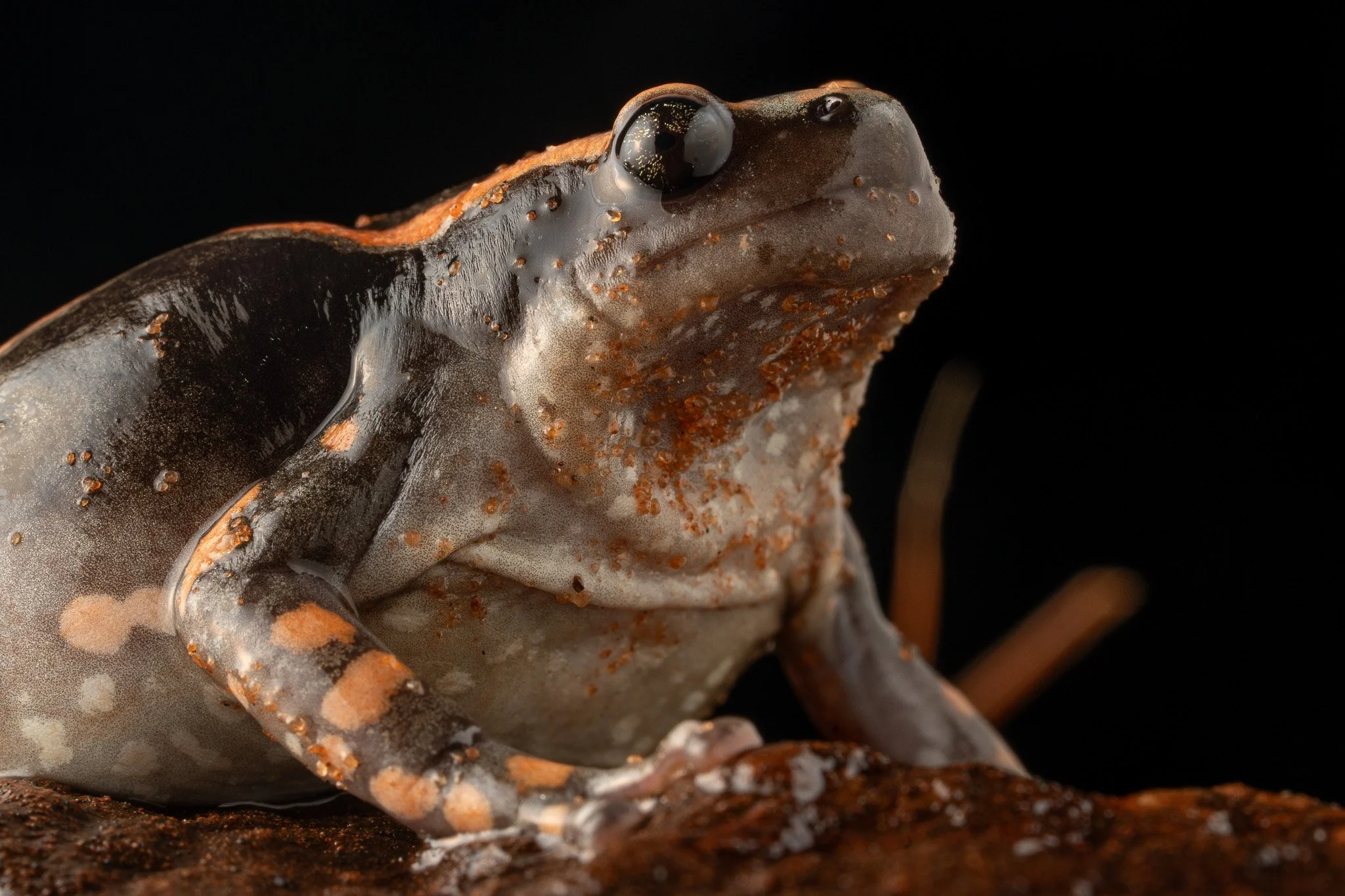
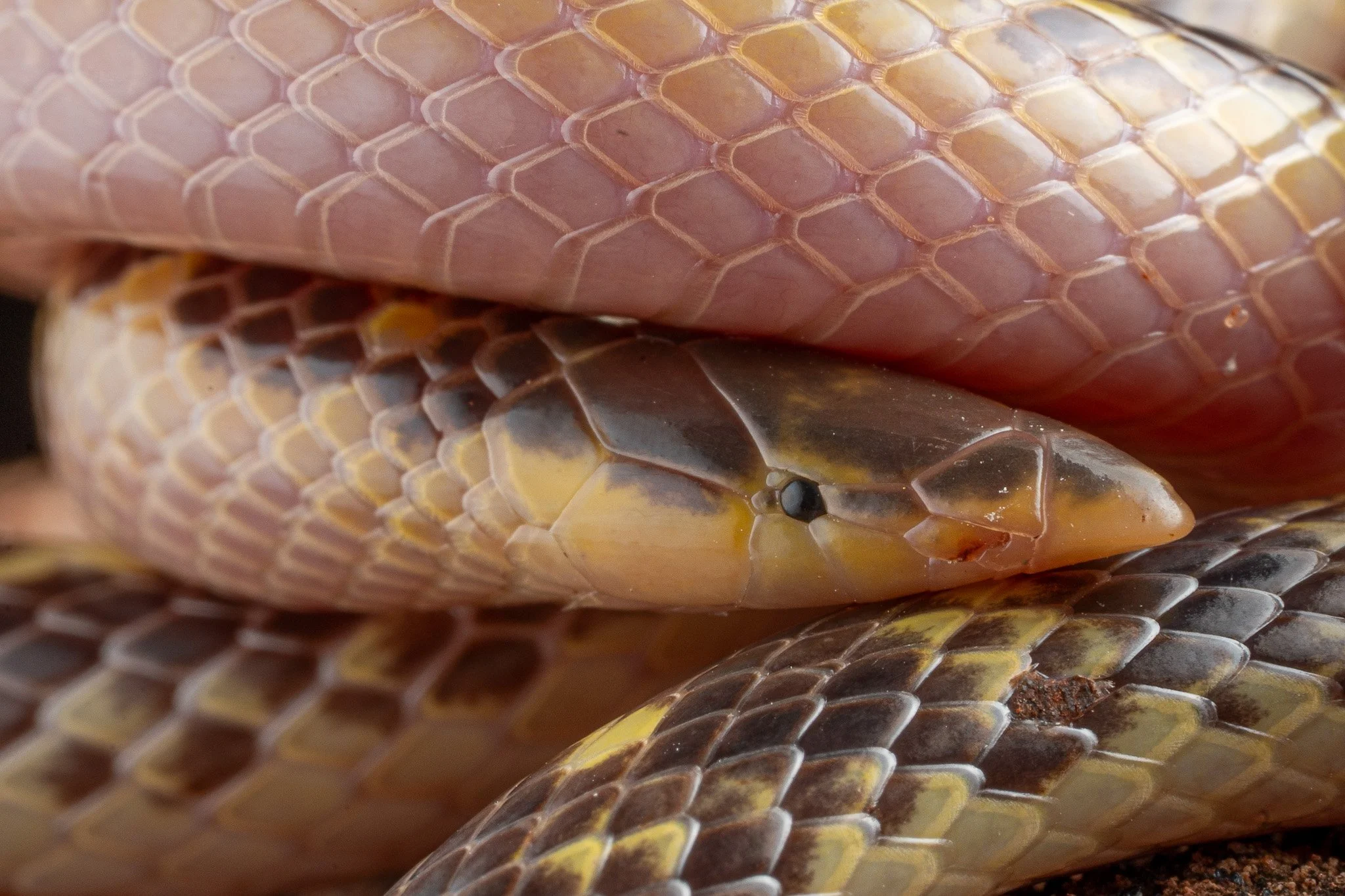
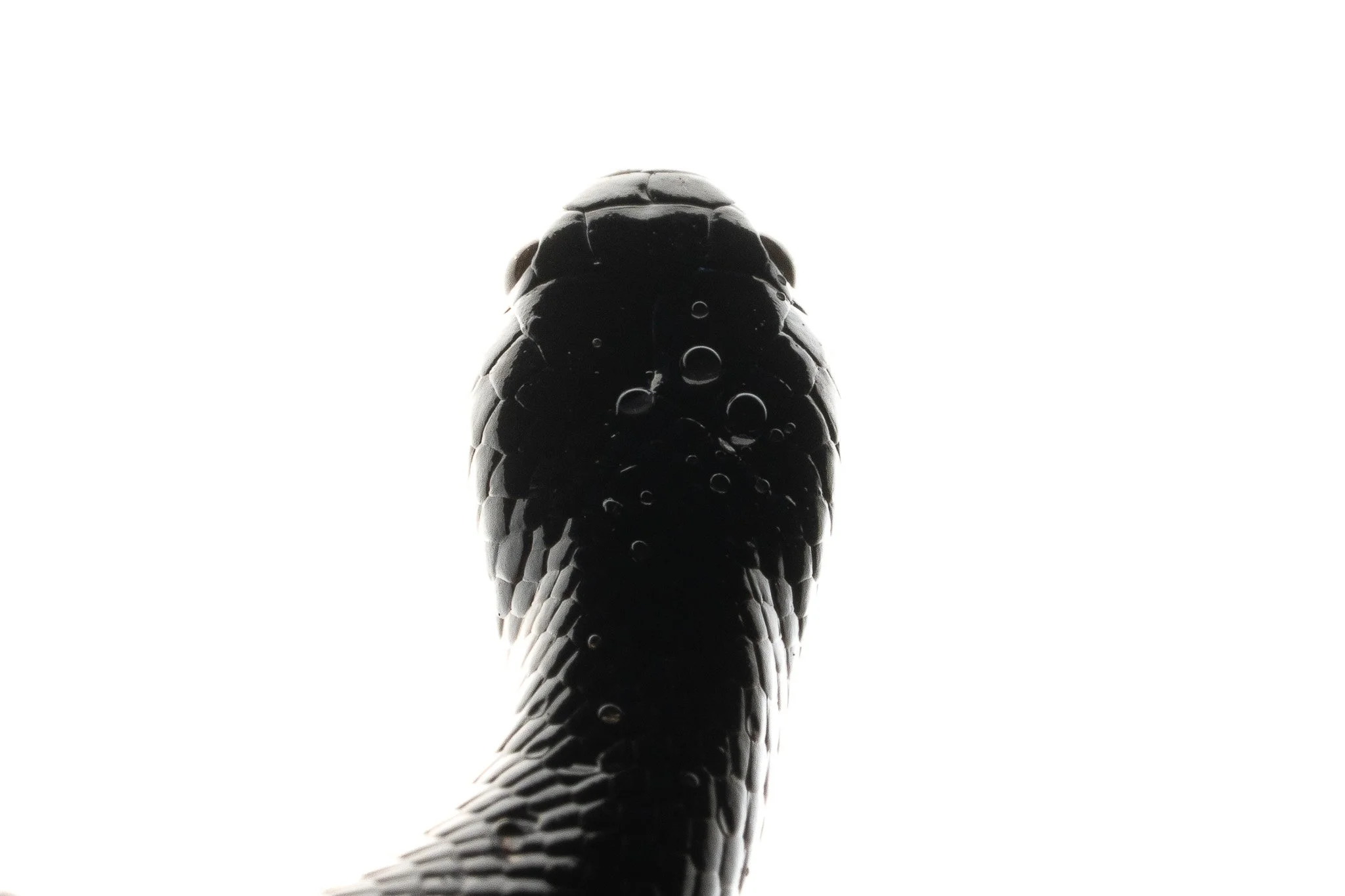
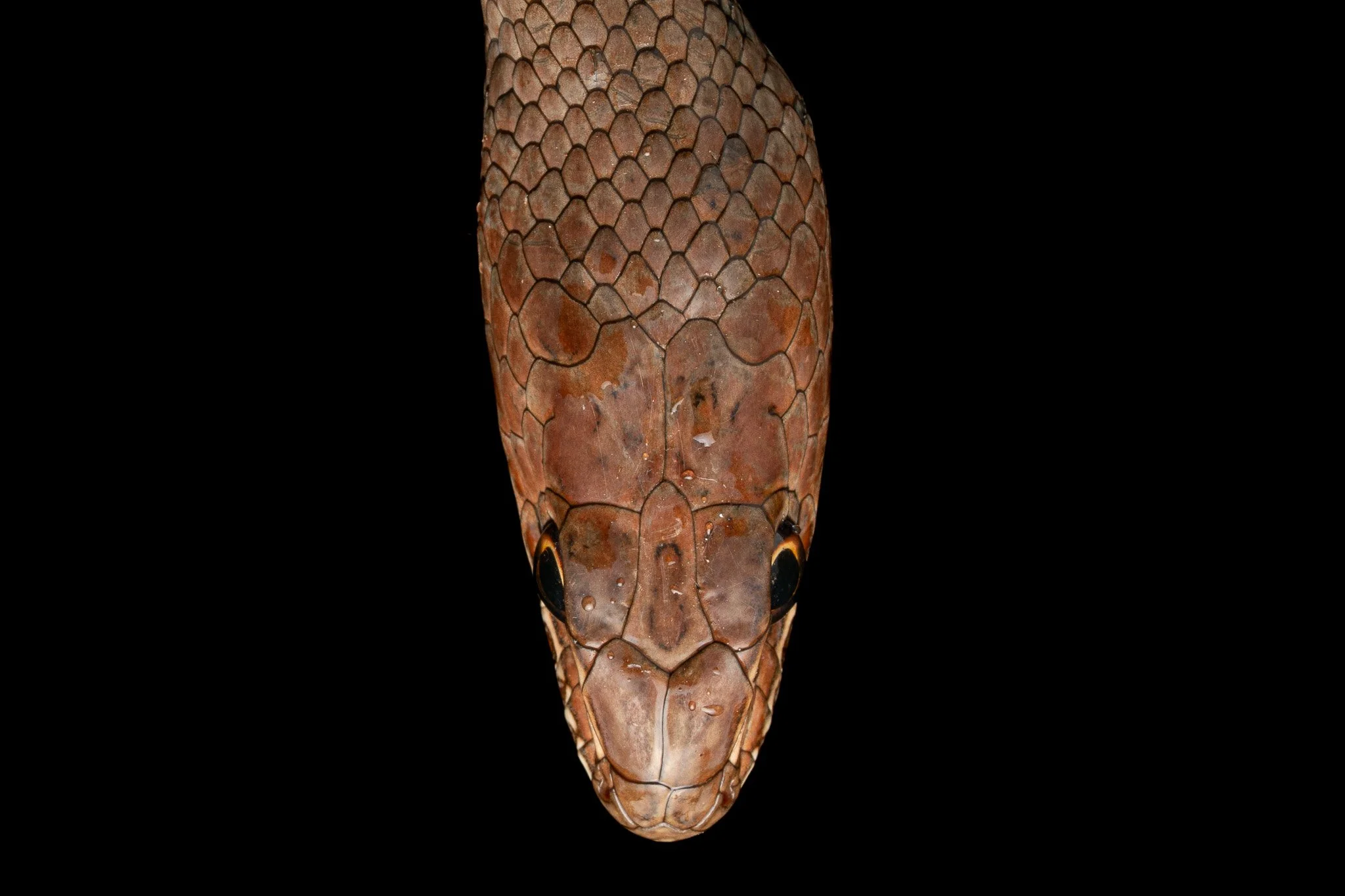
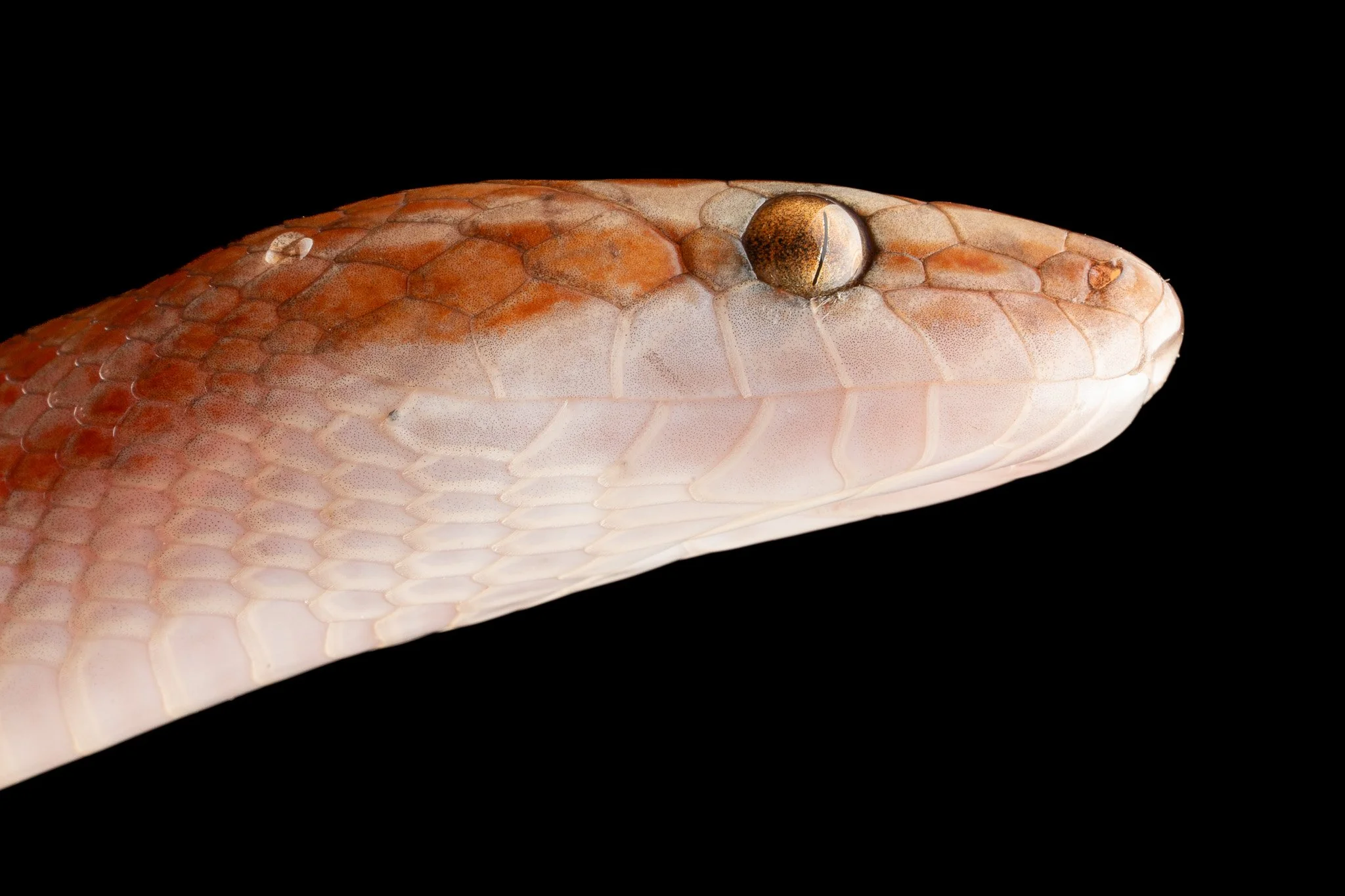
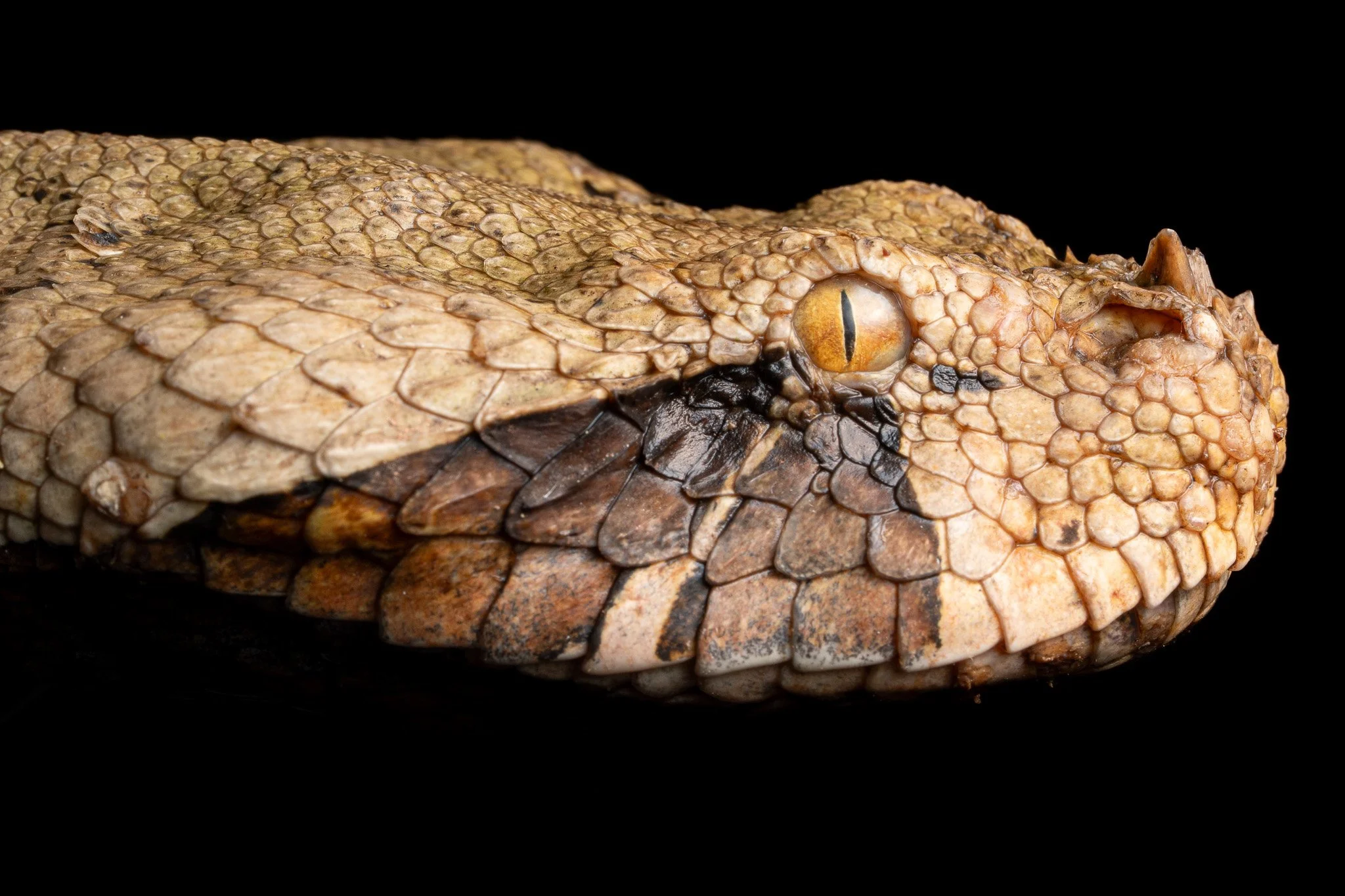
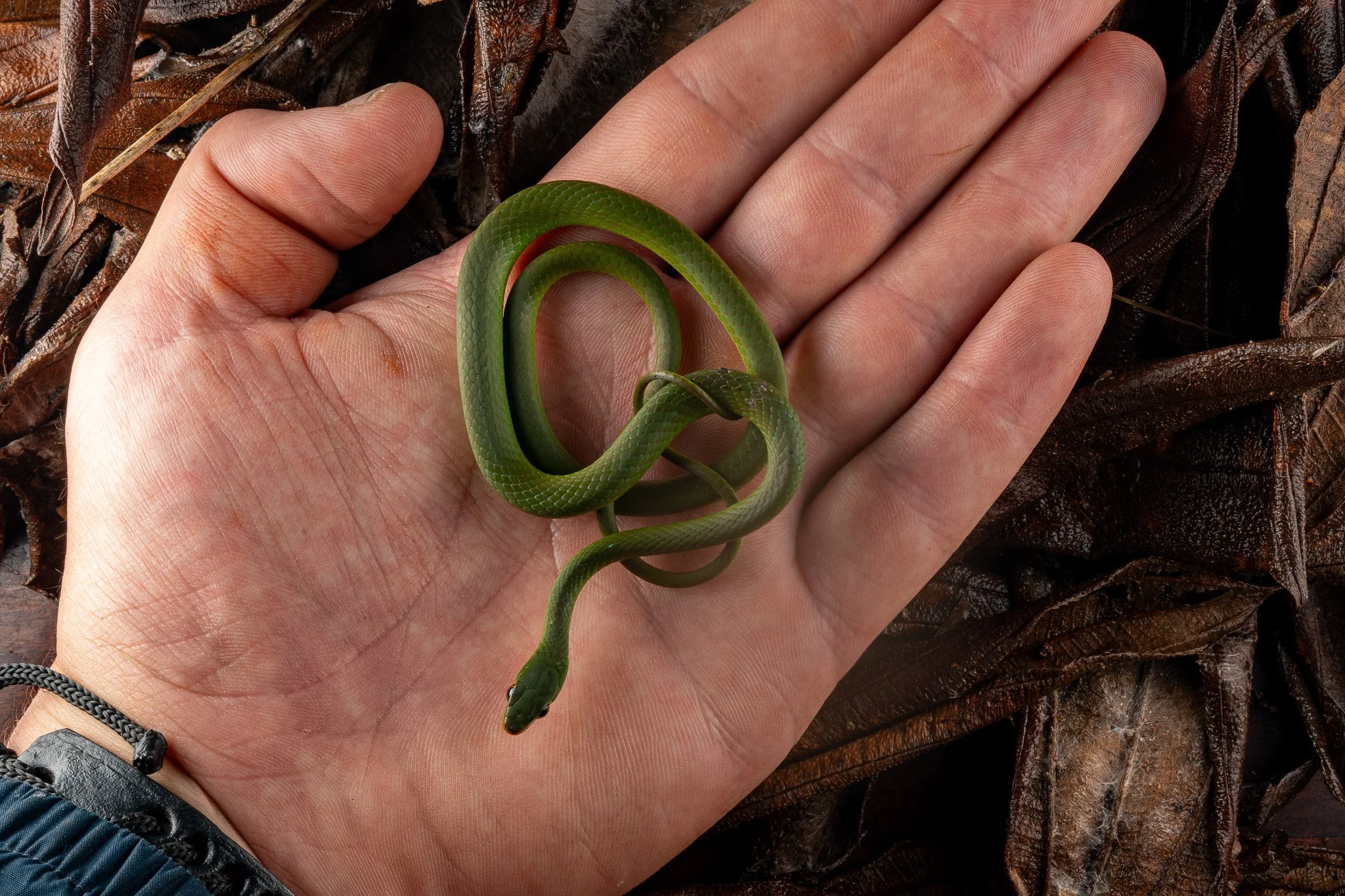
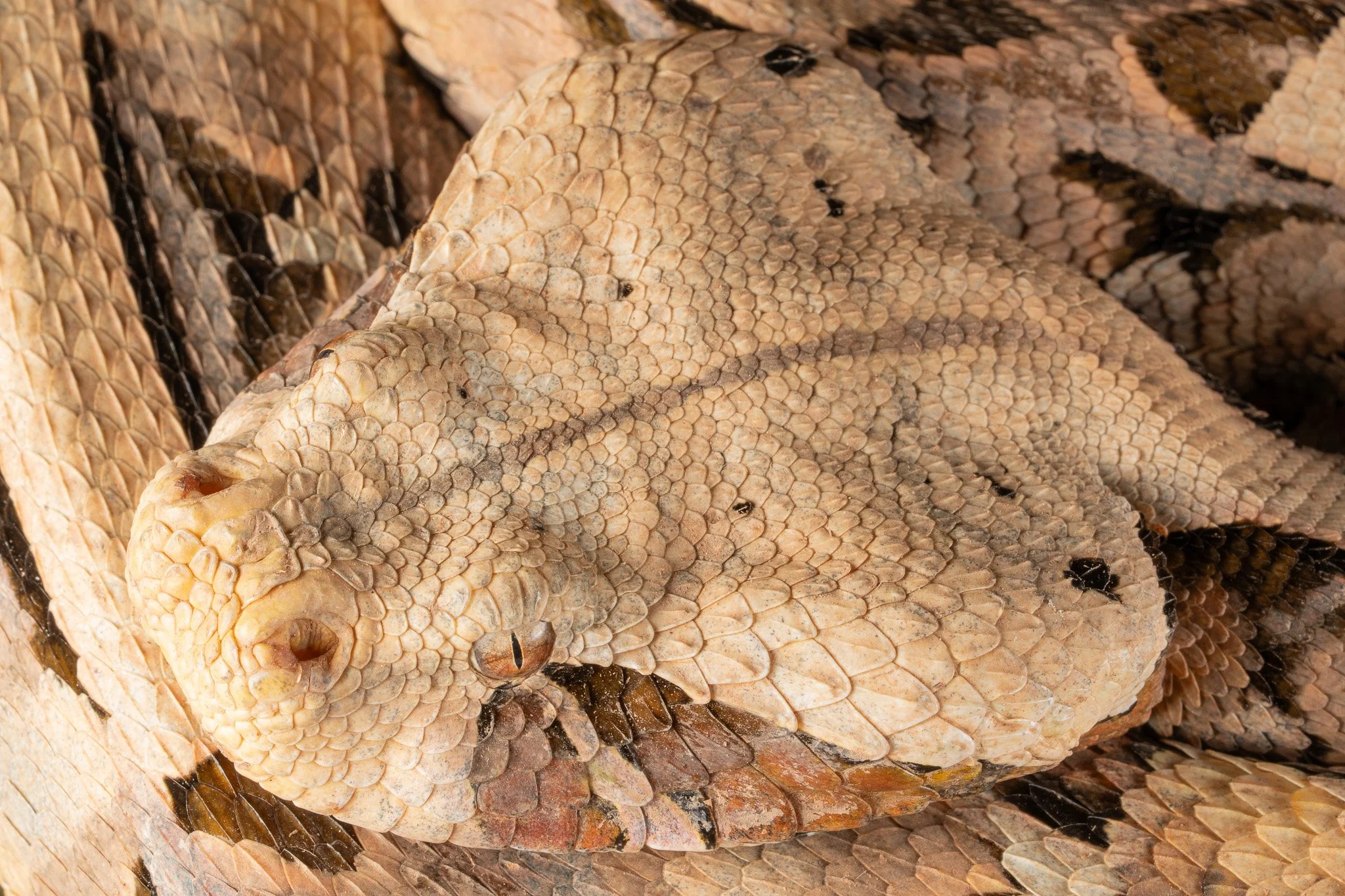
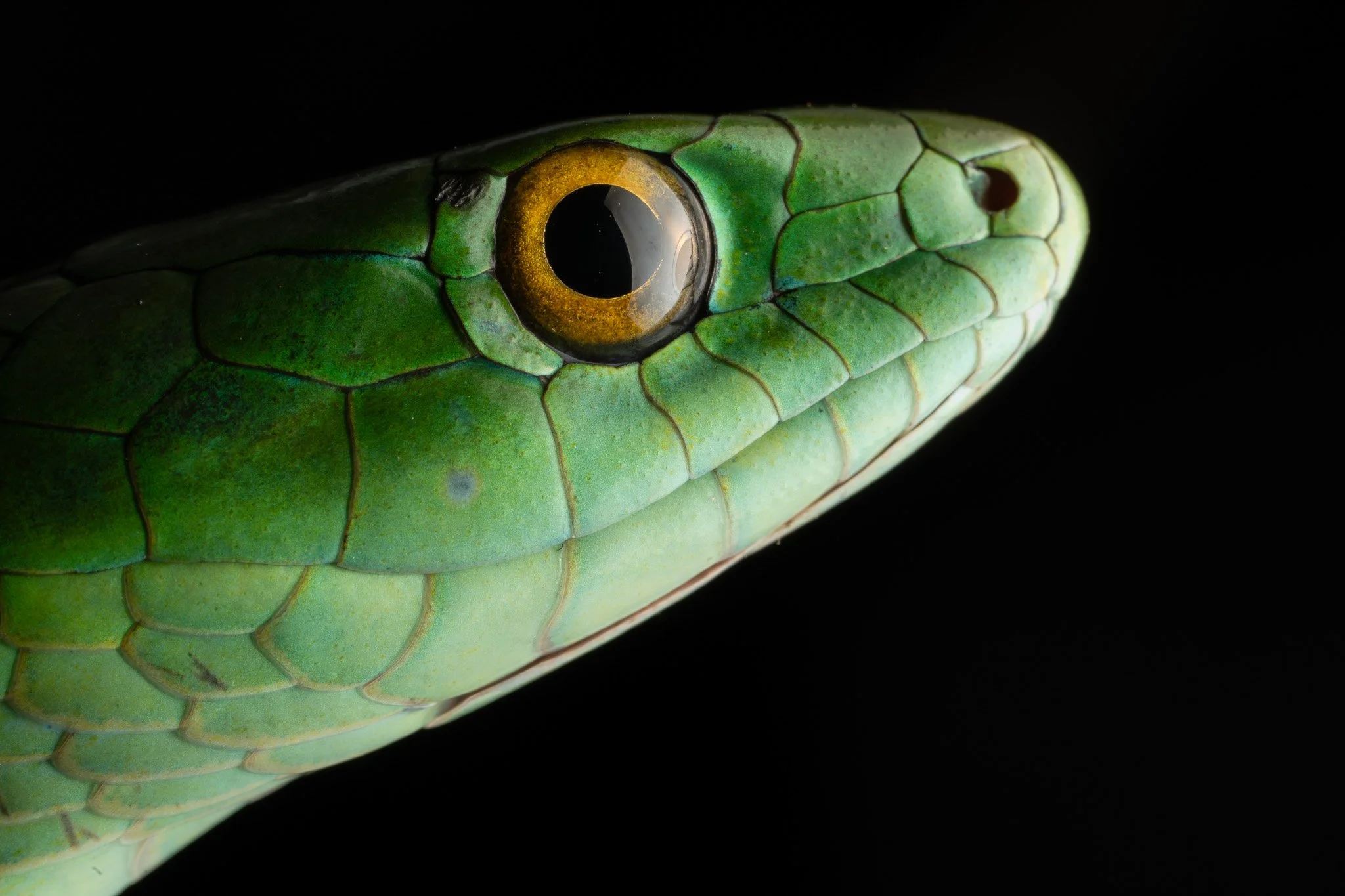
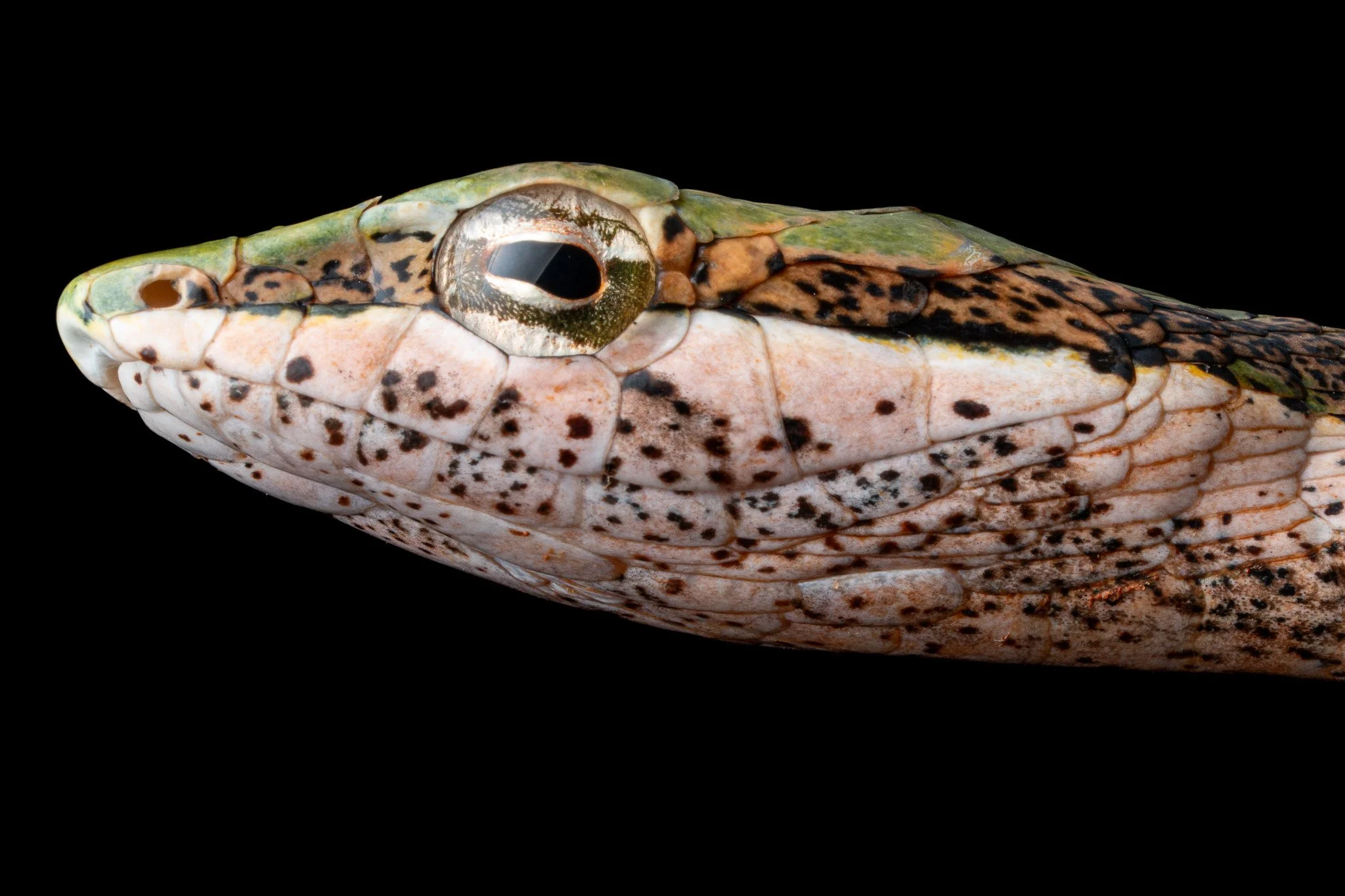
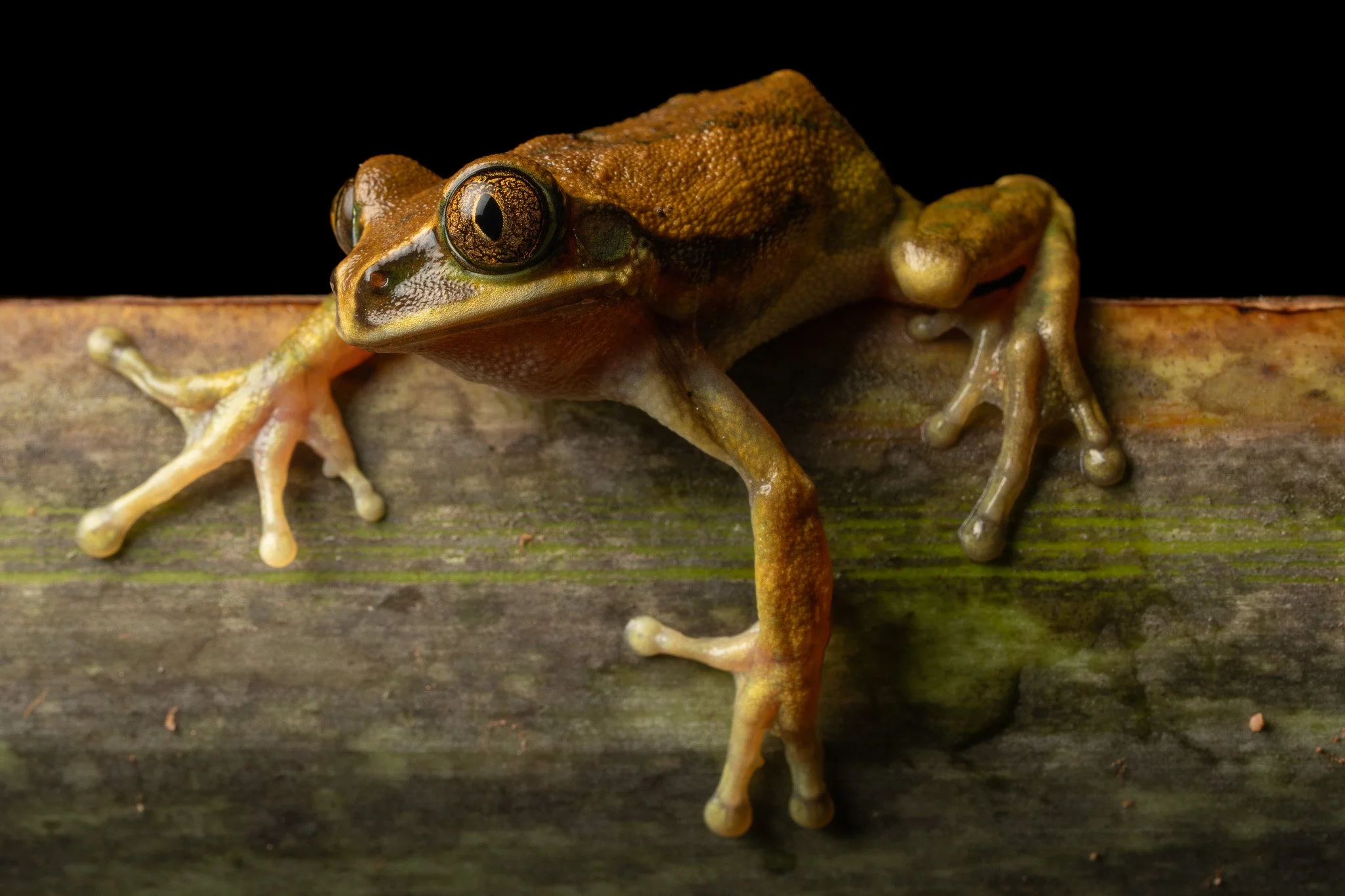
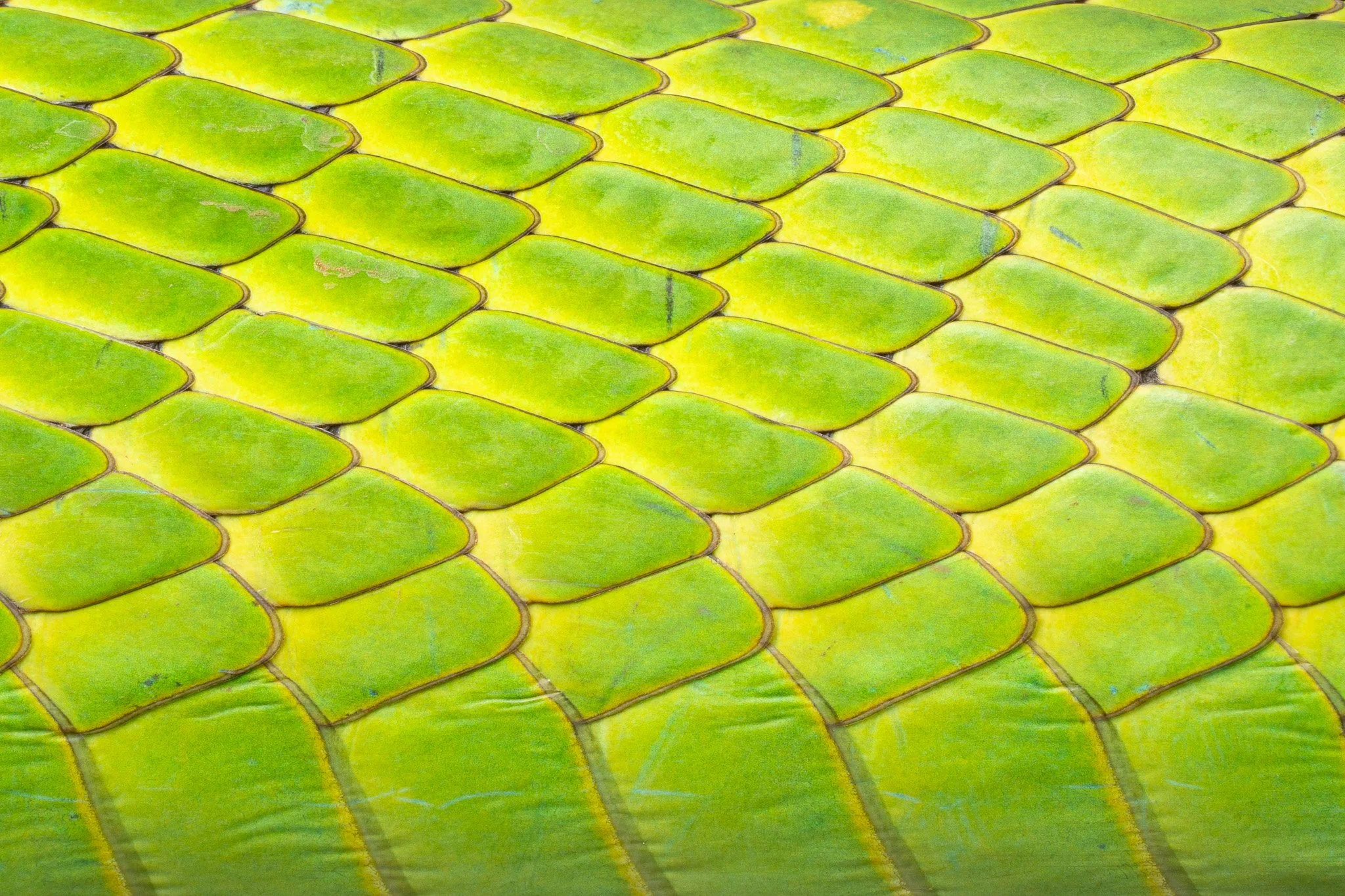
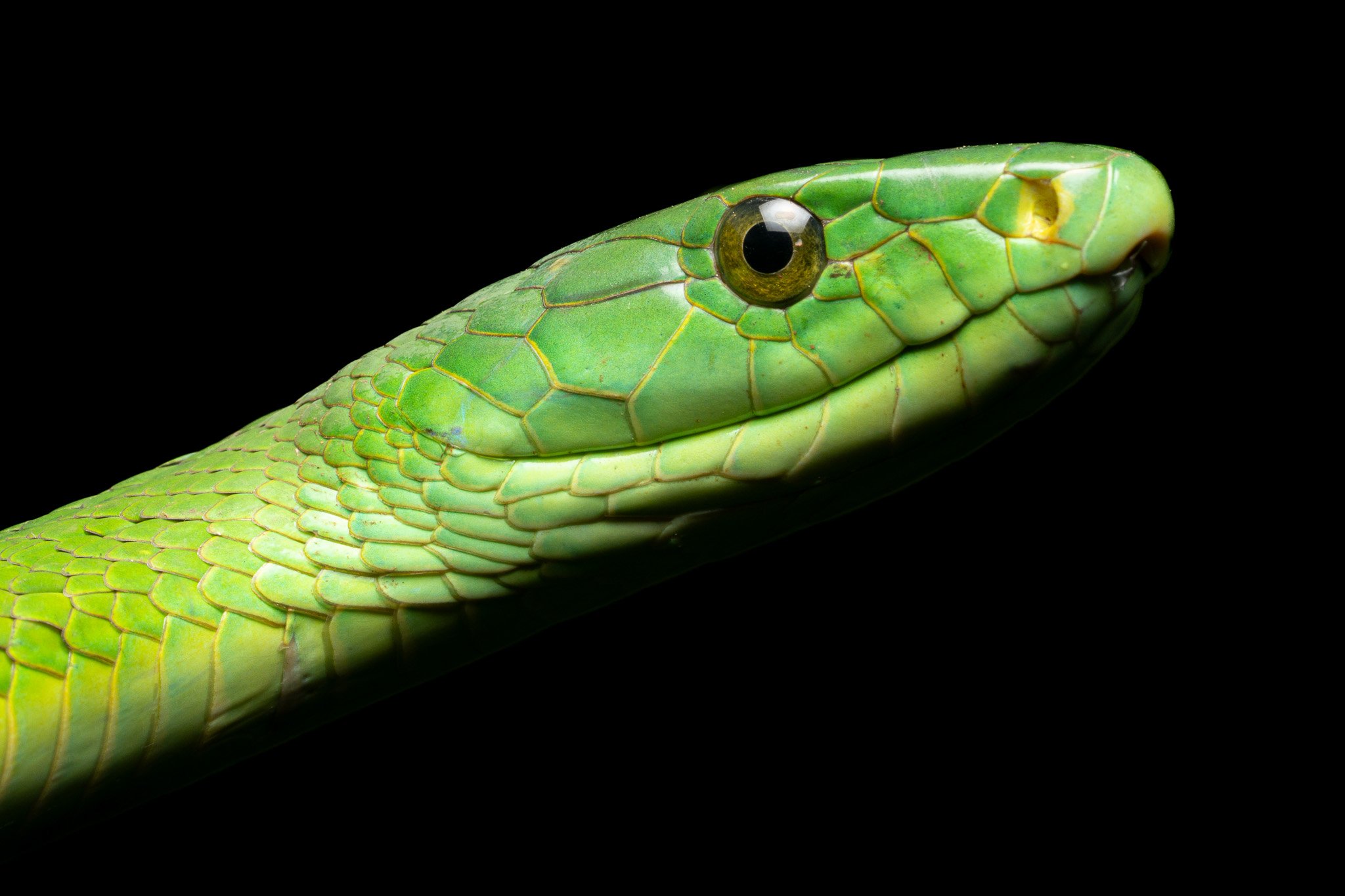
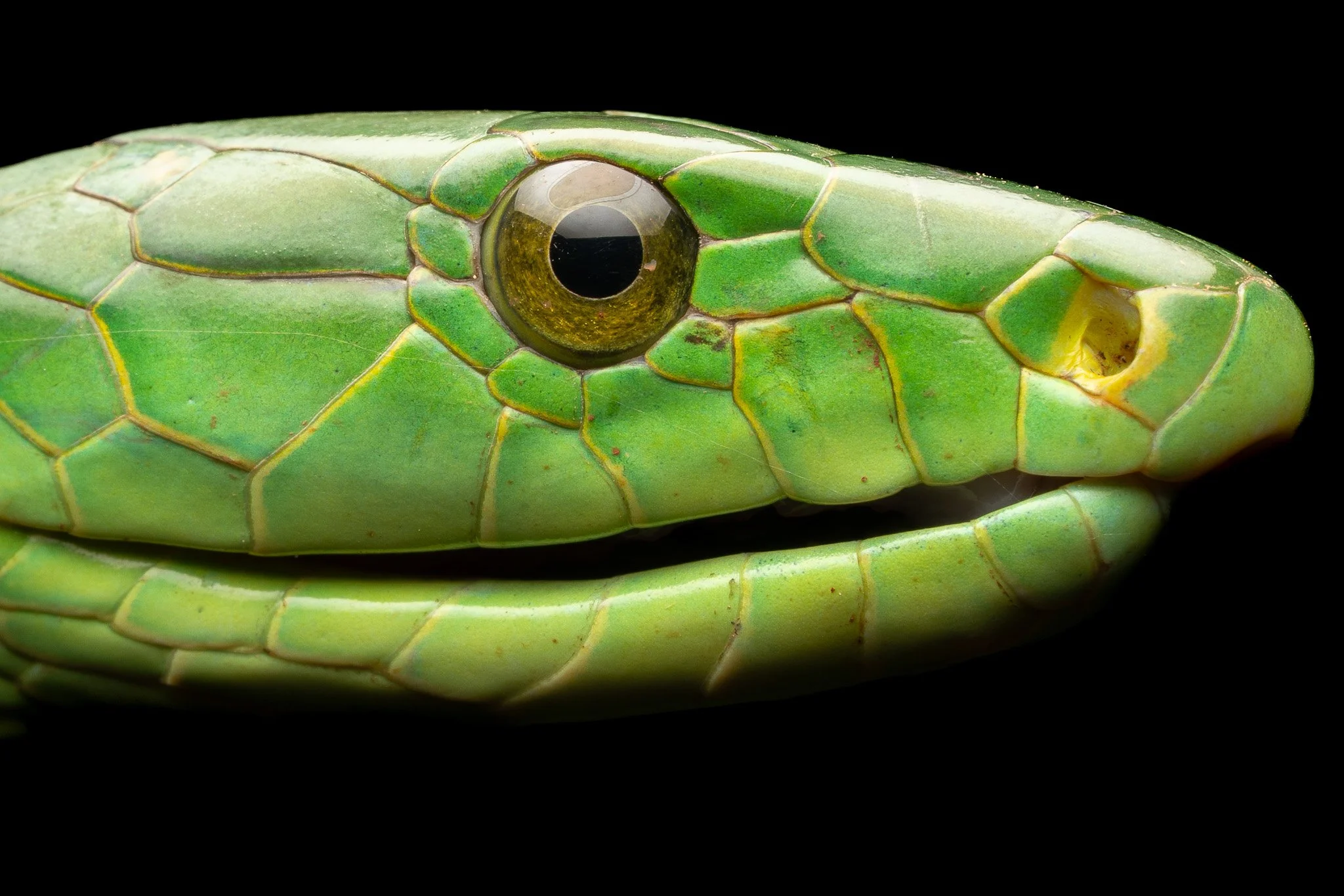
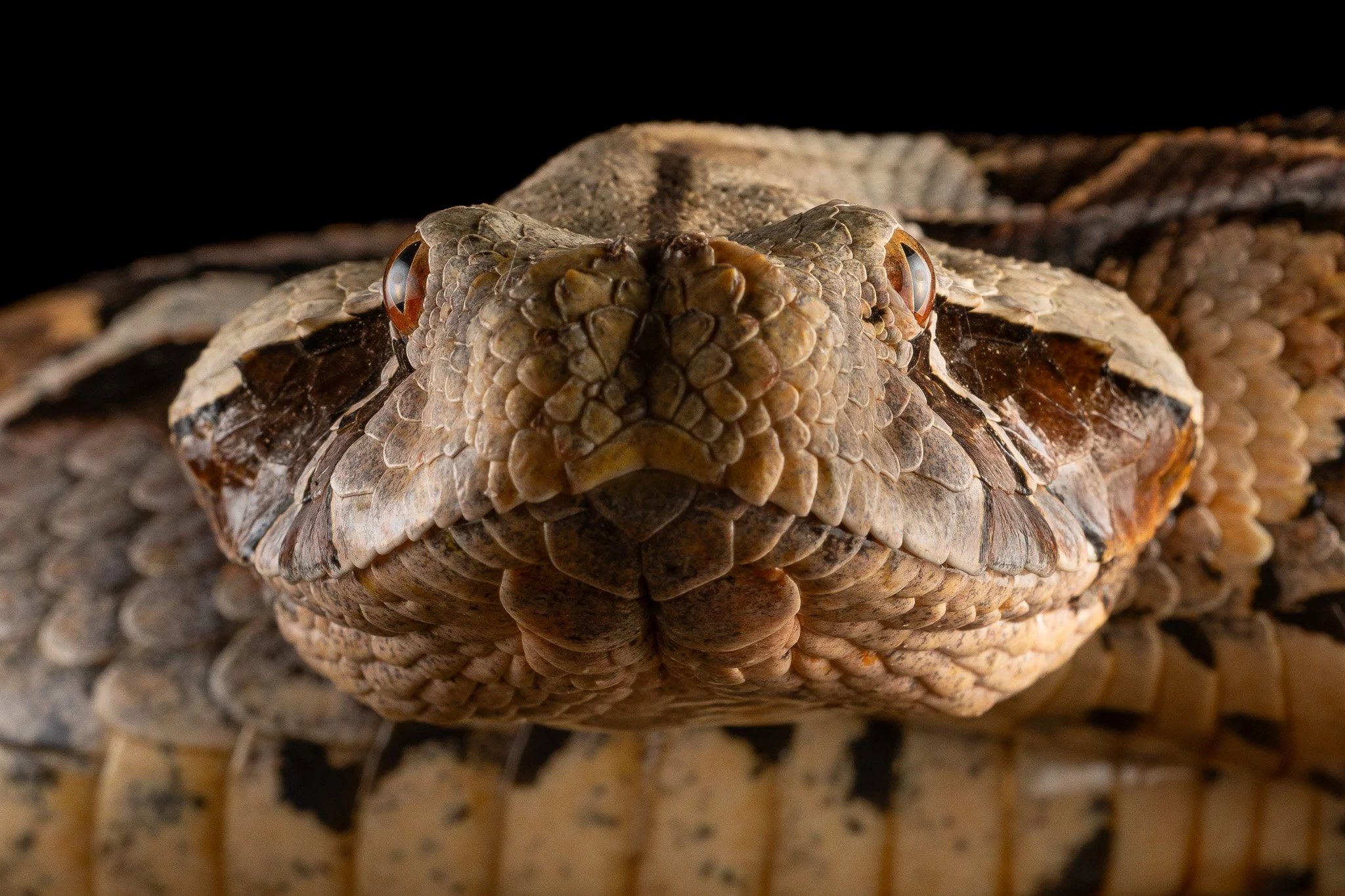
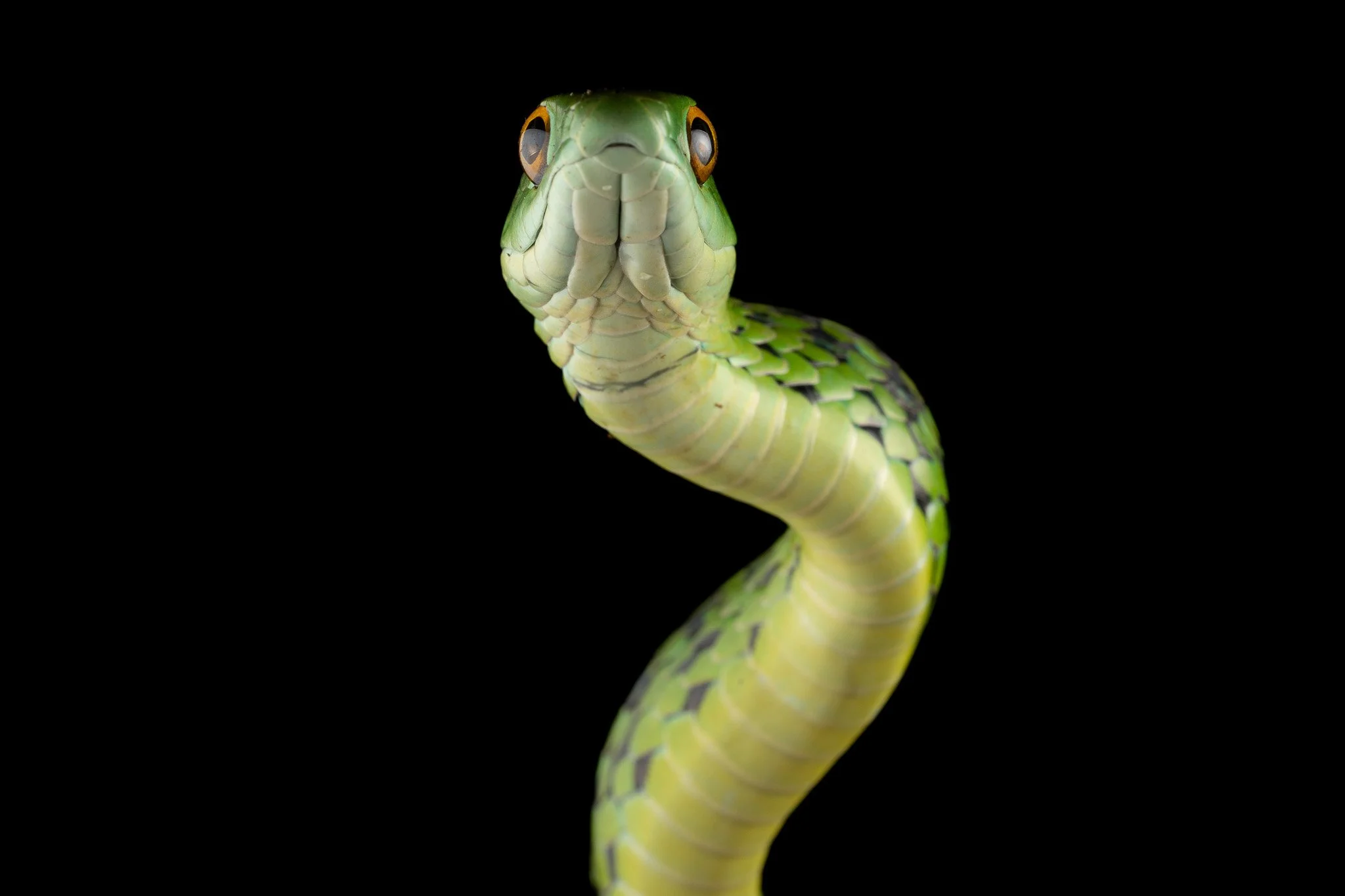
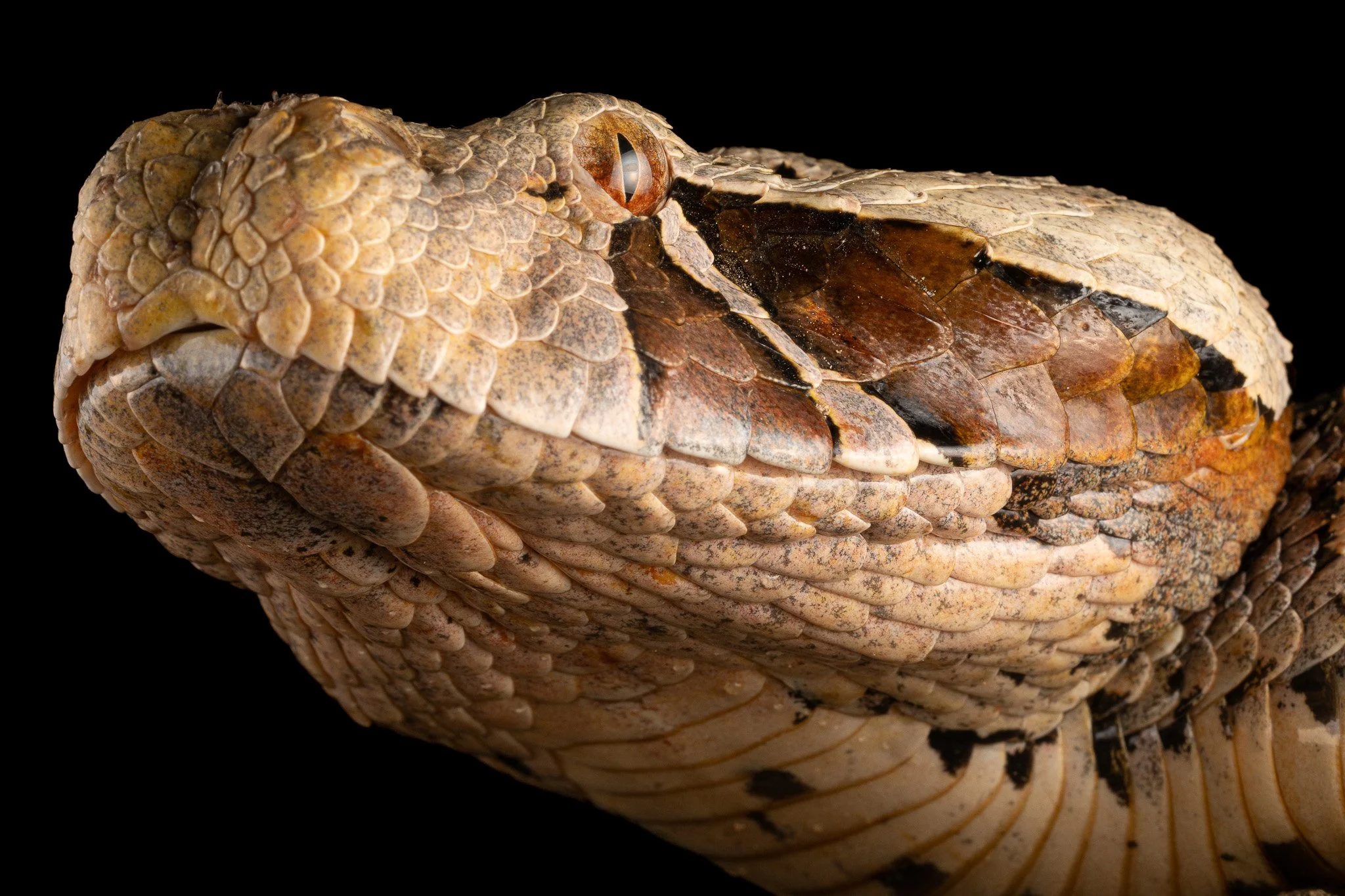
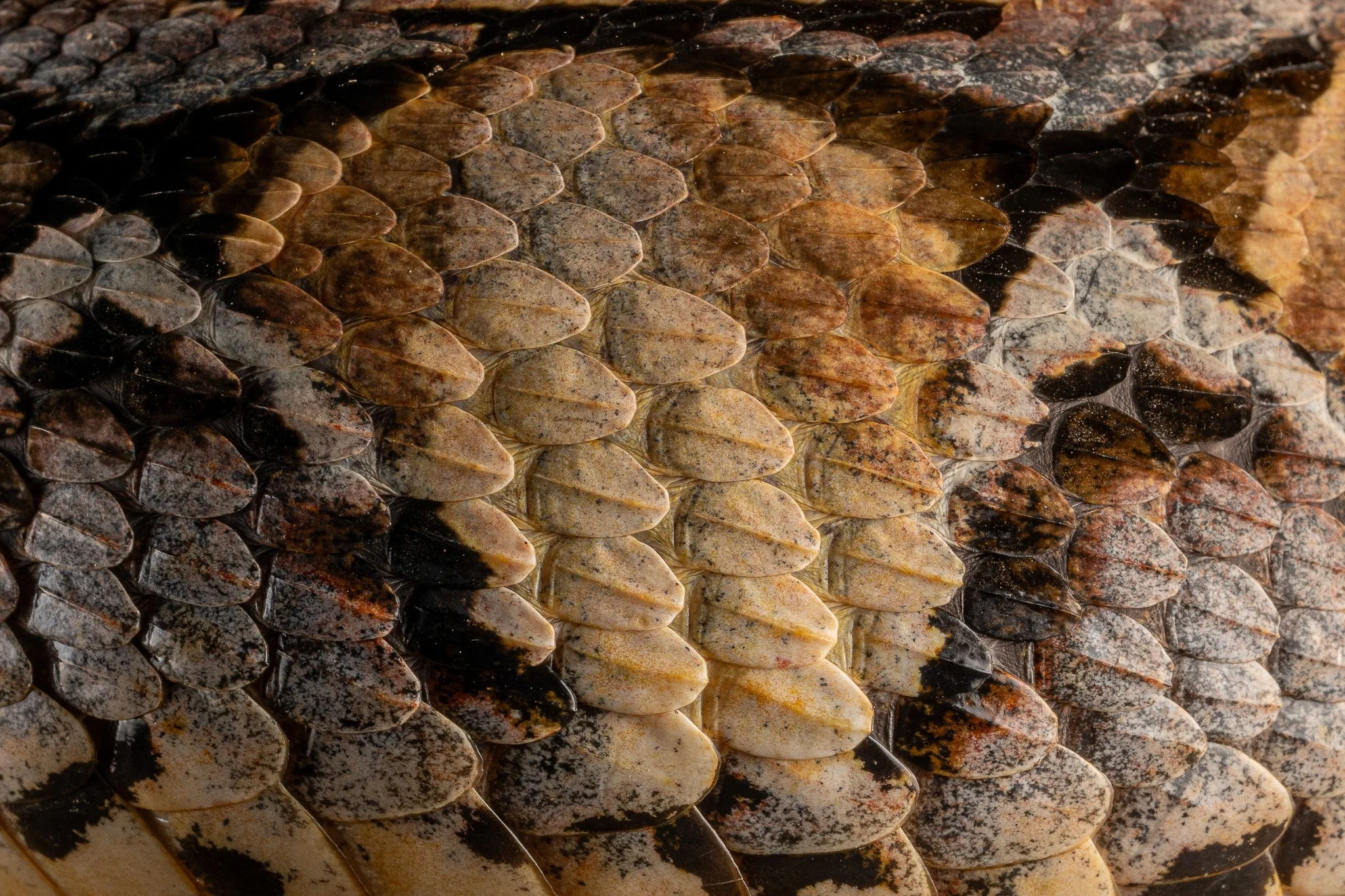
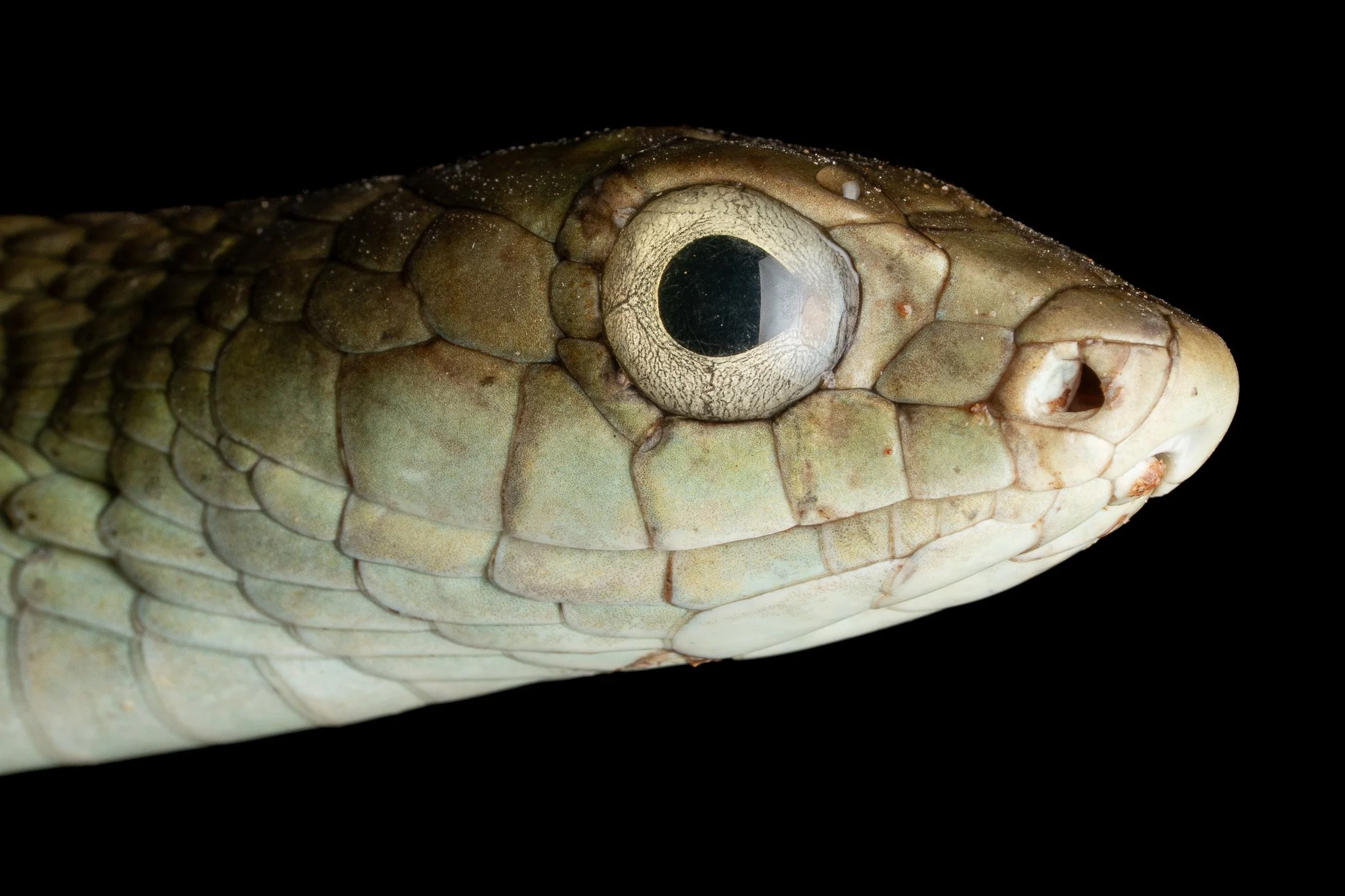
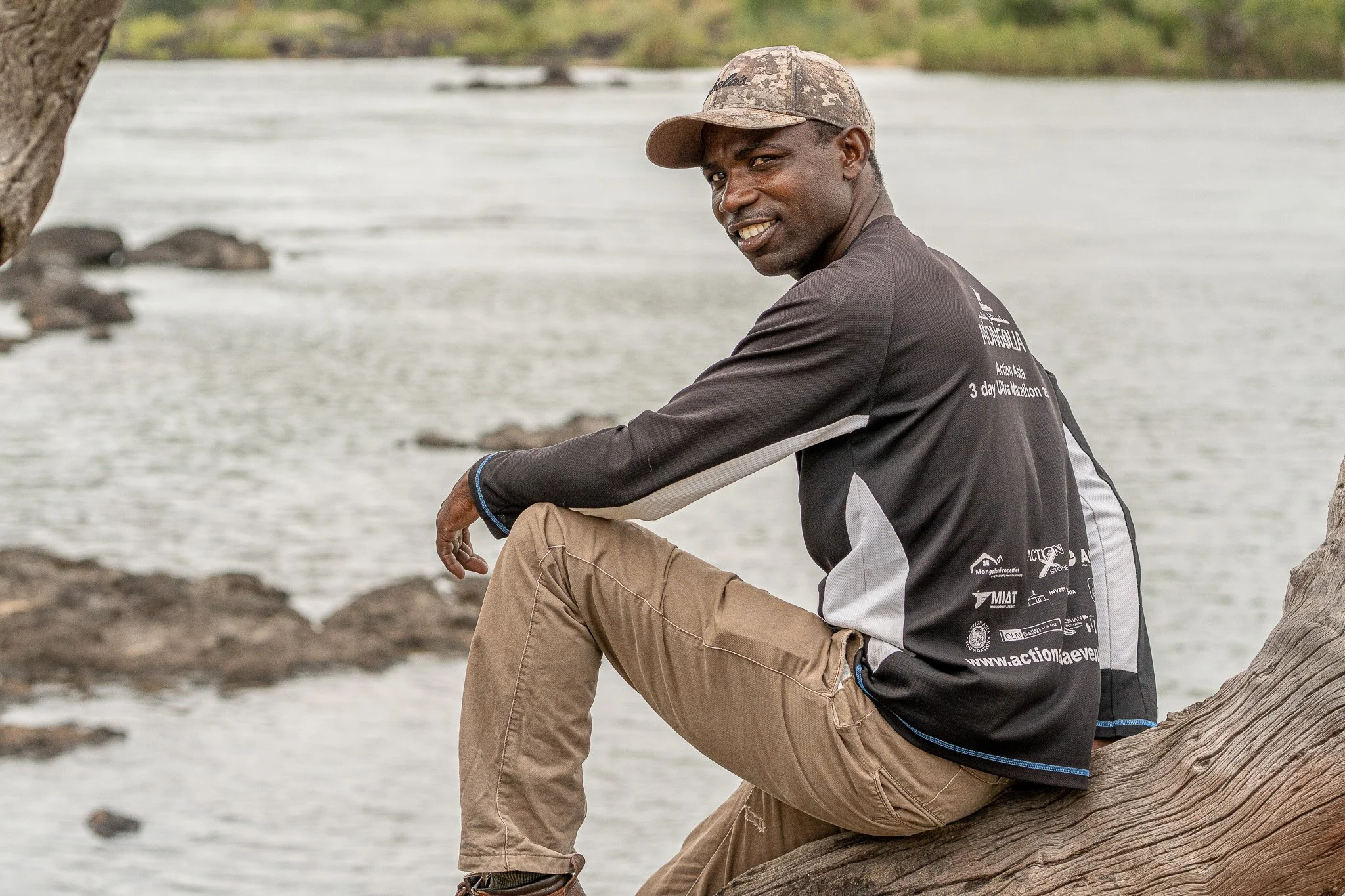
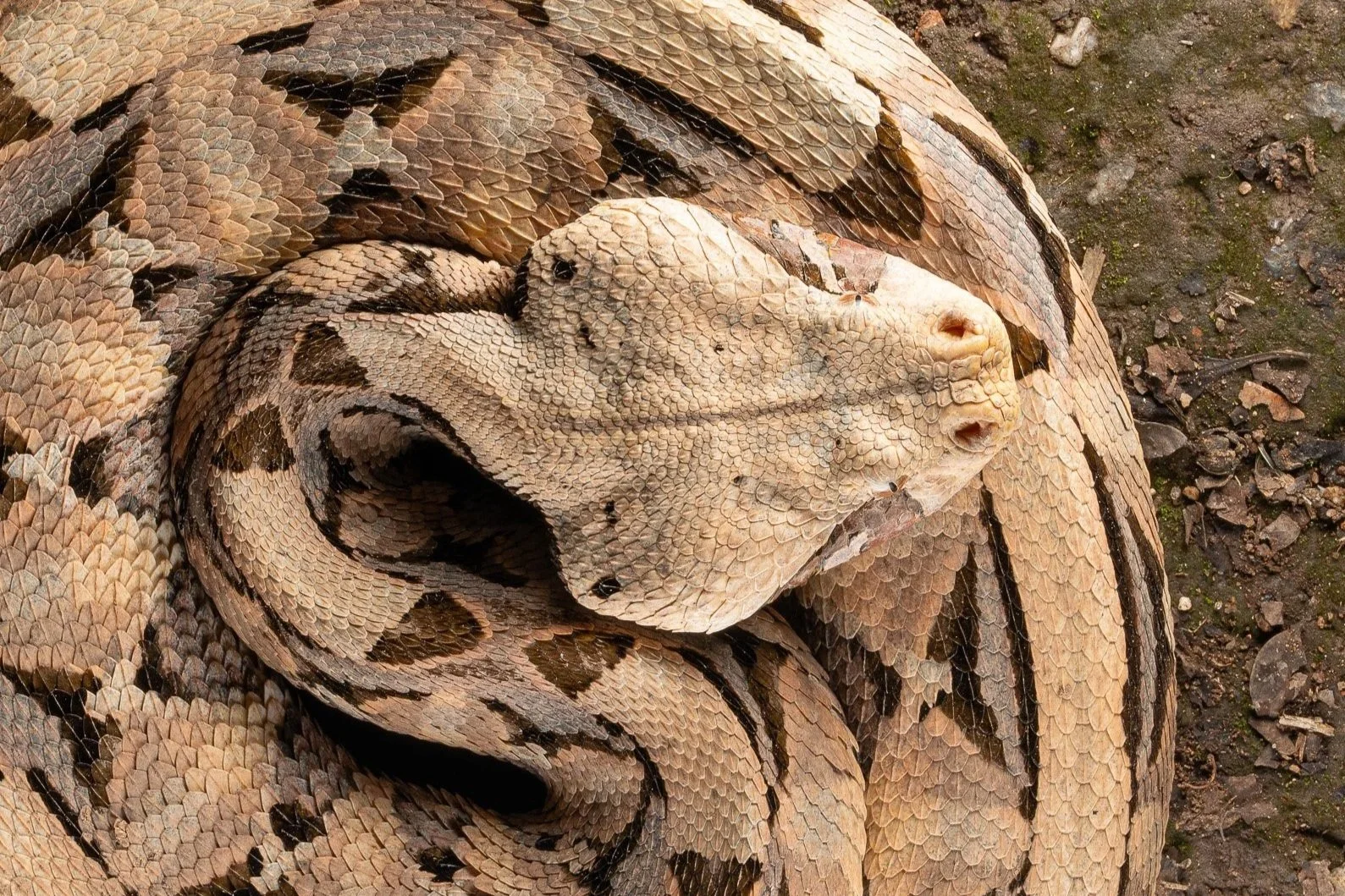
Now begins undoubtedly one of the most exciting portions of the expedition. We will be working in collaboration with Jens Reissig, who co-authored the description of the Nyanga rinkhals. Jens has access to permits and tools for critical data collection during this period. Our aim is to search for all sorts of rare oddities in the region, including: The gaboon viper, brown forest cobra, the black file snake, the east african egg-eater, green mamba, mole snake, snouted night adder, boomslang, twig snake, and of course… We’re always watching out for the holy grail Nyanga rinkhals.
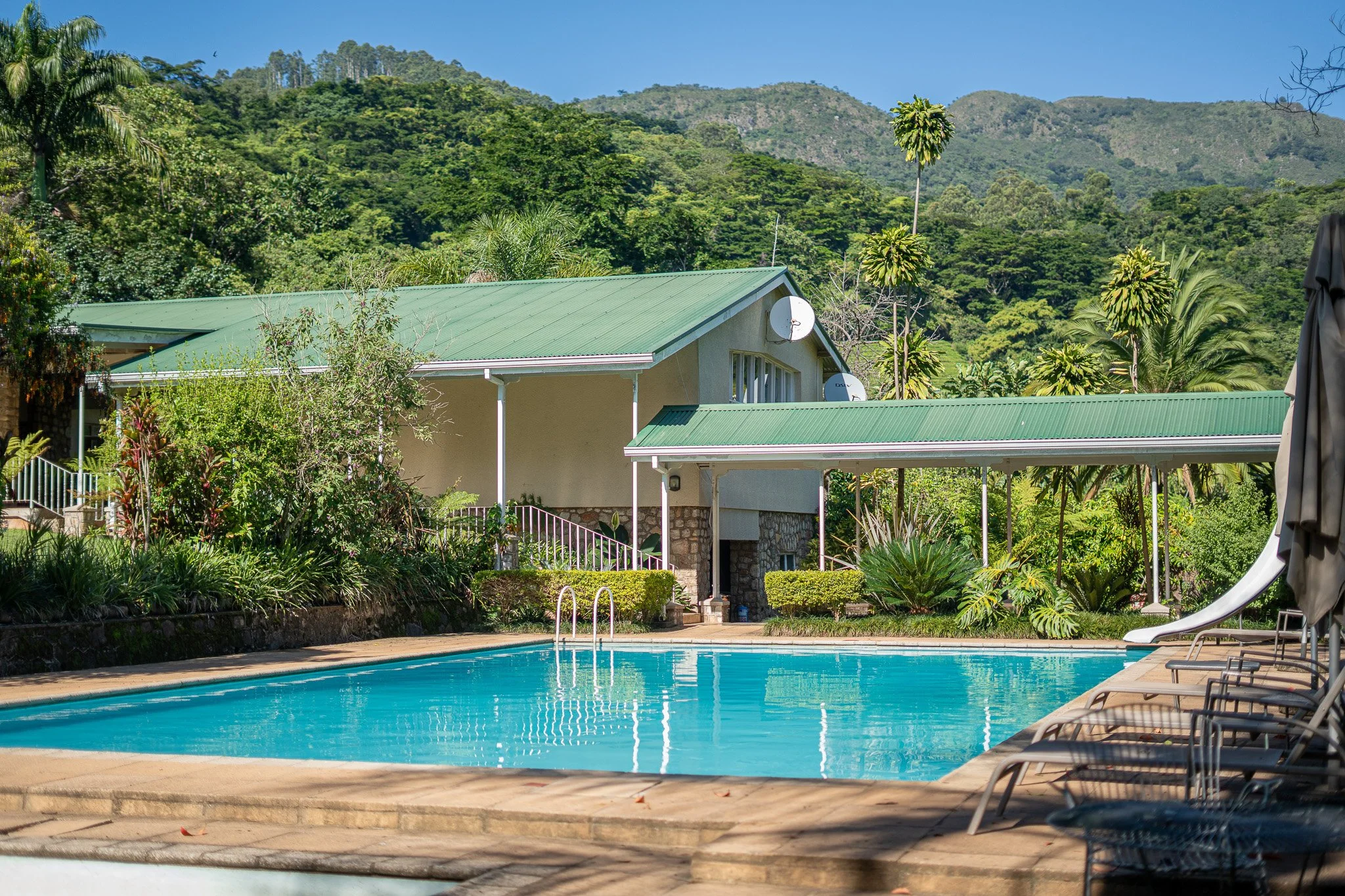
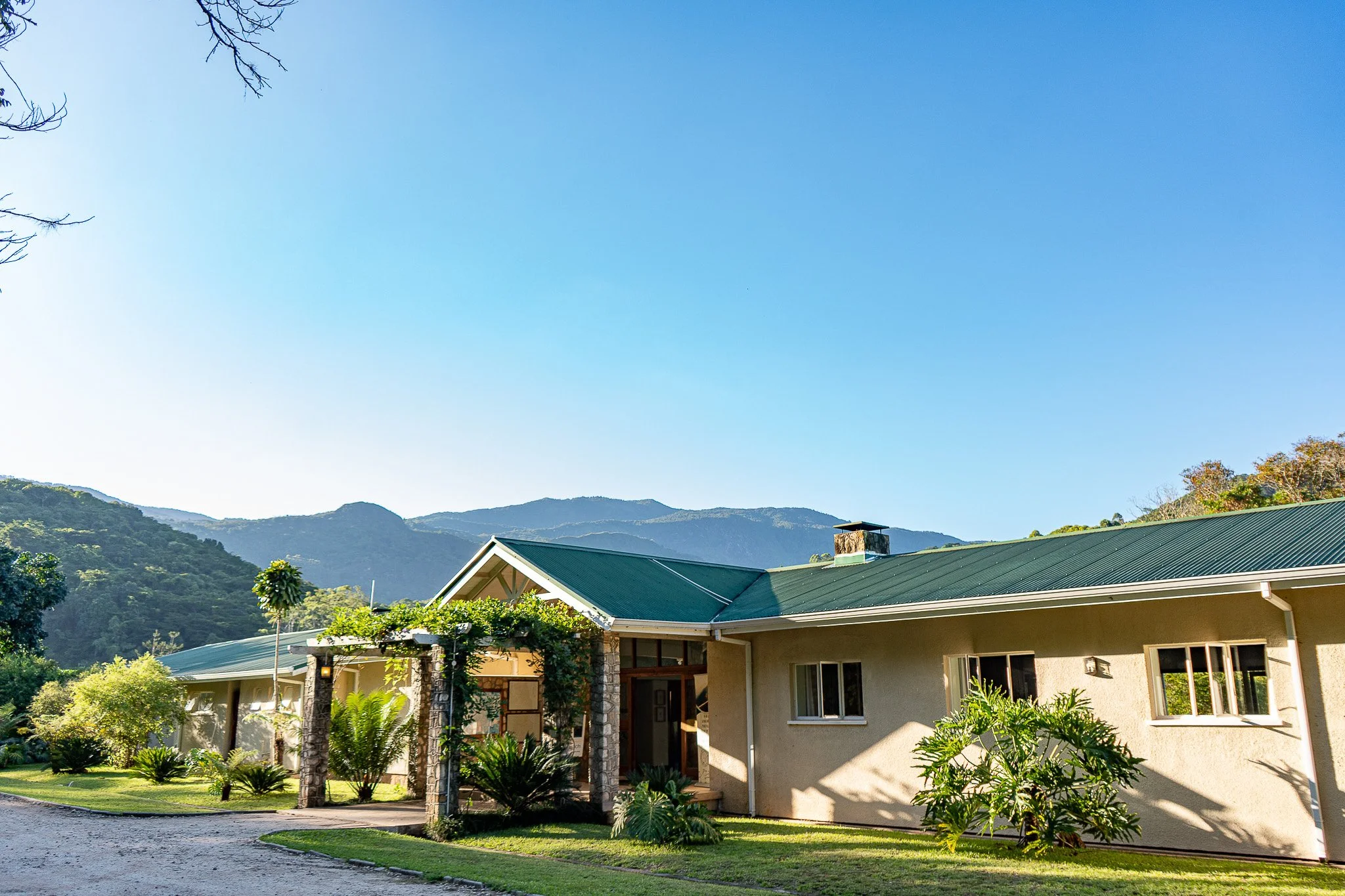
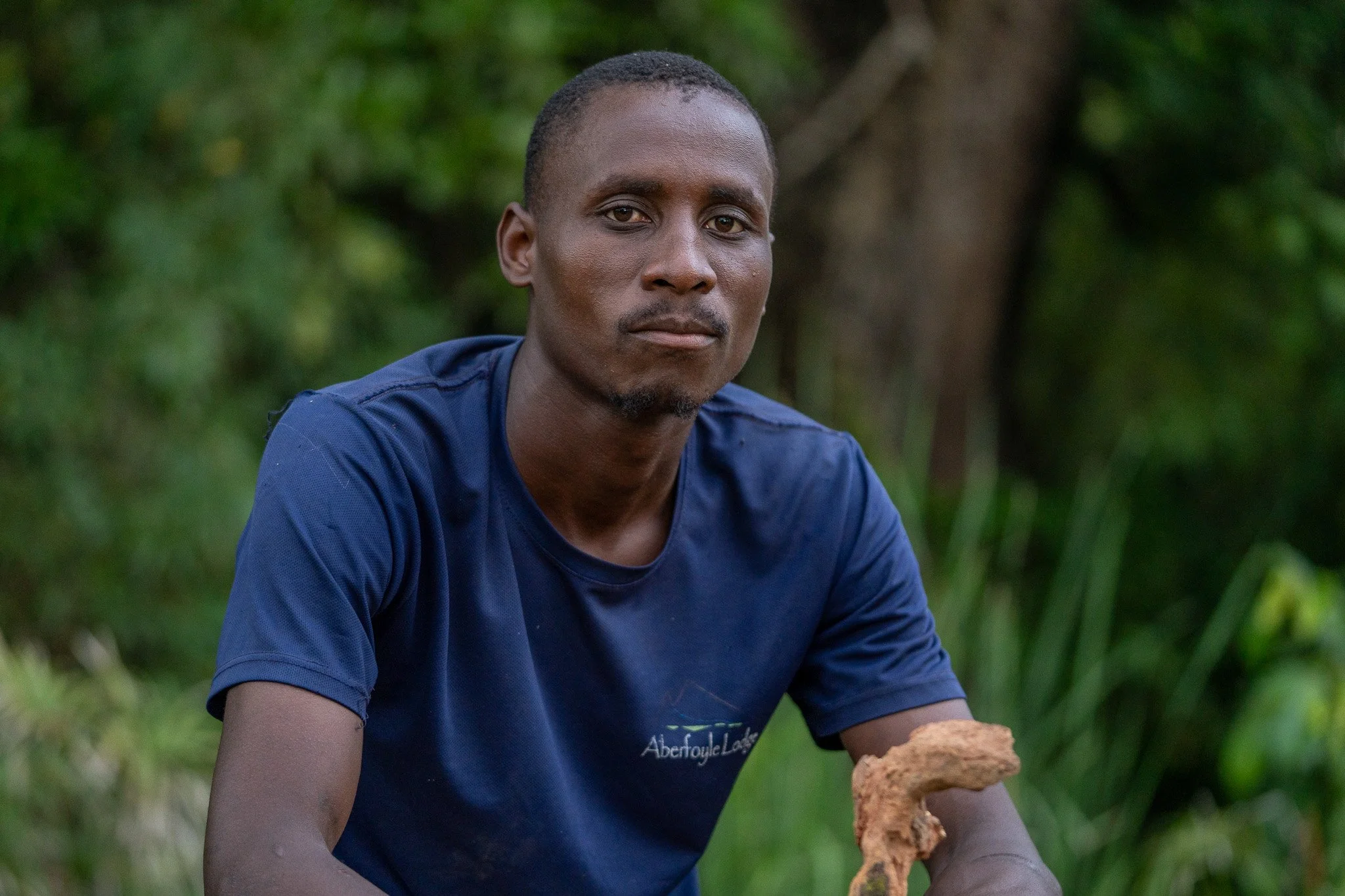
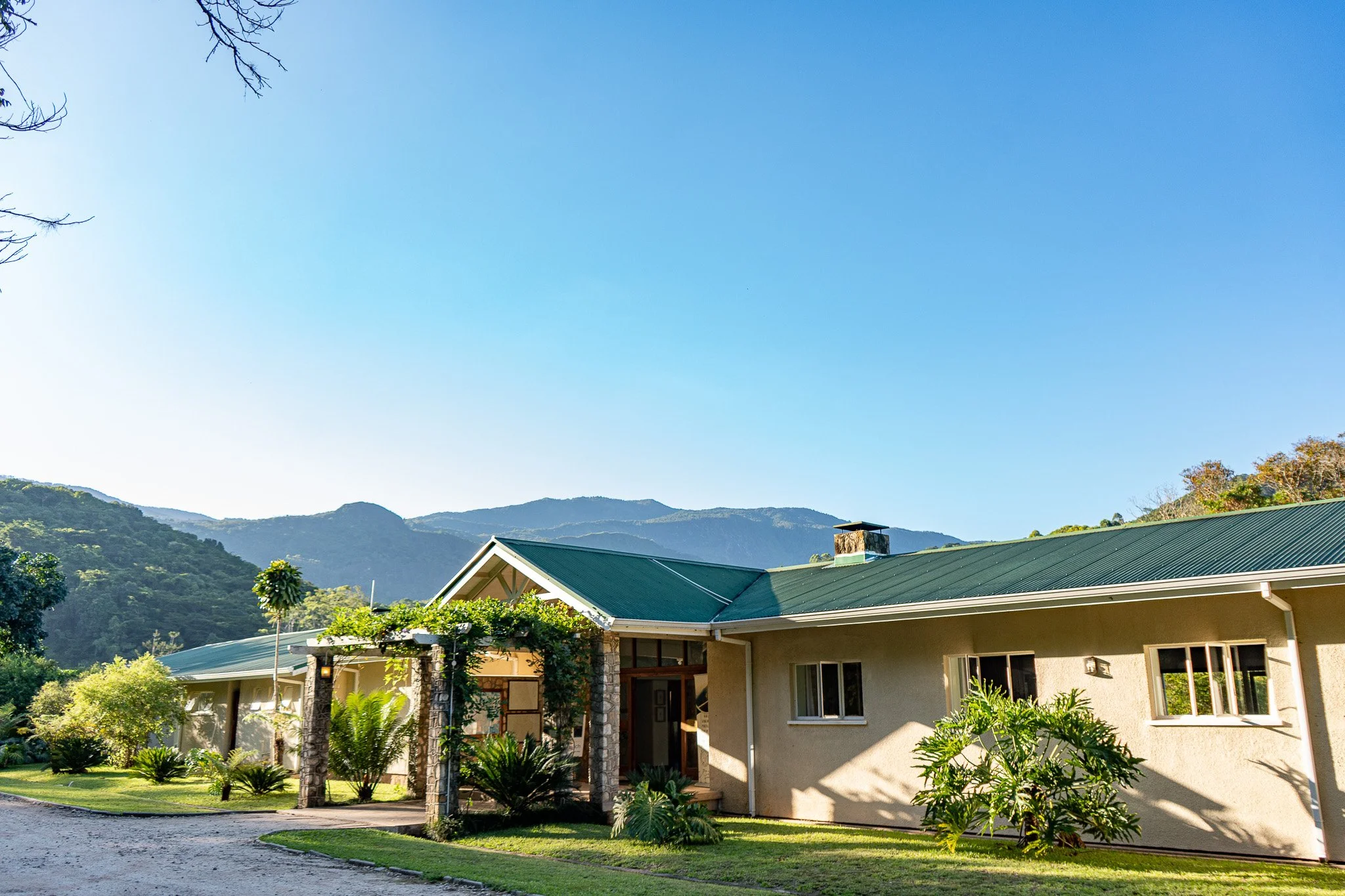
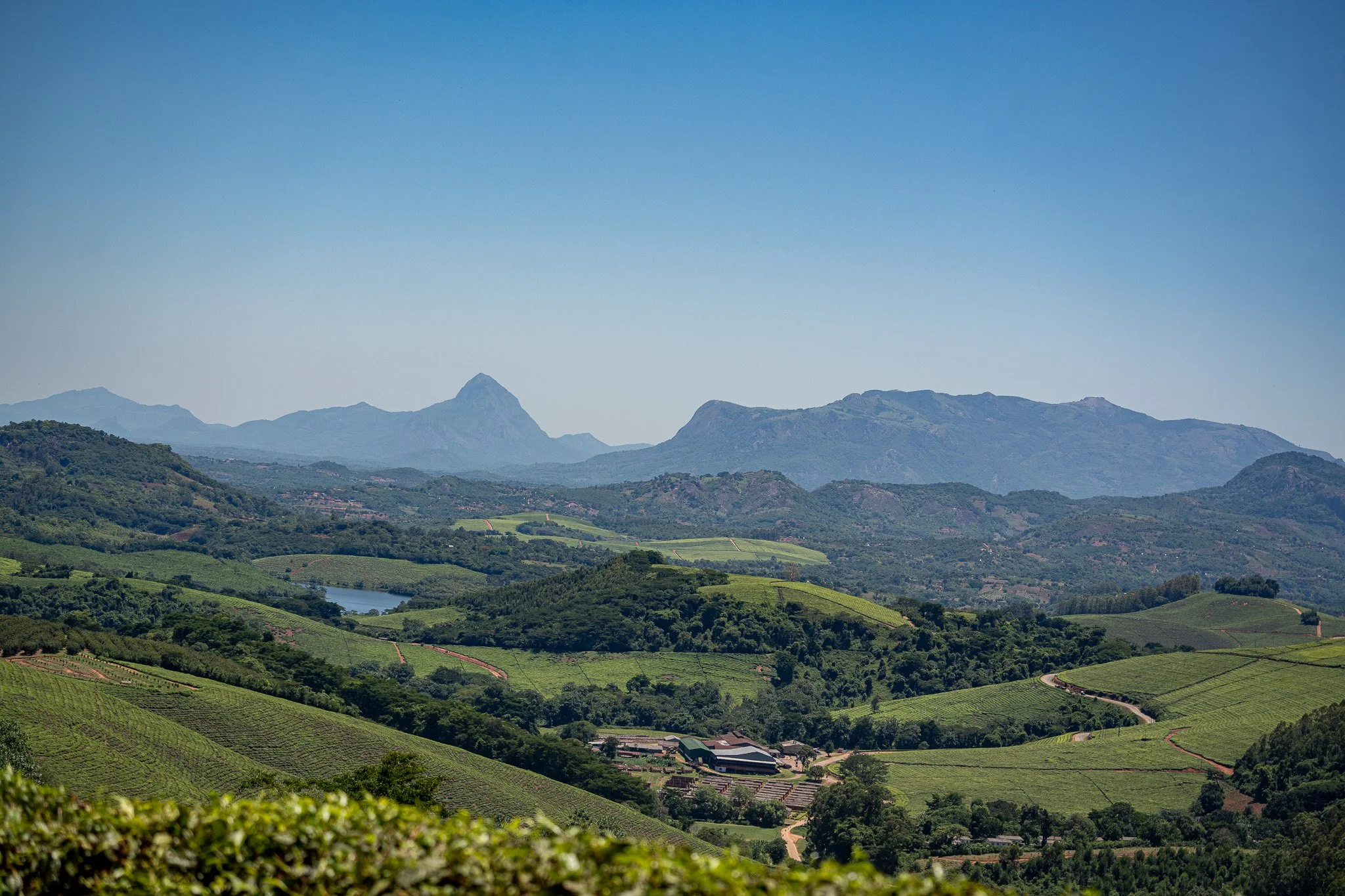
We will oscillate between degraded tea plantations that many species use for hunting/hiding, and the remaining fragmented primary rainforest surrounding Honde. Our lodge is called Aberfoyle, which sits right in the habitat we need. We have free reign here to search high and low for all herps, as well as respond to any urgent snake removal calls.
DECEMBER 02: TRANSFER TO OUTSKIRTS OF HARARE, NIGHT IN TOWN
As all good things must come to an end we will pack up and get back on the road after breakfast the morning of the 2nd.
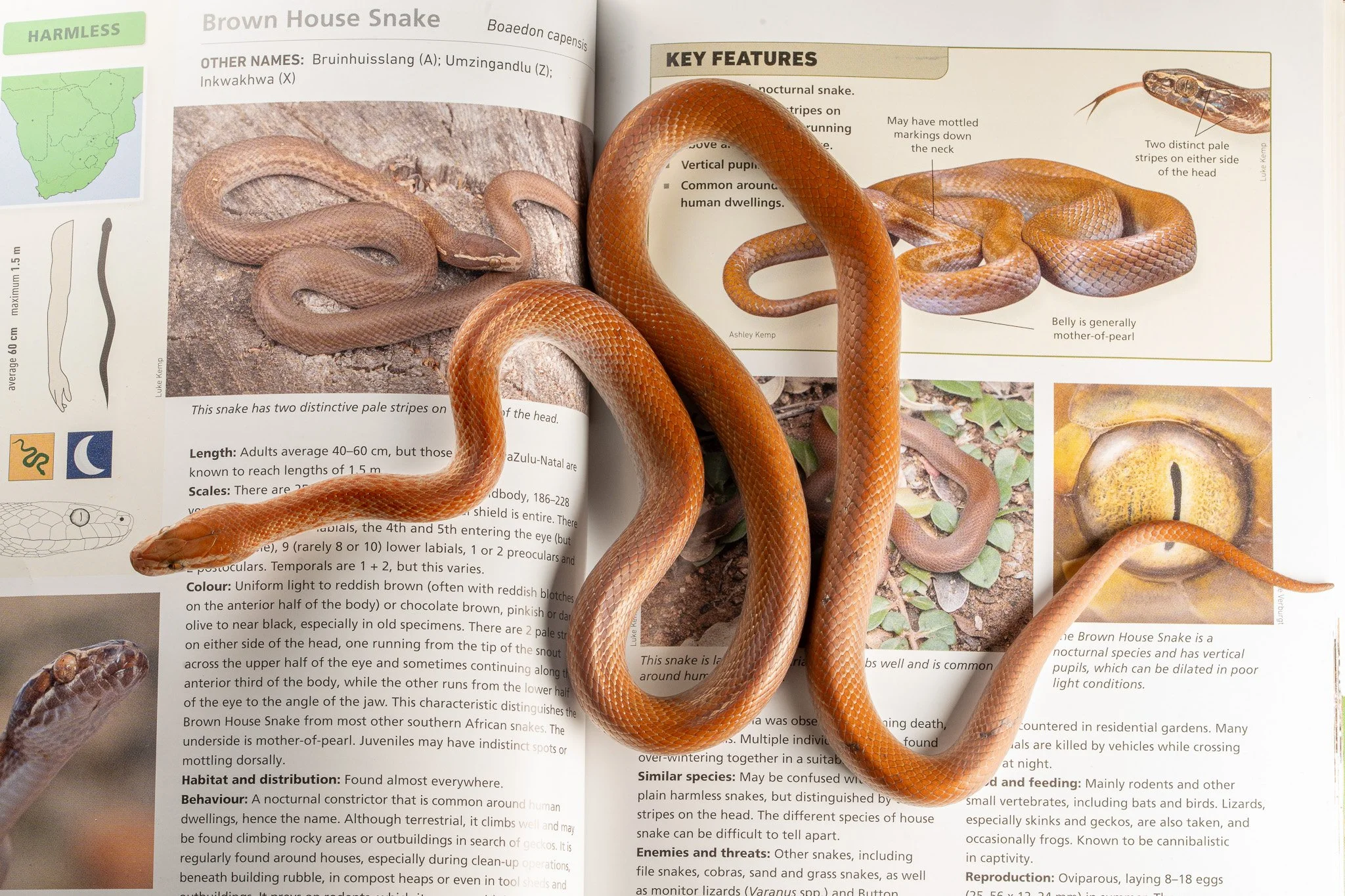
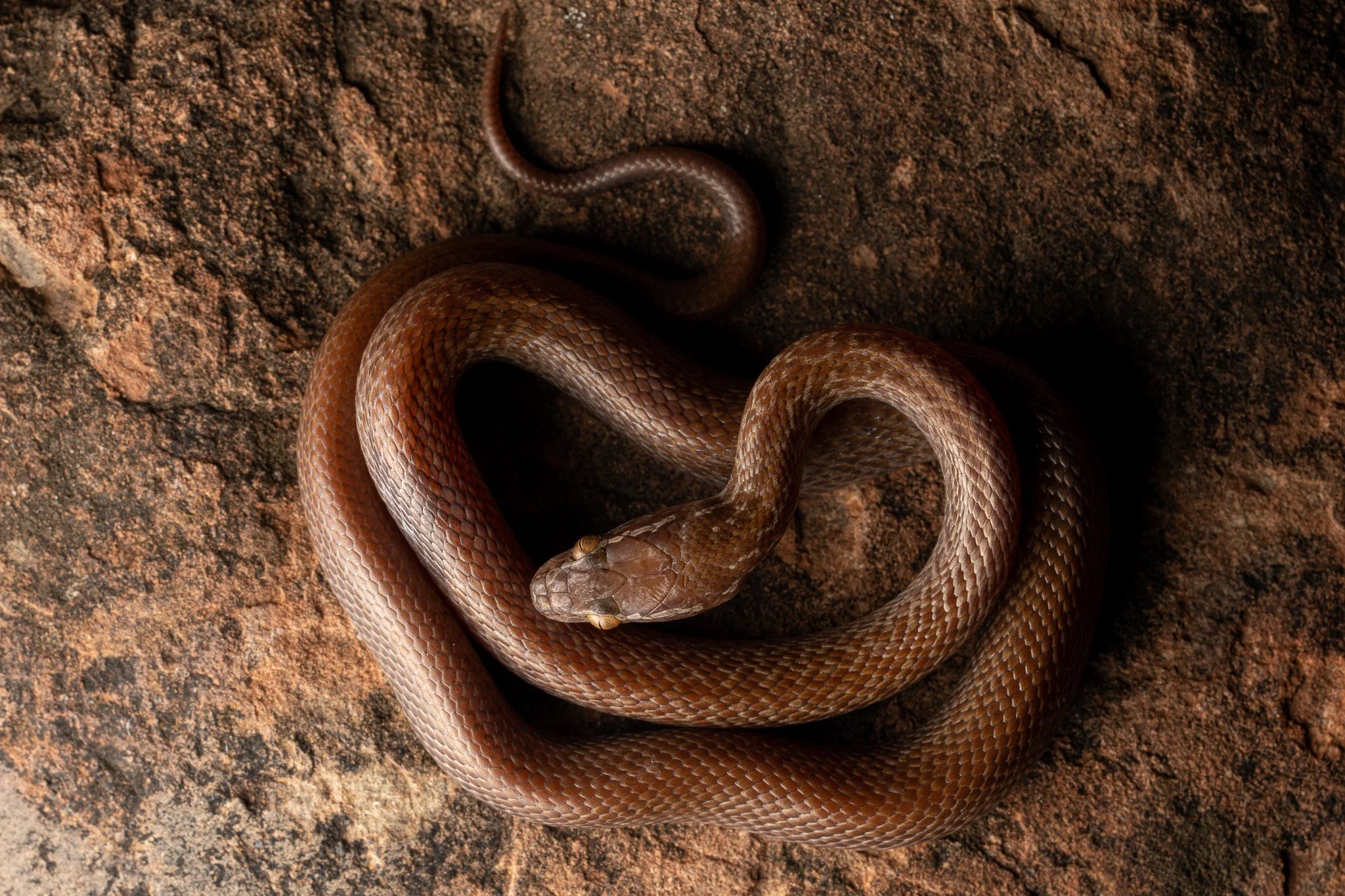
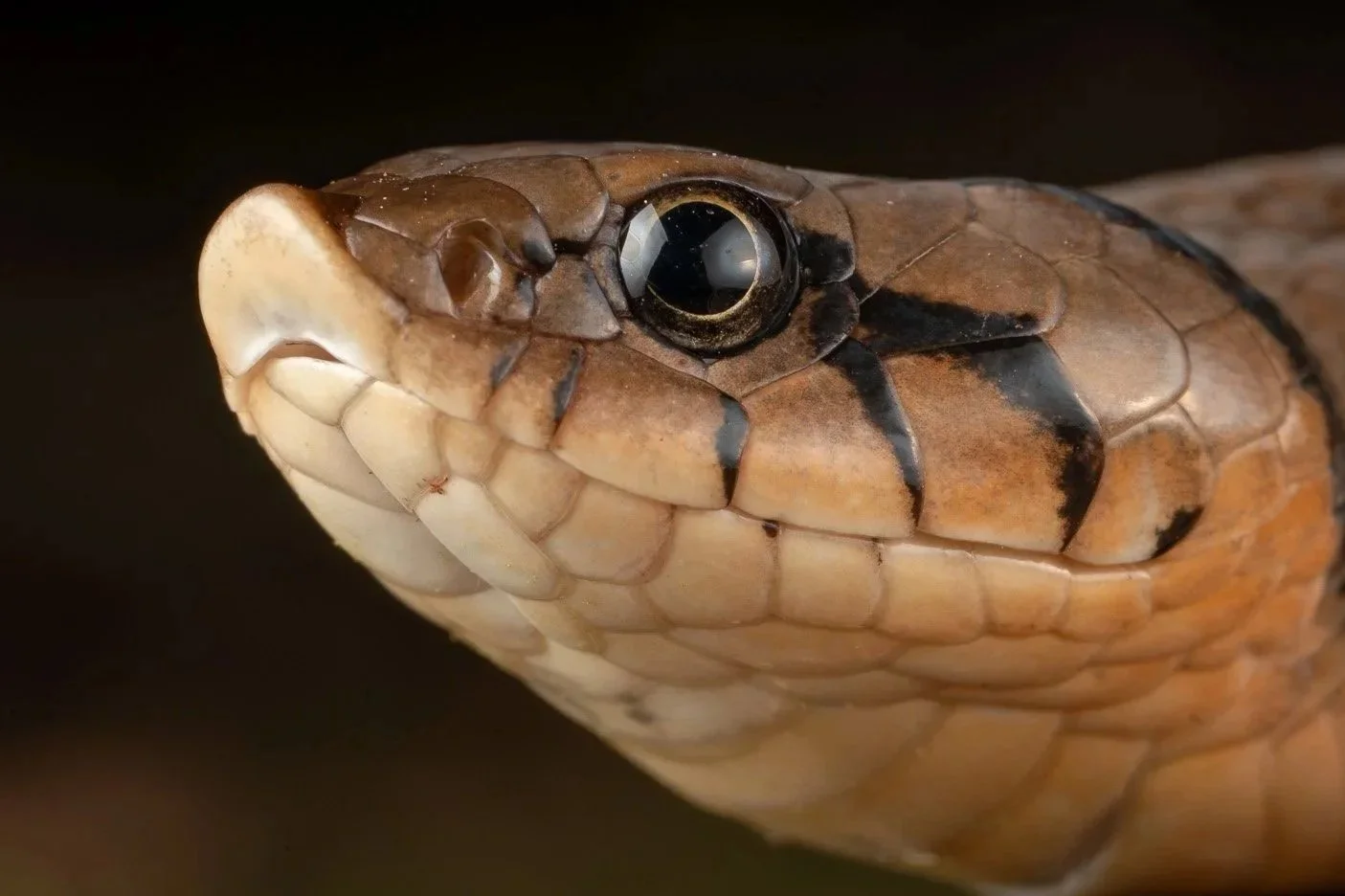
The drive back will be 4-6 hours, and we may opt to herp a bit on the way back. Lunch on the road at a famous pit-stop midway. Once we get near Harare, we will stay our final night at a lovely homestay on the edge of town. This is called Honeybear guesthouse. It is within close distance of a great spot to find snakes surviving in anthropogenic environments, such as house snakes and spitting cobras.
We’ll decide whether we want to herp or enjoy a night in town for this stage. You can also do your laundry here if necessary.
DECEMBER 03: TRANSFER TO AIRPORT, DEPART
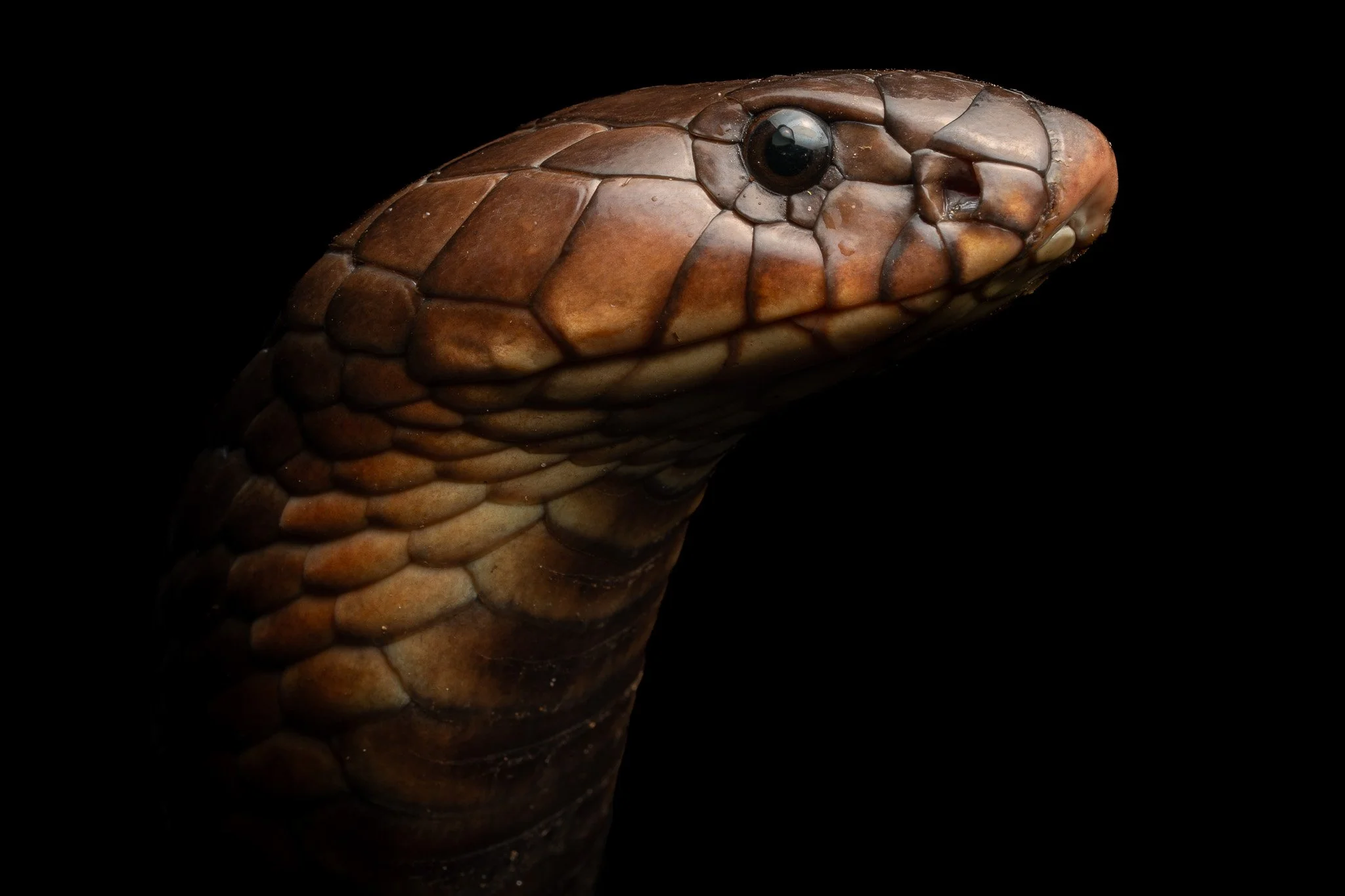
On the final morning of the trip, we’ll head out for the airport after breakfast. If your flight is later in the day, we can arrange transport.
We say our goodbyes and see ya laters.
WHAT WE COVER, WHAT WE DON’T, AND ADDITIONAL INFORMATION:
INCLUDED:
TRANSPORTATION FROM NOV. 20 - DEC. 03
LODGING FROM NOV. 20 - DEC. 03
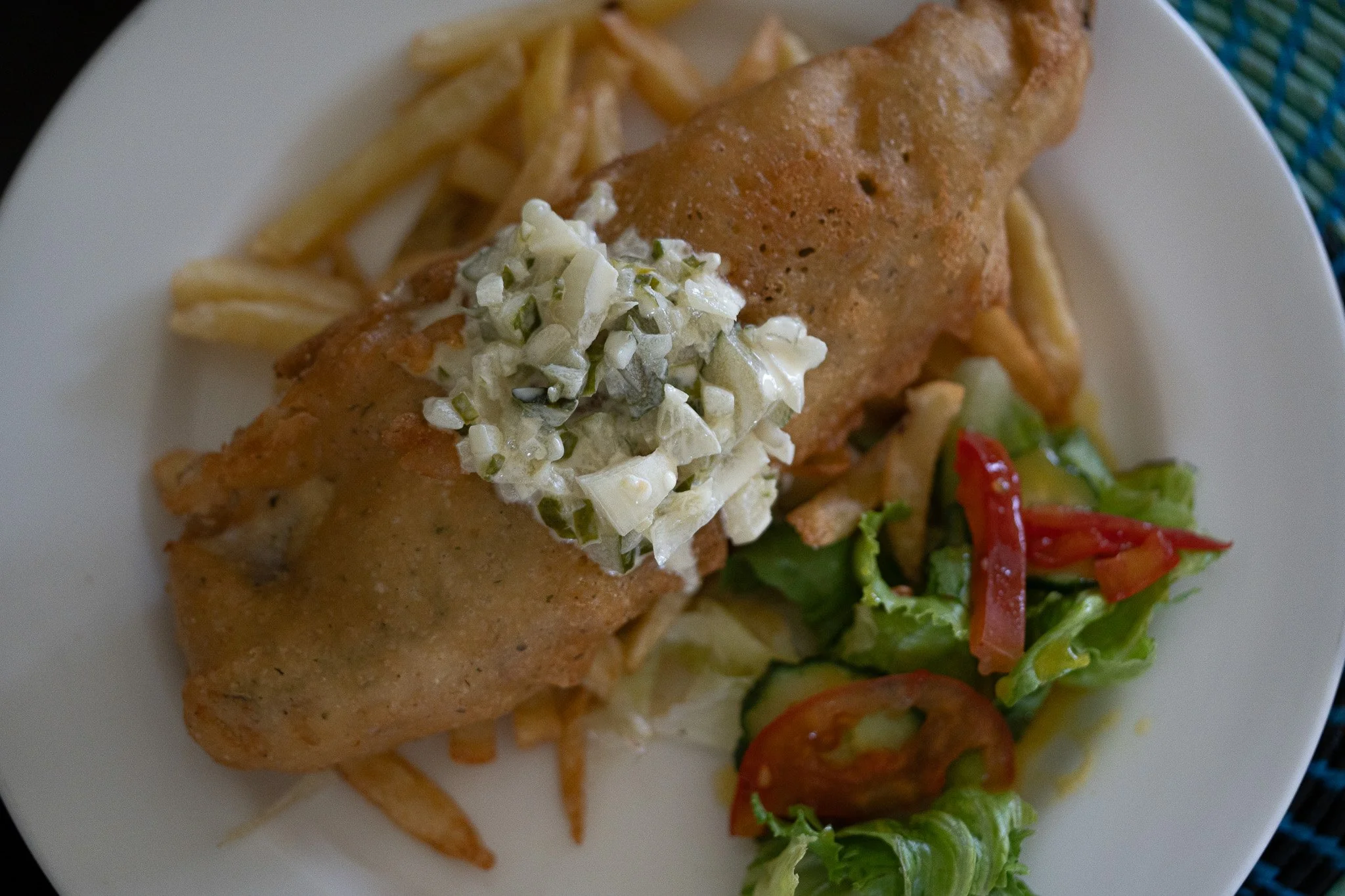
X3 MEALS PER DAY + SNACKS
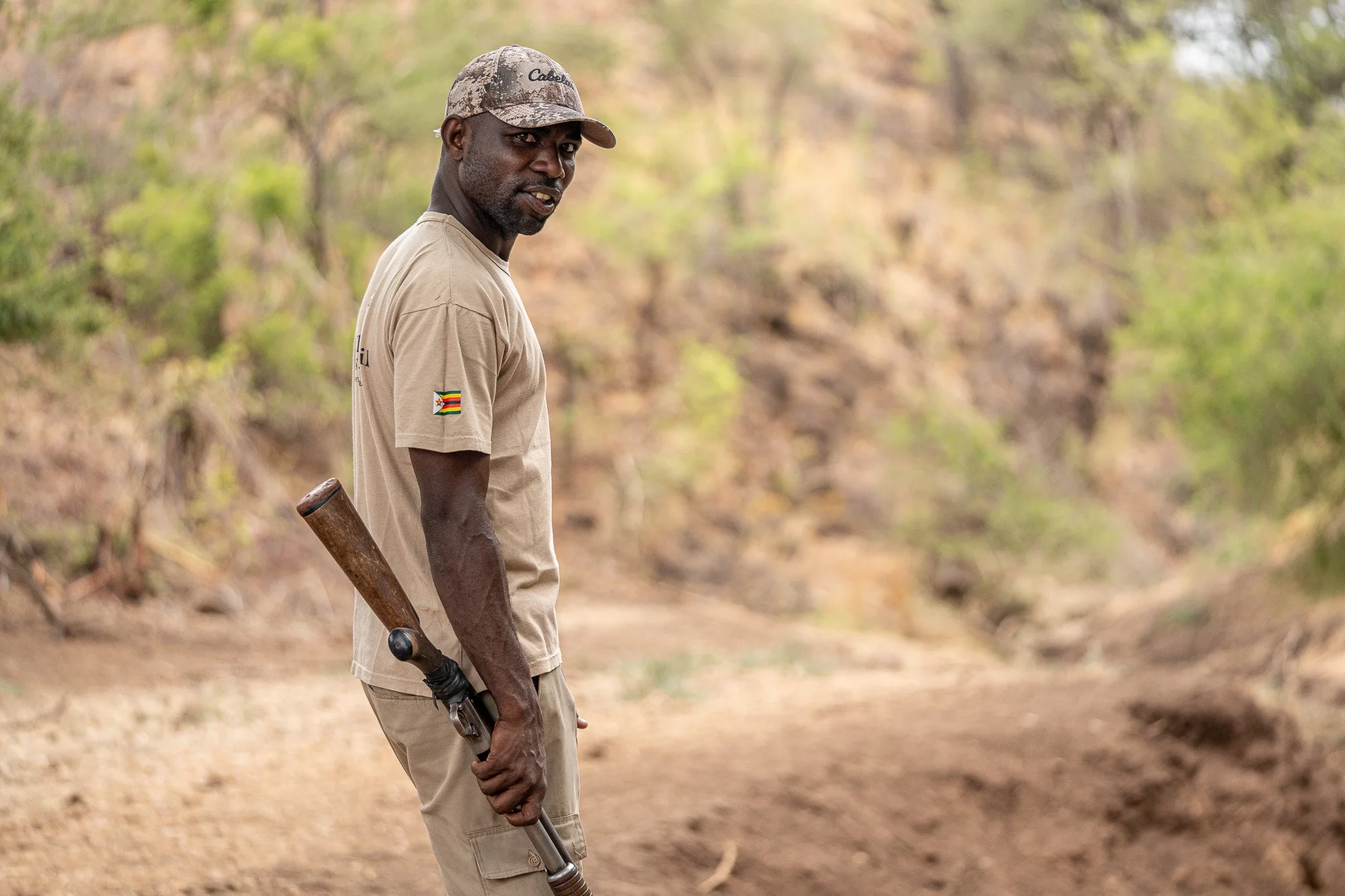
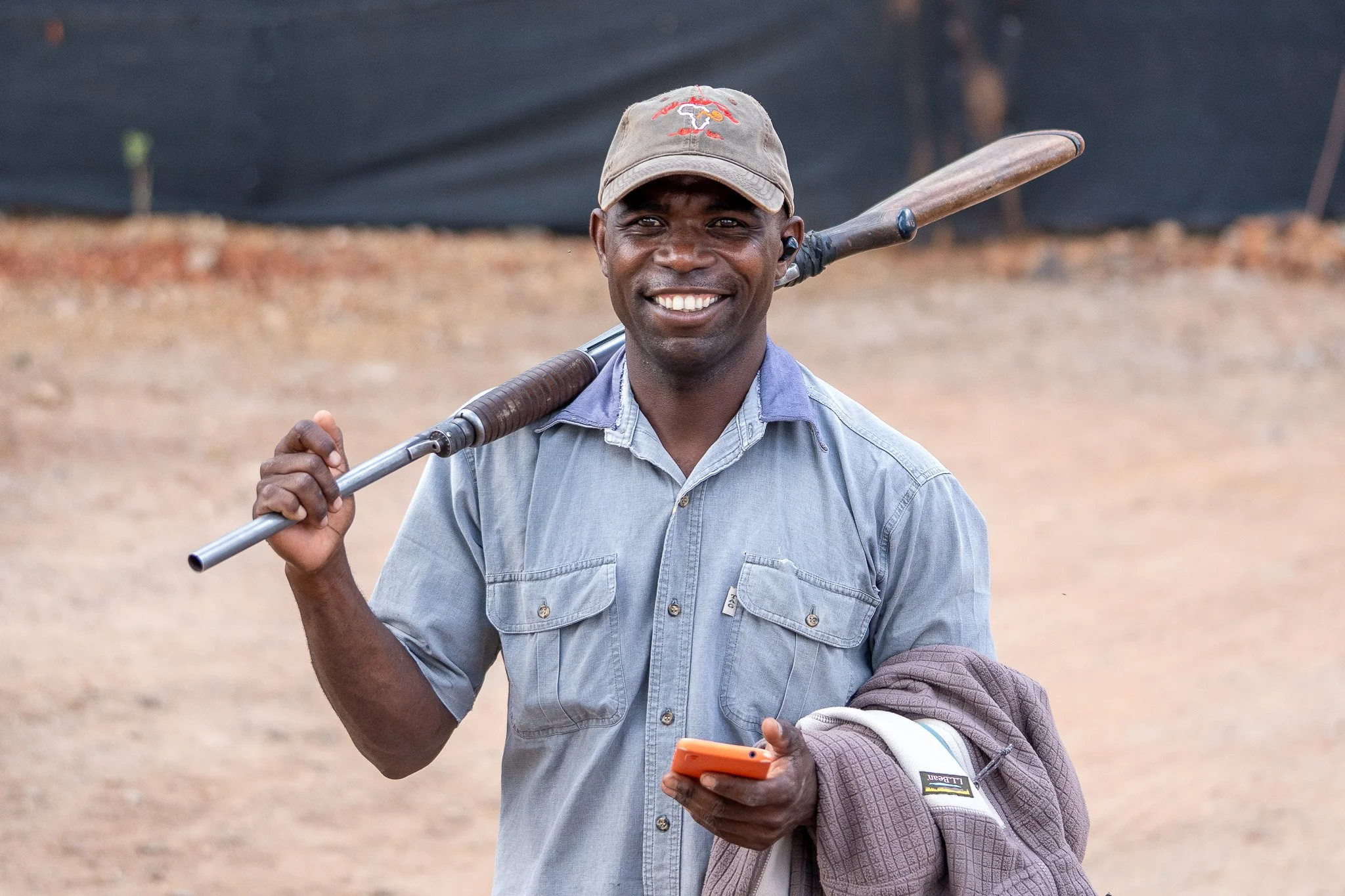
24/7 ARMED SECURITY (FOR WILDLIFE)
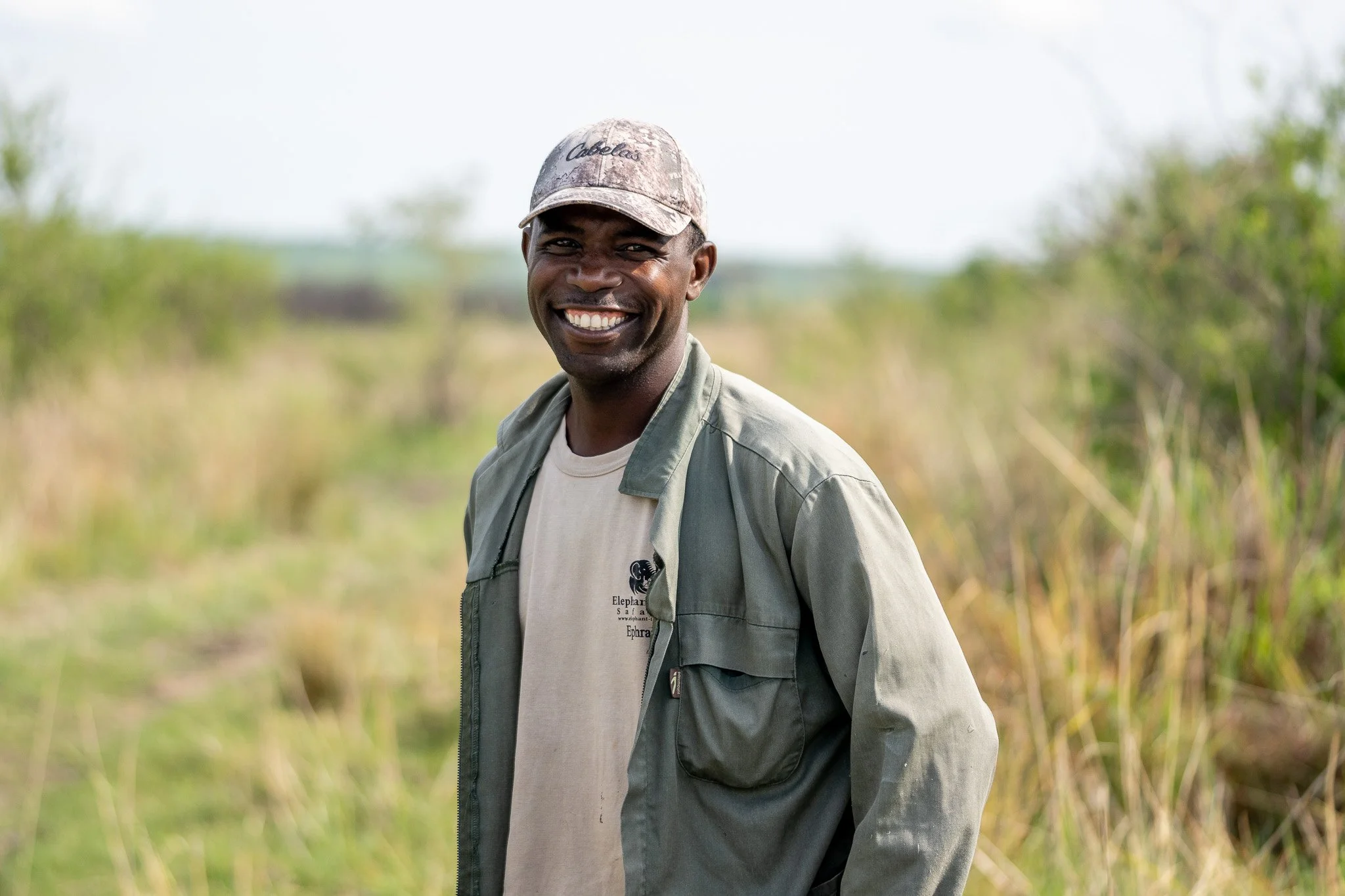
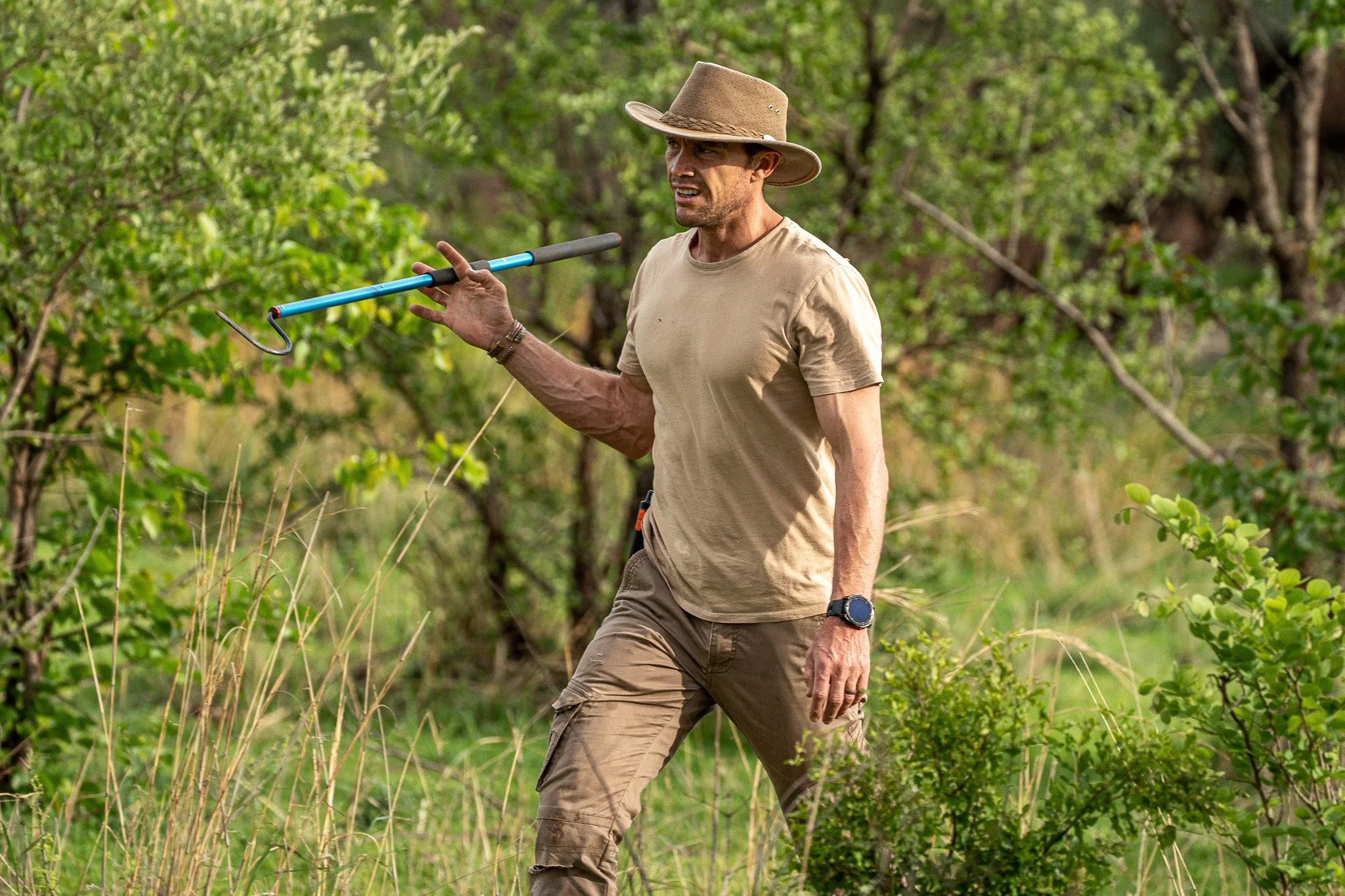
X3 24/7 GUIDES, 1 LOCAL
NATIONAL PARK PASSES
SCIENTIFIC COLLECTION PERMITS
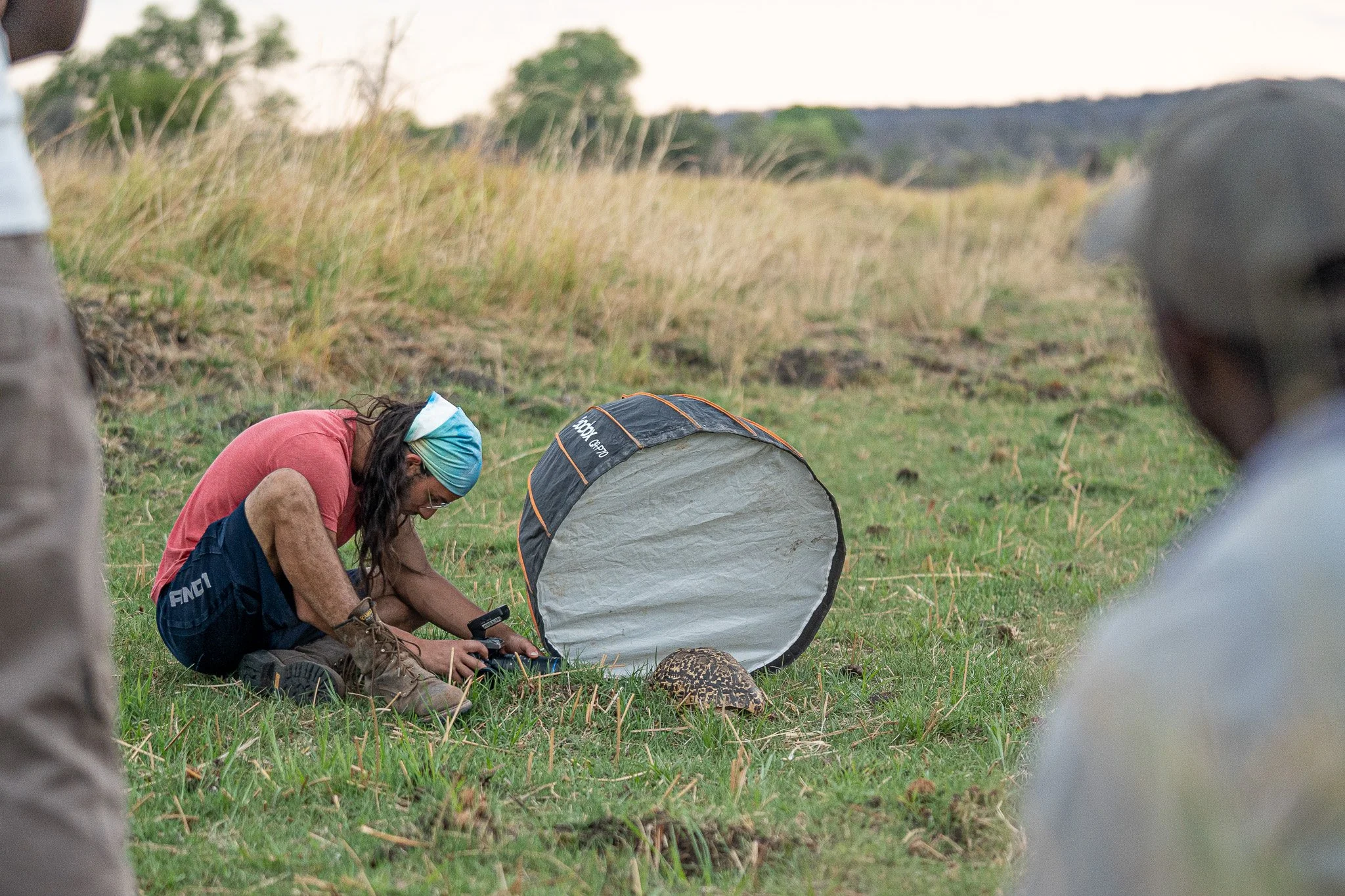
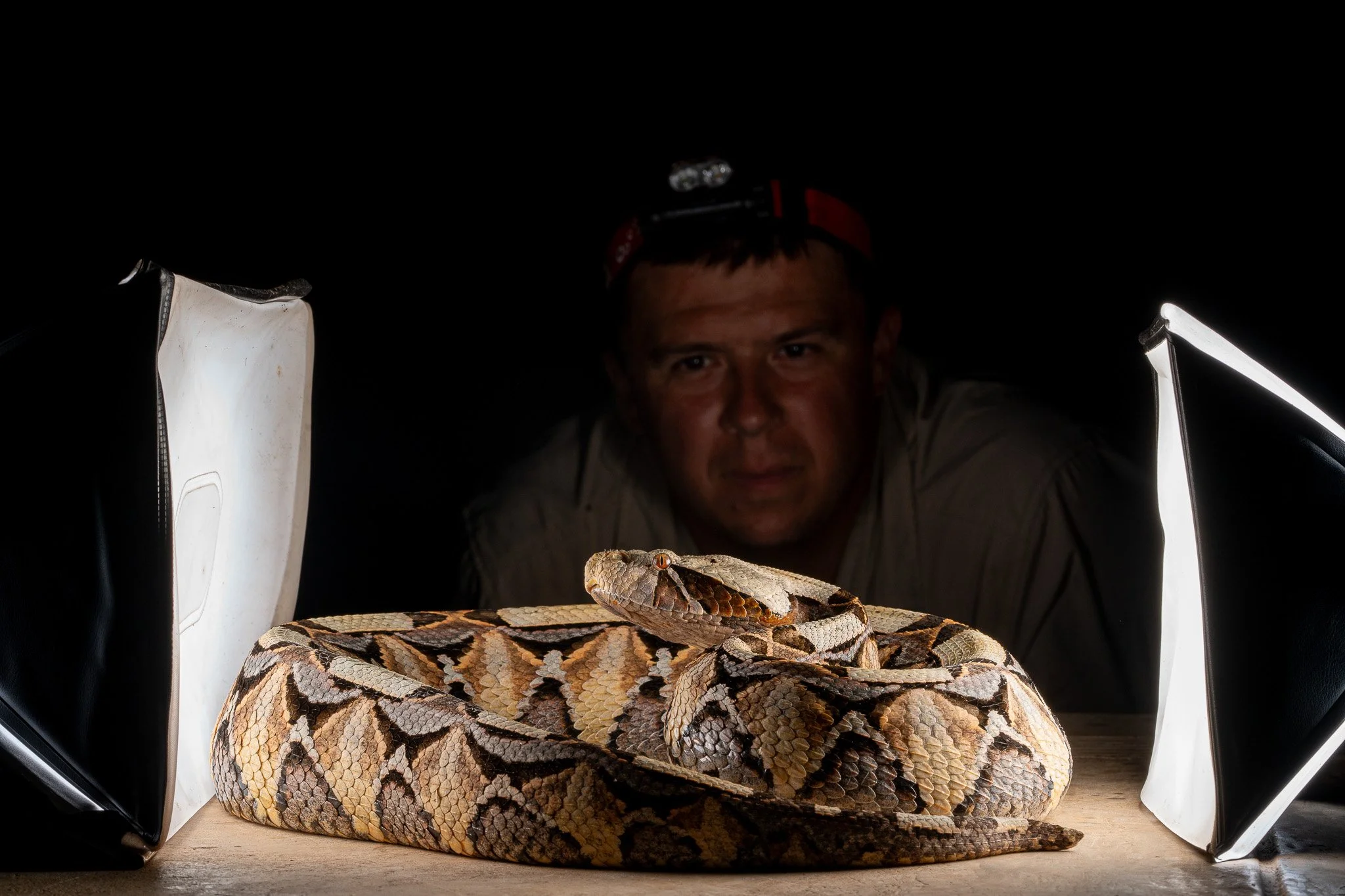
COMPREHENSIVE PHOTO WORKSHOPS
ADDITIONAL INFORMATION:
THIS EXPEDITION IS SHARED LODGING, UNLESS YOU CHOOSE “PRIVATE” AT CHECKOUT
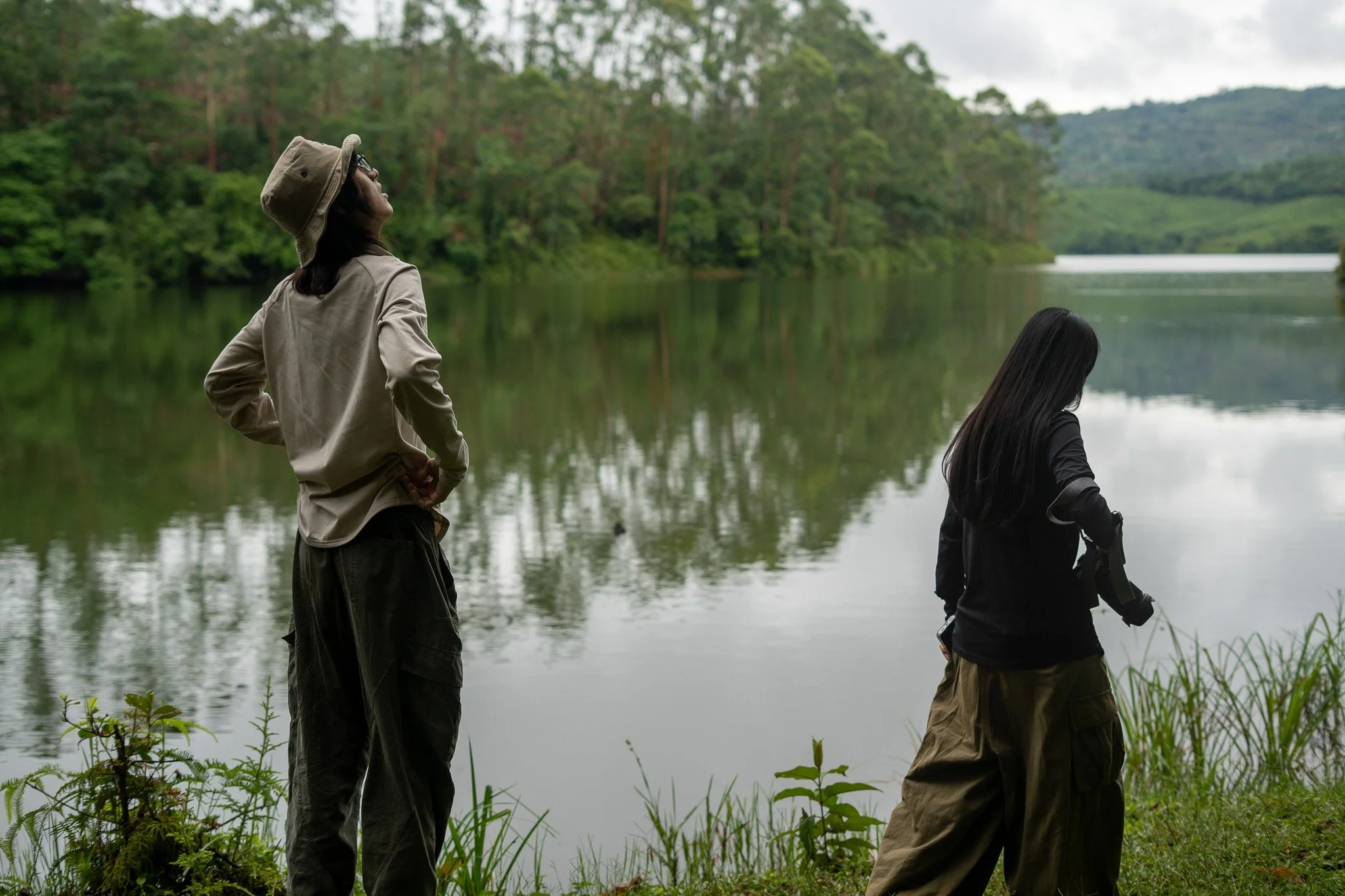
WE UTILIZE ARMED SECURITY AT ALL TIMES IN THE VICTORIA FALLS AREA AS A SAFETY PRECAUTION AGAINST DANGEROUS MEGAFAUNA
ZIMBABWE REQUIRES PROOF OF YELLOW FEVER VACCINE IF ENTERING FROM A HIGH RISK COUNTRY, WHICH INCLUDES LAYOVERS IN AIRPORTS SUCH AS ADDIS ABABA.
NOT INCLUDED:
INTERNAL OR EXTERNAL FLIGHTS
VISA OR ENTRY REQUIREMENTS IF APPLICABLE (30$ CASH SINGLE-ENTRY FOR MOST COUNTRIES)
ADDITIONAL, UNLISTED ACTIVITIES
SOUVENIRS/ALCOHOLIC DRINKS
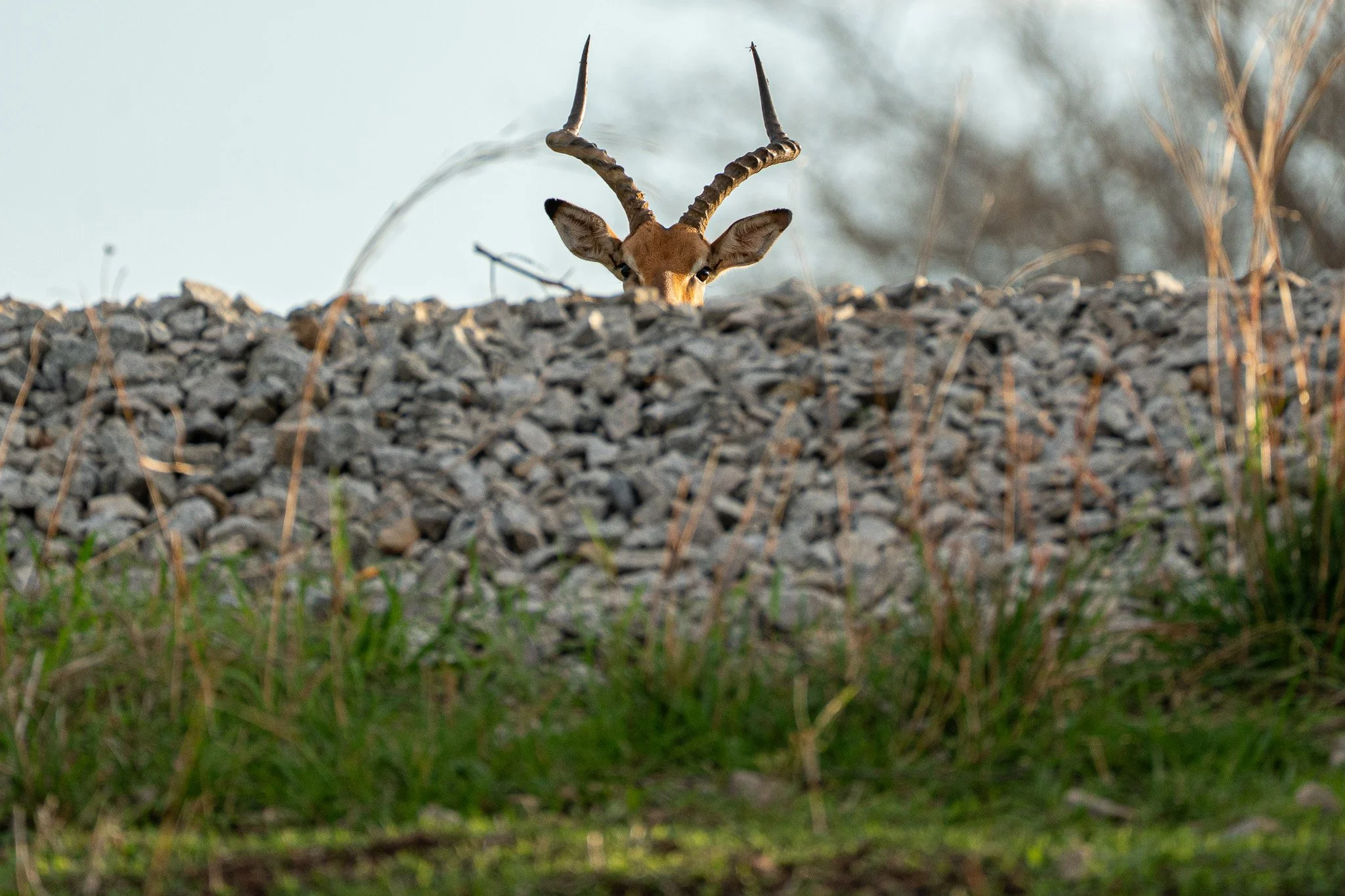
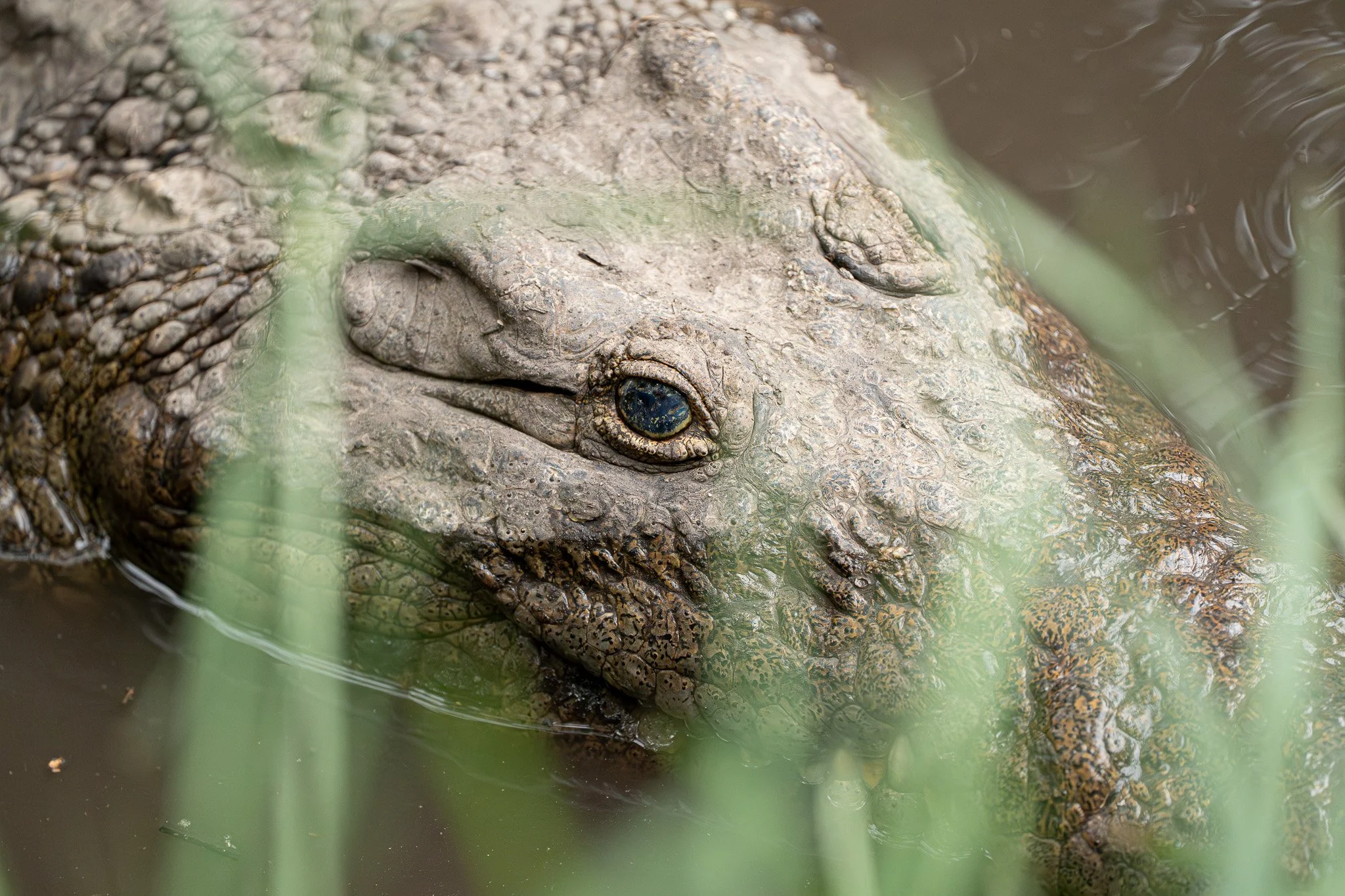
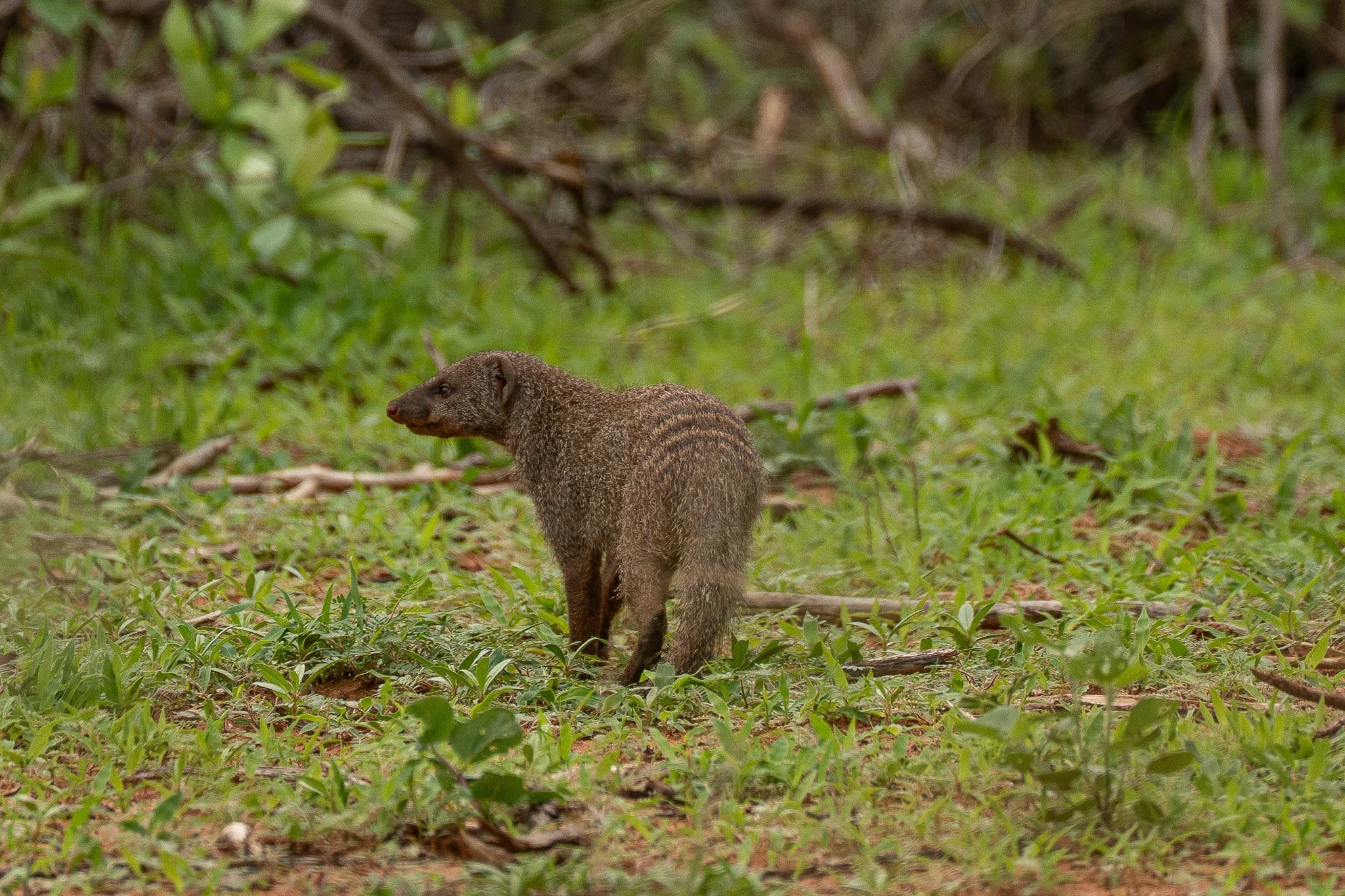
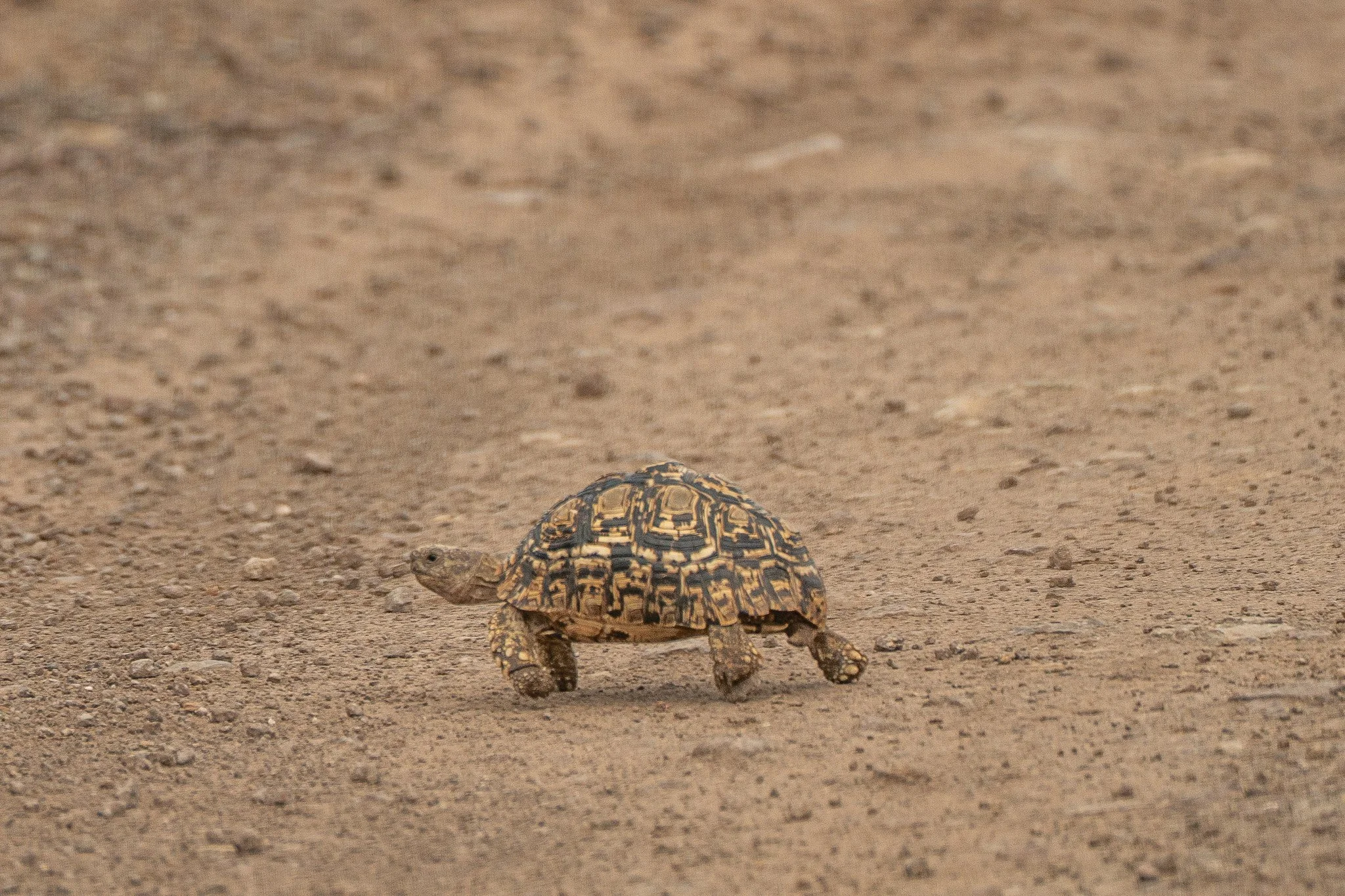
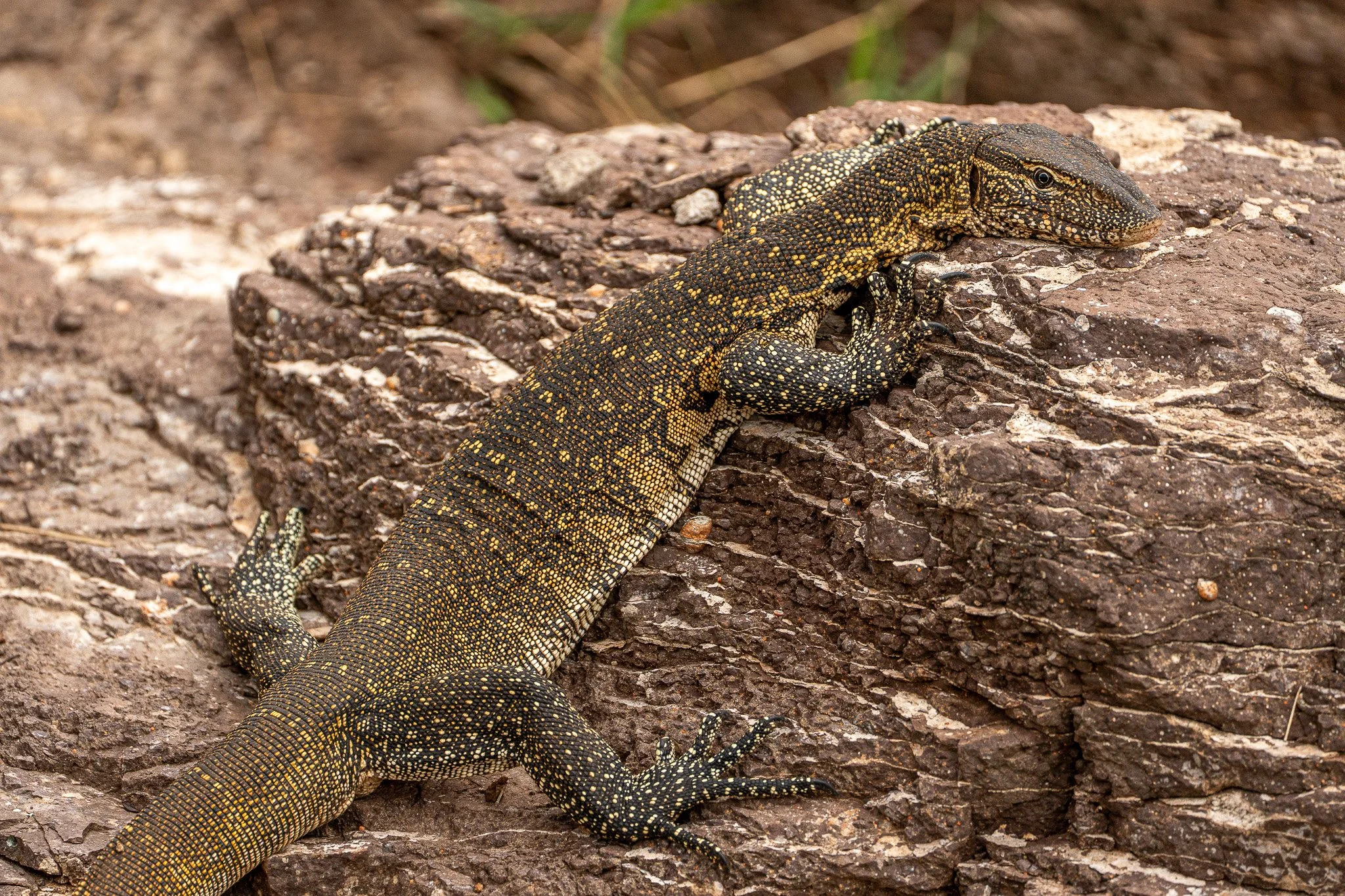
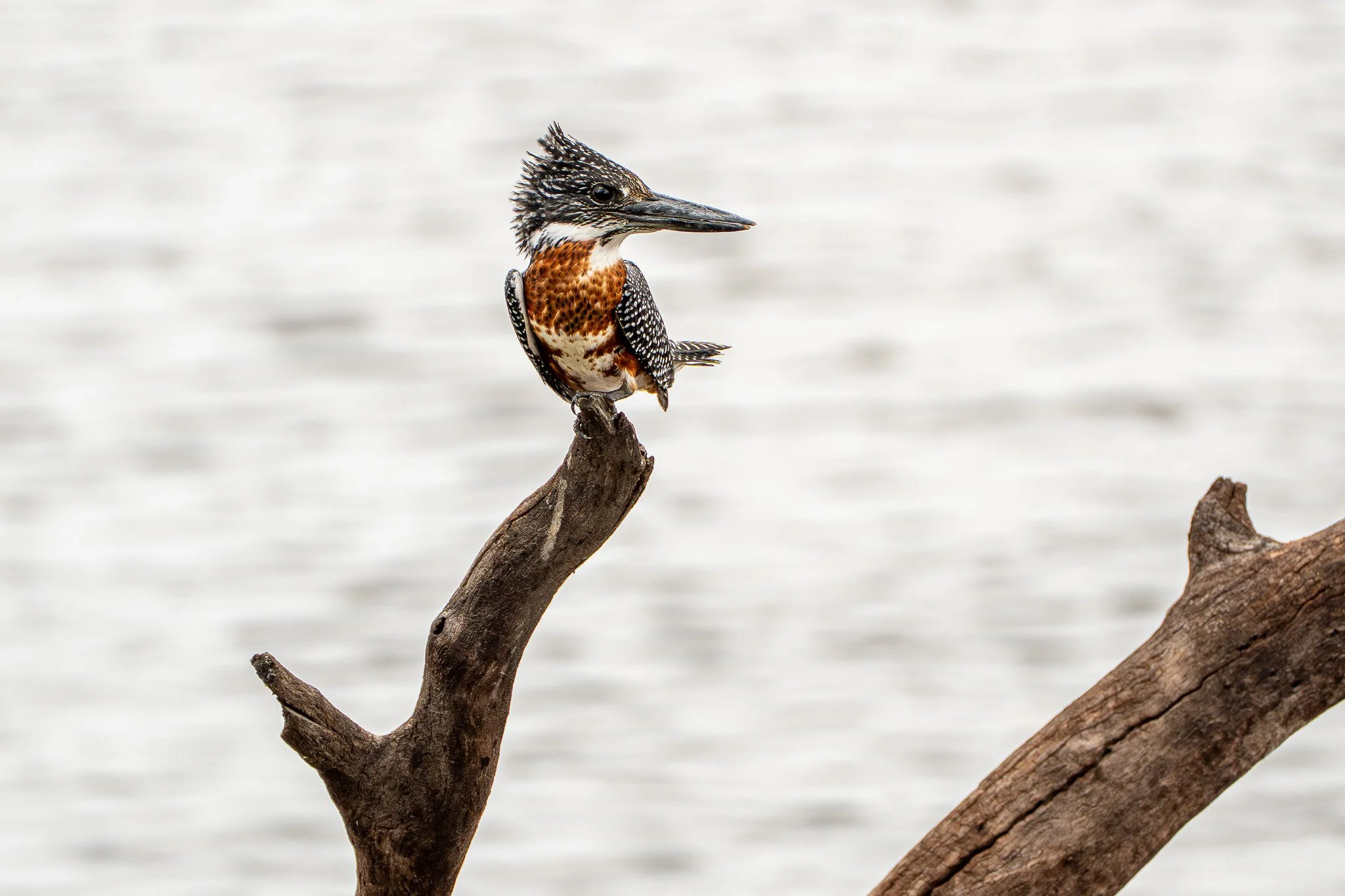
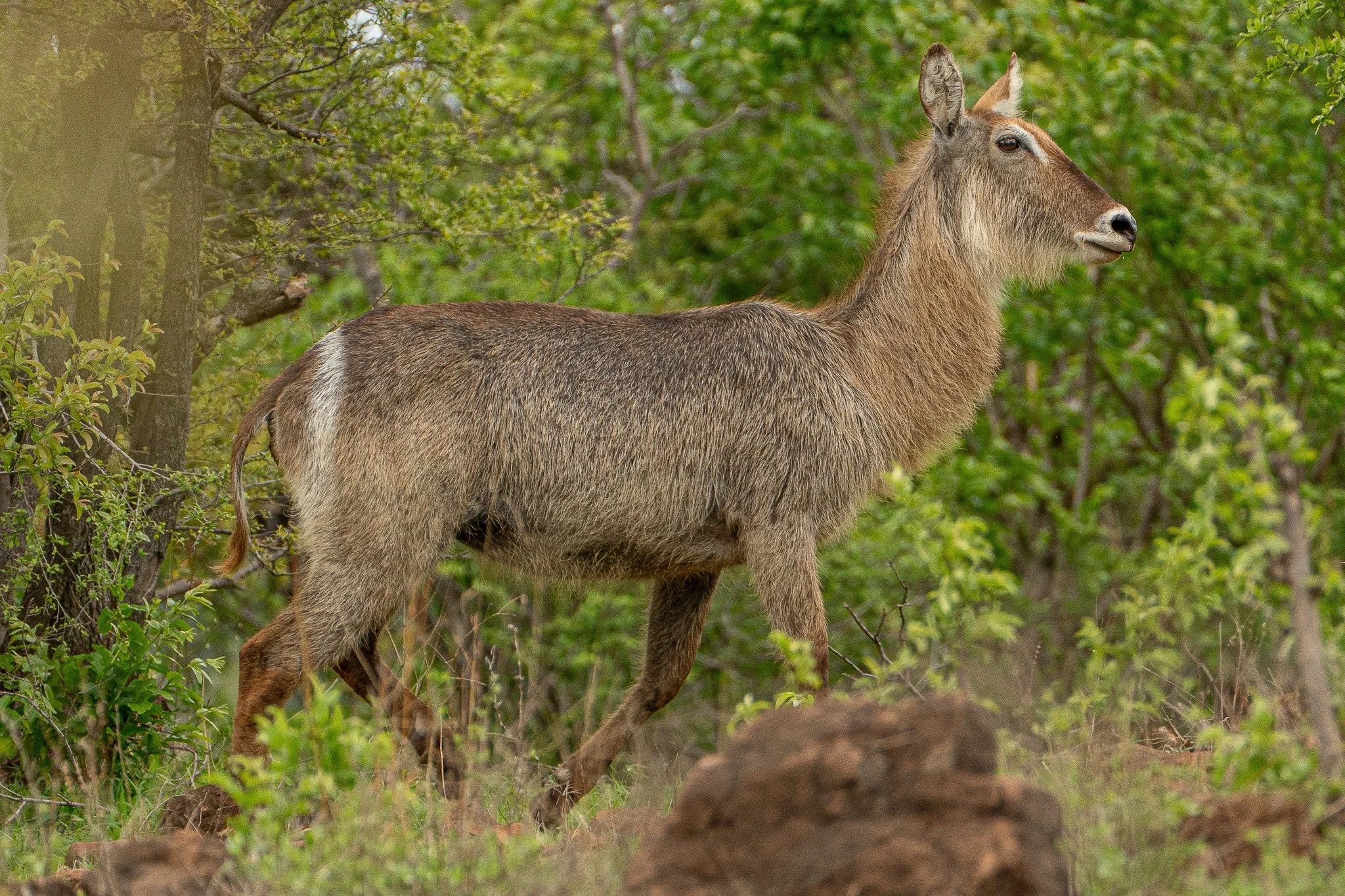
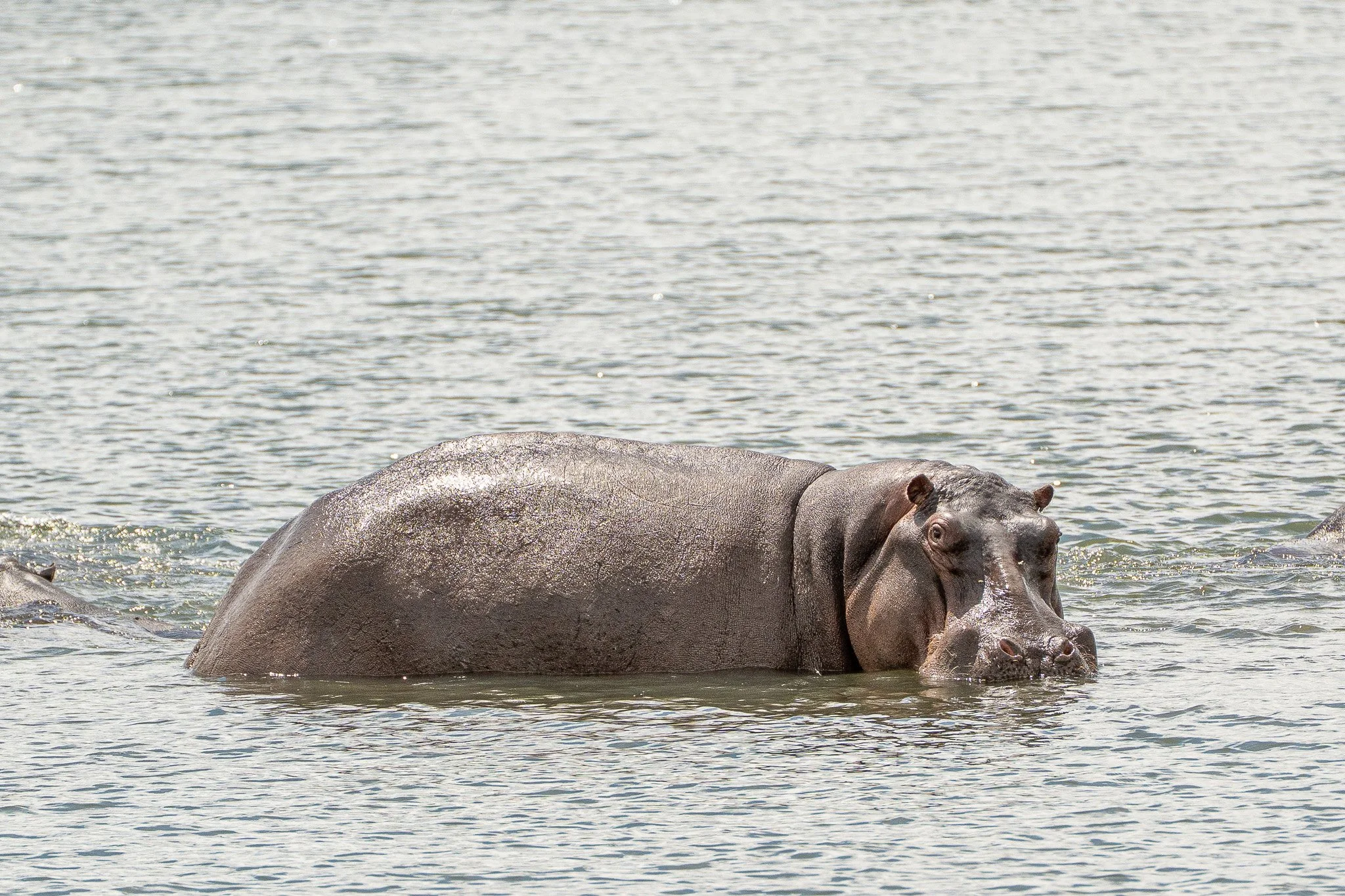
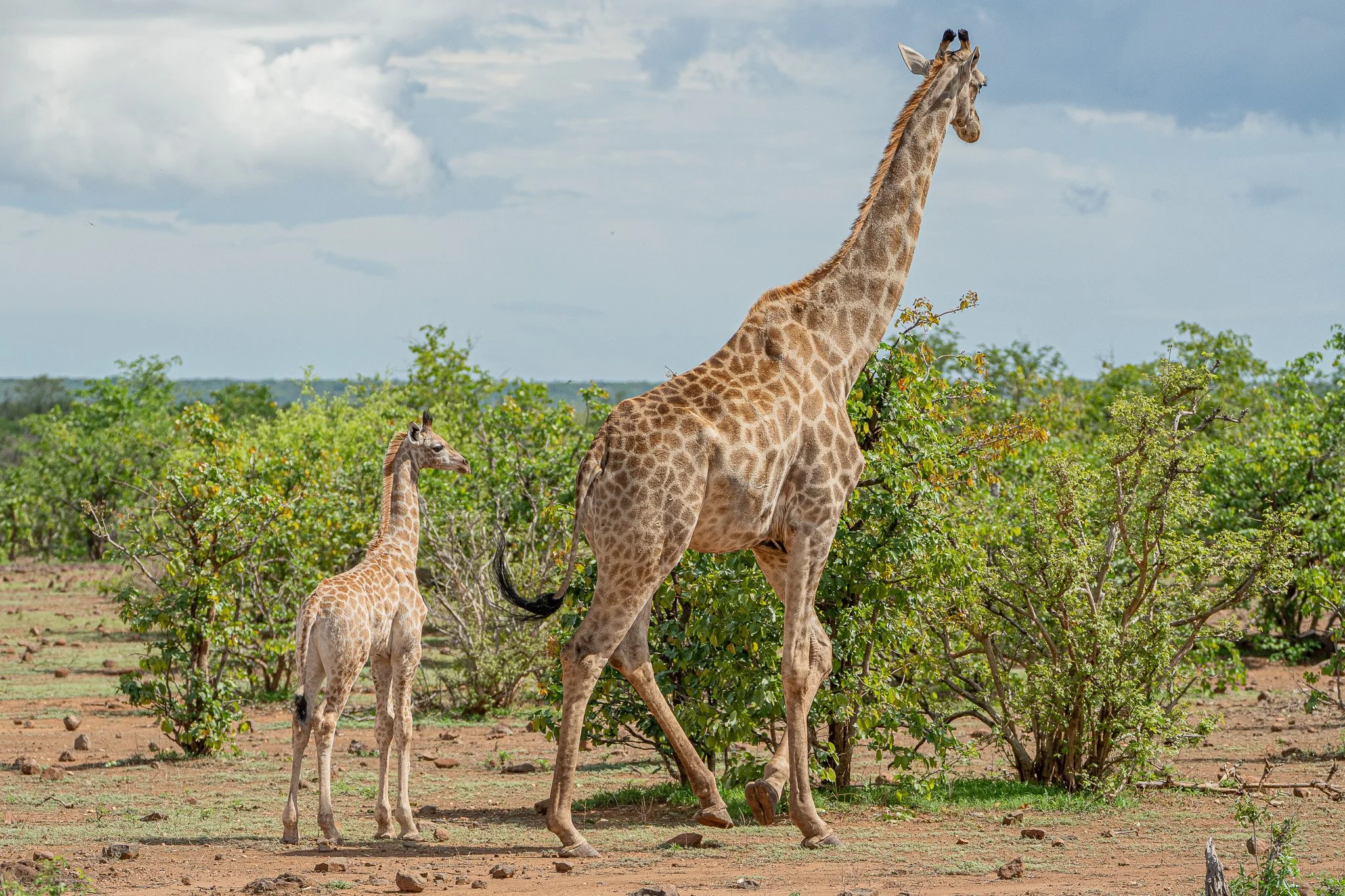
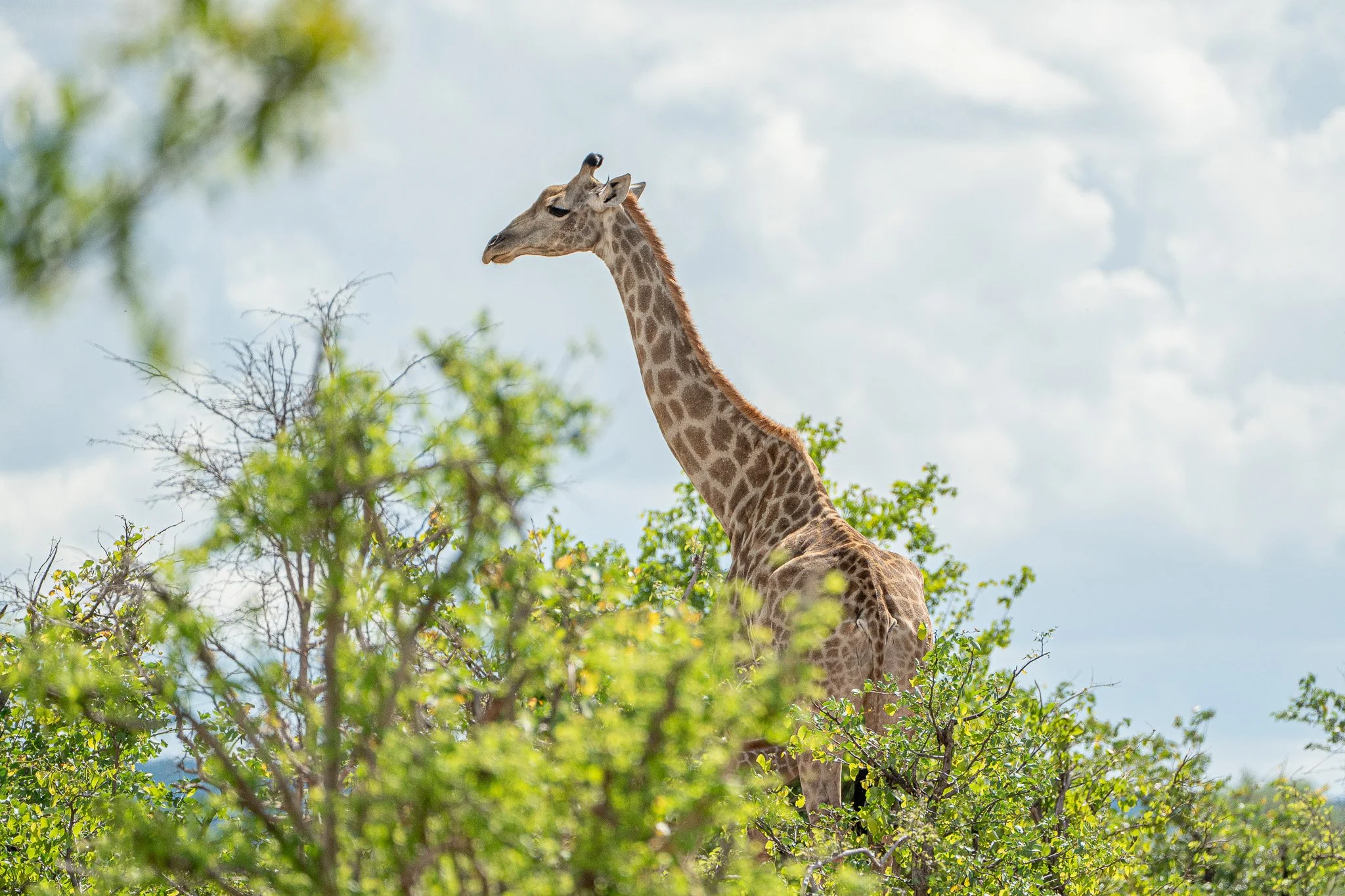
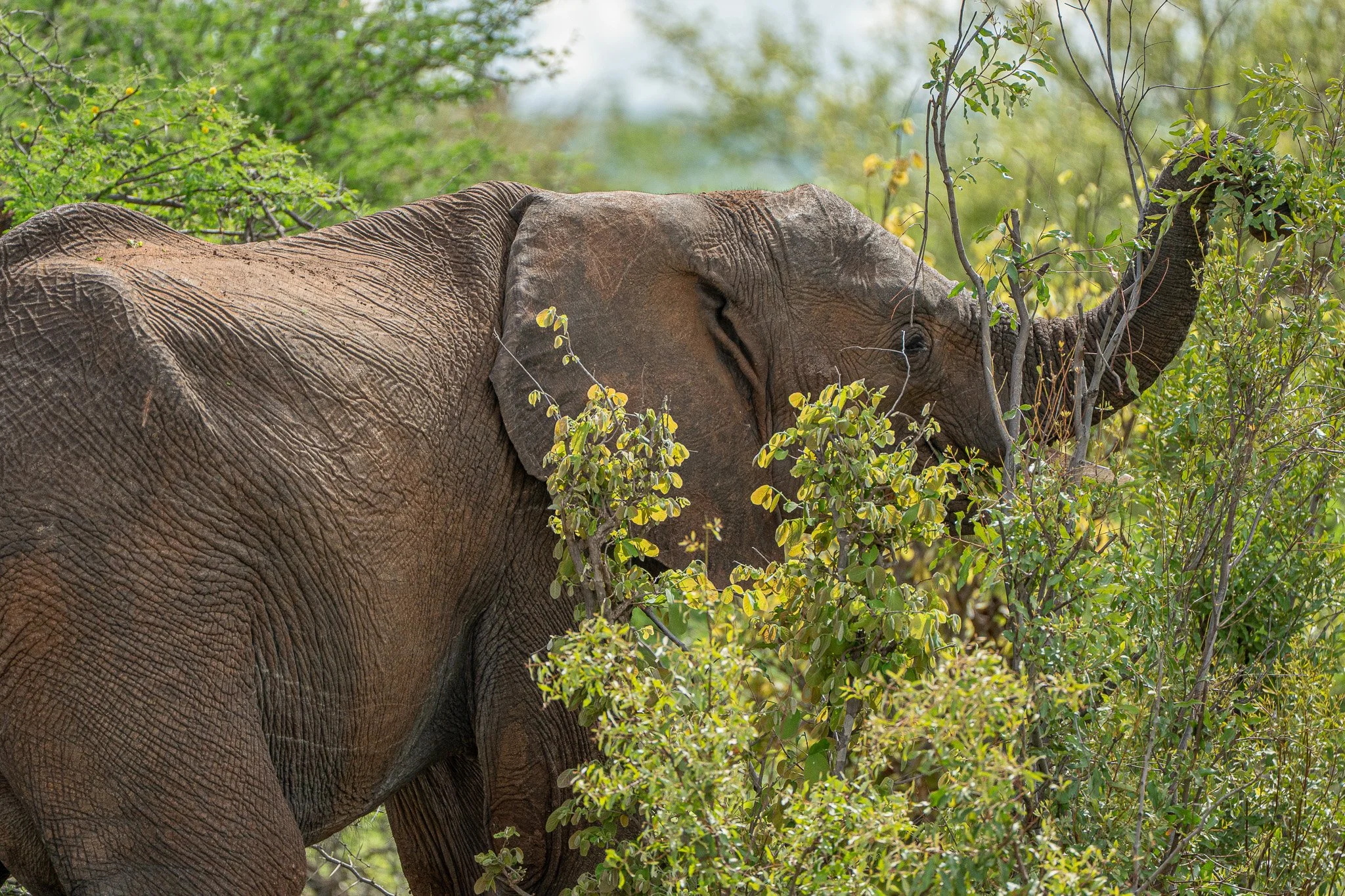
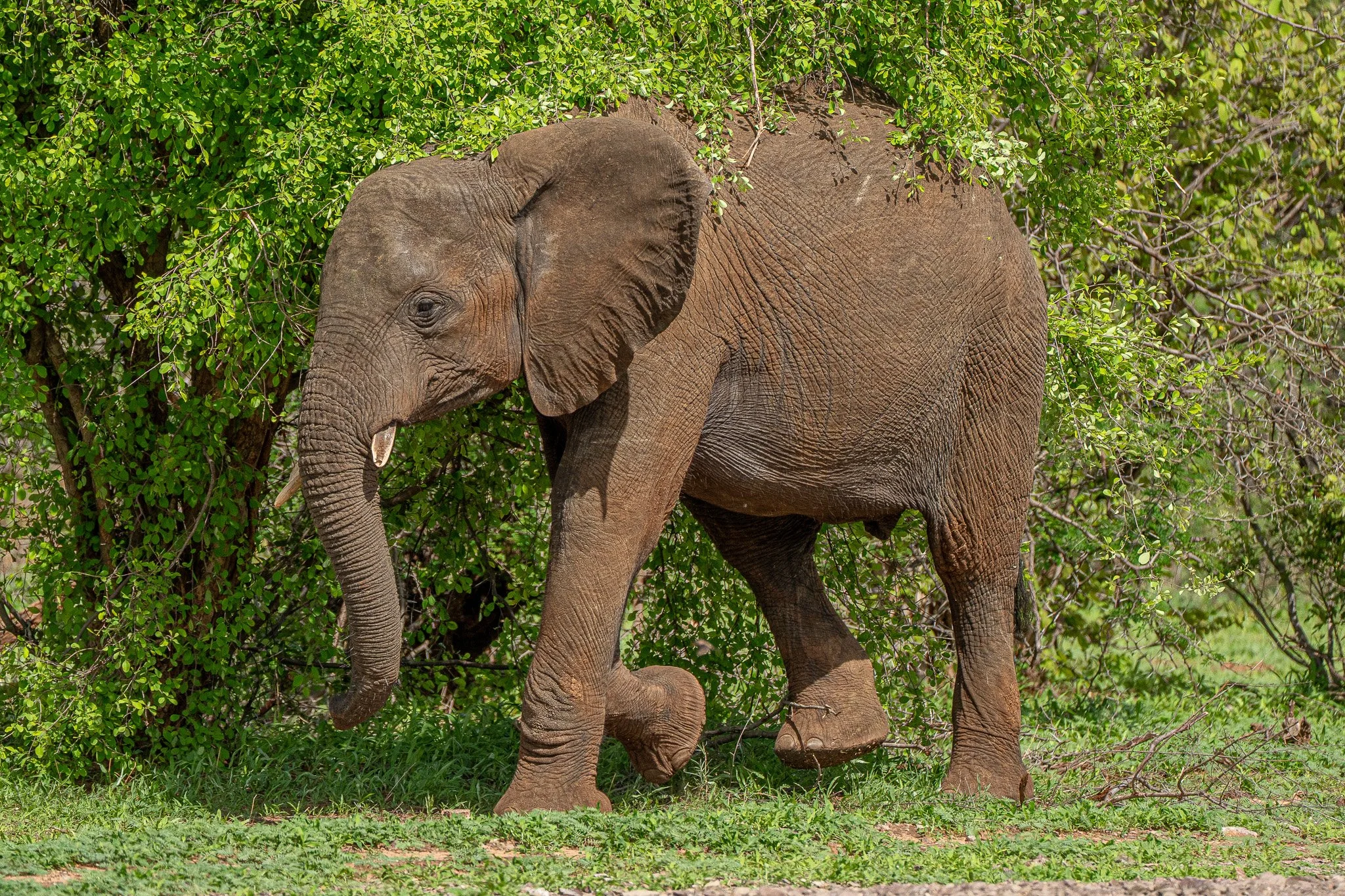
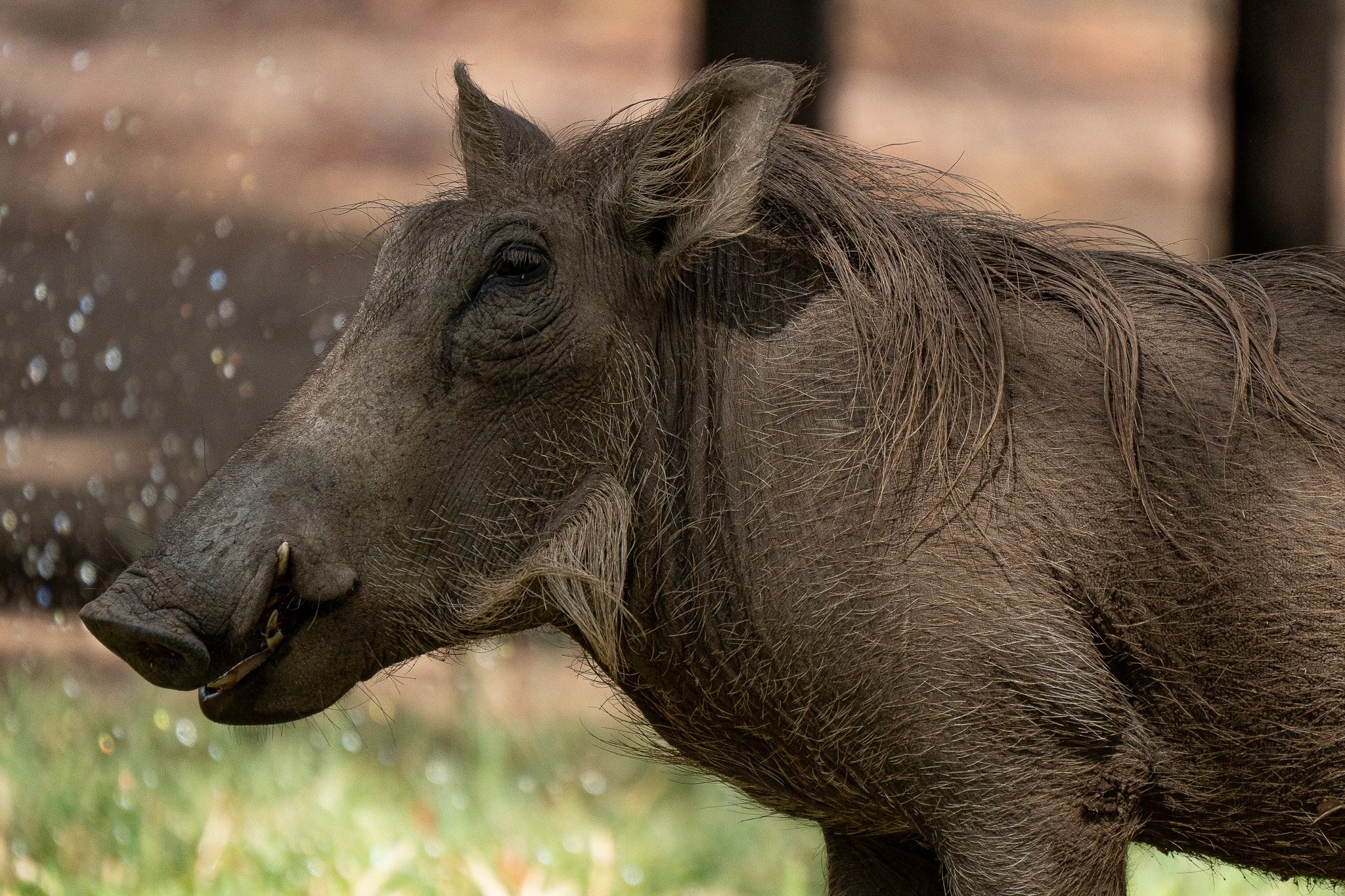
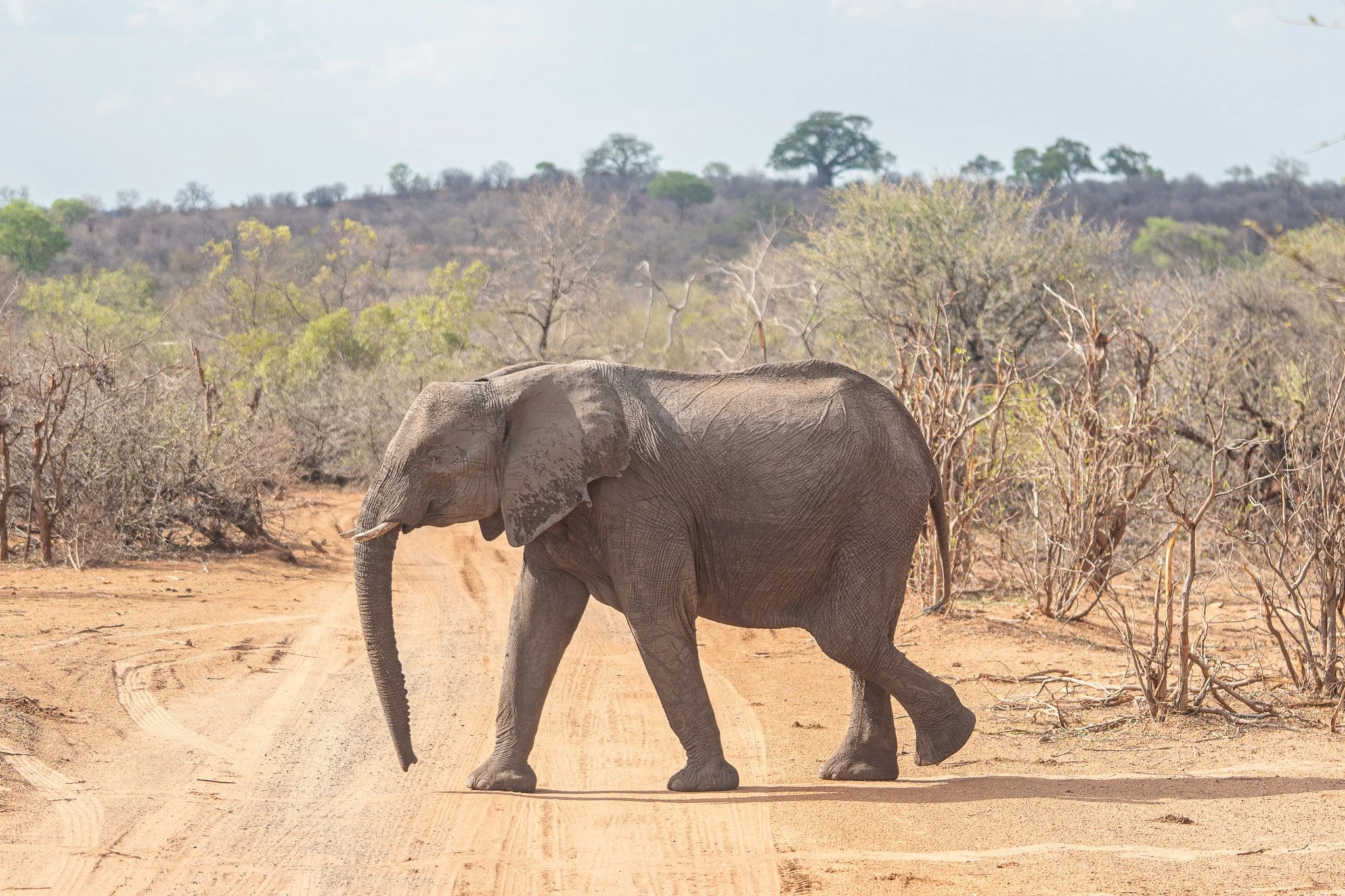
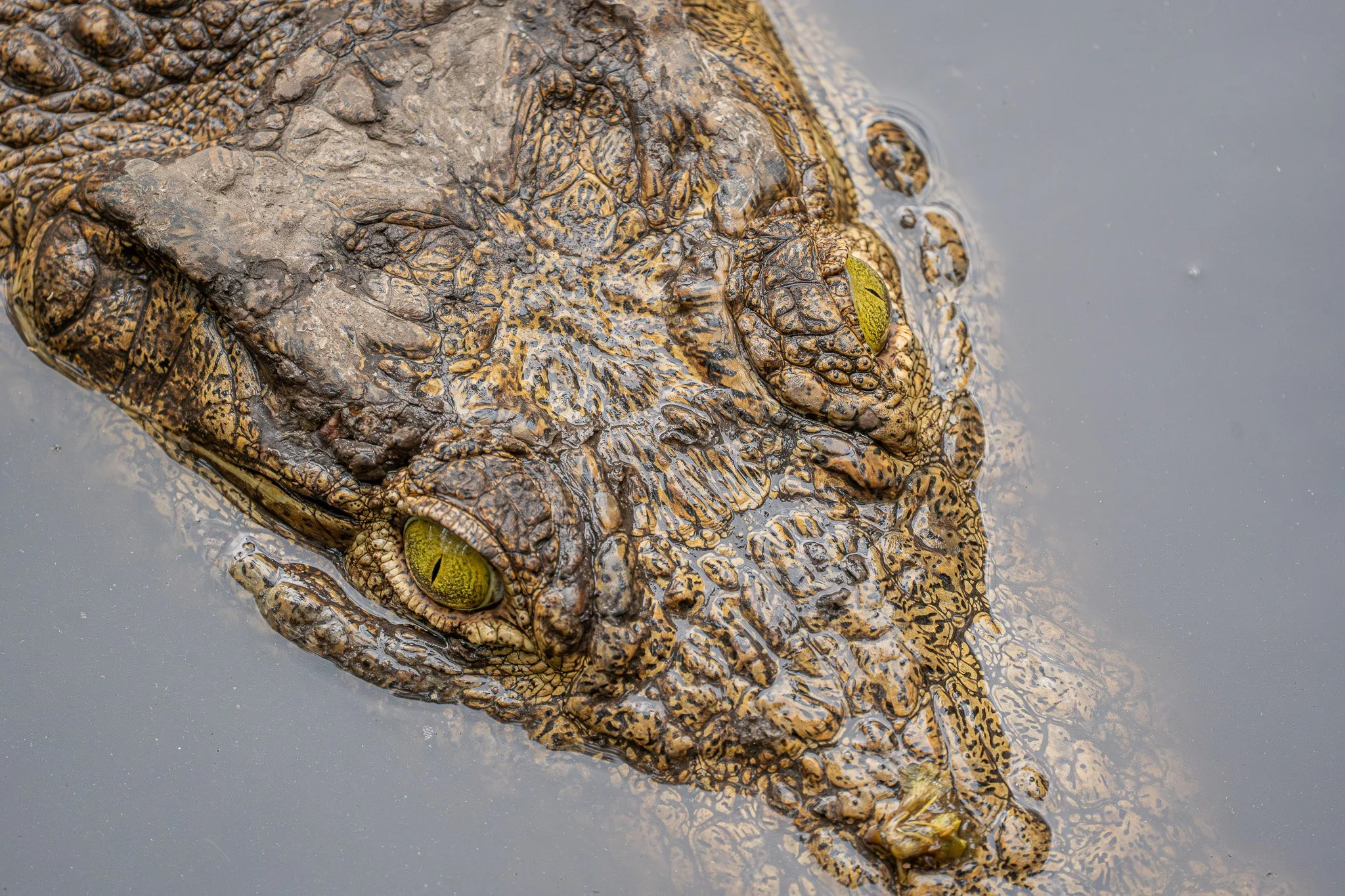
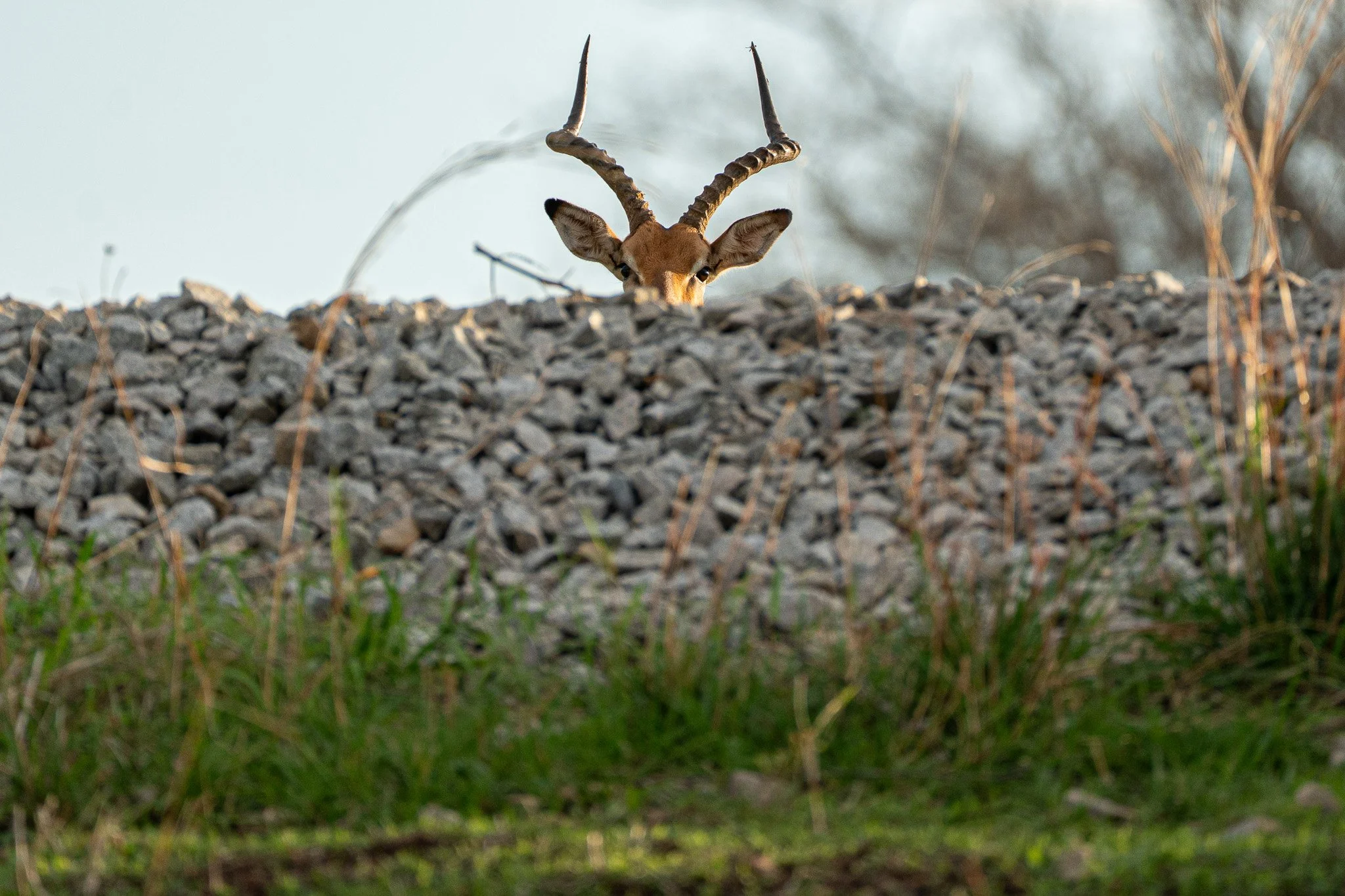
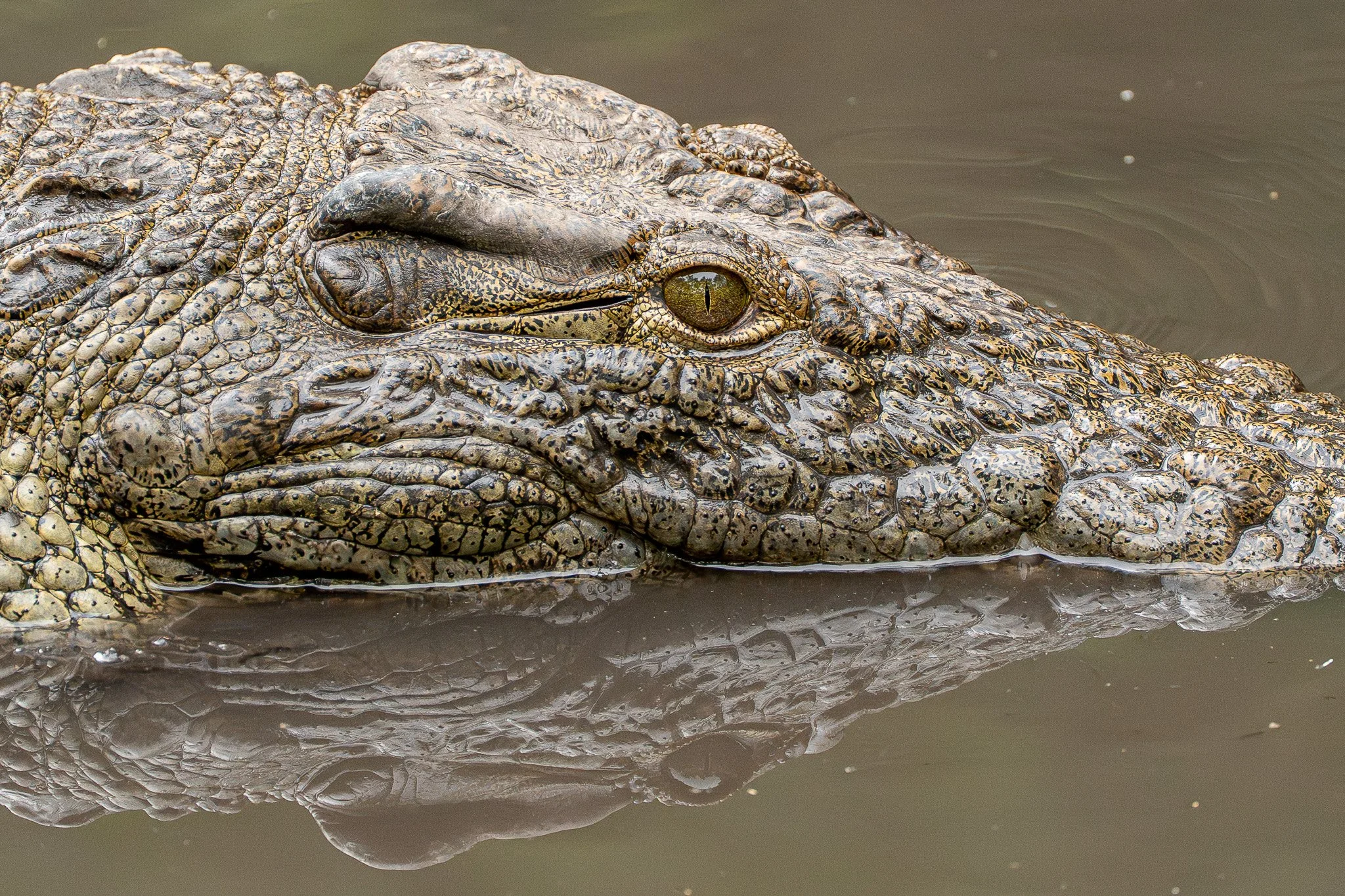
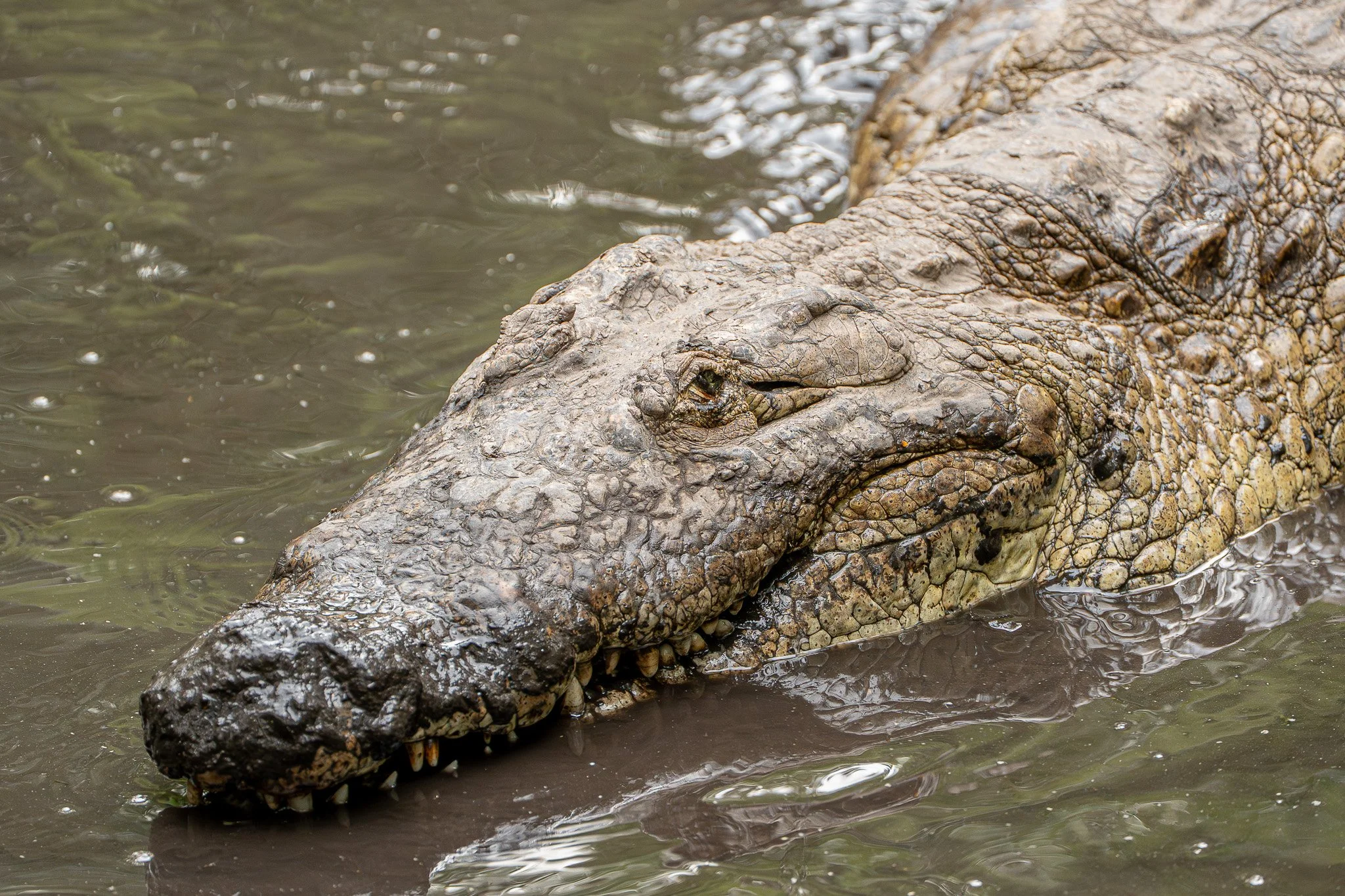
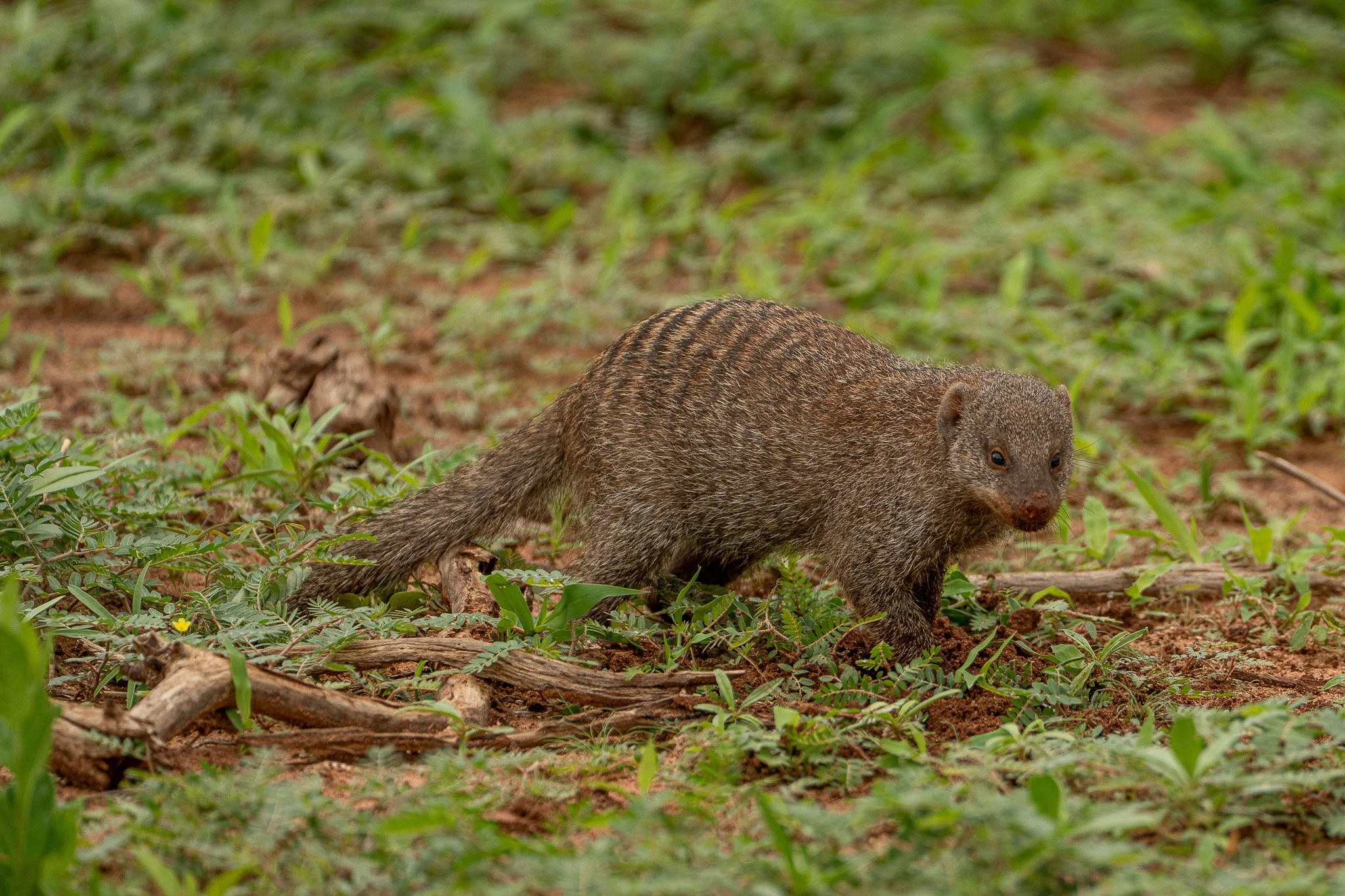
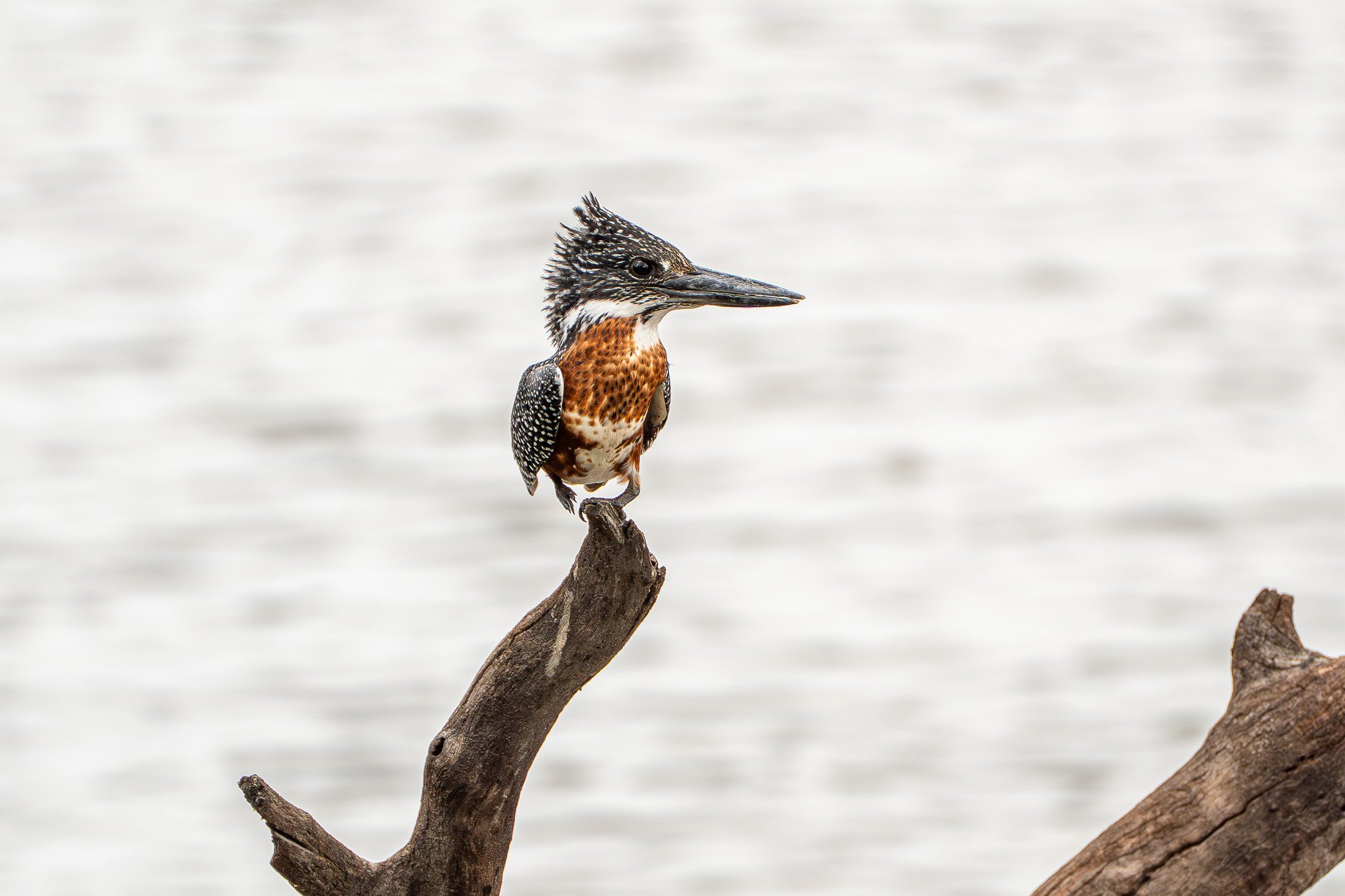
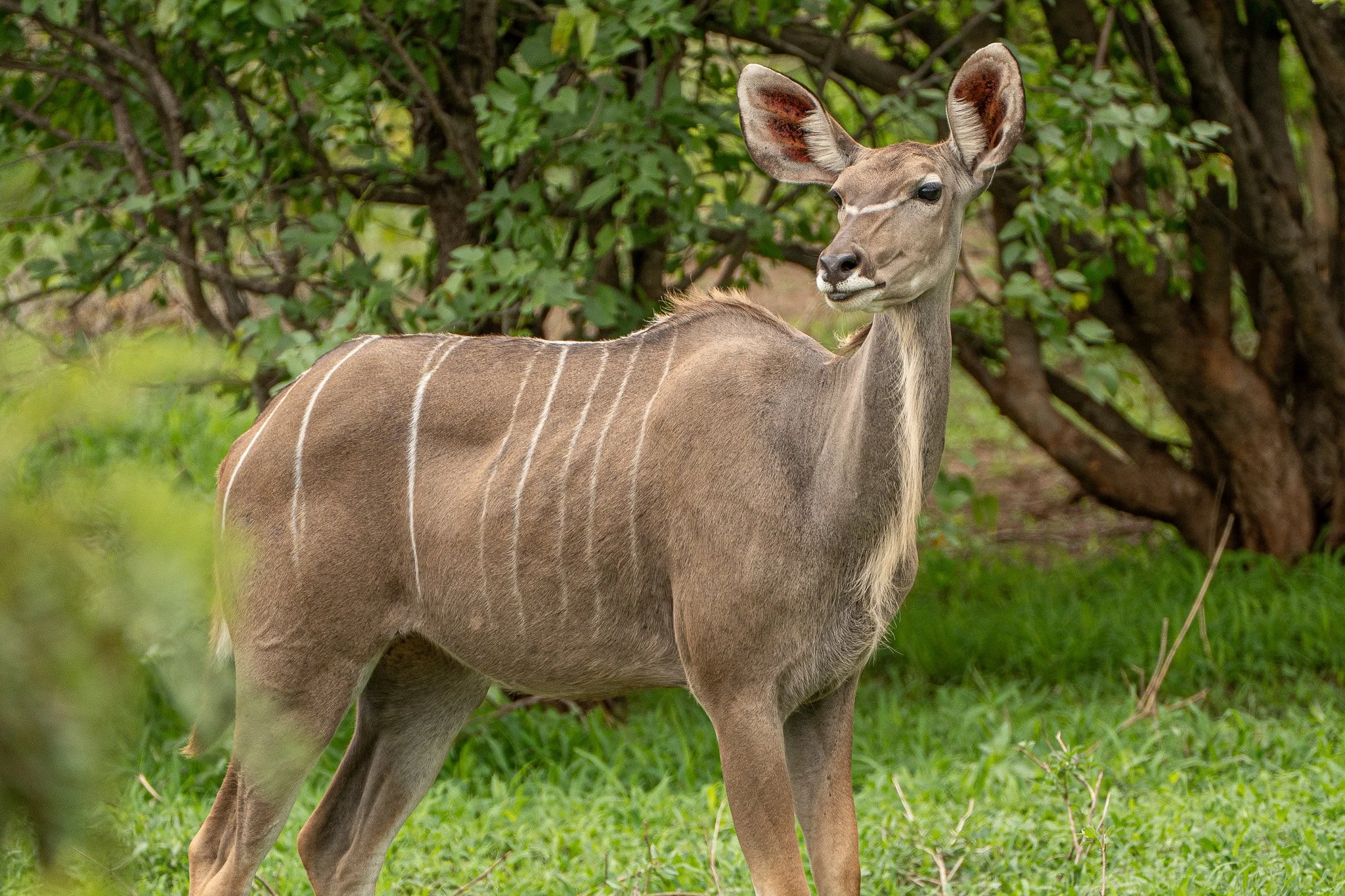
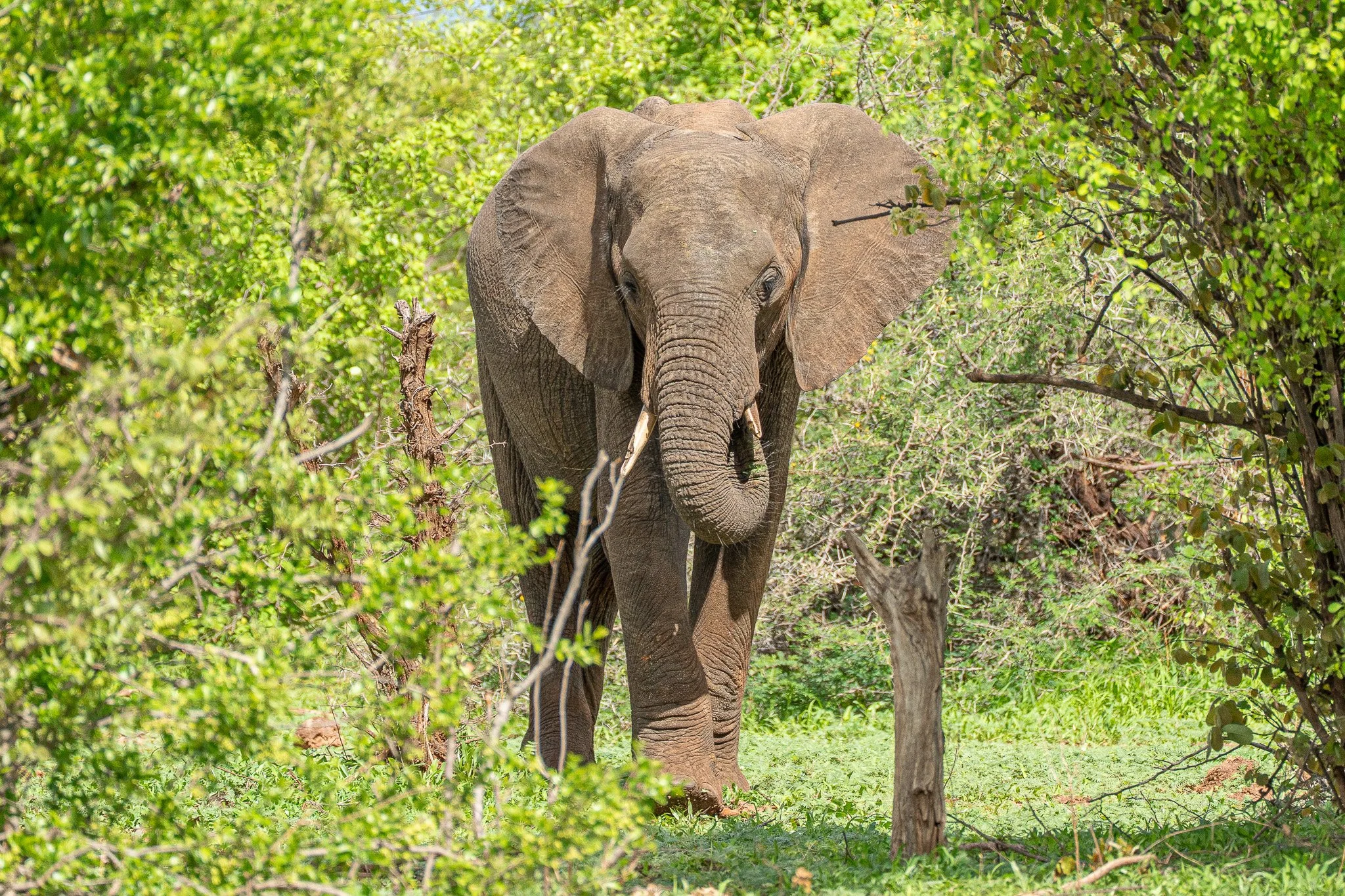
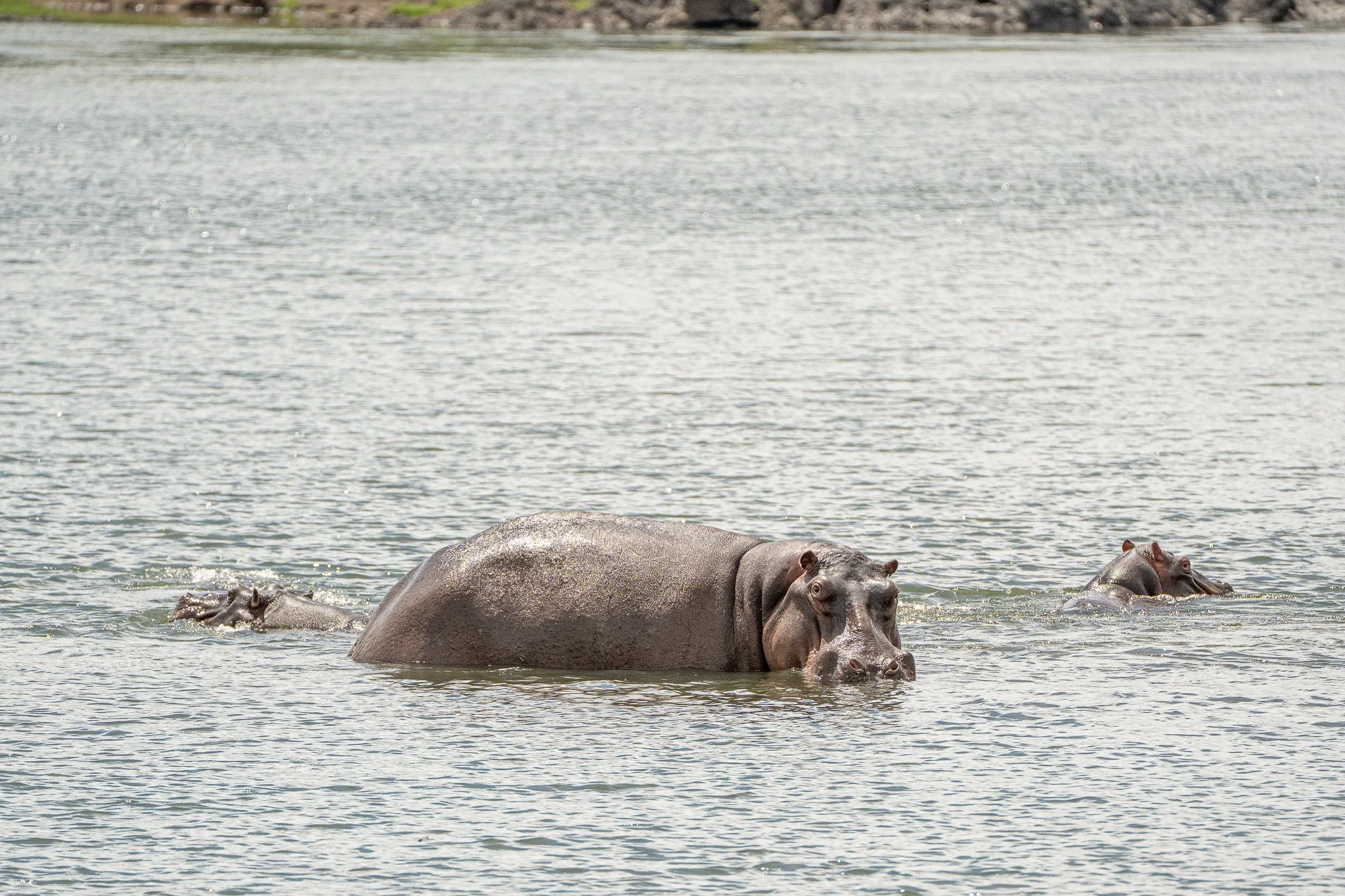
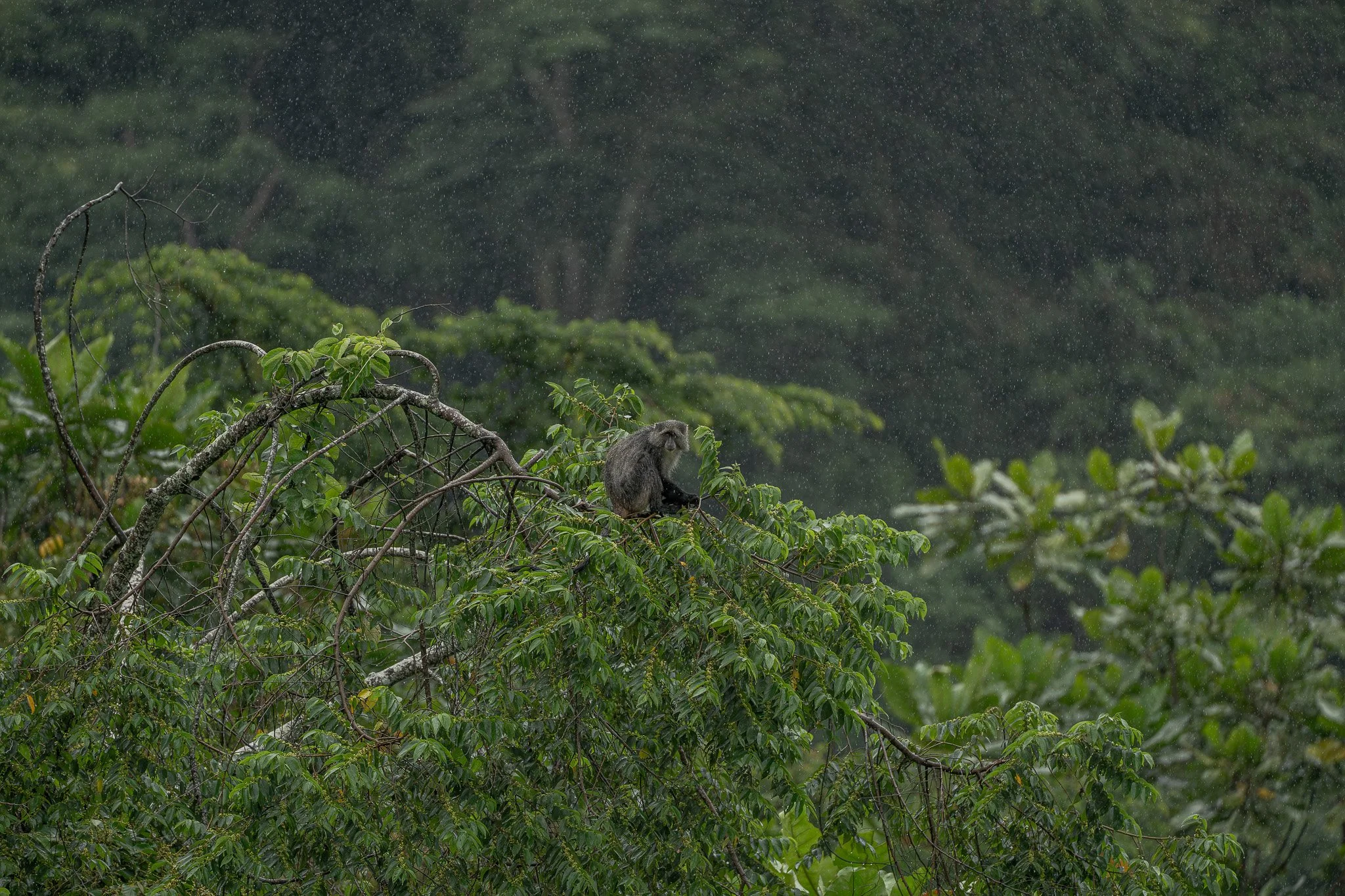
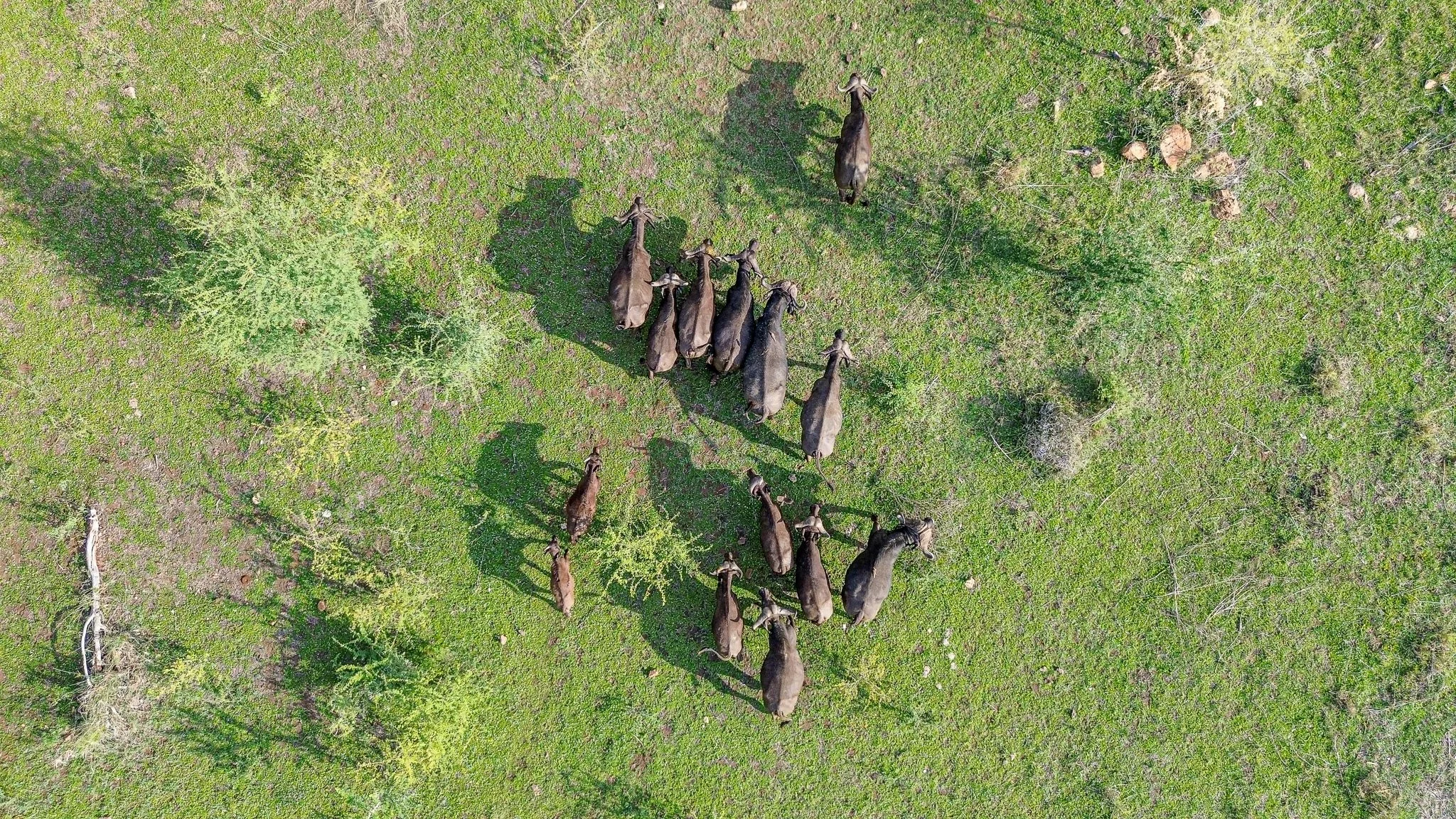
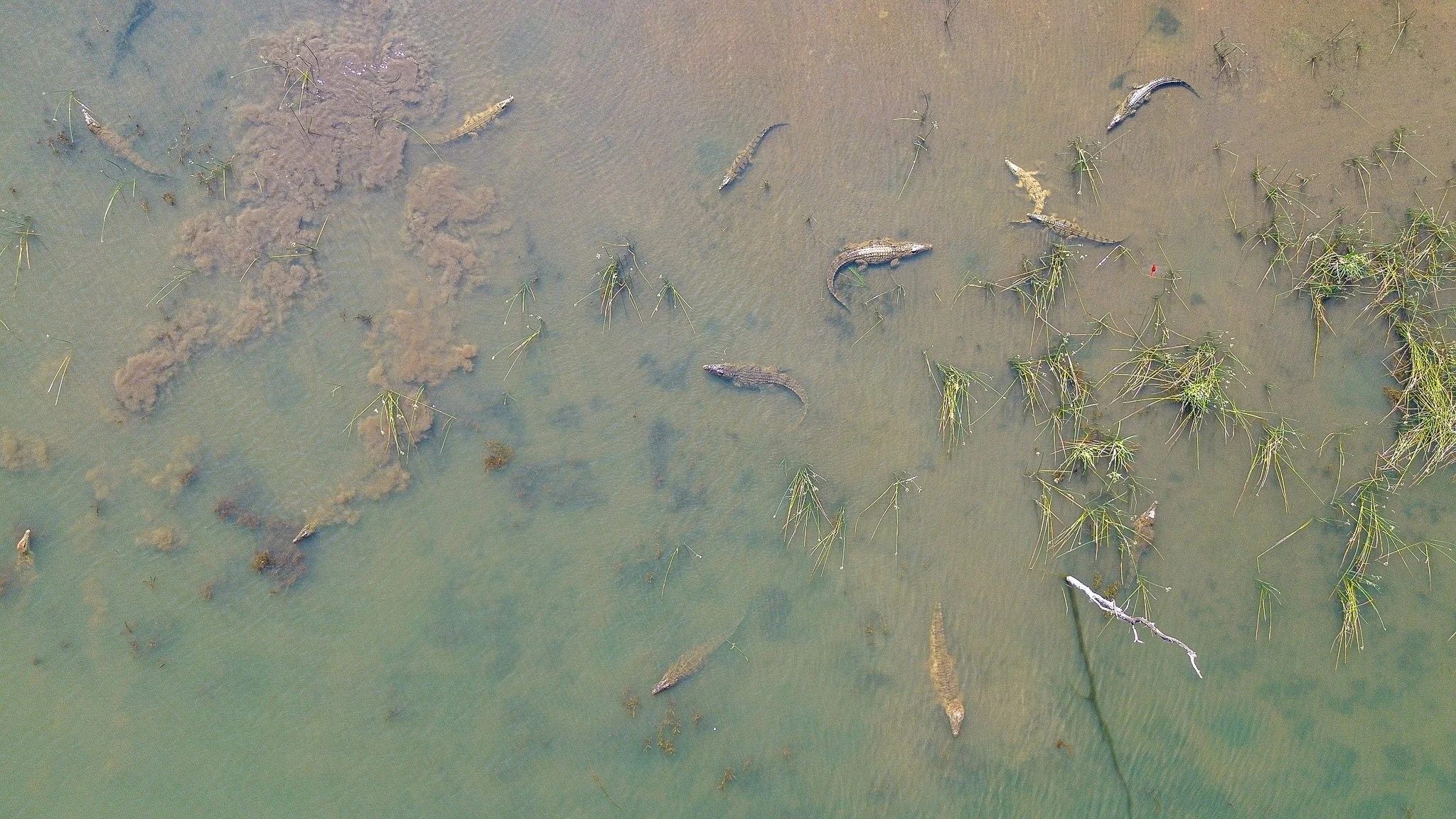
The environments we will experience harbor healthy populations of megafauna, affording photo opportunities at a caliber many notches higher than many of our other trips. This includes: elephants, lions, leopards, wild dogs, hippos, giraffe, zebras, kudu, sable, servals, water buffalo, and other iconic African species.
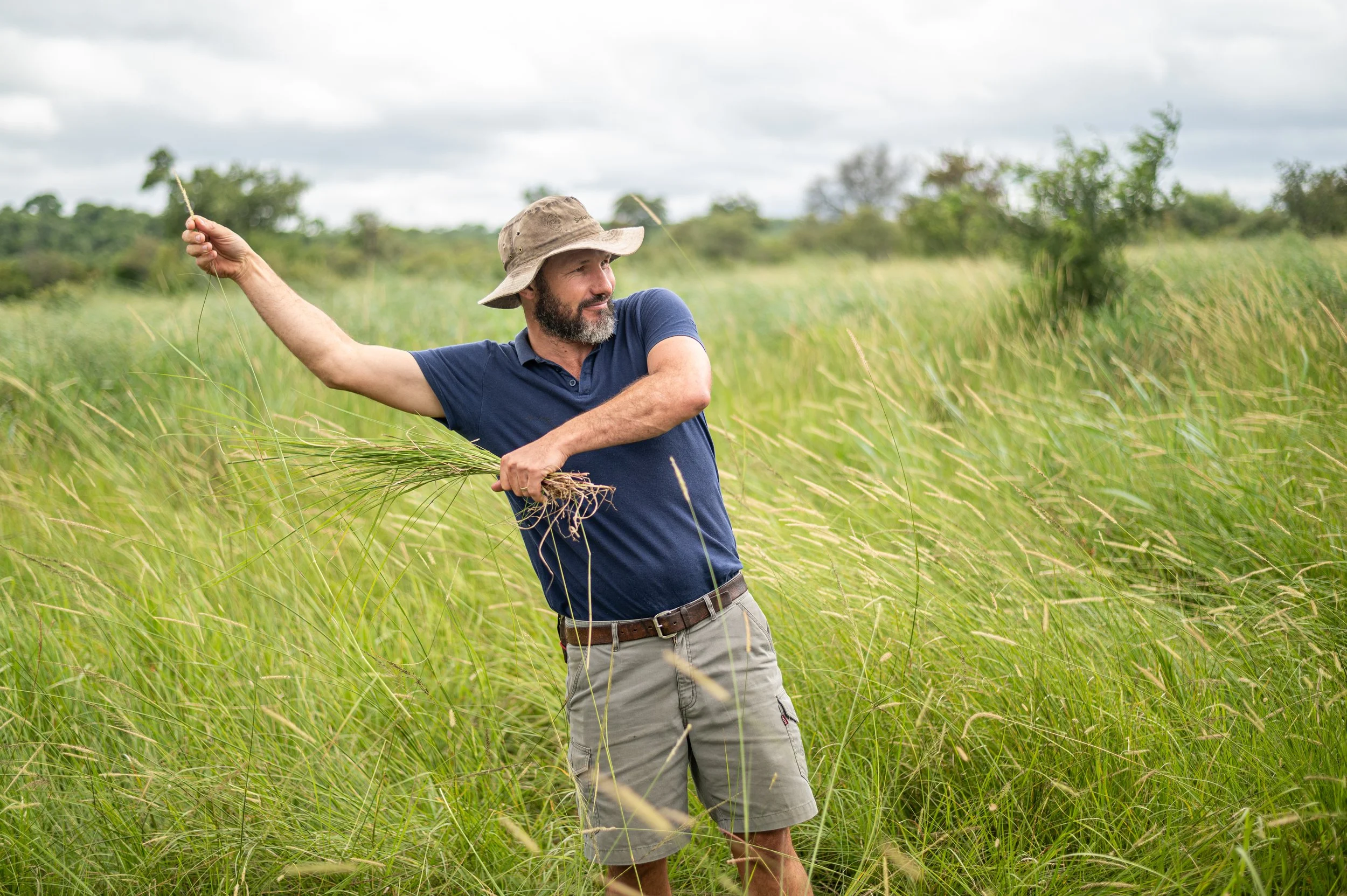
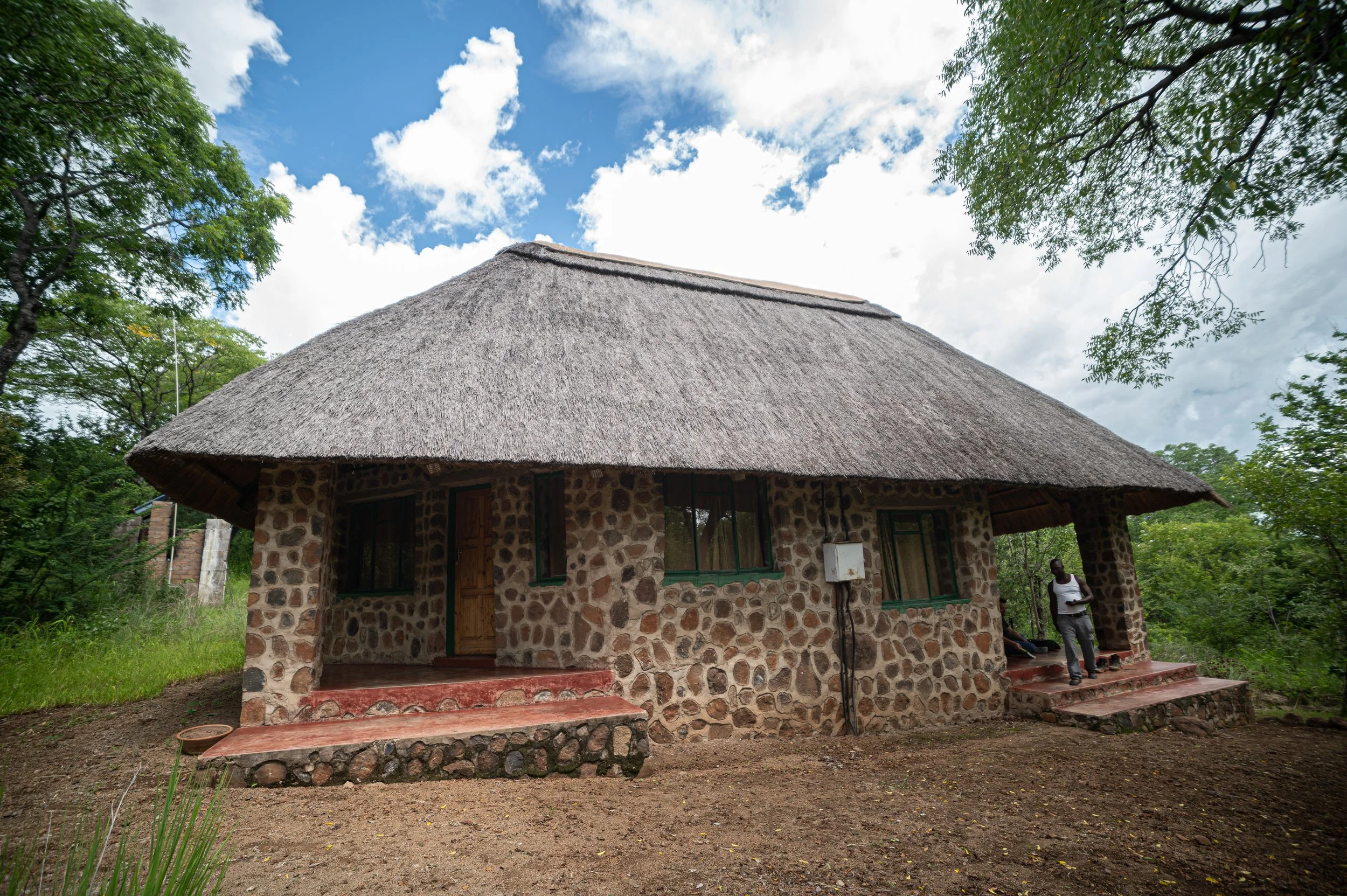
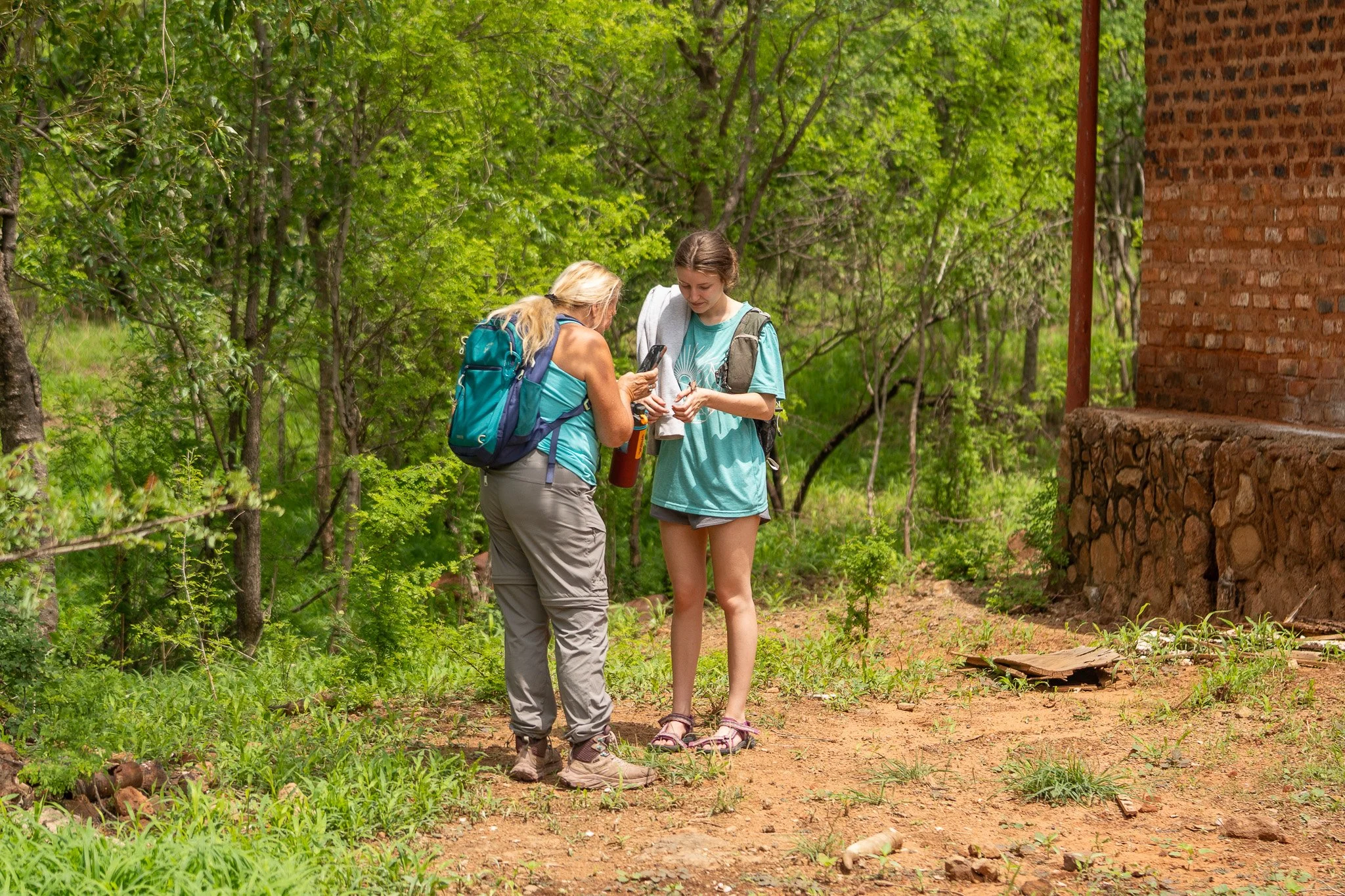
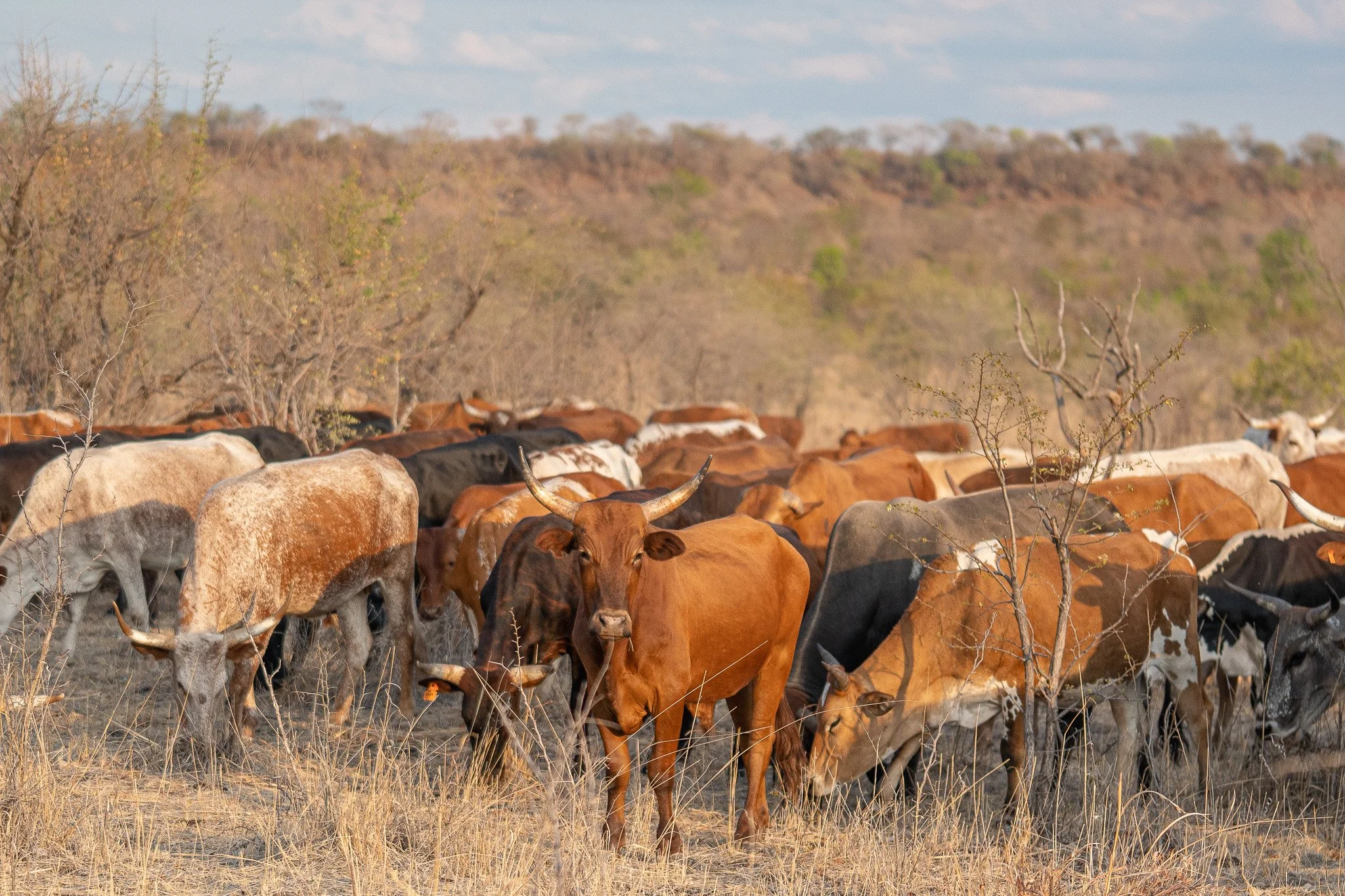
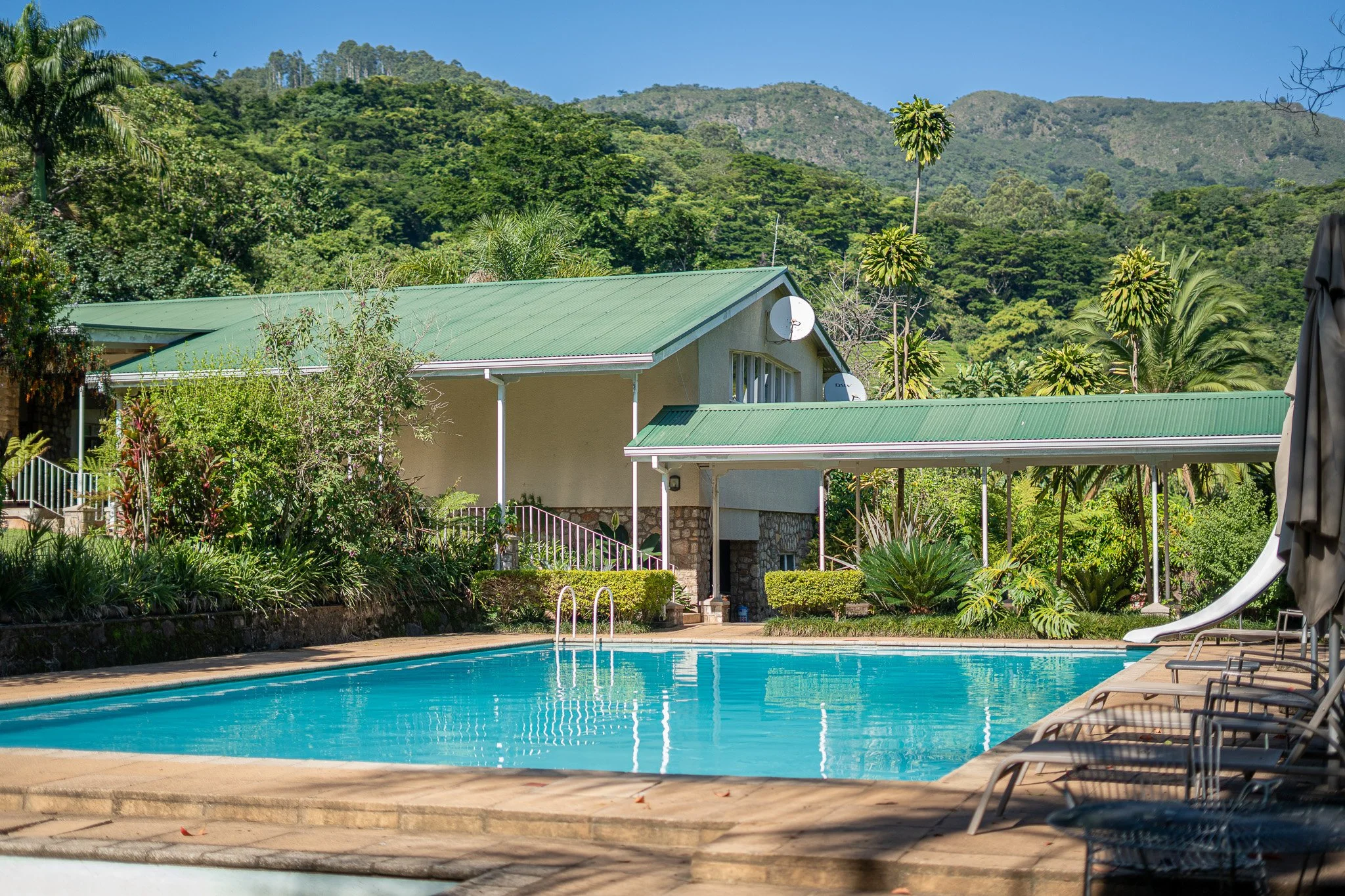
At Achm Dimbangombe Conservancy in Zimbabwe, guests can discover how wildlife conservation, ecosystem restoration, and sustainable land management intersect within a working African landscape. When we aren't out herping, guests can optionally participate in educational sessions with the Africa Centre for Holistic Management, exploring topics such as holistic planned grazing, soil and water restoration, vegetation health, wildlife/livestock coexistence, and community-based conservation.
These experiences offer insight into how land managers work to restore degraded landscapes, improve ecosystem resilience, and balance biodiversity conservation with sustainable livelihoods, providing a deeper understanding of the ecological processes that shape African habitats and support their remarkable wildlife. On the right, you can see the lodging here.
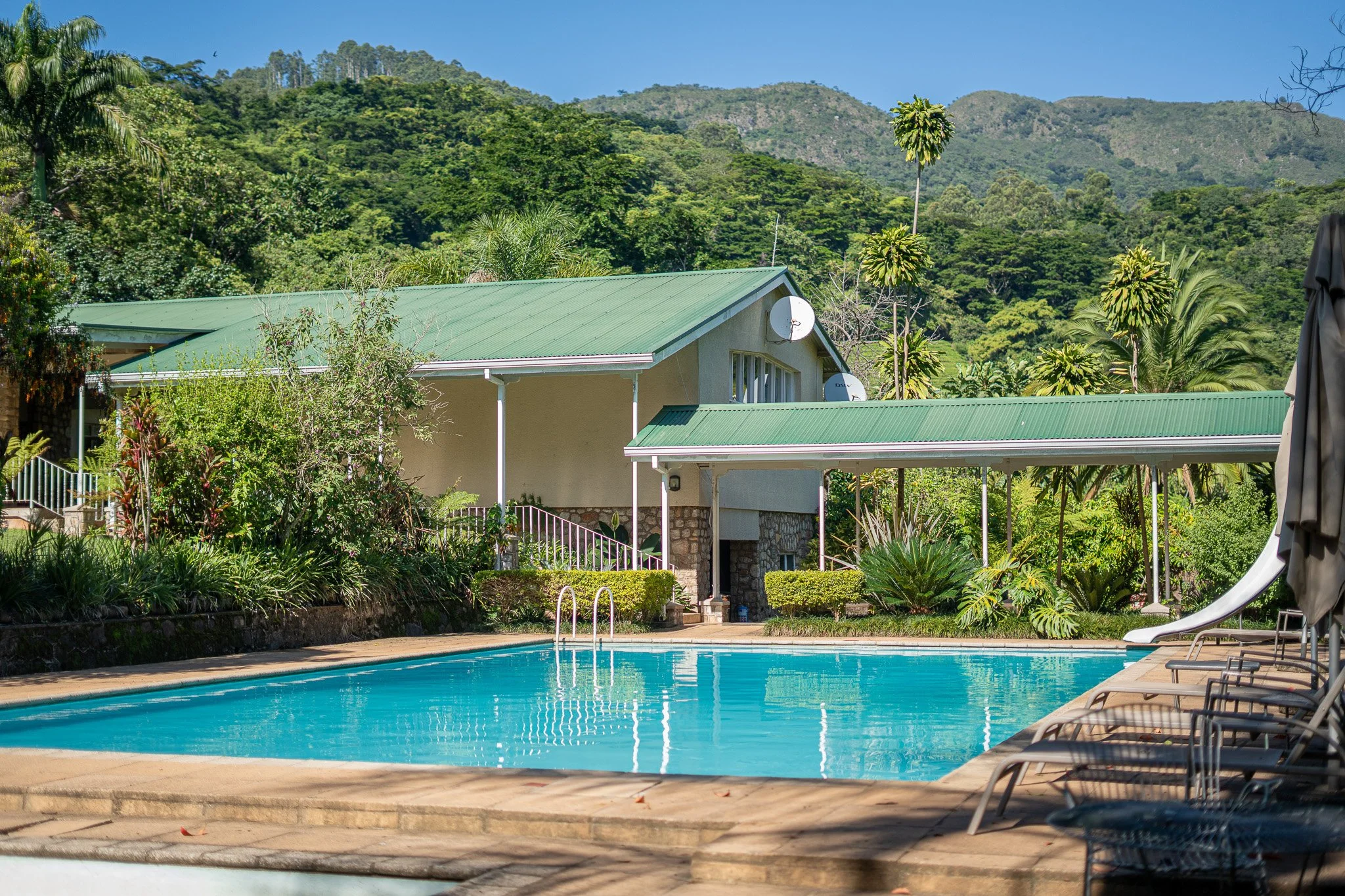
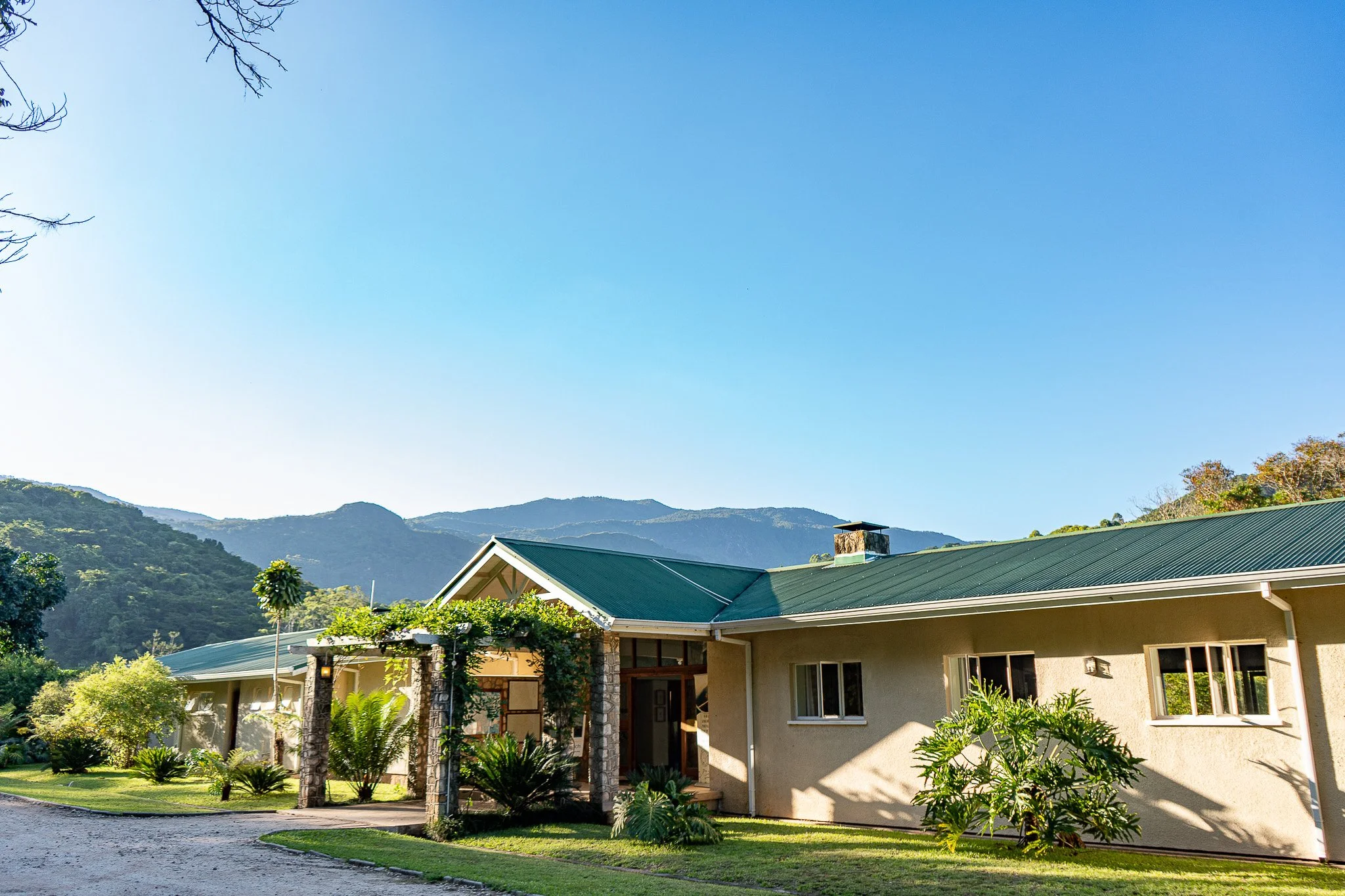
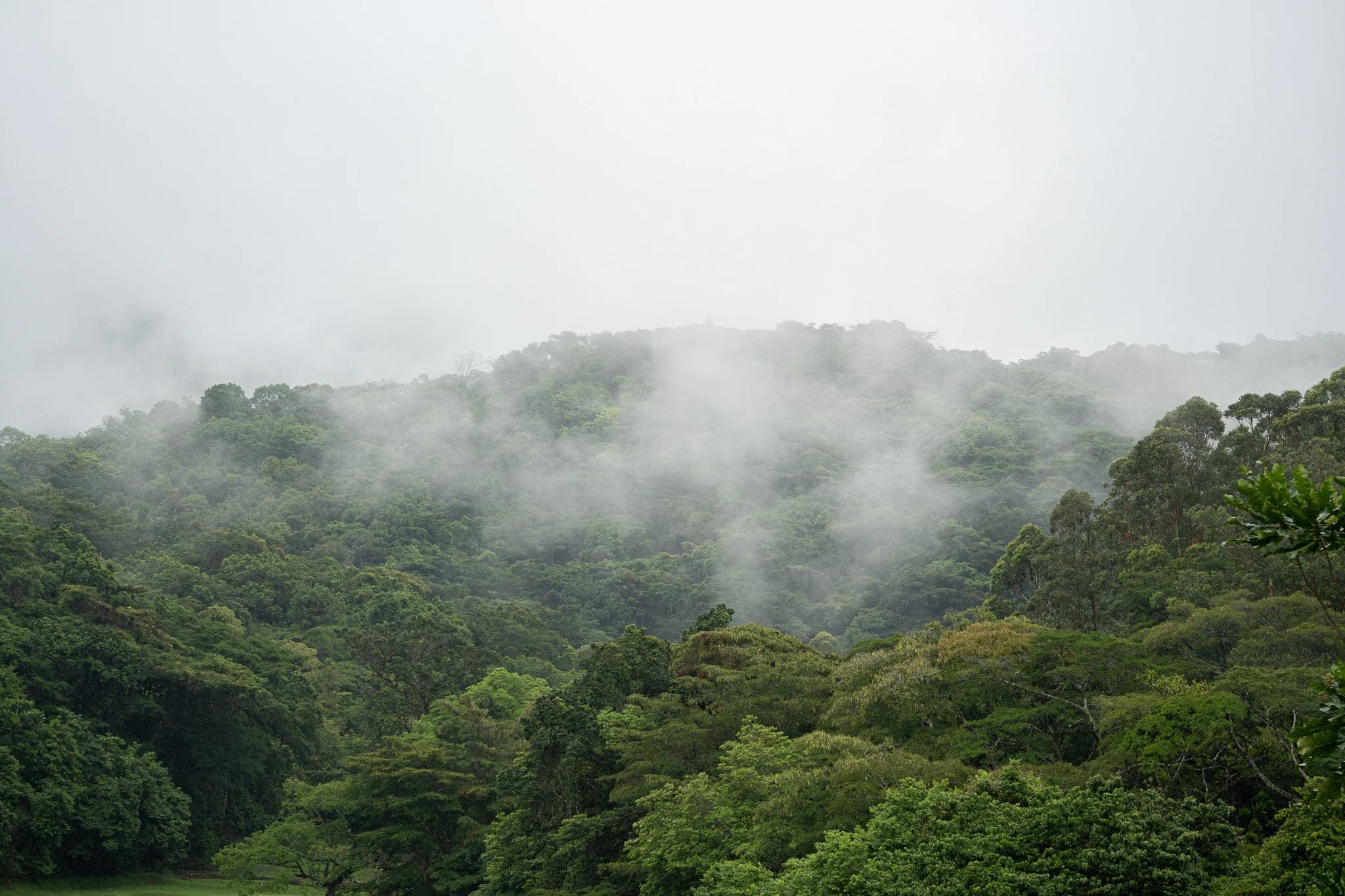
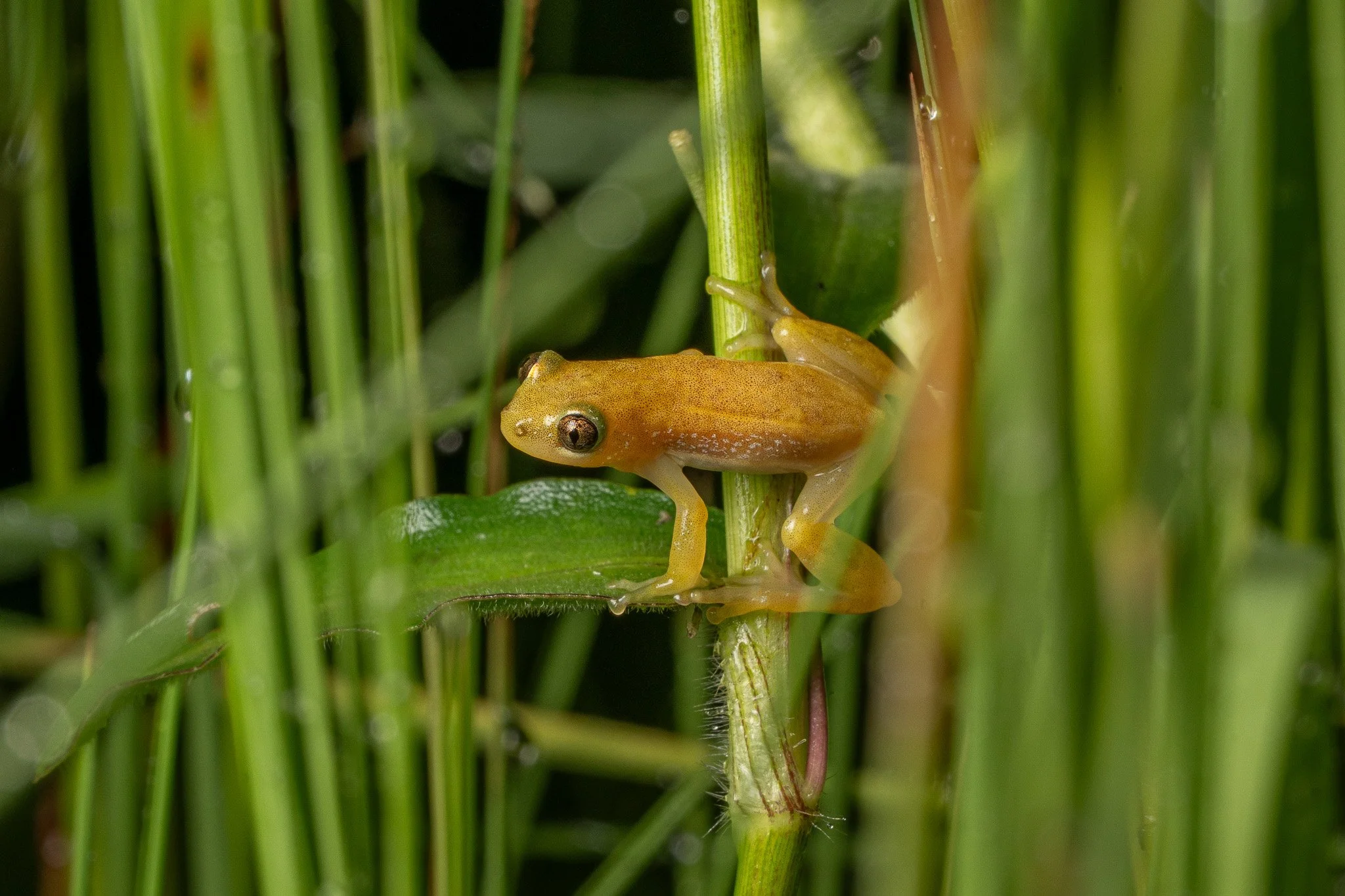
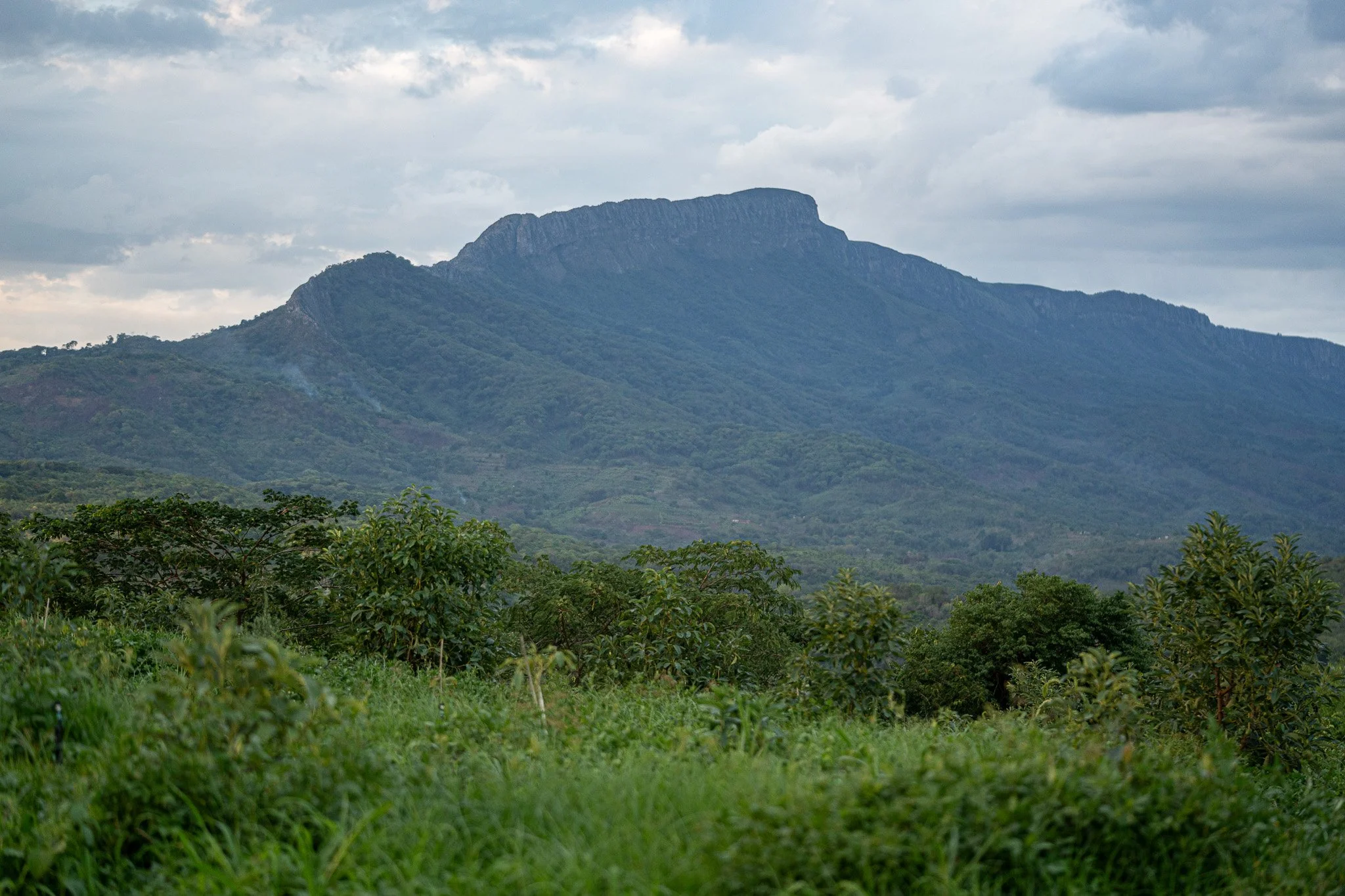
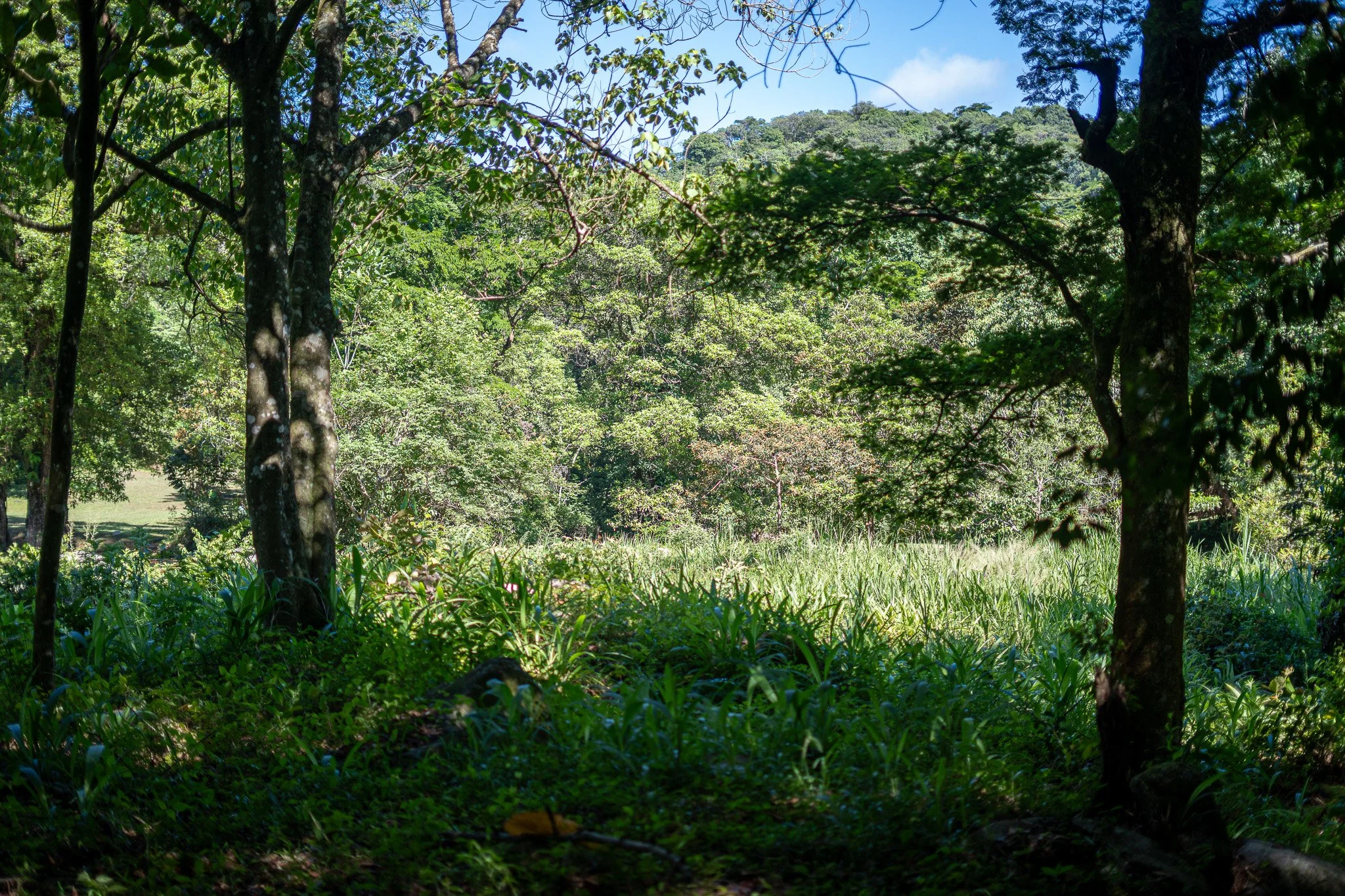
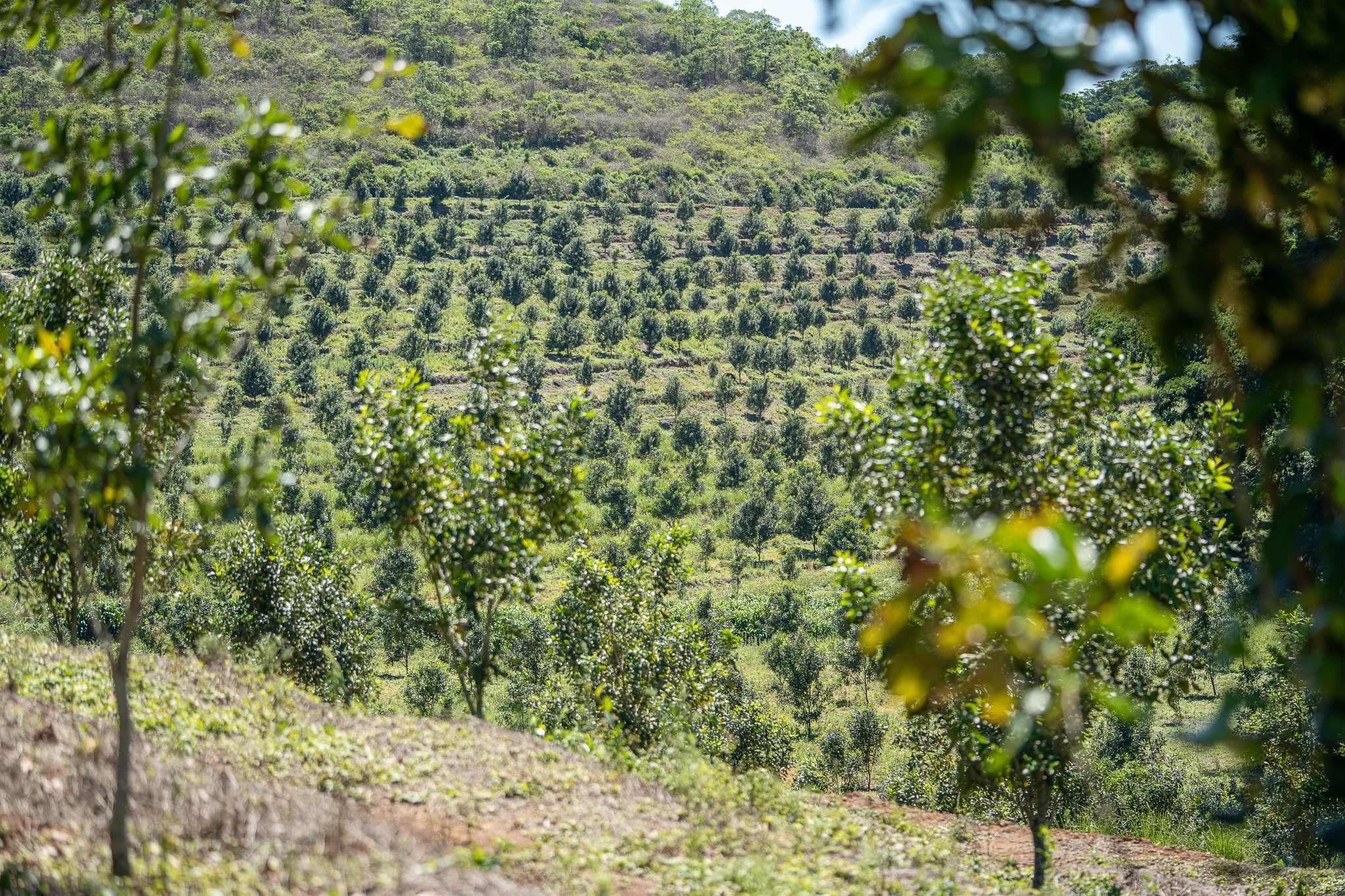
Our lodge in the Eastern Highlands is perfectly situated for our base of operations. Honde Valley is a tropical and subtropical montane, lowland, and riverine forest habitat. It blends into Brachystegia (miombo) woodland, marshes, and agricultural landscapes.
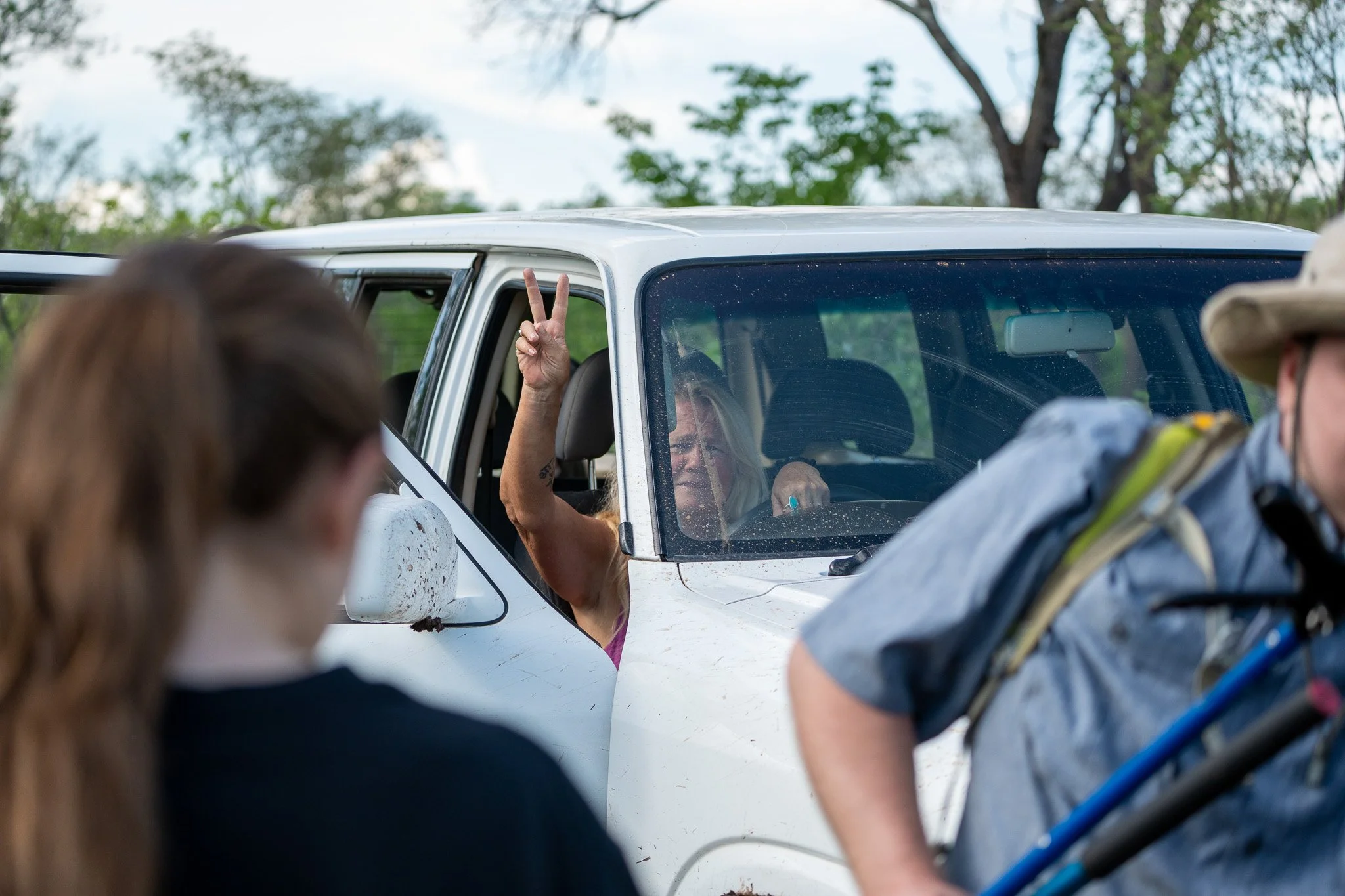
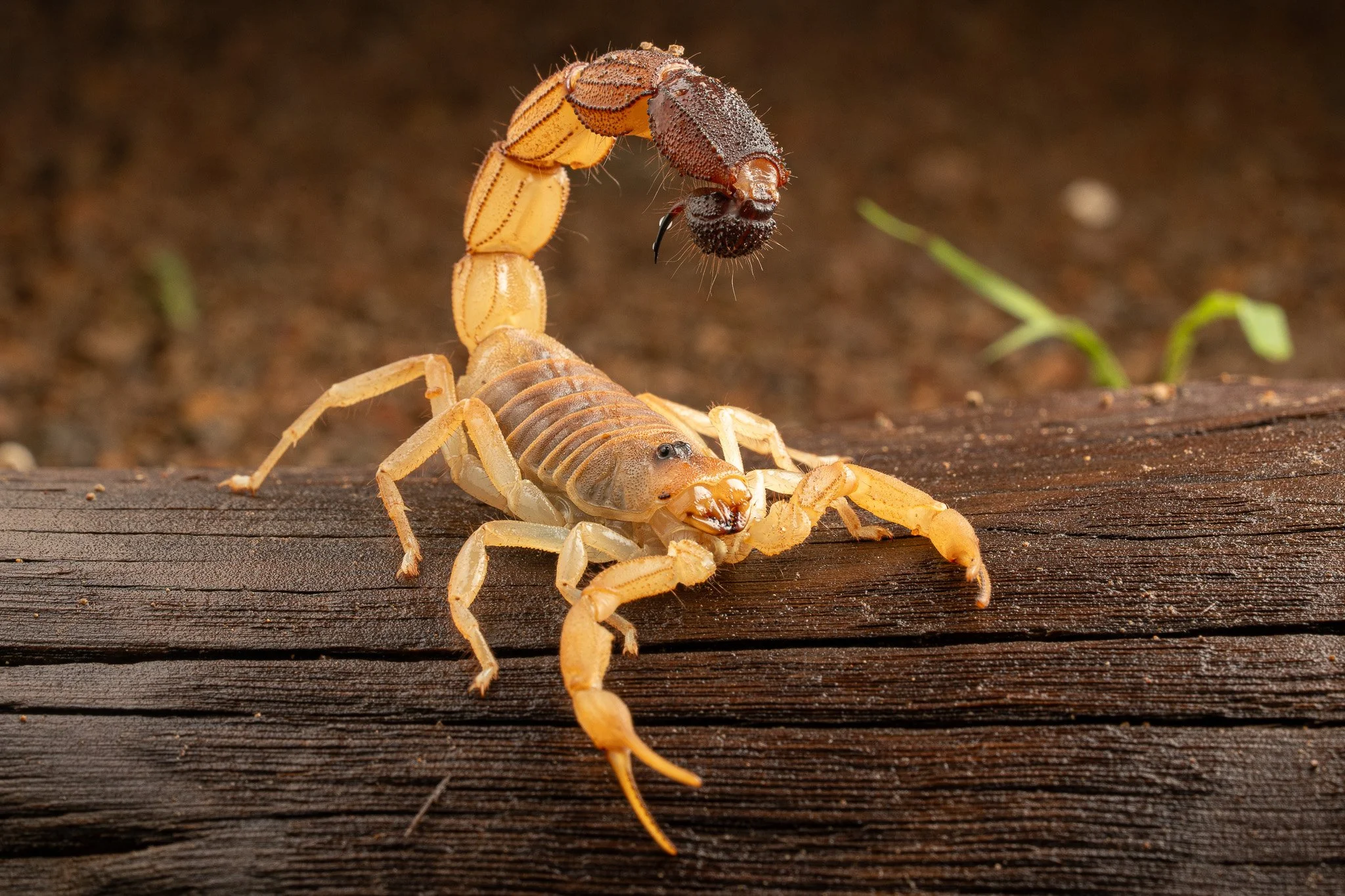
Scroll down to see more photos from our past Zimbabwe expeditions.