
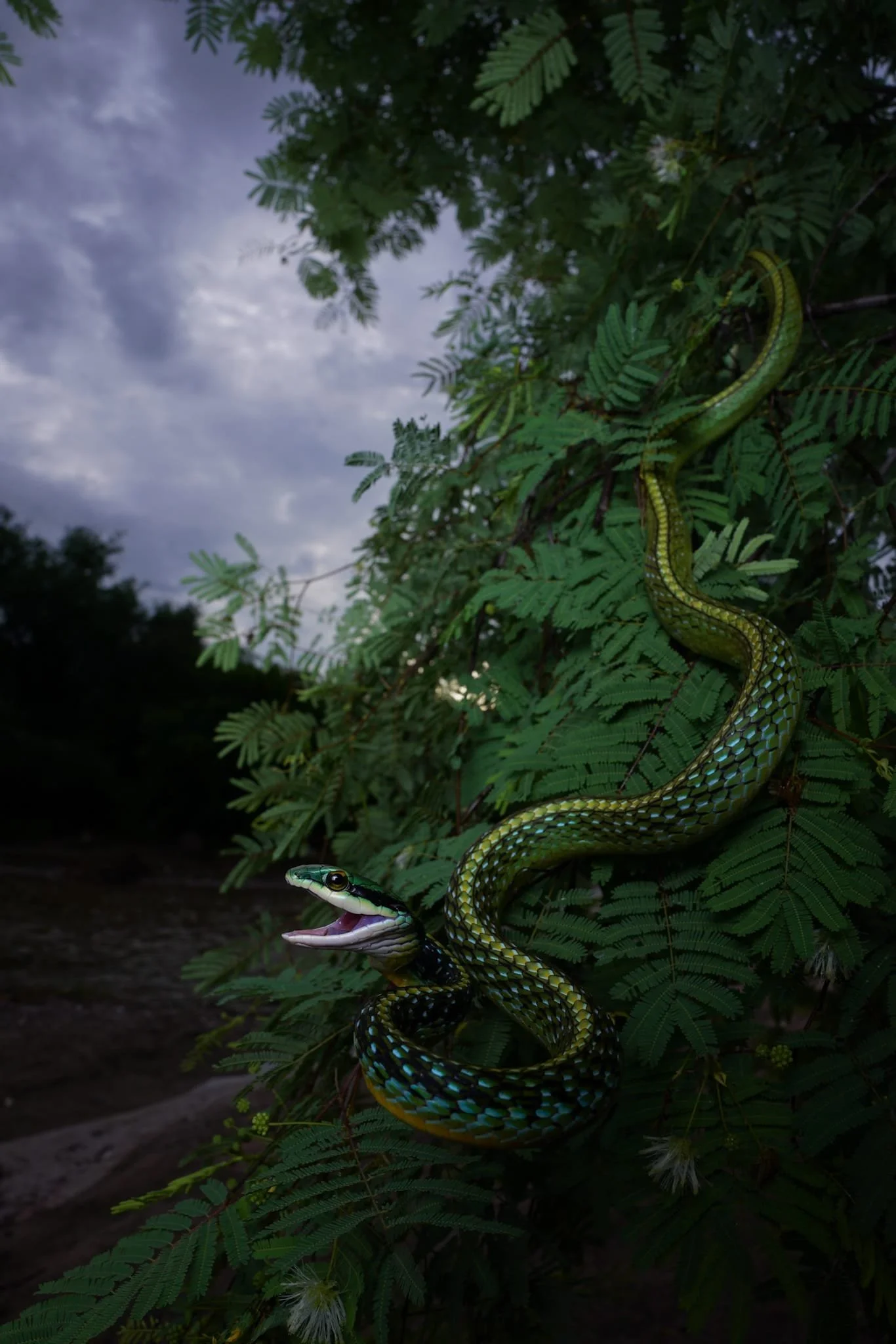
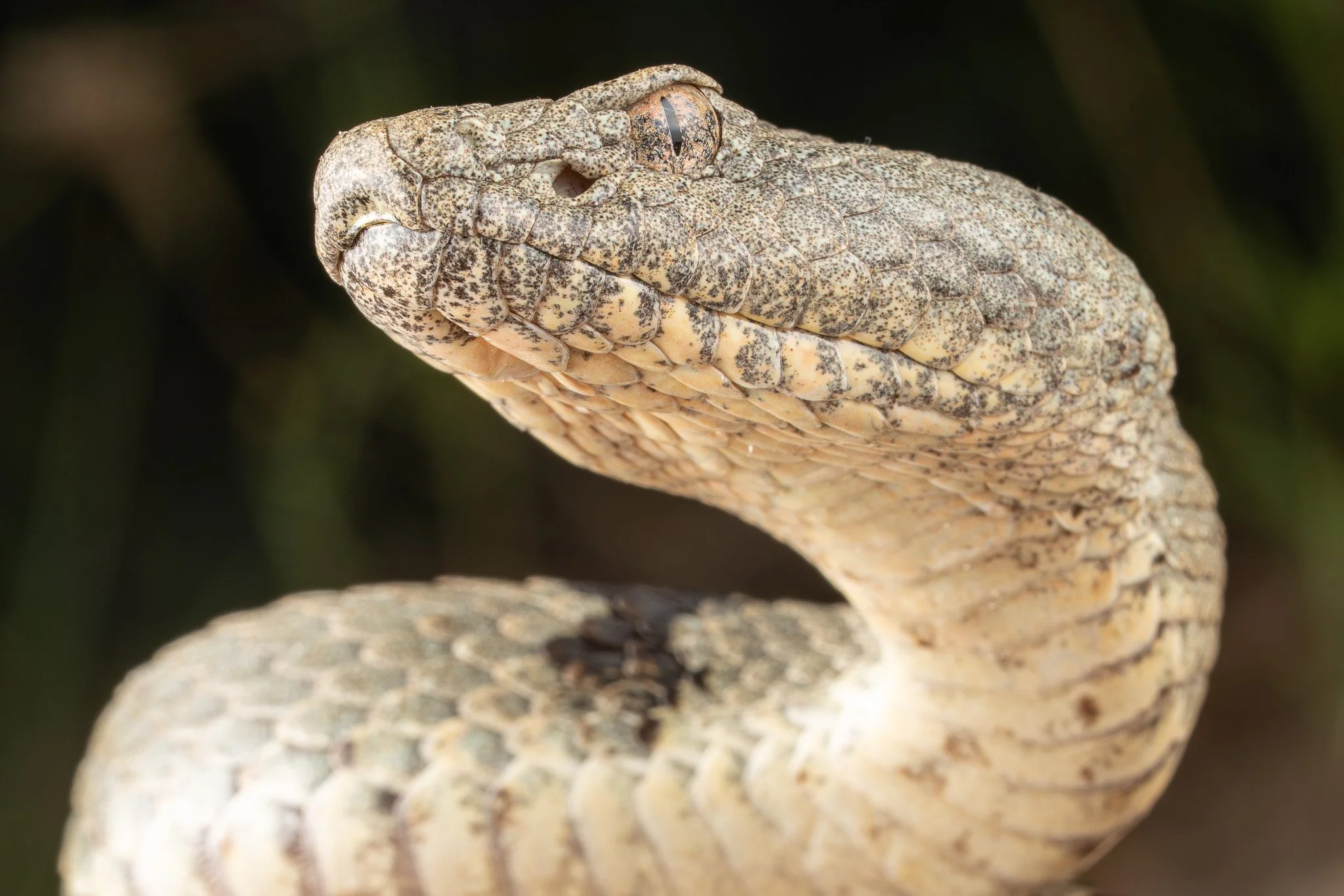
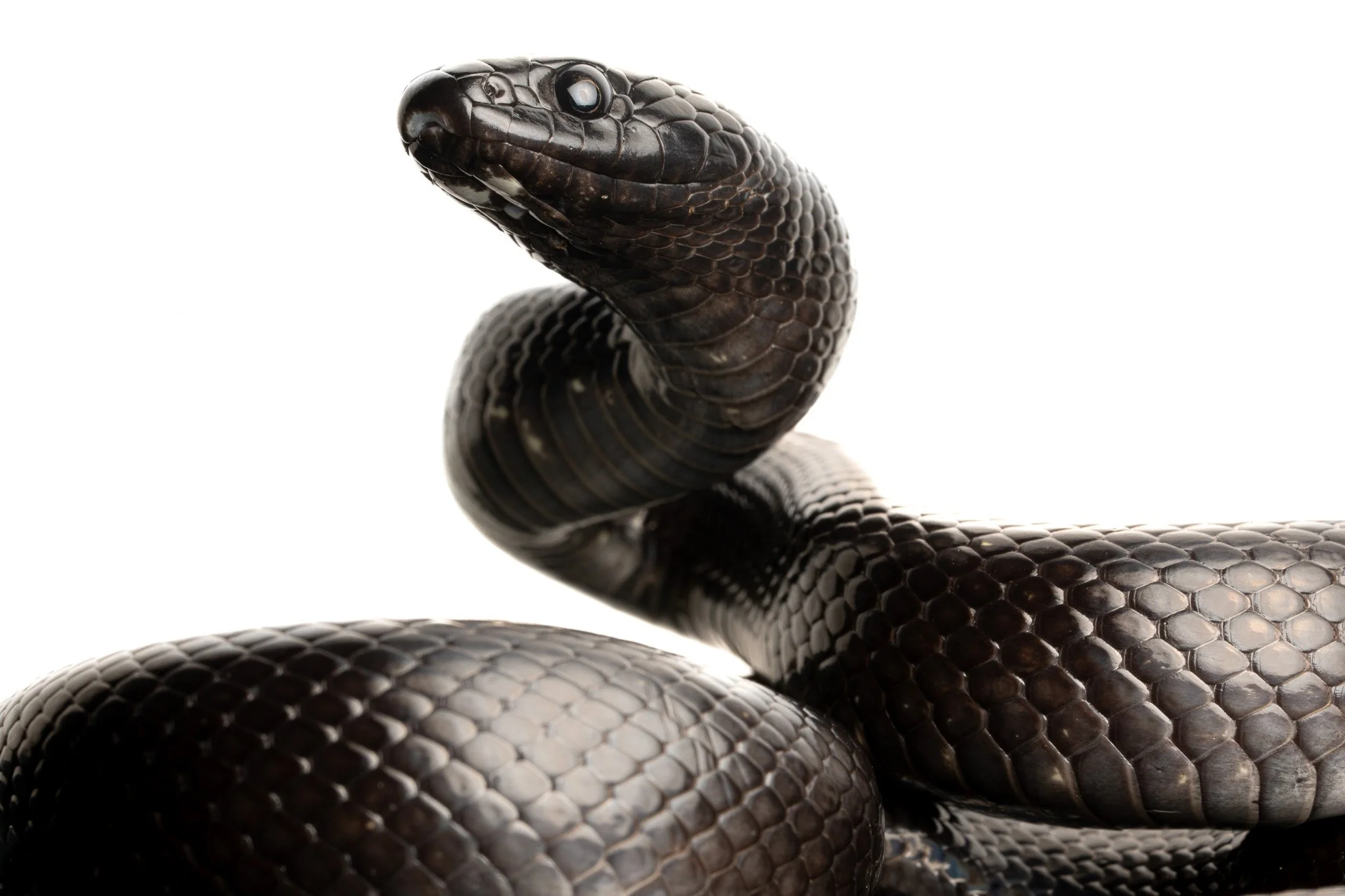
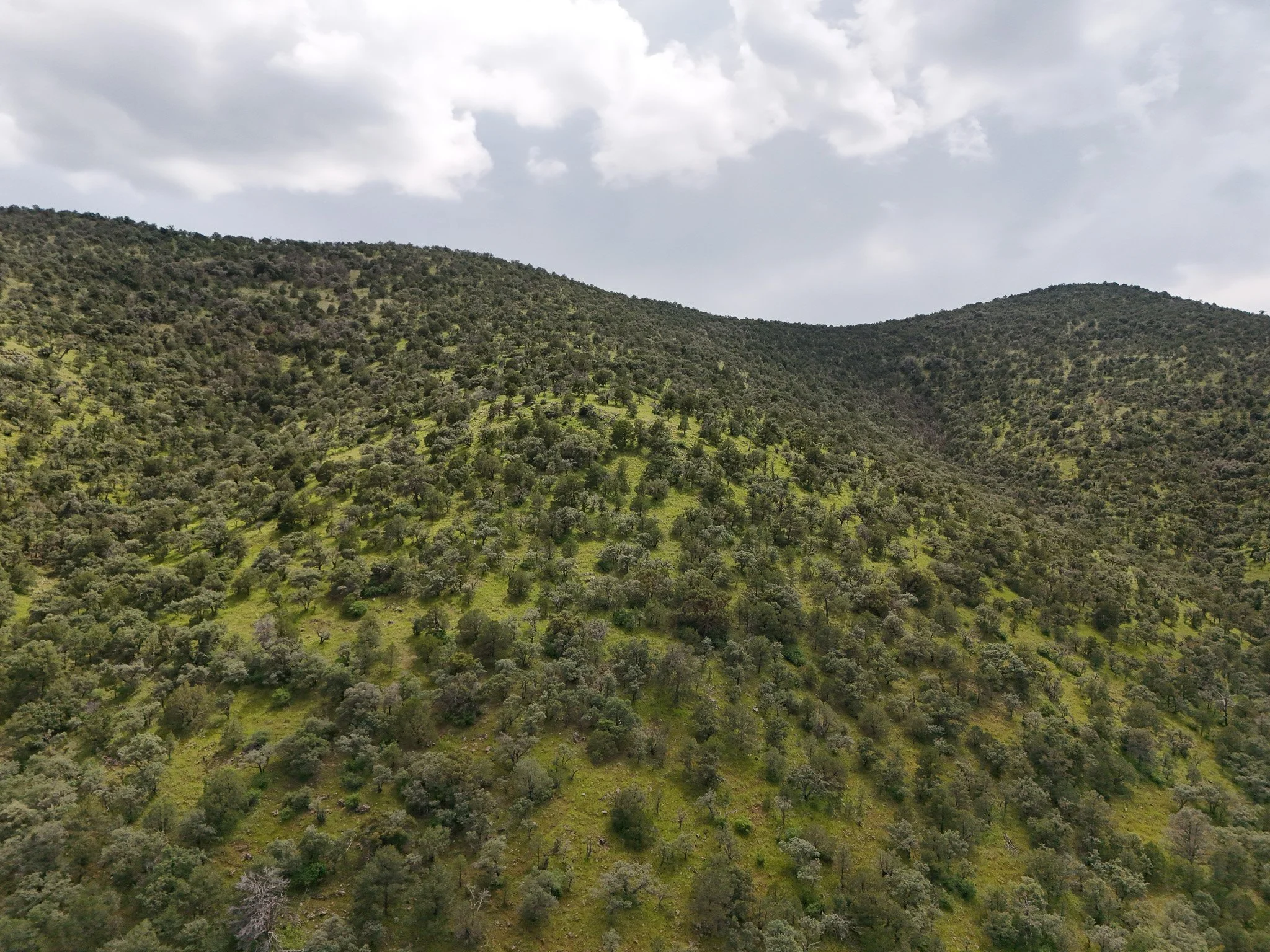
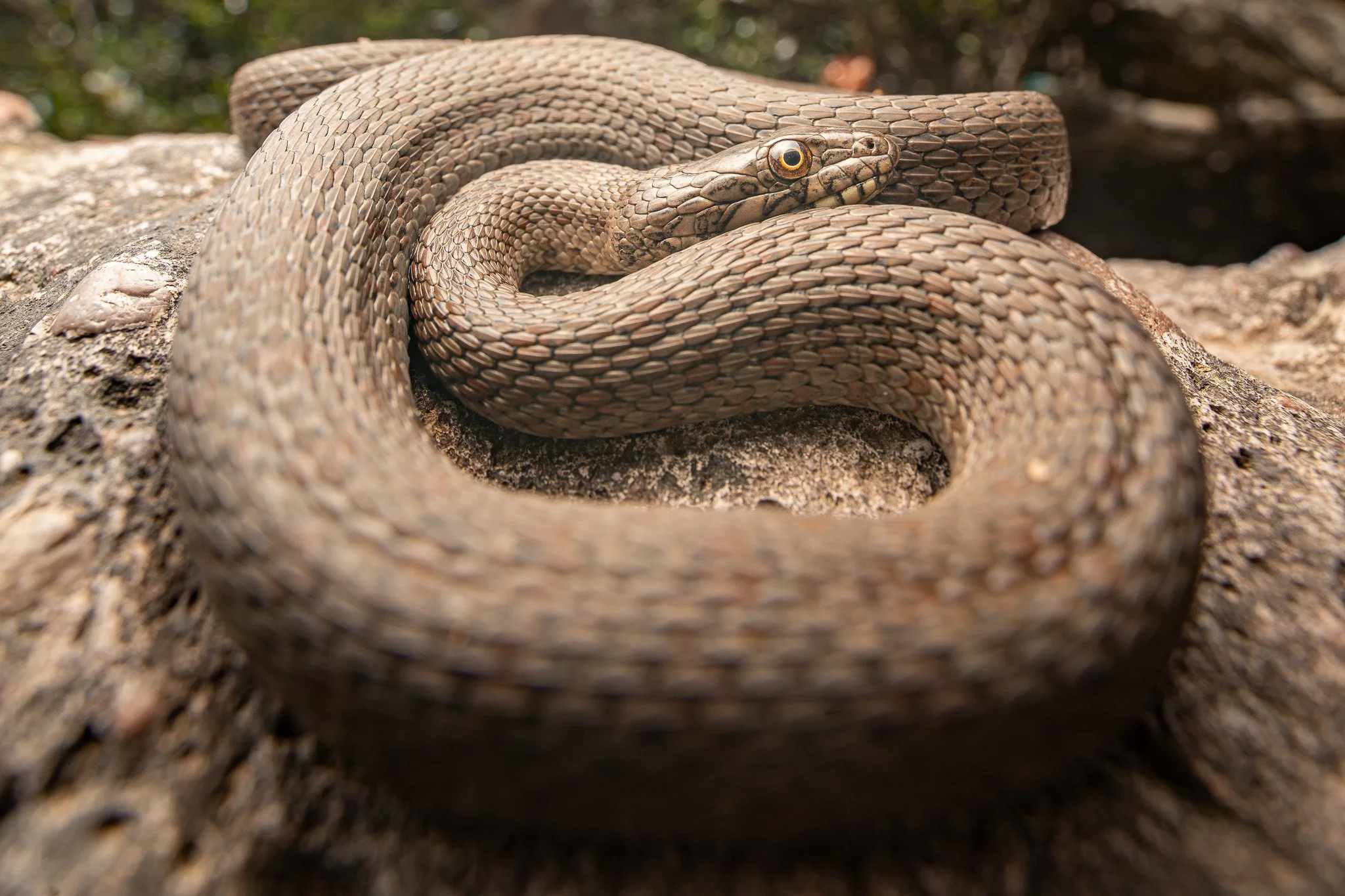
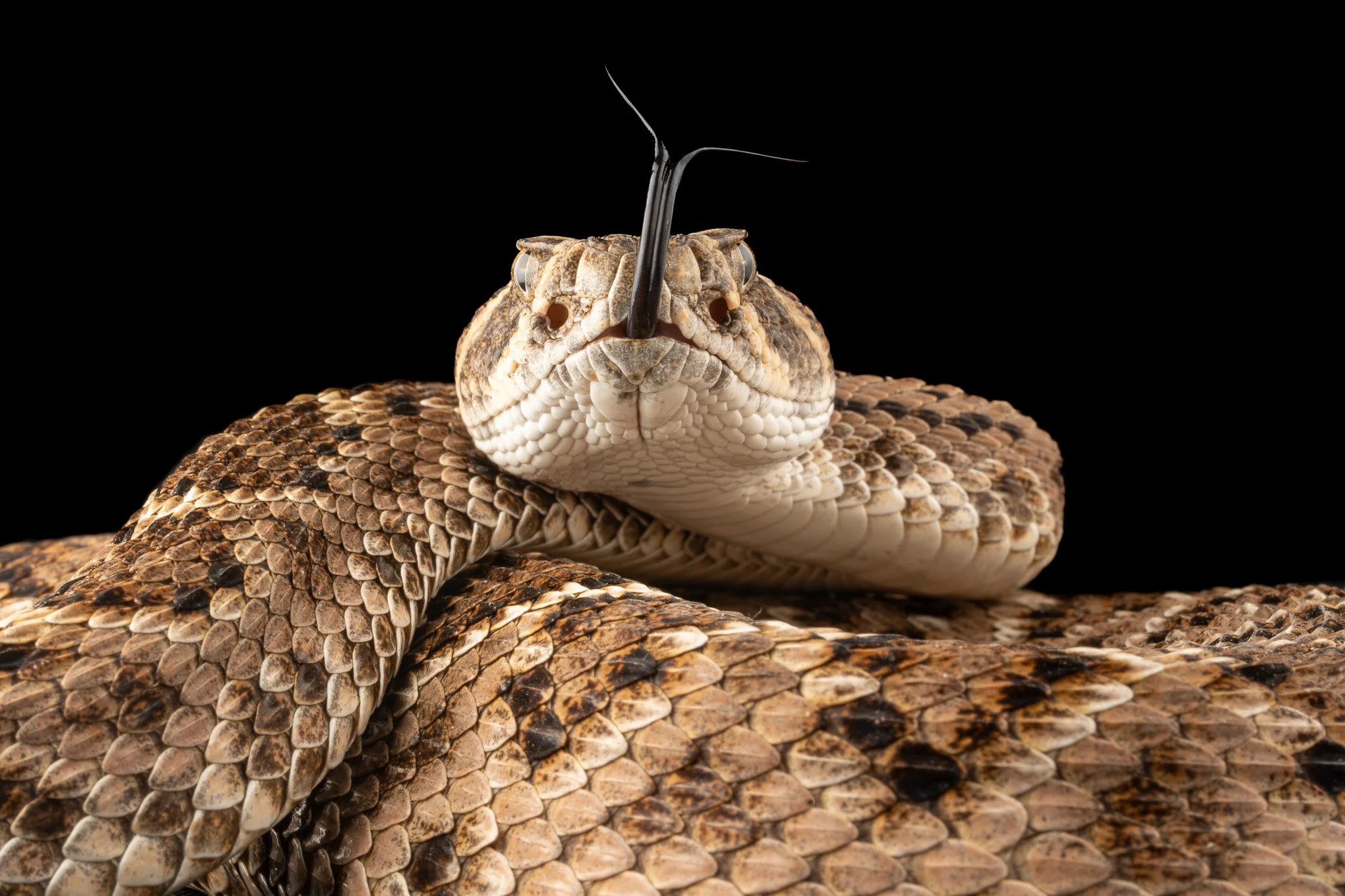
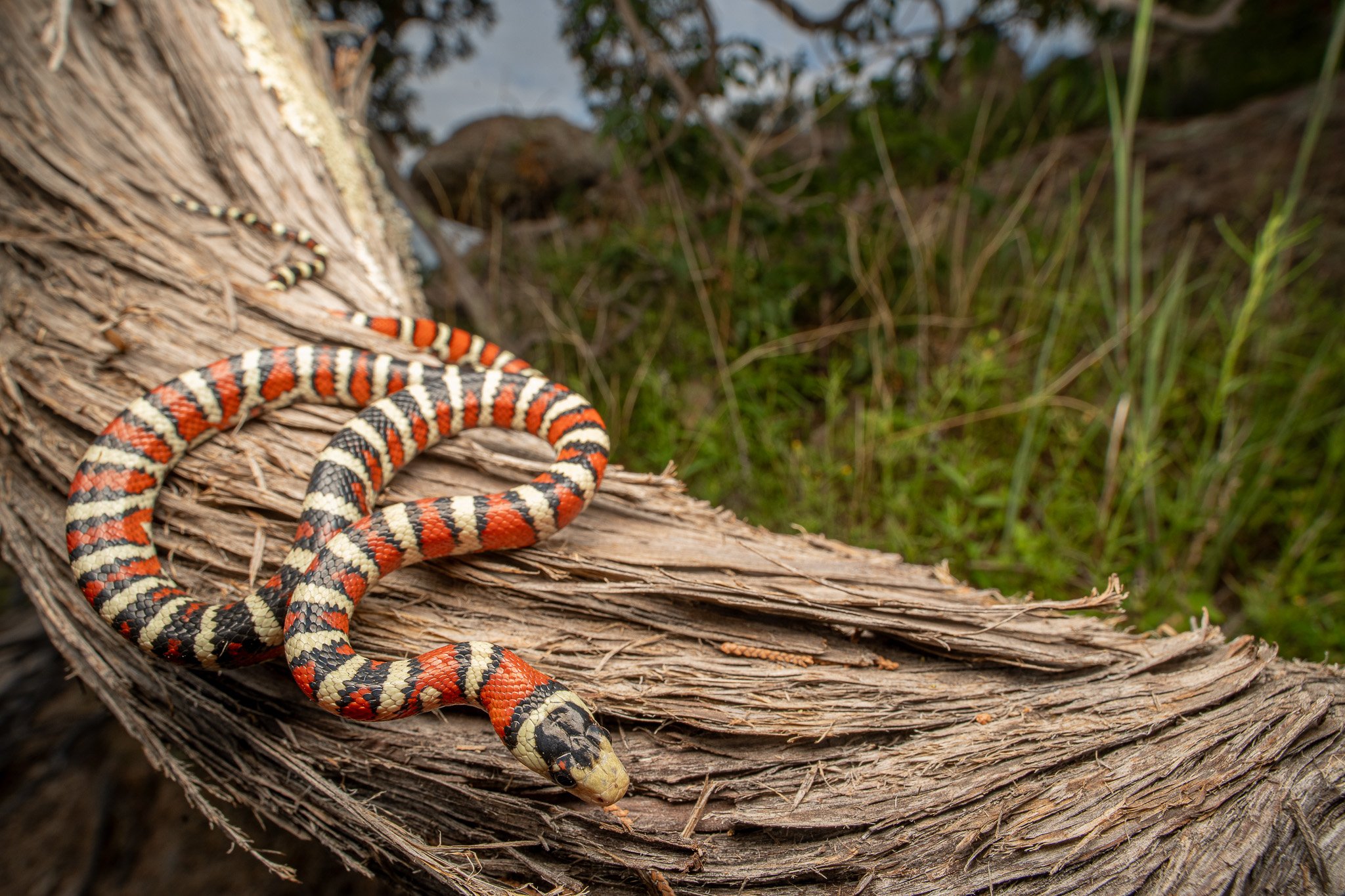
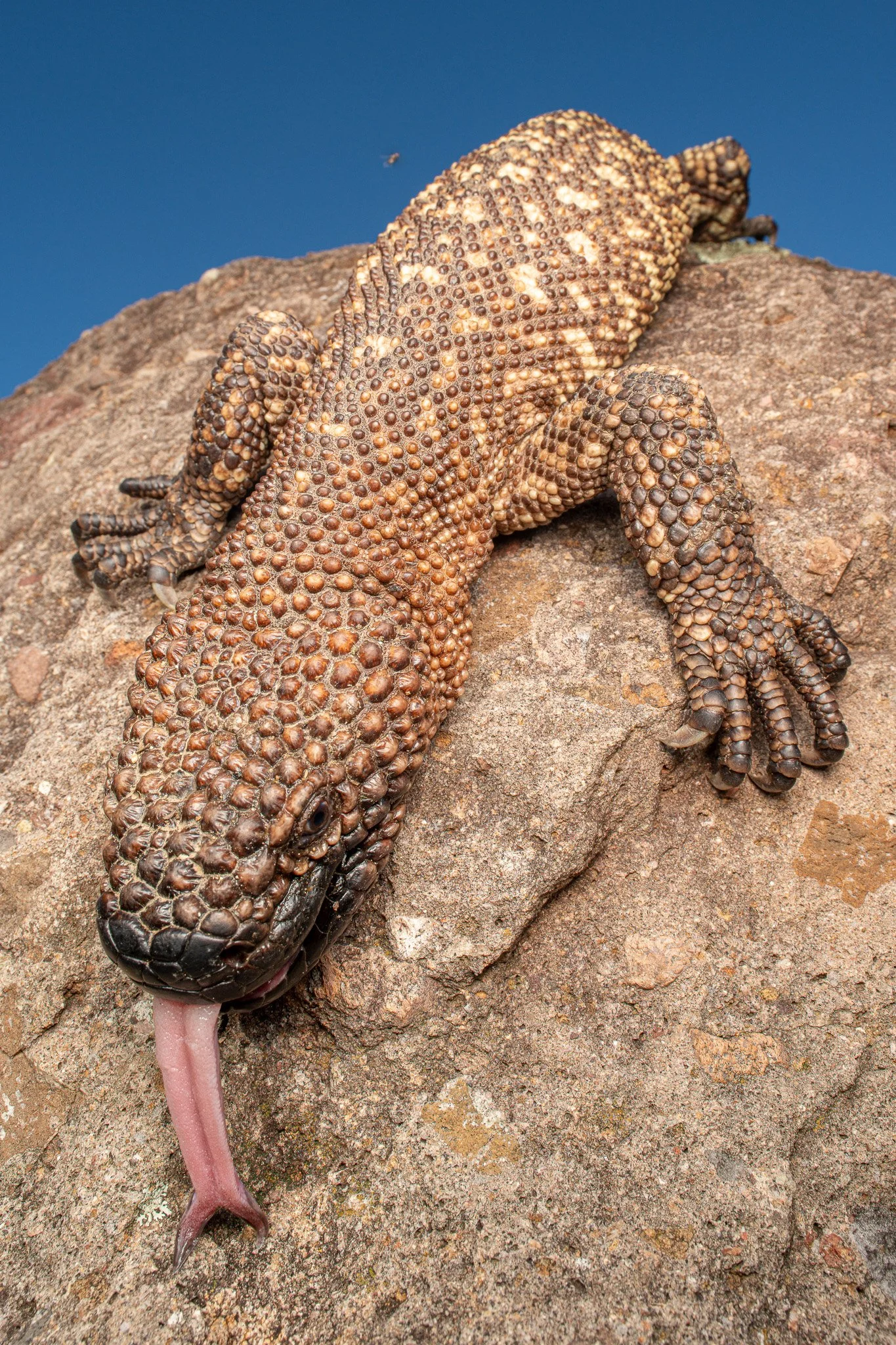

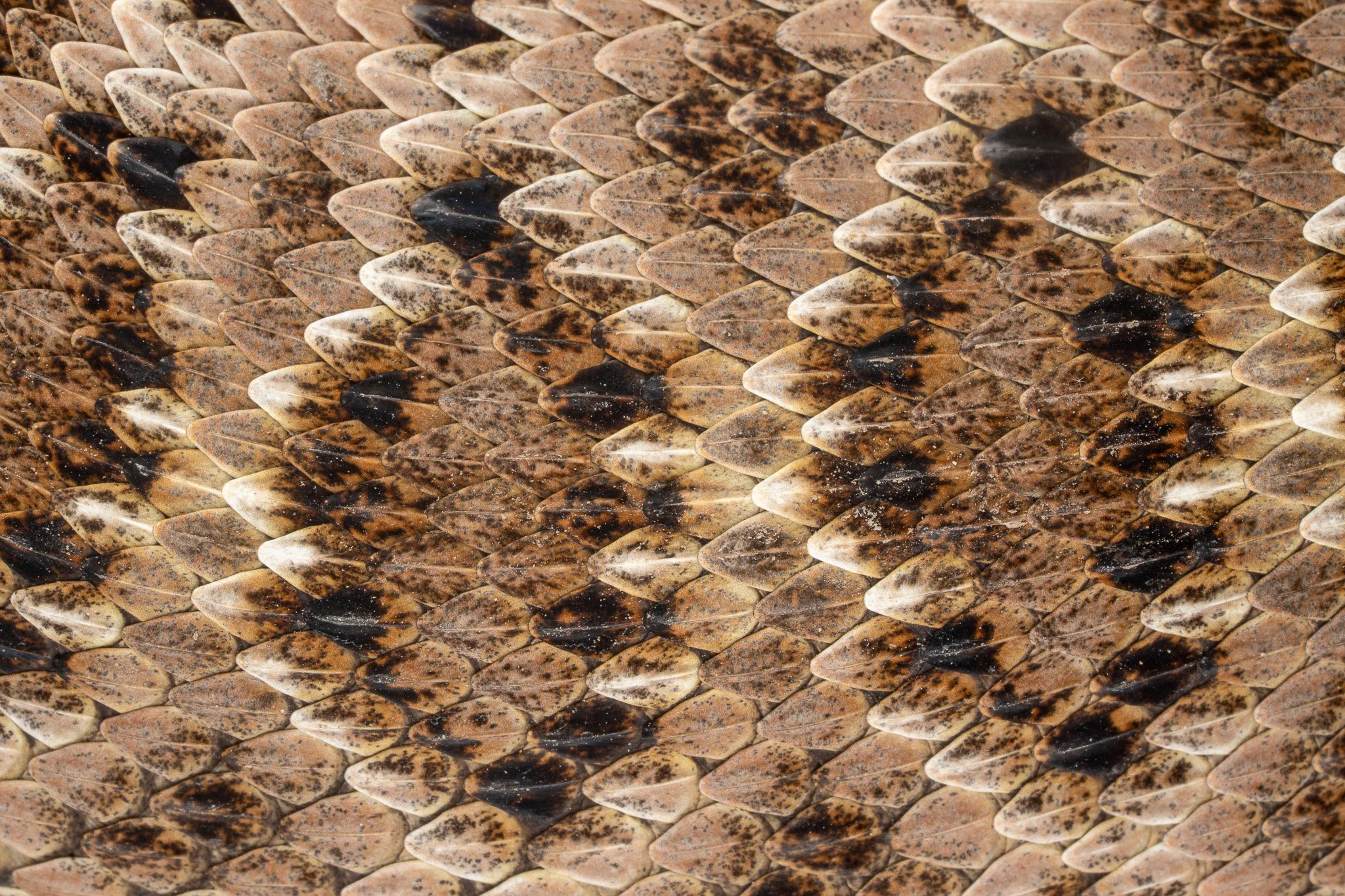
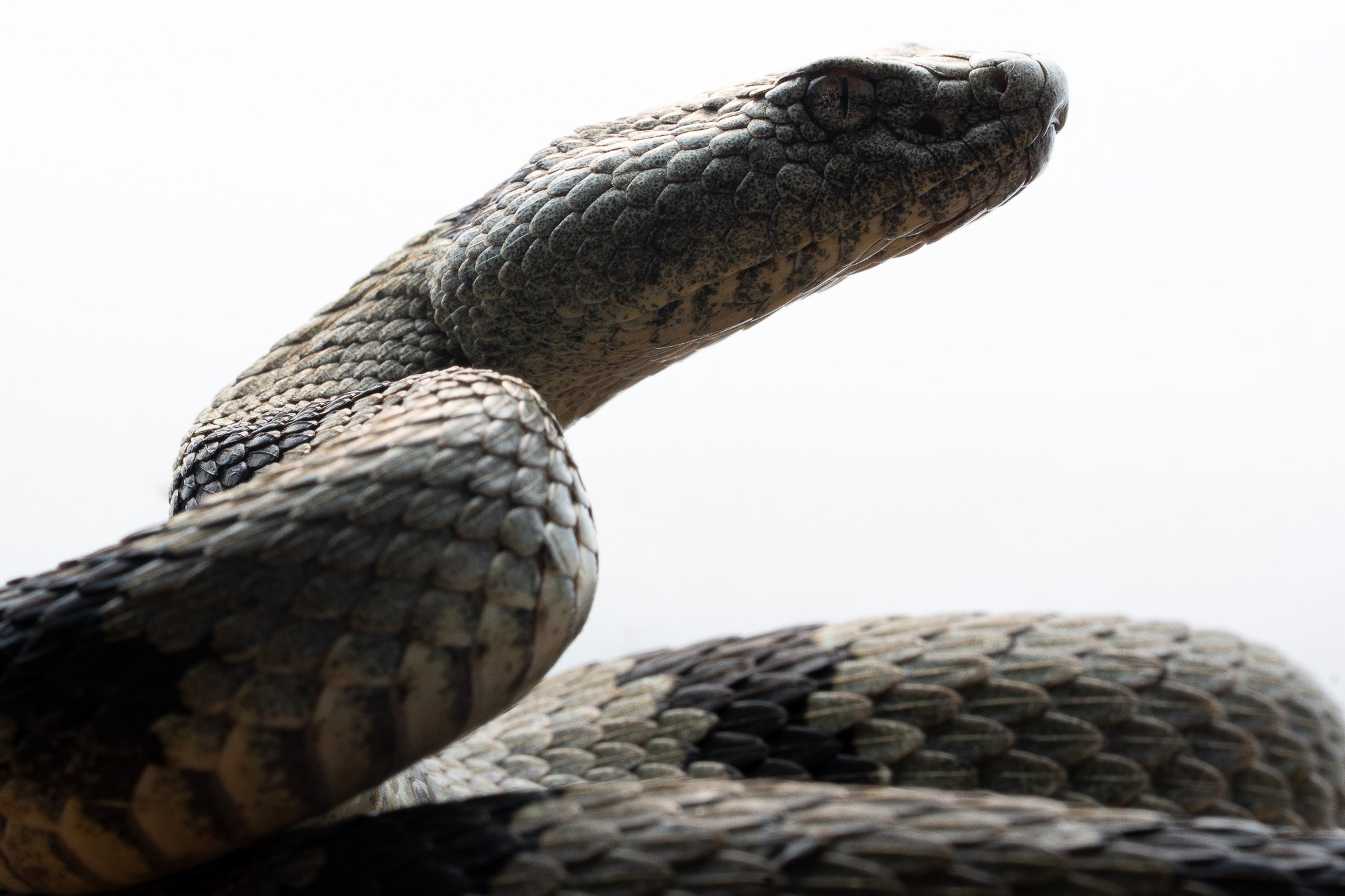
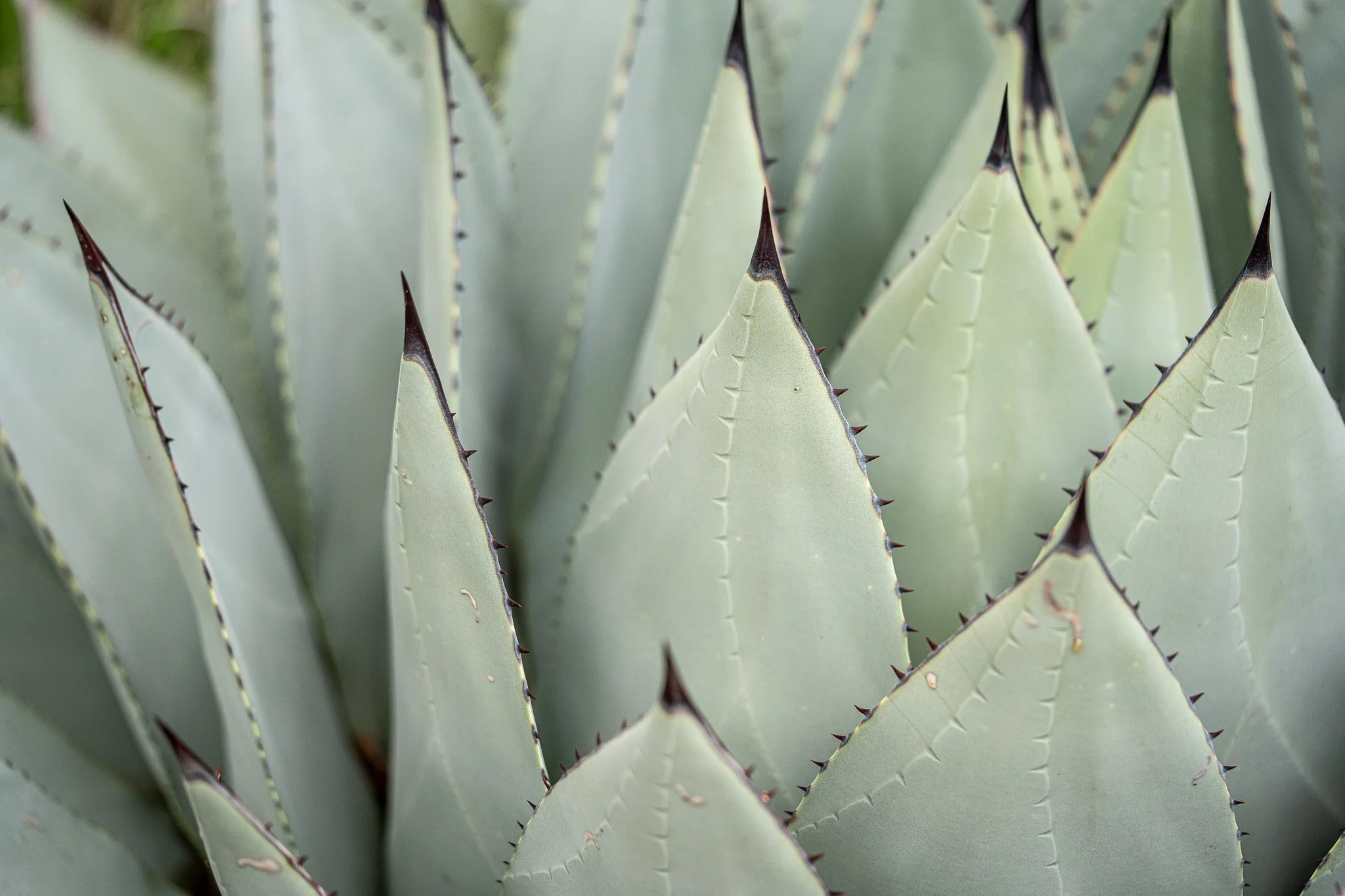
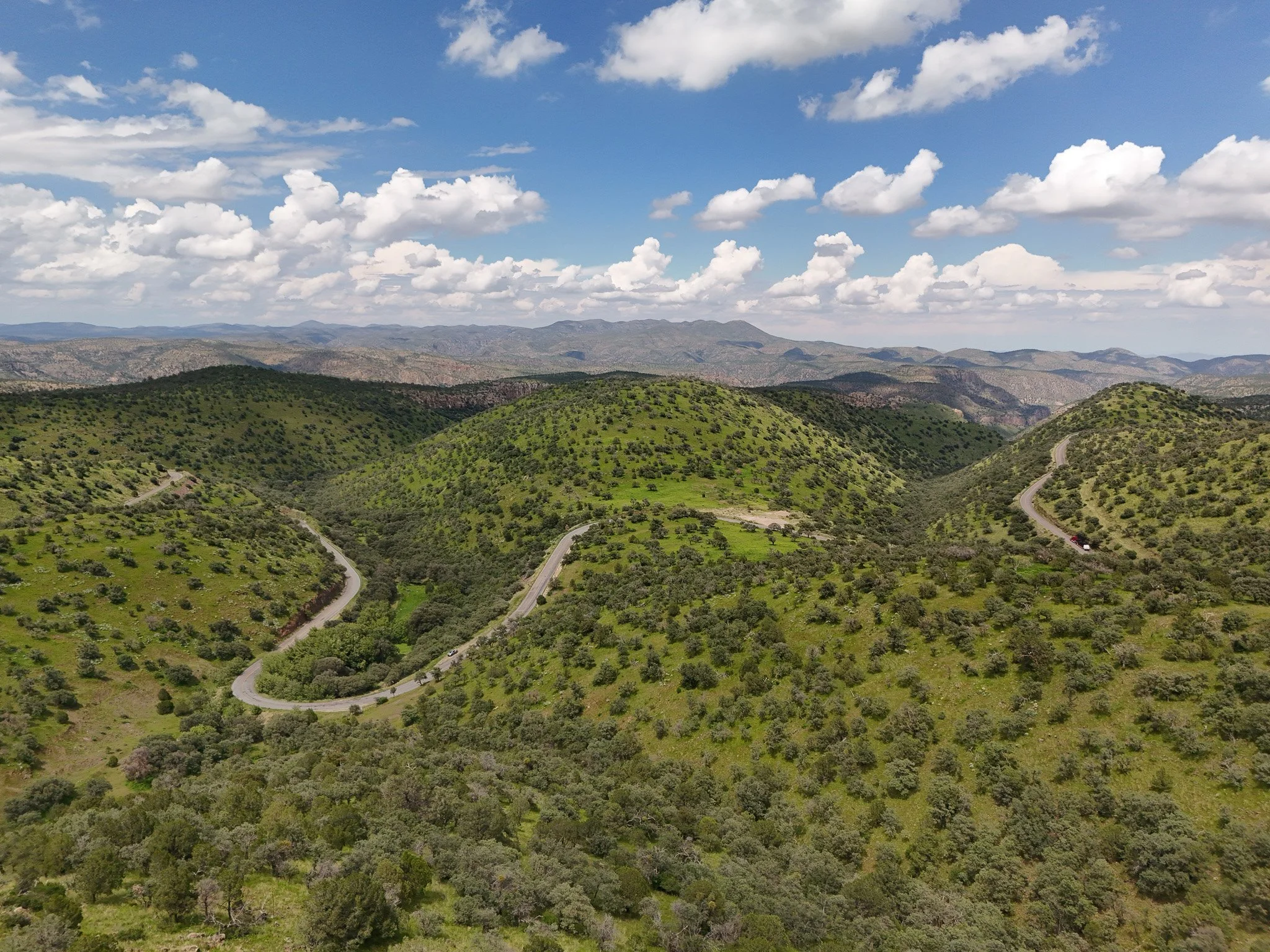


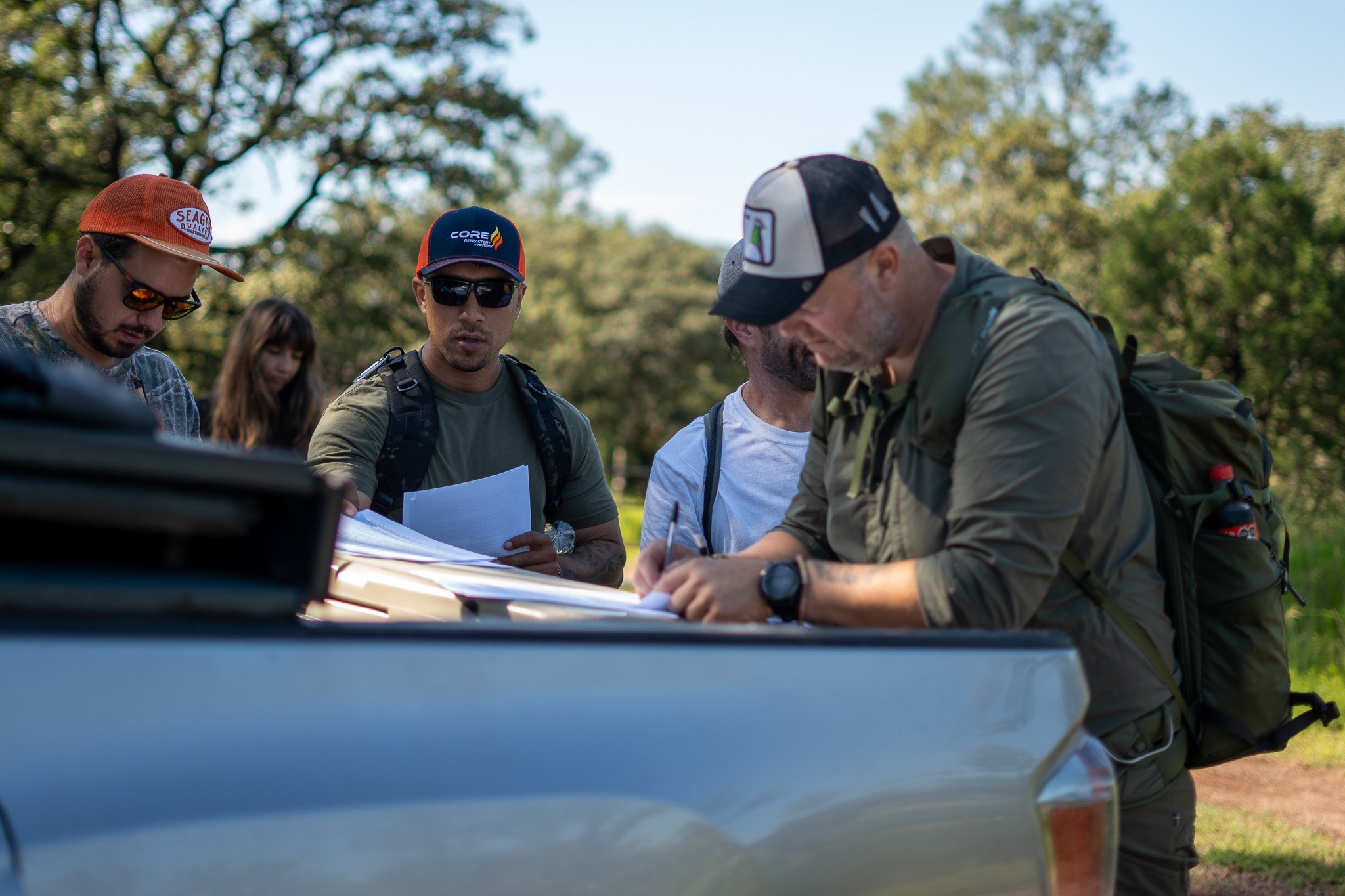
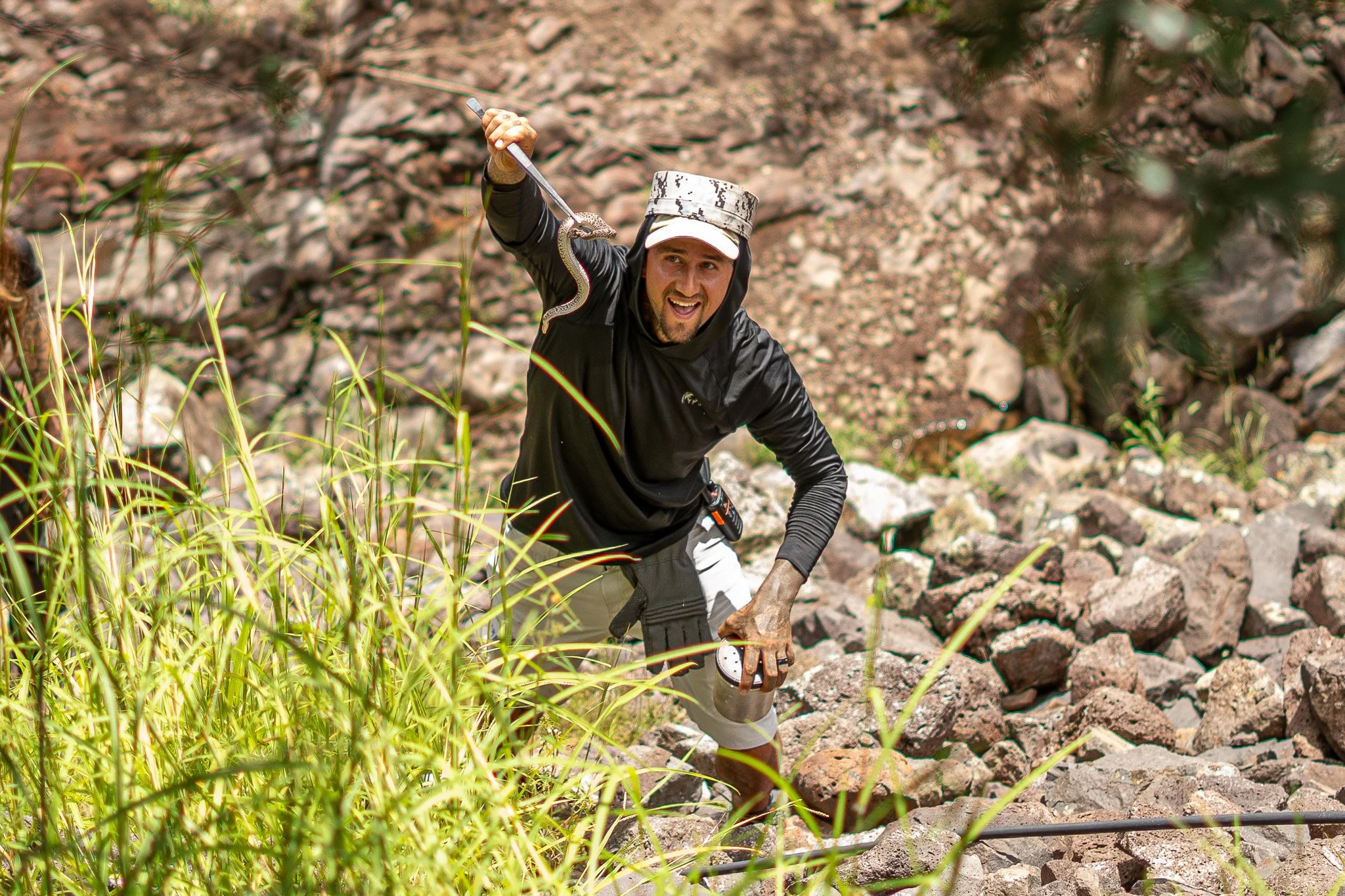
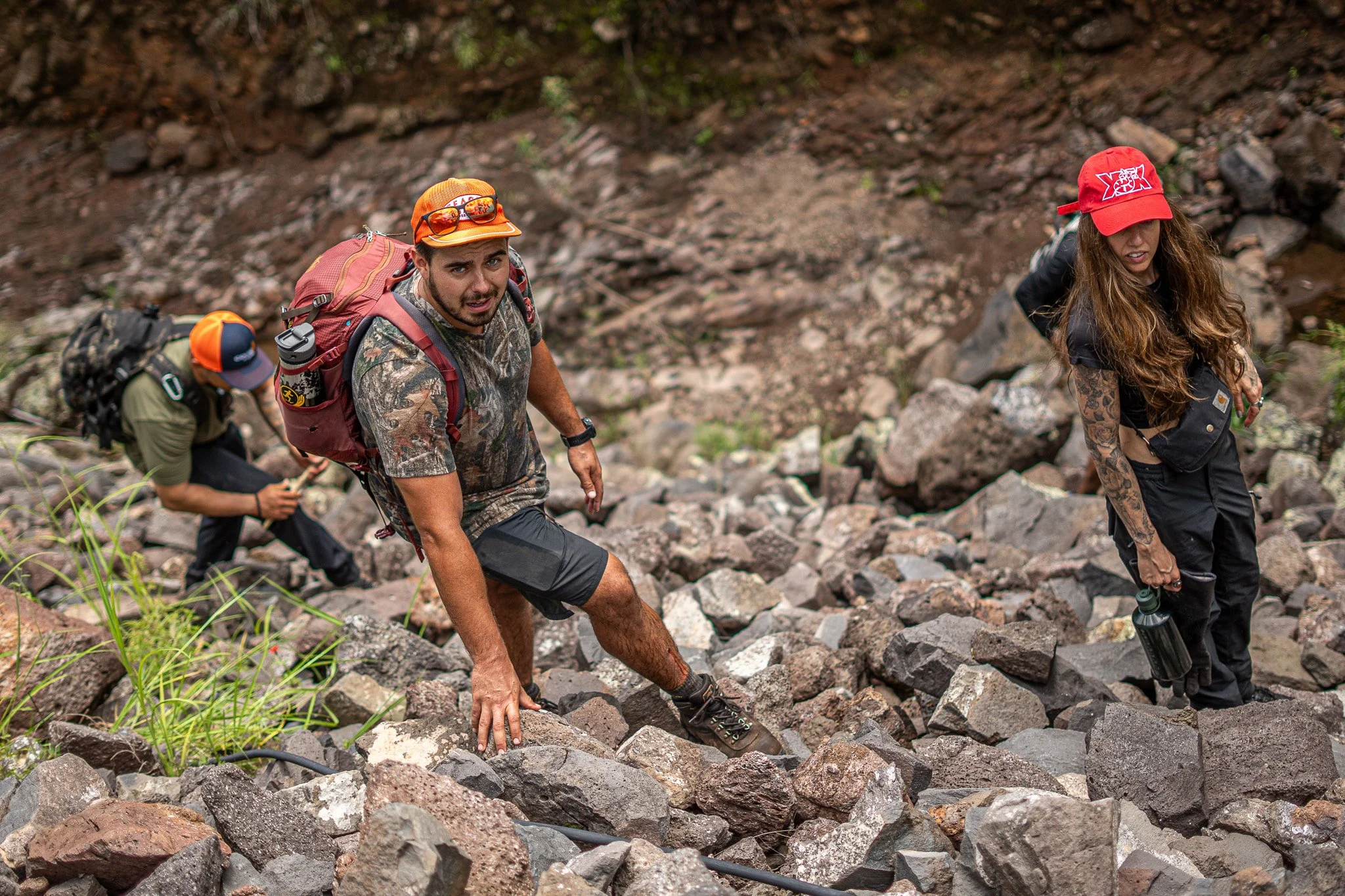
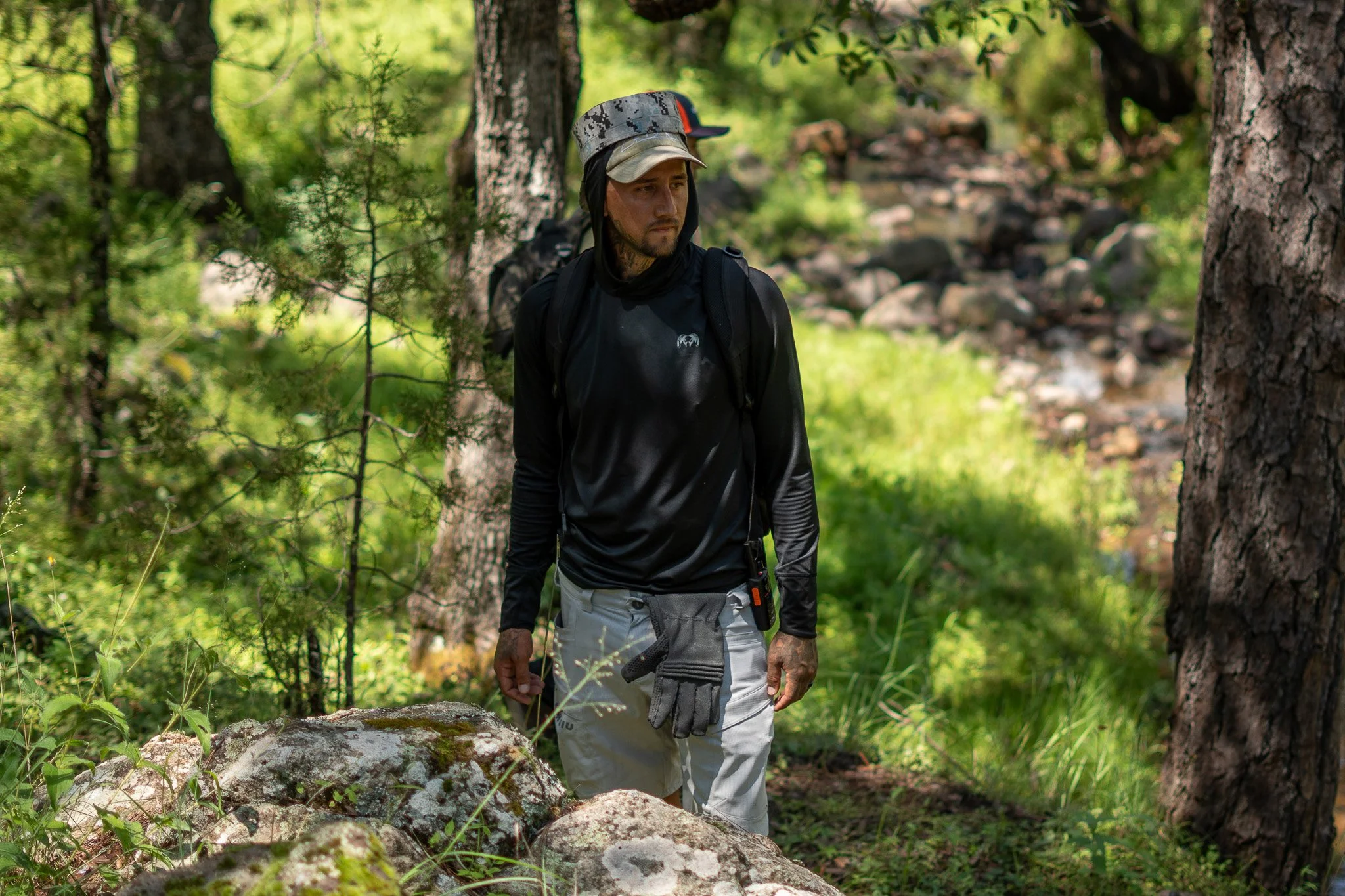
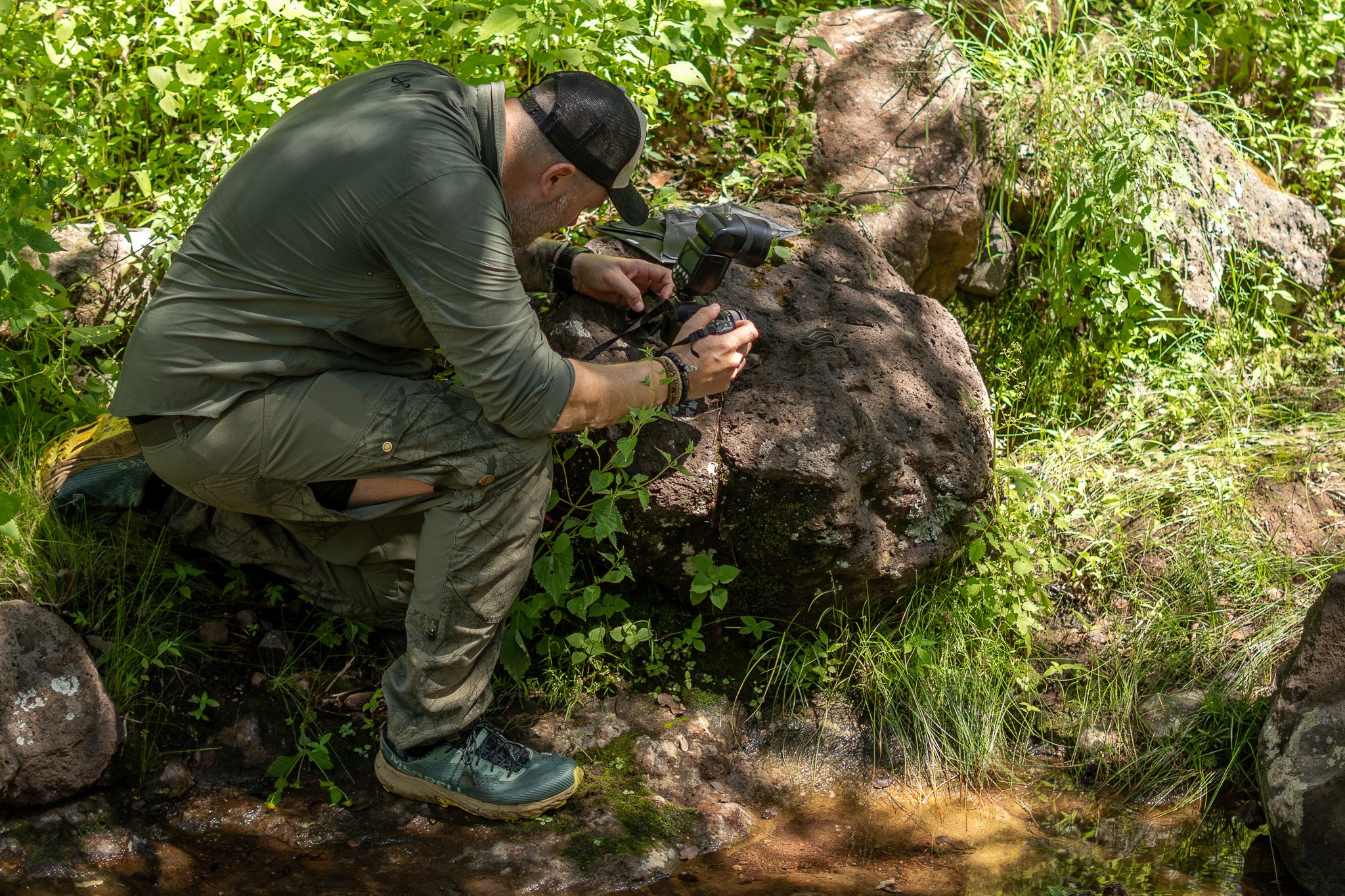
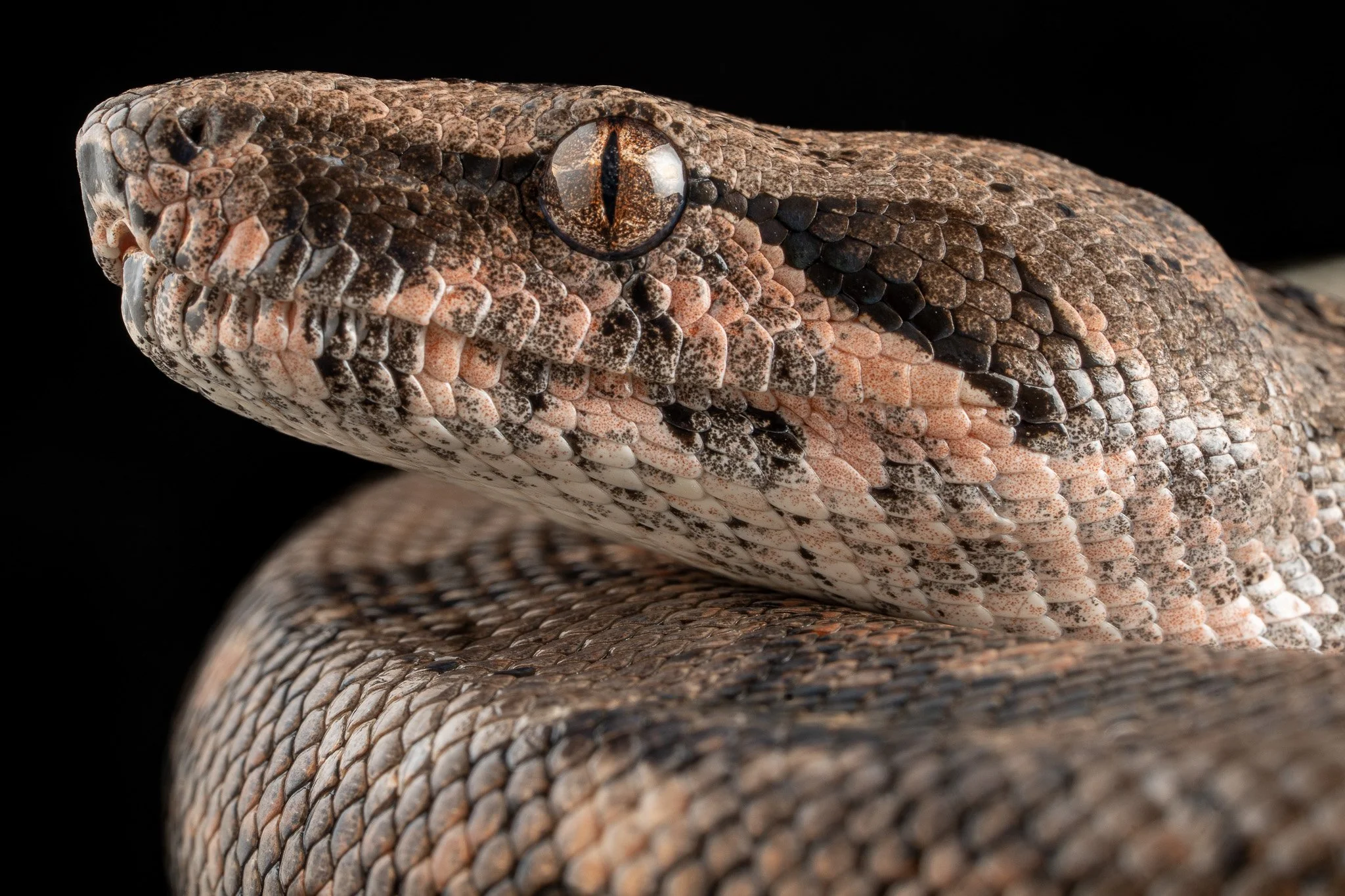
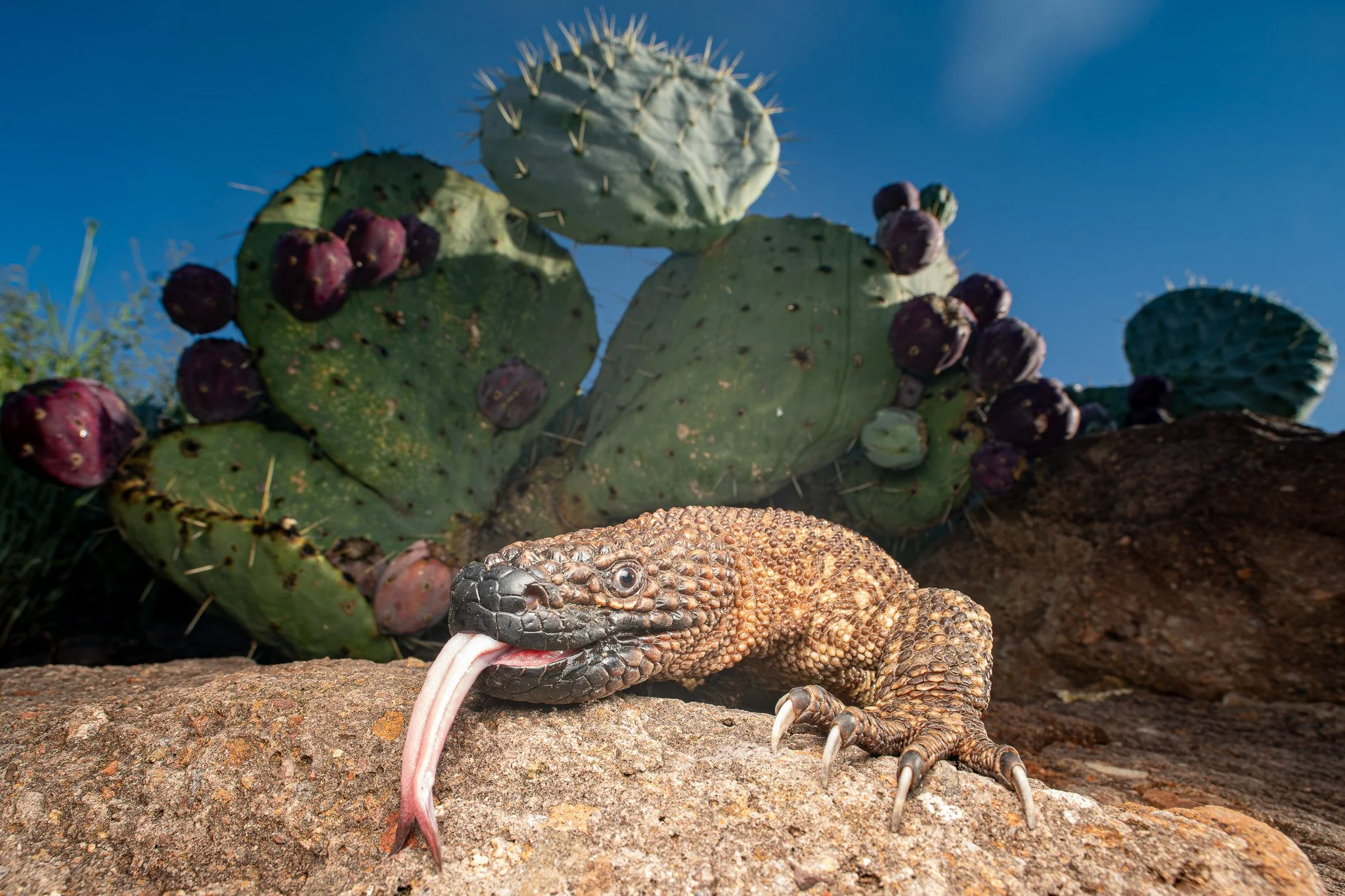
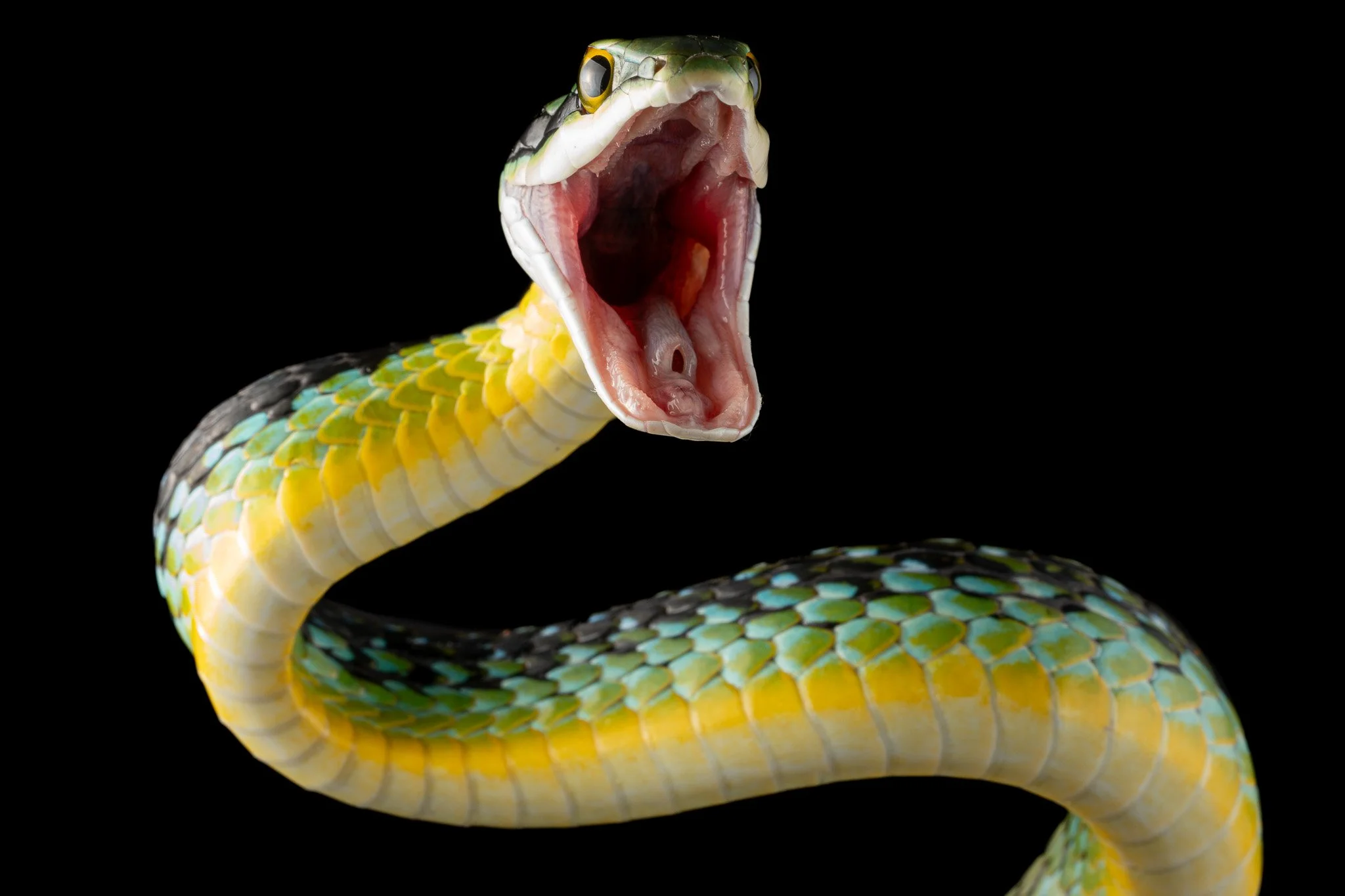
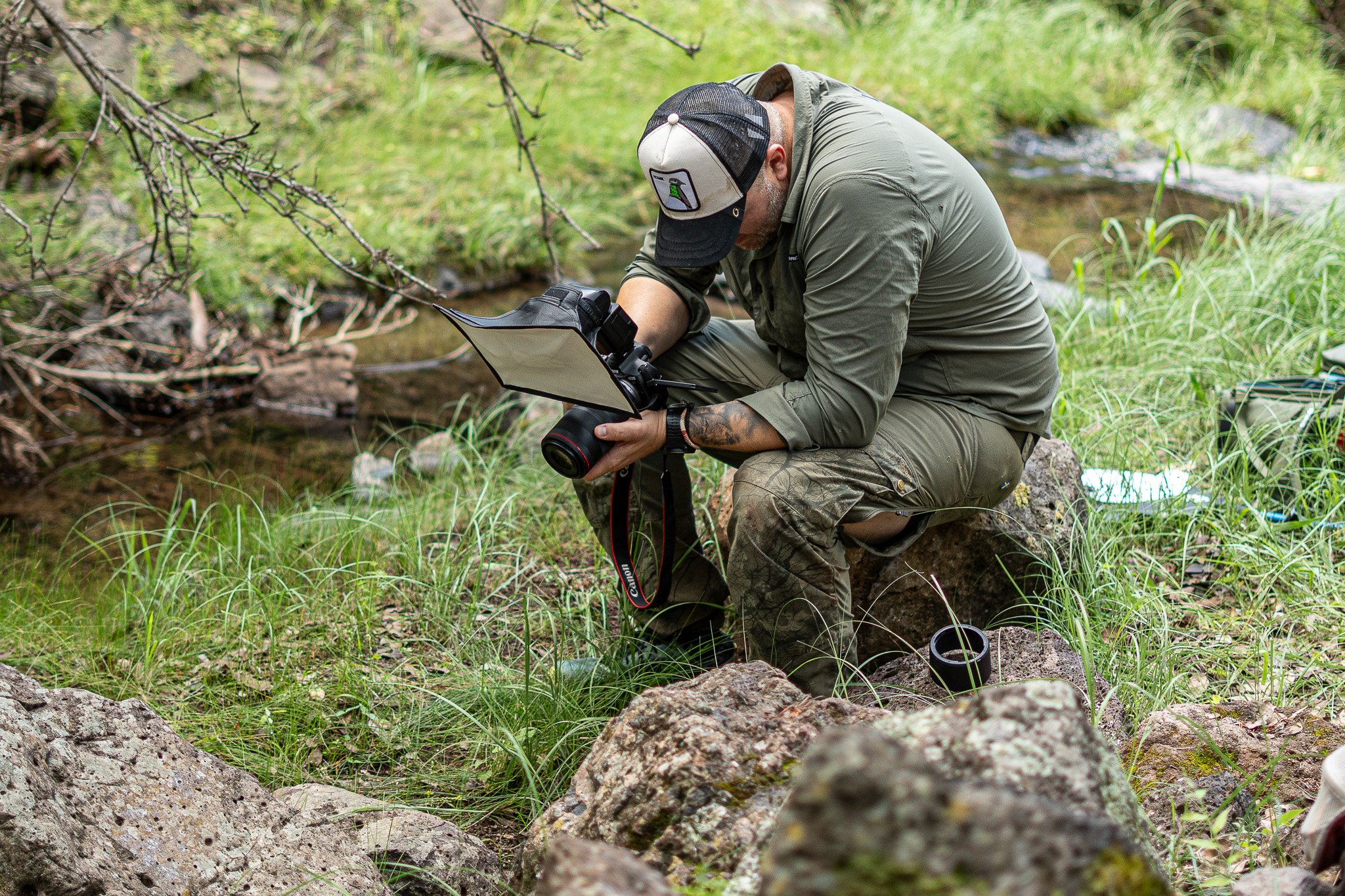
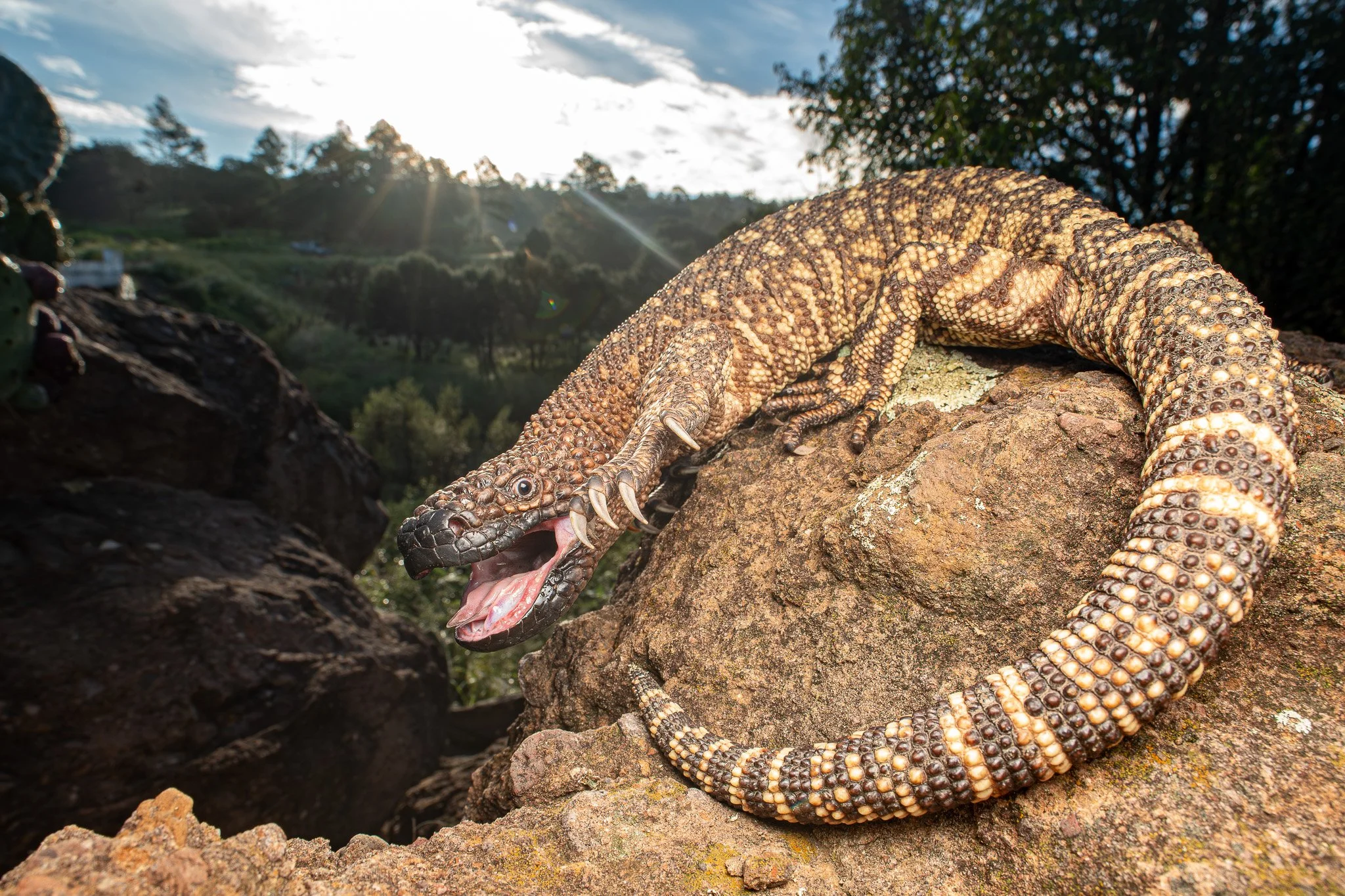
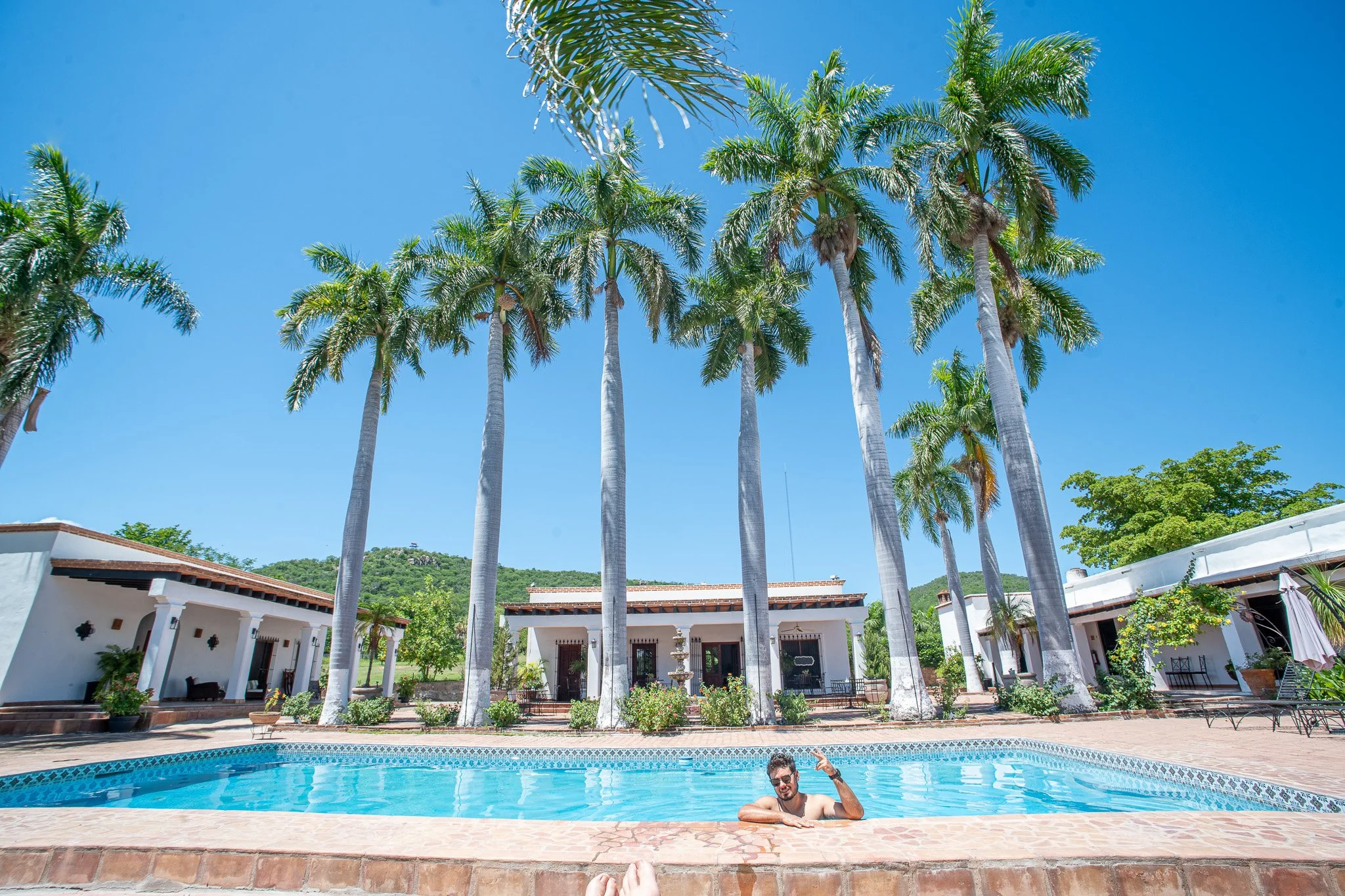
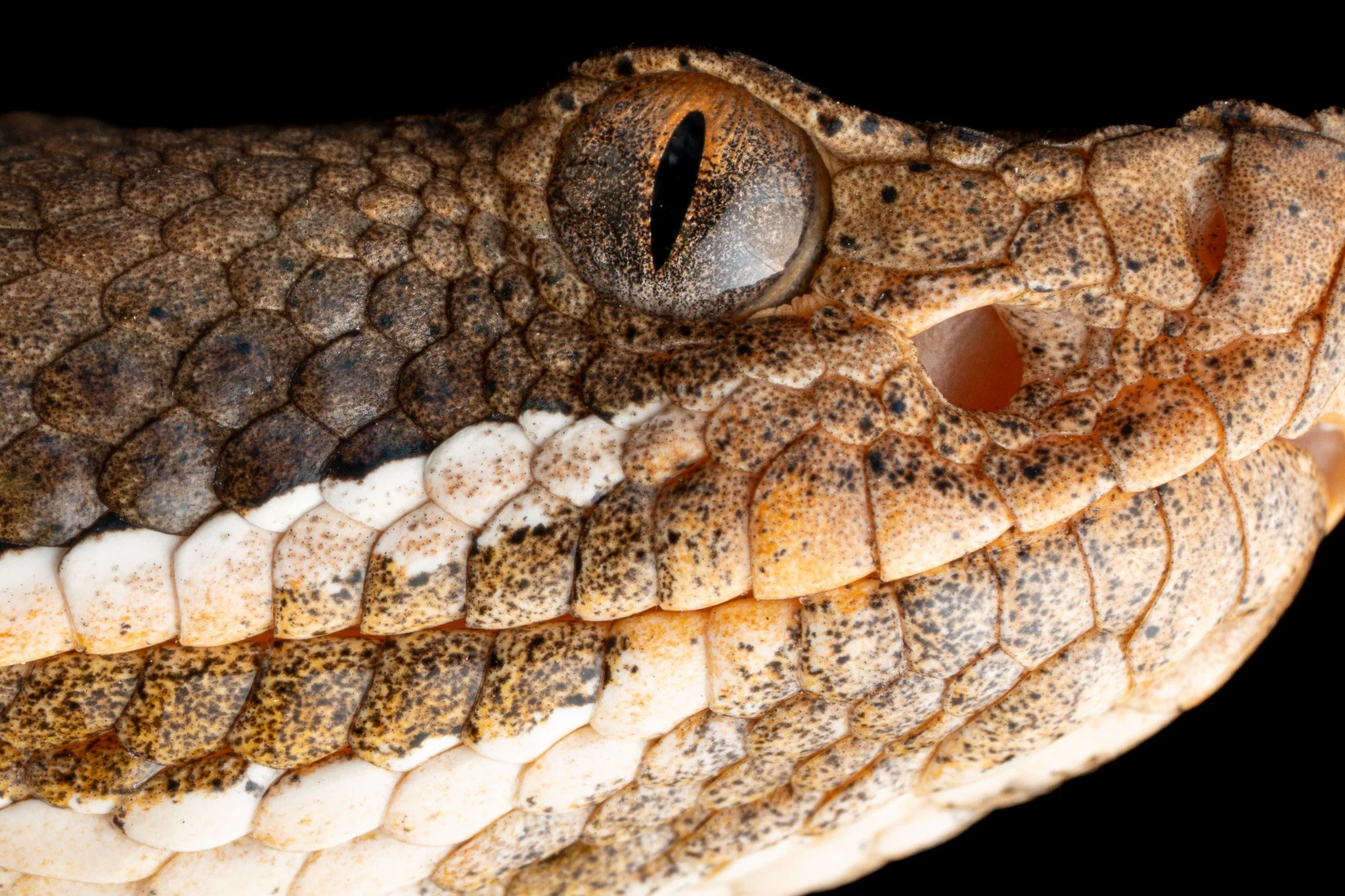
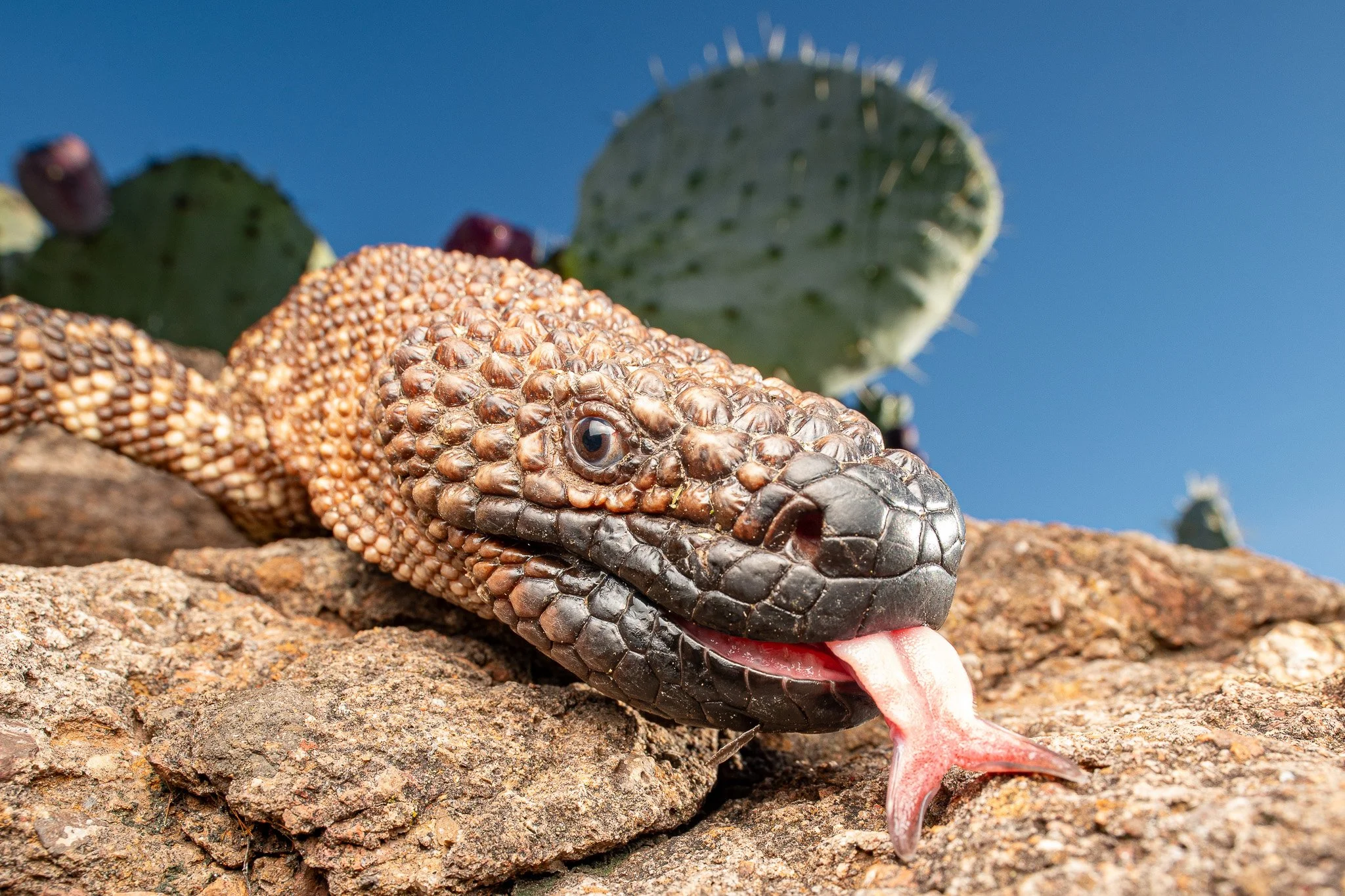
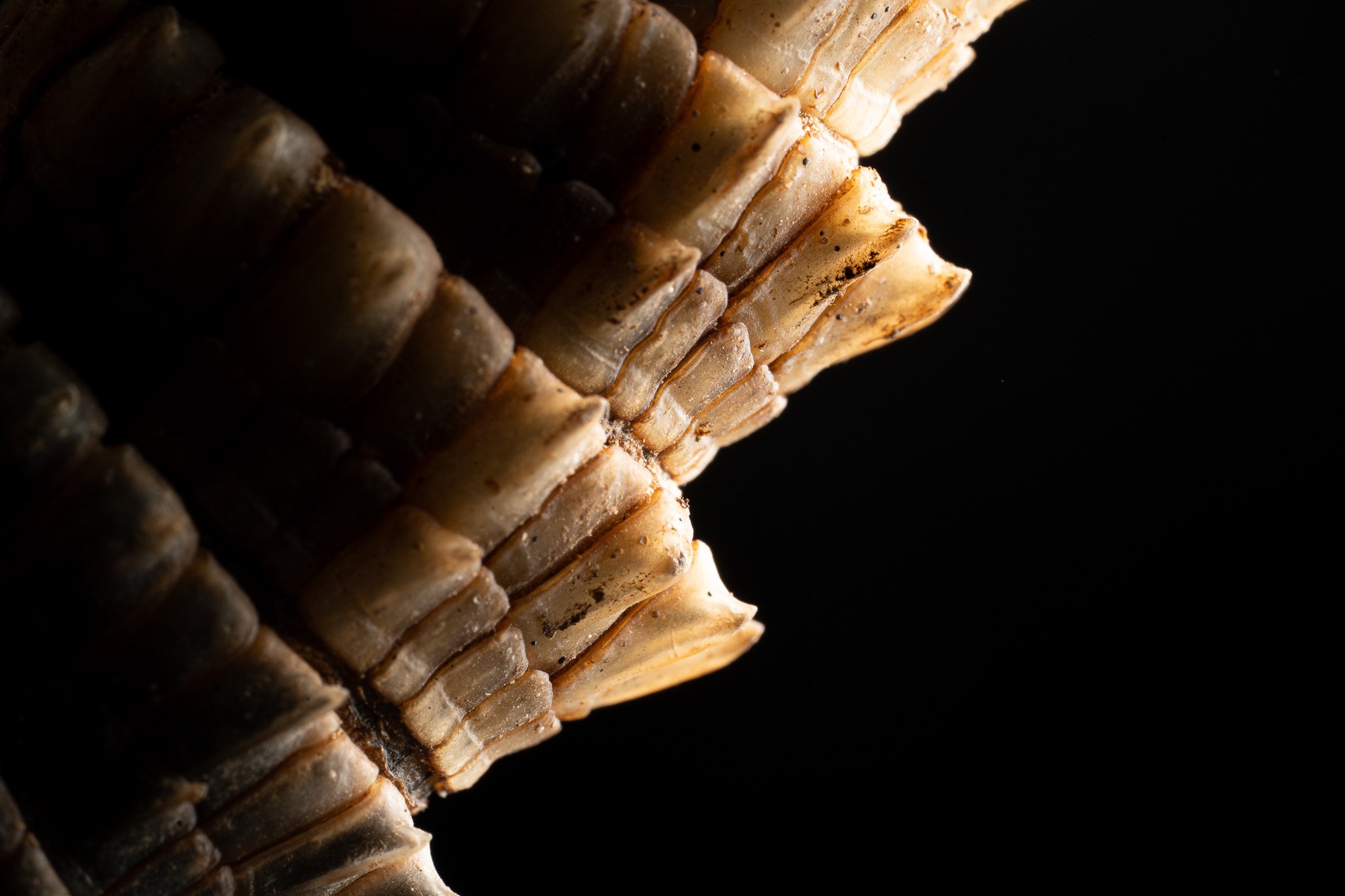
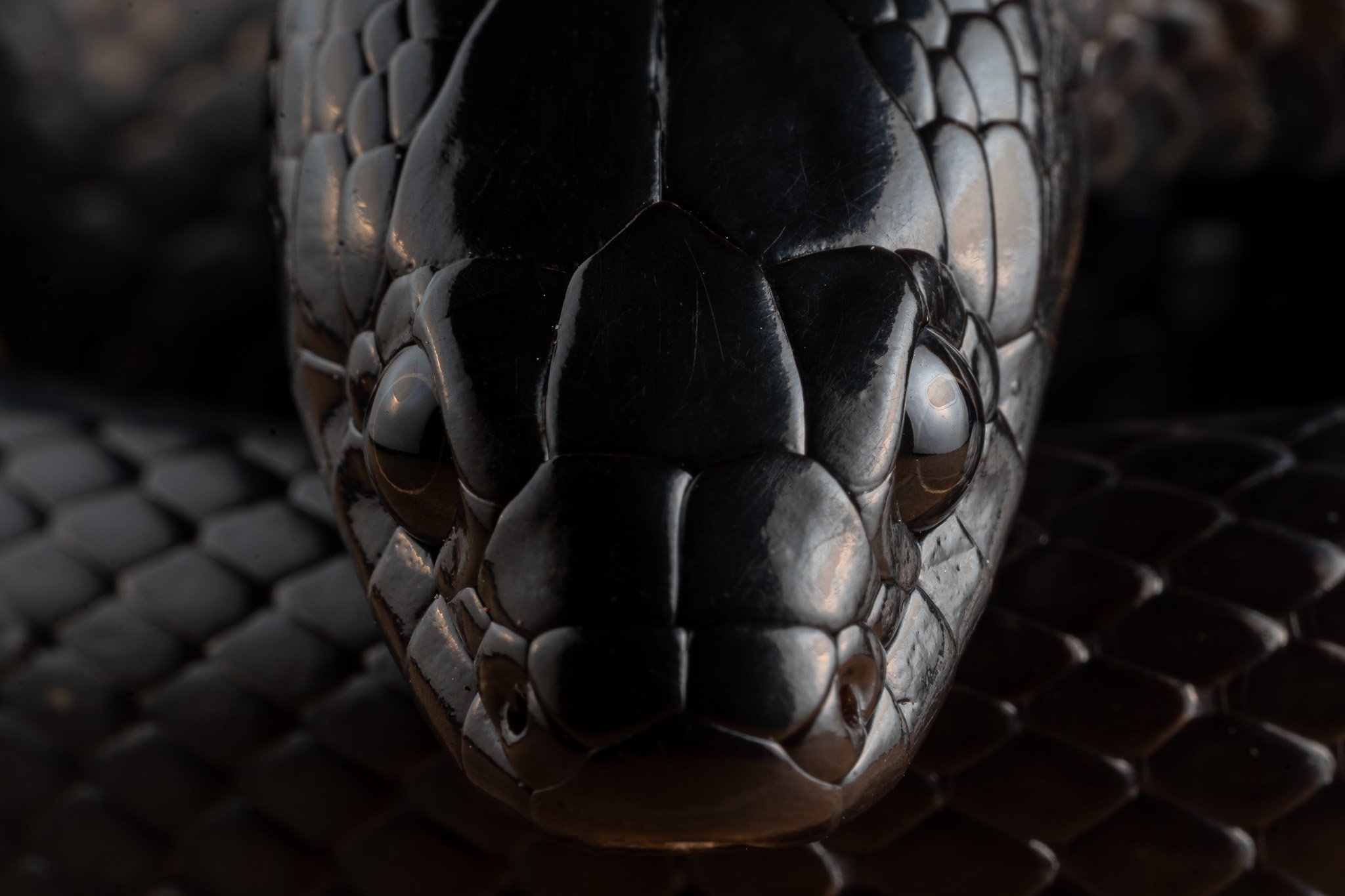
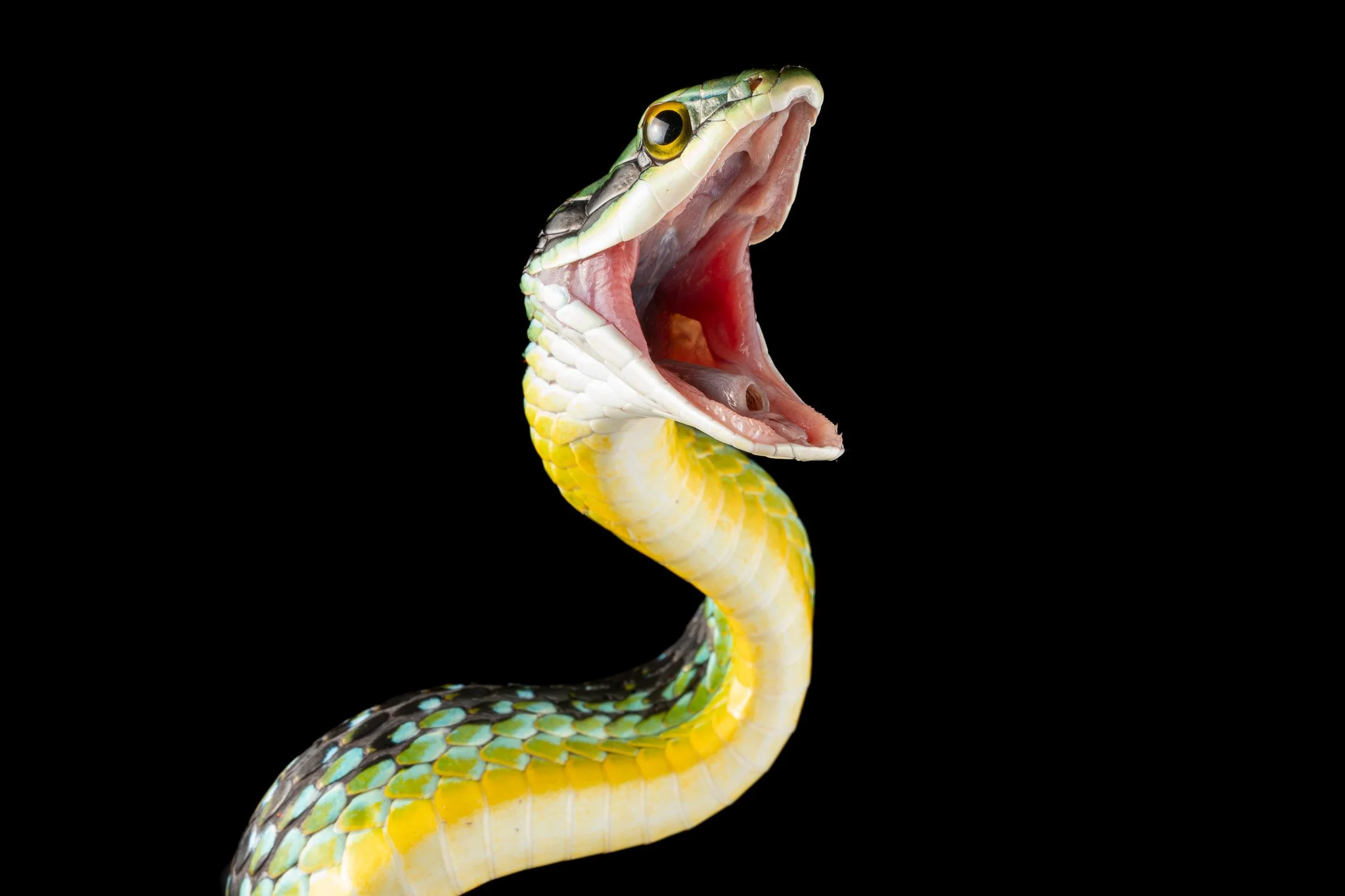
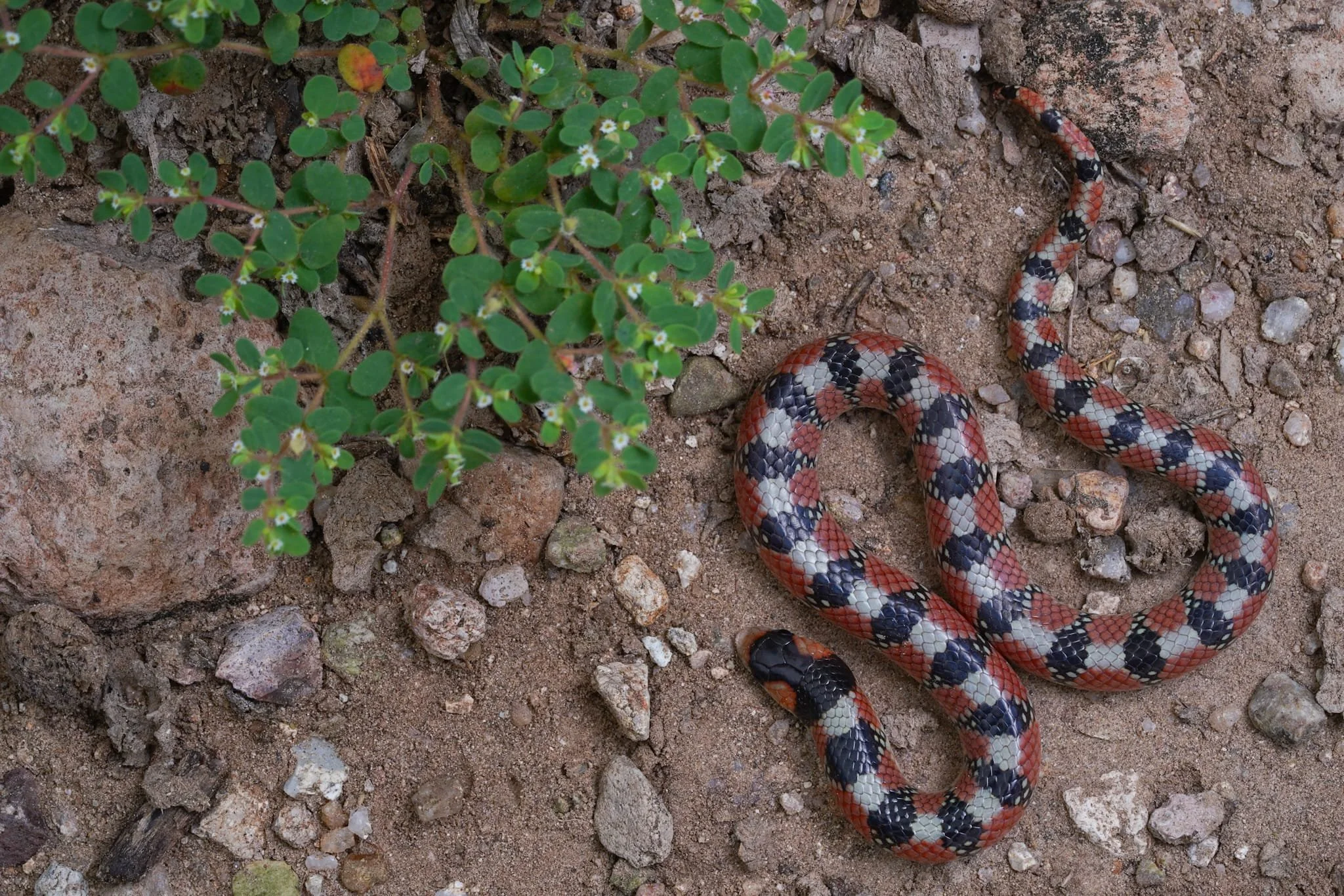
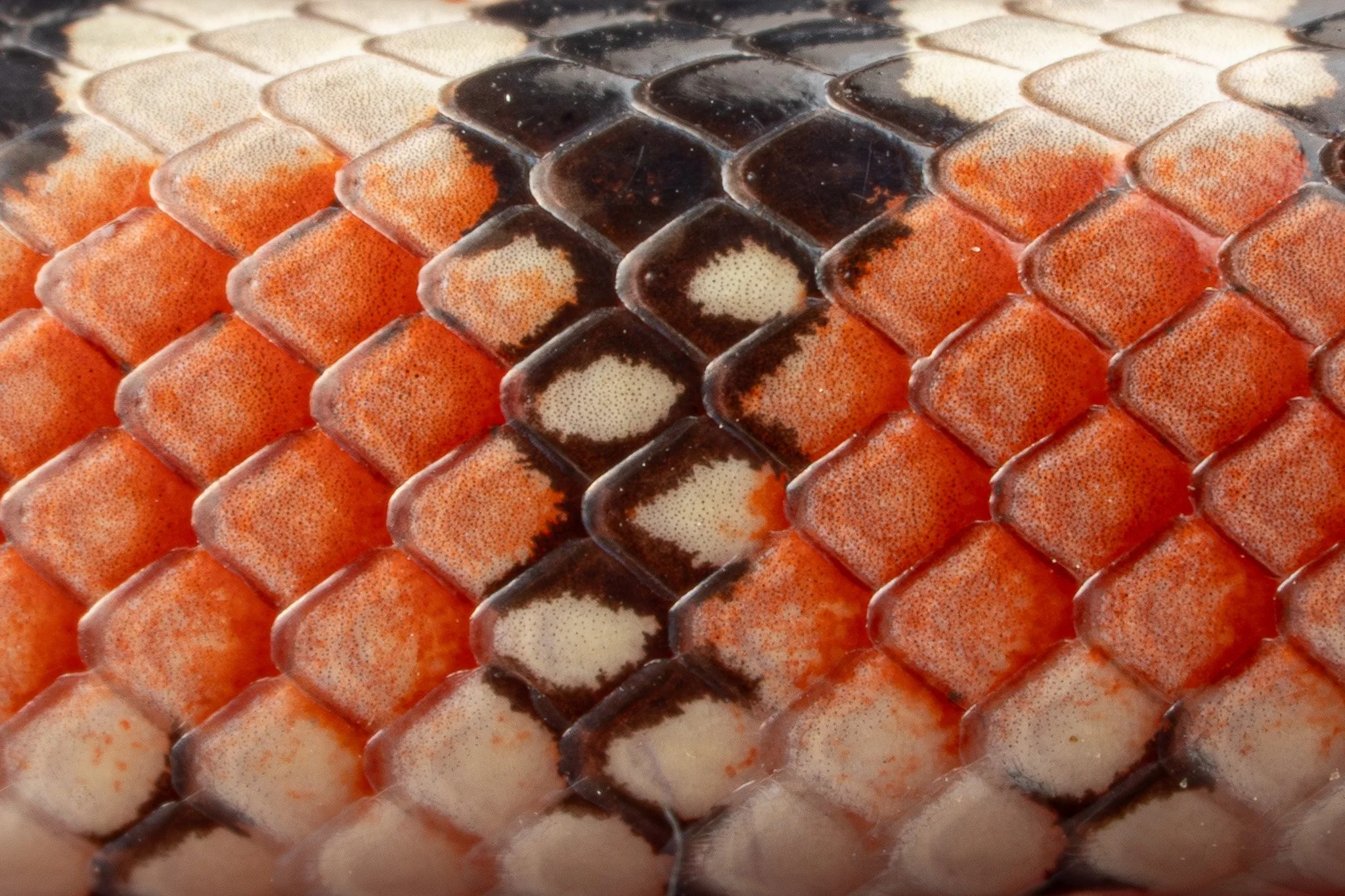
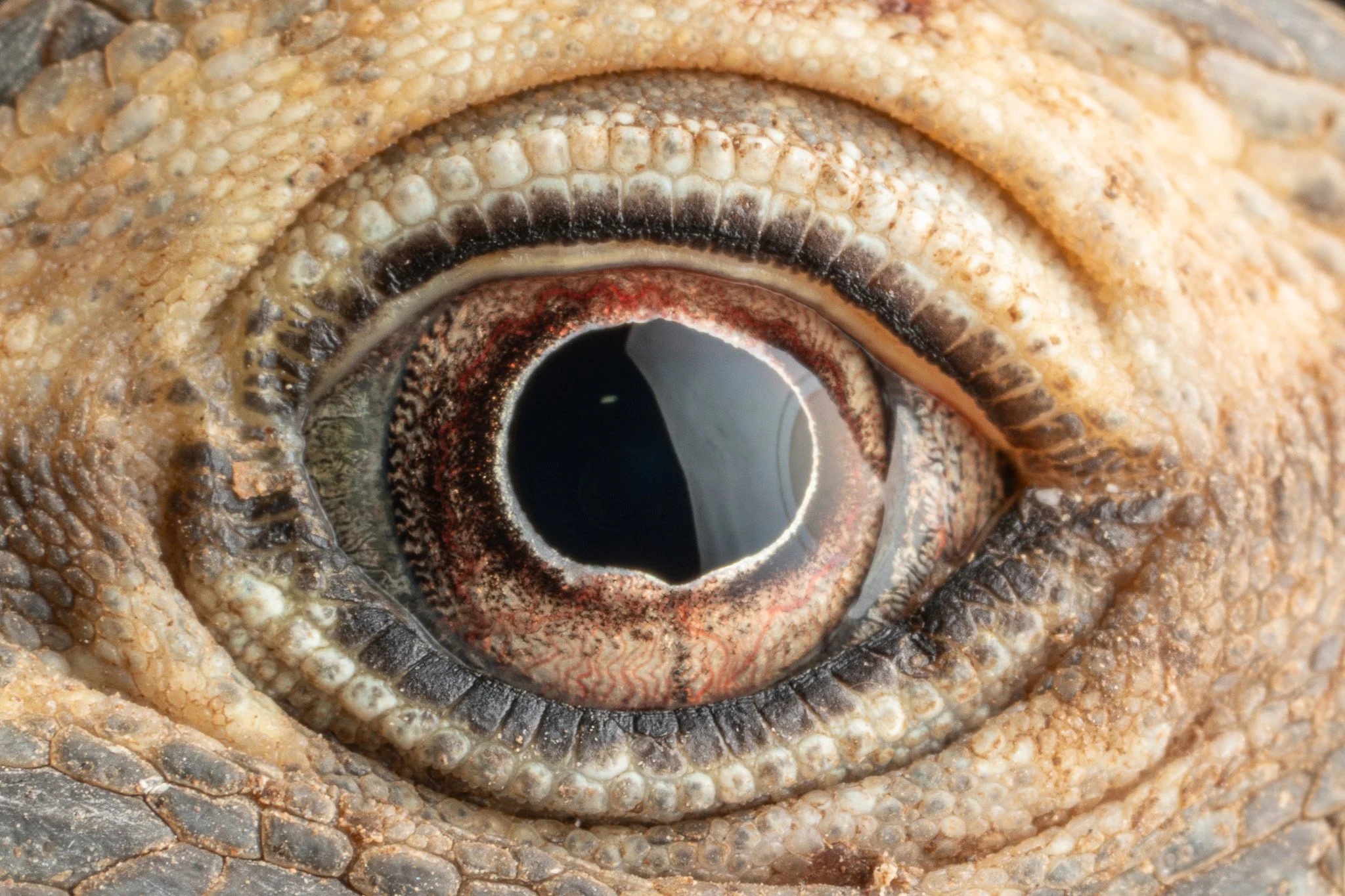
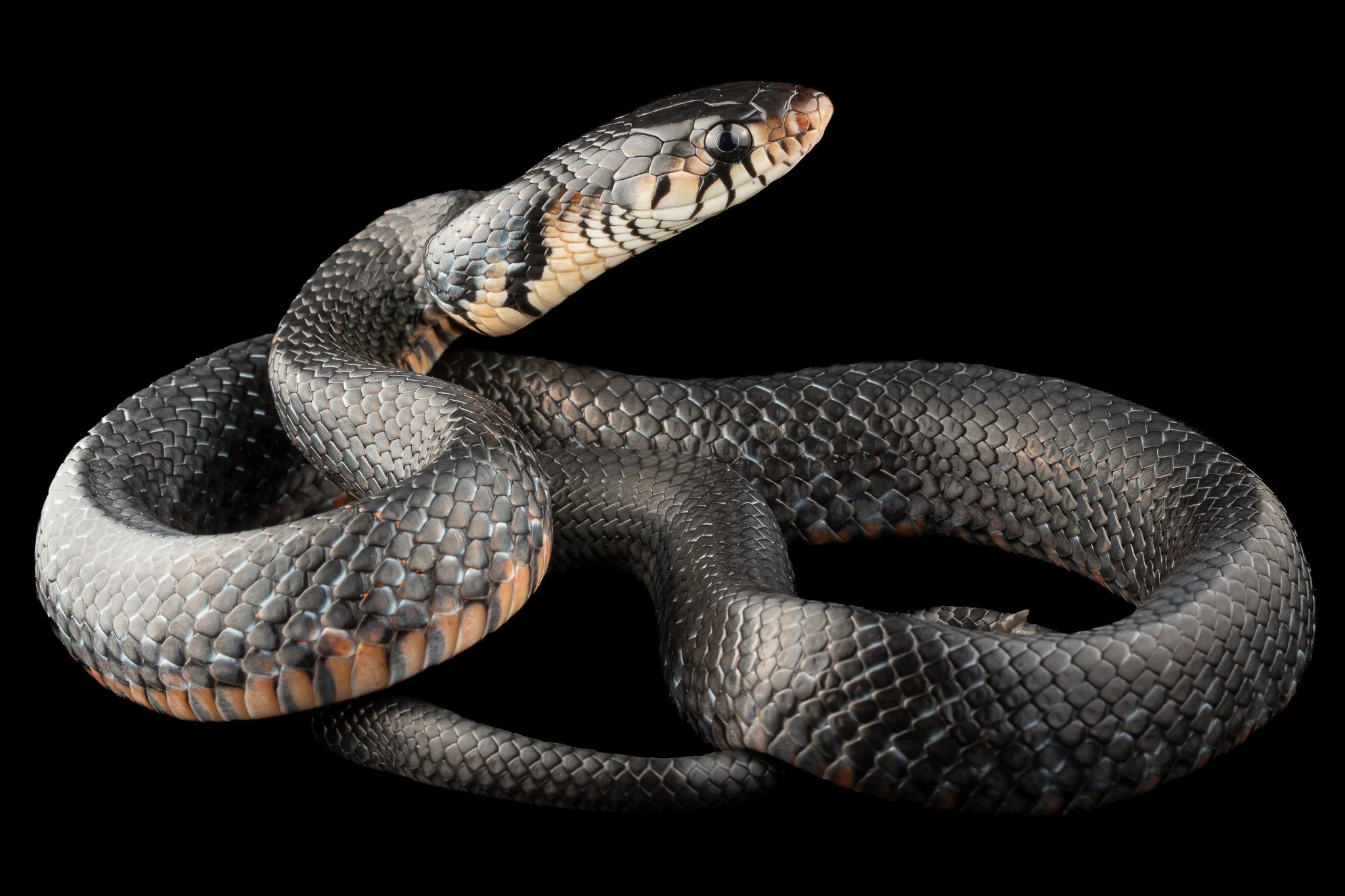
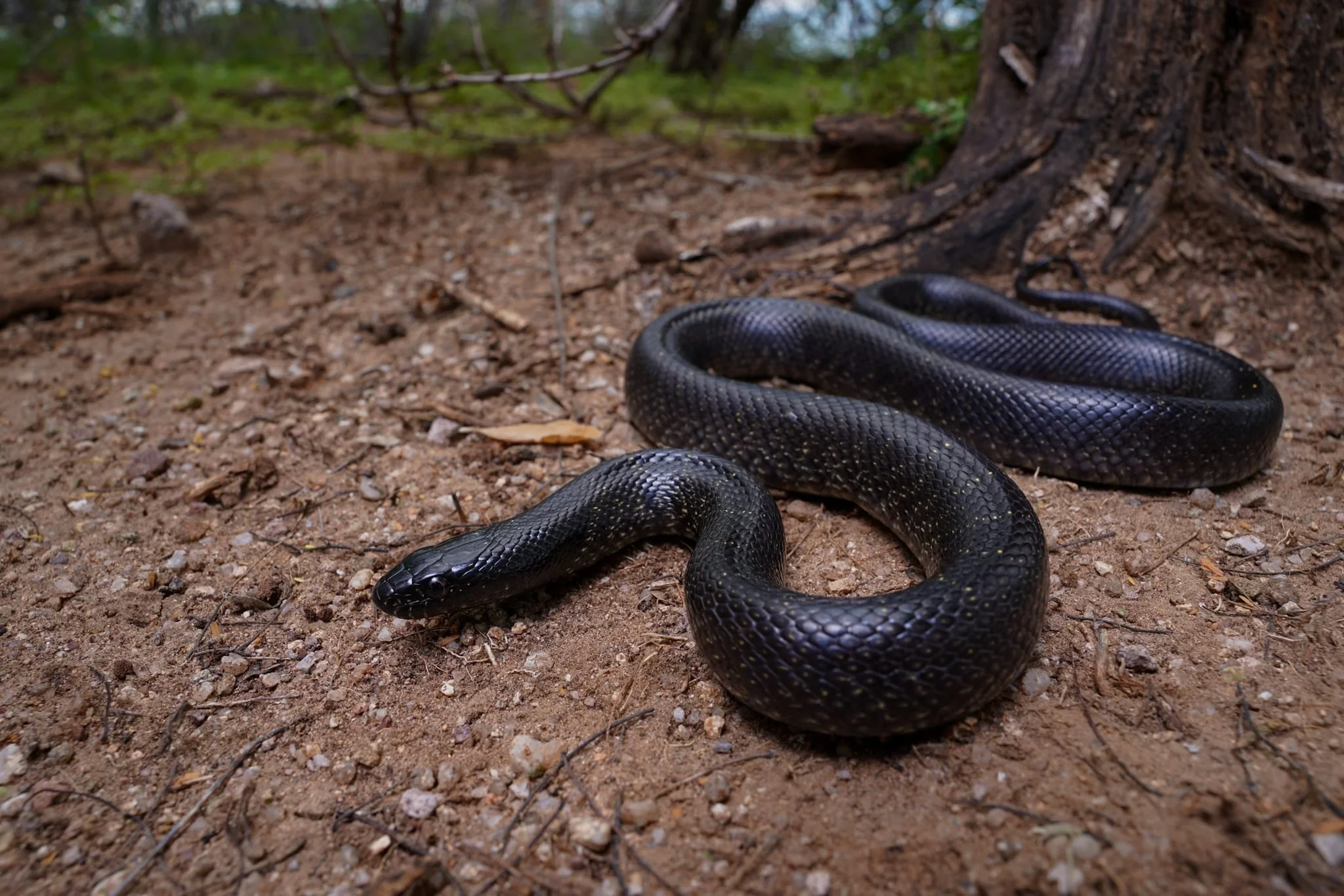
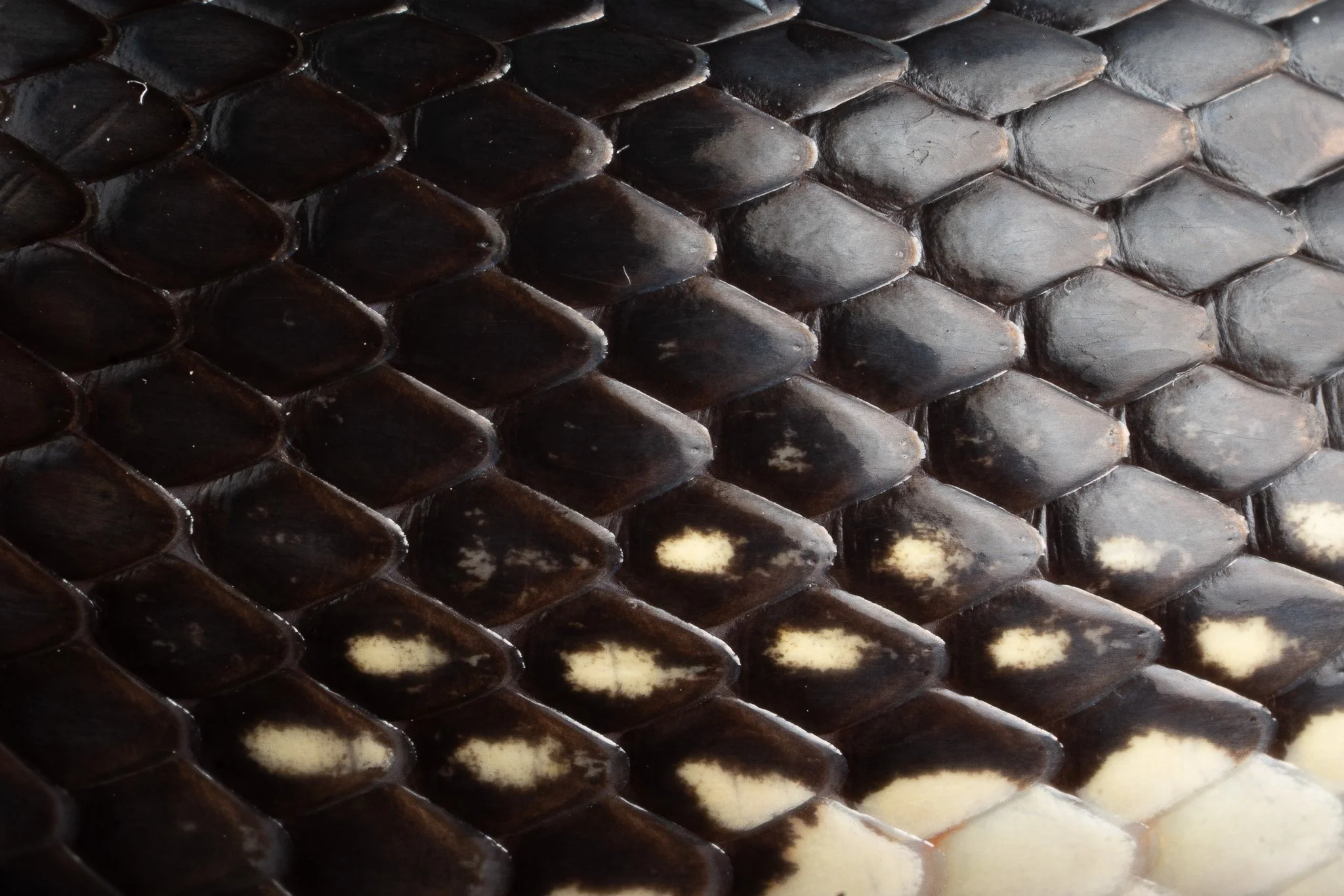
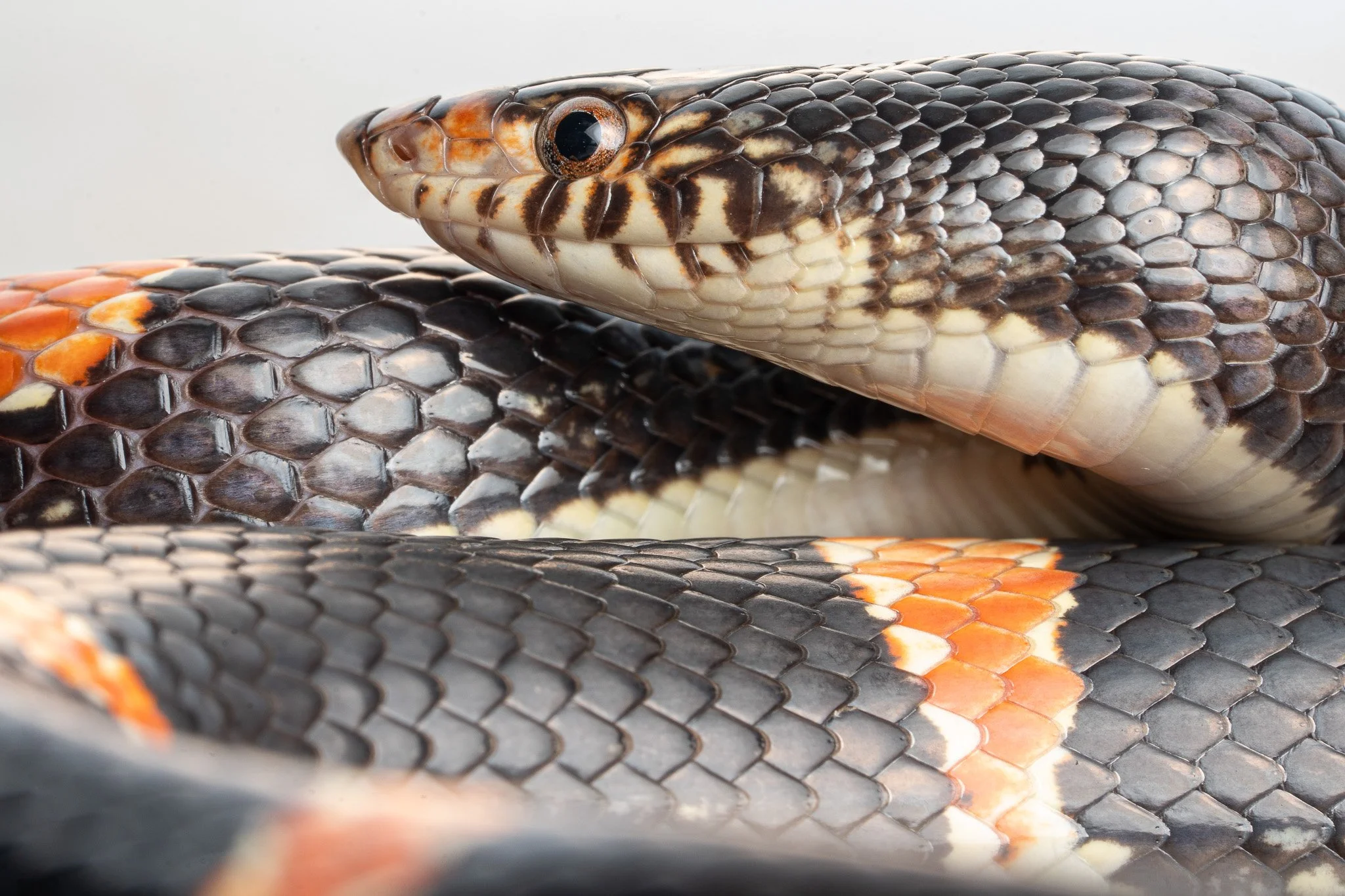
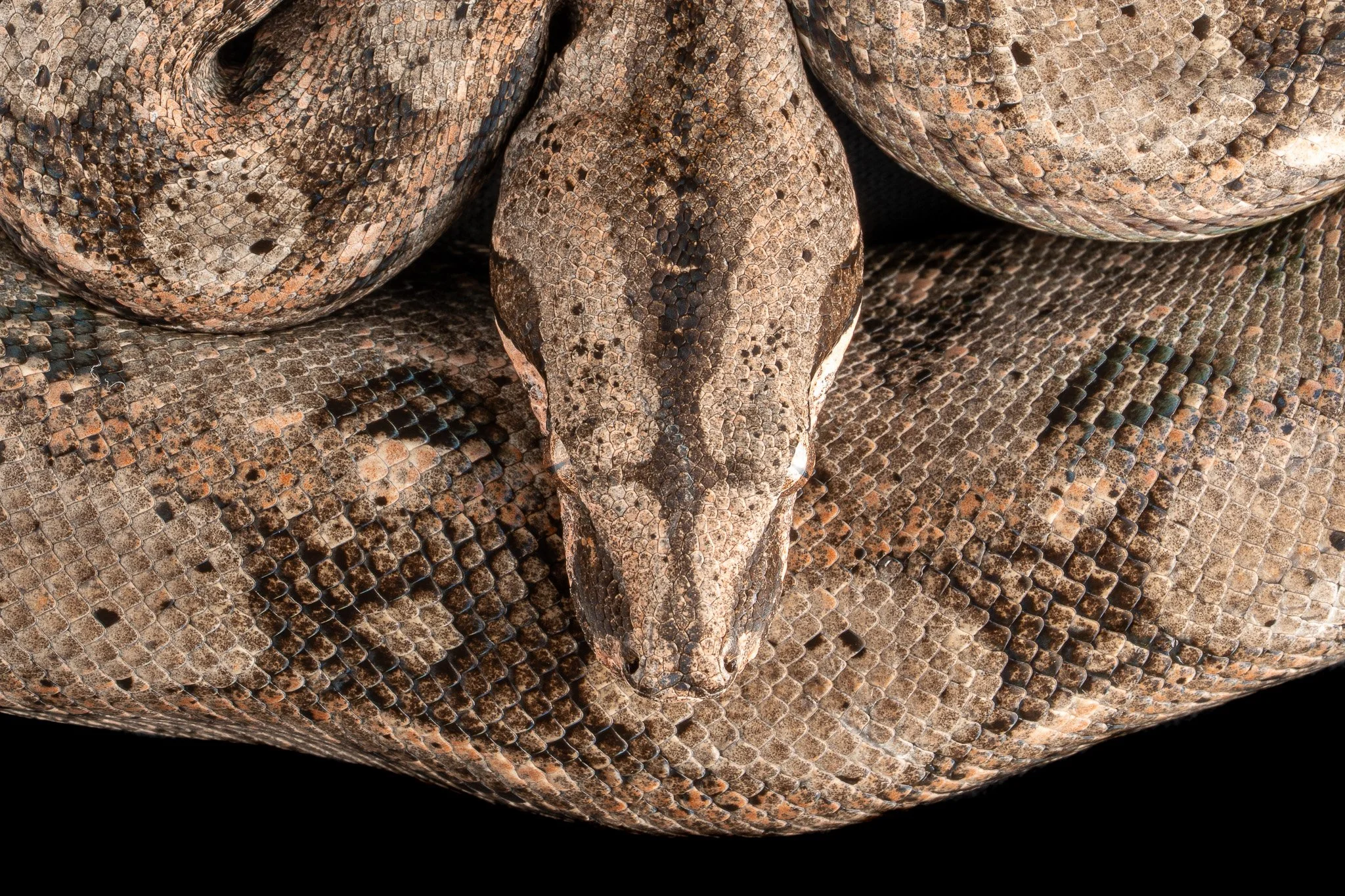
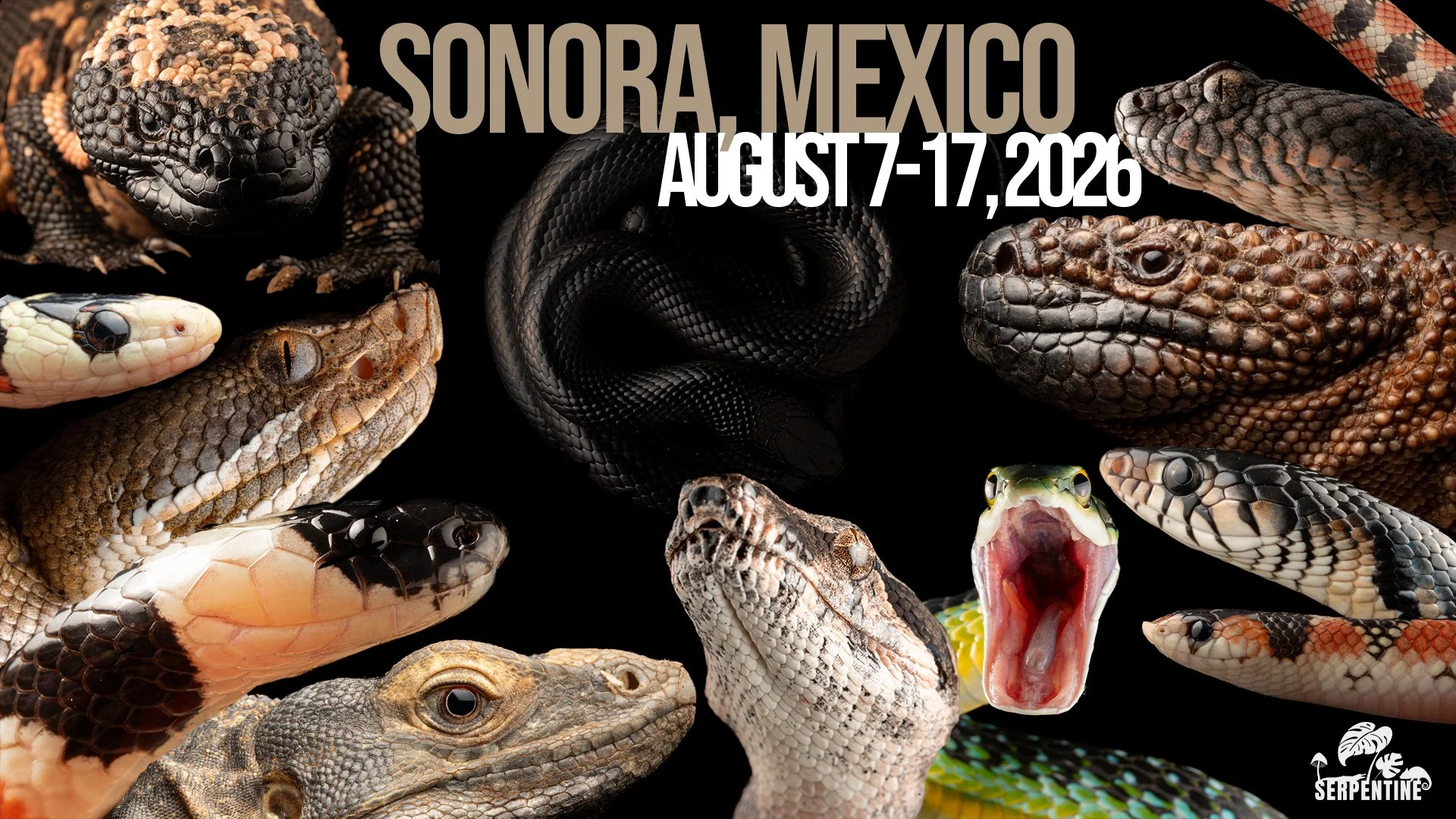
This expedition is an invitation to explore an oscillating herp diversity gradient found nowhere else on Earth. We’ll travel through canyons, river valleys and lowland forest in search of the reptiles and amphibians that define this biogeographic corridor. The work is simple — careful observation, patient searching, and a respect for the subtleties of the landscape. Expect heavy road cruising, dozens if not hundreds of herp species, life-altering street tacos, sunrise hikes, electric monsoon storms, and scenery unmatched anywhere else on Earth.
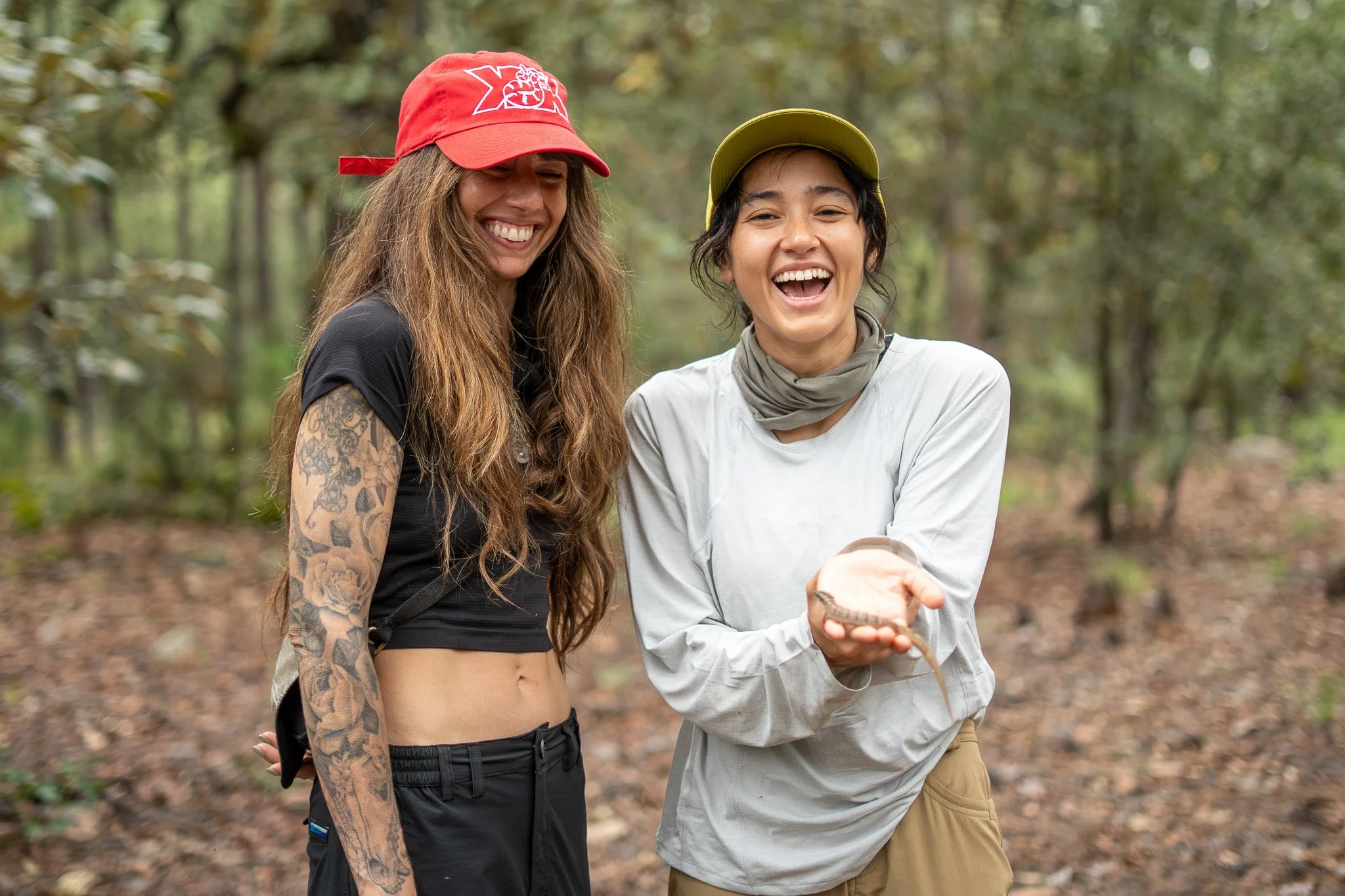
(Photos courtesy of: Rob Winward, Kyle Vargas, and Ian Breland)
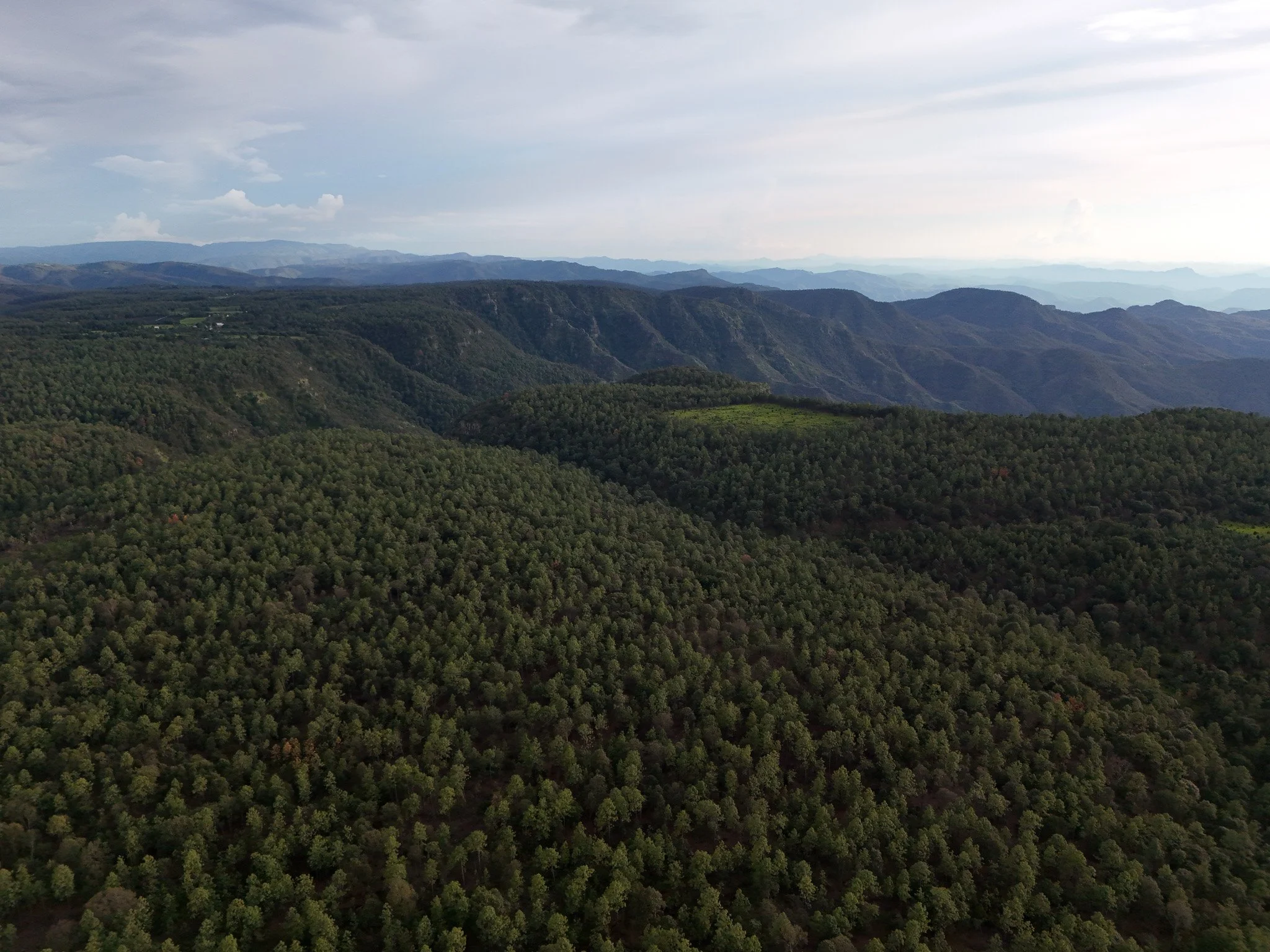
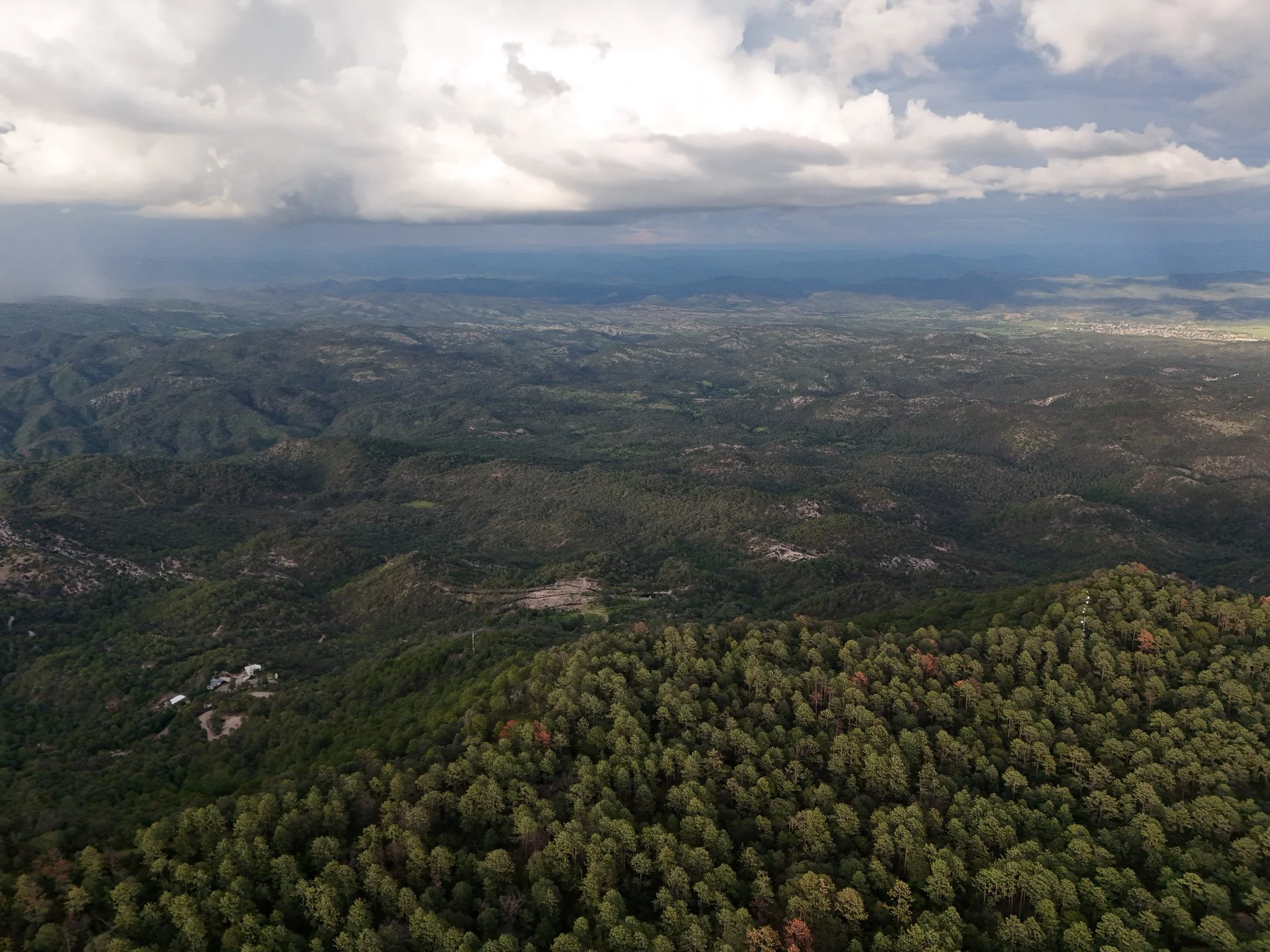
Álamos and Yécora, in the Sierra Madre Occidental of Sonora, Mexico, offer outstanding herping due to their diverse habitats and high species richness.
Key Habitats
Álamos (≈400–600 m elevation) lies within the Tropical Deciduous Forest (TDF), sometimes called the Sinaloan Thornscrub/Tropical Dry Forest zone.
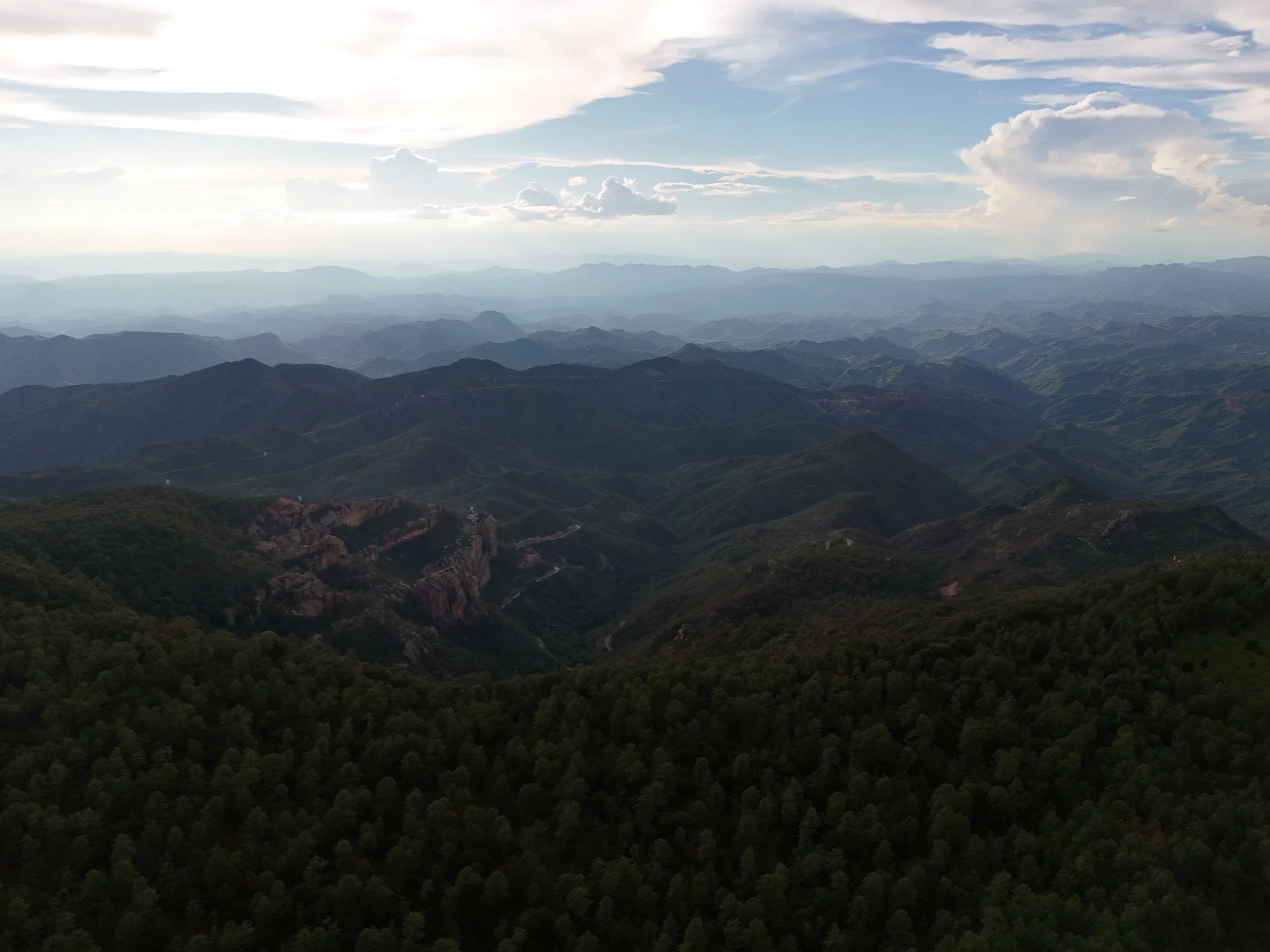
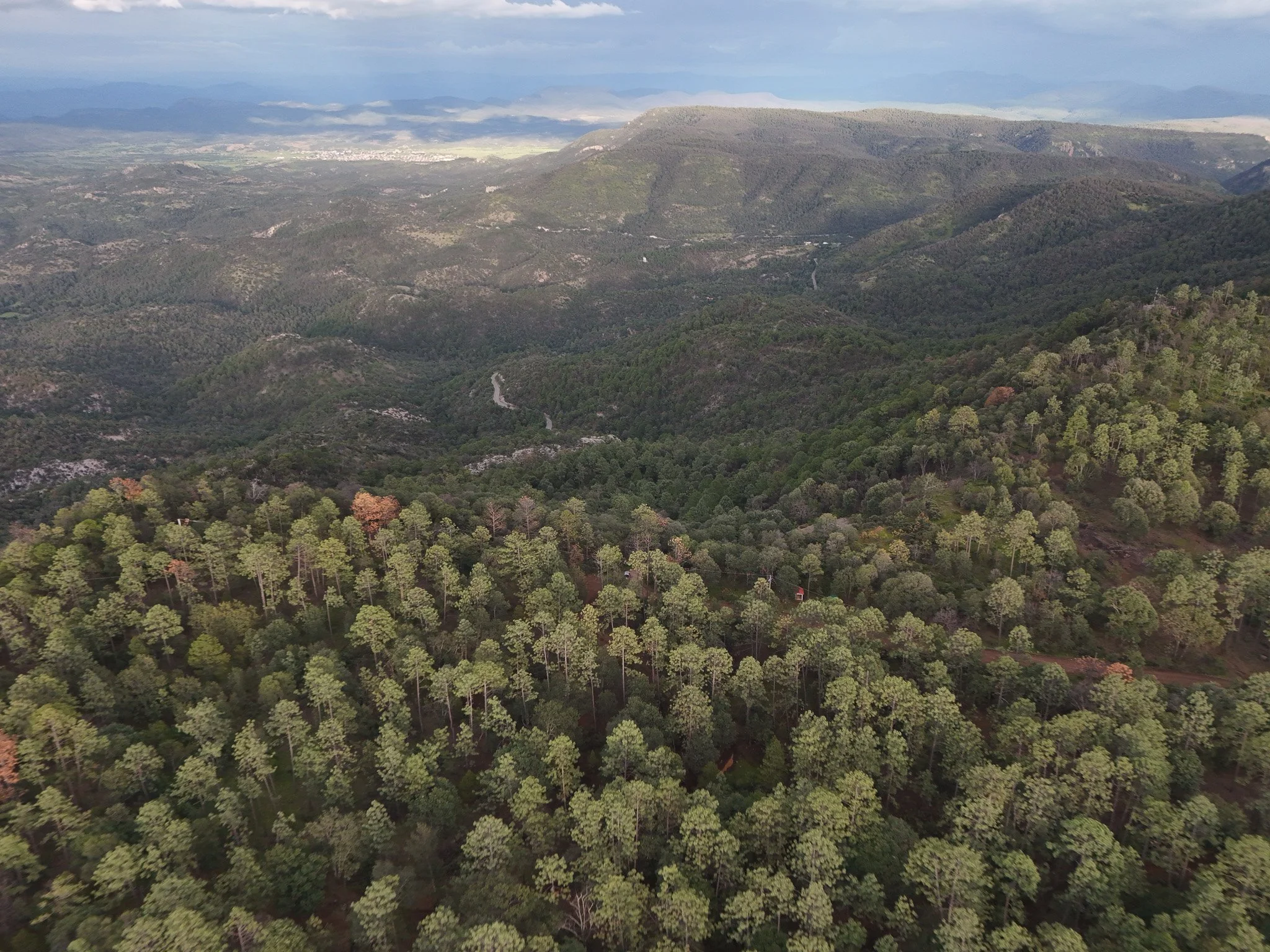
Yécora (≈1,500–1,800 m) sits in the Madrean Pine–Oak Forest ecoregion—cooler, wetter, and more temperate.
Between them (roughly from 700 to 1,300 m), the landscape forms a complex ecotone, where tropical and temperate species overlap.
Target Herpetofauna
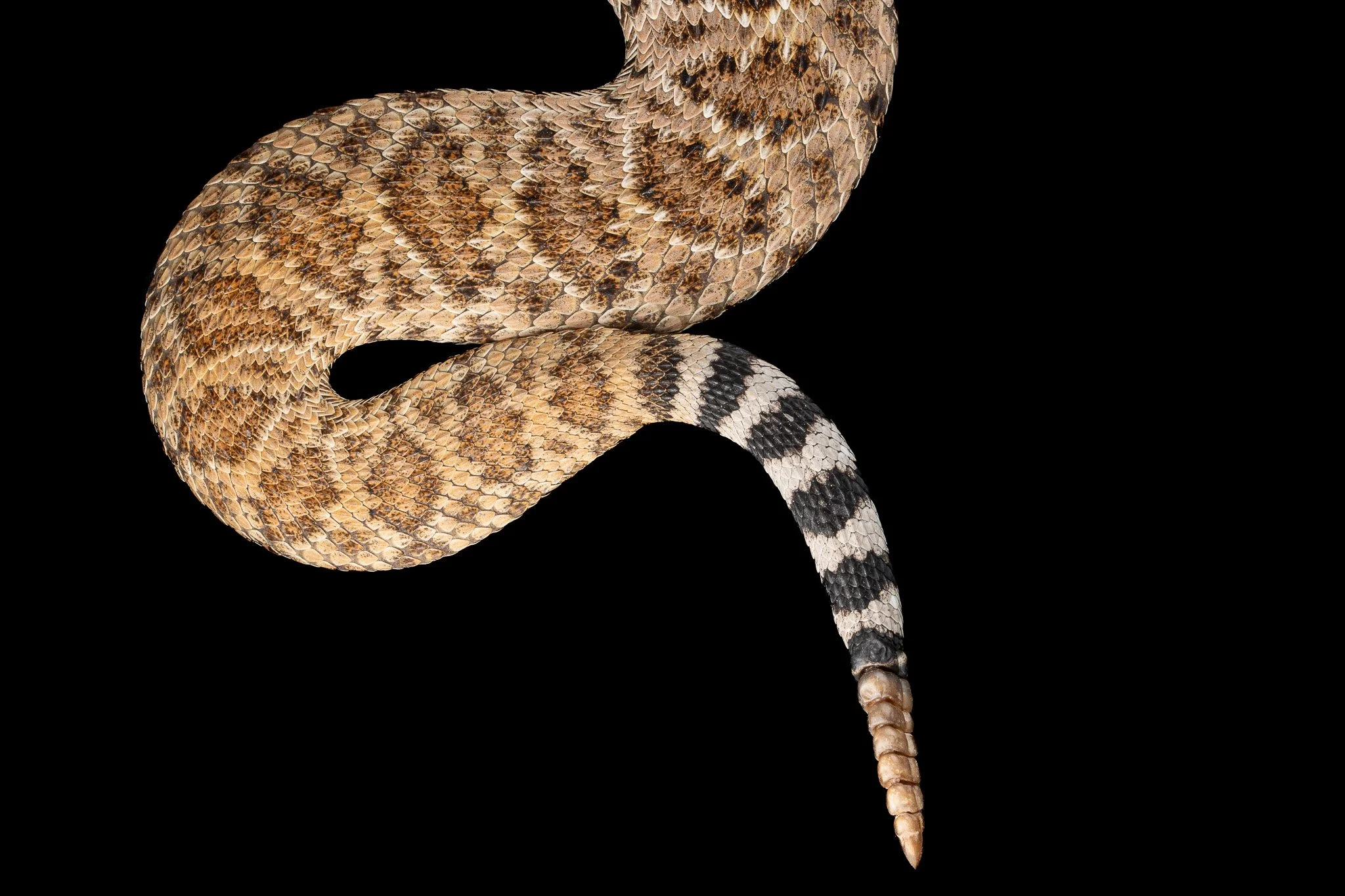
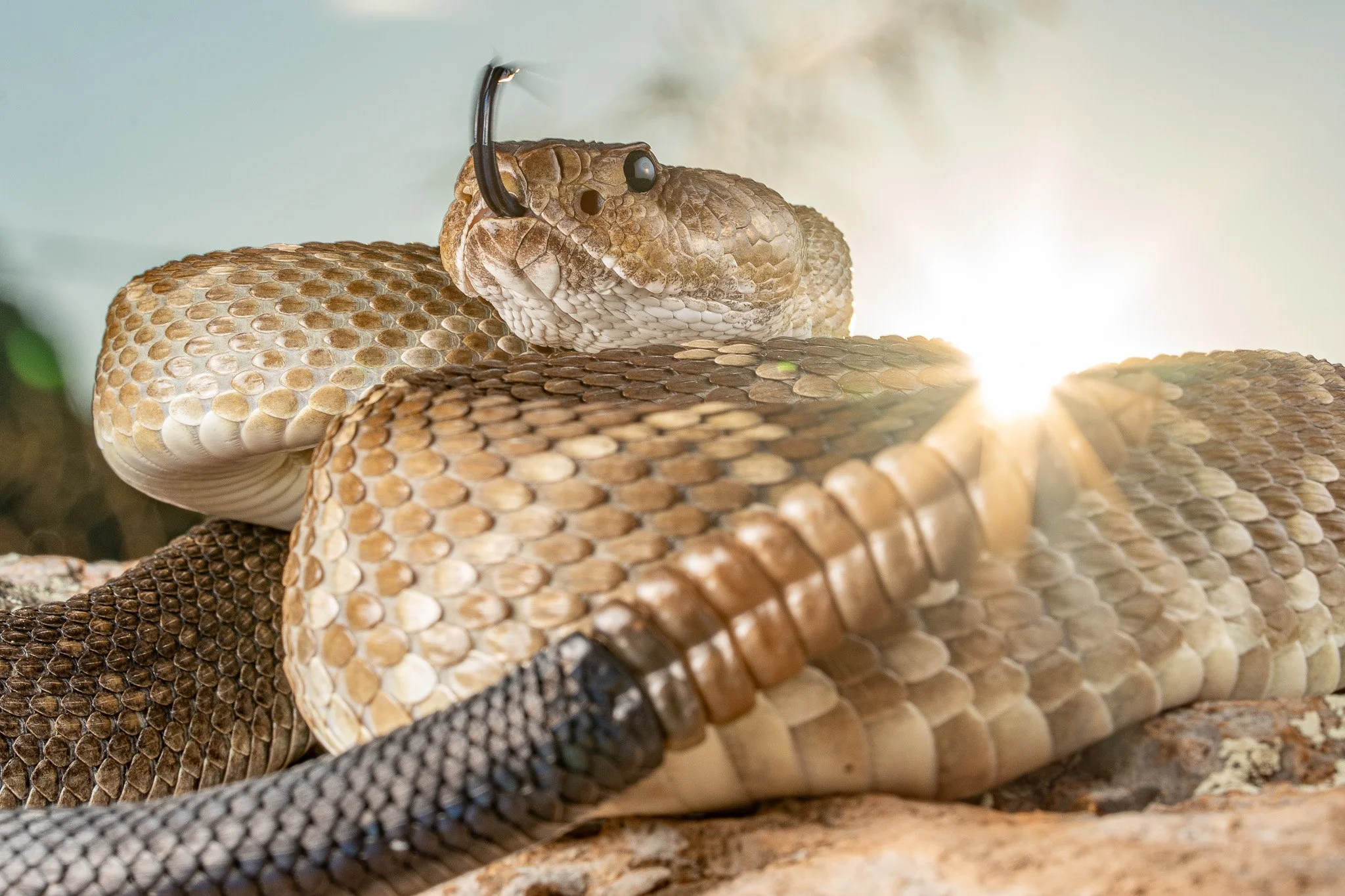
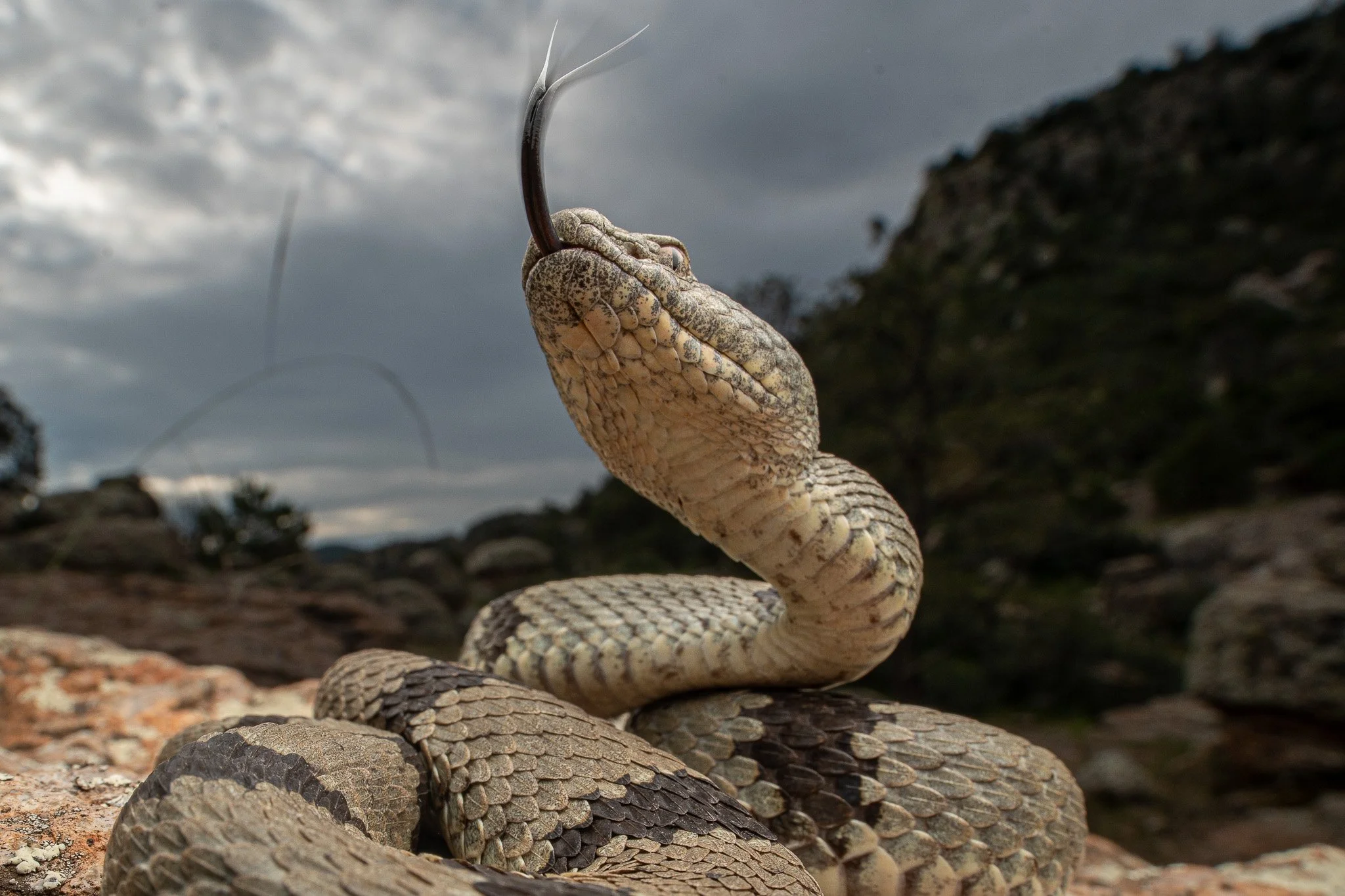
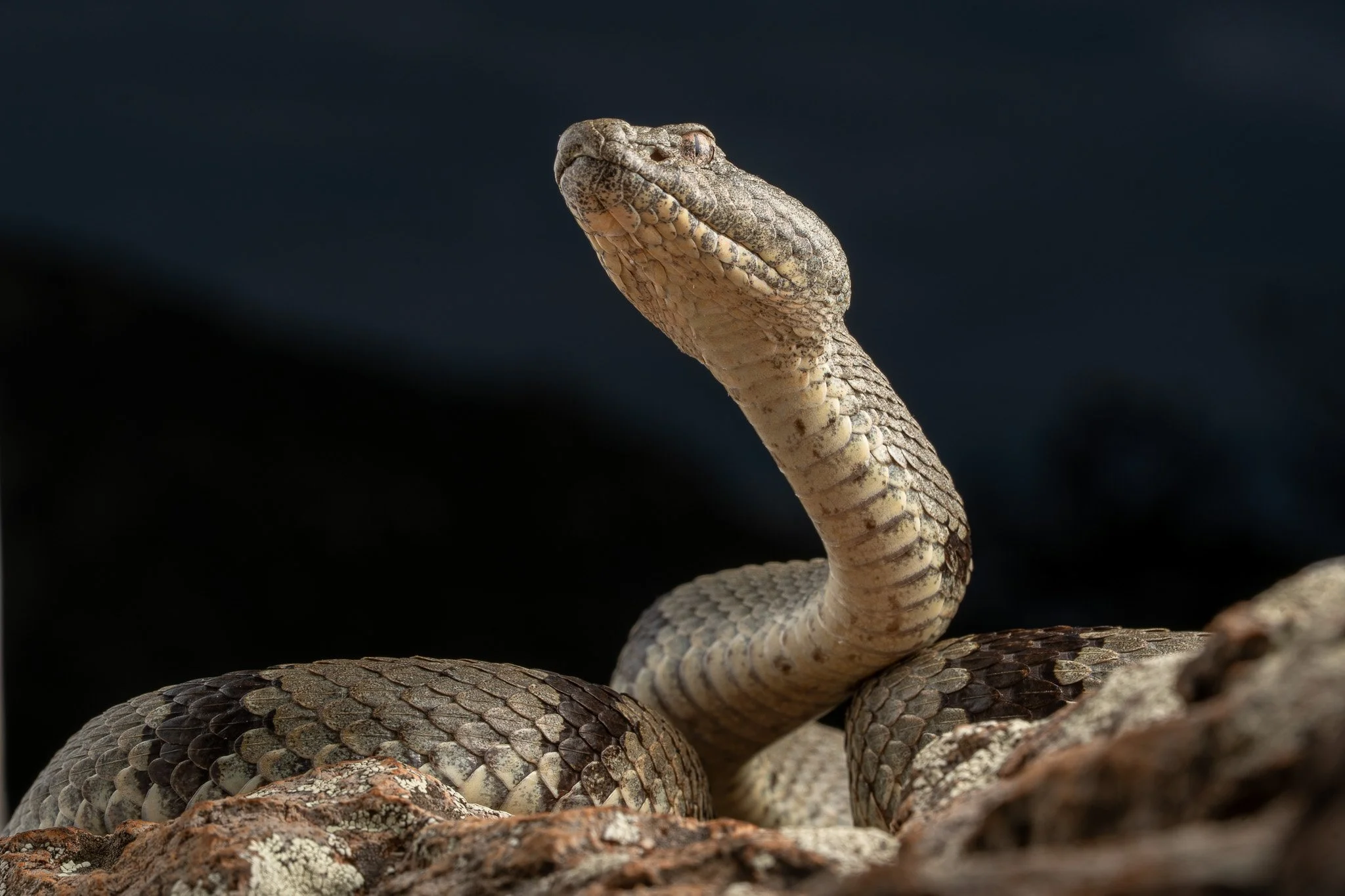
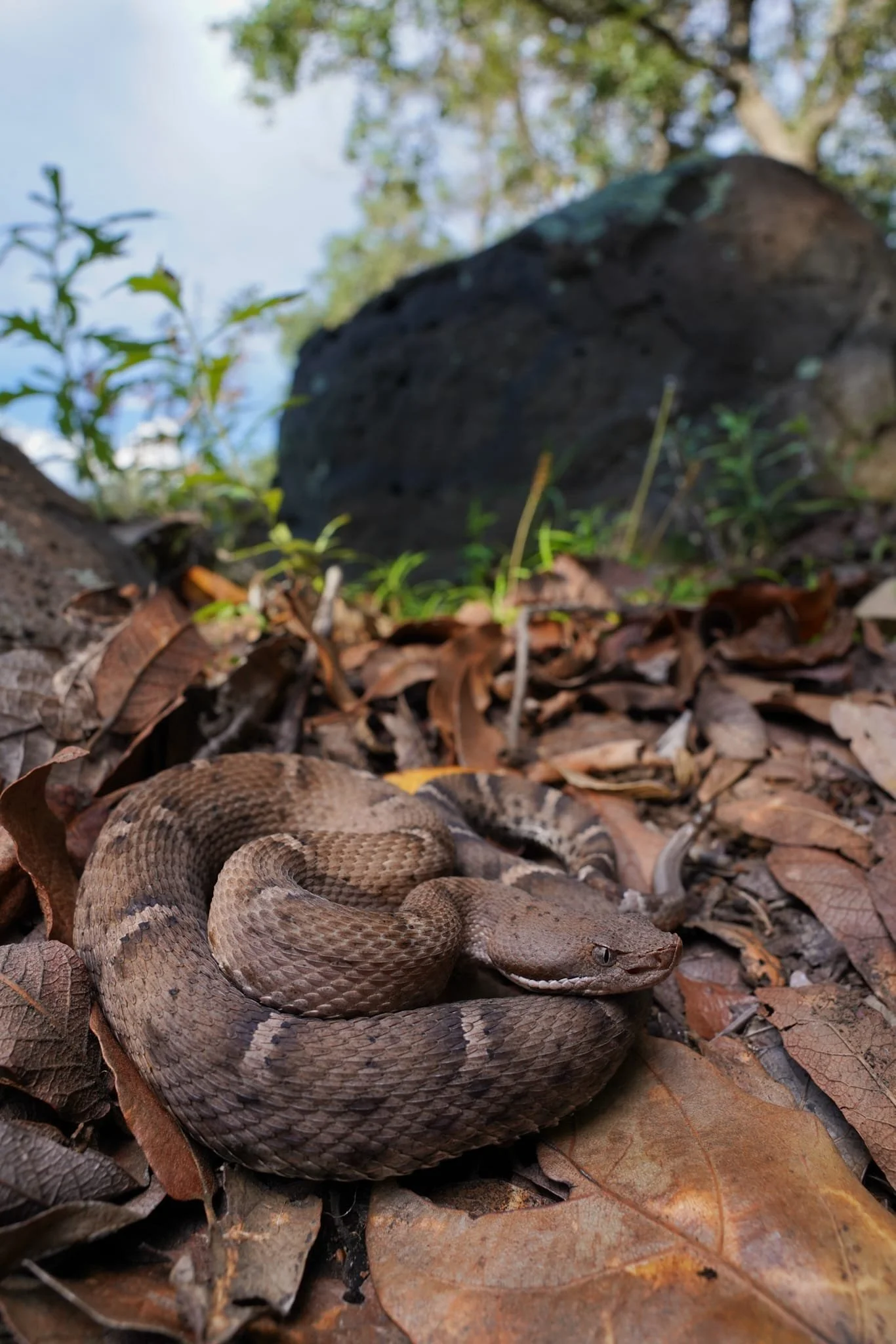
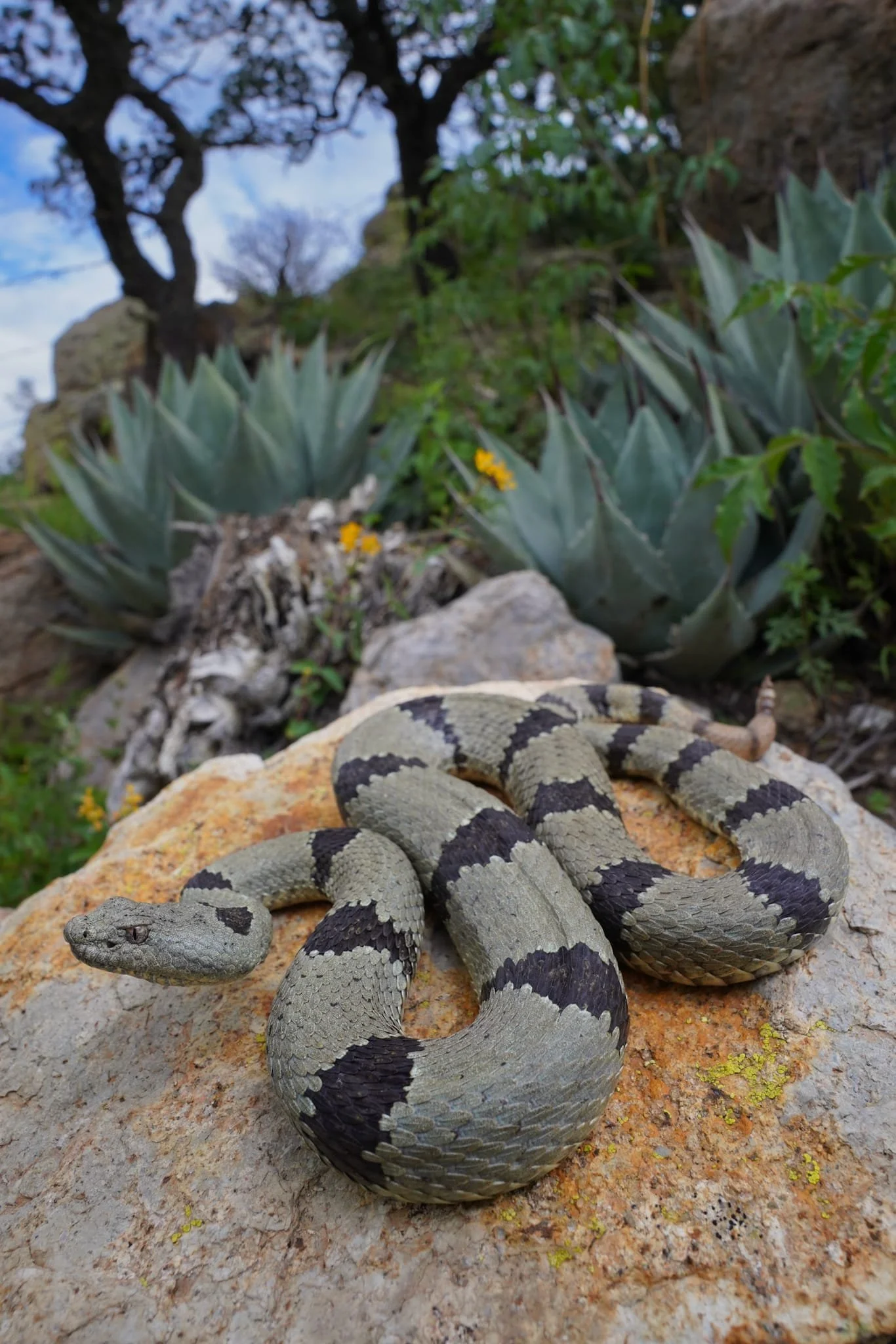
Rattlesnakes: Mexican West coast rattlesnake (Crotalus basiliscus), Chihuahuan ridgenose rattlesnake (C. willardi silus), Banded rock rattlesnake (C. lepidus klauberi), Mexican black-tailed rattlesnake (C. molossus nigrescens). Also notable Viperidae: Mexican Cantil (Agkistrodon bilineatus).
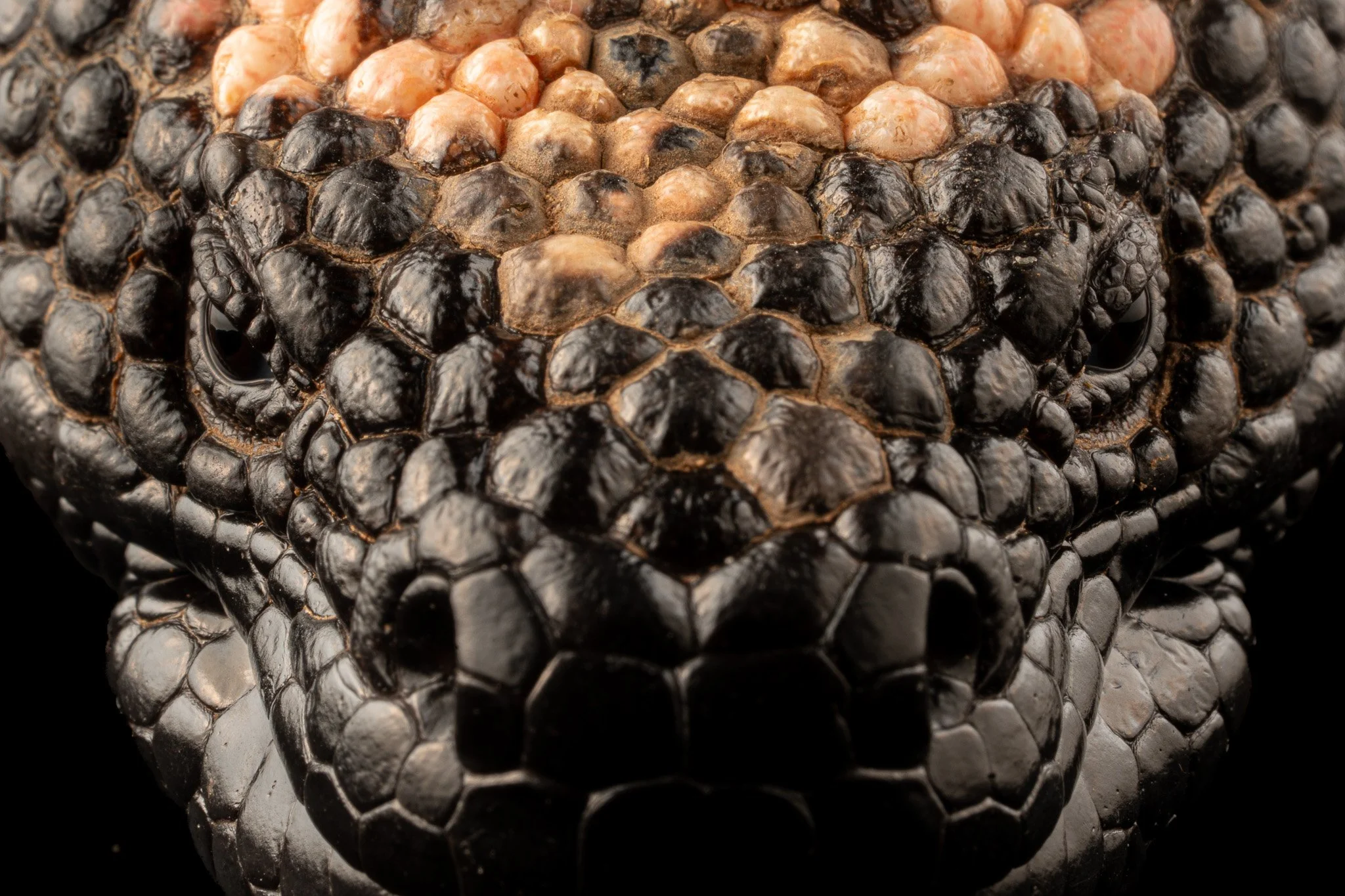
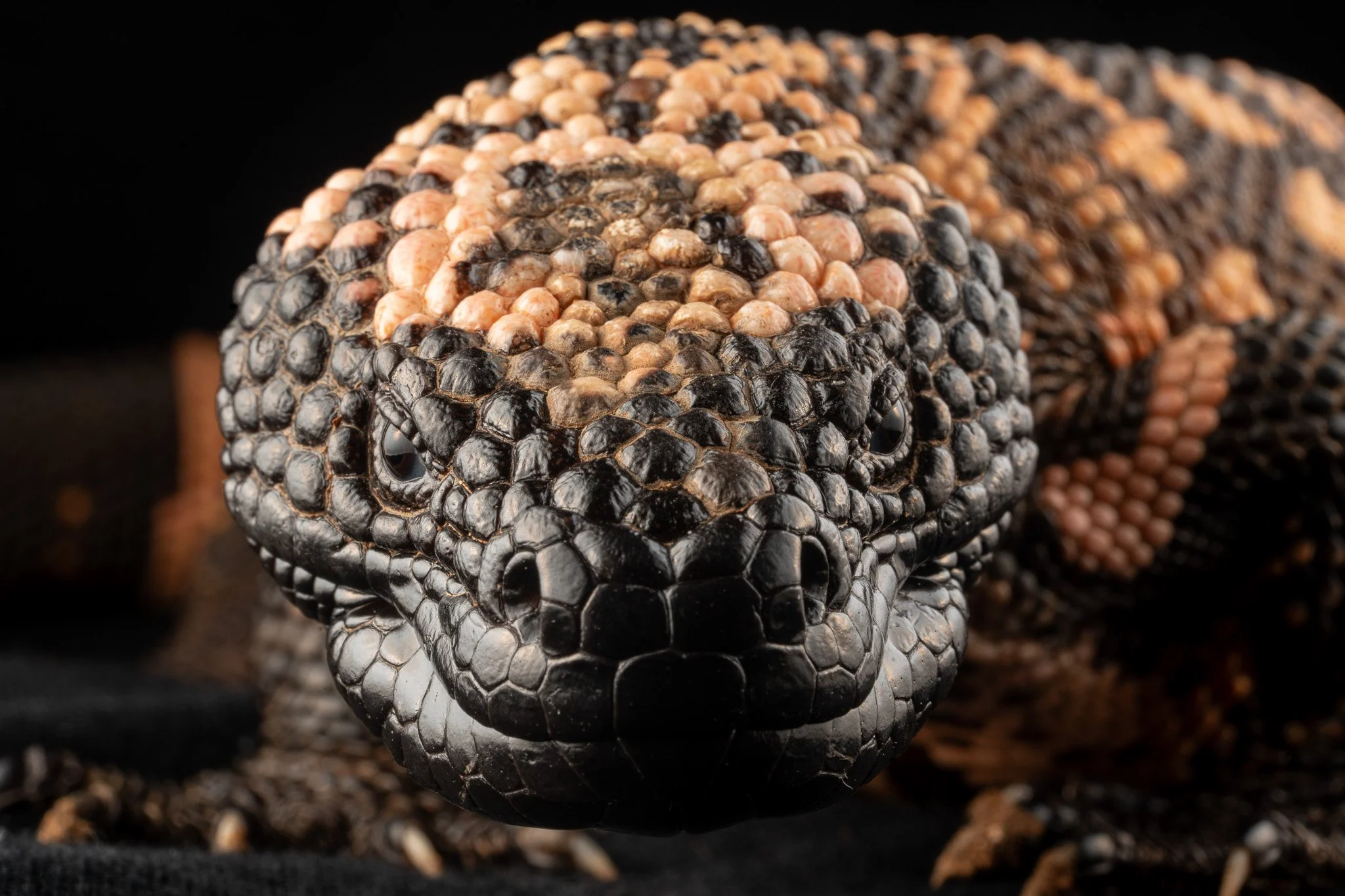
Helodermatids: Mexican beaded lizard (Heloderma horridum exasperatum), Gila Monster (Heloderma suspectum).
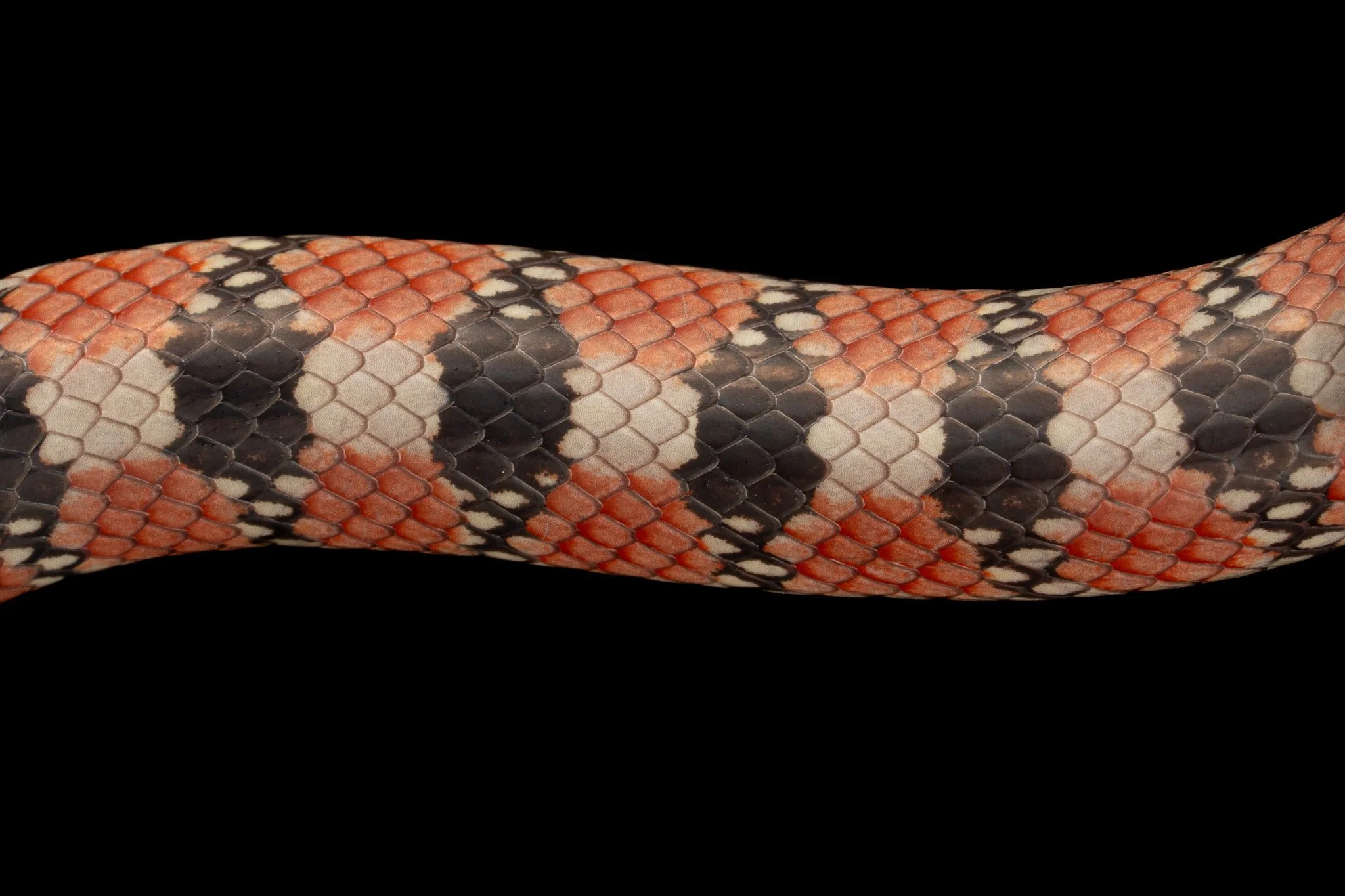
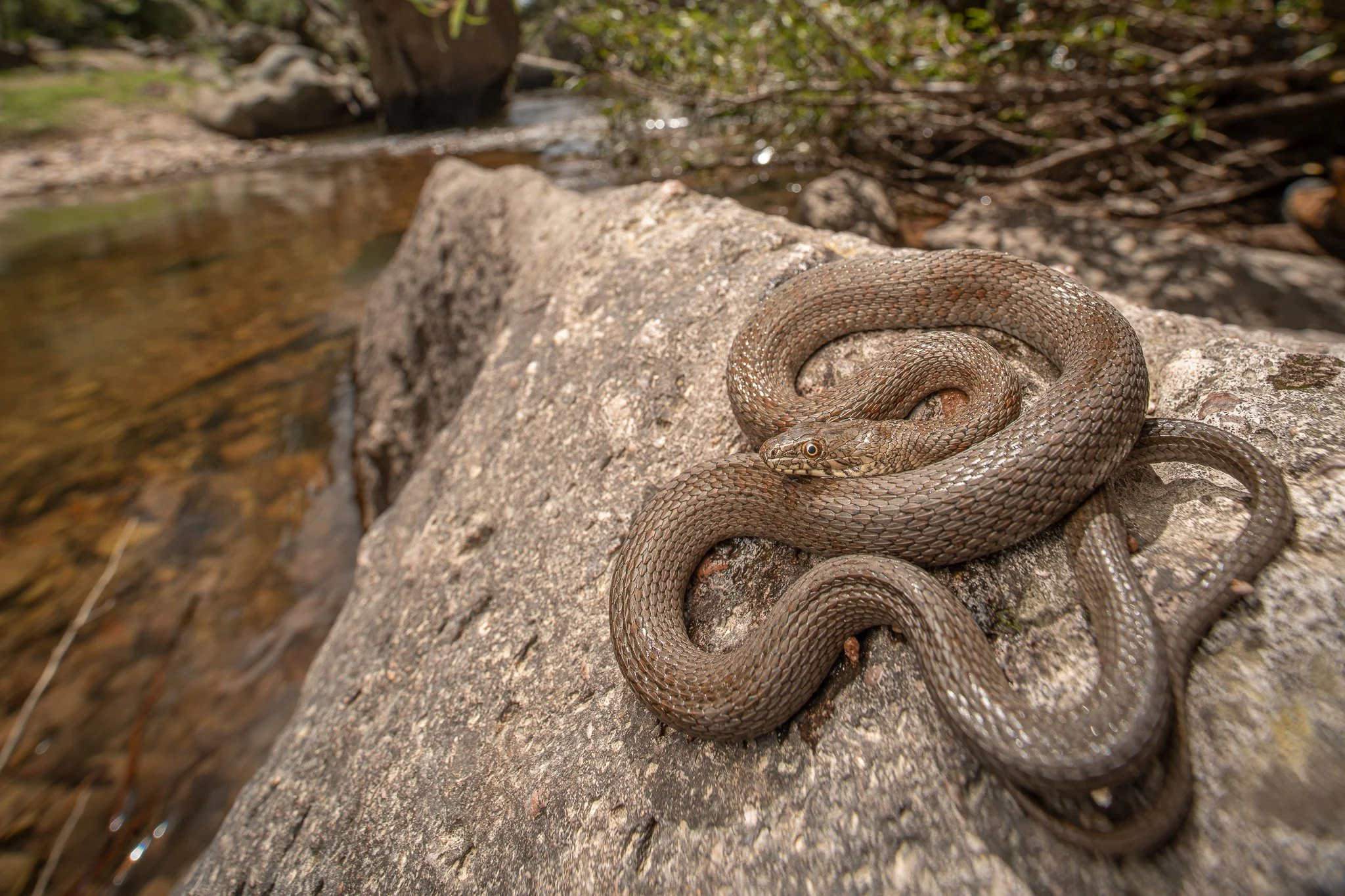
Colubrids: Tarahumara Mountain Kingsnake (Lampropeltis knoblochi), Central American Indigo (Drymarchon Melanurus), Mexican Lyre Snake (Trimorphodon Tau), West Mexican Milksnake (Lampropeltis Polyzona), Neotropical whipsnake (Masticophis mentovarius), Banded Black Snake (Tropidodipsas repleta), Mexican short-tailed snake (Sympholis lippiens), & DOZENS more.
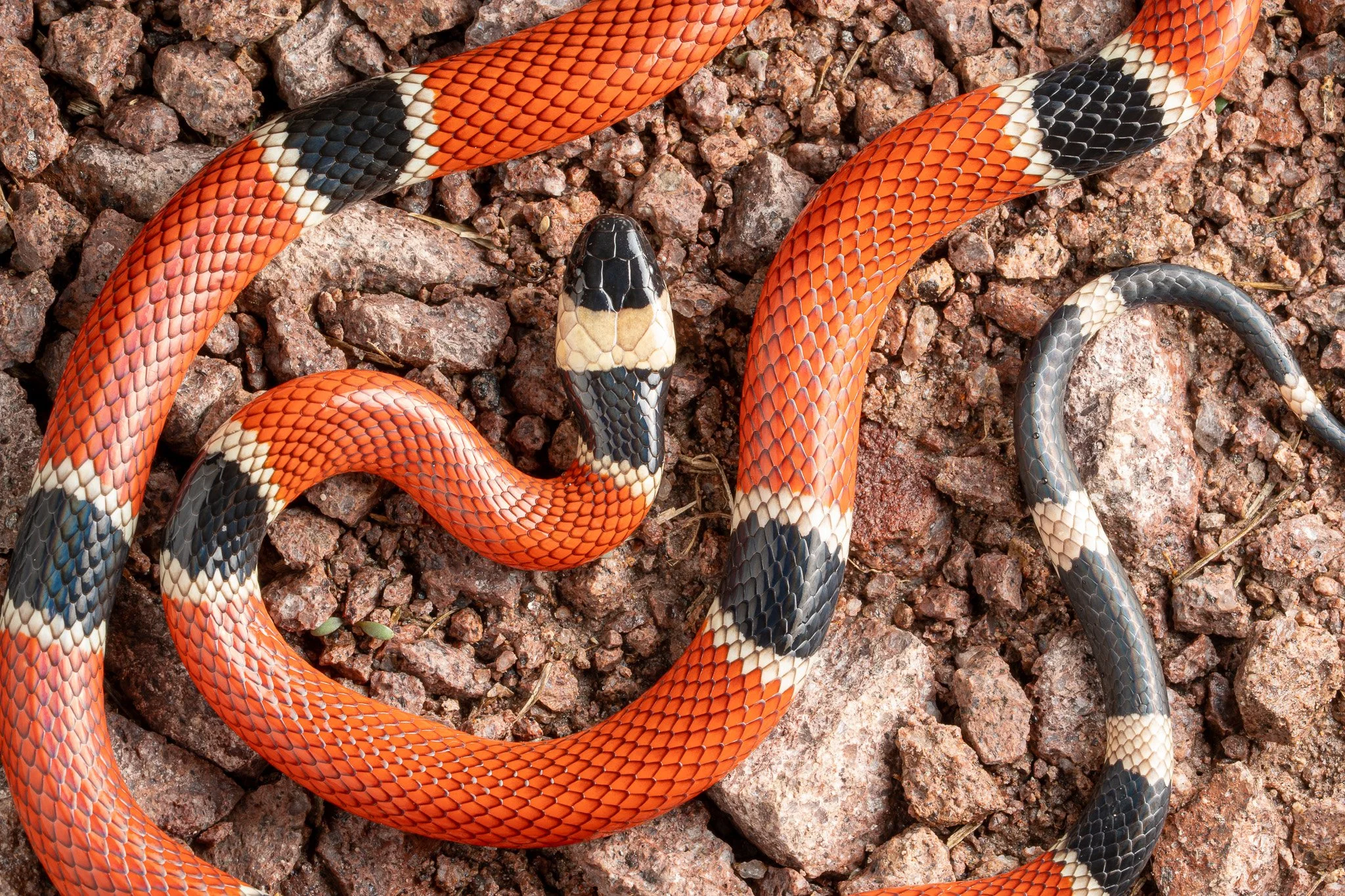
Elapidae: West Mexican Coralsnake (Micrurus Distans), Sonoran Coralsnake (Micruroides Euryxanthus).
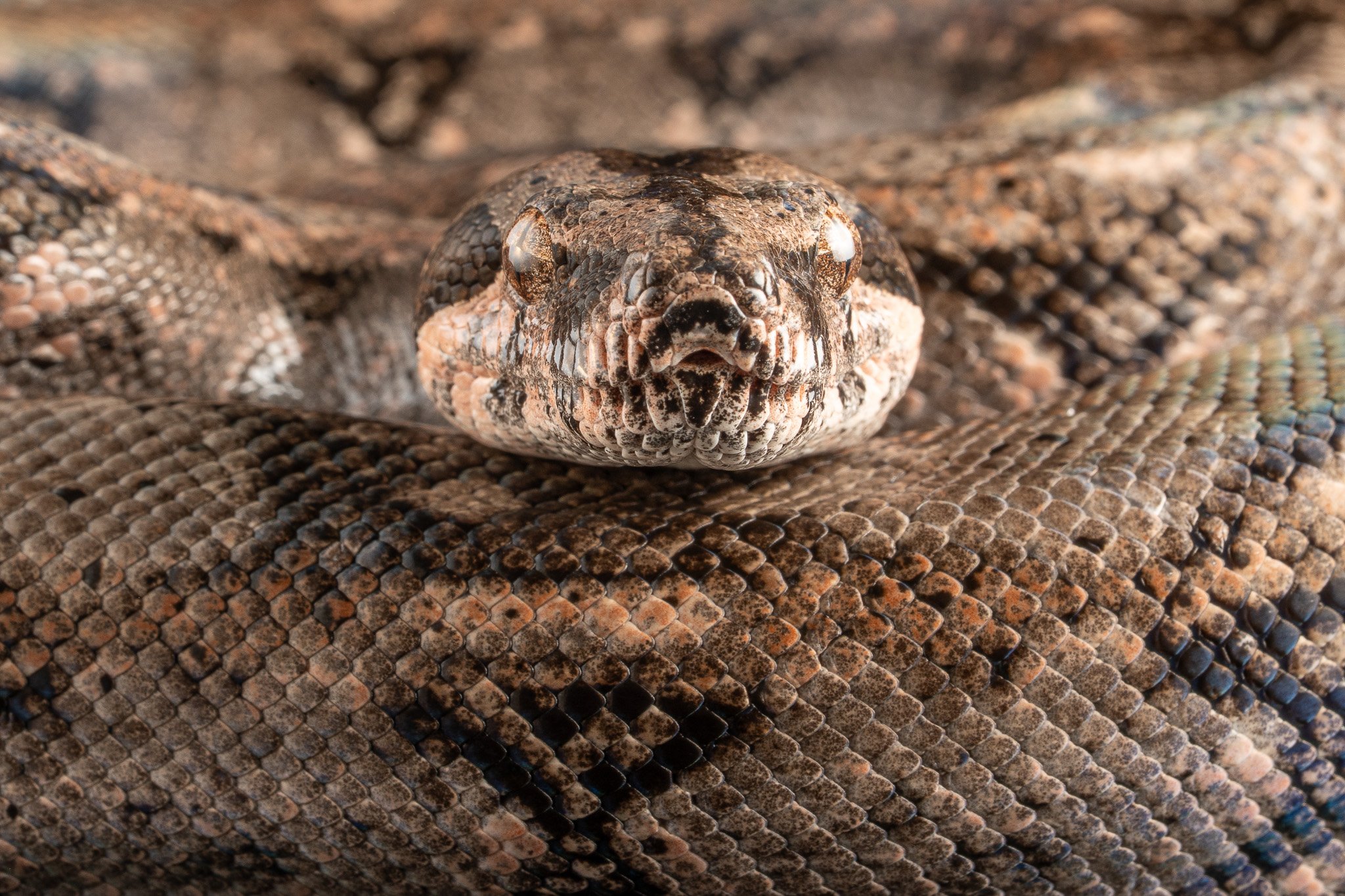
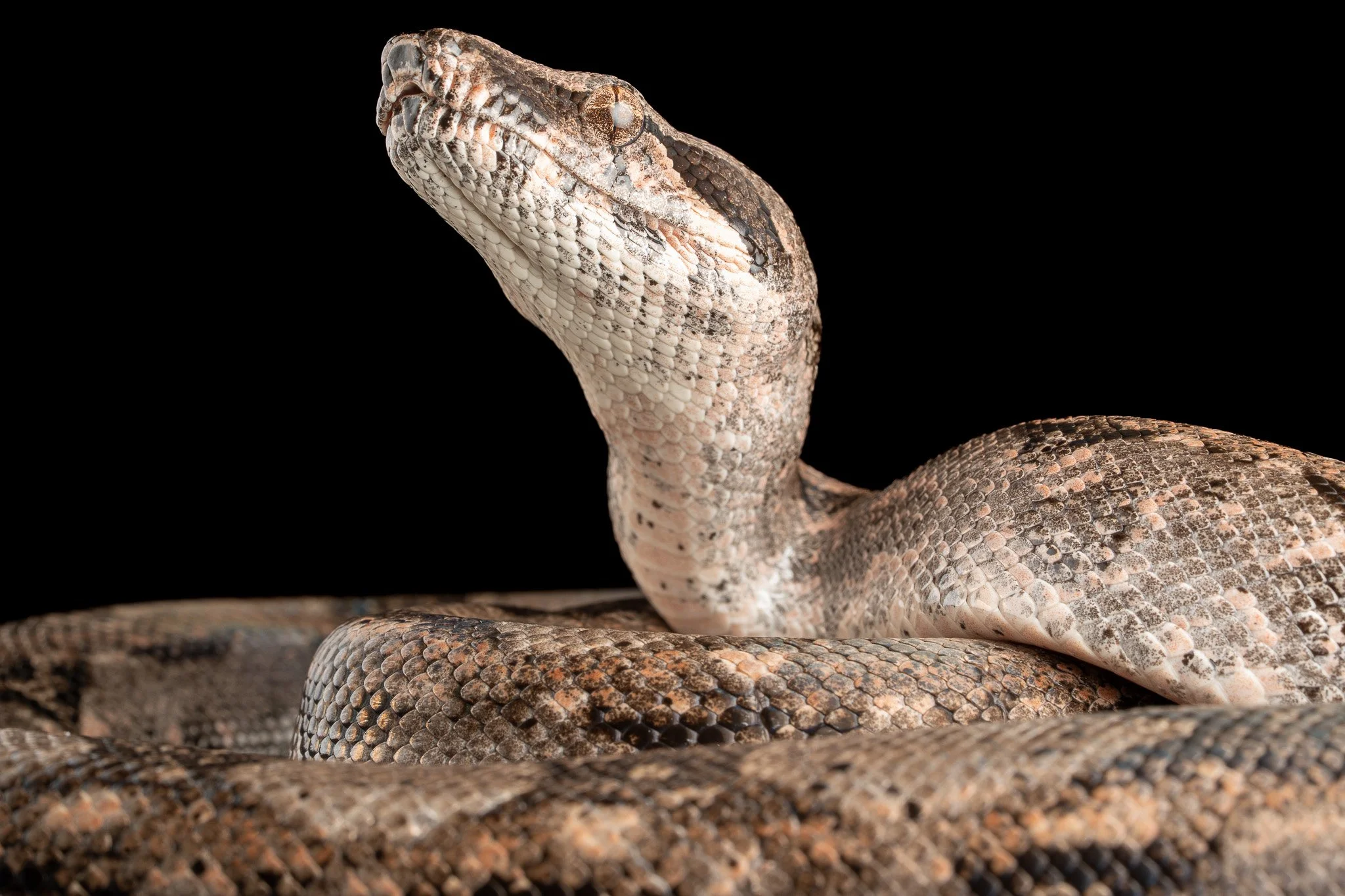
Boids: Lichanura trivirgata (rosy boa) Boa sigma (West Mexican boa constrictor).
Other Lizards: Sonoran Spiny-tailed Iguana (Ctenosaura Macrolopha), Western Mexican Whiptail (Aspidoscelis Costatus), Regal Horned Lizard (Phrynosoma Solare), Madrean Alligator Lizard (Elgaria Kingii)
Amphibians: Mexican Giant Tree Frog (Agalychnis Dacnicolor), Mexican Smilisca (Smilisca Baudinii), Lowland Burrowing Frog (Smilisca Fodeins), Sonoran Desert Toad (Incilius Alvarius), Tarahumara Salamander (Ambystoma Rosaceum)
Why August?
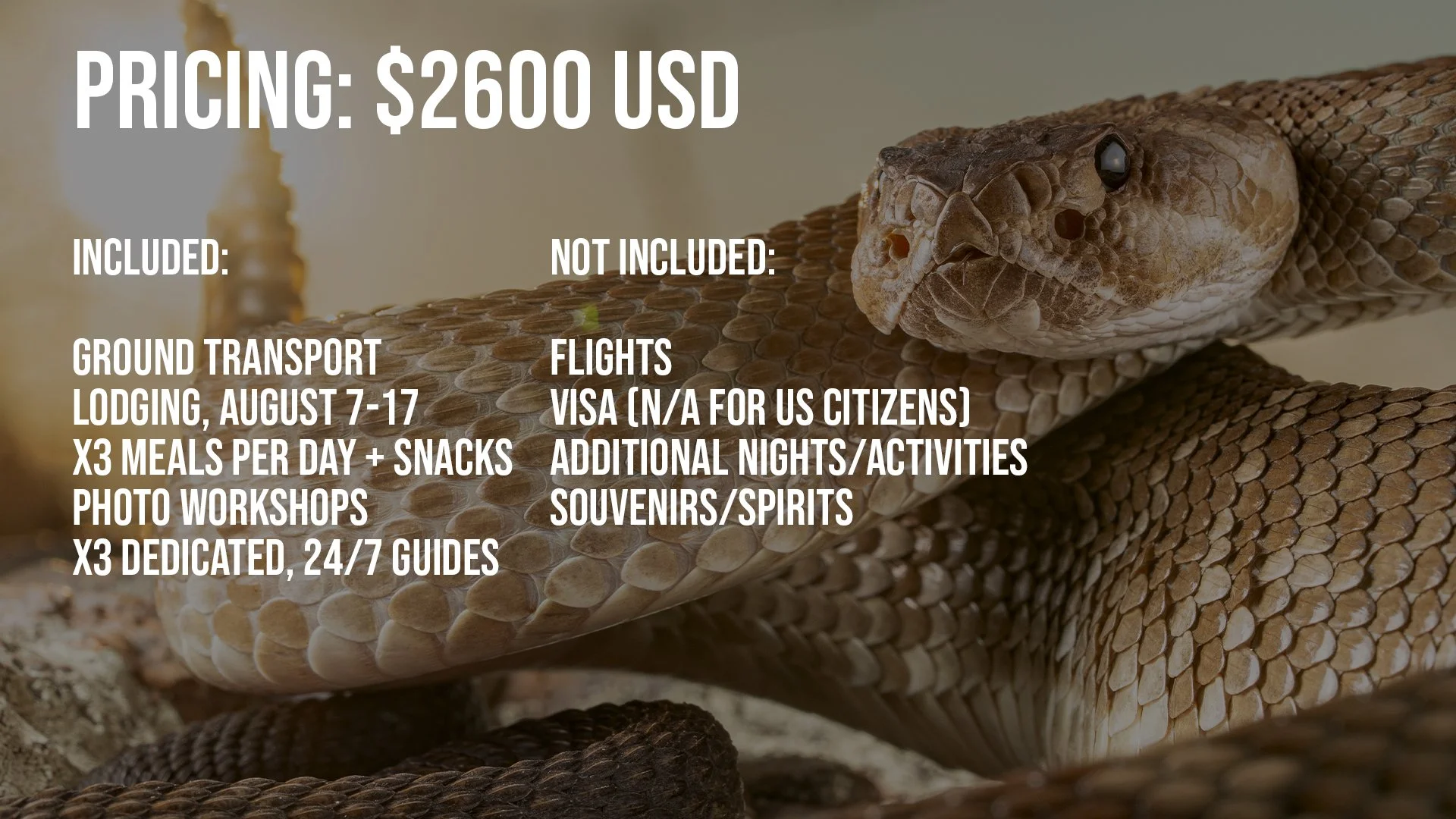
From late June through early September, the North American monsoon transforms Sonora. Hot, dry dustlands turn emerald as daily storms roll in from the Gulf of California. The rains refill arroyos, saturate the soil, and trigger an ancient, massive pulse of biological activity.
Reptiles emerge from estivation.
Amphibians call from every puddle and cattle tank.
Snakes are on the move at night, hunting with vigor. This is the one window when the Sonoran wilderness feels alive in every direction — the earth vibrating with moisture and movement. Peak monsoon season triggers high reptile and amphibian activity.
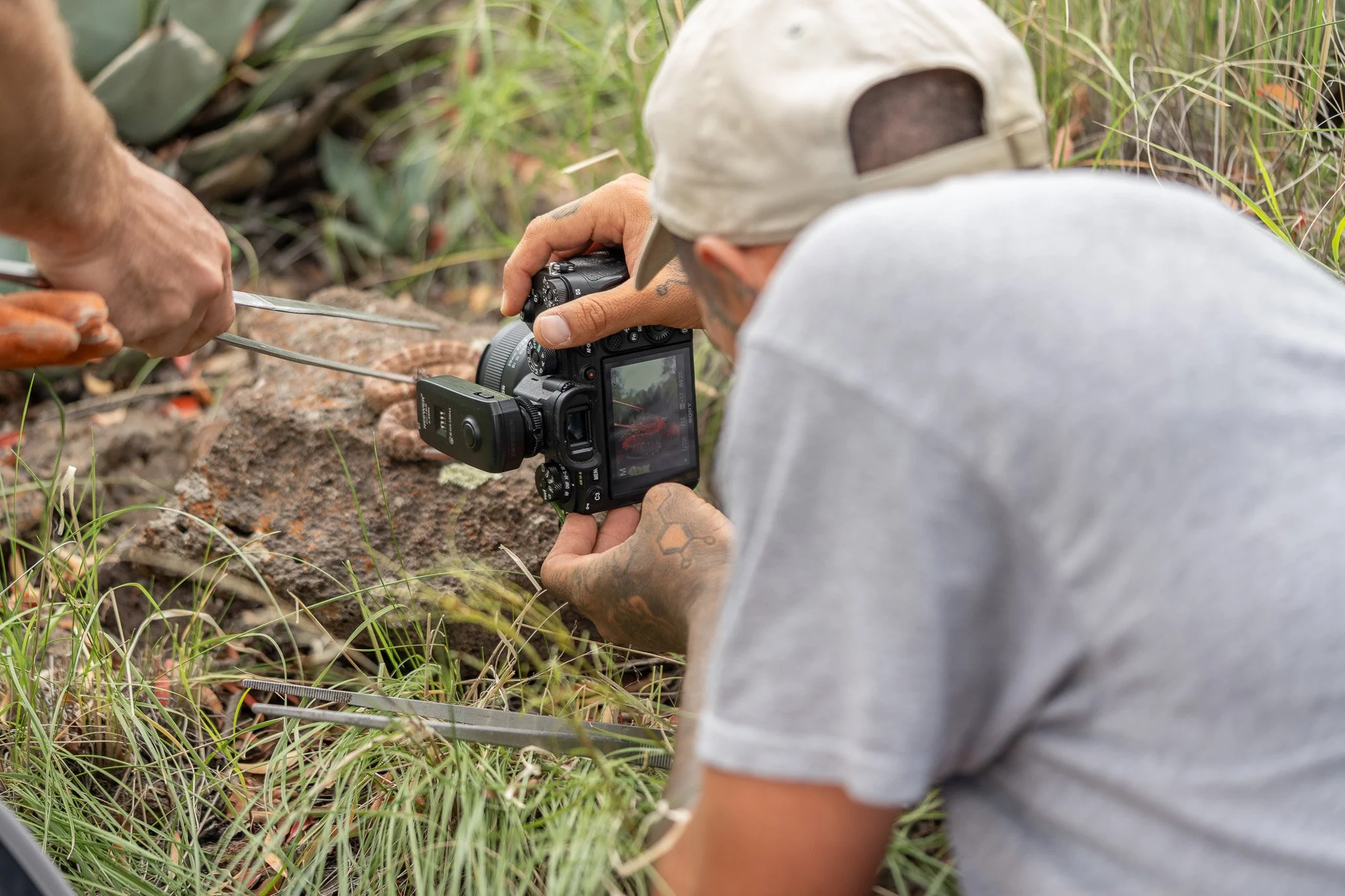
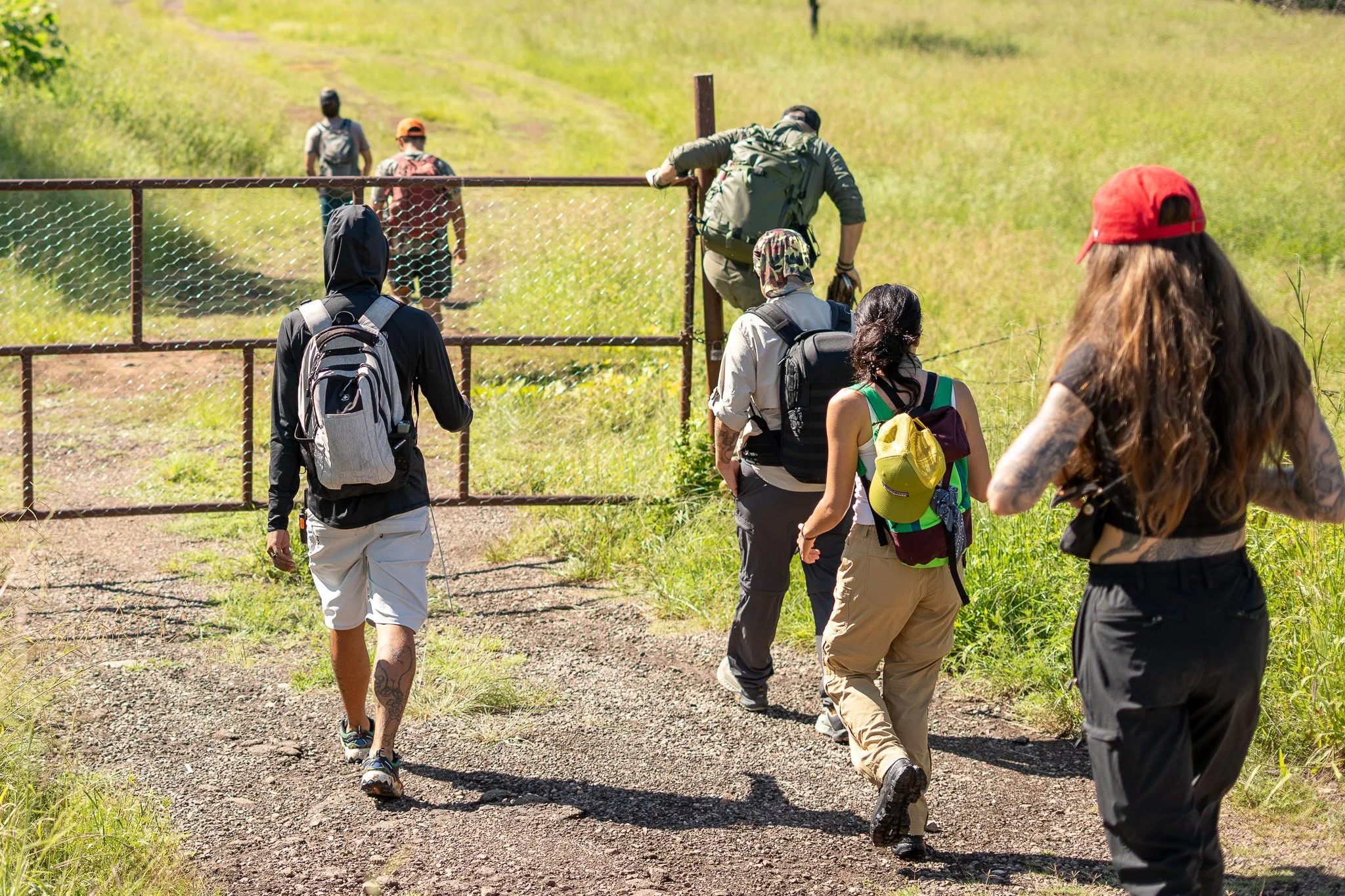
Road cruising is highly productive for snakes, and we combine it with rigorous day hiking on this expedition.
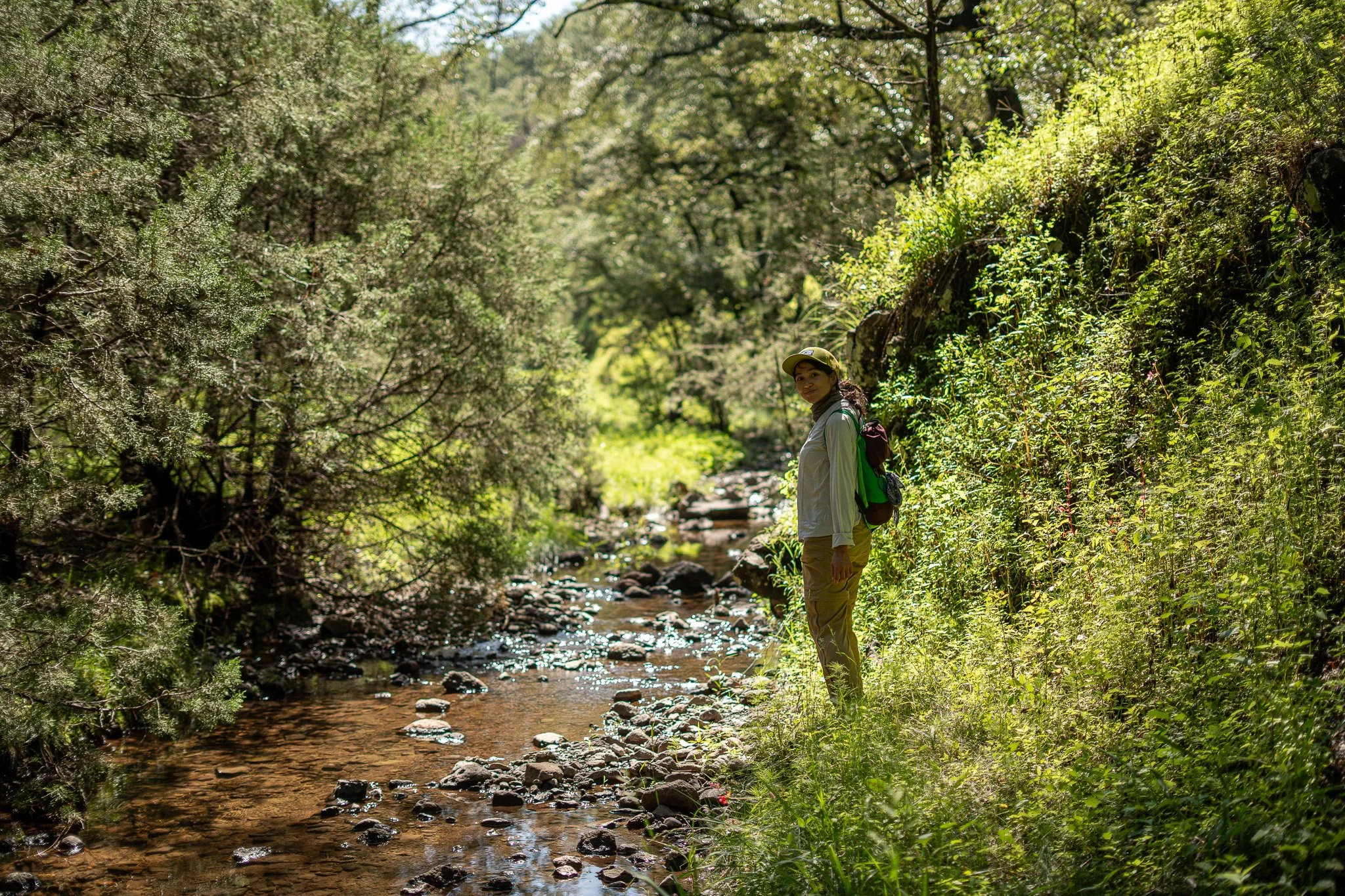
Riparian areas are ideal for amphibians and aquatic species, especially when a good monsoon has boosted the resources available for animals living here.
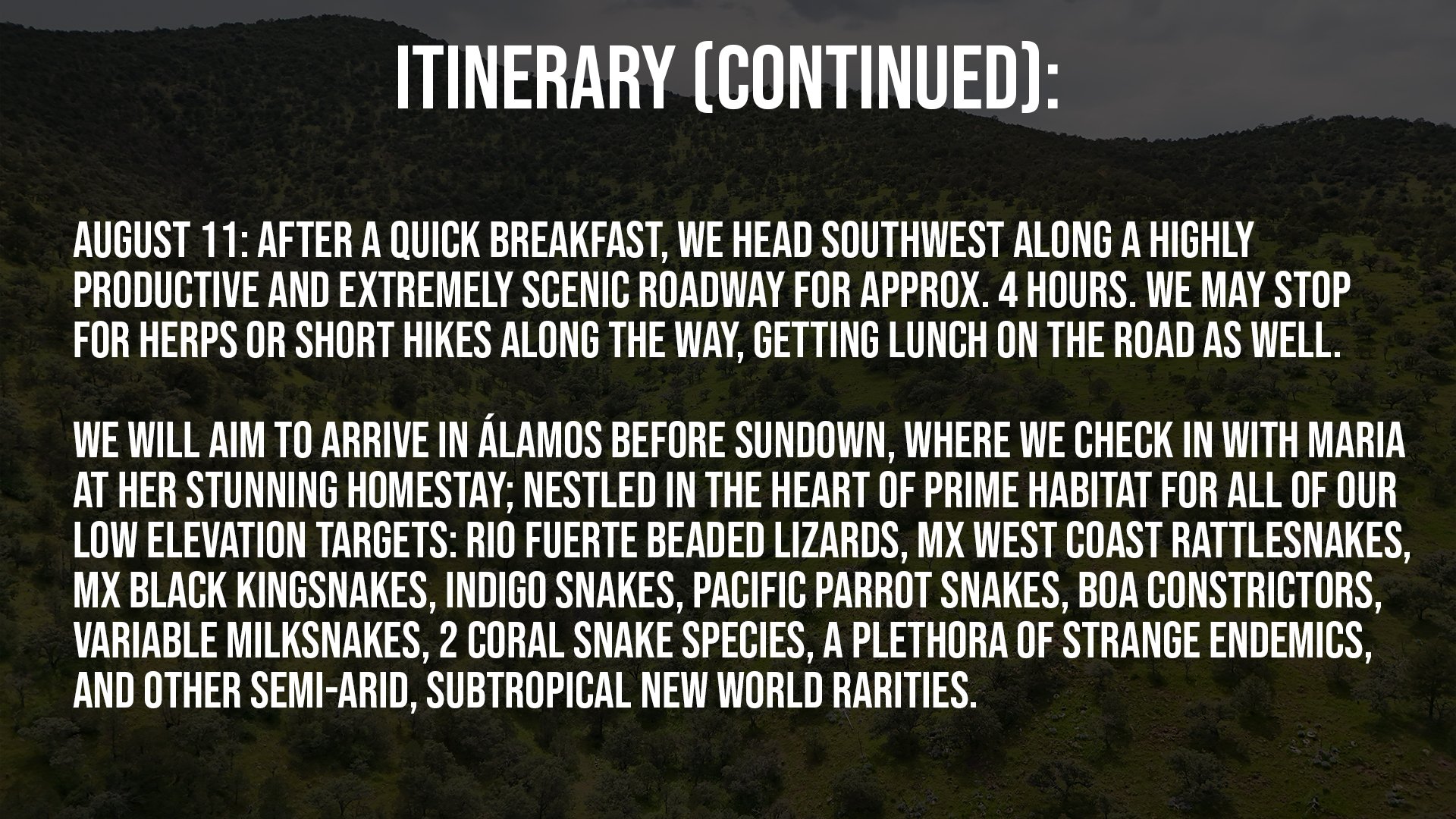
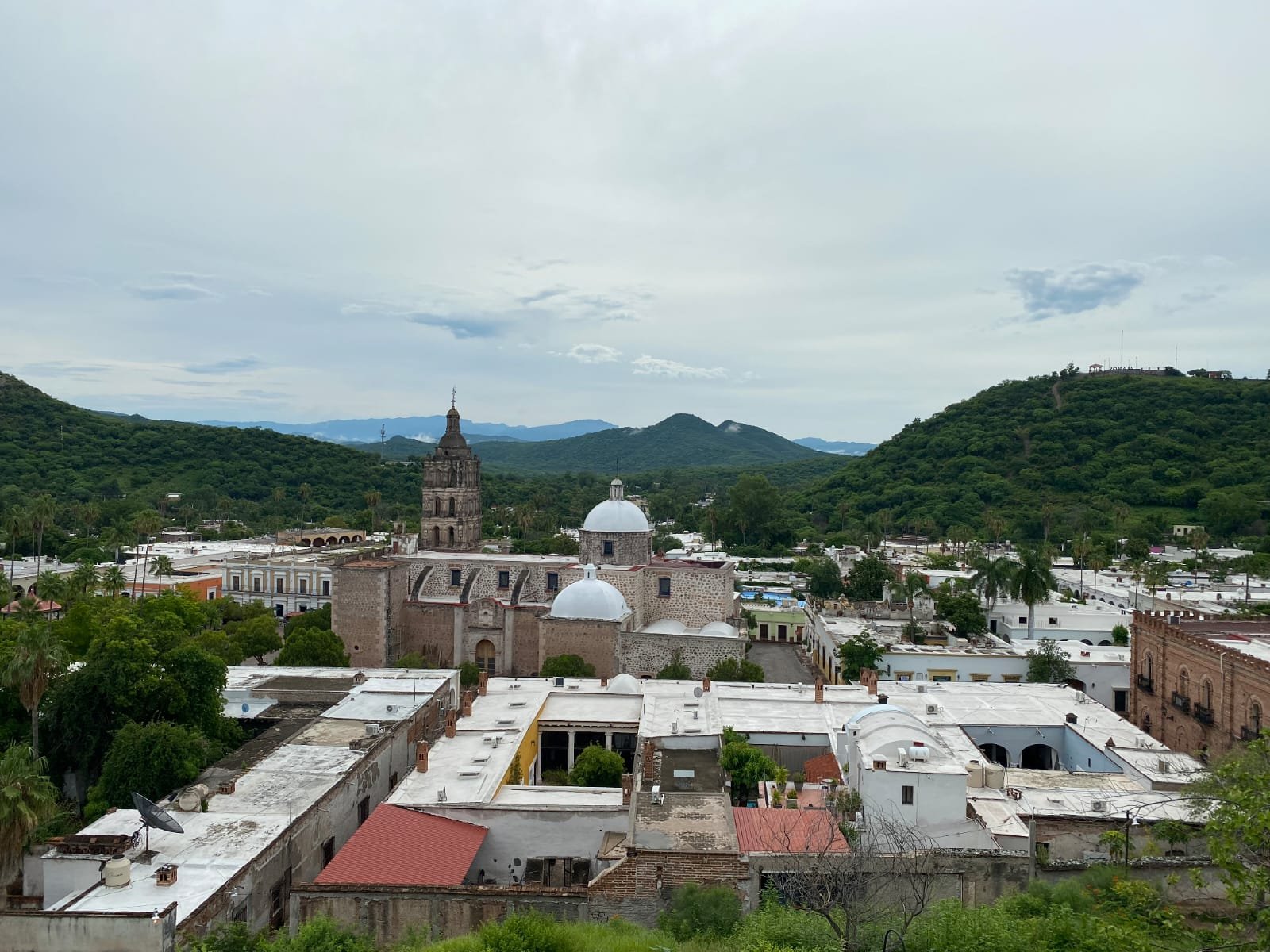
The gorgeous town of Álamos, Mexico.
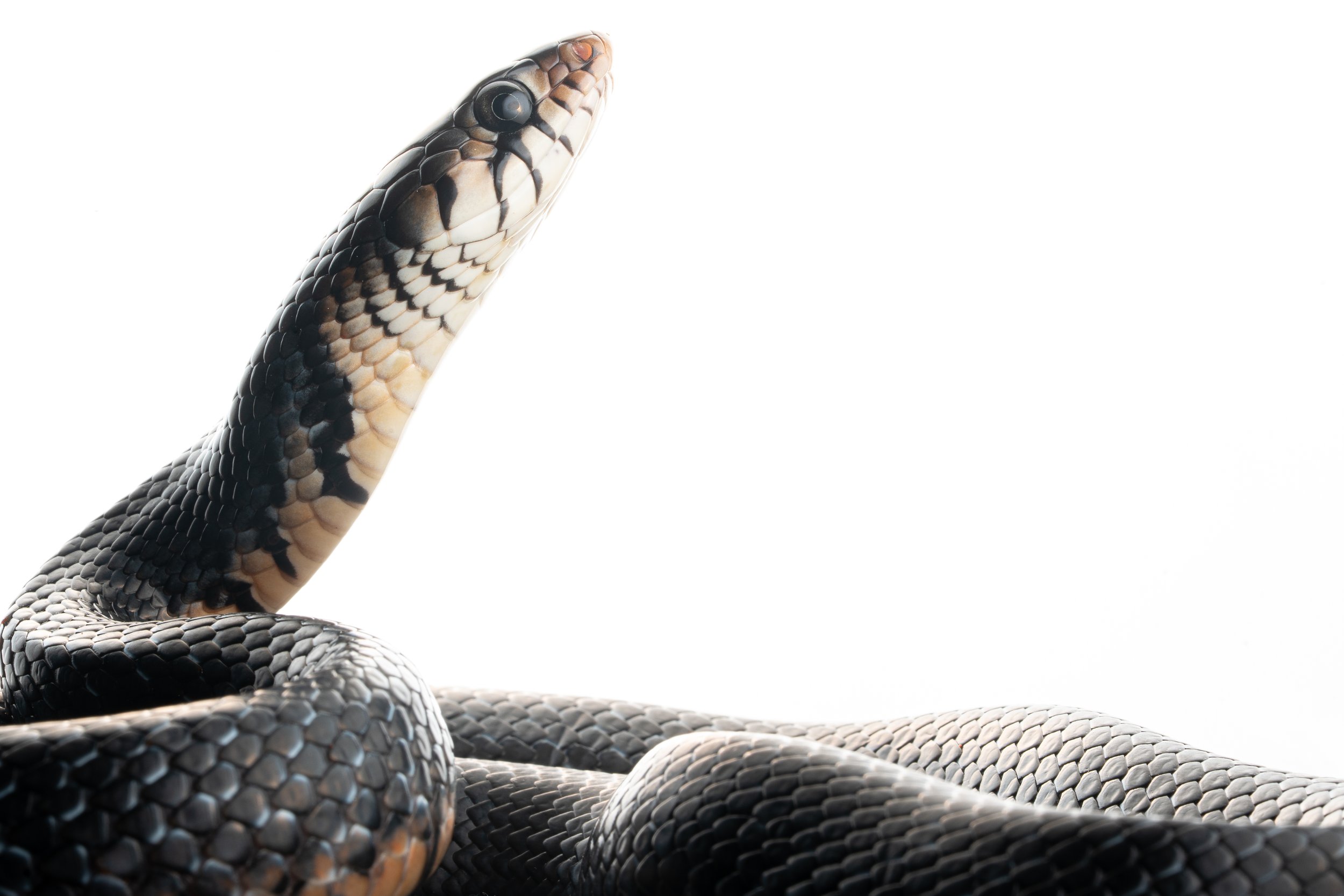
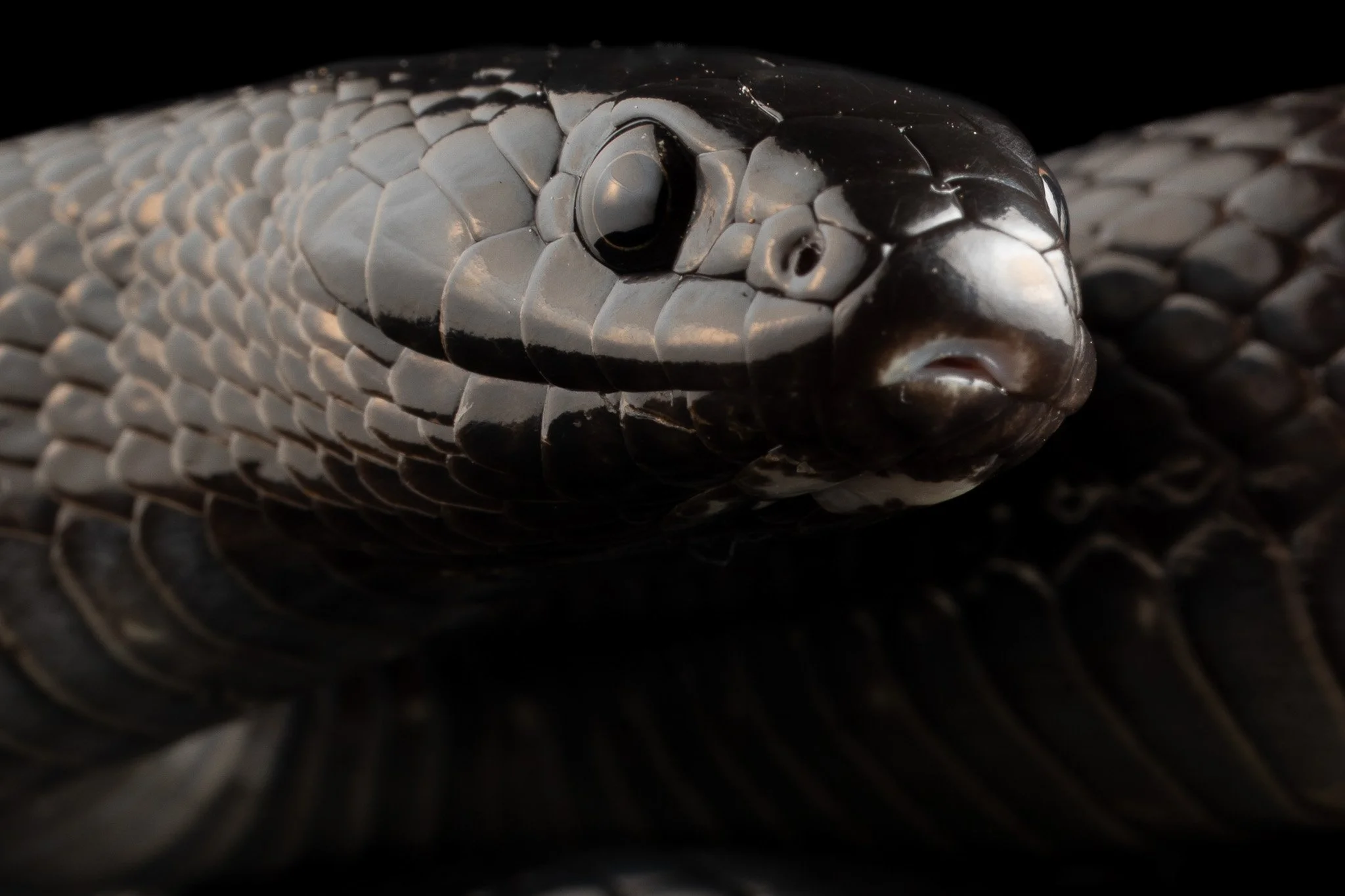
A top target every time, the iconic Middle-American Indigo snake (Drymarchon melanurus rubidus).
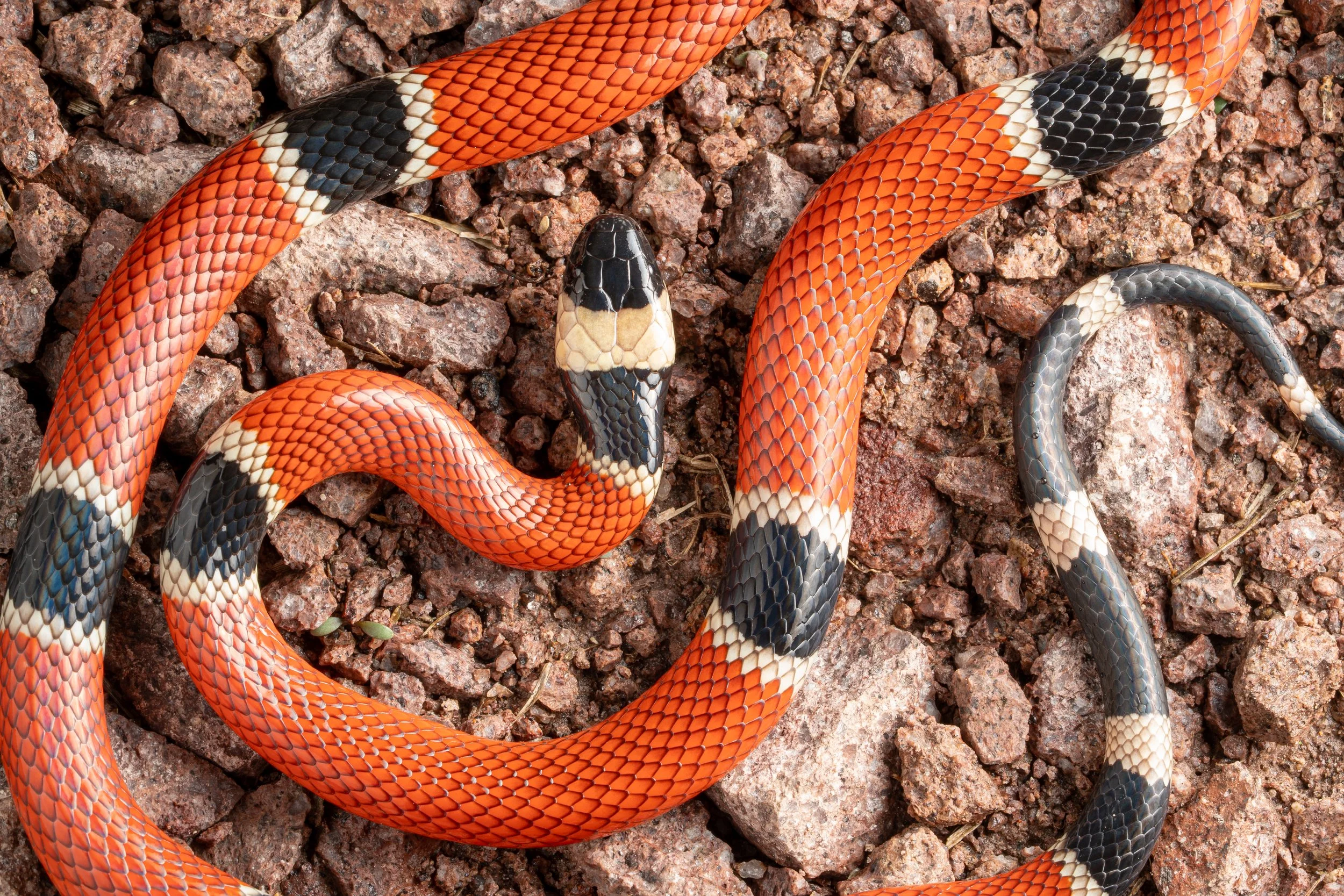
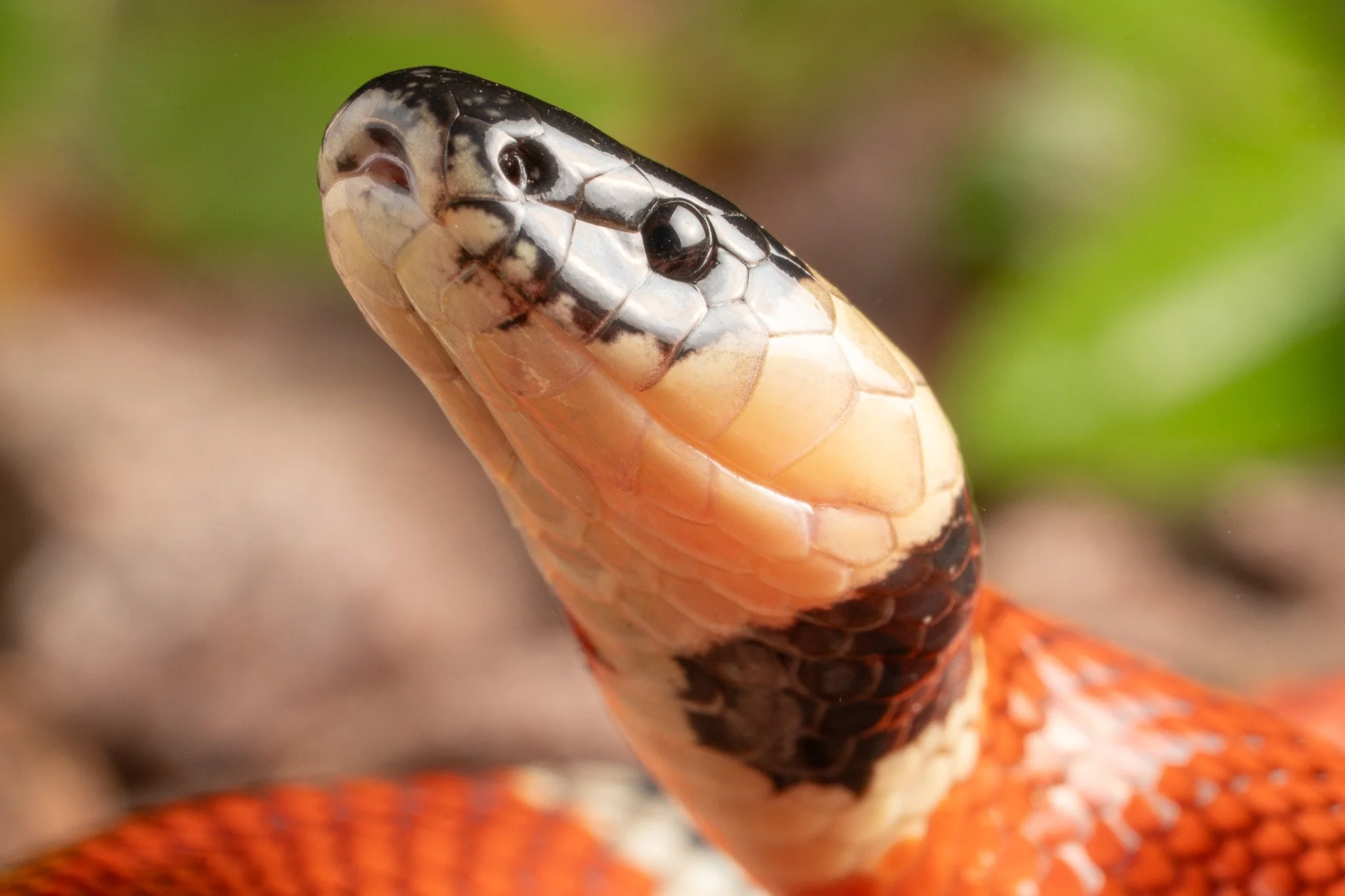
One of two stunning elapids found in the area, the West Mexican coral snake (Micrurus distans).
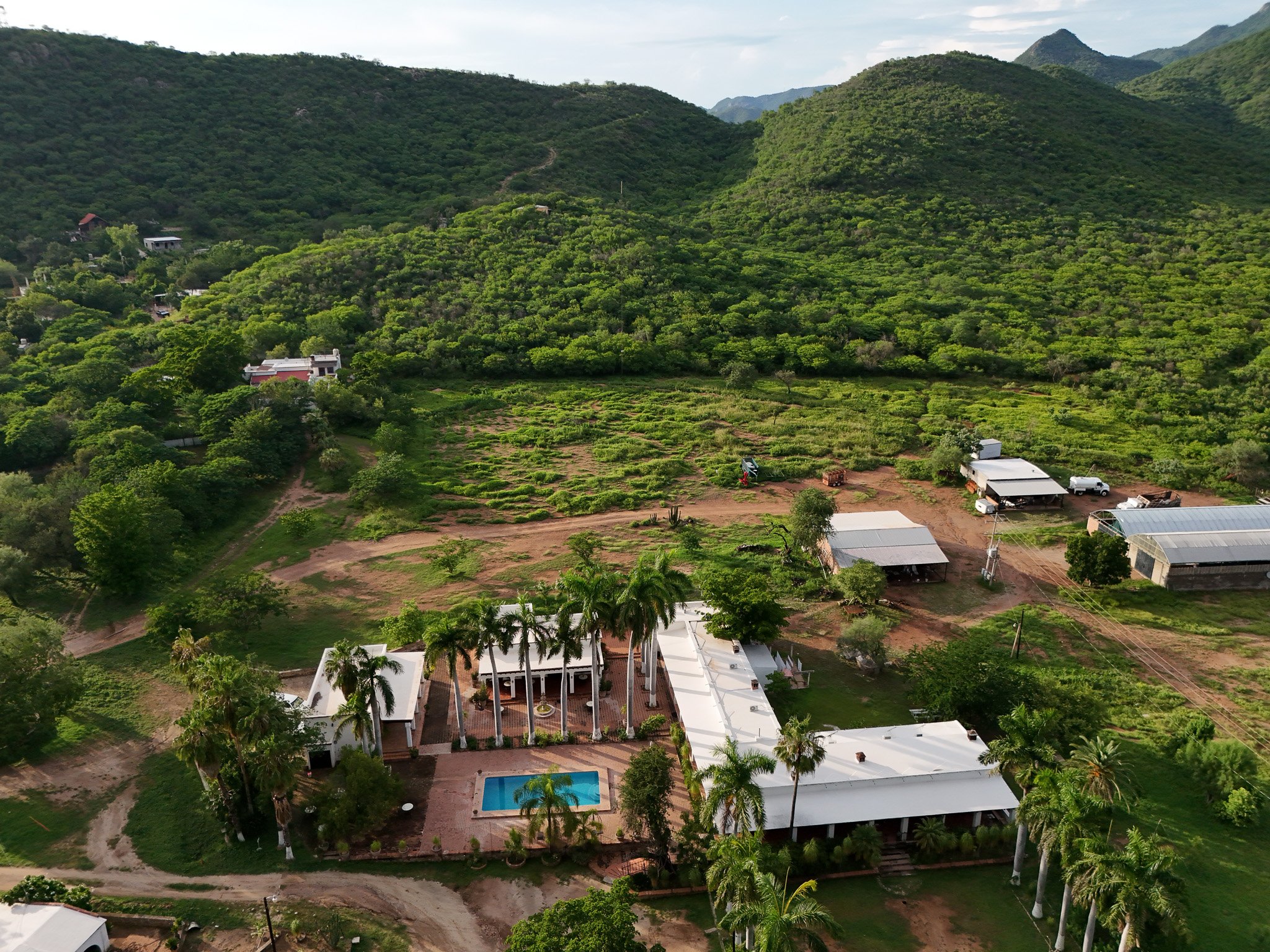
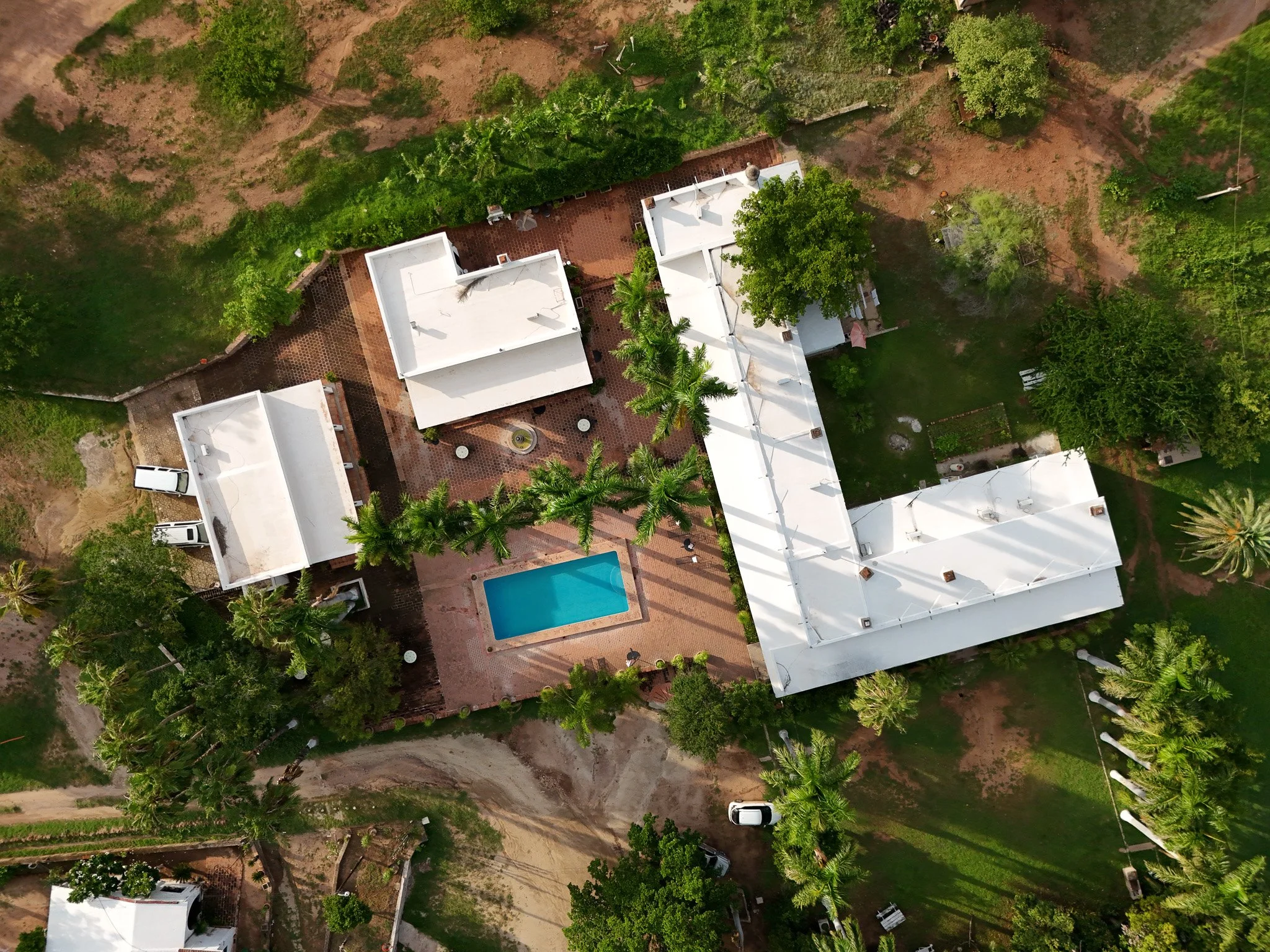
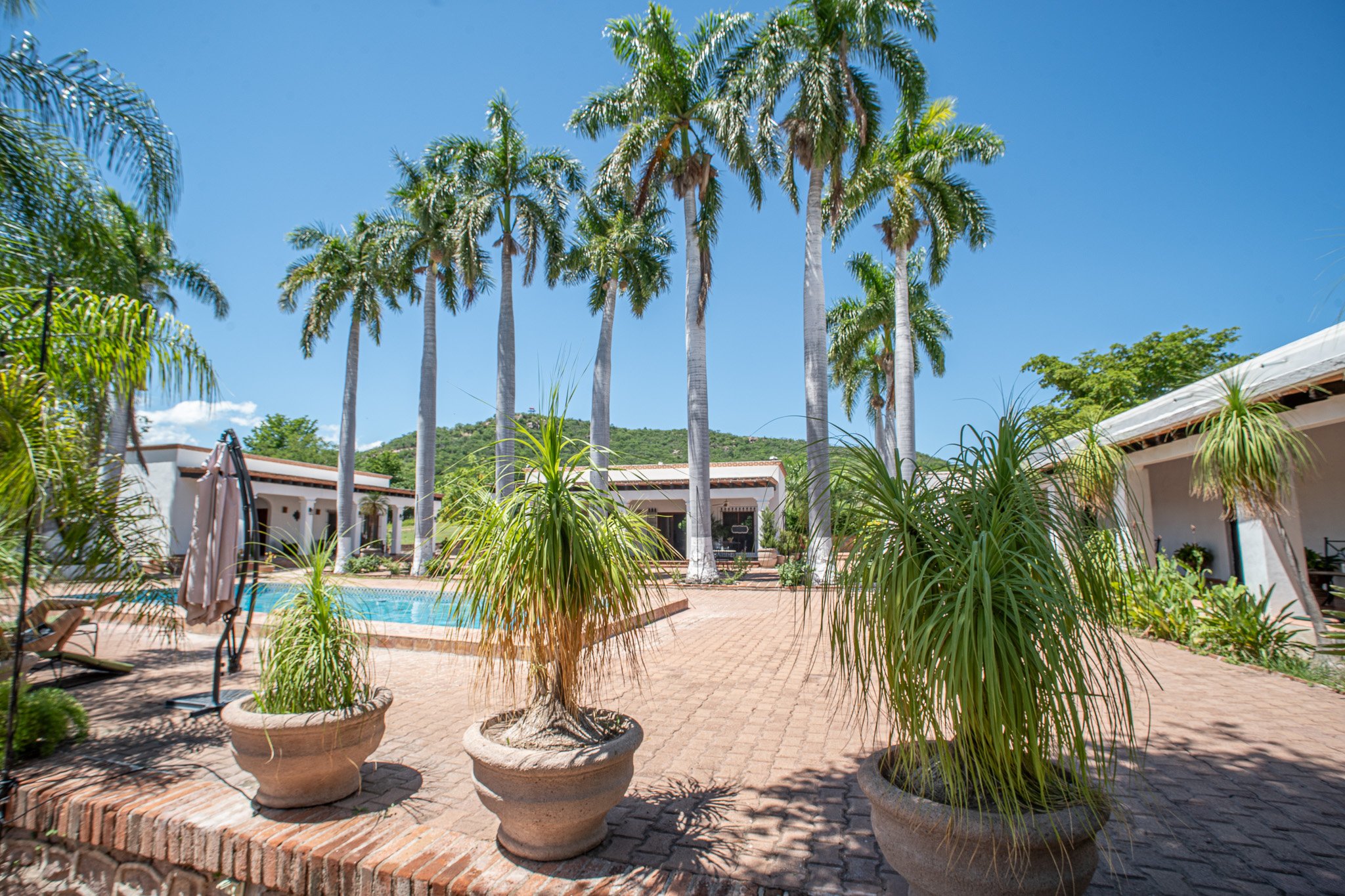
Our cozy homestay in Álamos, which backs up to miles of pristine habitat.