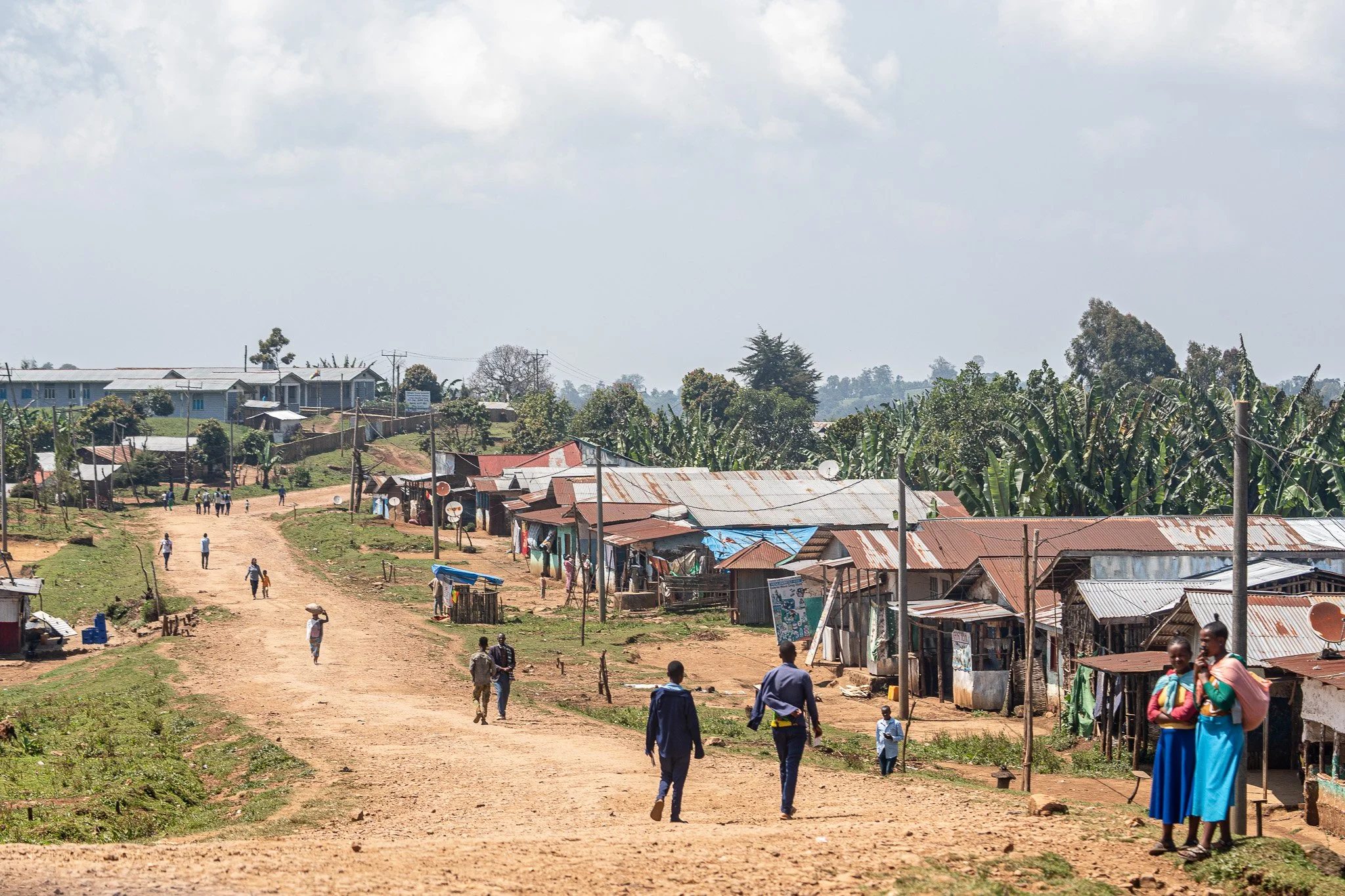
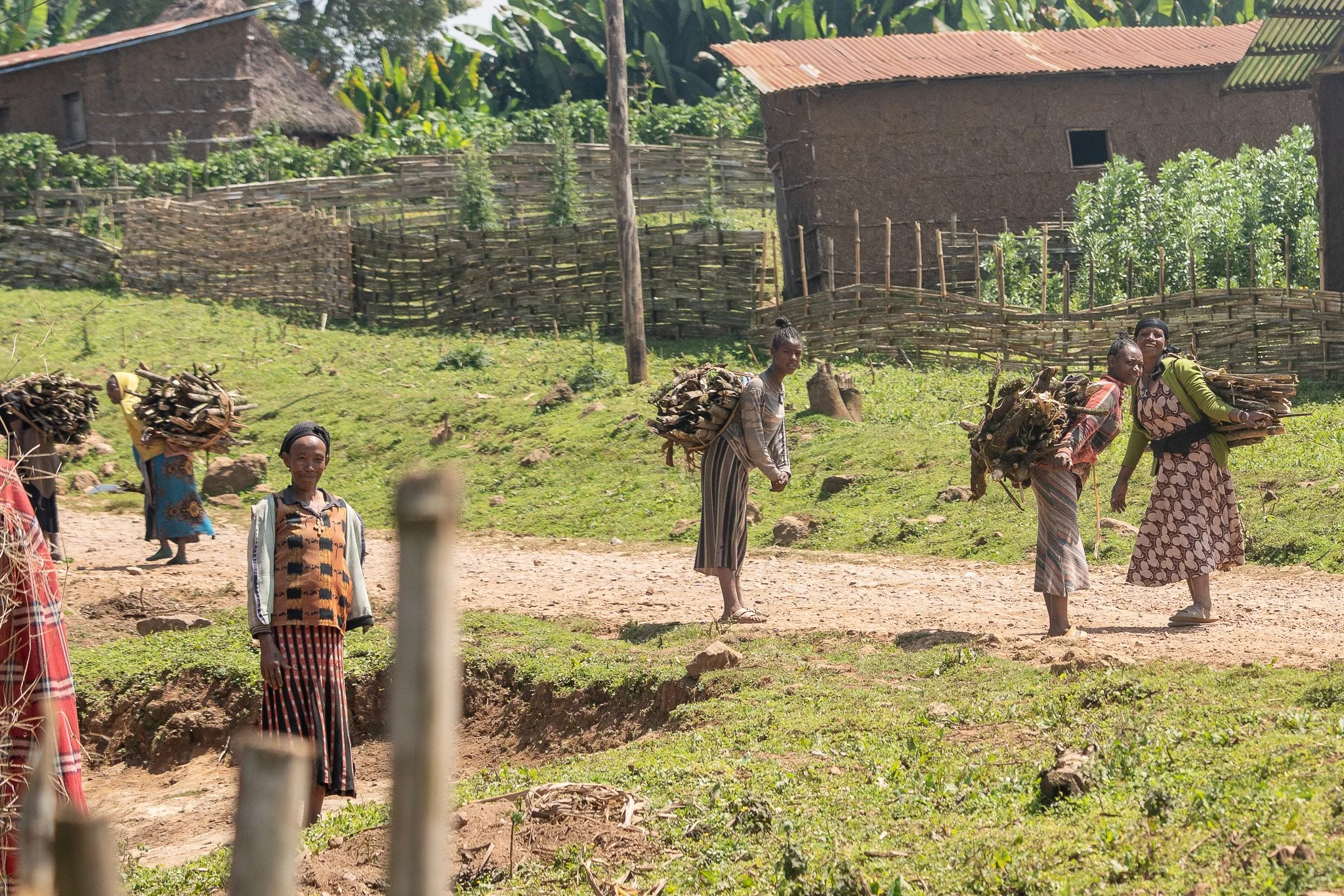
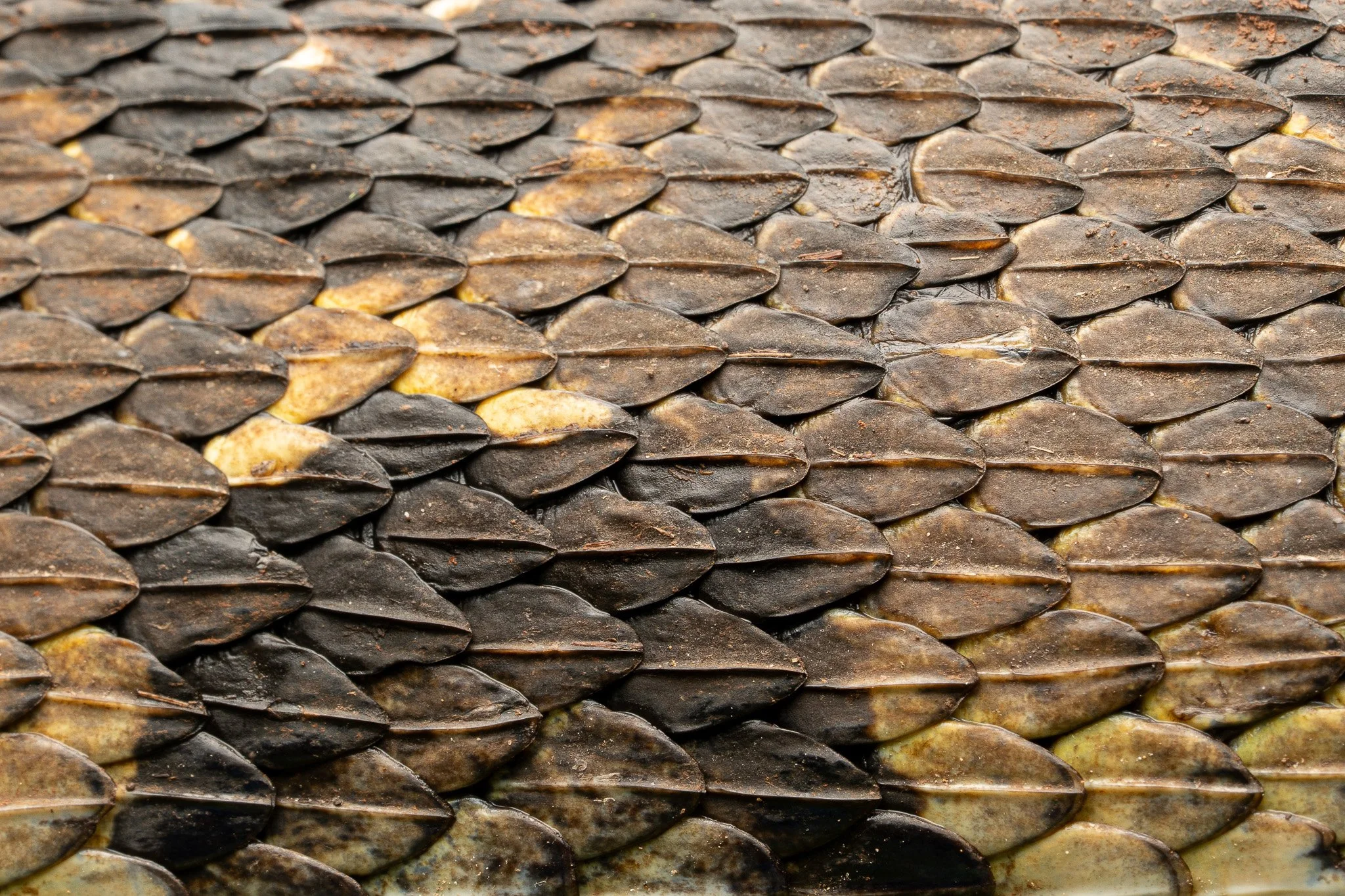
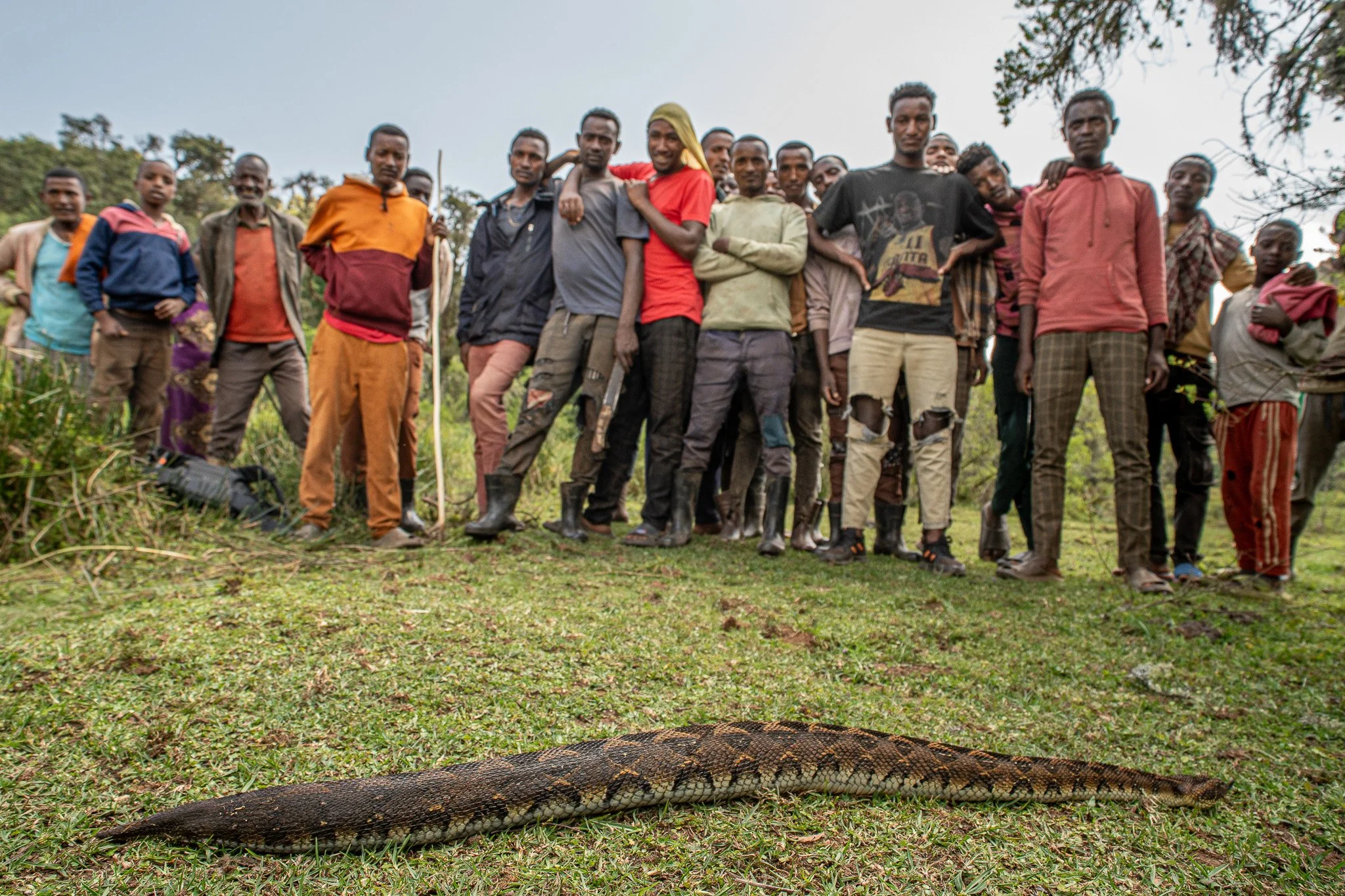
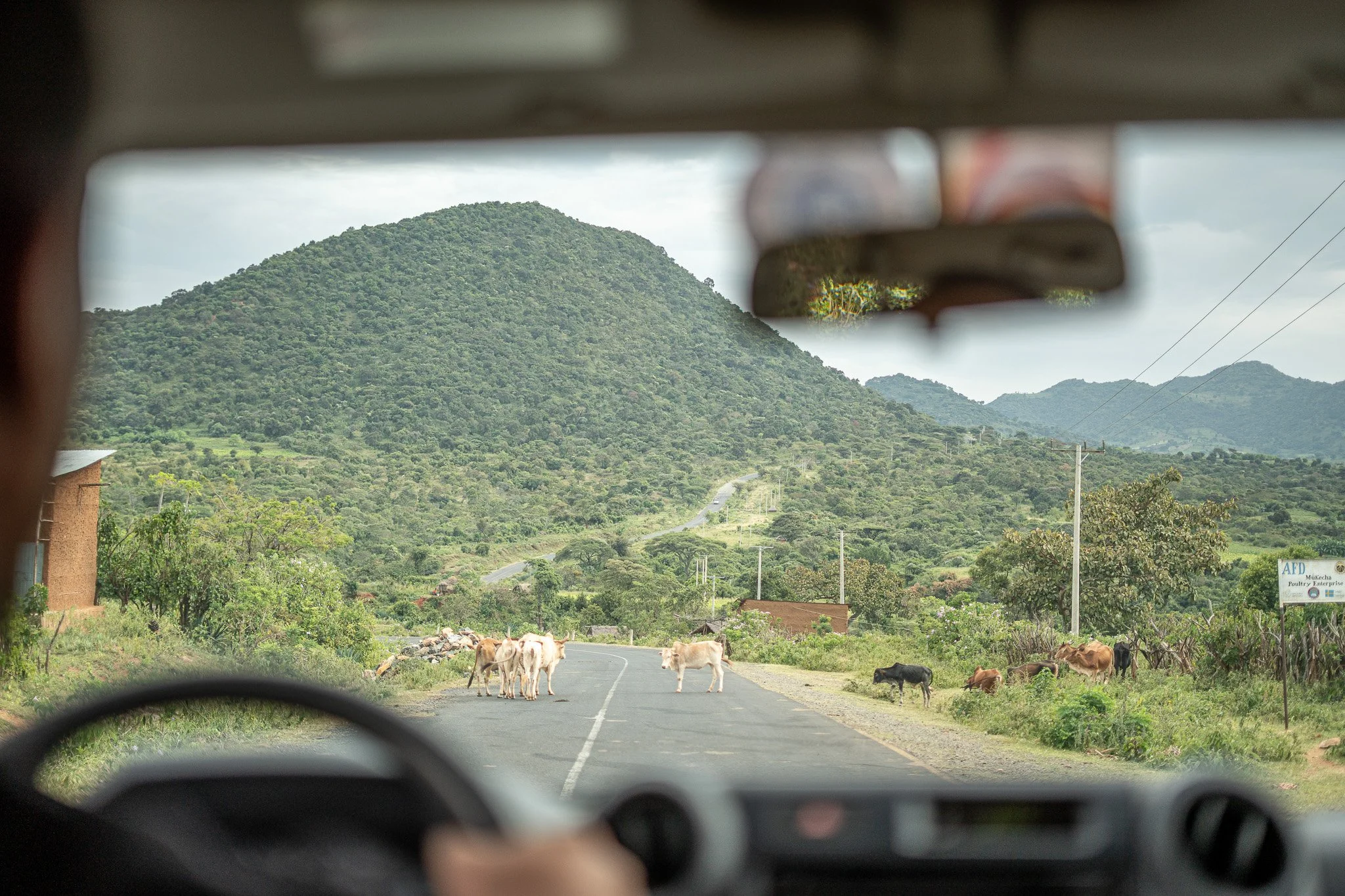
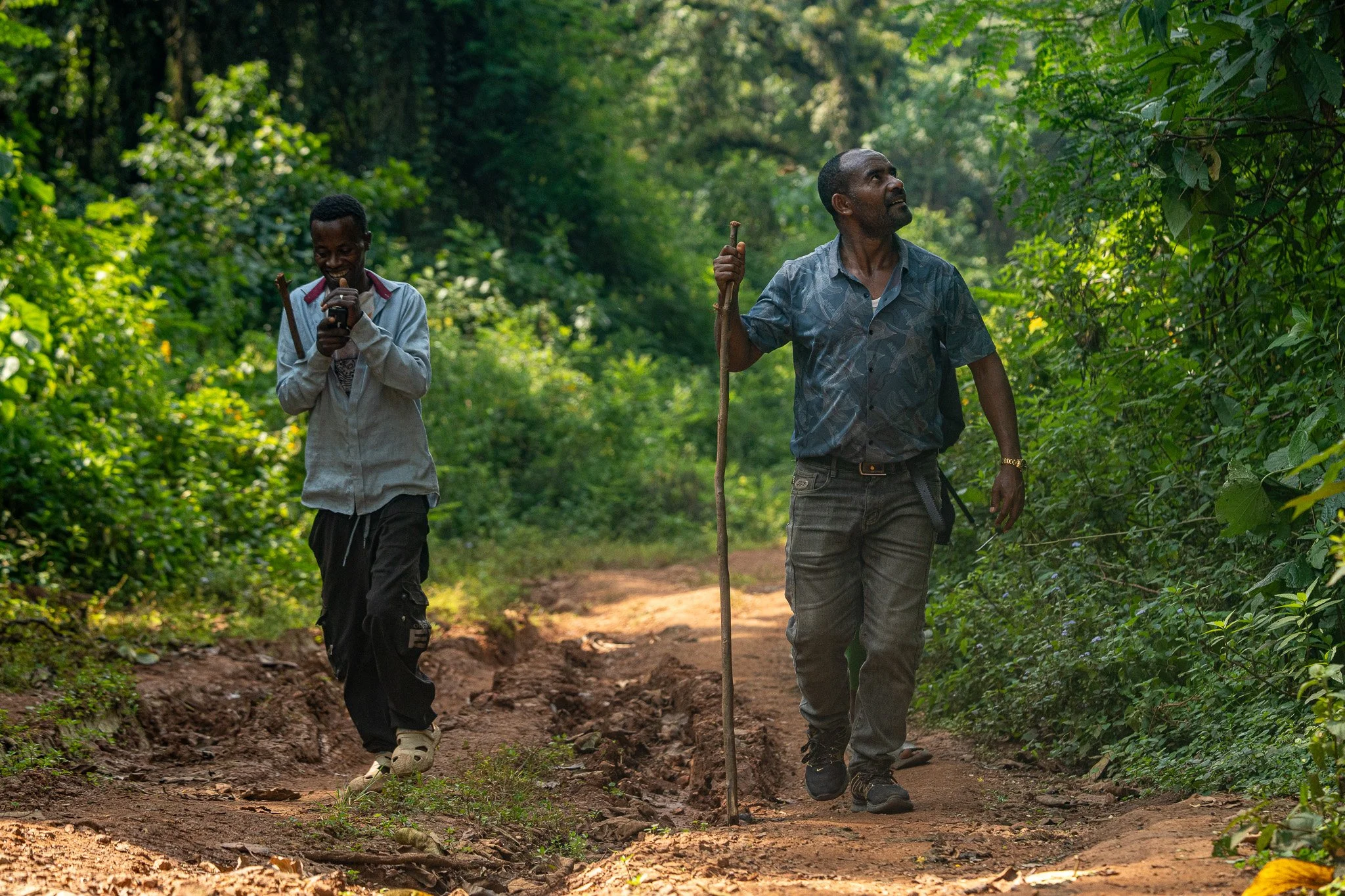
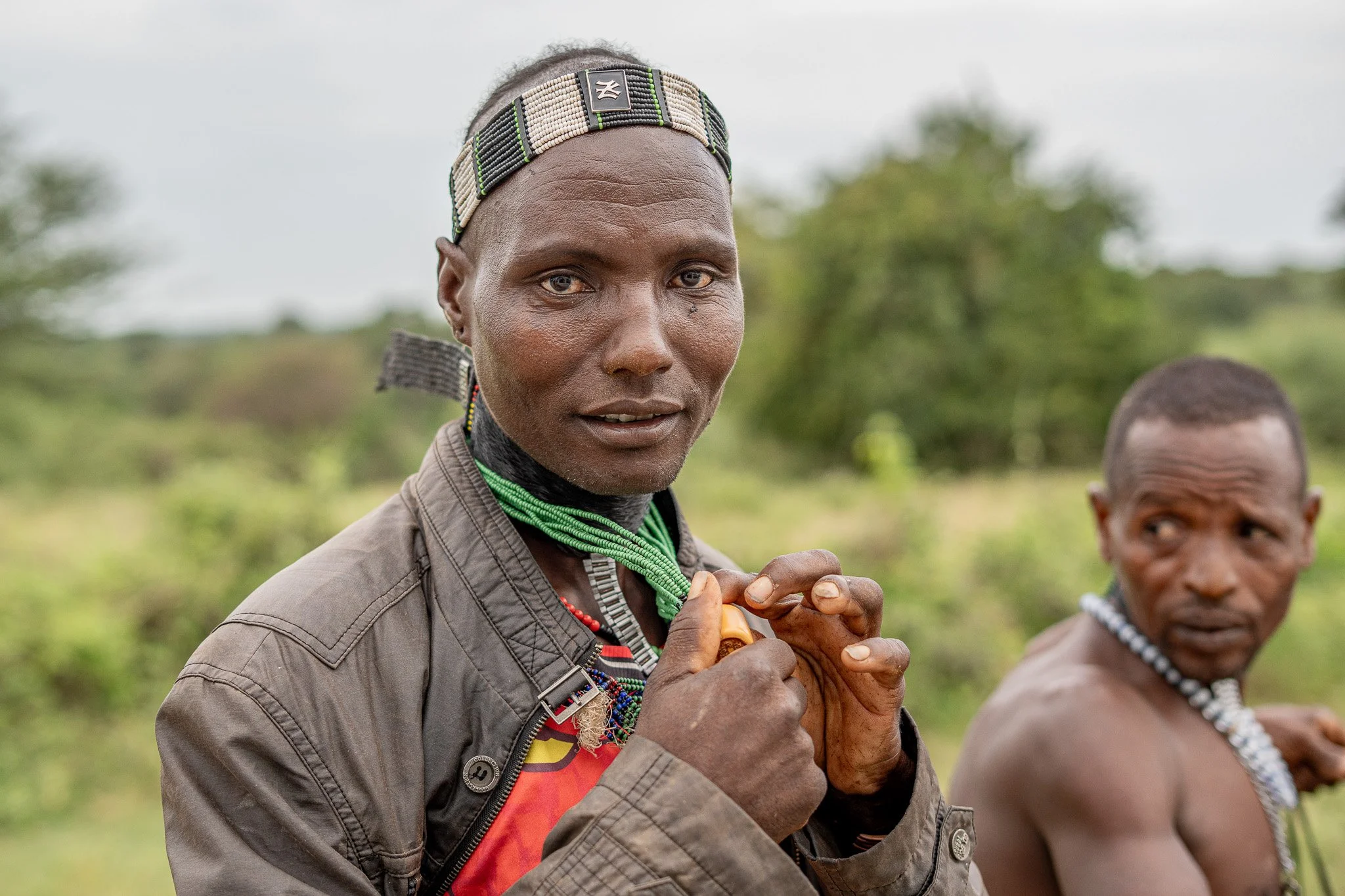
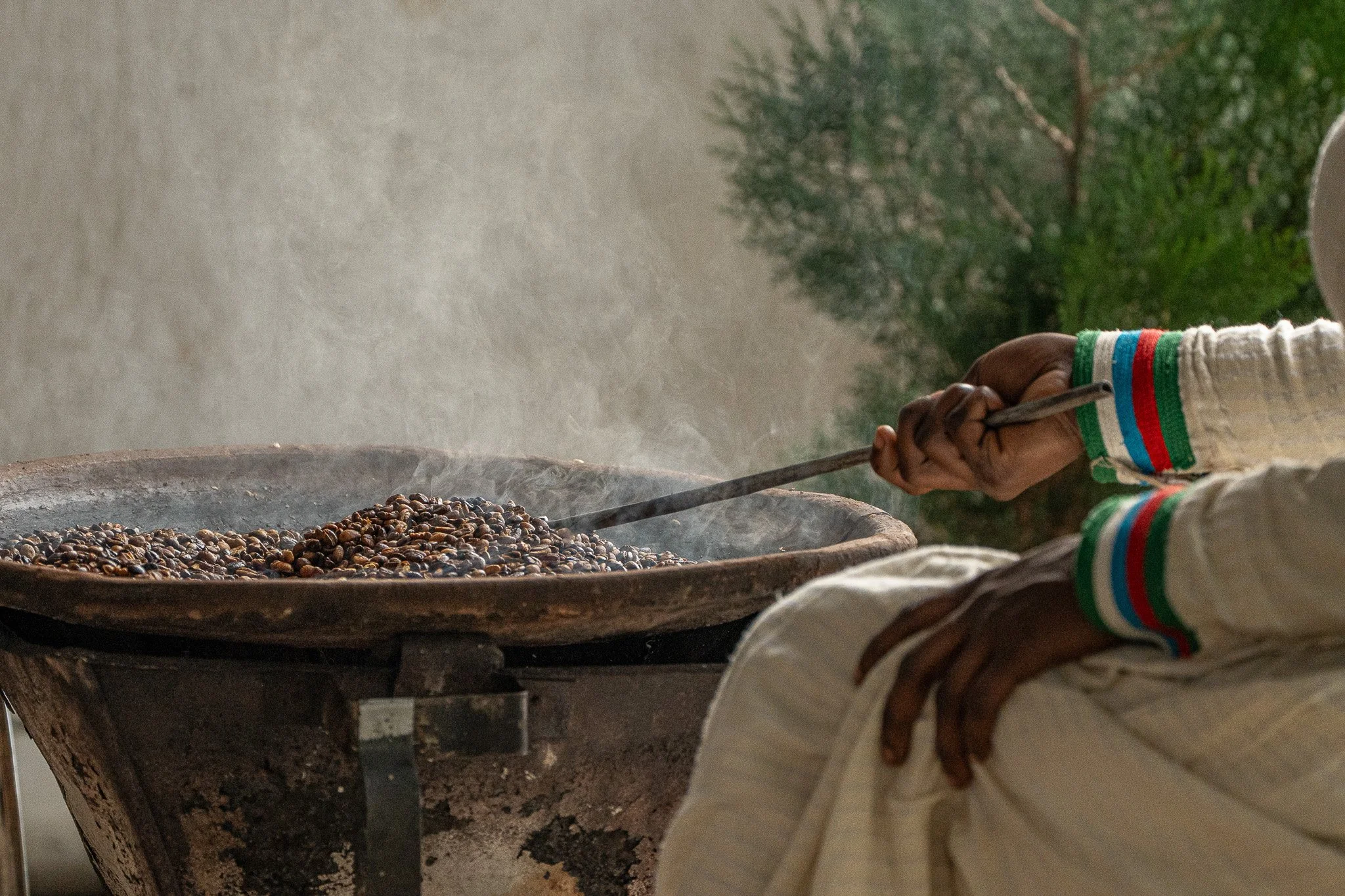

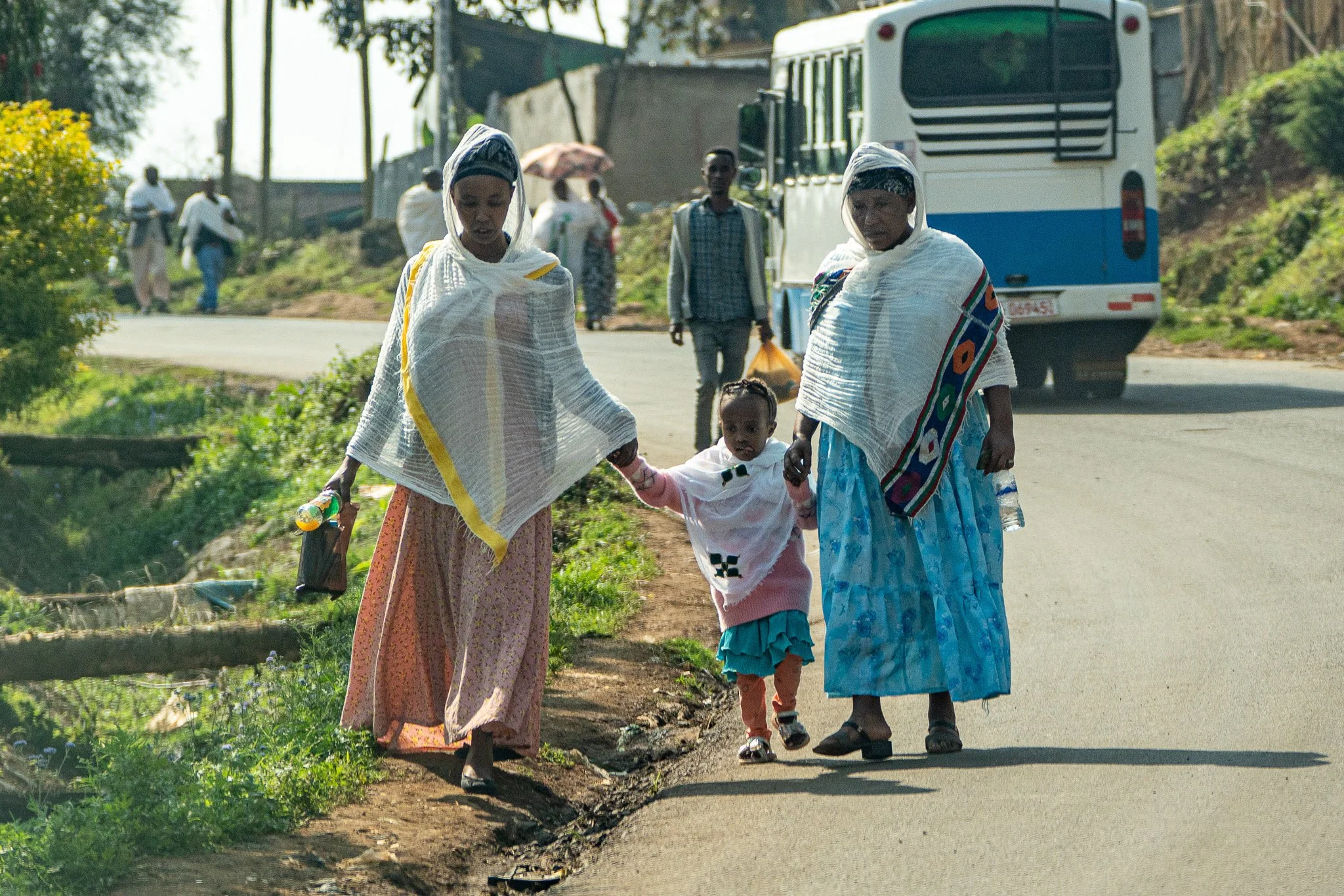
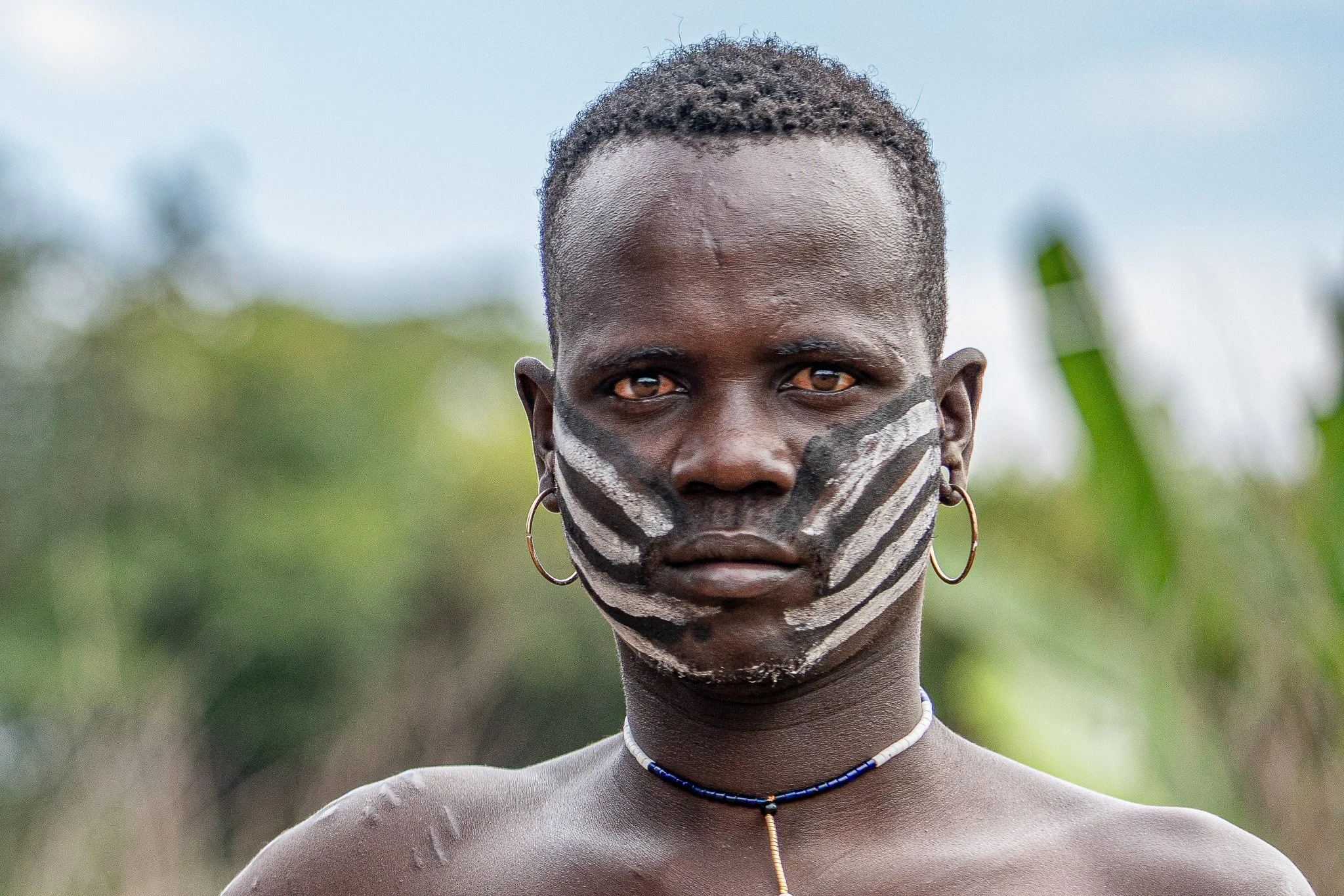
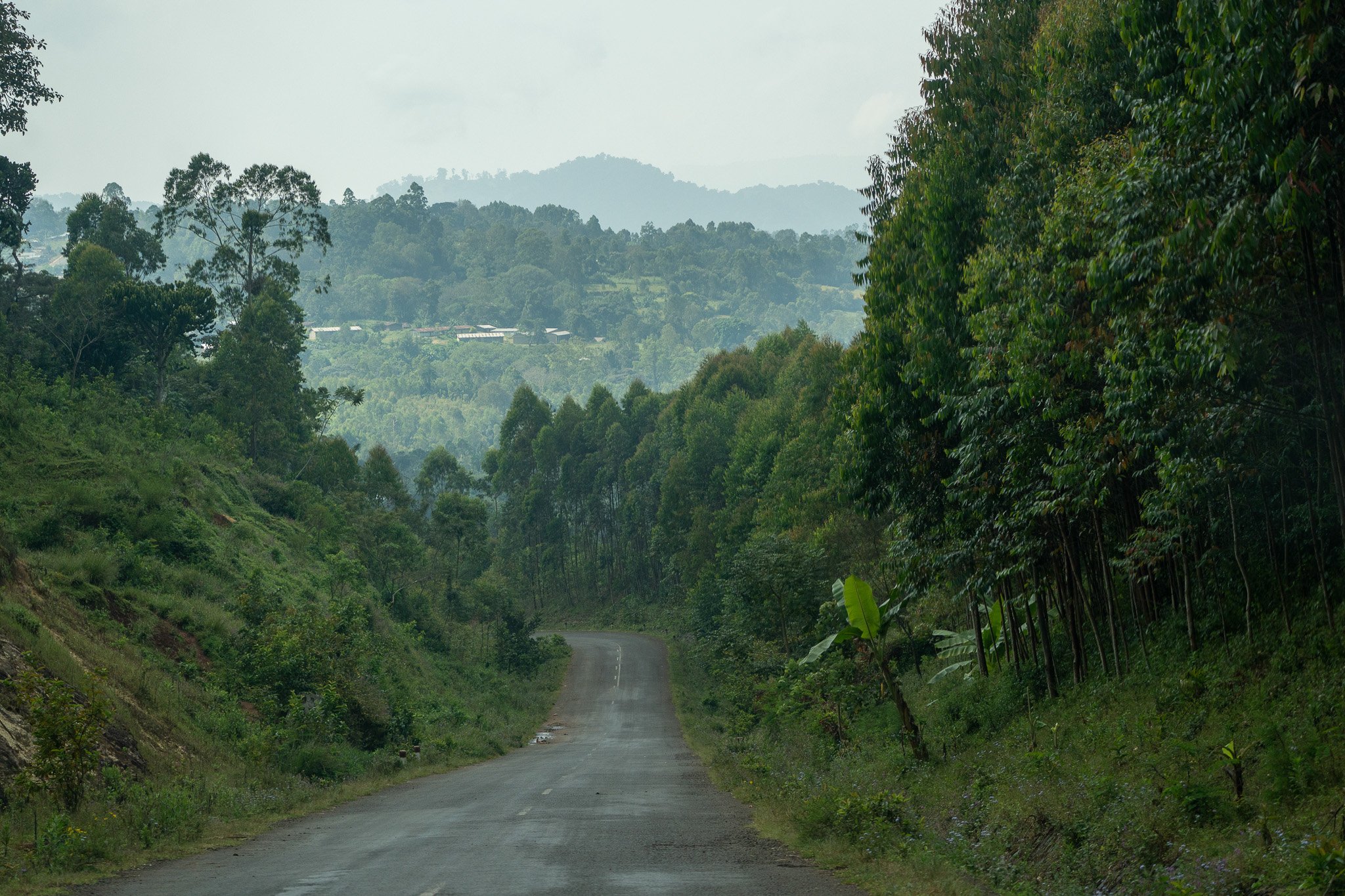
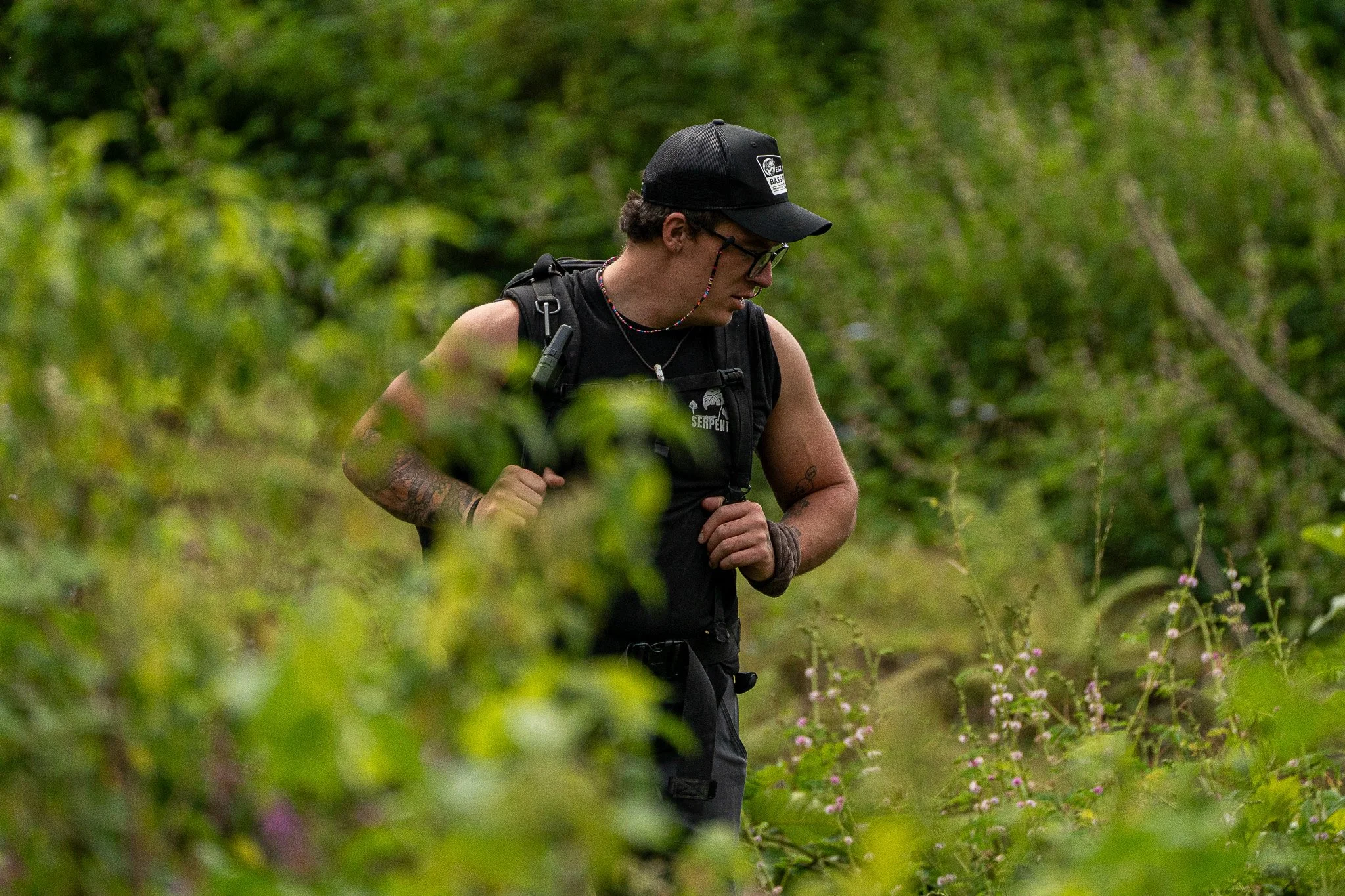


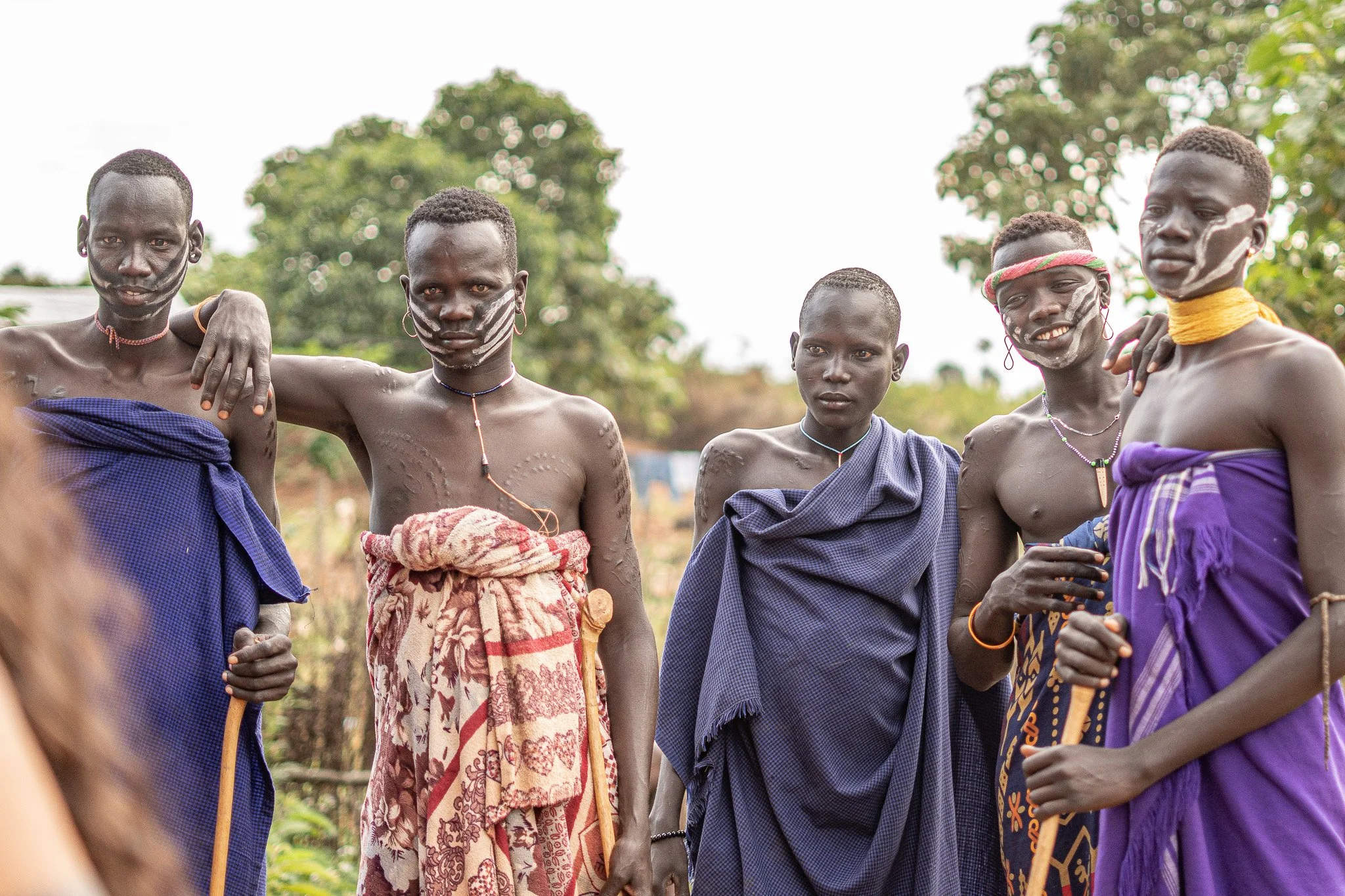
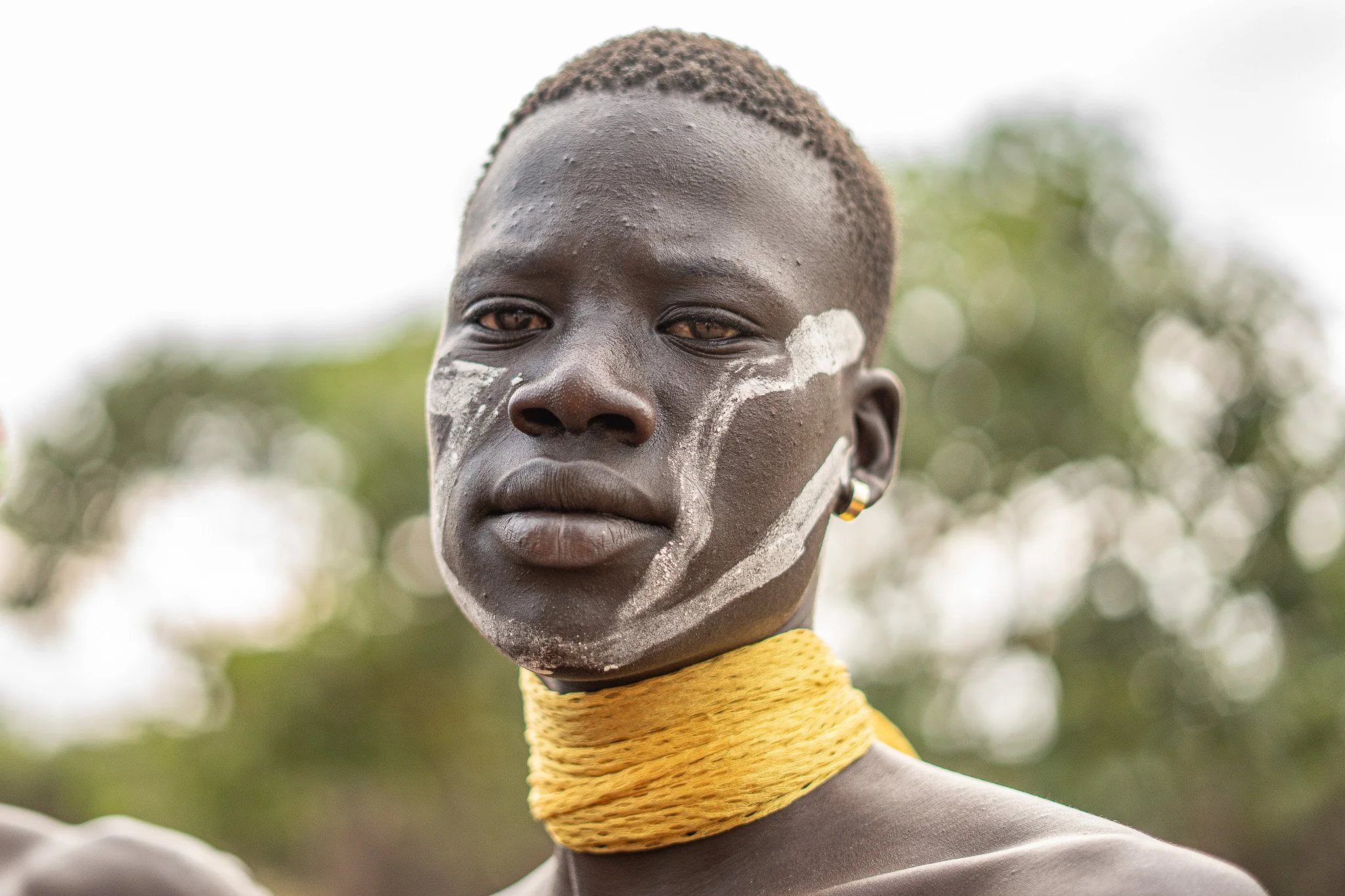
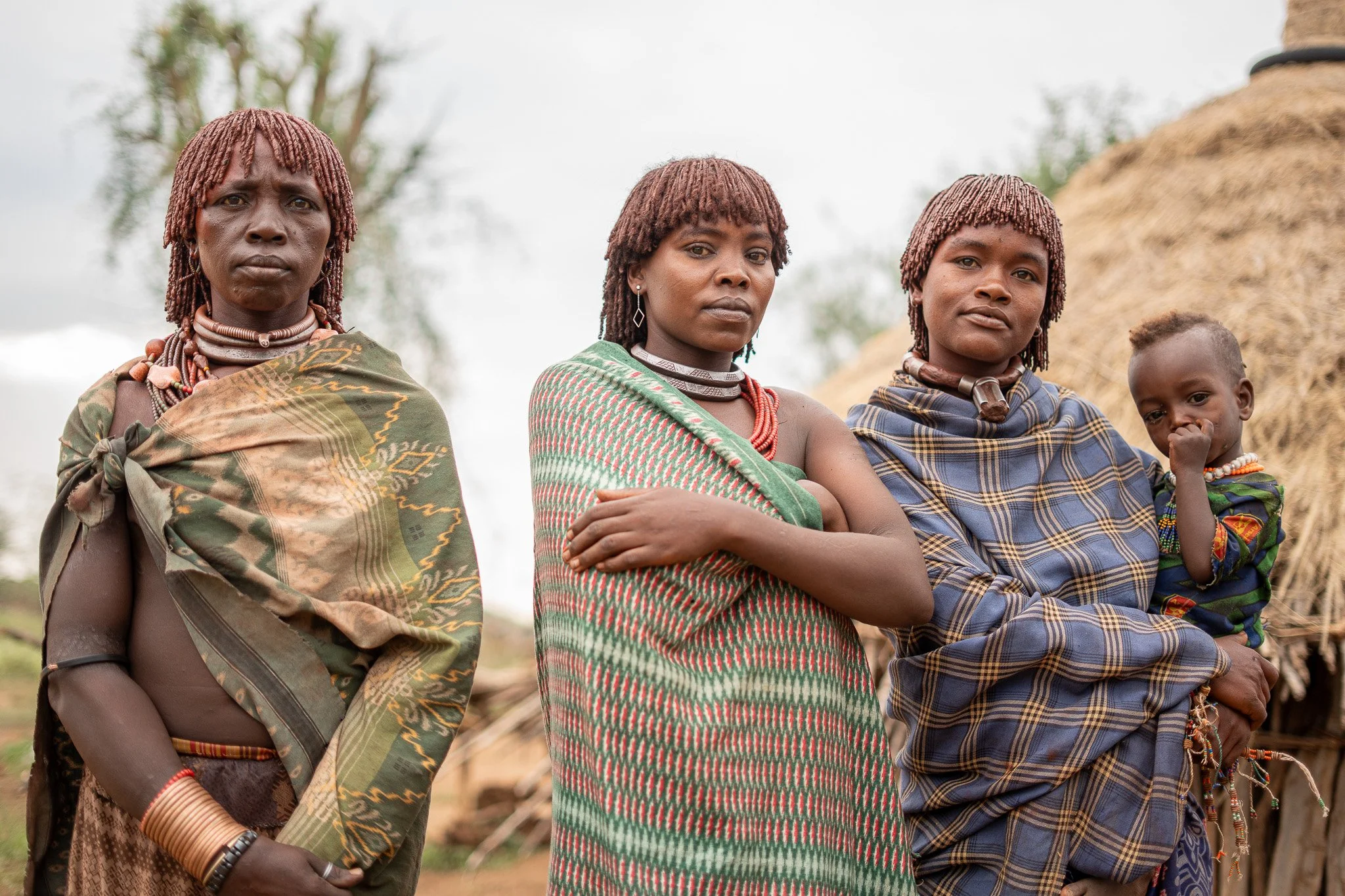
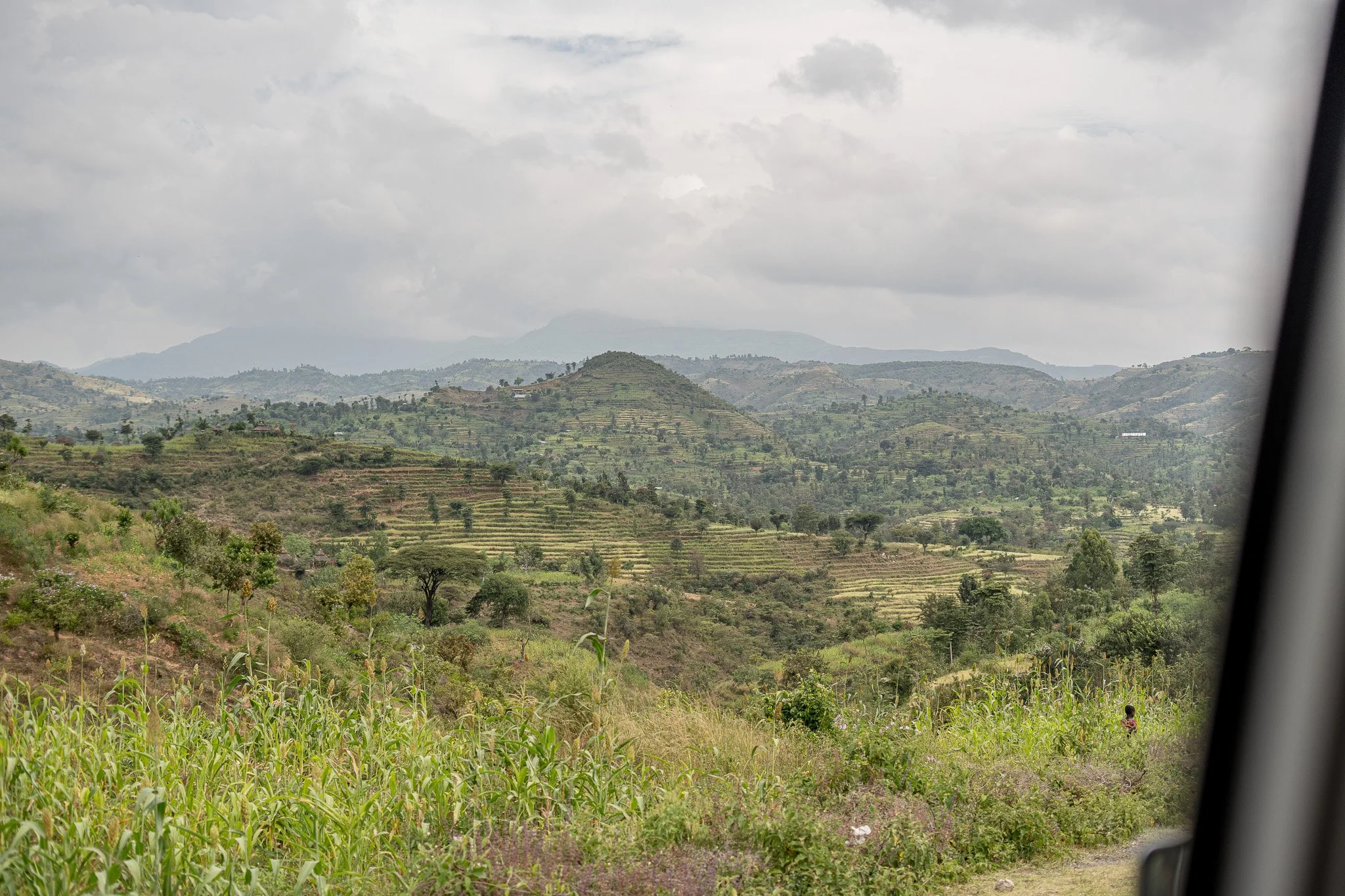
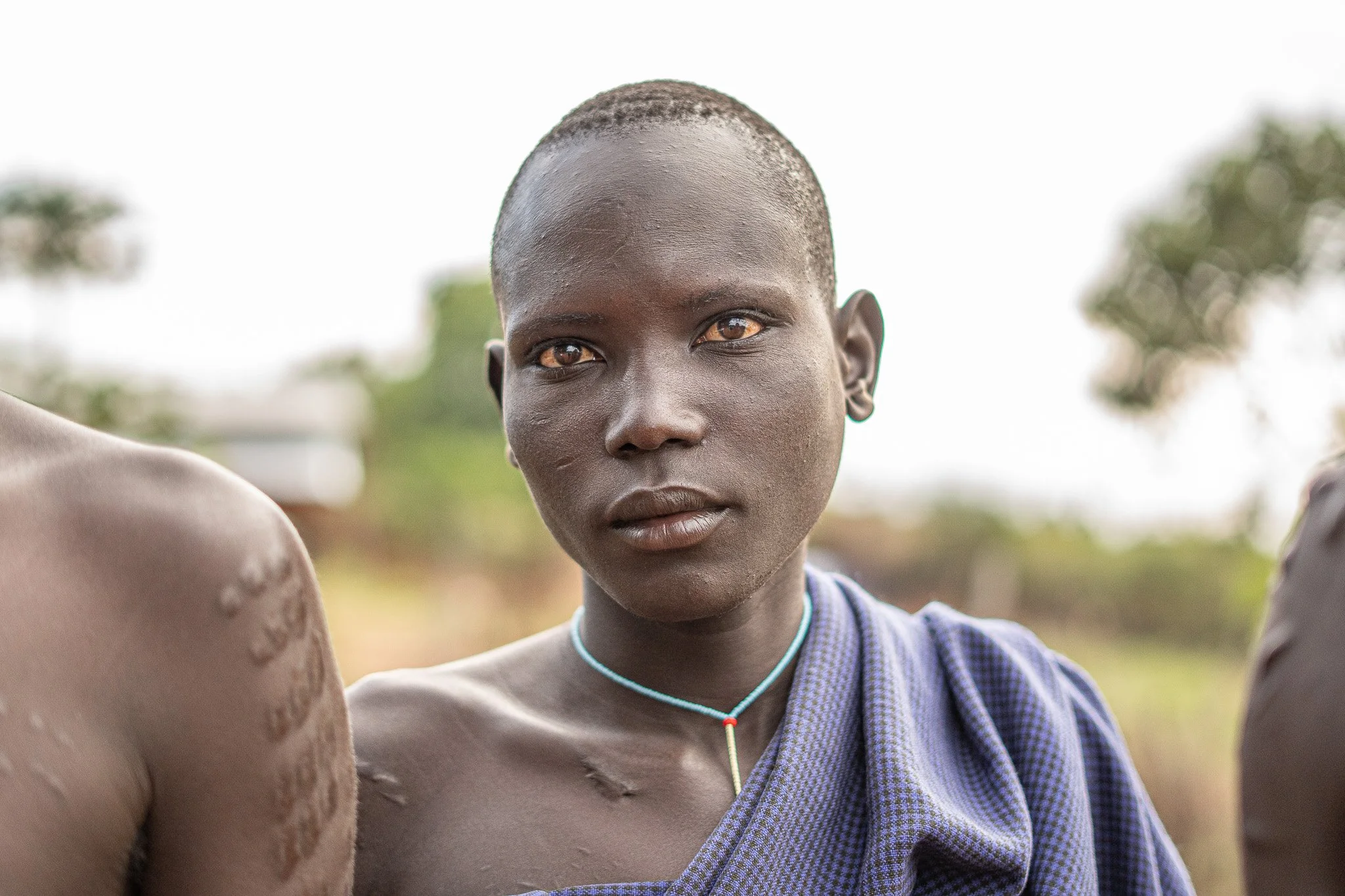
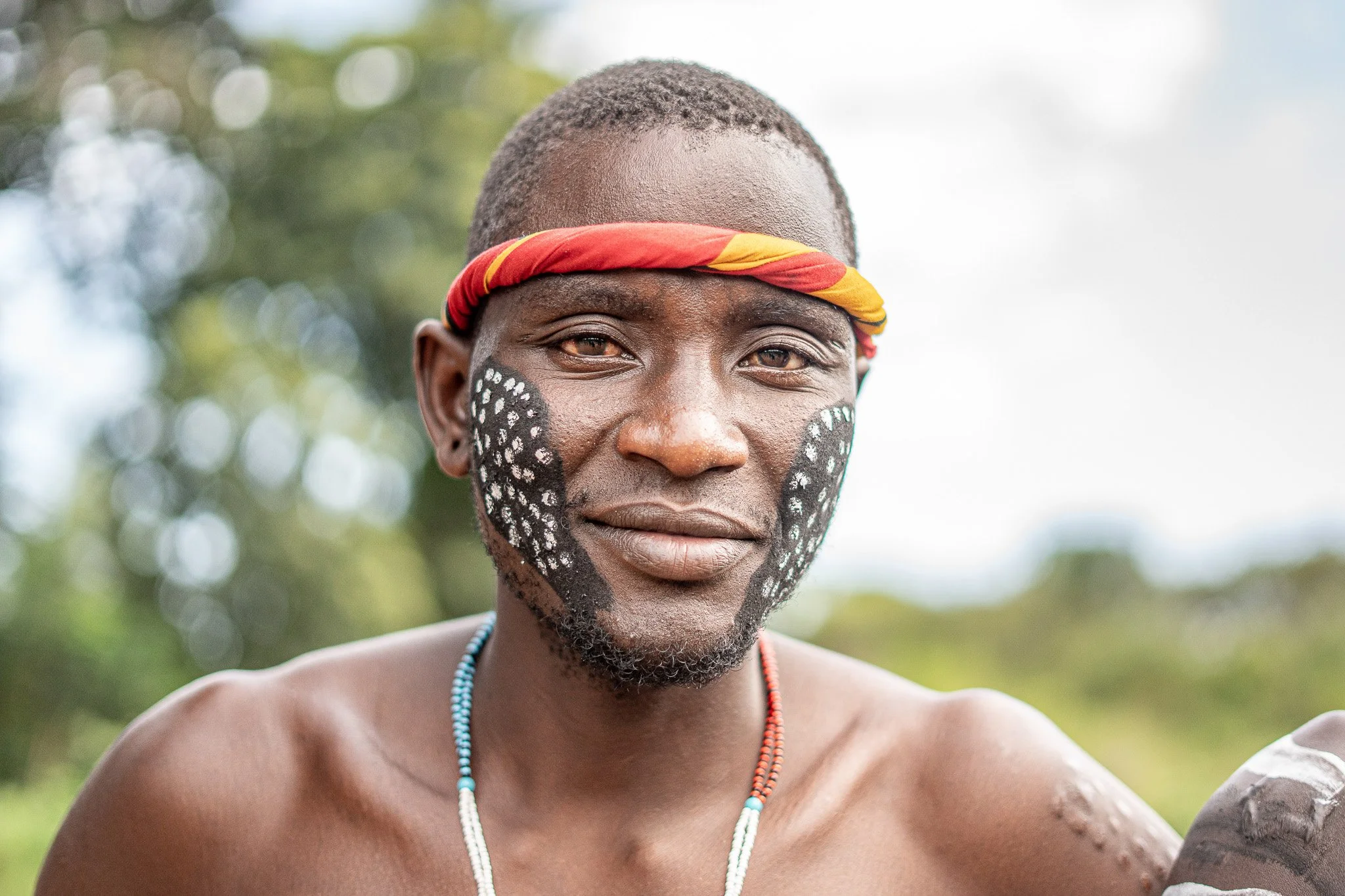
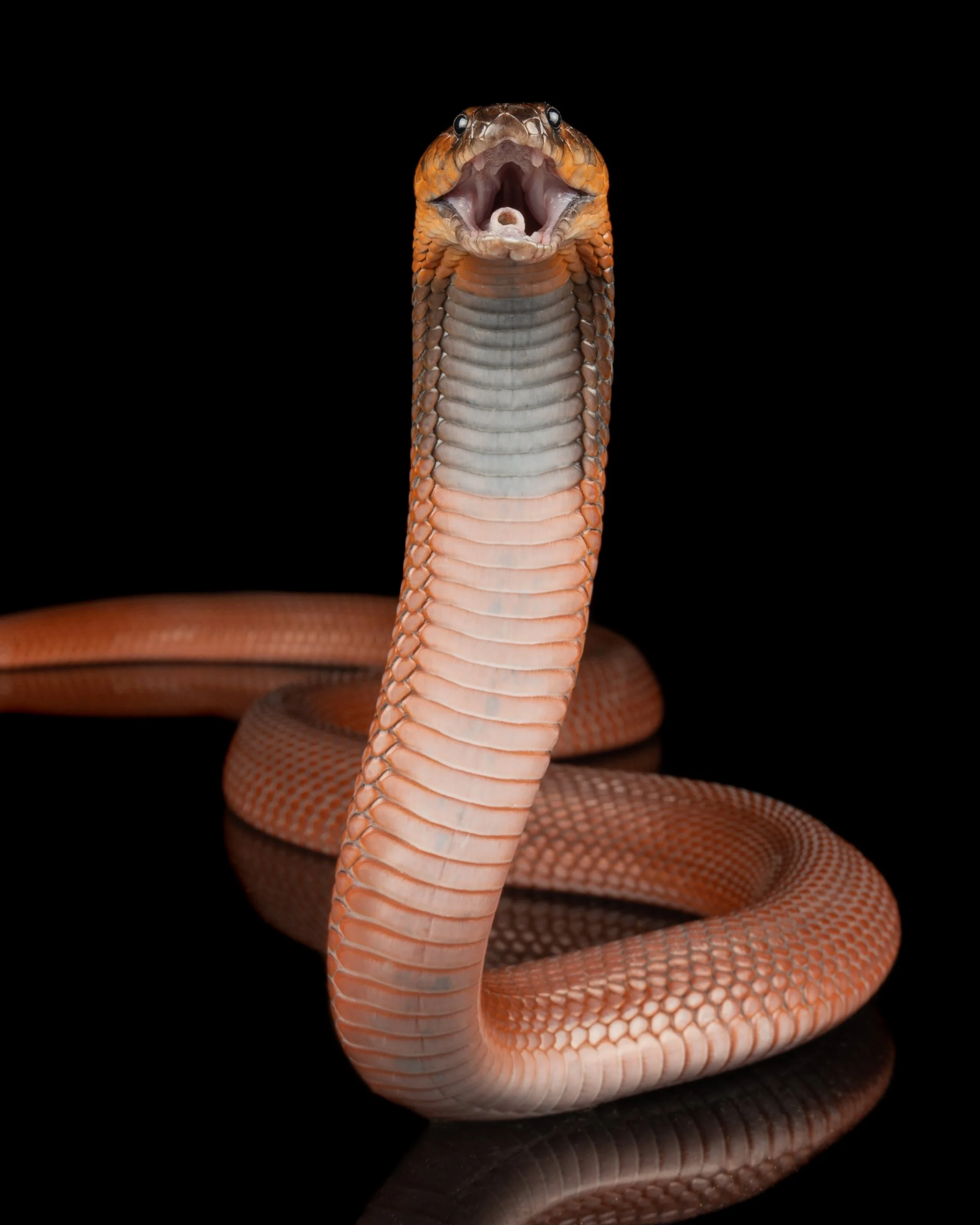
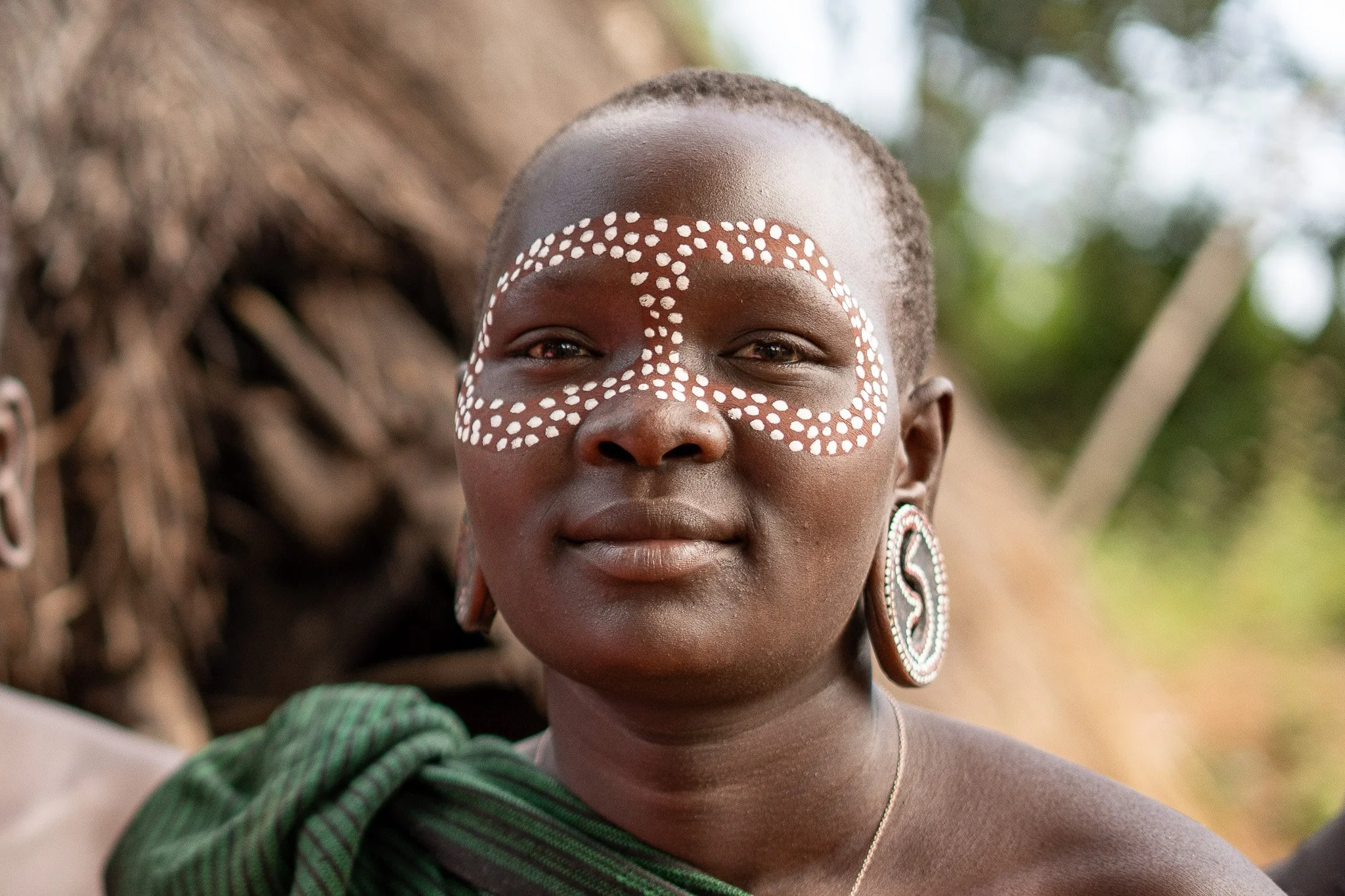
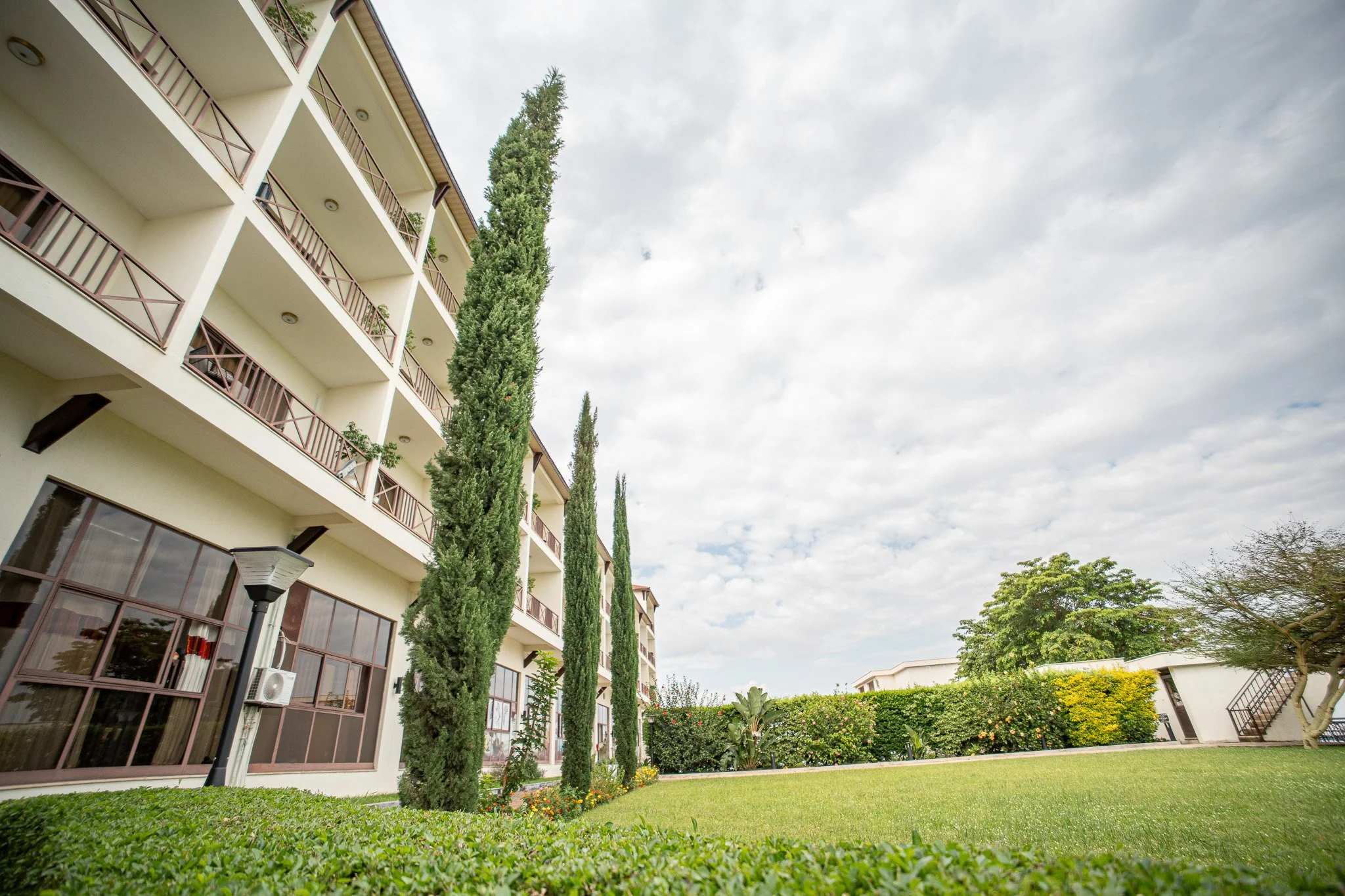
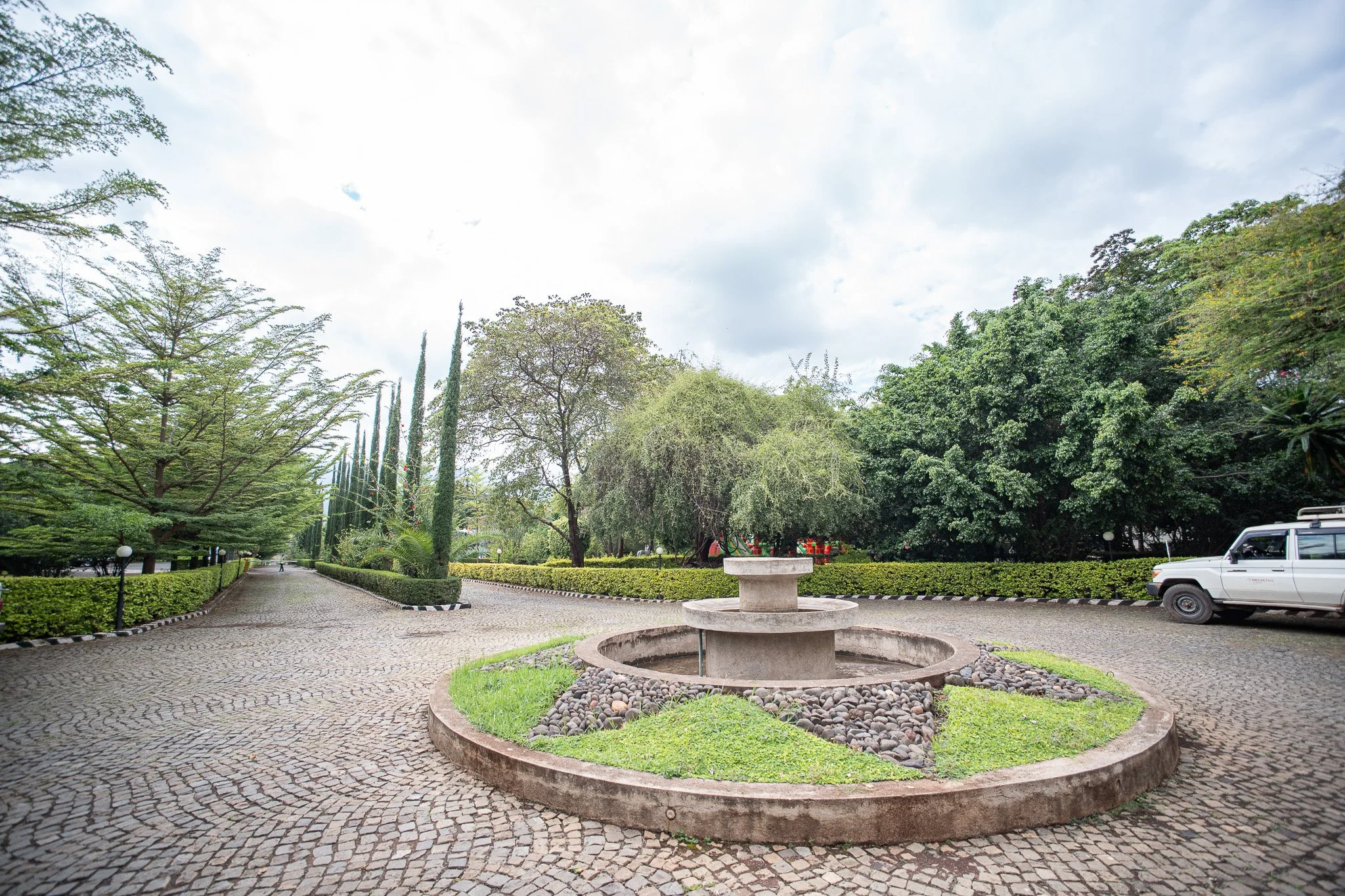
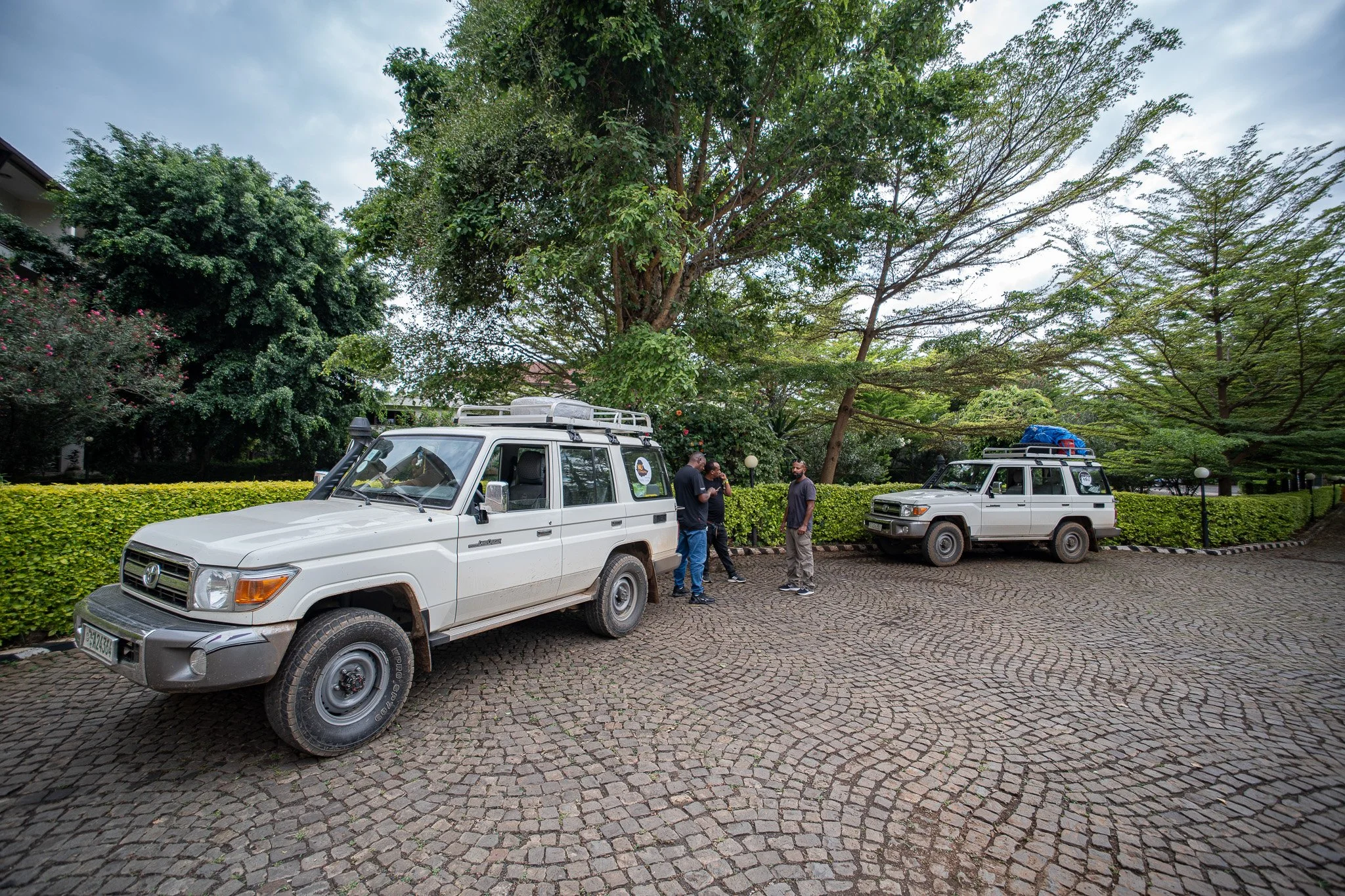
Over the following days, we will herp and explore the remote, under-surveyed Ethiopian highlands. While this is an extremely herping-intensive expedition, you will also have the opportunity to visit several tribal communities (if we locate the Bitis parviocula with time to spare).
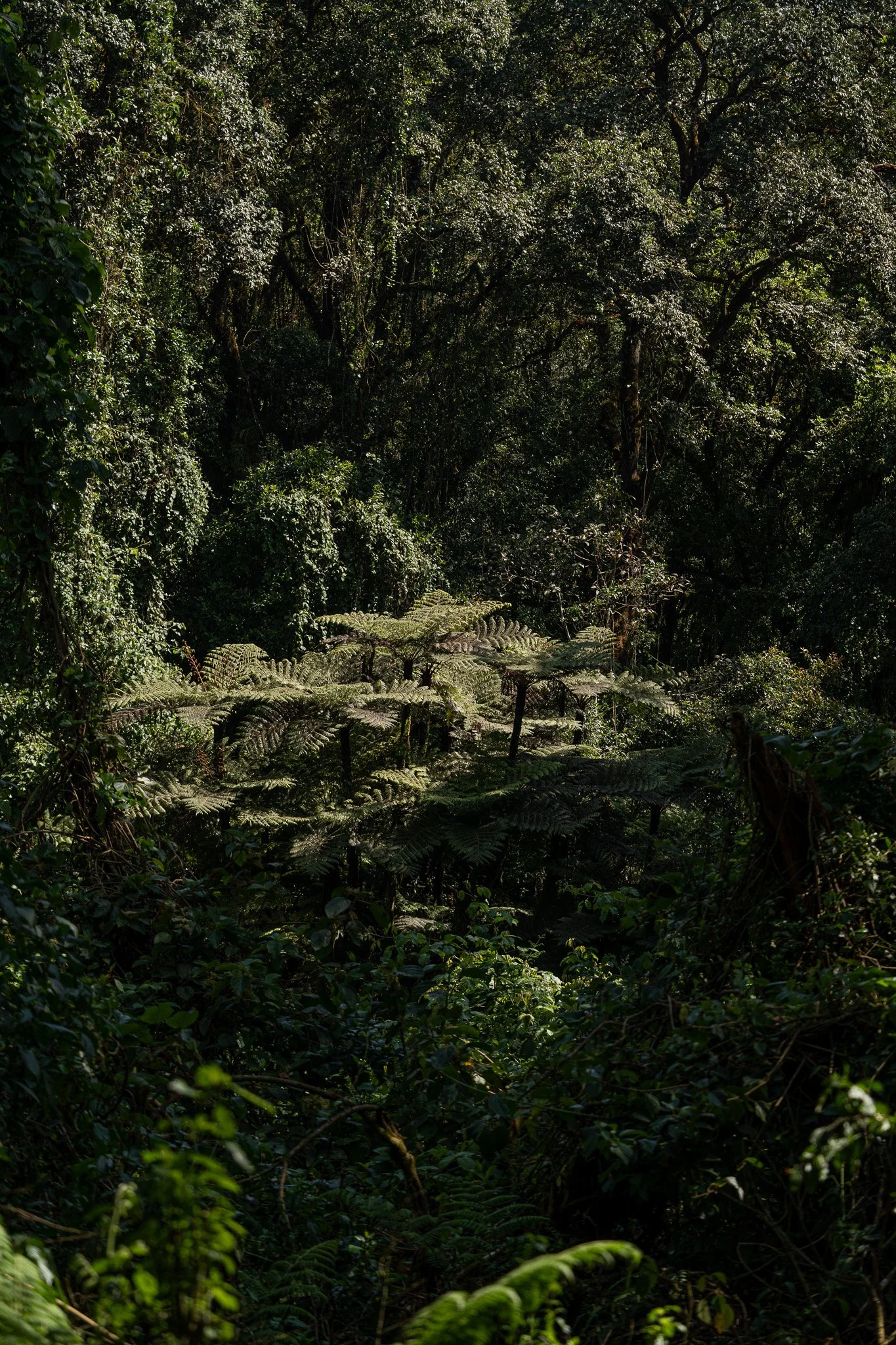
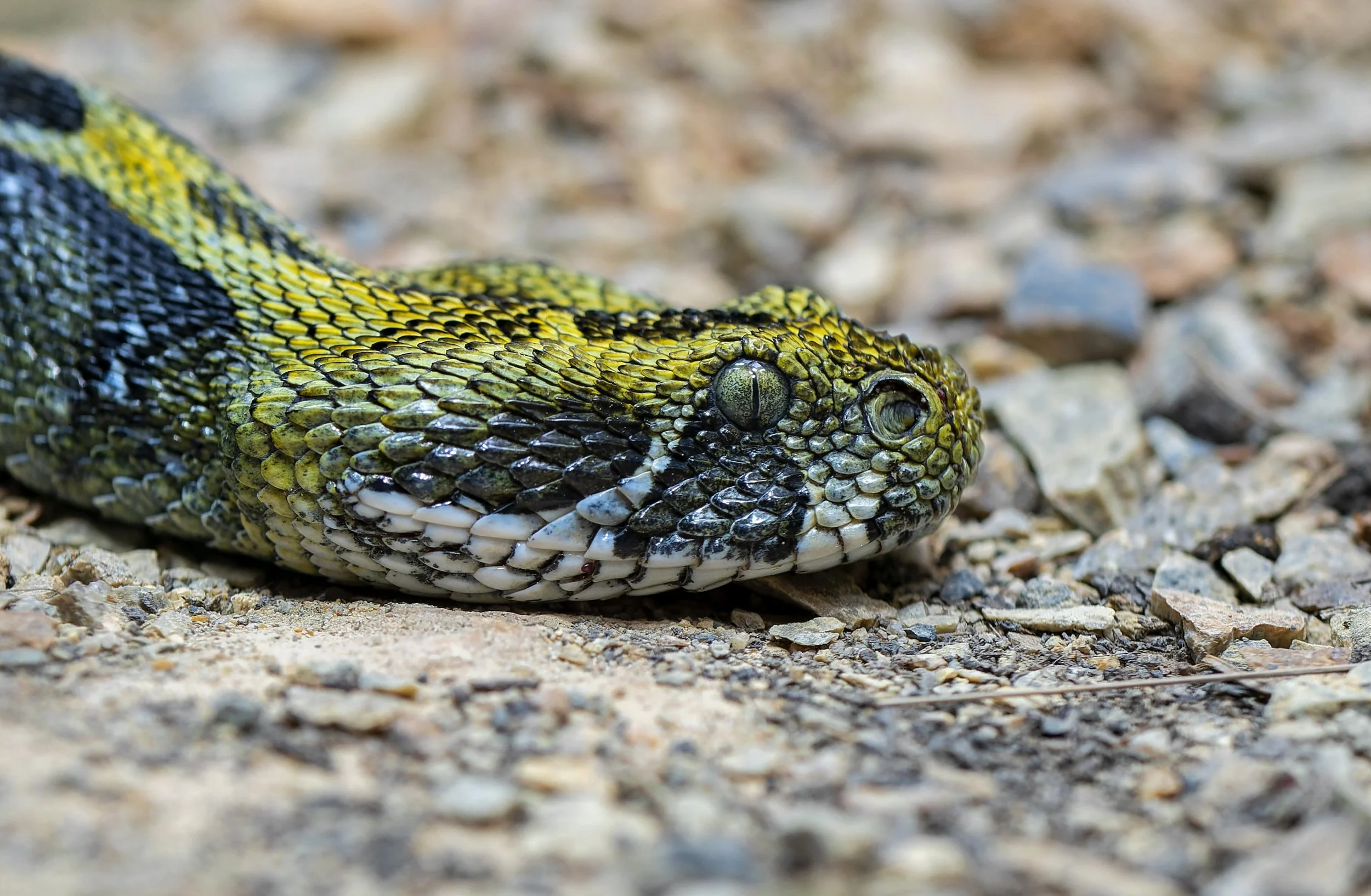
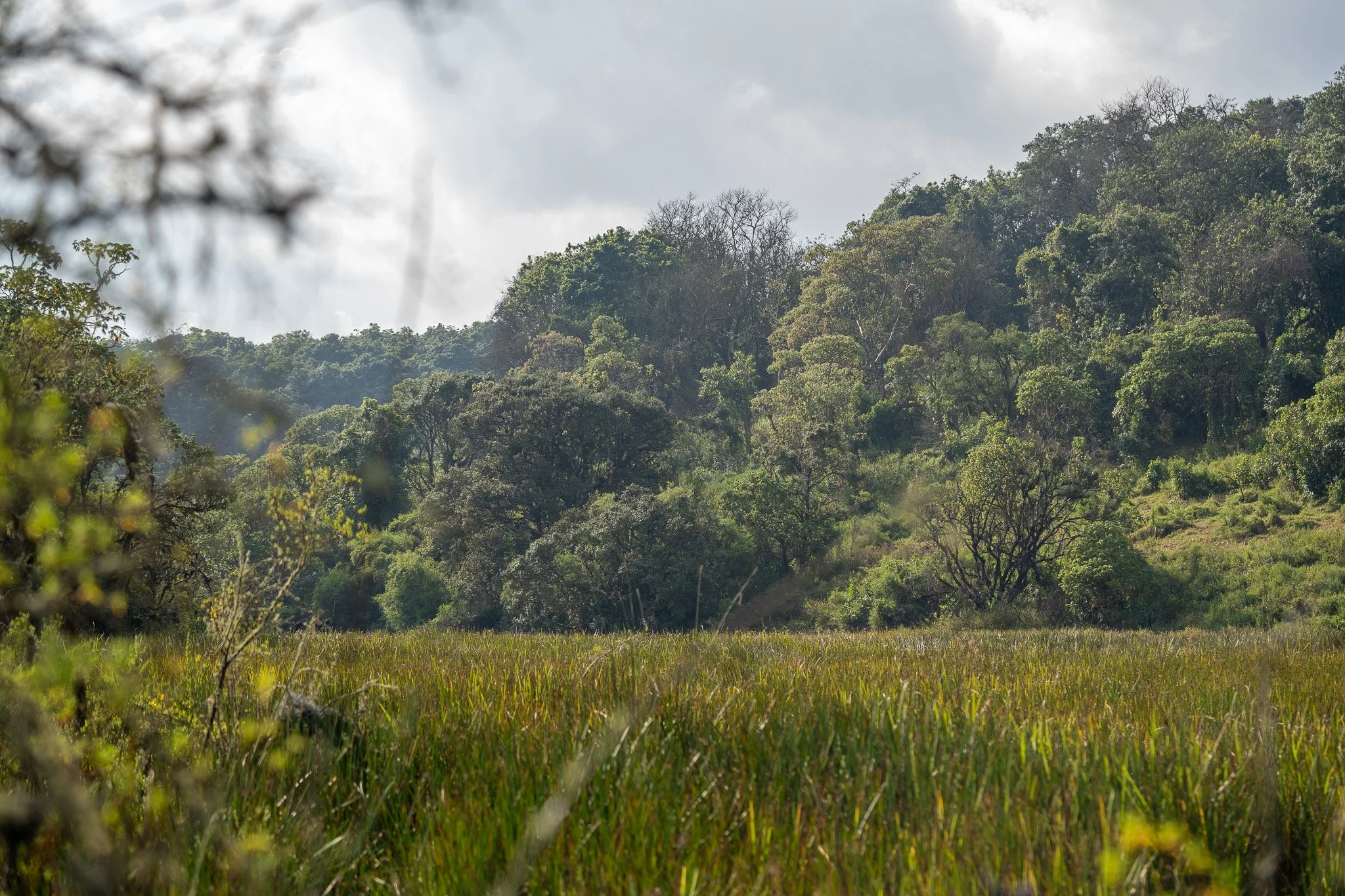
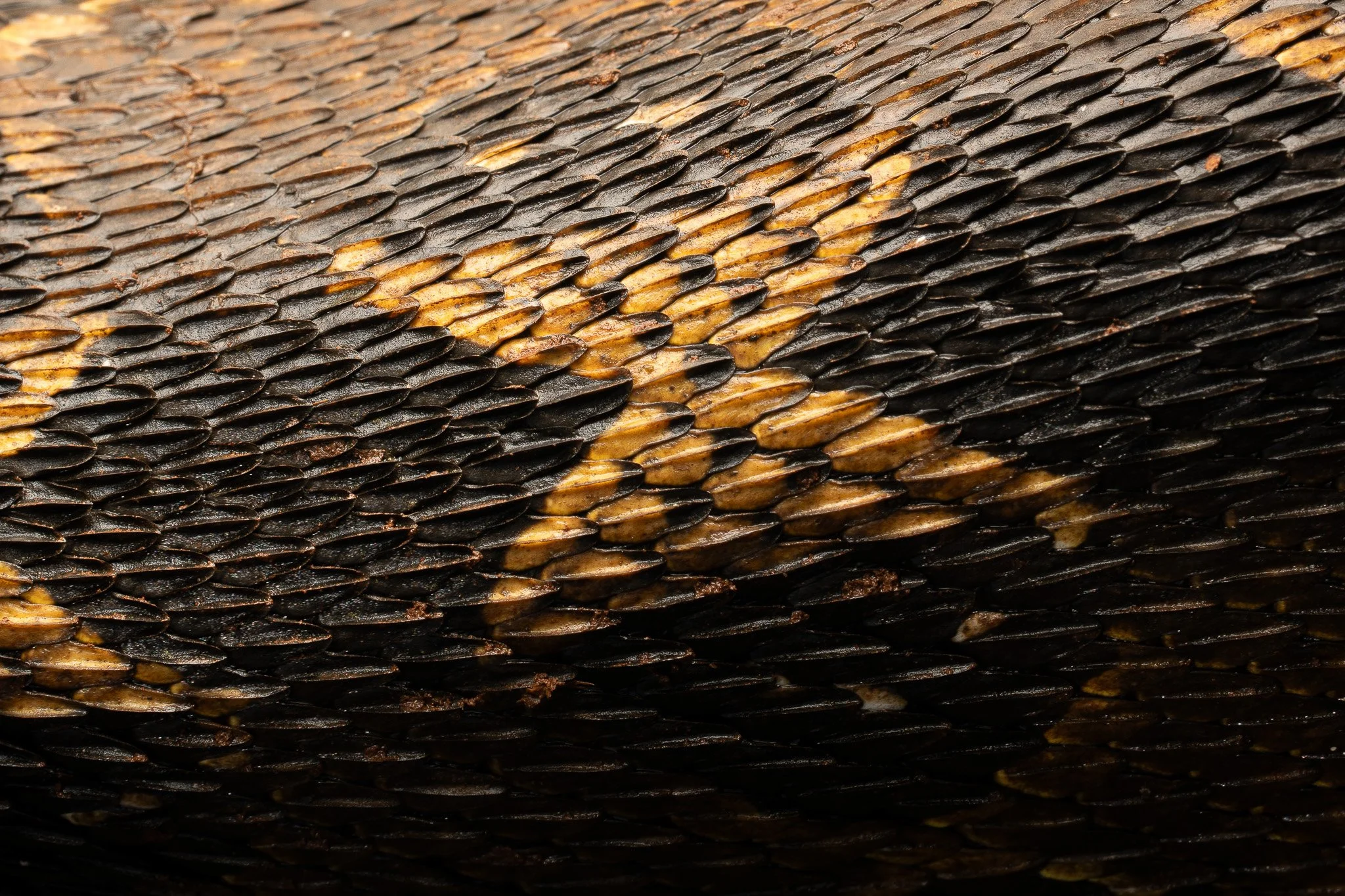
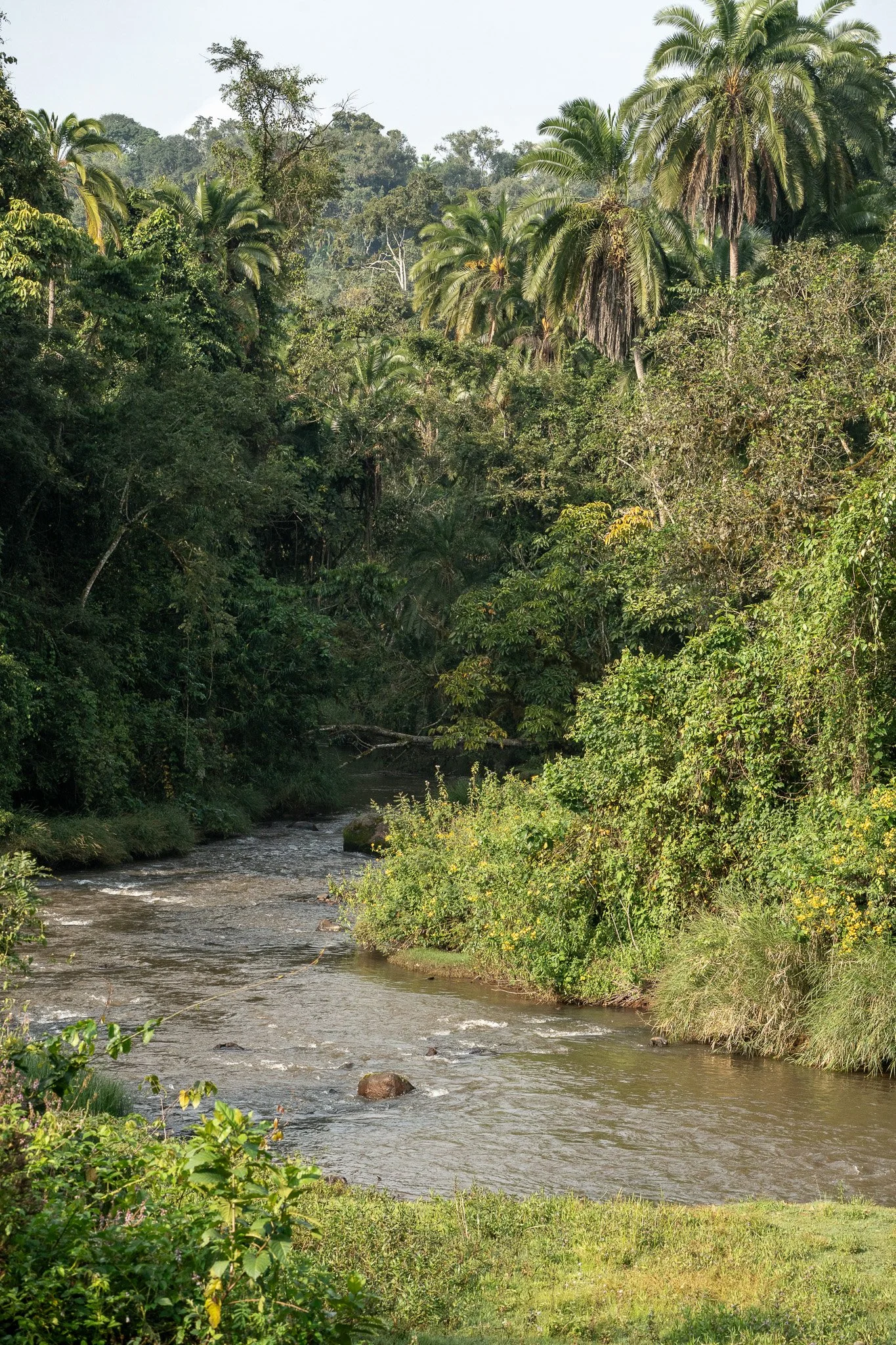
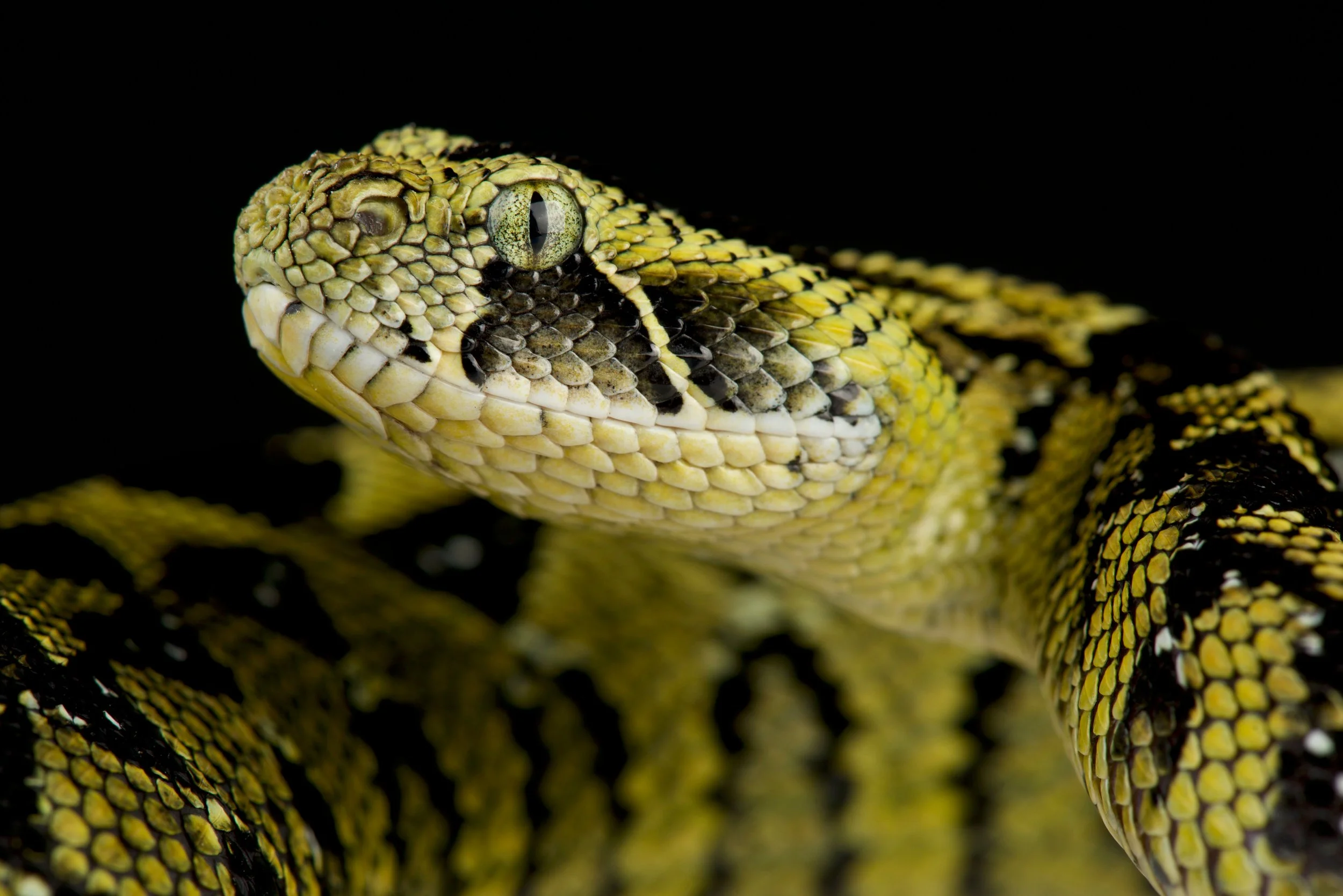
Ethiopia remains one of Africa’s biggest blanks on the herpetological map, and this expedition is designed specifically to work that gap. This is especially exciting as Ethiopia sits at a biogeographic crossroads (Ethiopian Highlands ↔ East African savanna ↔ Congo influence). Our primary target is Bitis parviocula, a high-elevation viper with a miniscule and little-understood confirmed range along with very few documented field encounters. Bitis parviocula was described by Wolfgang Böhme in 1977 from specimens collected in southwestern Ethiopia, with the first known specimen being a road‑kill near the Doki River, and was distinguished from other Bitis species by its small eyes, unique scalation, and body proportions. We’ll be operating in montane forest and escarpment systems where the species has been reliably recorded, focusing on elevation bands, slope aspect, and nocturnal activity windows that matter for actually finding it—not just hoping.
The species list goes well beyond parviocula. Ethiopia supports a suite of poorly known endemics and near-endemics, including other localized Bitis, highland Causus, unique Platyceps, and several undescribed or taxonomically messy skinks, geckos, and agamids tied to isolated massifs. Amphibian diversity is similarly underappreciated, with multiple submontane and montane genera showing strong micro-endemism. This is a technically focused herping expedition aimed at serious field time, careful habitat work, and documenting animals that are still genuinely underrepresented in the wild and in conservation planning.
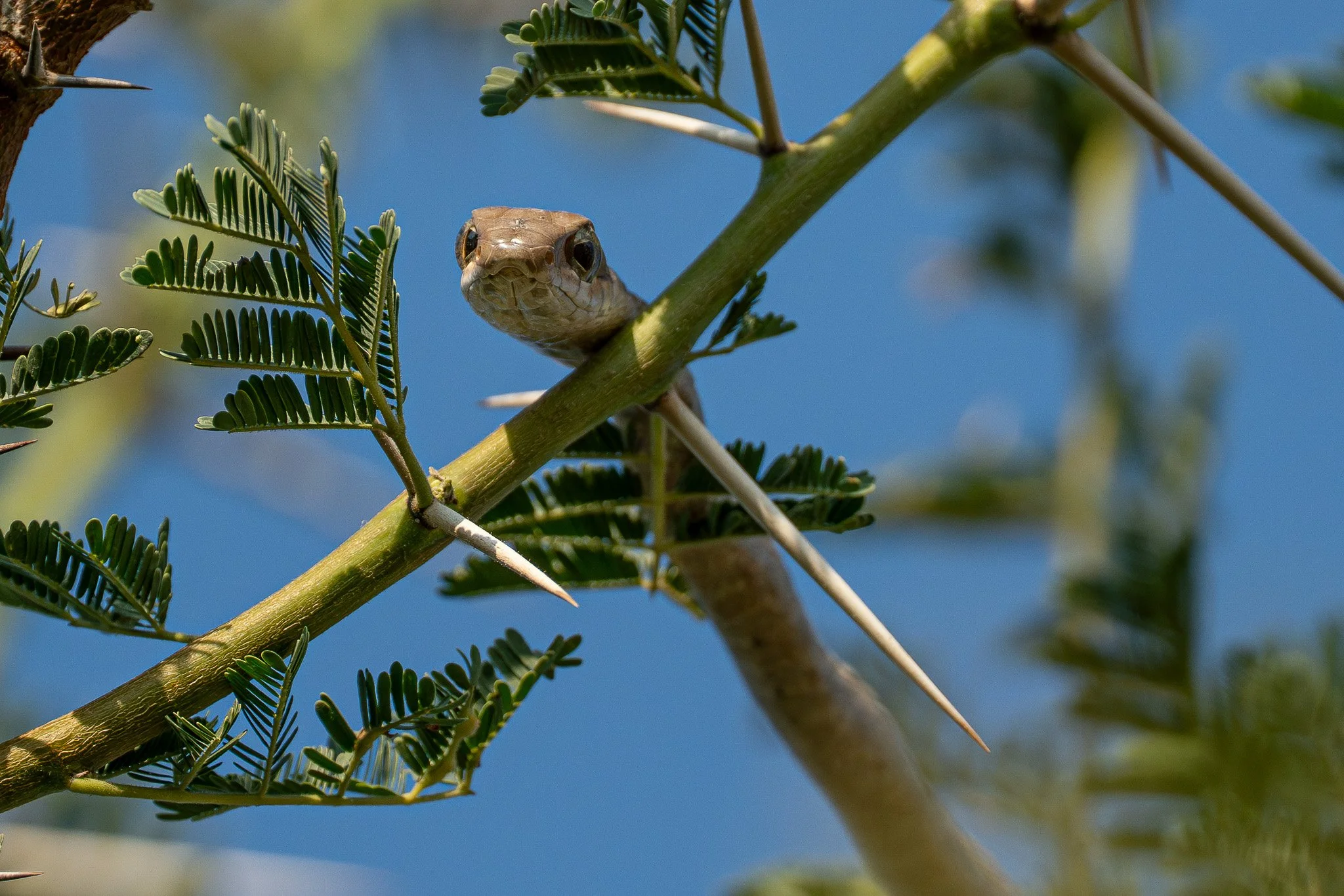
Our expedition will be a calculated 13-day speed run through a mixture of Ethiopia’s highest areas for herp endemism (typically lower densities, however) and the country’s highest areas of snake density (lower diversity). Besides the primary target (Bitis parviocula), you can hope to encounter the: black mamba, red spitting cobra, forest cobra, Central African rock python, puff adder, boomslang, striped Ethiopian mountain snake (endemic), Böhme's Ethiopian snake (endemic), Ethiopian house snake (endemic), Ethiopian mountain chameleon (endemic), Two-horned chameleon, and FAR too many others to list. Herping here is not easy, and total success is never guaranteed. This truly pioneering expedition will be largely a learning opportunity for all involved, and we invite you to be a part of it.
EXPLoRE THE FULL ITINERARY BELOW.
A NOTE: THIS EXPEDITION IS ACUTELY FOCUSED ON FINDING AND DOCUMENTING WILD ETHIOPIAN MOUNTAIN VIPERS. FOR THIS REASON, OUR SCHEDULE IS ENTIRELY DEPENDENT UPON ON HOW QUICKLY WE SUCCEED IN LOCATING THEM. WE WILL REMAIN IN THE BONGA AS LONG AS DESIRED TO TARGET PARVIOCULA, AS WELL AS FOREST COBRAS, ENDEMIC CHAMELEONS (AT LEAST 1 UNDESCRIBED), ENDEMIC FROGS, AND OTHER LITTLE-KNOWN SPECIES OCCURING IN THE HIGHLANDS.
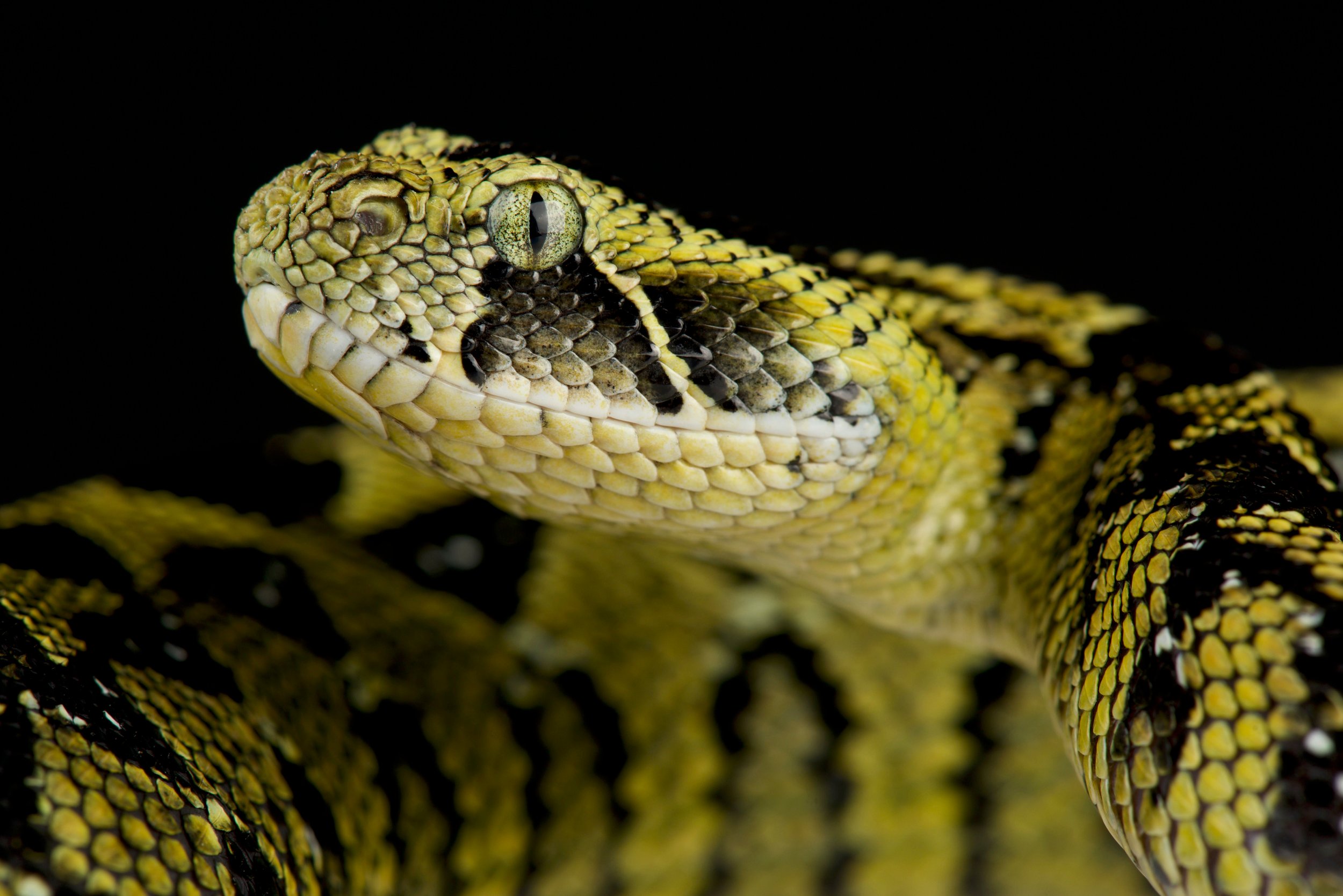
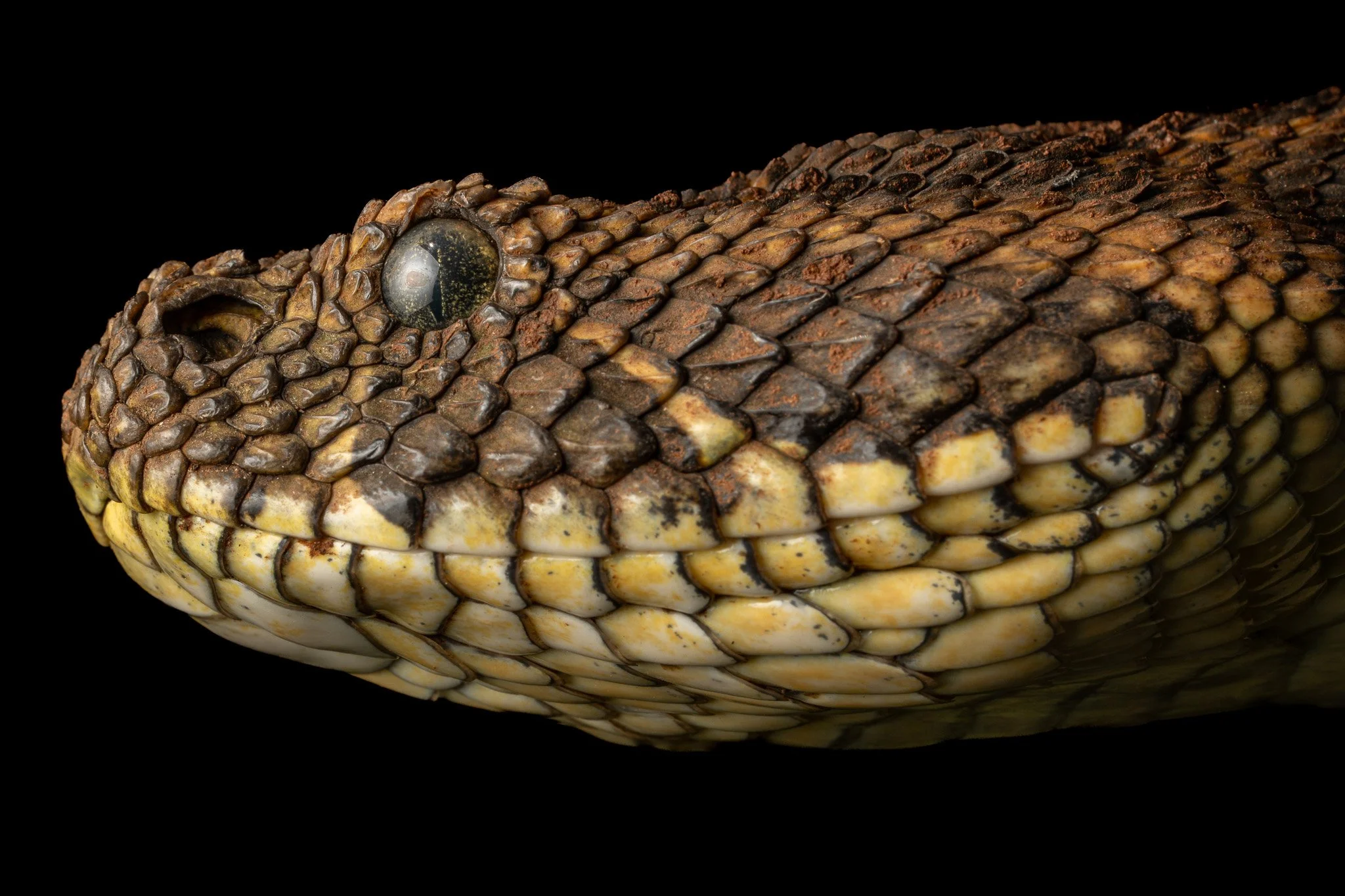
A young Ethiopian mountain viper (Bitis parviocula), our primary target. We’ll be spending as much time as necessary in-habitat for these snakes.
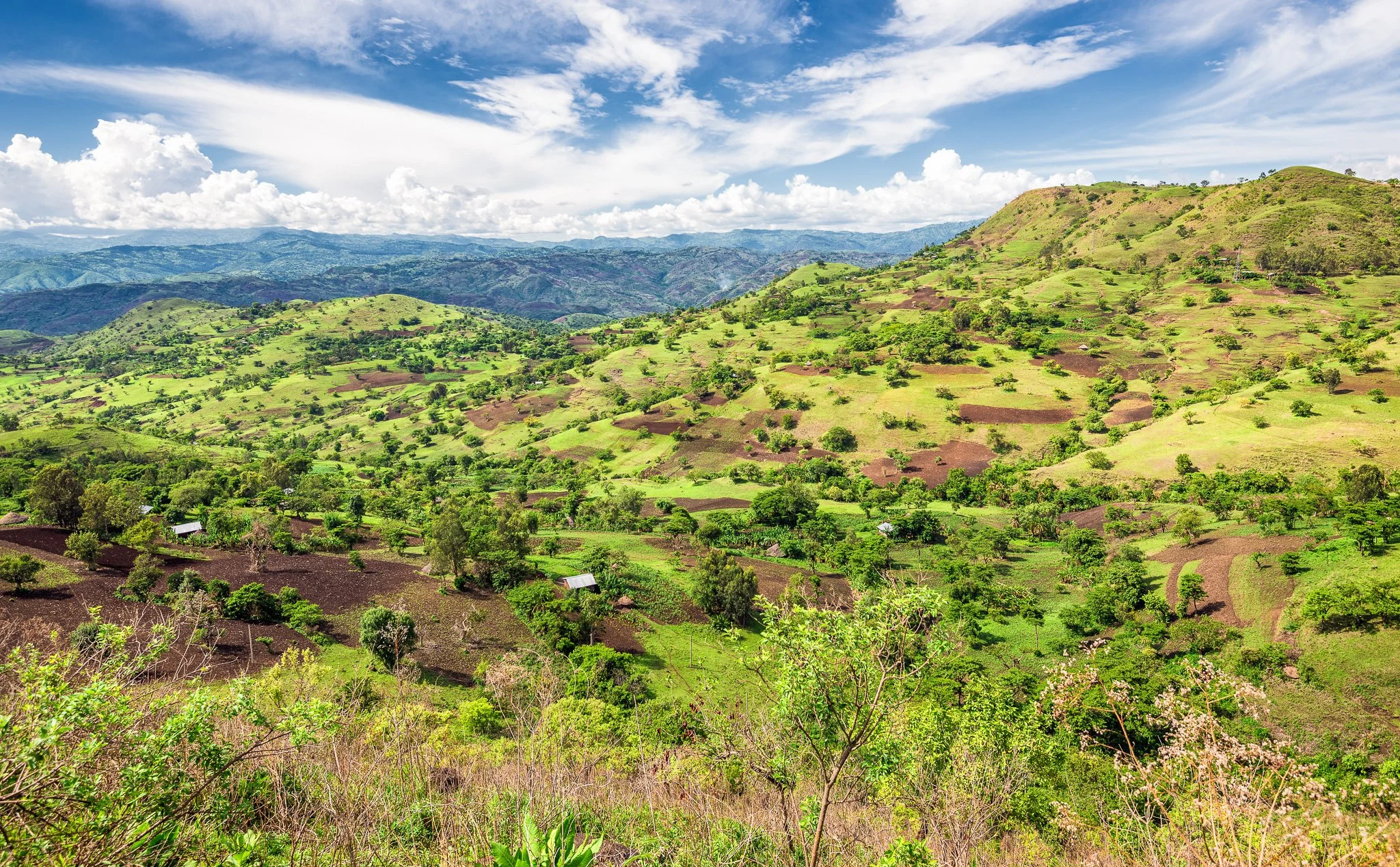
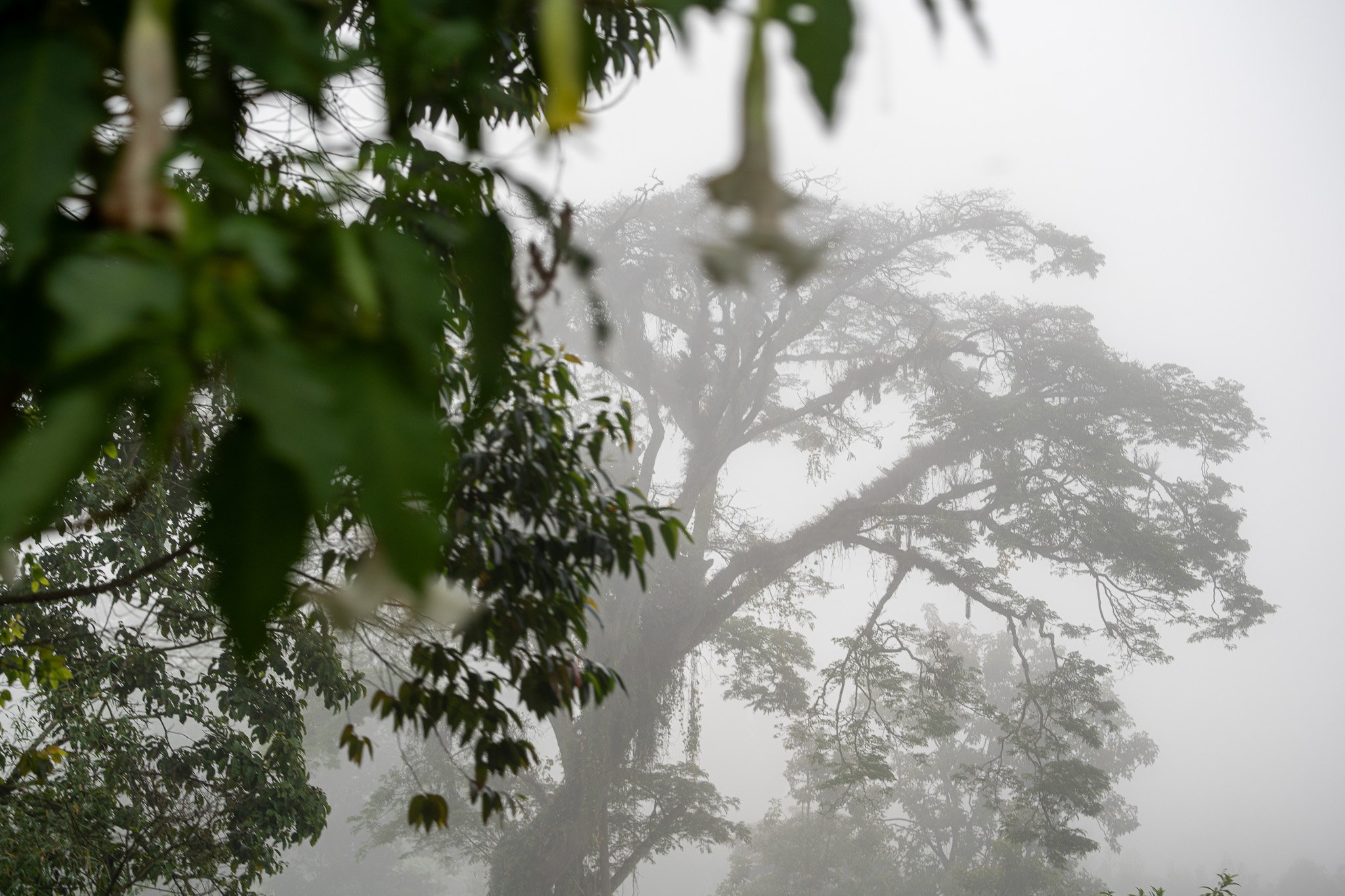
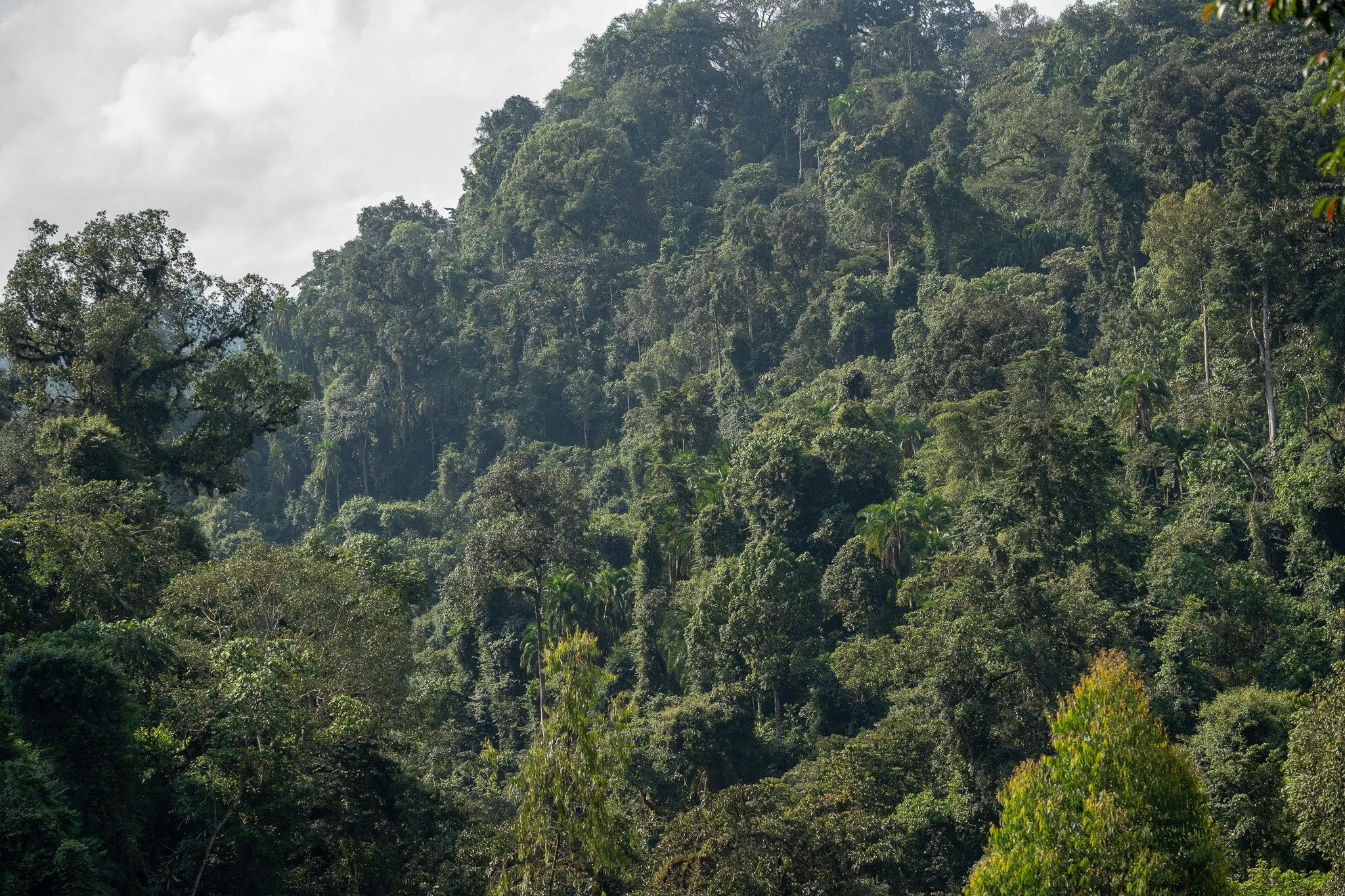
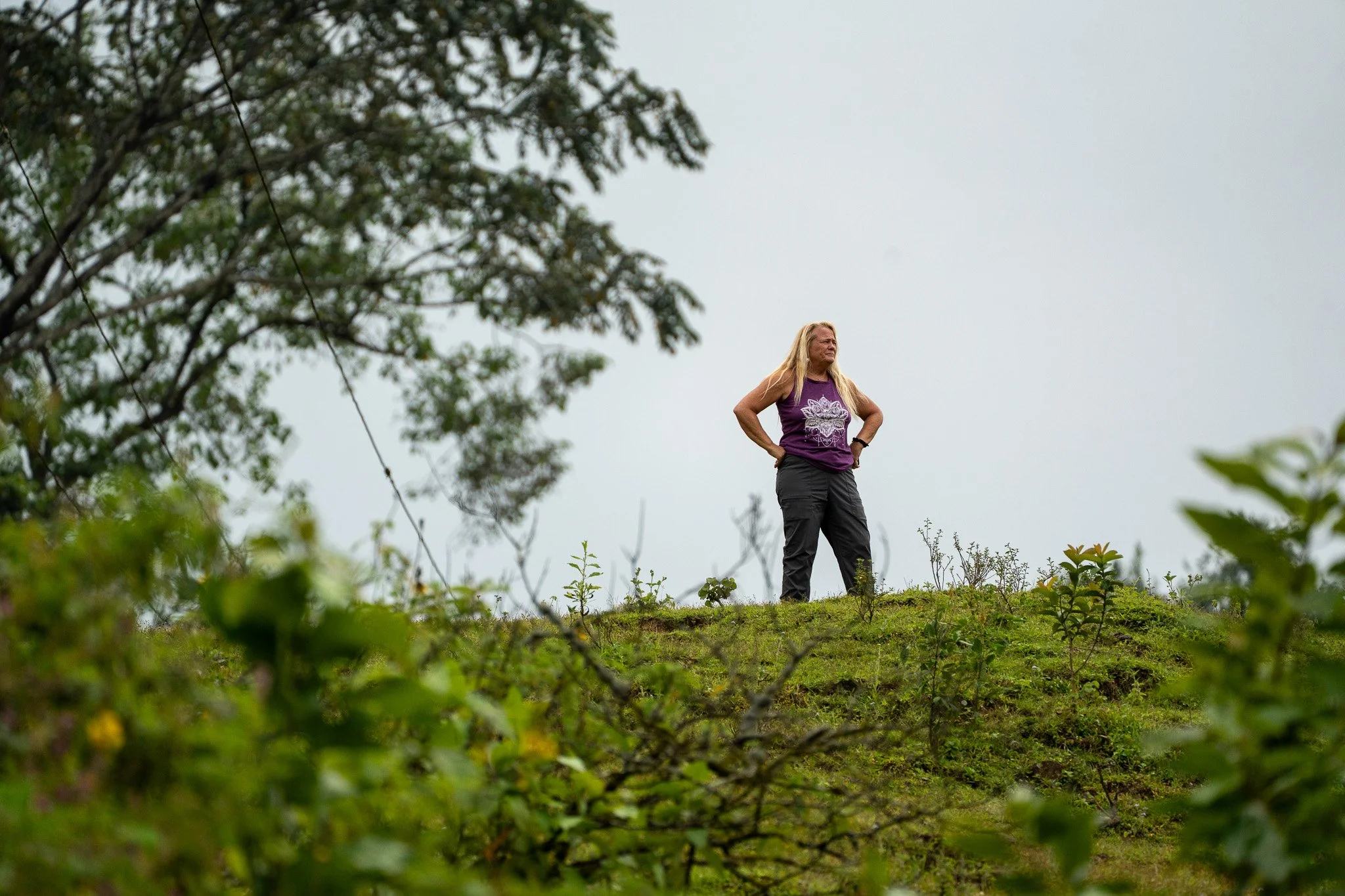
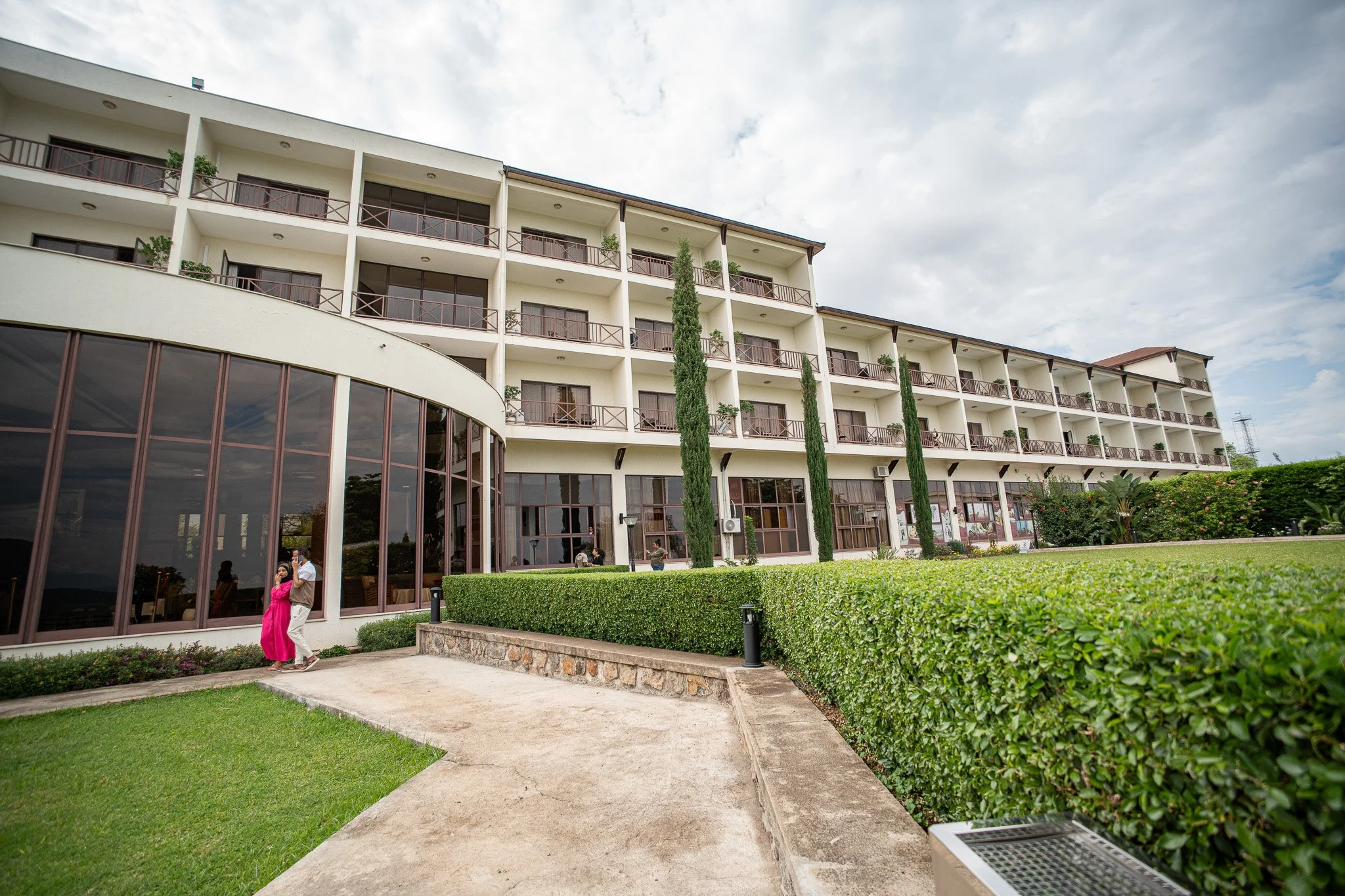
Agricultural operations and the hillsides surrounding prime Bitis parviocula habitat, just outside of Bonga. Our lodge will be near the base of the mountains seen here.
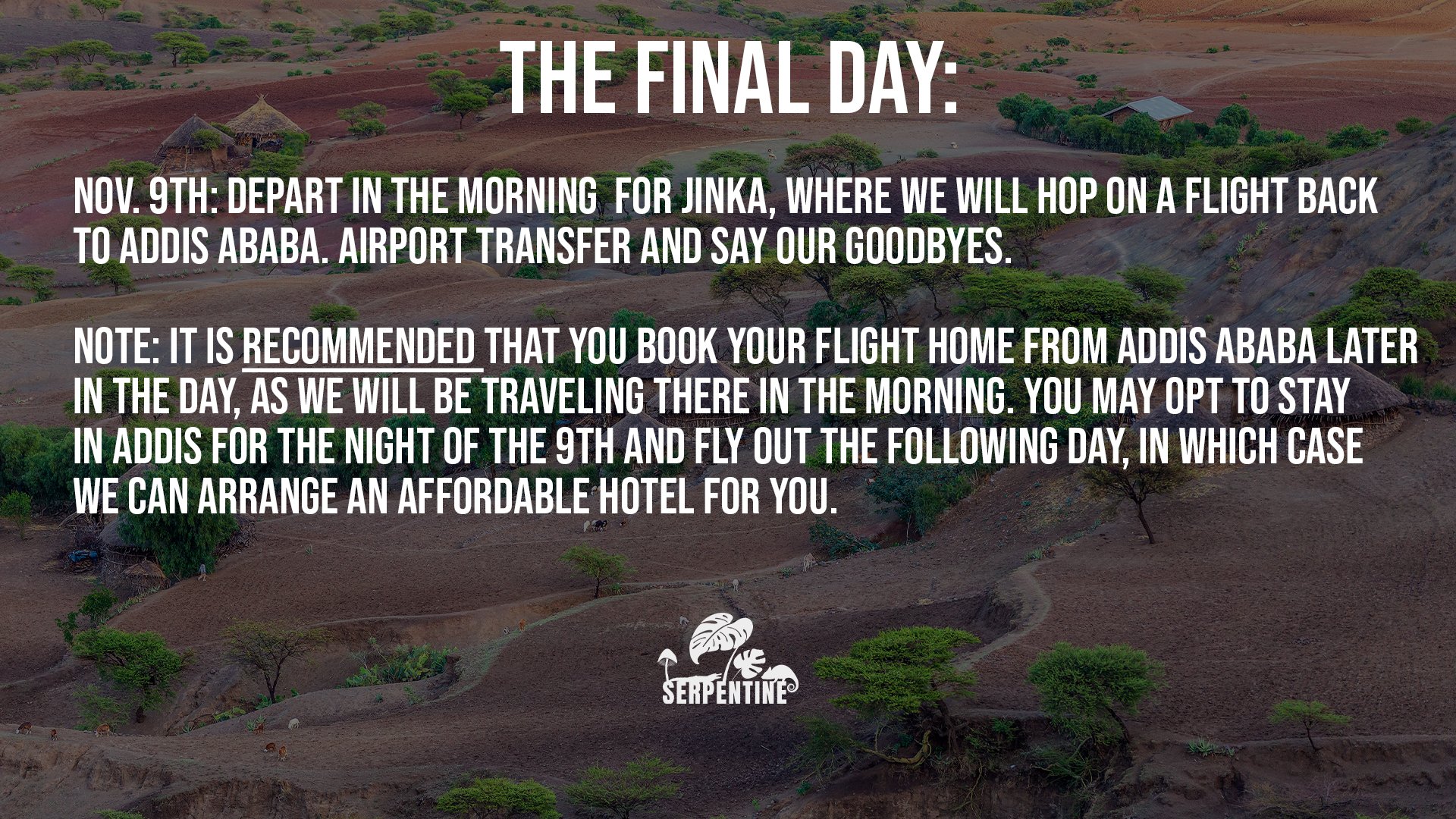
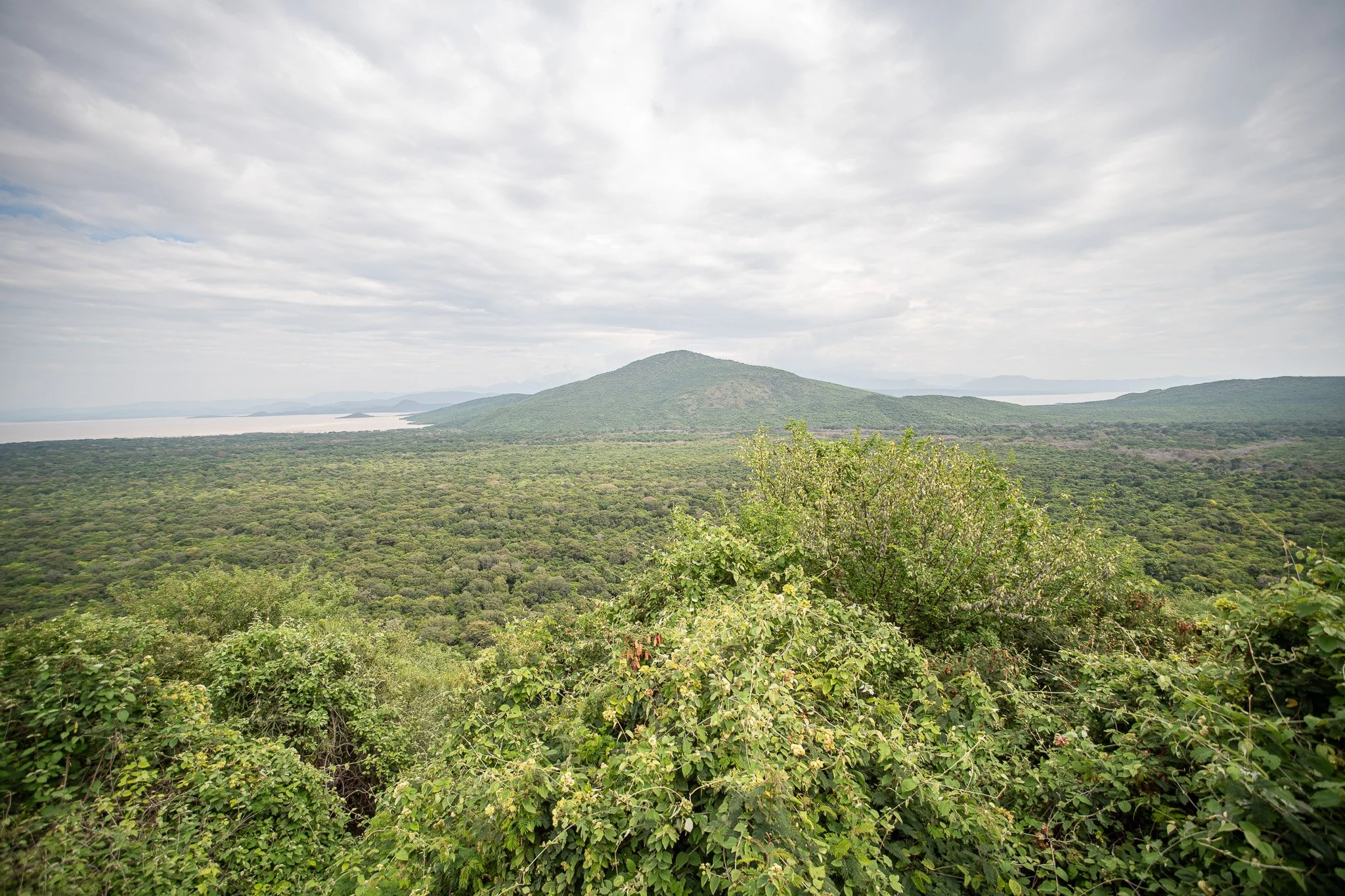
regarding the second half of the expedition: if we have located 1 or multiple parviocula, the group will decide what happens next. we will likely make our way to the lowland, flooded areas of arbaminch. here, we’ll be able to target healthy populations of black mambas and red spitting cobras, rock pythons, nile crocodiles (with caution towards the hippos), and other classic african species.
this could occur as early as NOVEMBER 2ND, OR ON OUR LAST 2-3 DAYS. IT IS ENTIRELY DEPENDENT ON OUR SUCCESS Or LACK THEREOF IN TRACKING DOWN THE GHOST OF THE HIGHLANDS.
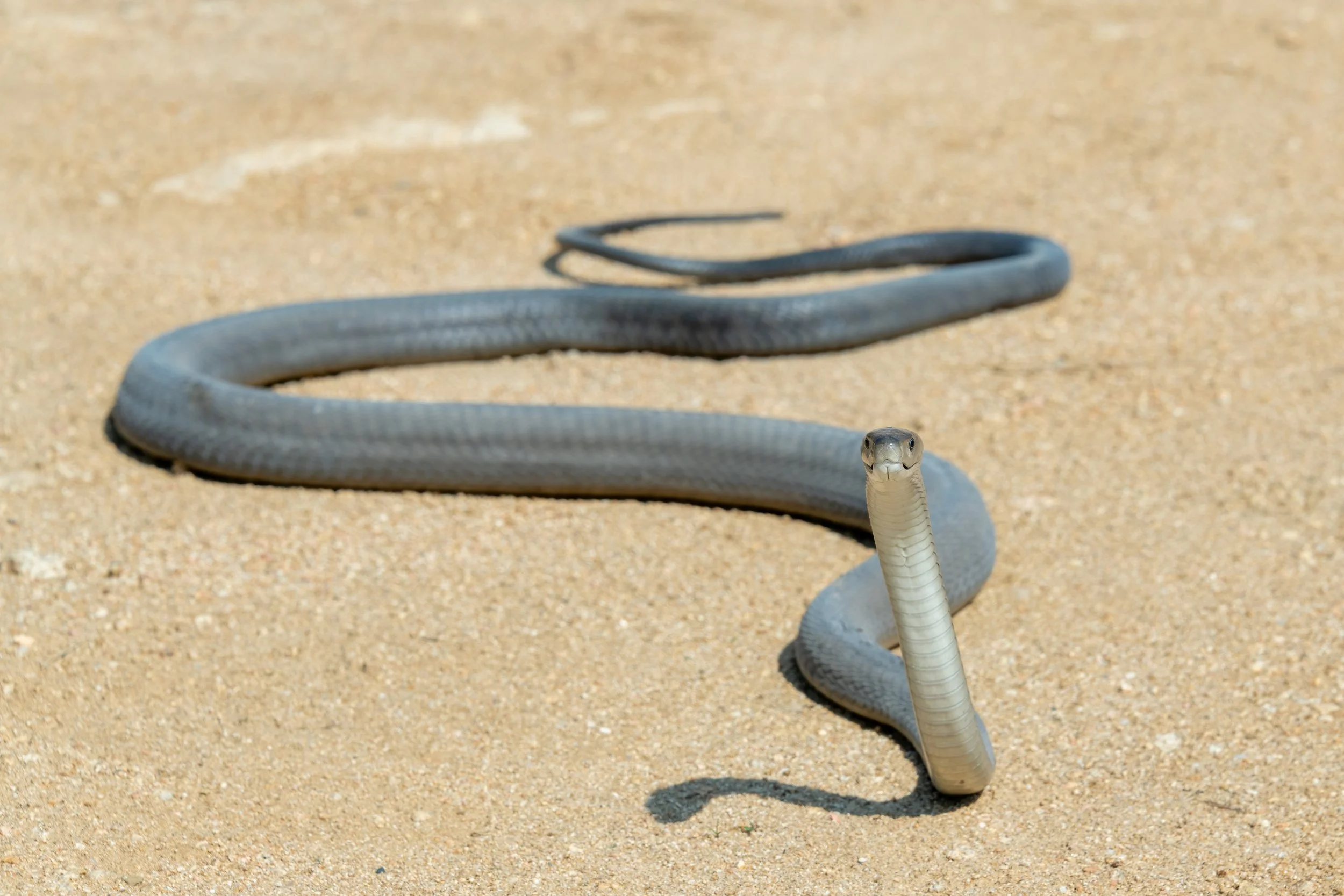
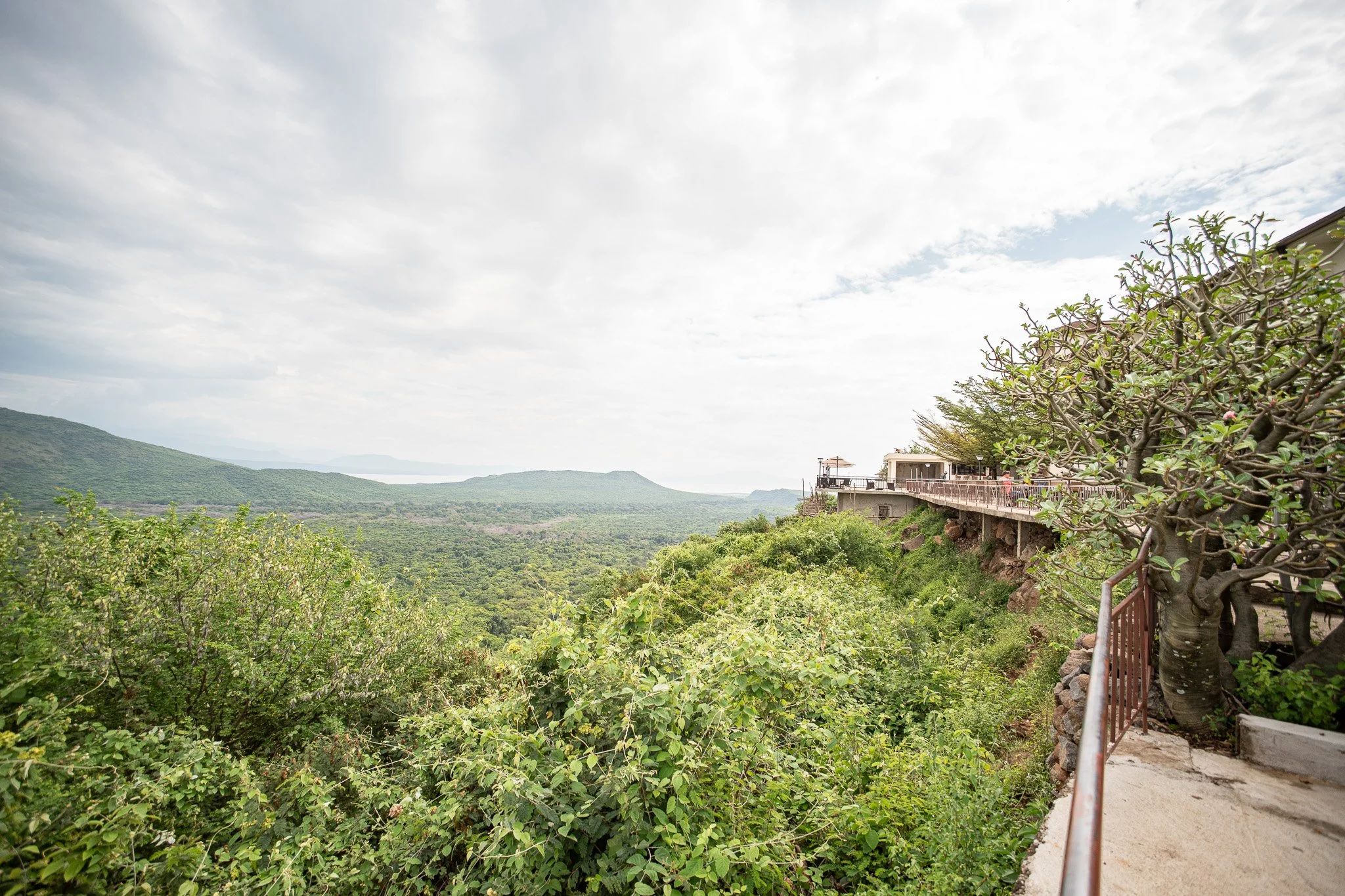
Arbaminch offers both breathtaking views and a very healthy population of arguably Africa’s most dangerous snake- the black mamba (Dendroaspis polylepis).
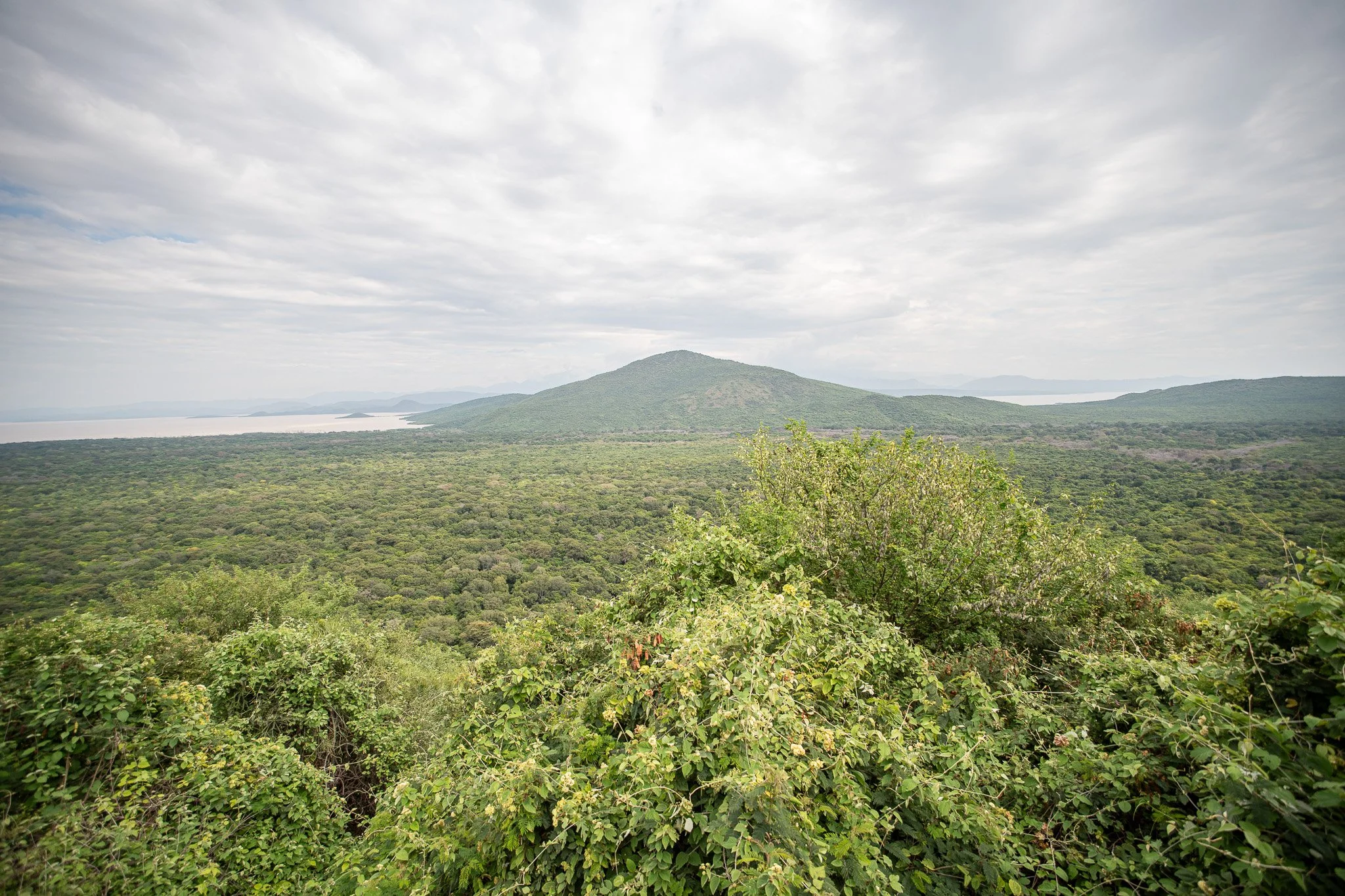
The moist lowlands of Arbaminch, teeming with life. Here we can find puff adders, mambas, red spitting cobras,
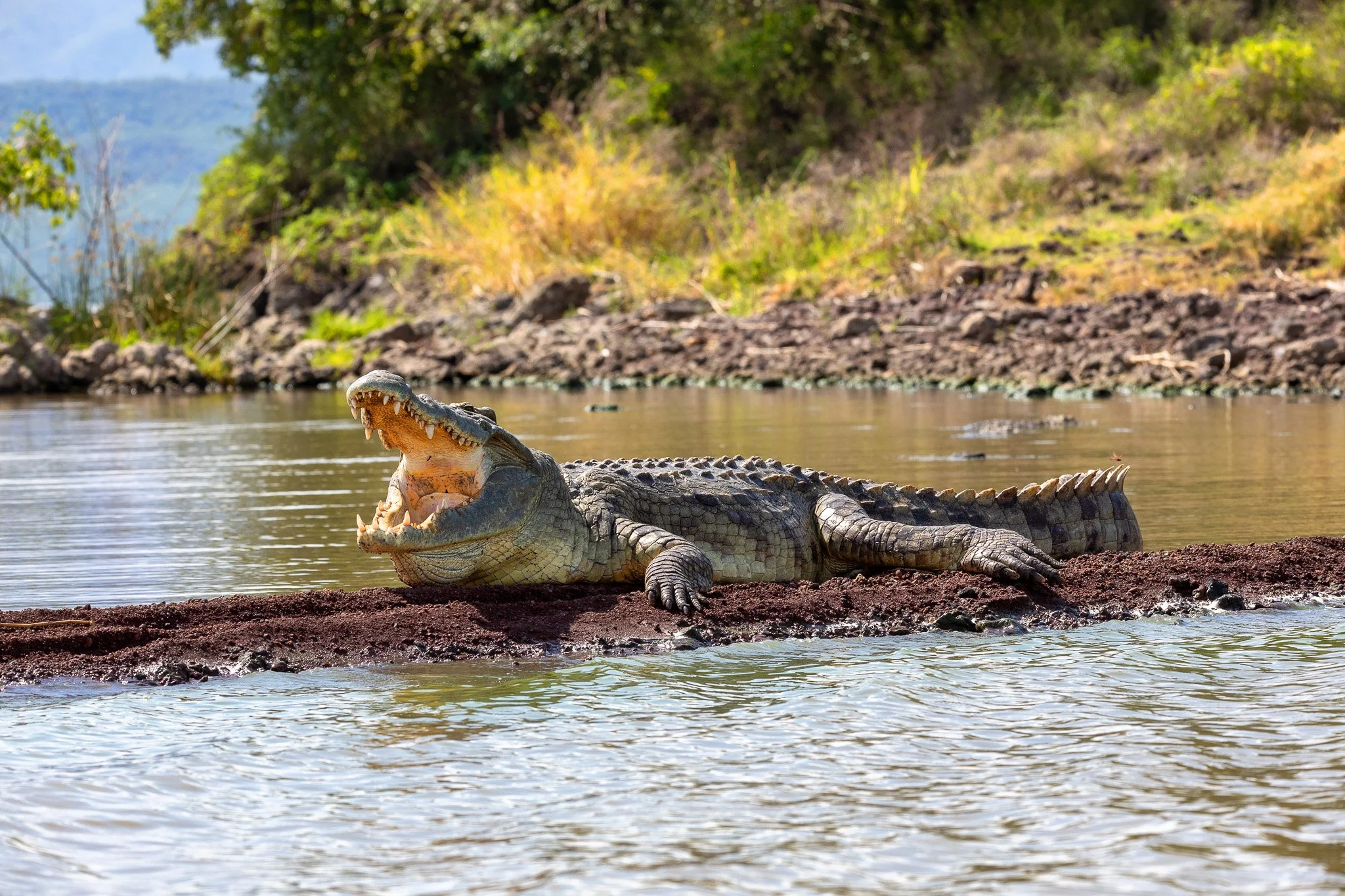
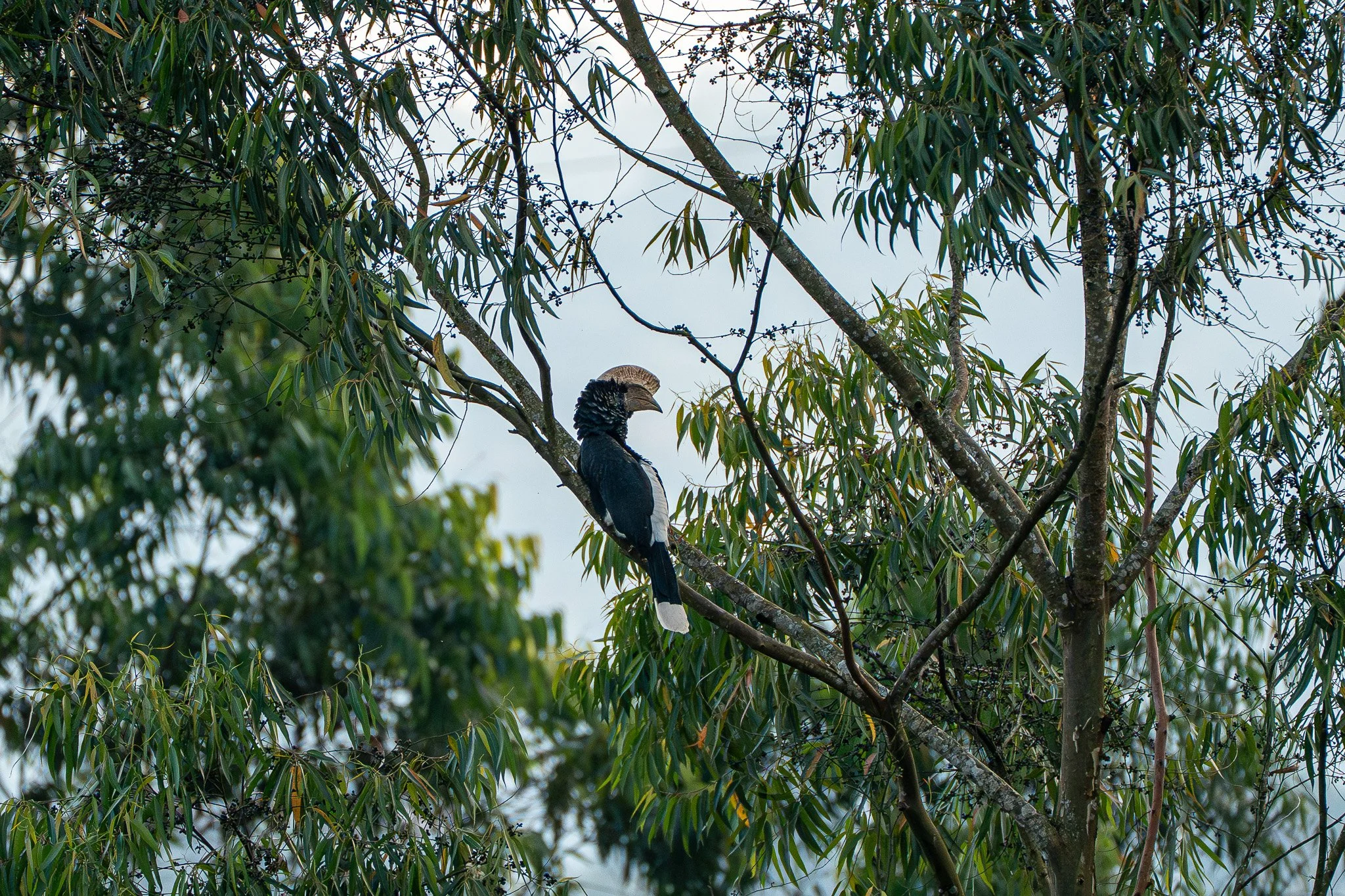
Truly massive Nile crocodiles call Lake Chomo in Arbaminch home. The area also boasts incredible bird and mammal diversity.