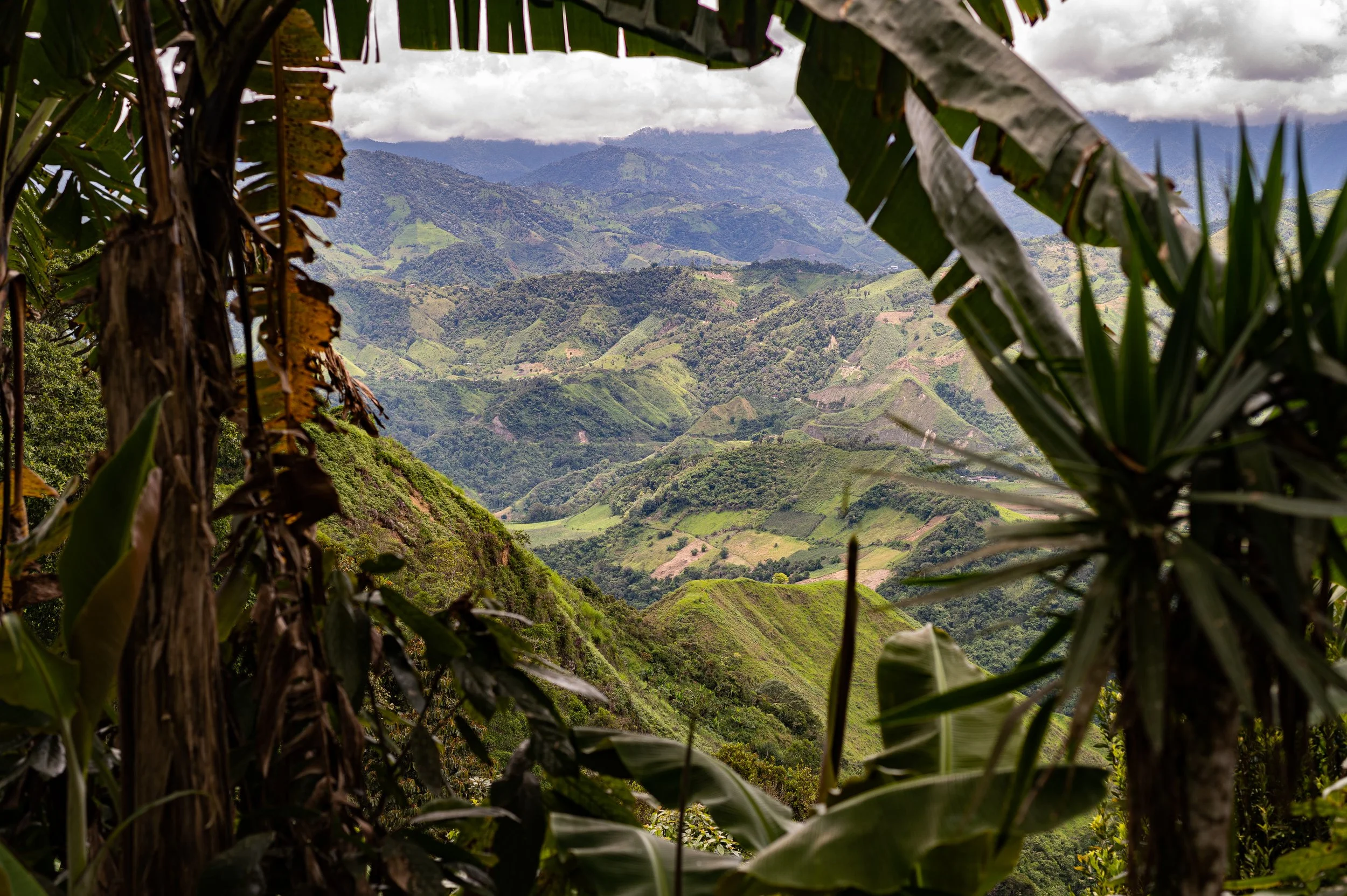
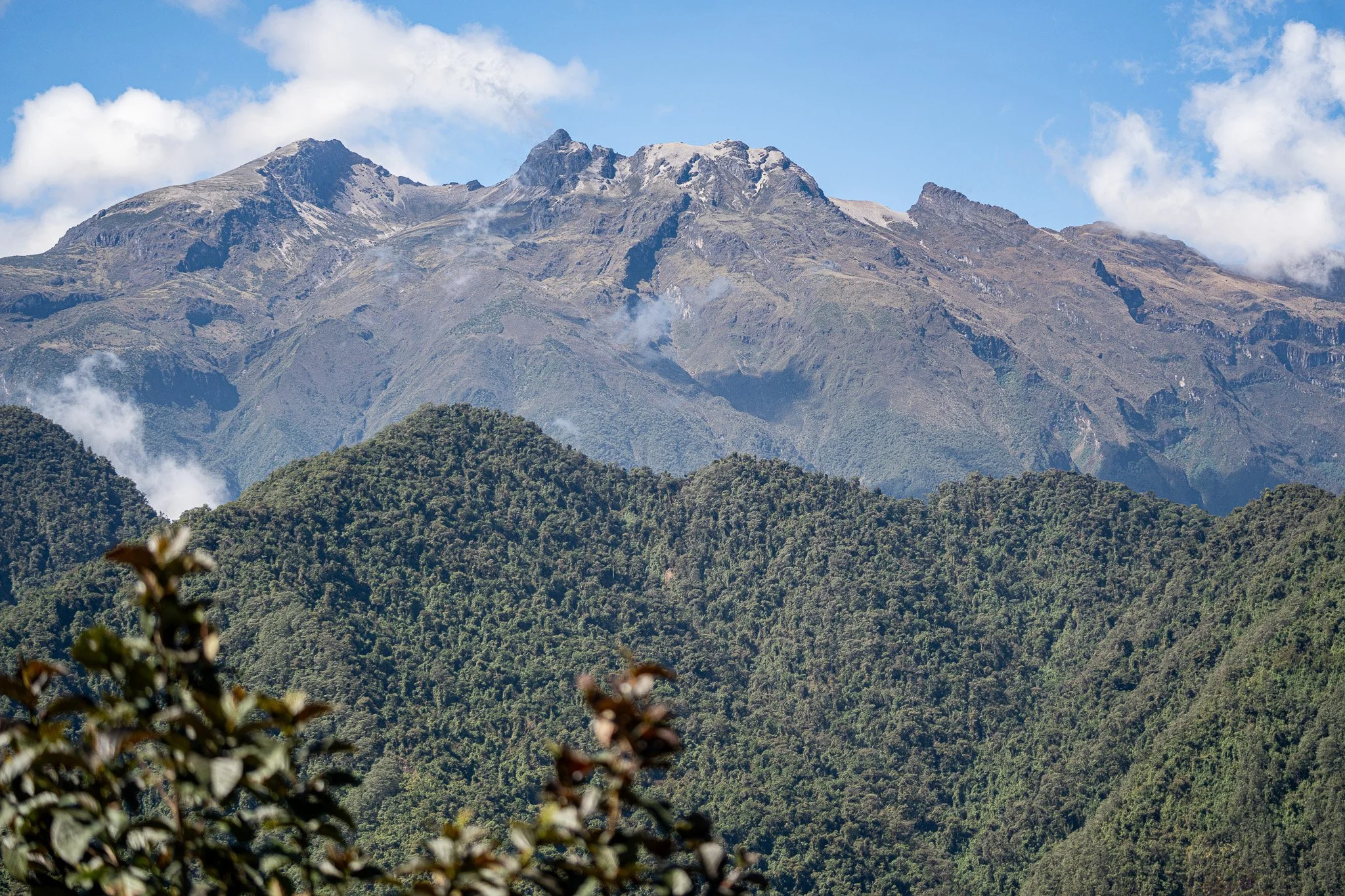
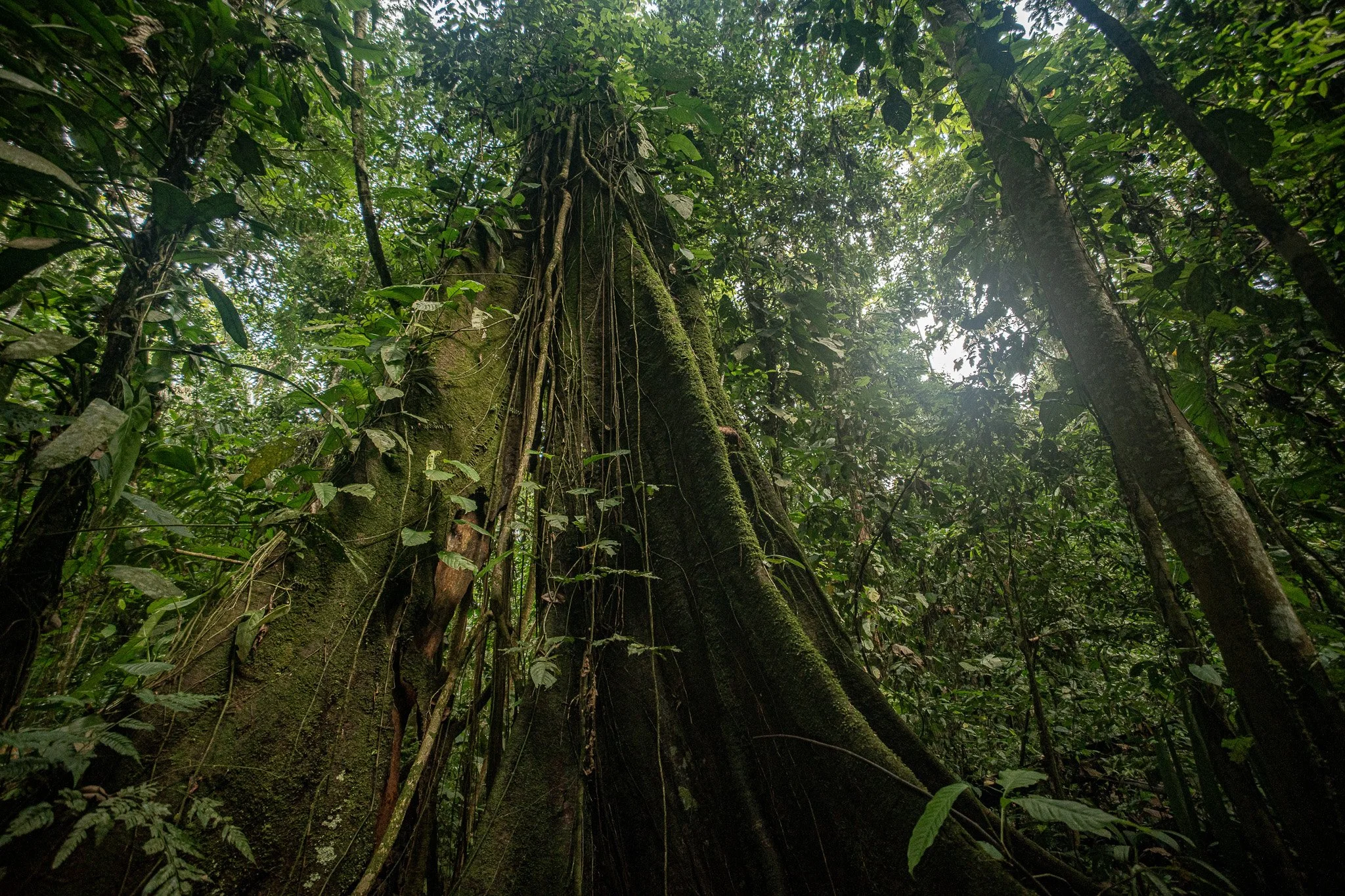
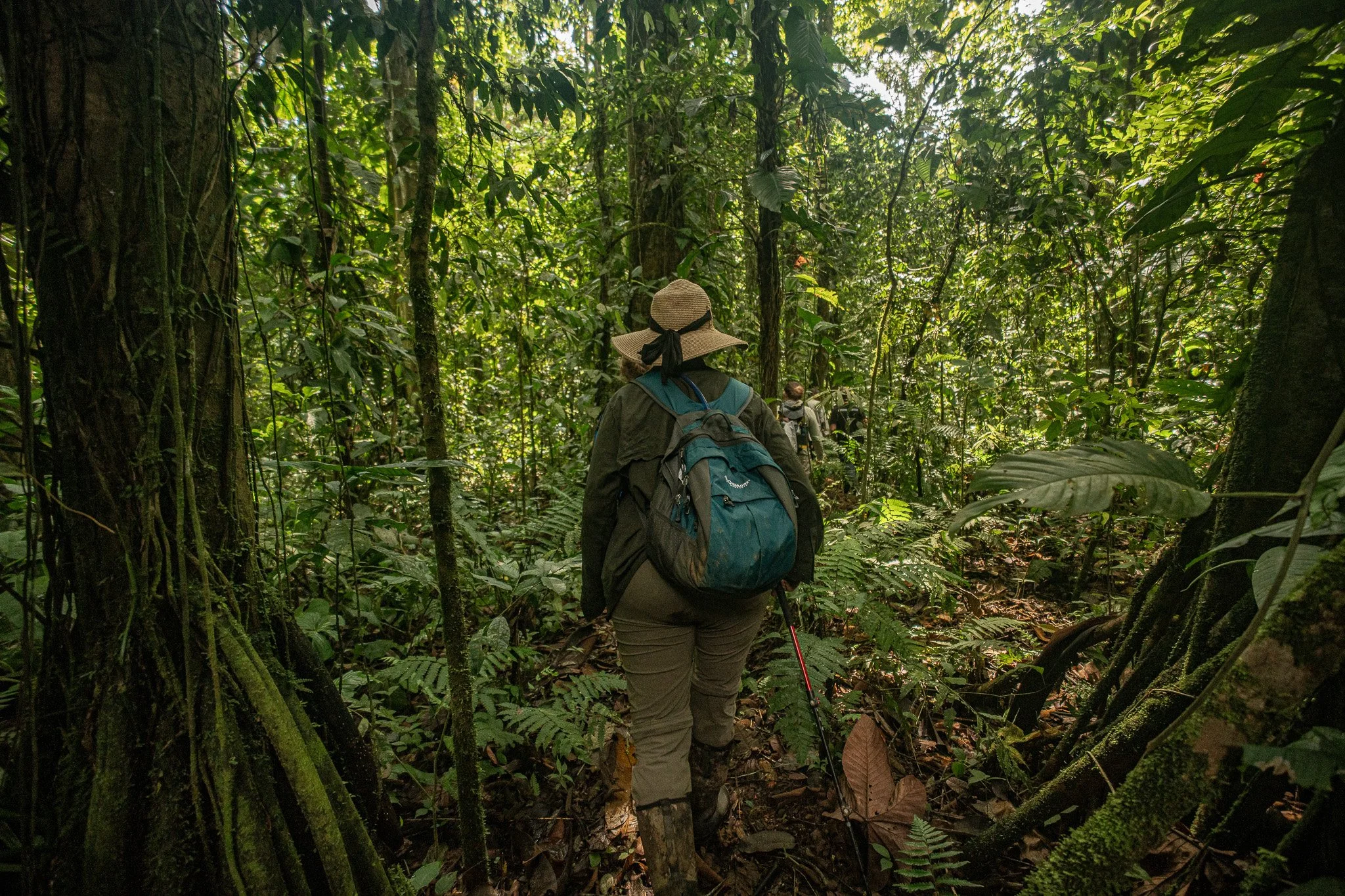
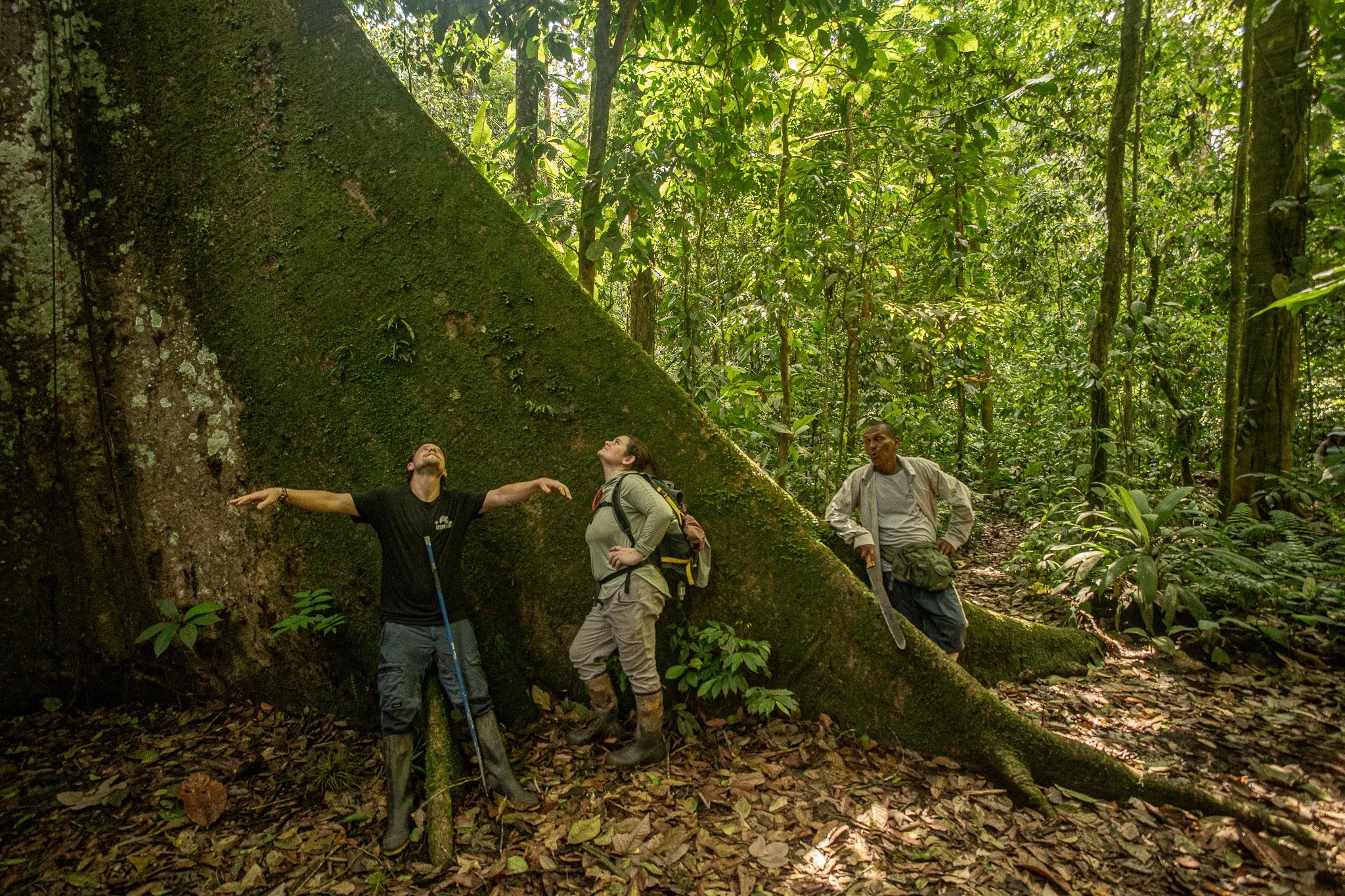
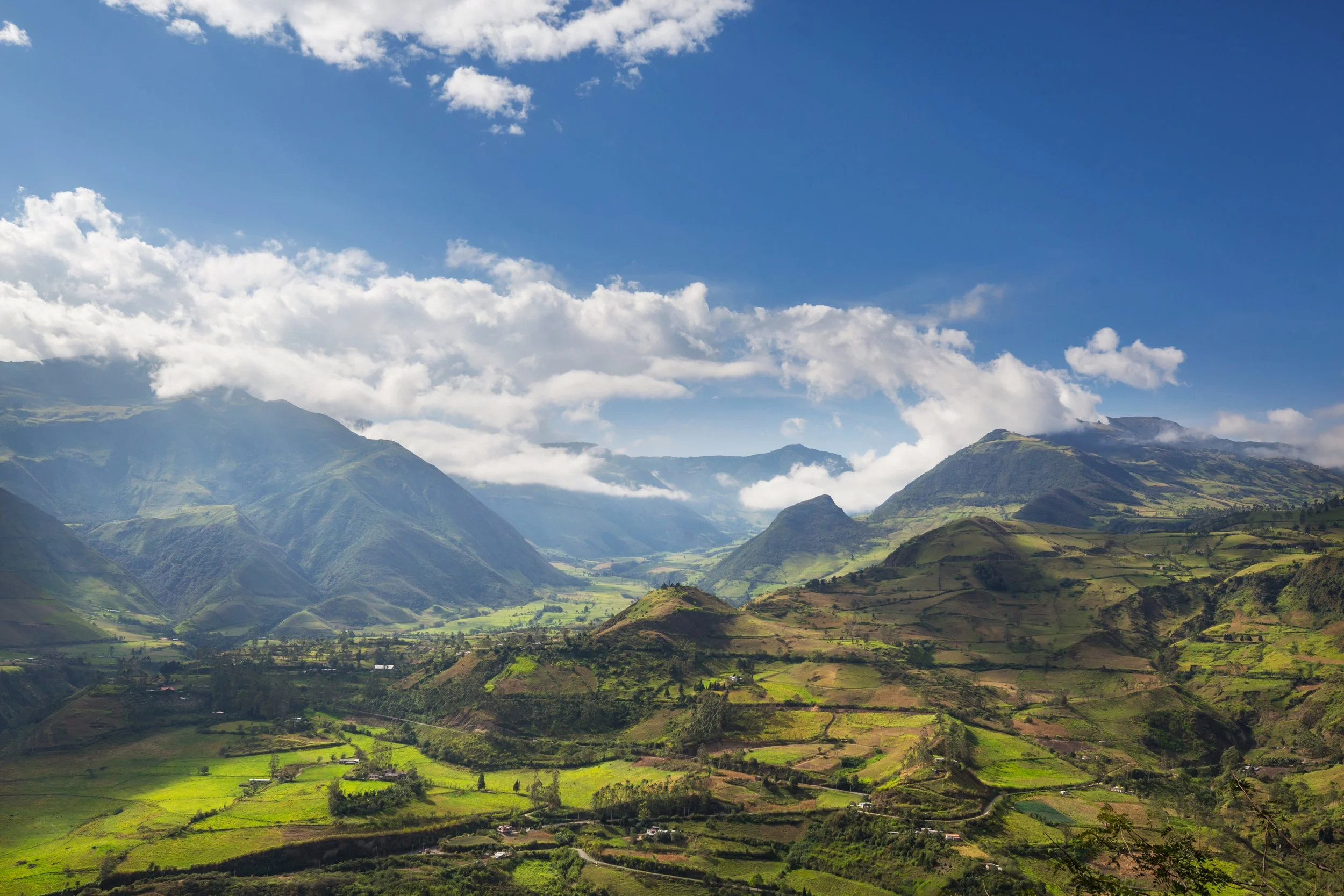
Ecuador’s extraordinary biodiversity is the product of millions of years of geological evolution. This occurred as the collision and subduction of oceanic plates beneath South America uplifted the Andes, generated volcanic landscapes, and created dramatic gradients in elevation, temperature, rainfall, and habitat.
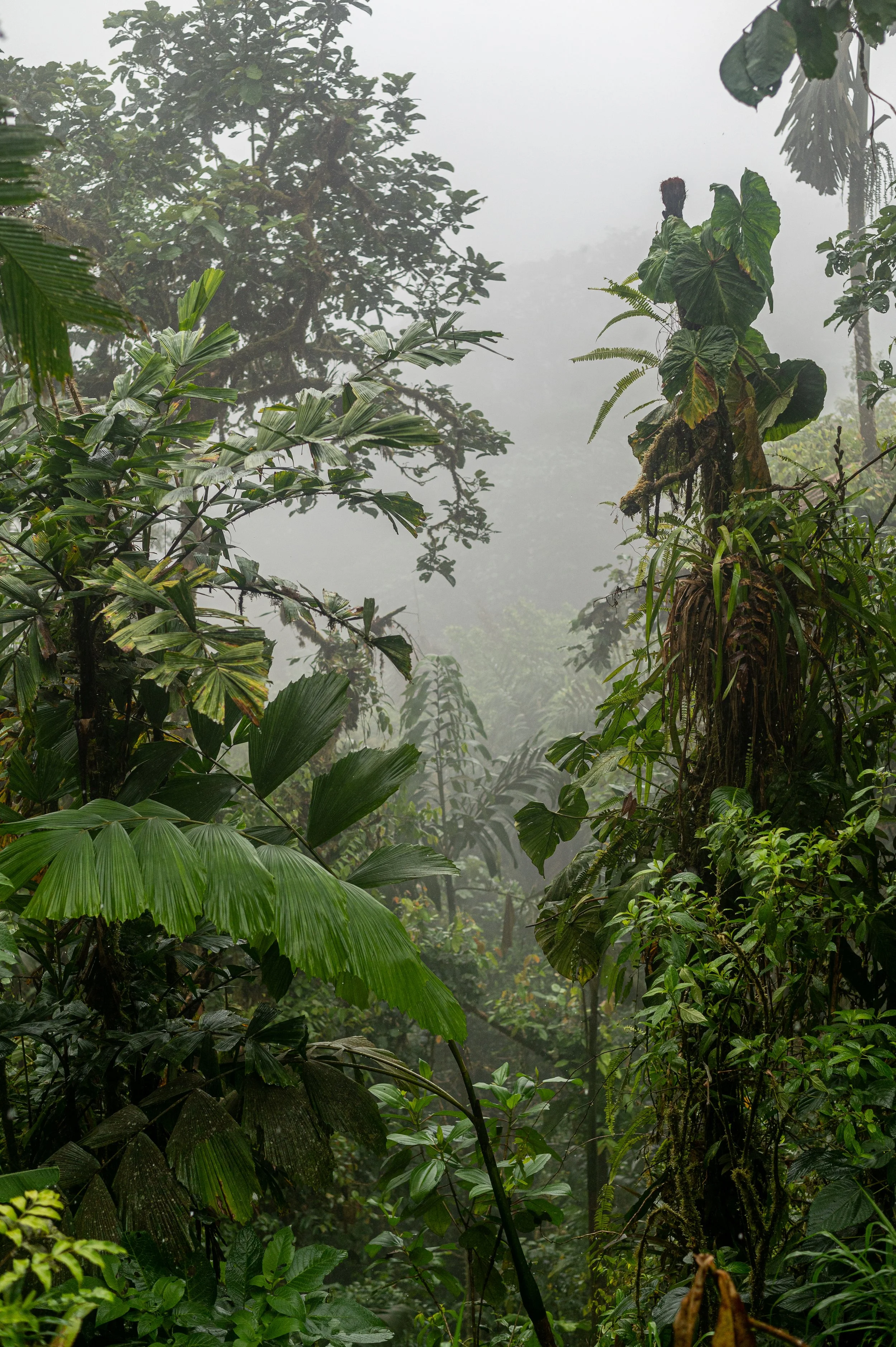
The accretion of ancient oceanic terrains, the formation of inter-Andean valleys, and the development of the Amazonian foreland basin and Pacific lowlands produced a remarkable mosaic of biomes. These range today from coastal dry forests and humid Chocó rainforest to high-altitude páramo, montane cloud forests, and of course the Amazonian rainforest. Such prehistoric geological and climatic transitions catered to the development of countless ecological niches; all while mountain building, river systems, and shifting habitat corridors repeatedly isolated and reconnected populations- promoting allopatric speciation, adaptive radiation, and extreme endemism. Combined with Ecuador’s position at the intersection of Andean, Amazonian, and Chocó biogeographic regions, this complex evolutionary history has made the country one of the most biologically diverse places on Earth relative to its size.
ECUADOR IS THE MOST BIODIVERSE DESTINATION THAT WE OPERATE IN, & ONE OF THE MOST THREATENED.
1,100+ HERP SPECIES, 363 ENDANGERED HERP SPECIES, & 85 CRITICALLY ENDANGERED HERP SPECIES.
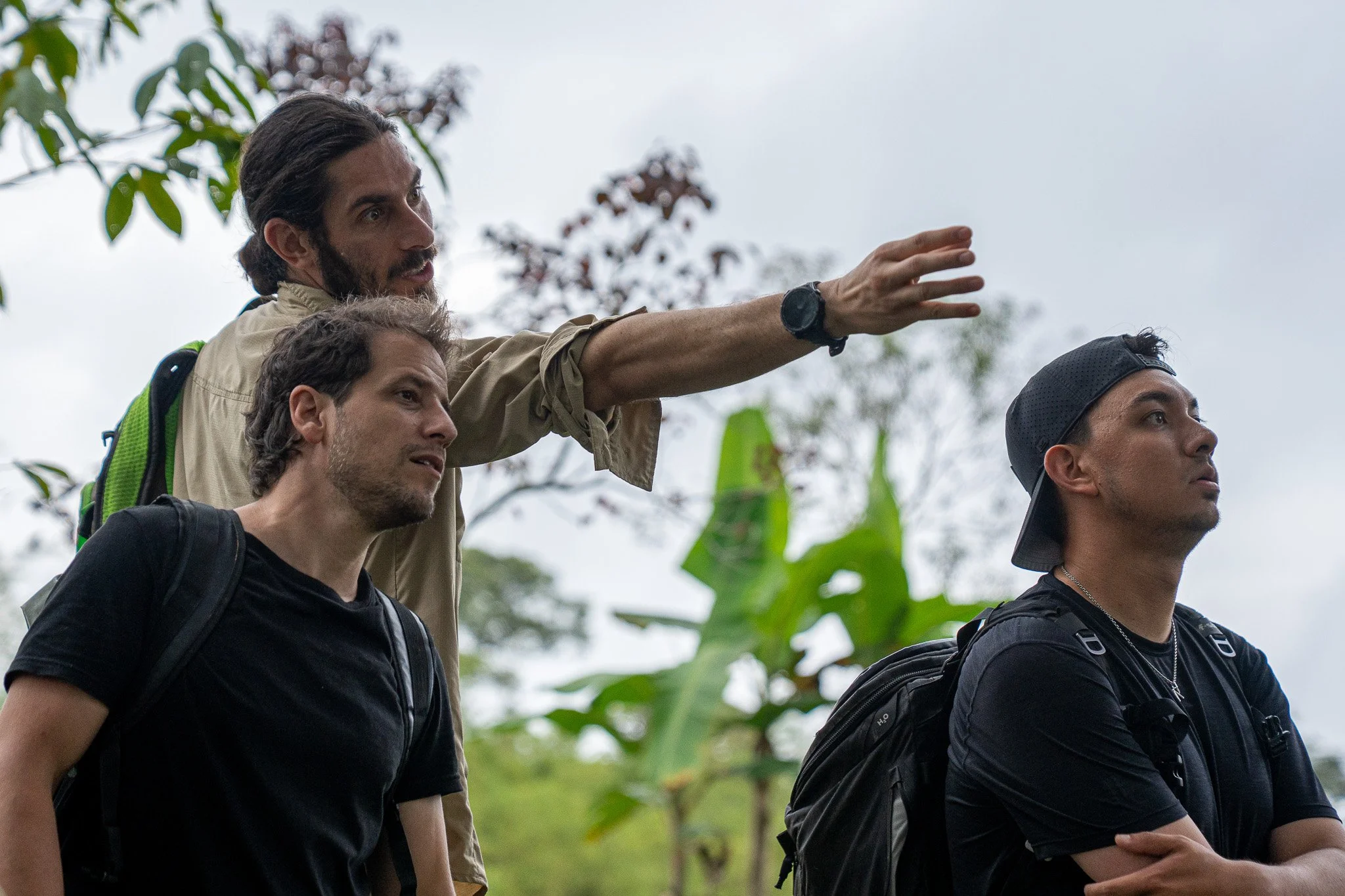
OUR TEAM LEADER
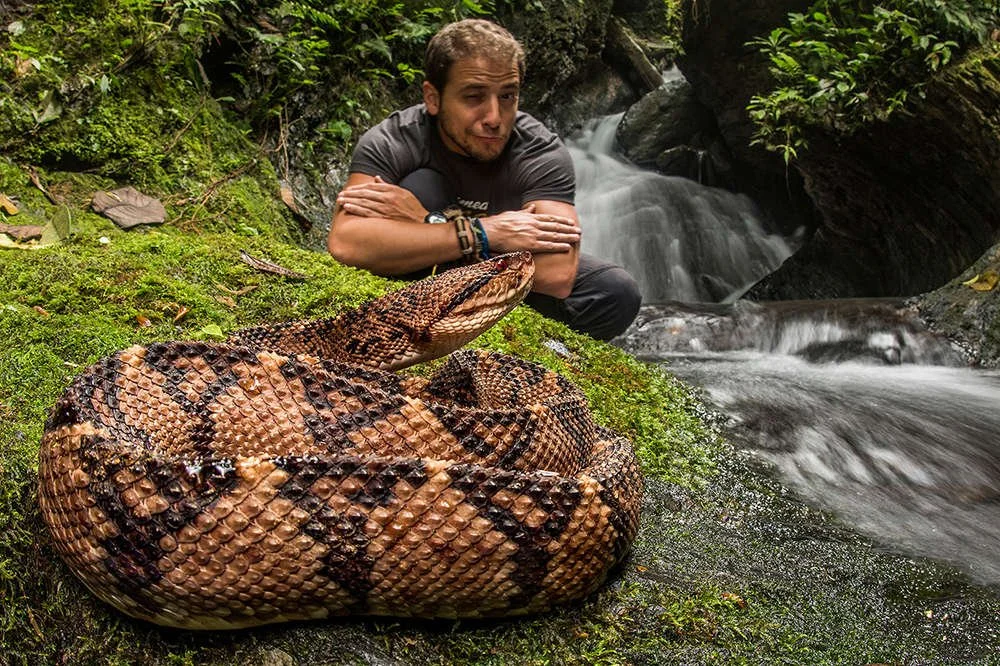
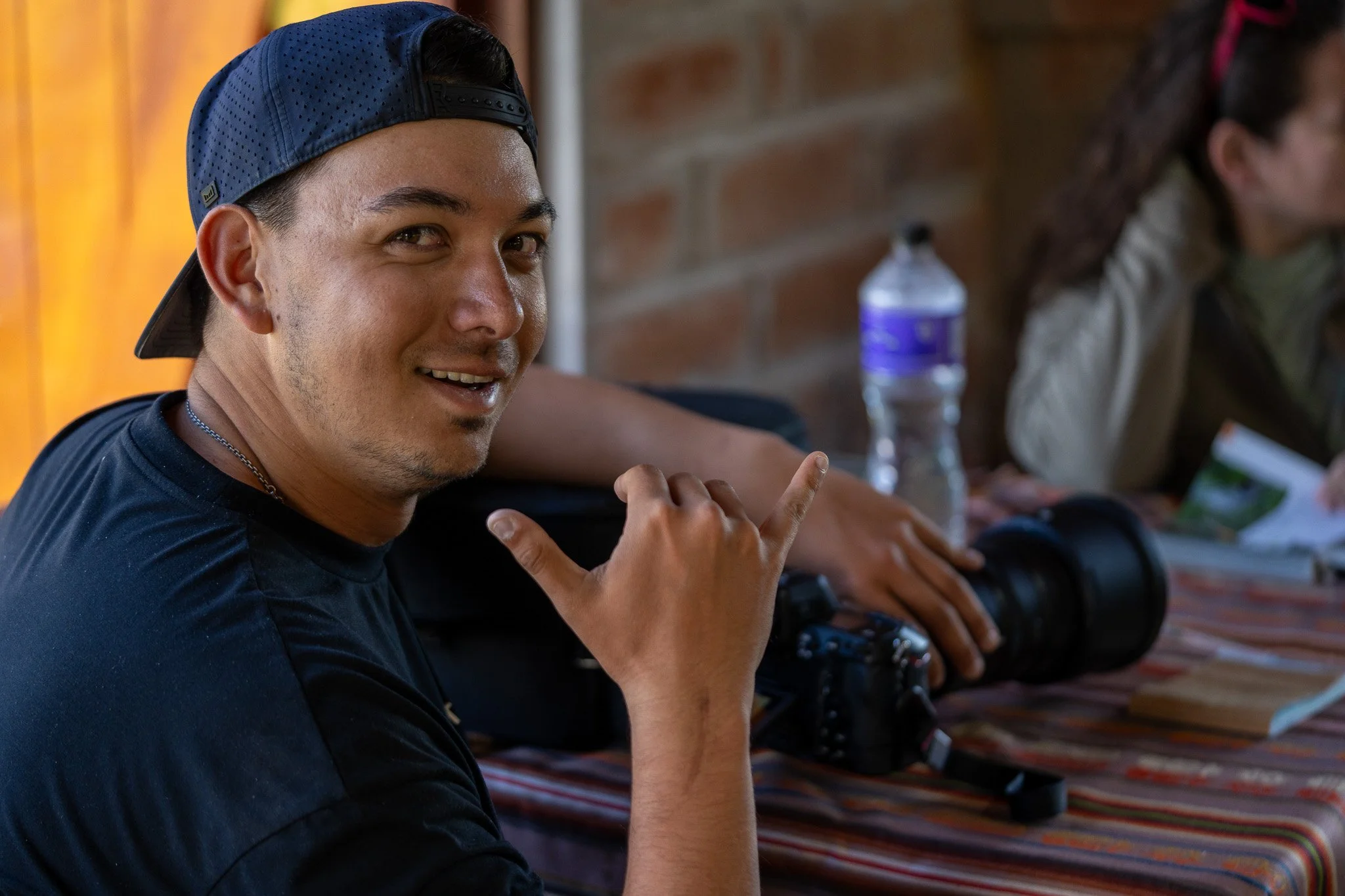
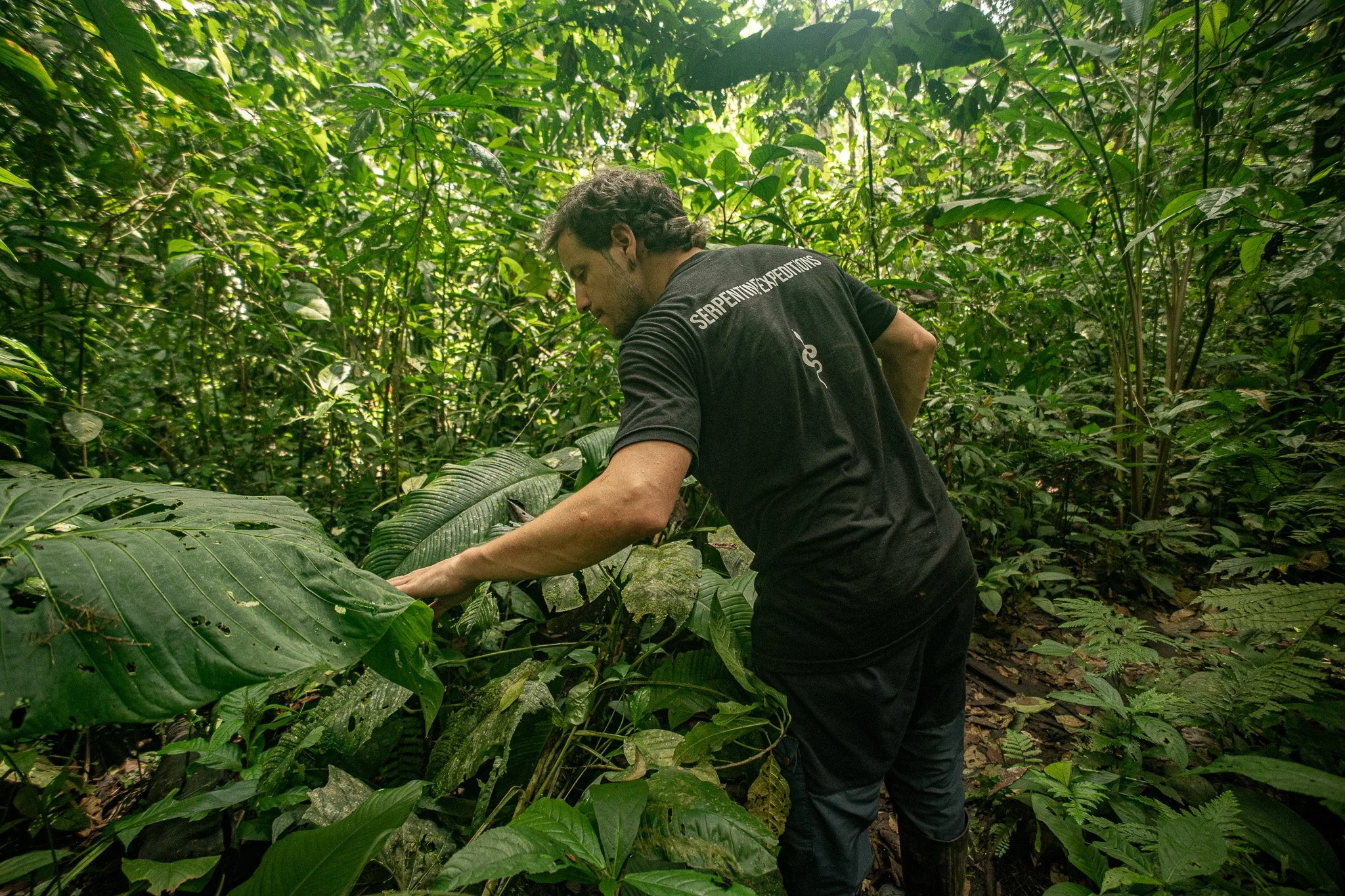
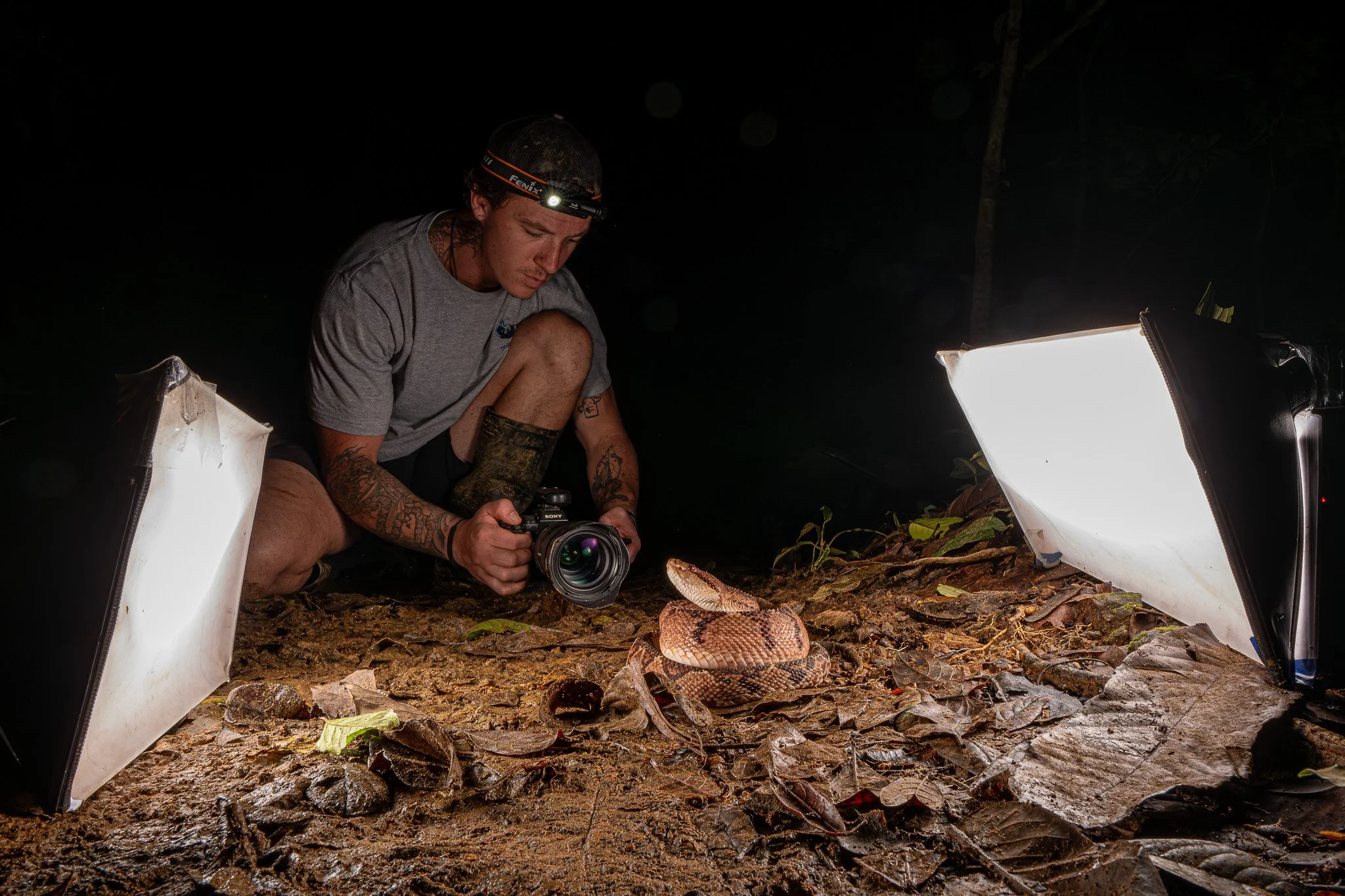
JAIME CULEBRAS
Biologist, Photographer & Researcher
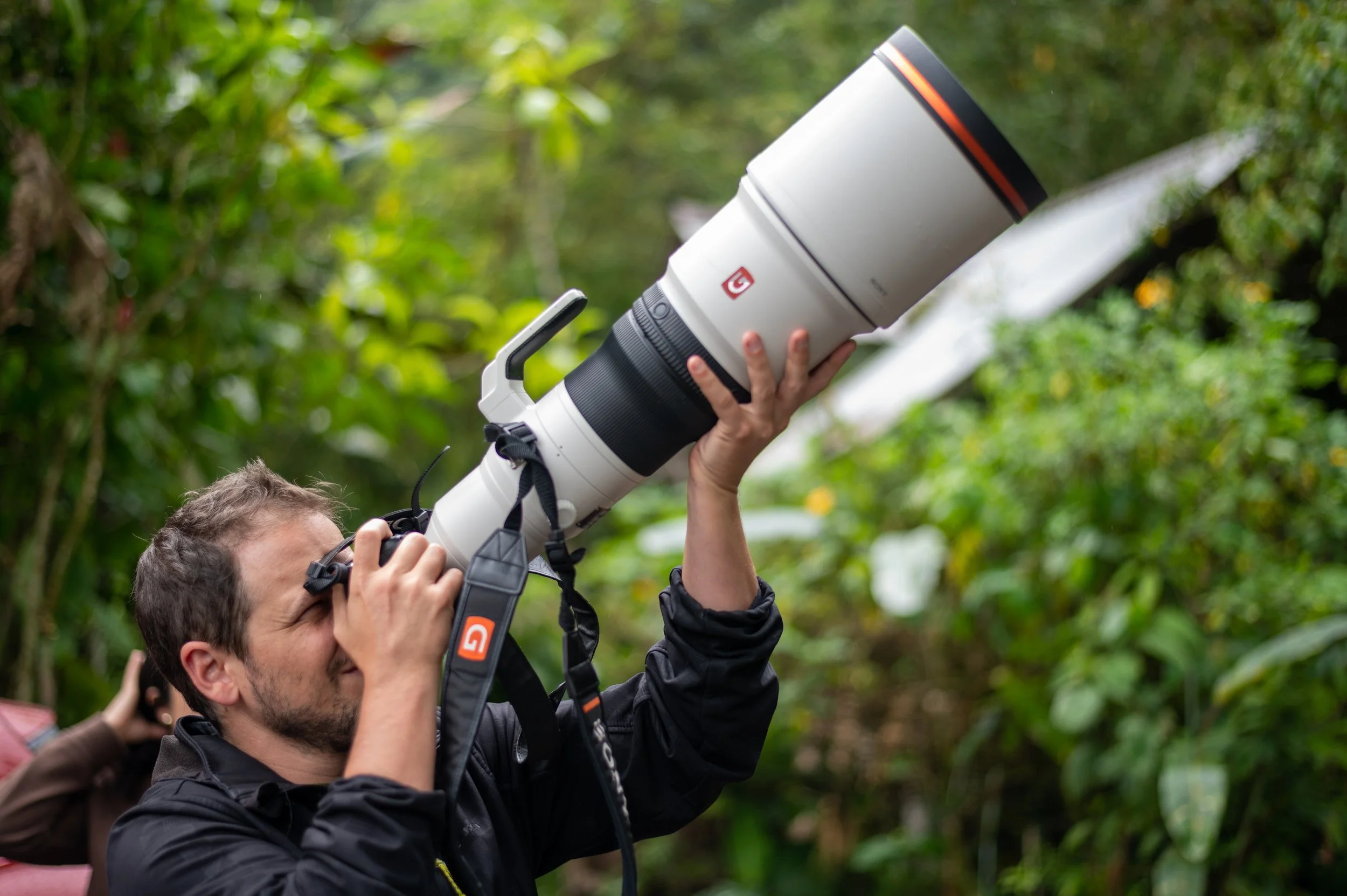
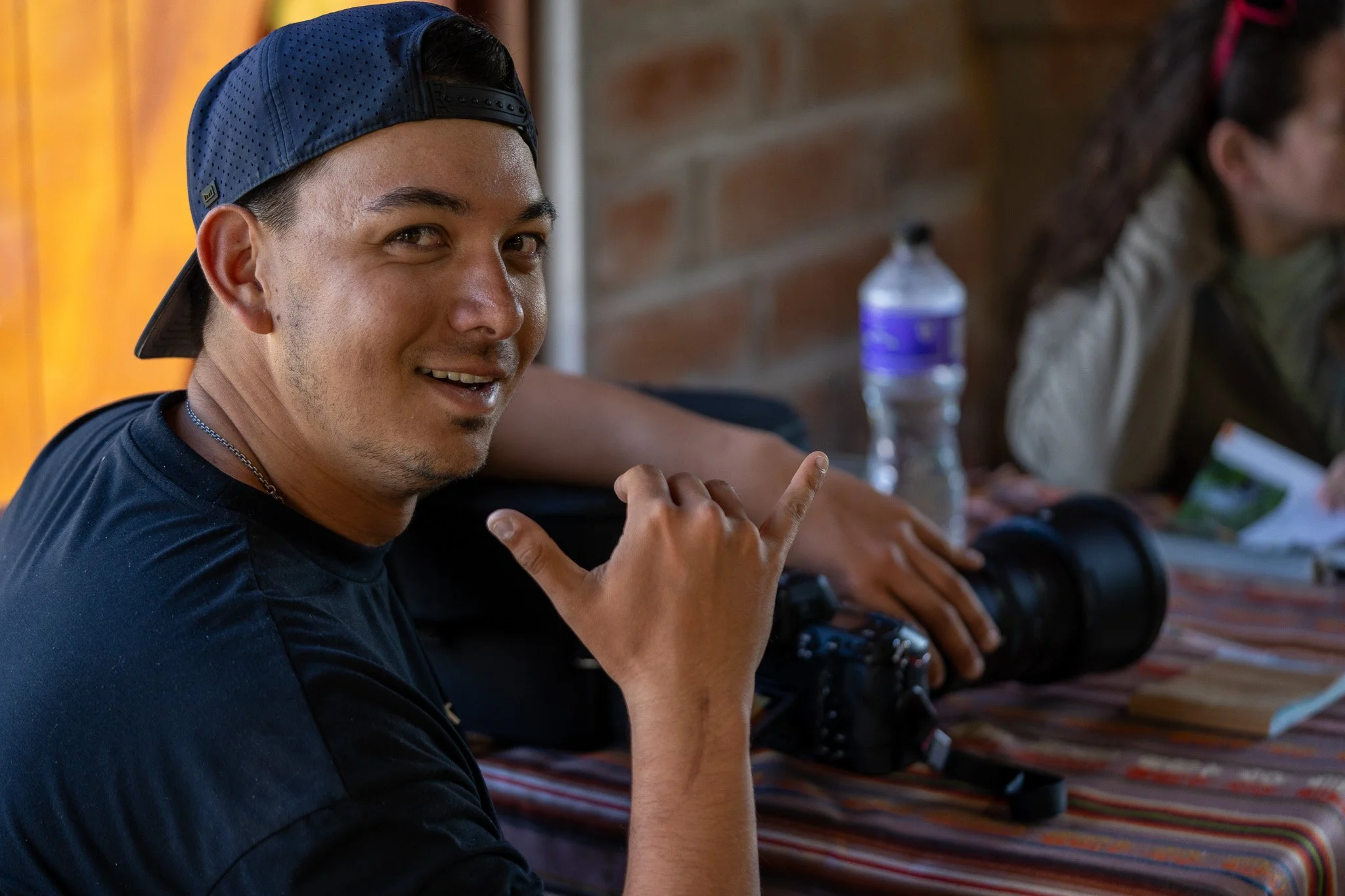
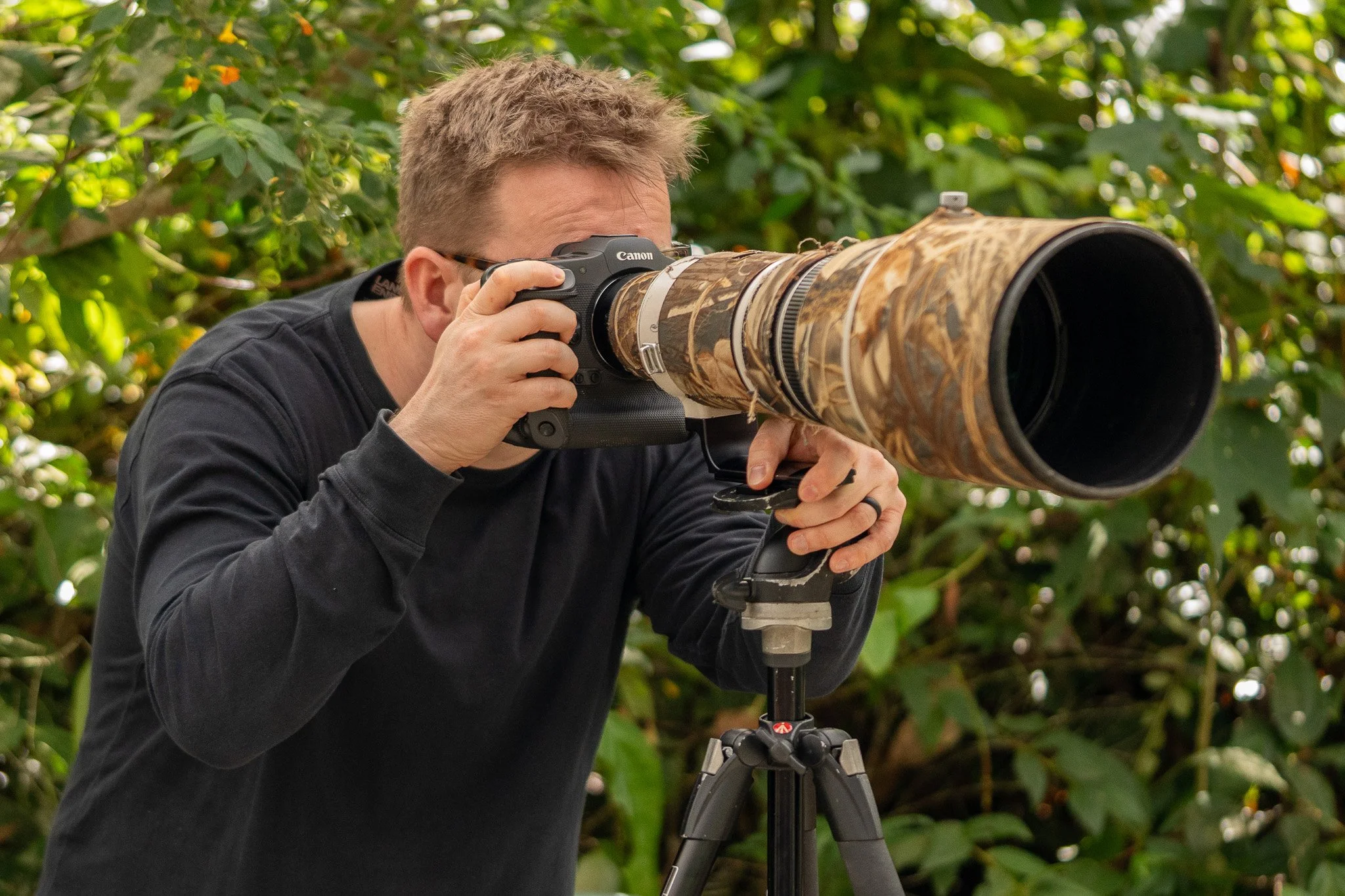
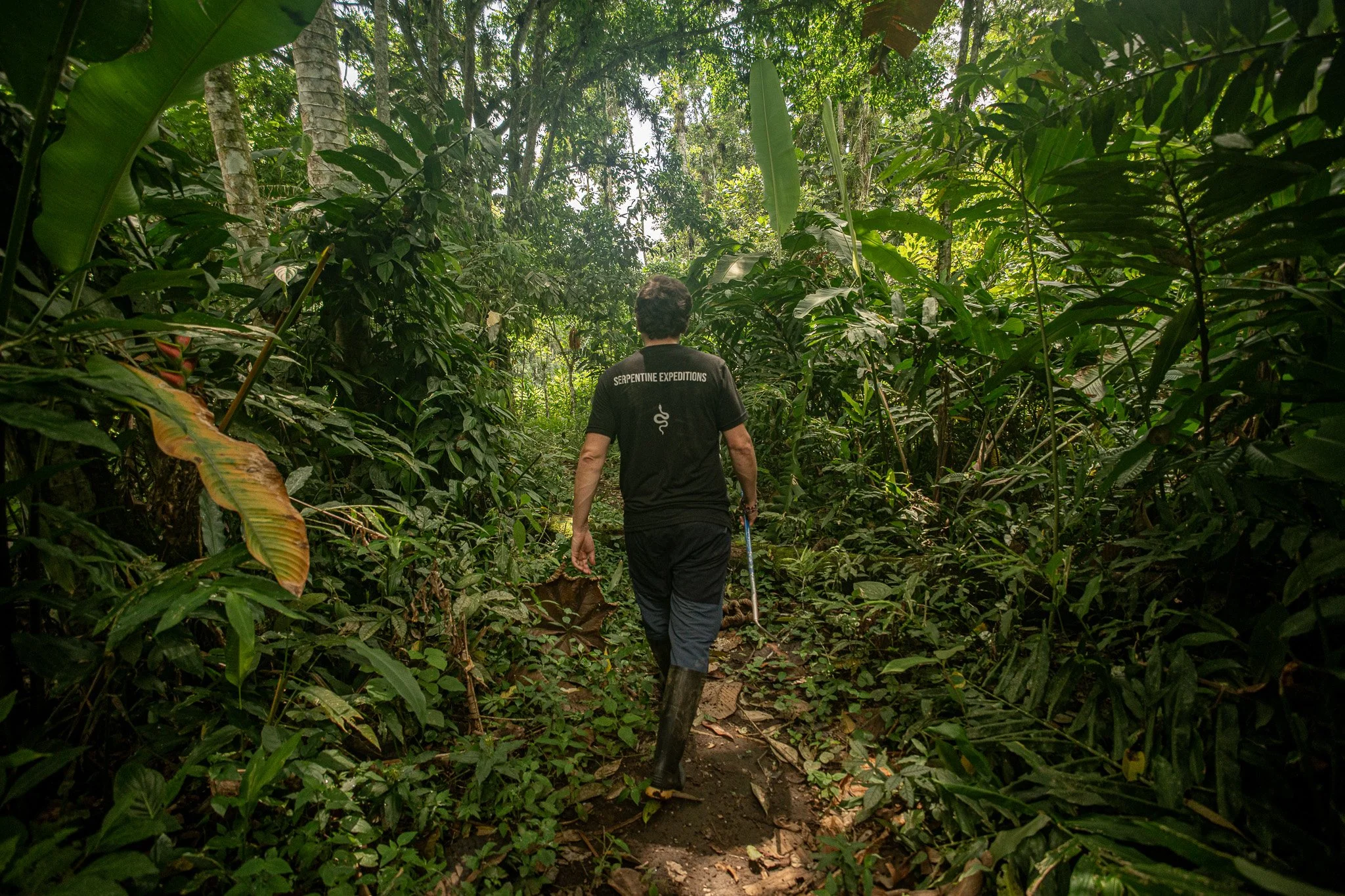
Jaime Culebras is a conservation researcher and photographer from Spain. Holding two master’s degrees in Conservation and Environmental Education, he is the co-founder of Photo Wildlife Tours, an ecotourism company that promotes and organizes nature and research trips in various countries.
Throughout his career, Jaime has led numerous scientific expeditions, publishing dozens of articles on conservation, ecology, biogeography, species rediscovery, systematics, and taxonomy. He has described 14 new species of amphibians, significantly contributing to global biodiversity knowledge.
With a deep interest in social and environmental justice, Jaime focuses his photography on endangered species and ecosystems. His work has been featured in prestigious publications such as National Geographic and BBC Wildlife Magazine. He has also delivered workshops and lectures in several countries.
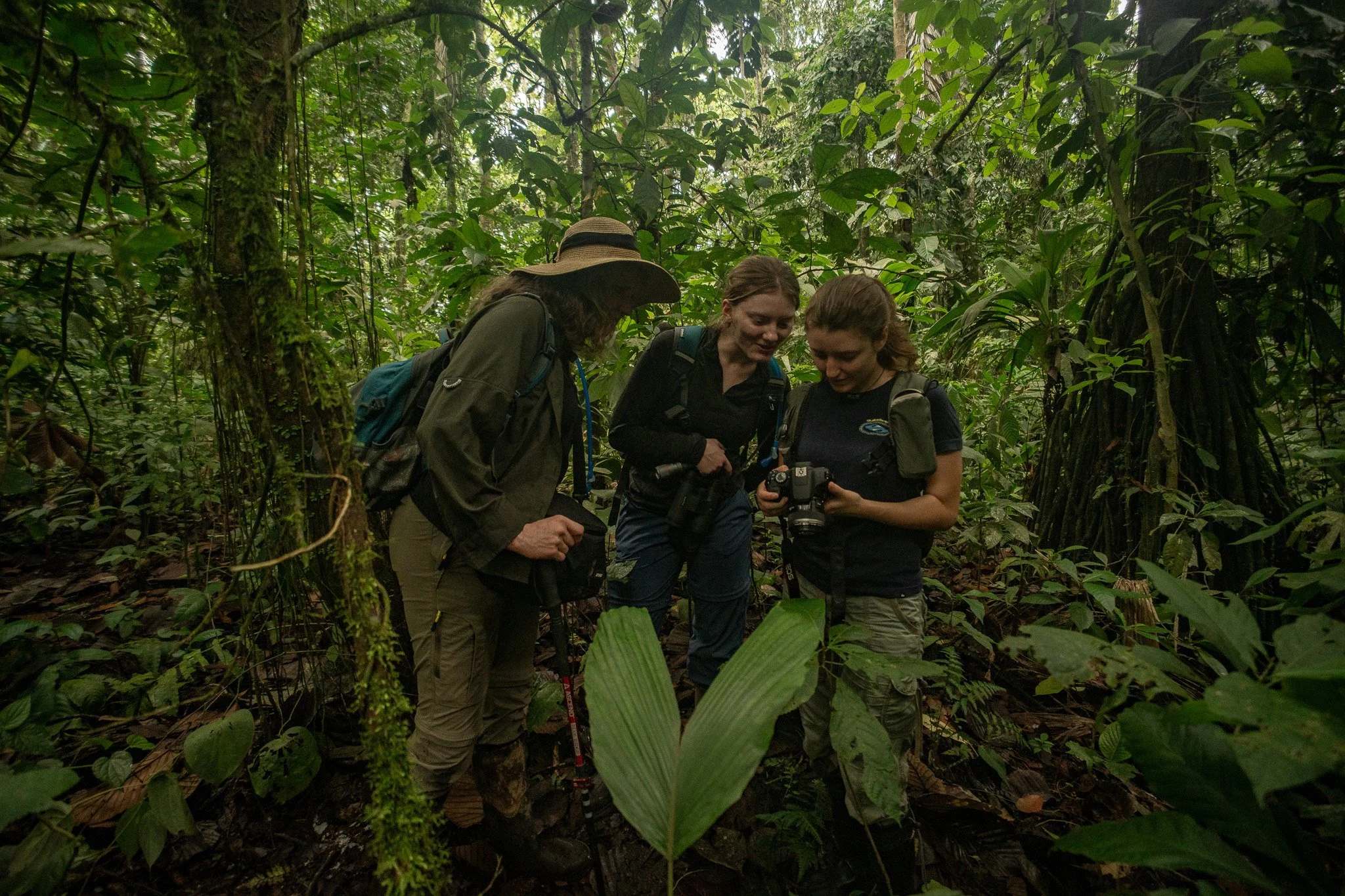
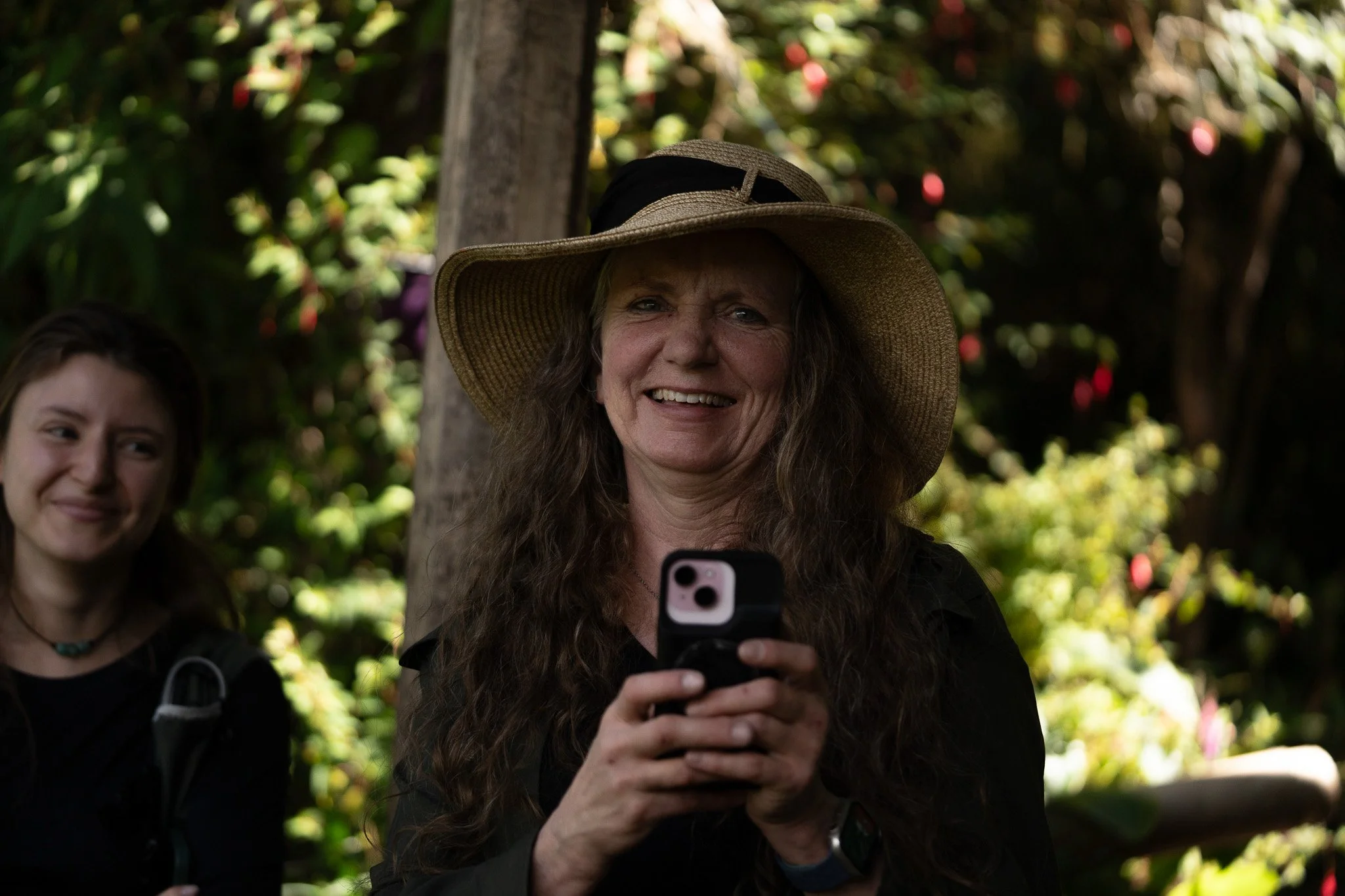
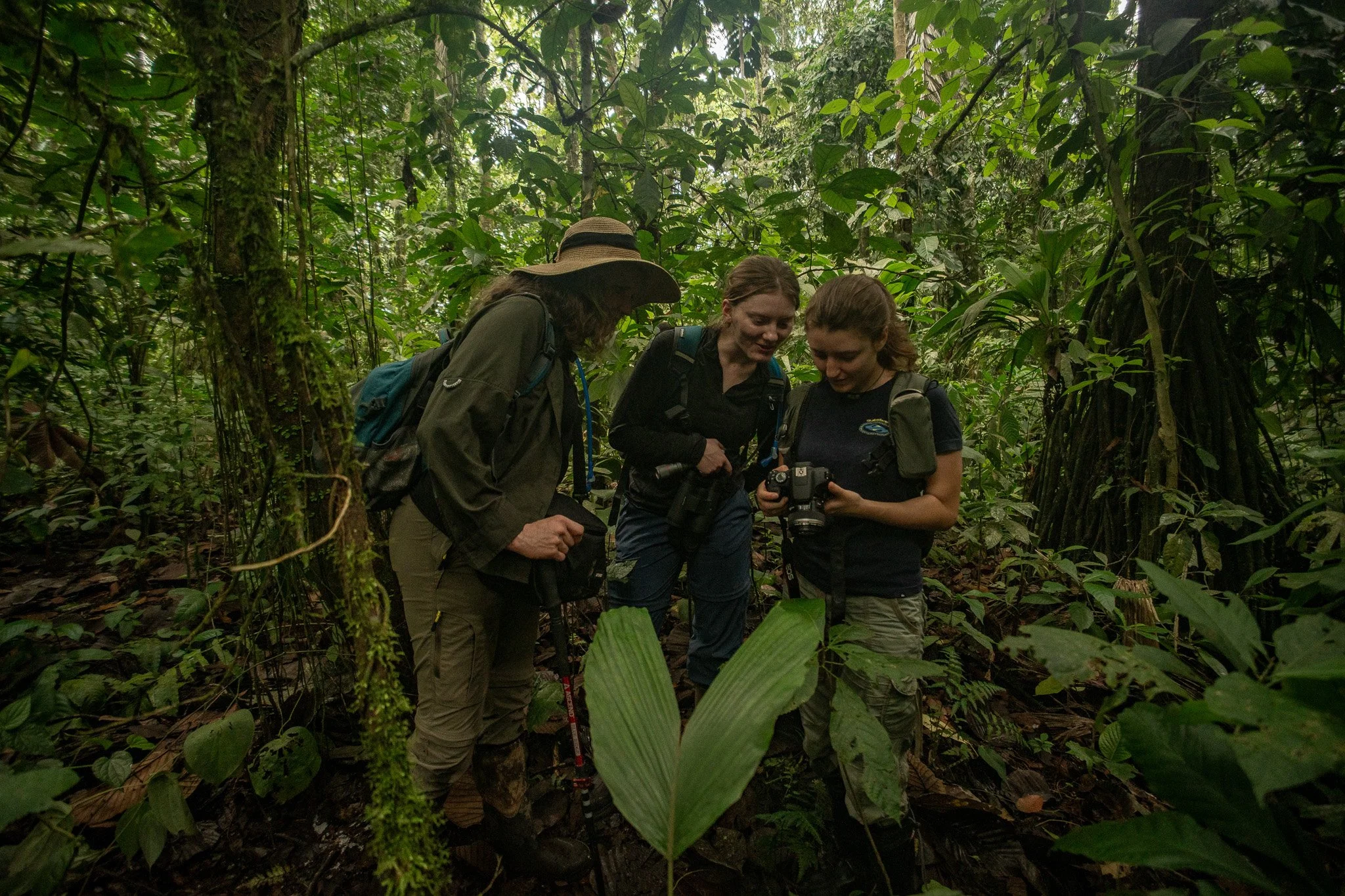
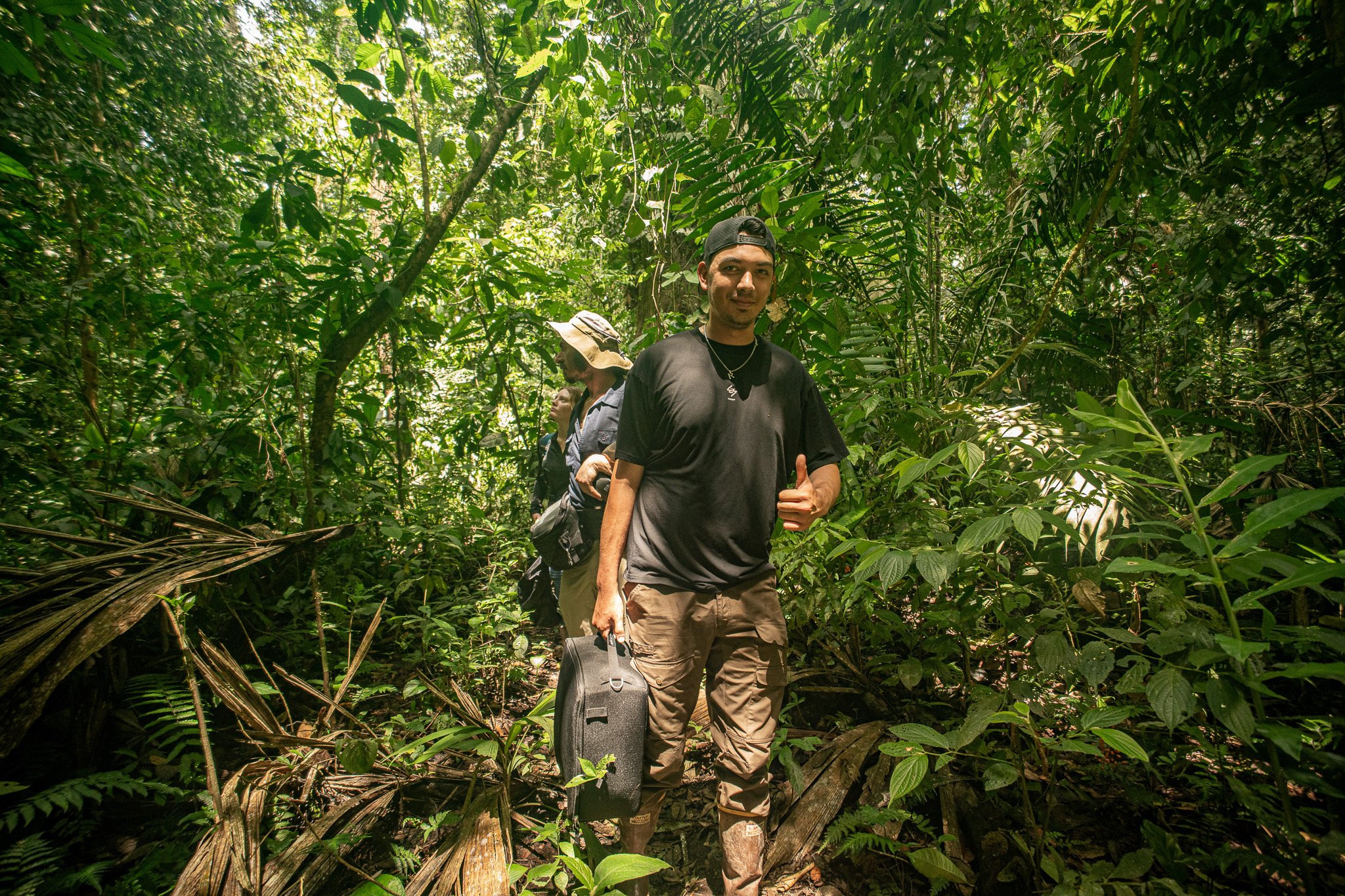
JAIME WILL BE ALONGSIDE US FOR THE DURATION OF THE EXPEDITION, AS WILL IAN BRELAND. THIS IS AN EXCEPTIONAL OPPORTUNITY TO ABSORB KNOWLEDGE AND EXPERIENCE STRAIGHT FROM THOSE ON THE FRONT LINES OF MODERN ENVIRONMENTAL WORK; ALL WHILE NETWORKING WITH ACCOMPLISHED, INTERNATIONALLY RECOGNIZED HERPETOLOGISTS & PHOTOGRAPHERS.
THE ITINERARY
APRIL 15: ARRIVAL to quito, prepare to depart for the Chocó
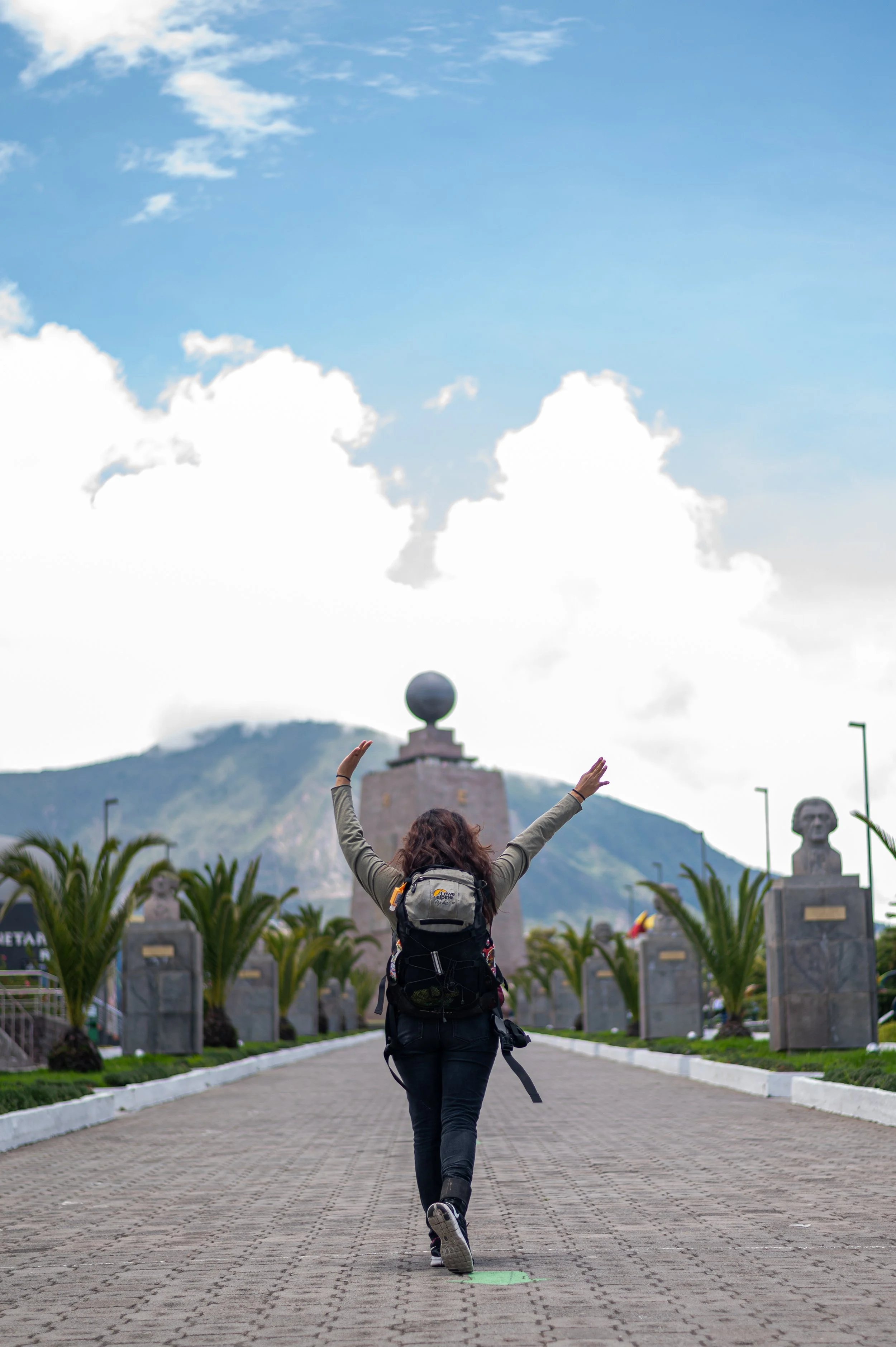
Our first day brings us to Quito, the high-elevation capital city of Ecuador. We will arrive on the 15th, spending our first night in town and preparing for an early morning the following day.
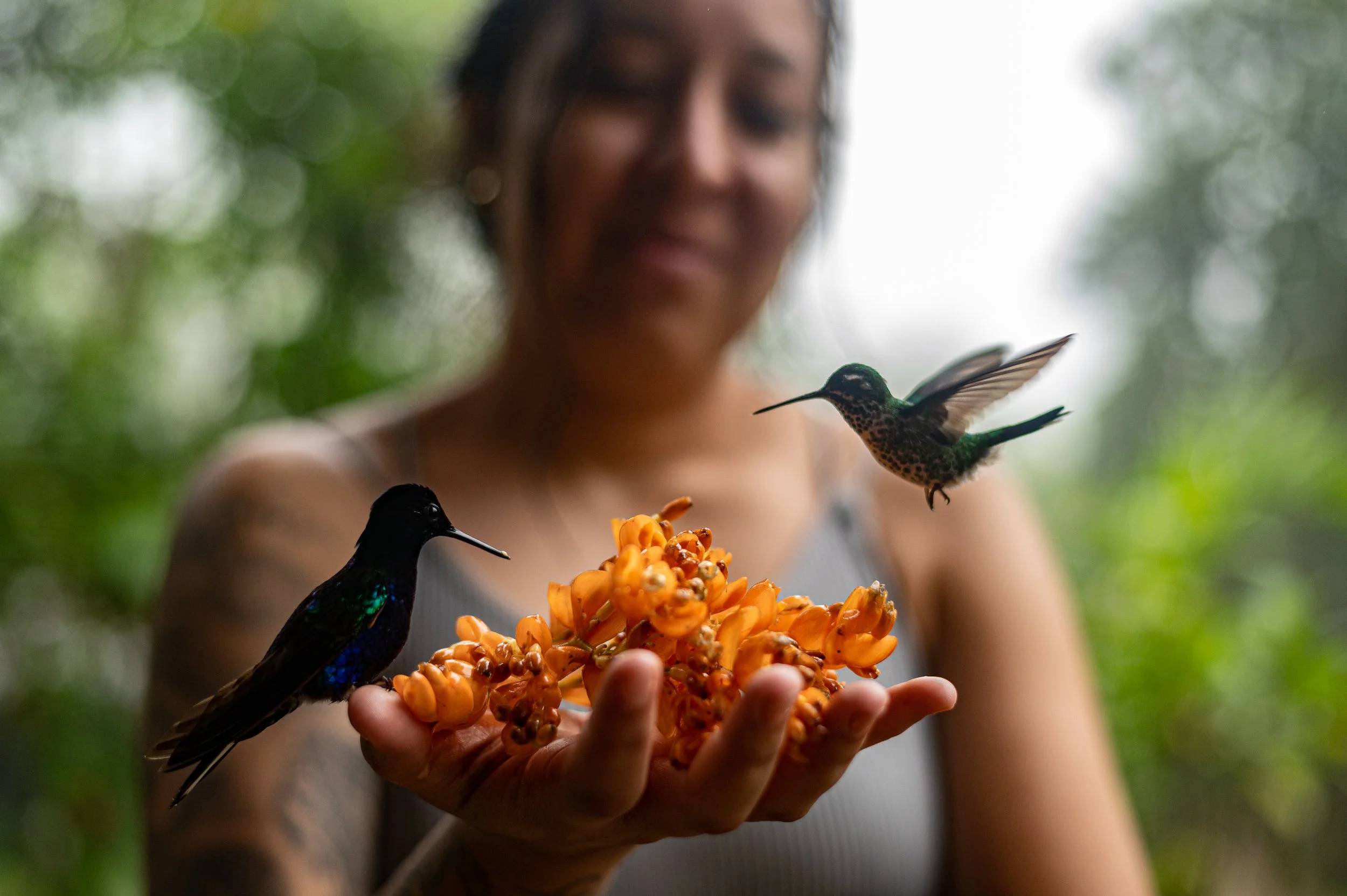
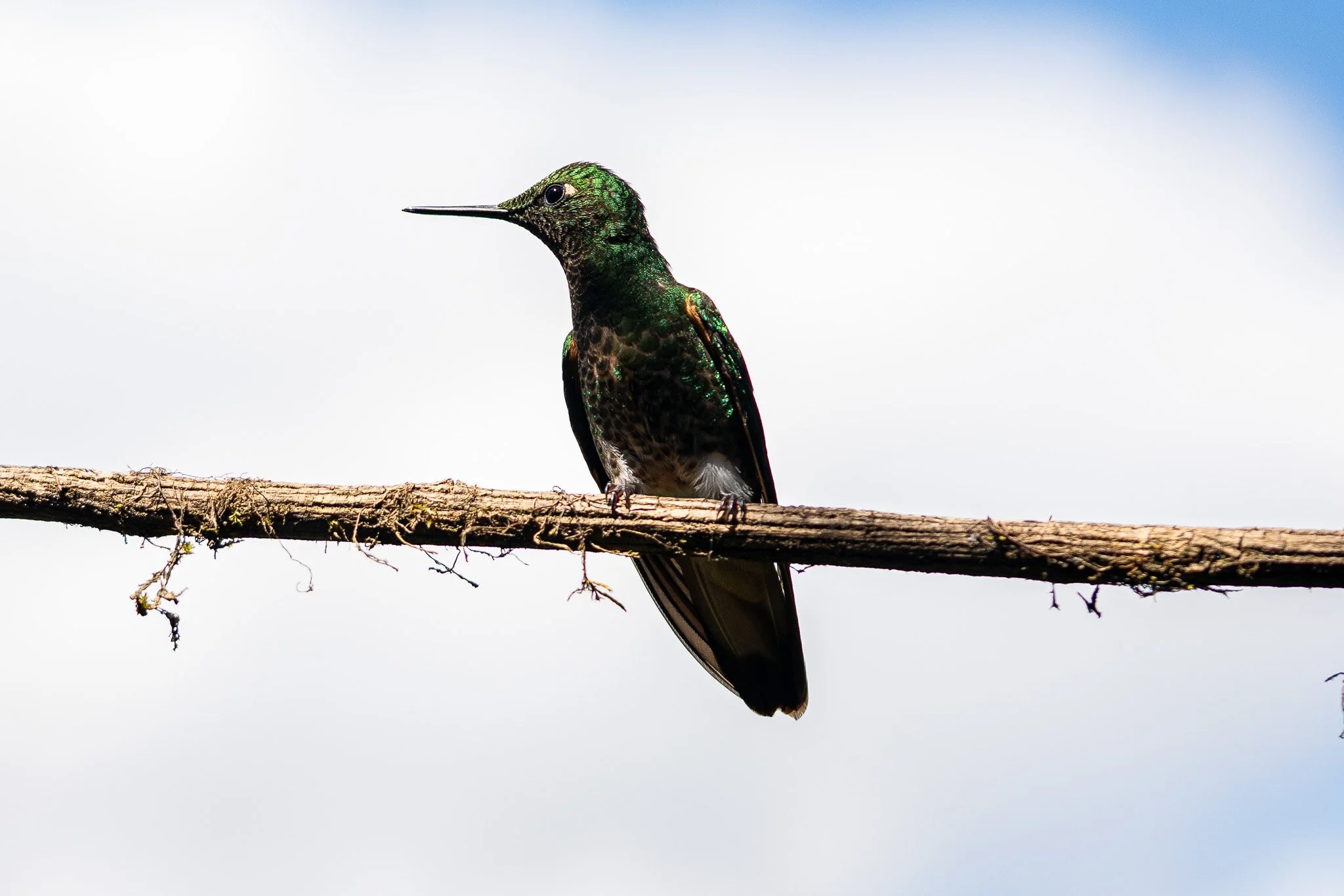
Even here at 2,850 meters (9,350 feet) above sea level, this is an exceptional place to spot multiple hummingbird species and several herps.
april 16-19: transfer to the Chocó (canande), survey the reserve
On the morning of the 16th, we will depart on a scenic ~6 hour journey down from the Andes and into the last remaining expanses of Ecuadorian Chocó. Our primary base of operations for the next 3 nights will be Canande Reserve.
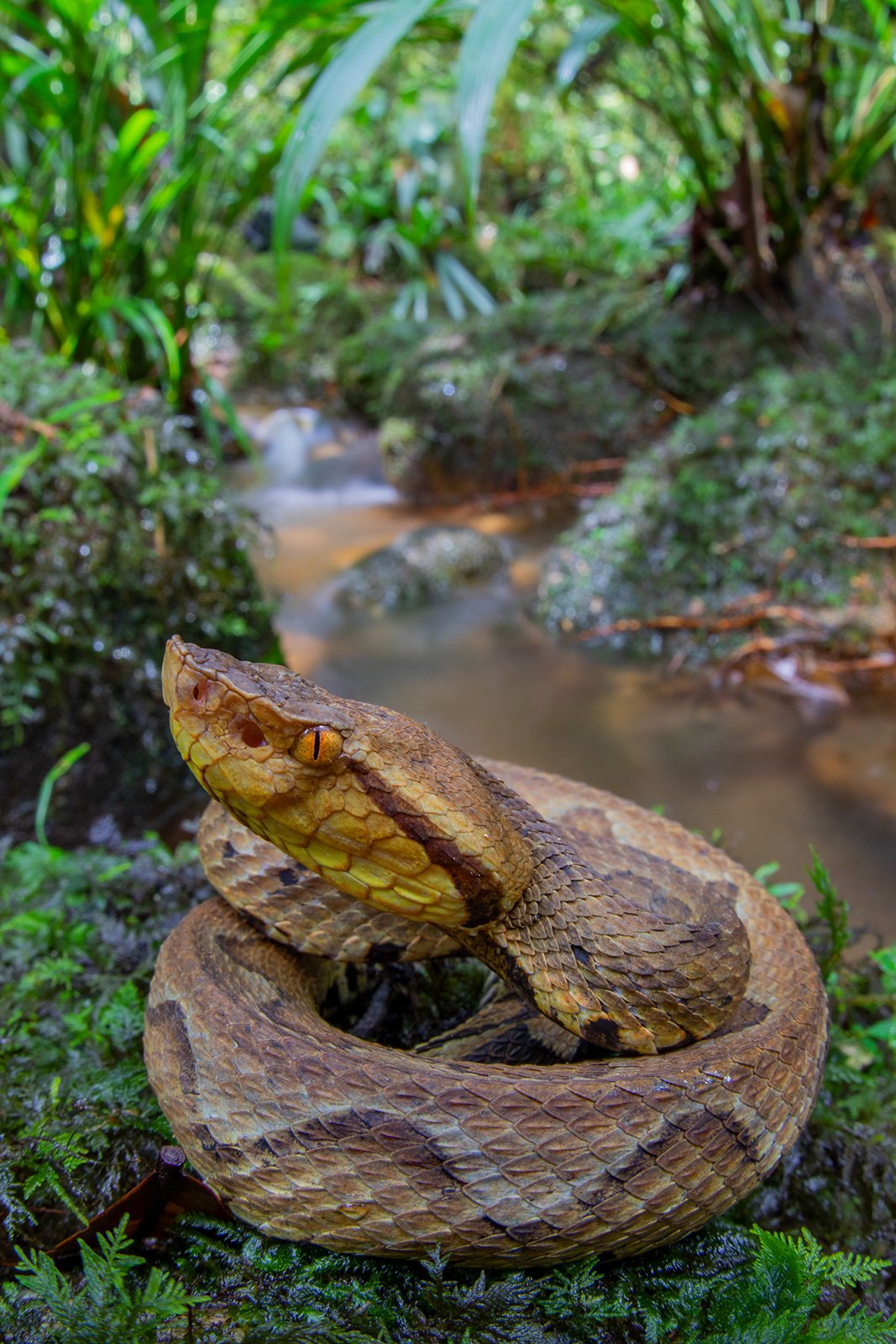
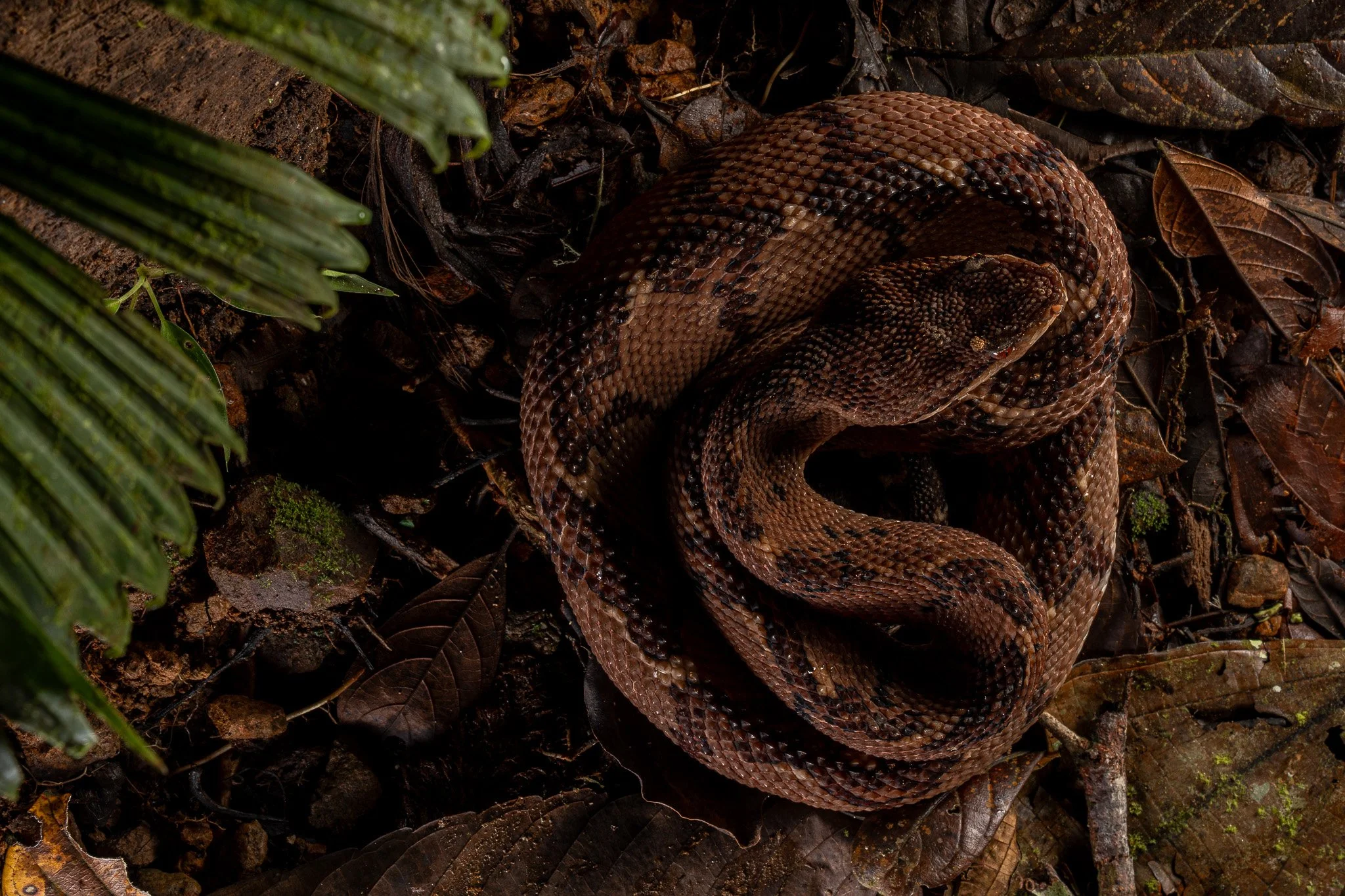
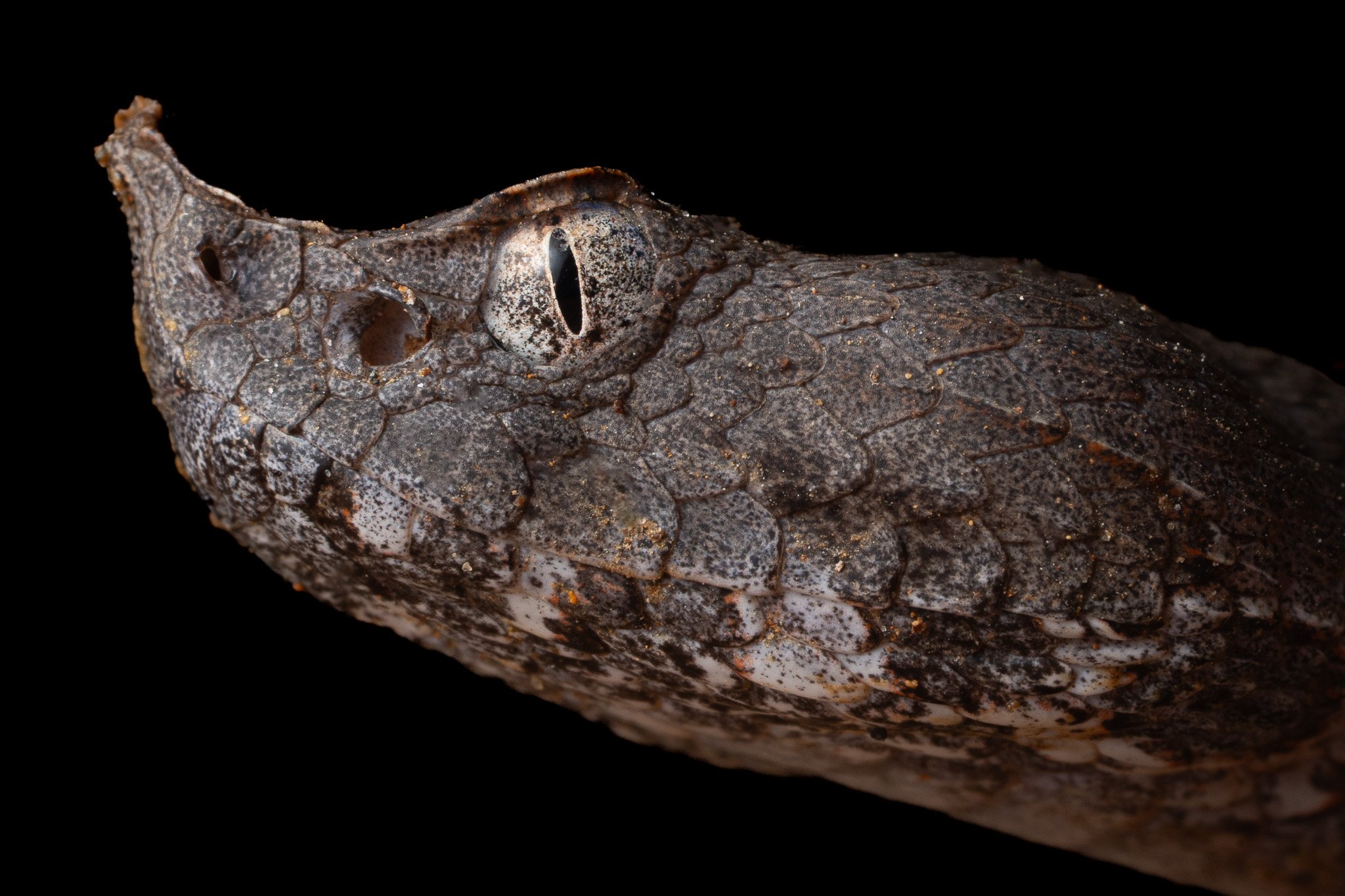
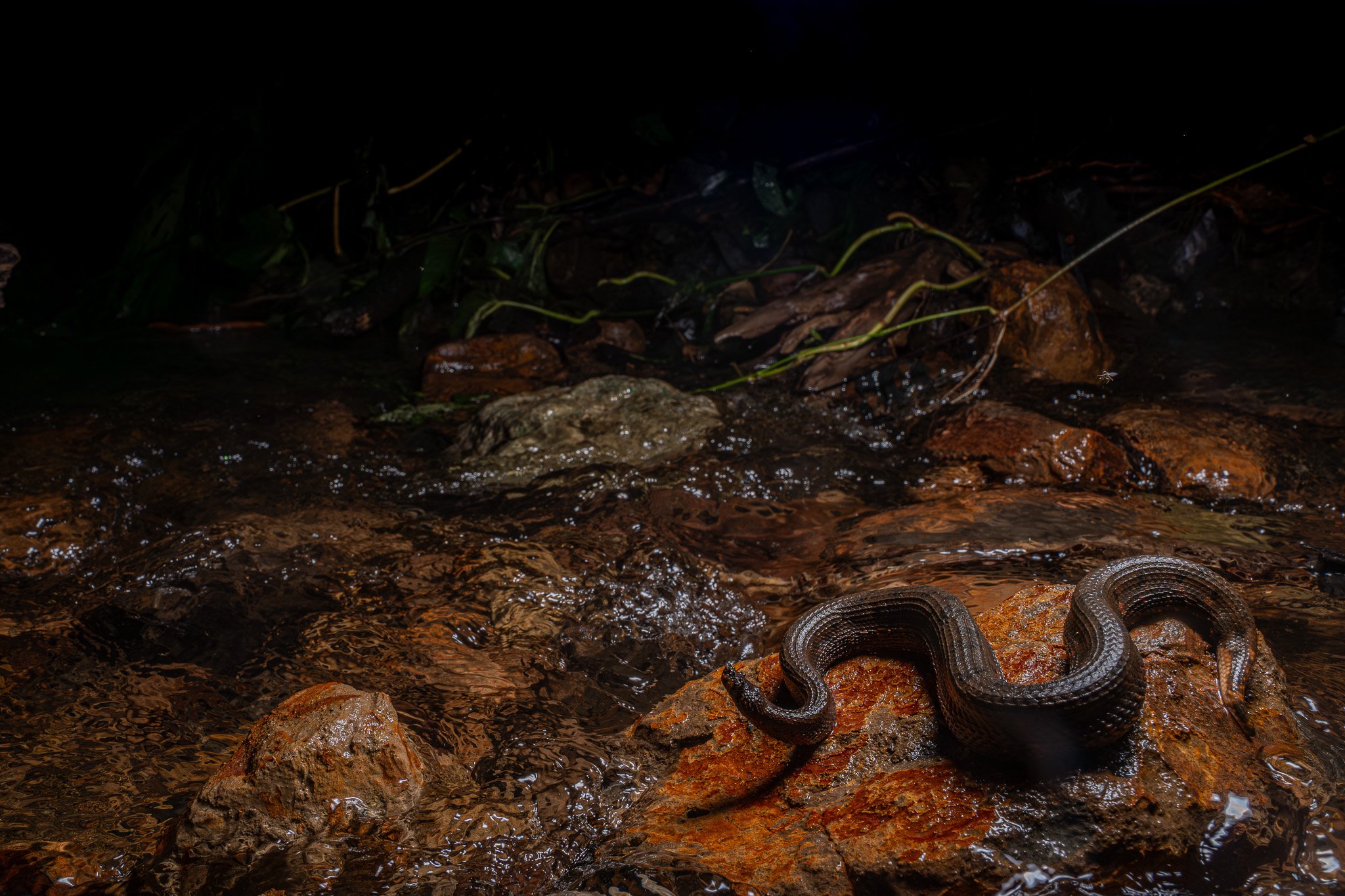
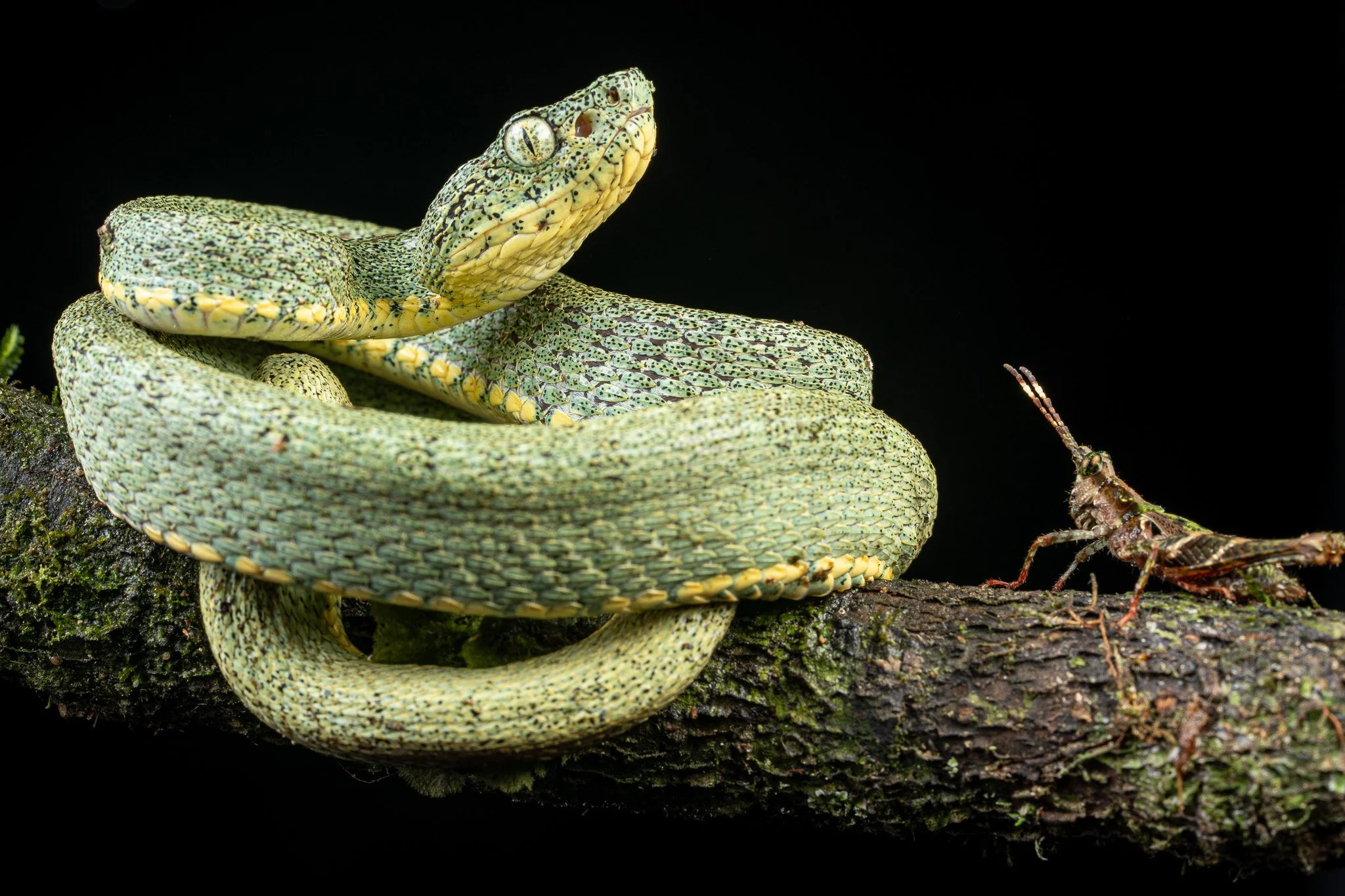
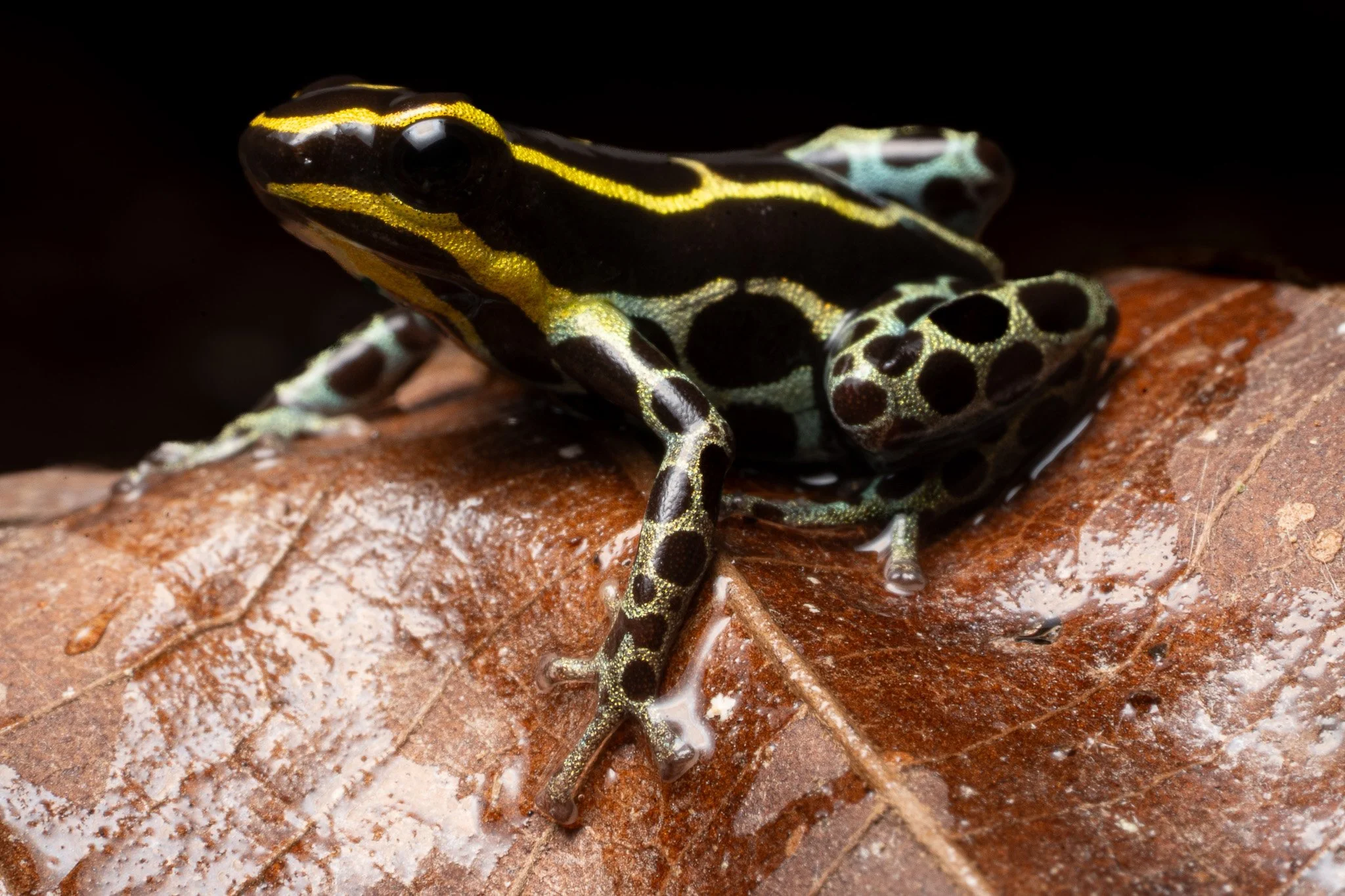
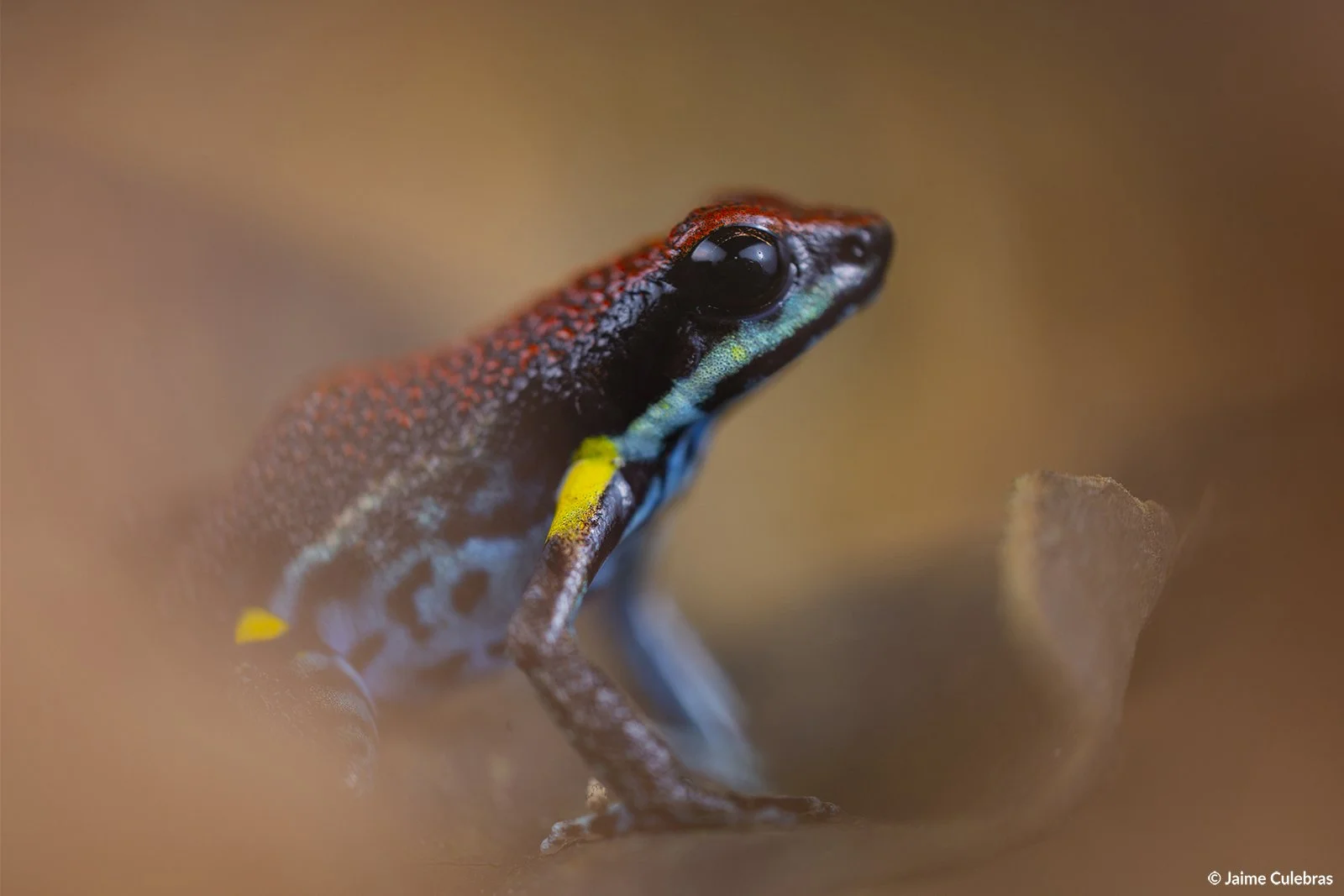
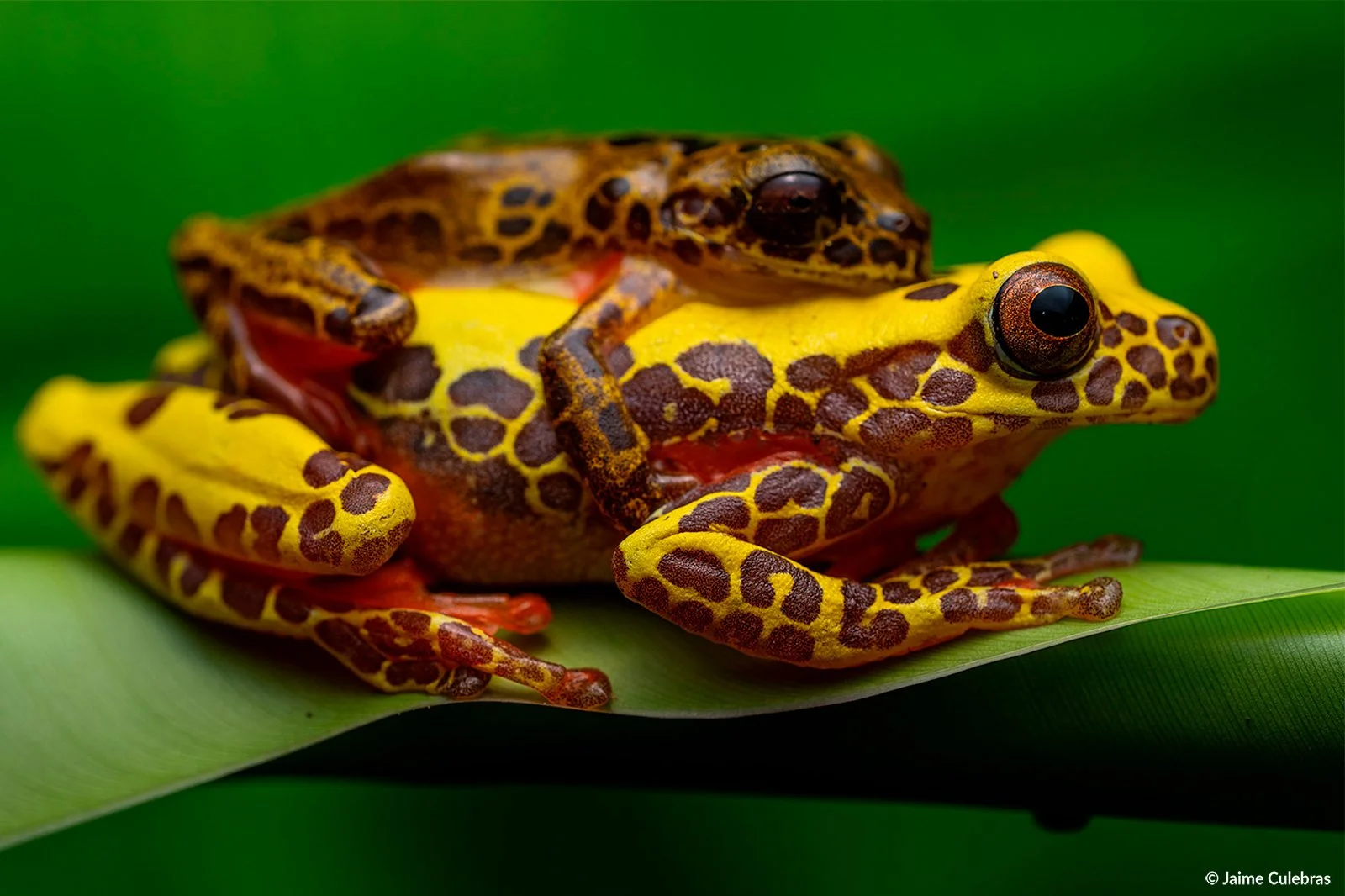
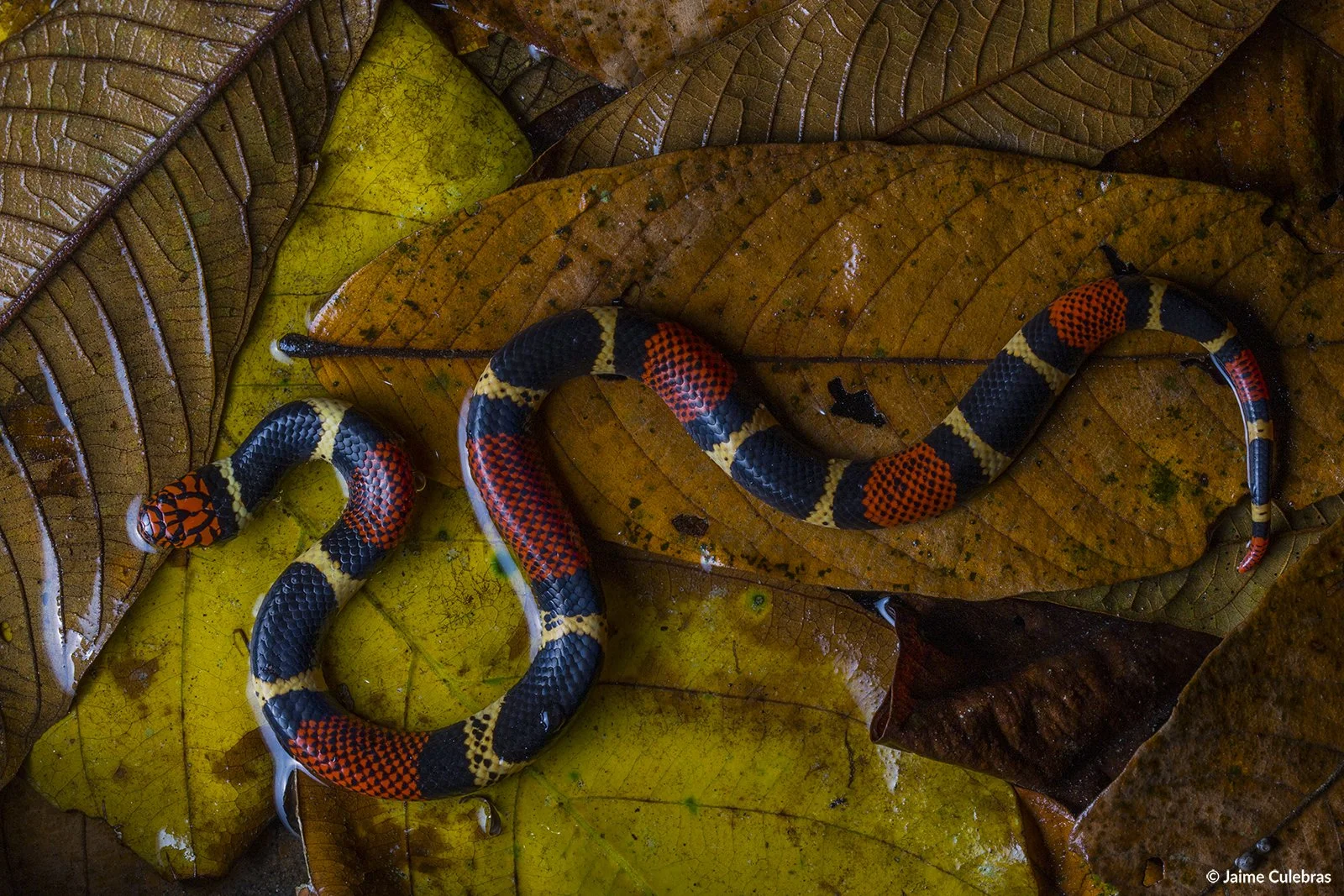
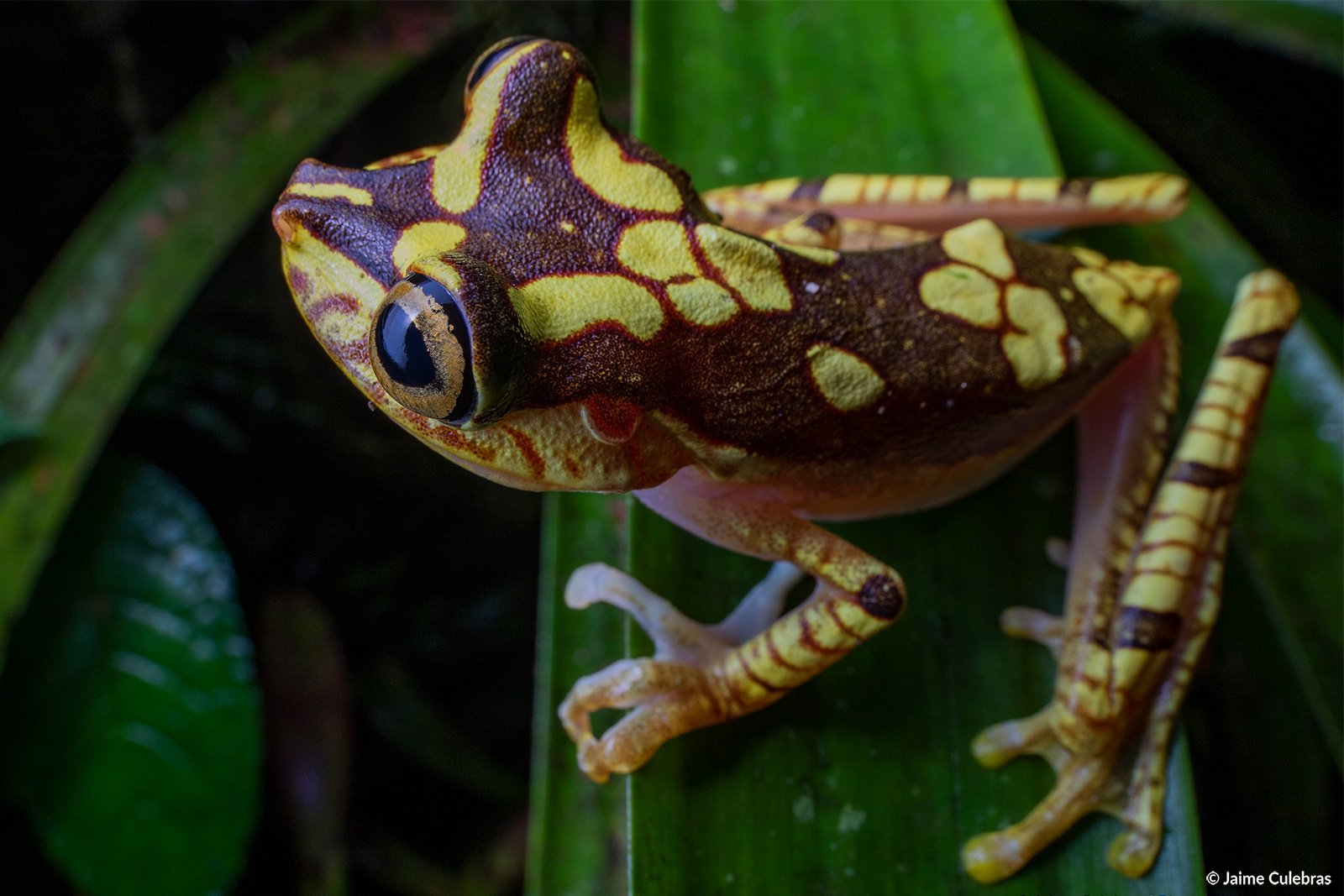
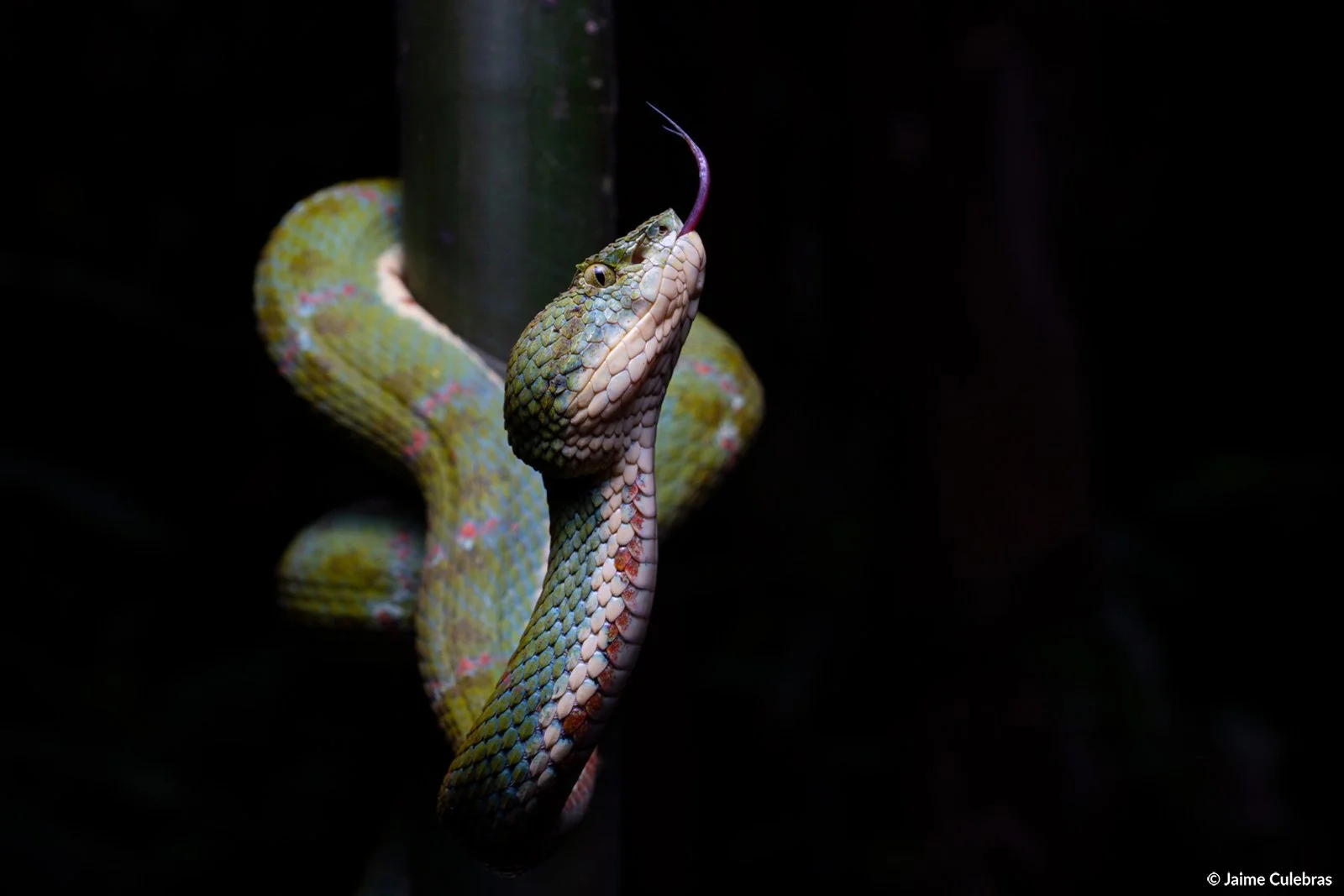
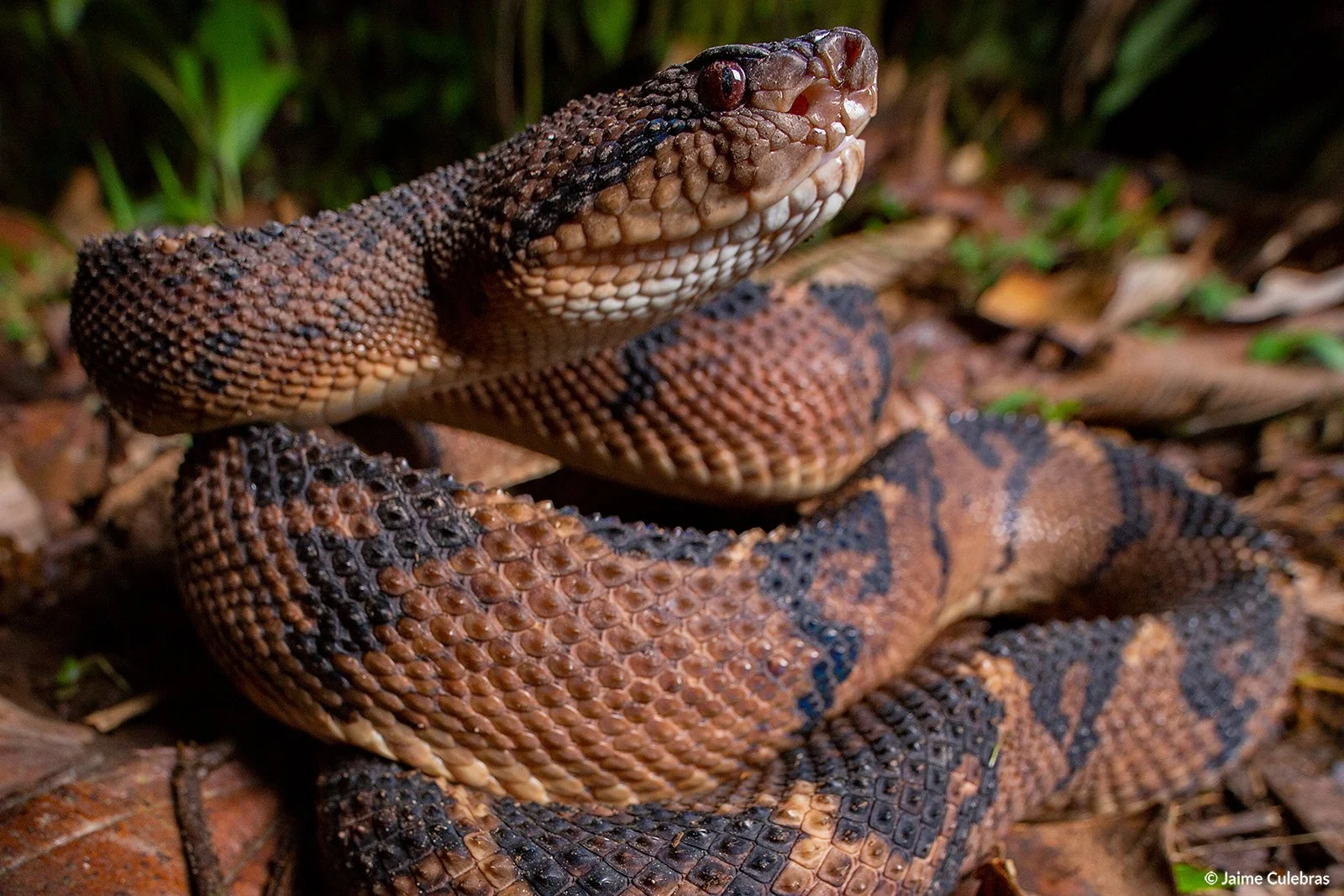
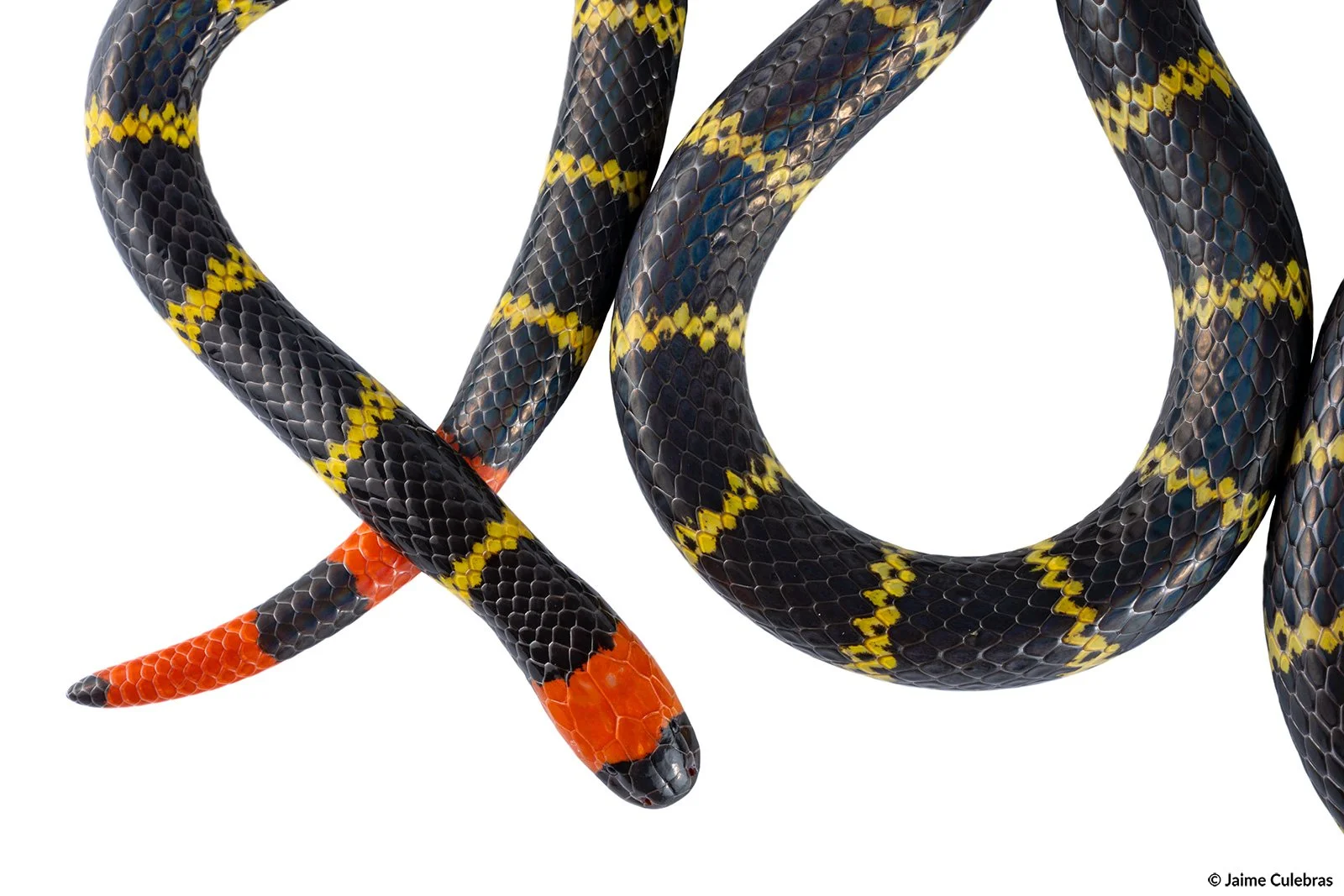
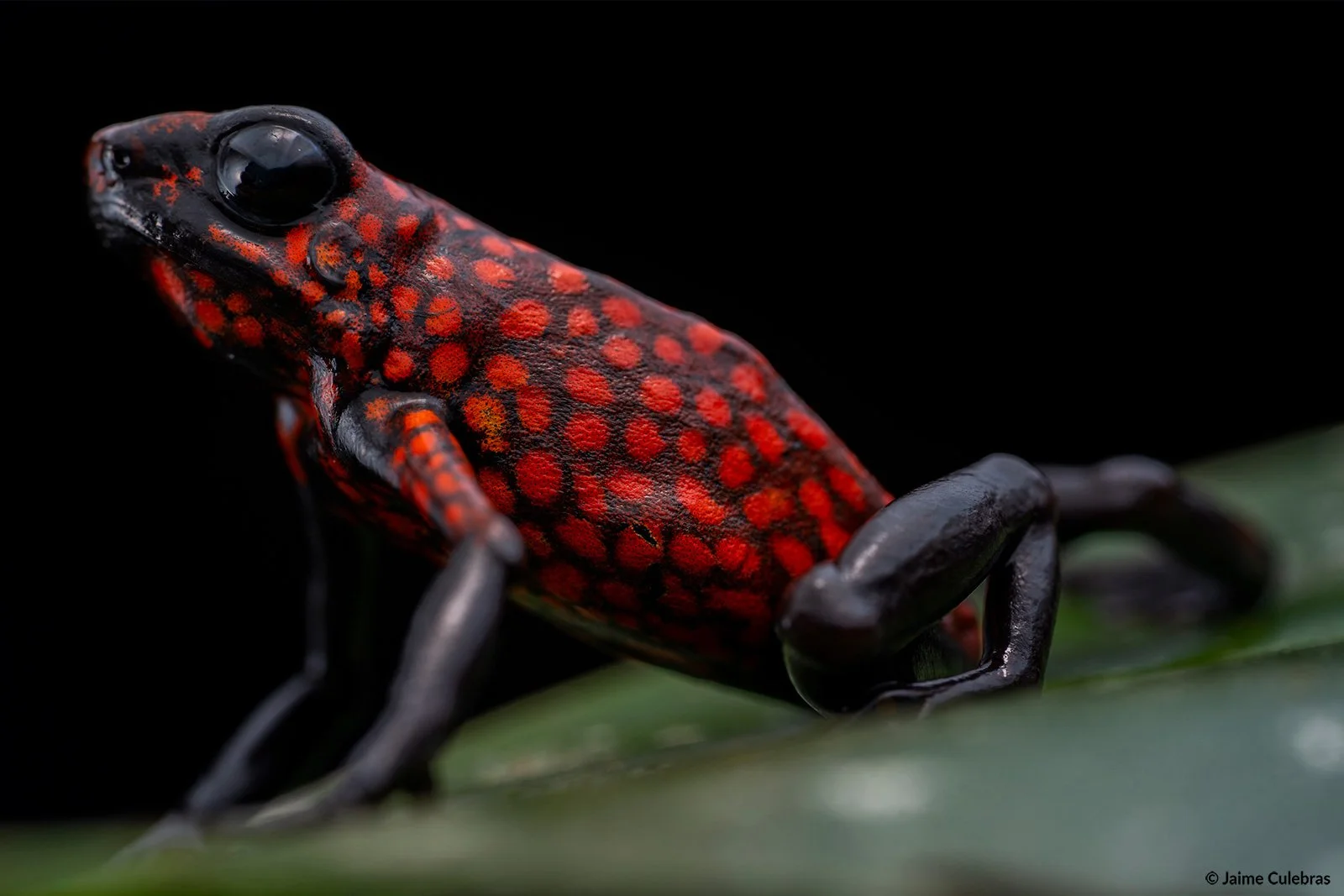
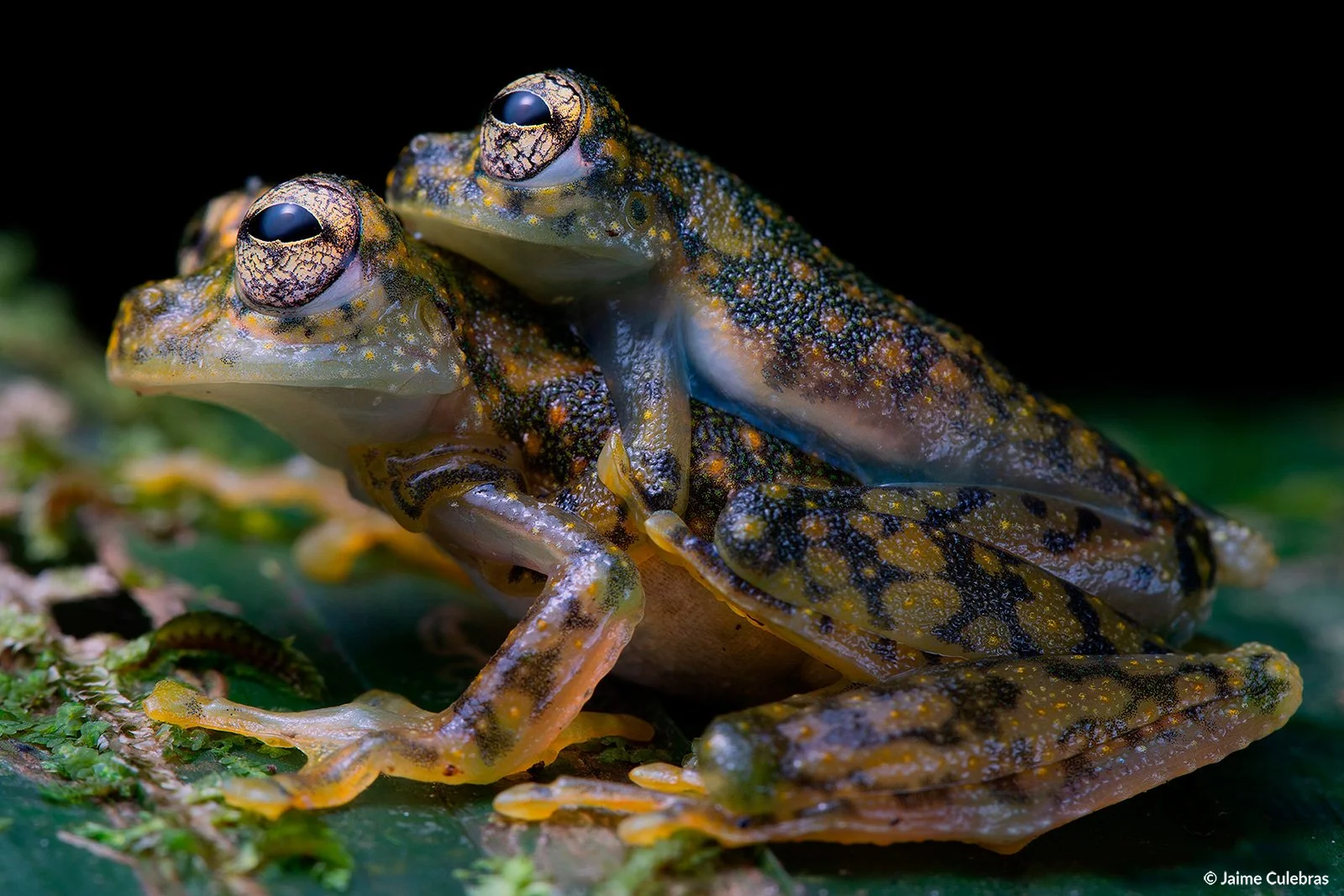
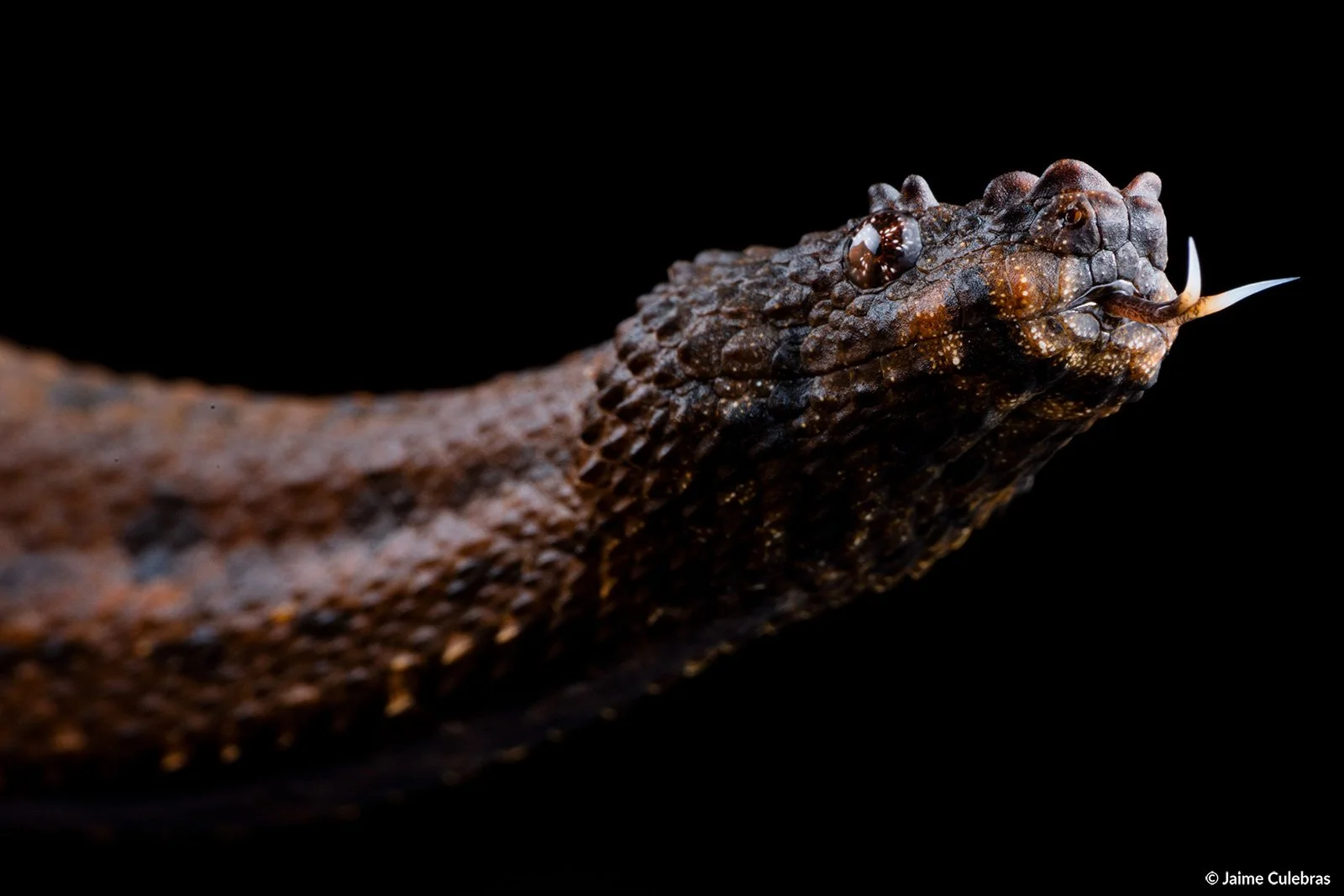
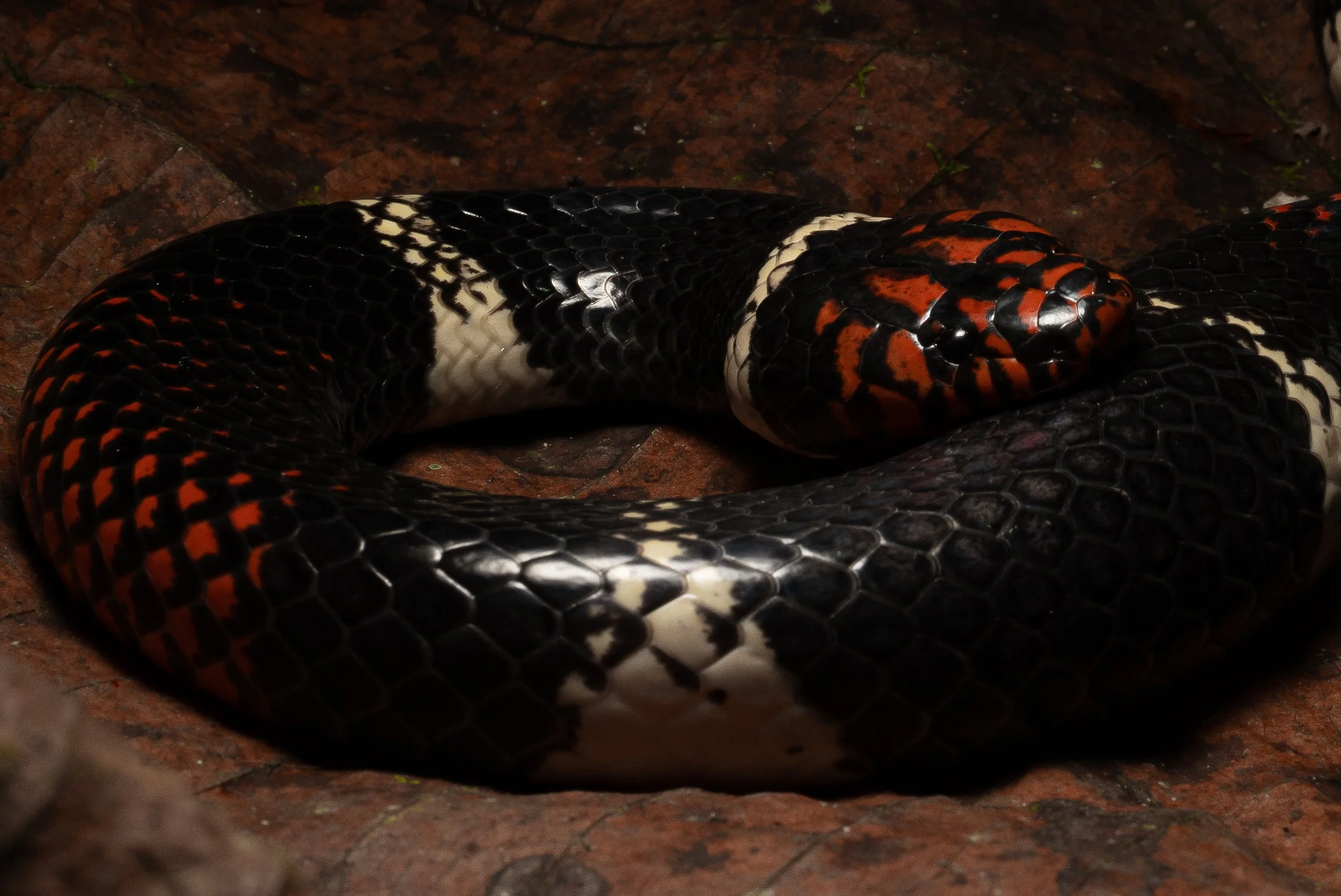
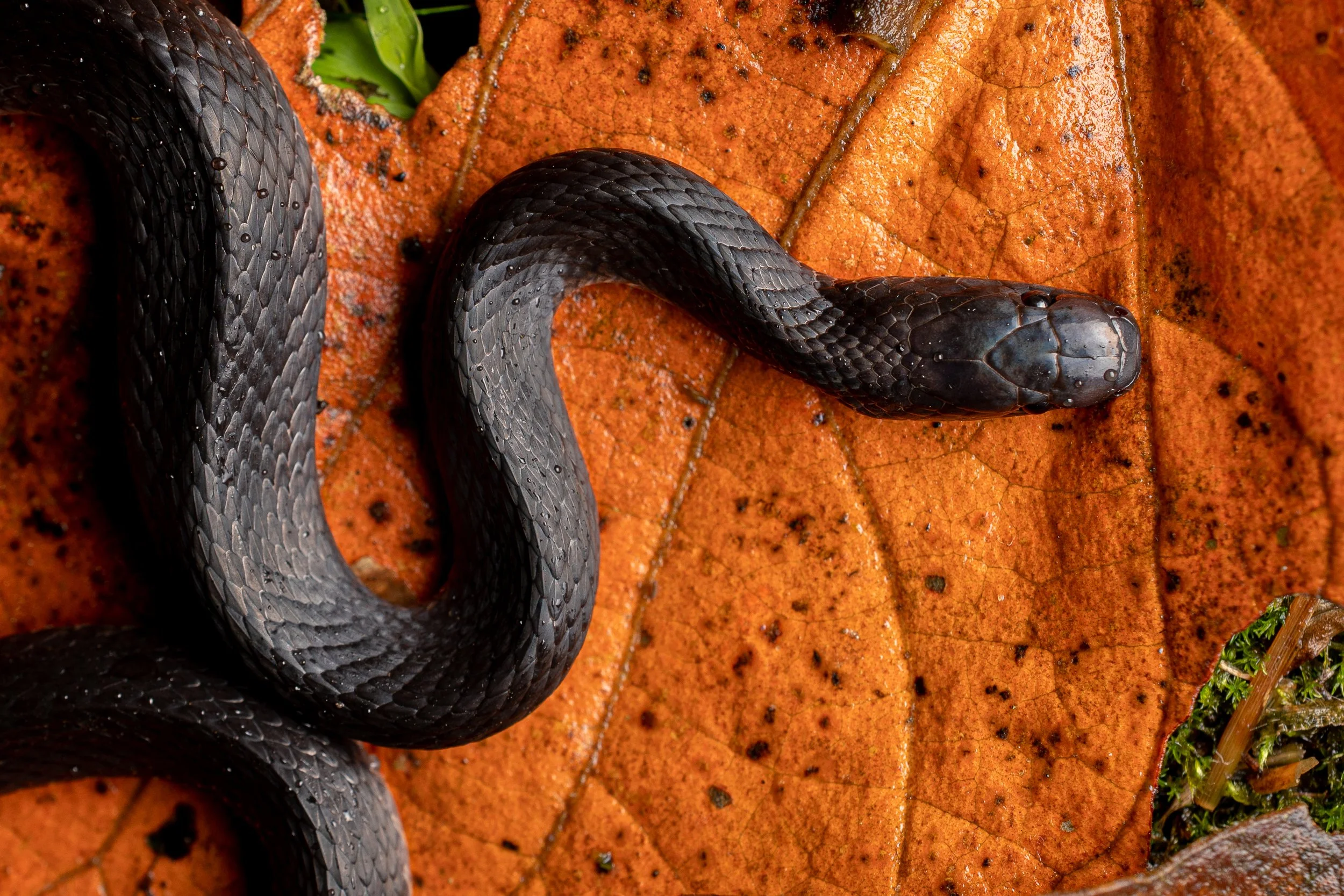
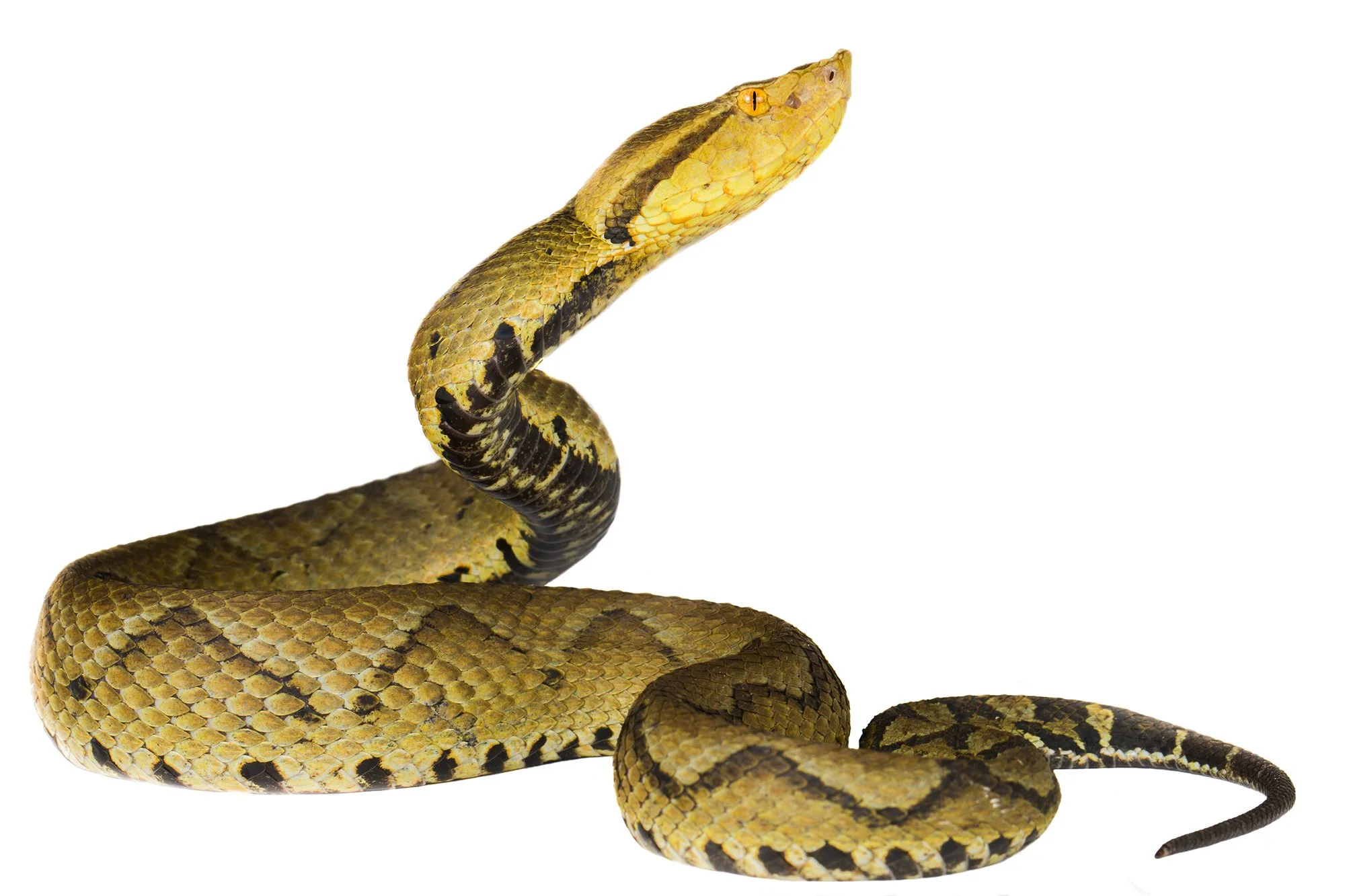
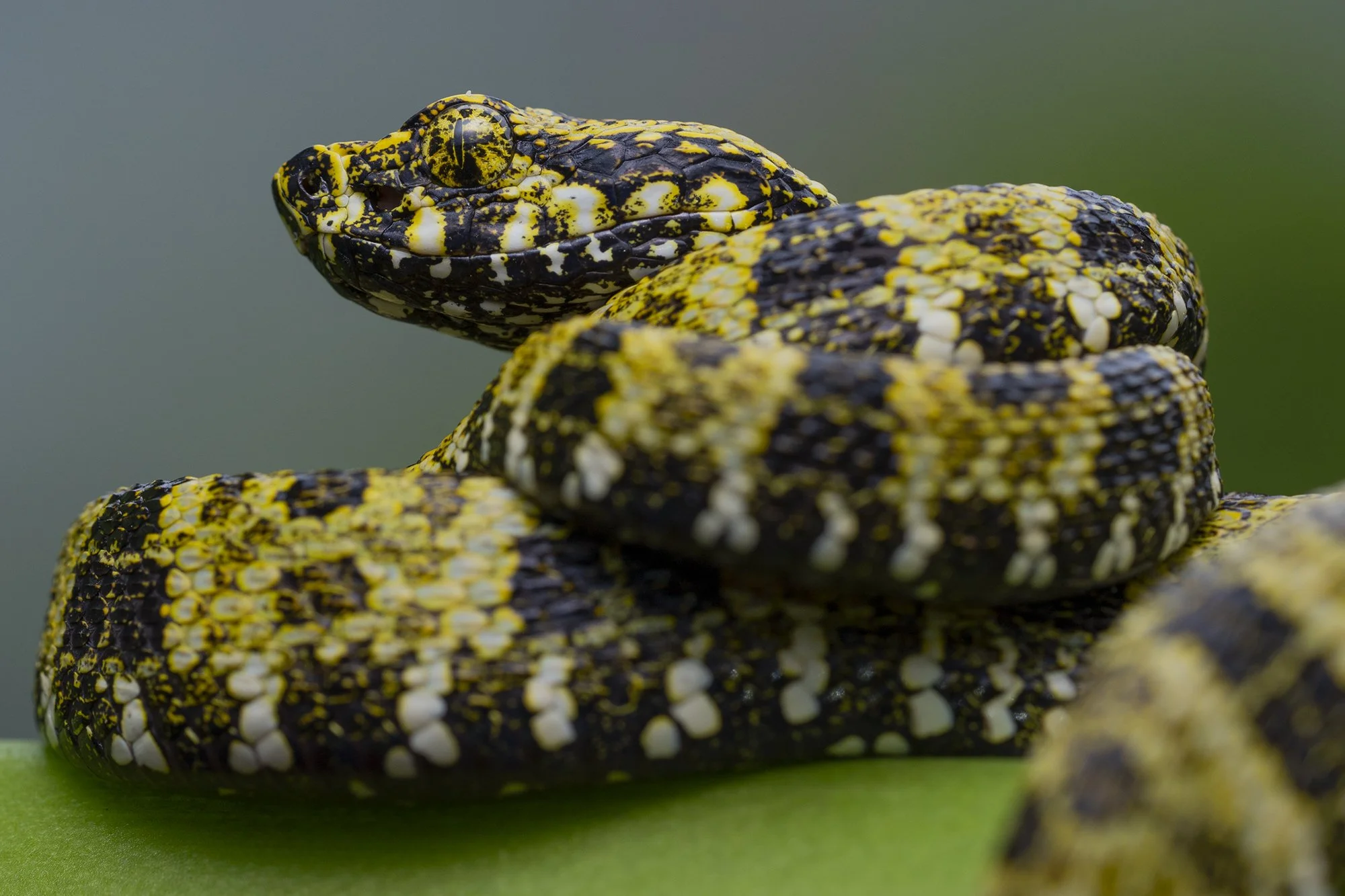
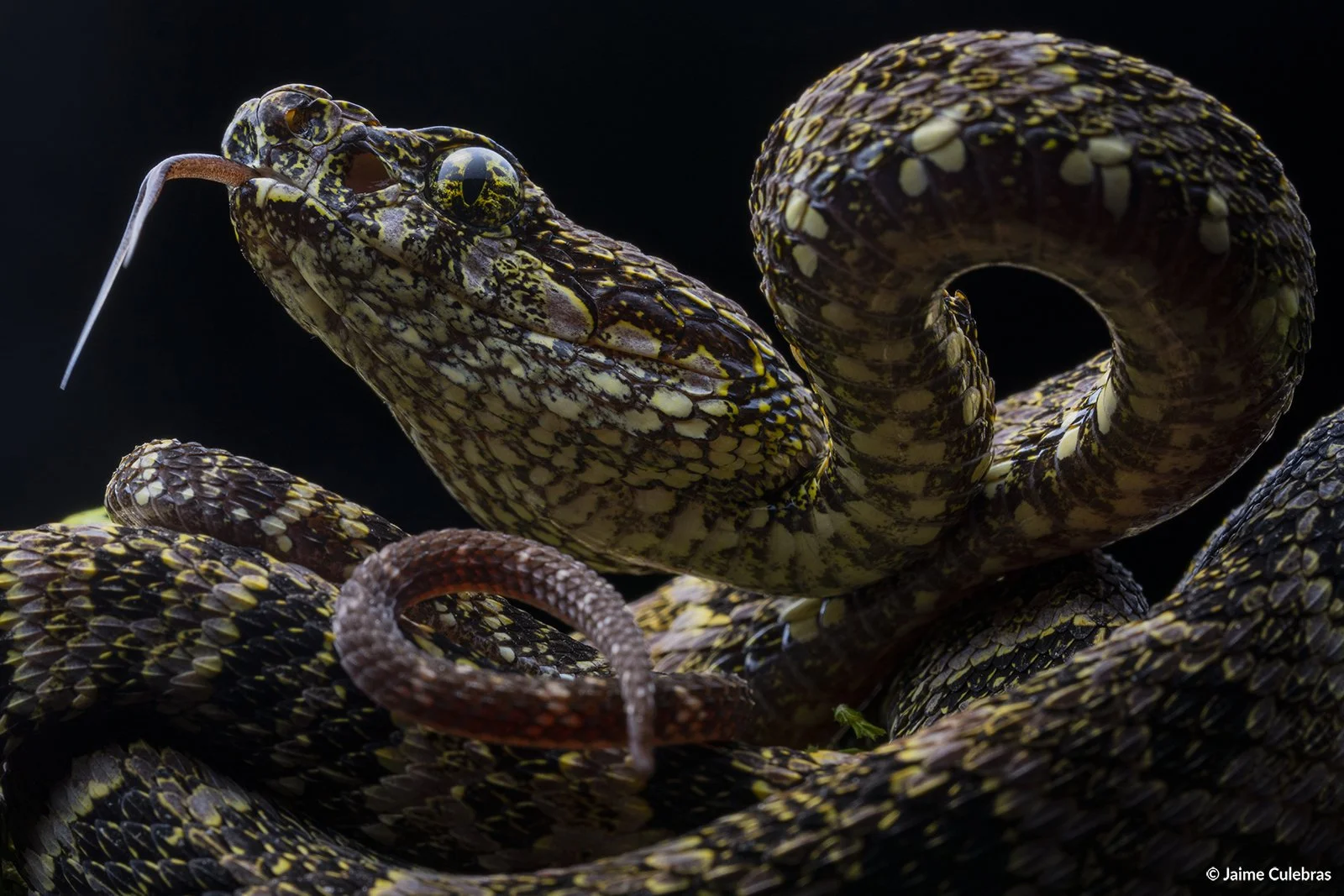
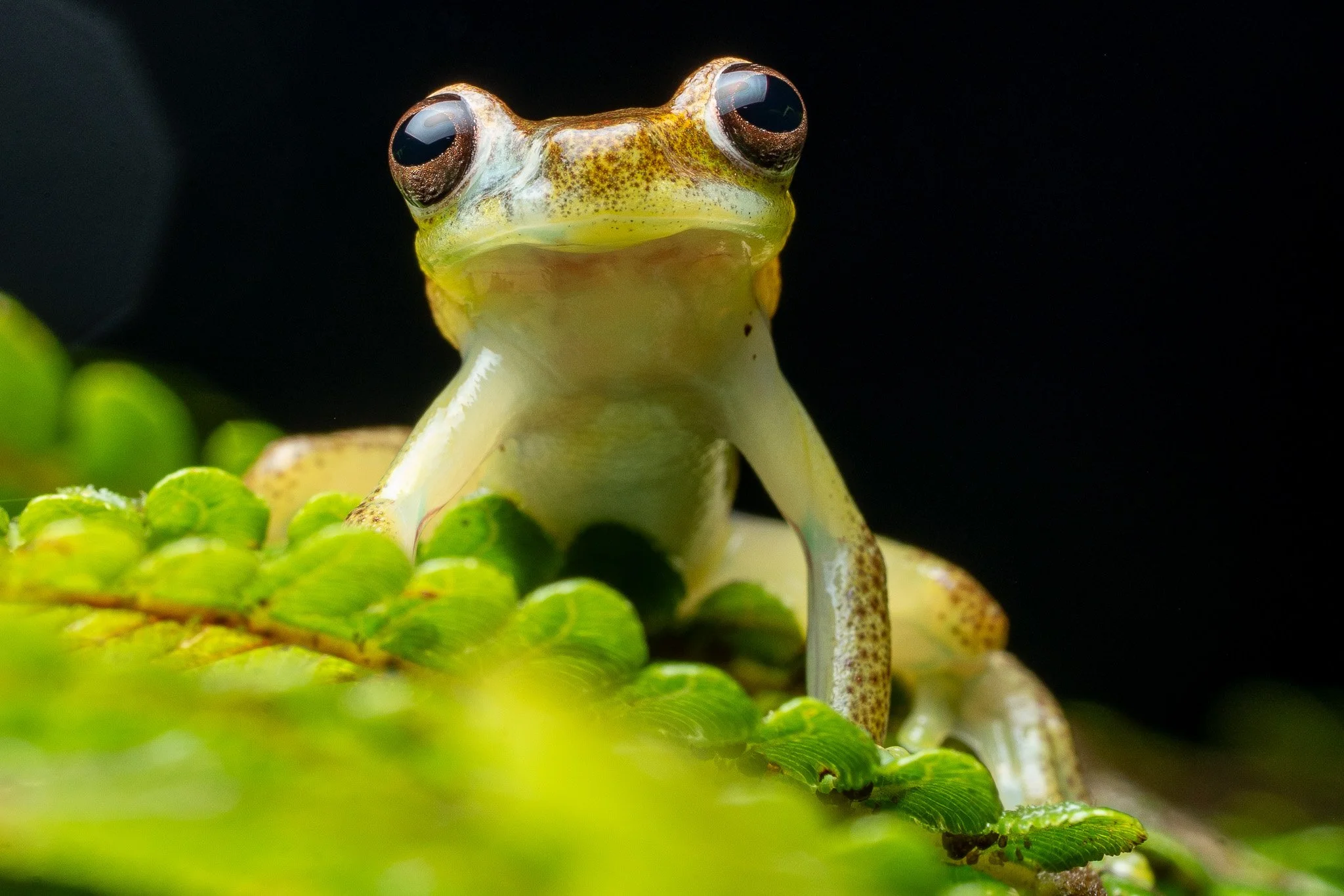
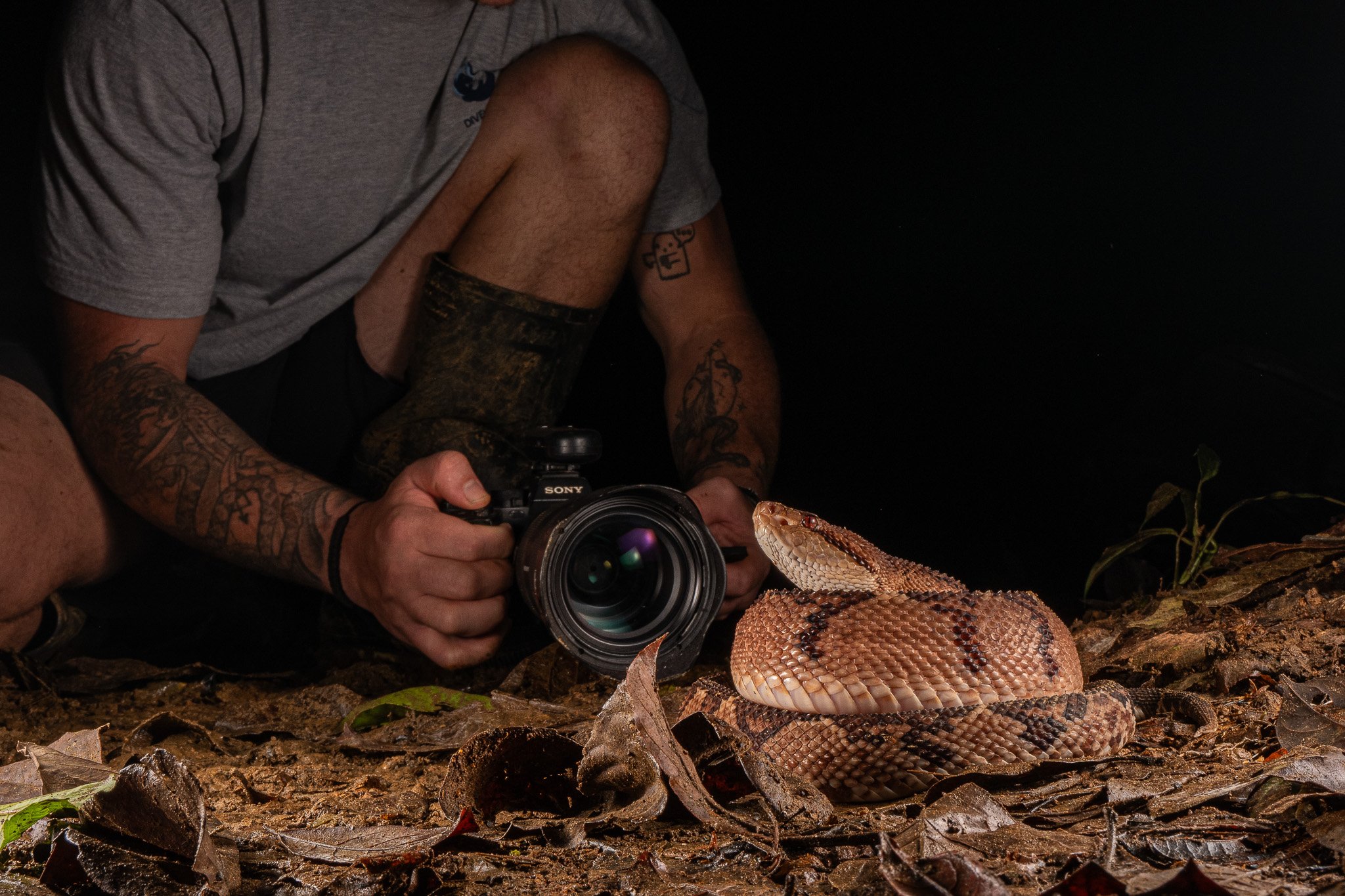
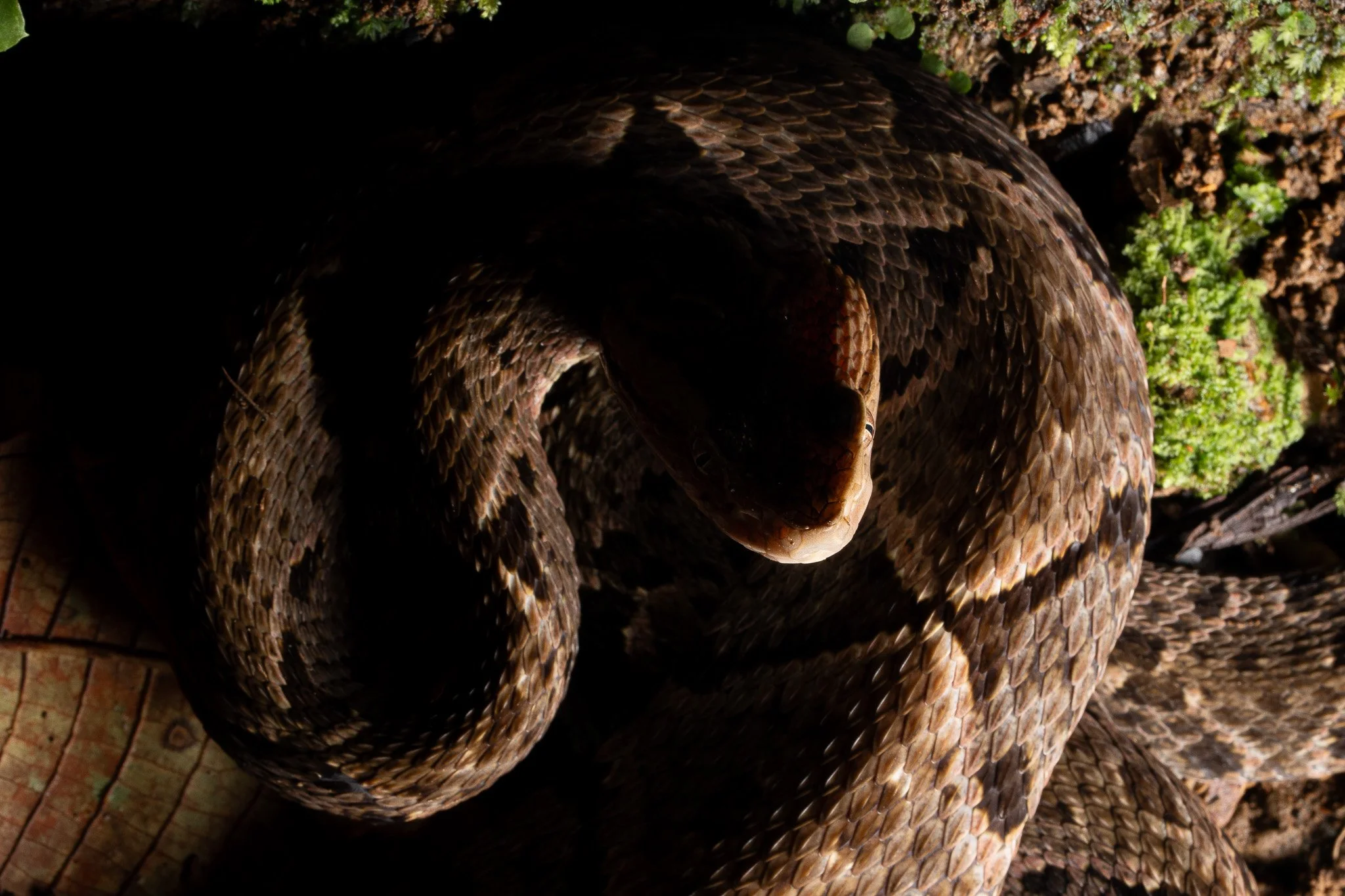
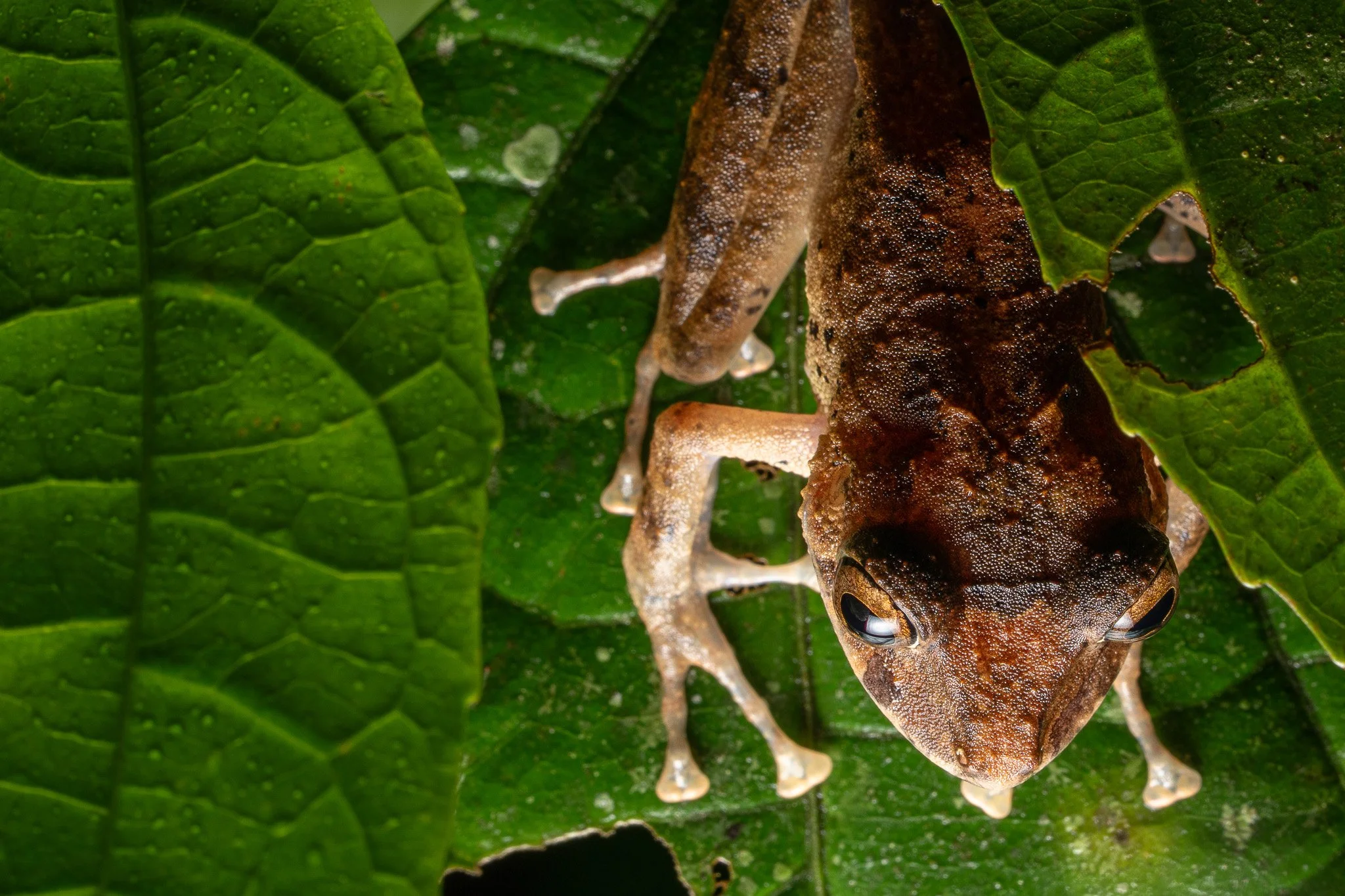
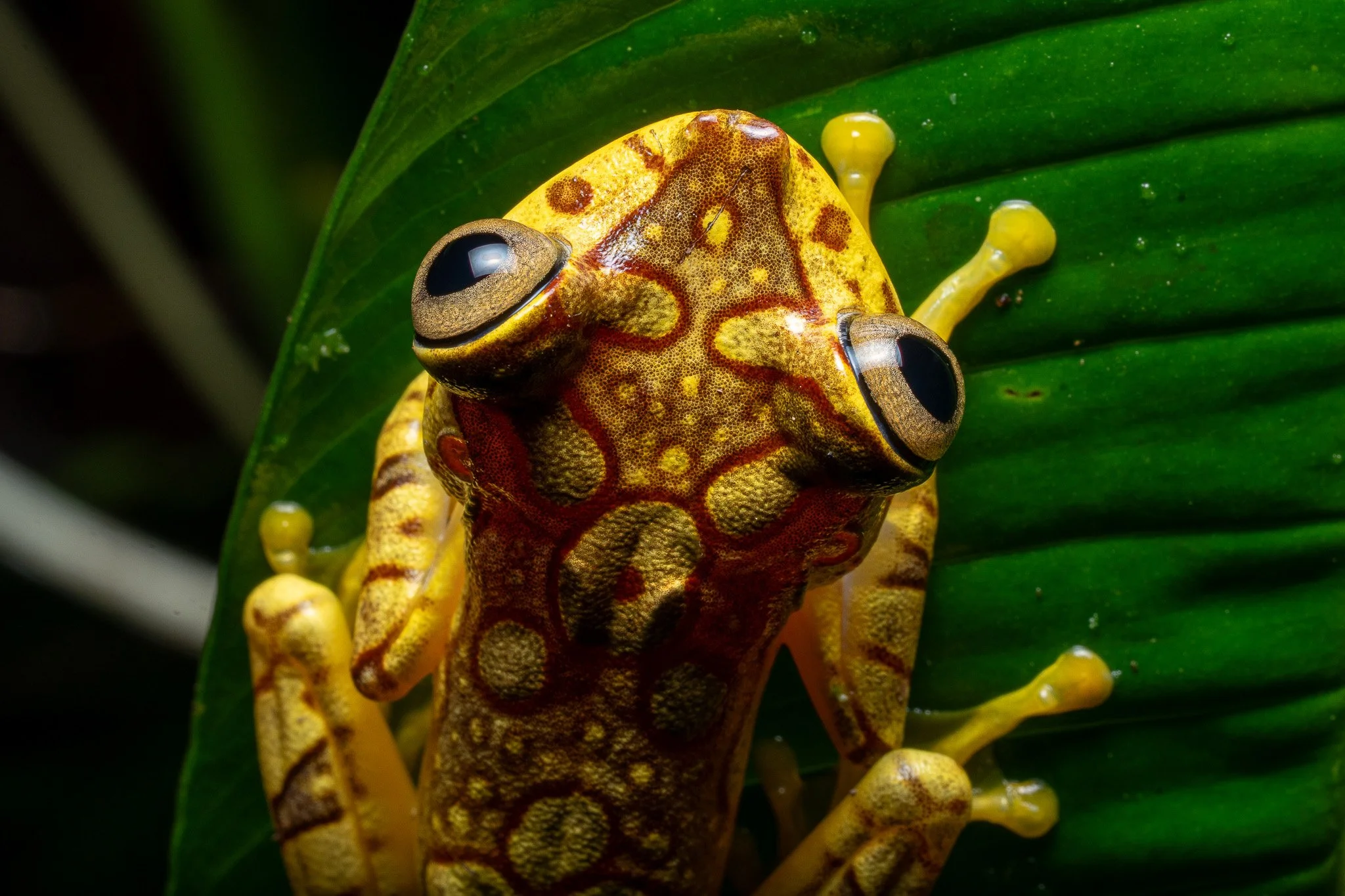
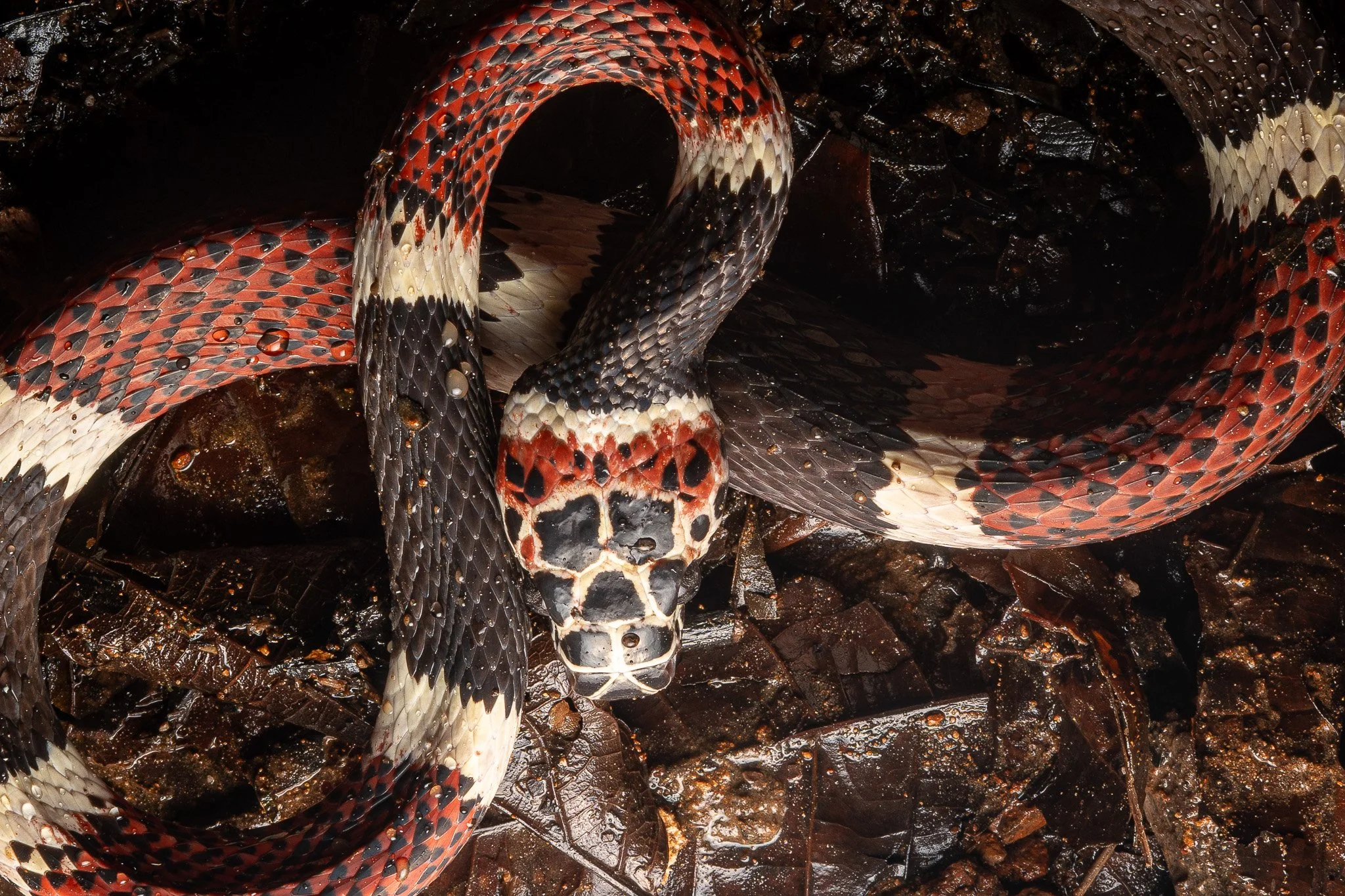
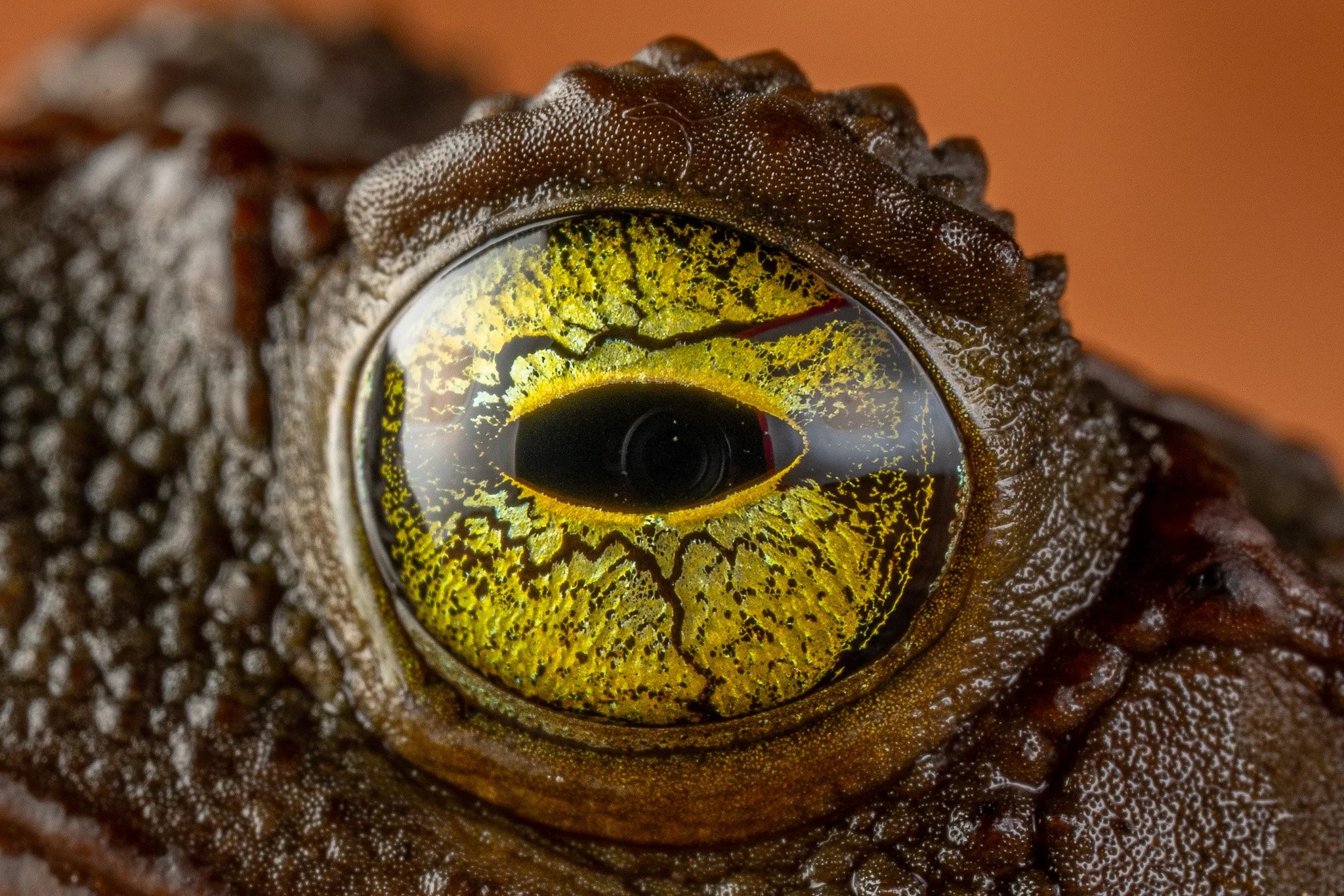
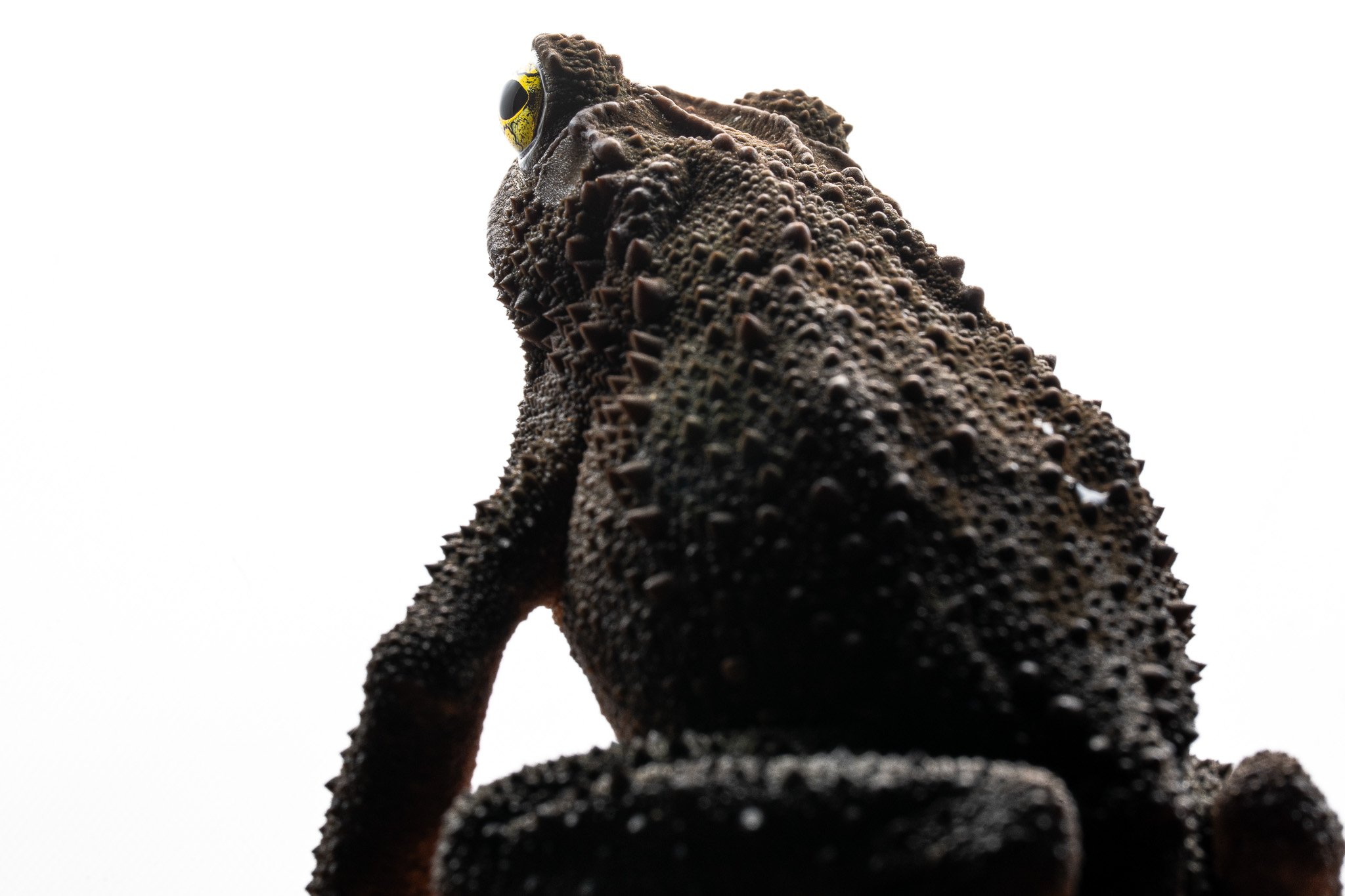
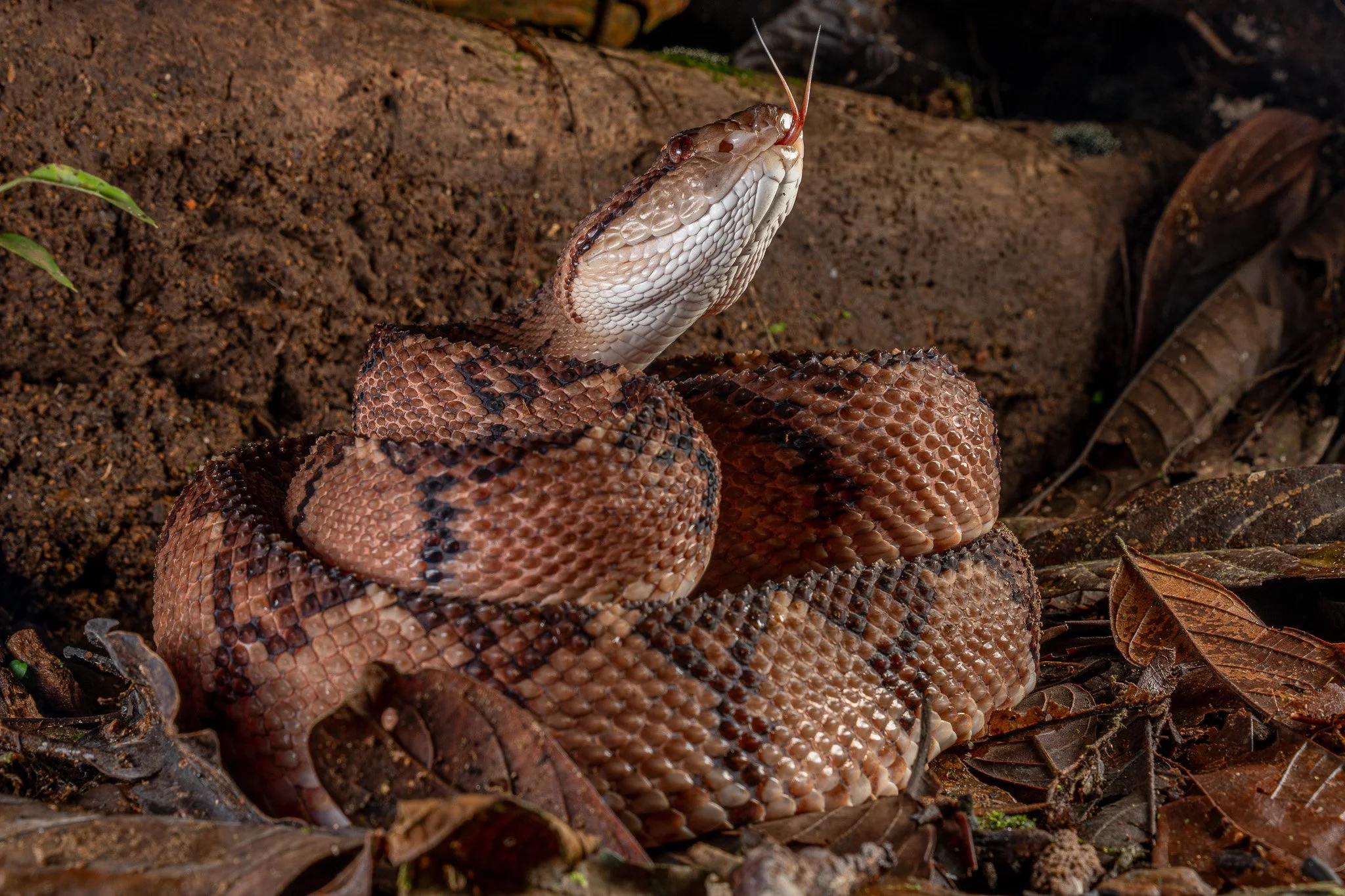
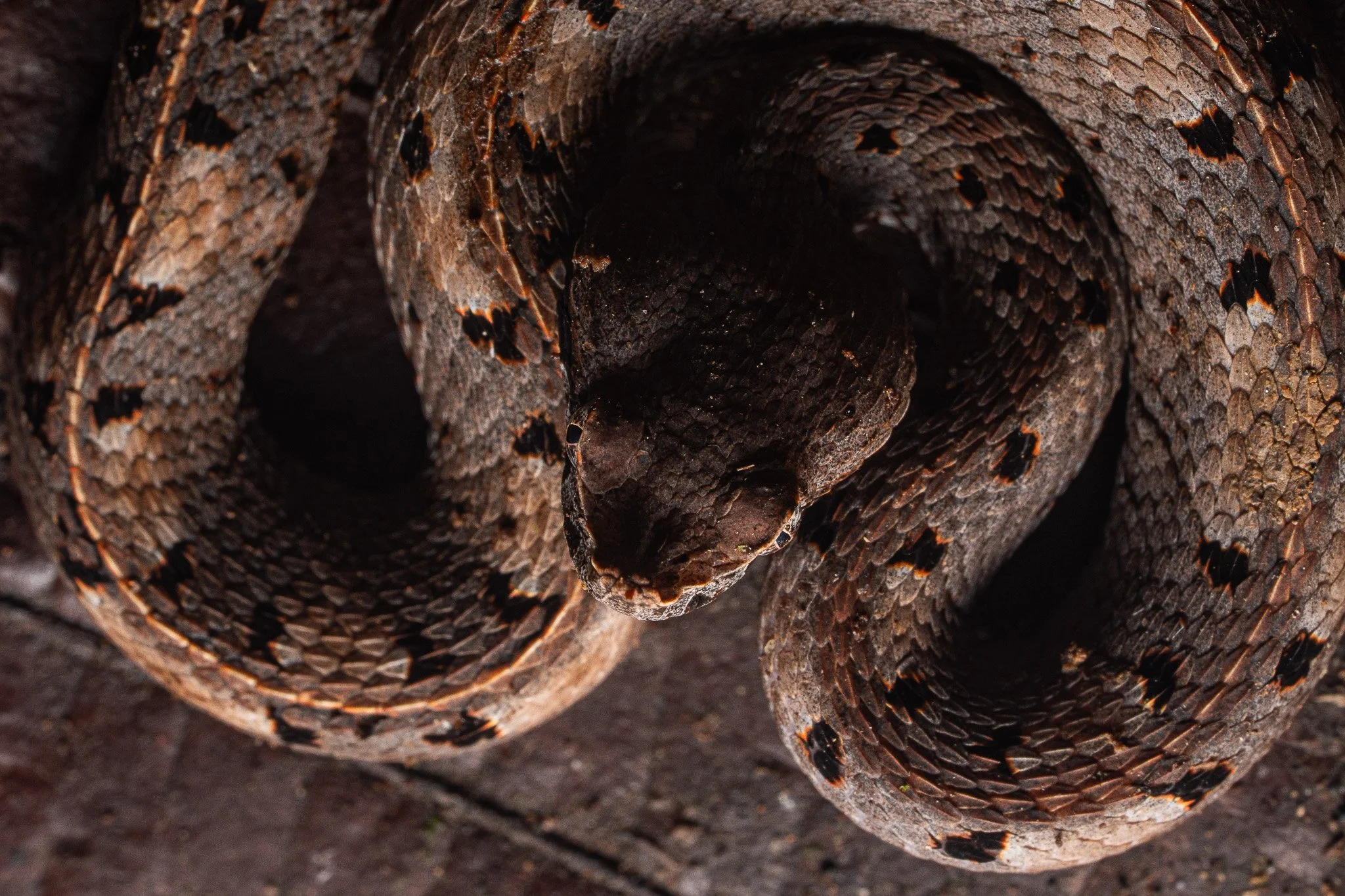
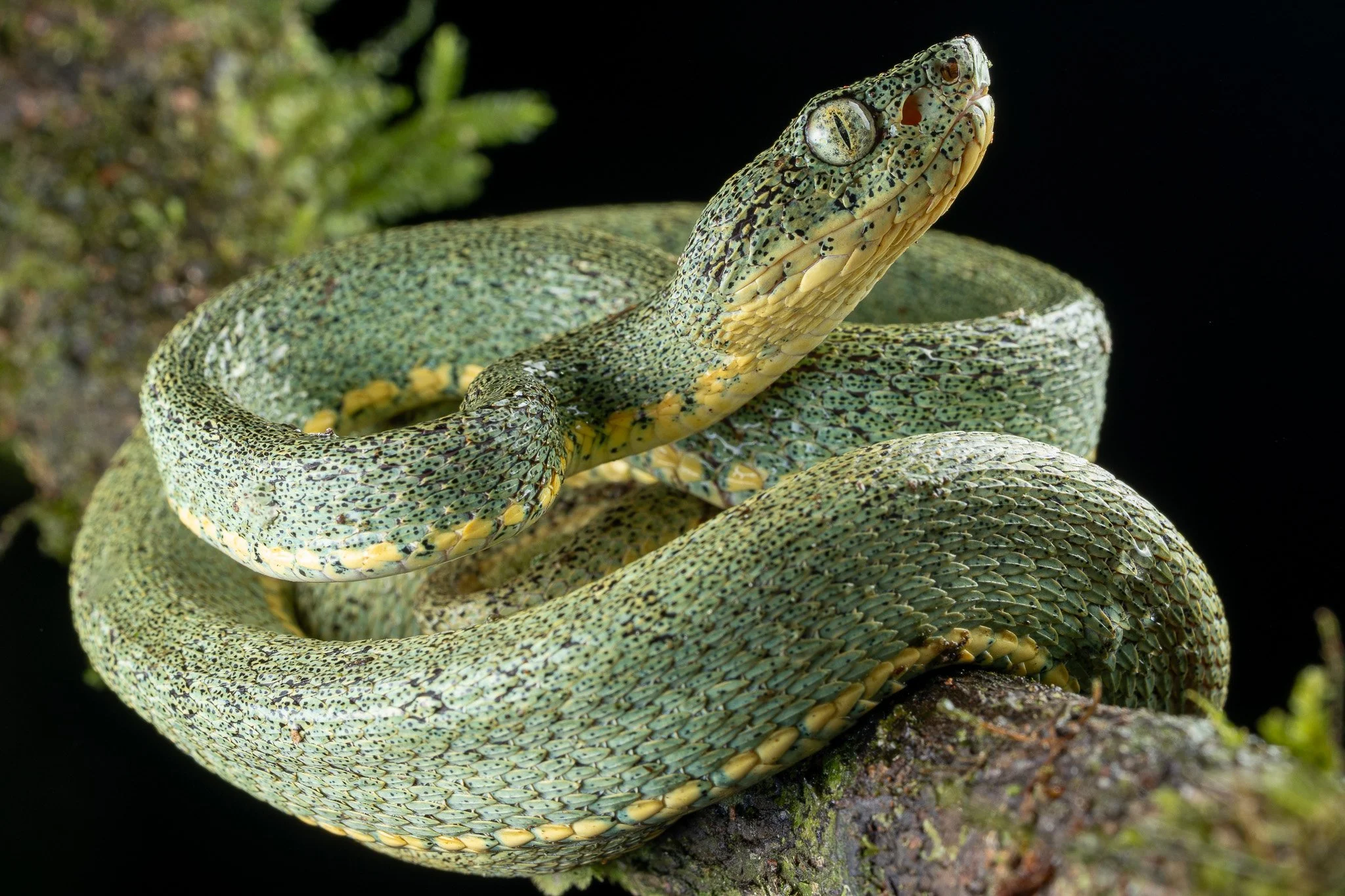
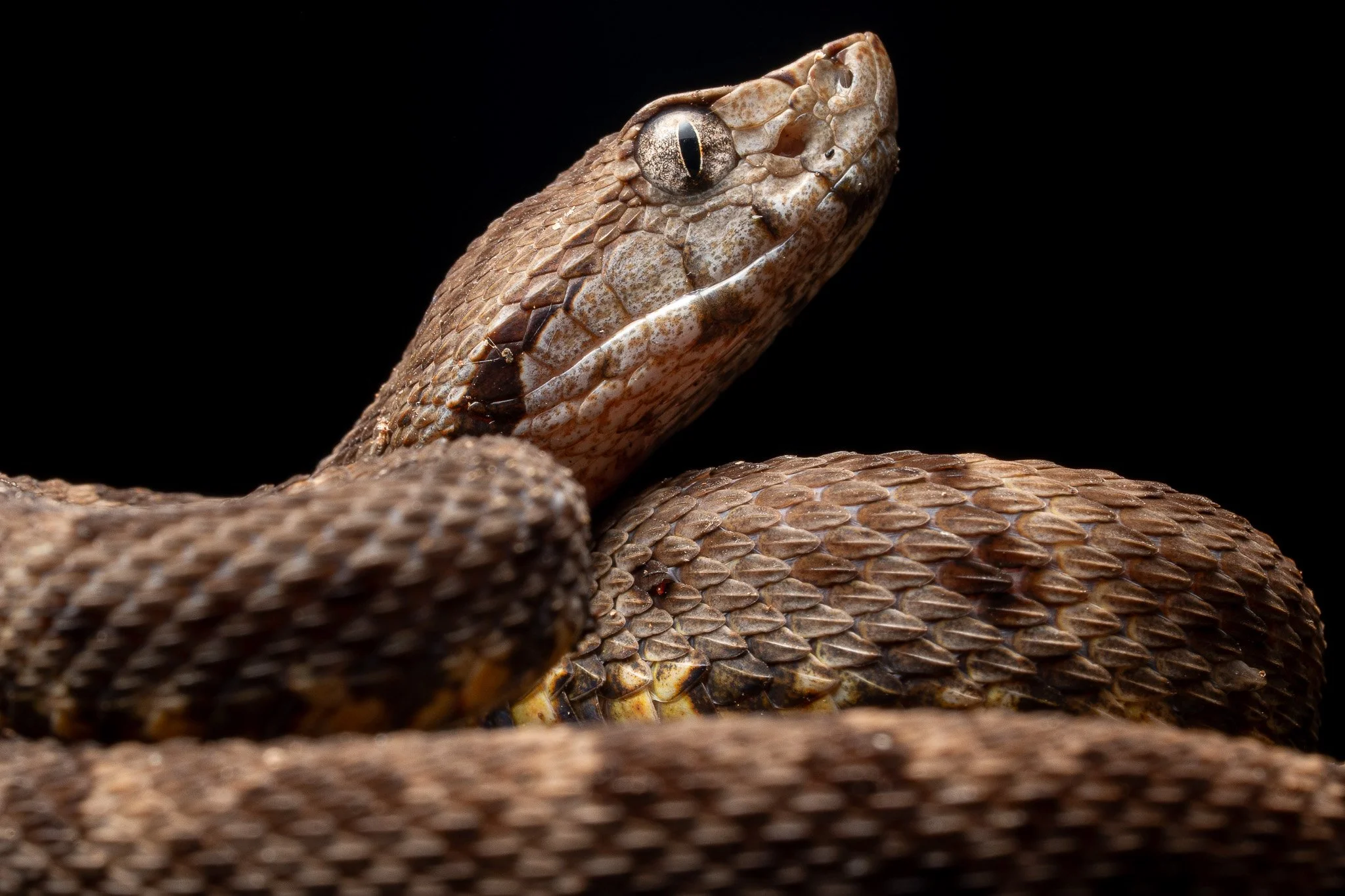
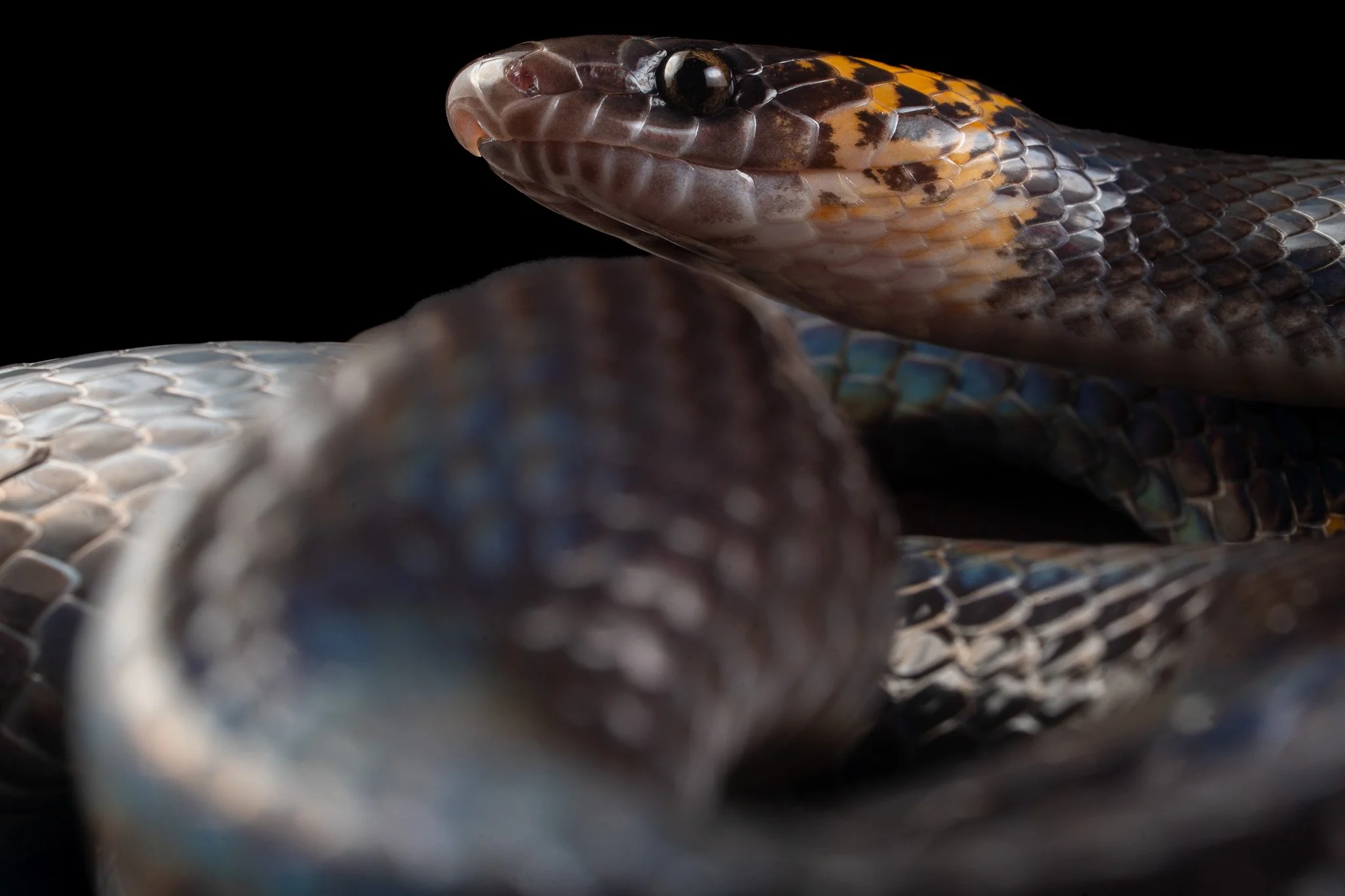
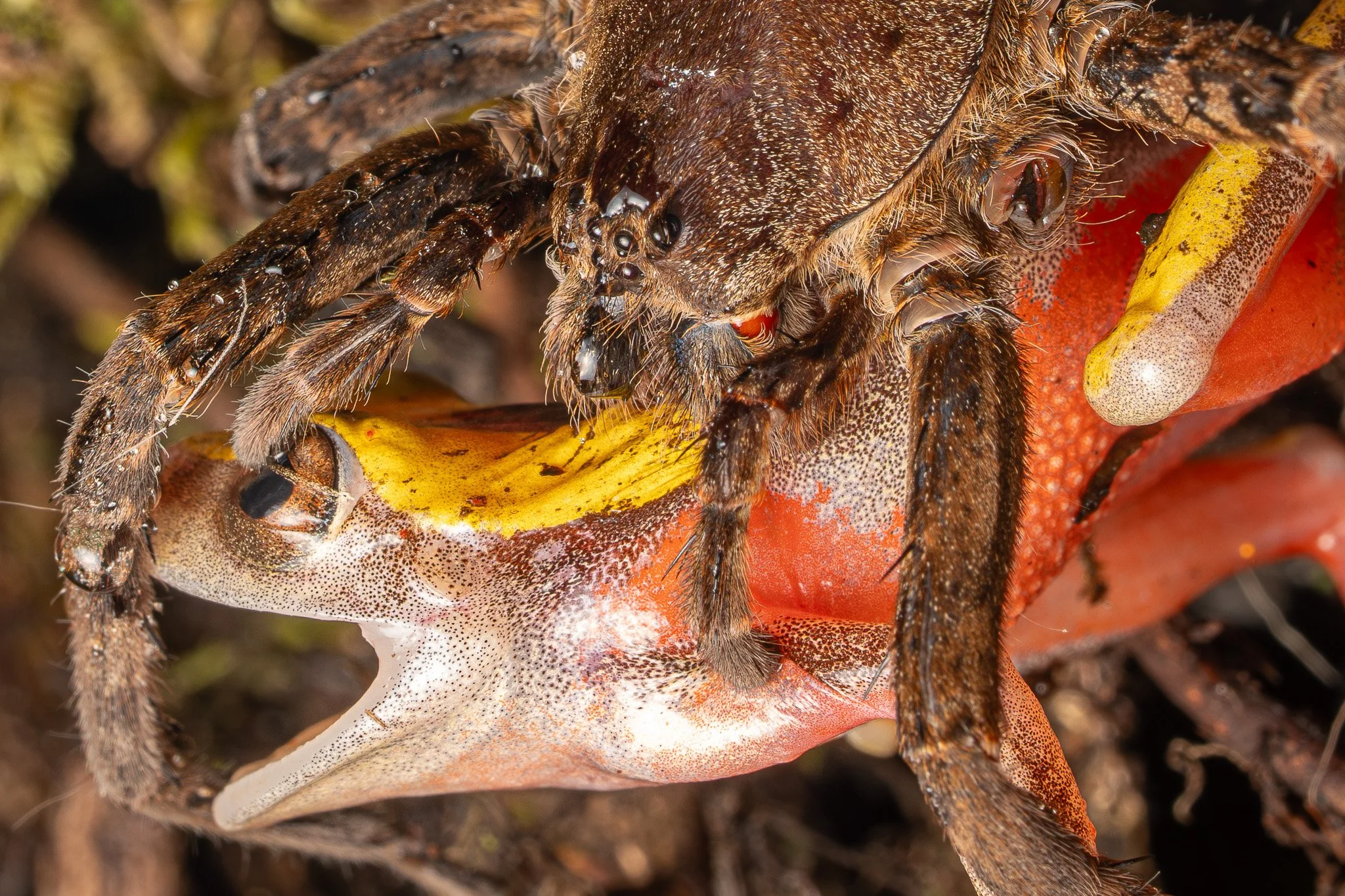
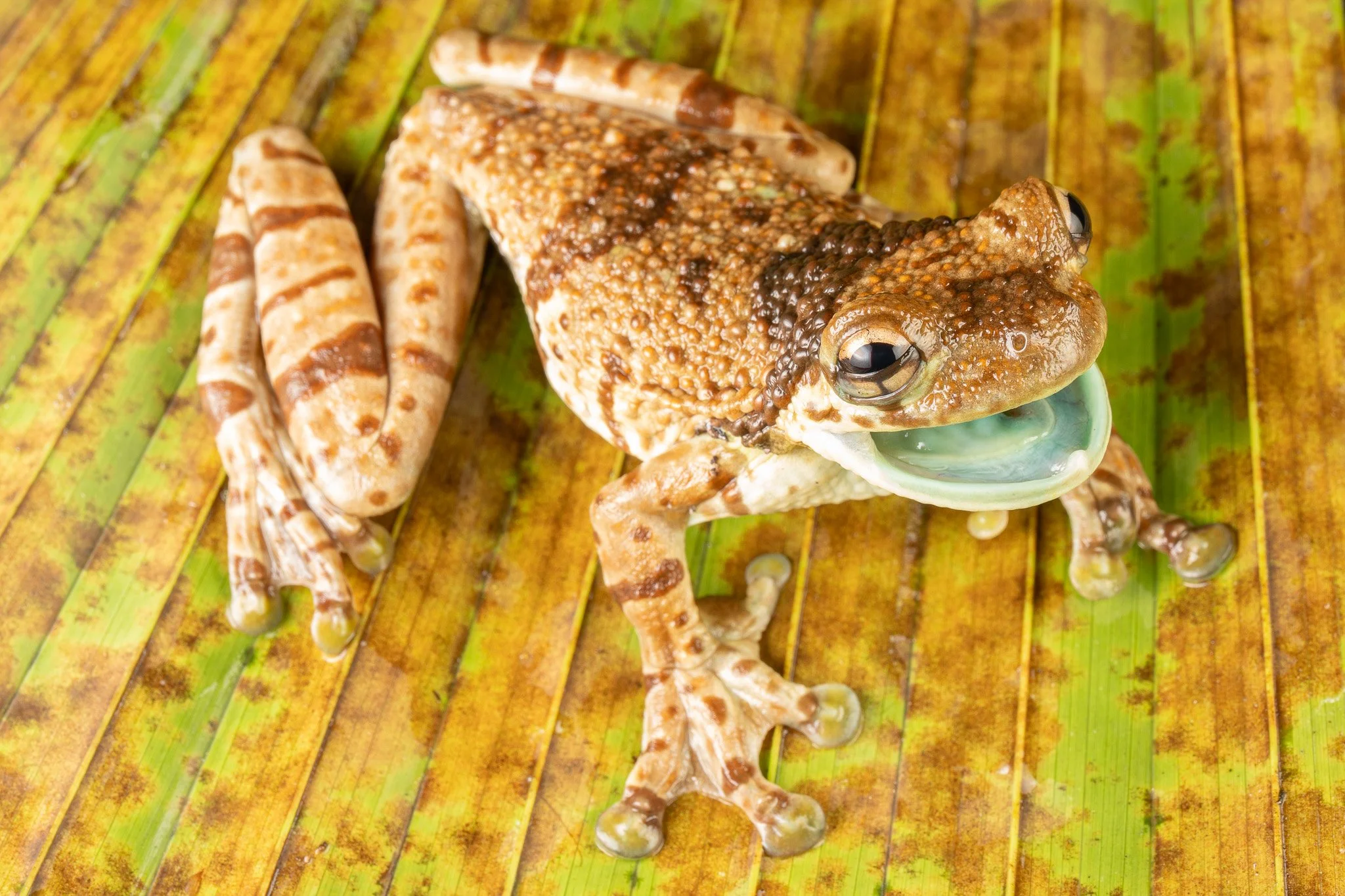
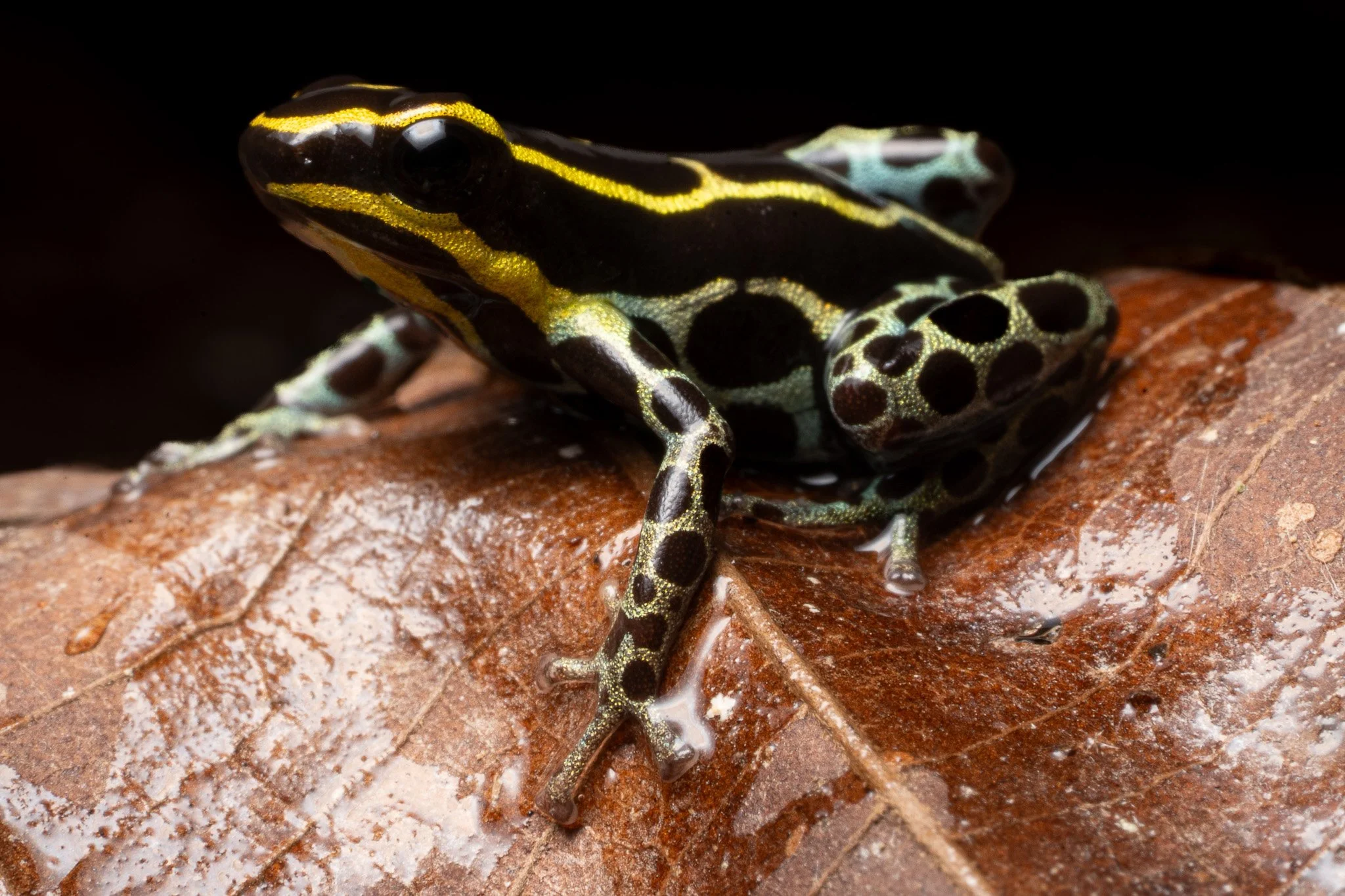
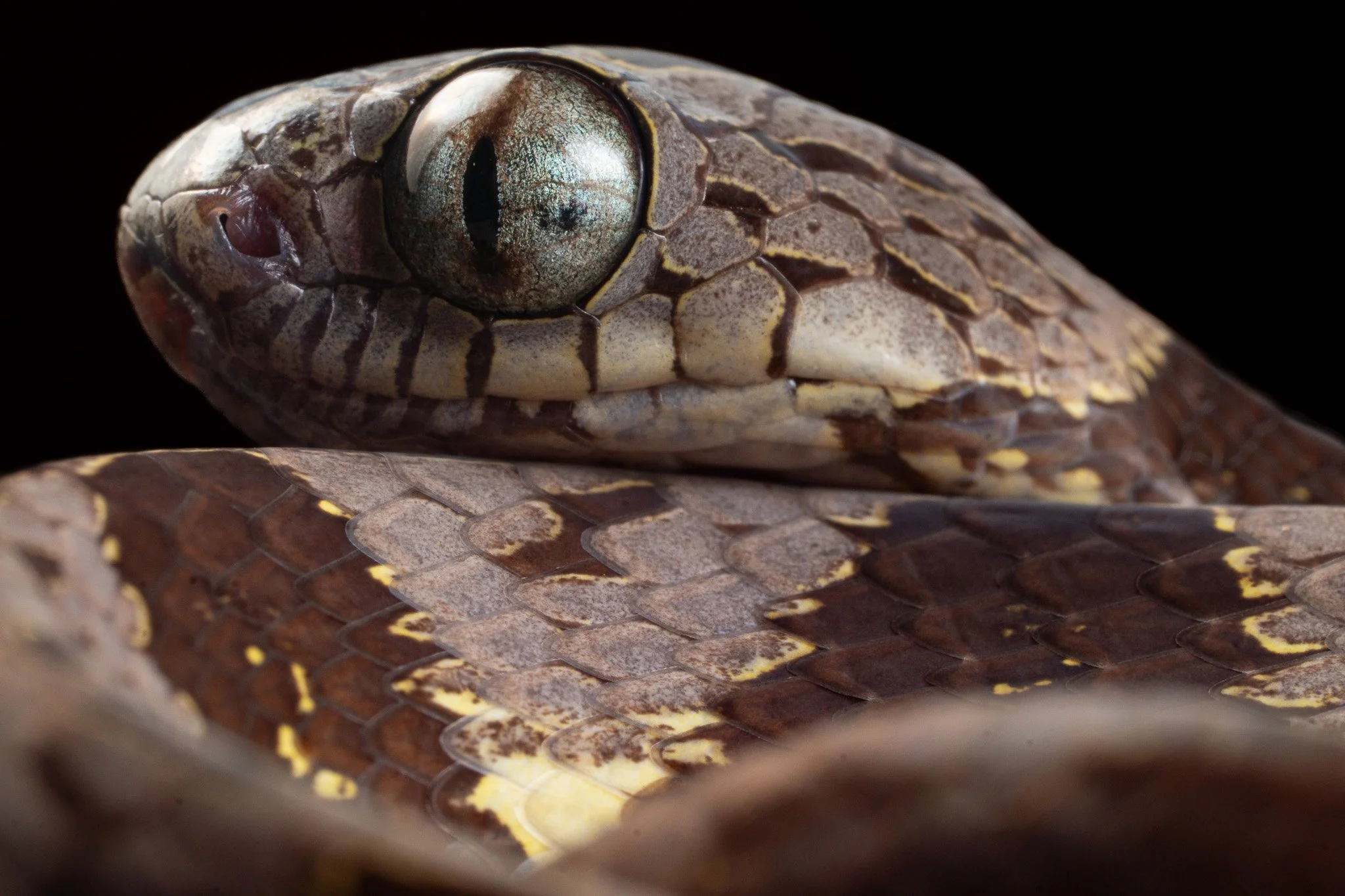
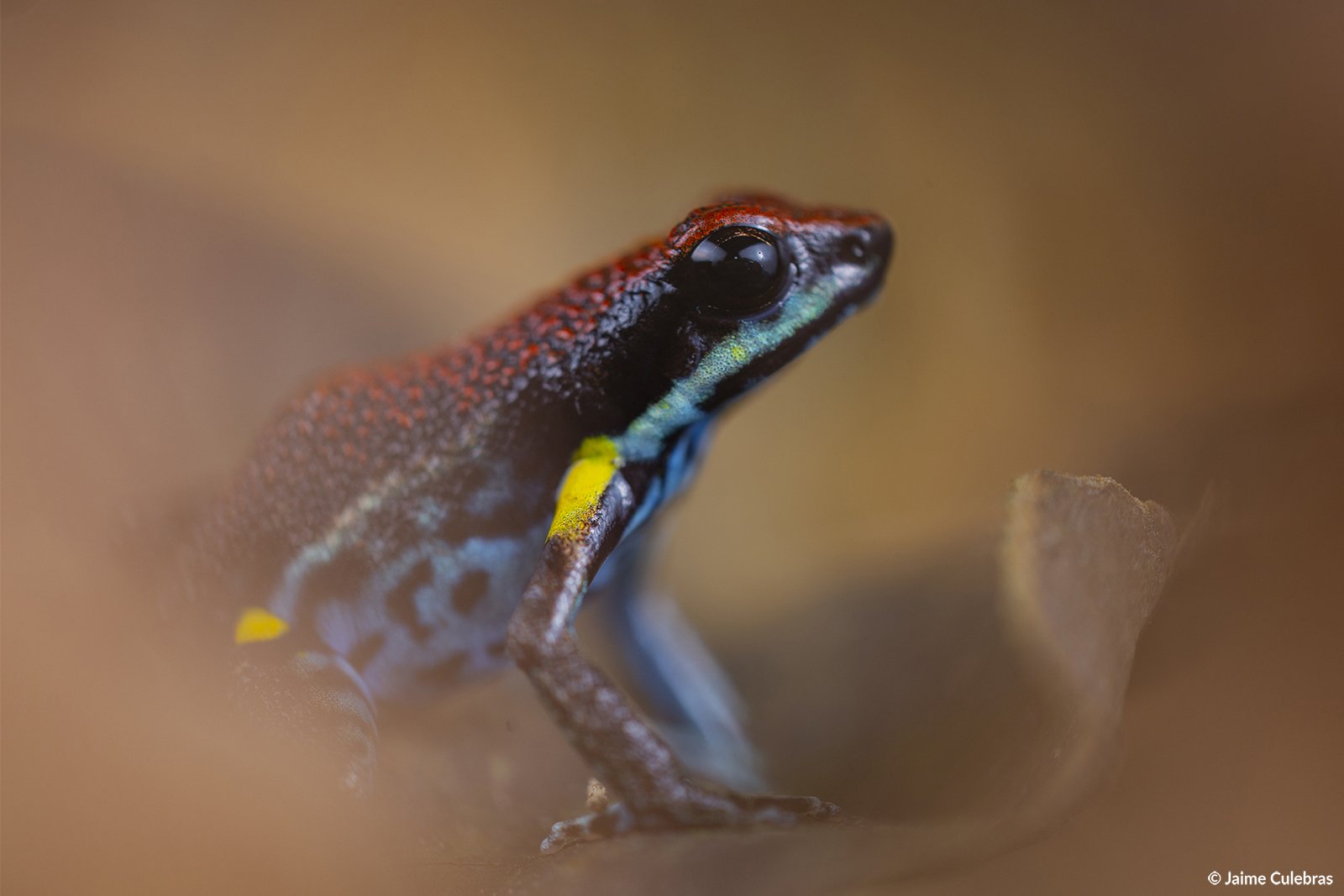
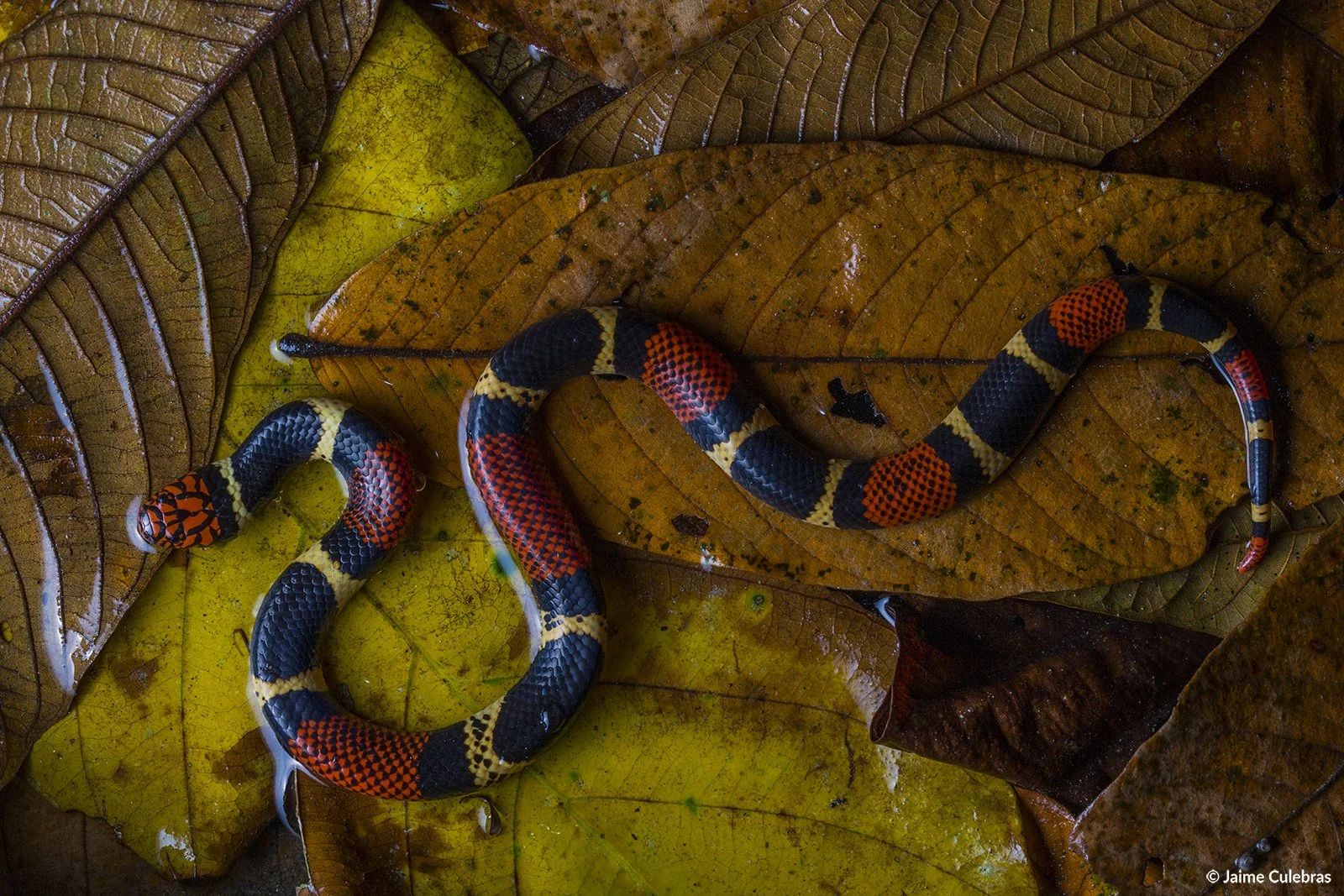
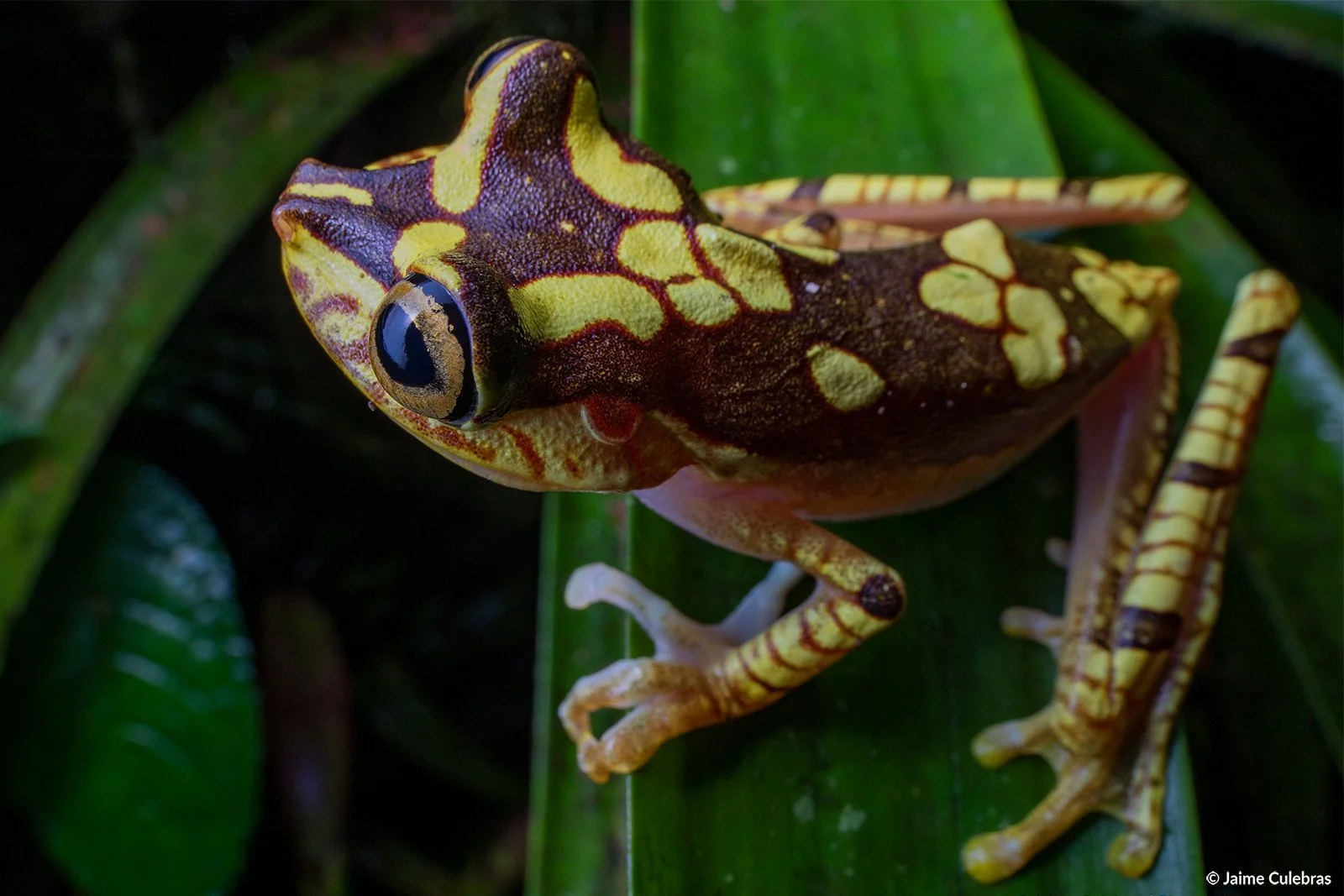
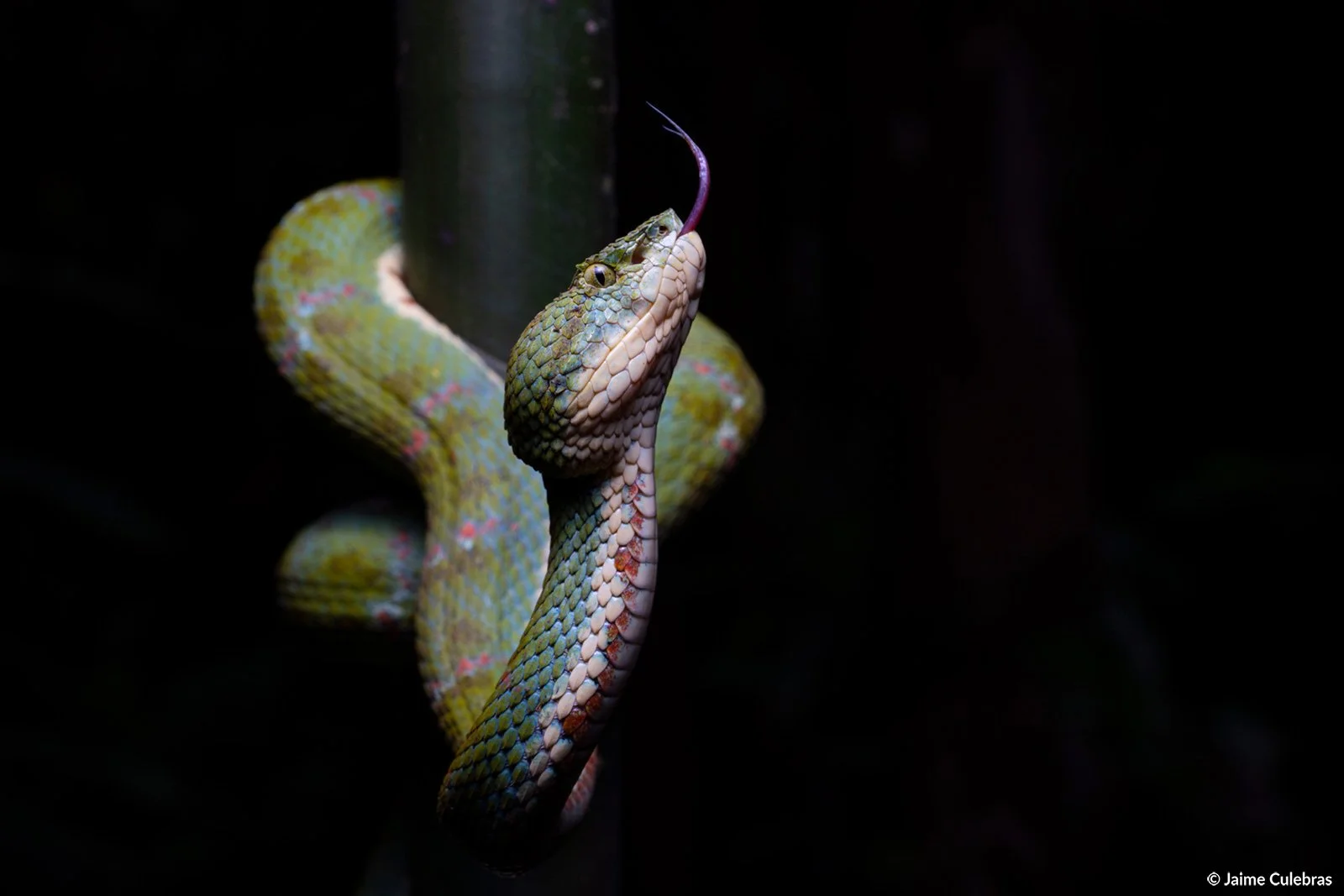
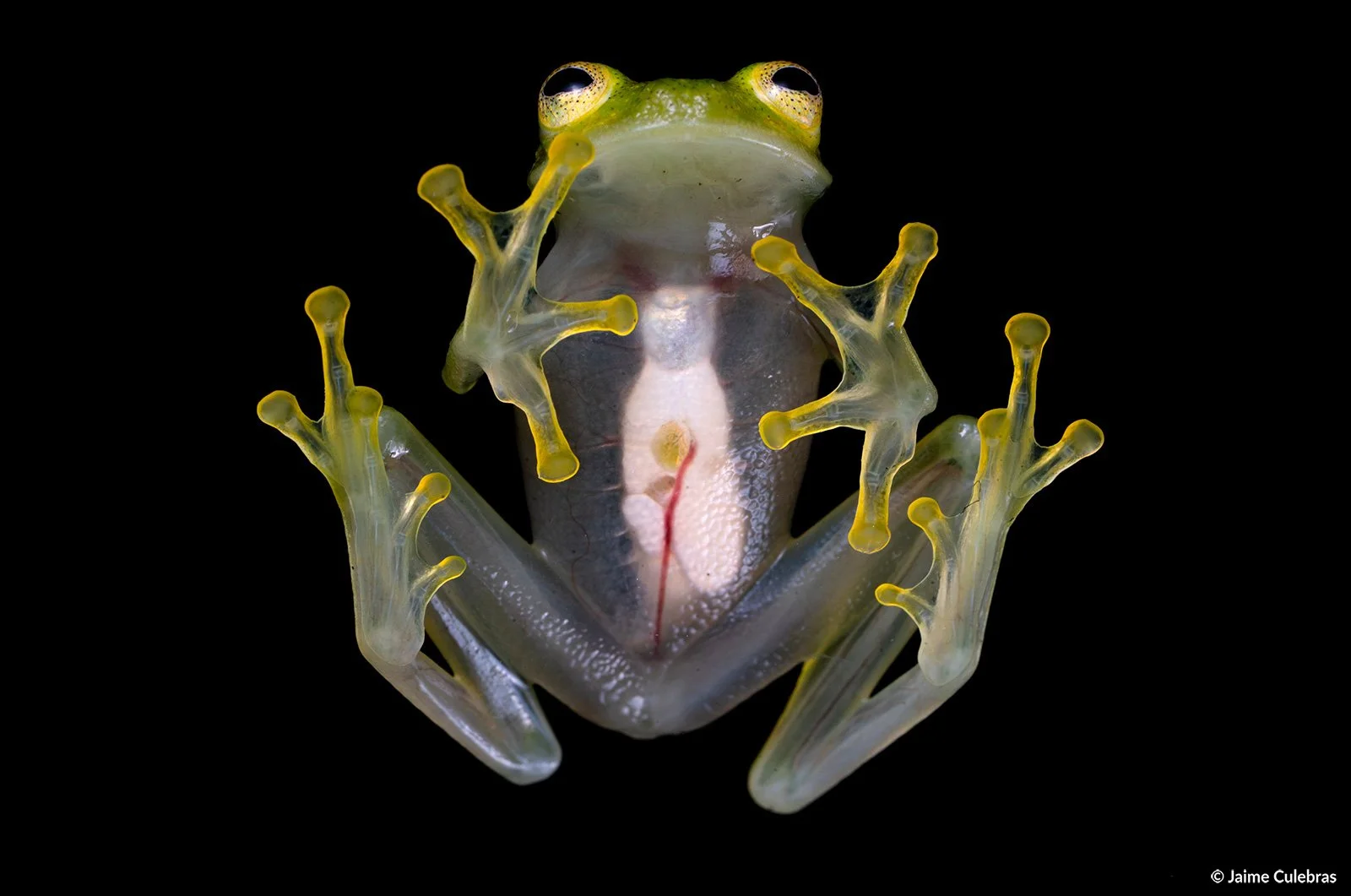
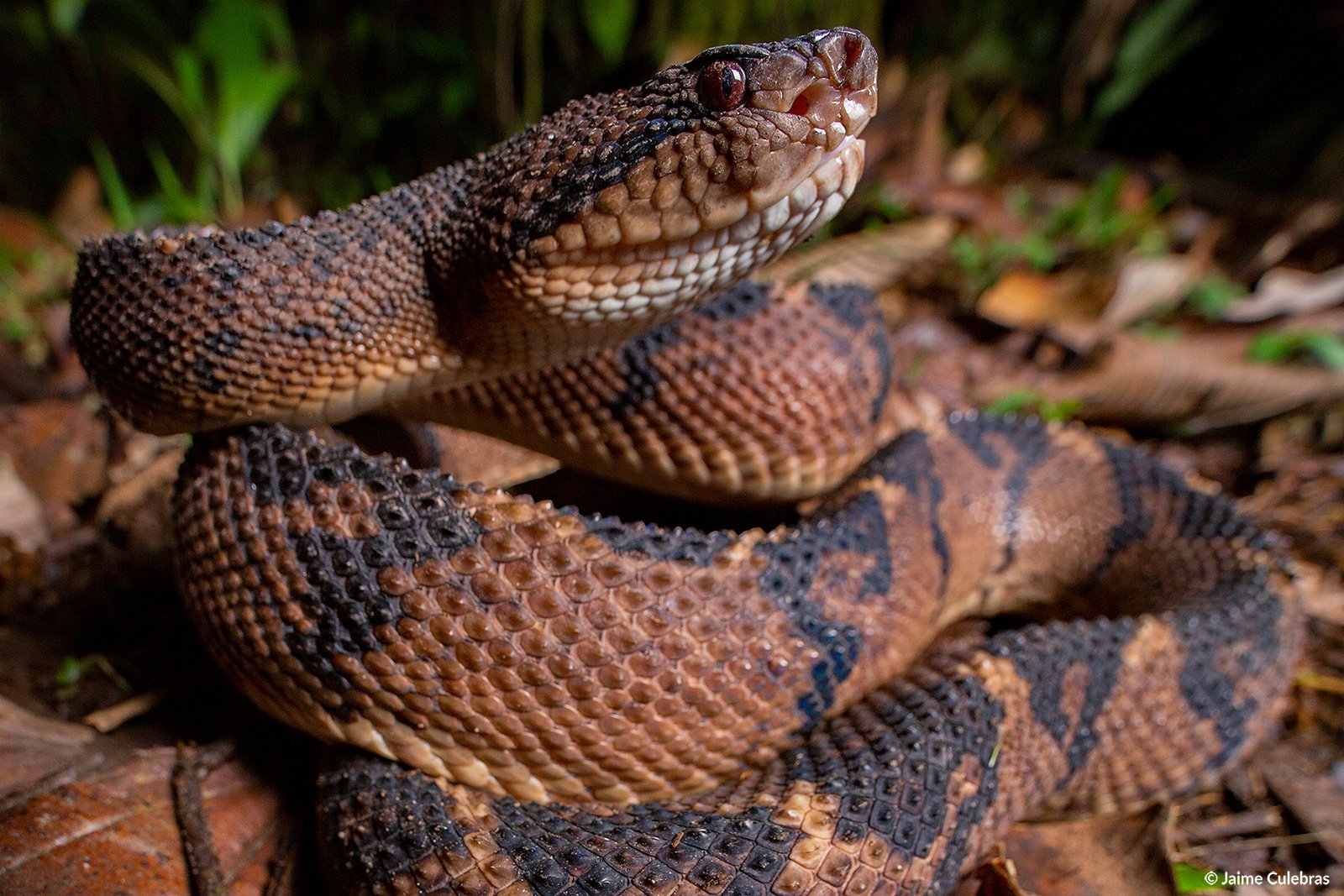
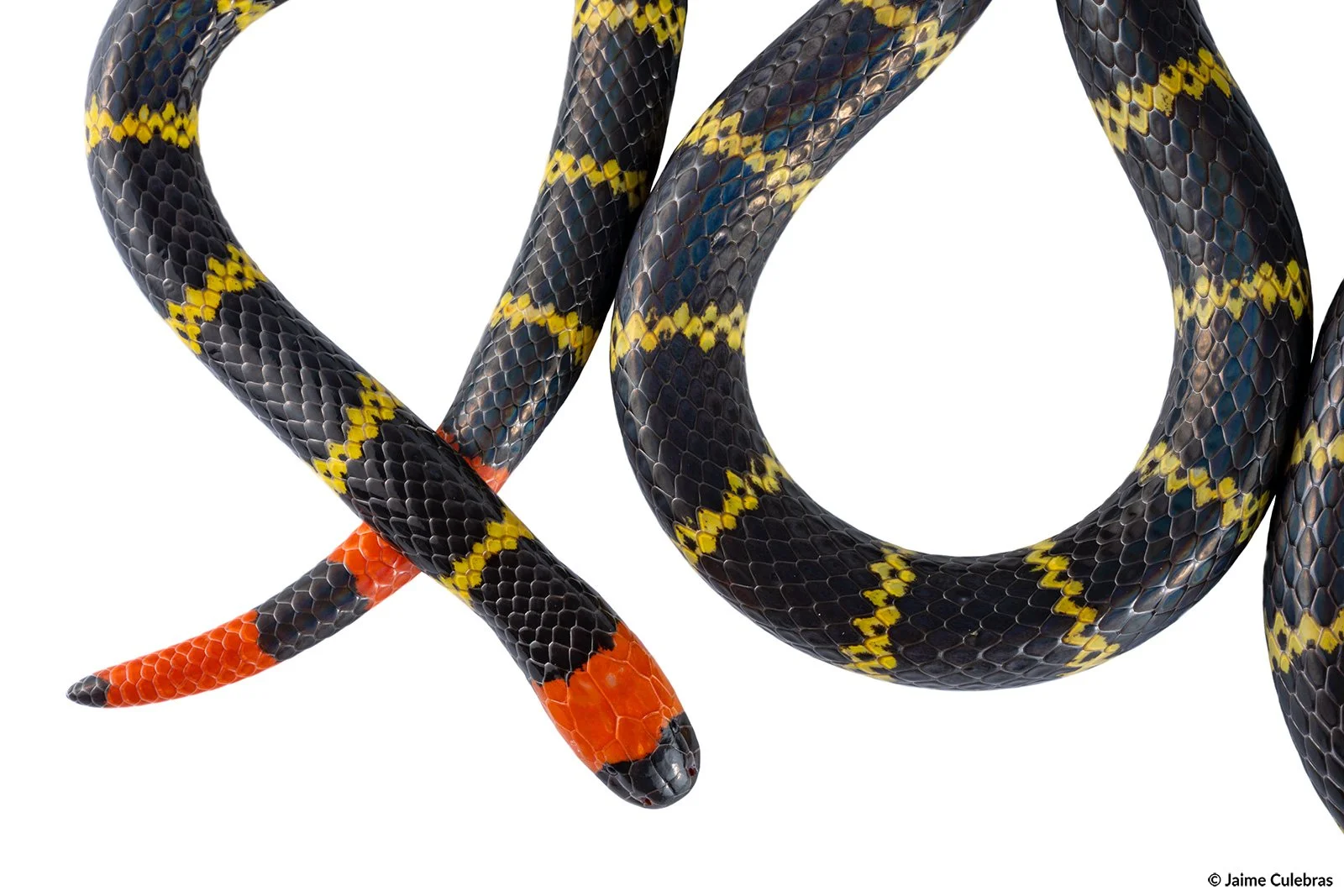
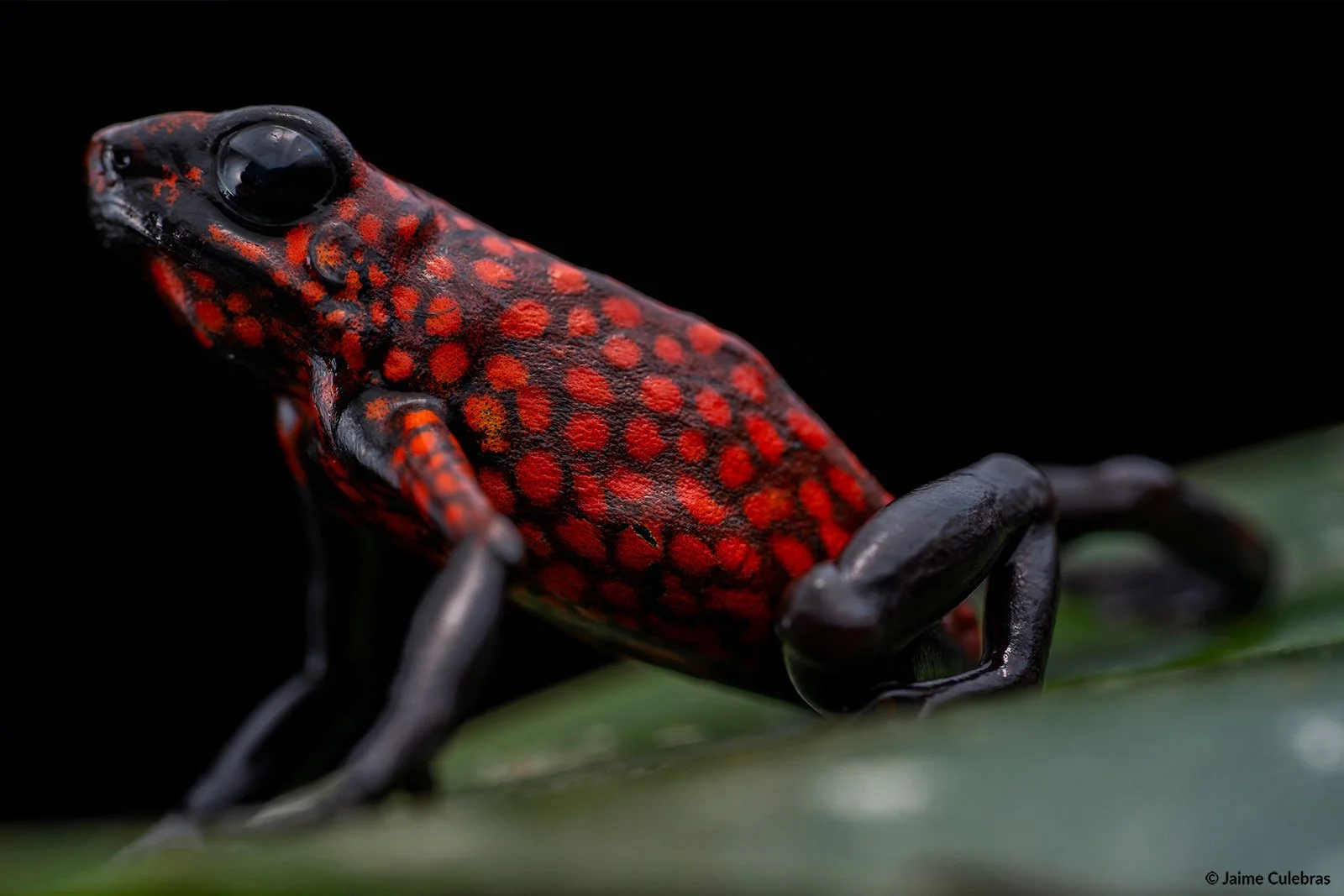
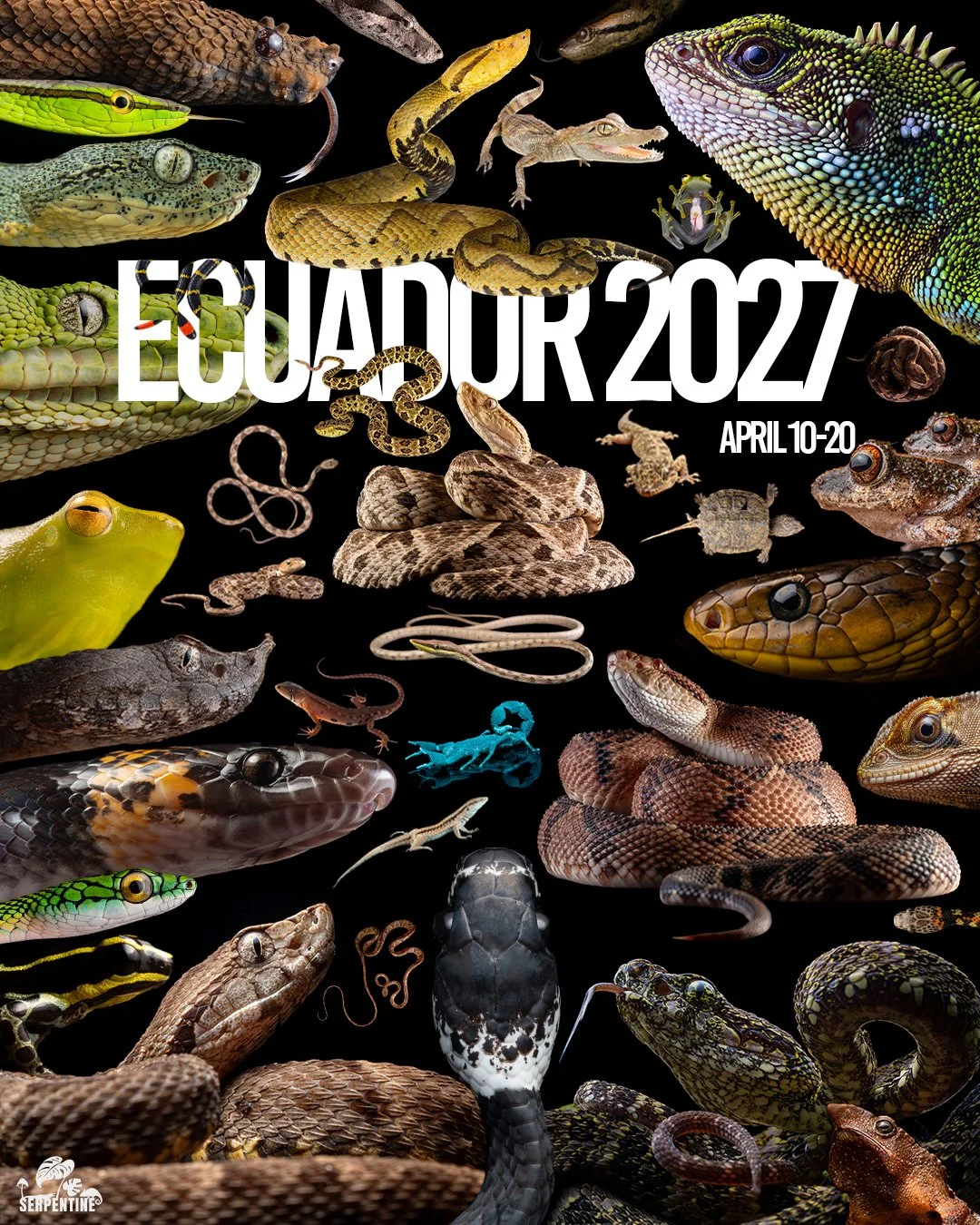
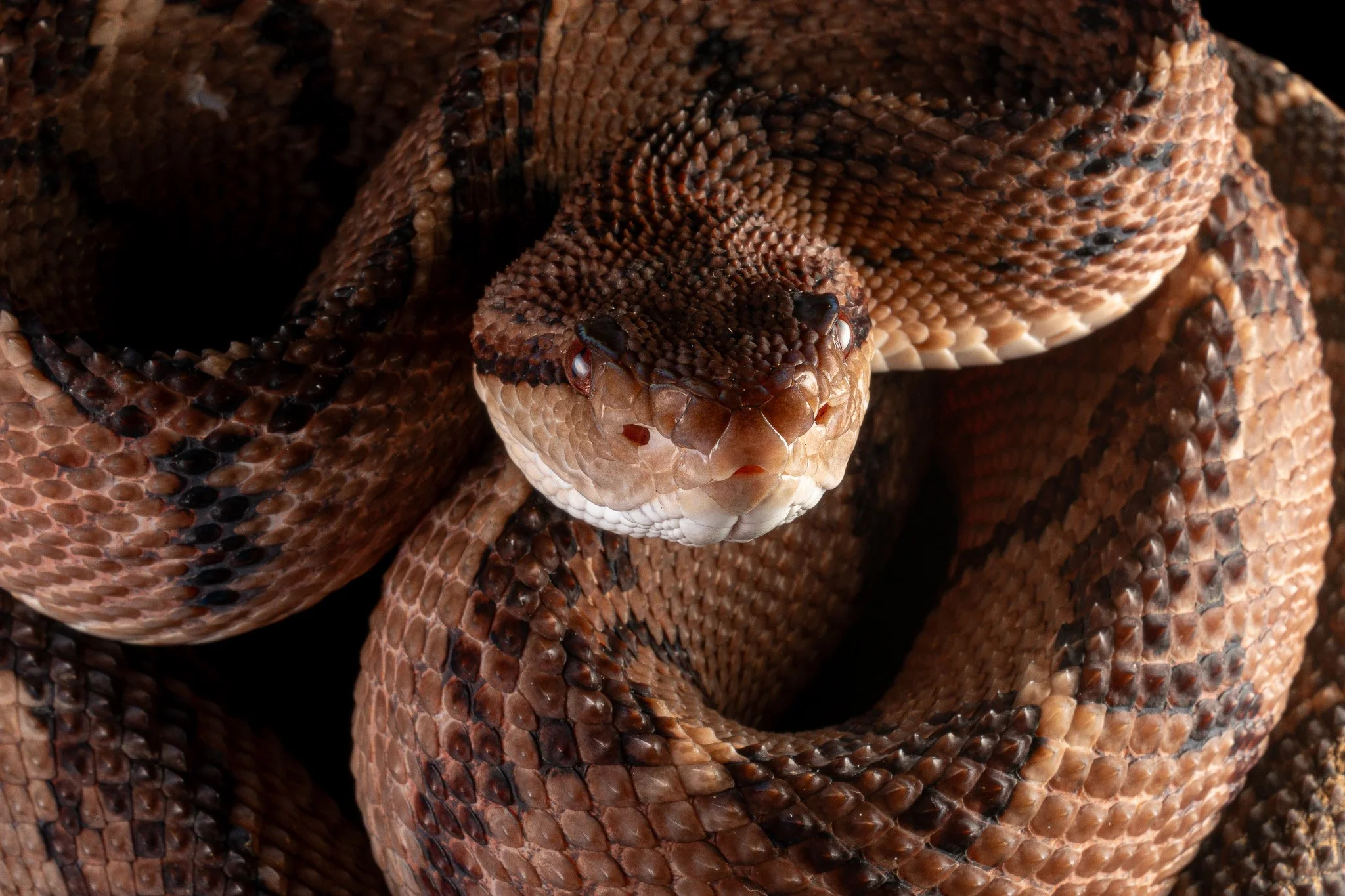
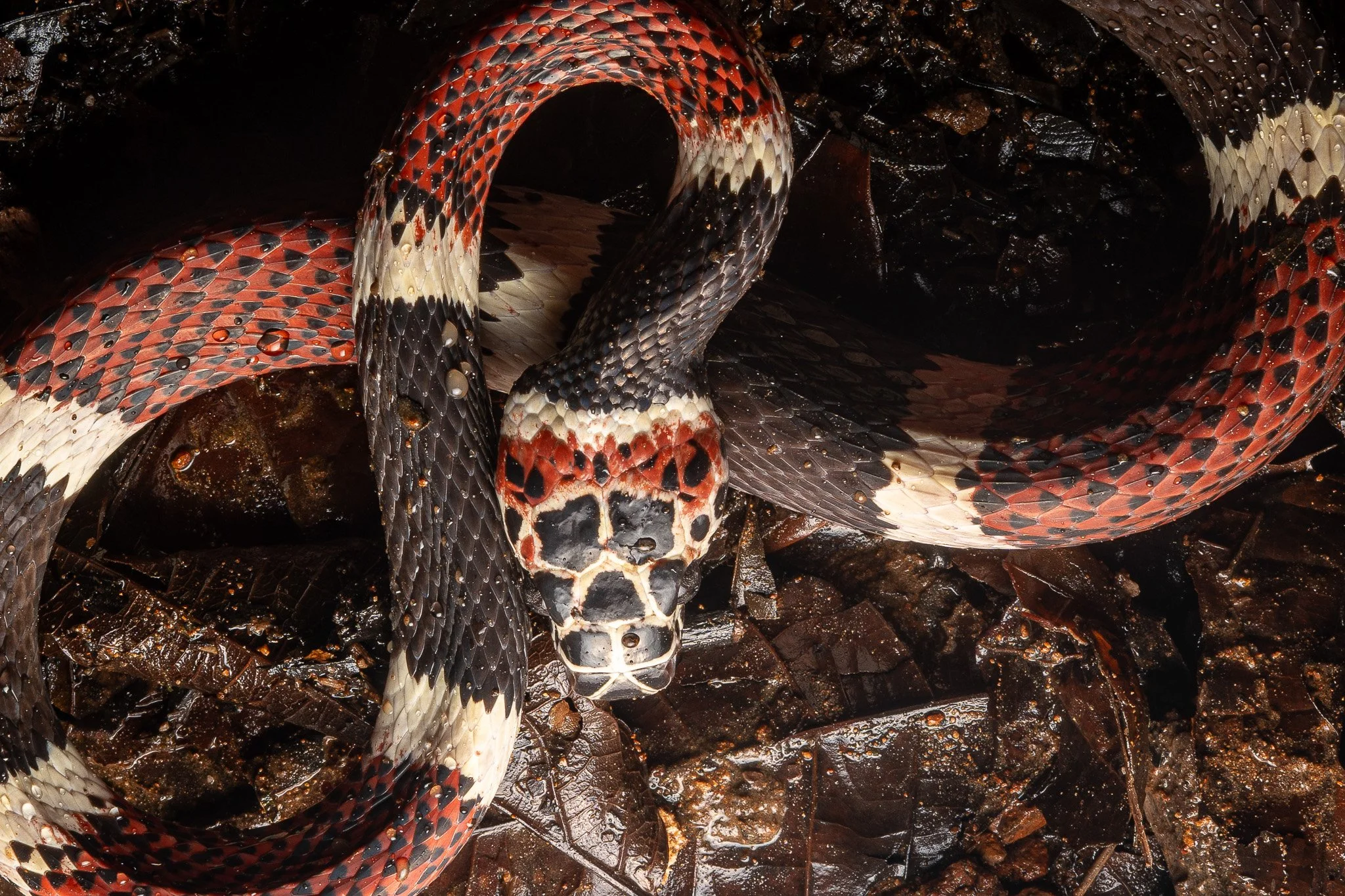
Here, we will target almost entirely species that can’t be found anywhere else on this trip. This includes the Chocóan bushmaster, Northern eyelash boa, the eyelash viper, the Chocóan lancehead, the little-devil poison frog, the Chocóan tree boa, Imbabura tree frog, false tree coral, rainforest hog-nosed pit viper, and red-tailed coral snakes.
april 19: transfer to quito, “layover” night in town.
Despite being a rather small country, distances can take time to cover by land in Ecuador. We need to cross the entire Andean mountain range for our next 2 locations, so today we’ll head back towards Quito, rest up, then head down the other side of the Andes on the 20th.
On the way out, we’ll stop to search for another stunning color phase of the little-devil poison frog and day-hike in one of the last remaining fragments of lowland Chocó.
THE ITINERARY (continued)
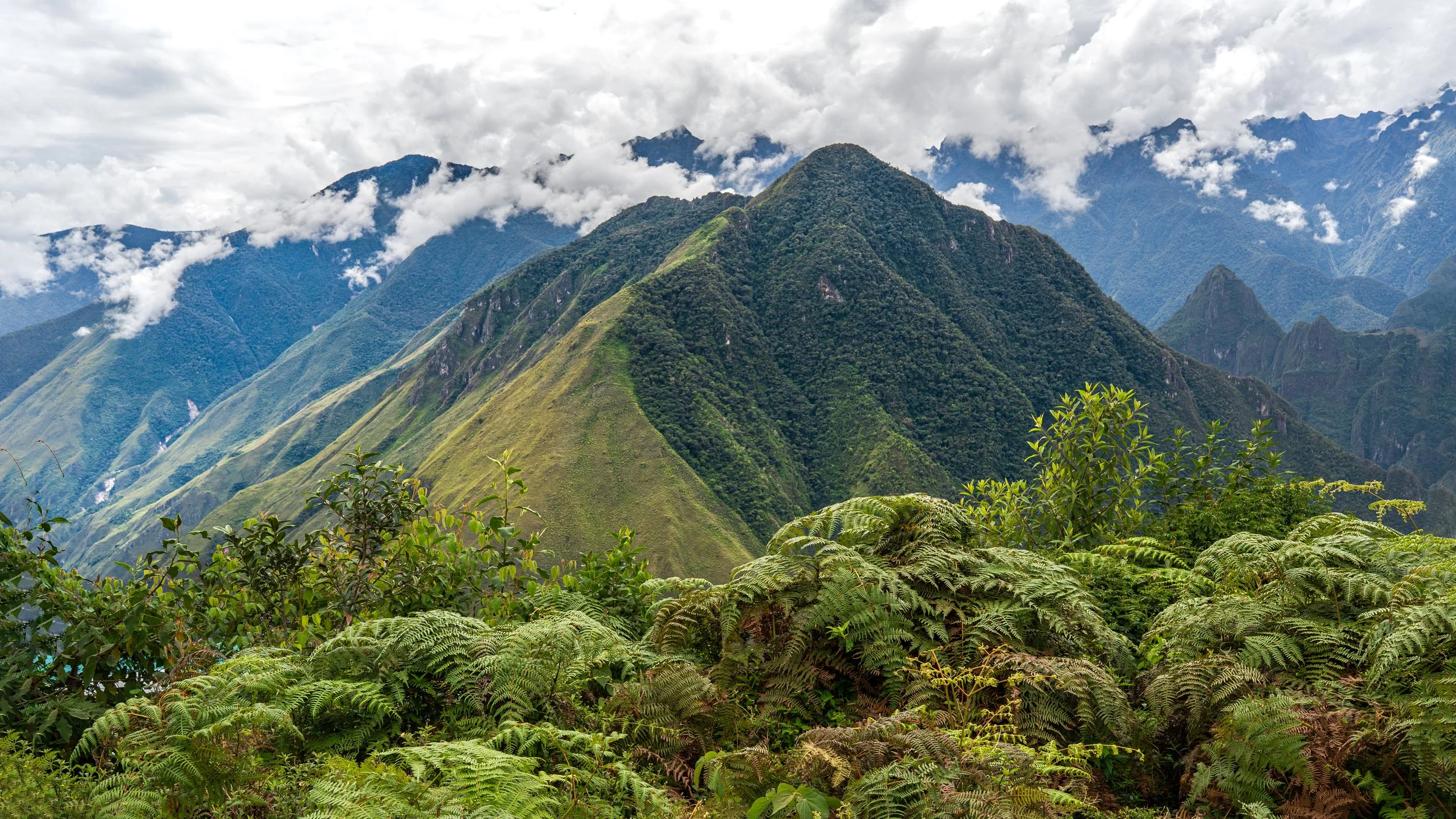
APRIL 20-22: TRANSFER TO THE ANDEAN AMAZON, explore the cloud forest
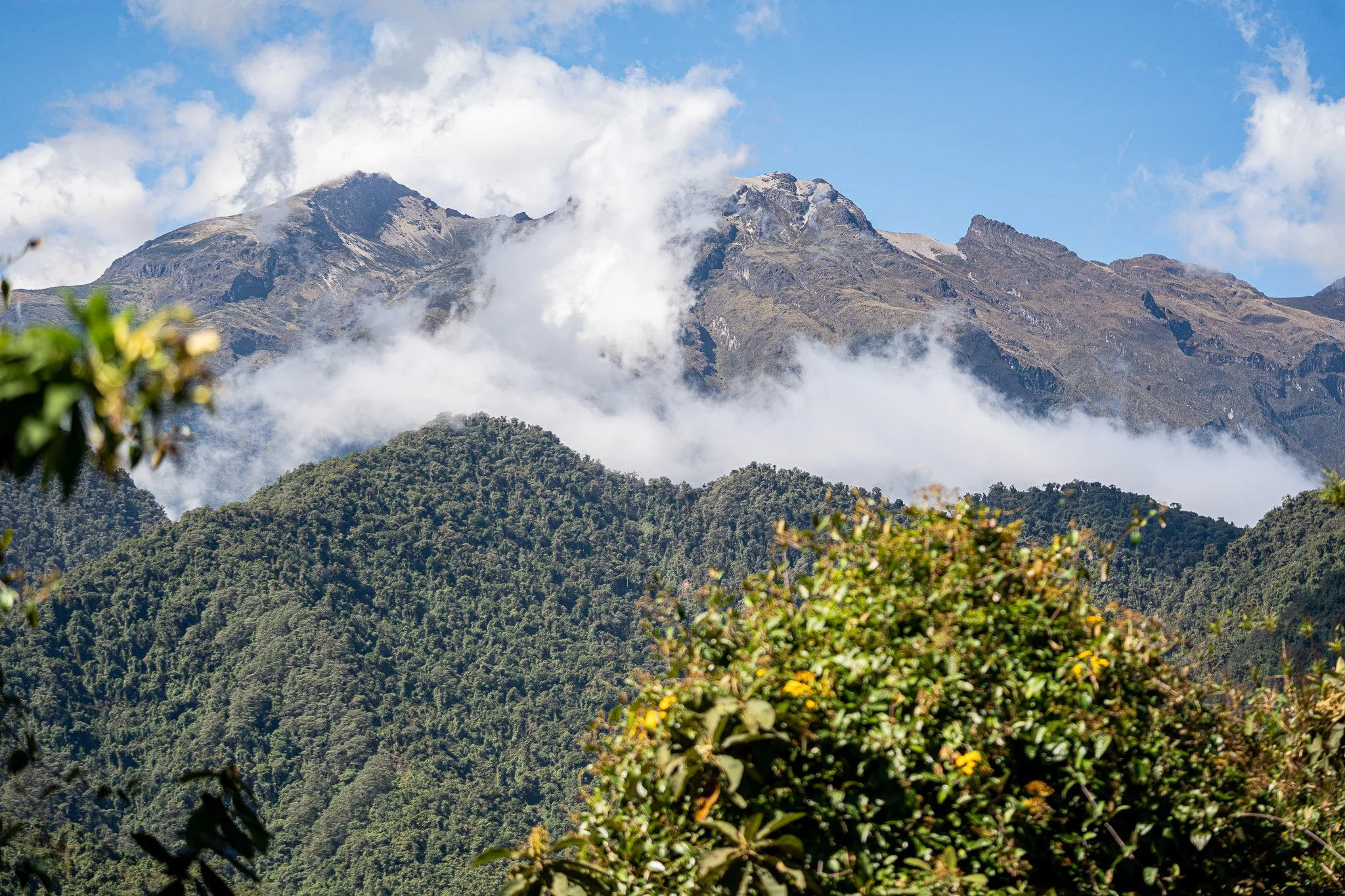
We’re gearing up and heading down the East side of the Andes! But not too far down… Because our next stop is still above the lowlands, and it’s an entirely new biome for Serpentine.
We’ll arrive and get right to it after our first dinner at the lodge, searching for species that live above the muggy Amazon Basin, but below the Andean’s rugged alpine environments.
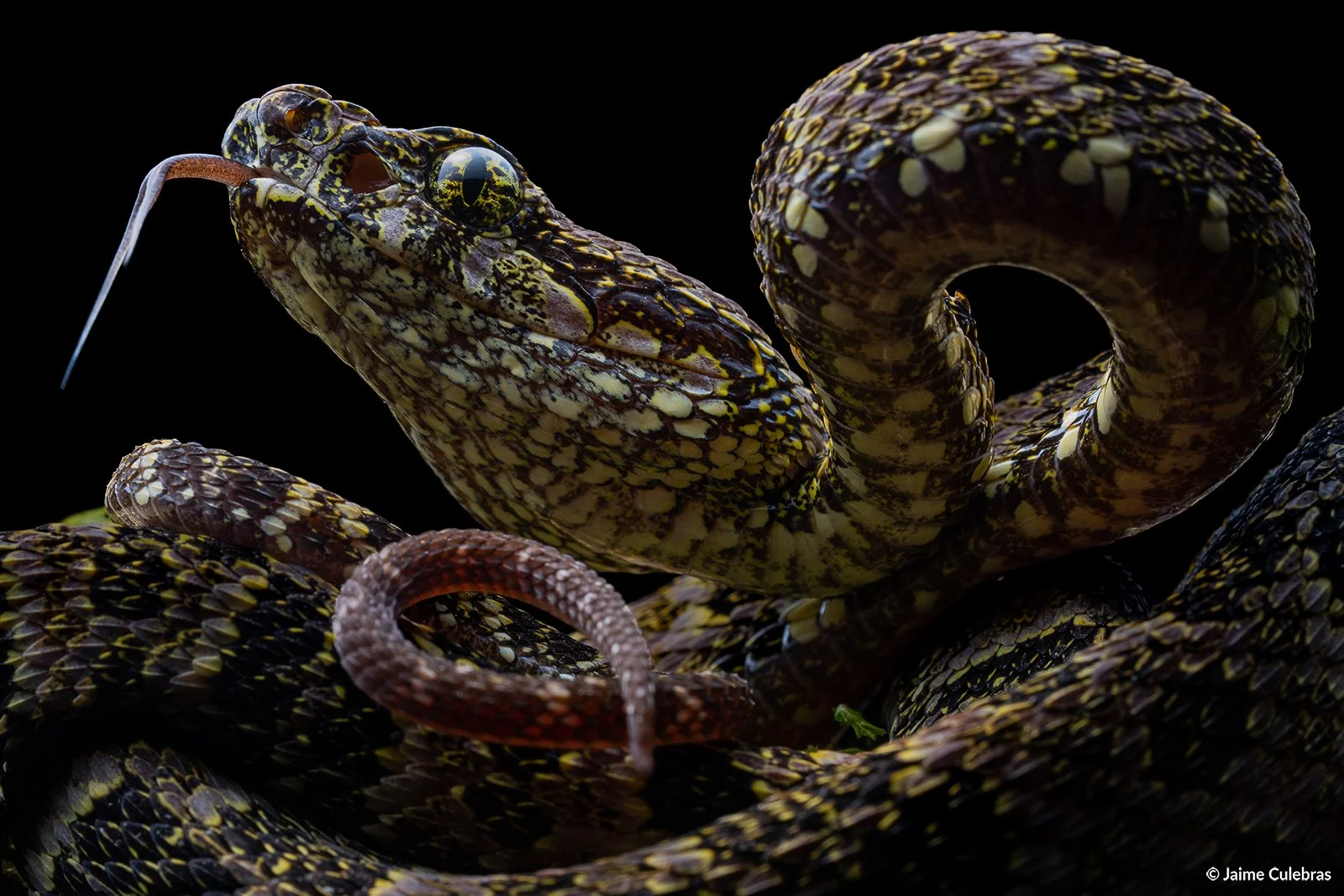
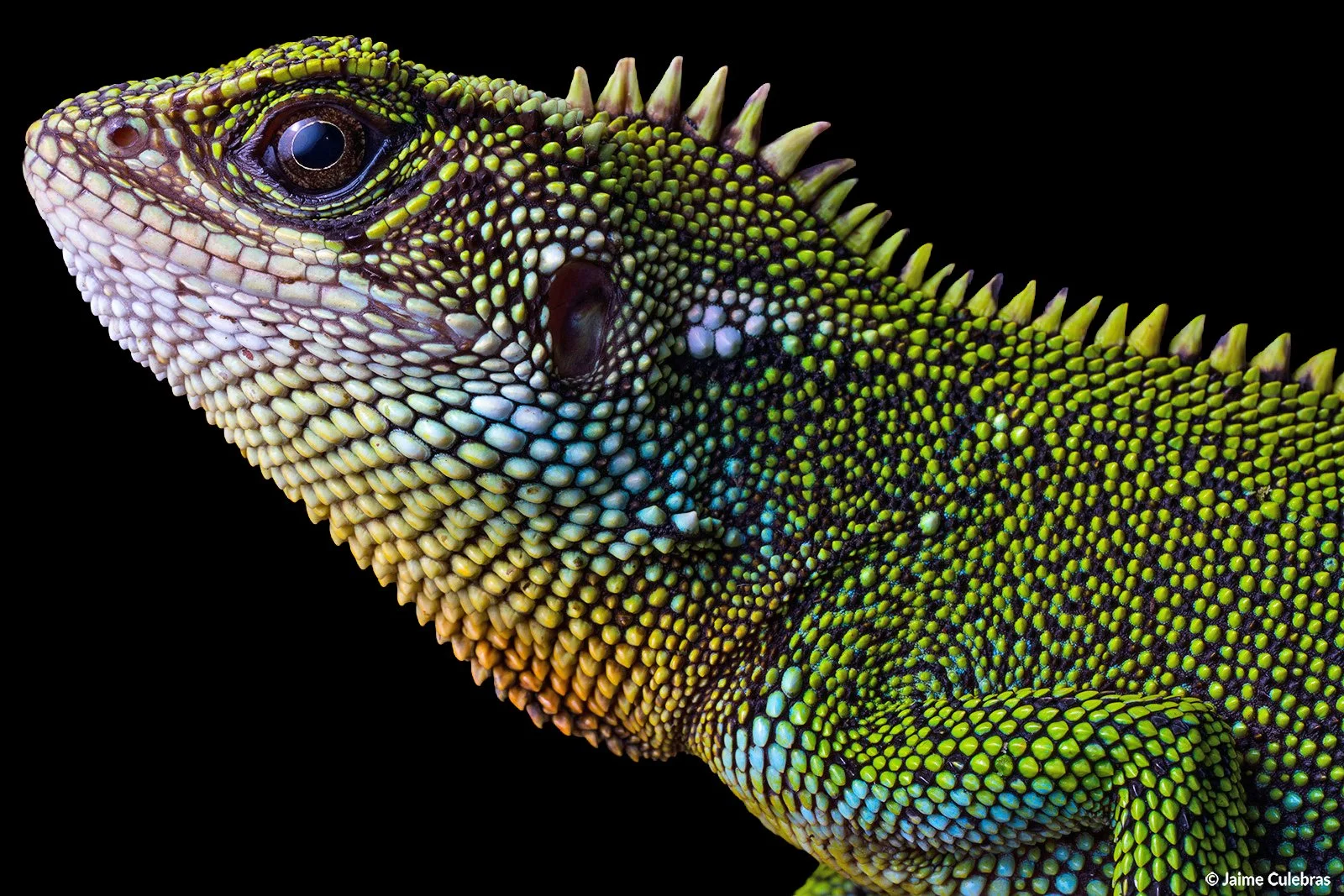
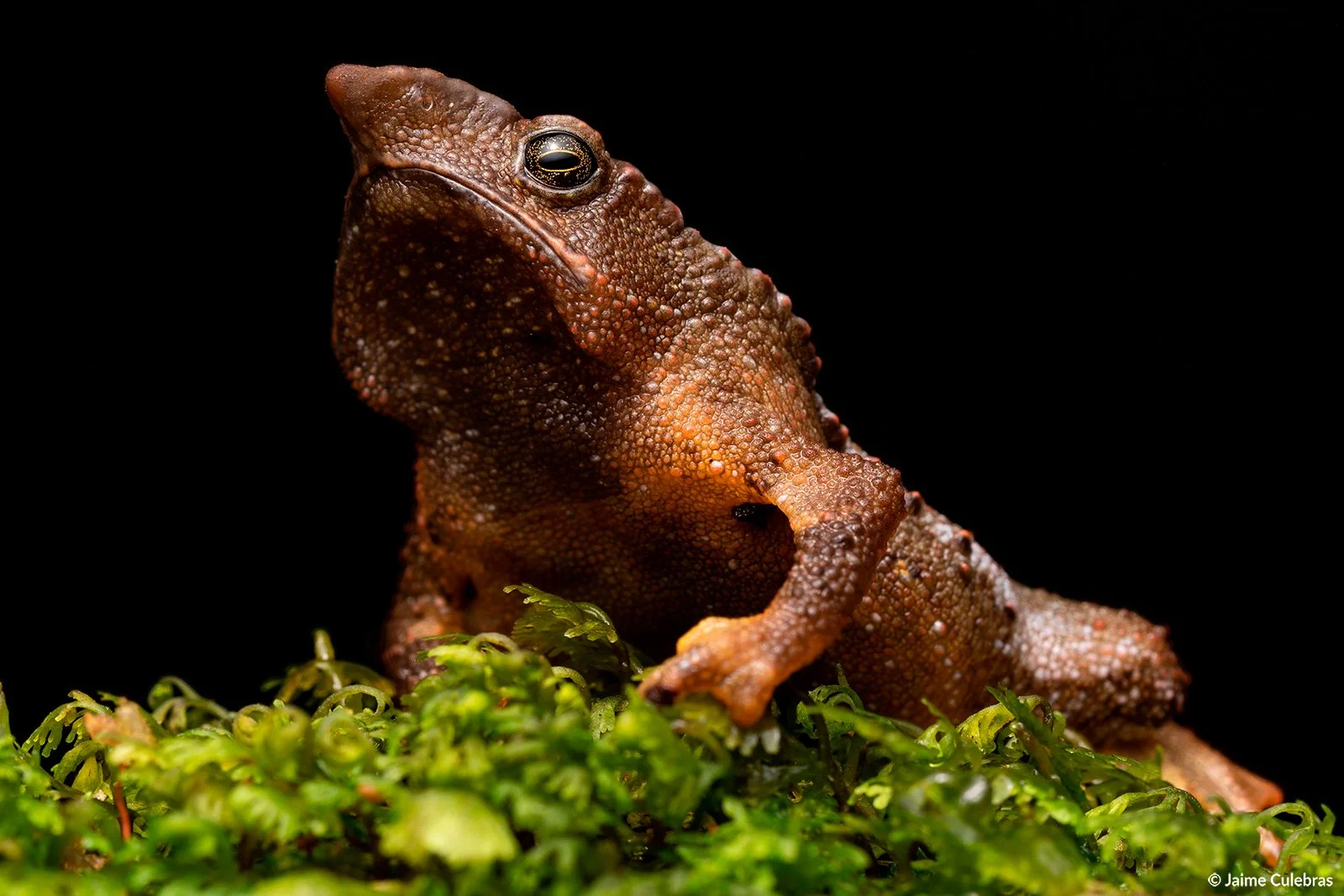
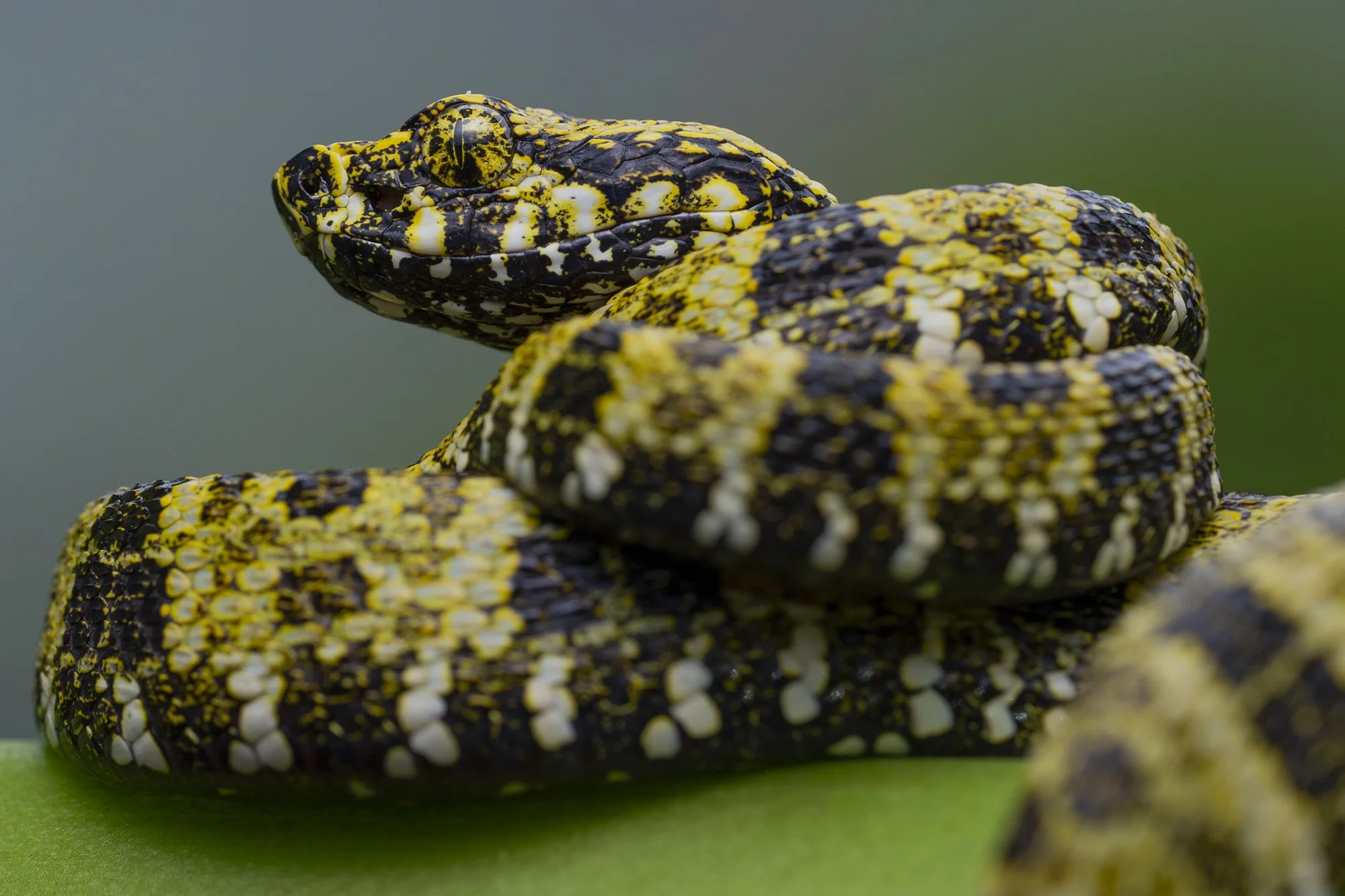
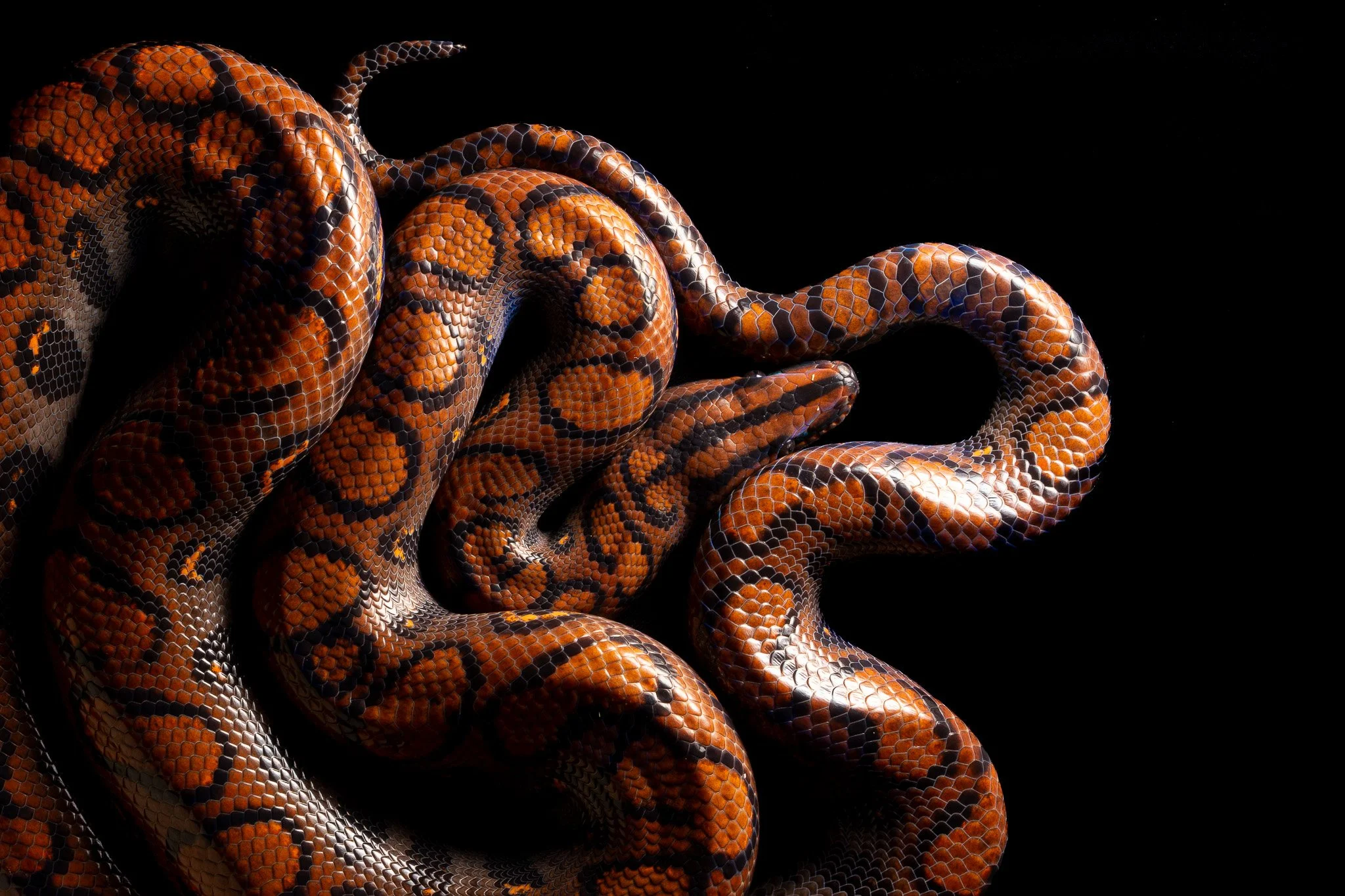
Our primary targets here include the speckled forest pit viper (B. taeniatus), the small-eyed toad-headed viper (B. microphthalmus), the Andean pit viper (B. pulcher), and other herps including Gelanesaurus flavigularis, Enyalioides praestabilis, and Dipsas vermiculata.
april 22-25: transfer to the amazon, explore the greater Yasuní ecosystem
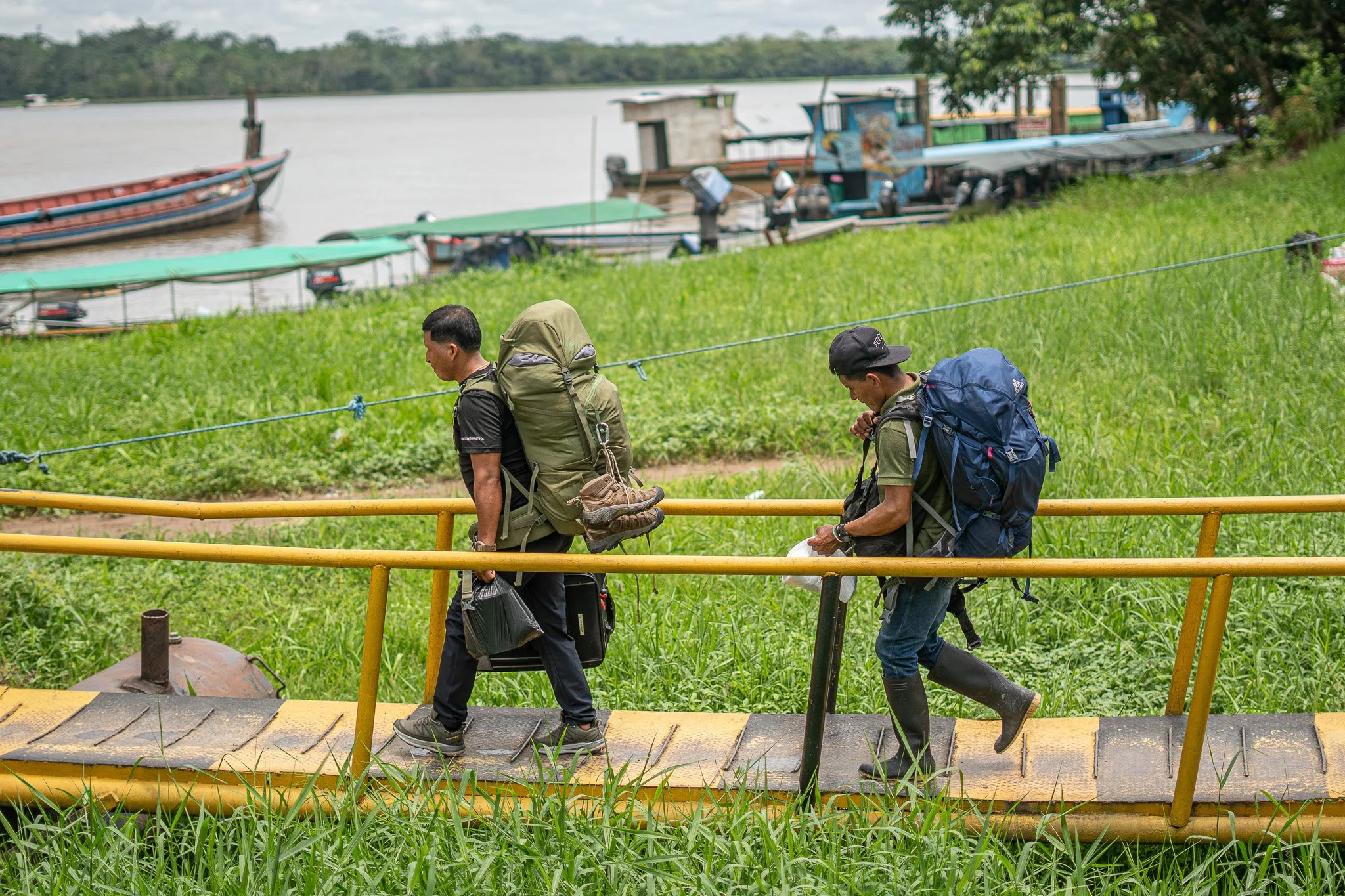
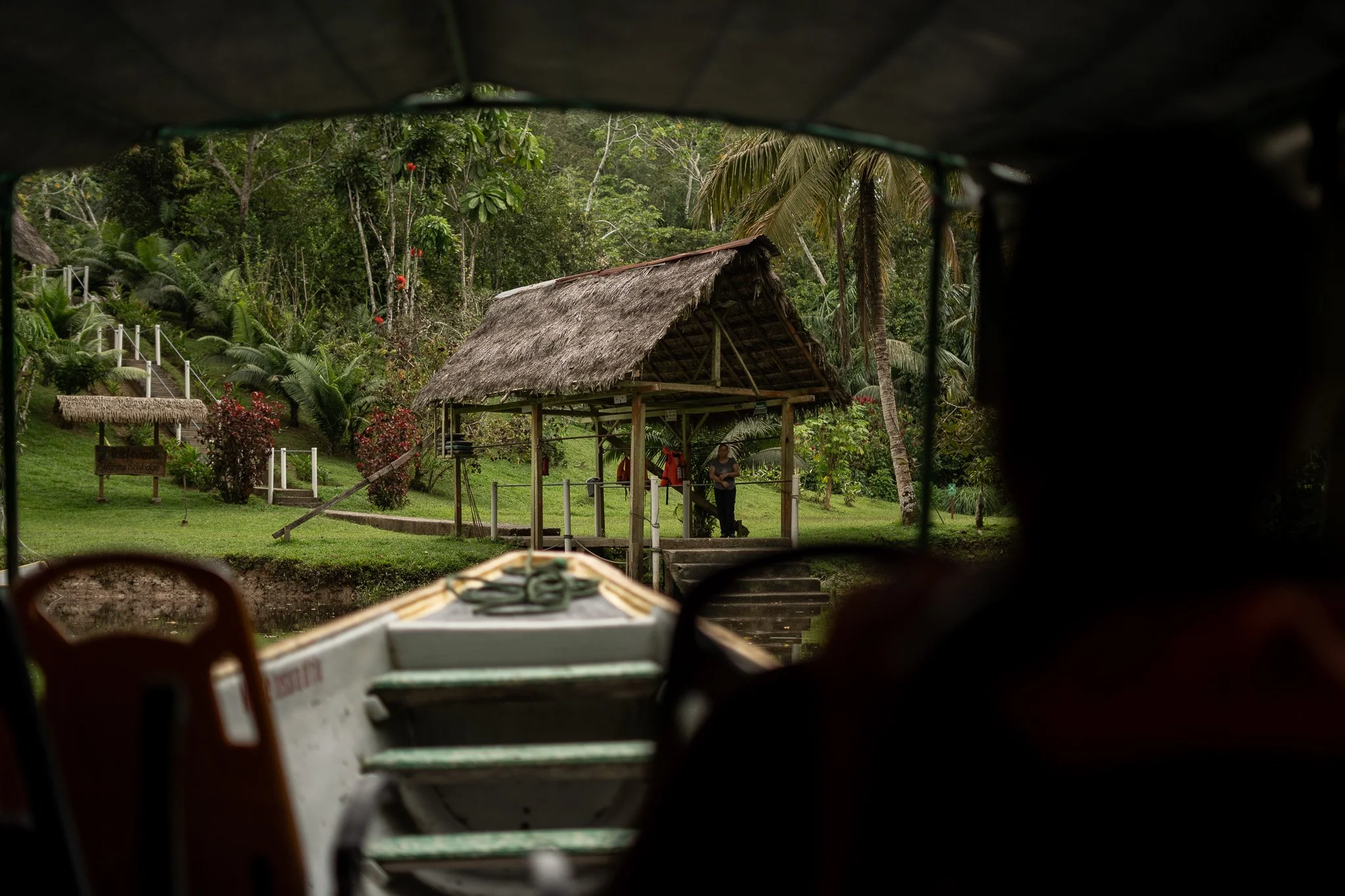
After our deep-dive into the Andean Amazon, it’s finally time to drop low. We’ll move down in elevation to only around 400 meteres (1312 ft) ASL. We’ll take a small boat deep into the Amazon Basin, positioning ourselves to maximize our chances at encountering peak biodiversity.
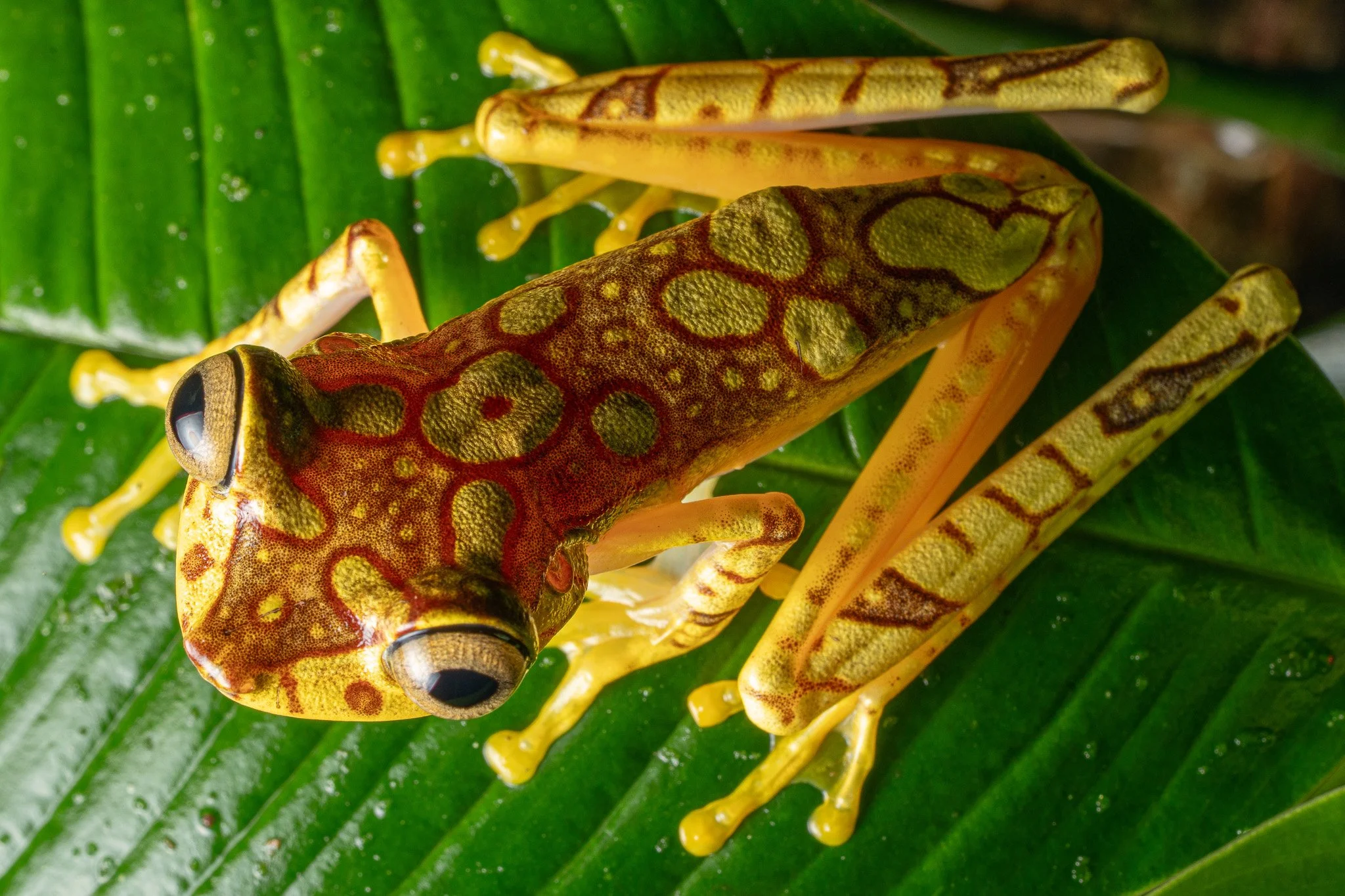
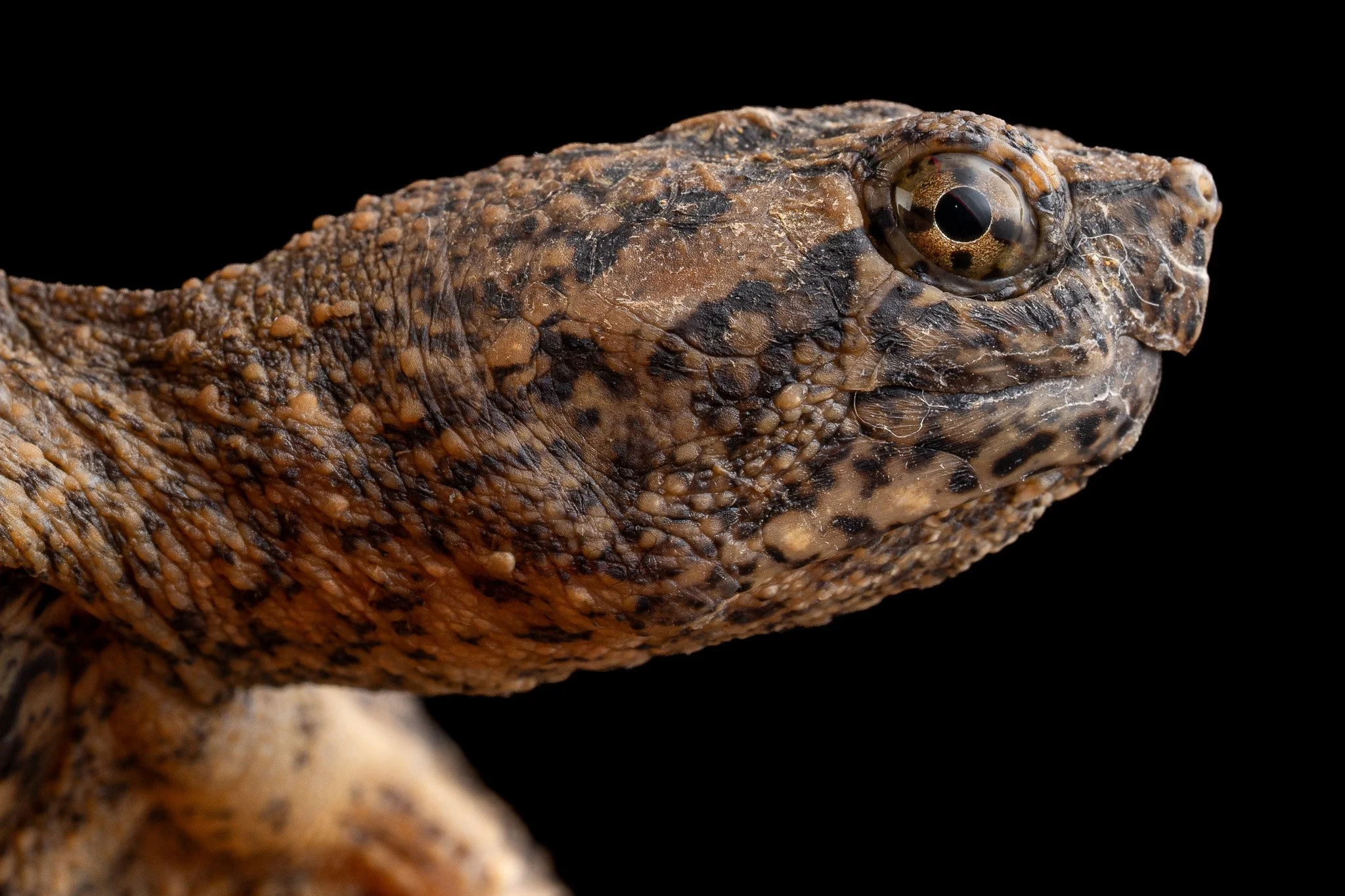
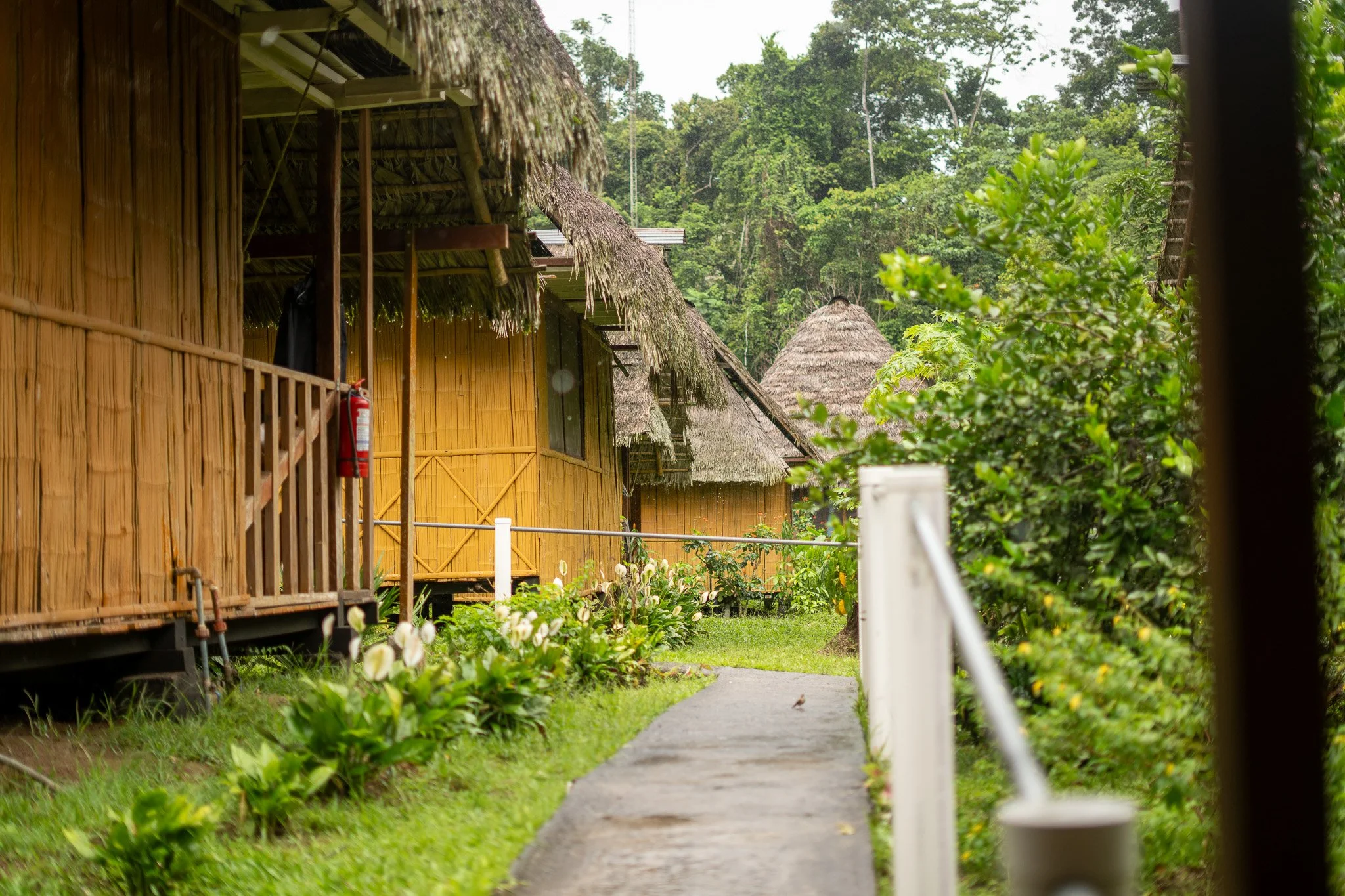
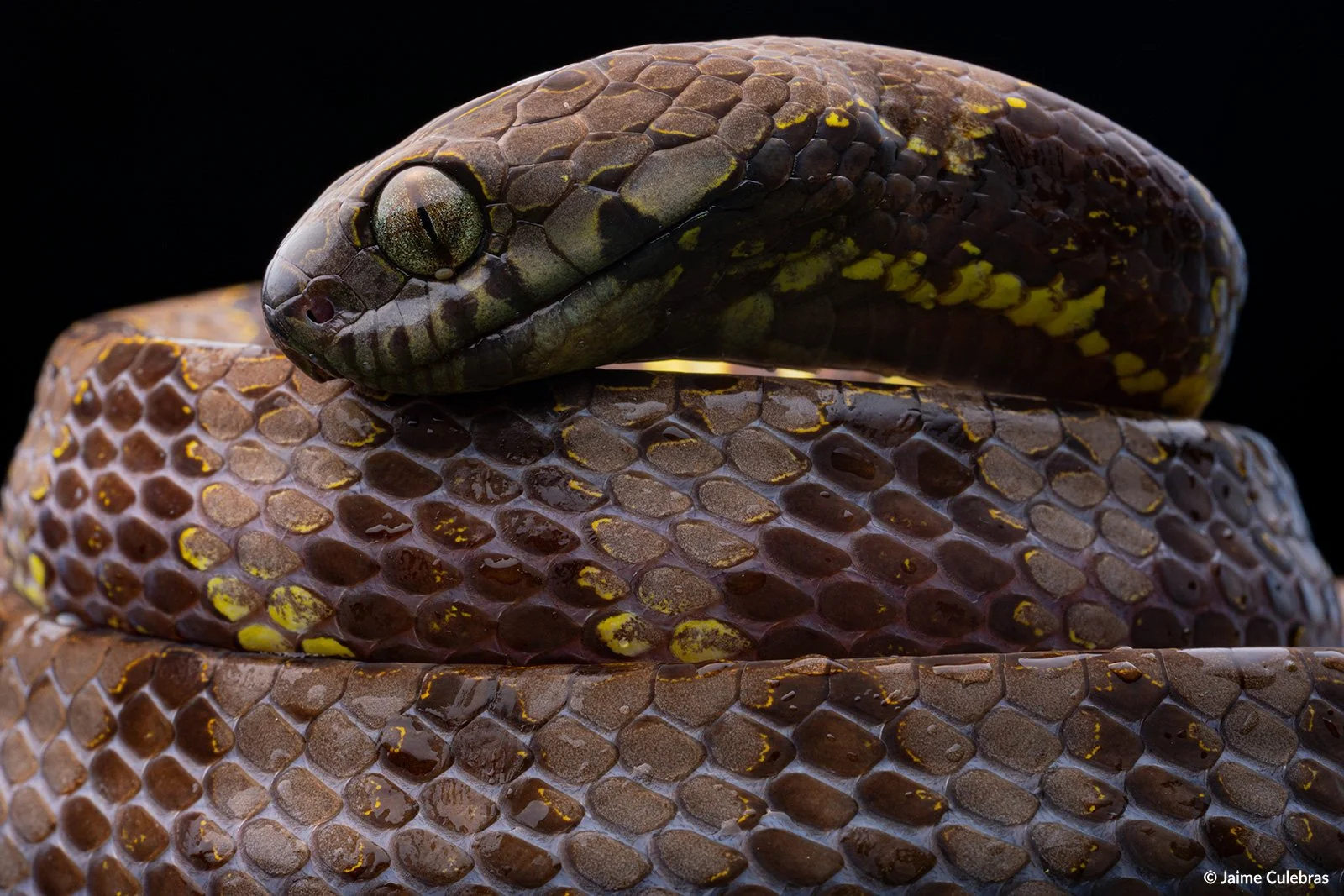
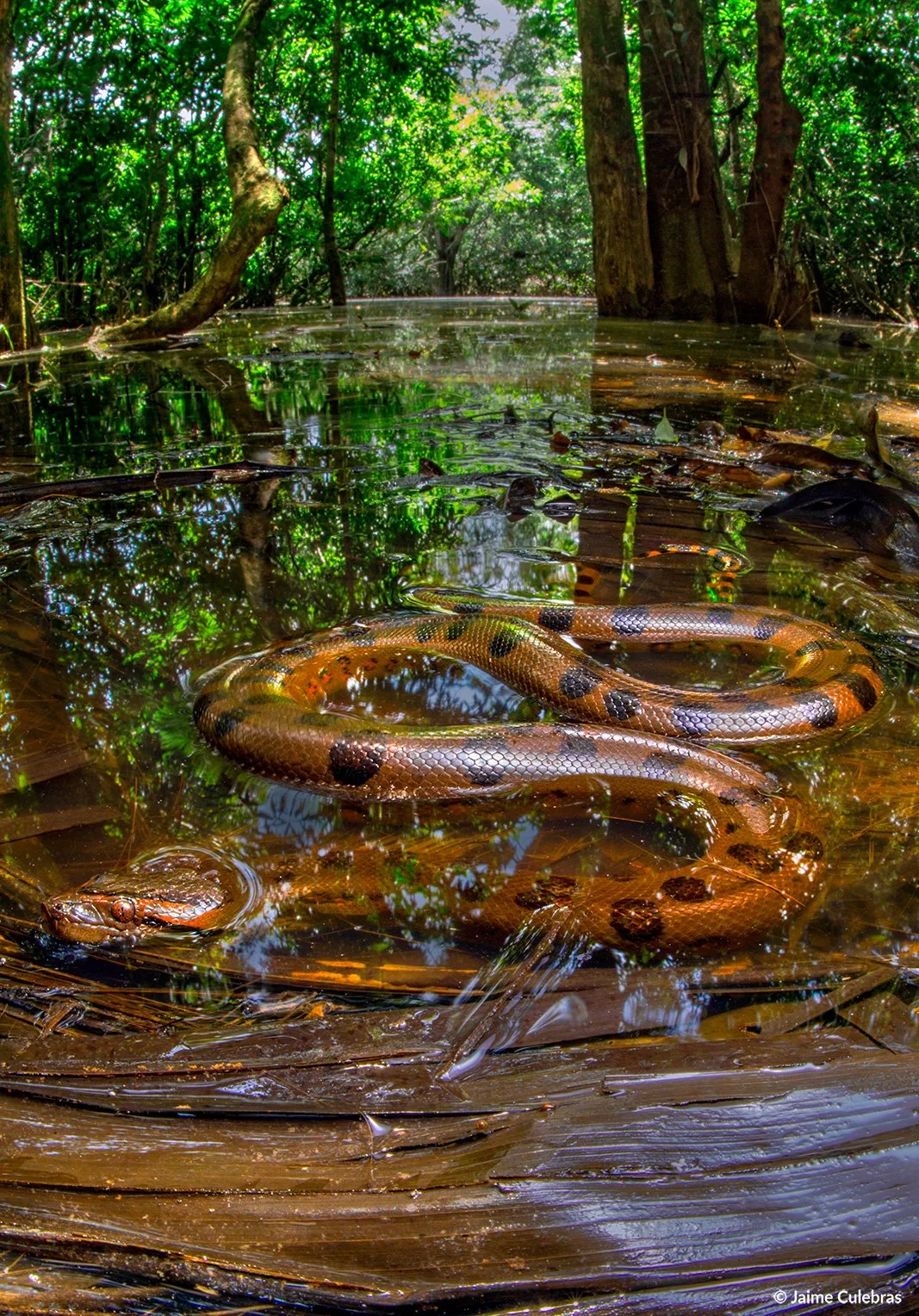
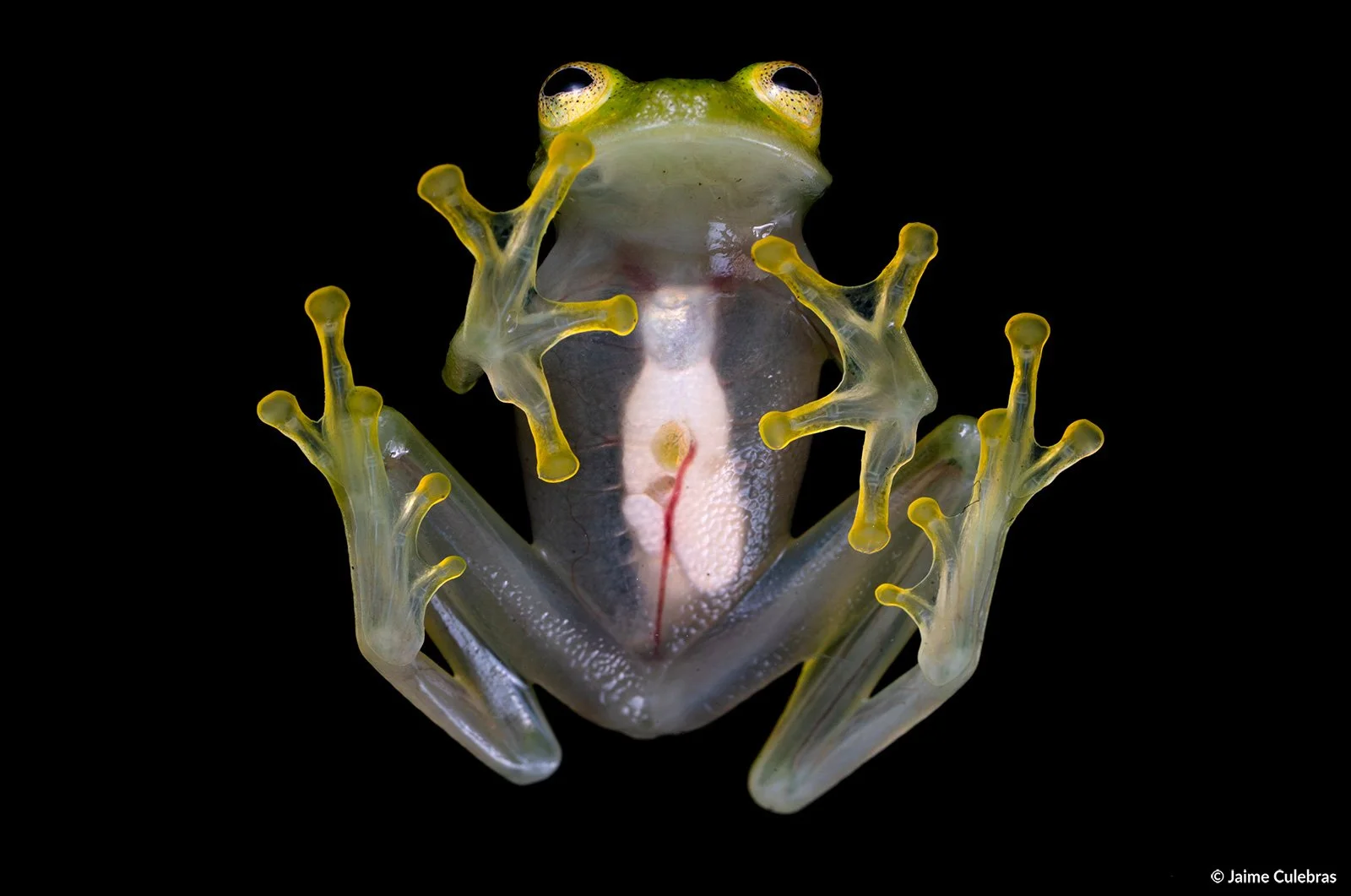
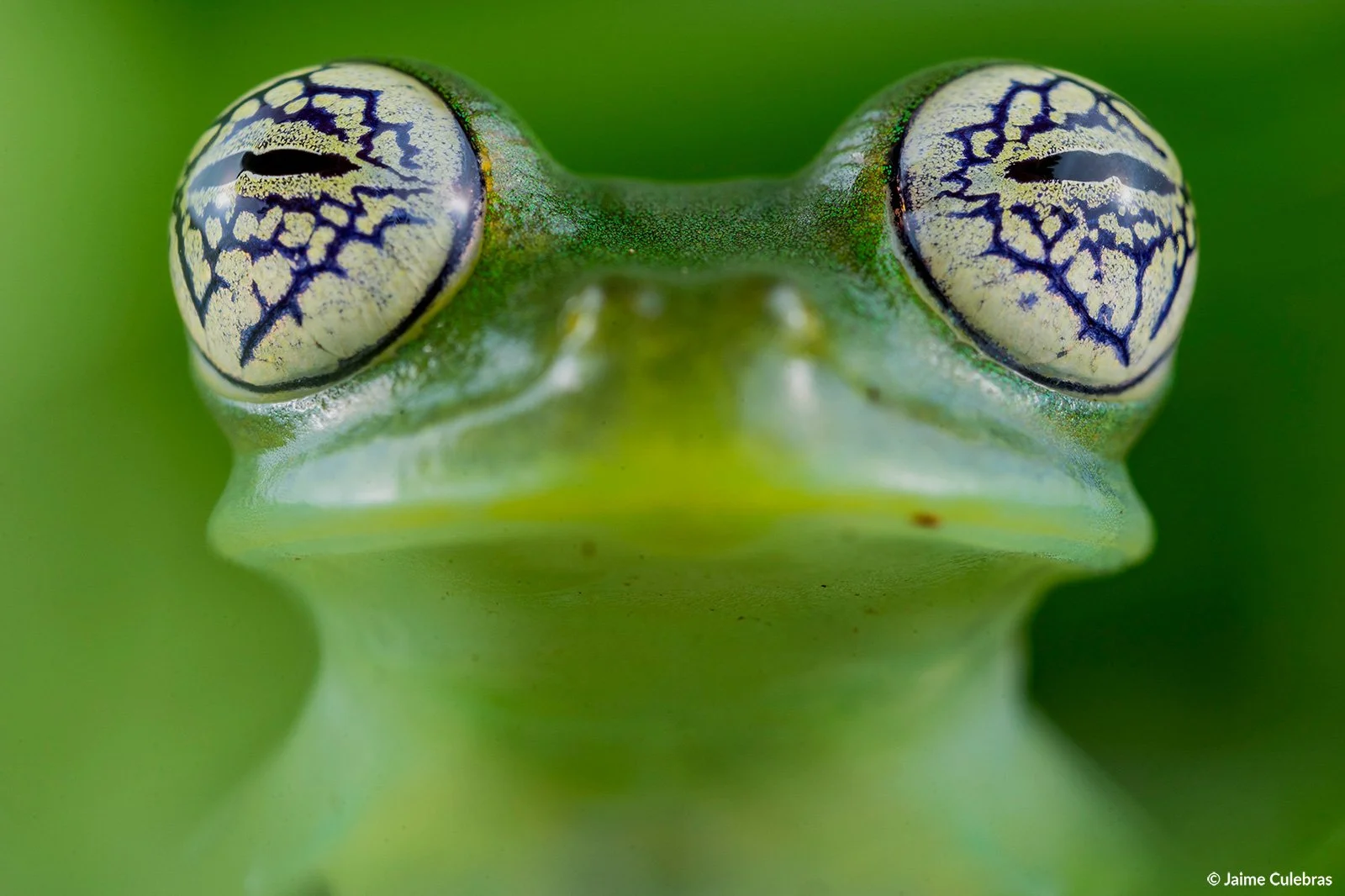
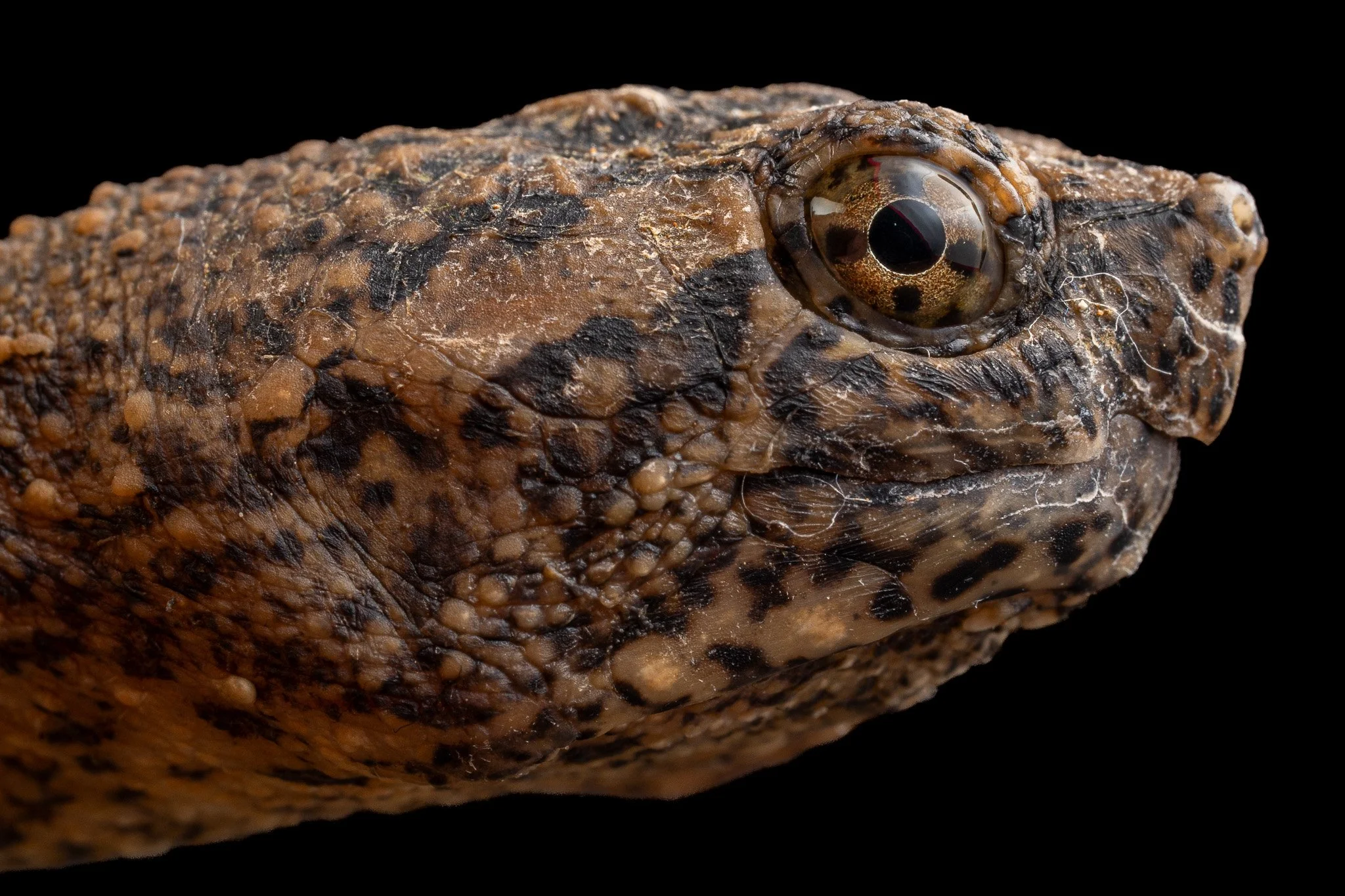
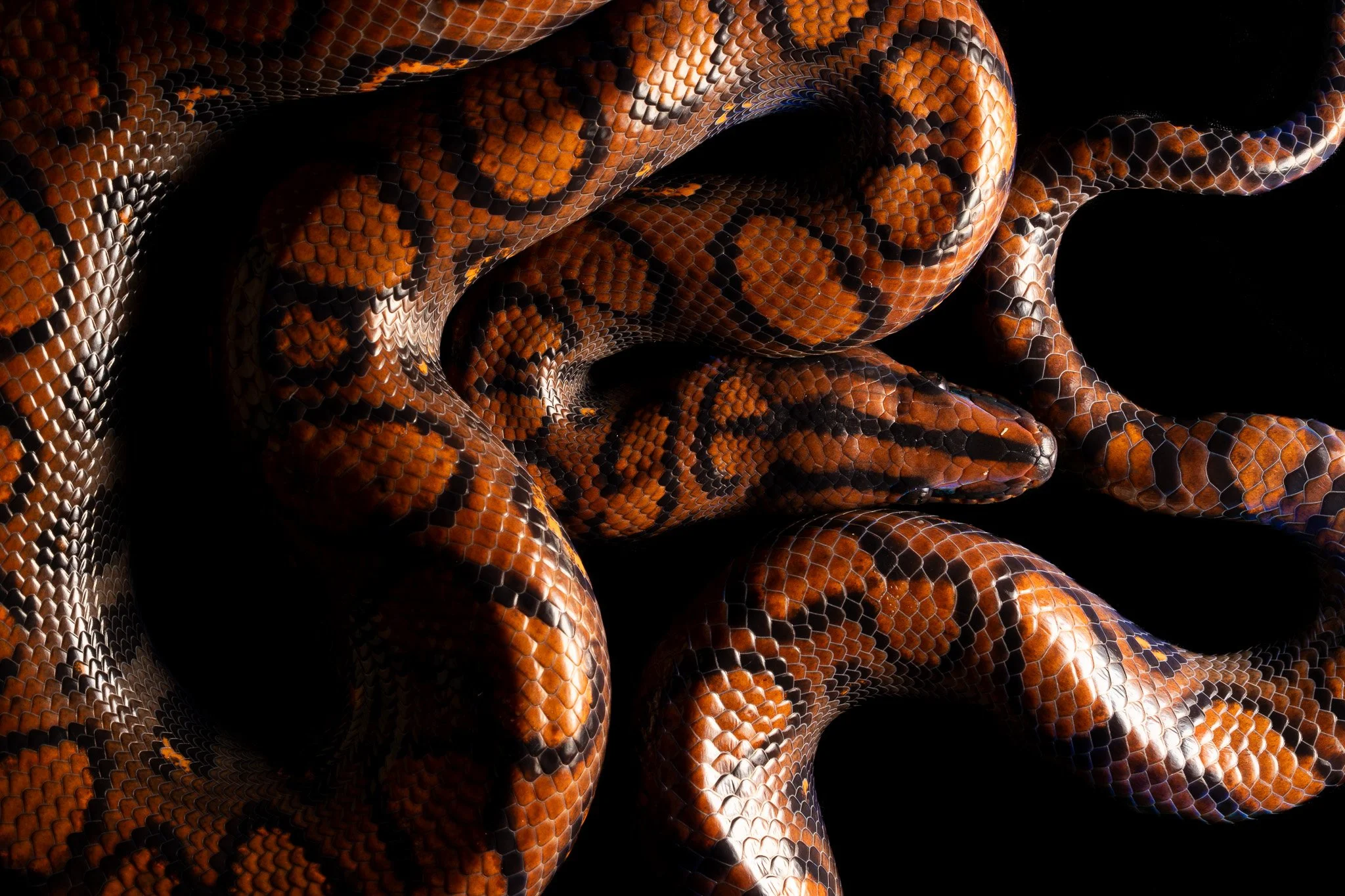
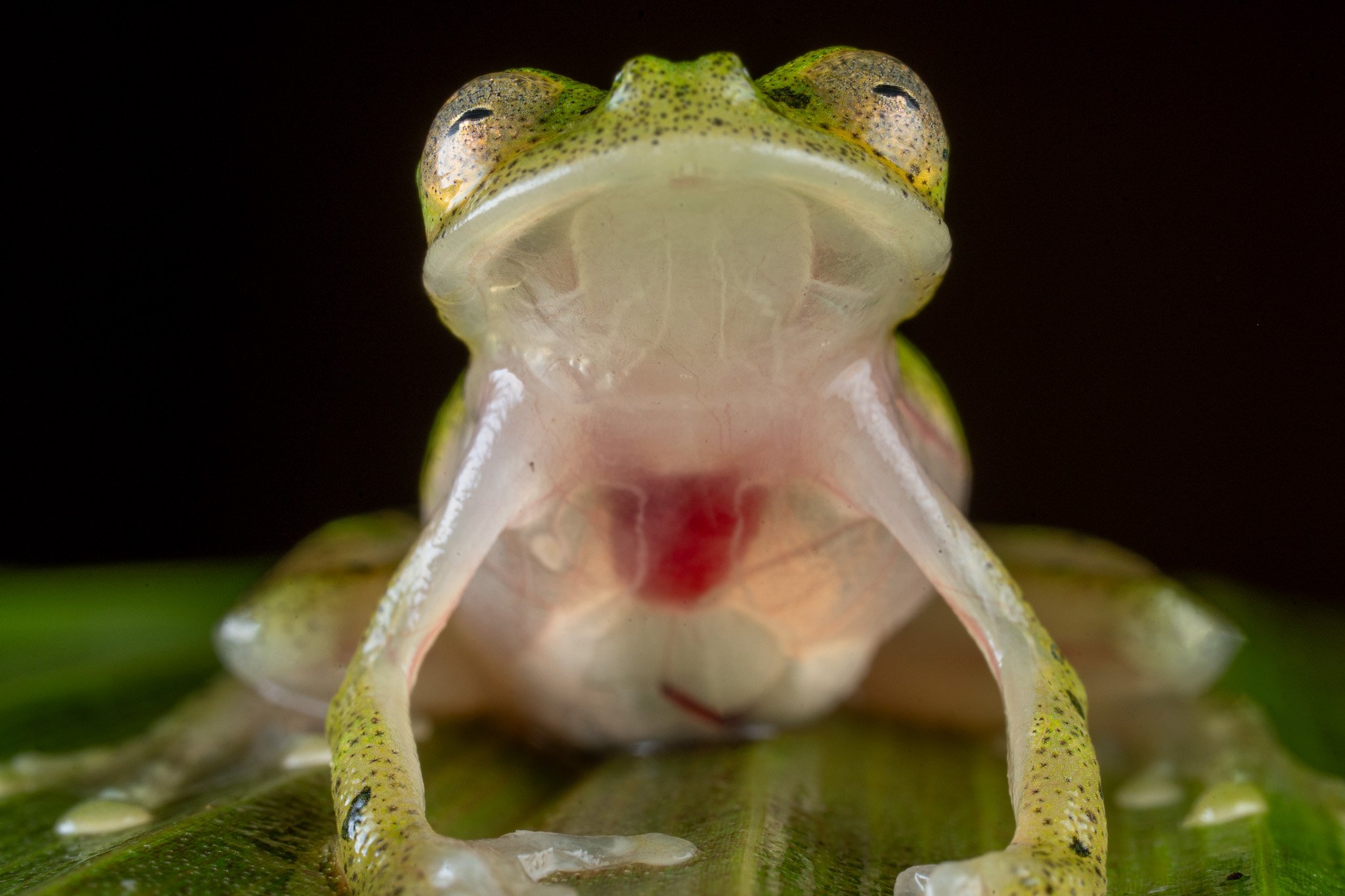
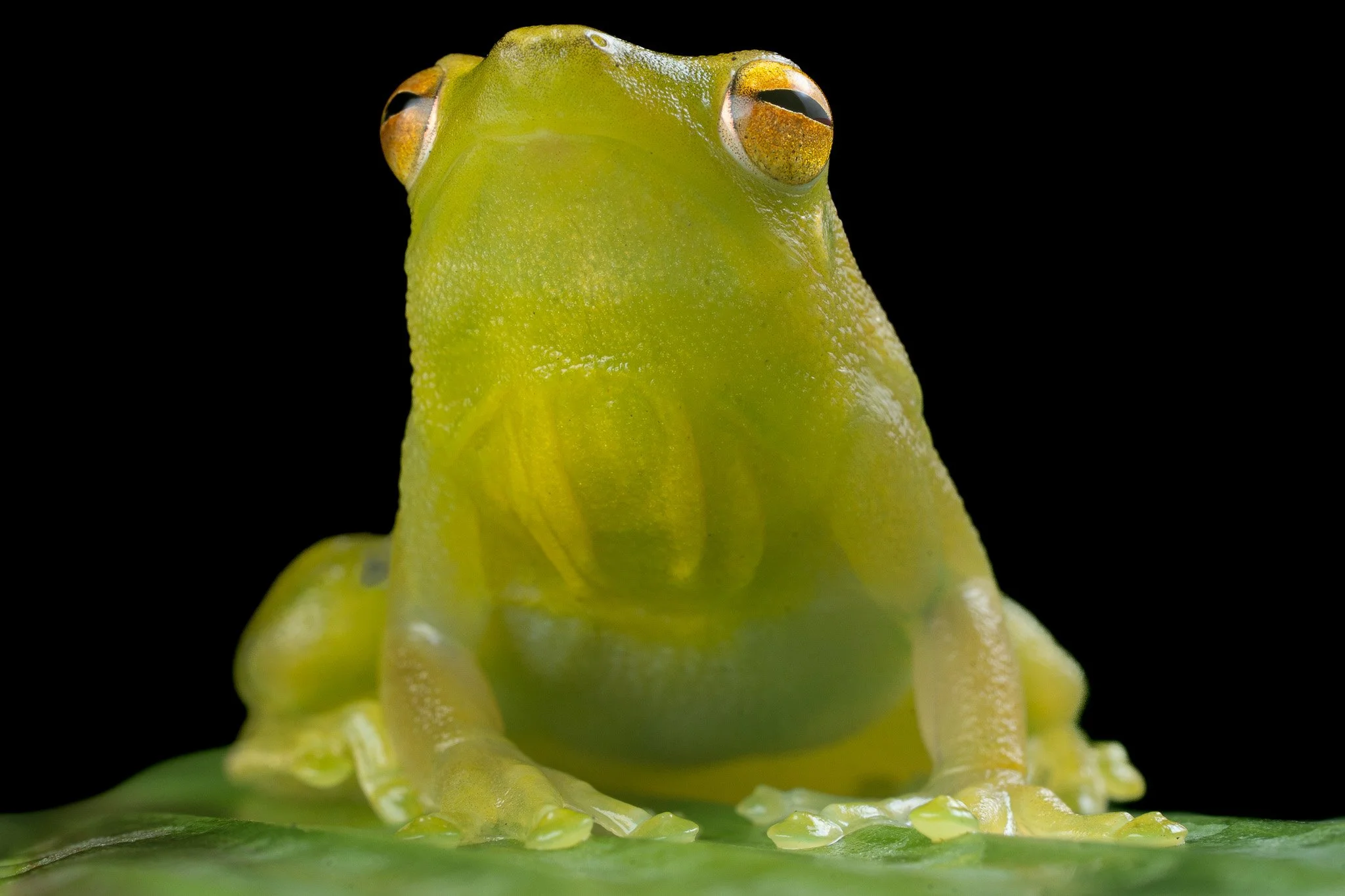
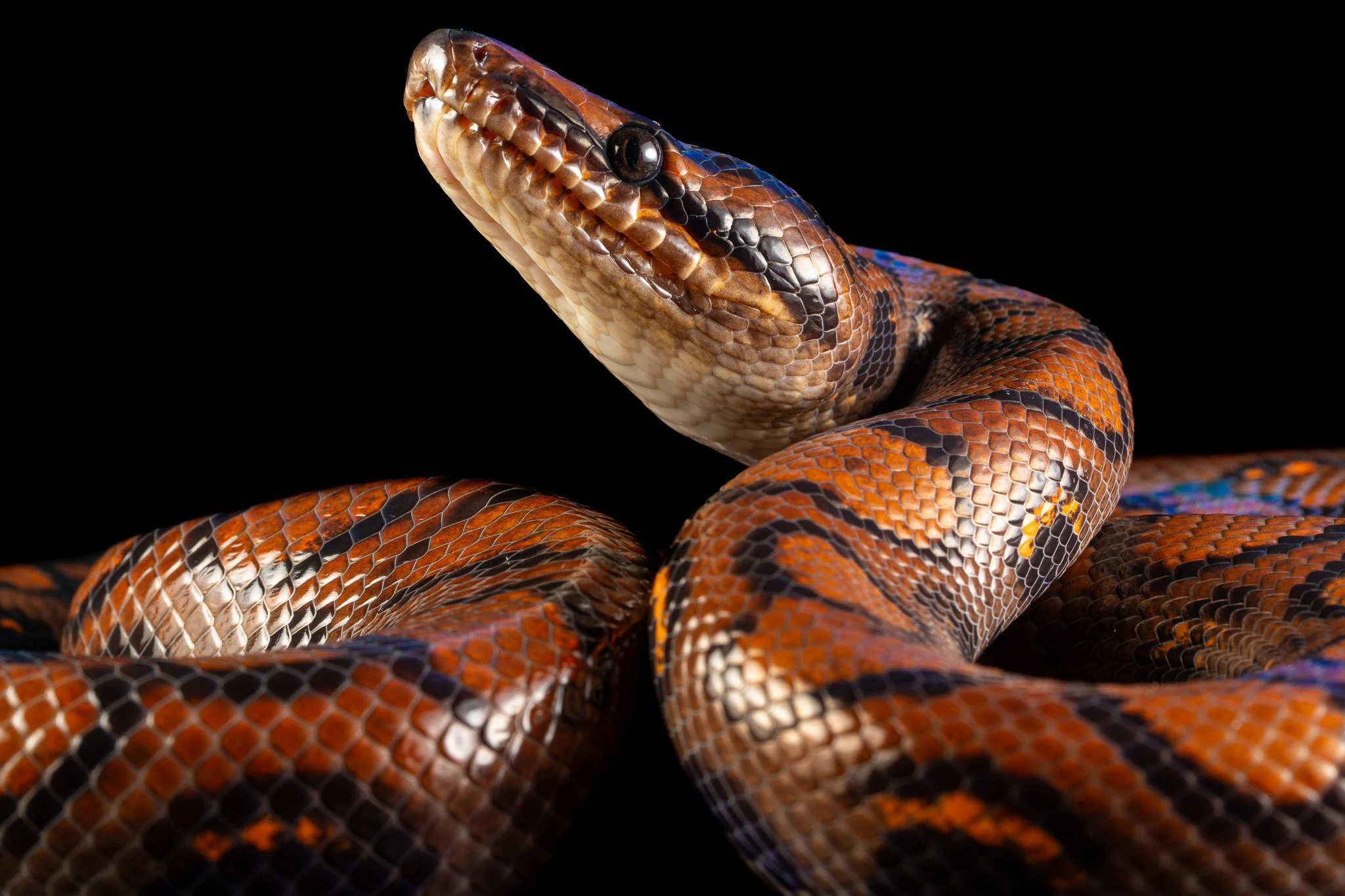
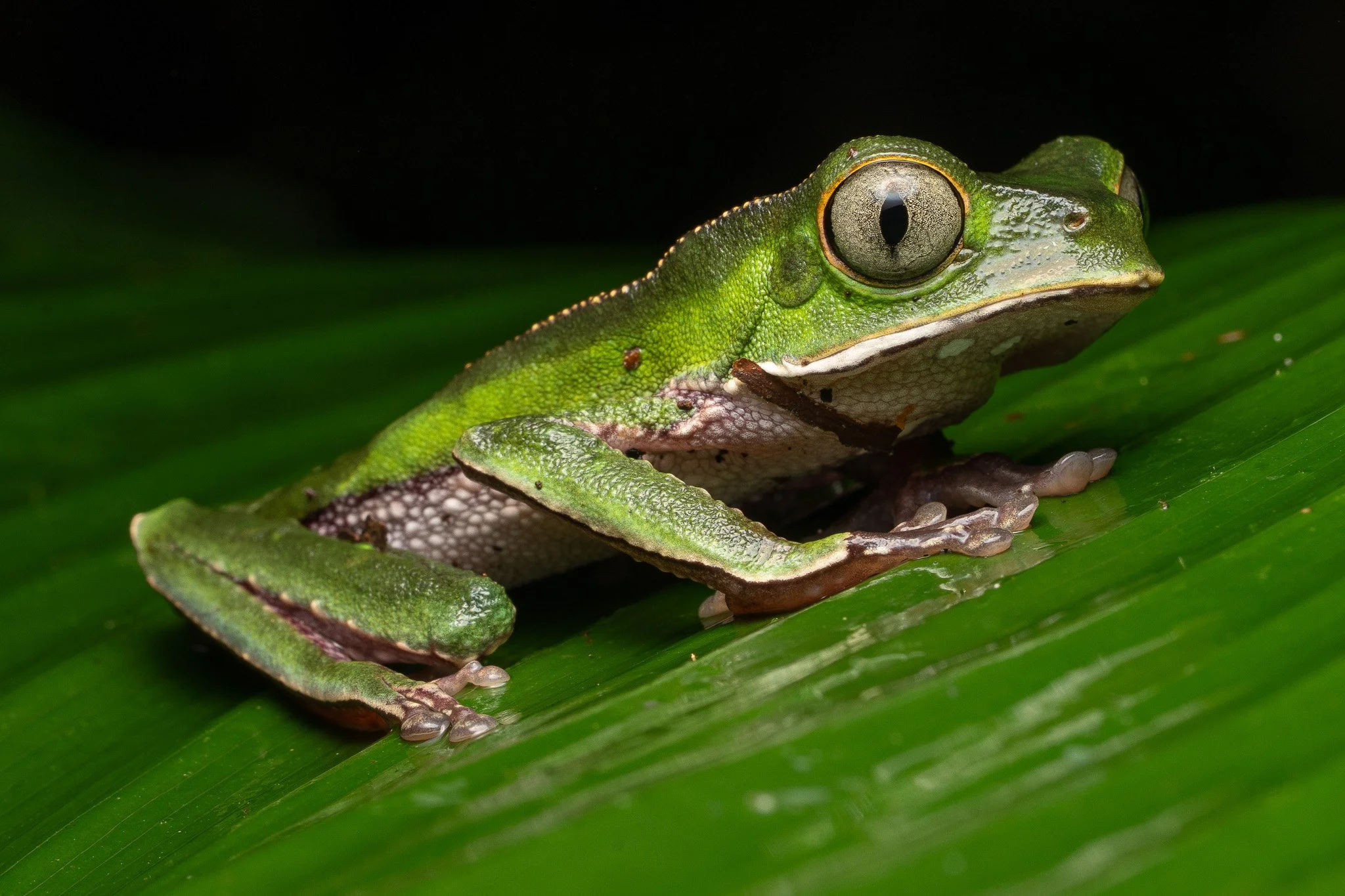
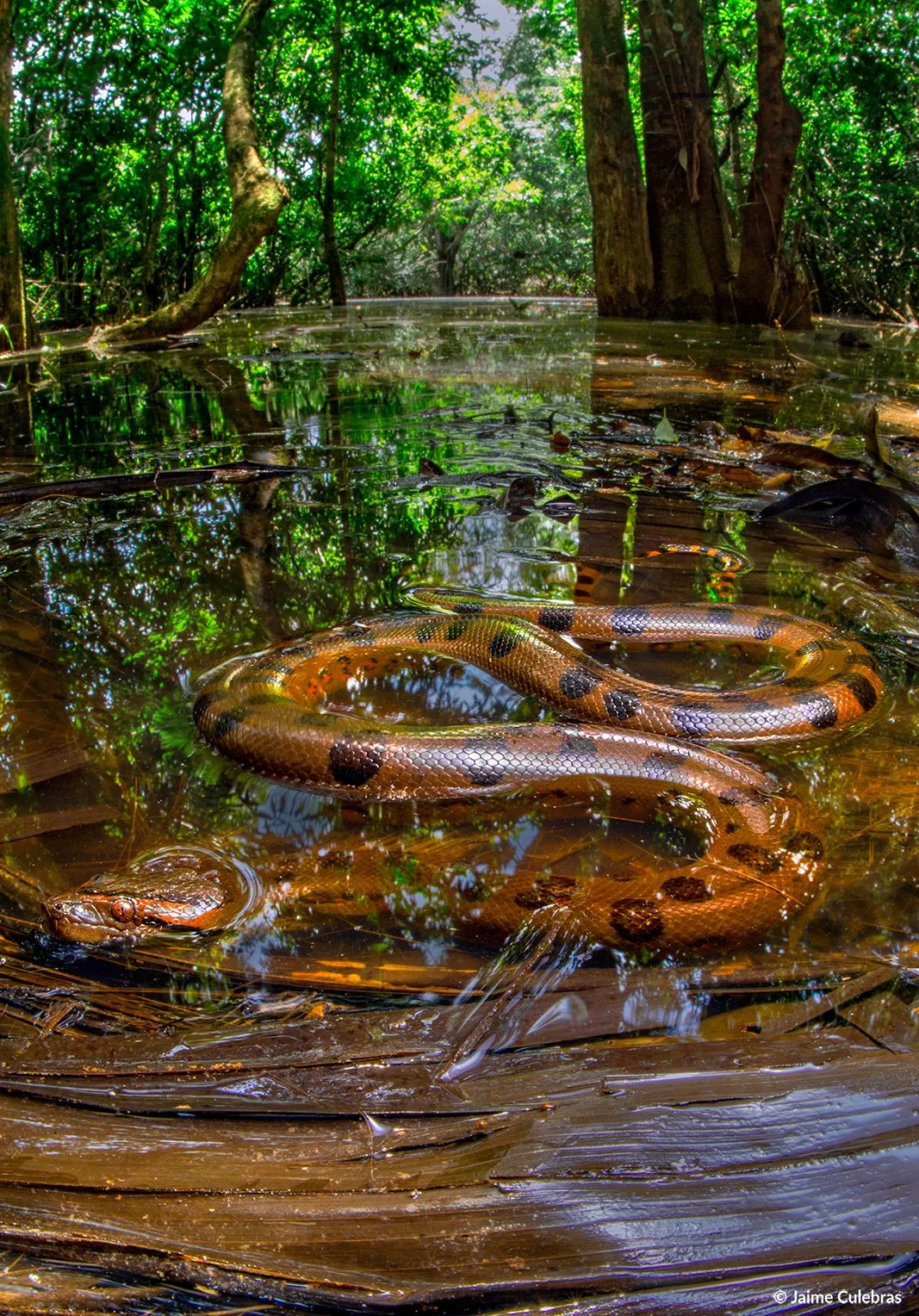
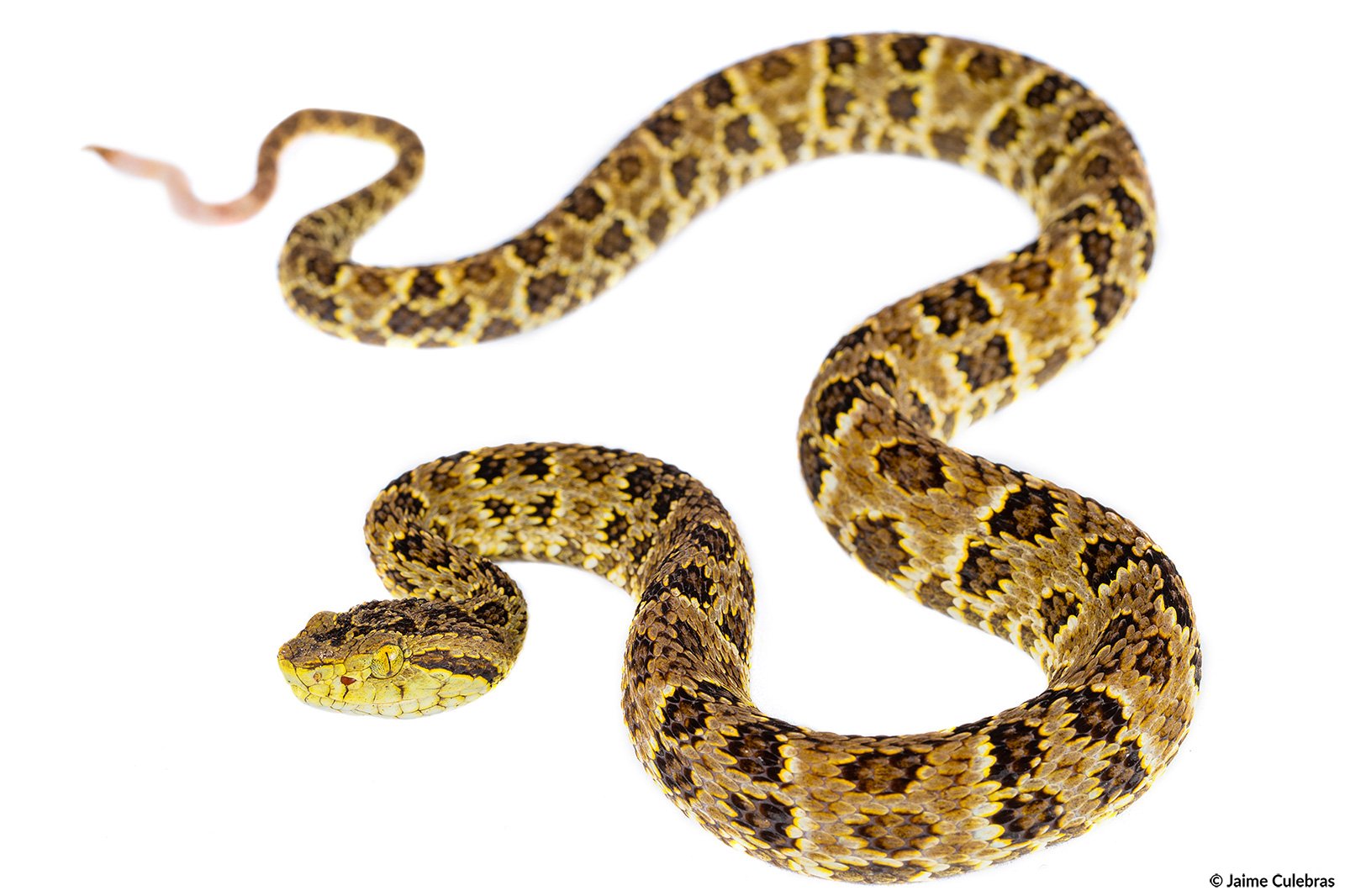
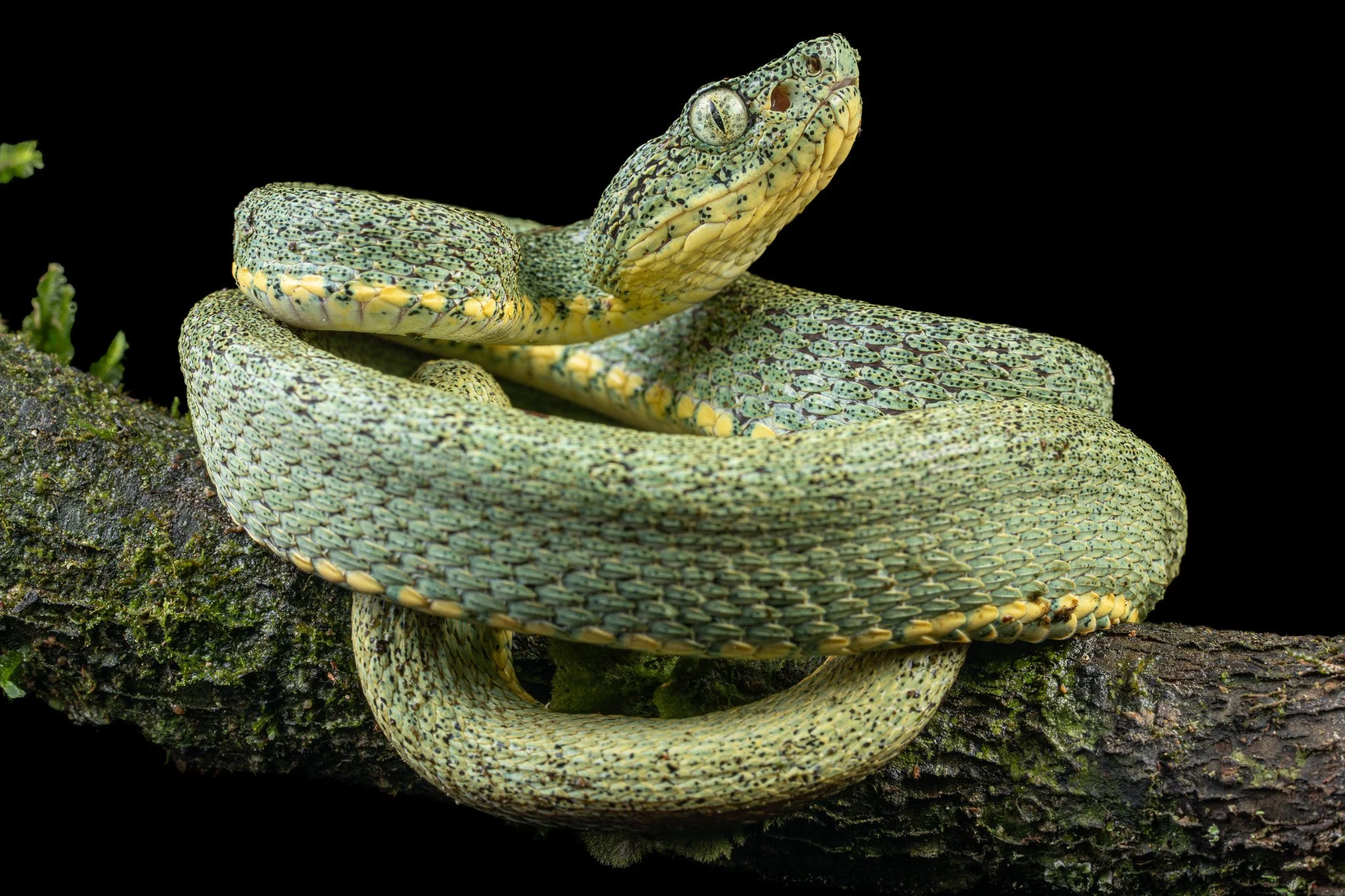
Our targets here include, but are certainly not limited to: Emerald palm pit vipers, green anacondas, South American bushmasters, boa constrictors, aquatic coral snakes, fringed leaf frogs, yellow-tailed cribos, fer-de-lance, mata-mata turtles, amazon tree boas, Yurani glass frogs, and possibly even pink river dolphins. Our base of operations is the lovely Yarina Eco Lodge.
APRIL 25-26: TRANSFER TO QUITO, FLY OUT
On the morning of the 25th, we will begin the long and always entertaining pilgrimage back to Quito. Today will be a full travel day, so we will hope to reach our hotel by end of day, around dinner time. We’ll spend a final night together in town, before bidding our farewells the next day (April 26th).
Our hotel is very close to the airport, with simple shuttle service for us on the 26th.
WHAT WE COVER & WHAT WE DON’T:
WHAT’S INCLUDED:
-GROUND TRANSPORT FROM APRIL 15-26
-LODGING FROM APRIL 15-26
-X3 MEALS PER DAY + SNACKS
-X2 24/7 DEDICATED GUIDES
-COMPREHENSIVE PHOTO WORKSHOPS
-NECESSARY PARKS PASSES AND/OR PERMITS
WHAT’S NOT INCLUDED:
-VISA/ENTRY FEE REQUIREMENTS
-INTERNAL OR EXTERNAL FLIGHTS
-AIRPORT TRANSFERS IF DIFFERENT THAN START/END DATES
-ALCOHOLIC DRINKS/SOUVENIRS
-ADDITIONAL DAYS OR ACTIVITIES
ADDITIONAL INFORMATION:
ARRIVAL AND DEPARTURE: You will want to fly into and out of Mariscal Sucre Quito International Airport (UIO). ARRIVAL: APRIL 15, 2027
DEPARTURE: APRIL 26, 2027
You WILL need your Yellow Fever Vaccine card if entering from a high-risk country, or if you are going from Ecuador onto any other country with restrictions.
WE RECOMMEND ALWAYS TRAVELING WITH YOUR YELLOW FEVER VACCINE CARD HANDY.
This expedition, as always, is priced for SHARED/DOUBLE OCCUPANCY lodging. We always will work with the group to ensure everyone’s comfort and restfulness.
SPECIFY DOUBLE OR SINGLE LODGING AT CHECKOUT.
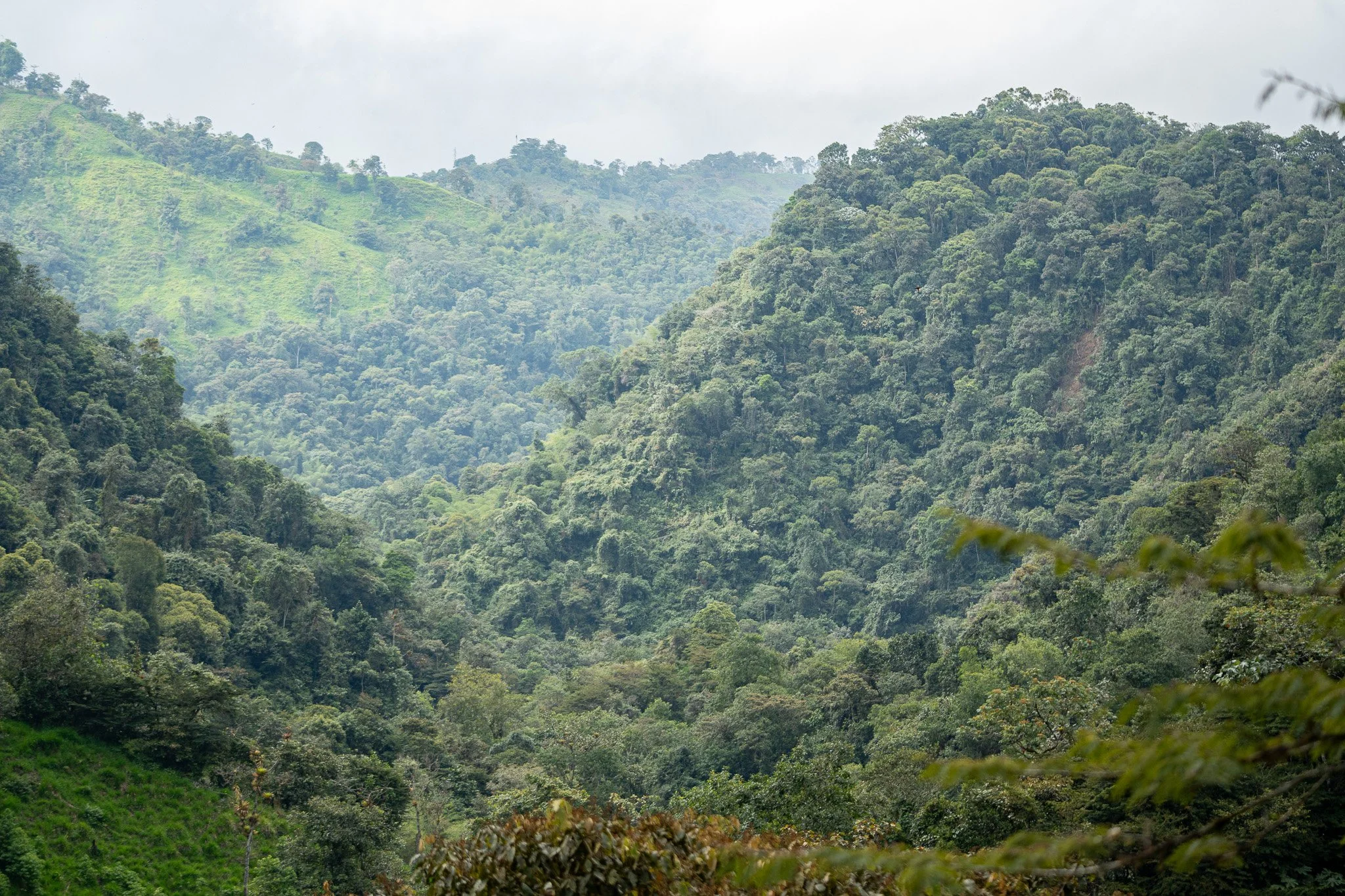
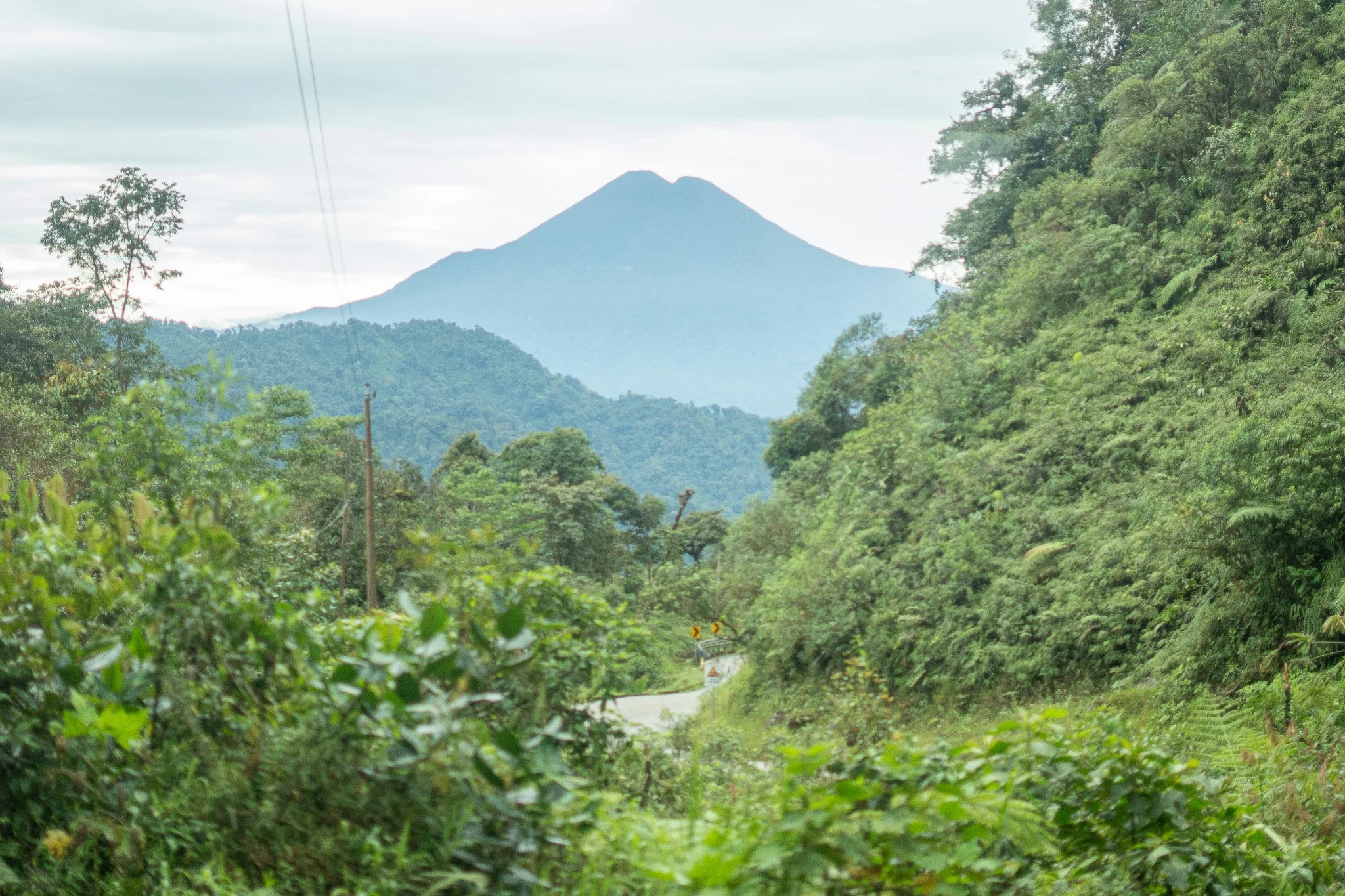
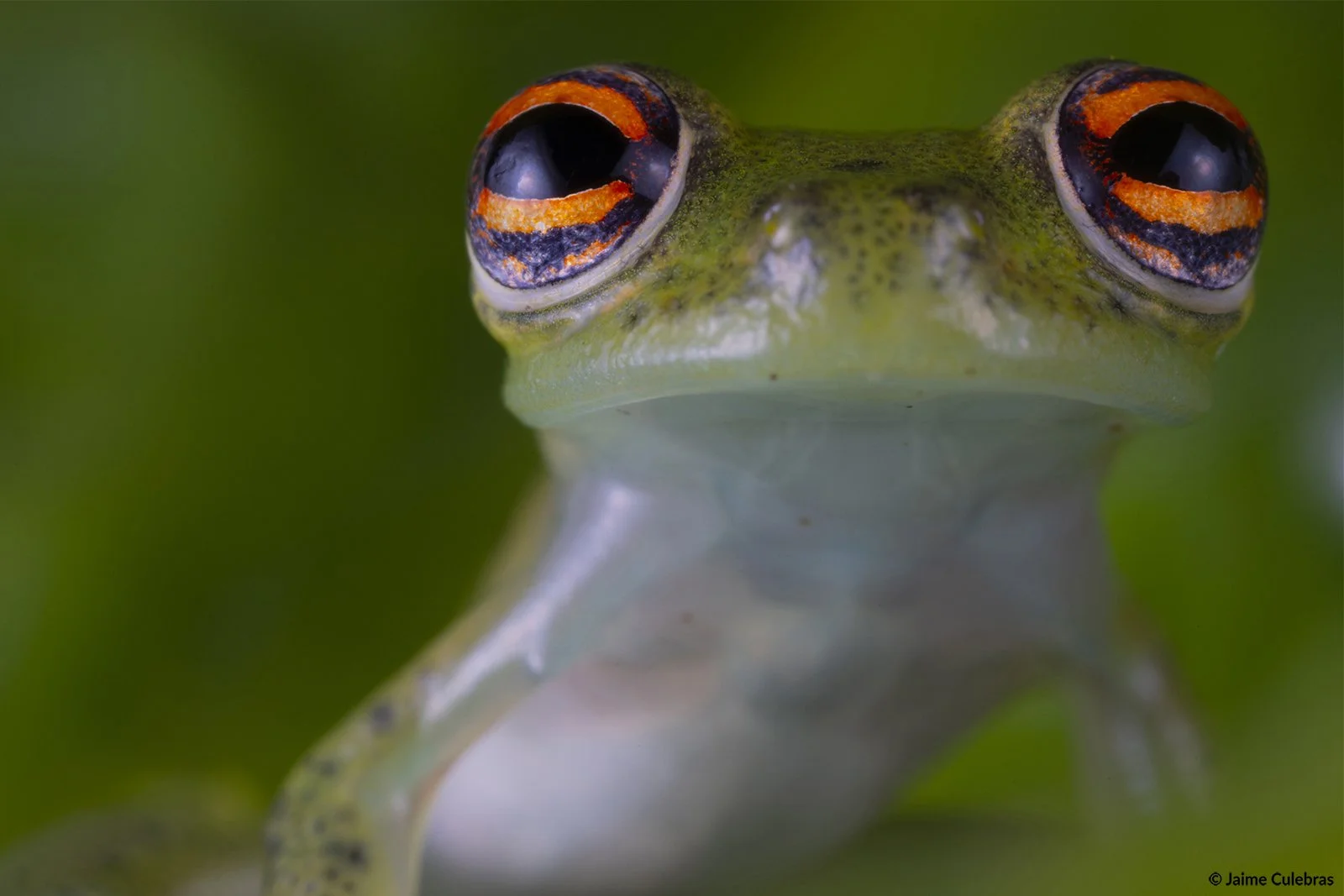
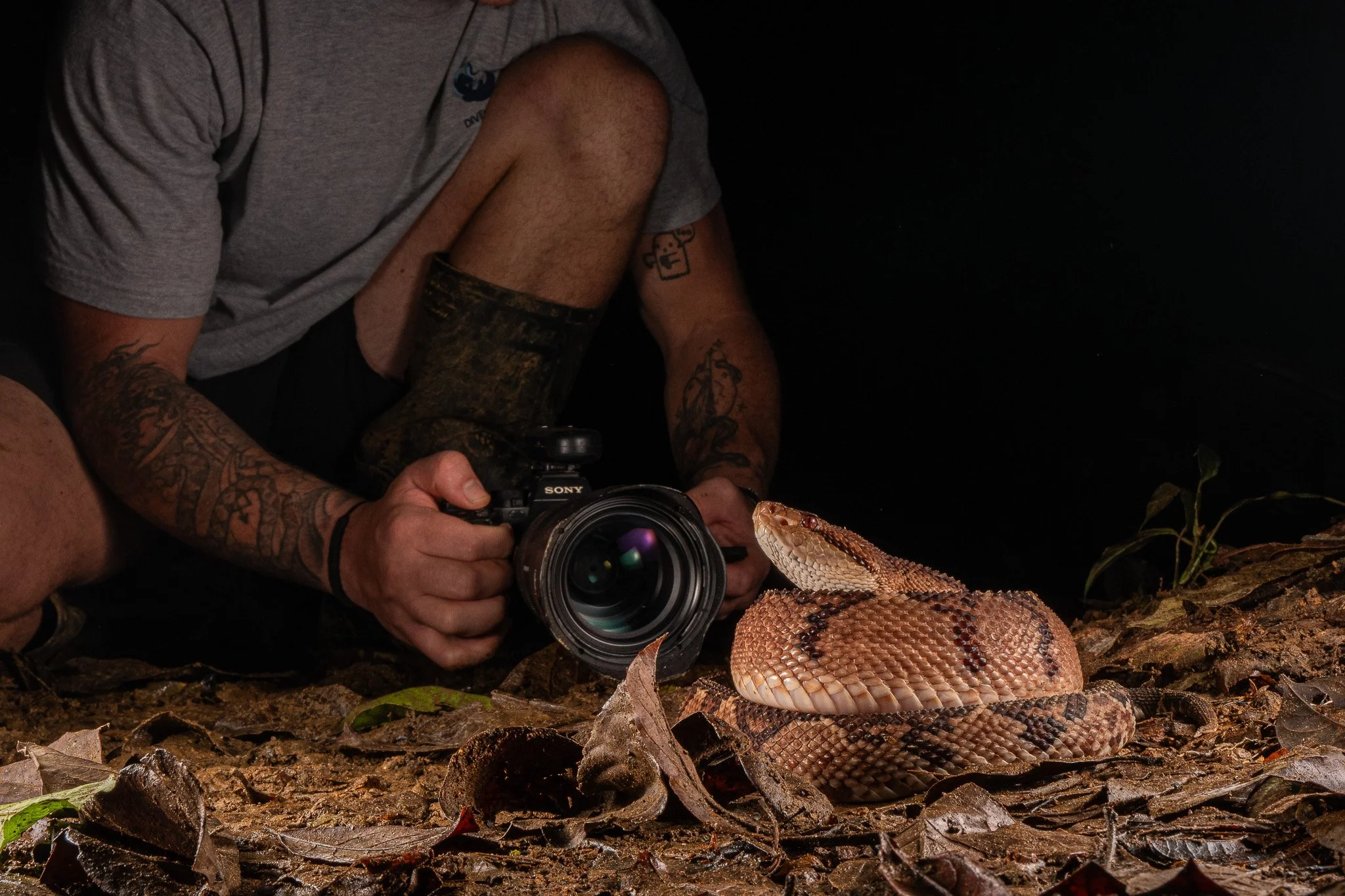
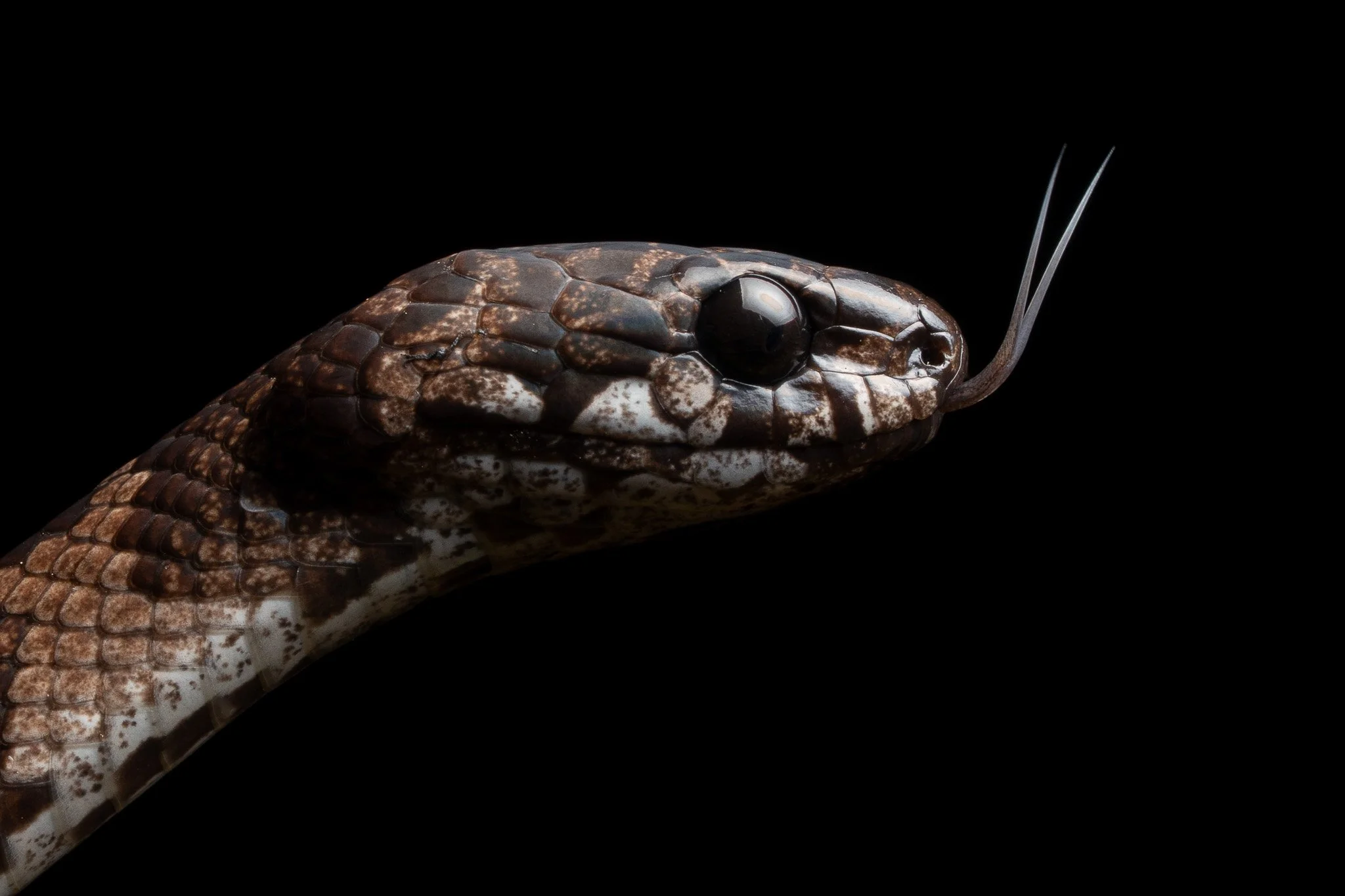
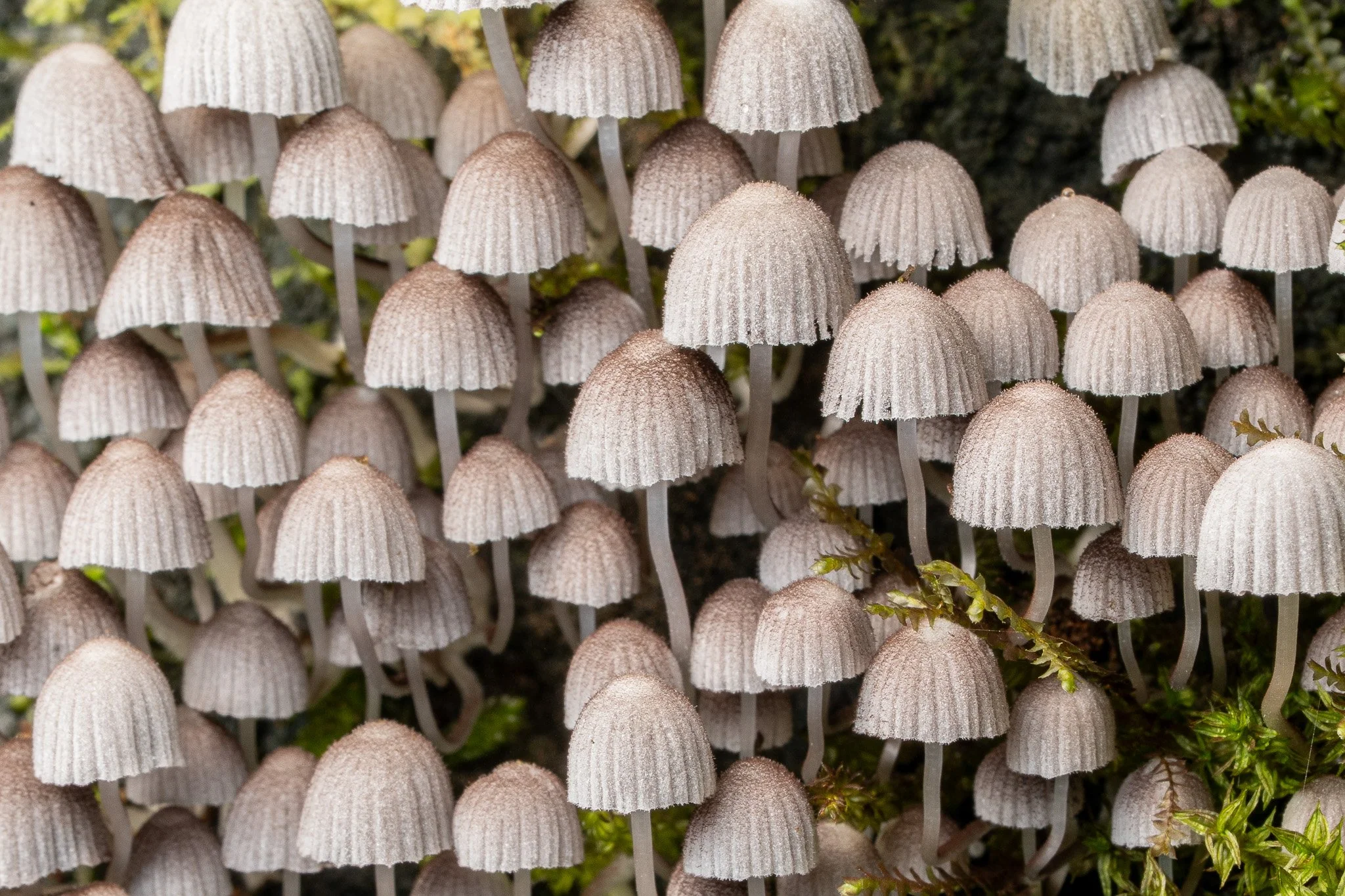
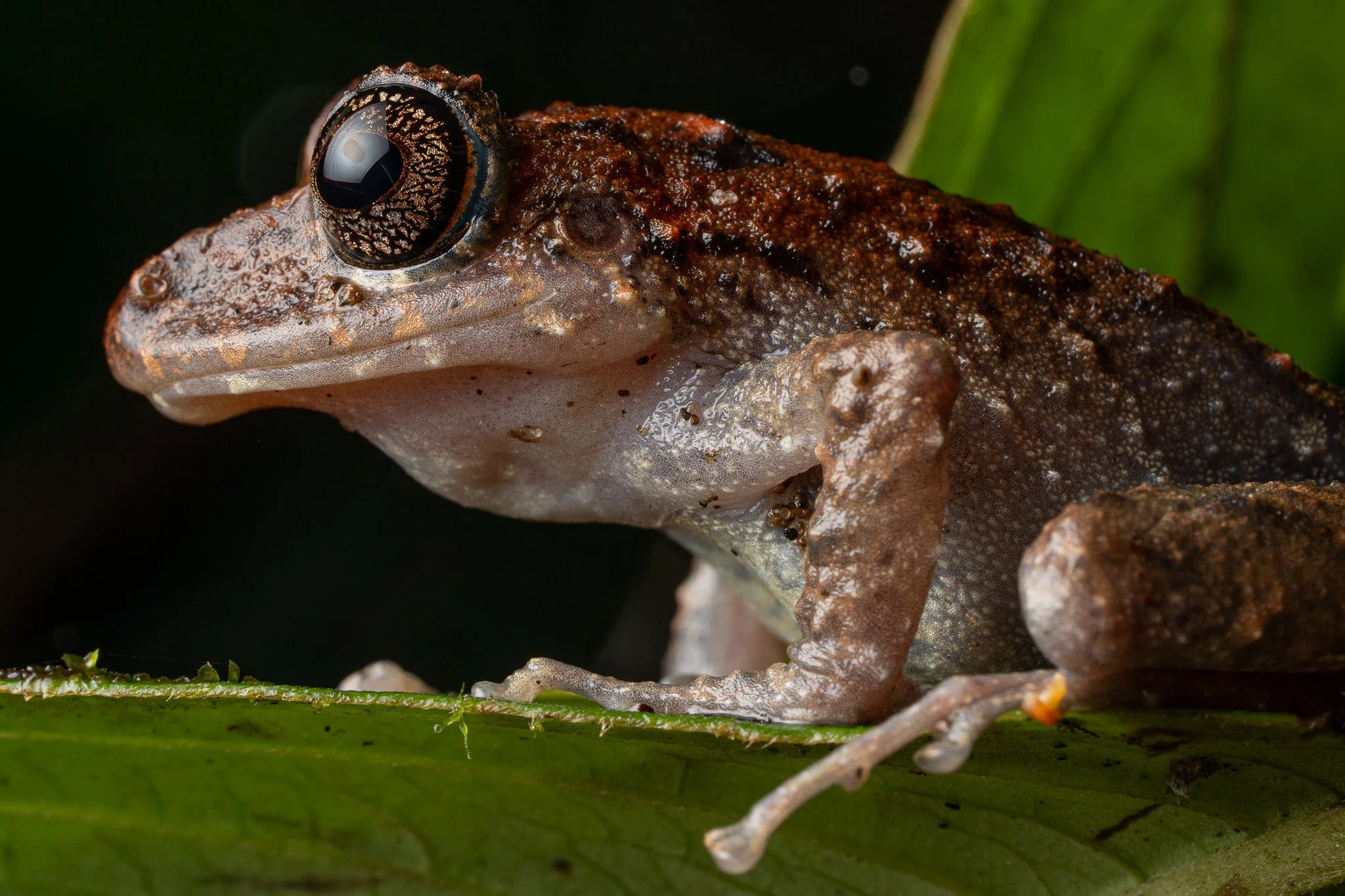
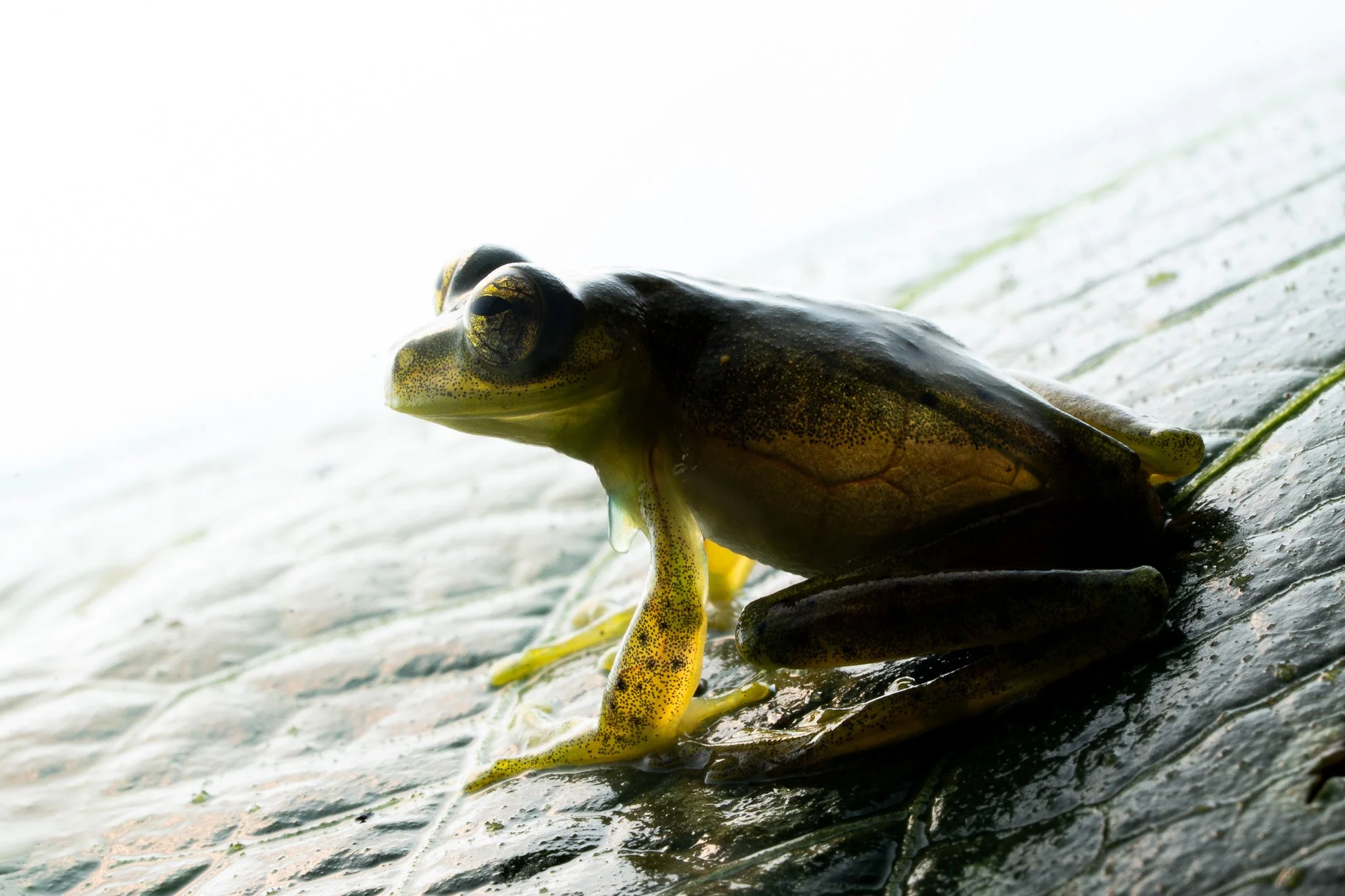
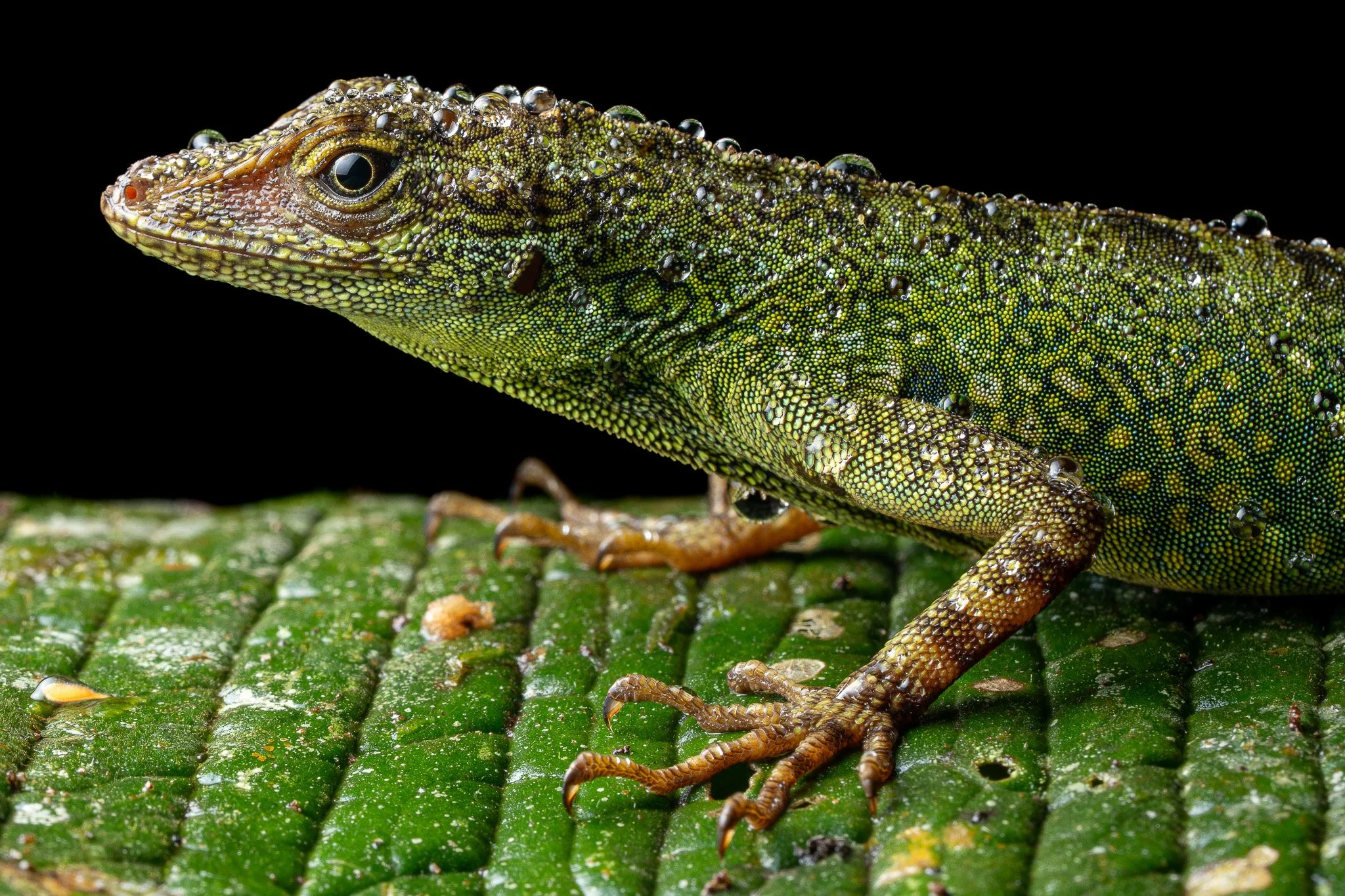
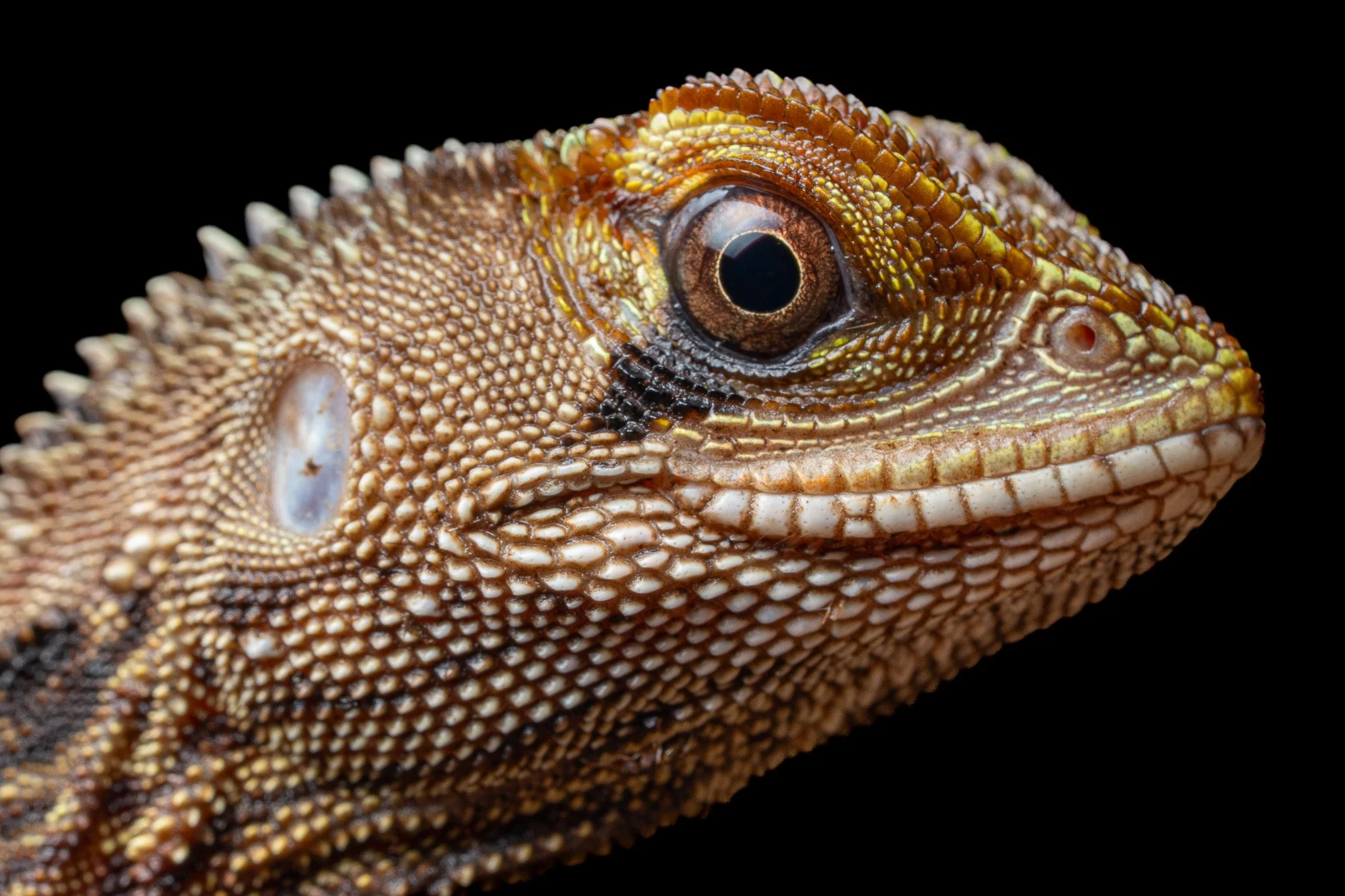
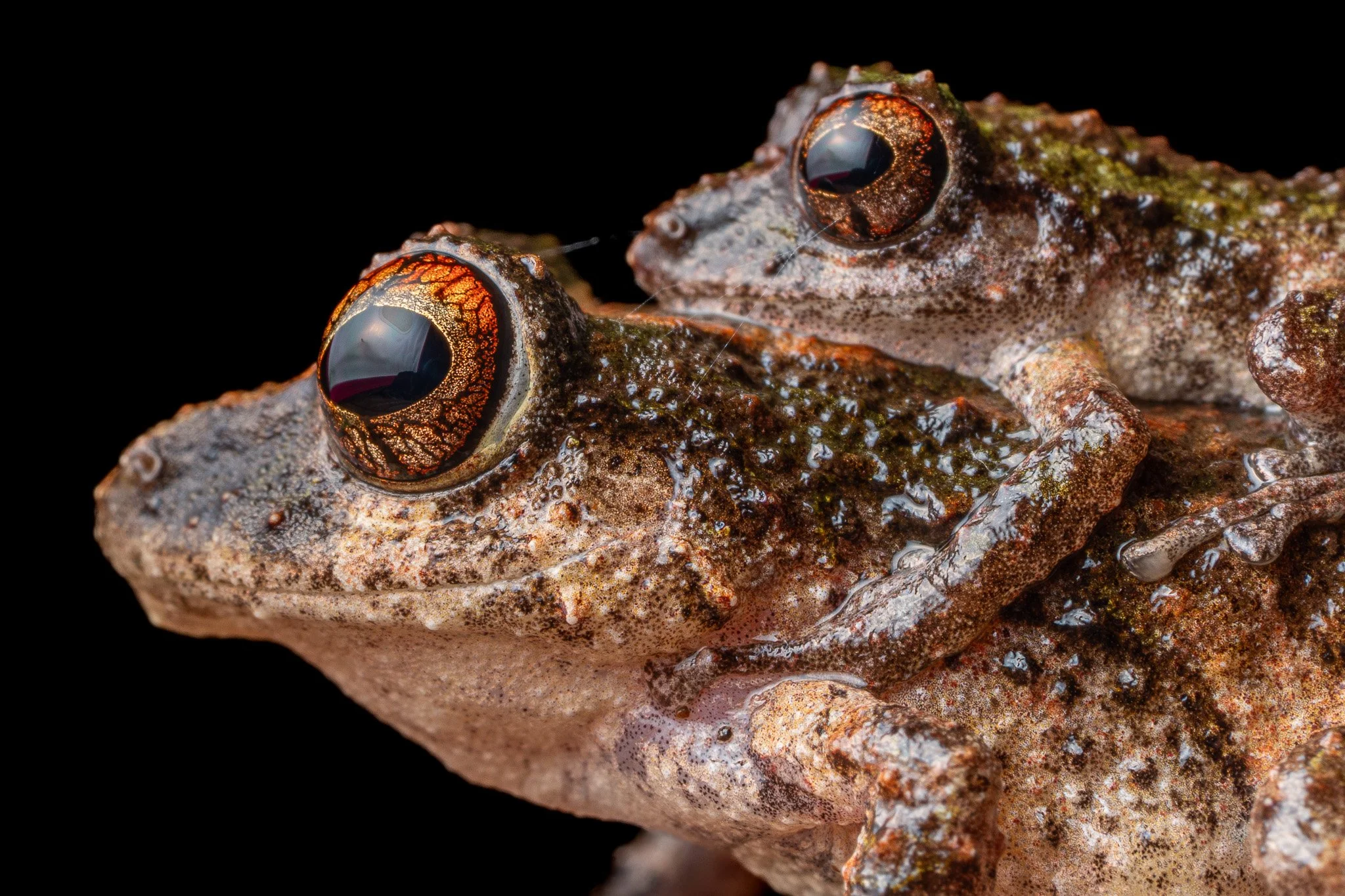
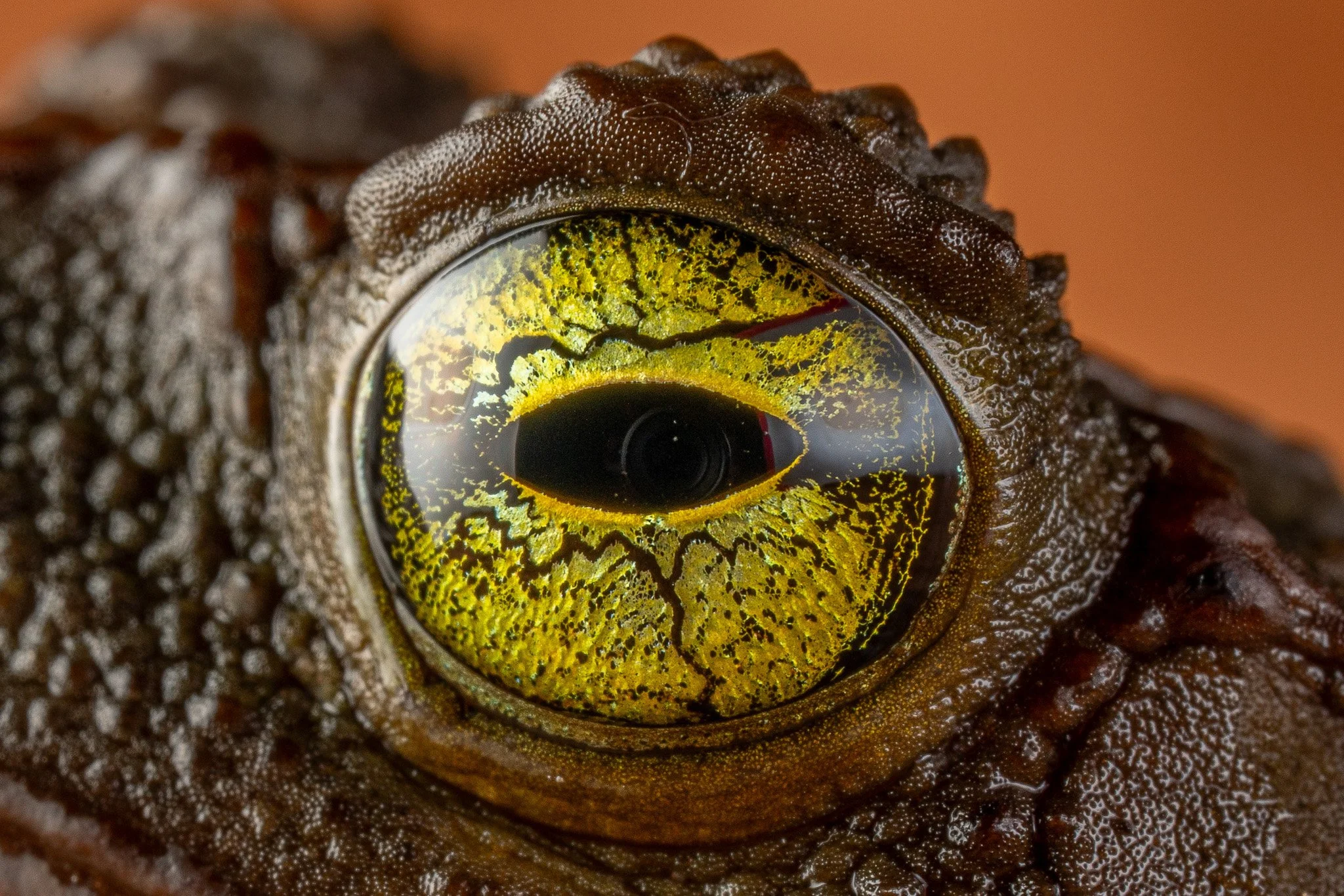
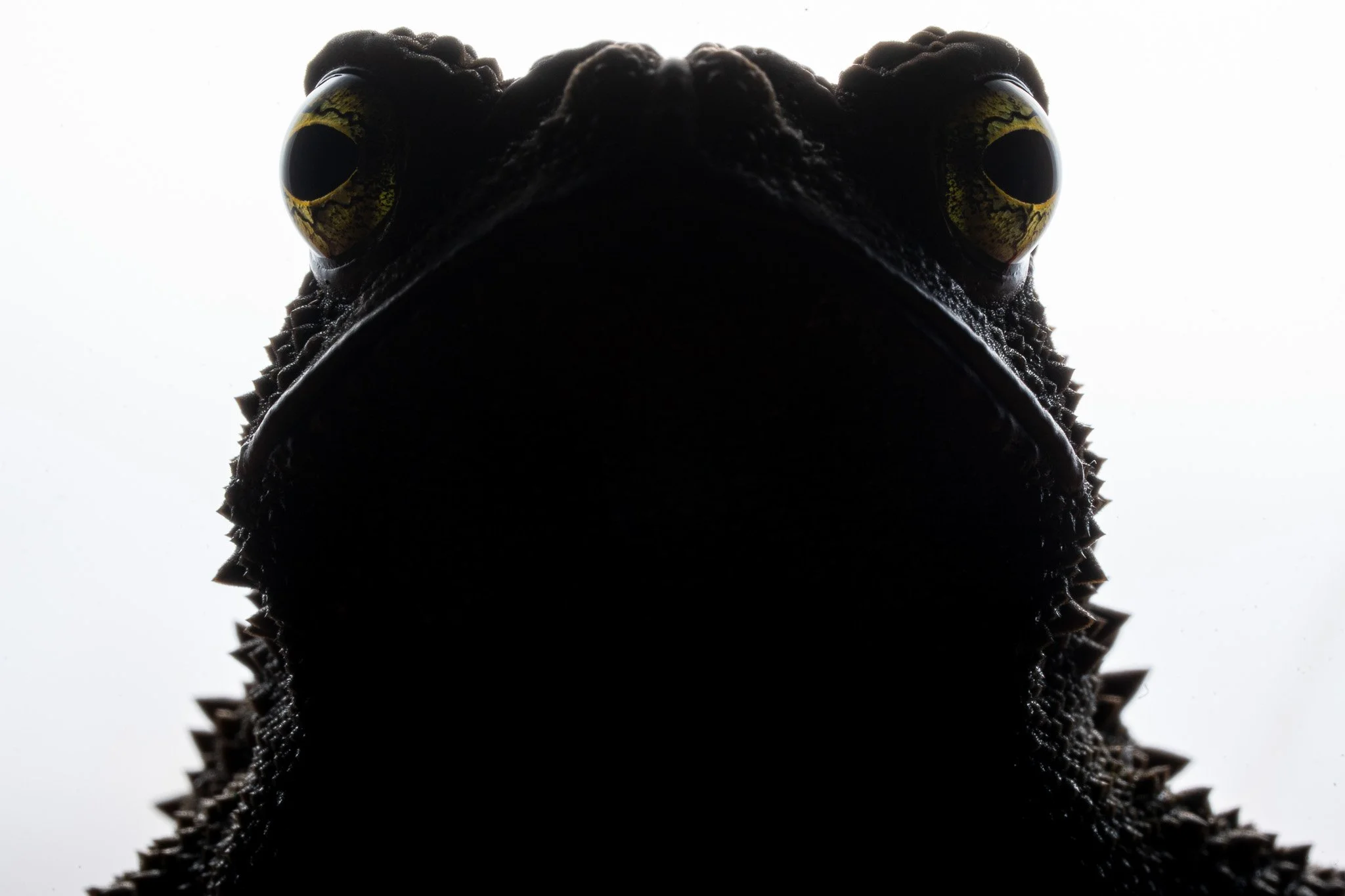
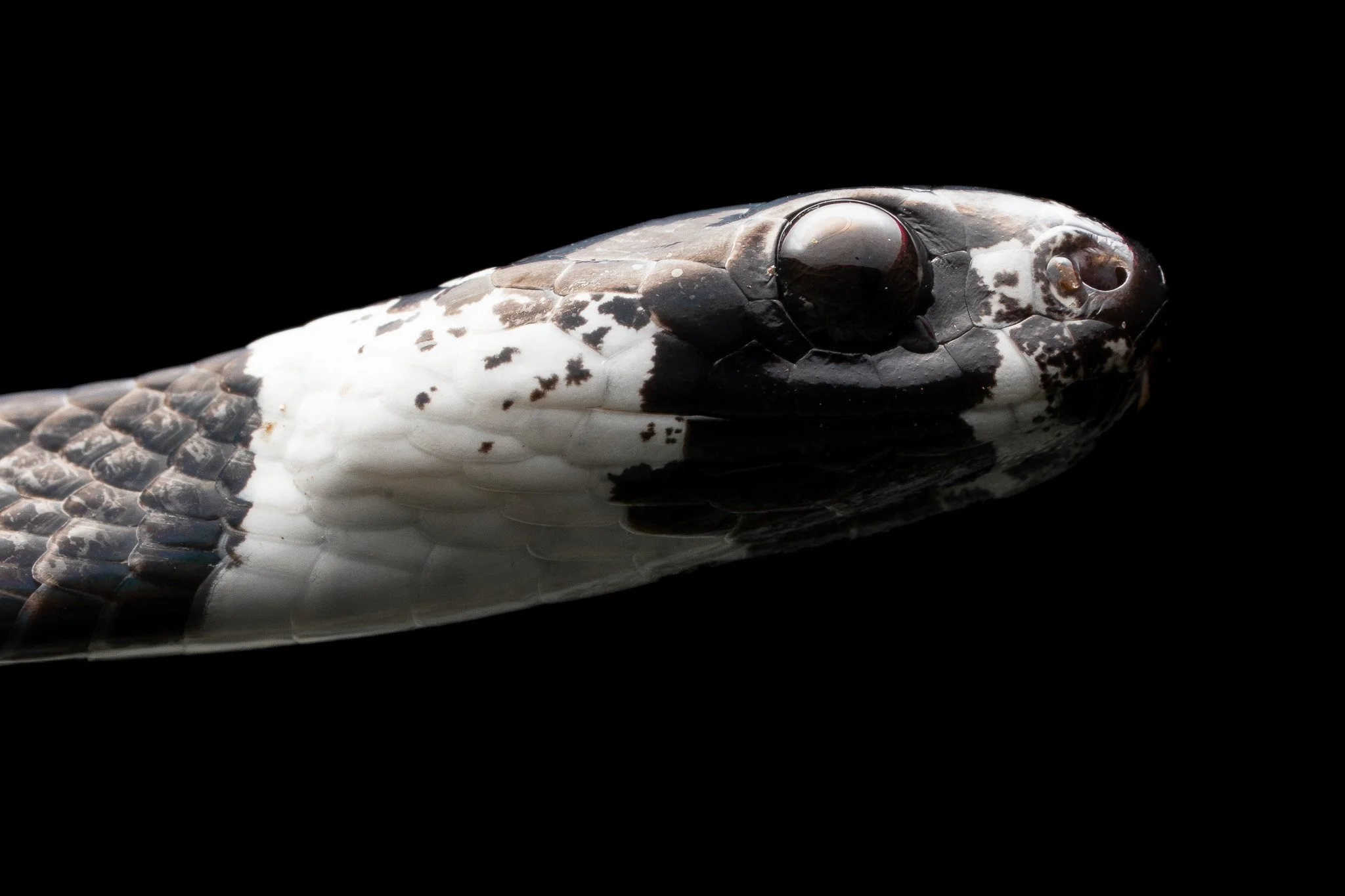
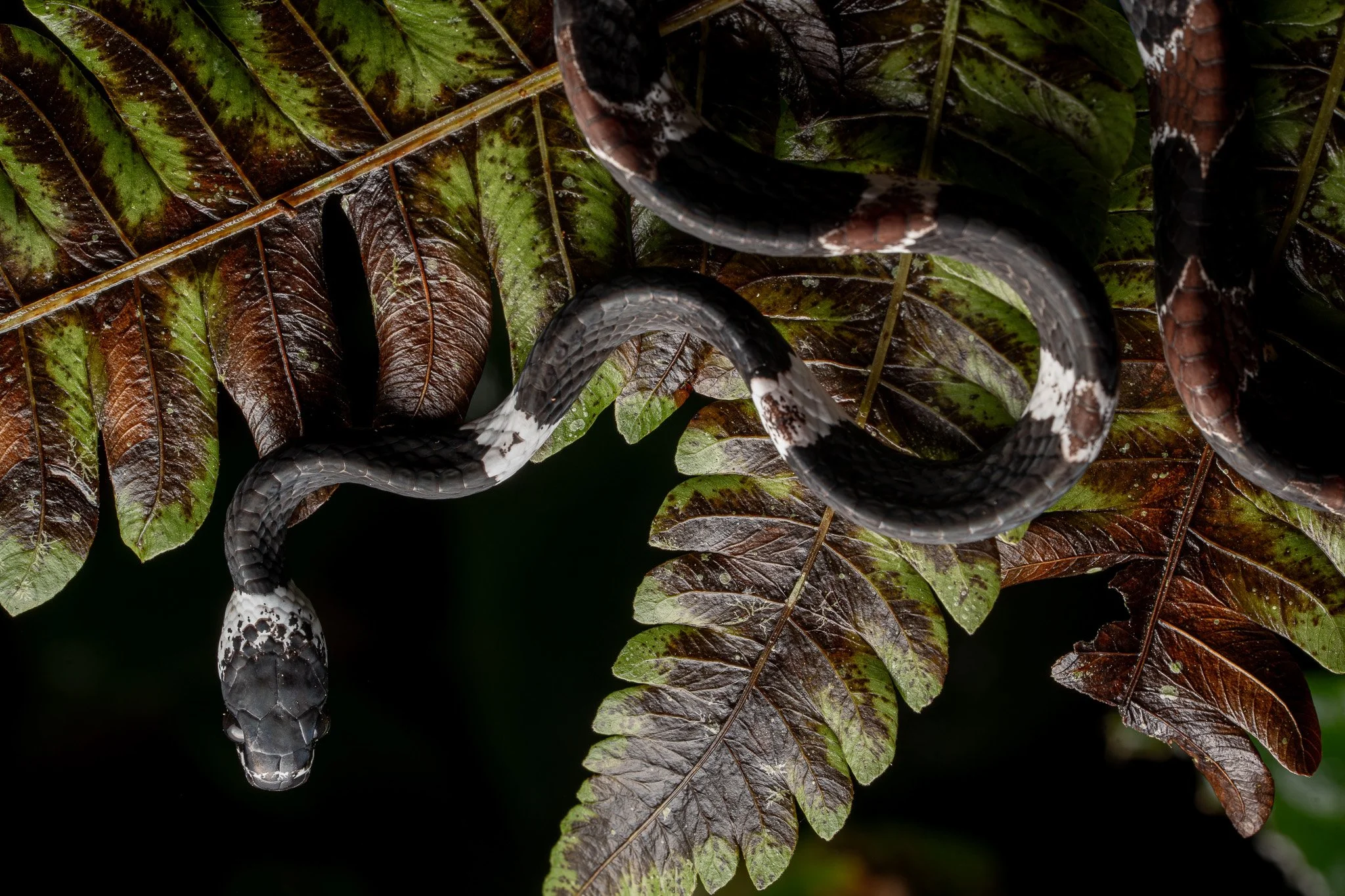
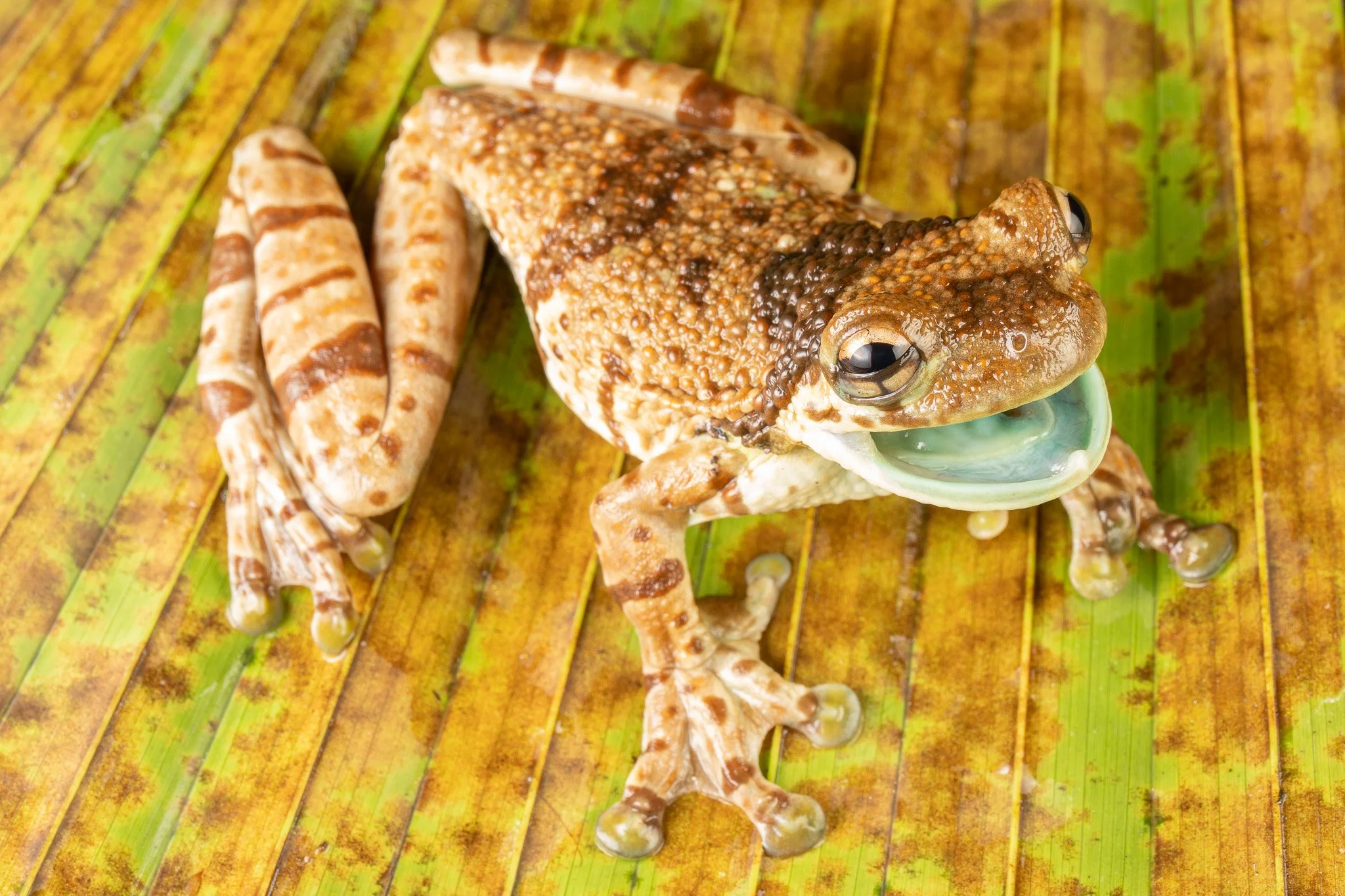
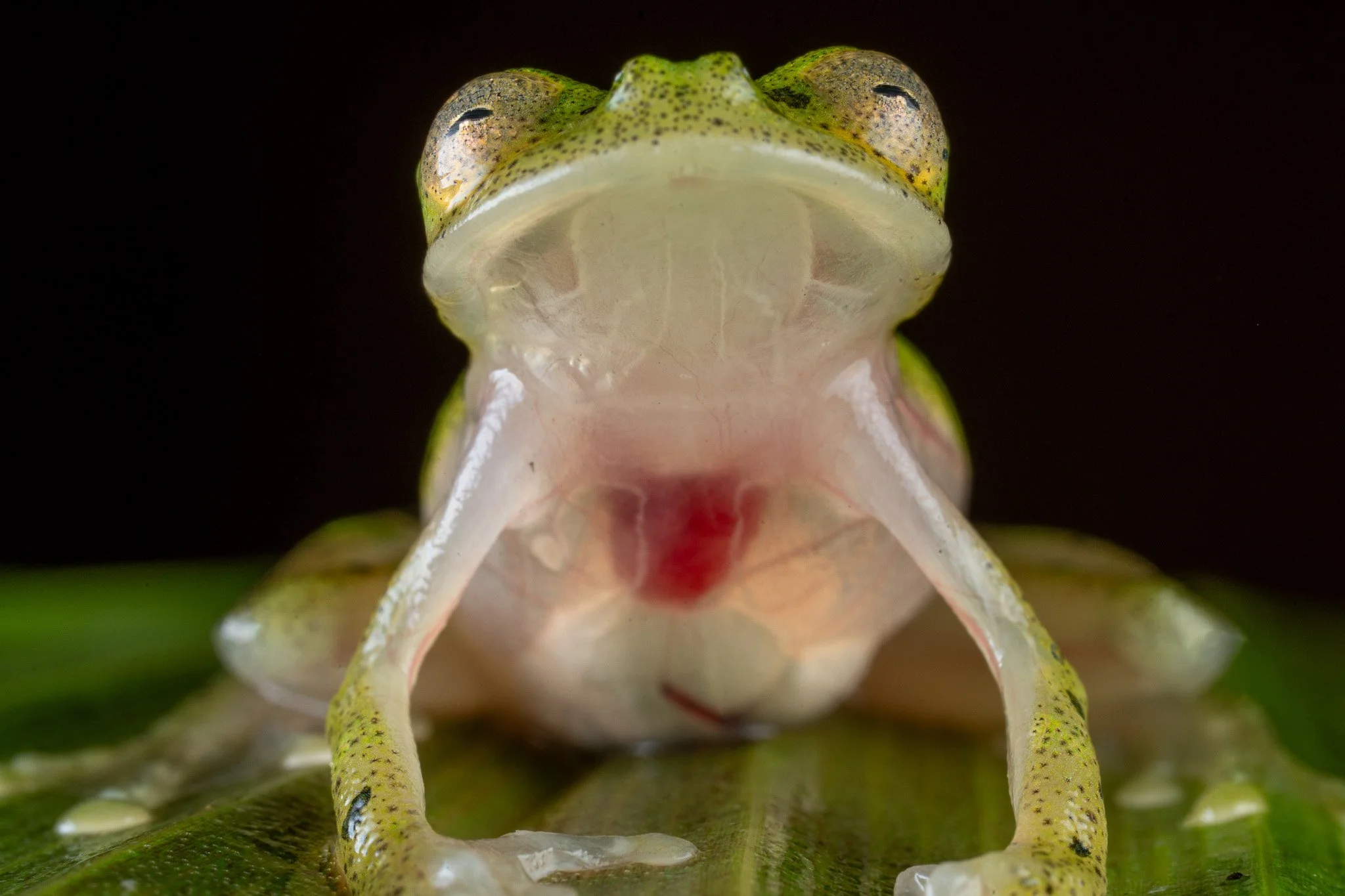
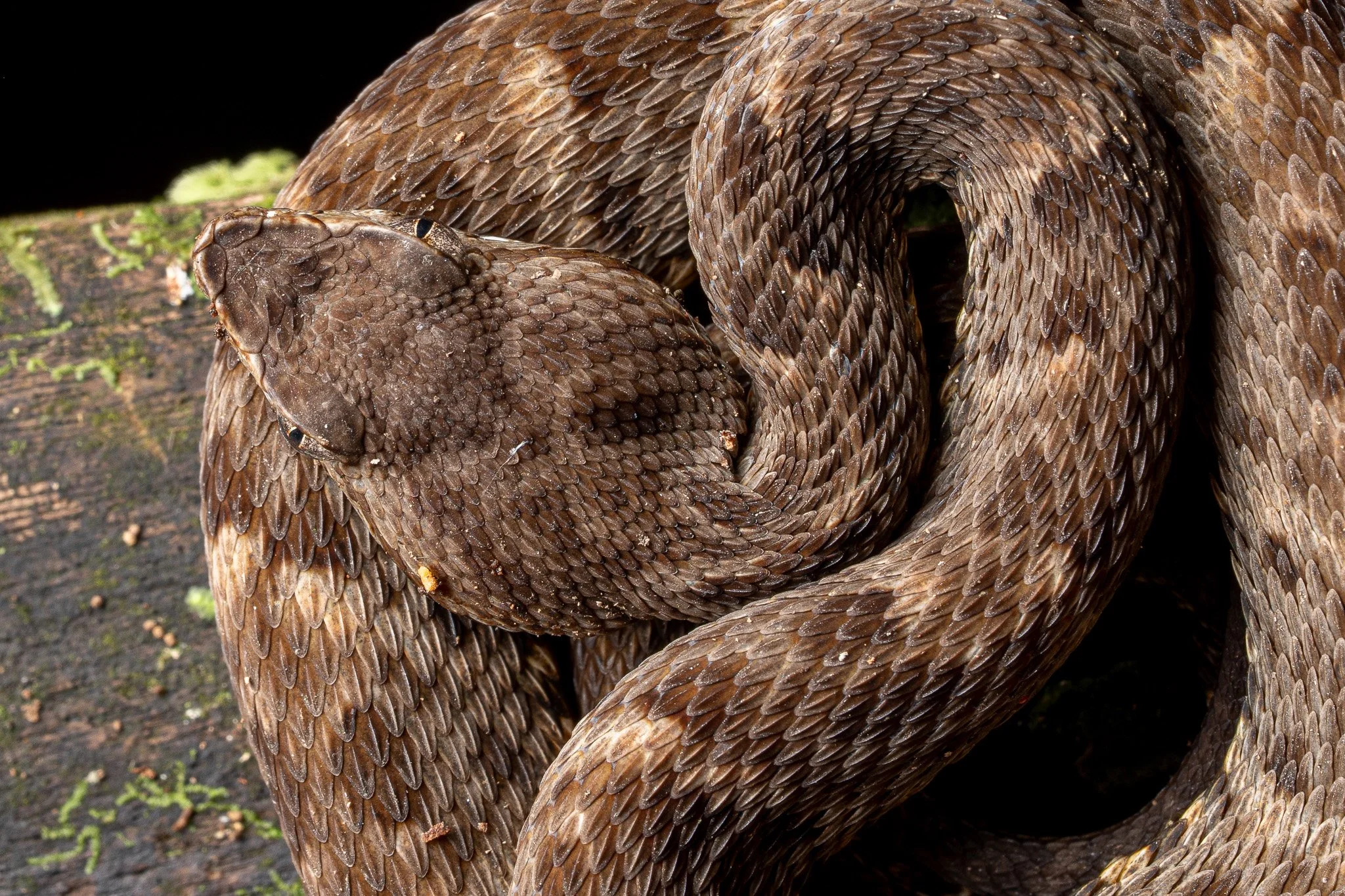
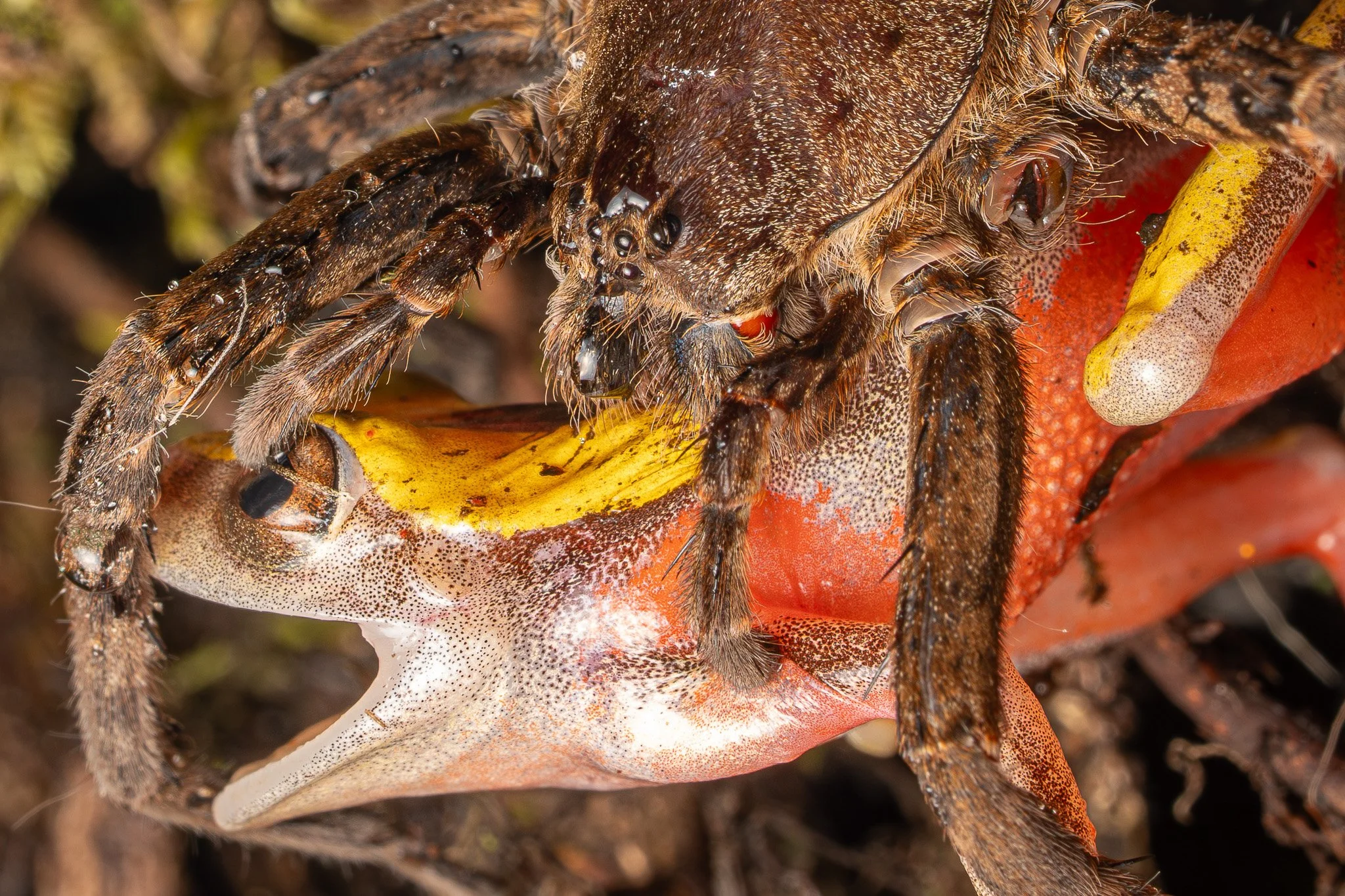
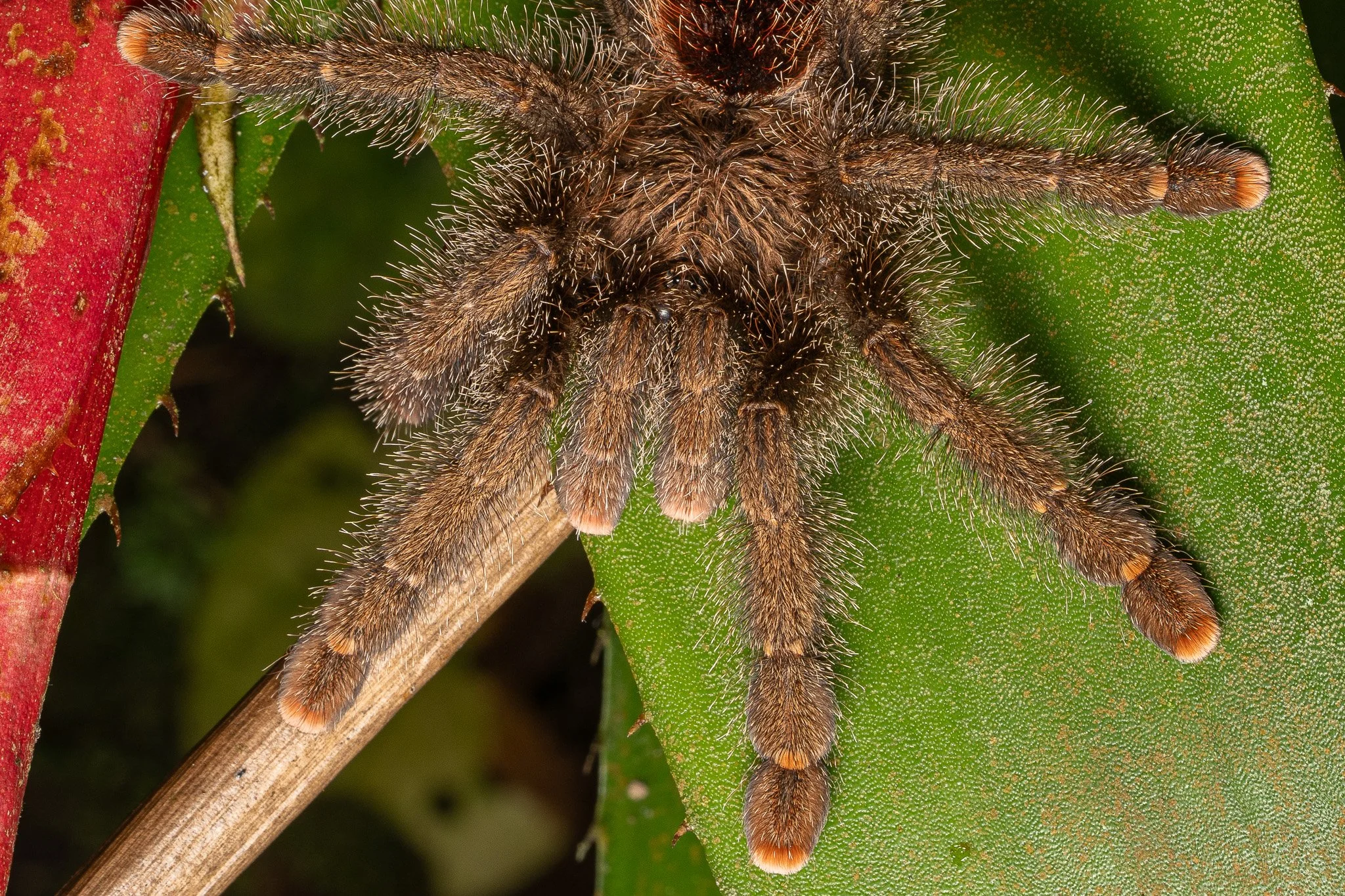
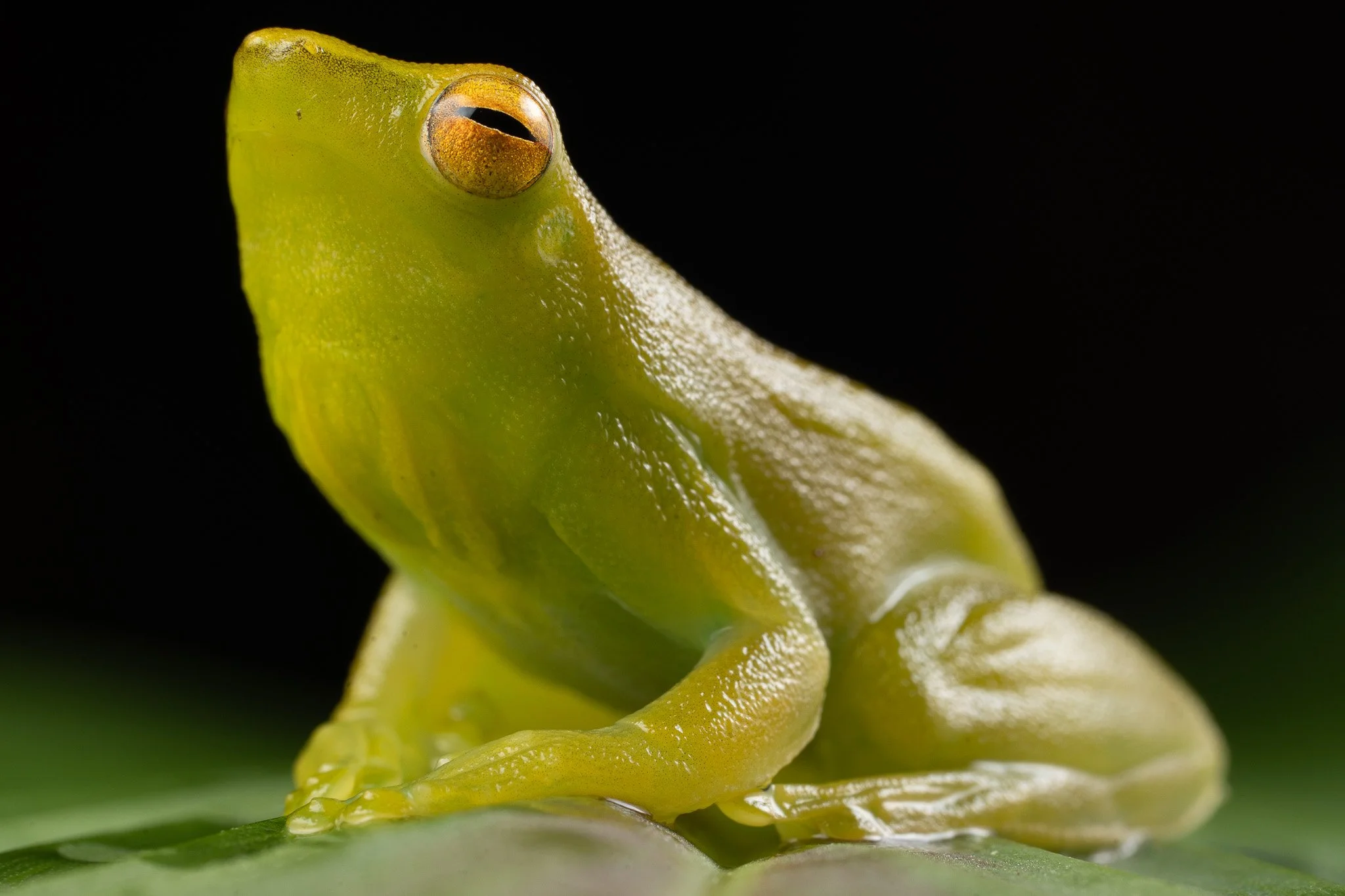
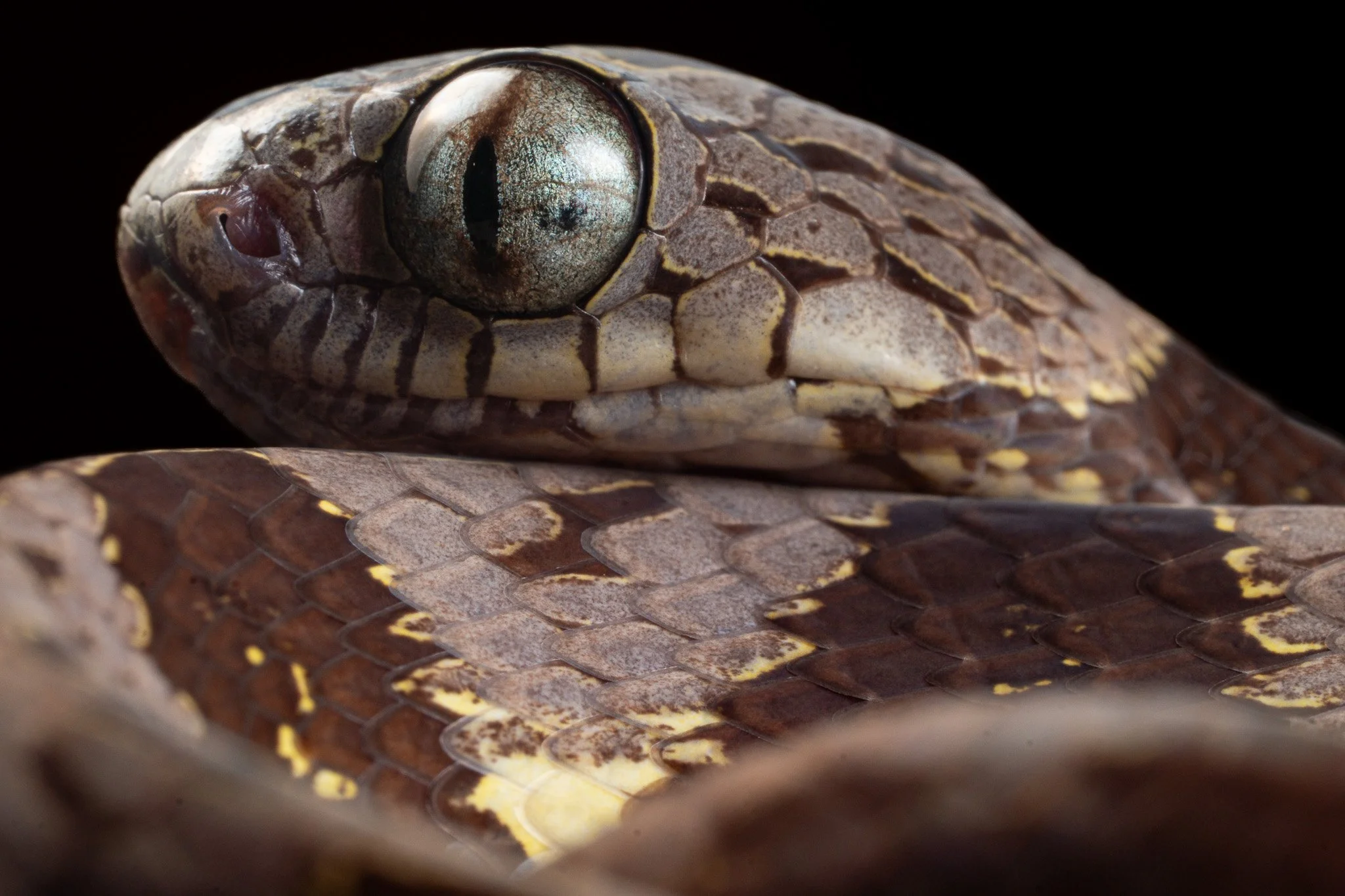
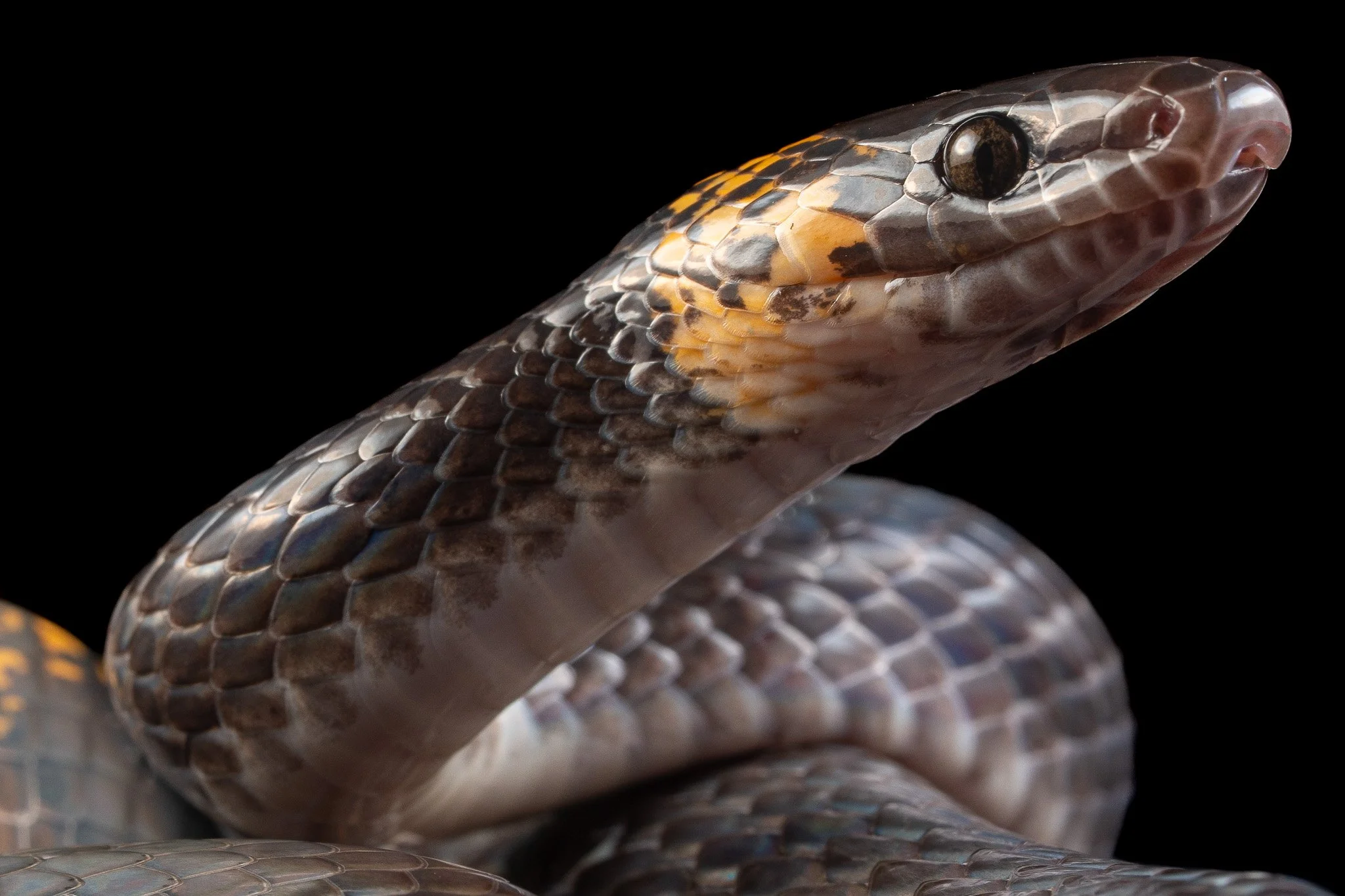
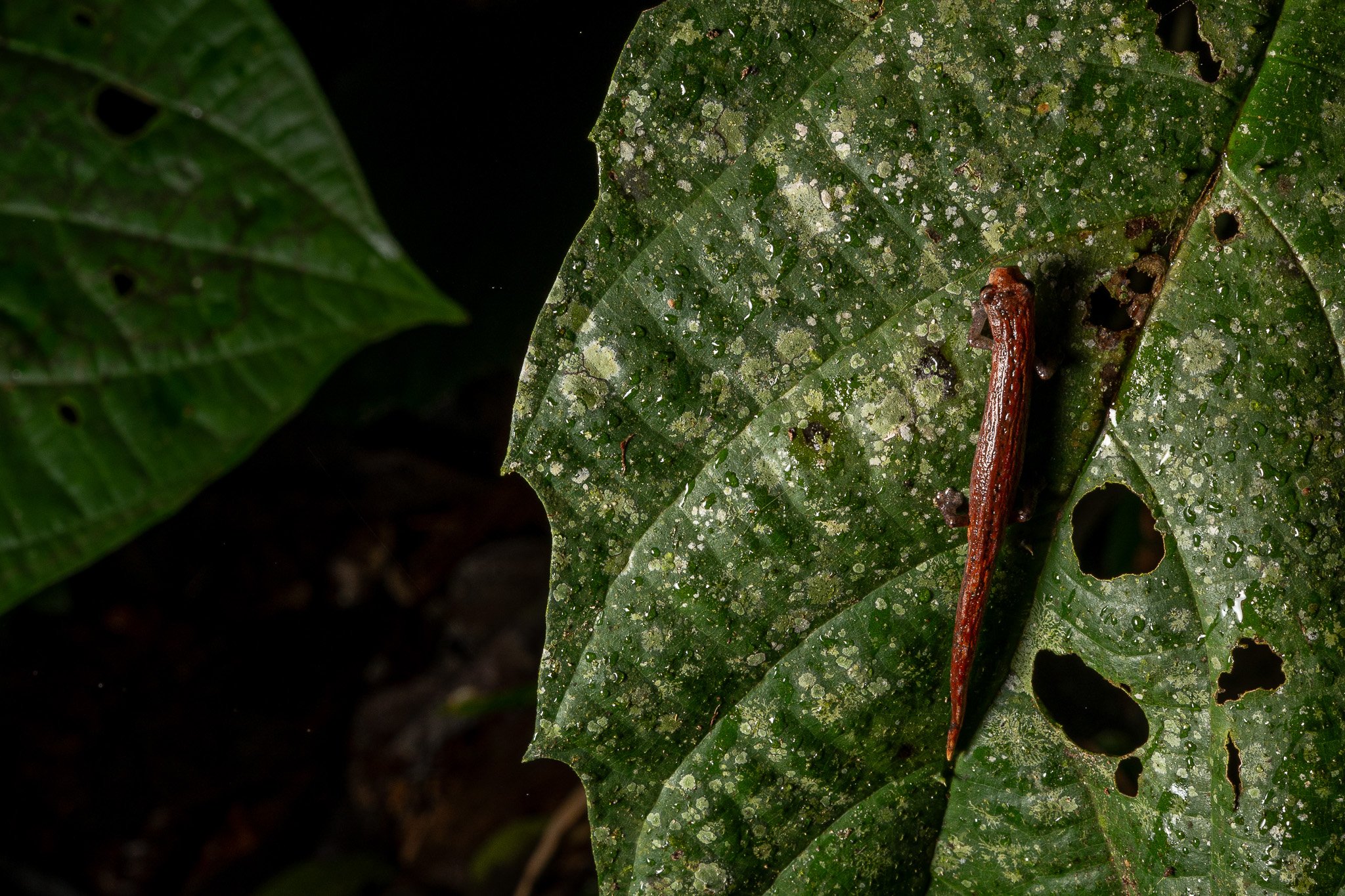
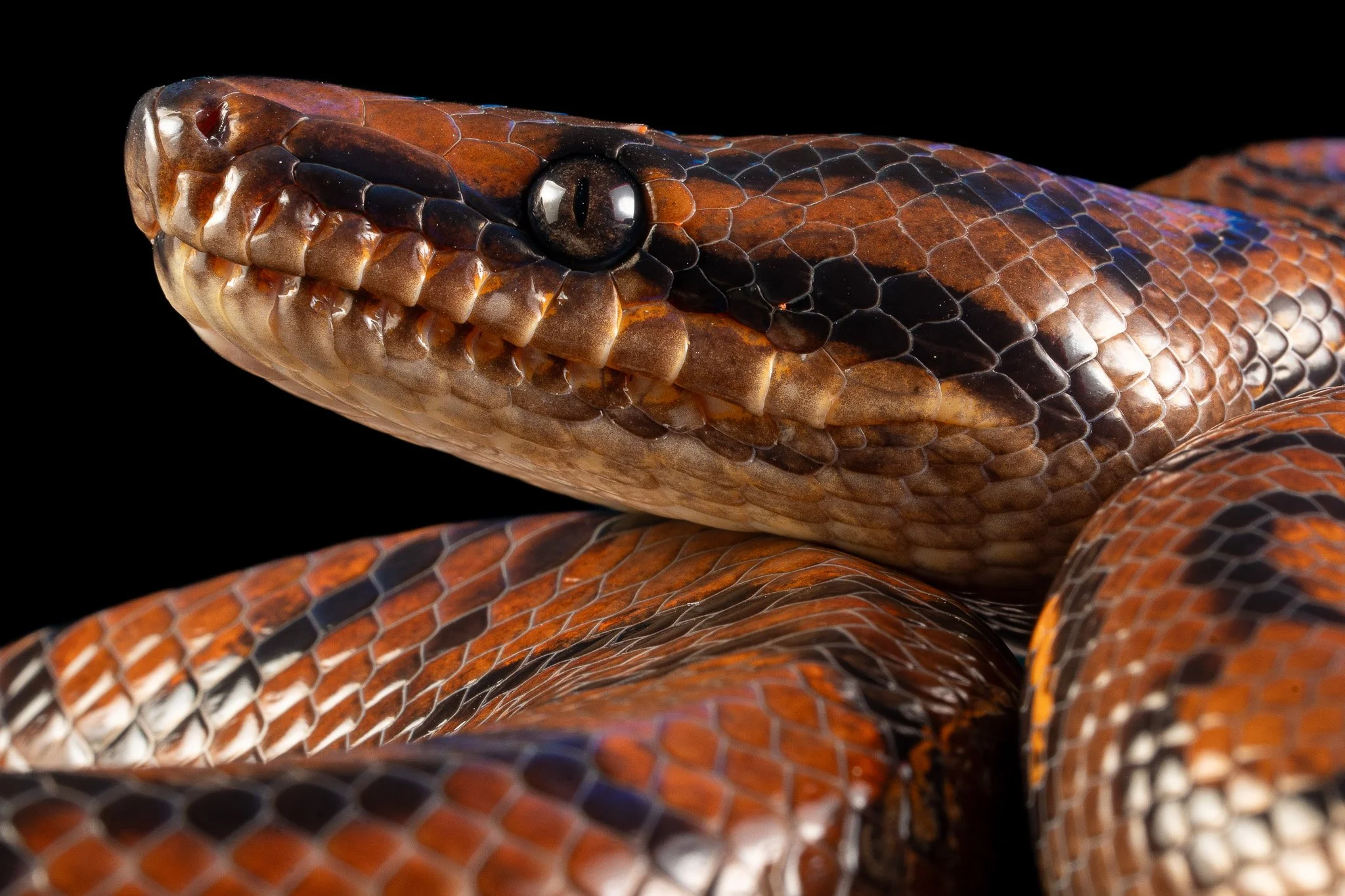
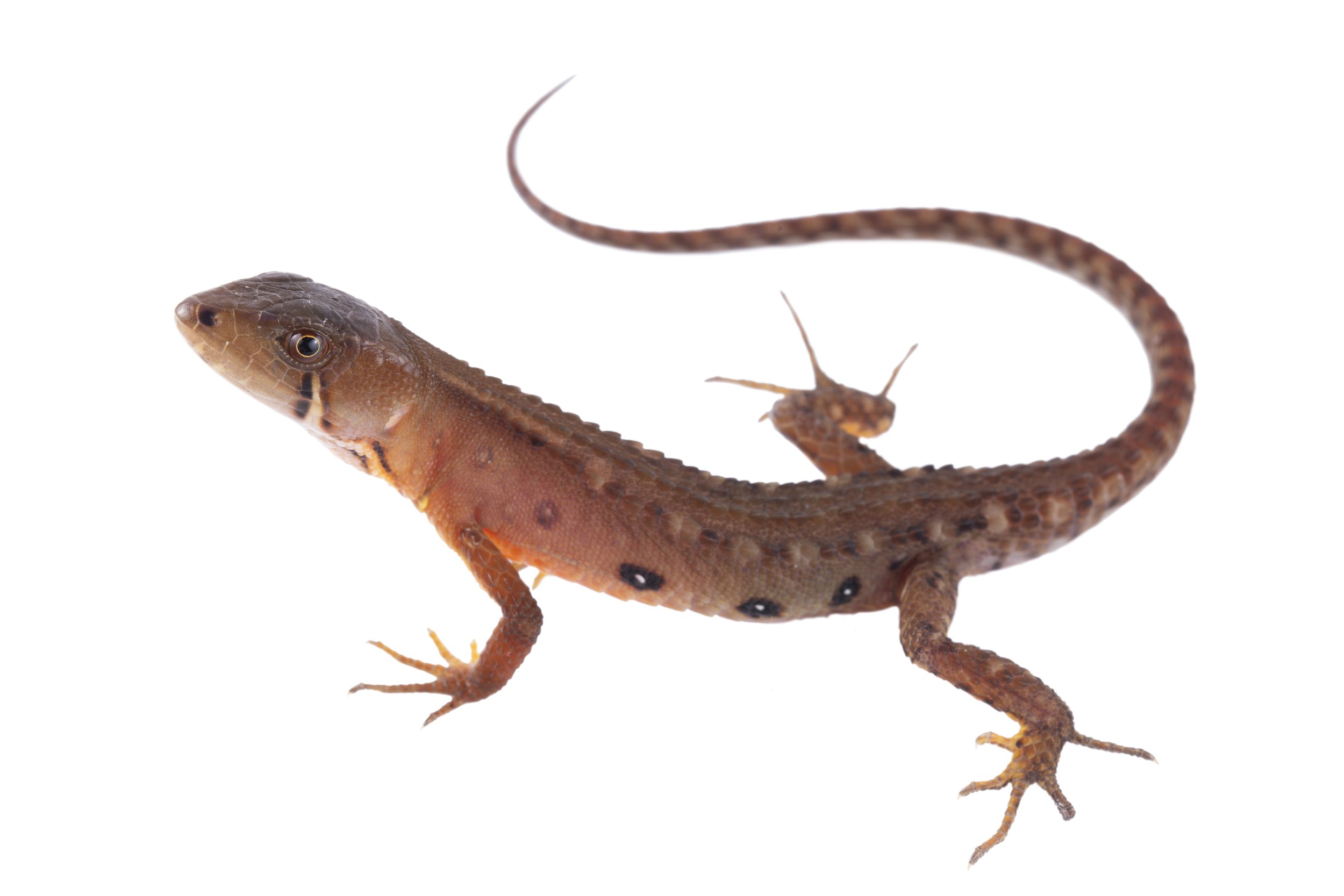
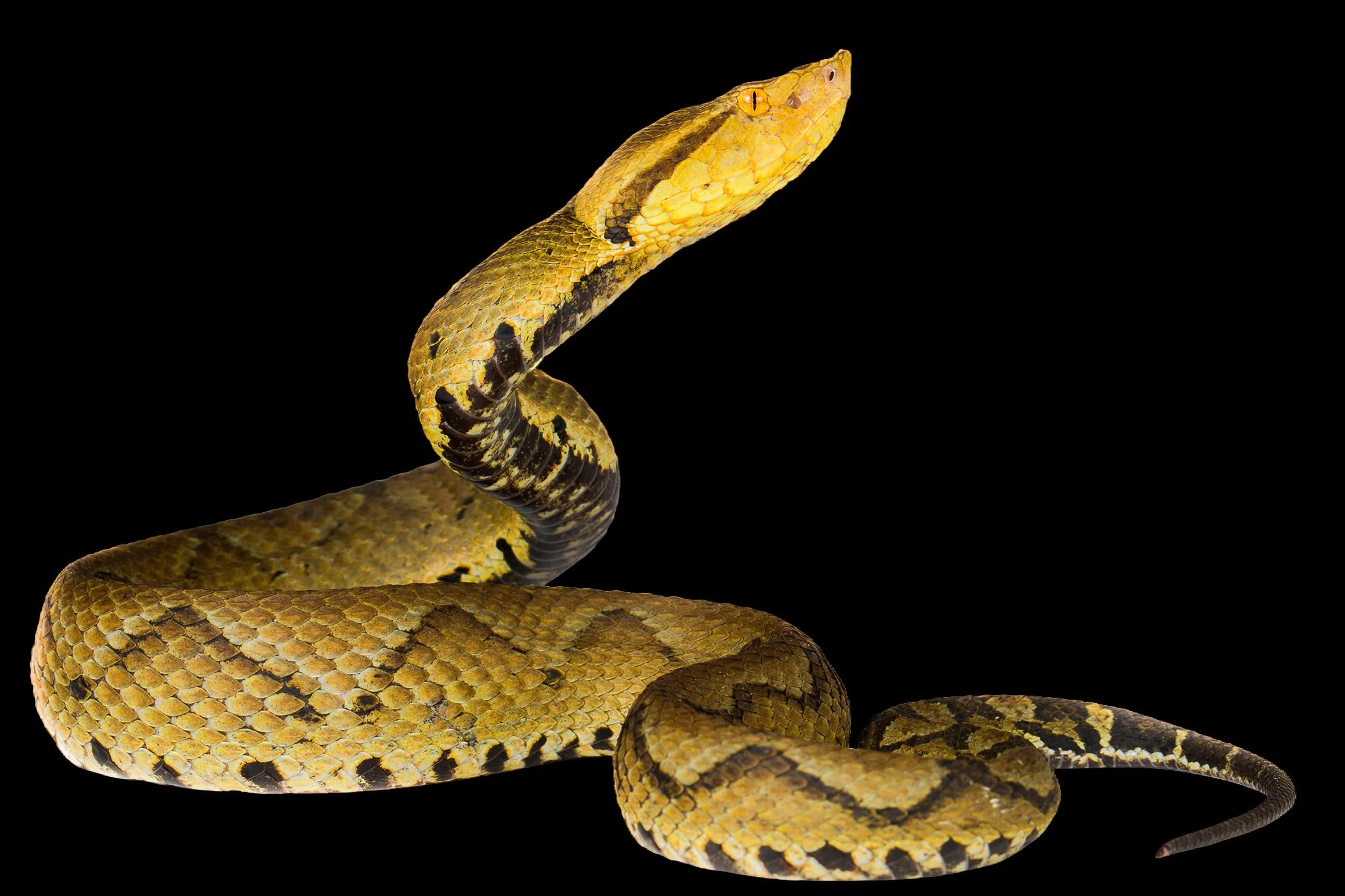
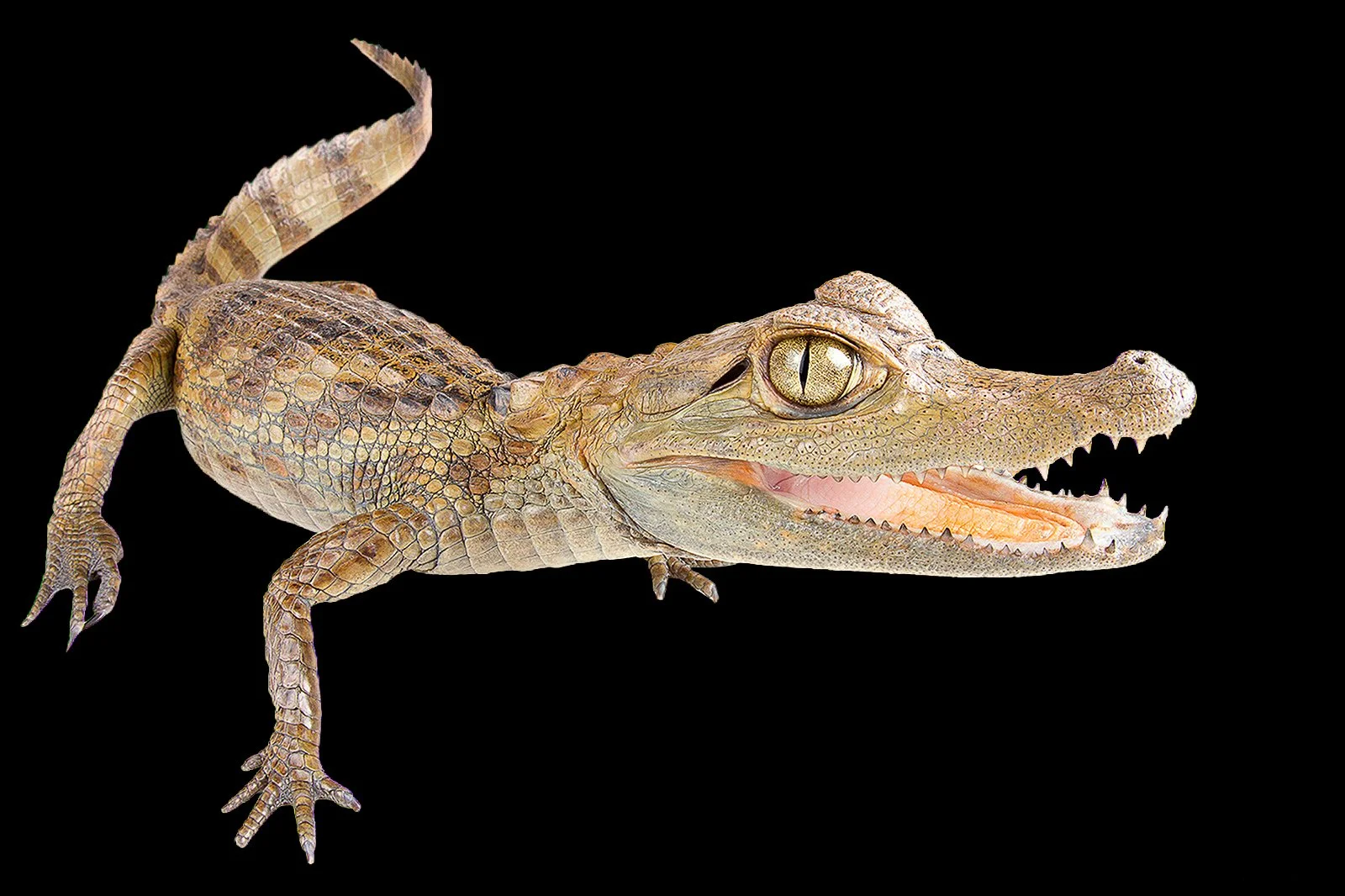
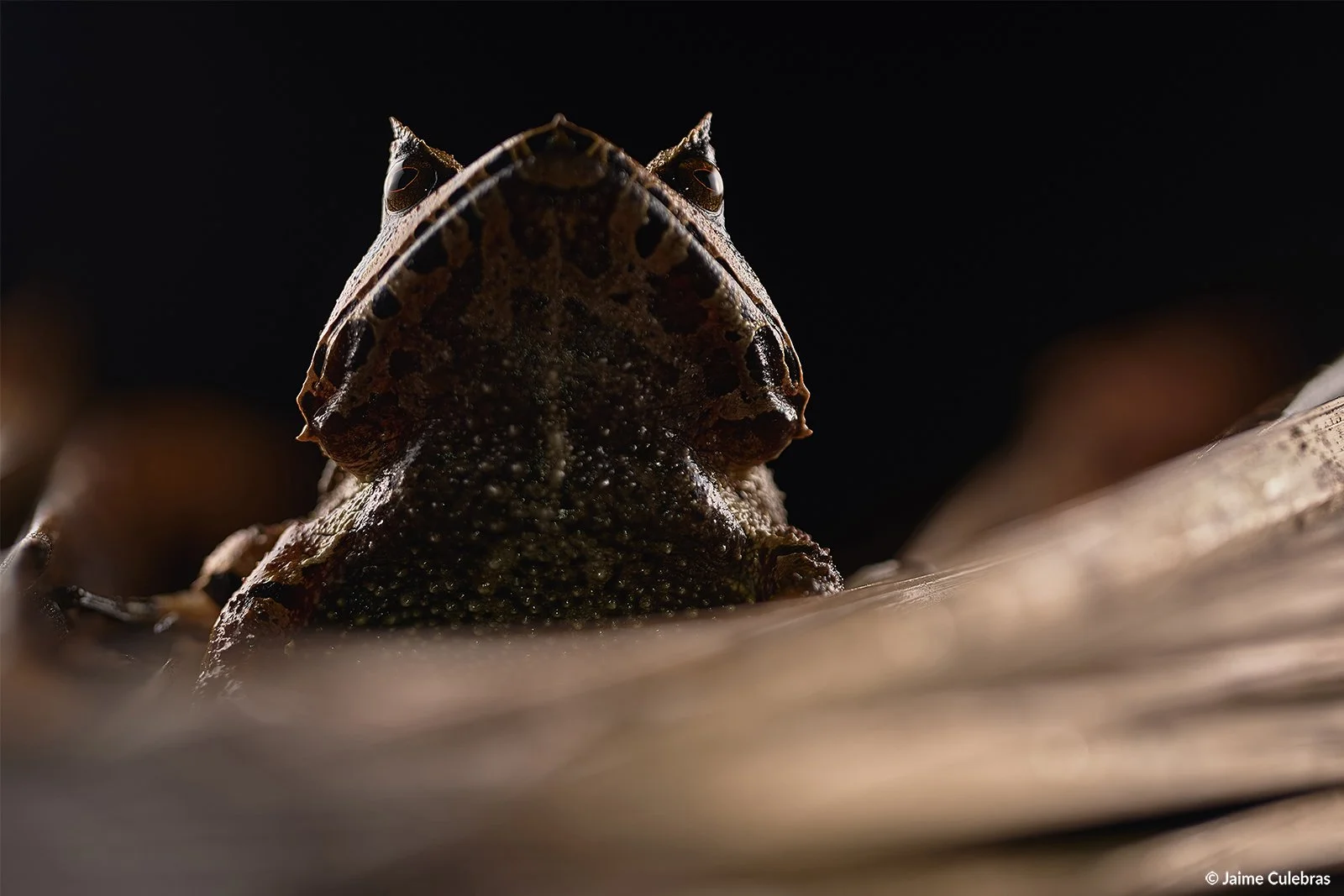
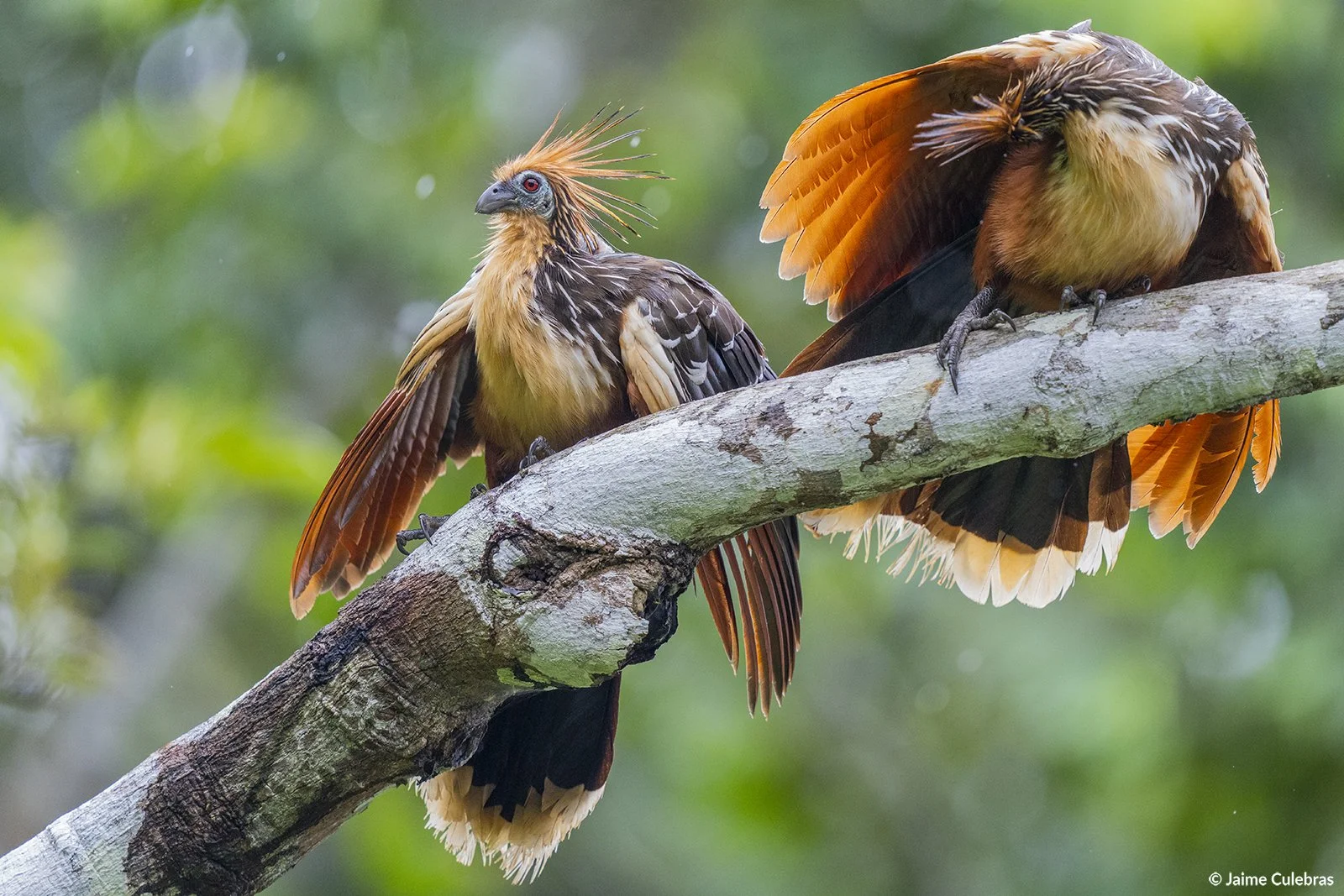
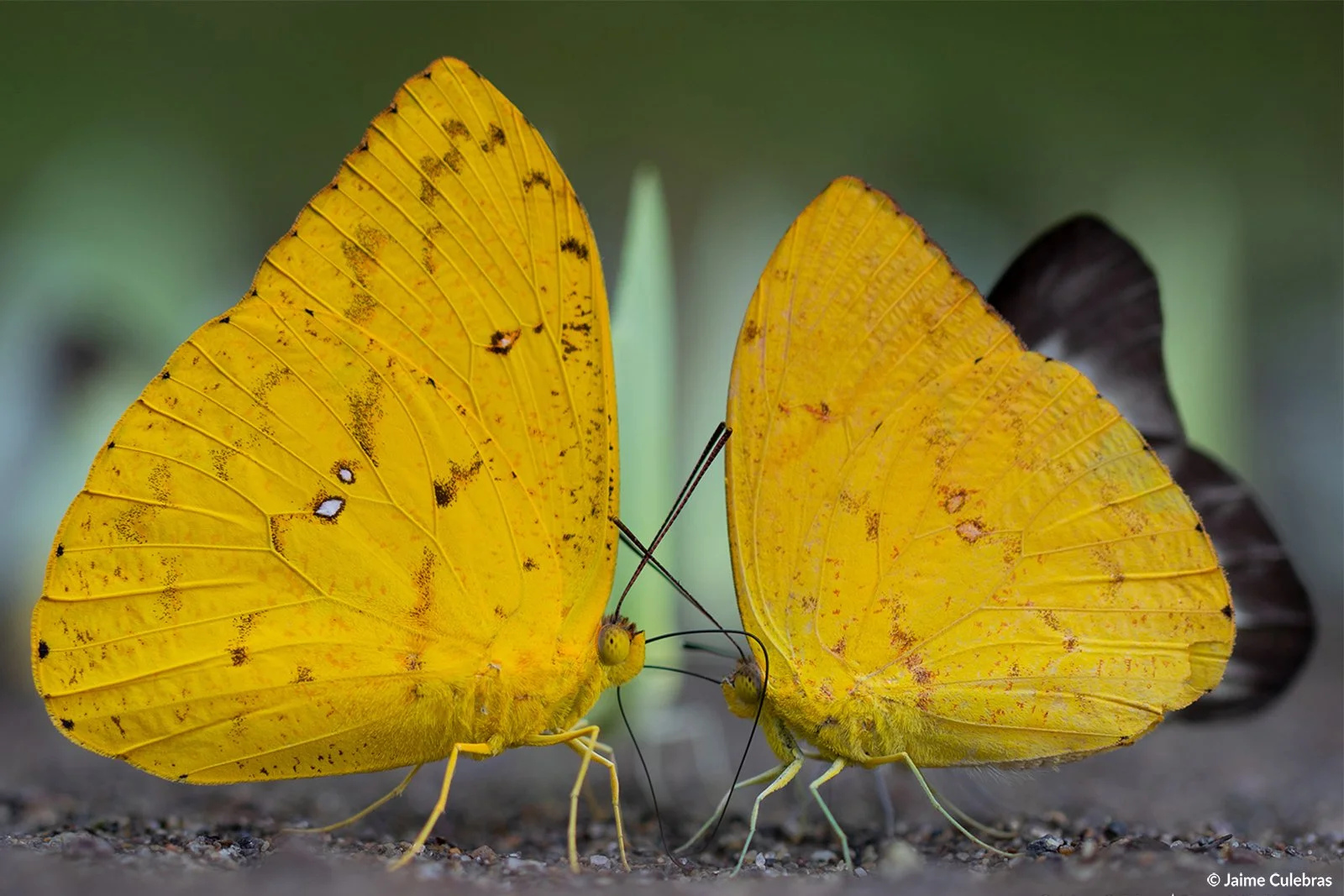
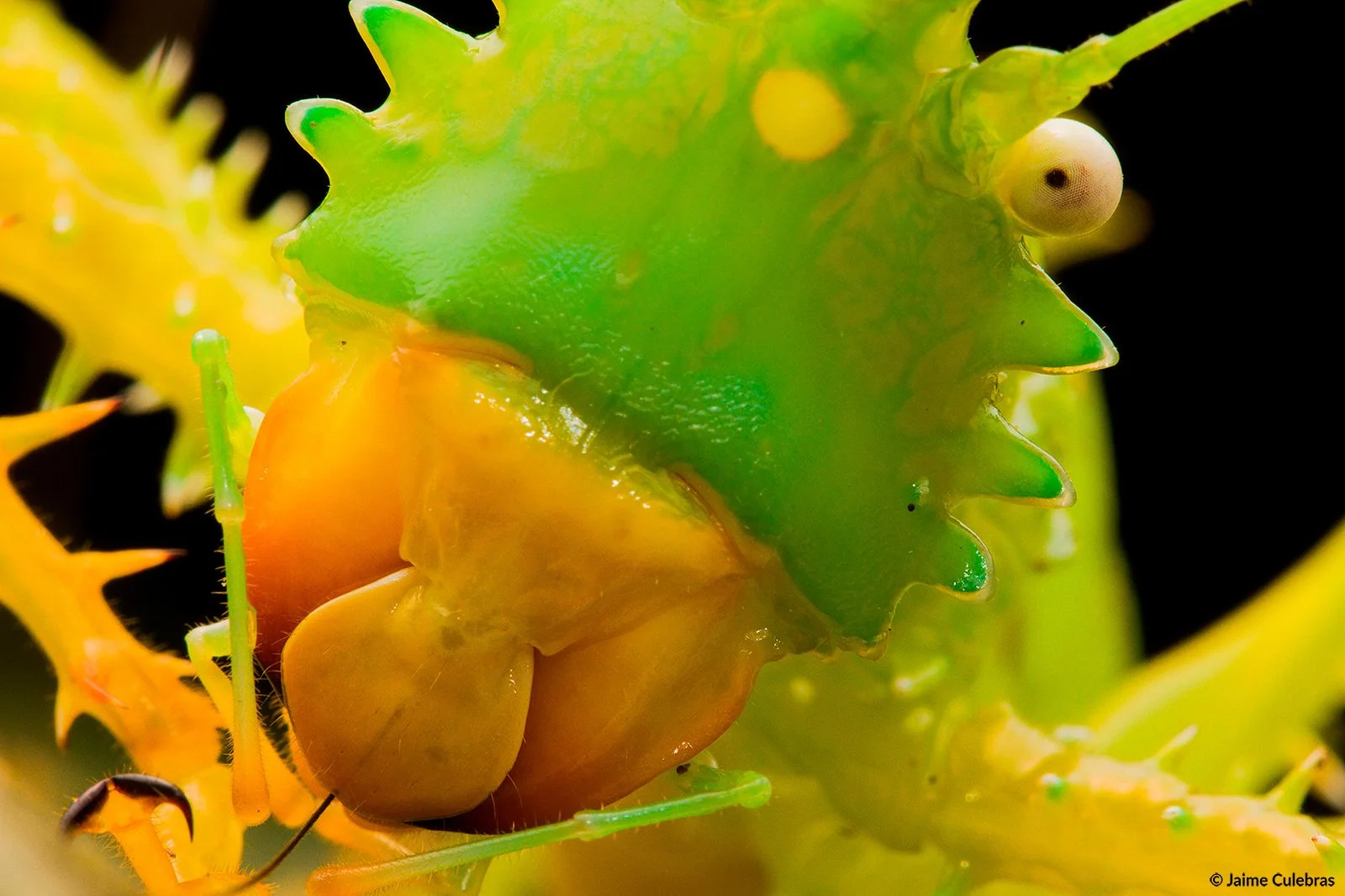
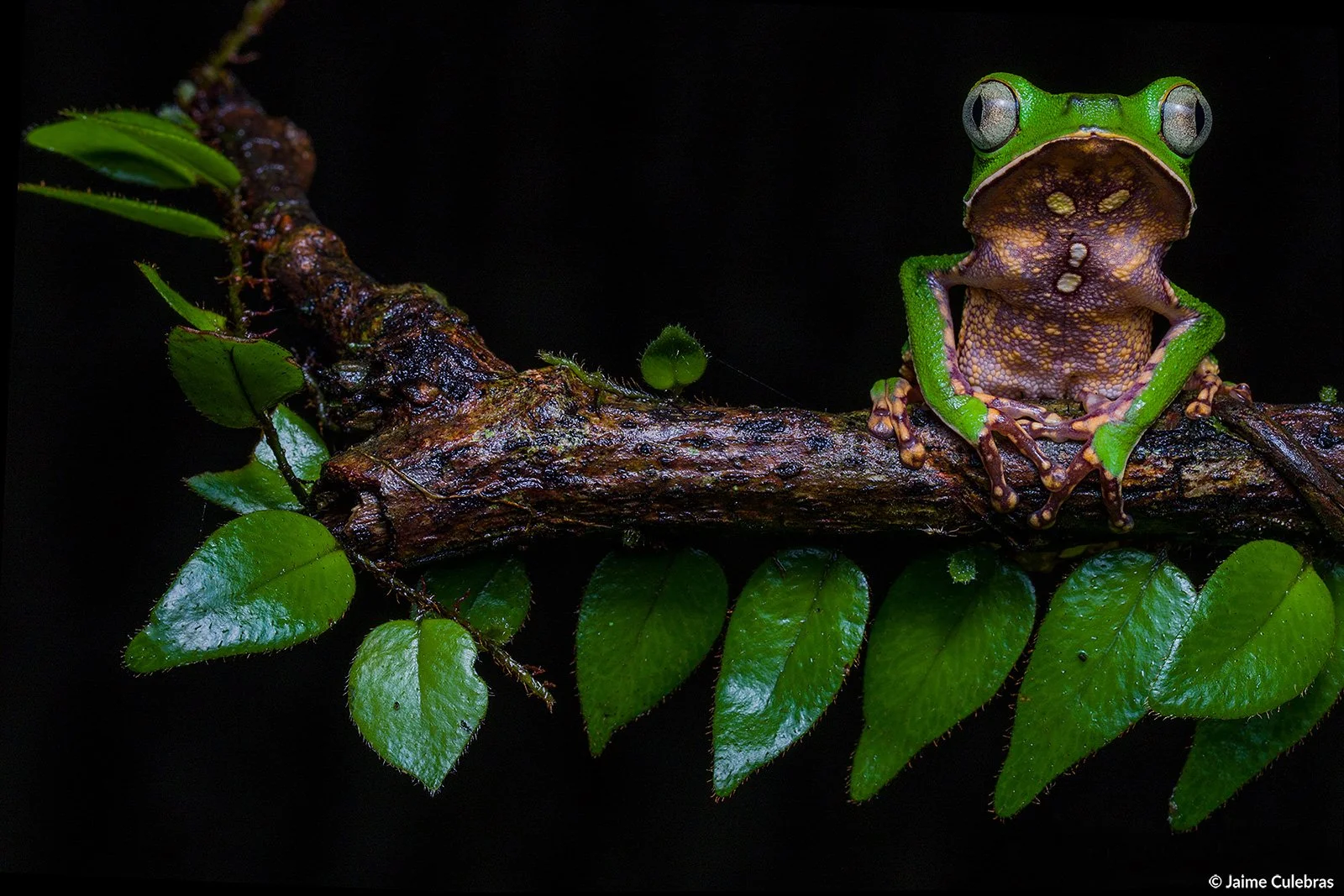
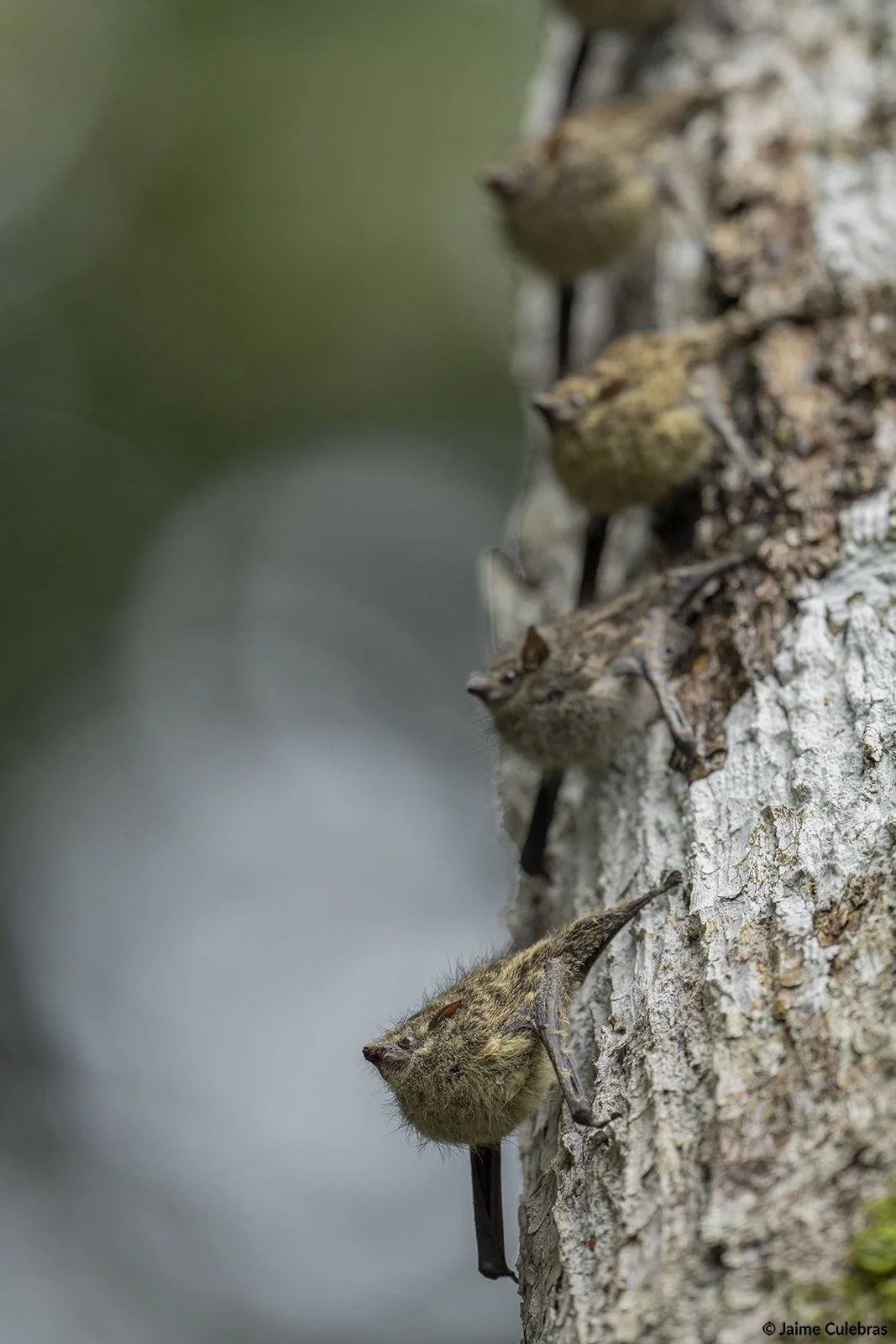
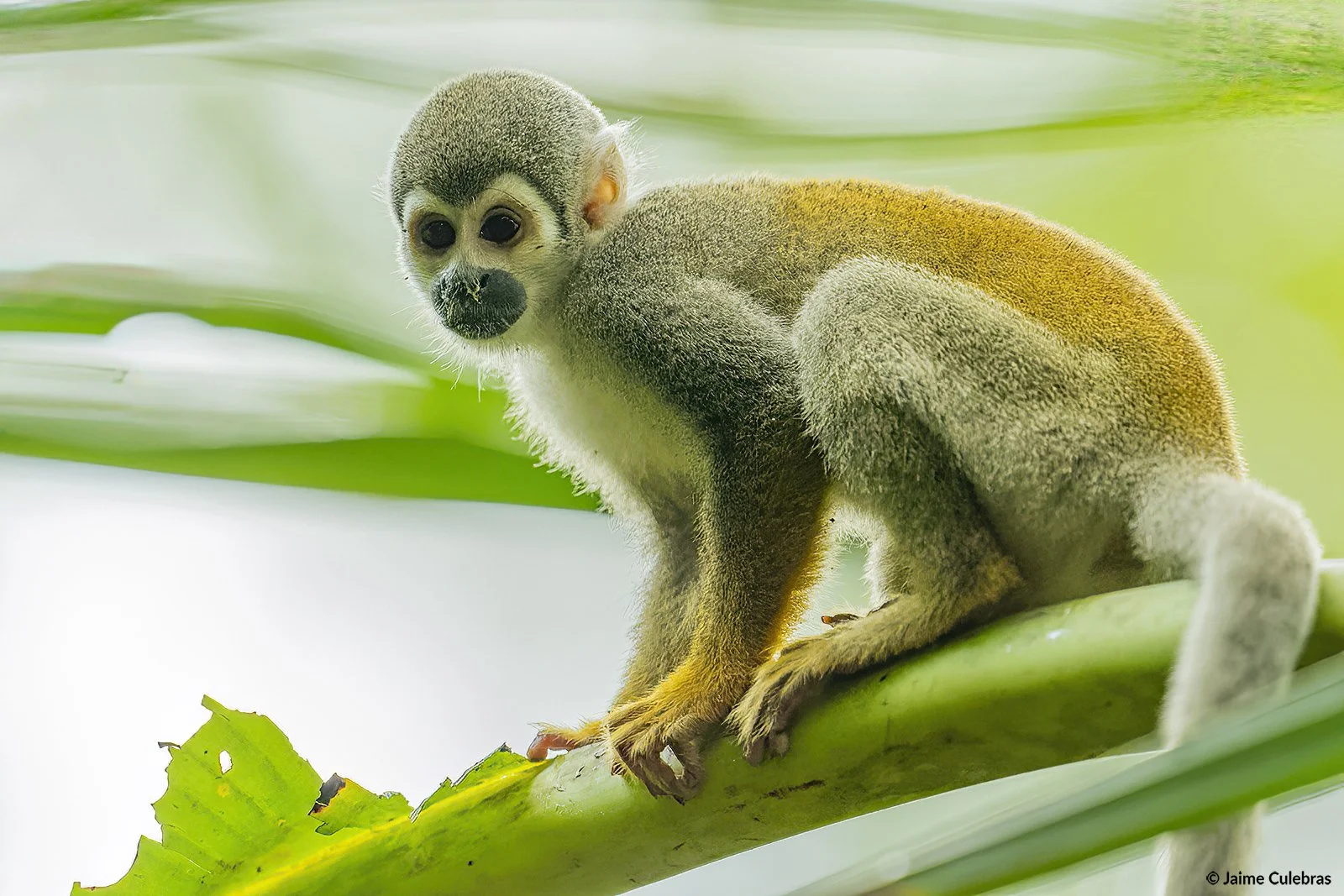
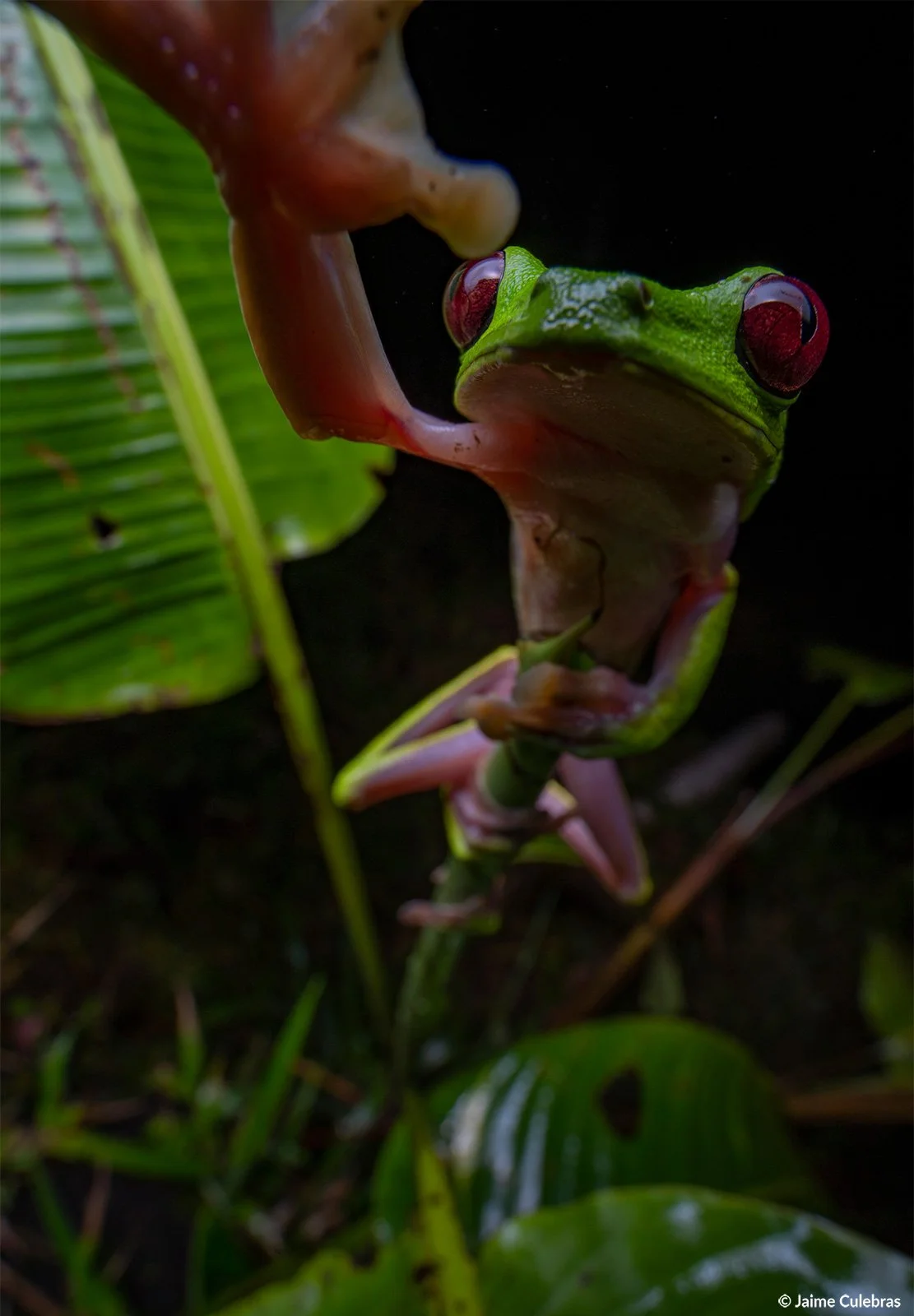
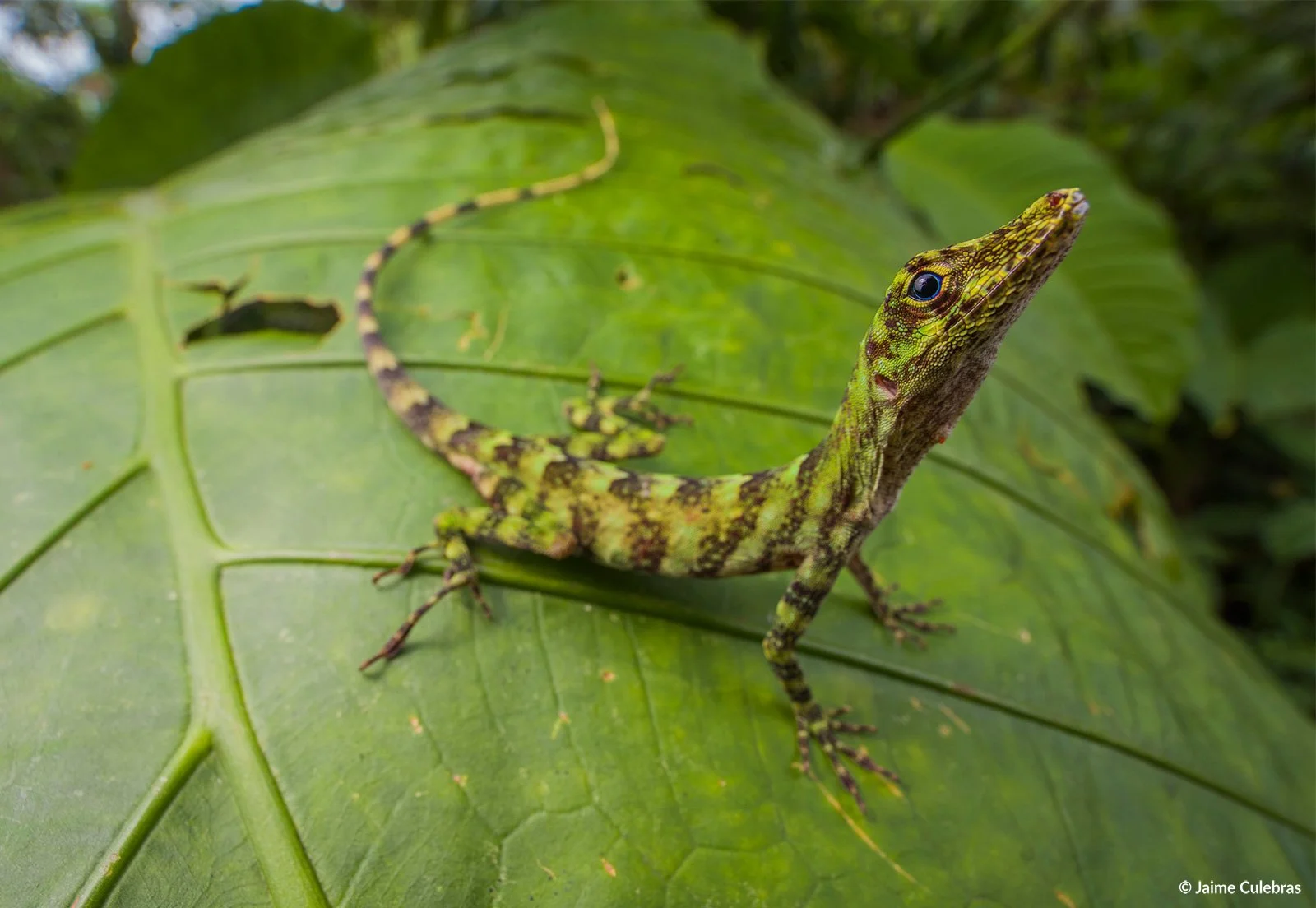
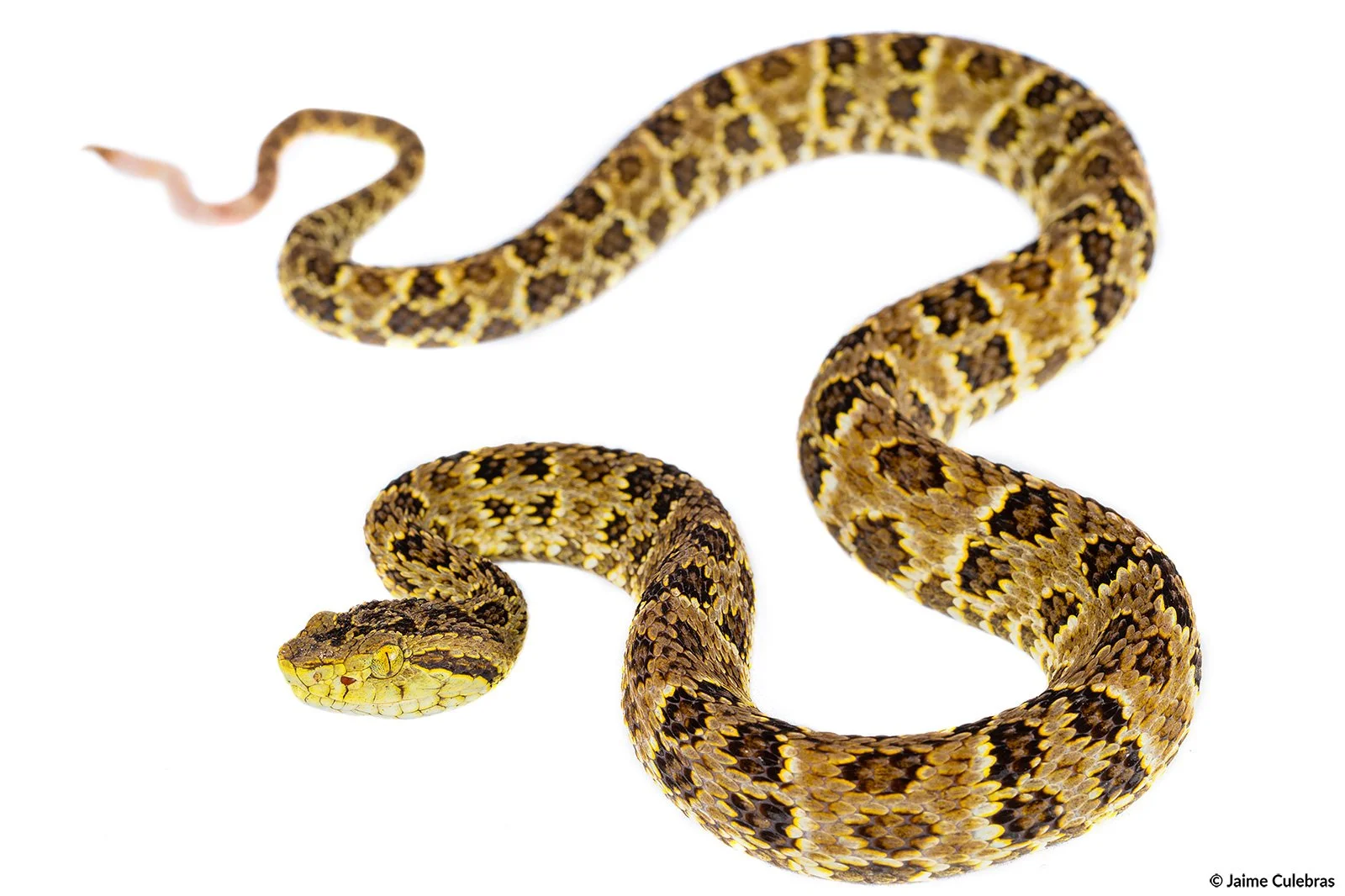
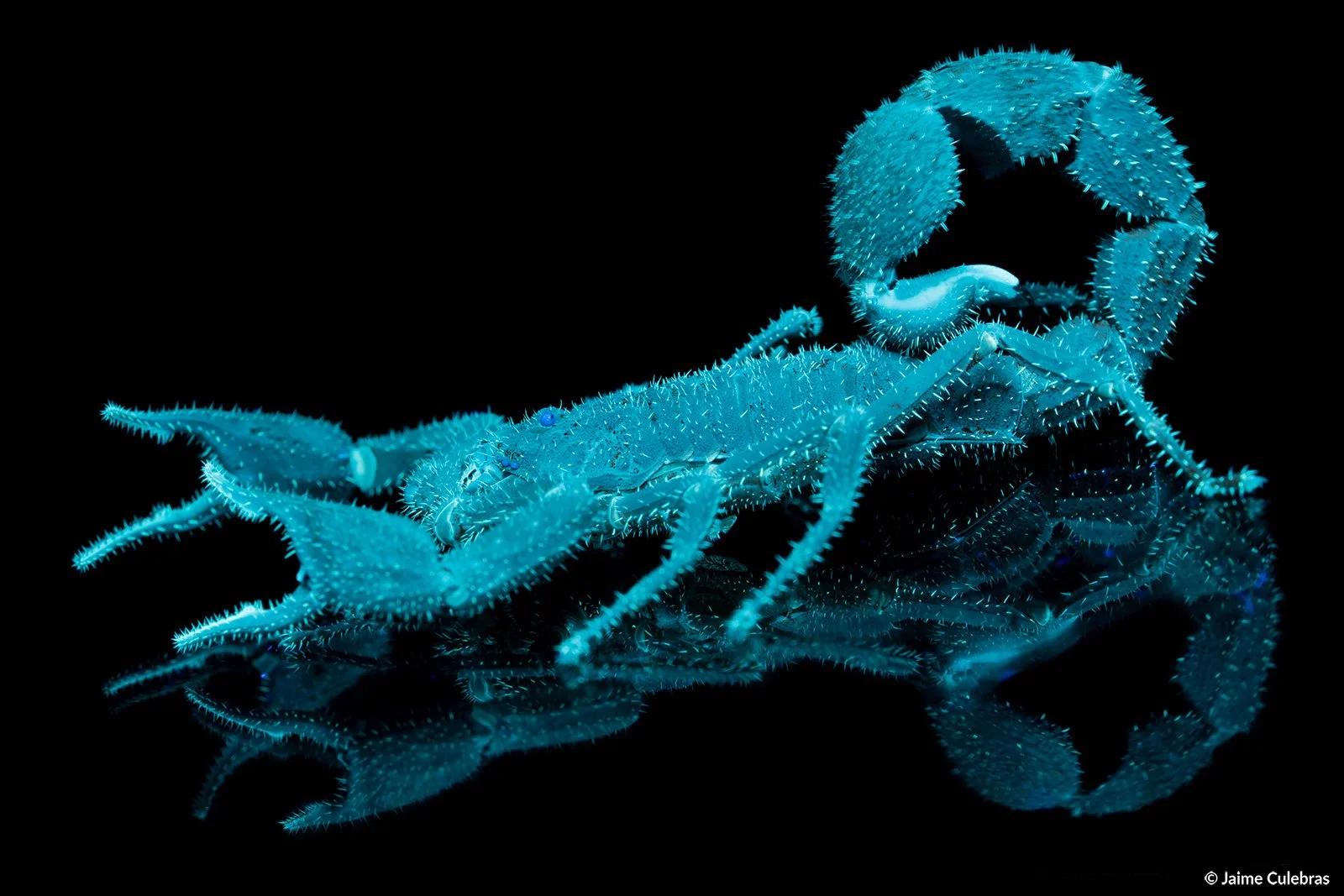
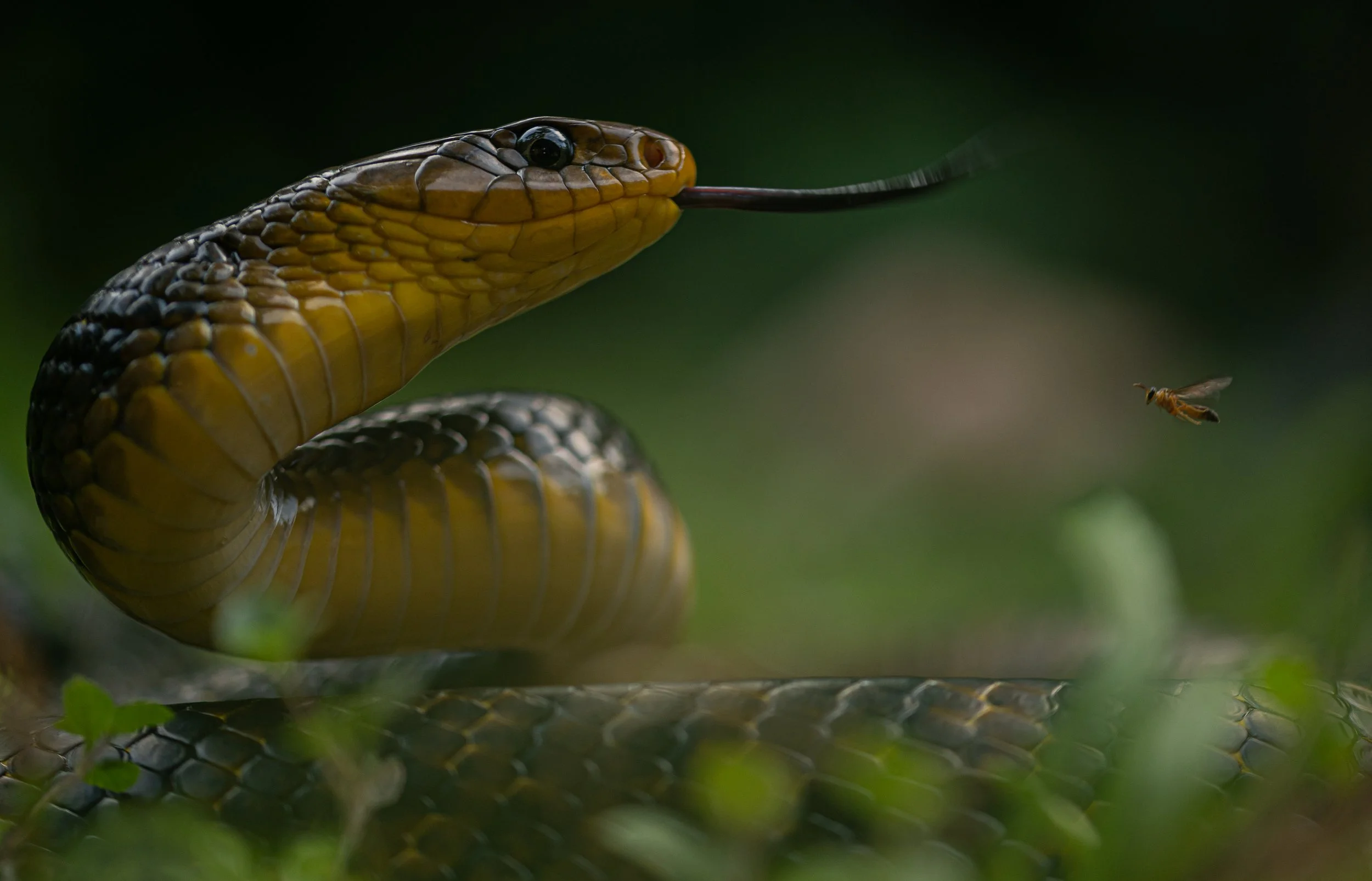
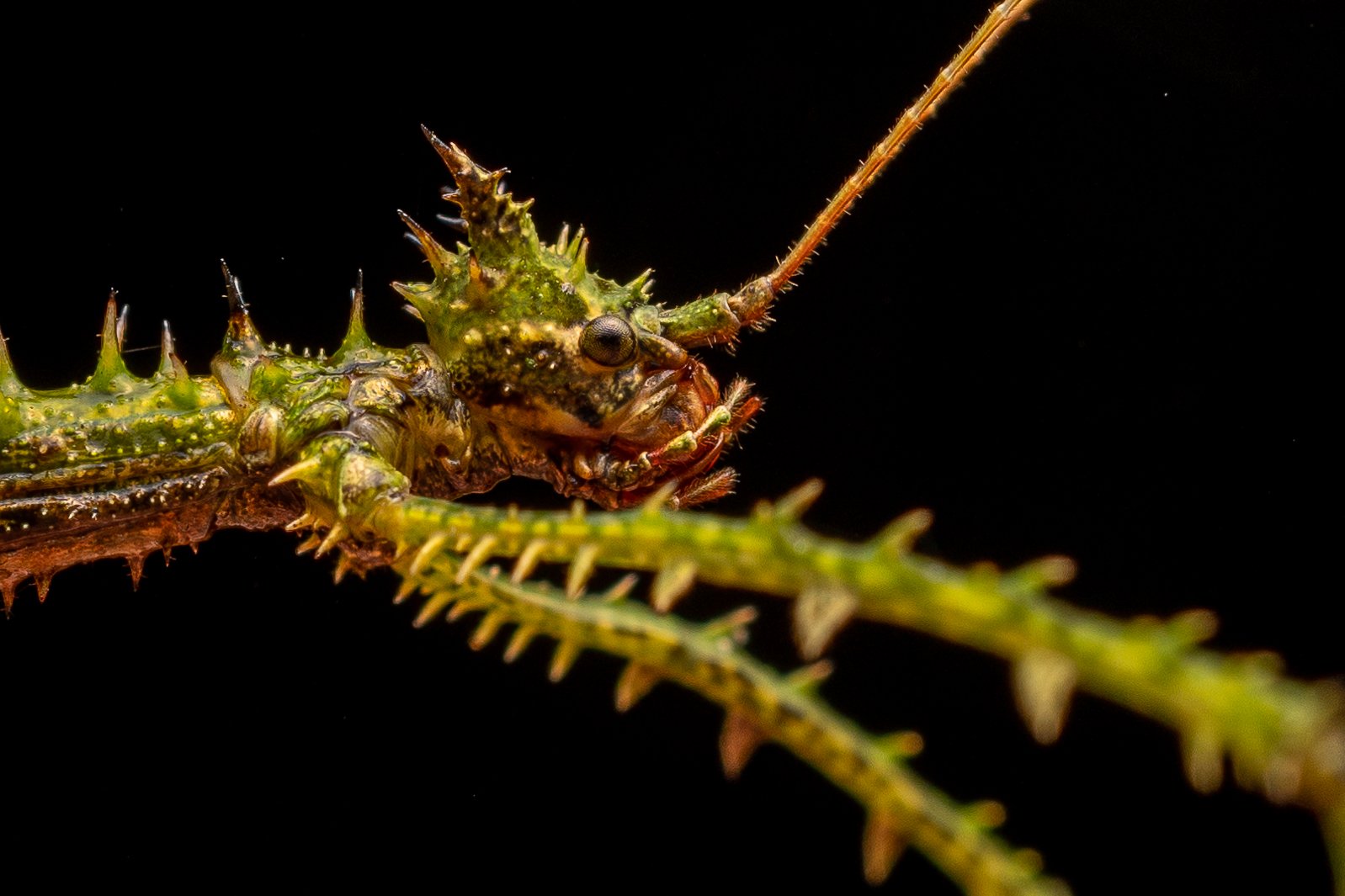
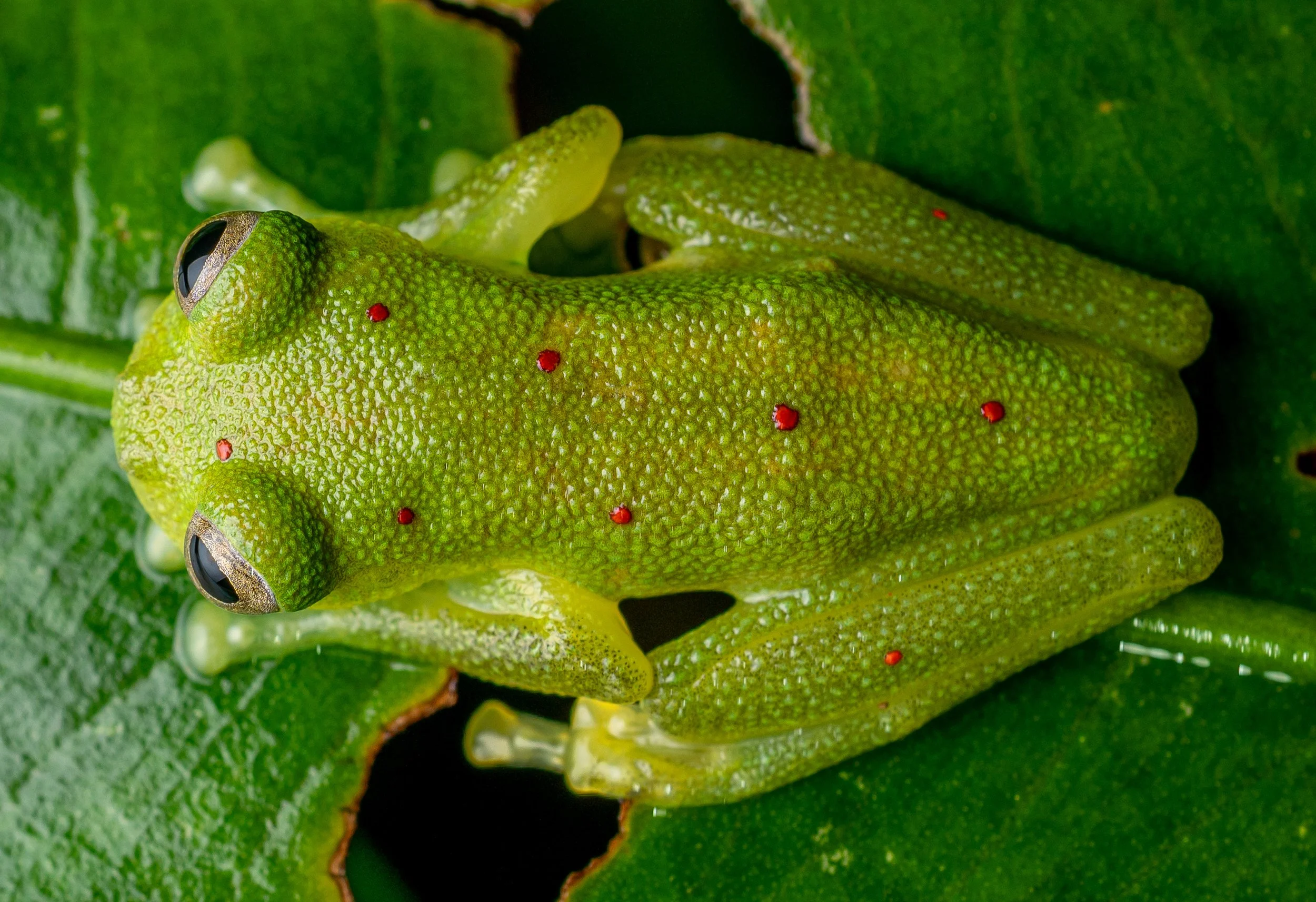
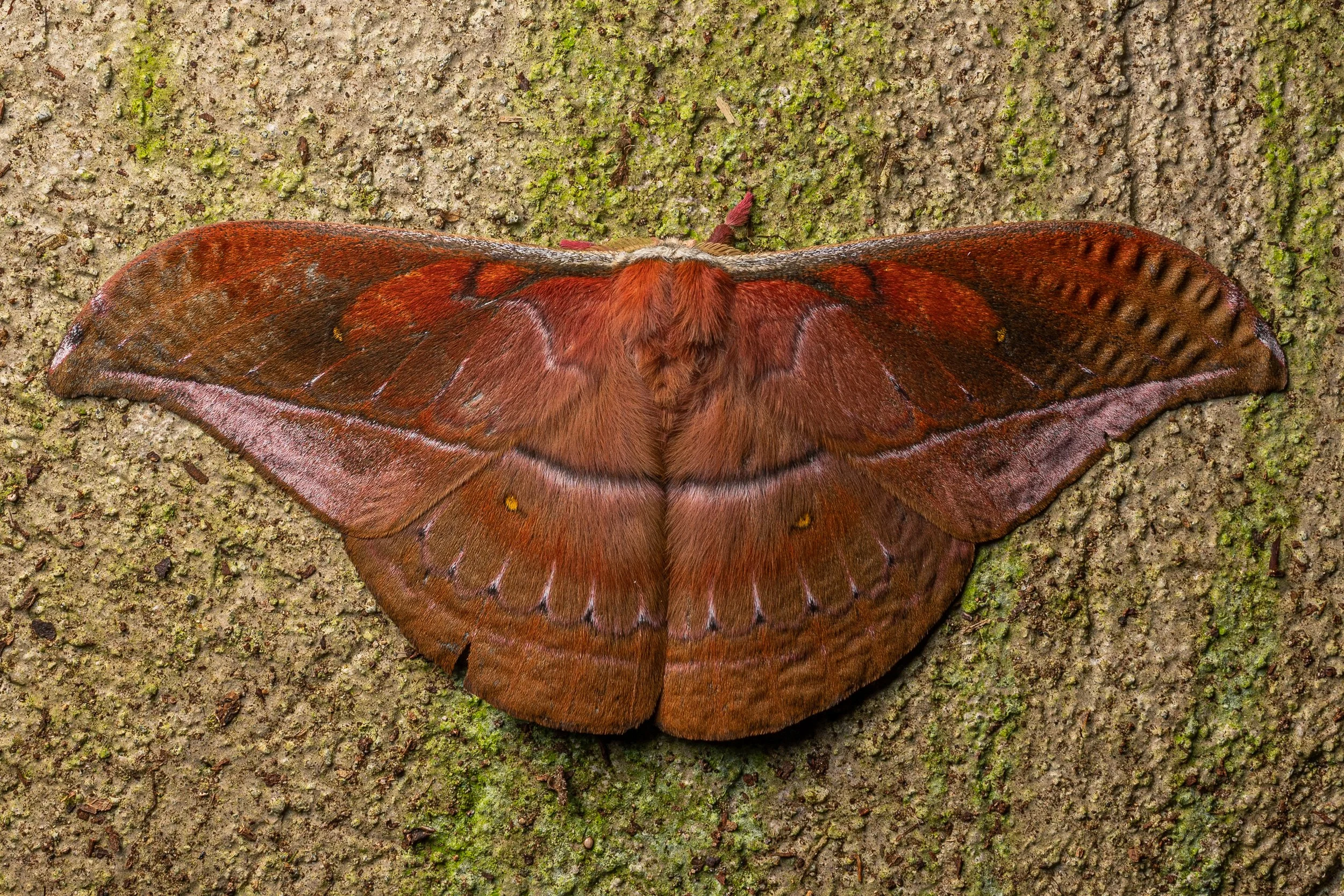
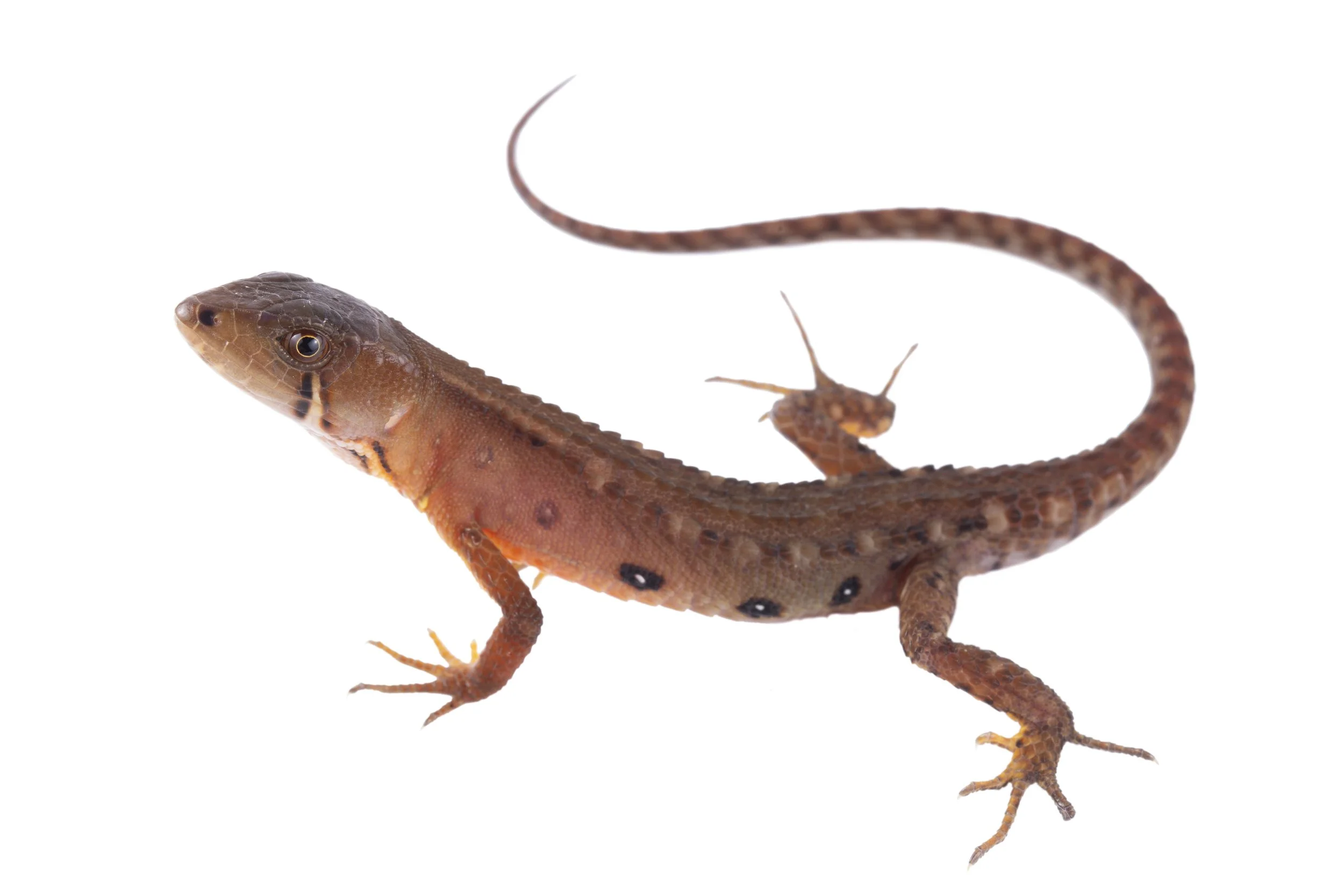
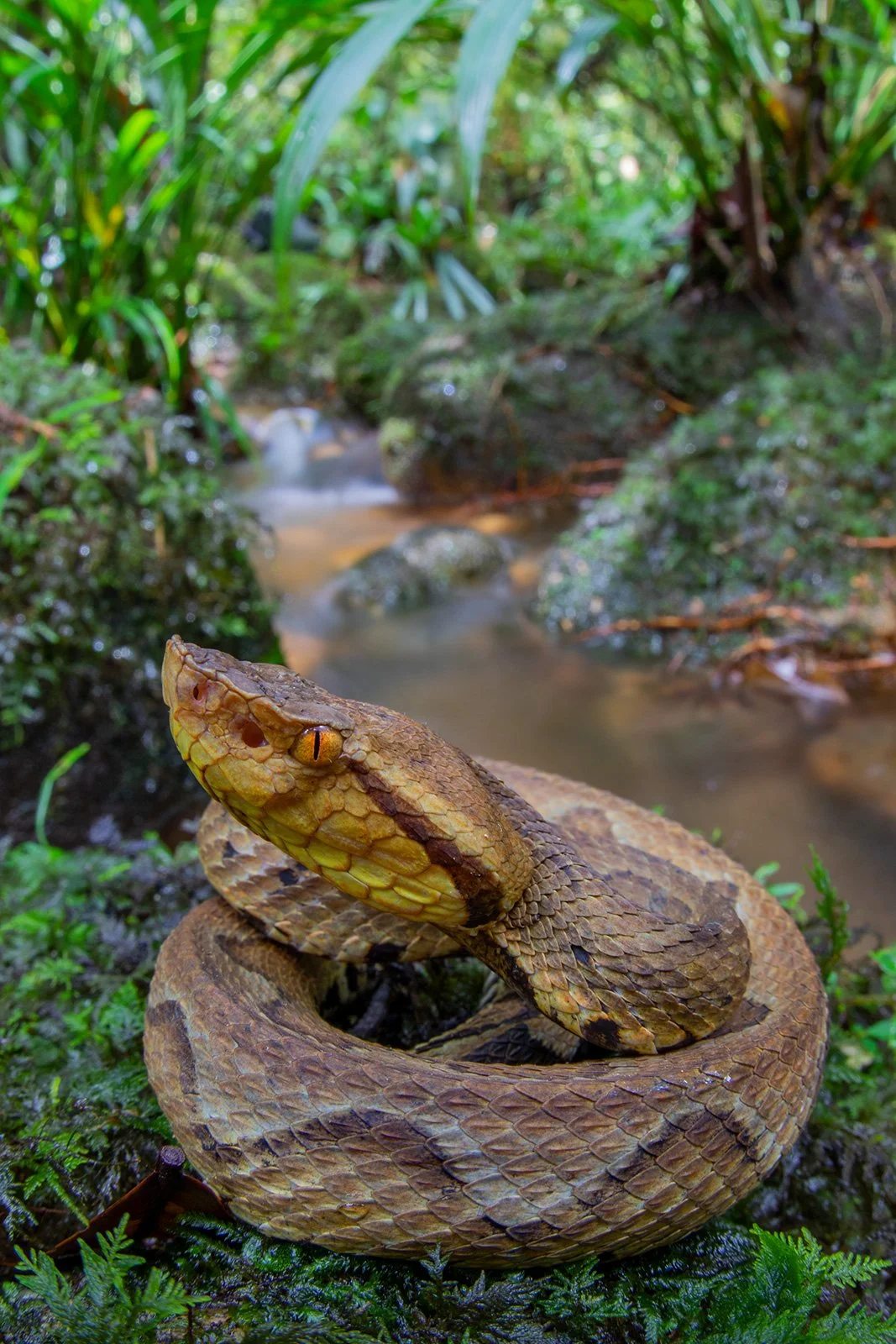
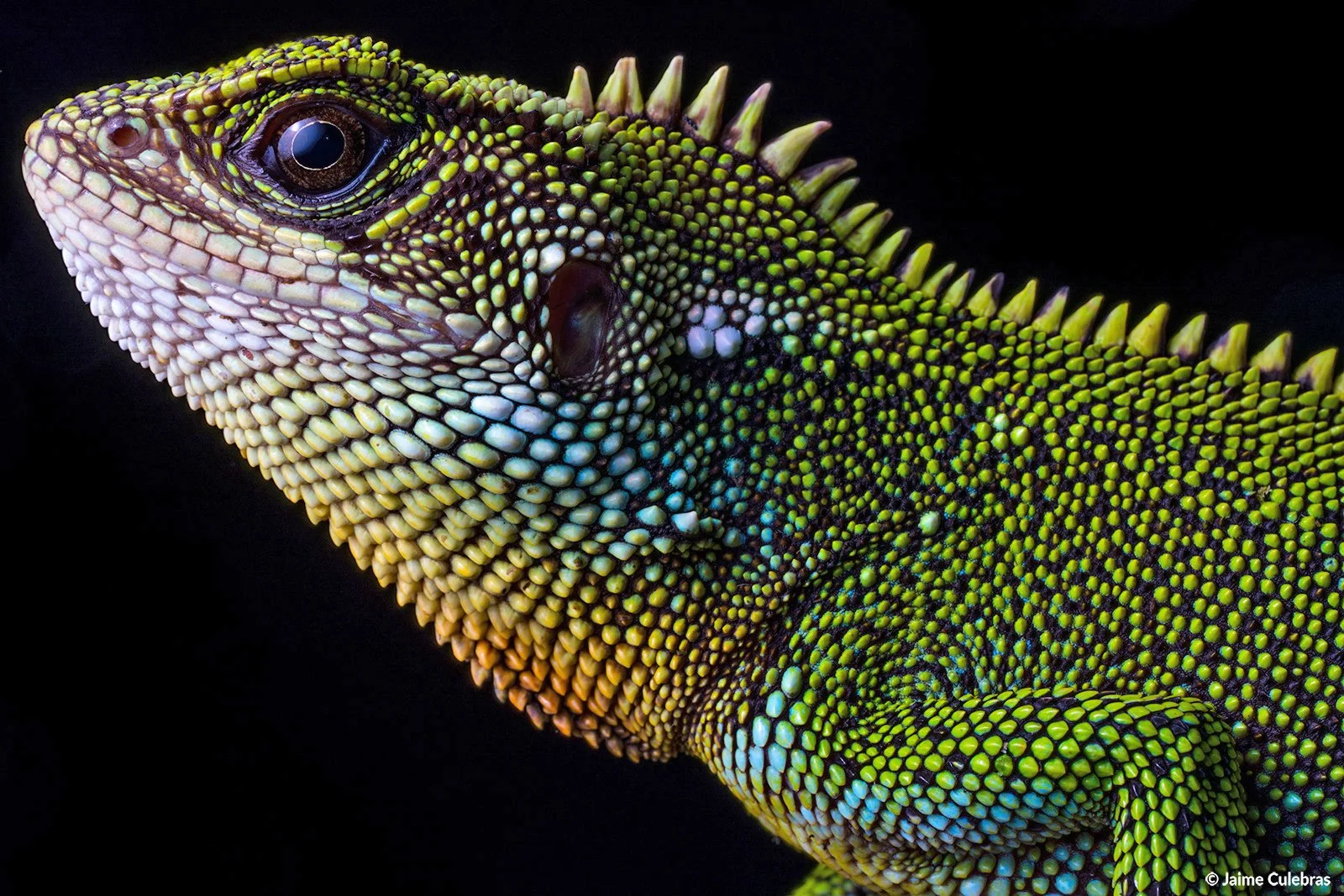
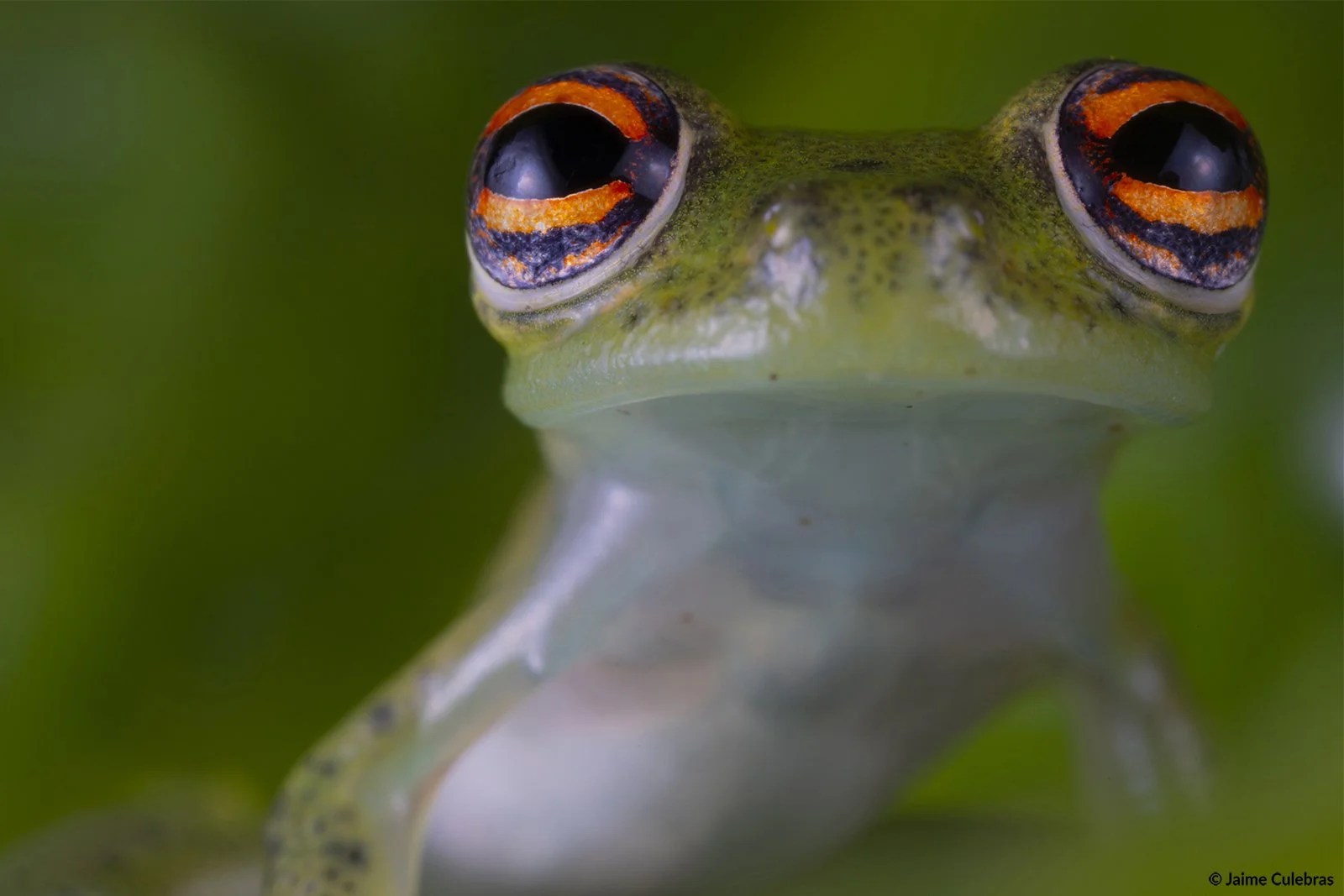
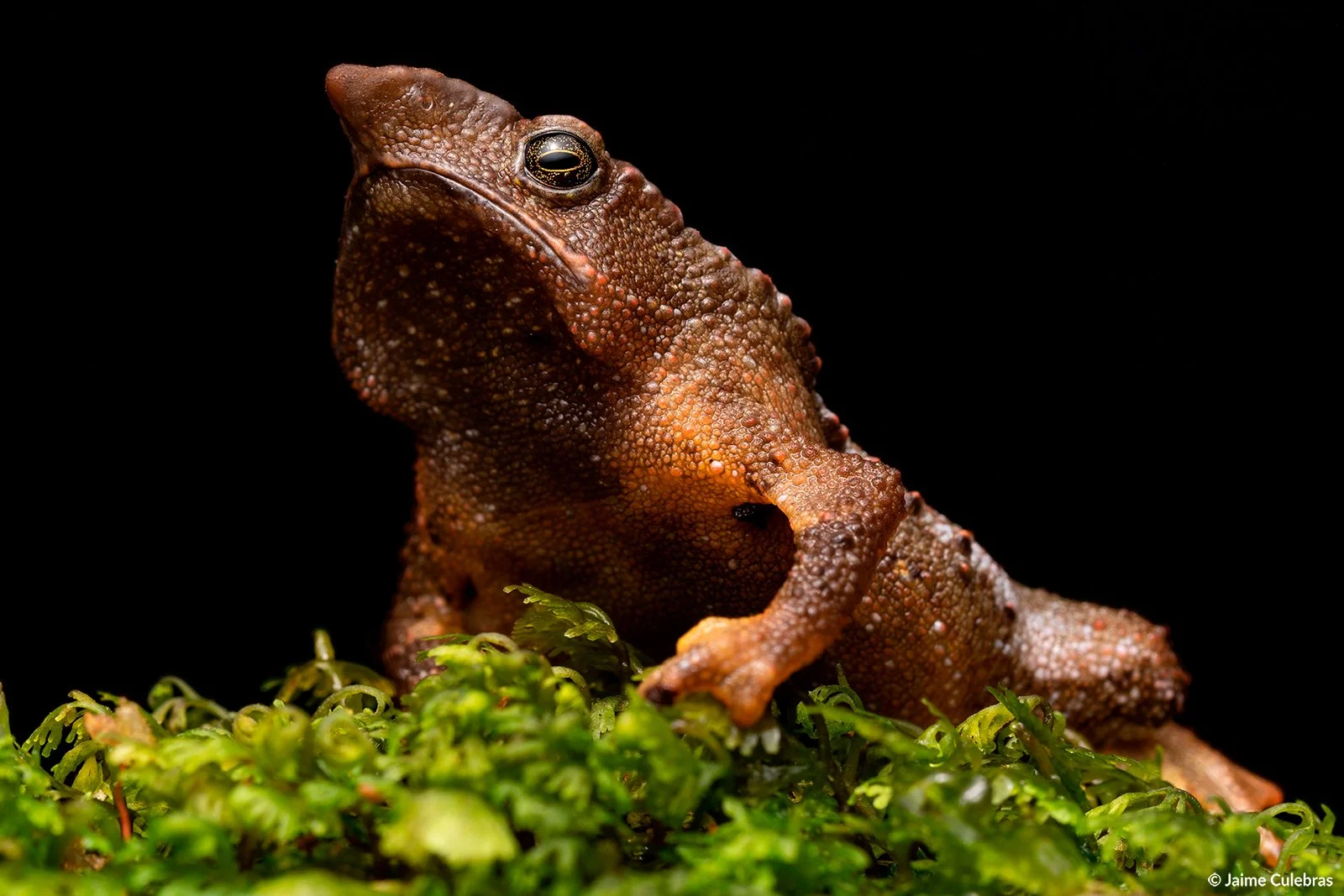
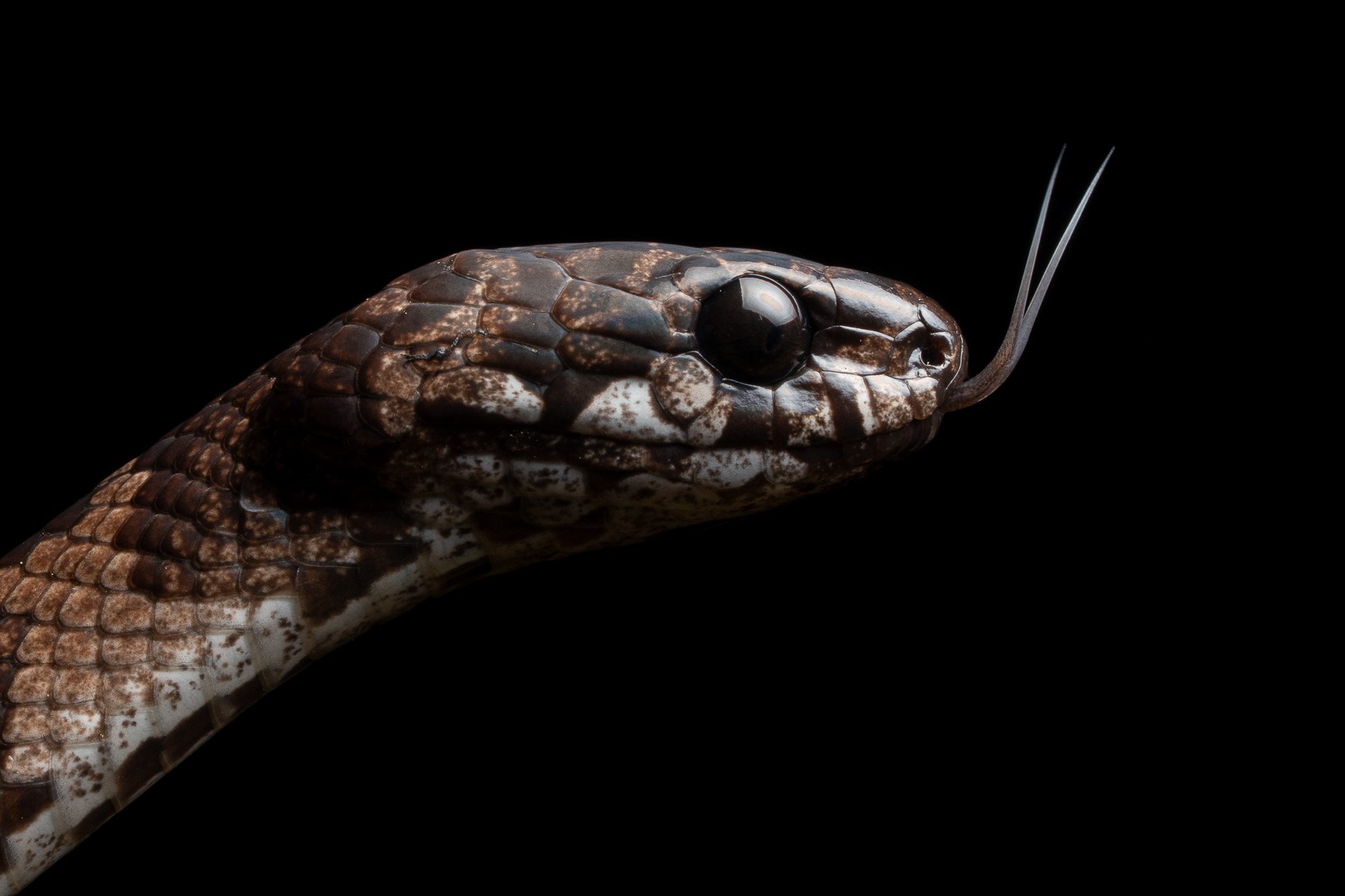
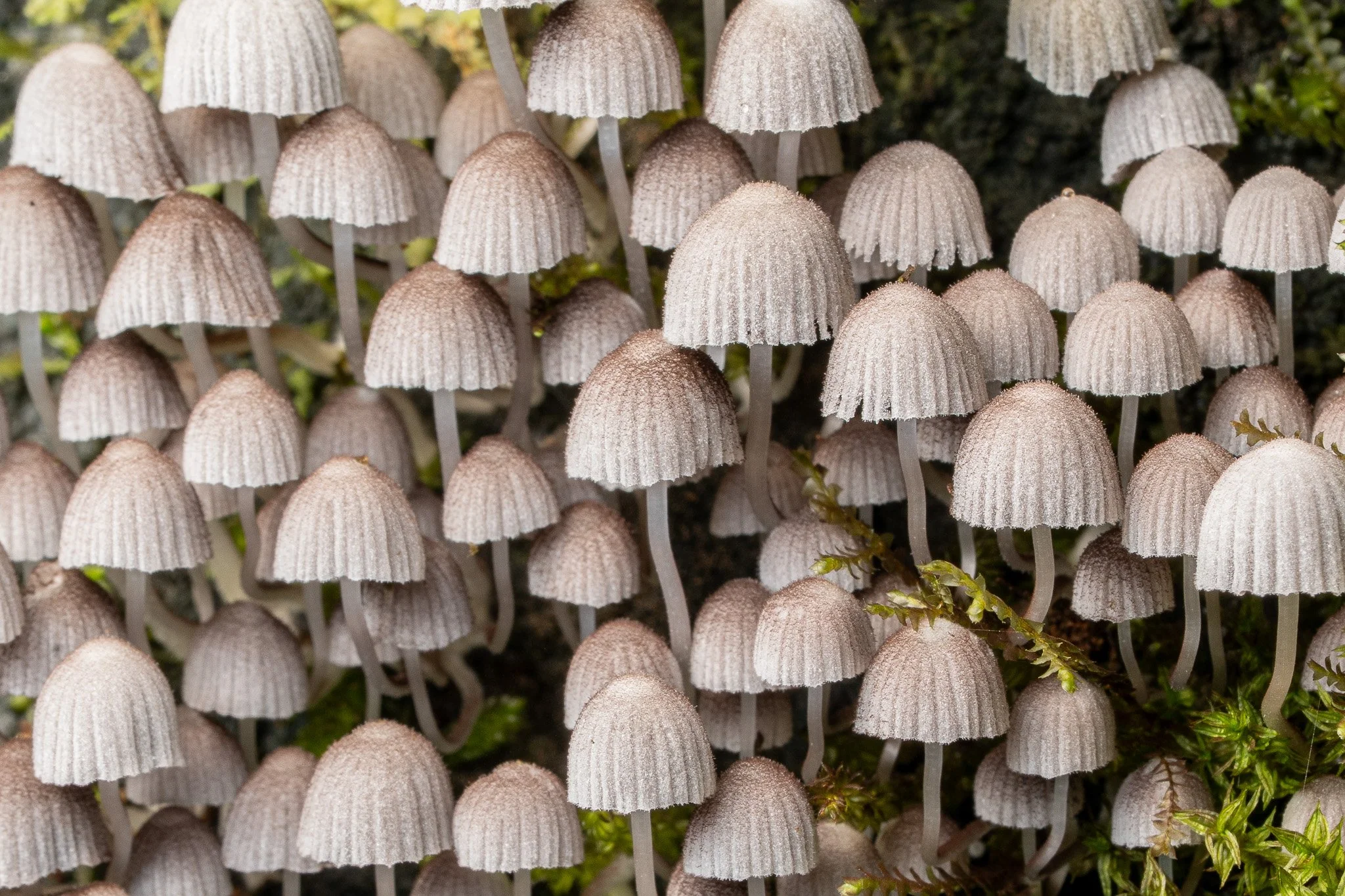
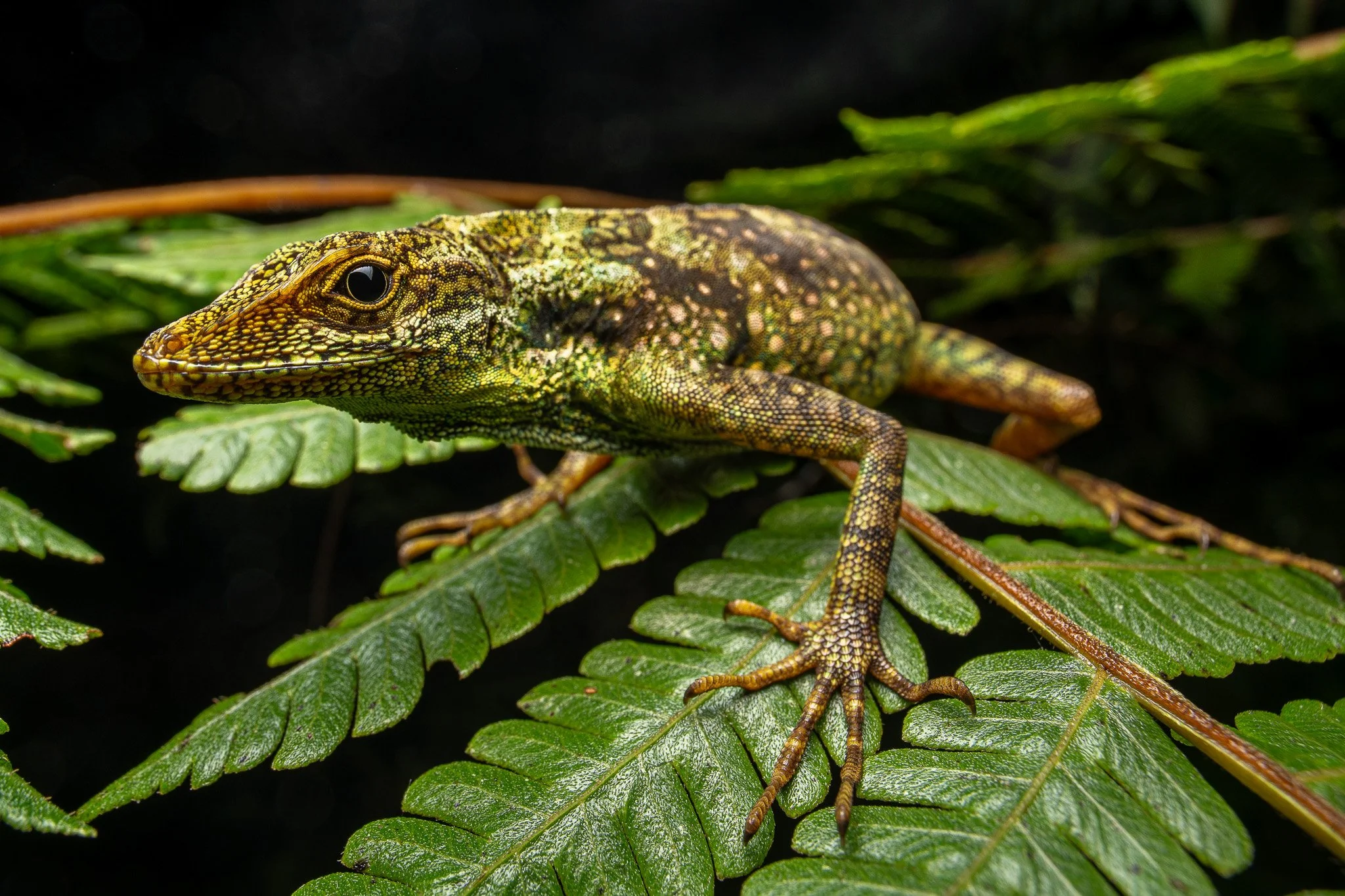
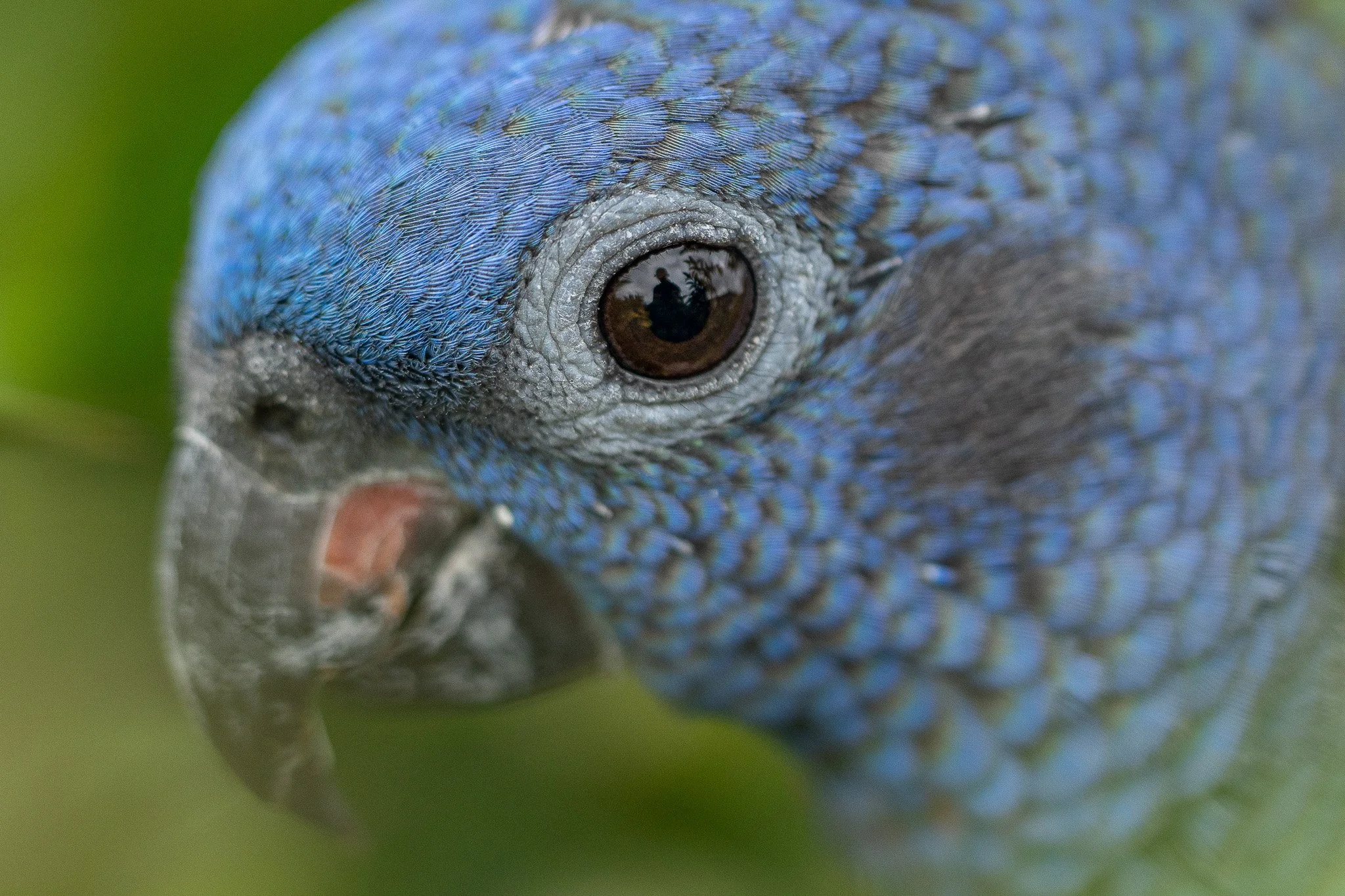
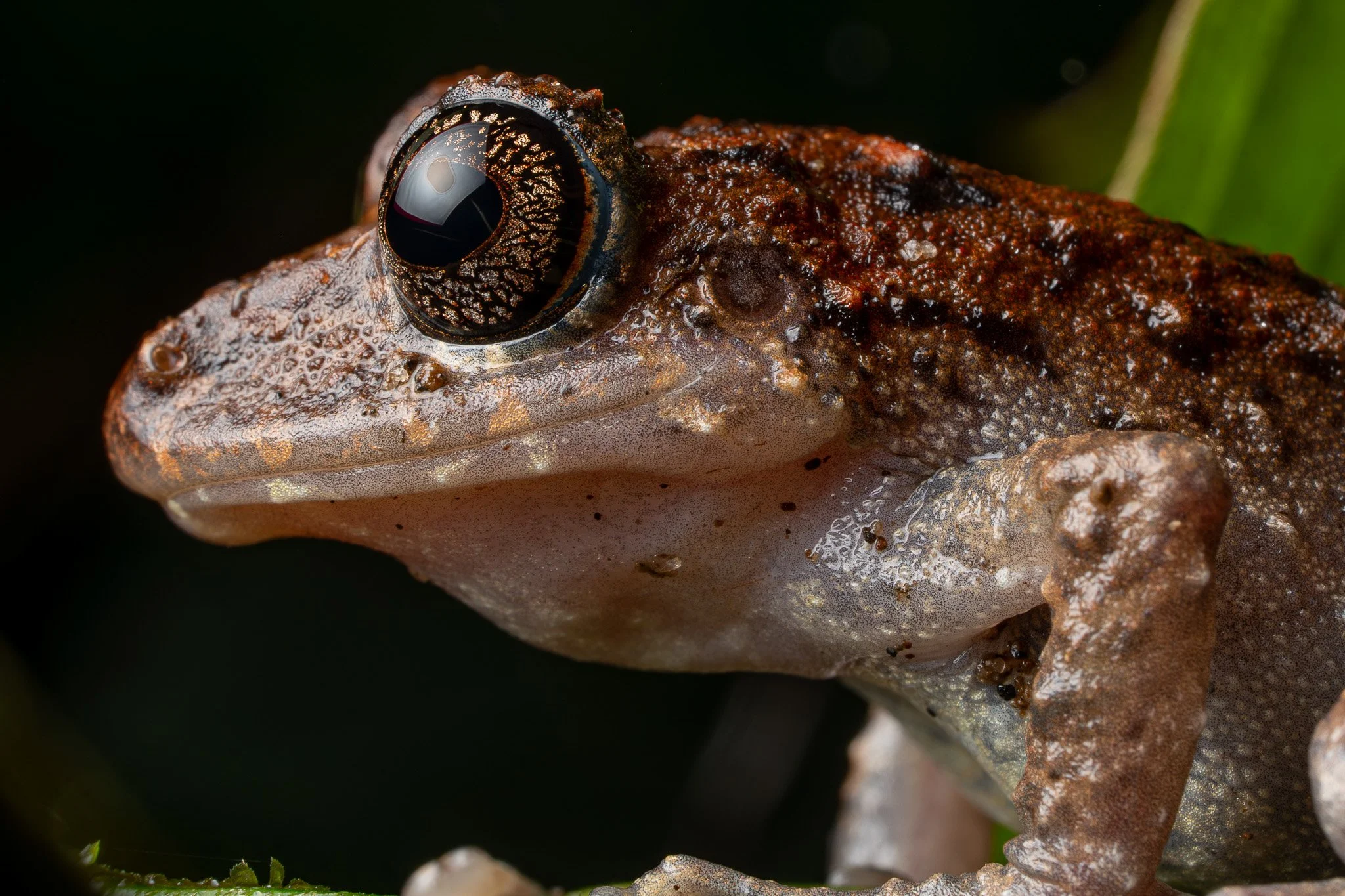
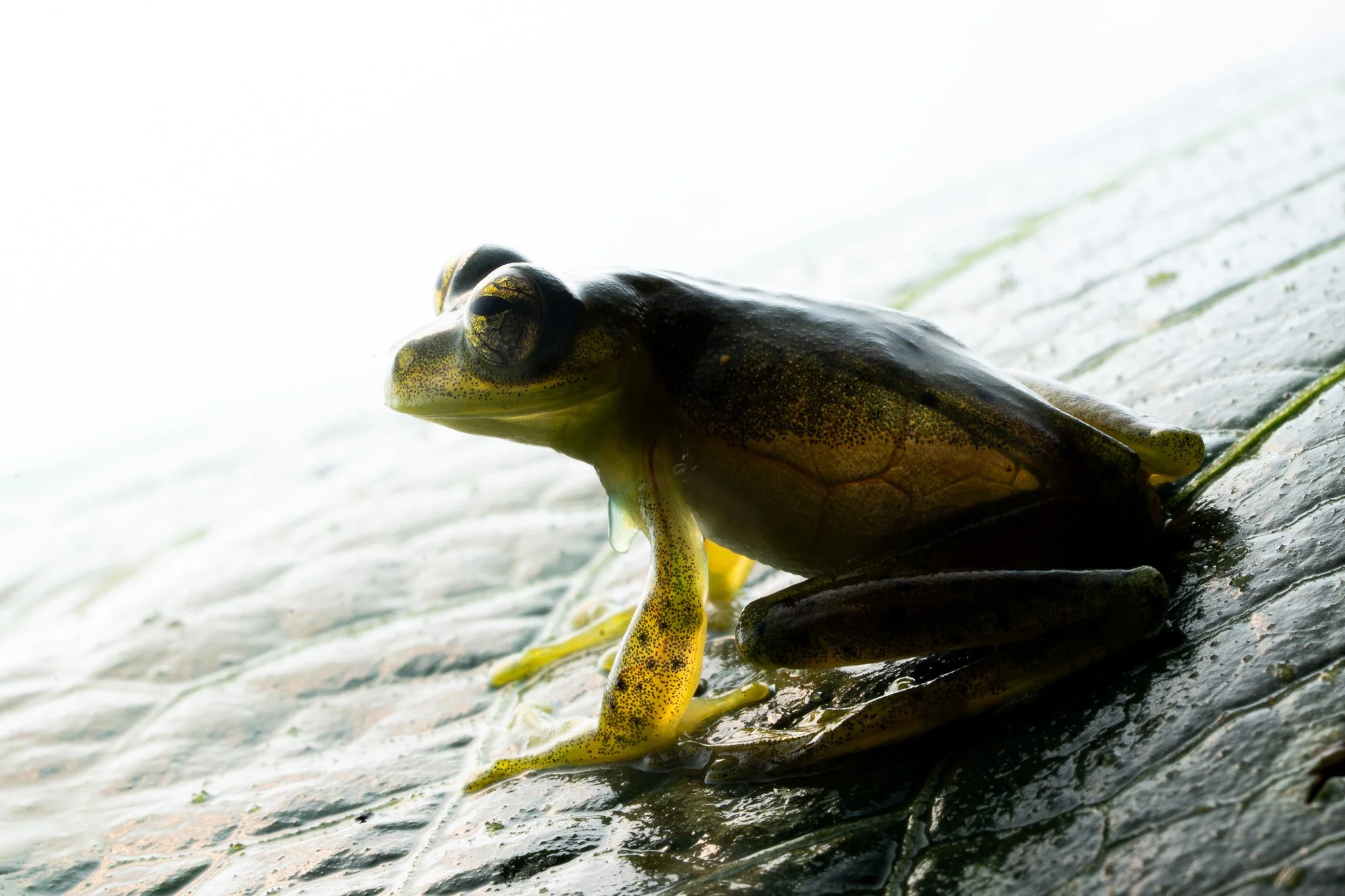
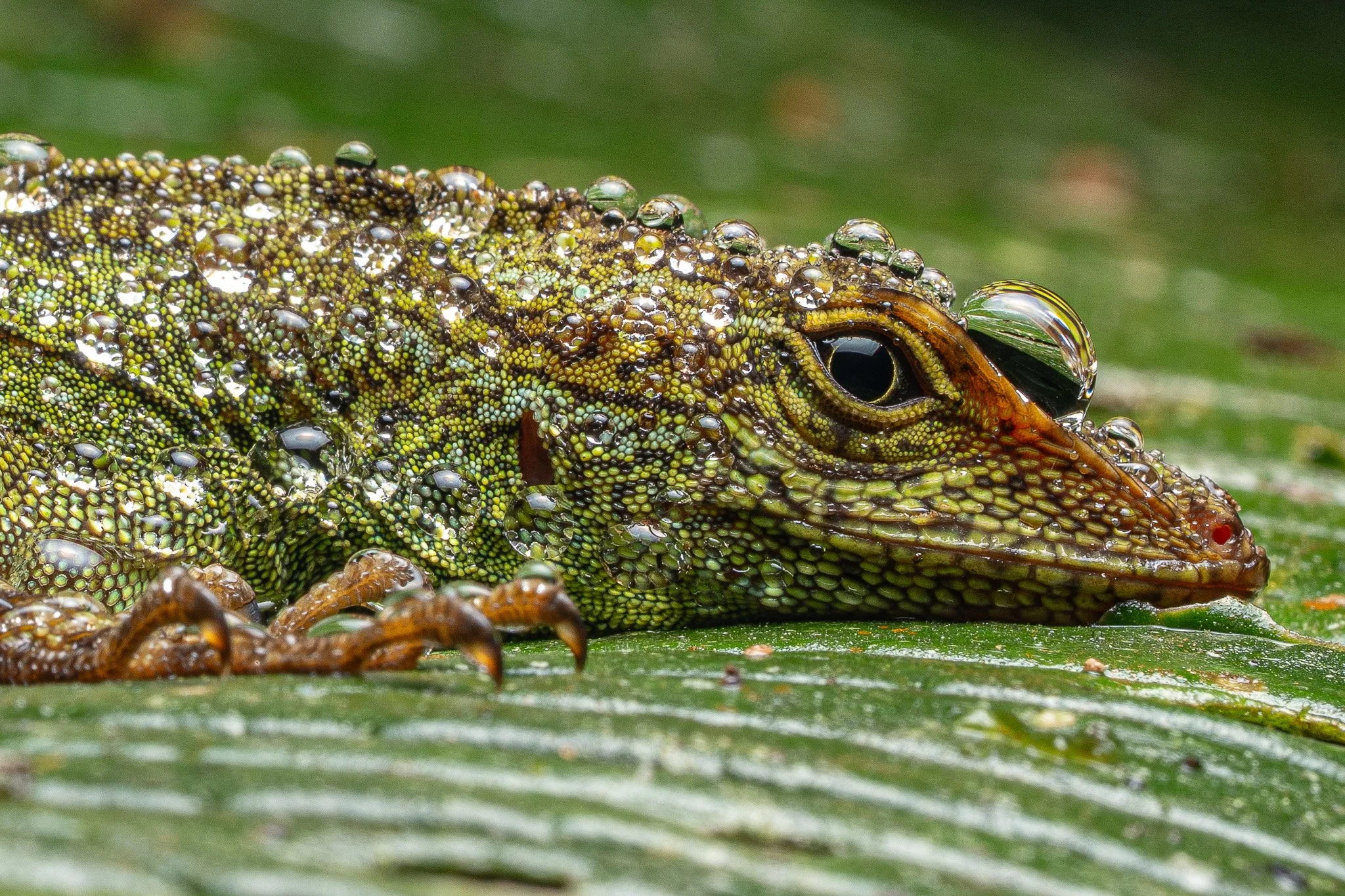
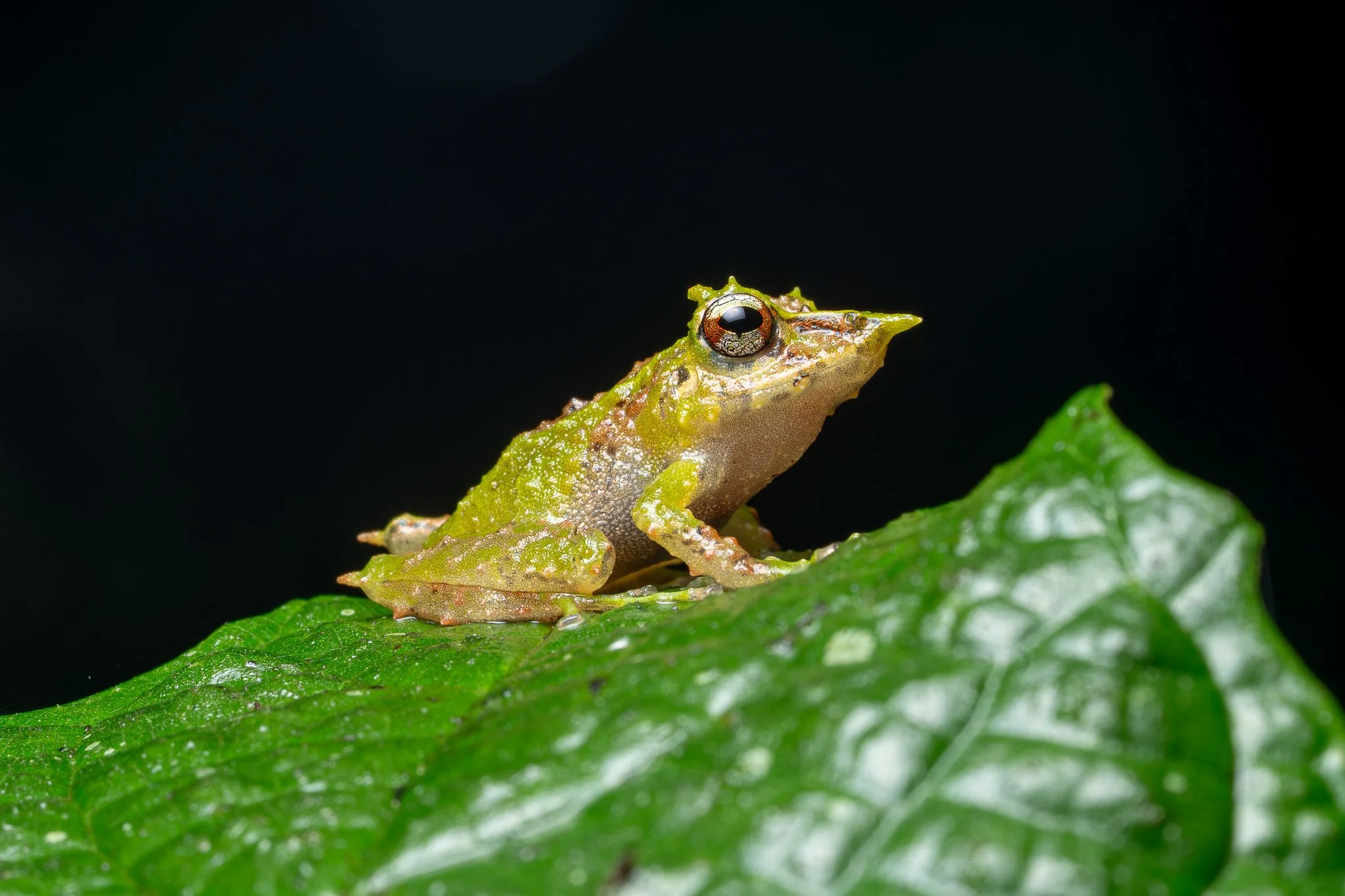
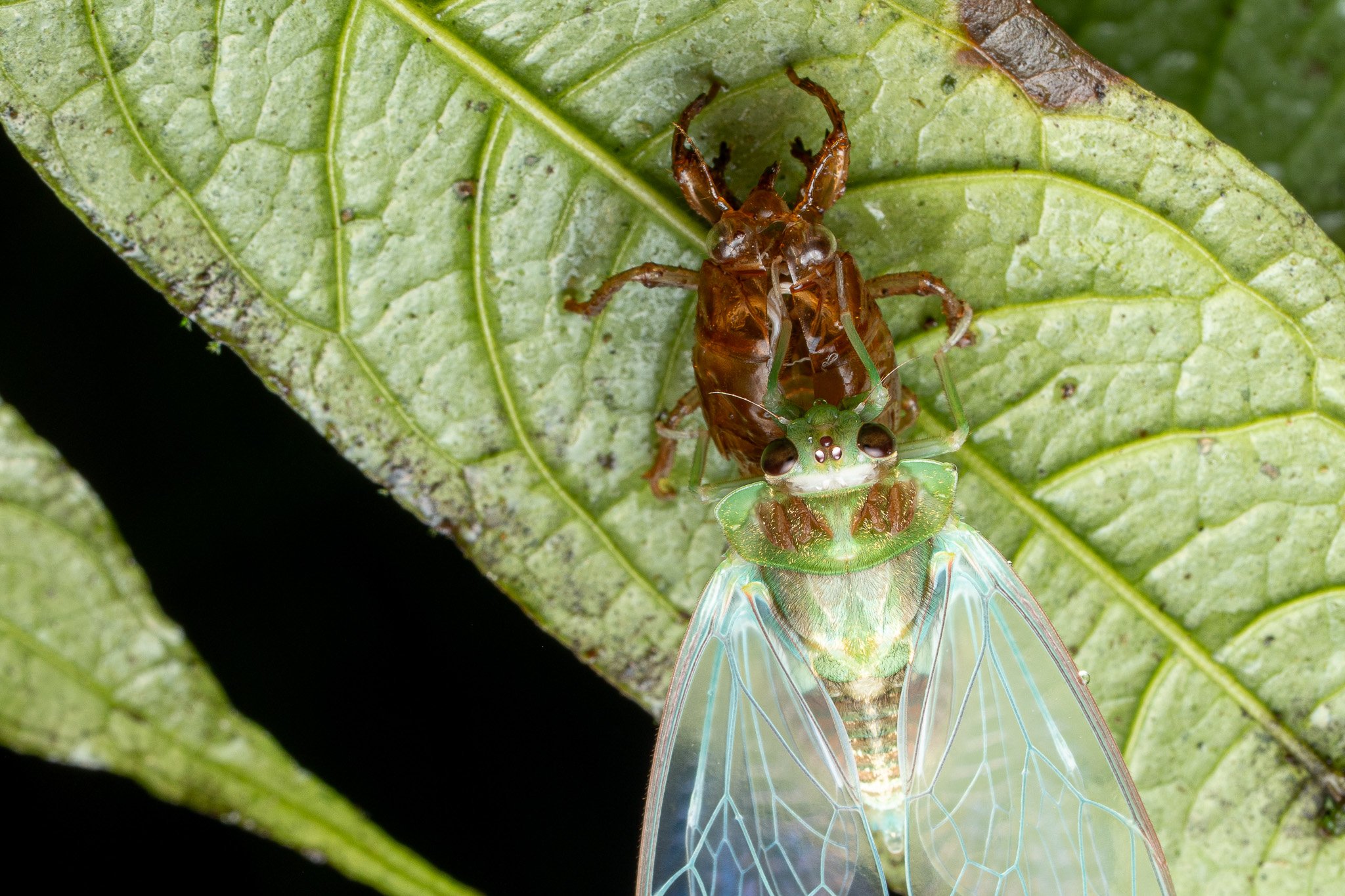
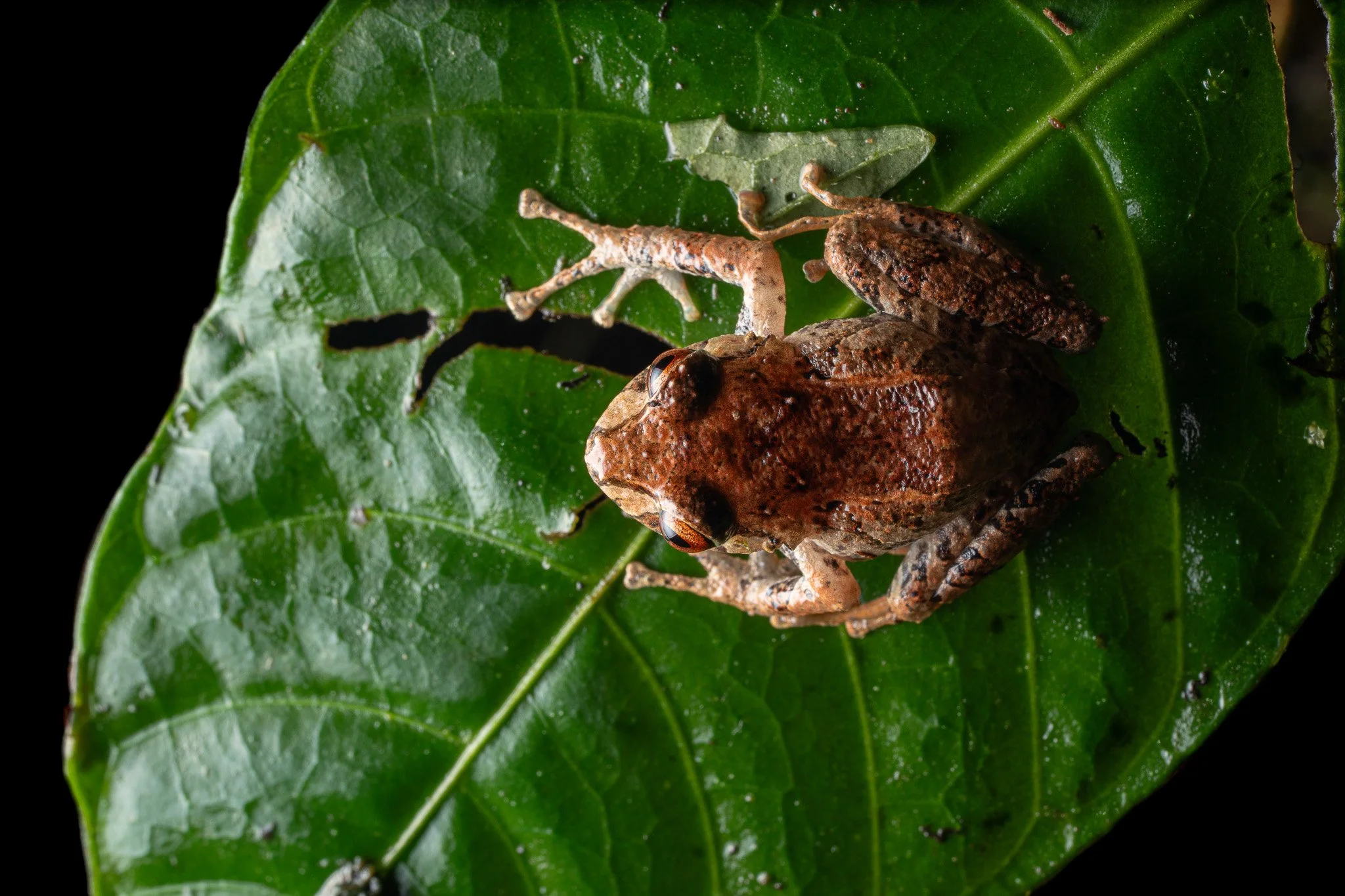
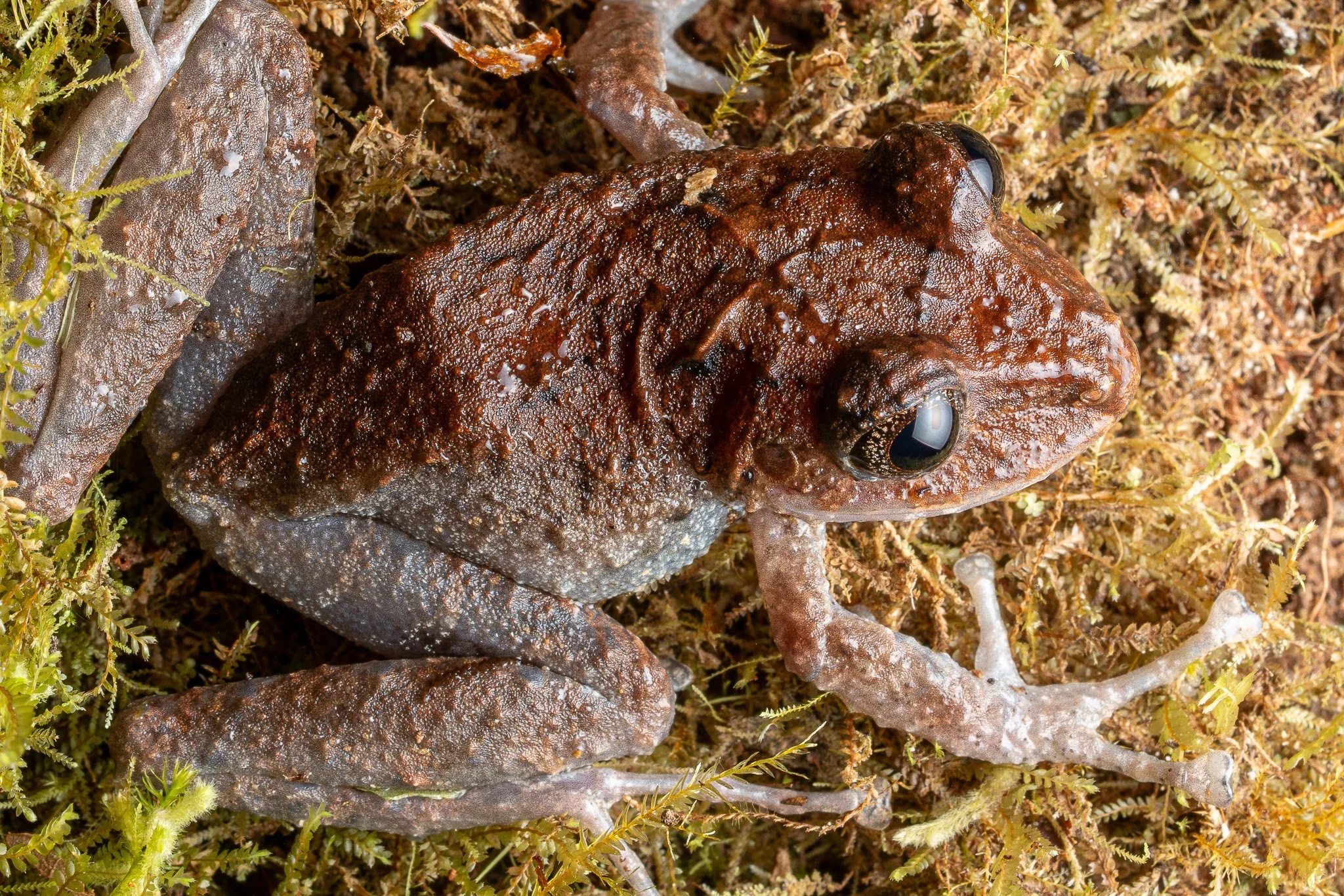
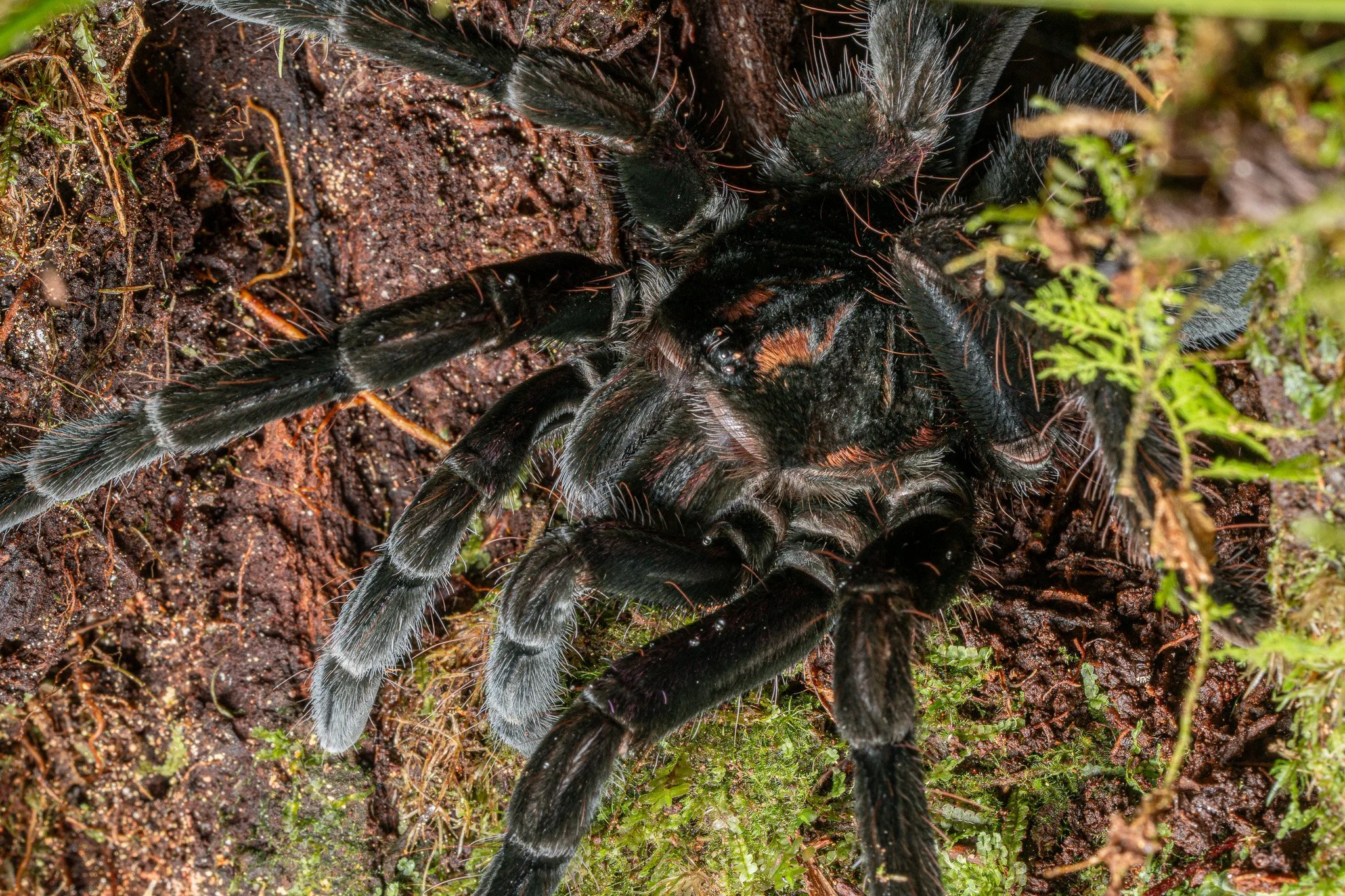
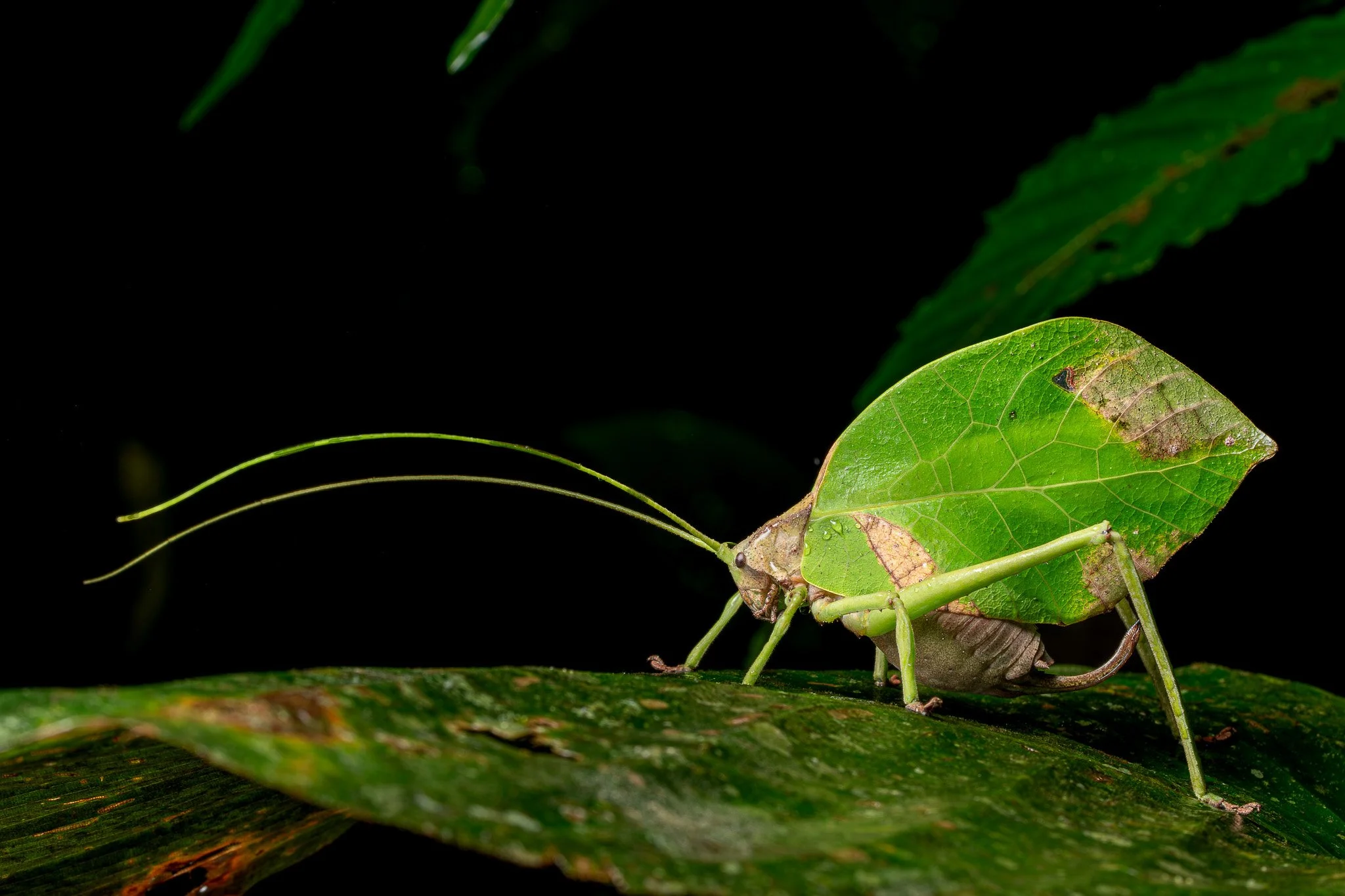
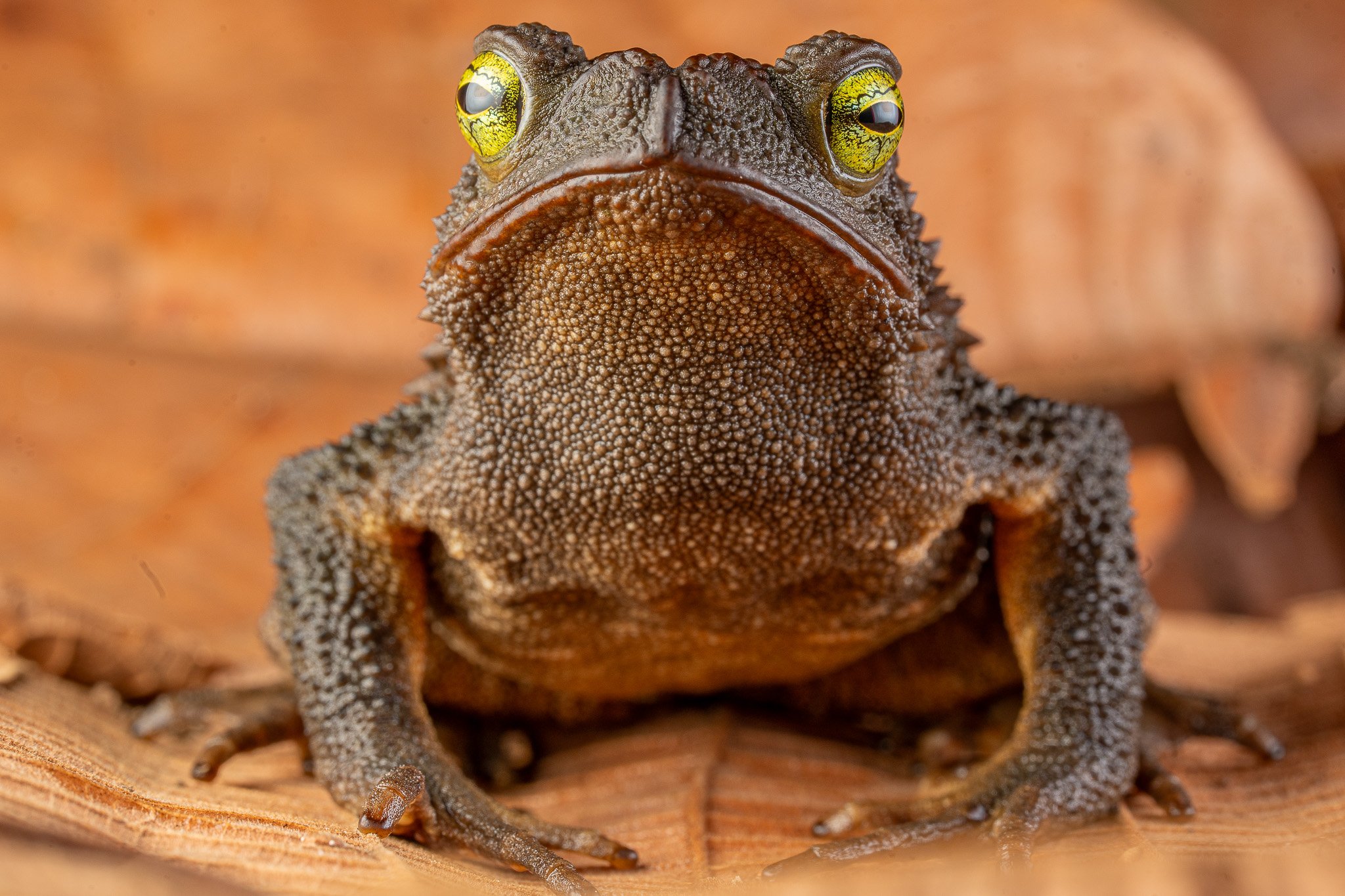
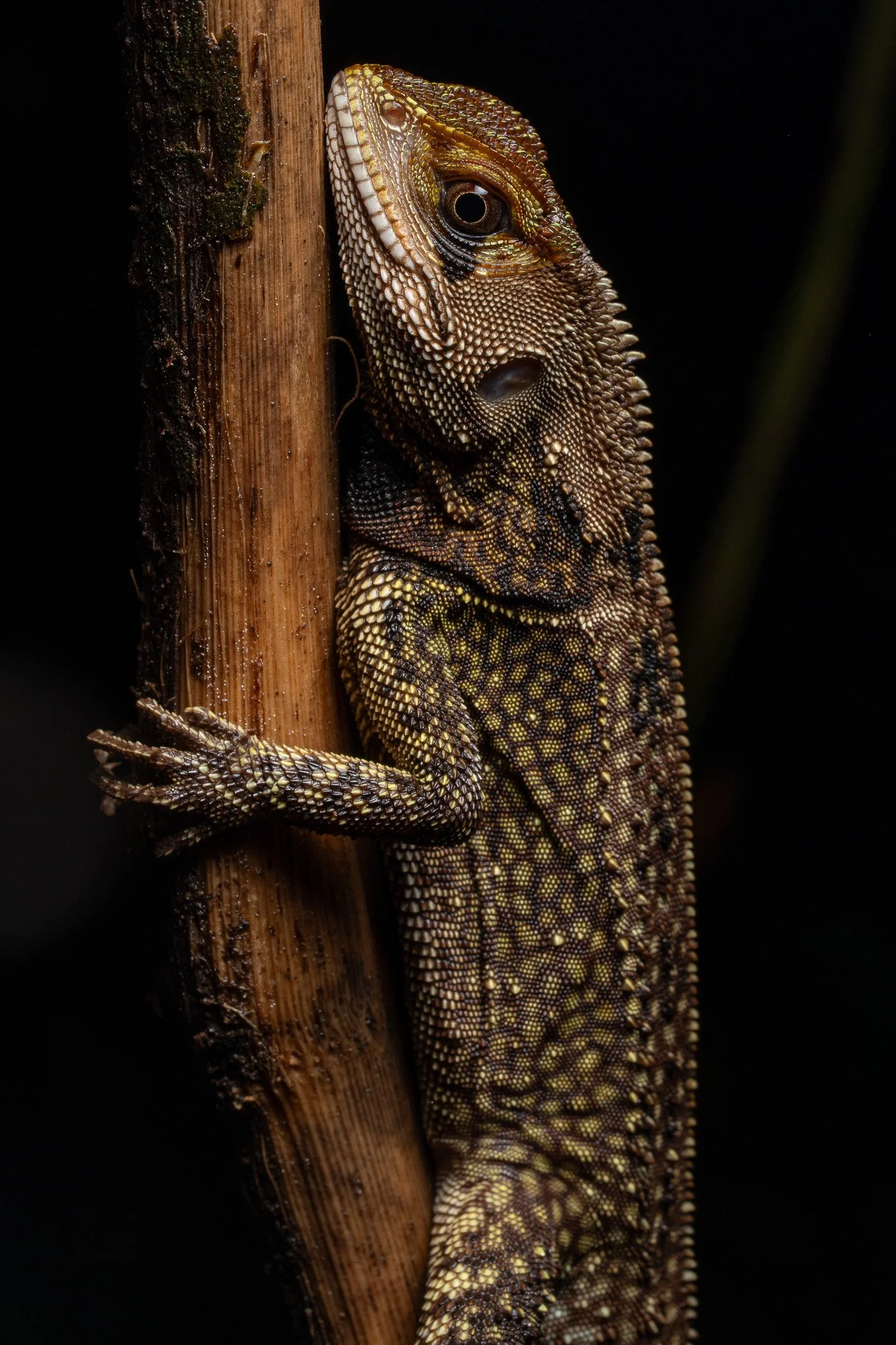
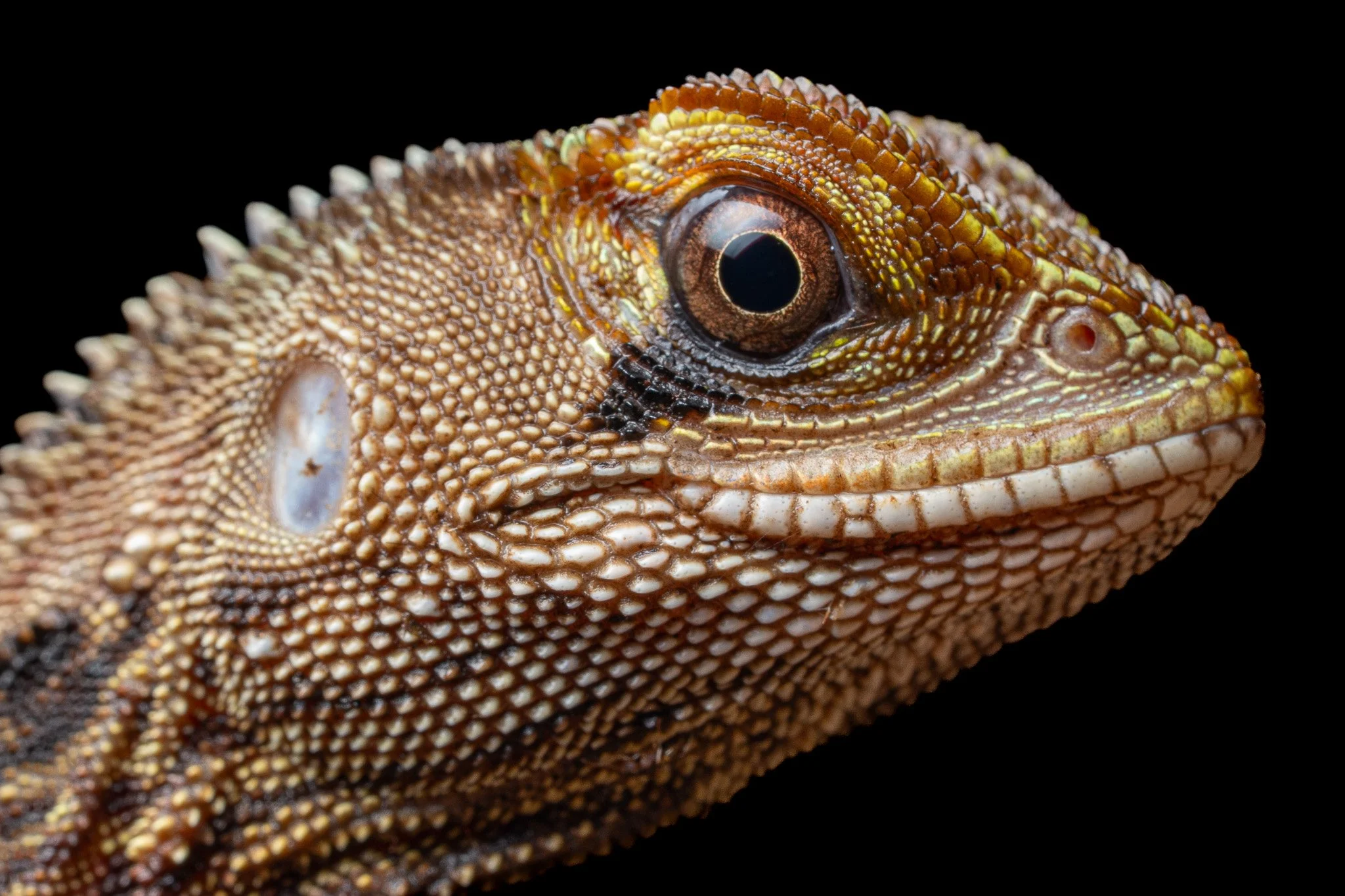
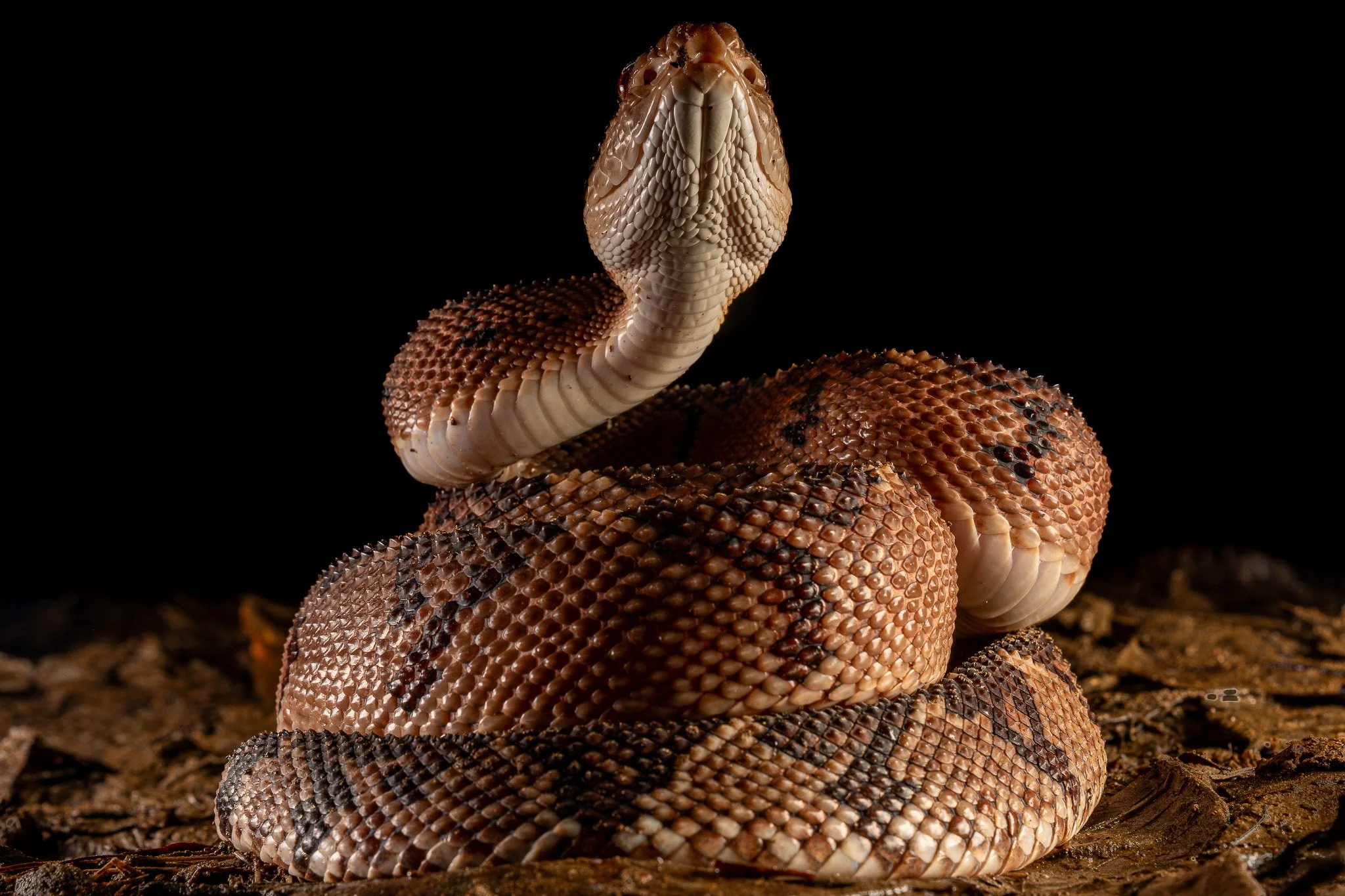
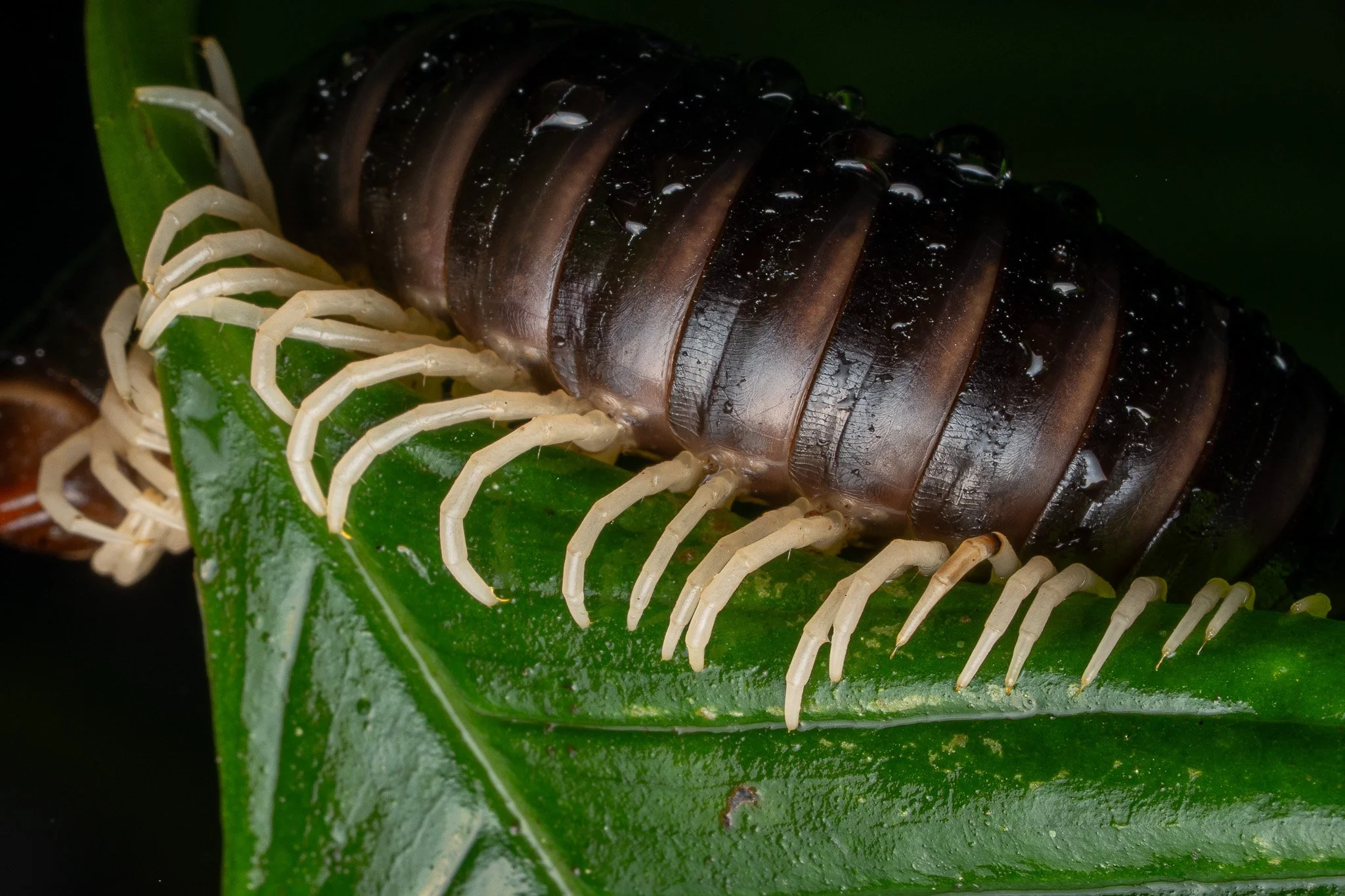
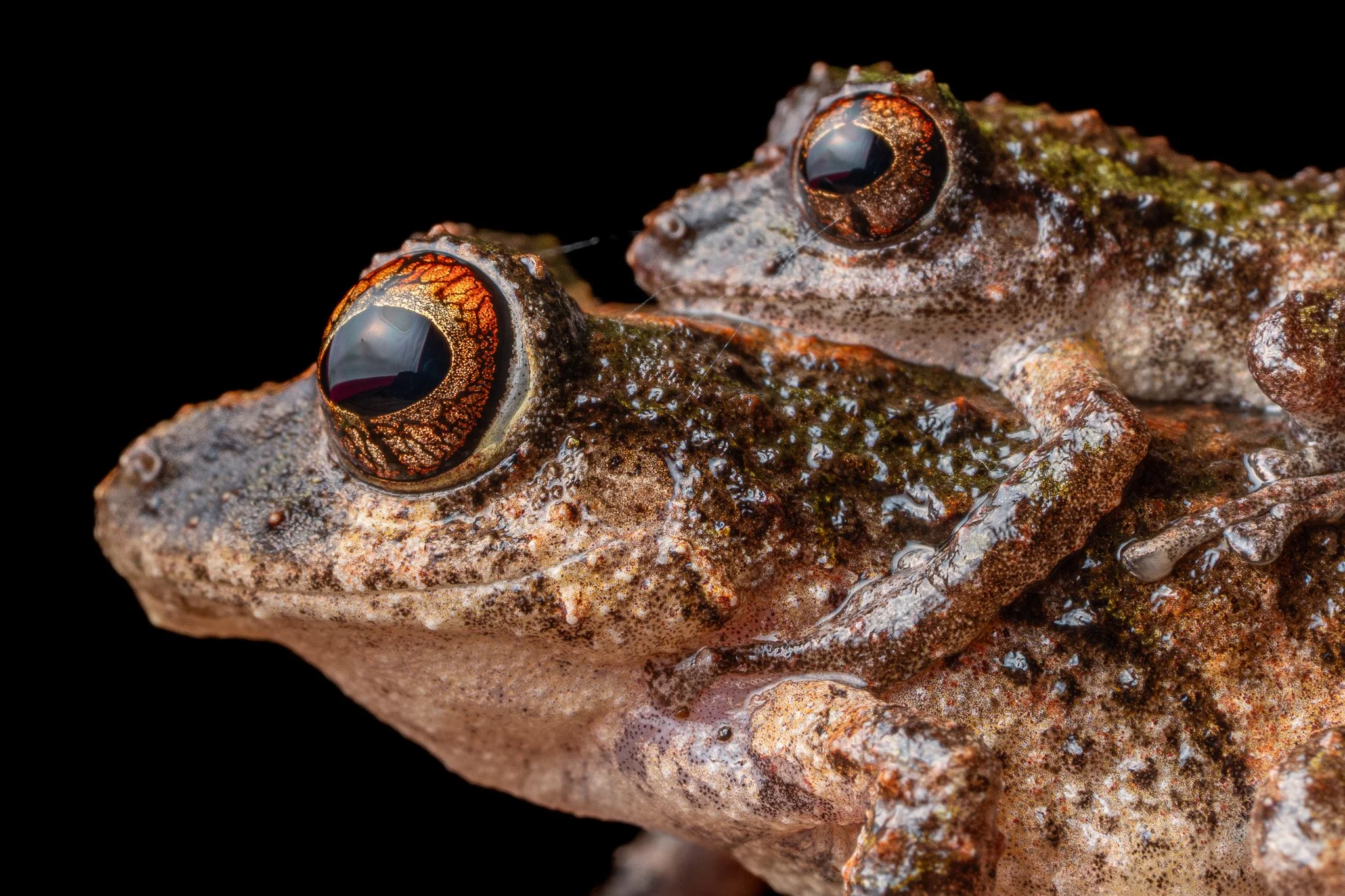
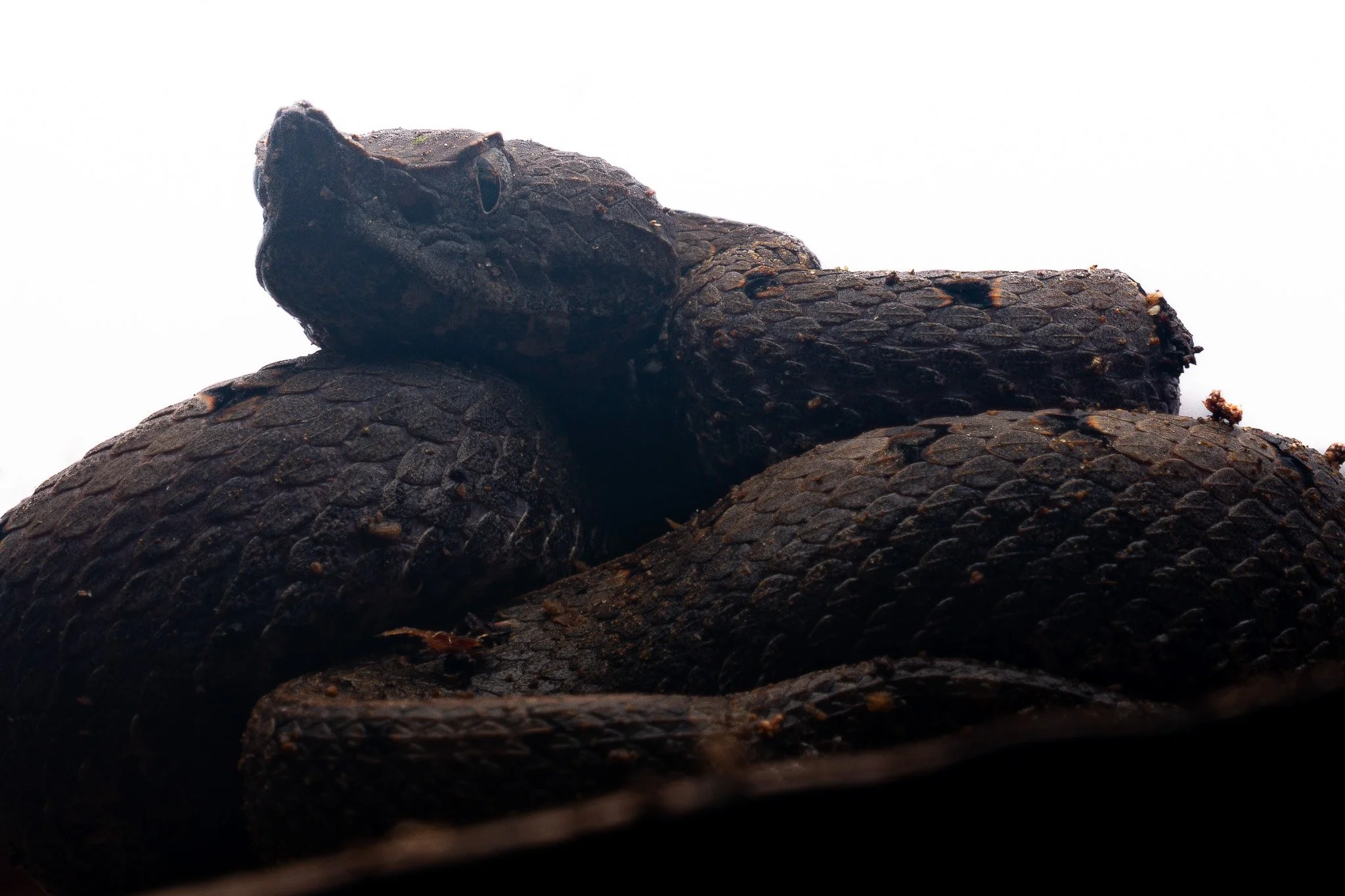
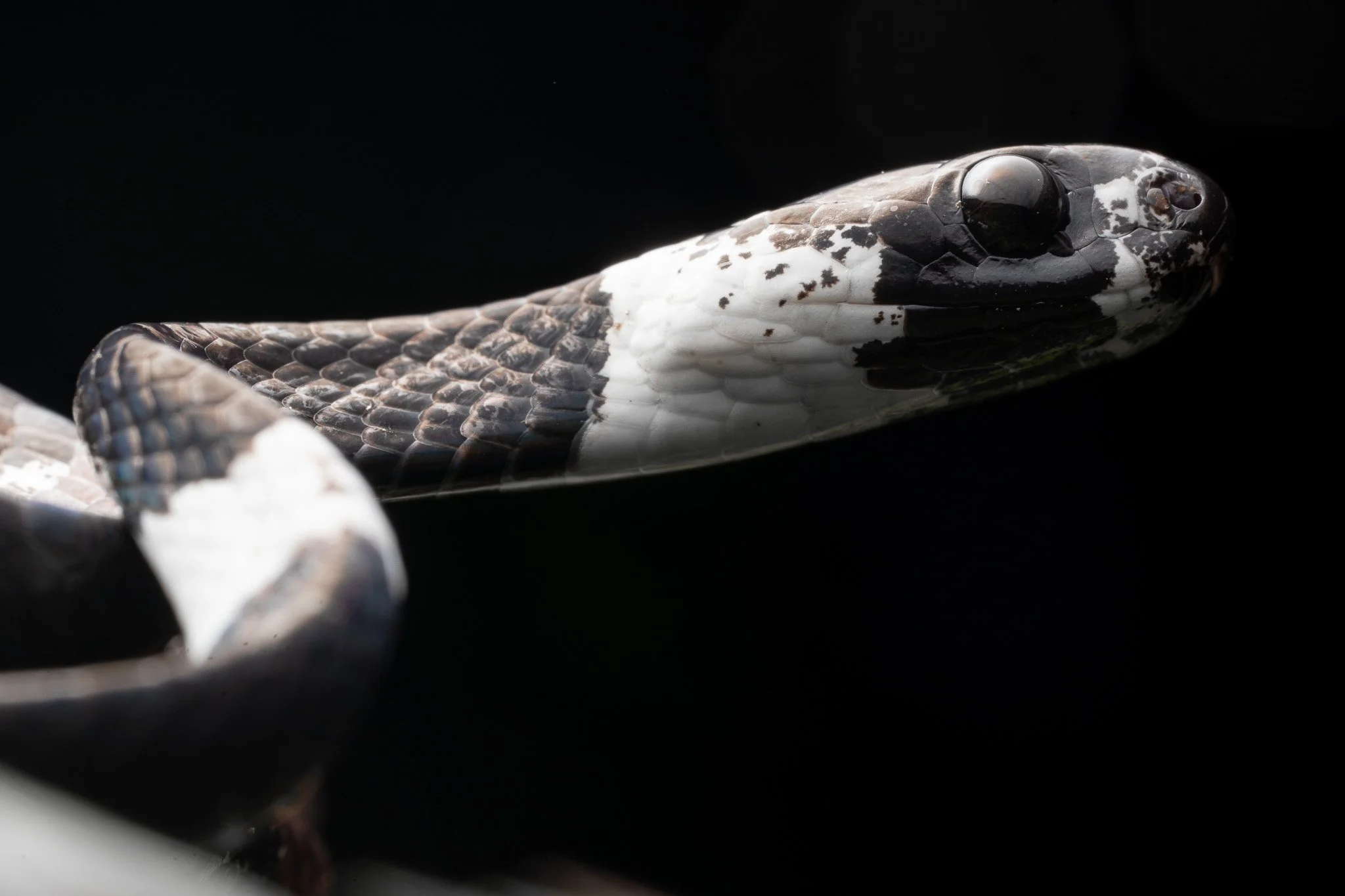
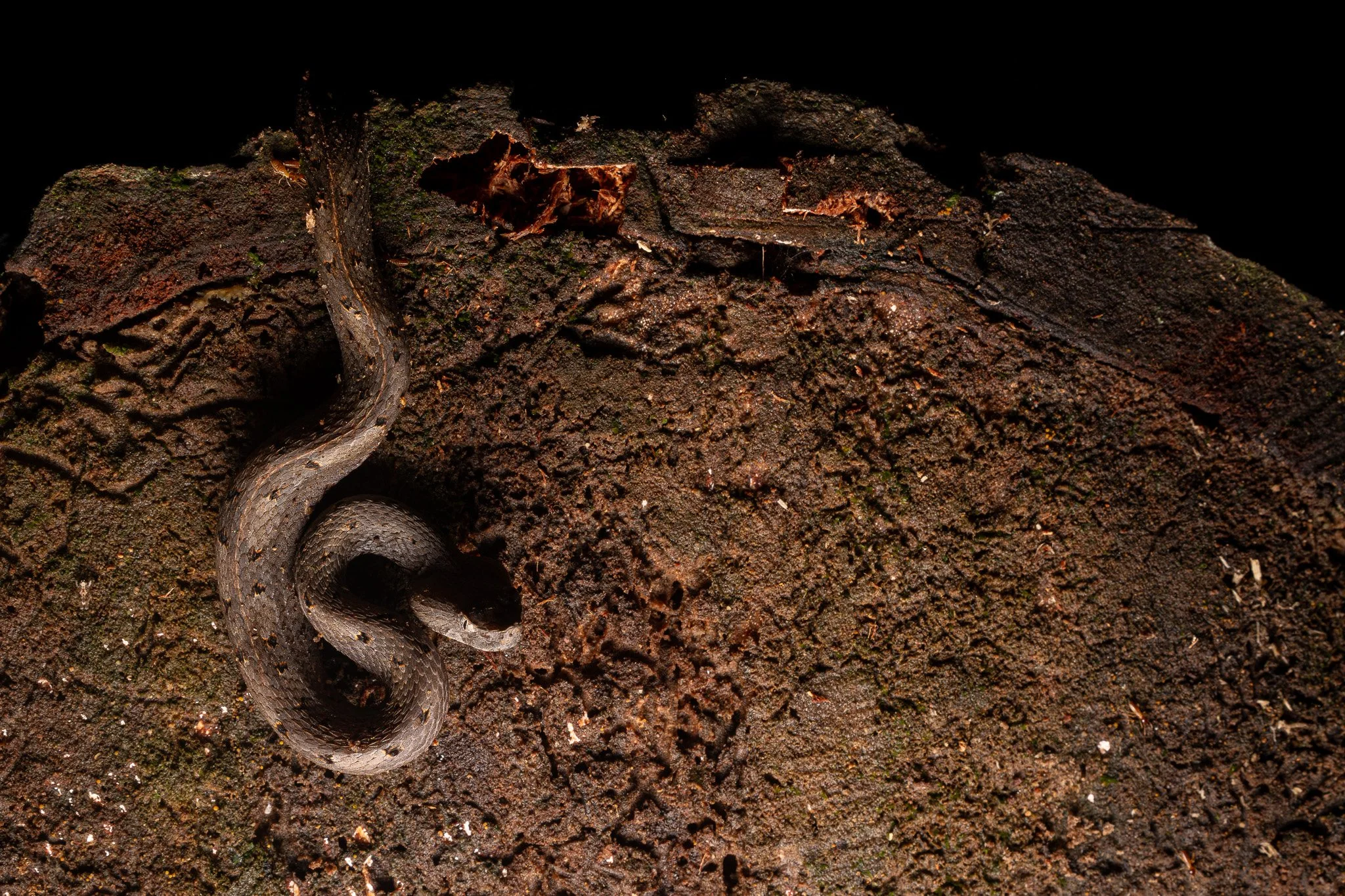
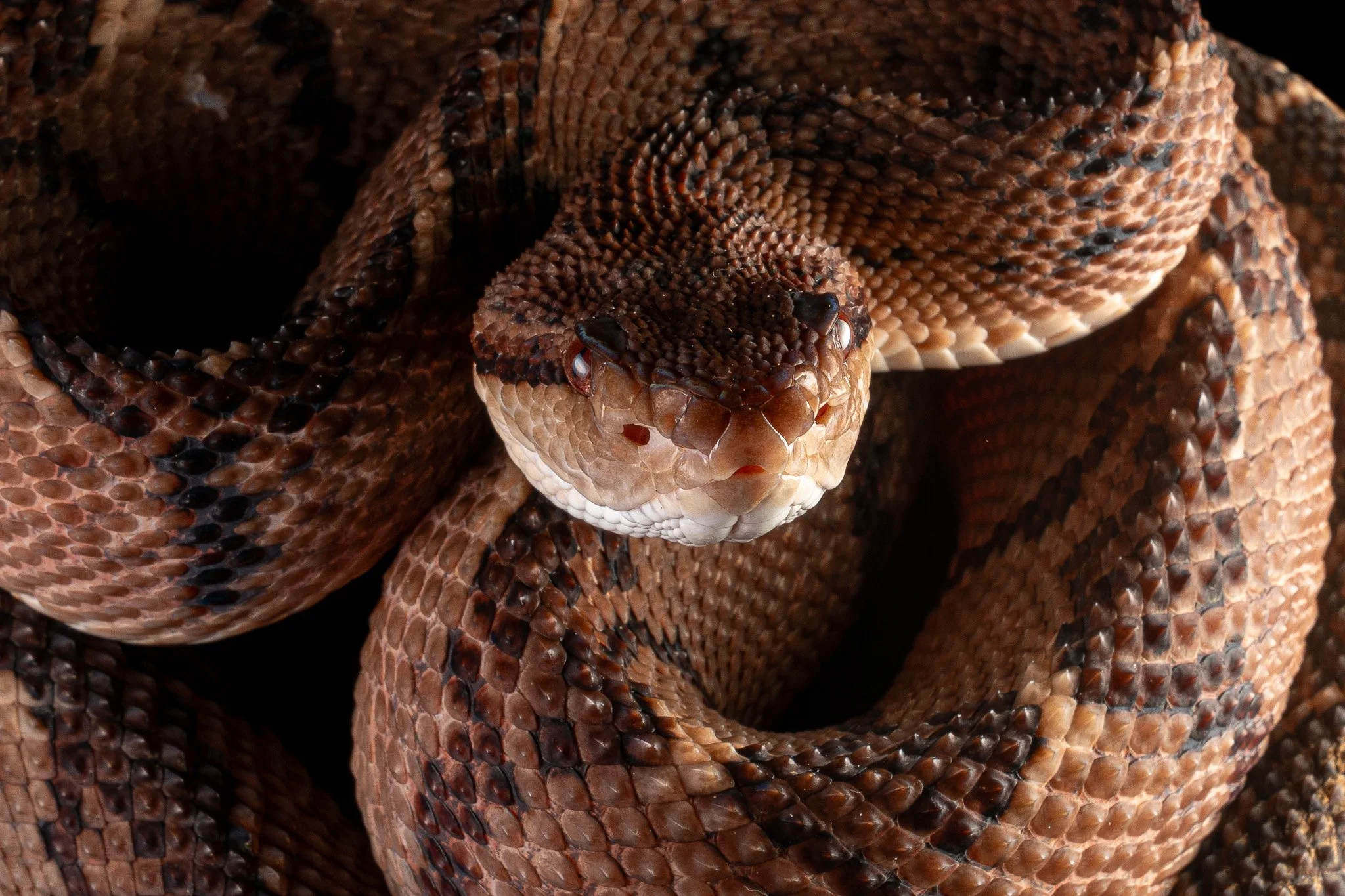
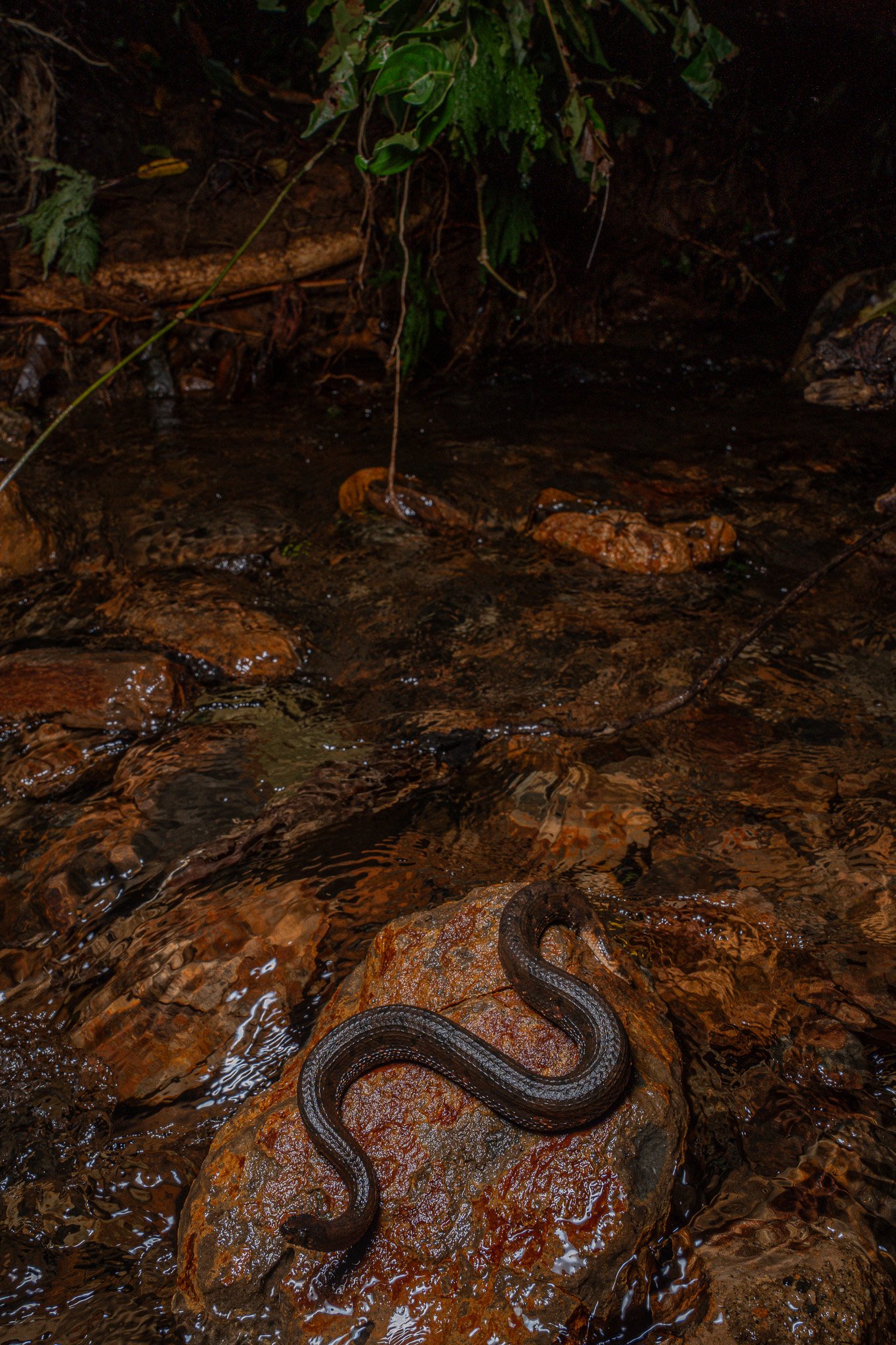
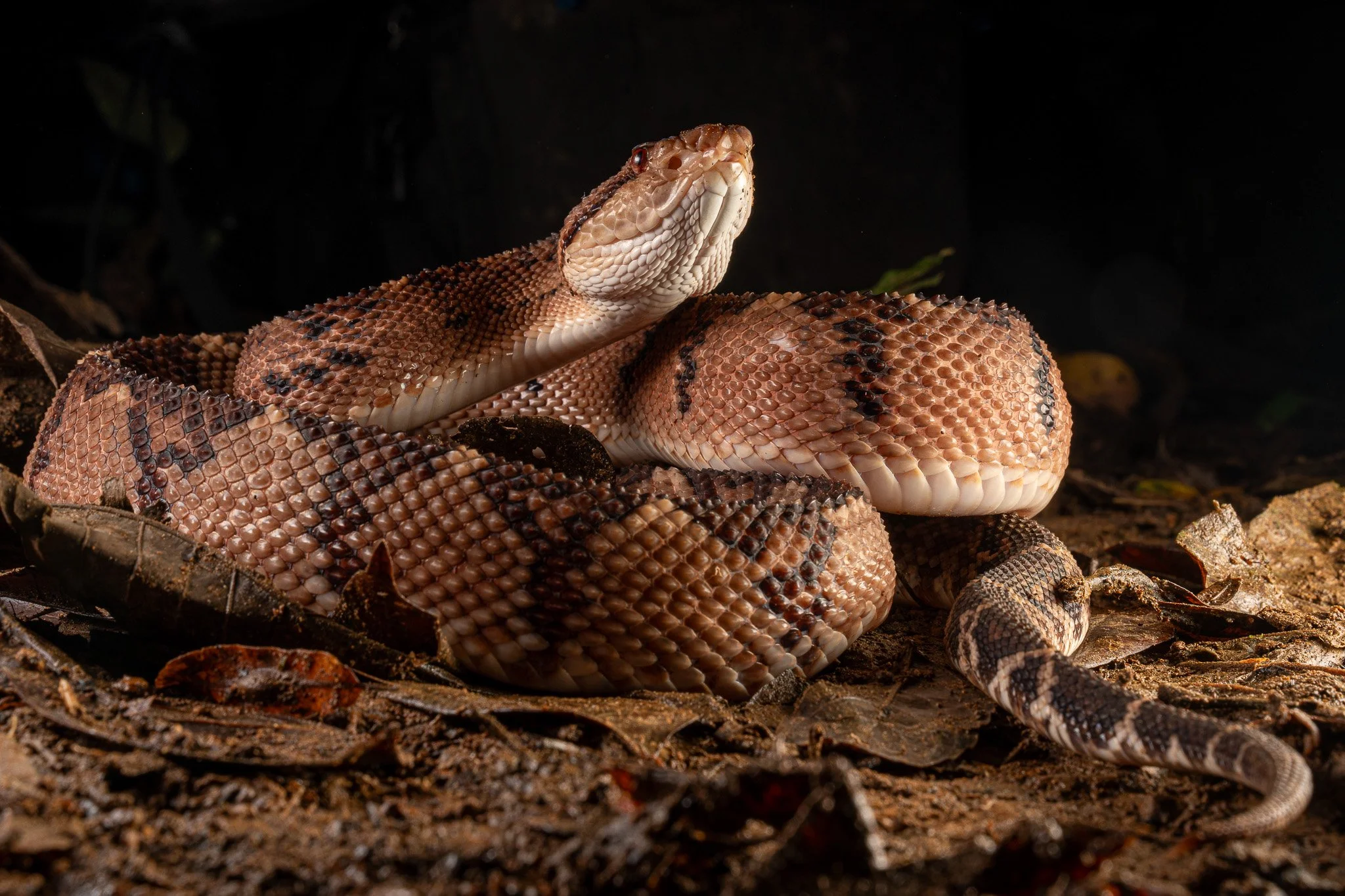
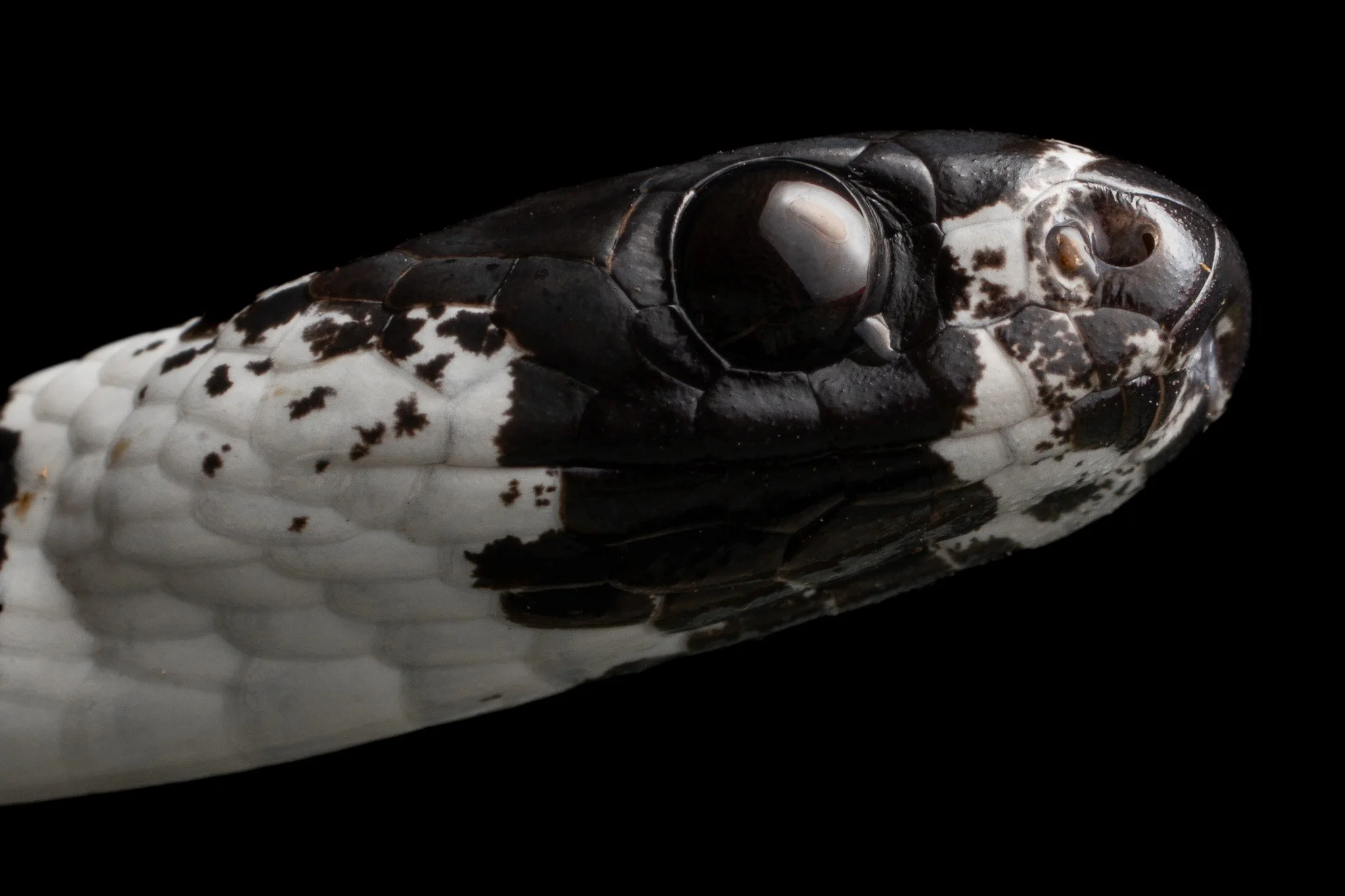
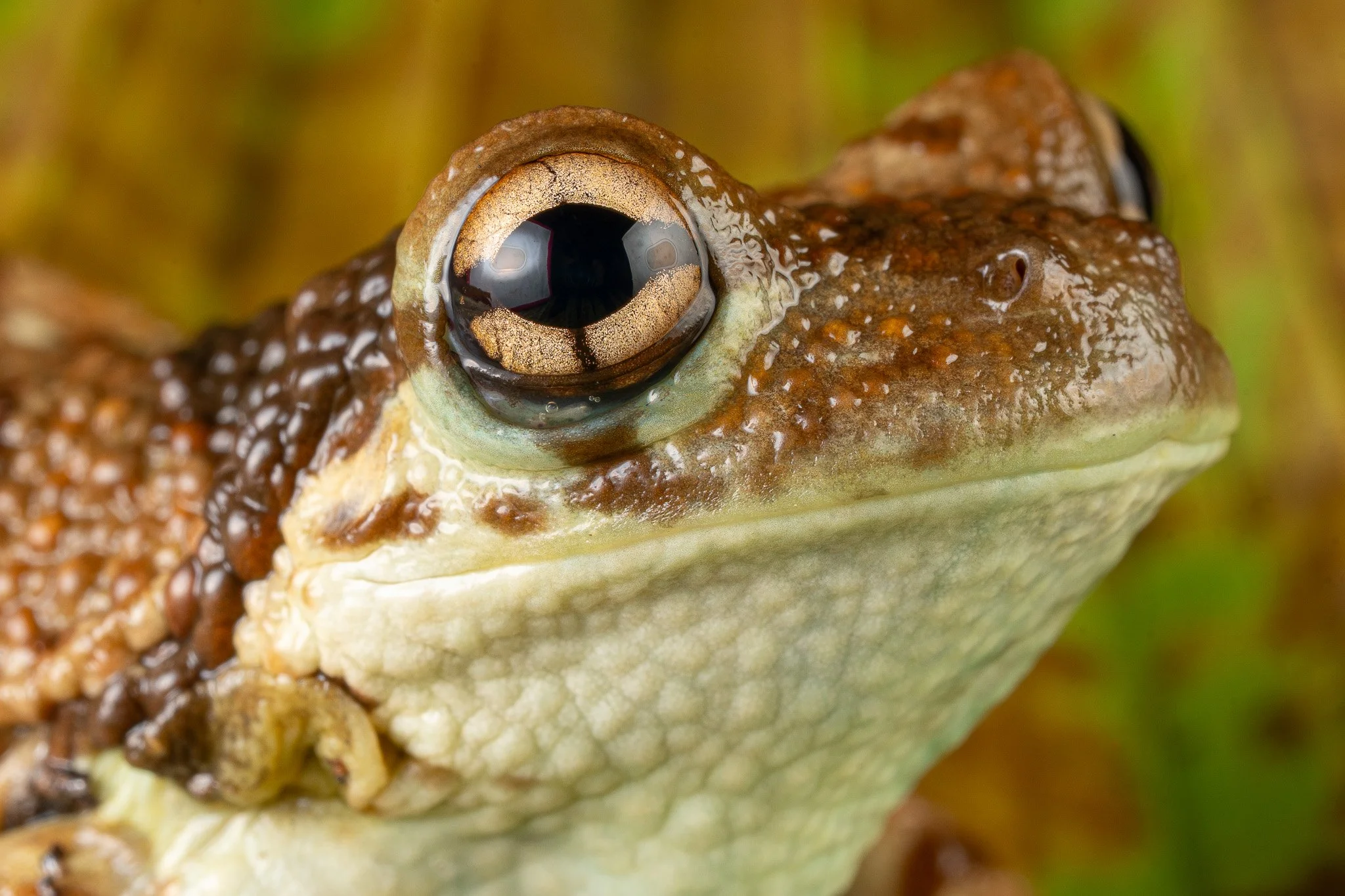
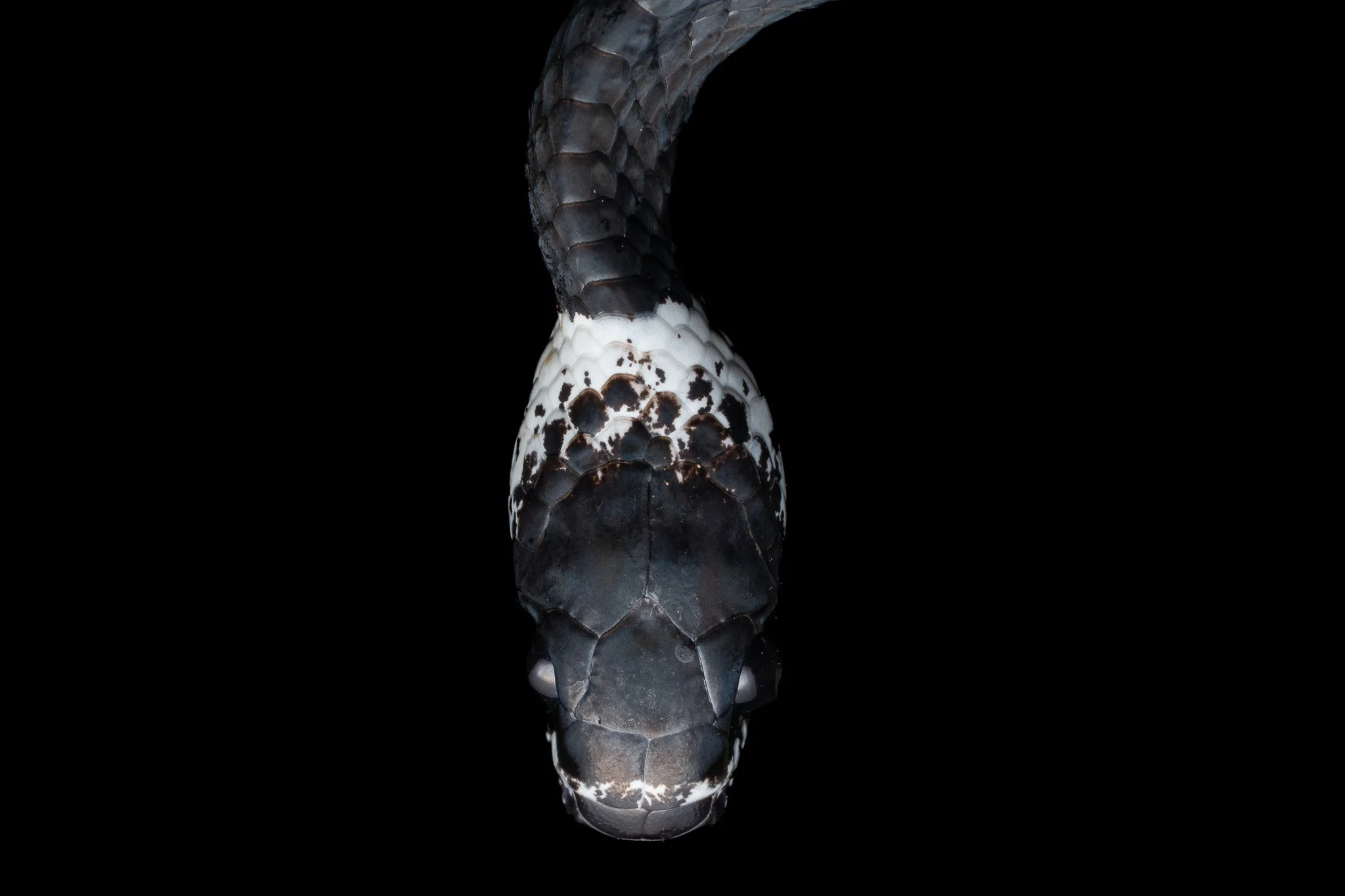
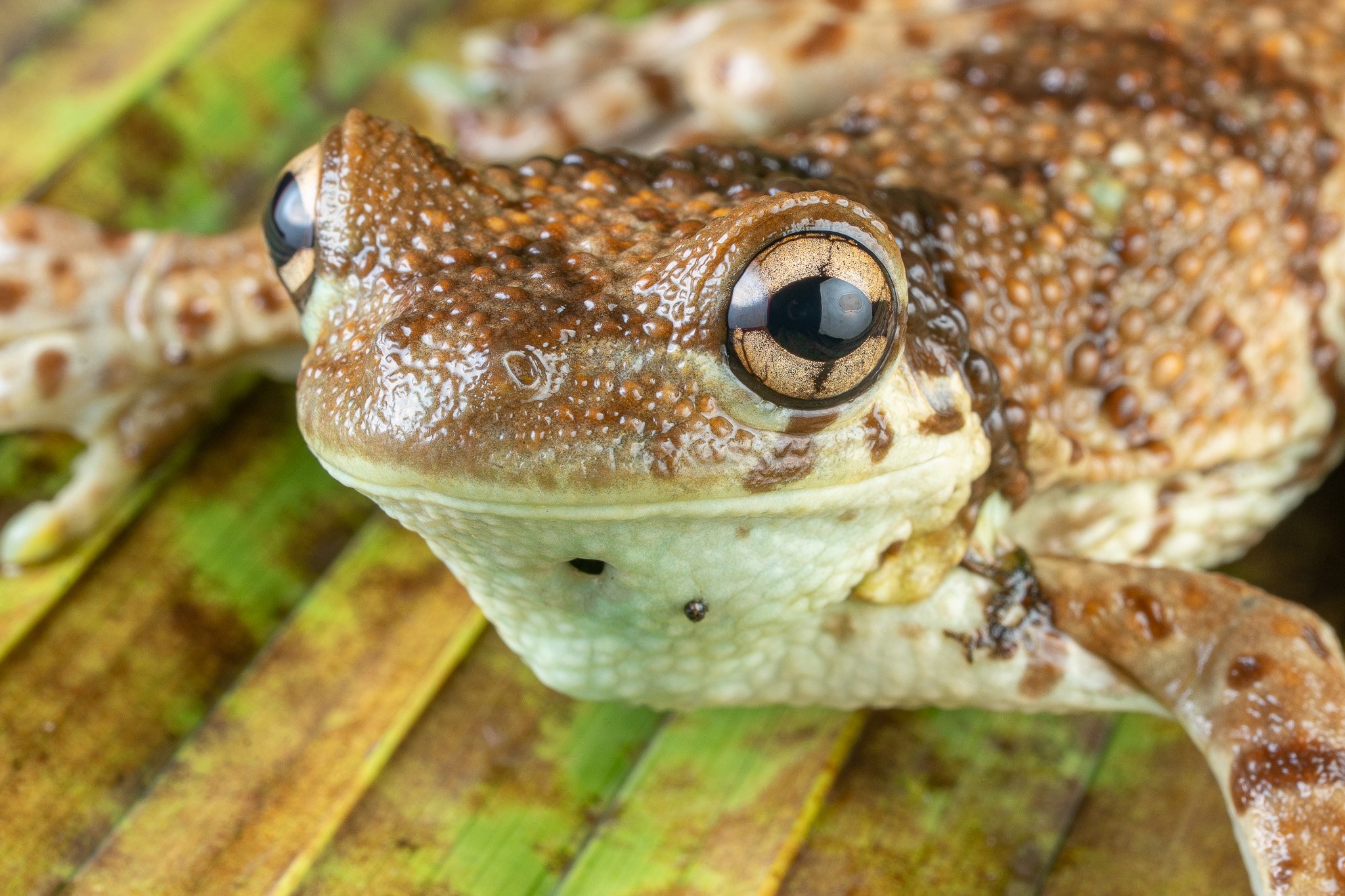
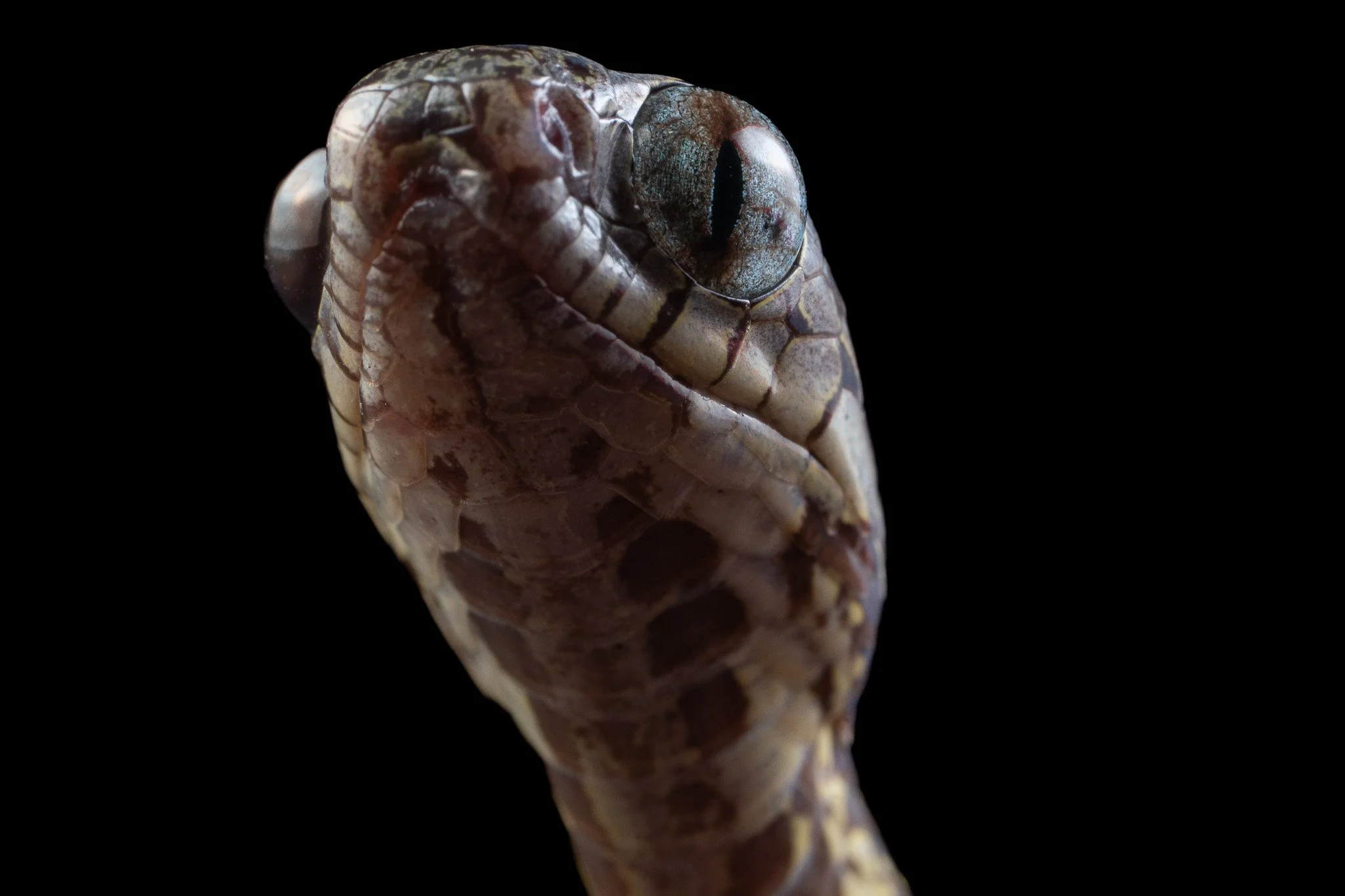
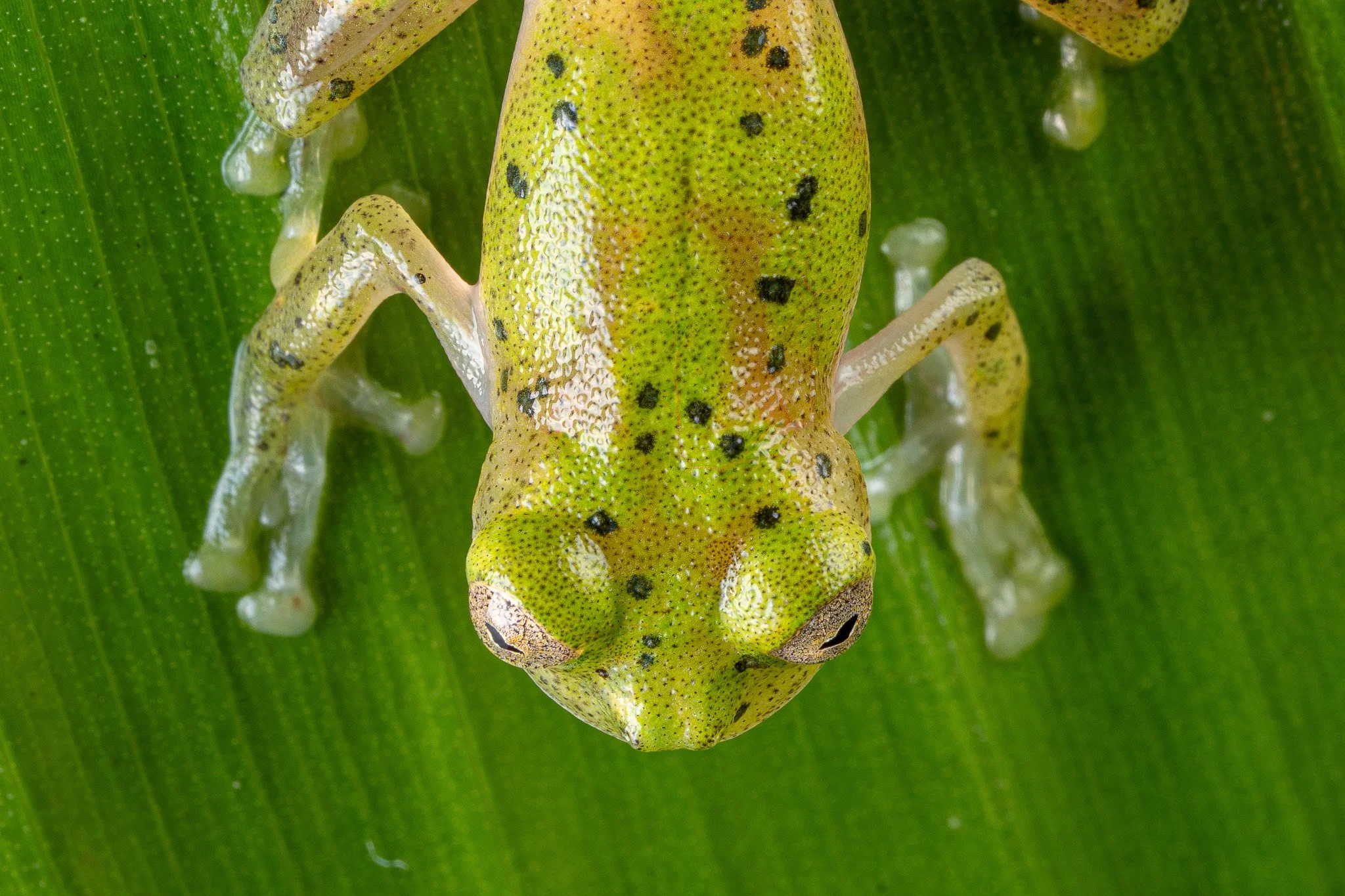
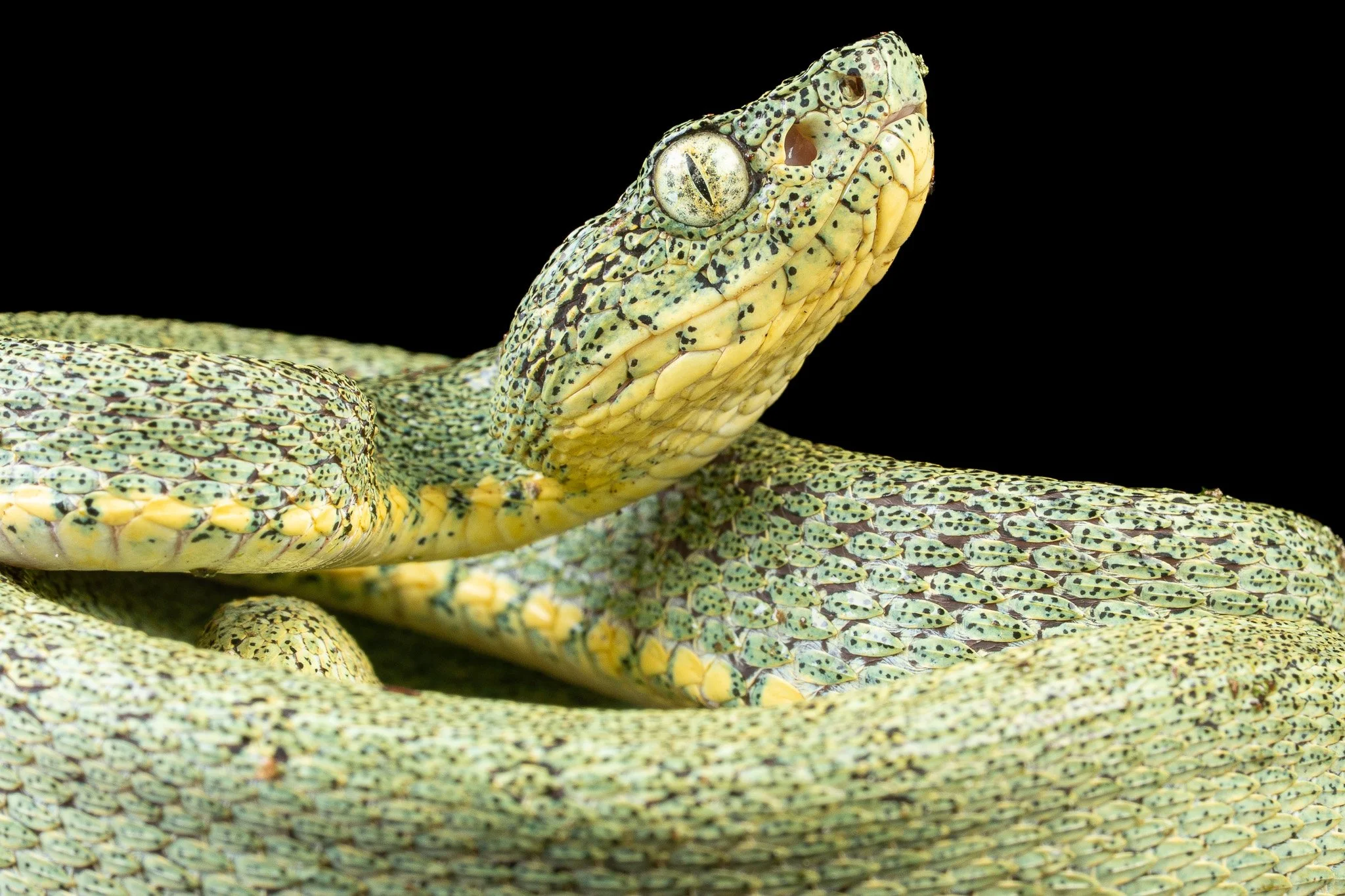
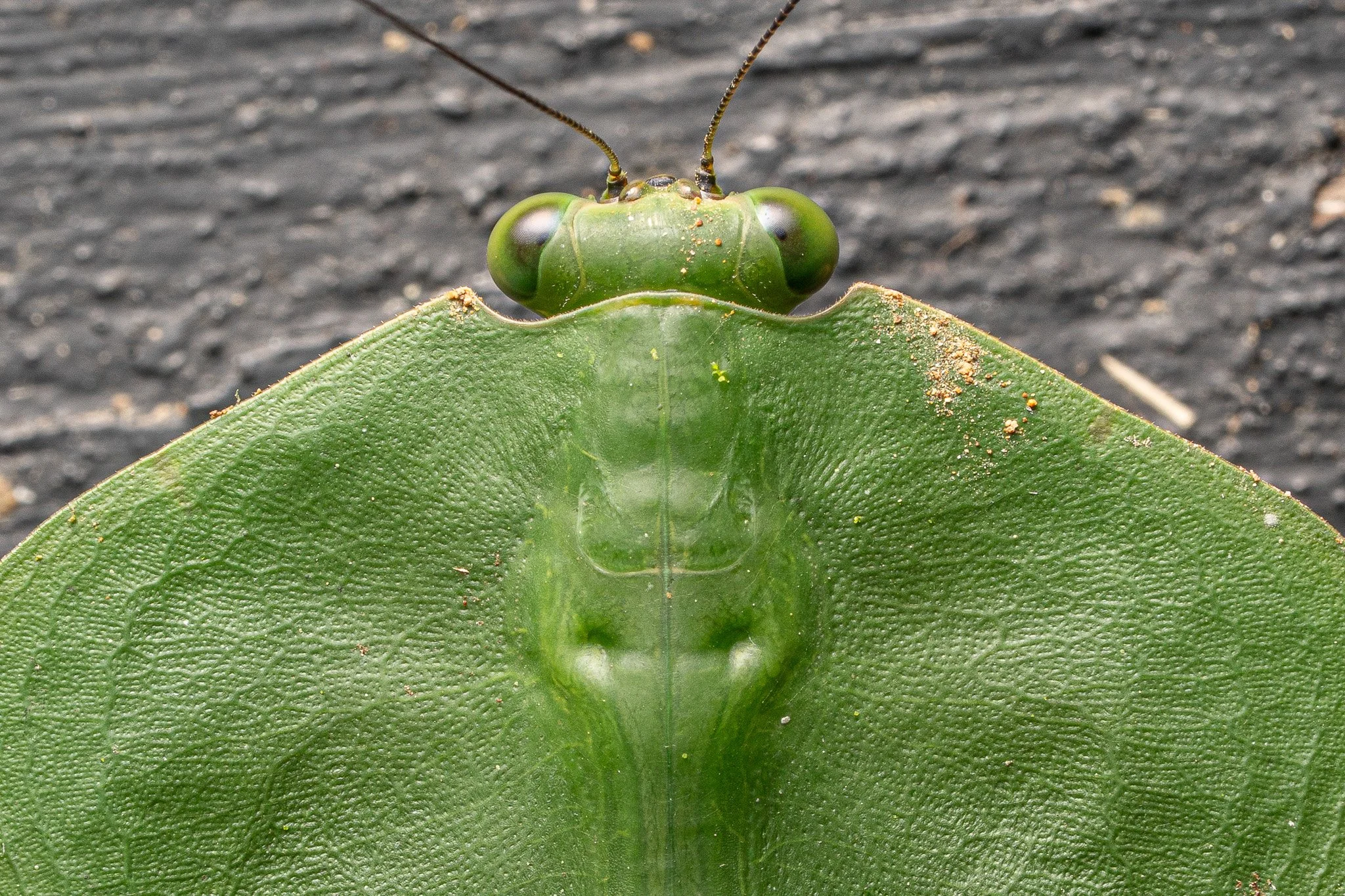
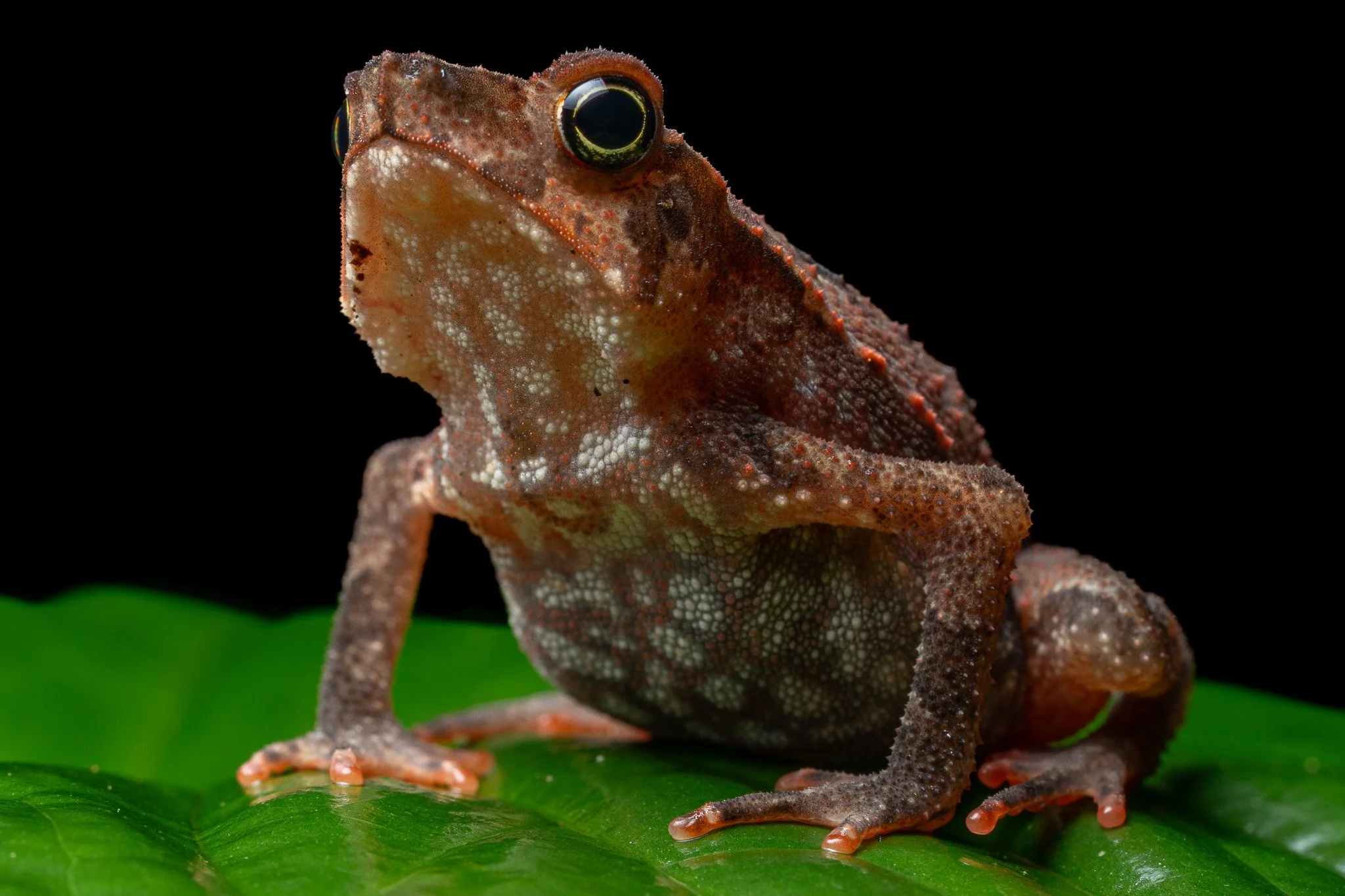
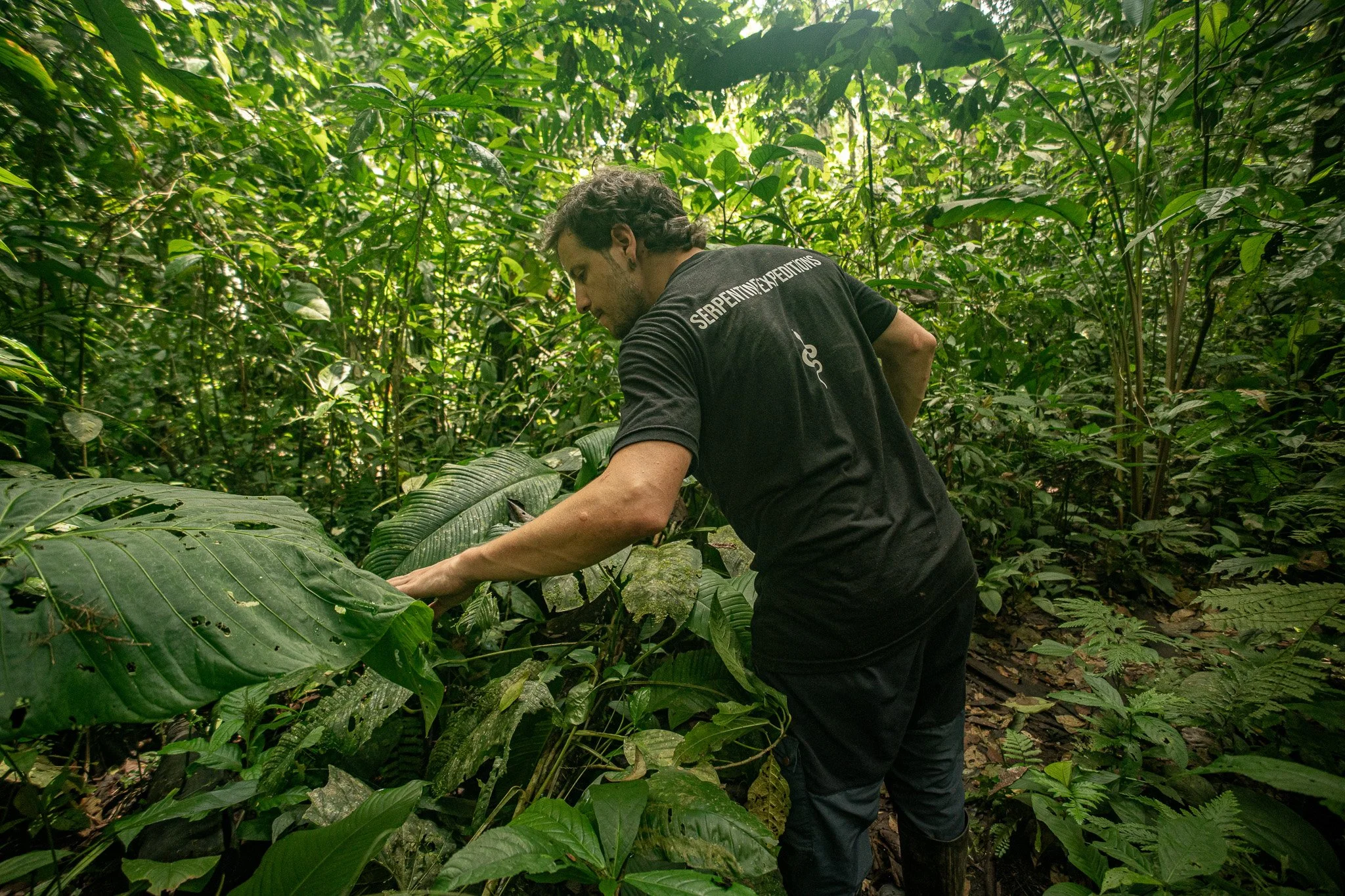
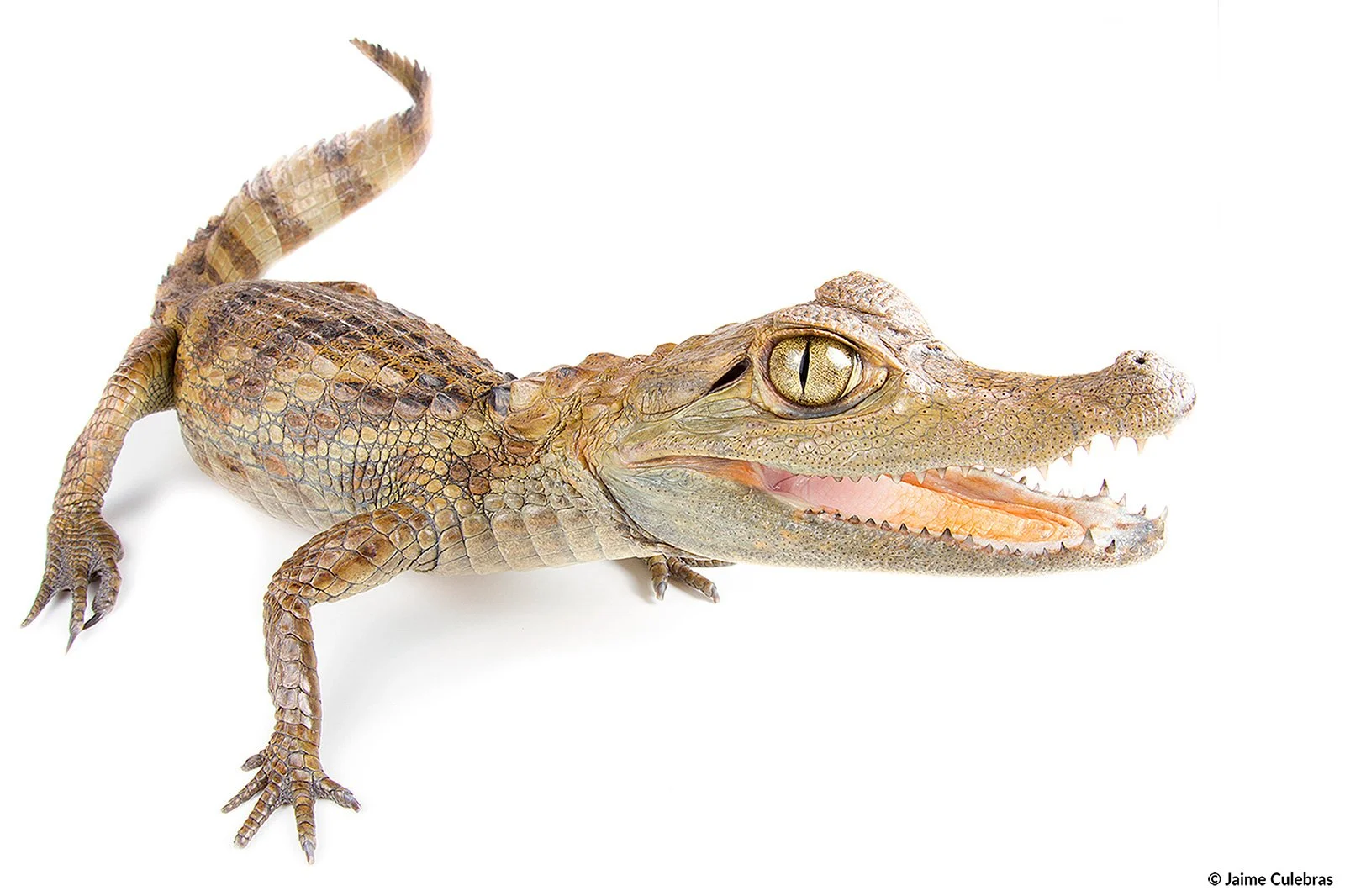
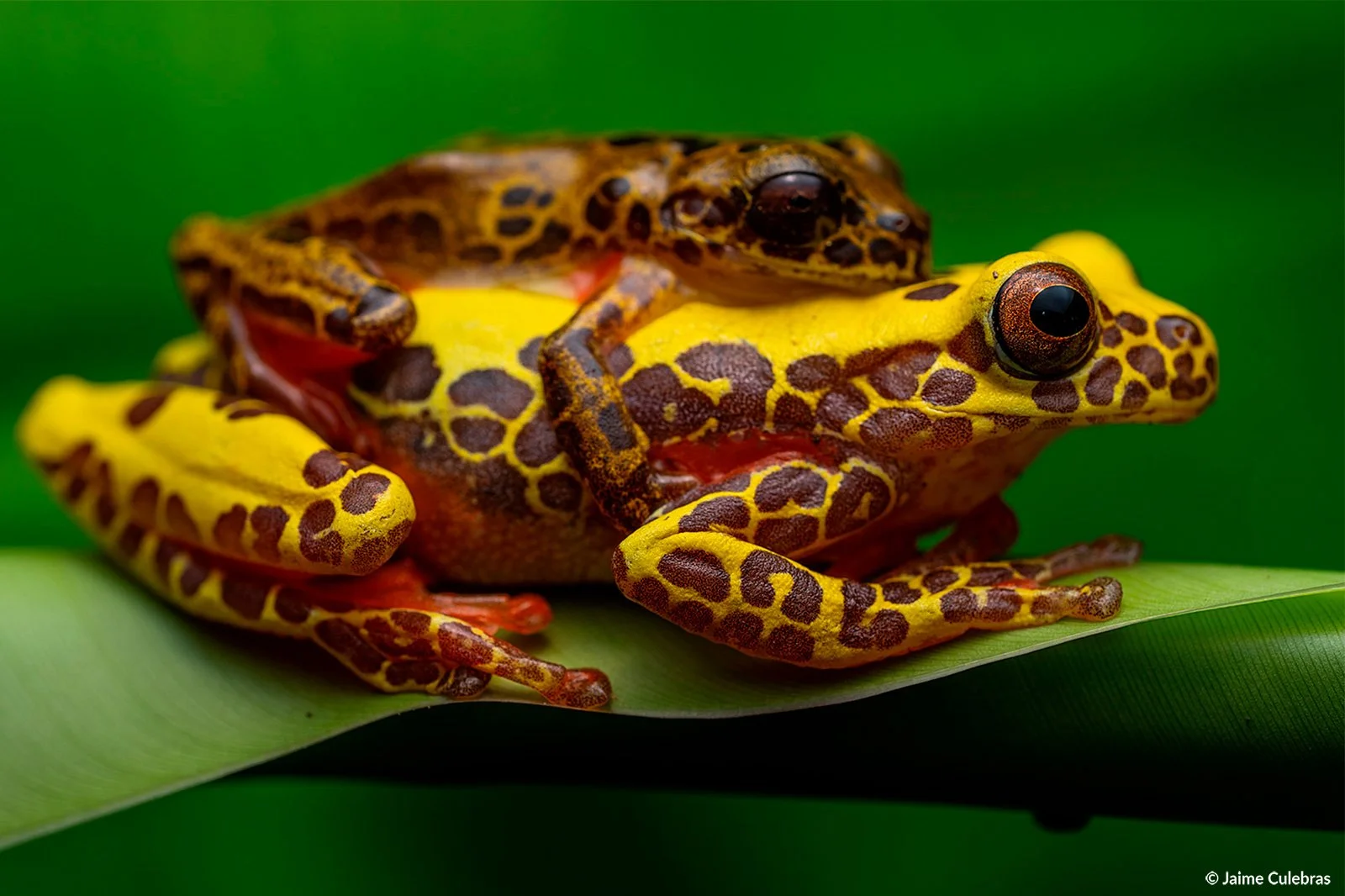
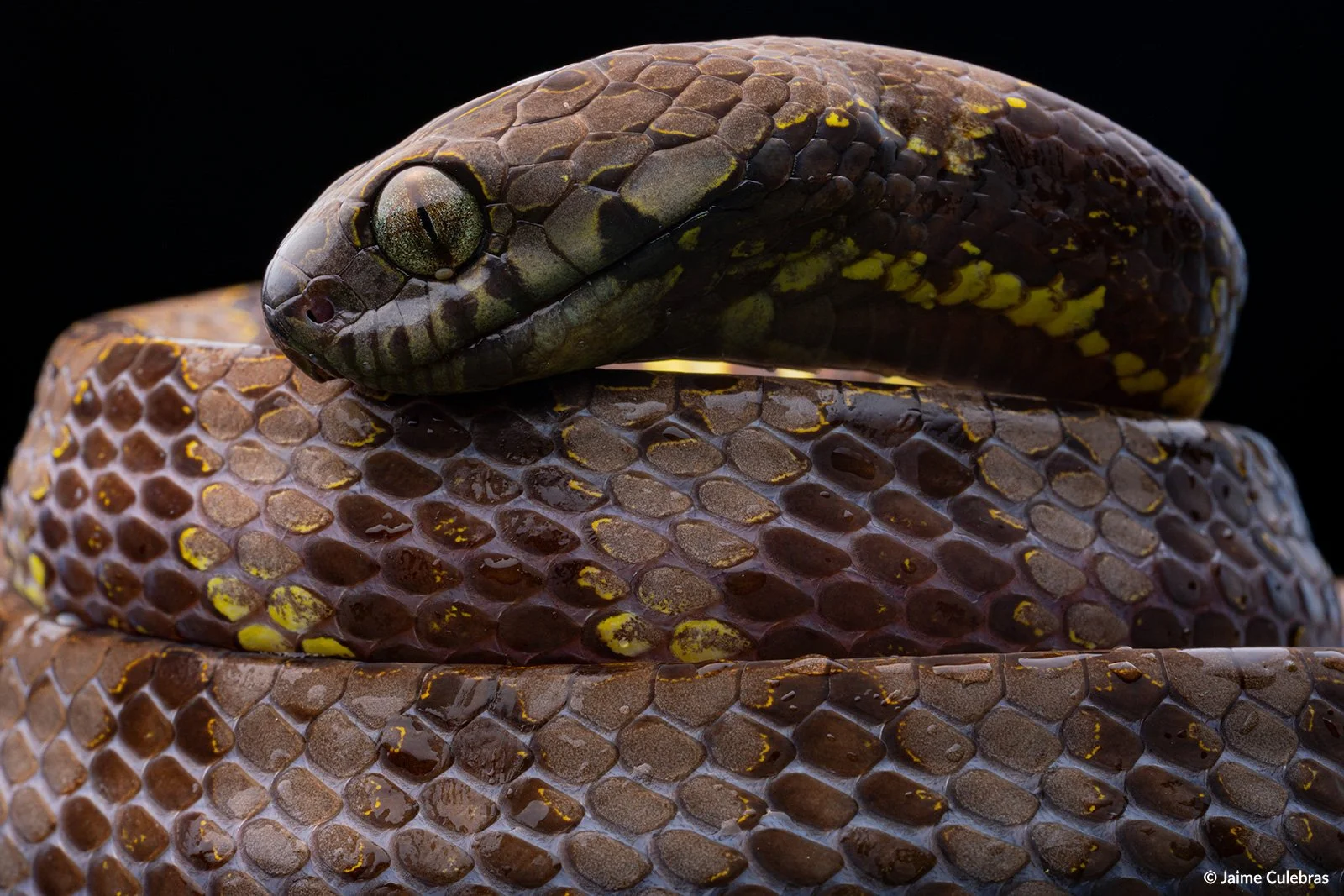
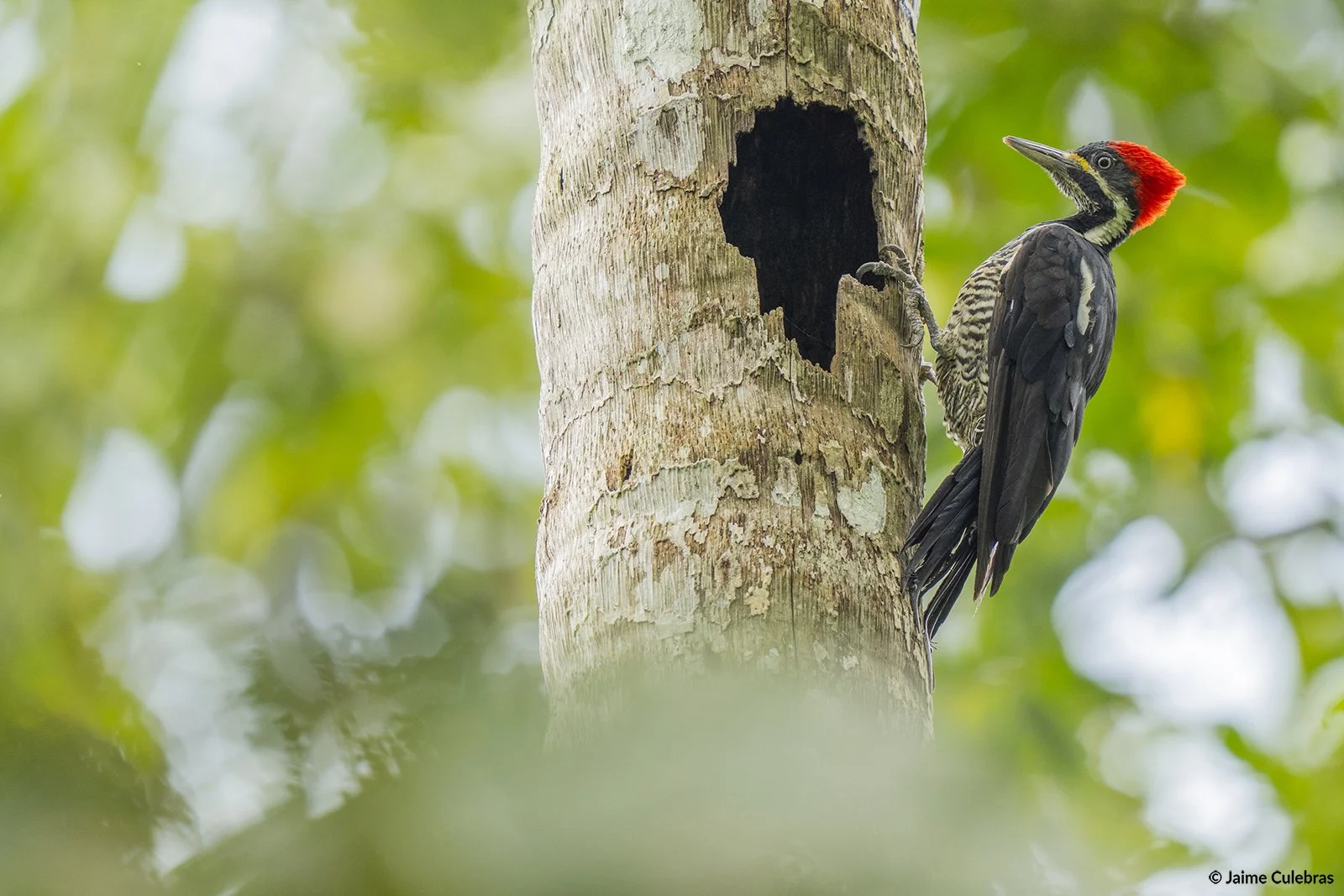
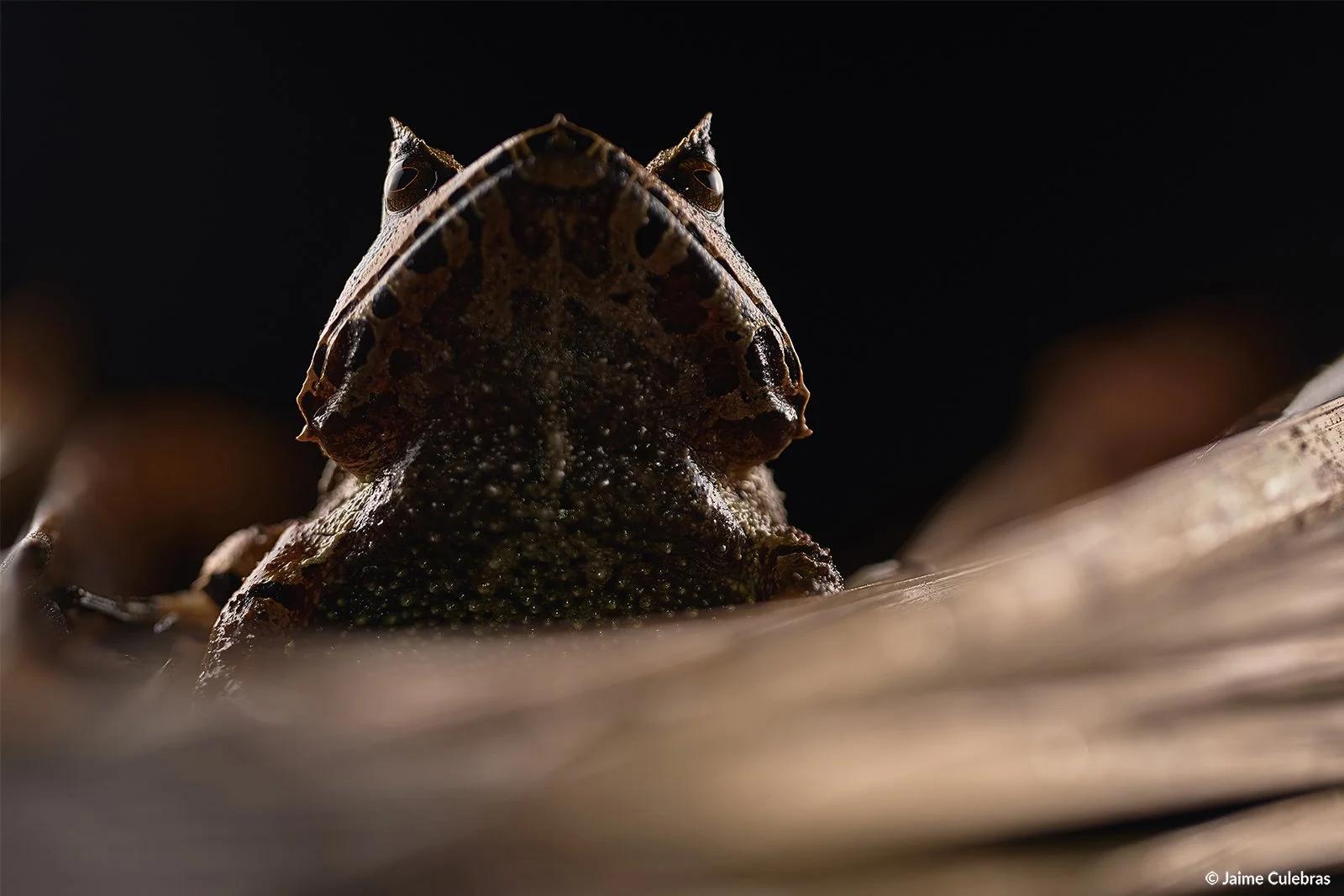
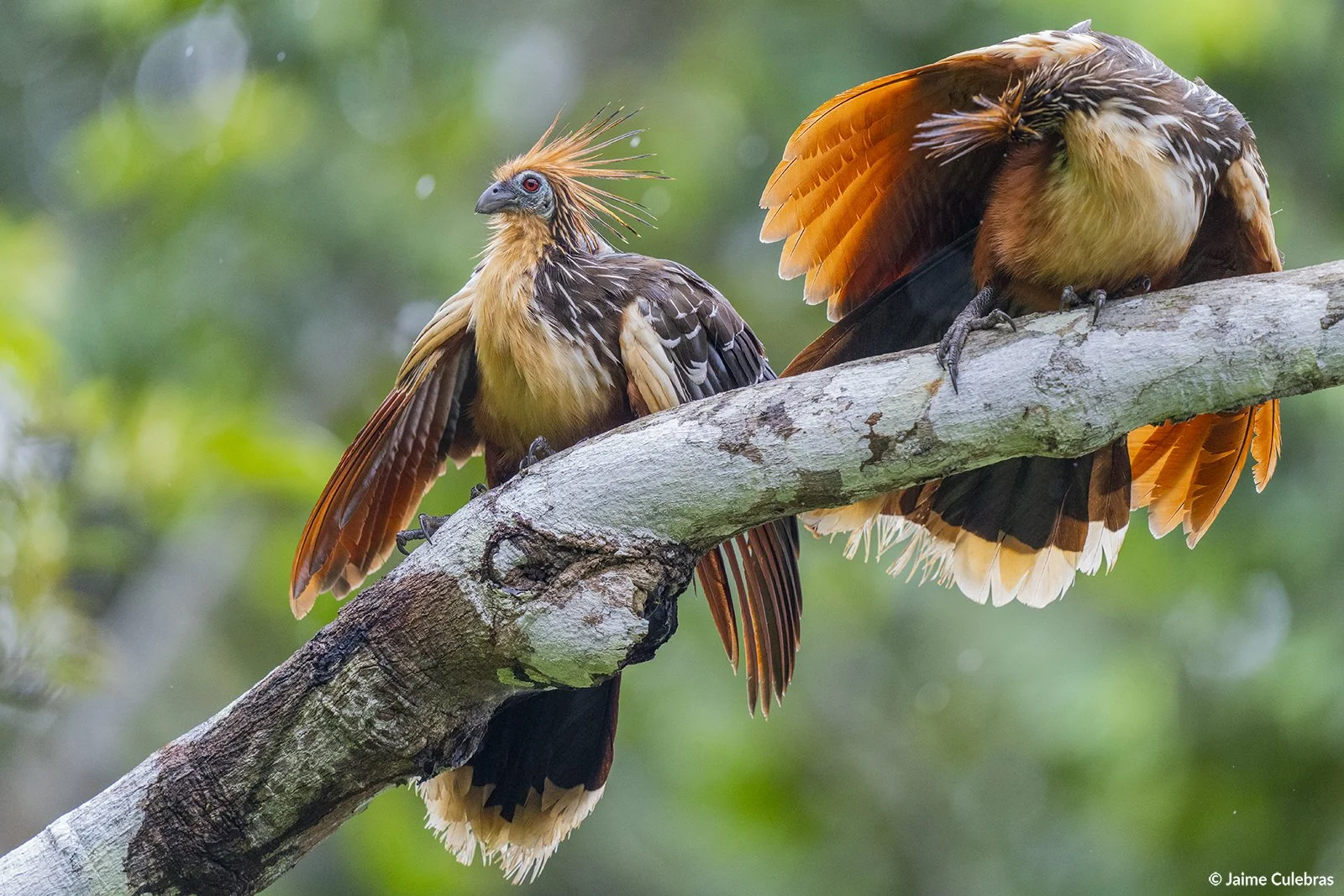
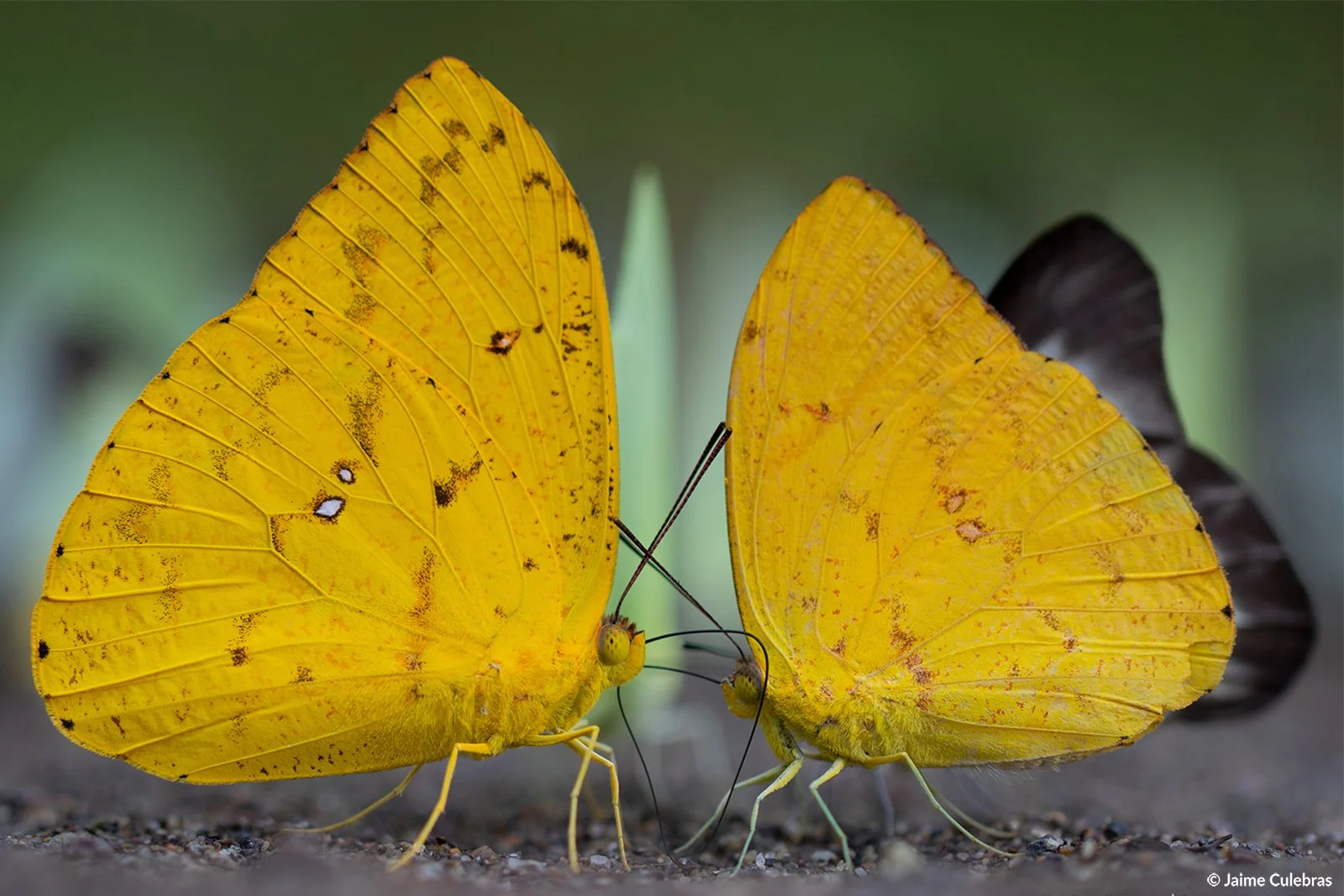
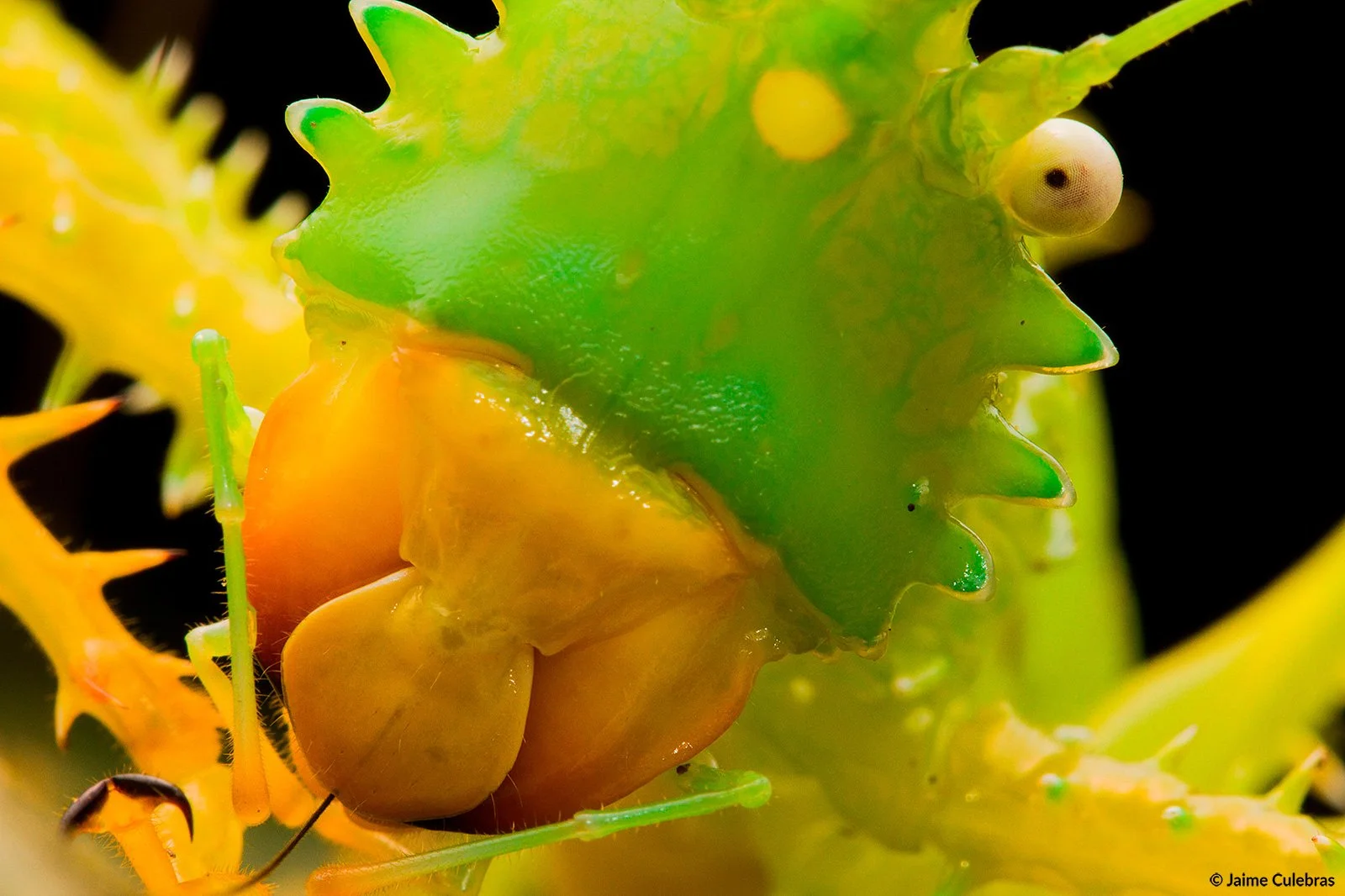
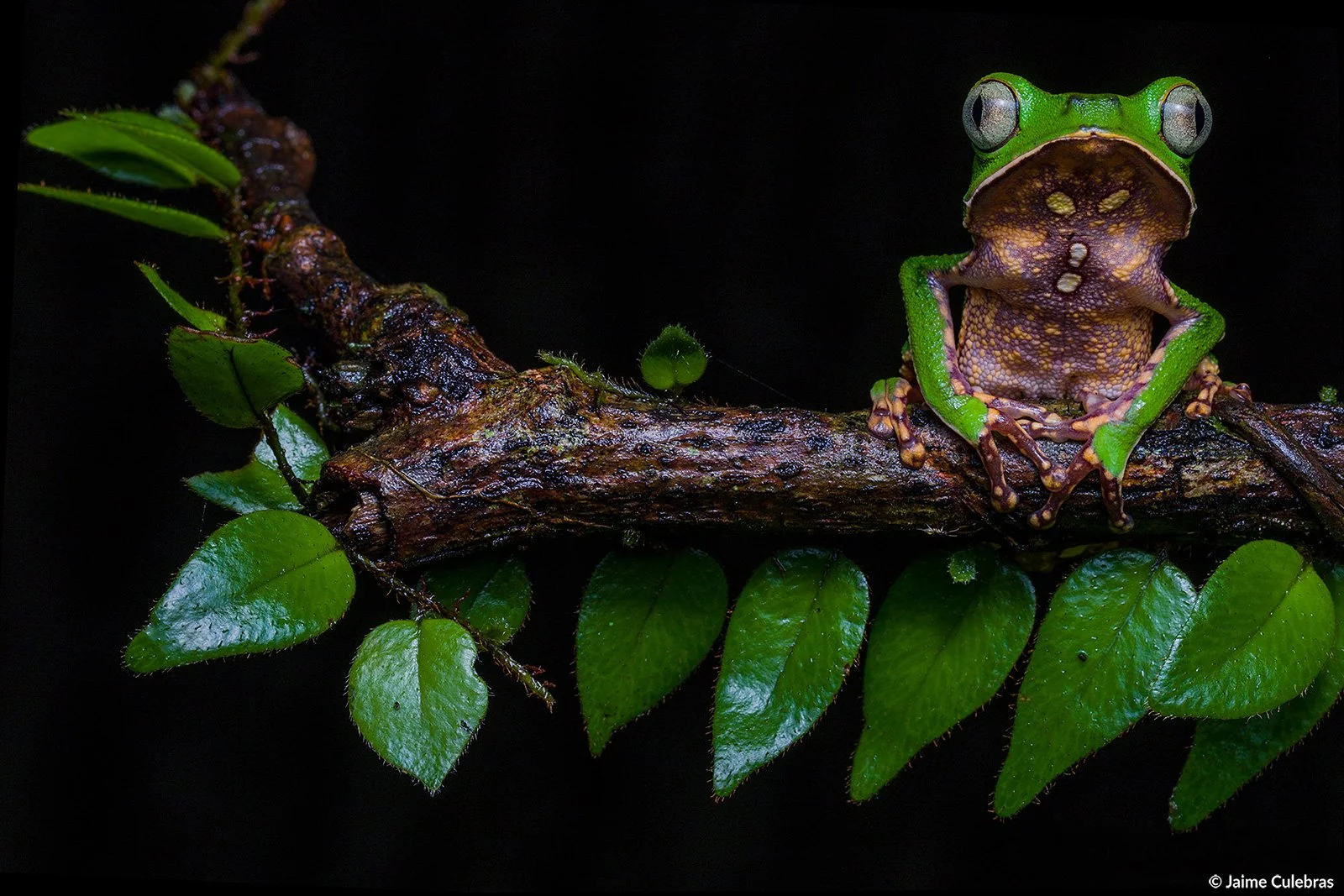
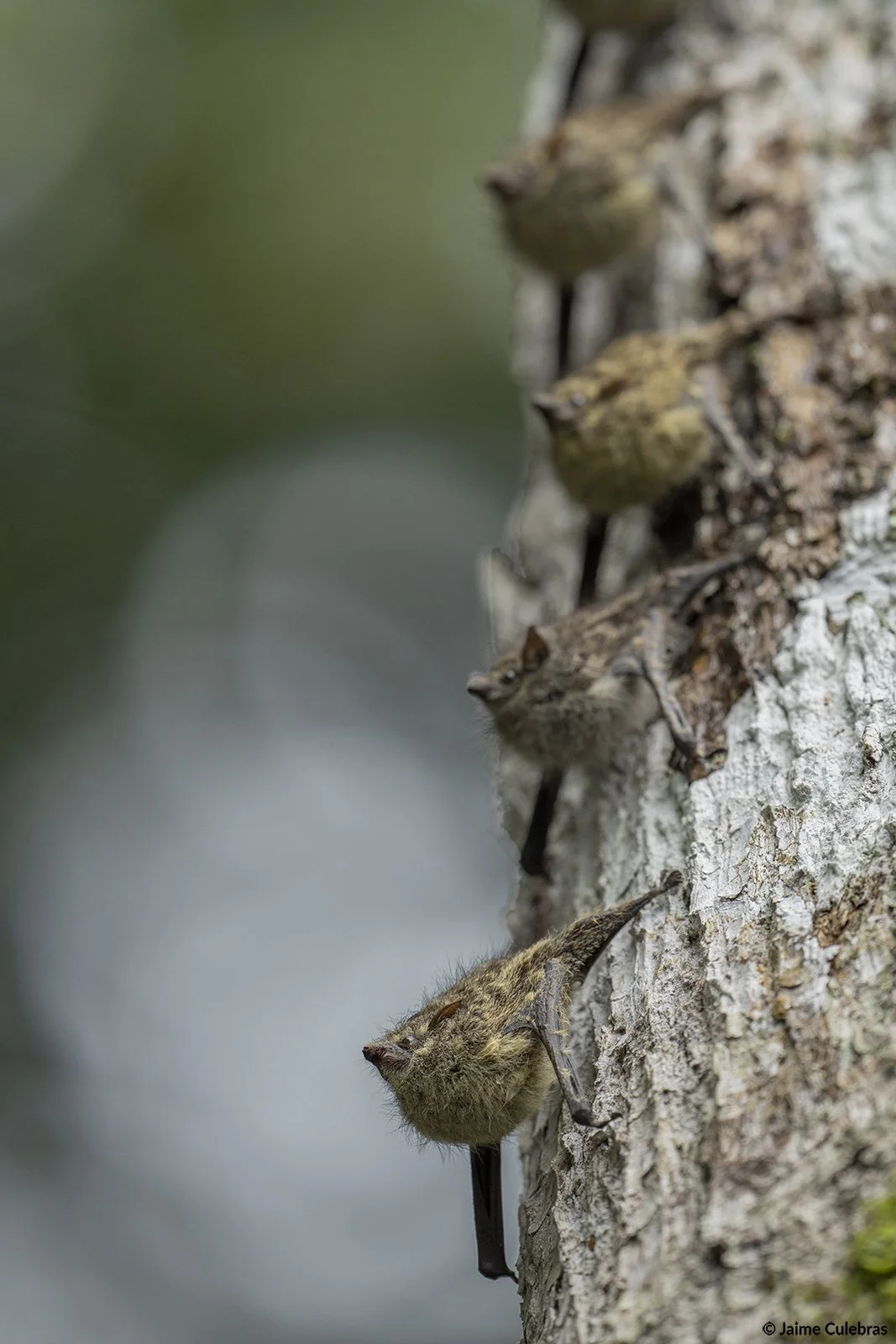
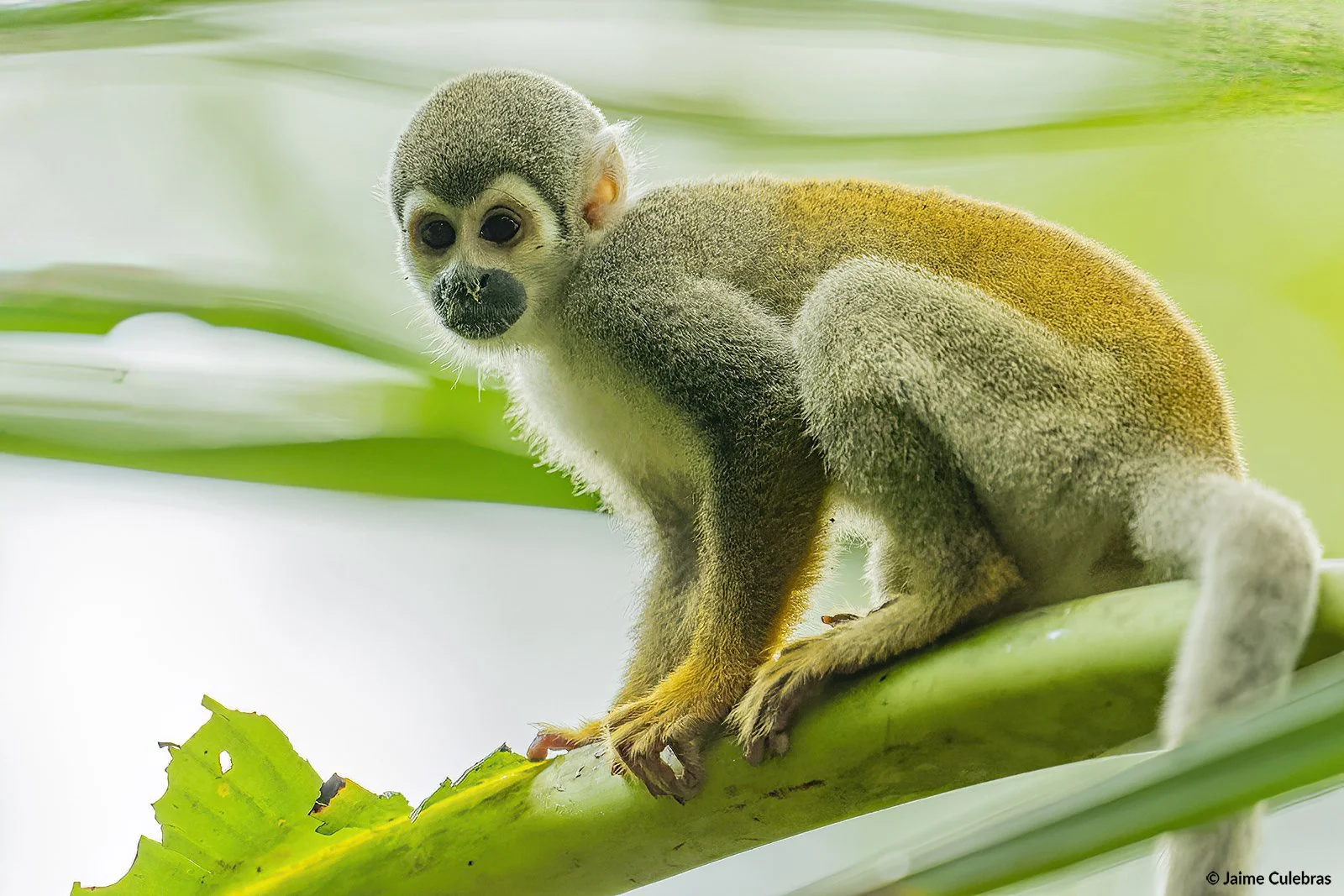
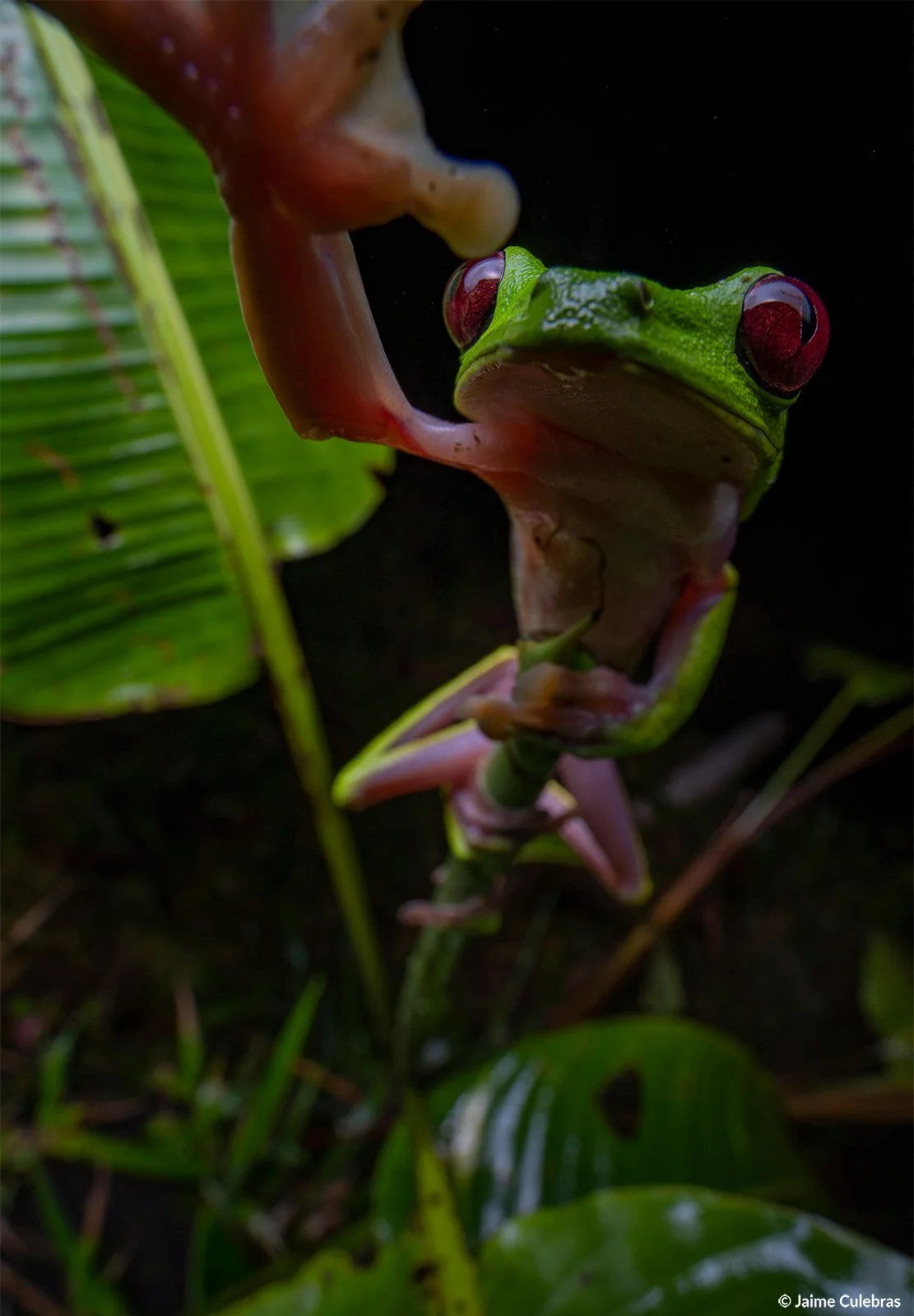
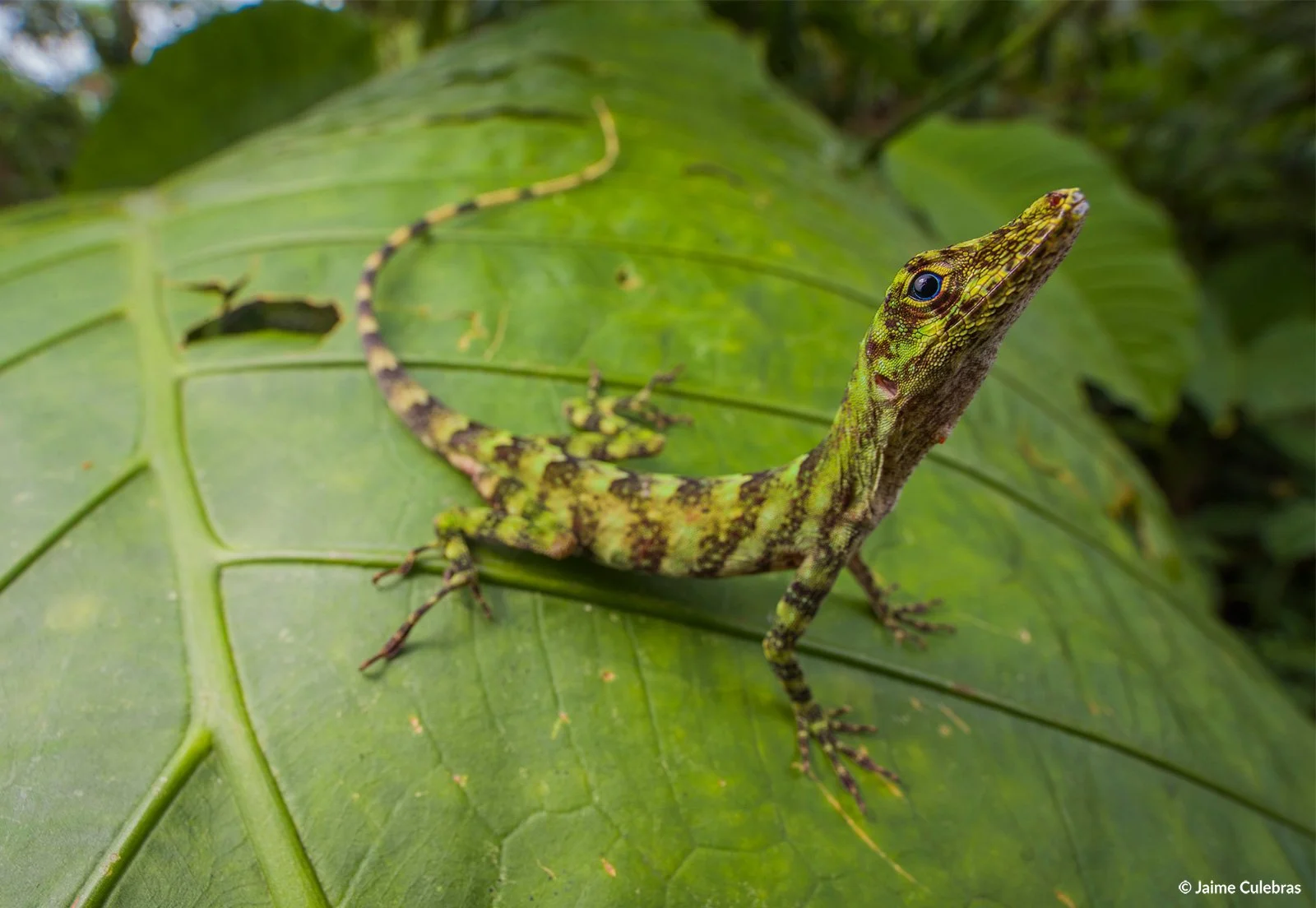
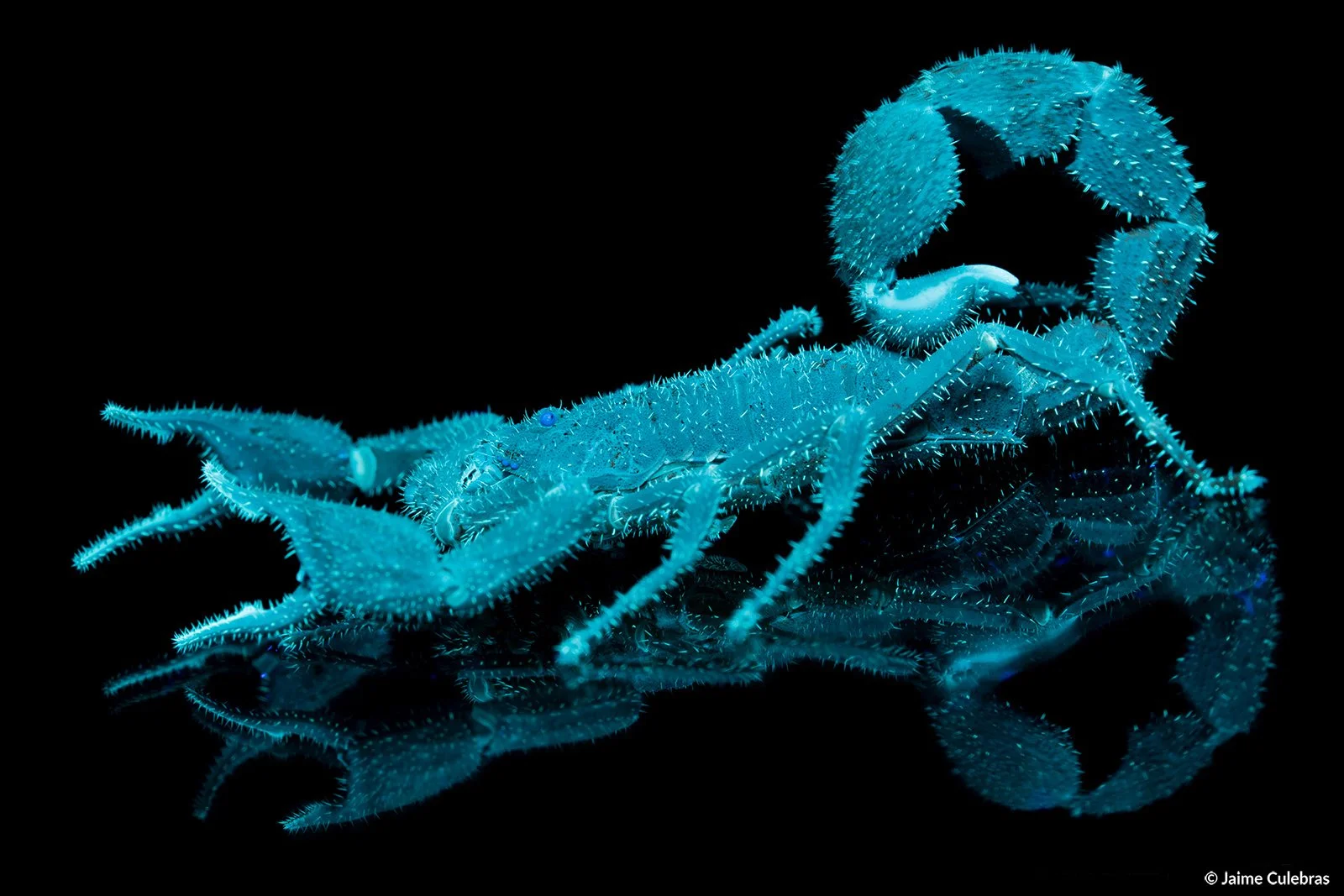
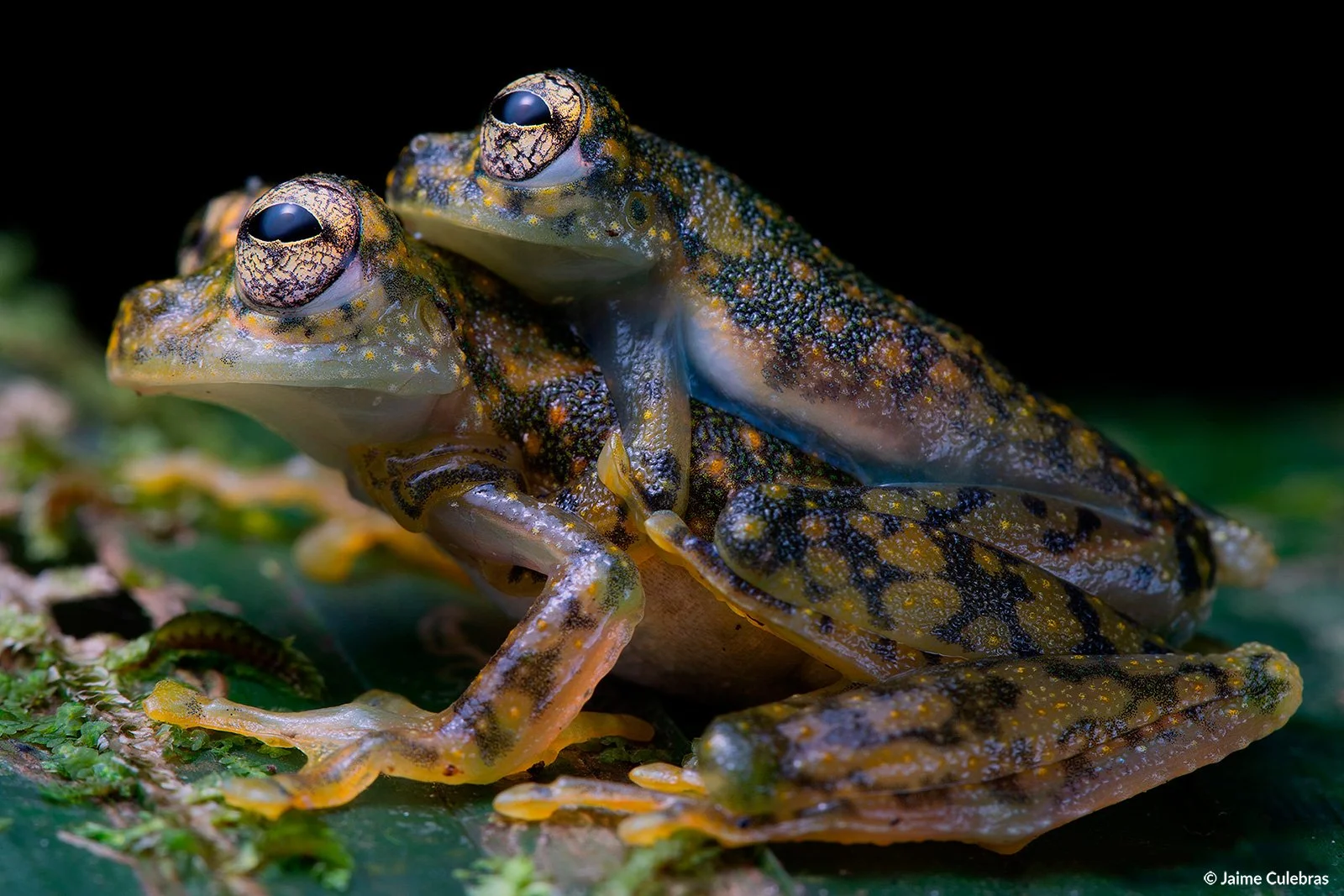
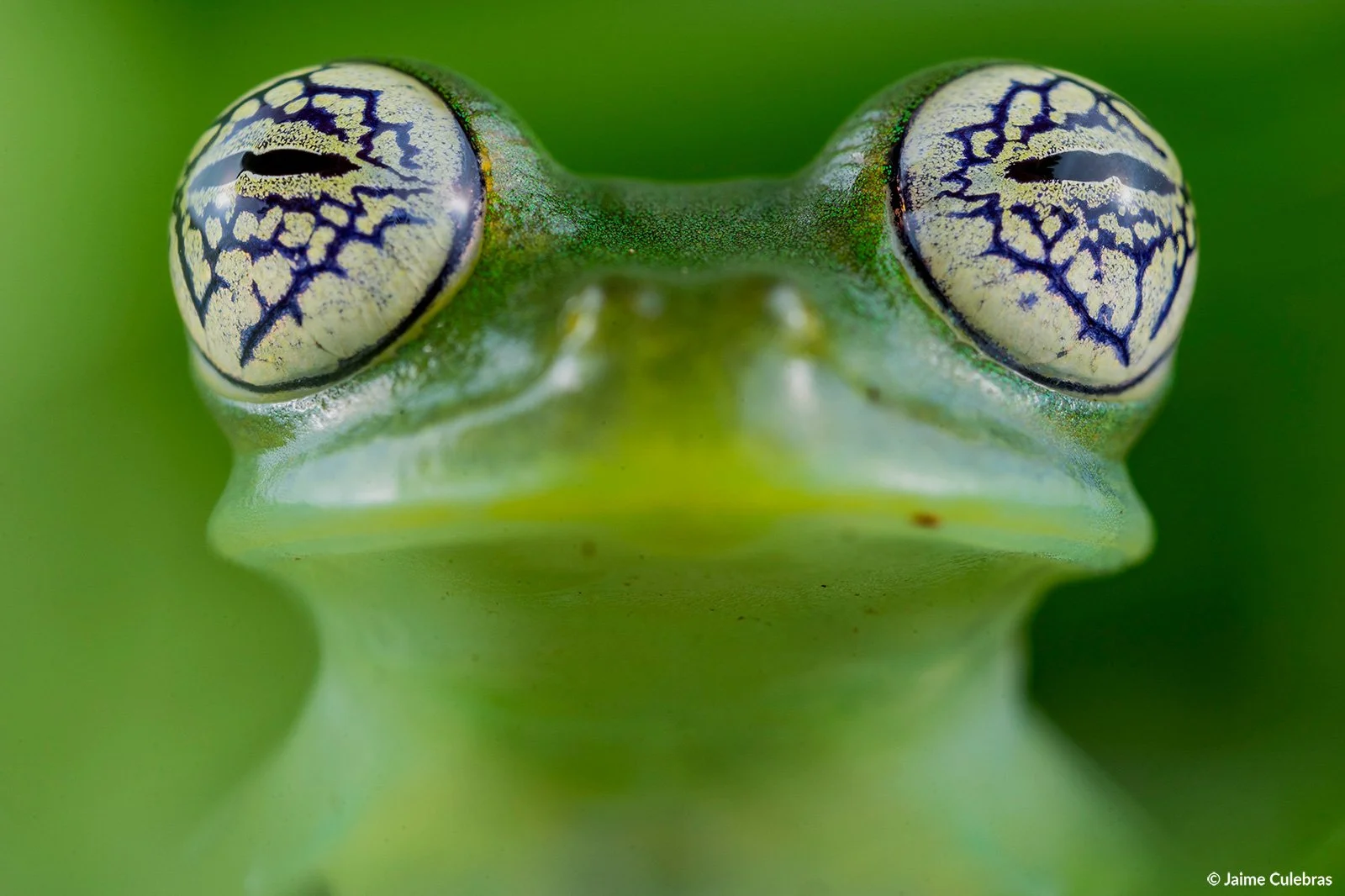
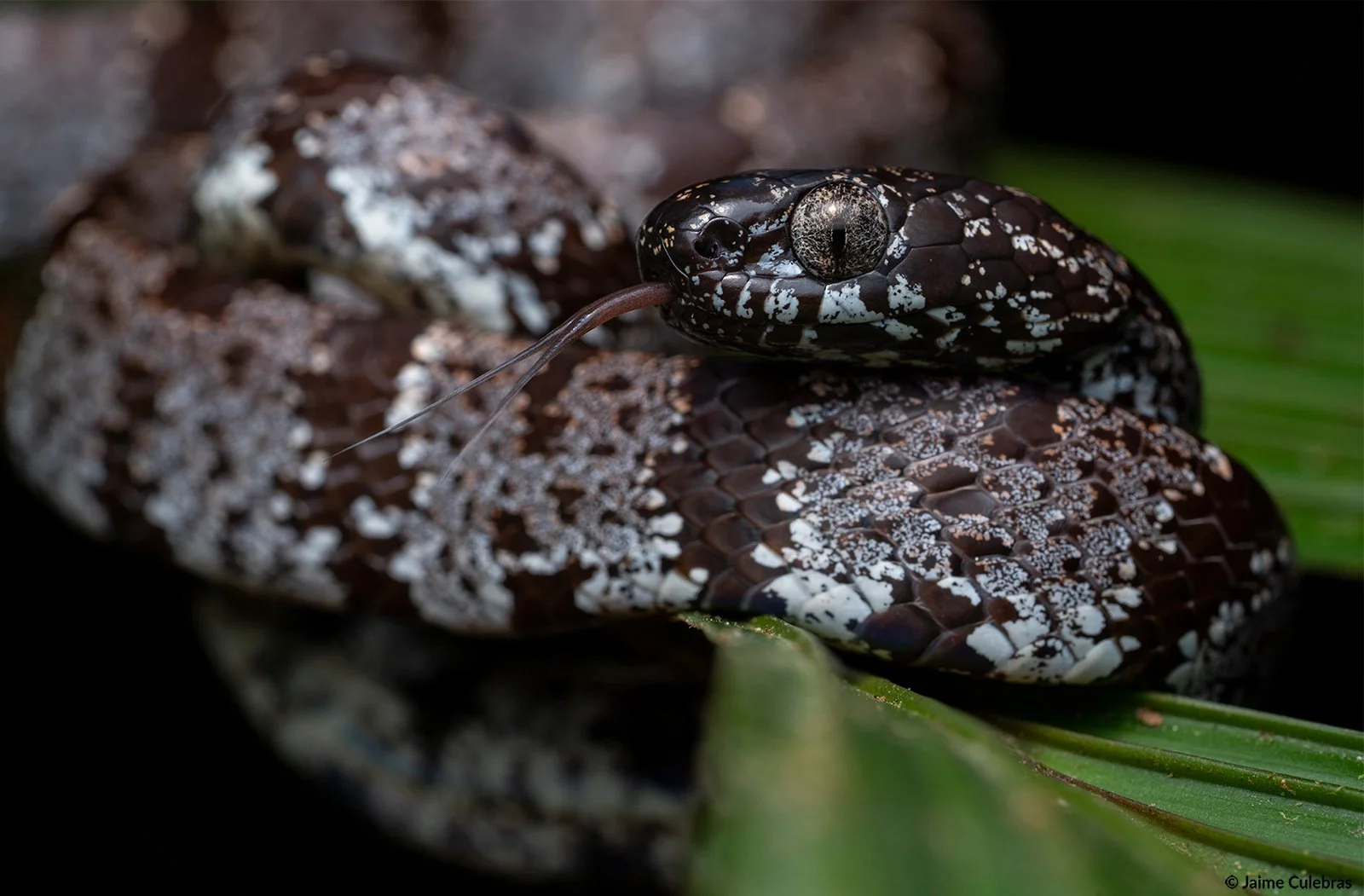
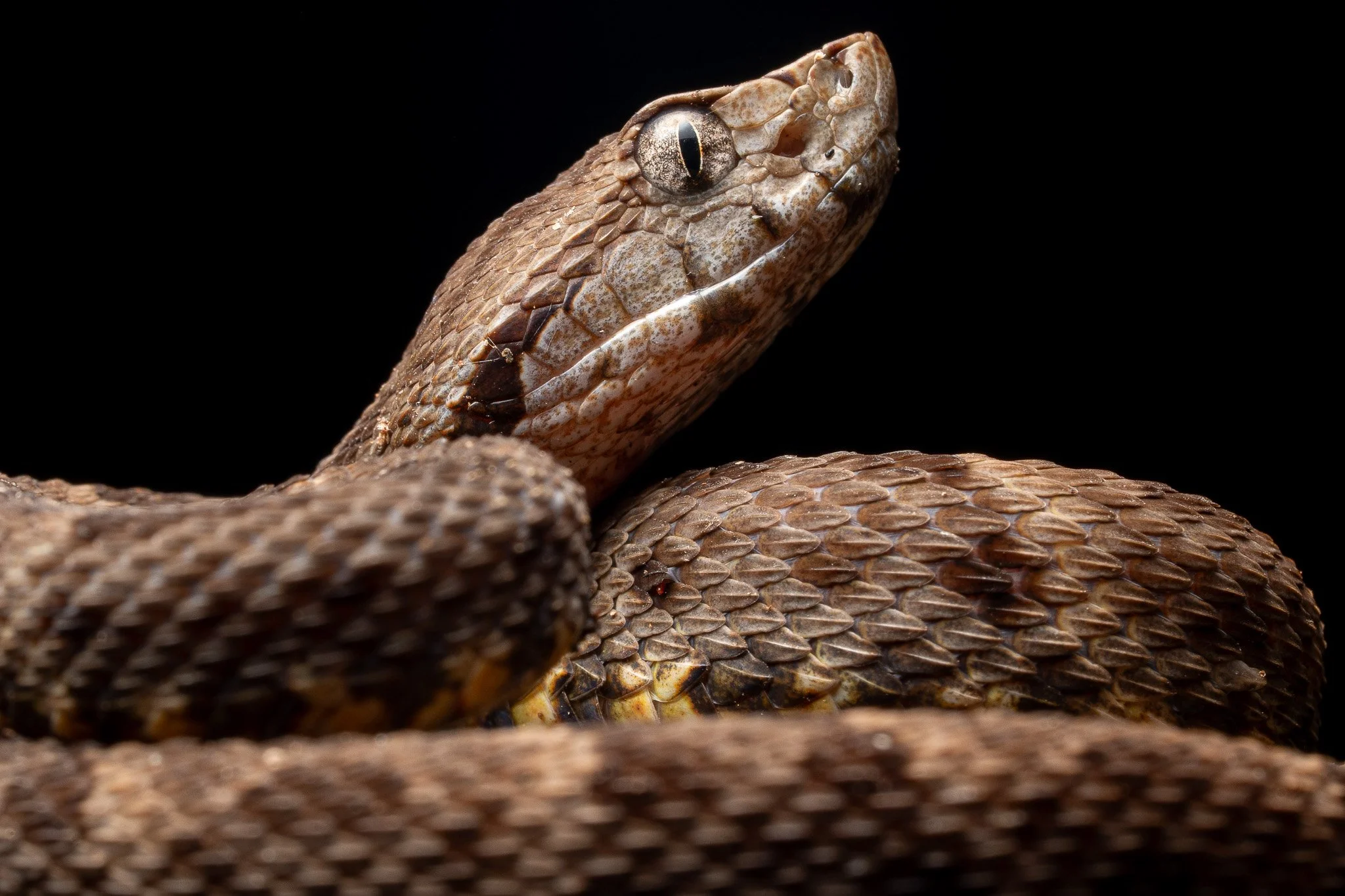
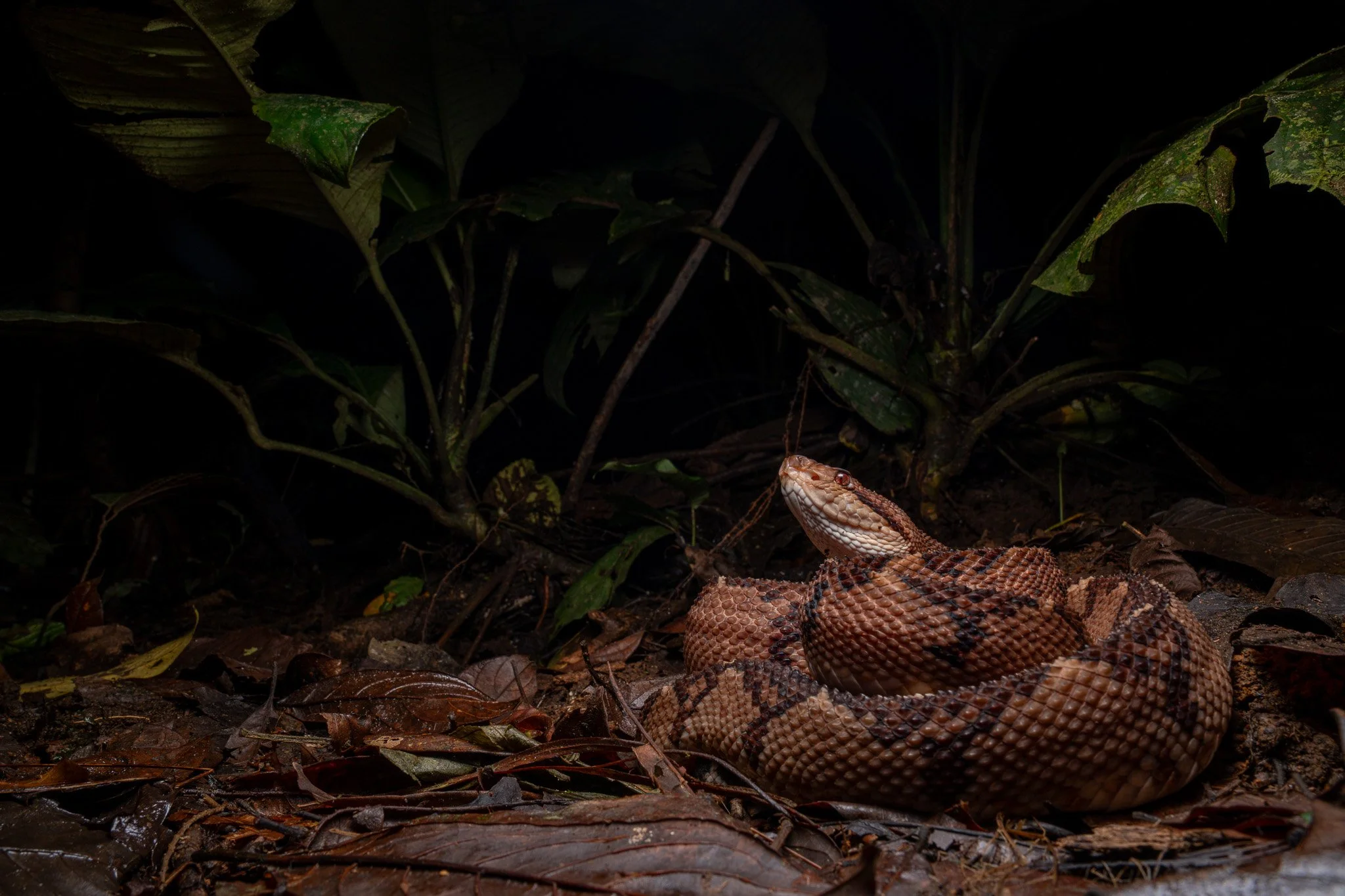
EXPLORE THE GALLERY BELOW FOR A GLIMPSE AT SOME OF THE CREATURES WE’VE ENCOUNTERED IN YEARS PRIOR.
NOTE: SOME PHOTOS COURTESY OF JAIME CULEBRAS