

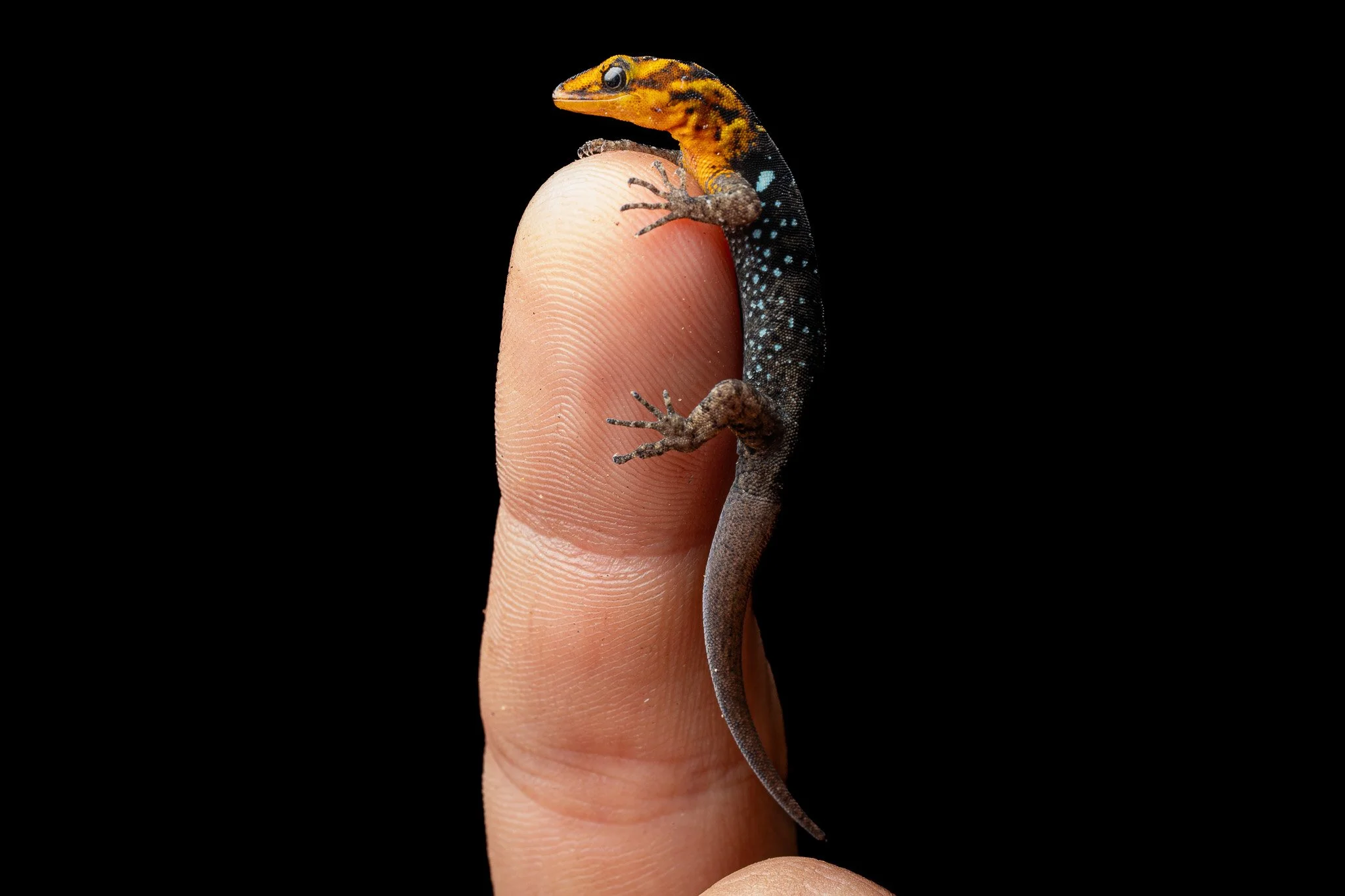



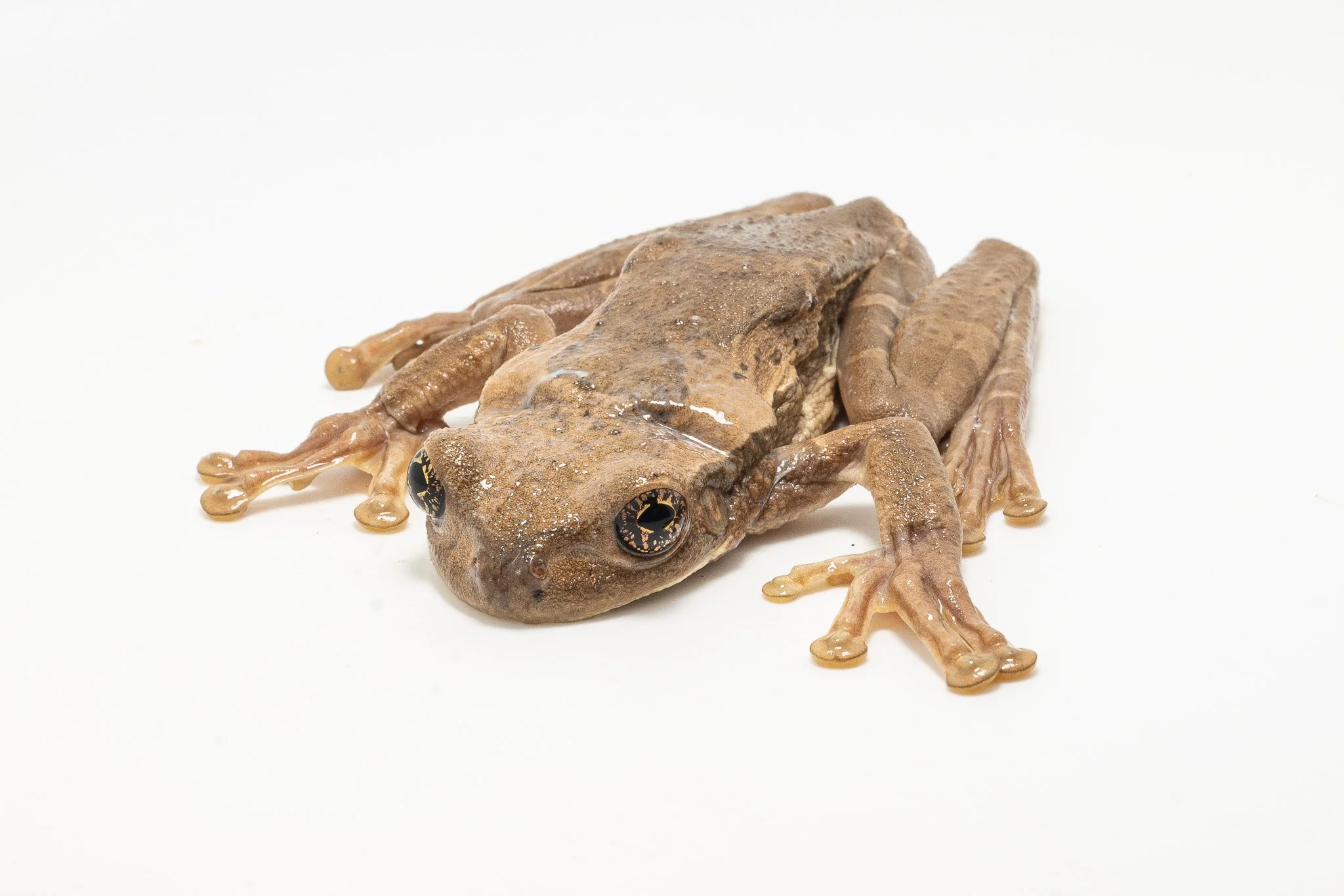




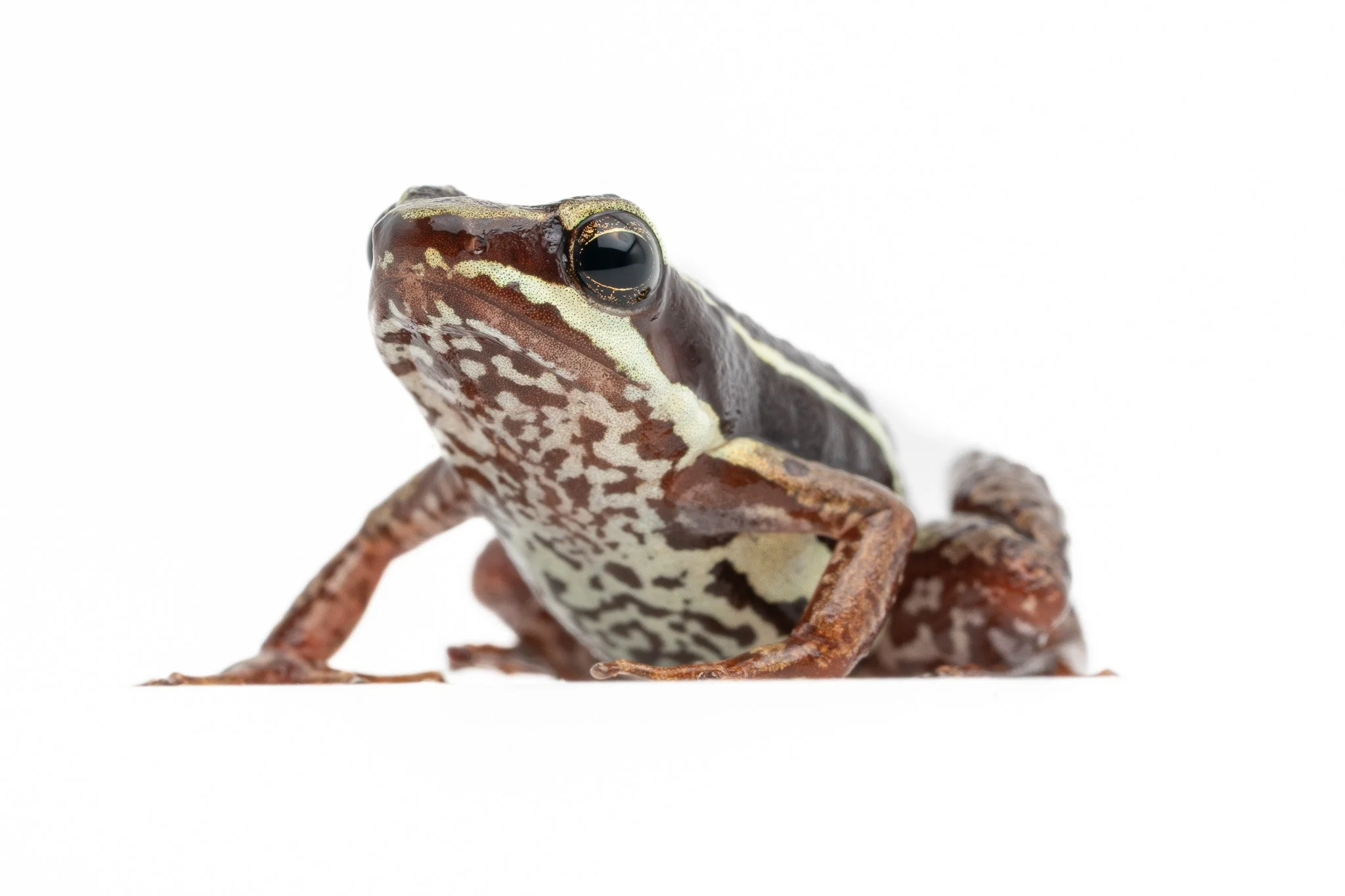
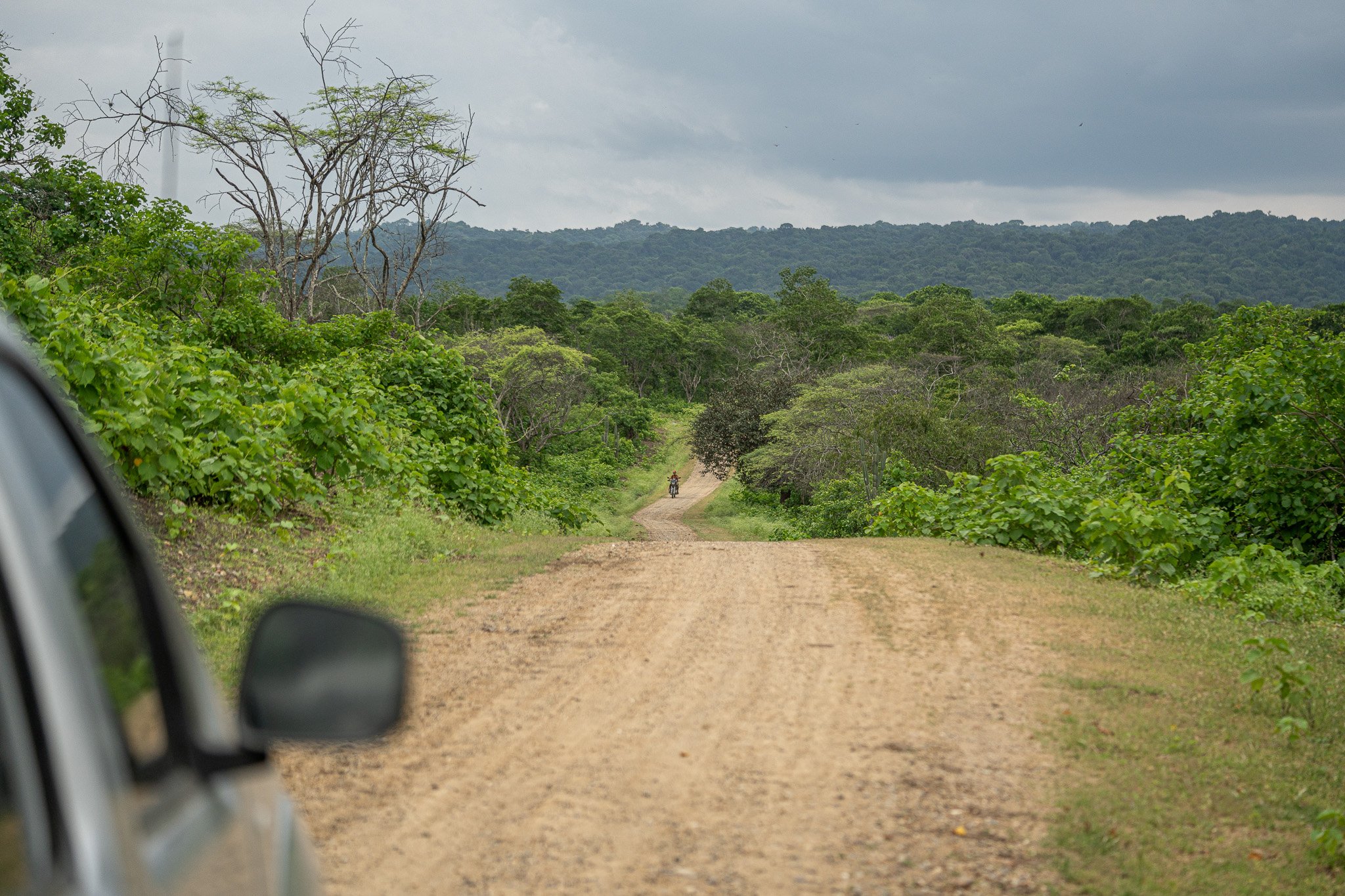

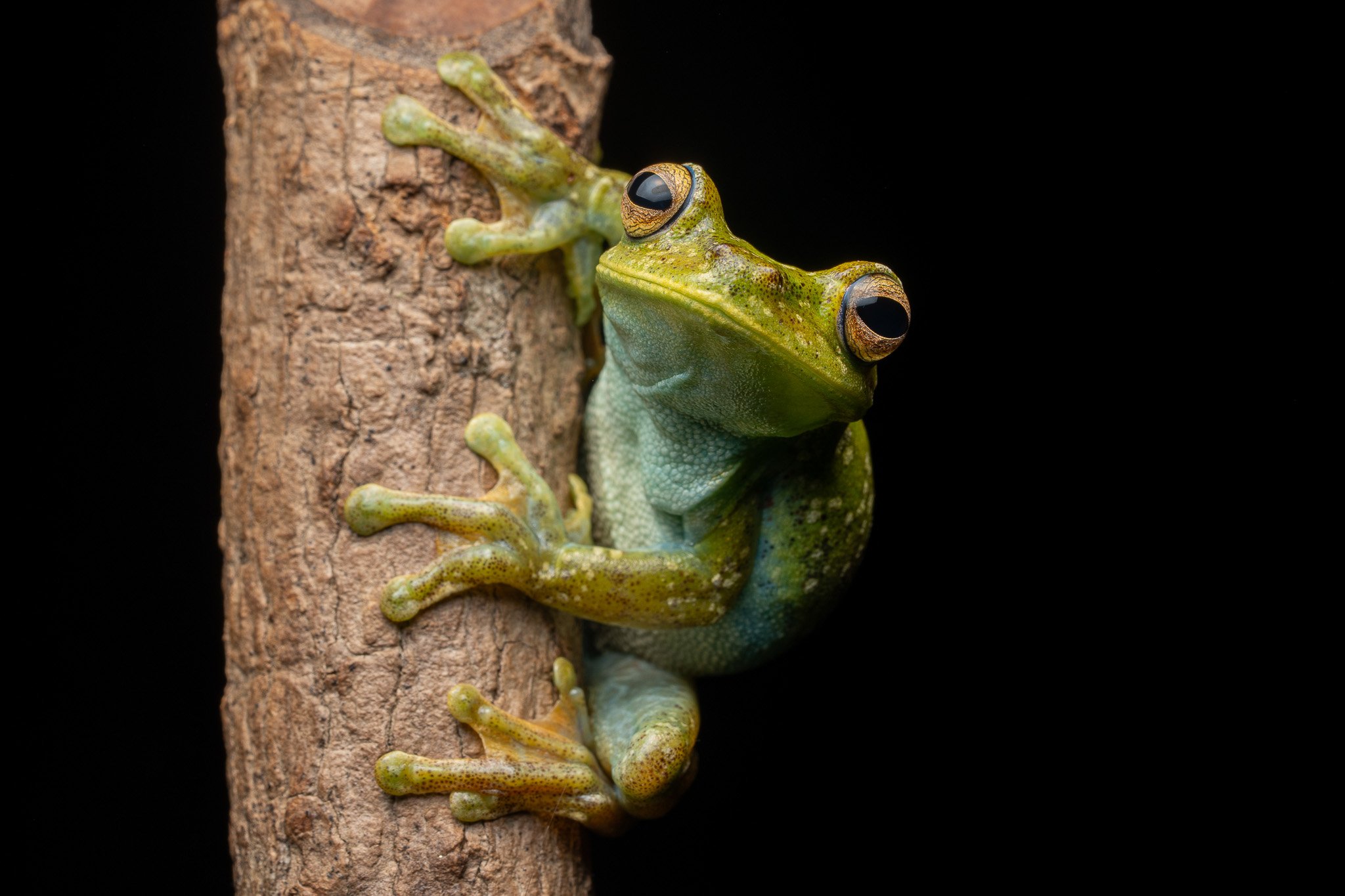

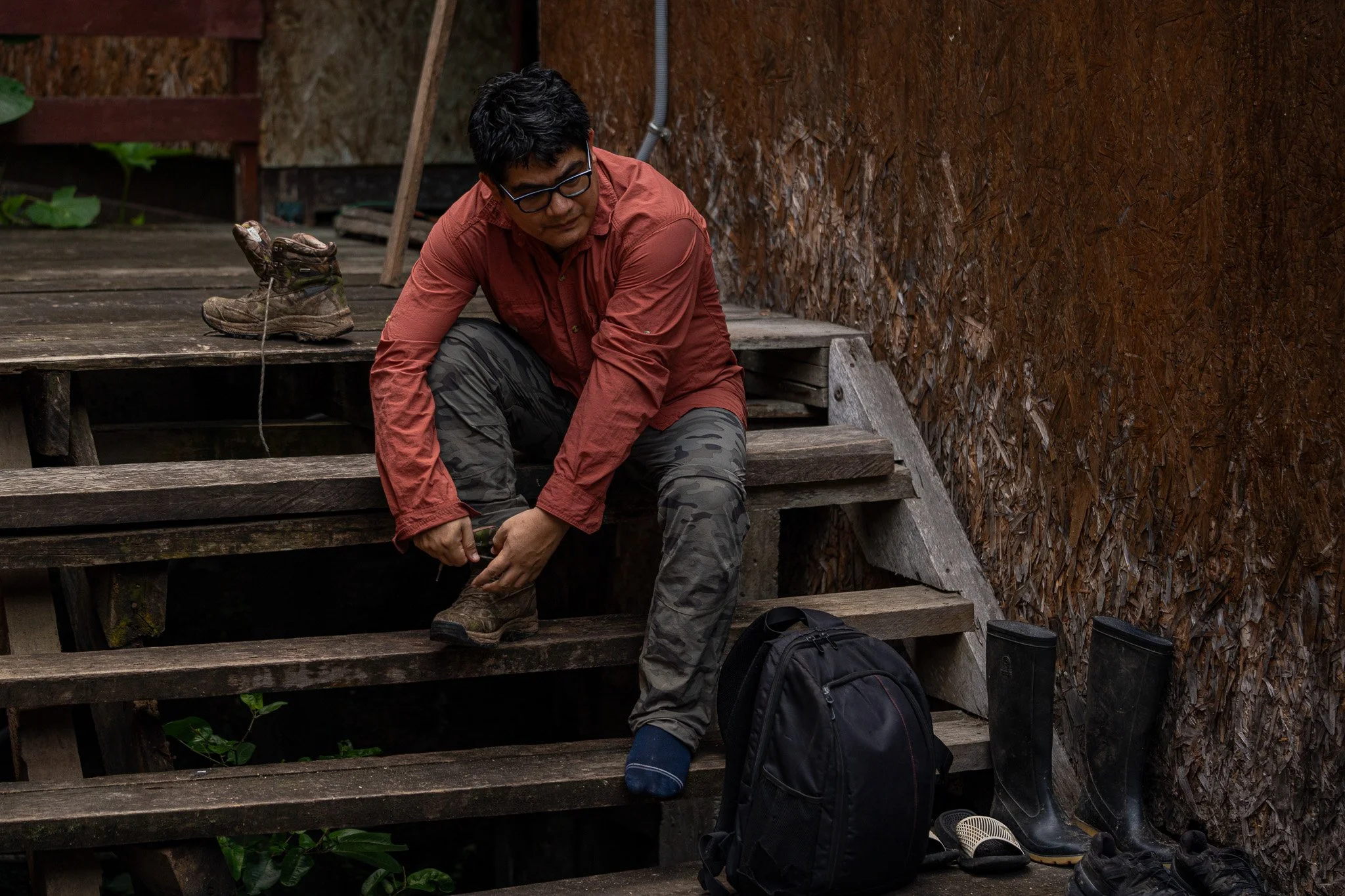

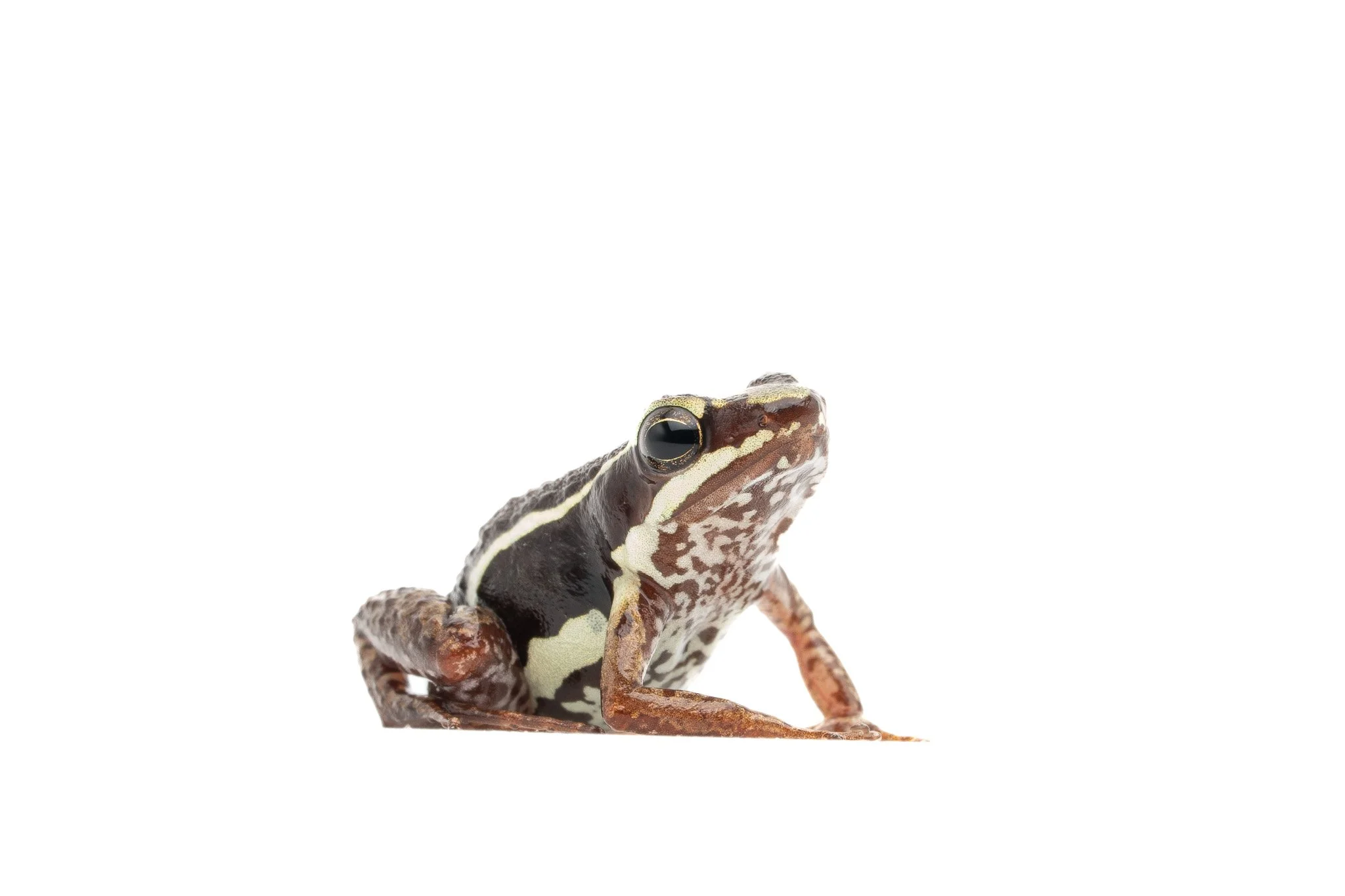







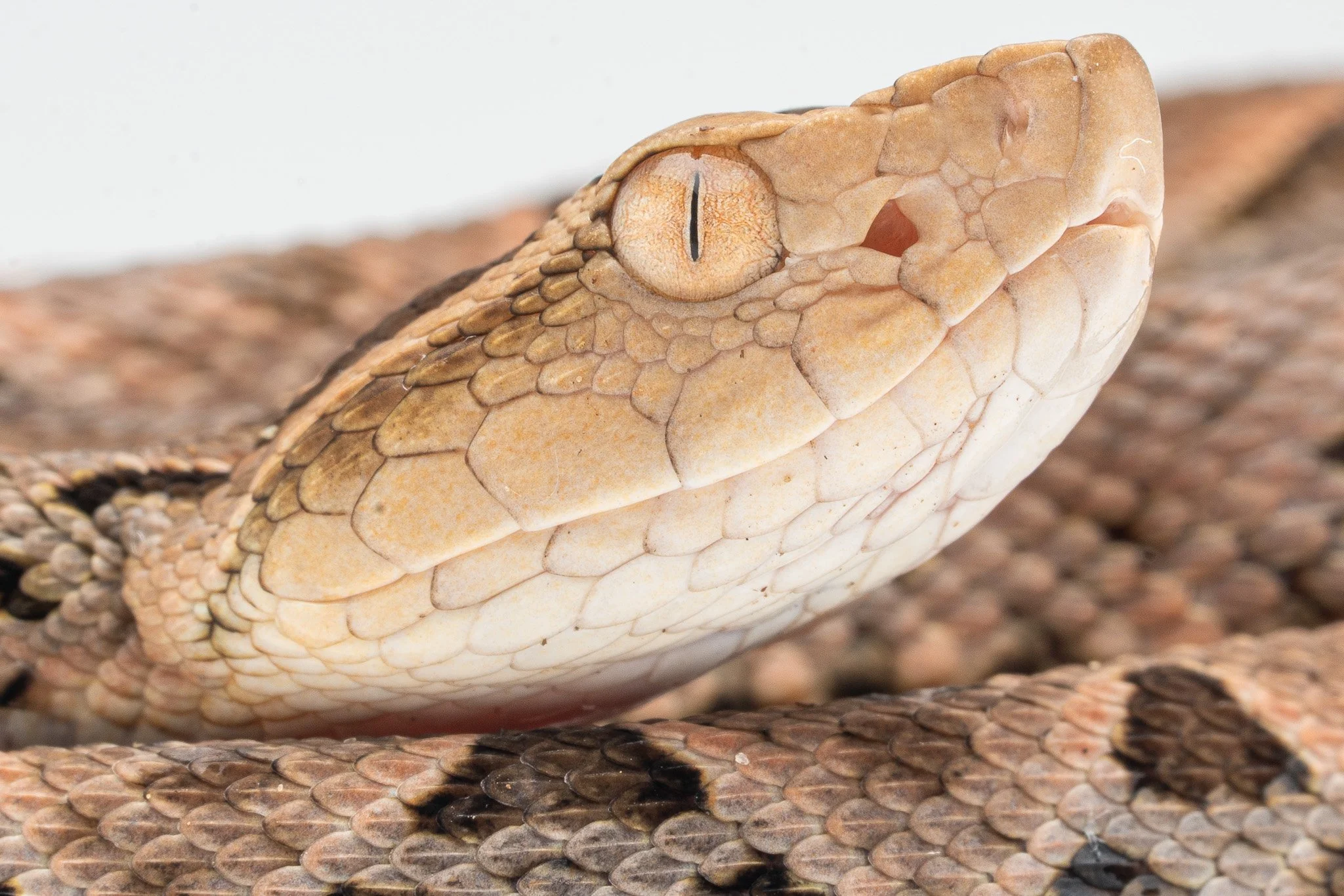
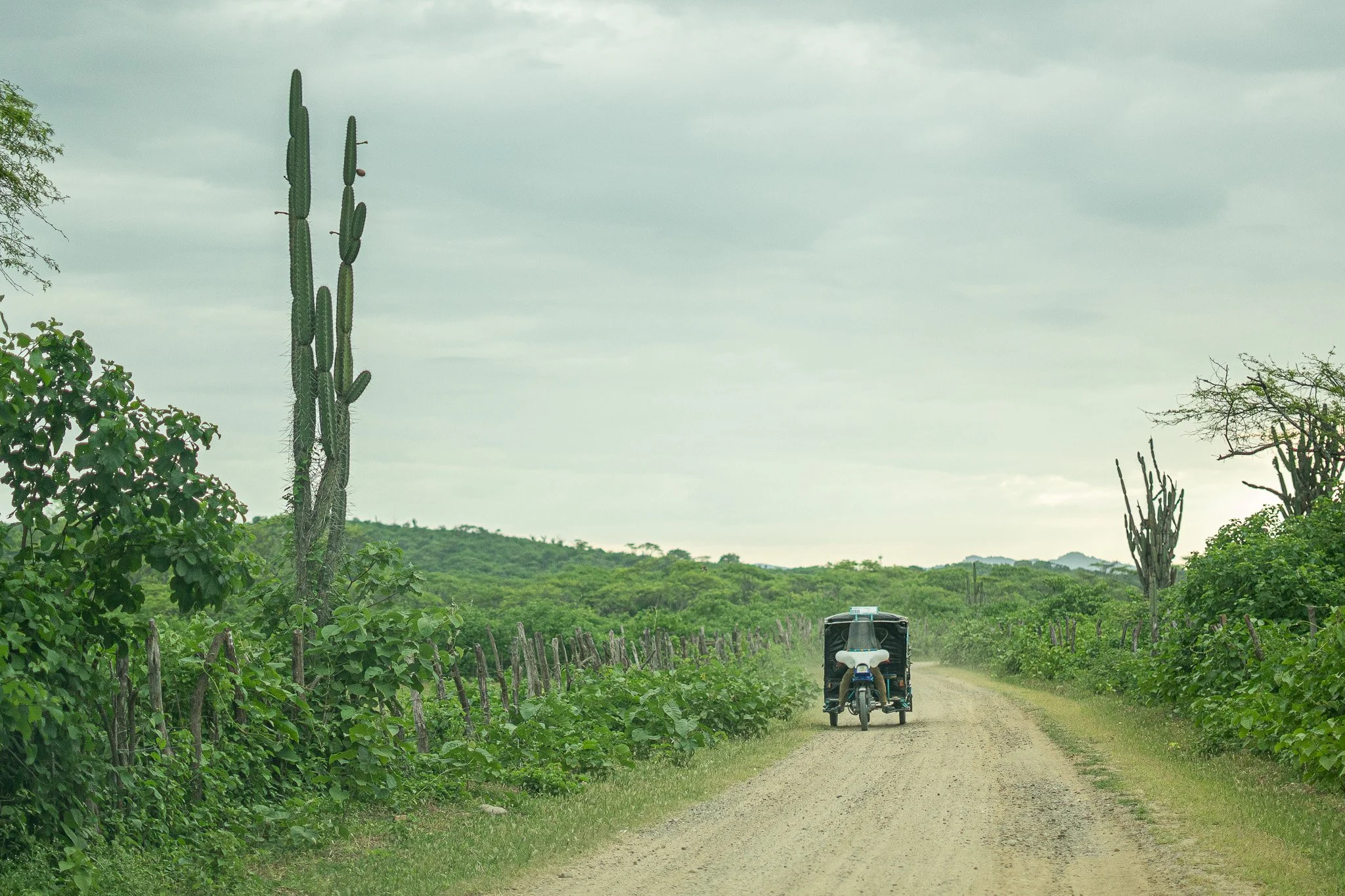


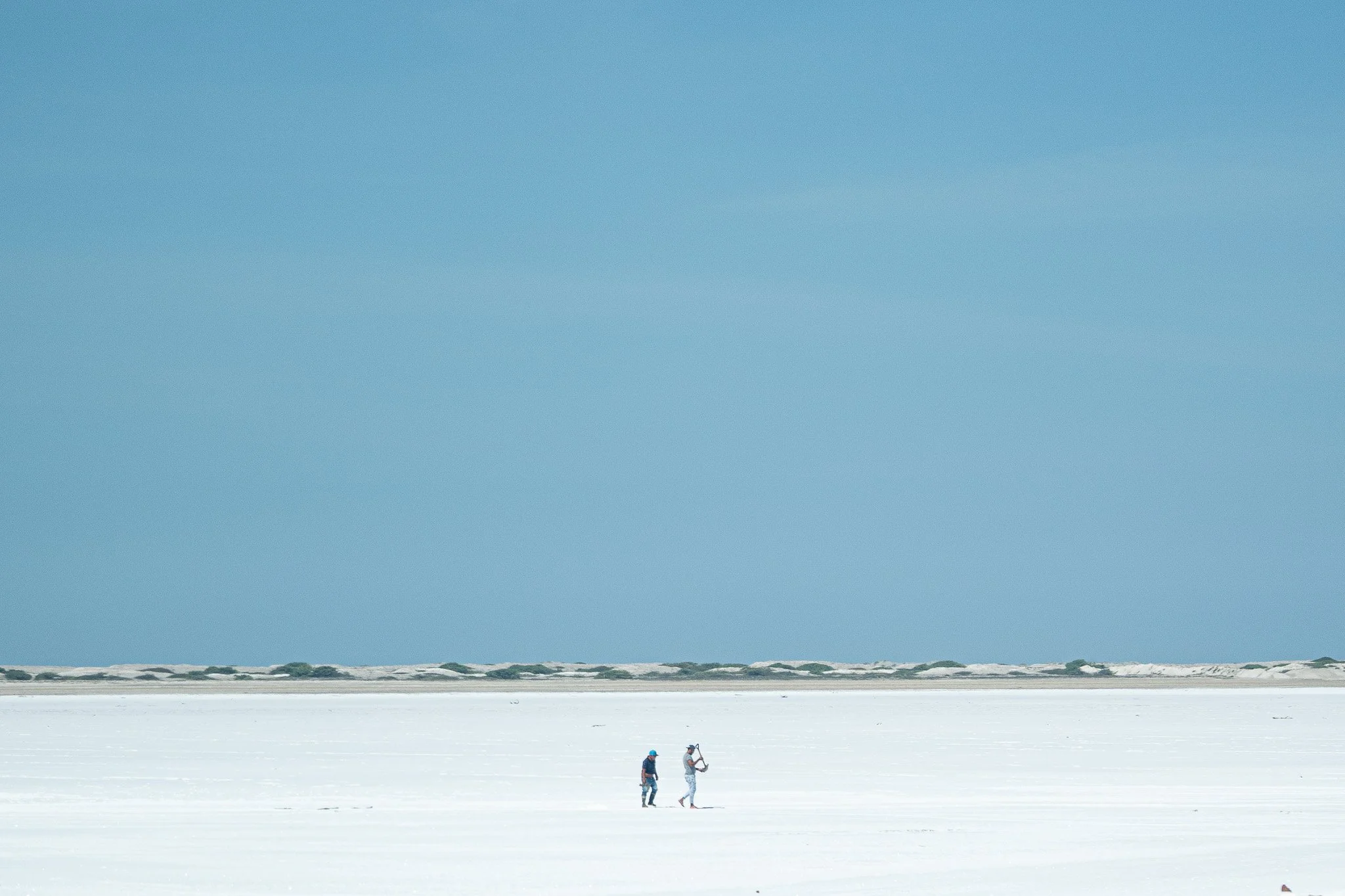



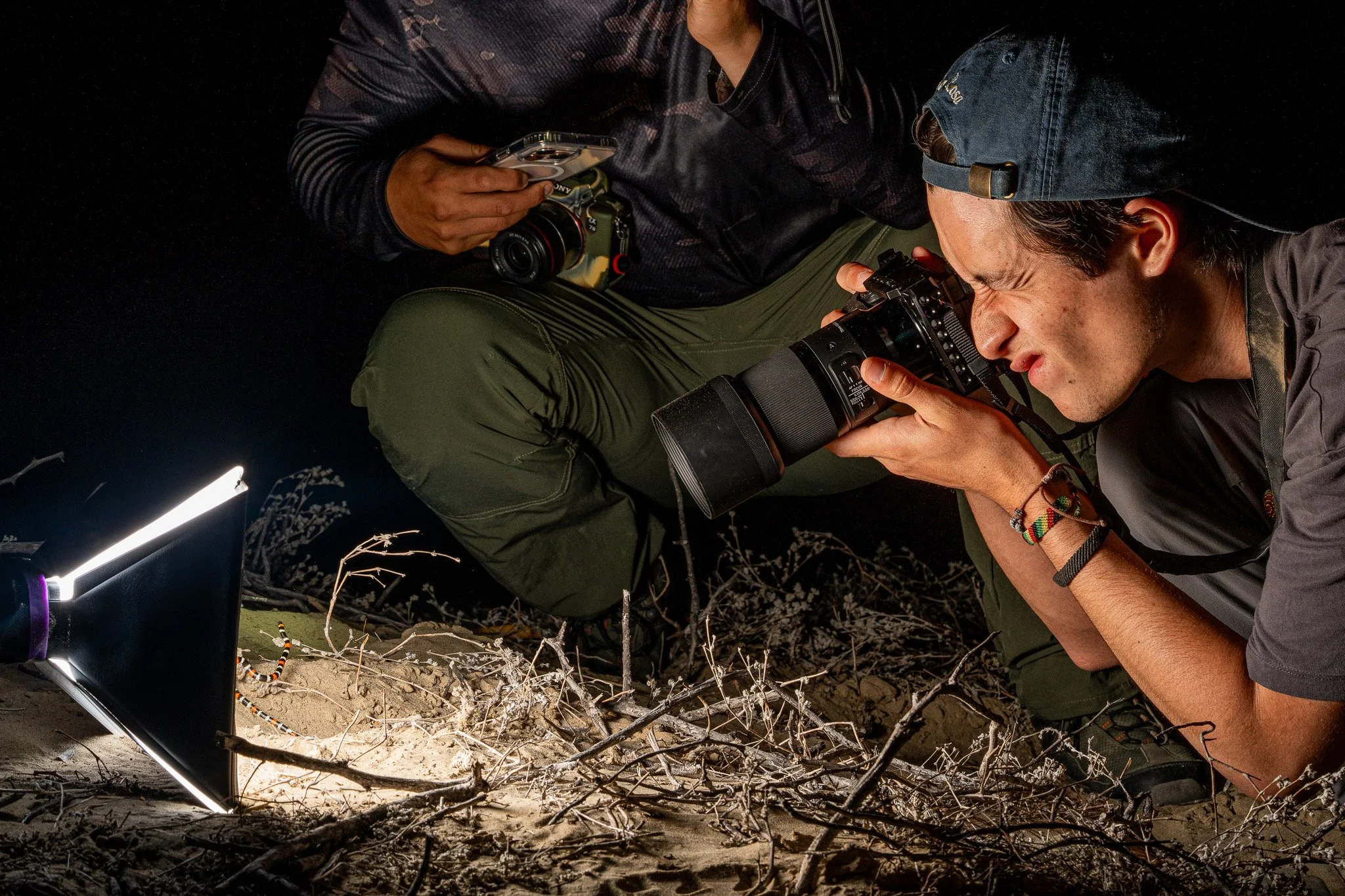





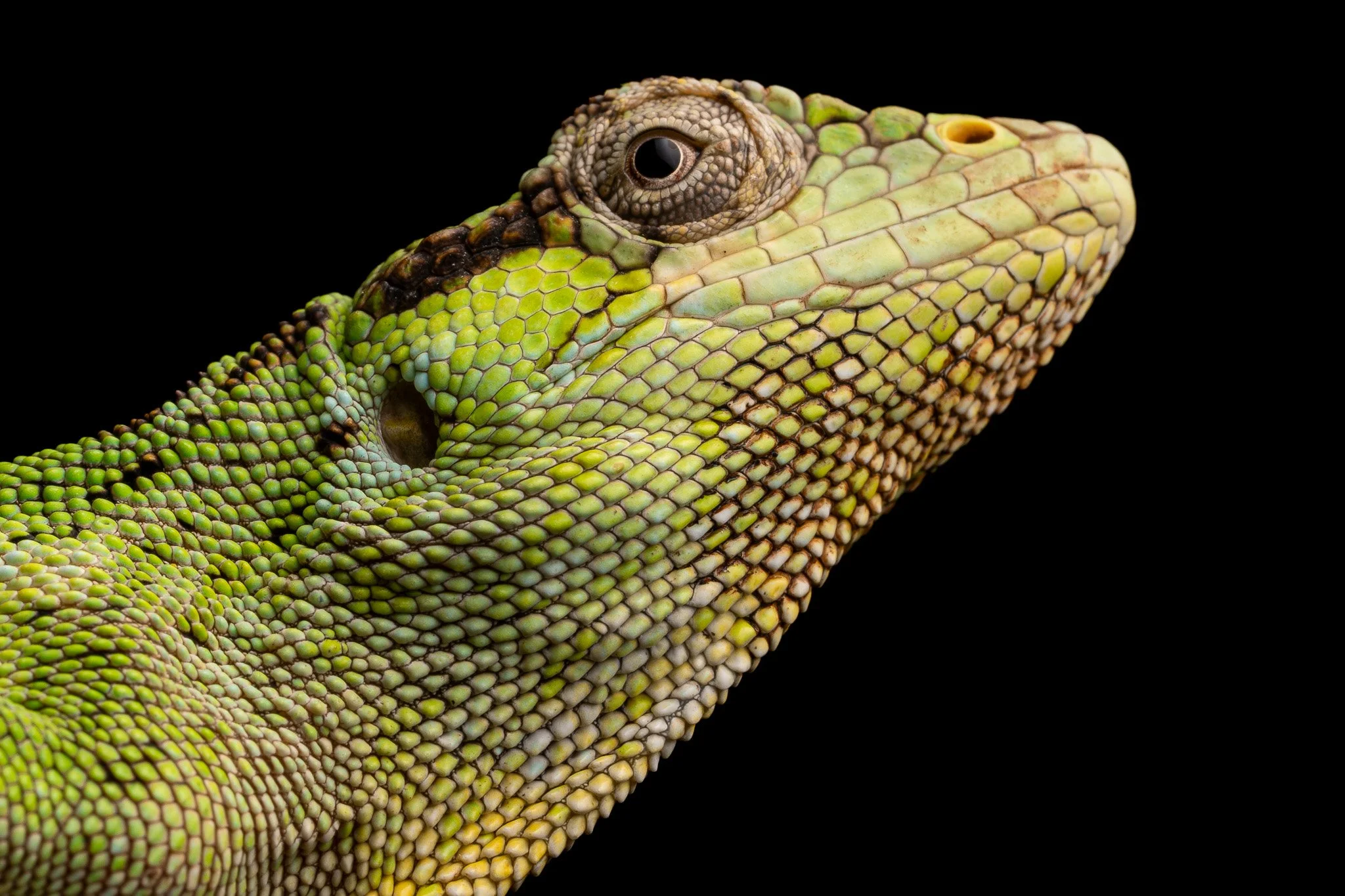


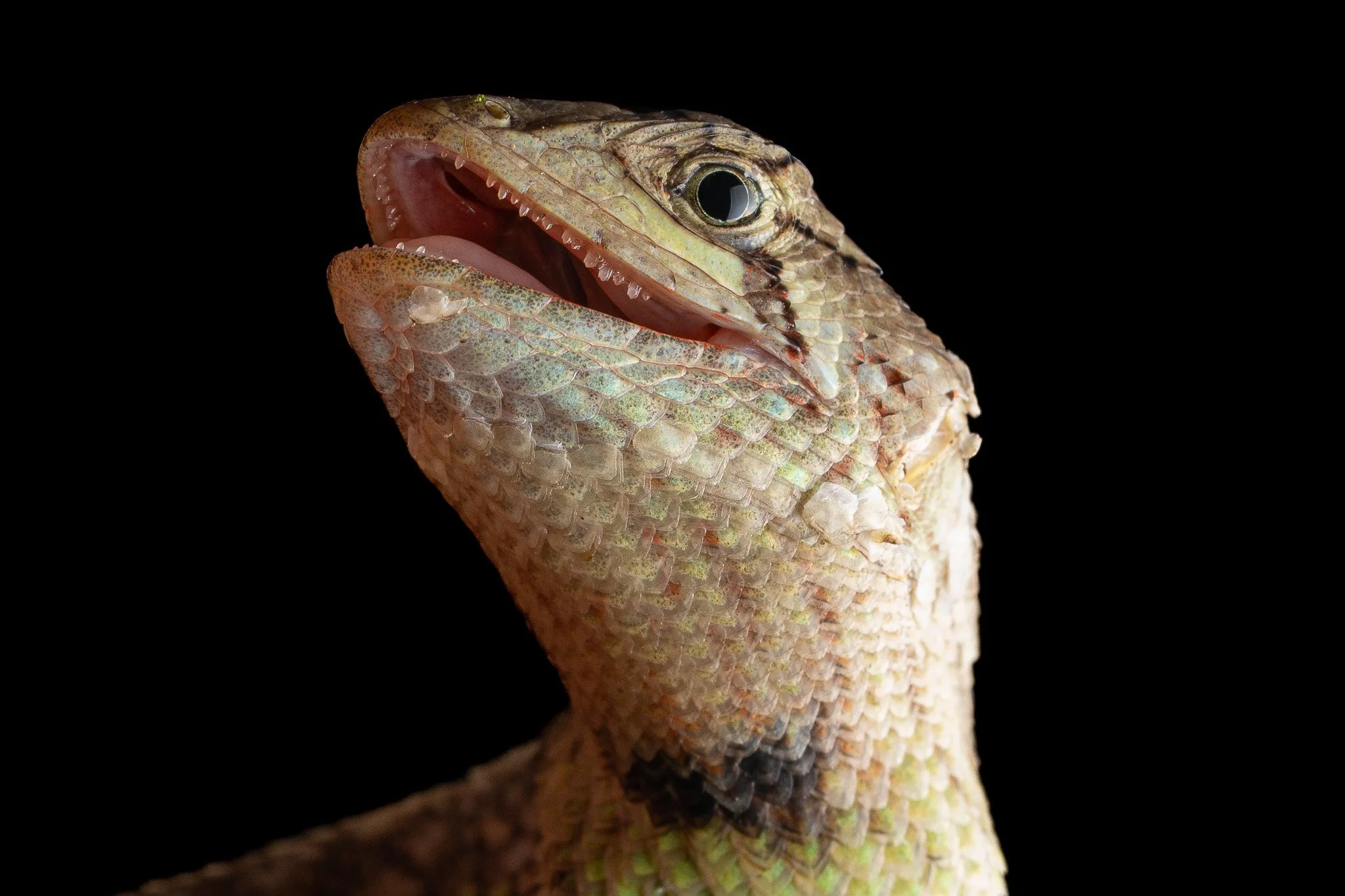
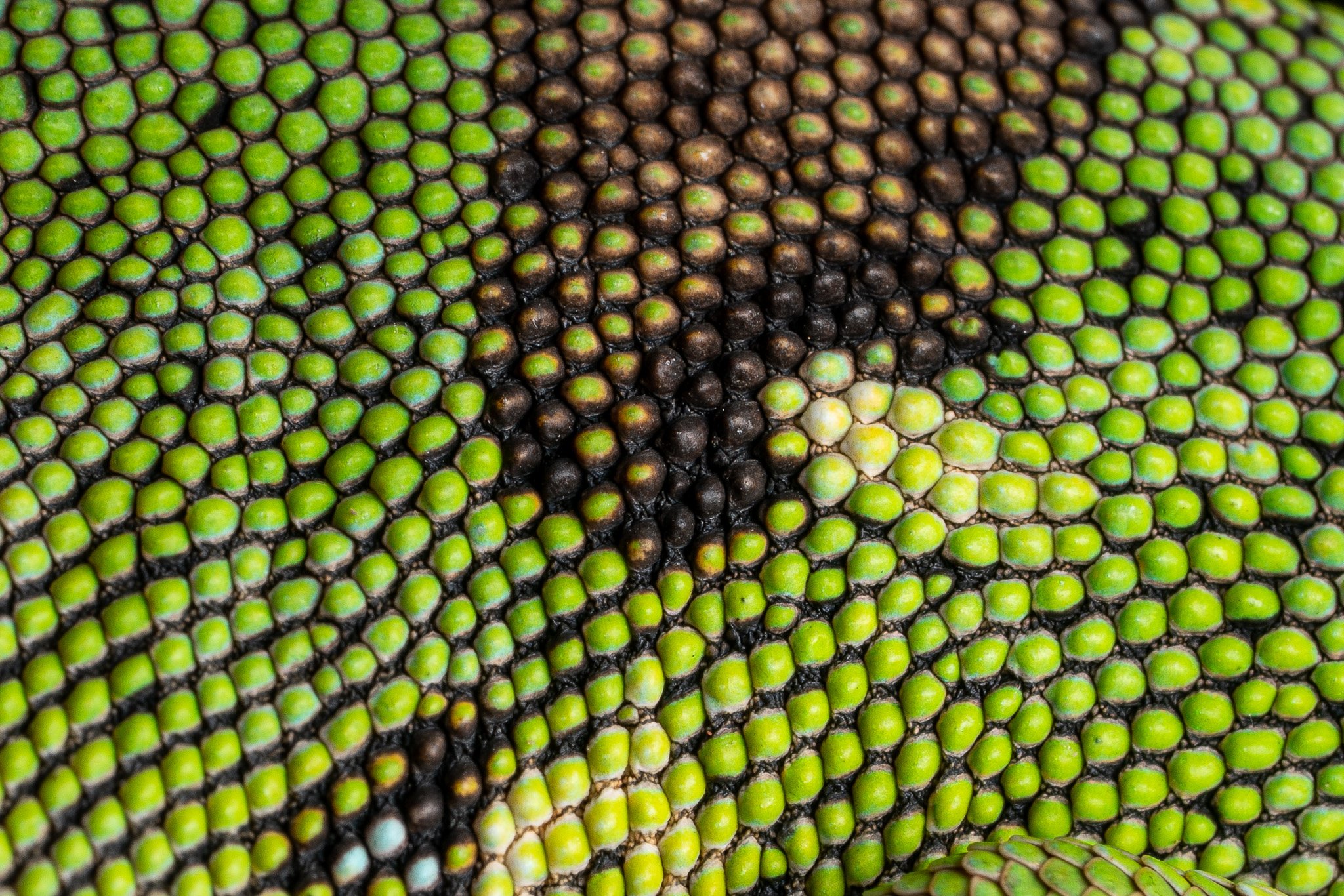
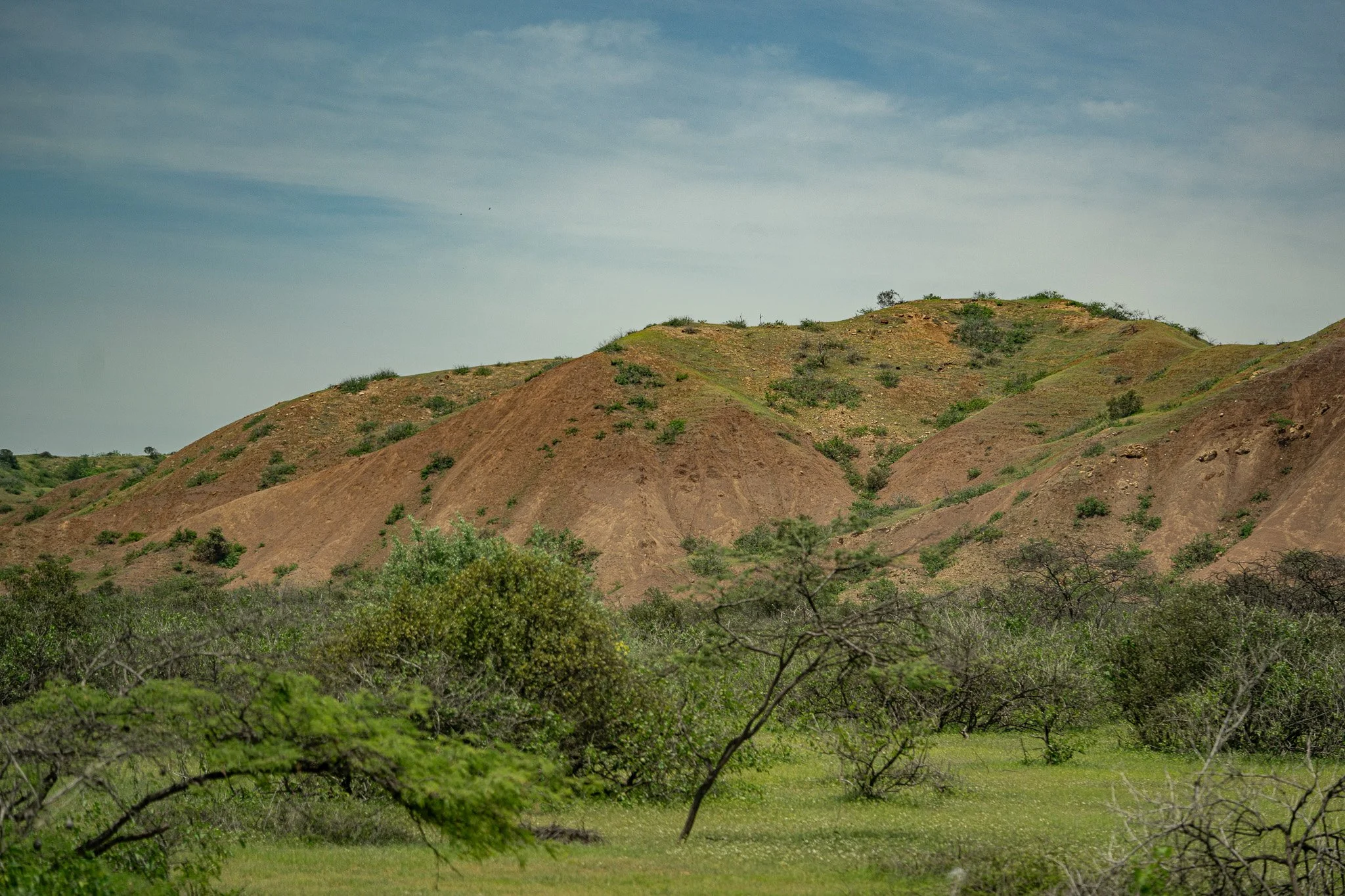


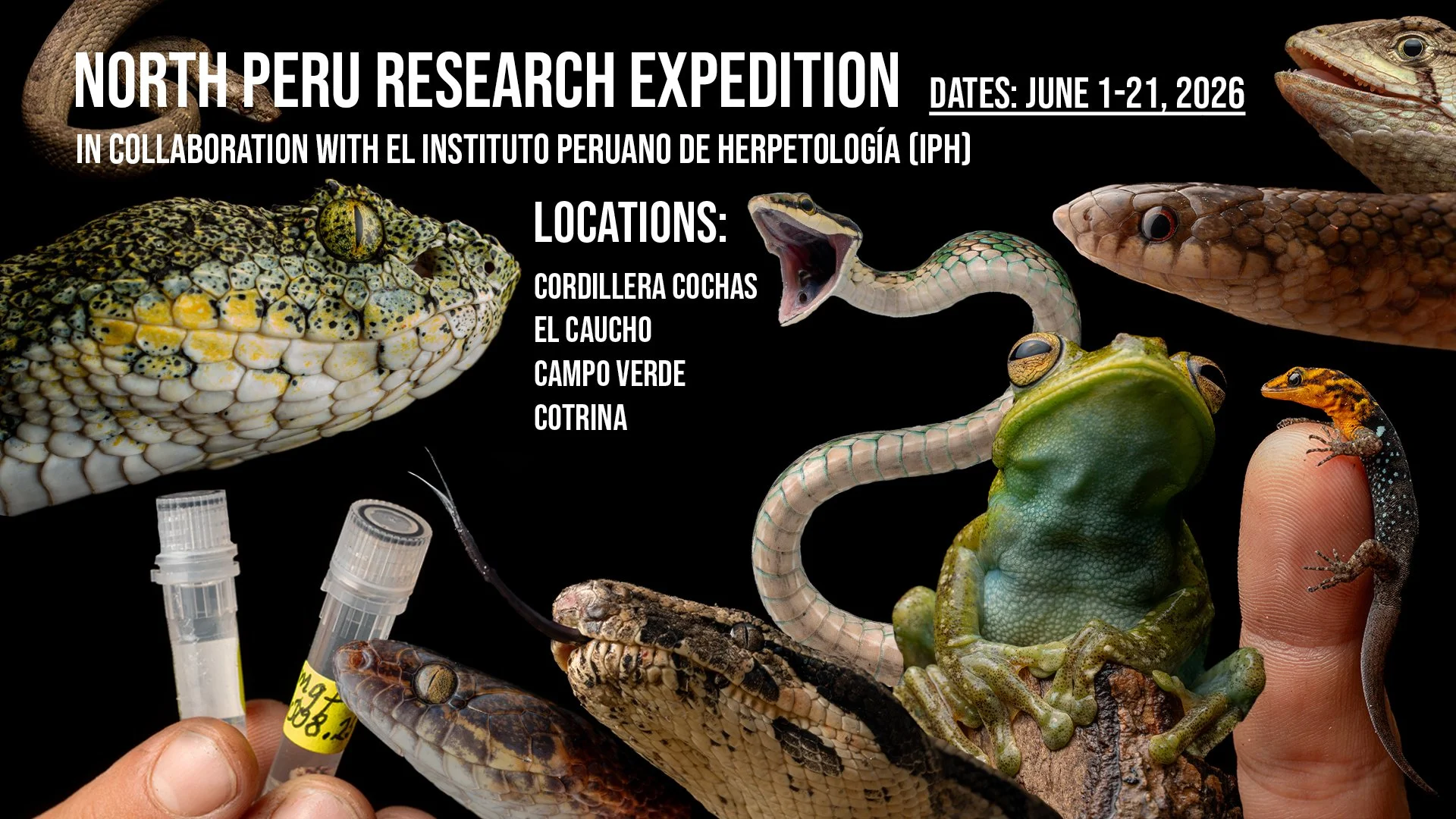
Joining this expedition implies you will be on a team responsible for discovering reptile and amphibian range extensions, new records for the entire country of Peru, and very likely one or more new species to science itself. This is the first time IPH has allowed citizen scientists and students from abroad to participate in such groundbreaking research, and the expedition has been designed in such a way that by joining us, you’re presence alone will be making the entire project a reality.
This expedition may be eligible for certain students to earn academic credit.
We don’t like to think of the world as a place that’s been explored and exploited, but that is exactly how many of us are left feeling in the 21st century. Humans yearn for discovery, exploration, revelation and novelty- yet the destruction and development that swallows our natural areas hints that such periods are gone. Fortunately, while those feelings of immense loss are entirely valid and well-founded, it only takes a curious peek behind the curtain to realize just how little we know about anything. Each year, scientists formally describe around 15,000 to 20,000 new species on Earth. That includes plants, animals, fungi, protists, and fossils.
When we bring range extensions and other taxonomic work into the mix, it becomes clear that humanity is existing in a blossoming golden age- not so much of exploration, but a time of pursuing deep understanding. Previously, it was continents and oceans being mapped. Rudimentary names being applied, mythical stories being told. Today, its genomes and family trees being mapped, ancestral tales sequenced by scientists around the globe; driven by a primal urge to understand a strategic complexity larger than themselves.
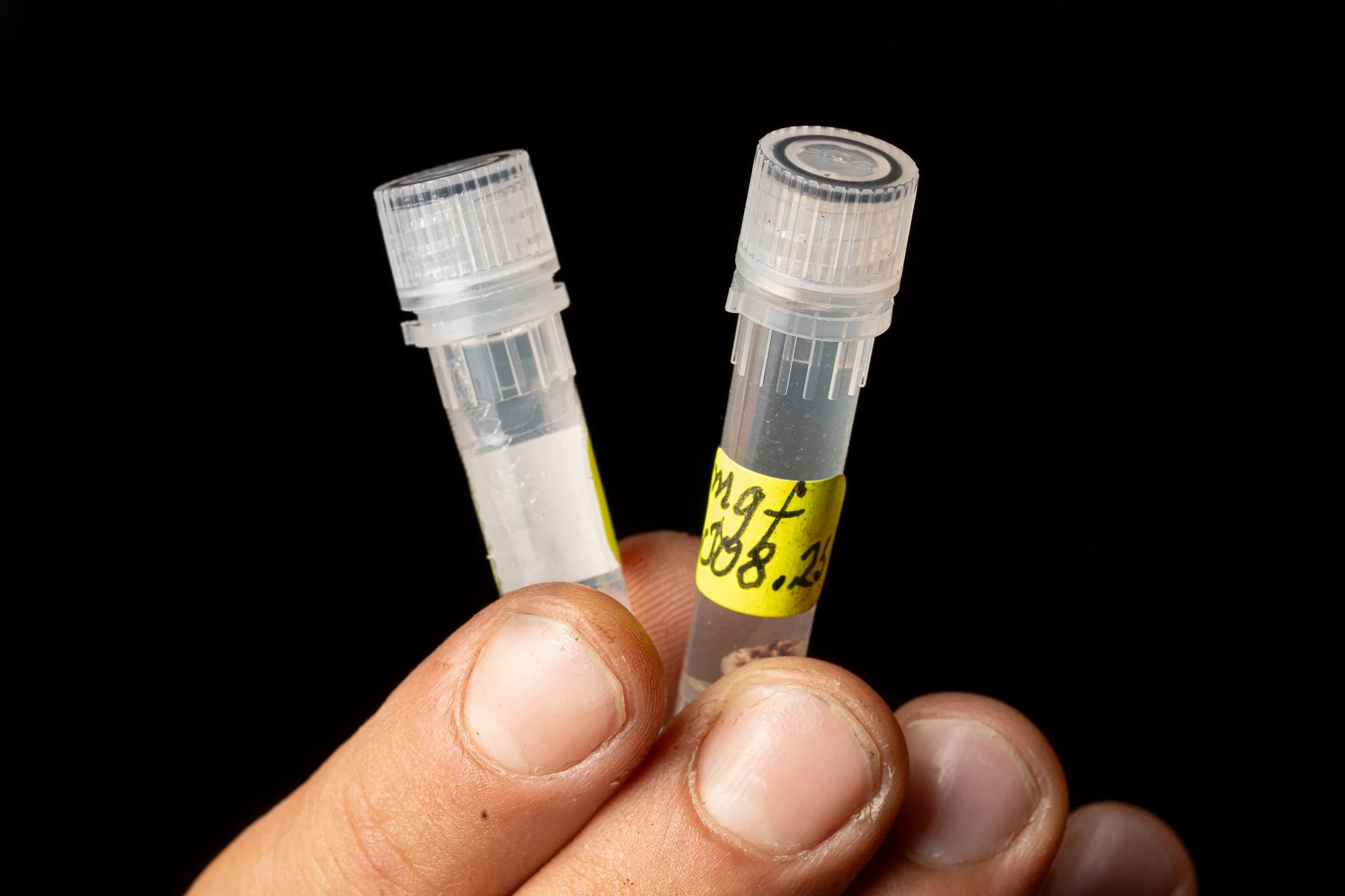
Now, we have the tools to uncover the things we didn’t know that we didn’t know. The Peruvian Institute of Herpetology (IPH) plays a central role in the taxonomy of Peru’s amphibians and reptiles. It leads field expeditions to document biodiversity in understudied regions, regularly describes new species, and maintains one of the country’s largest herpetological collections—with over 26,000 specimens and a genomic bank of more than 16,000 tissue samples. These resources support detailed morphological and genetic analyses, helping clarify species boundaries and evolutionary relationships. IPH’s taxonomic work is foundational to conservation planning and biodiversity research in Peru, while its partnerships and training programs foster a new generation of taxonomists and field biologists.
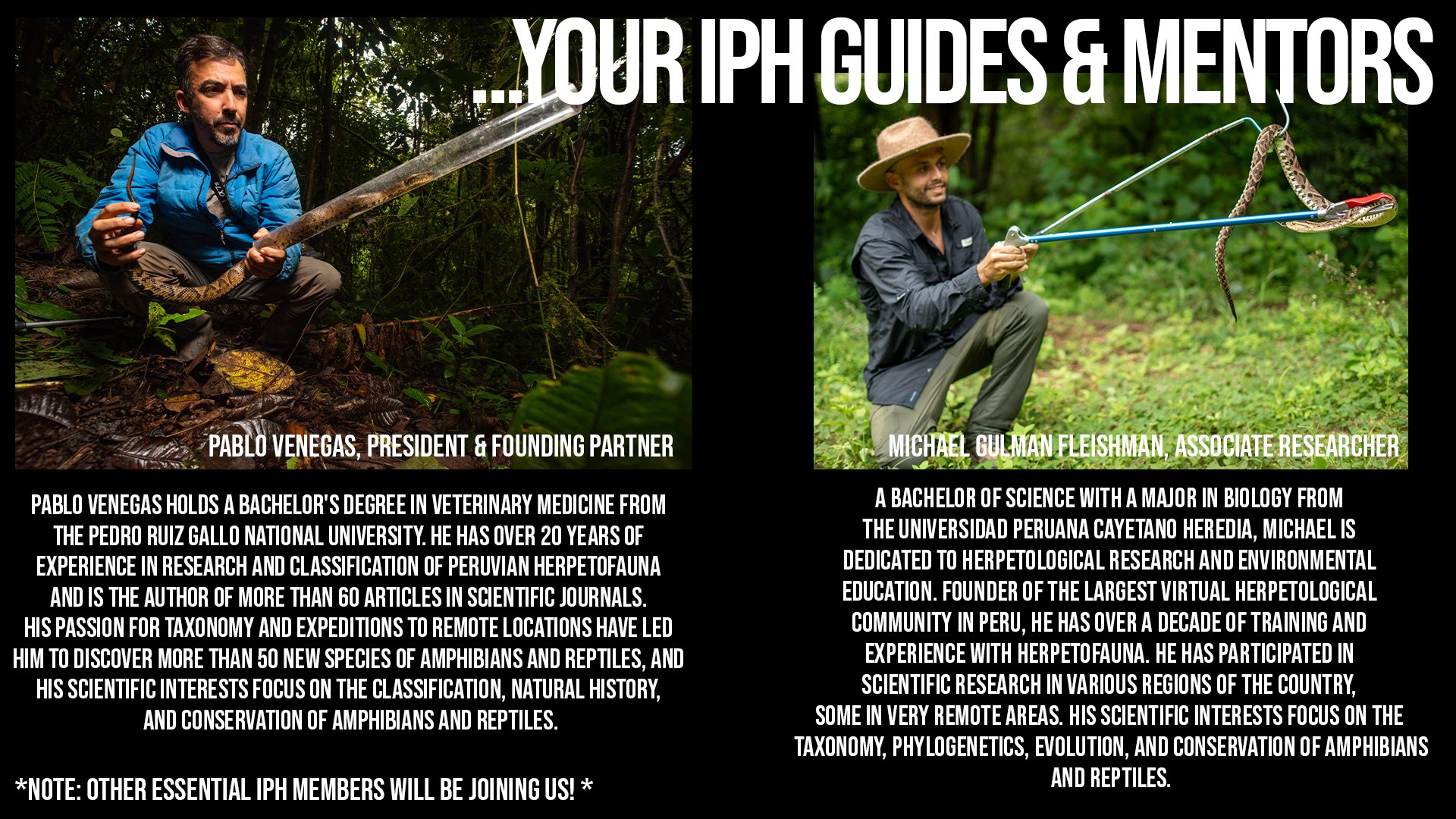
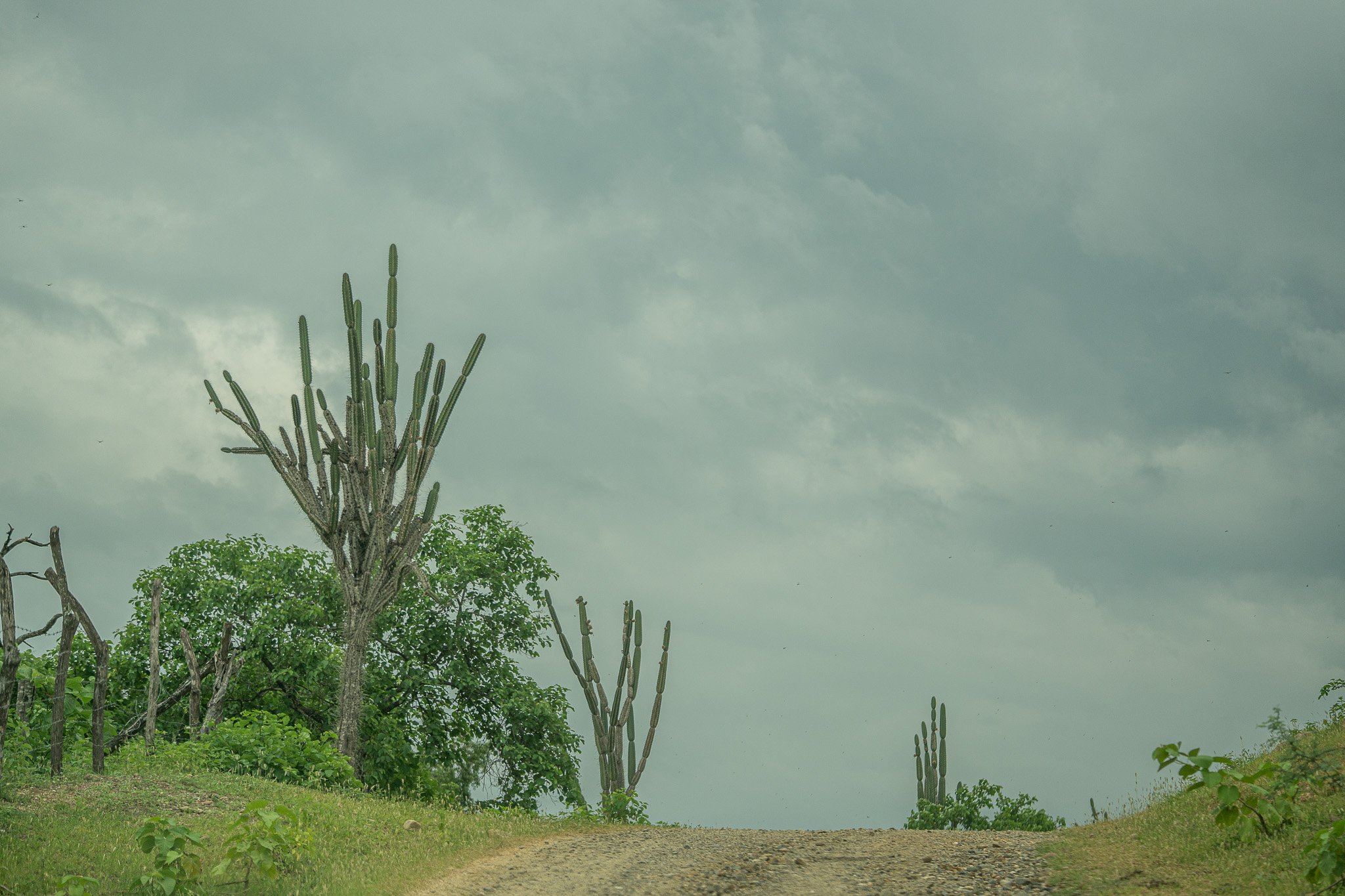
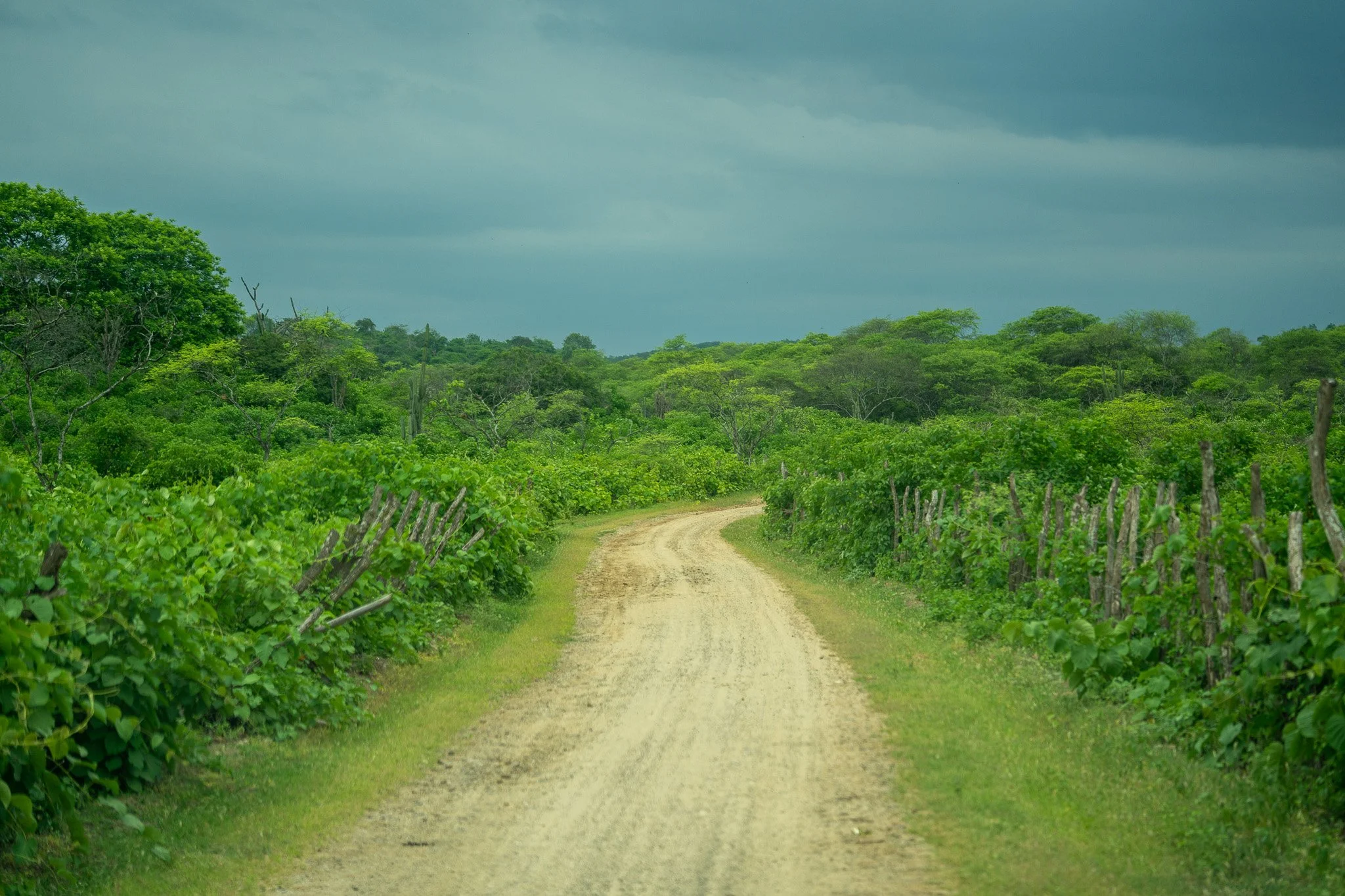
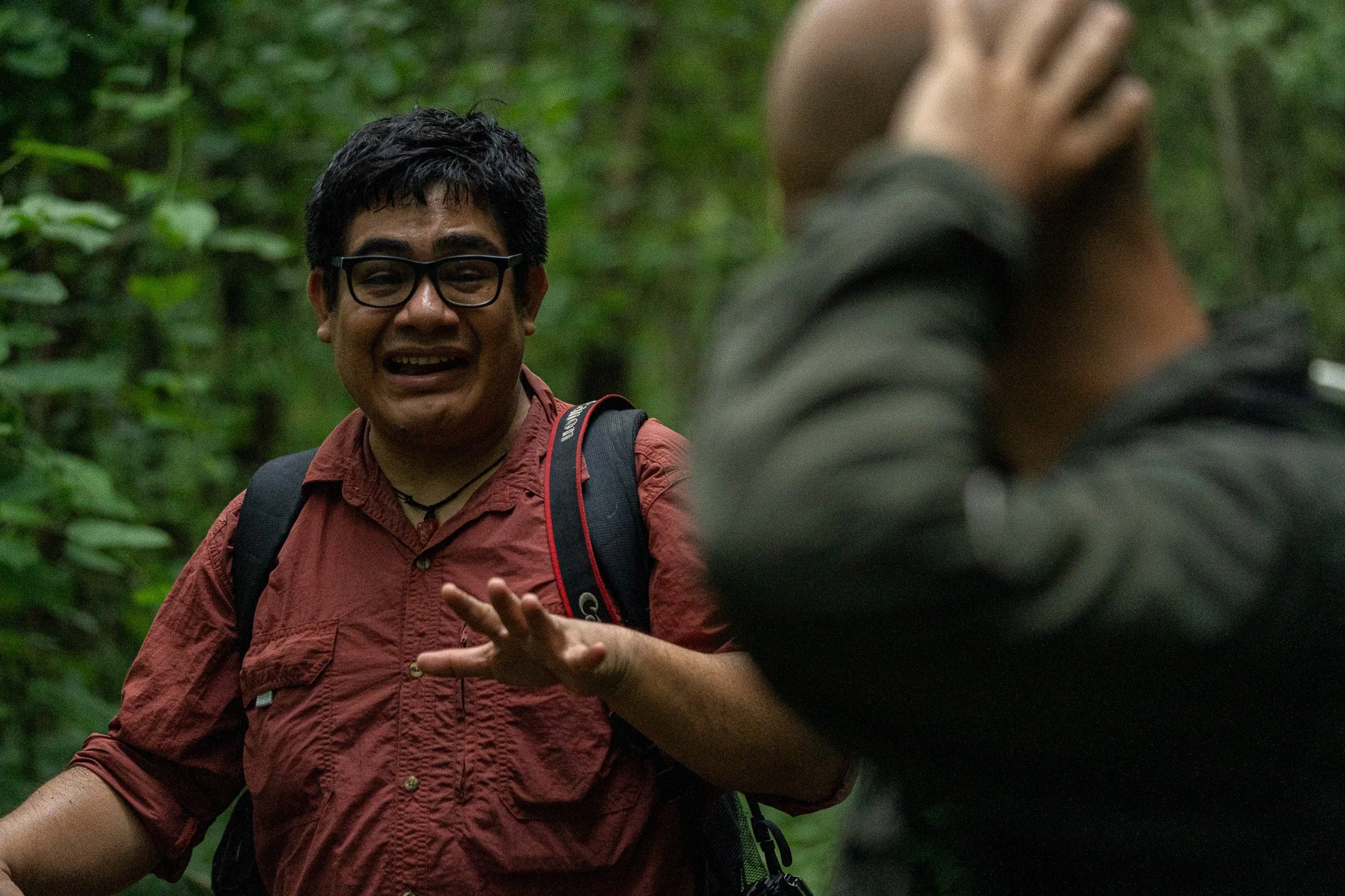
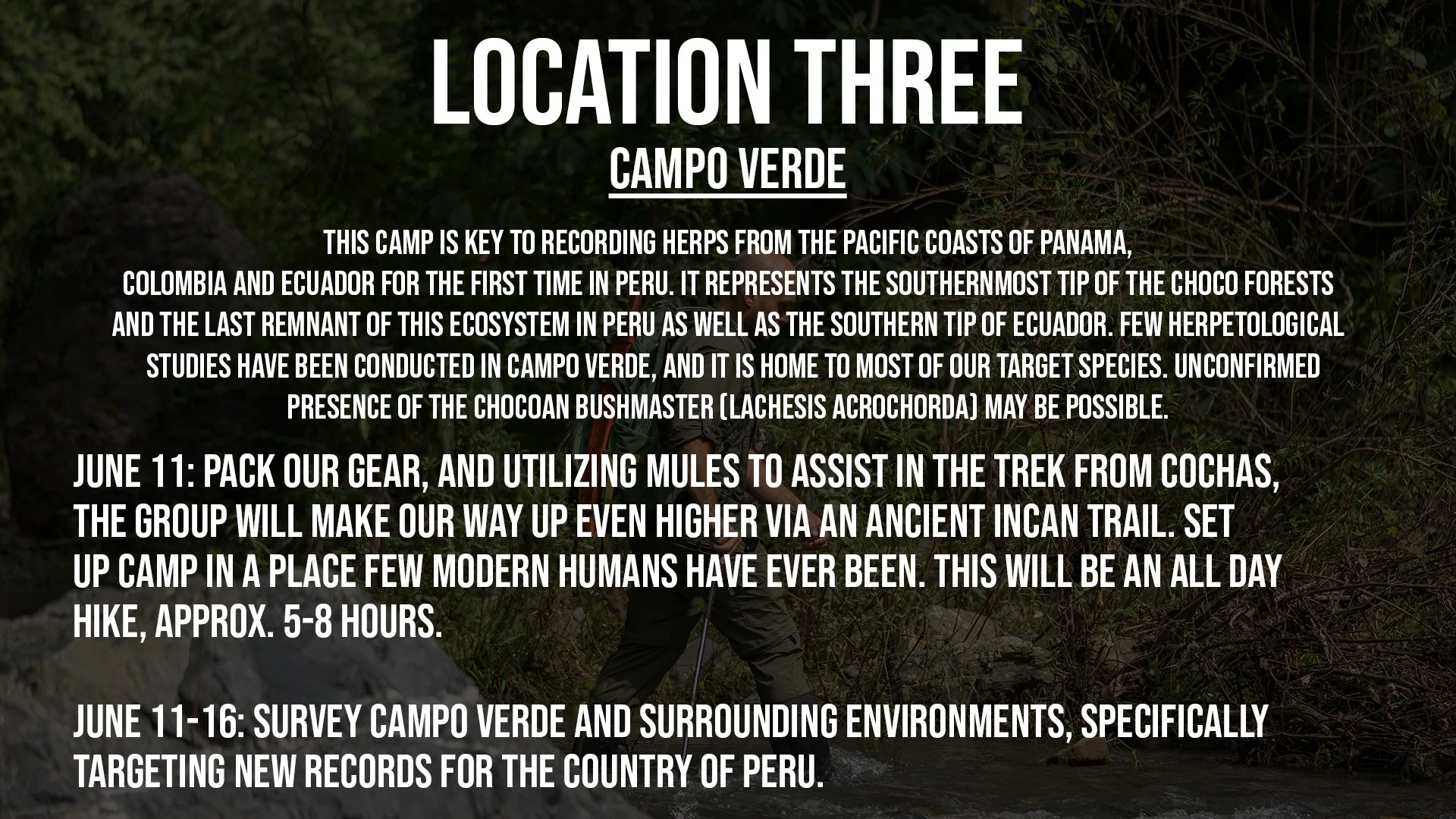
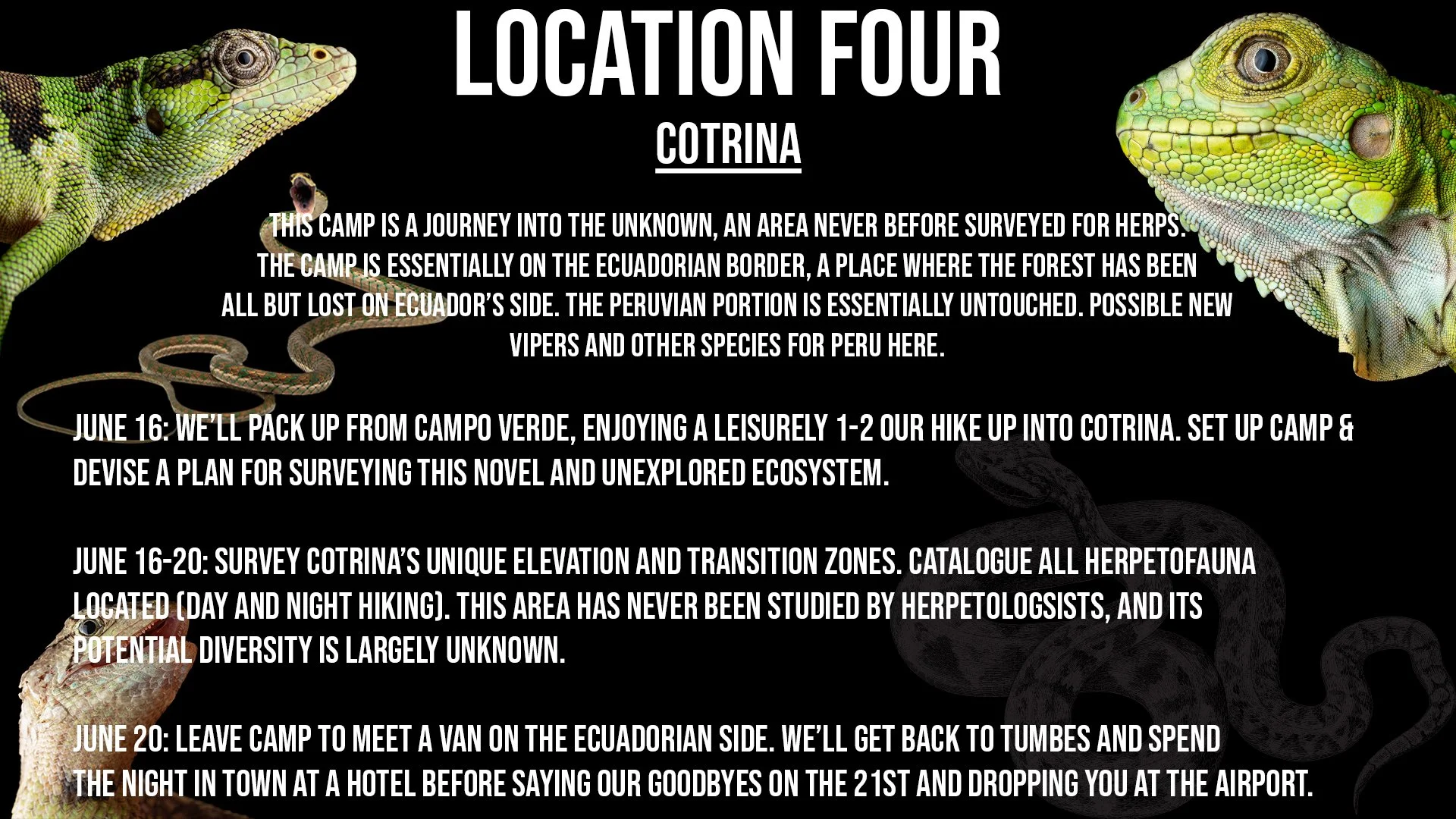
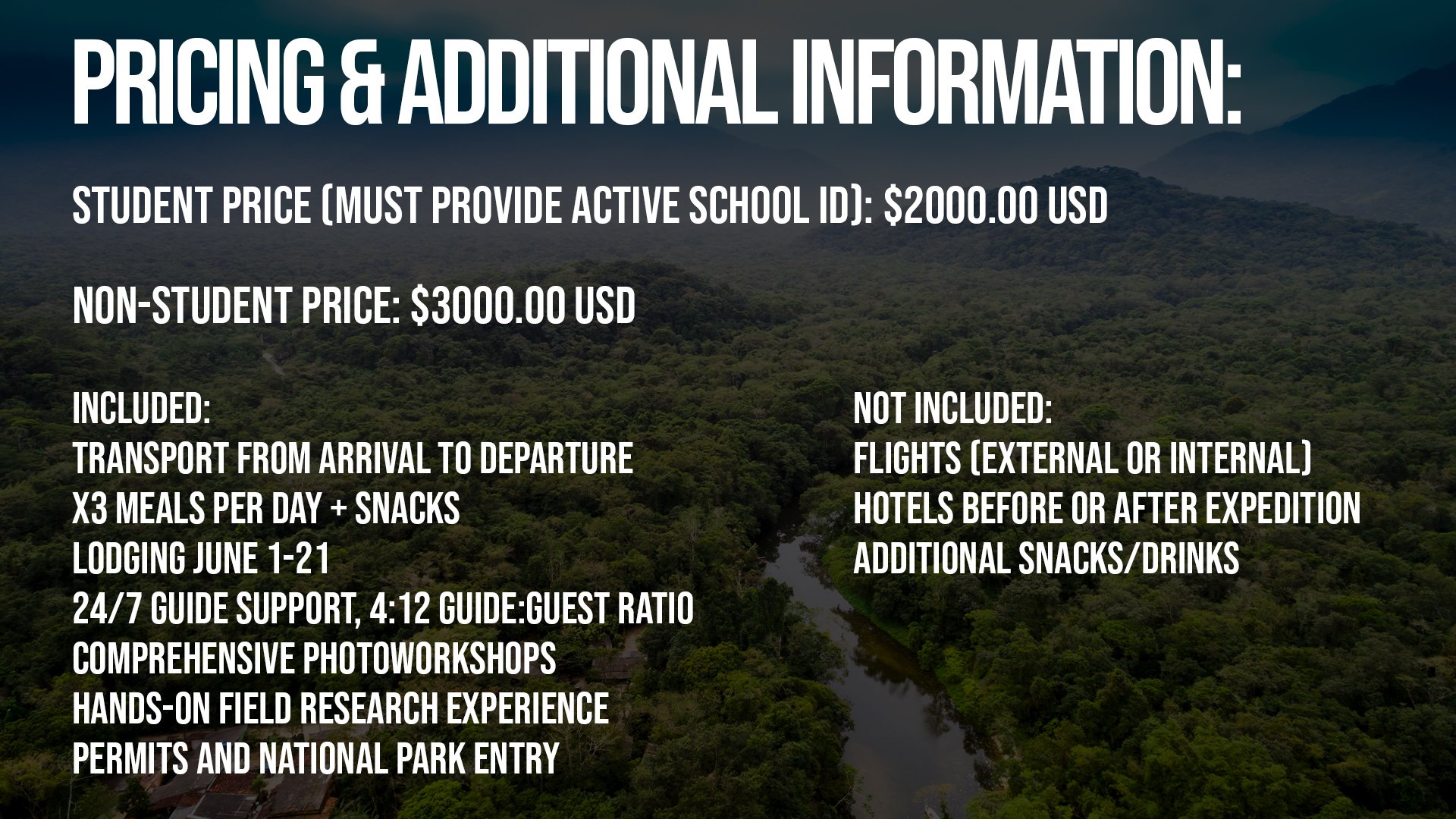
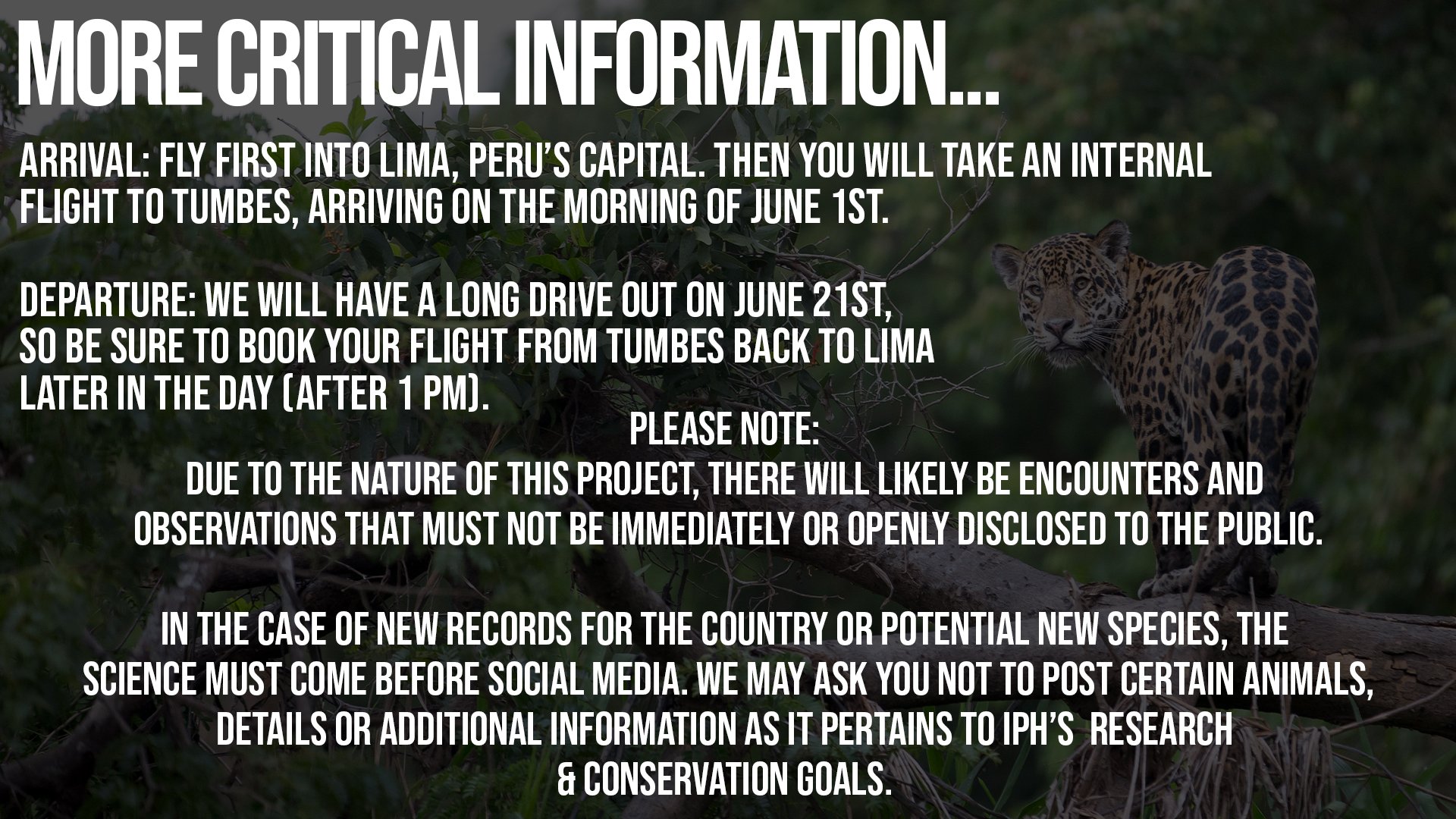
During our research expedition, a group of up to 12 guests will join IPH’s President & Co-founder Pablo Venegas, Associate Researcher Michael Gulman, Serpentine Co-Founder & Guide Ian Breland, as well as other supportive elements in the field. You will fly into Lima, Peru’s capital city. From there, we hop on a plane bound for Tumbes, a town on the Peru/Ecuador border. We’ll transfer immediately out of the city; bound for 3 weeks of dry forest, Chocó cloud forest, Pacific rainforest and transition zone exploration.
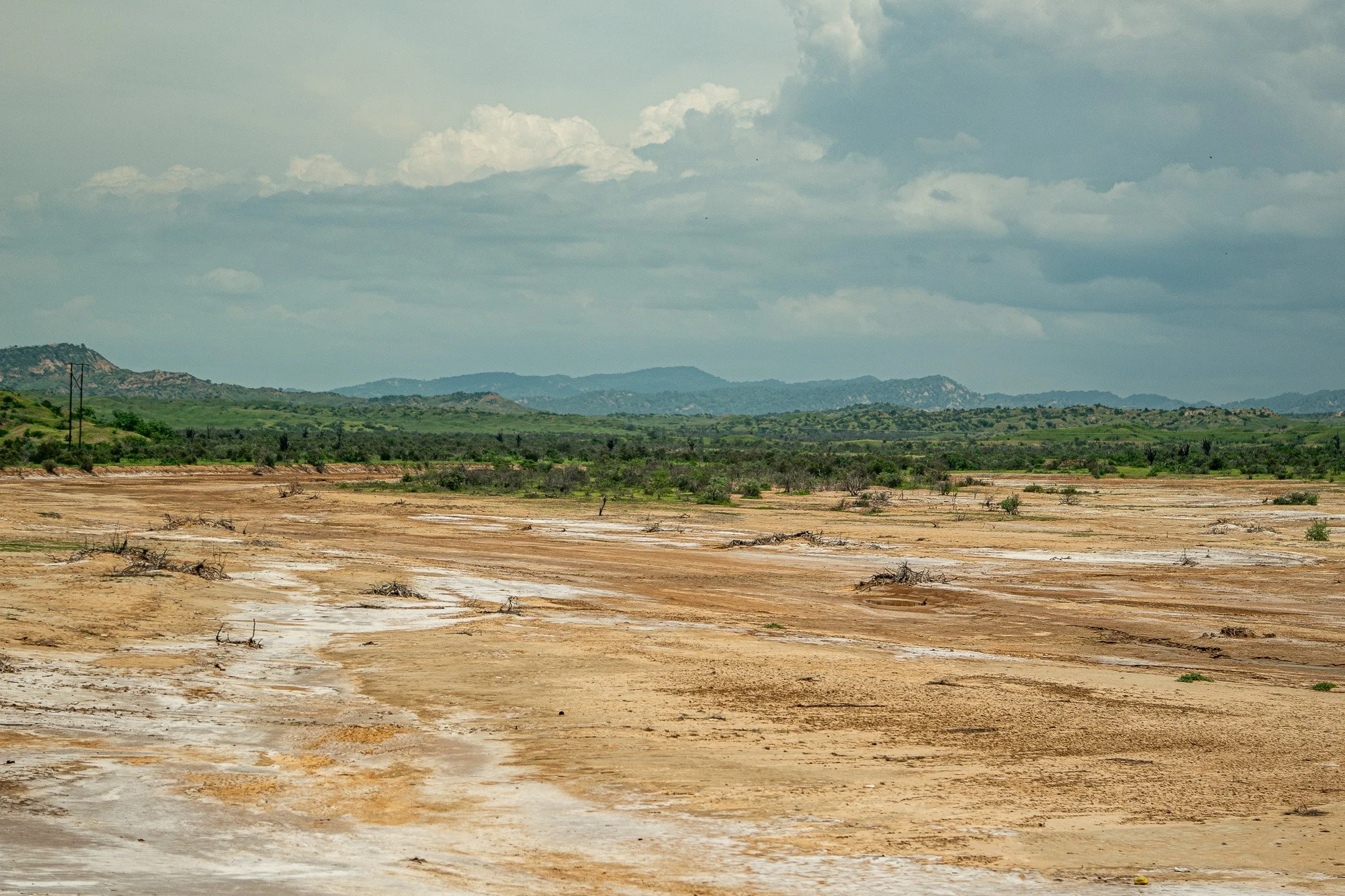
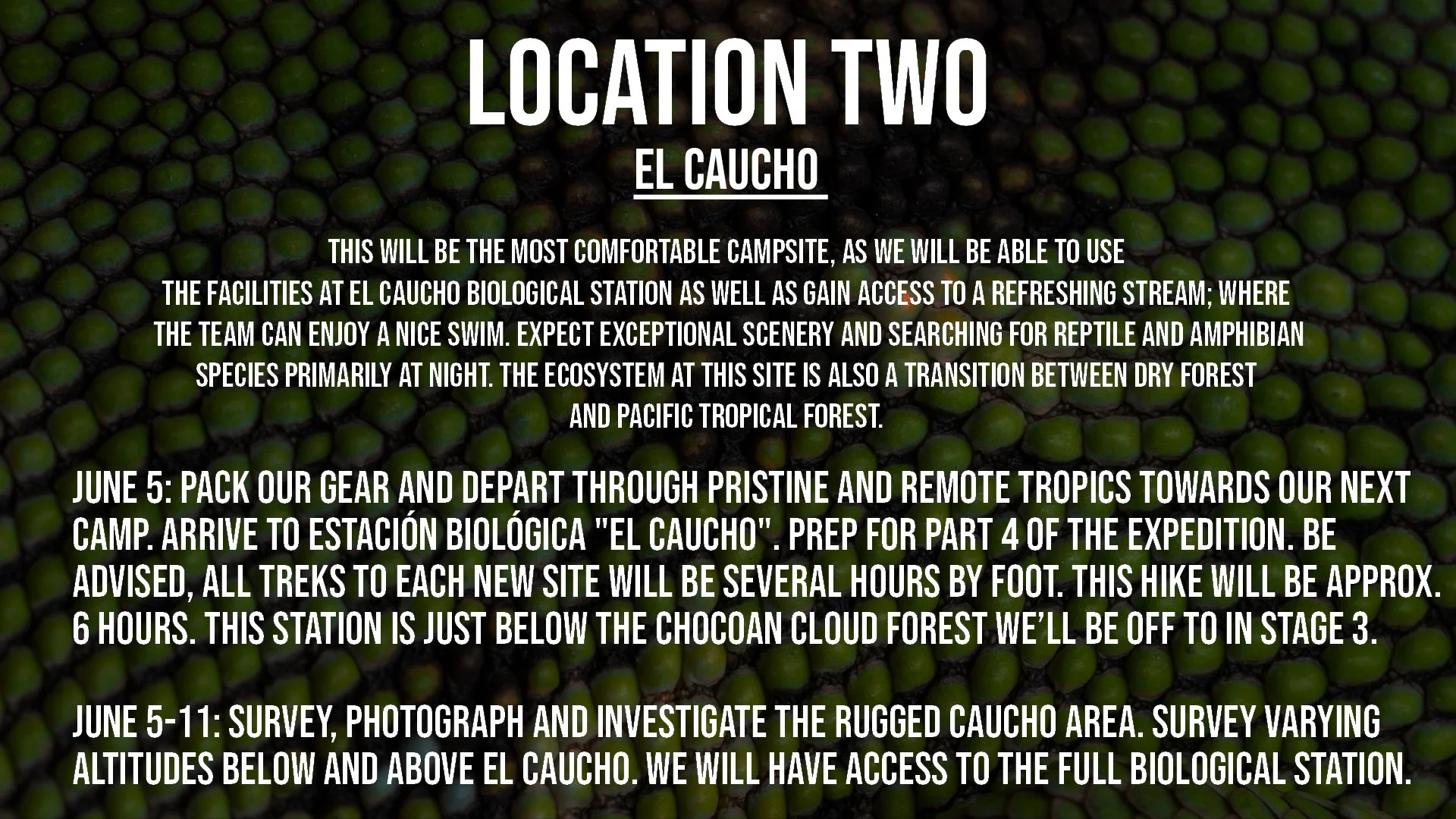
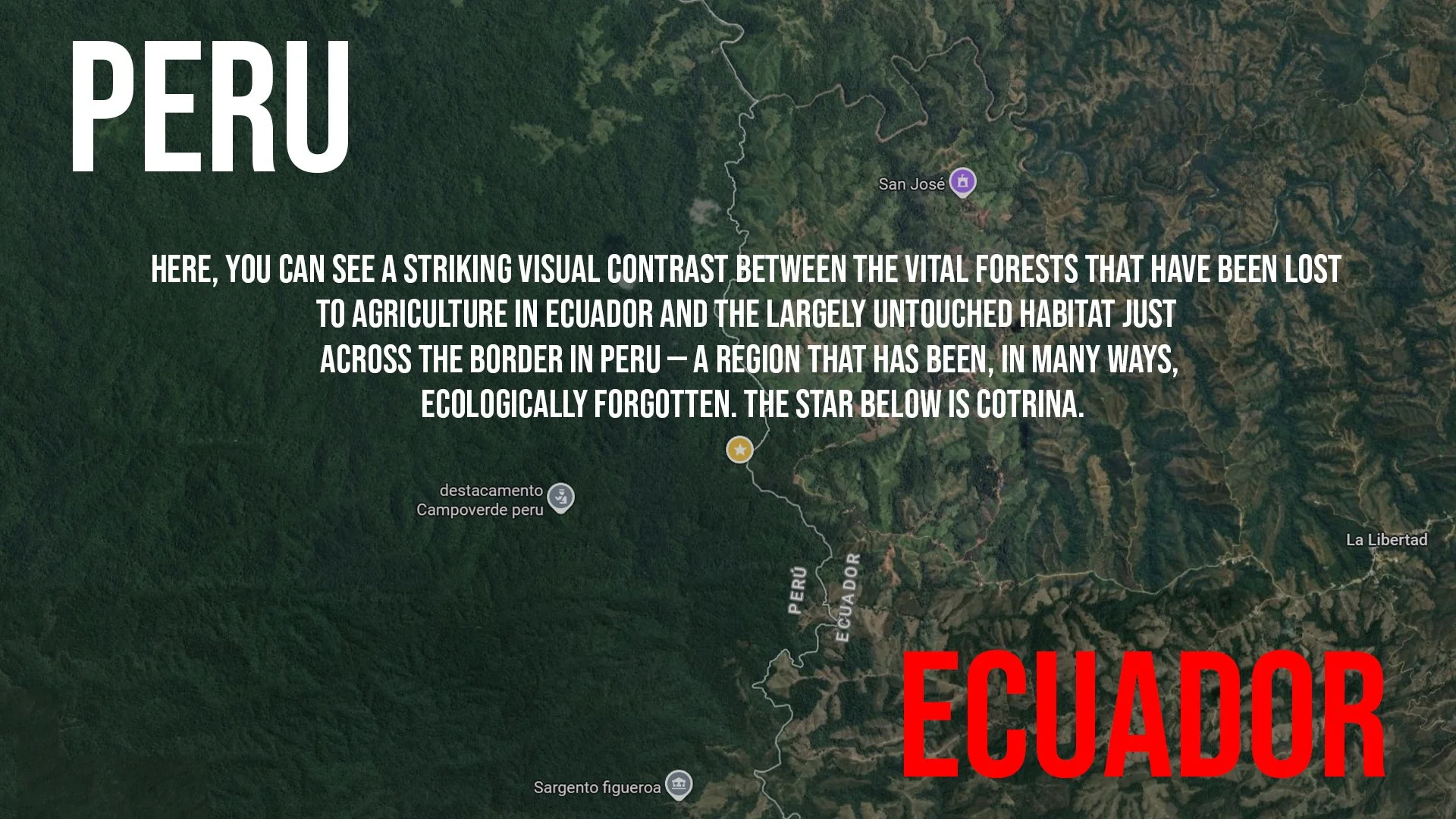
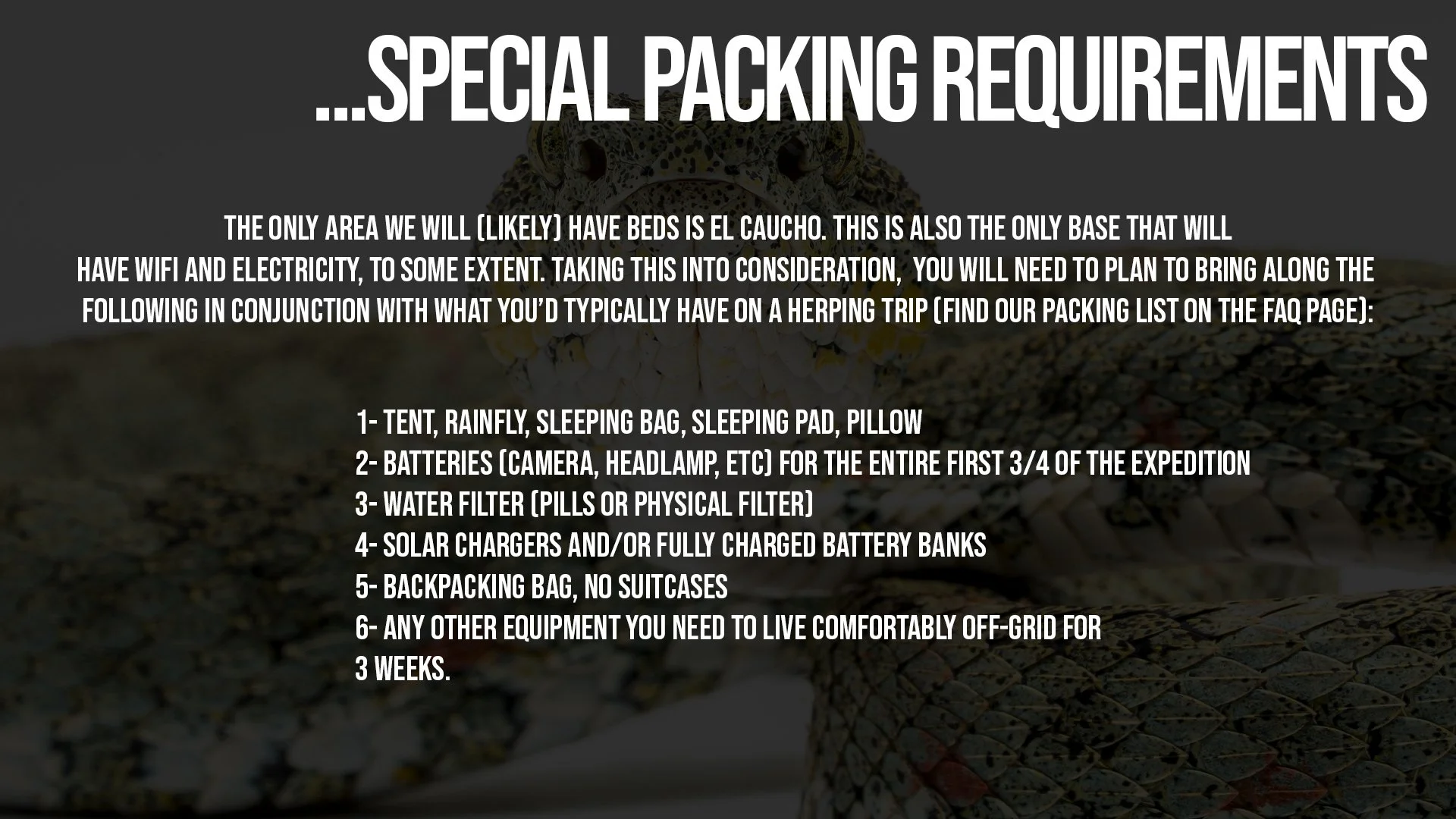
Our expedition will take place across 4 different bases of operation, which you can learn more about below. We will have a cook, campsite (bring your tents!), and field lab throughout the trip. Our second location (El Caucho) will potentially have beds, and we will likely be able to enjoy Wi-Fi (gross) and electricity here. Our final location (Cotrina) has never been formally surveyed for herpetofauna. While this is not a touristic project, you will have comfortable access to all basic necessities with some proper packing. You will undoubtedly be a crucial part of the most rigorous and remote expedition Serpentine has ever hosted.
SCIENTIFIC COLLECTION DISCLAIMER:
This expedition operates under approved scientific collection permits and follows all local, national, and international wildlife regulations. Specimen collection is conducted solely for legitimate scientific and conservation purposes, including documenting regional biodiversity, refining species identification, and supporting ecological and taxonomic research.
All work is performed ethically and responsibly, with minimal impact on wild populations. Every specimen collected is handled with respect, properly documented, and deposited into recognized research or museum collections, where it can contribute to long-term studies on distribution, evolution, and conservation.
Participants will gain hands-on experience in professional field herpetology, including:
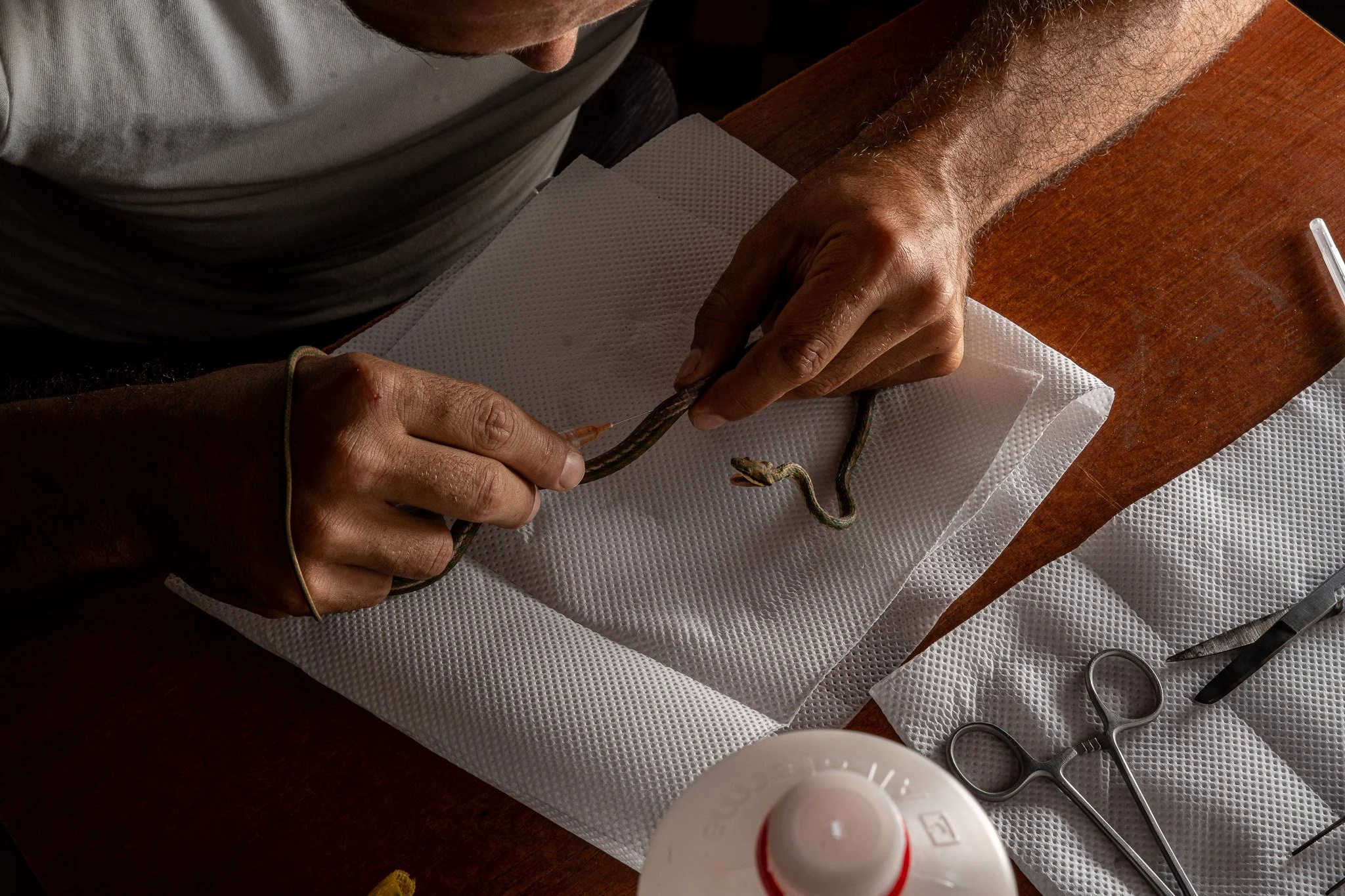
Responsible specimen handling and field documentation techniques
Data collection methods used in biodiversity surveys and research
Introduction to museum preparation and specimen cataloging
Field identification and taxonomy of local reptile and amphibian species
Night surveys, environmental sampling, and habitat assessment practices
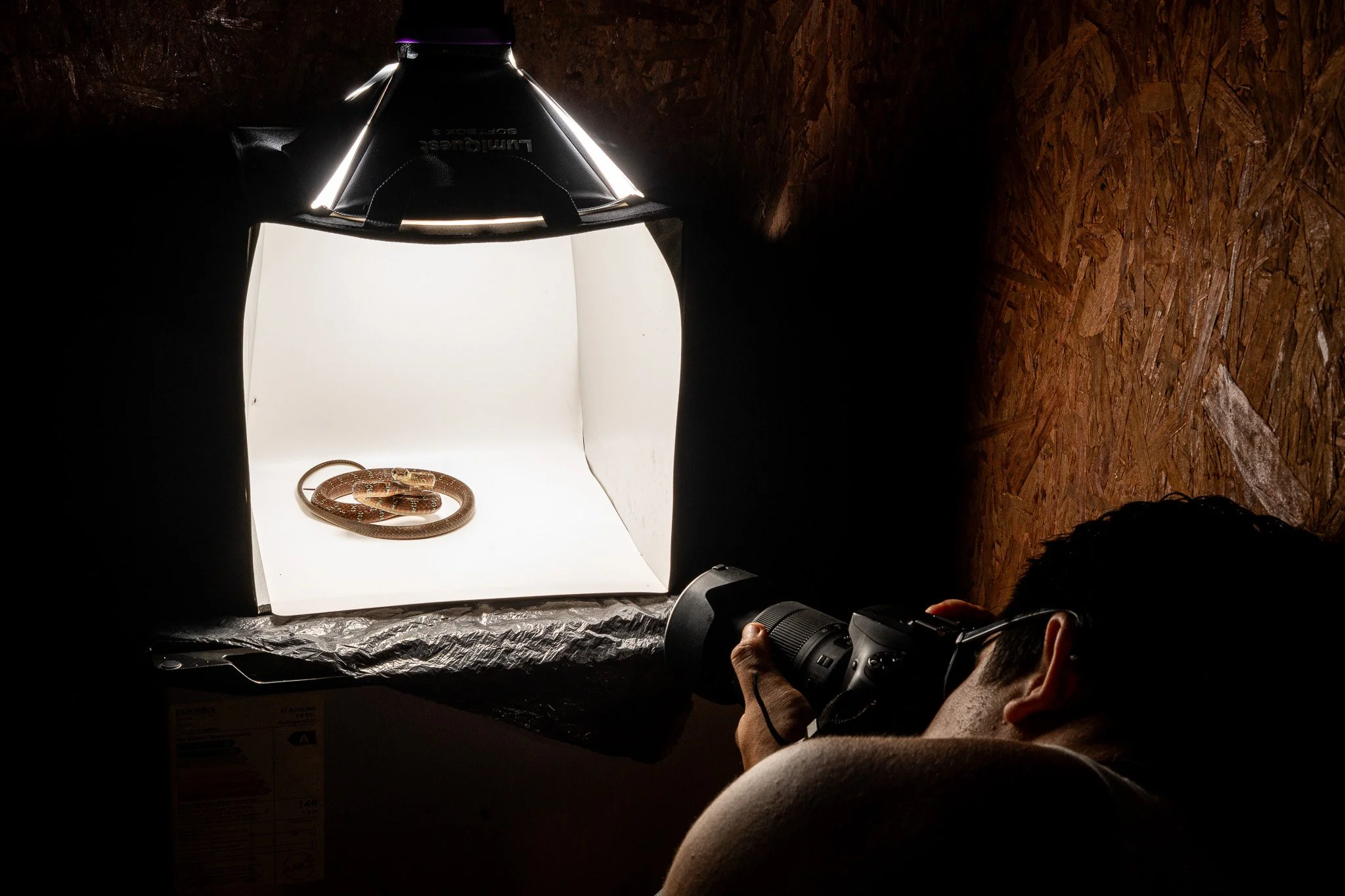
Comprehensive wildlife photography workshops in both research and hobbyist settings
This is an opportunity to actively take part in real-world science—to work alongside researchers, contribute to meaningful data collection, and deepen your understanding of how scientific knowledge of herpetofauna is built.
Every participant plays a truly critical role in advancing the conservation and study of these incredible animals. If you are not personally comfortable being present on a project that collects certain species of interest to better inform conservation decisions, this is entirely understandable; however an expedition of this nature might not be the best option for you.
SEE ALL DETAILS BELOW

CLICK THE BUTTON BELOW TO EXPLORE THE PERUVIAN INSTITUTE OF HERPETOLOGY
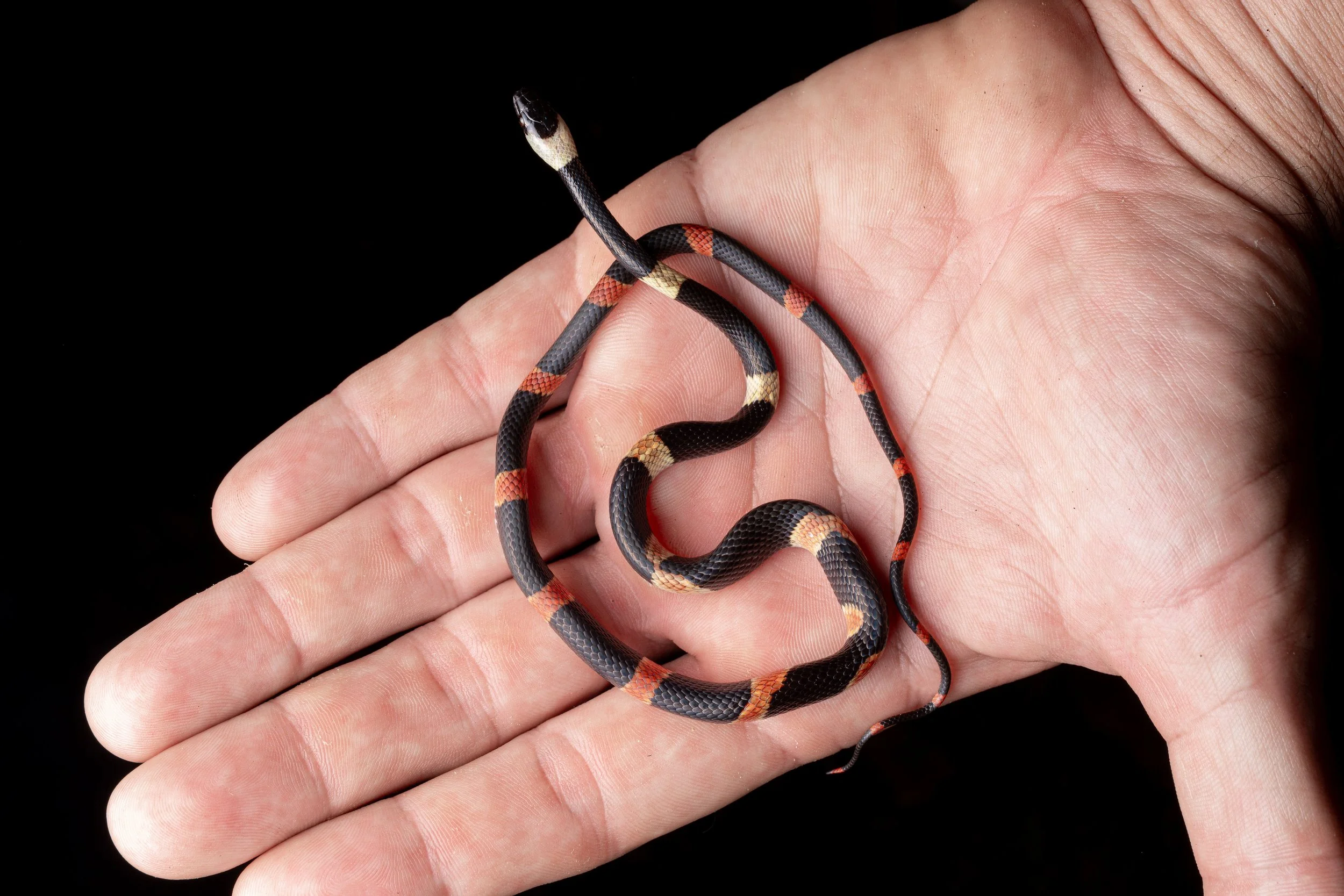
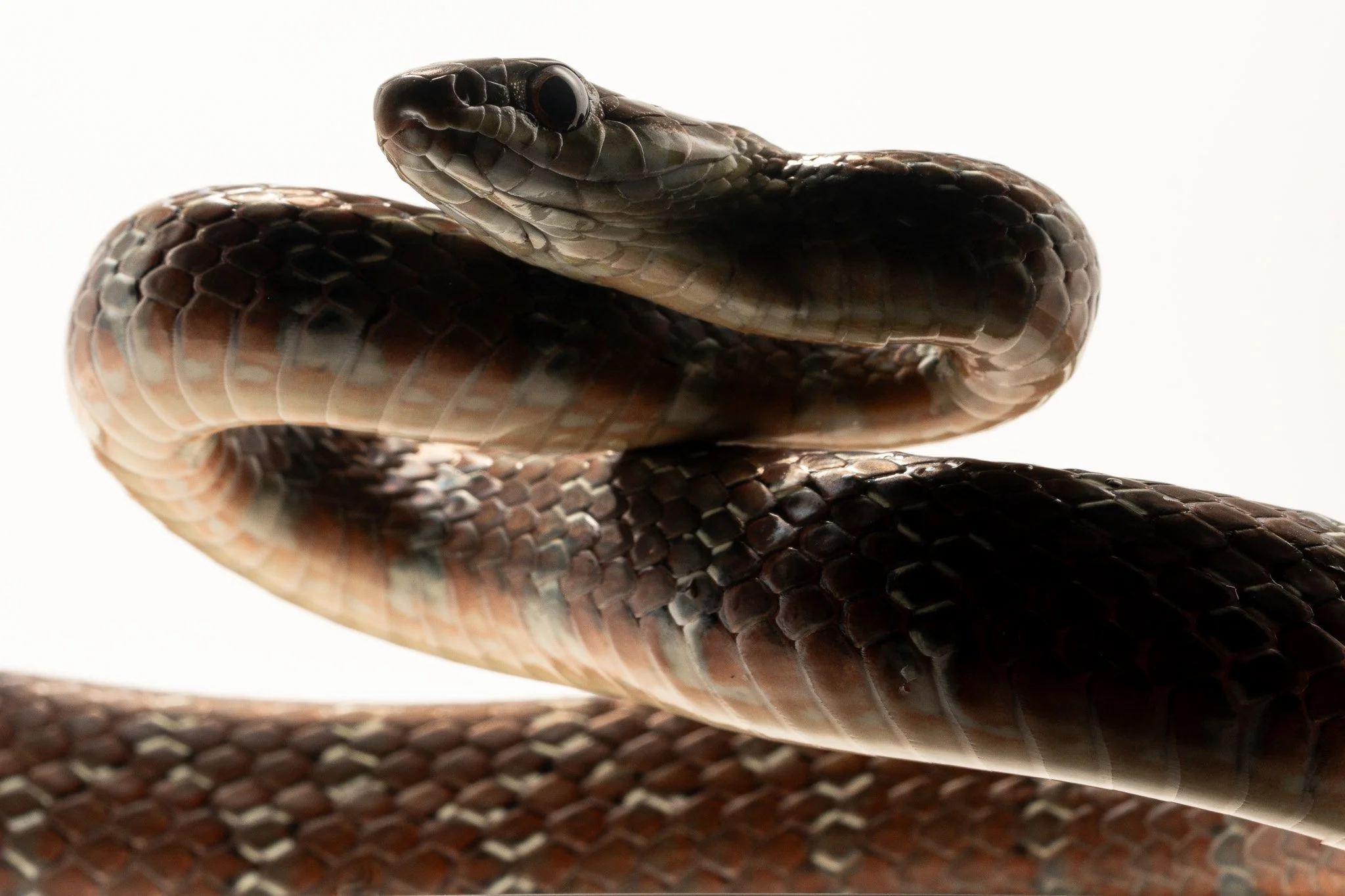
The “Forest flame snake”, Oxyrhopus petolarius. This a stunning and common species to encounter in our area of operations.
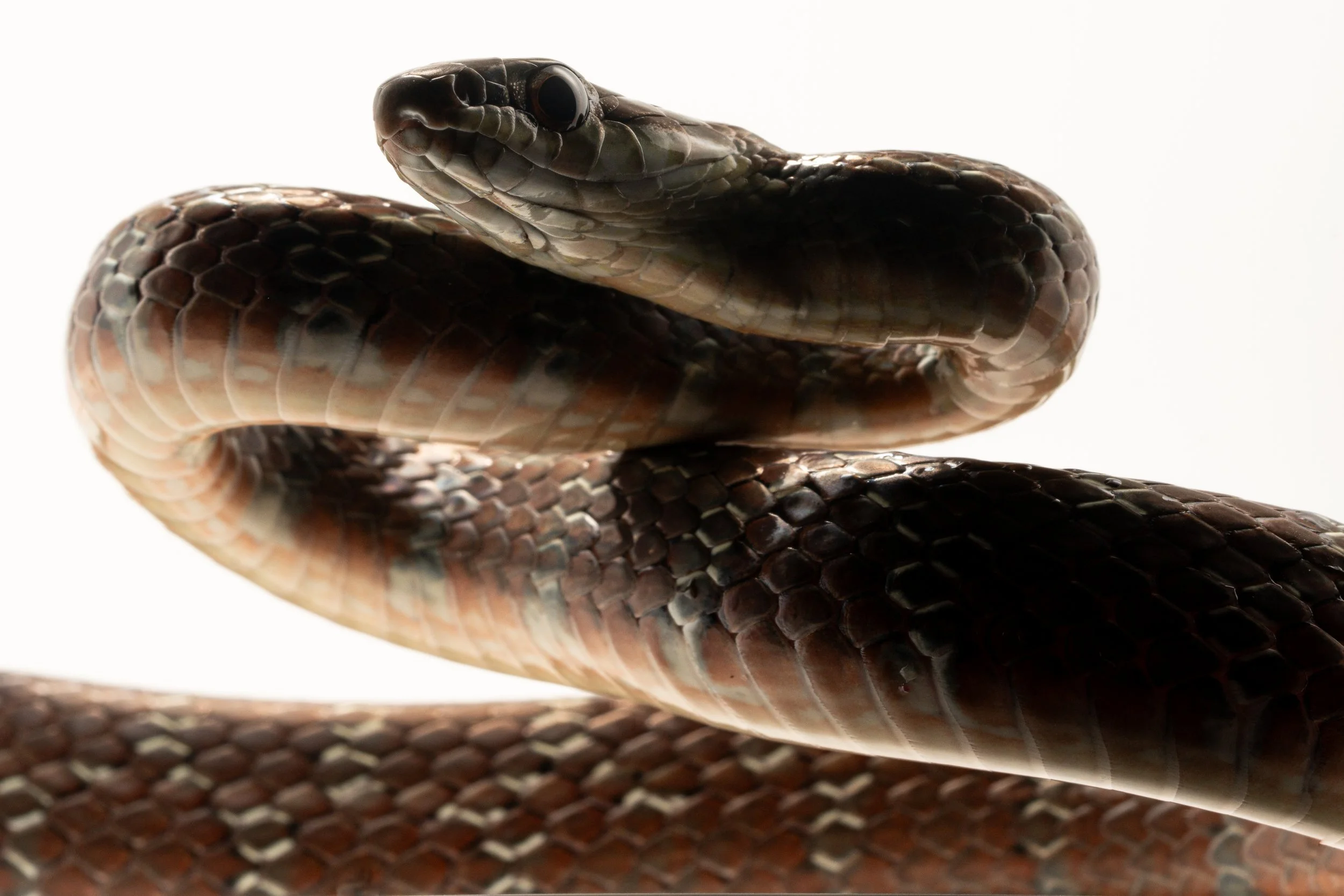
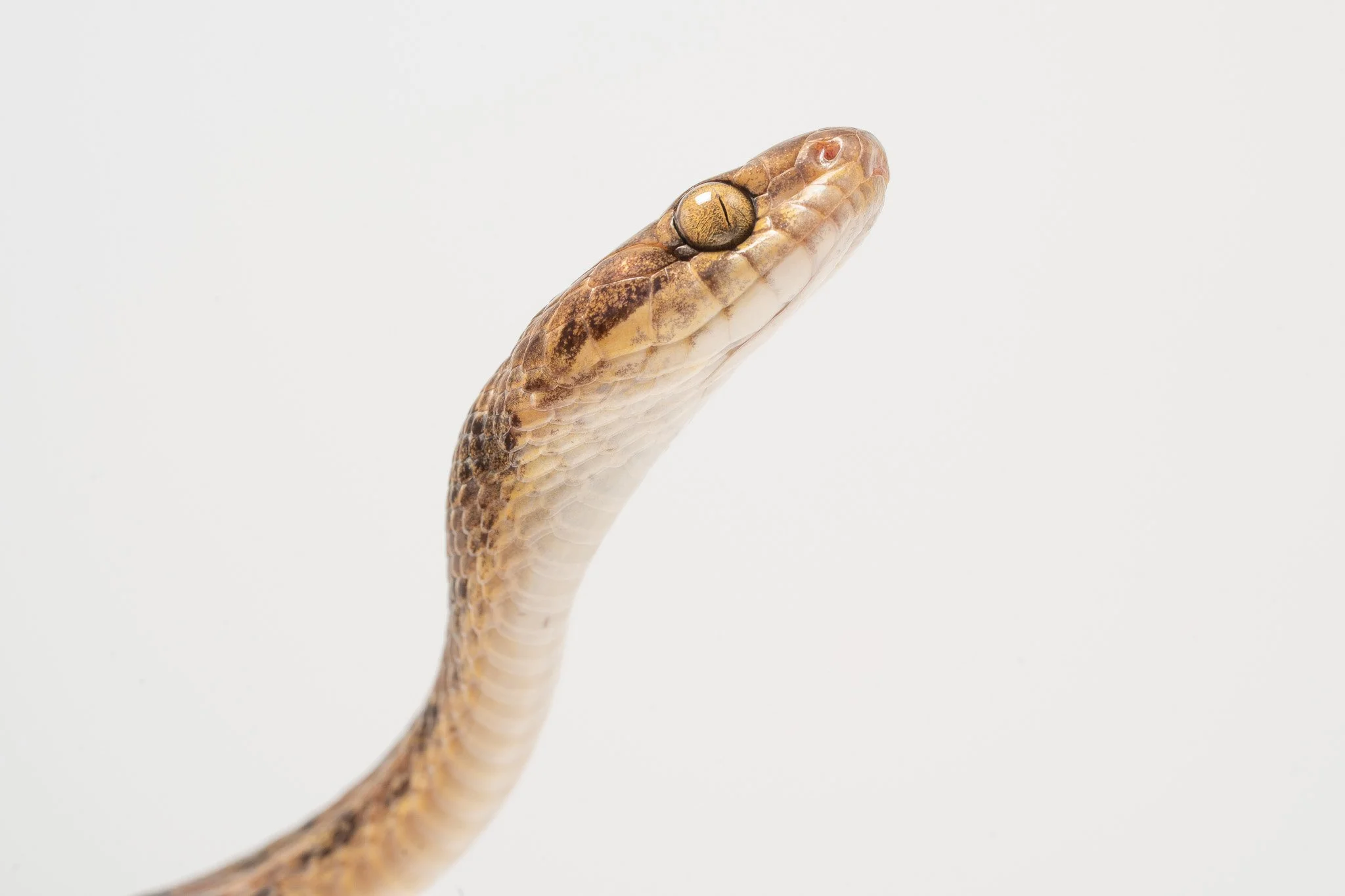
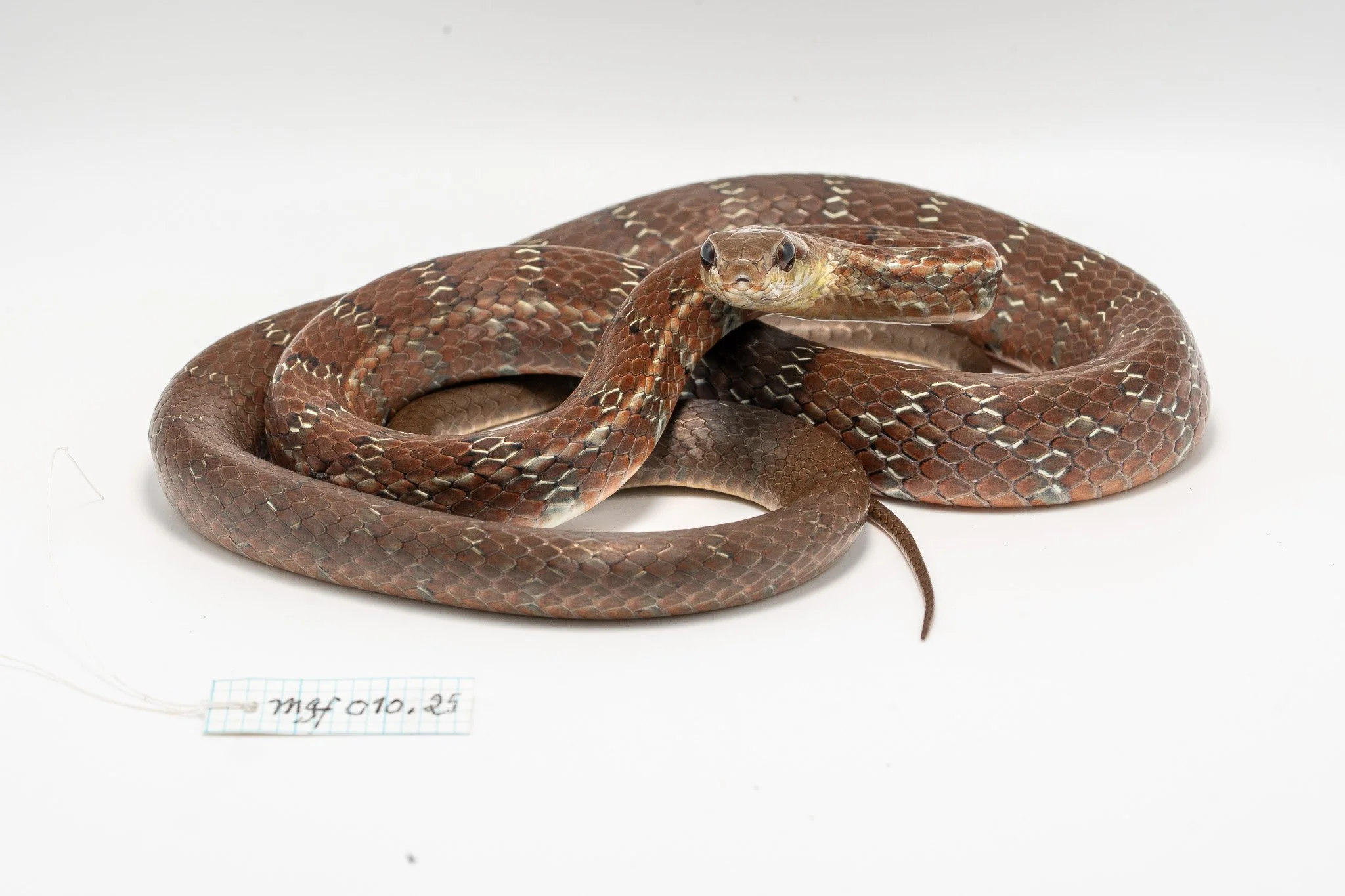
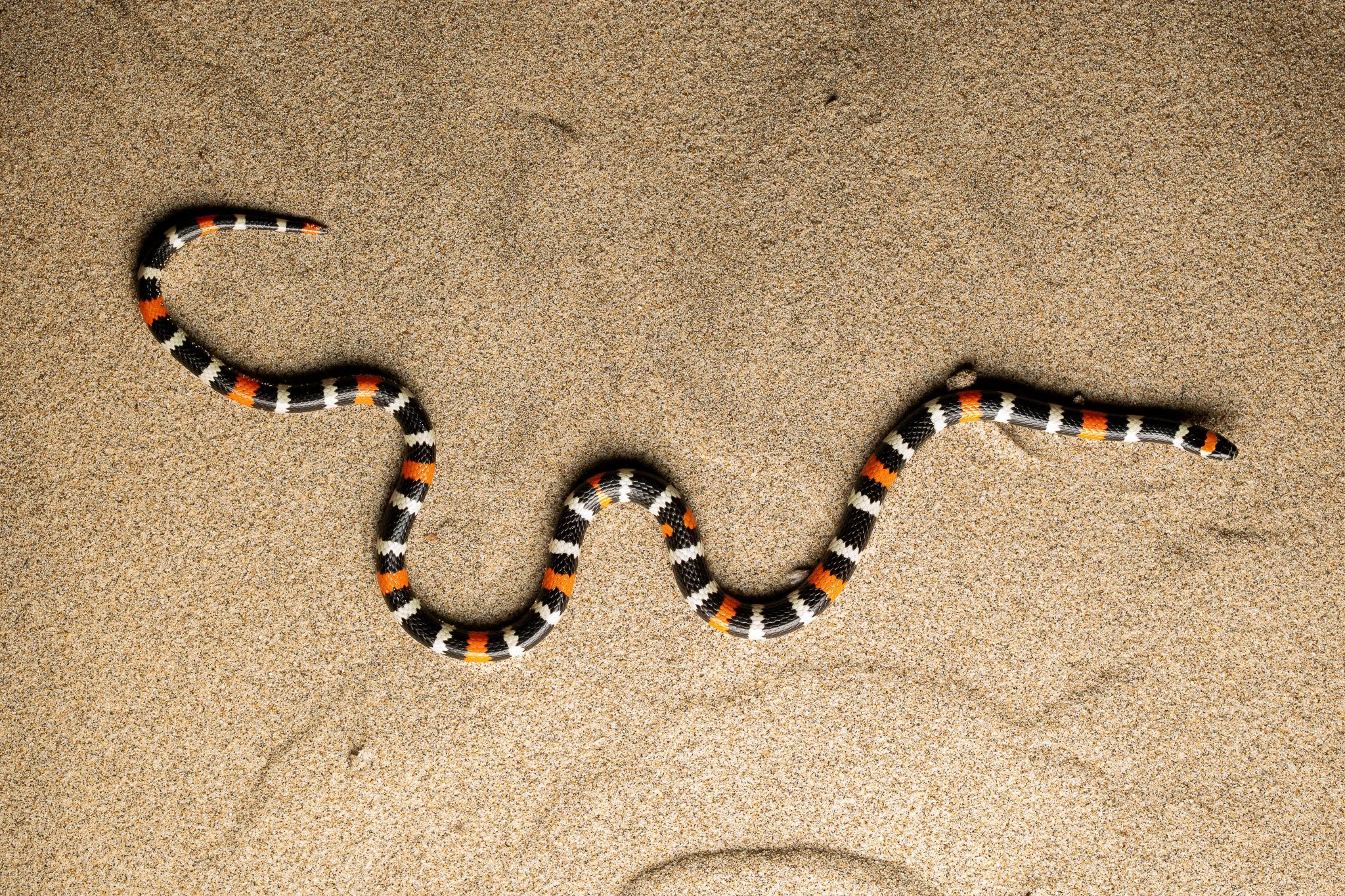
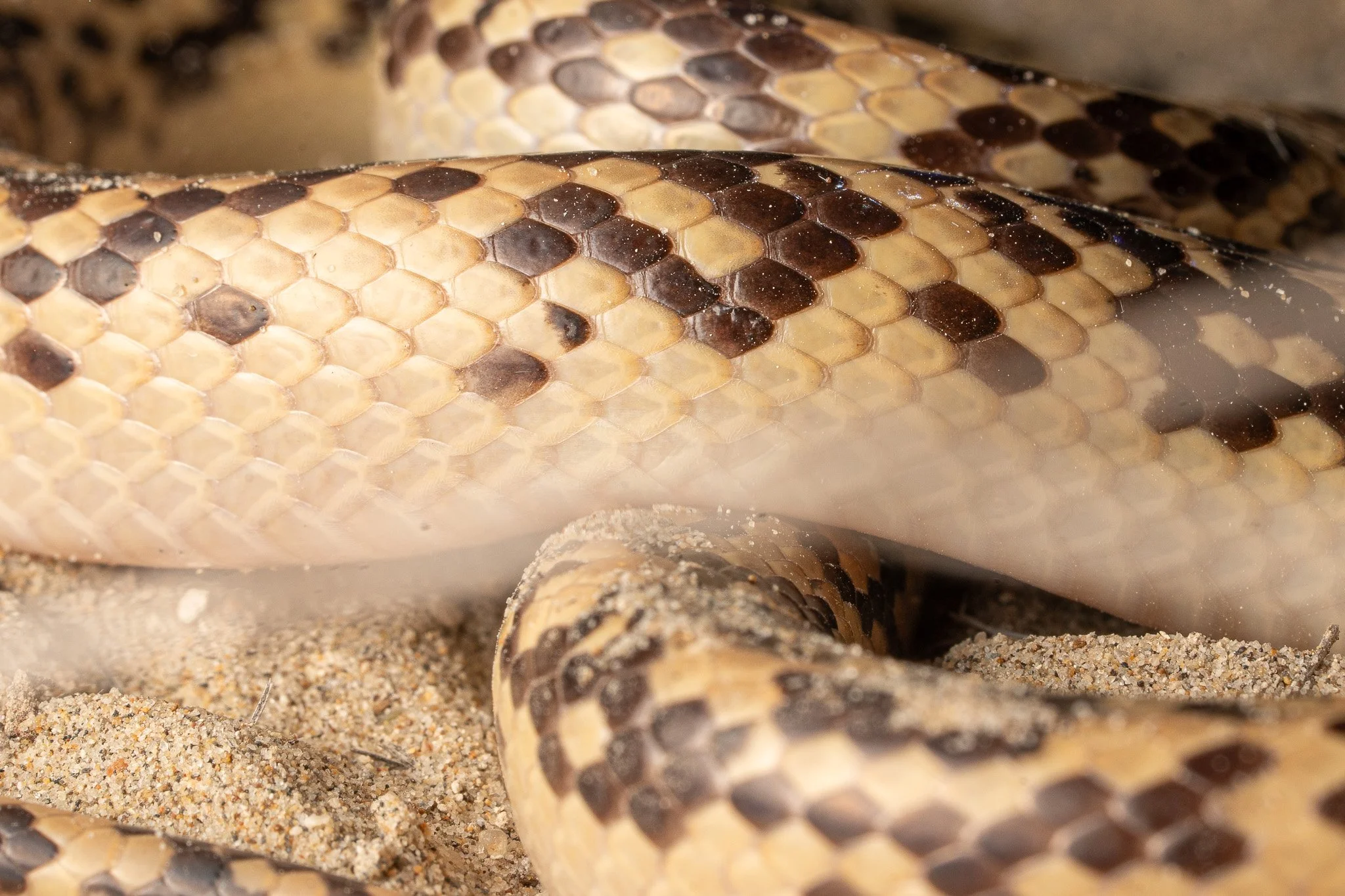
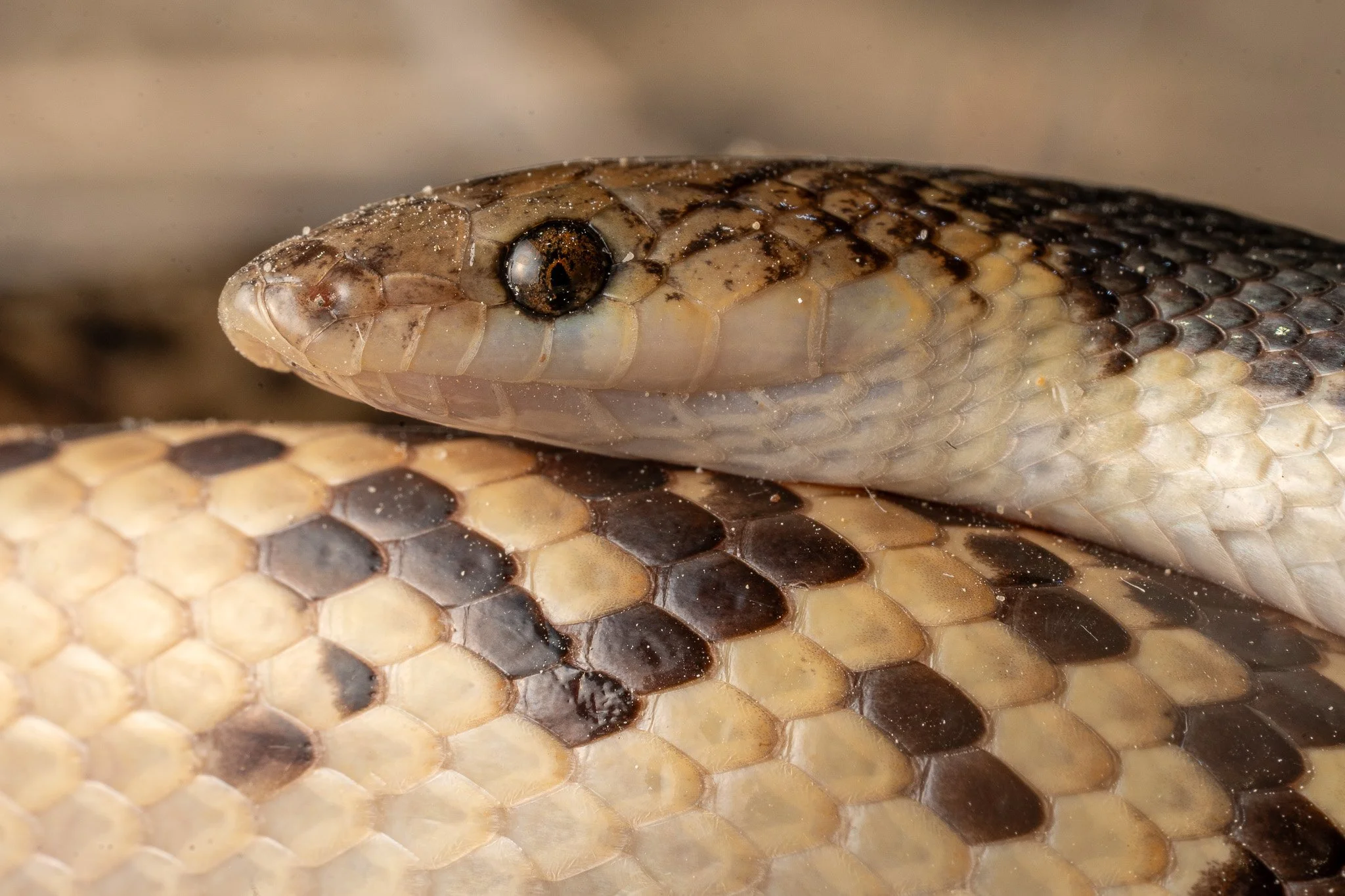
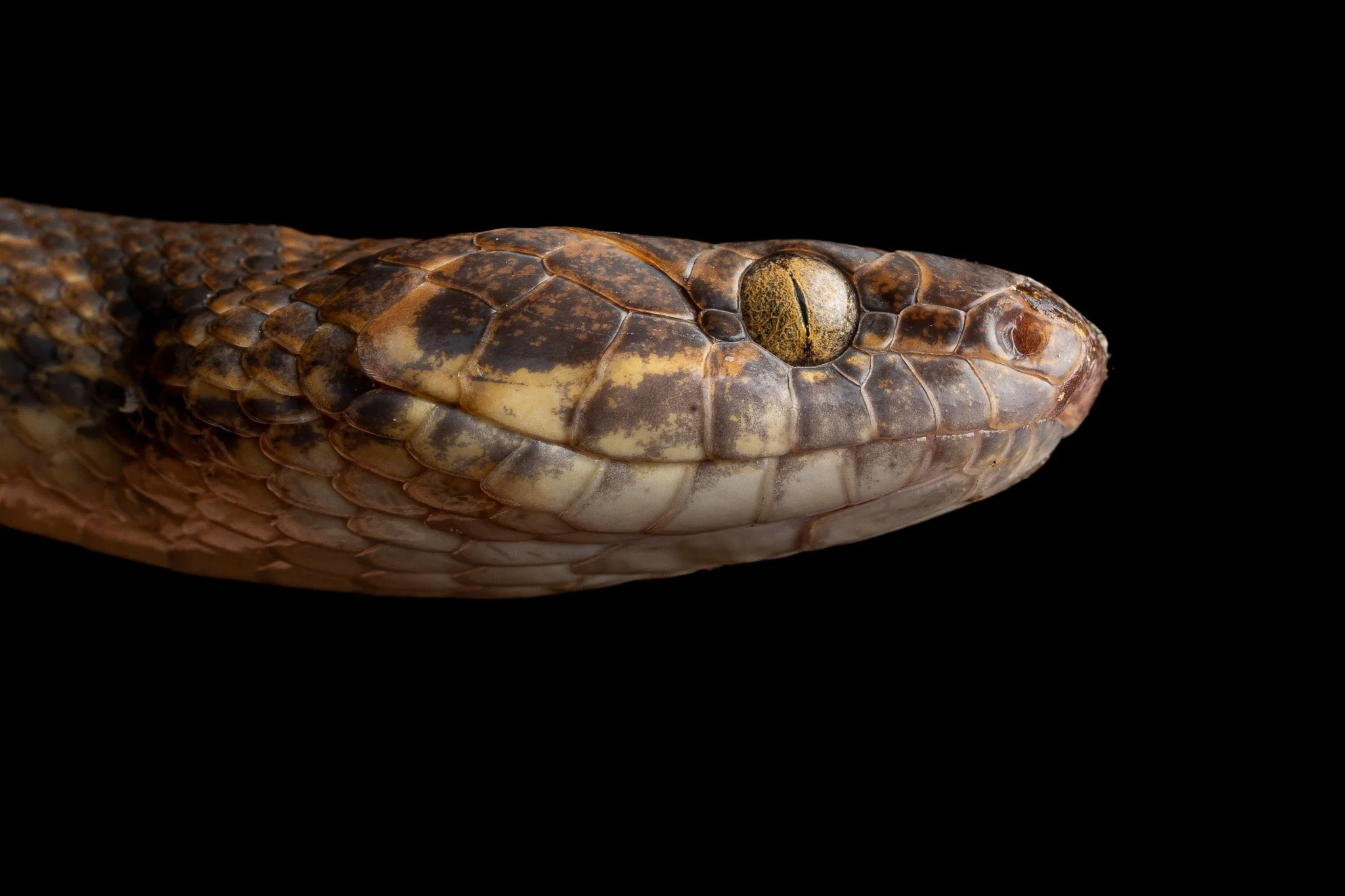
This mysterious species was found at one of the locations we'll be visiting. The snake is now helping to solve one of South America's most confusing species complexes, filling in the blanks of a sprawling evolutionary tree; potentially involving Mastigodryas and Drymoluber reissii.
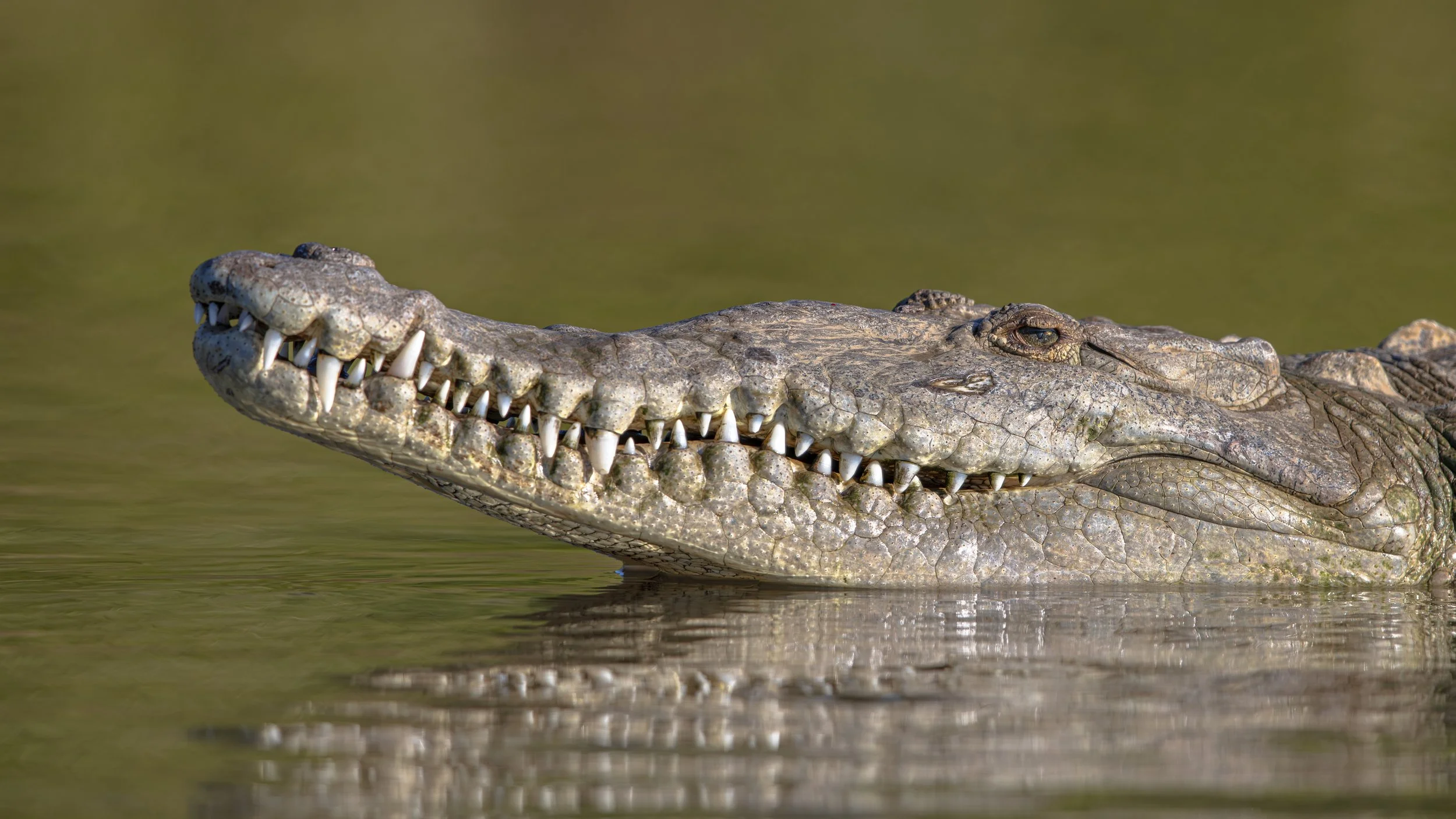
Show up early or stay an extra couple of days and you just might be able to spot a Peruvian American Crocodile (Crocodylus acutus) near Tumbes. Northern Peru is the Southernmost extent of this massive crocodilian’s range.
CLICK THE BUTTON BELOW FOR A SHORT OVERVIEW OF KNOWN SPECIES SUSPECTED AND CONFIRMED AT EACH LOCATION
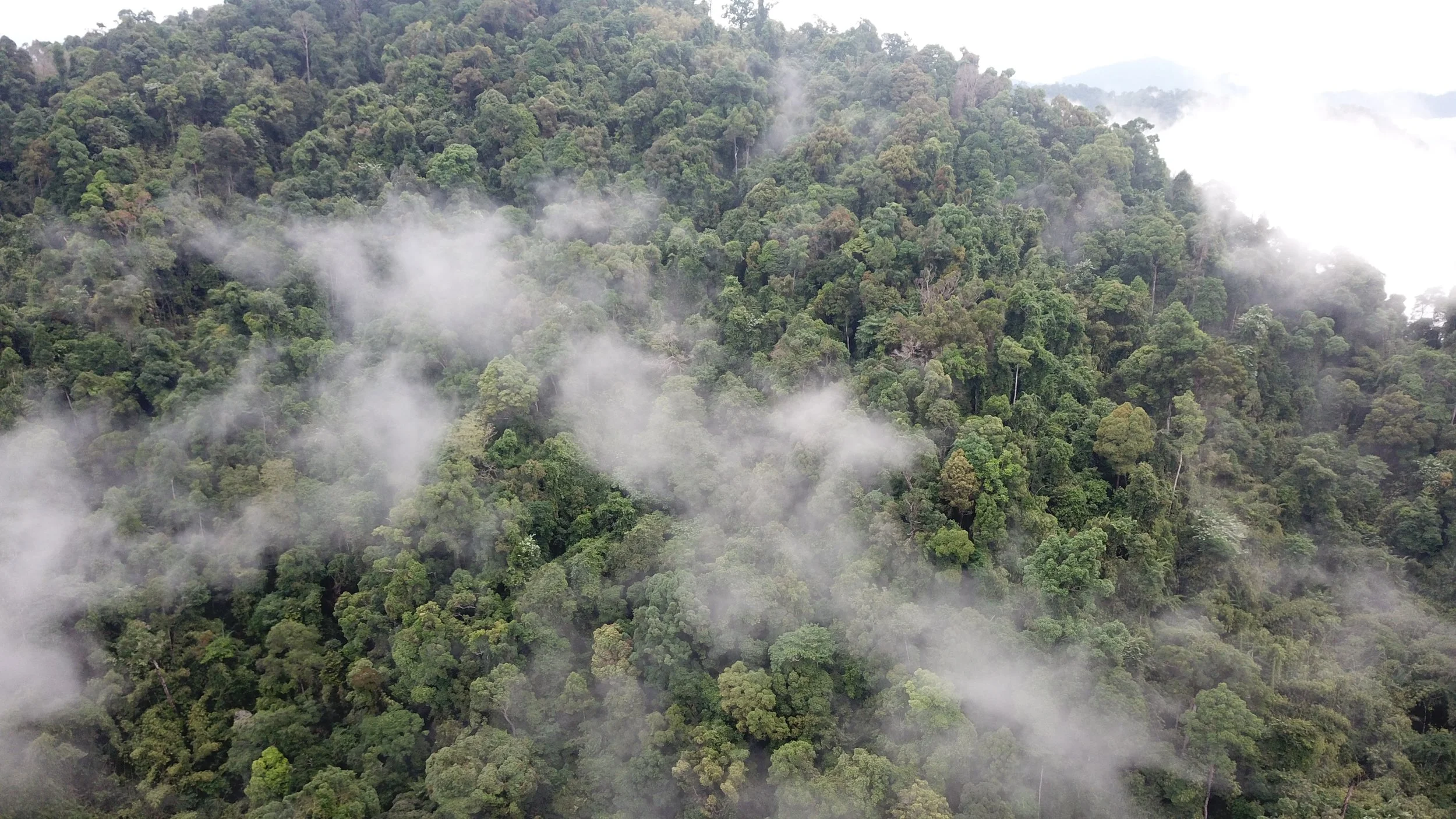
We’ll be spending much of our time in Peru’s last and only remaining Chocoan cloud forest ecosystem. This area is ripe for discovery and known for it’s extreme levels of endemism.
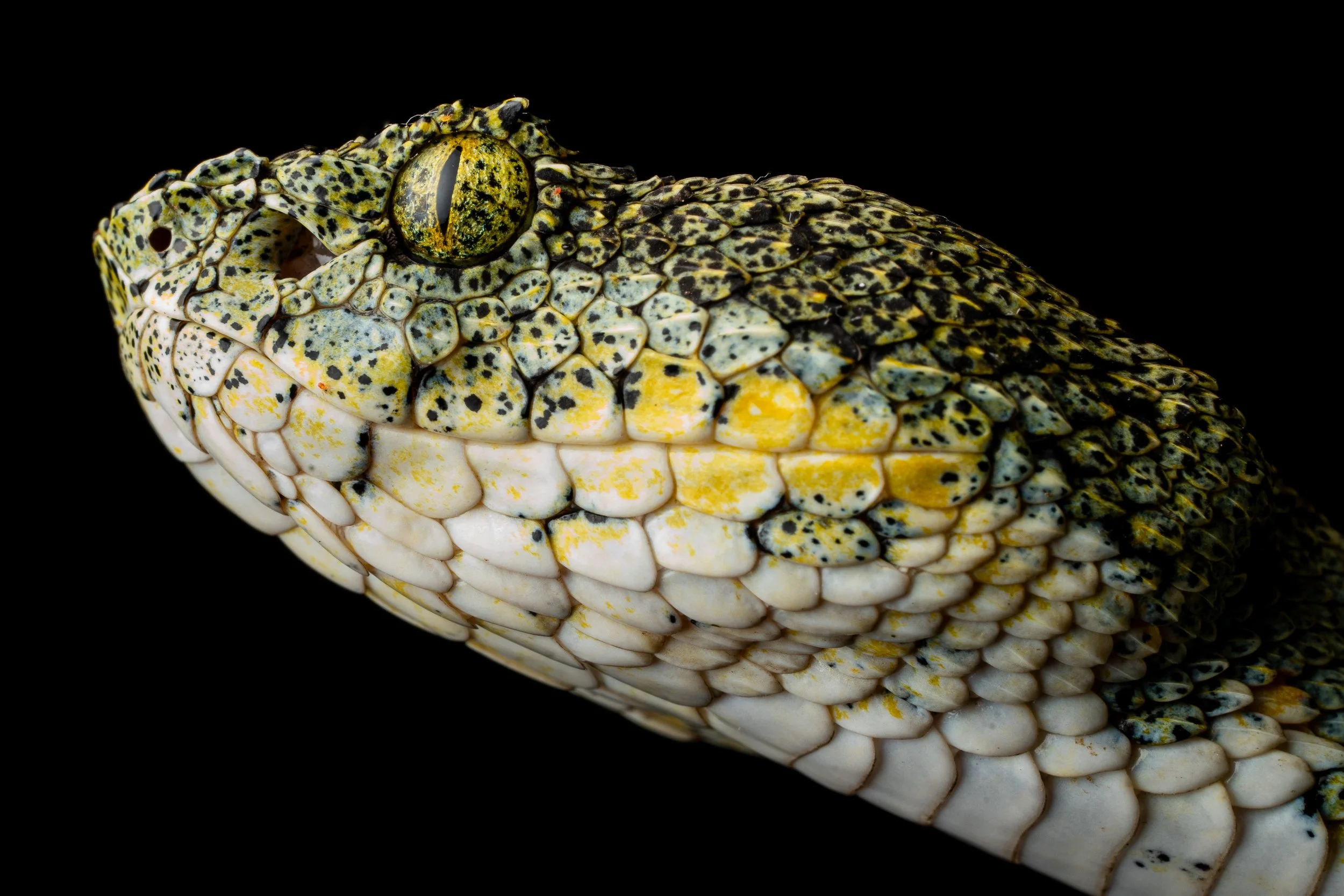
One of the planet’s most striking snakes calls Northern Peru home. Few humans have ever seen the Eyelash palm pit viper (Bothriechis schlegelii) in the country of Peru, as this unique population only barely ranges into the North of the country.
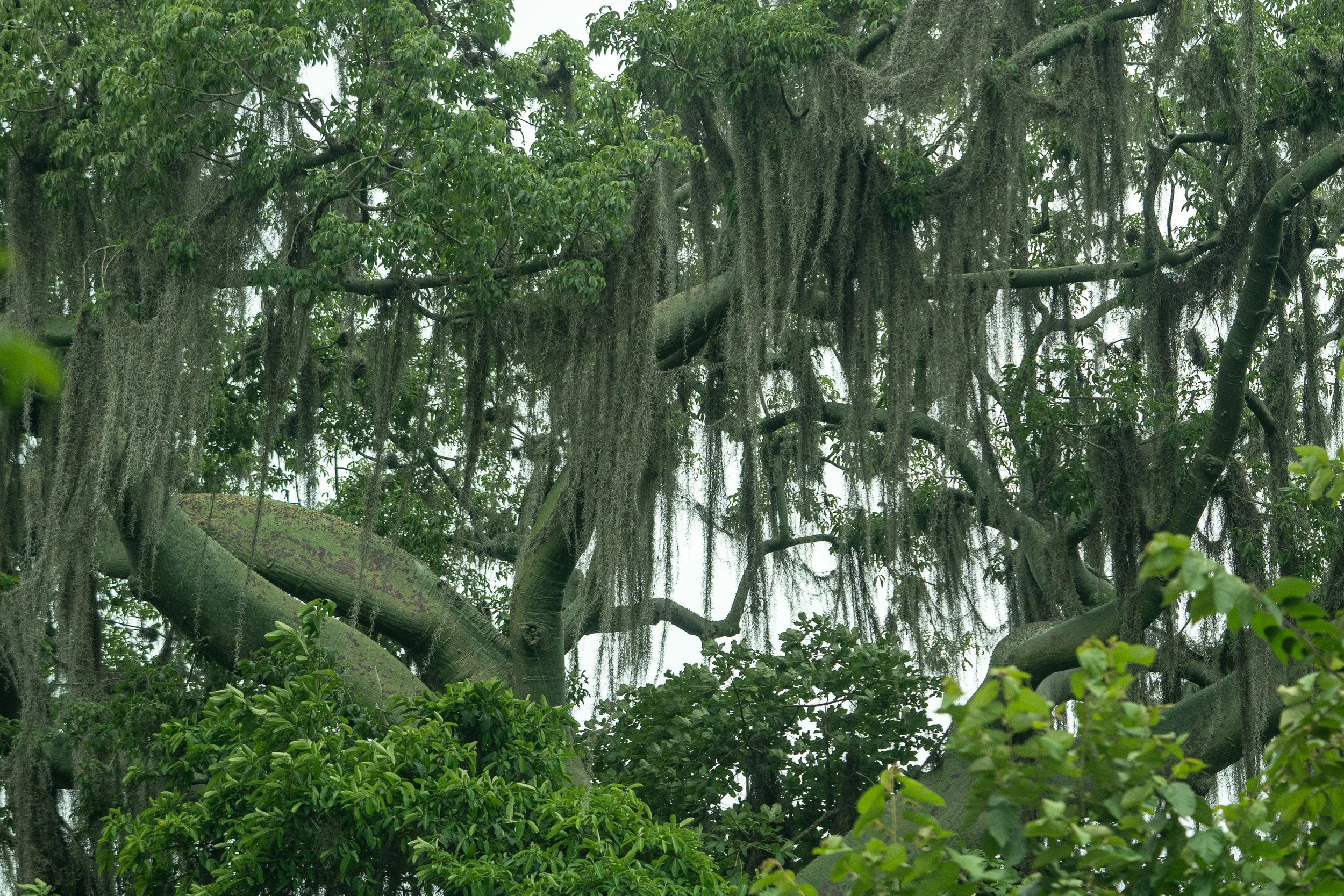
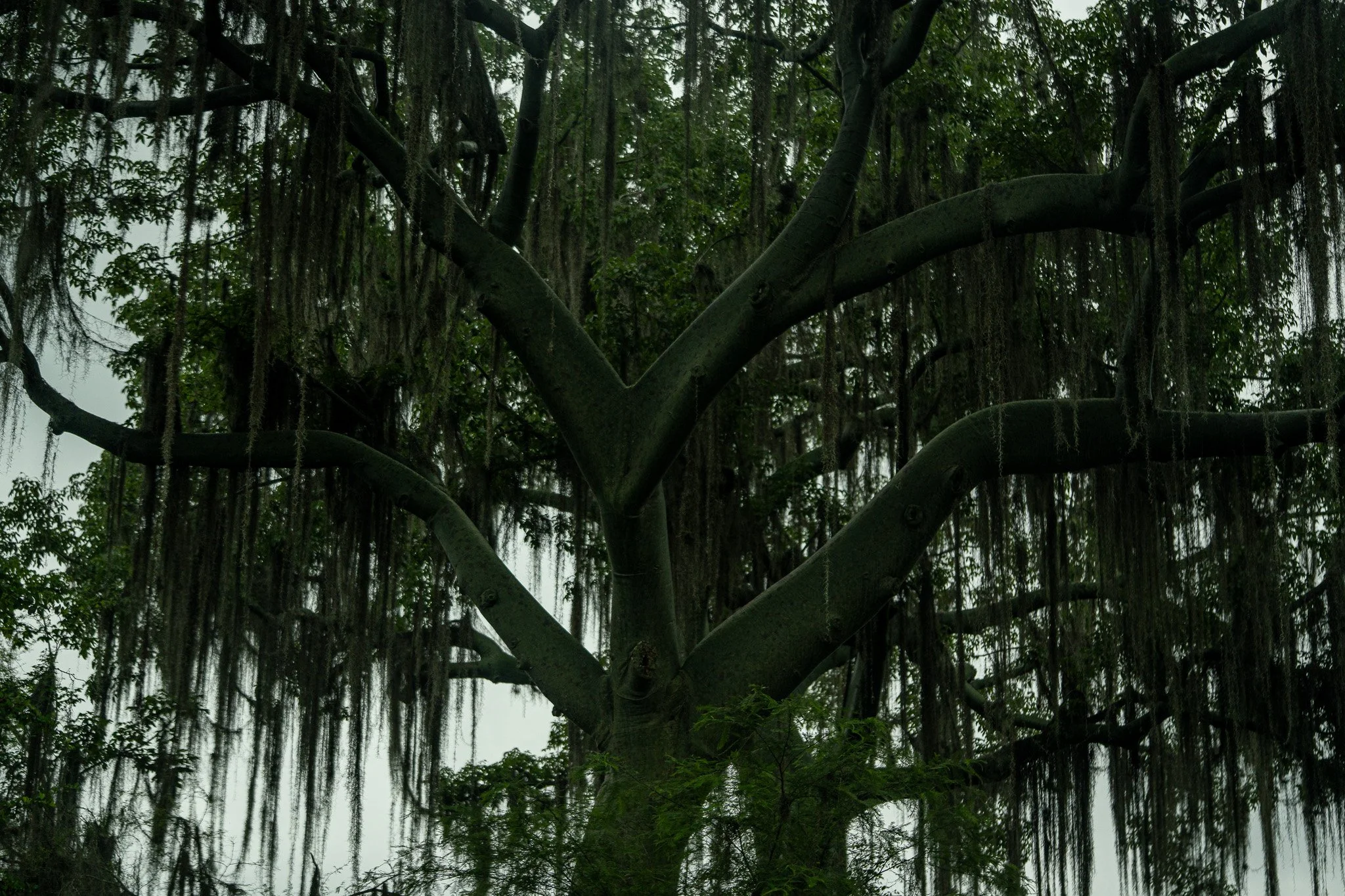
The stunning Ceiba trischistandra is a species of bottle tree native to the dry forests of southern Ecuador and northern Peru. It is a large, deciduous tree that can grow very tall, with a trunk that is often covered in conical prickles and can have a bottle-like shape. The tree is known for producing large pods that split open to release black seeds embedded in a cottony mass, similar to the related kapok tree.