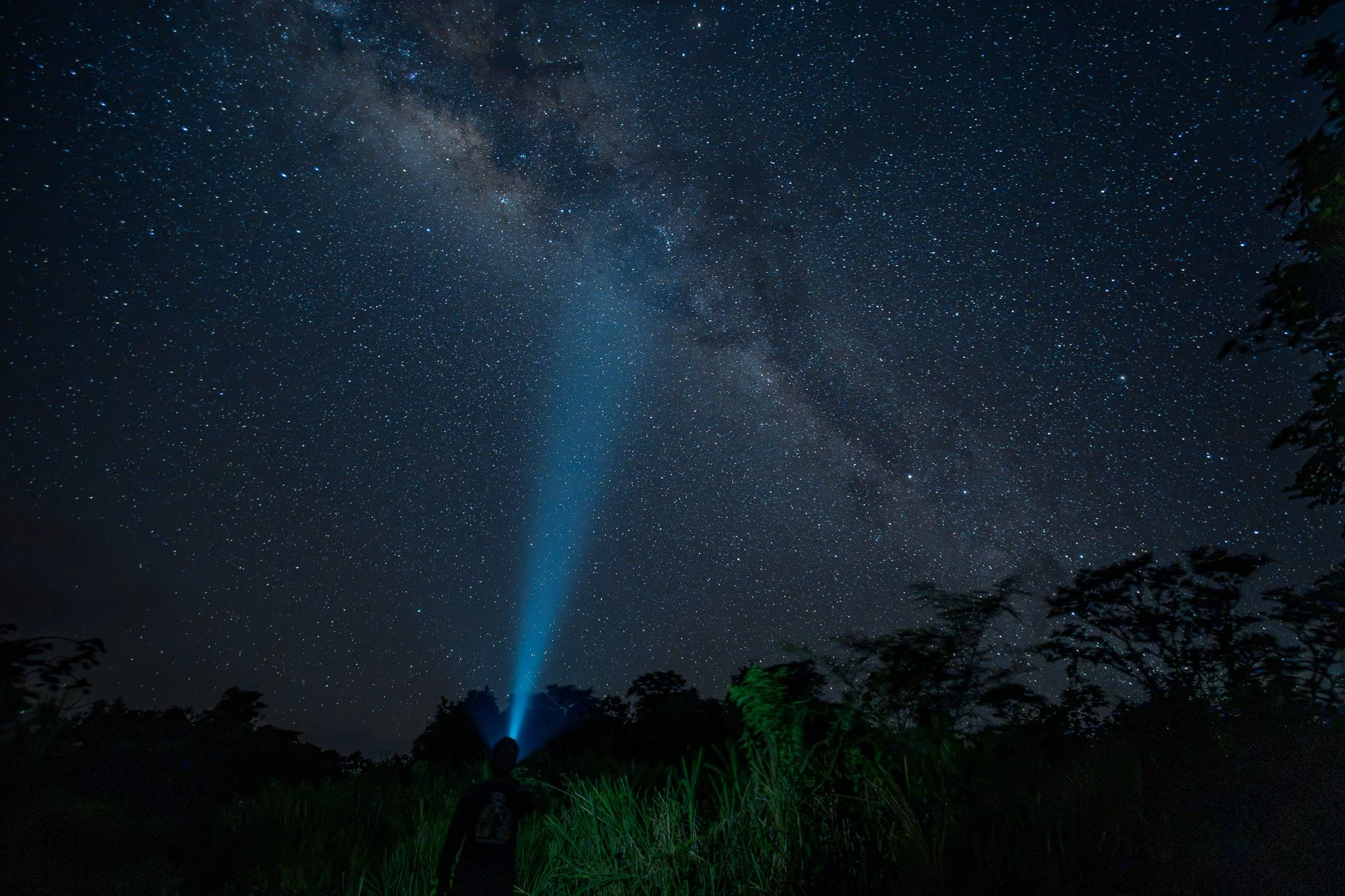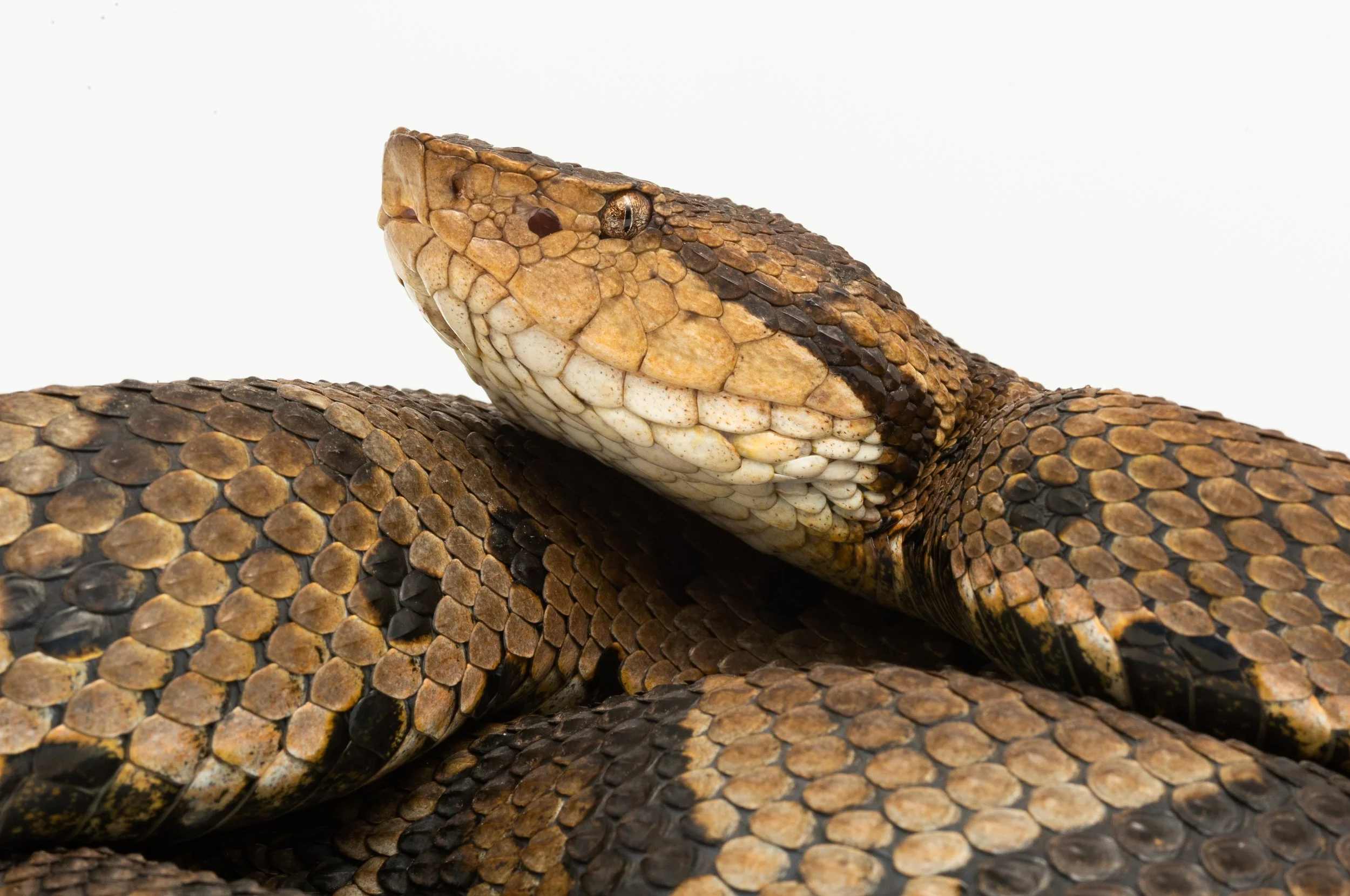
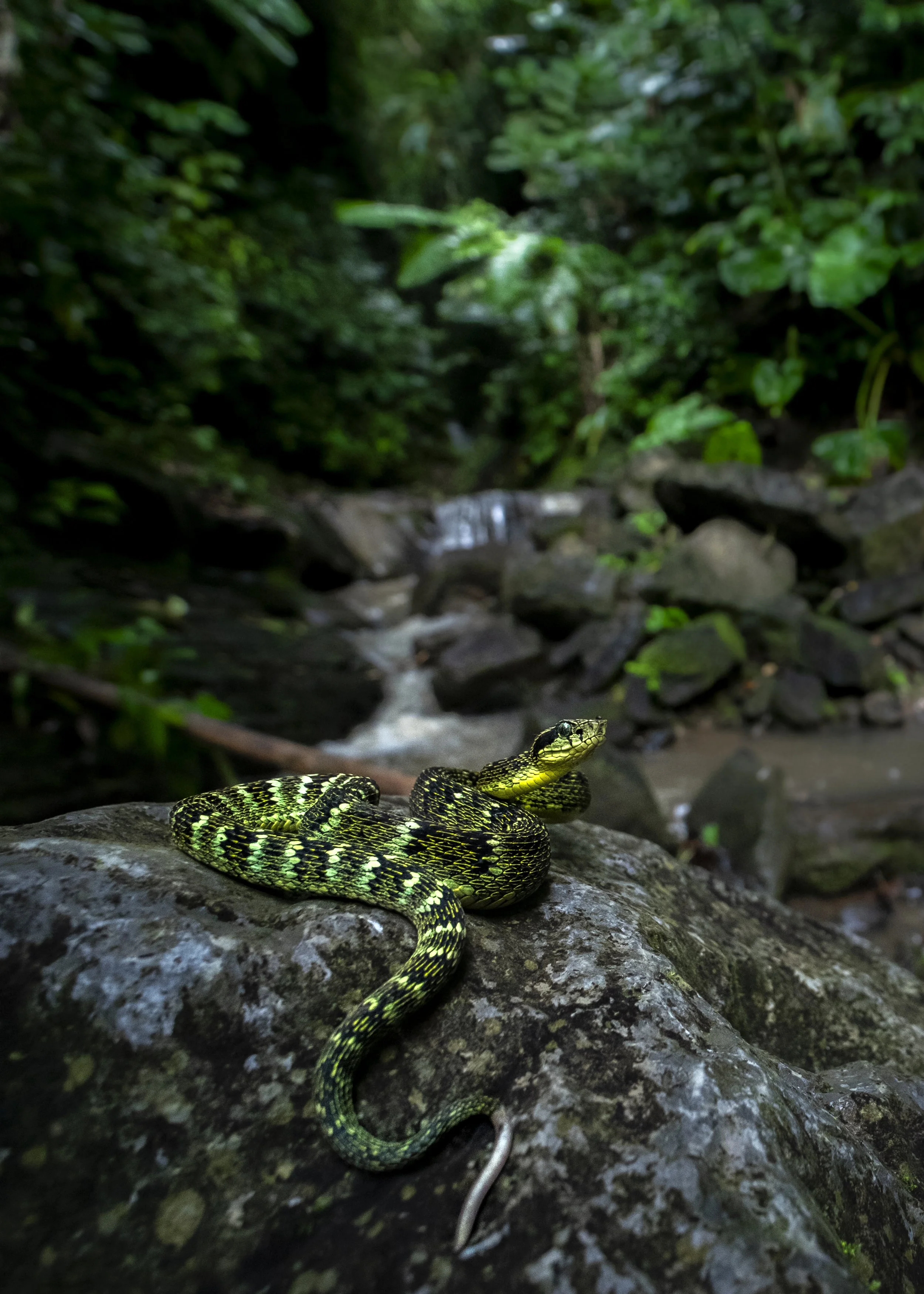
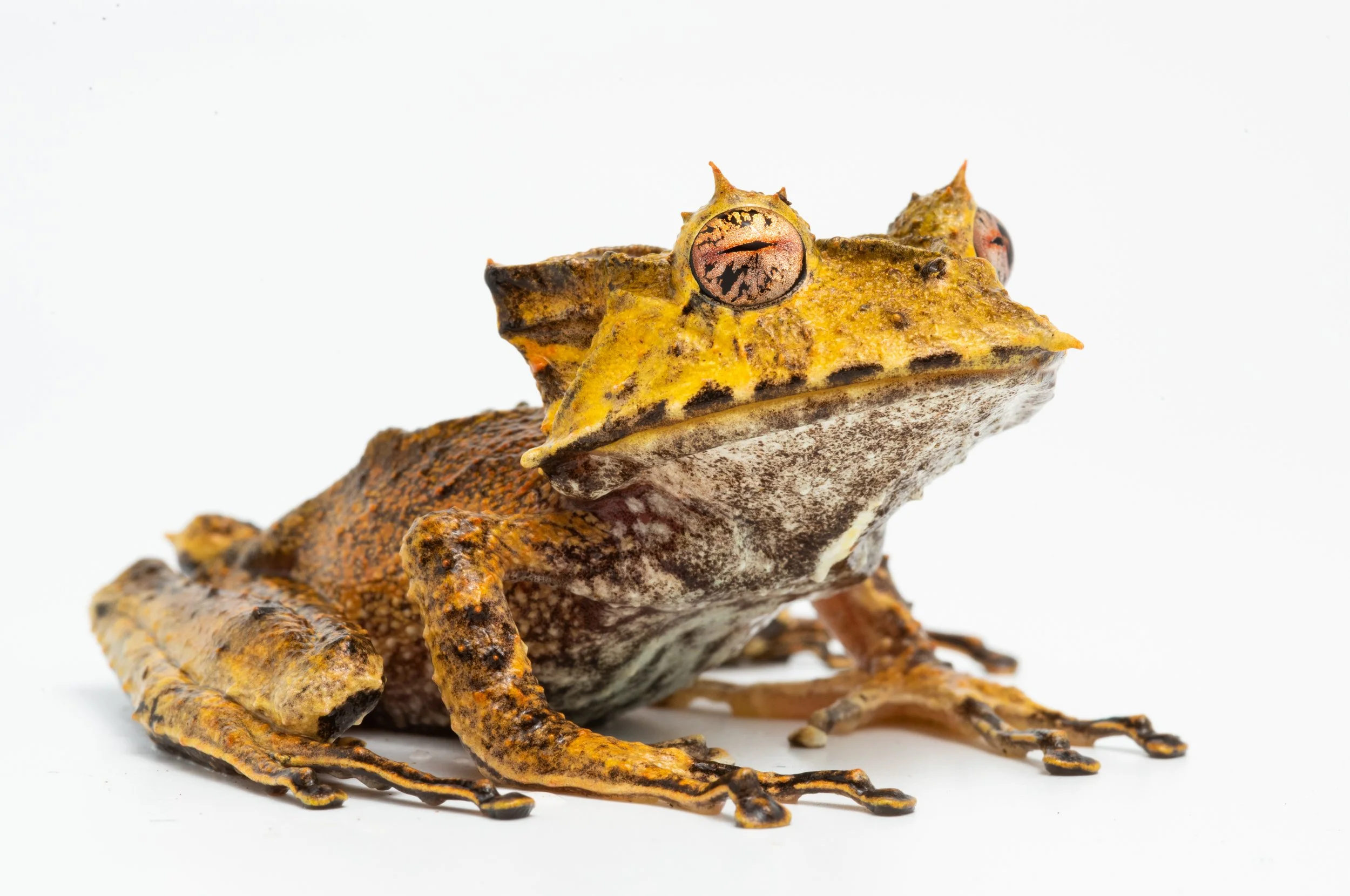
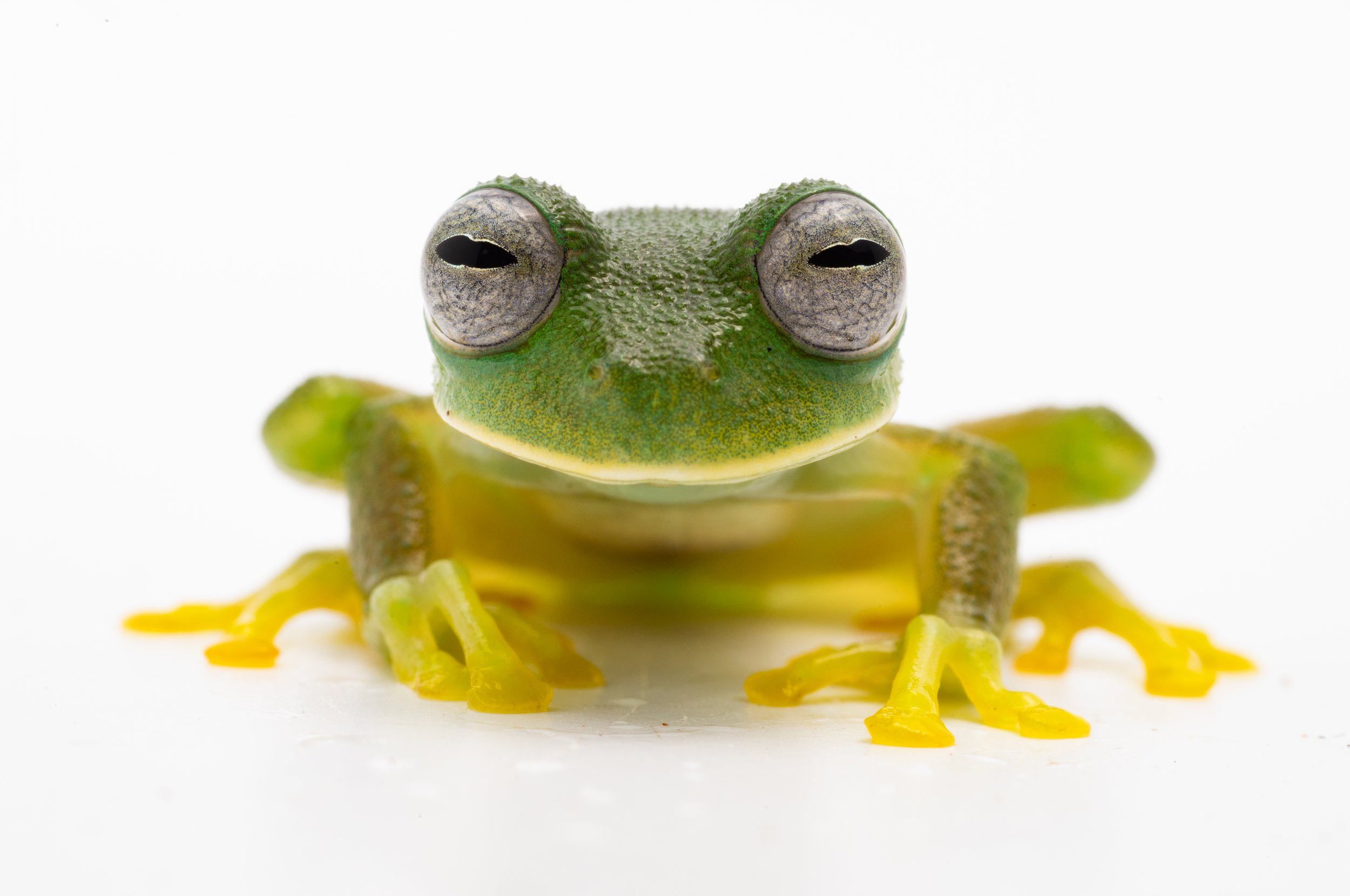
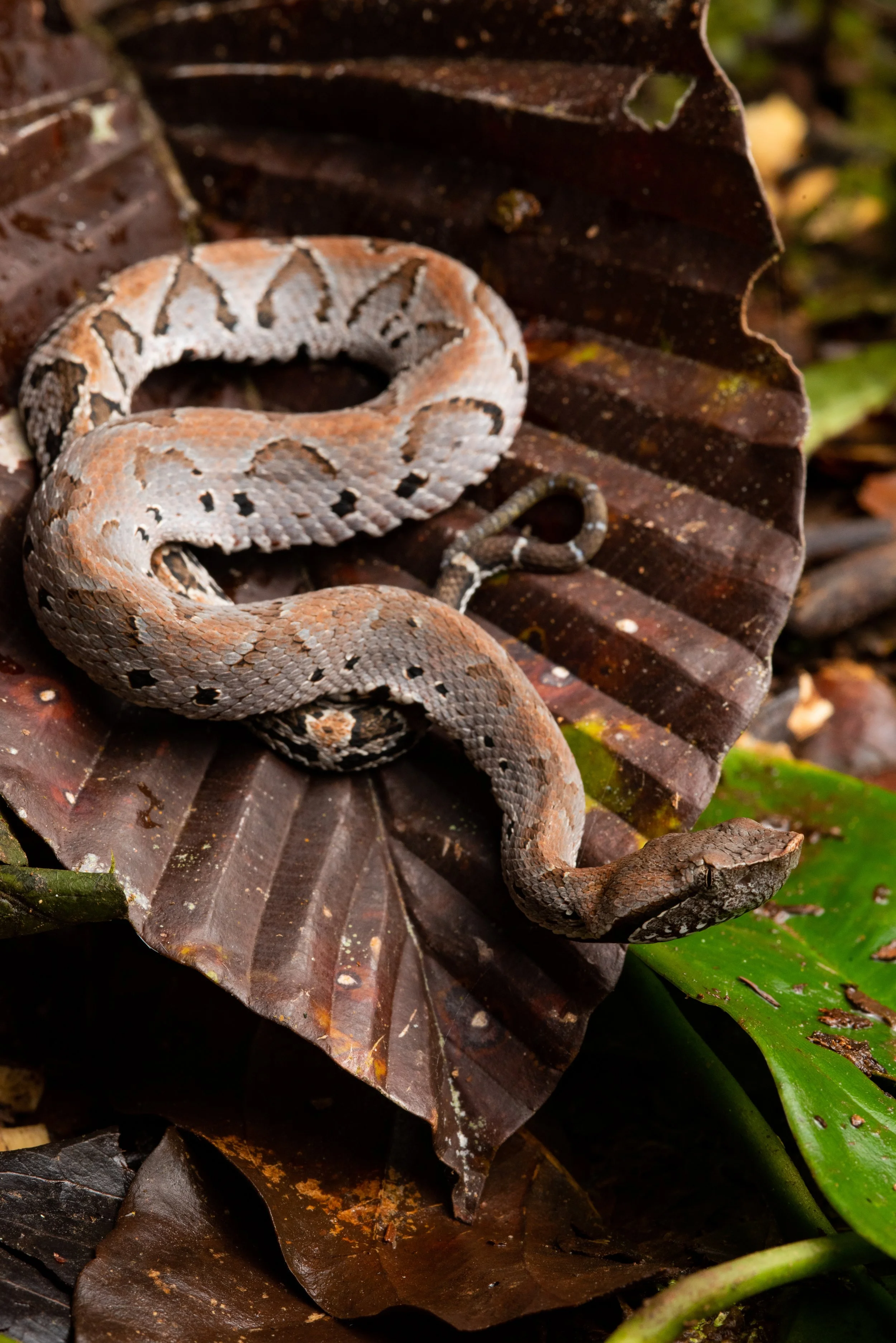
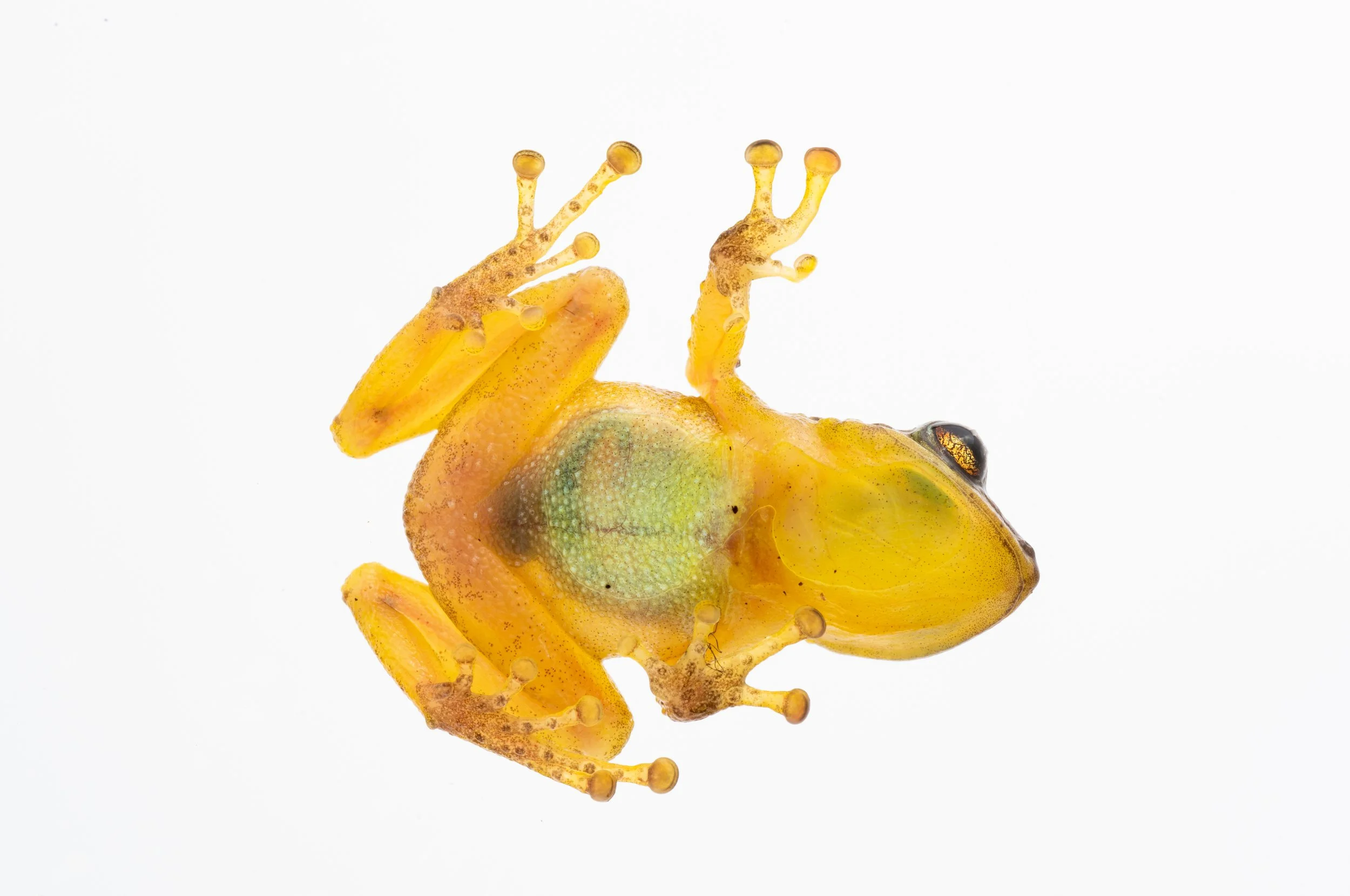
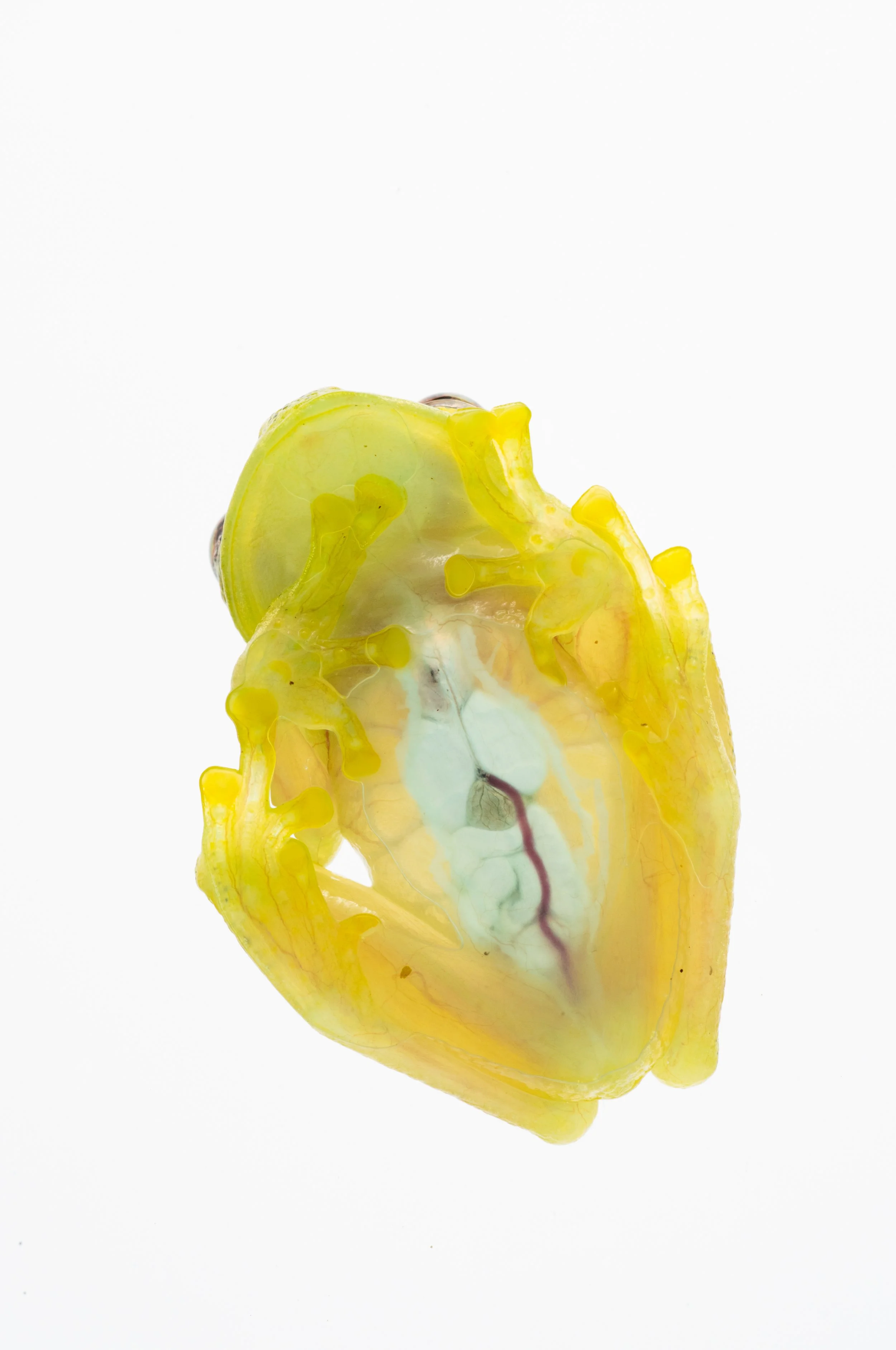
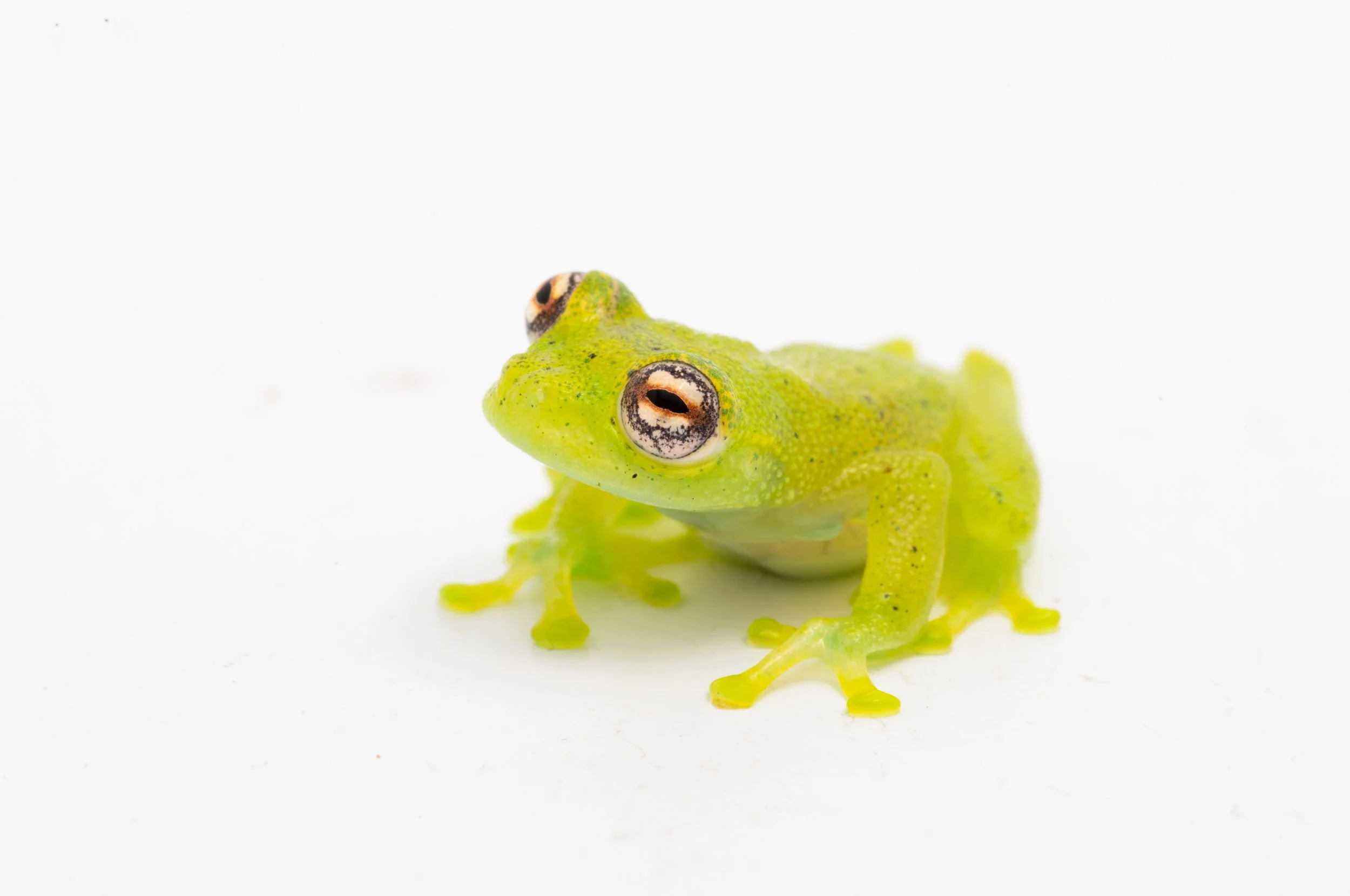
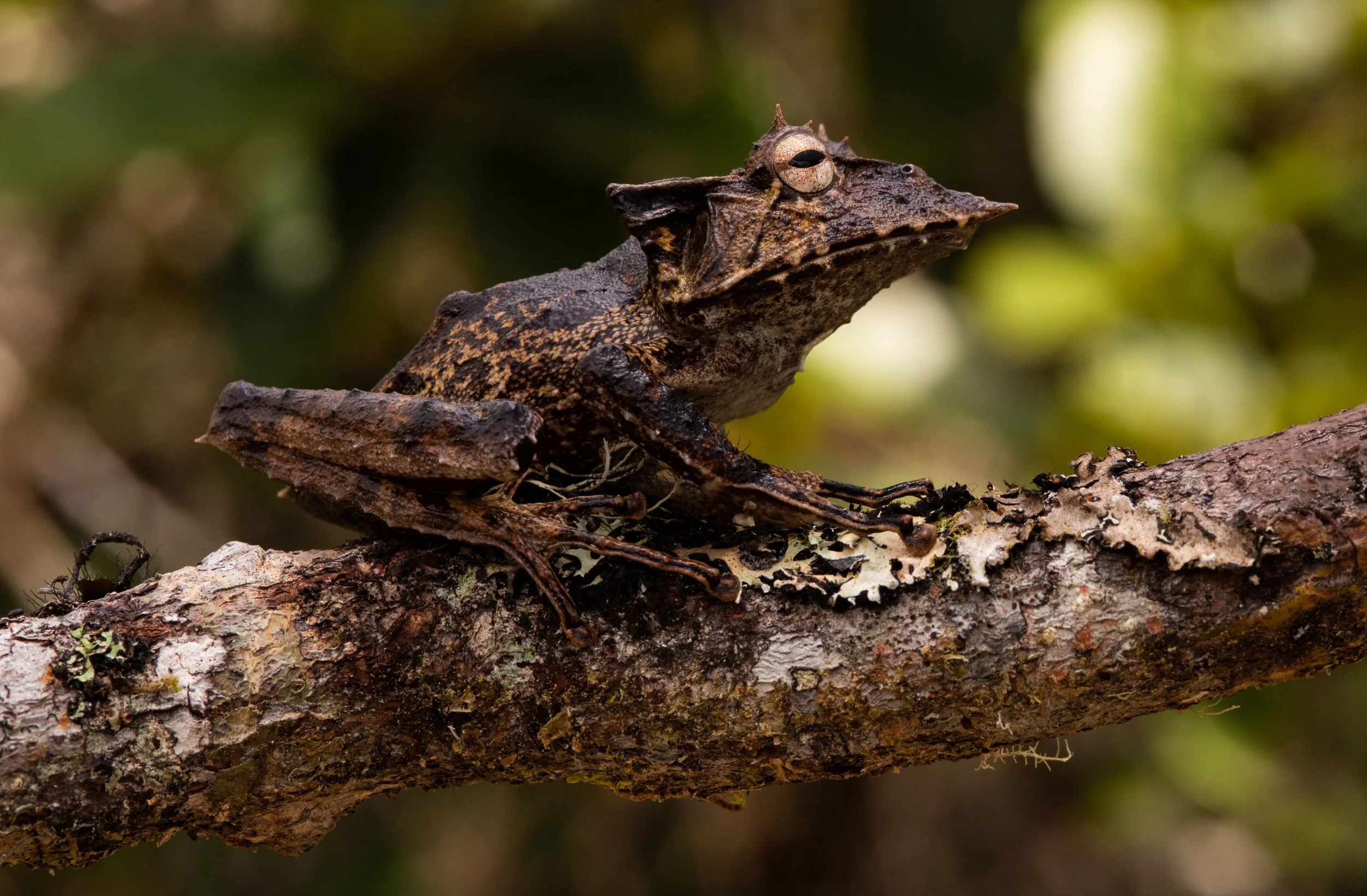
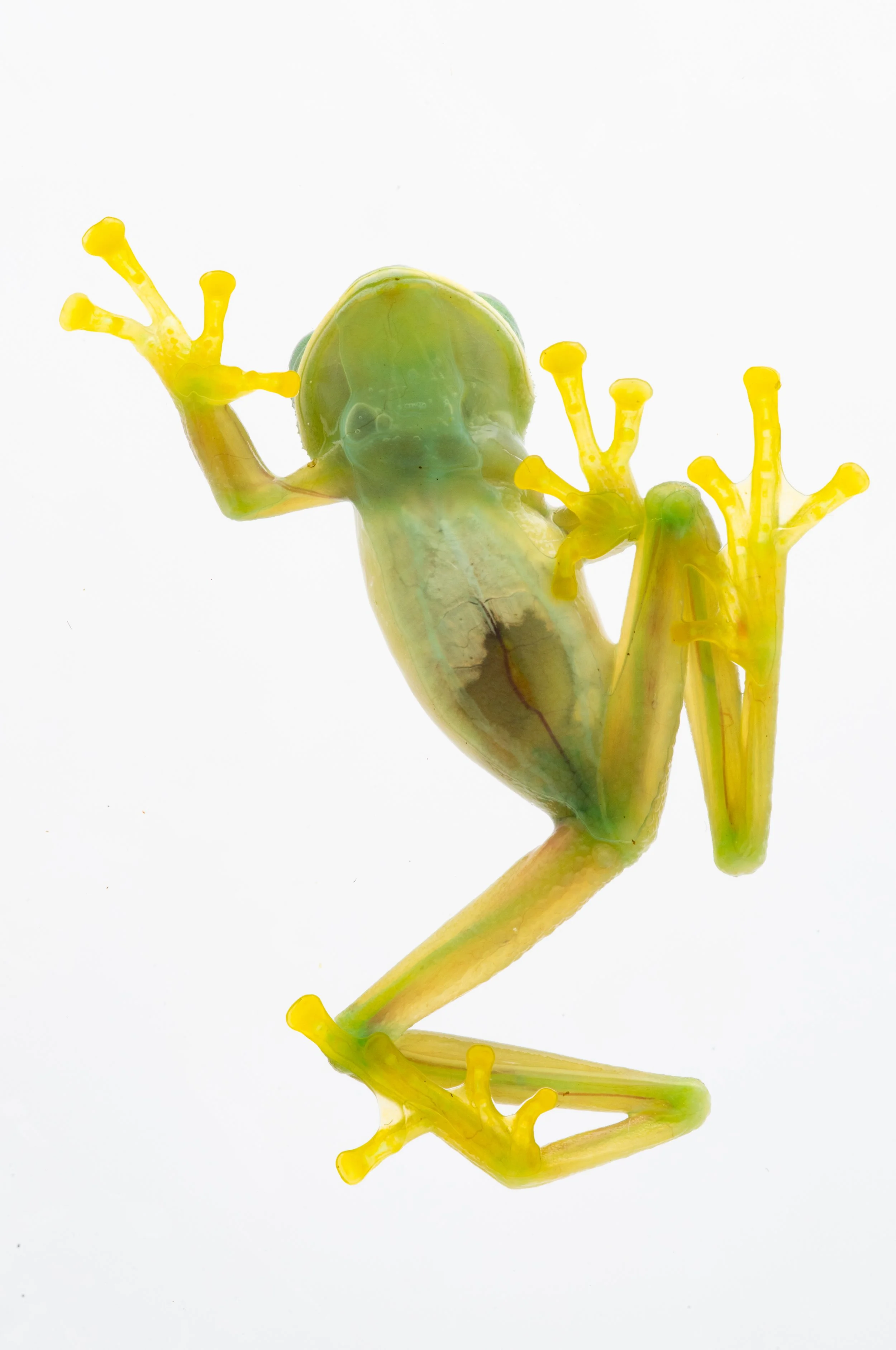
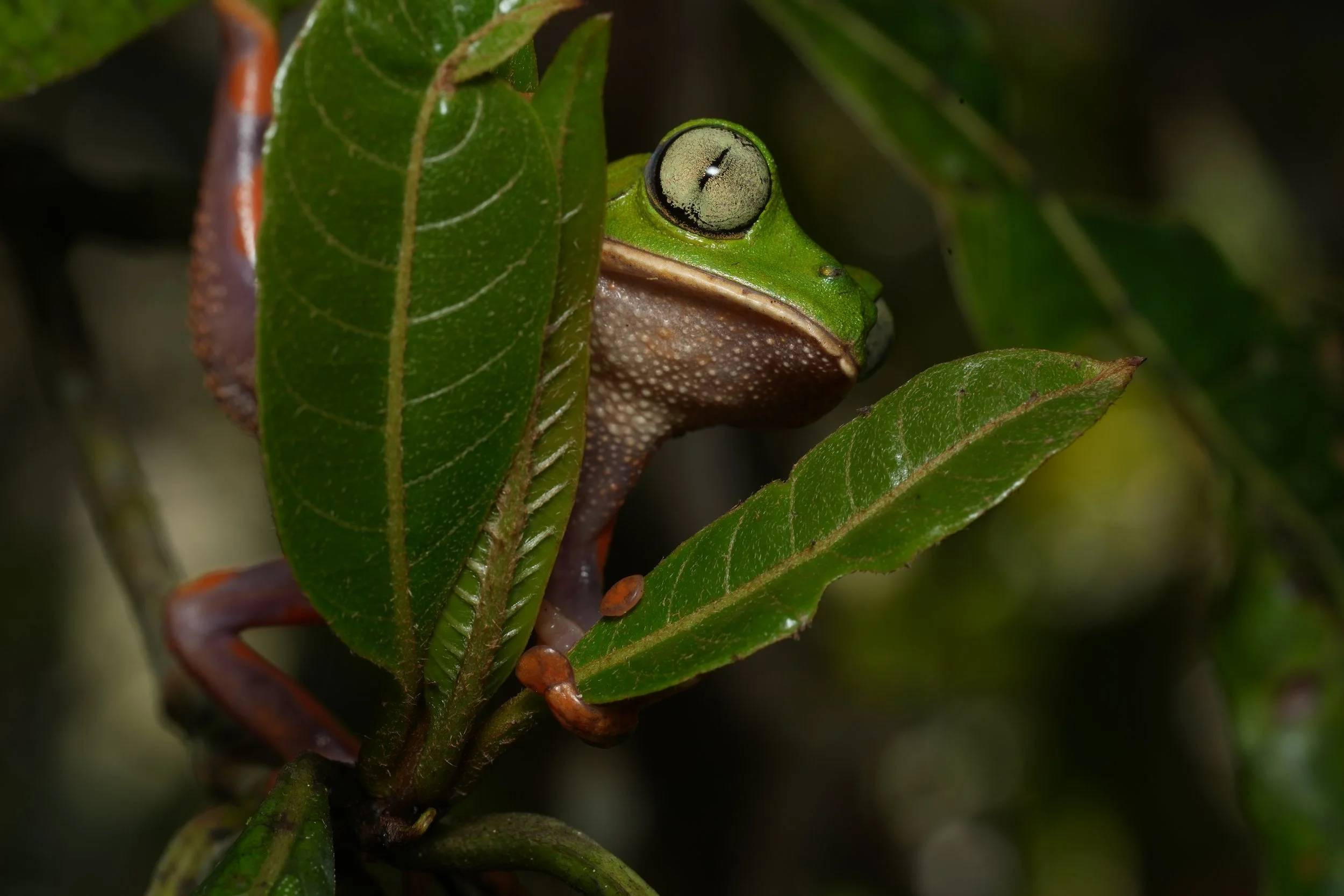
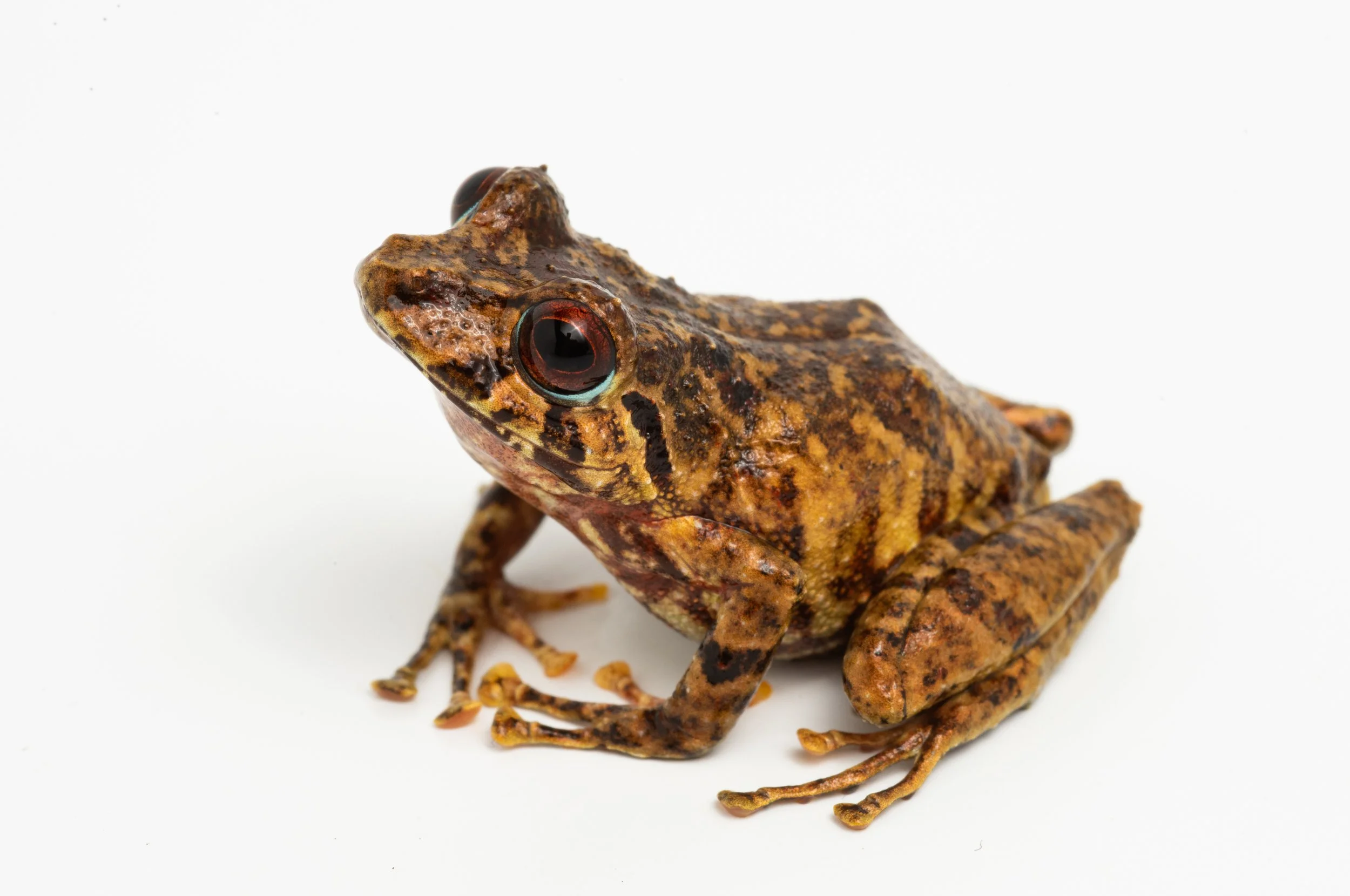
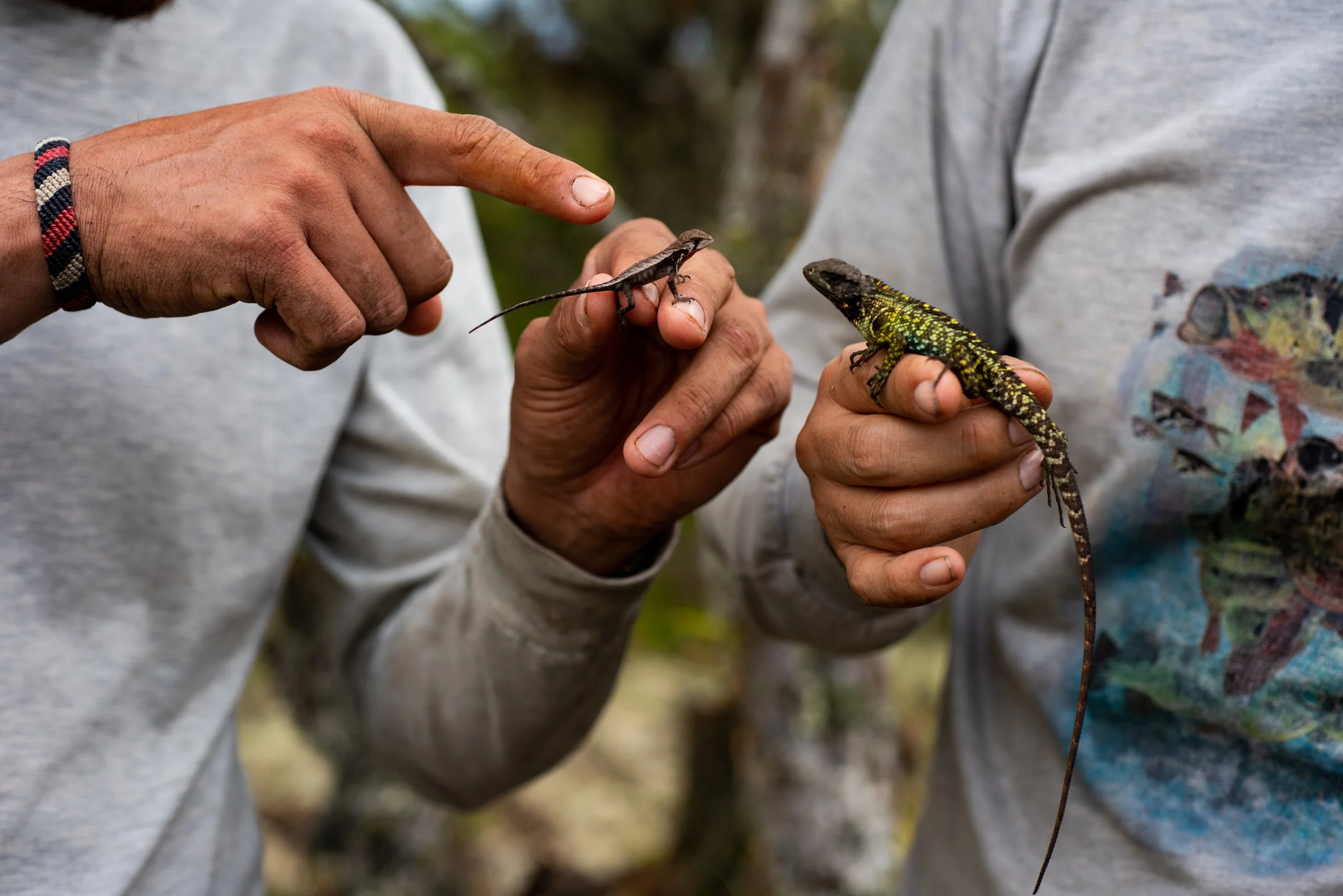
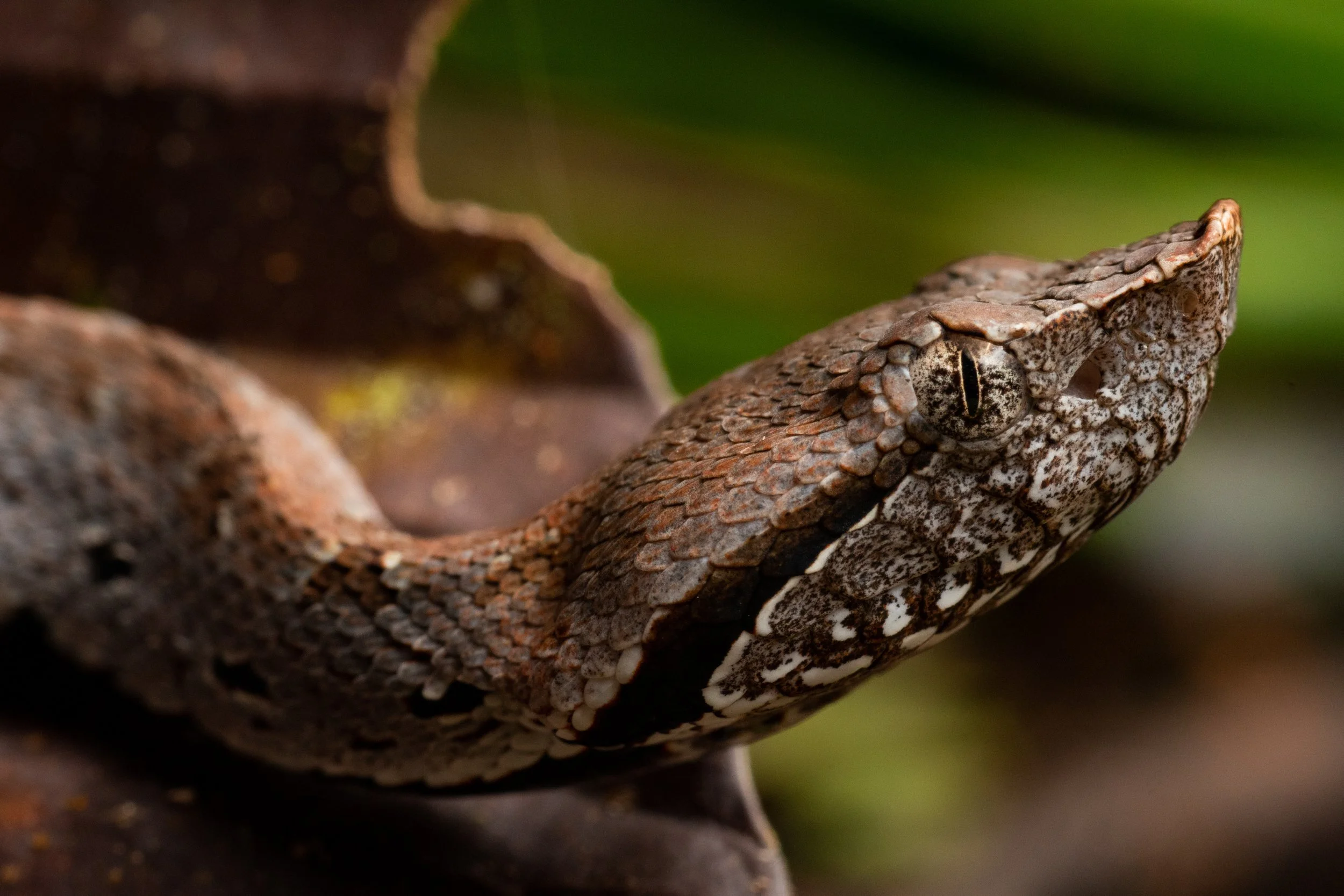
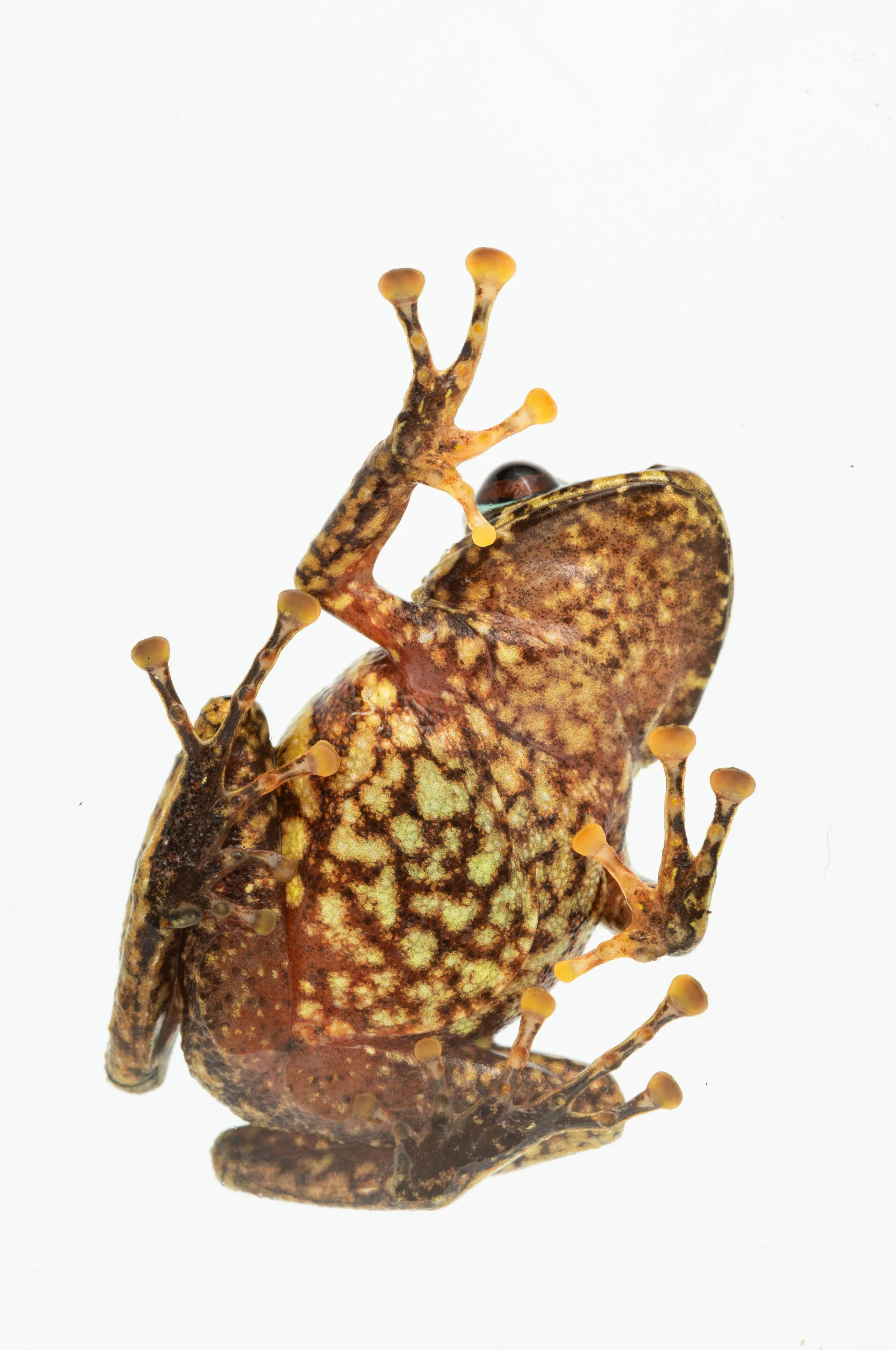
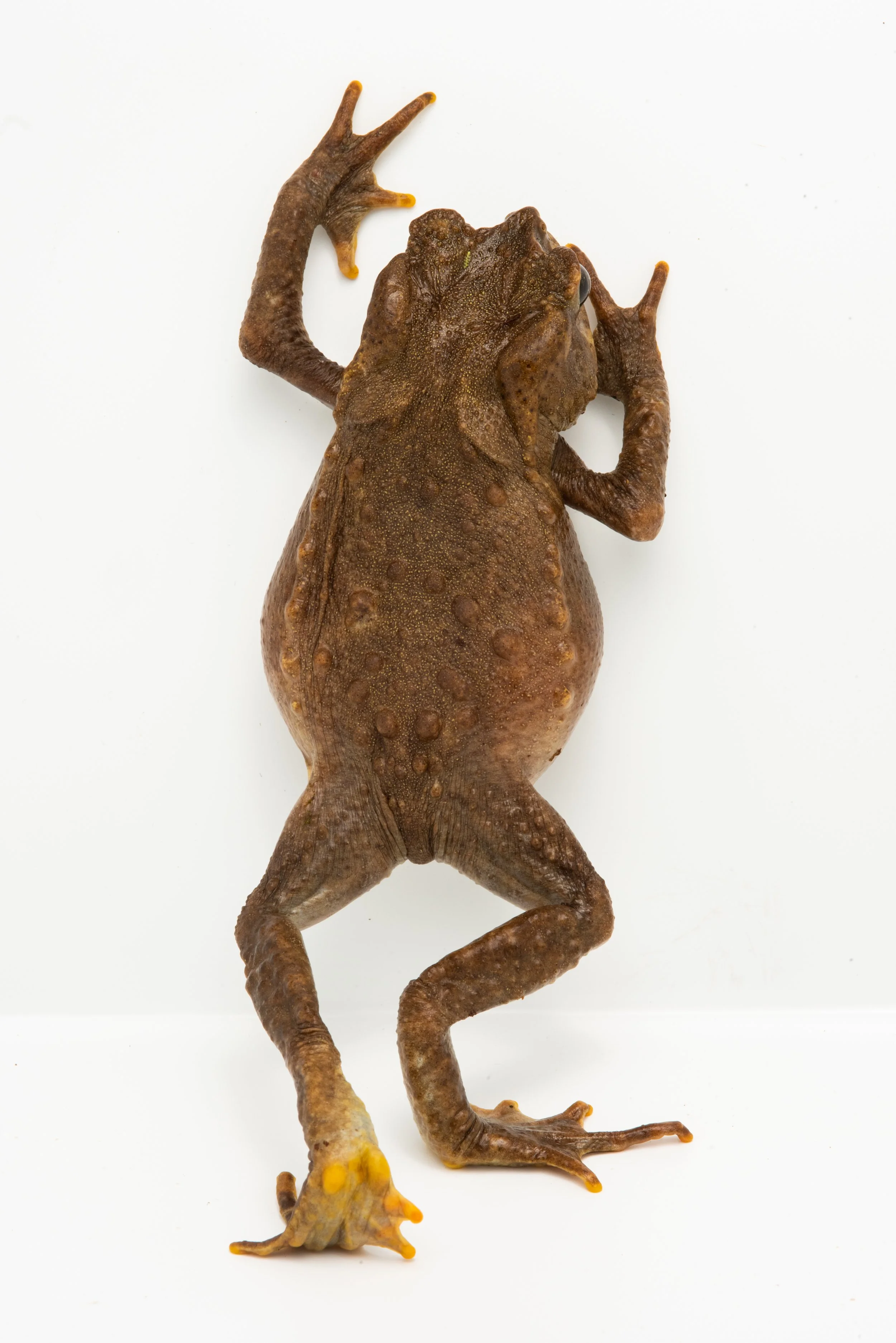
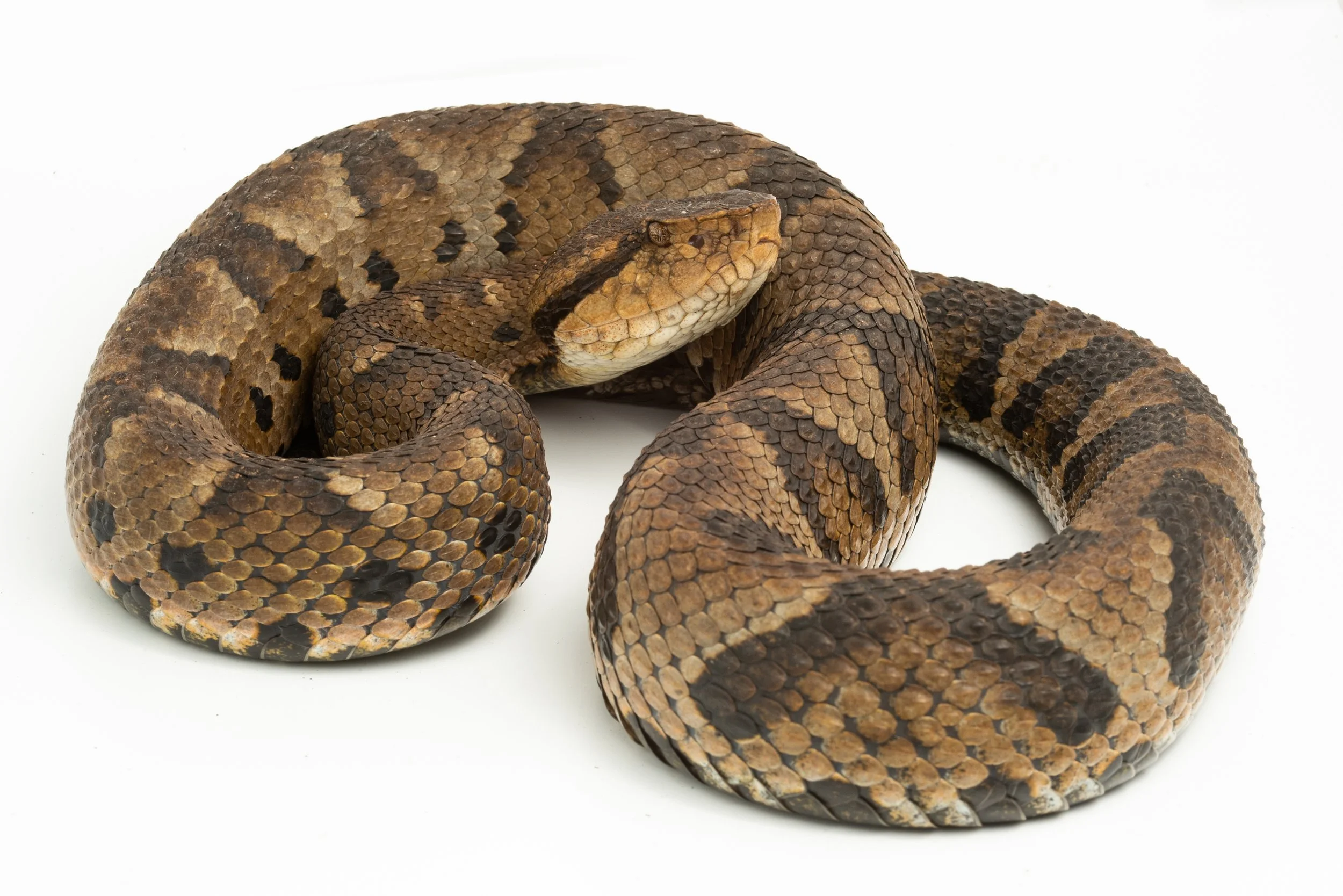
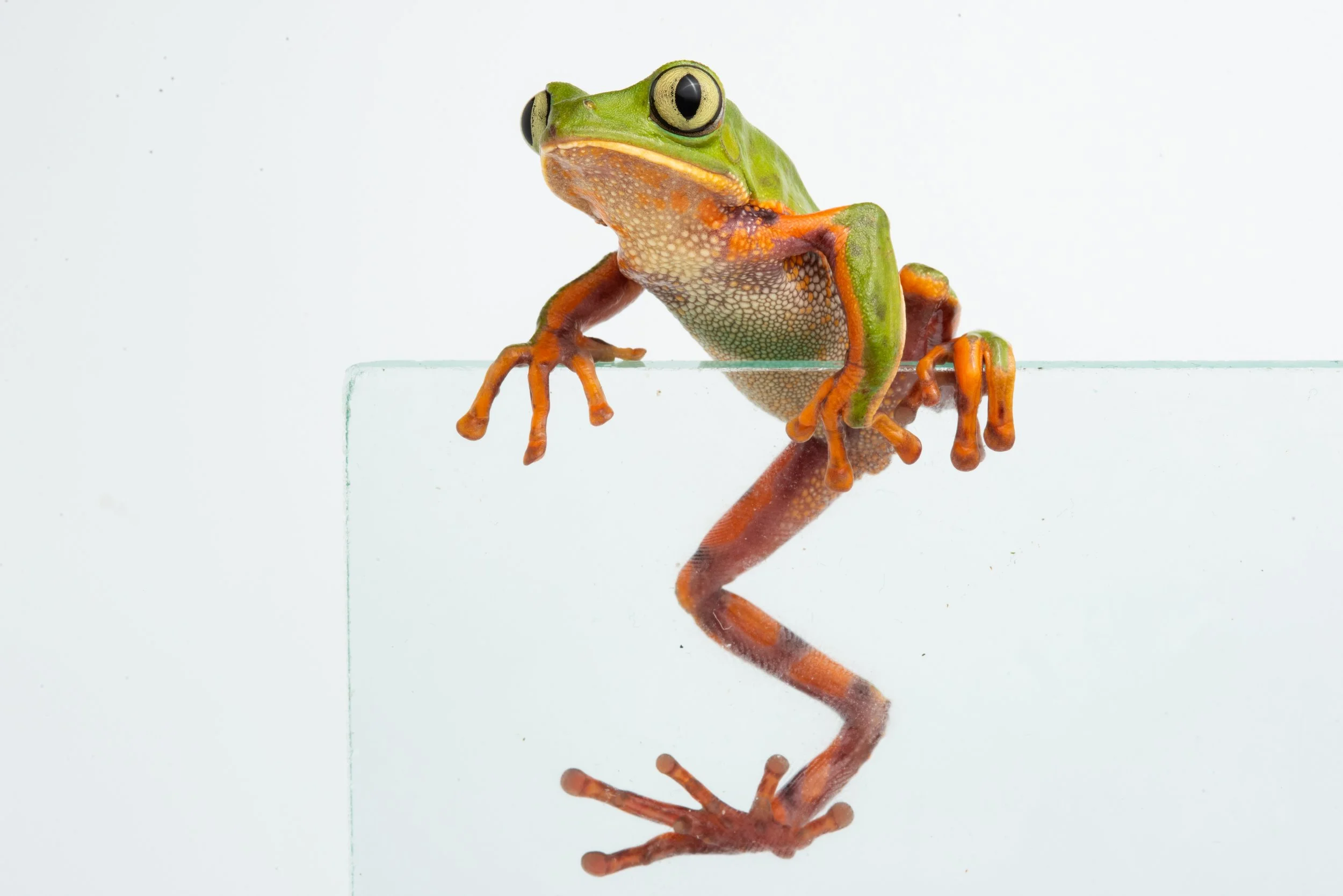
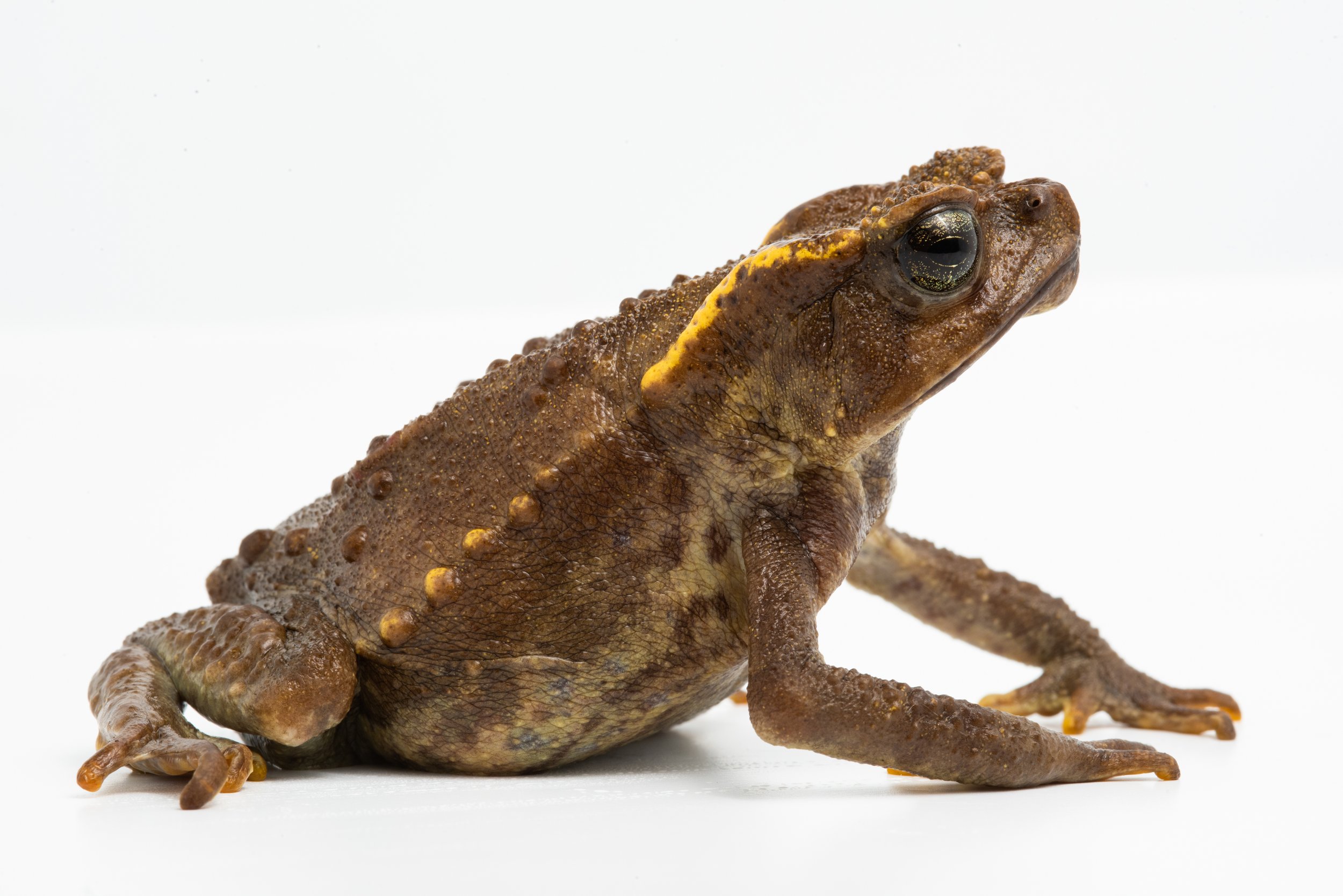
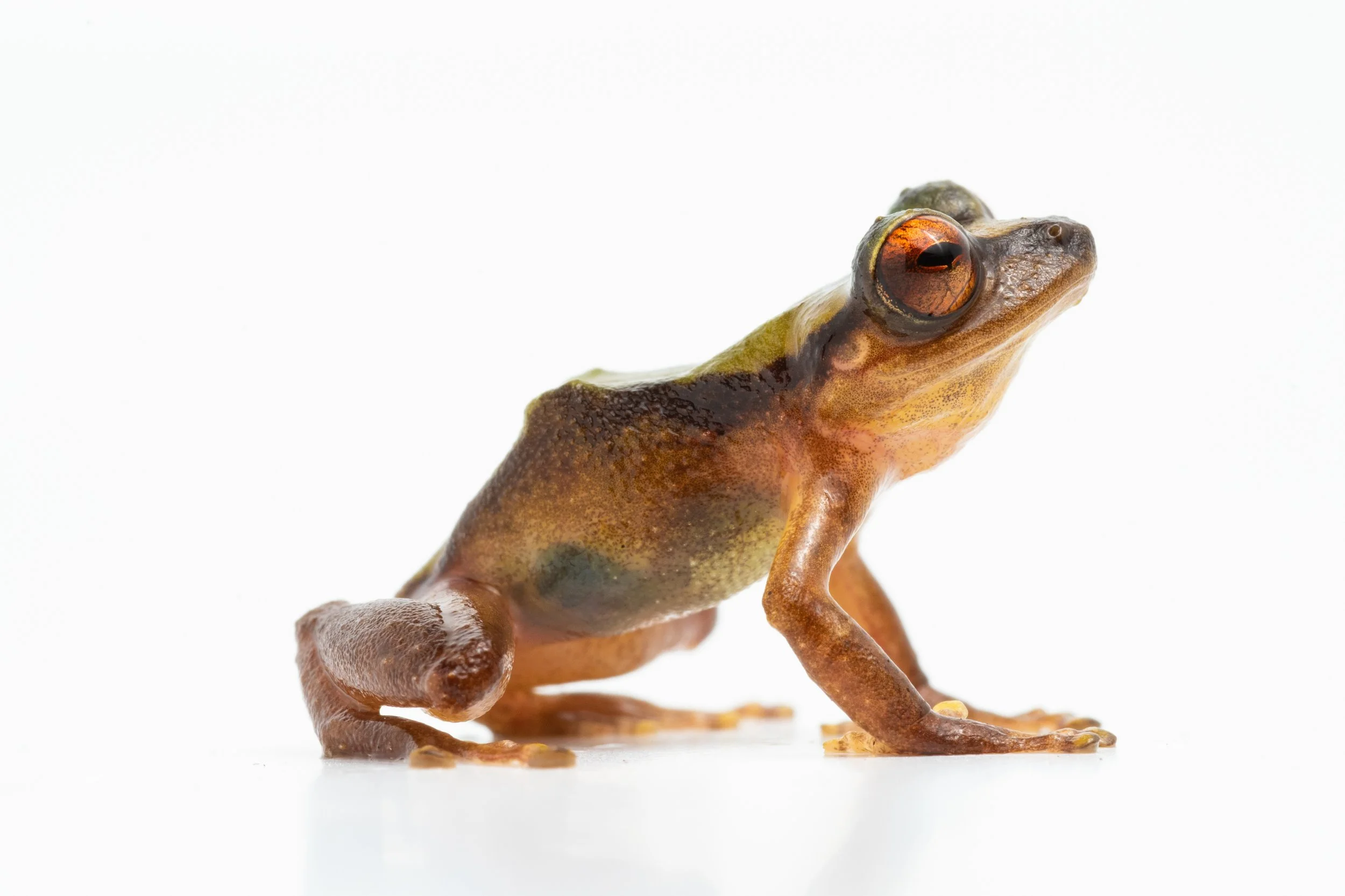
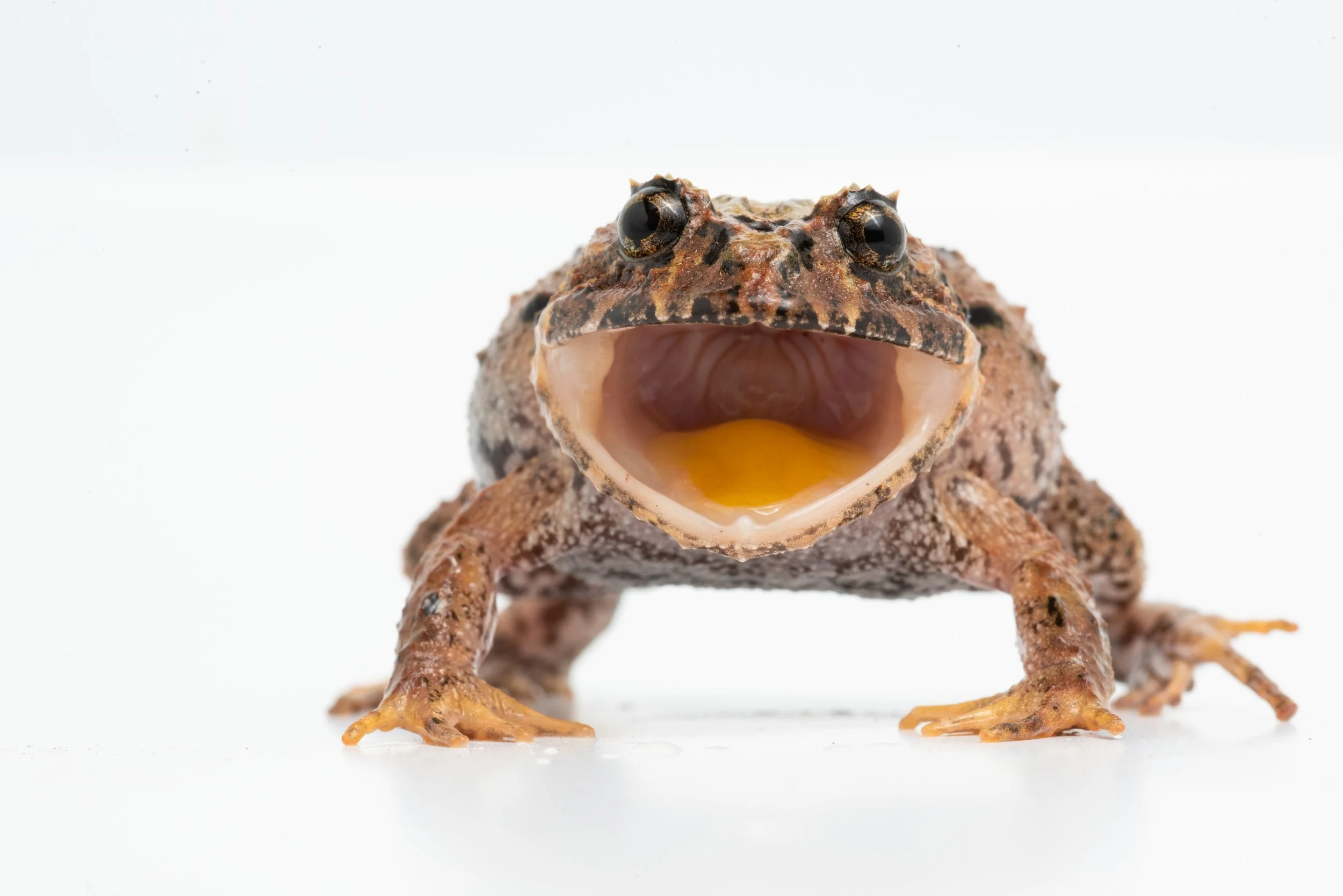
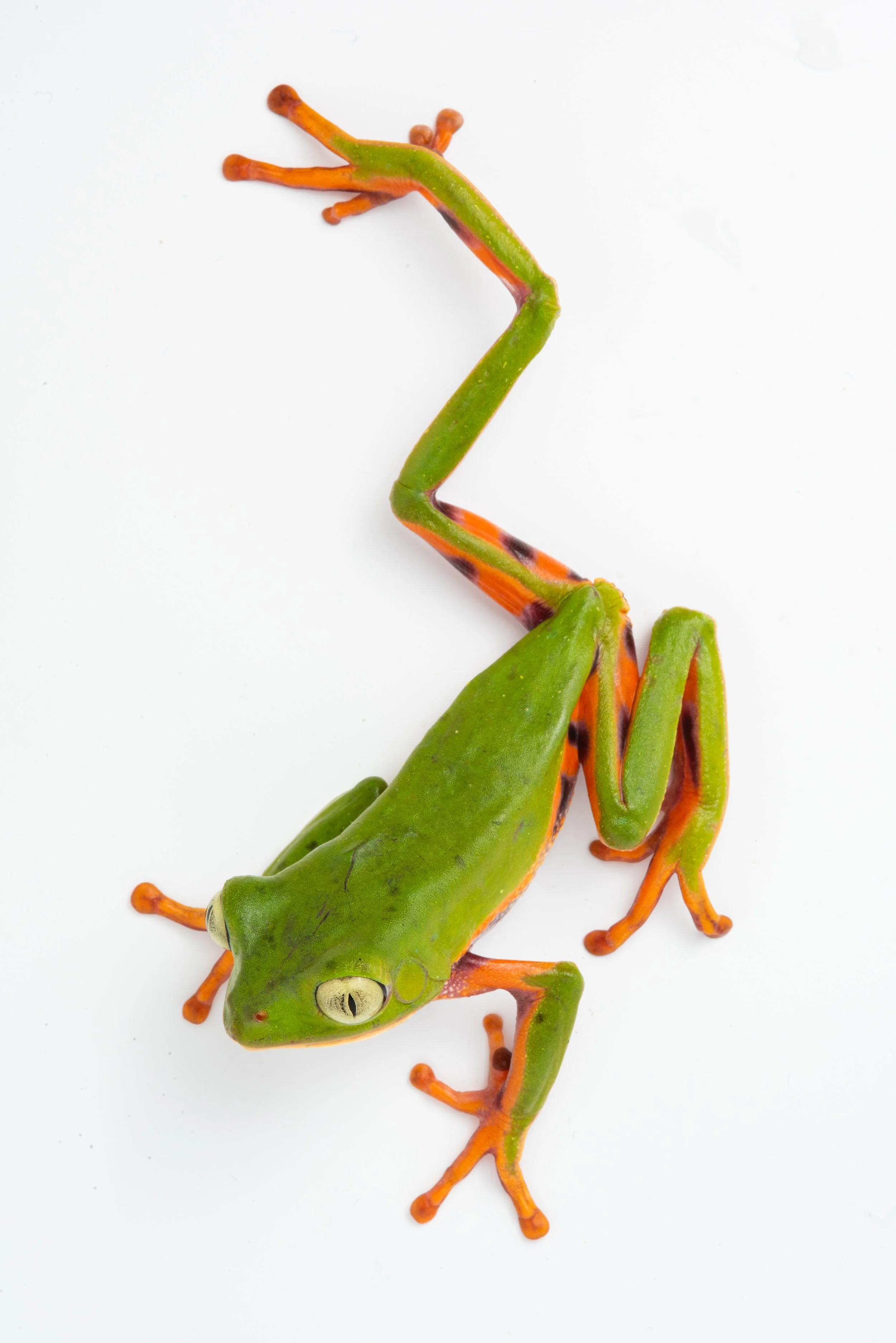
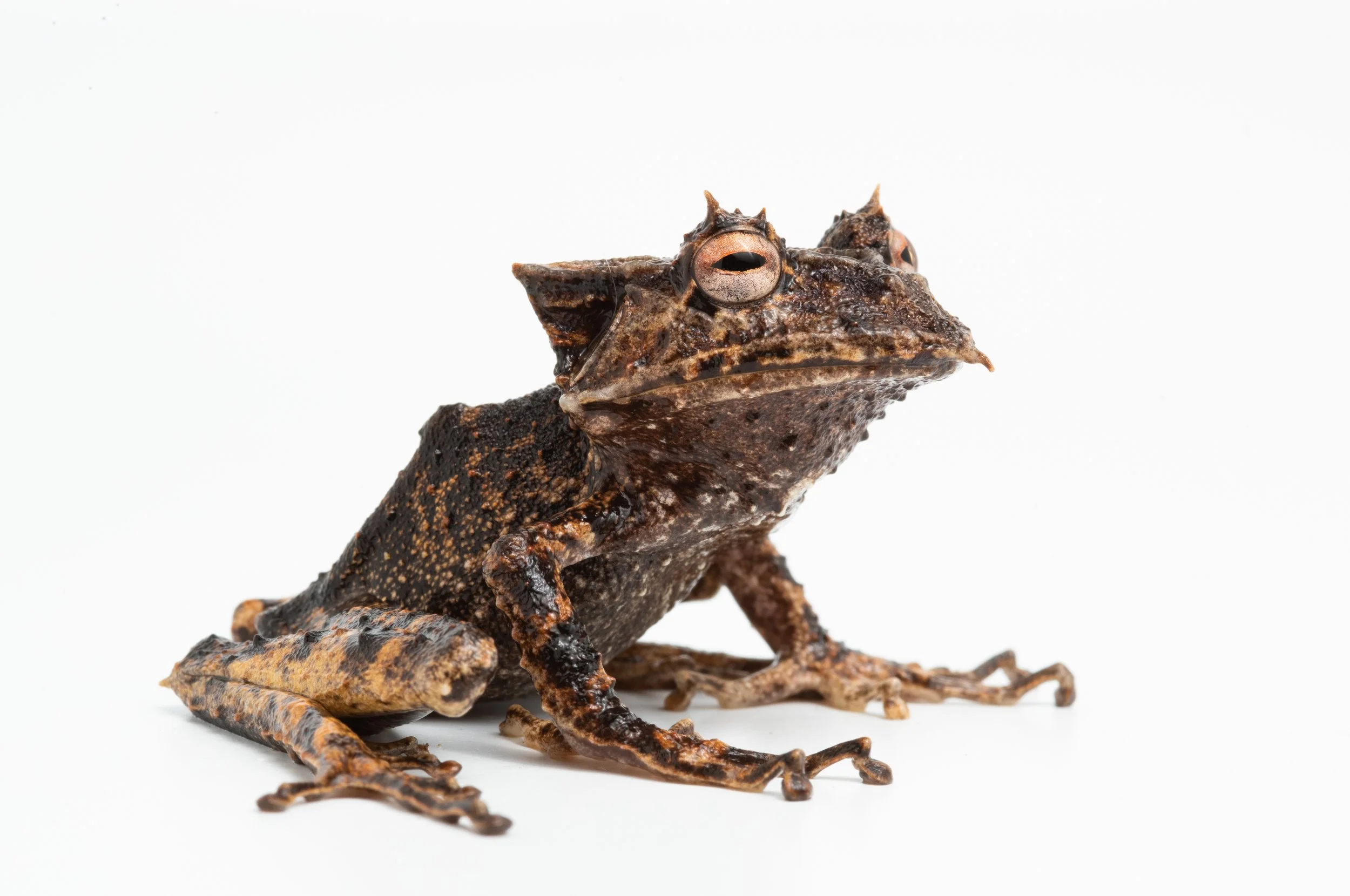
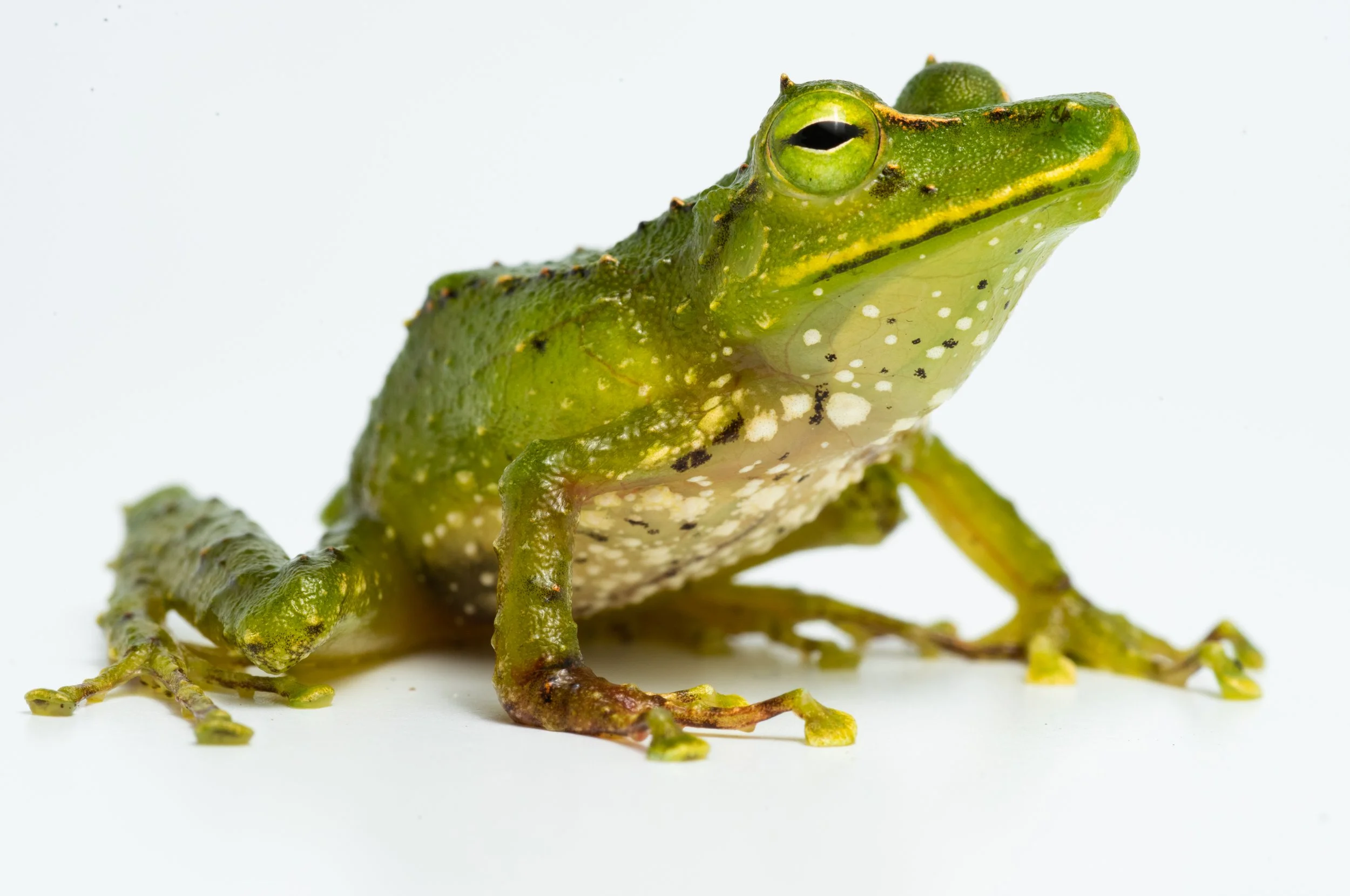
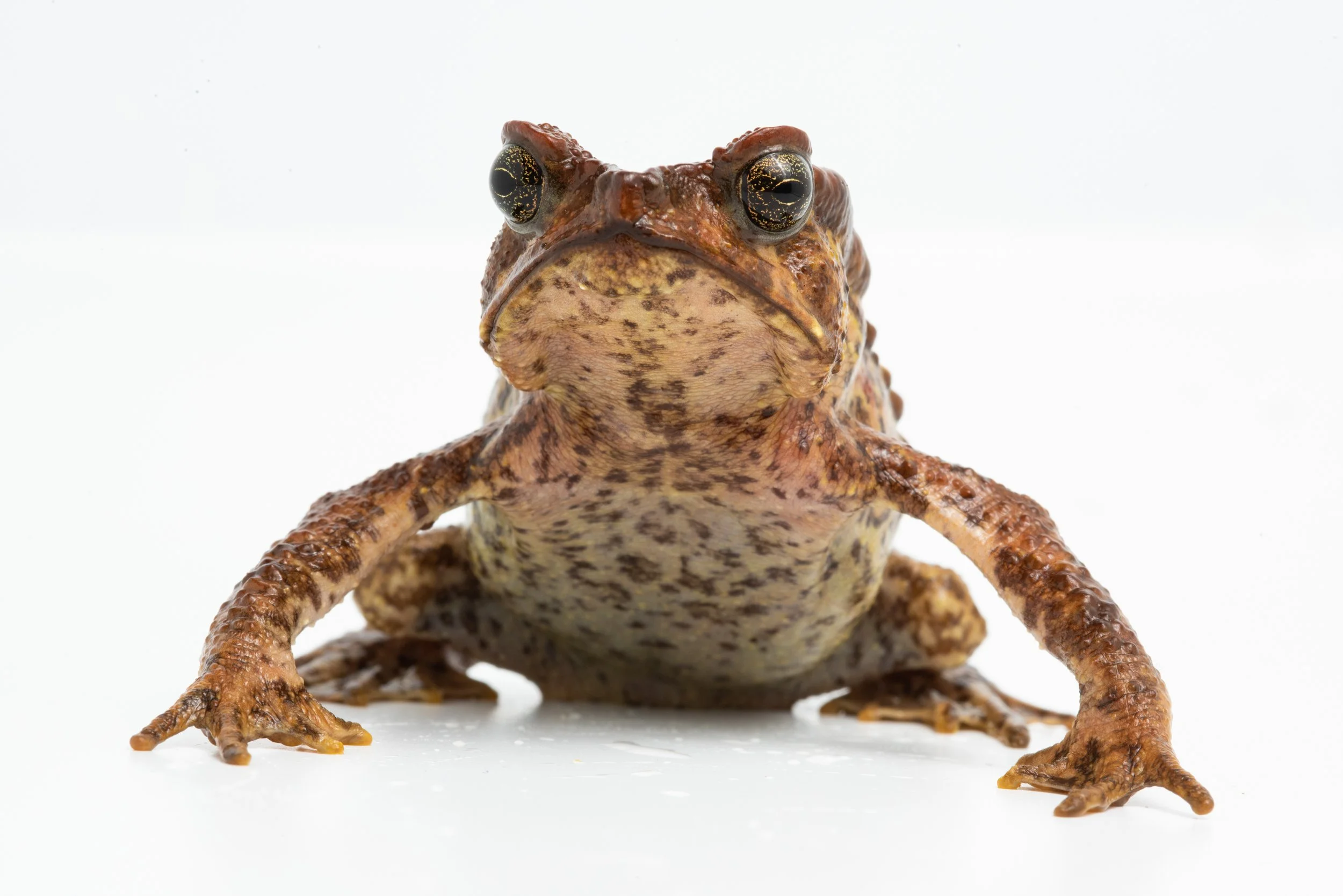
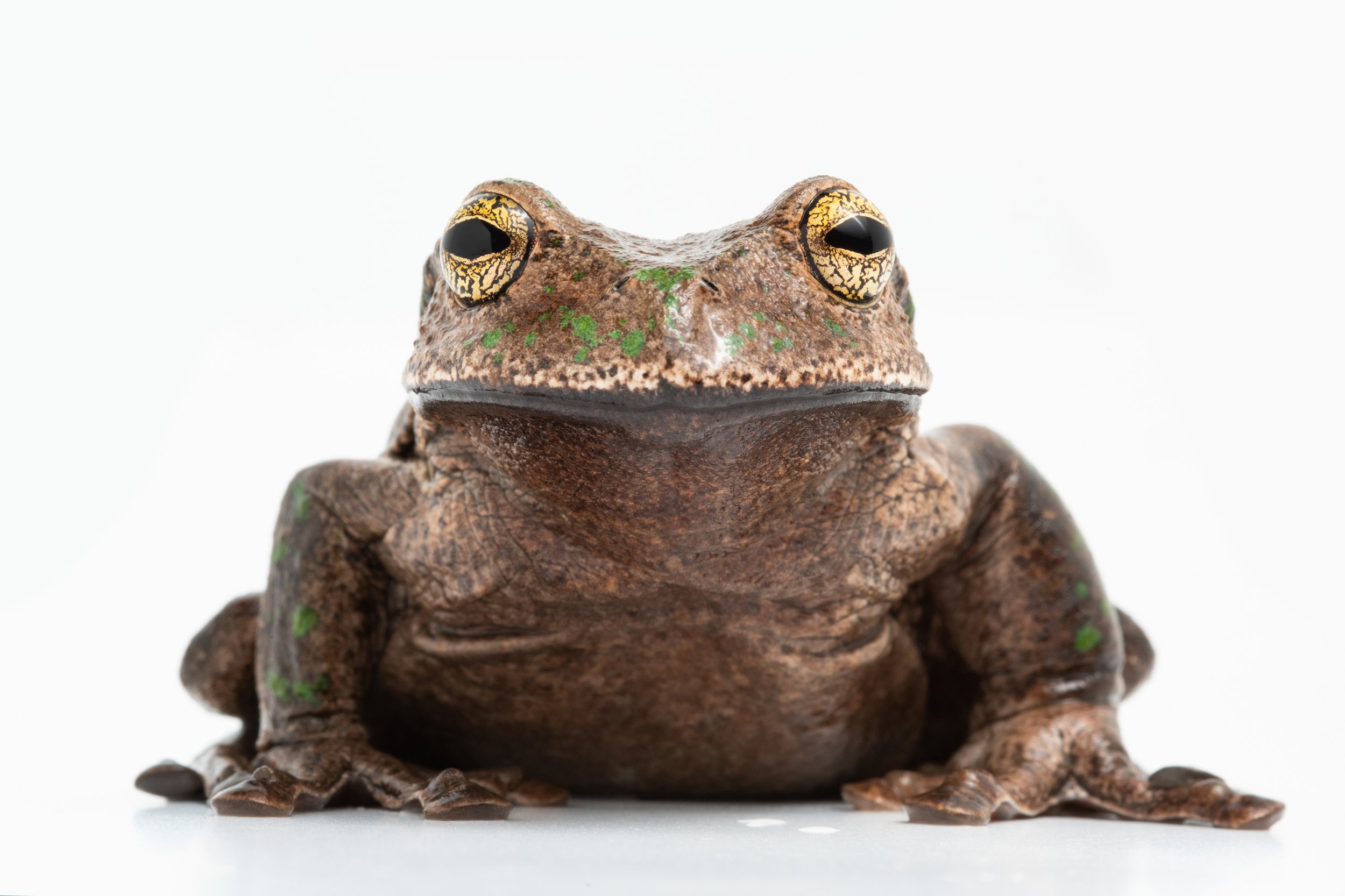
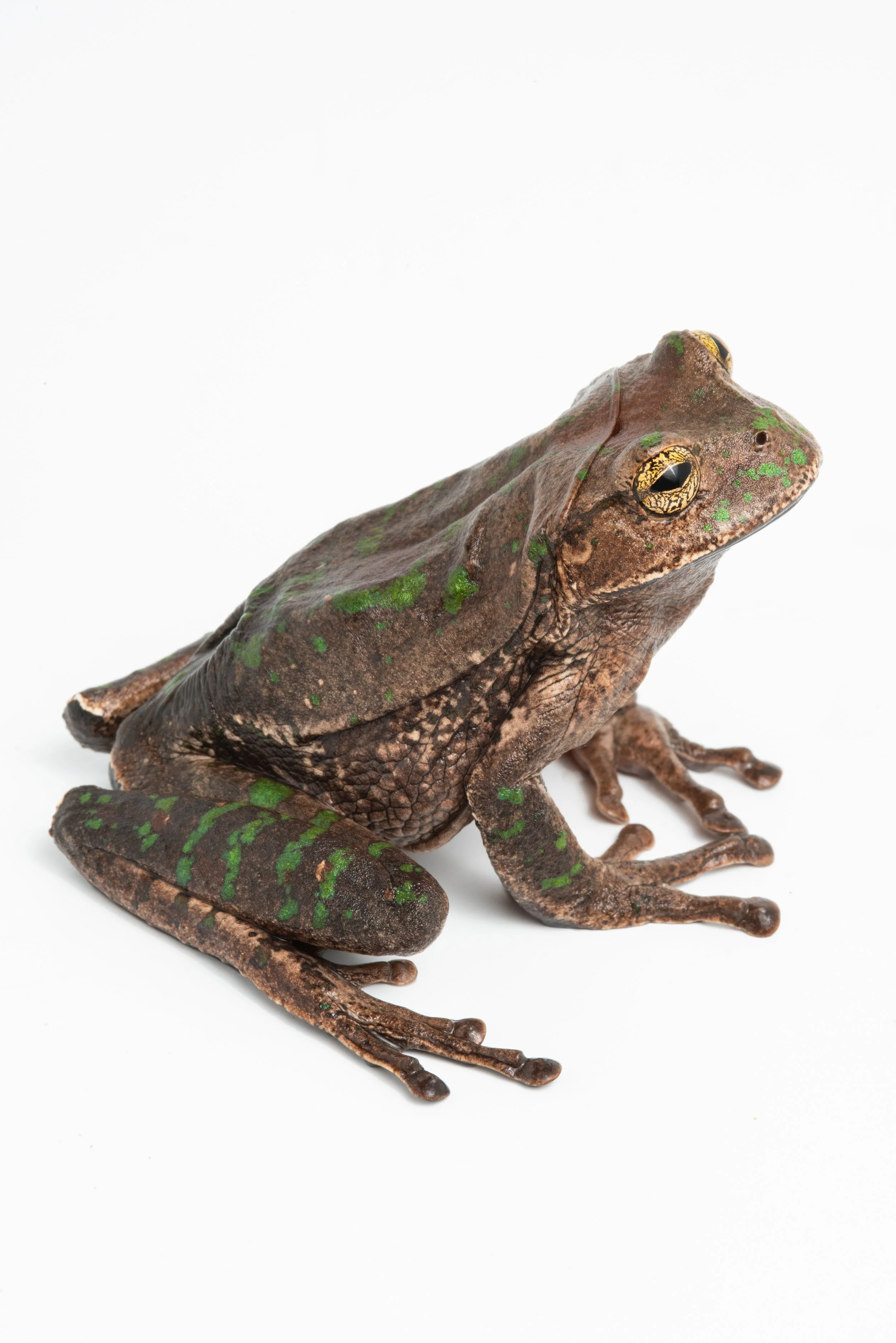
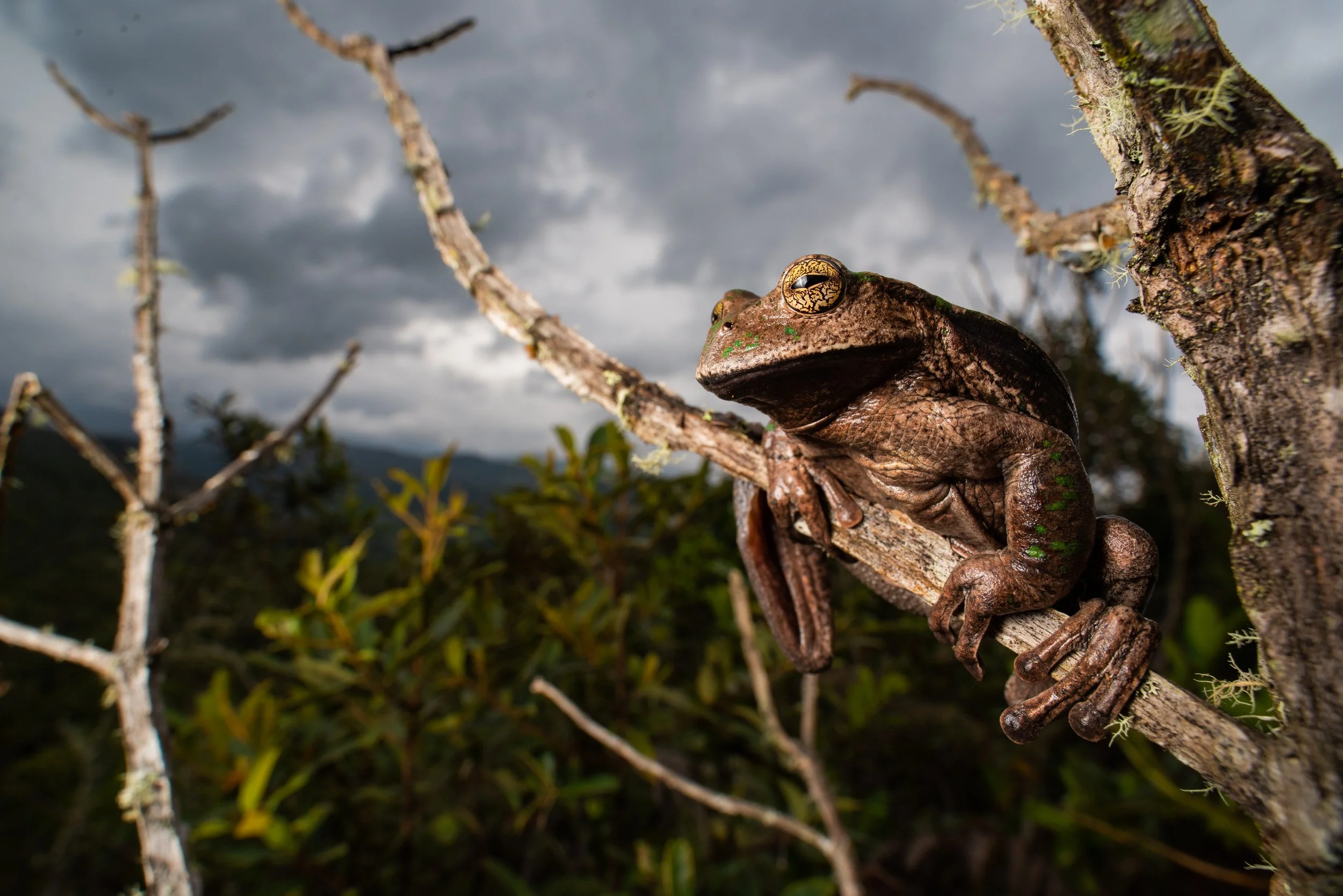
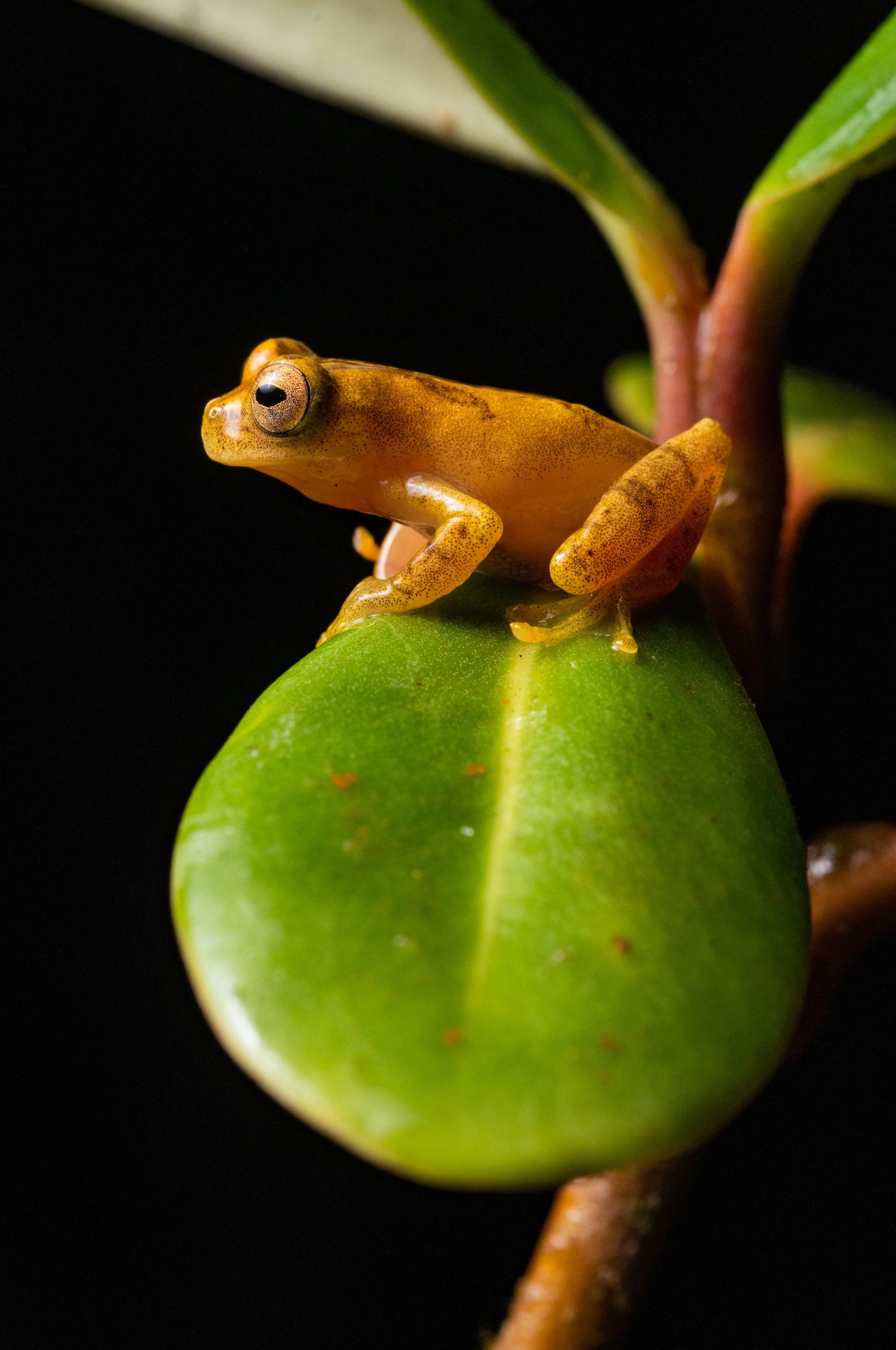
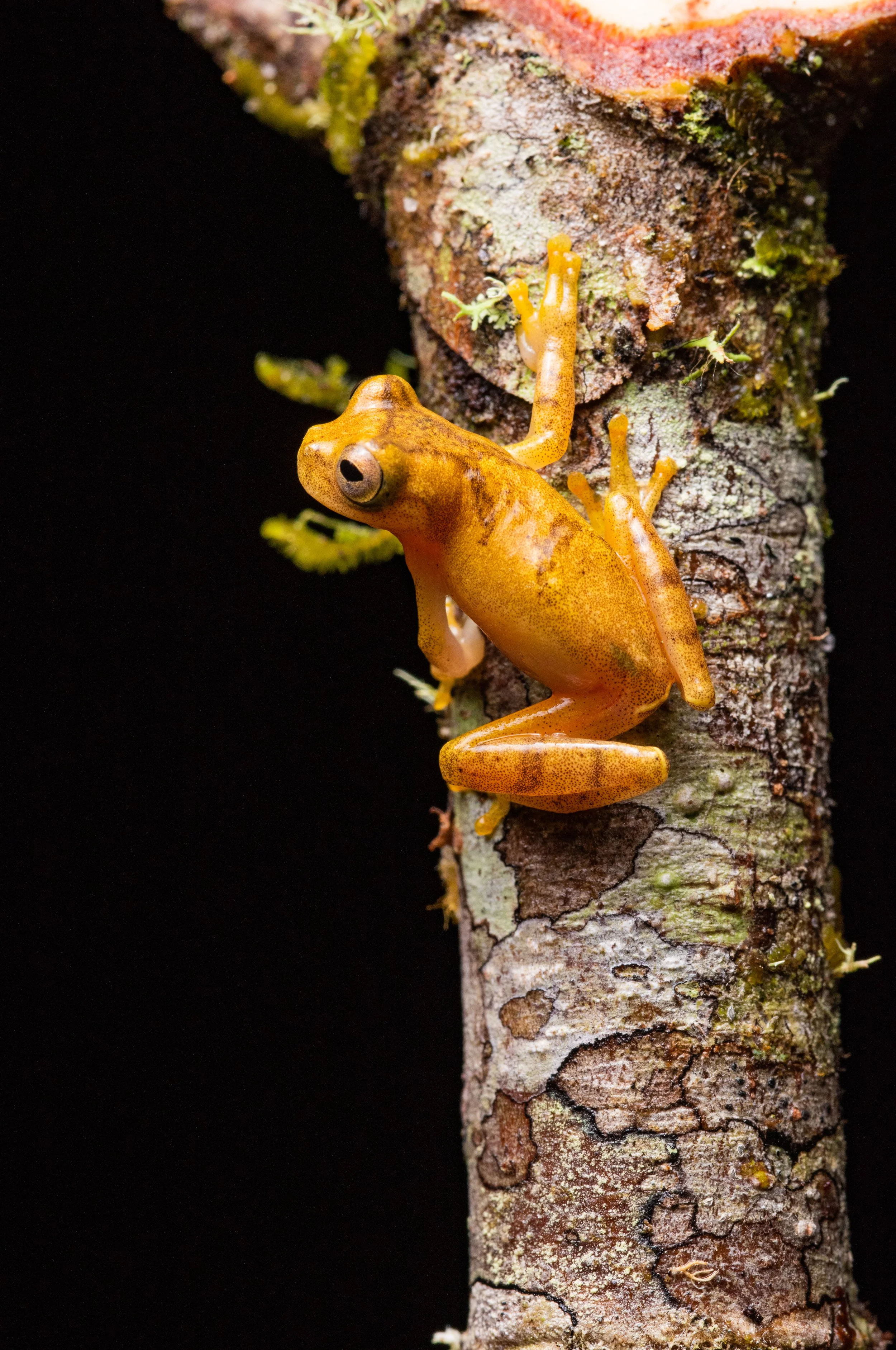
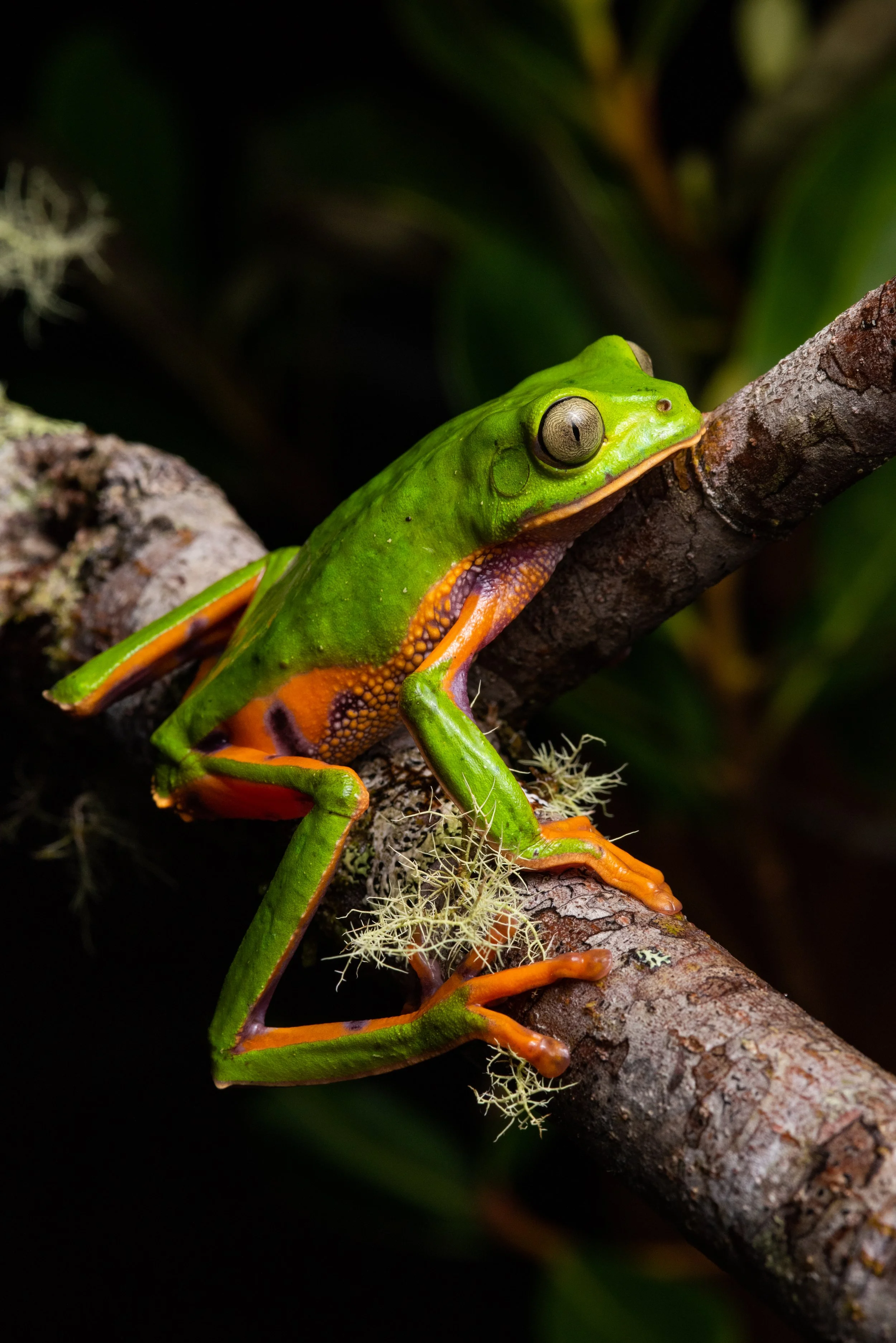
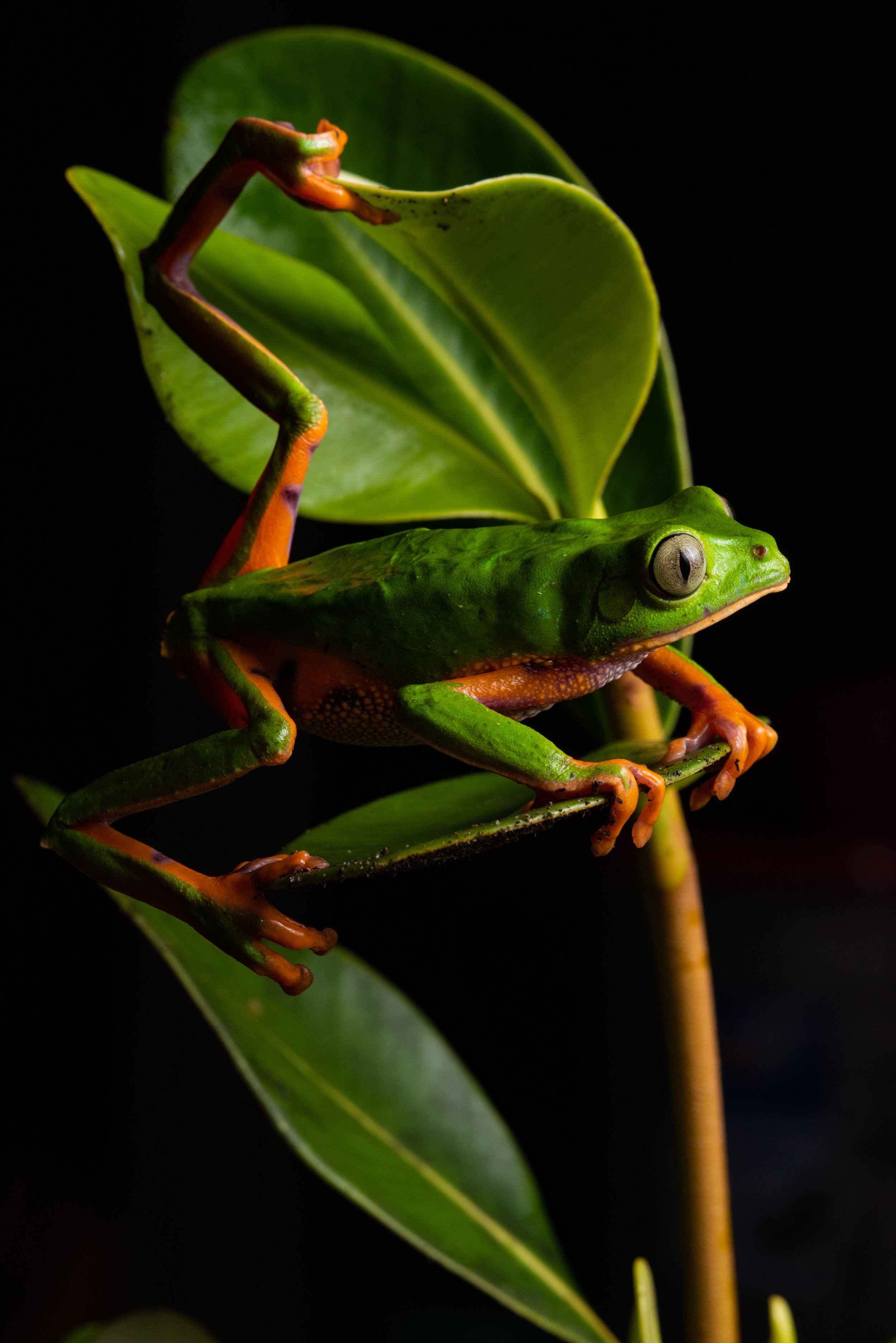
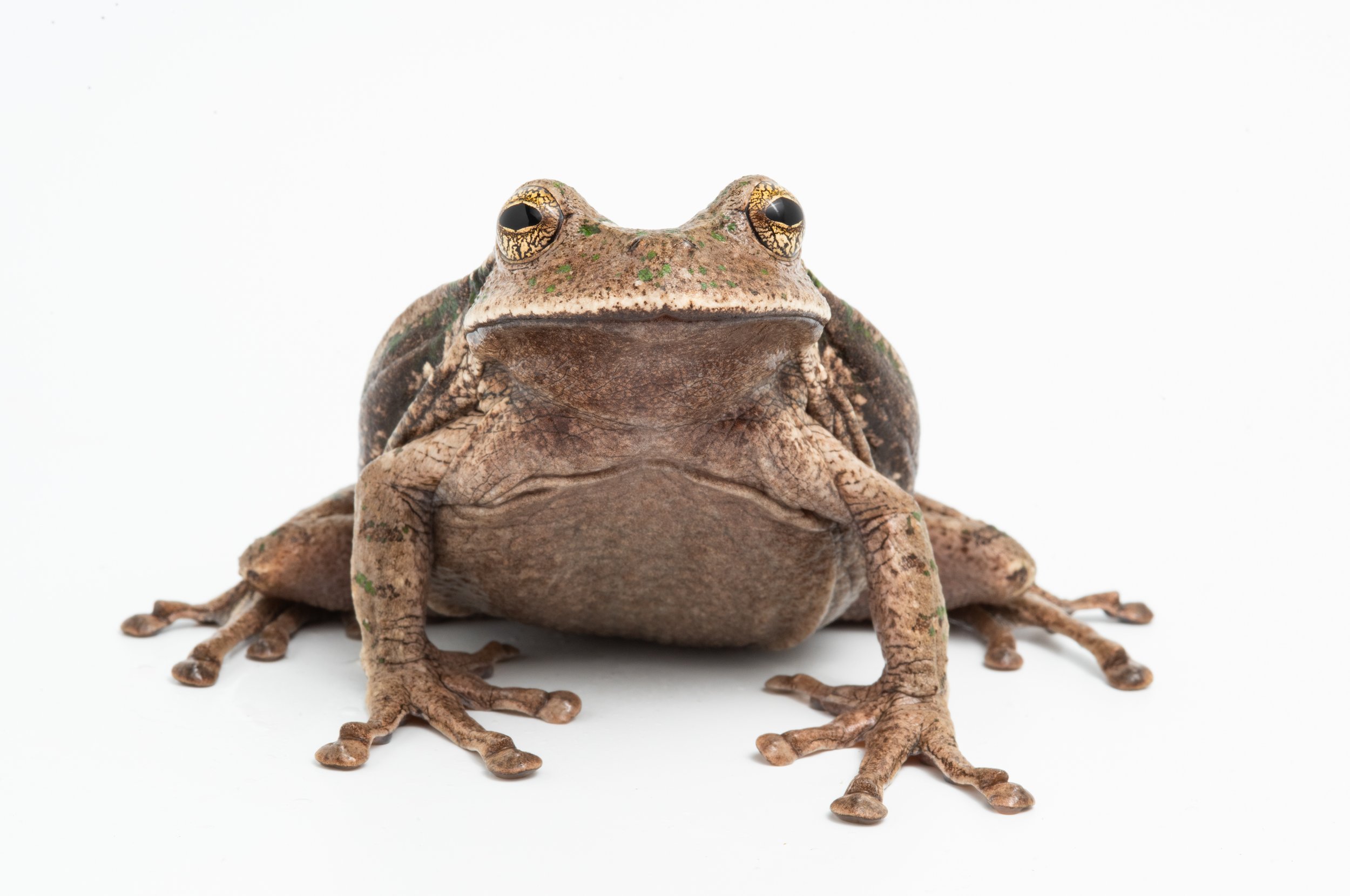
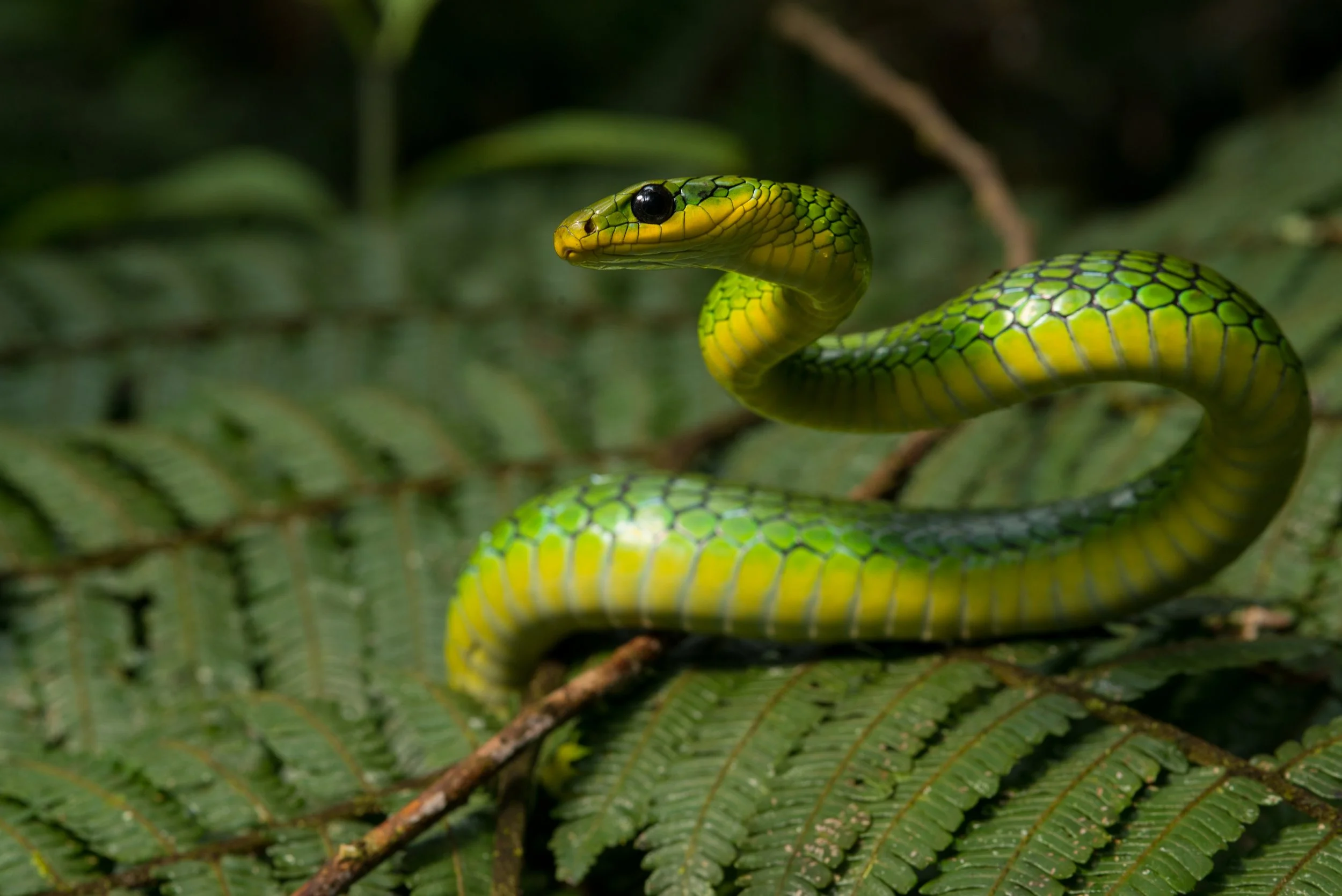
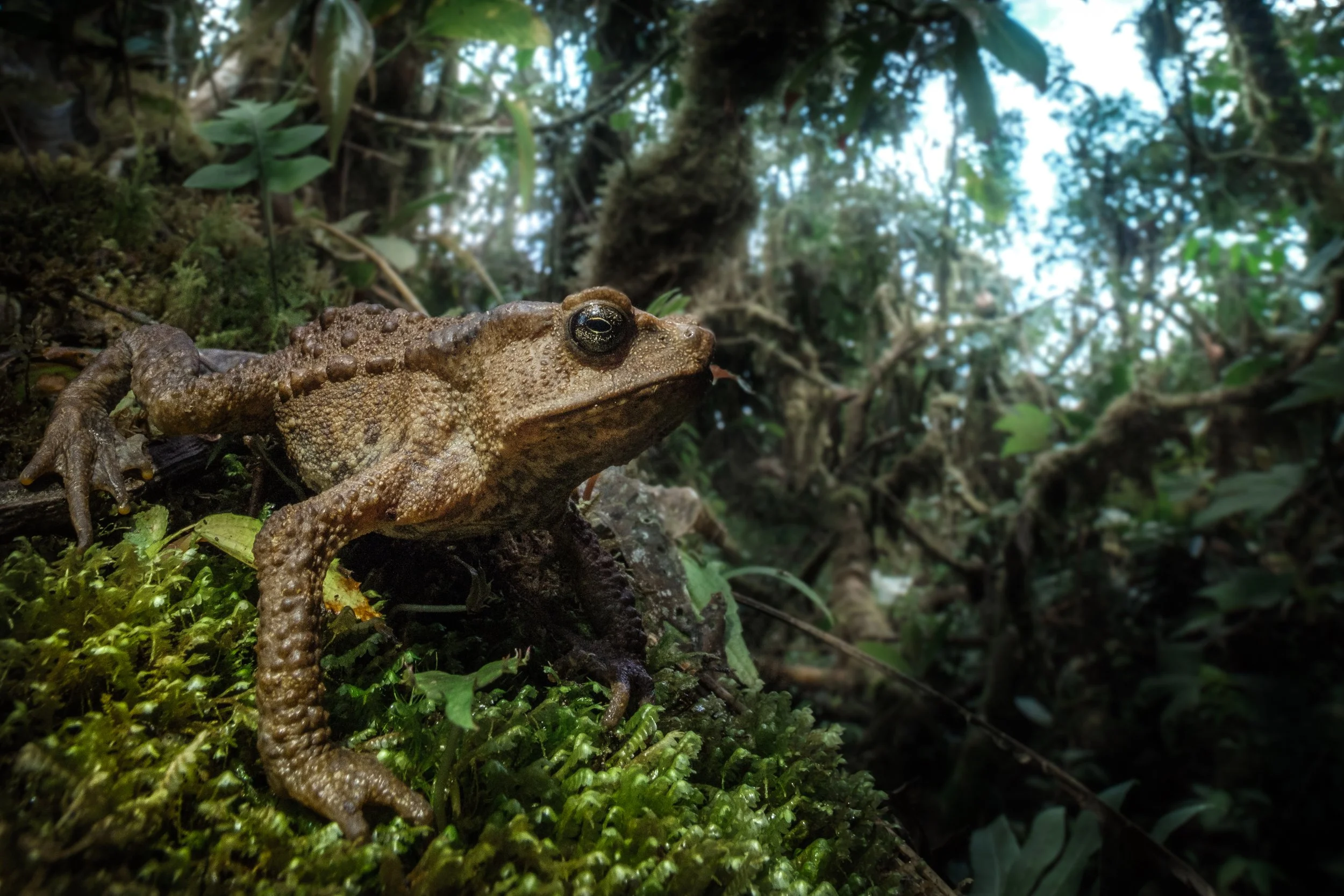
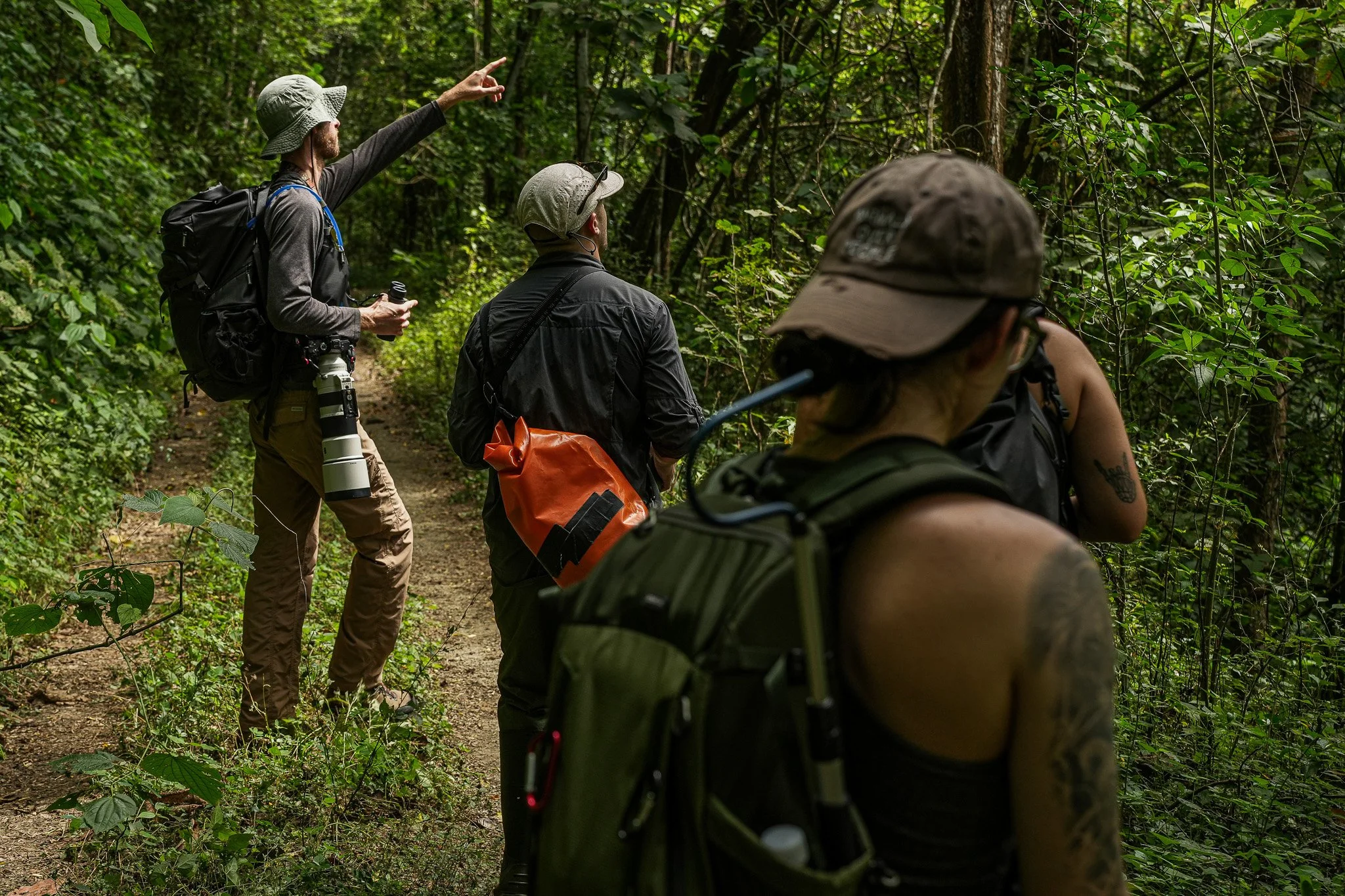
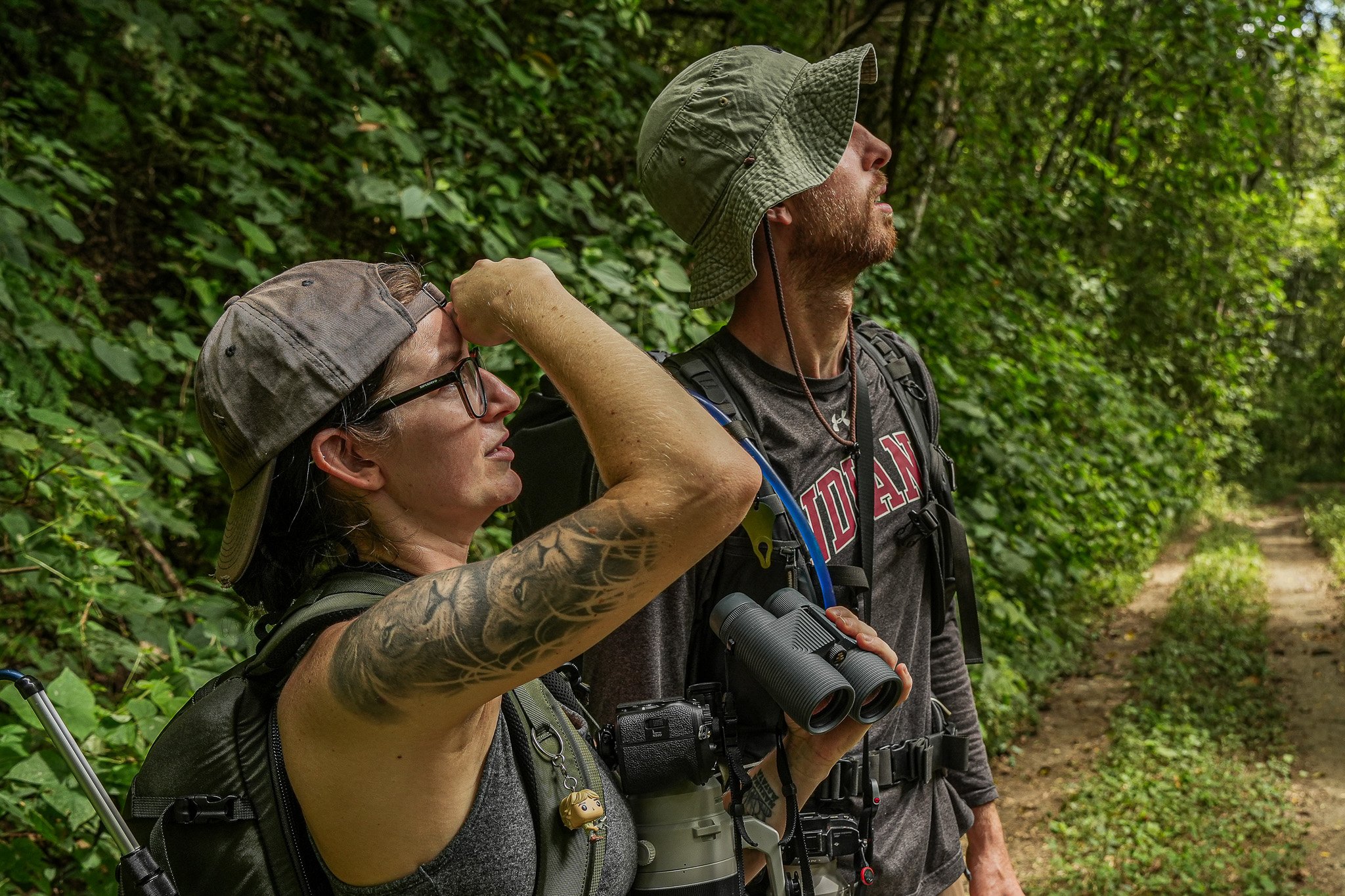
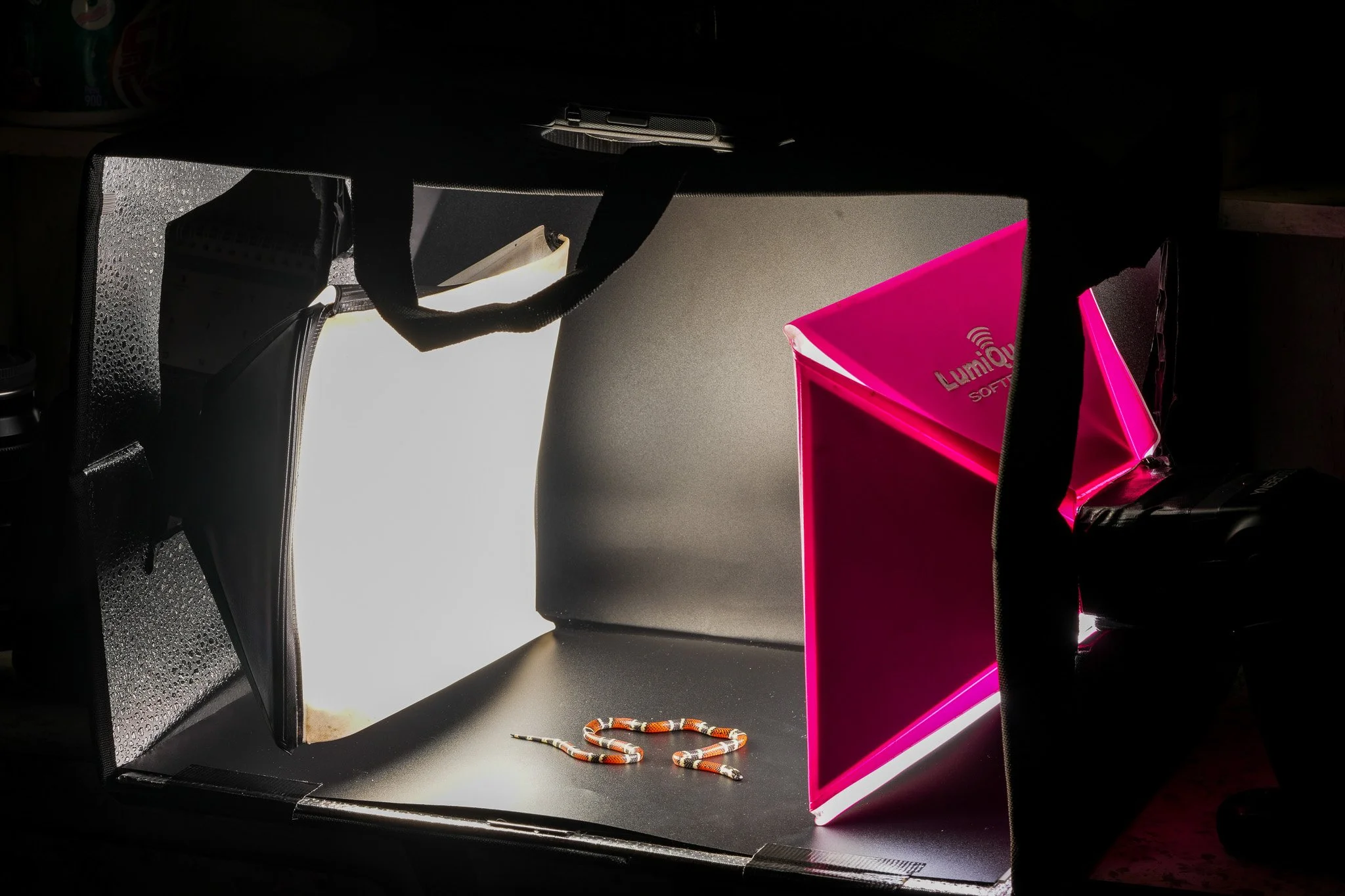

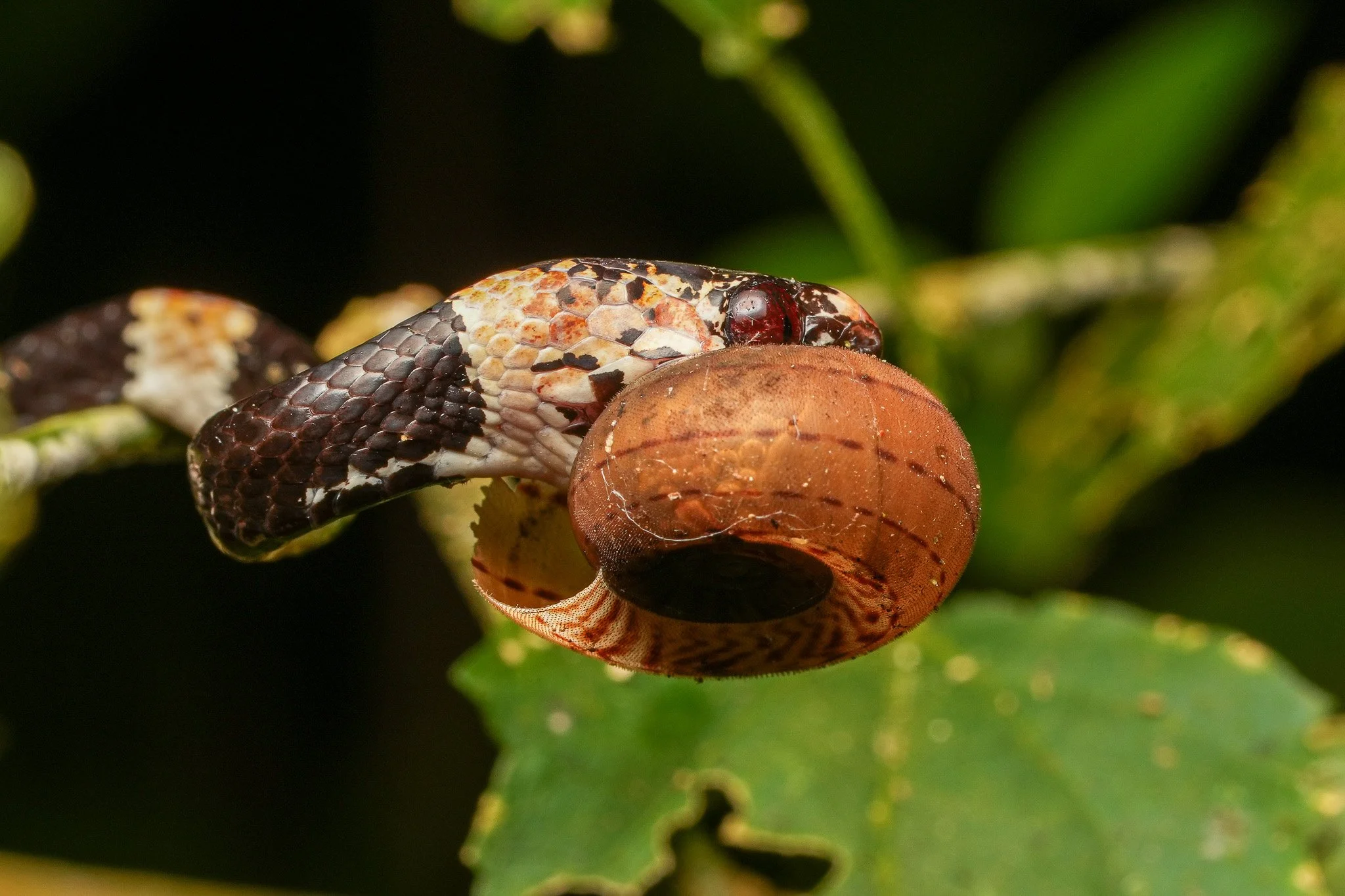
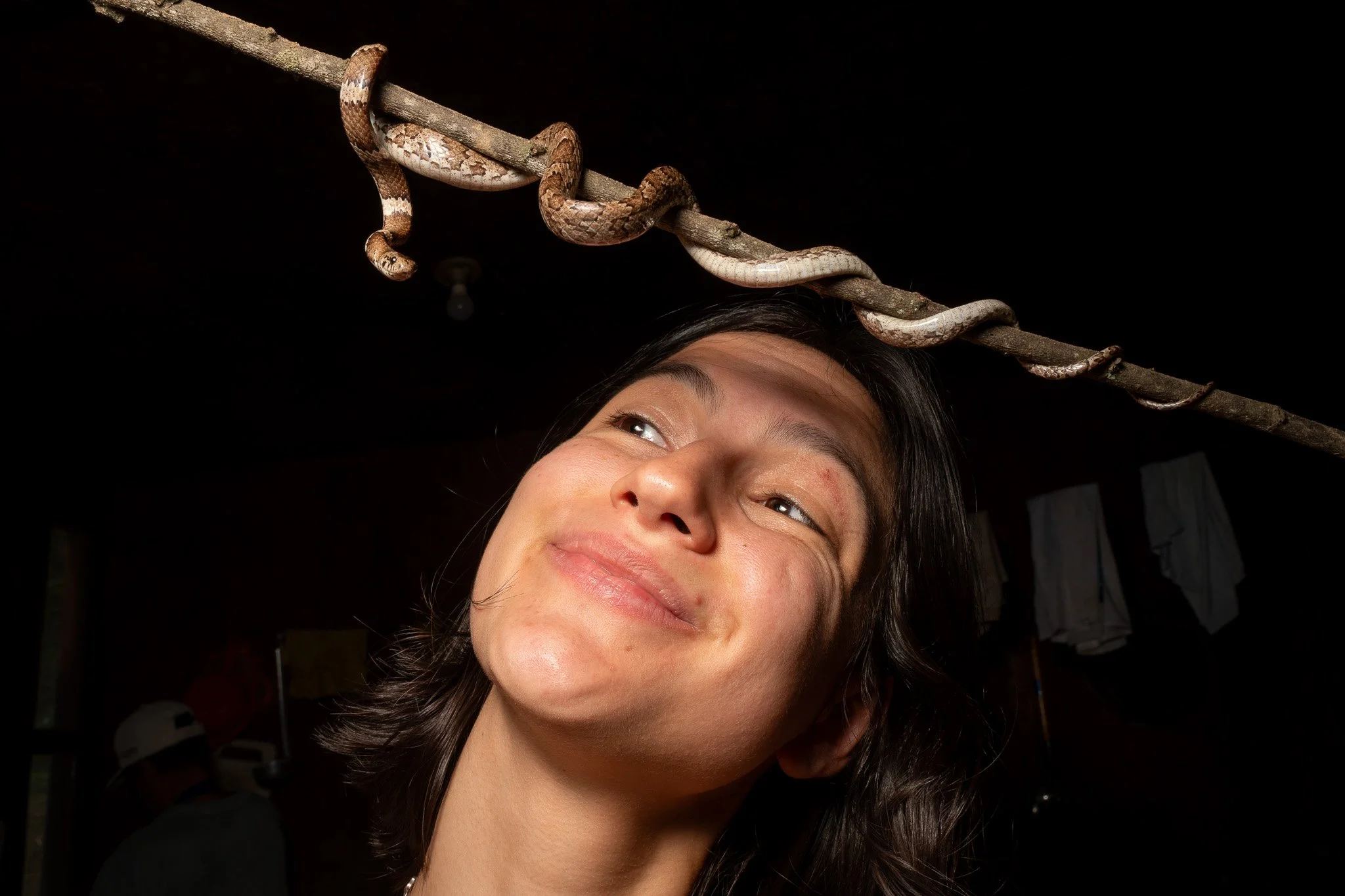
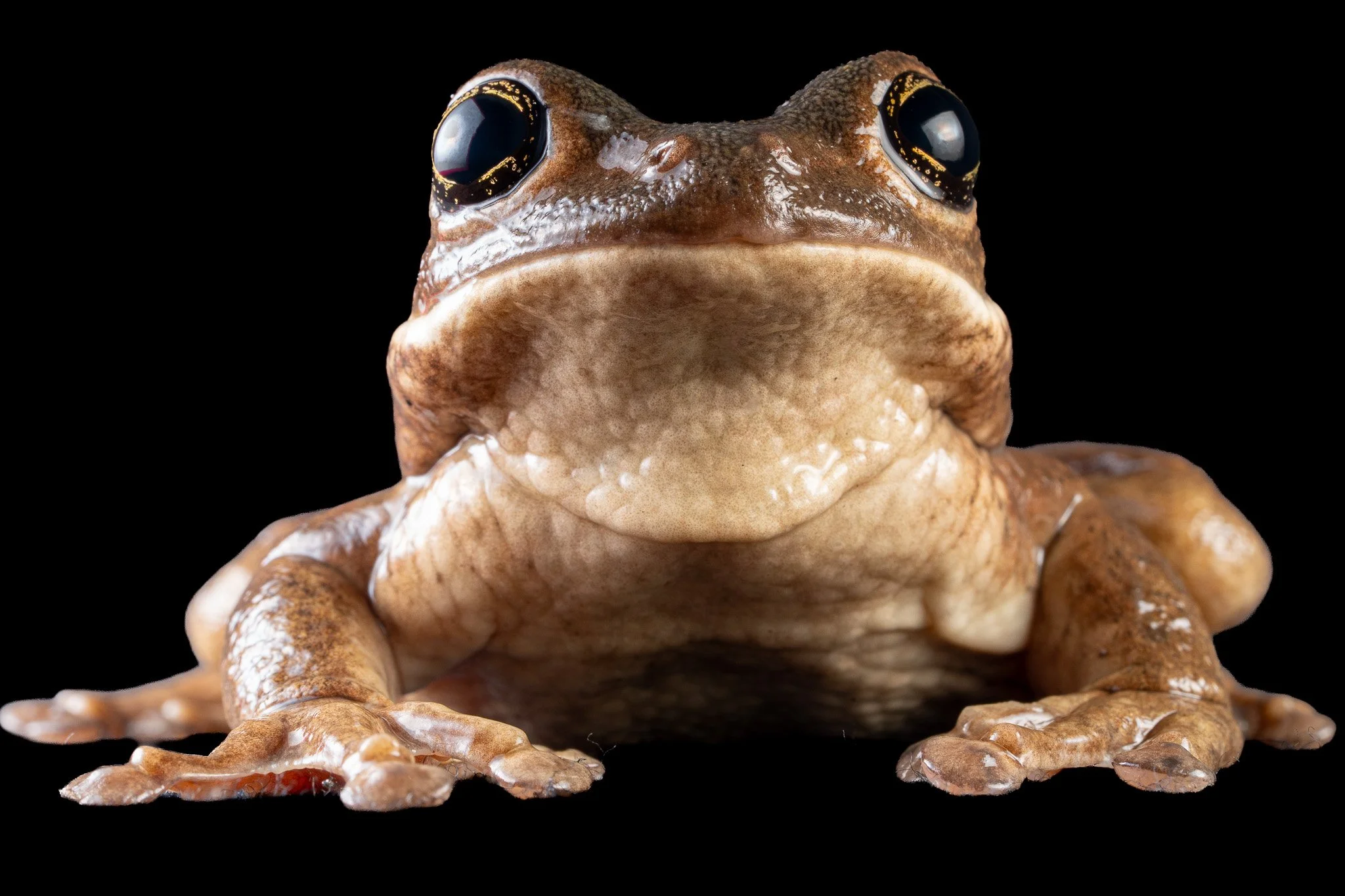
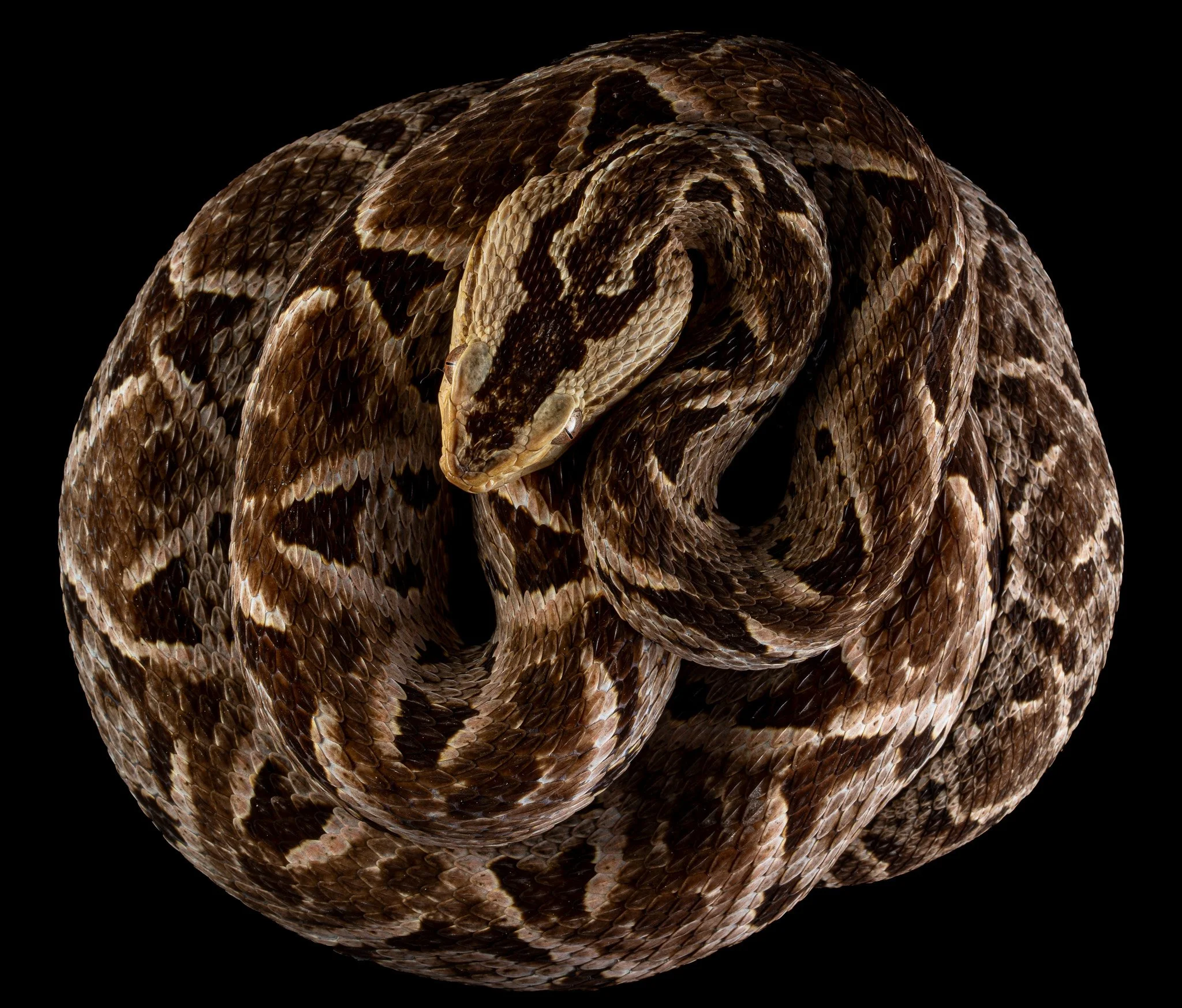
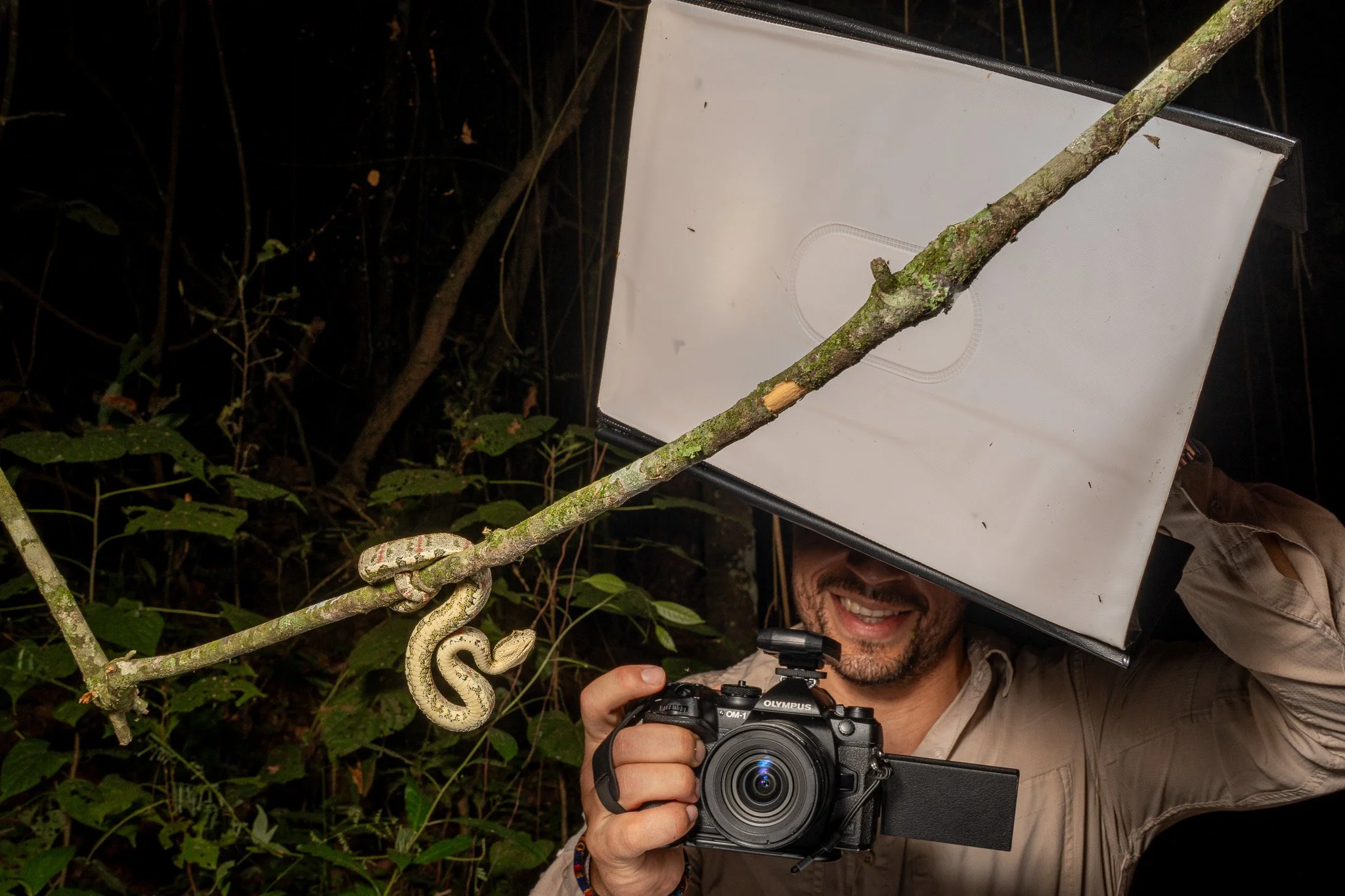
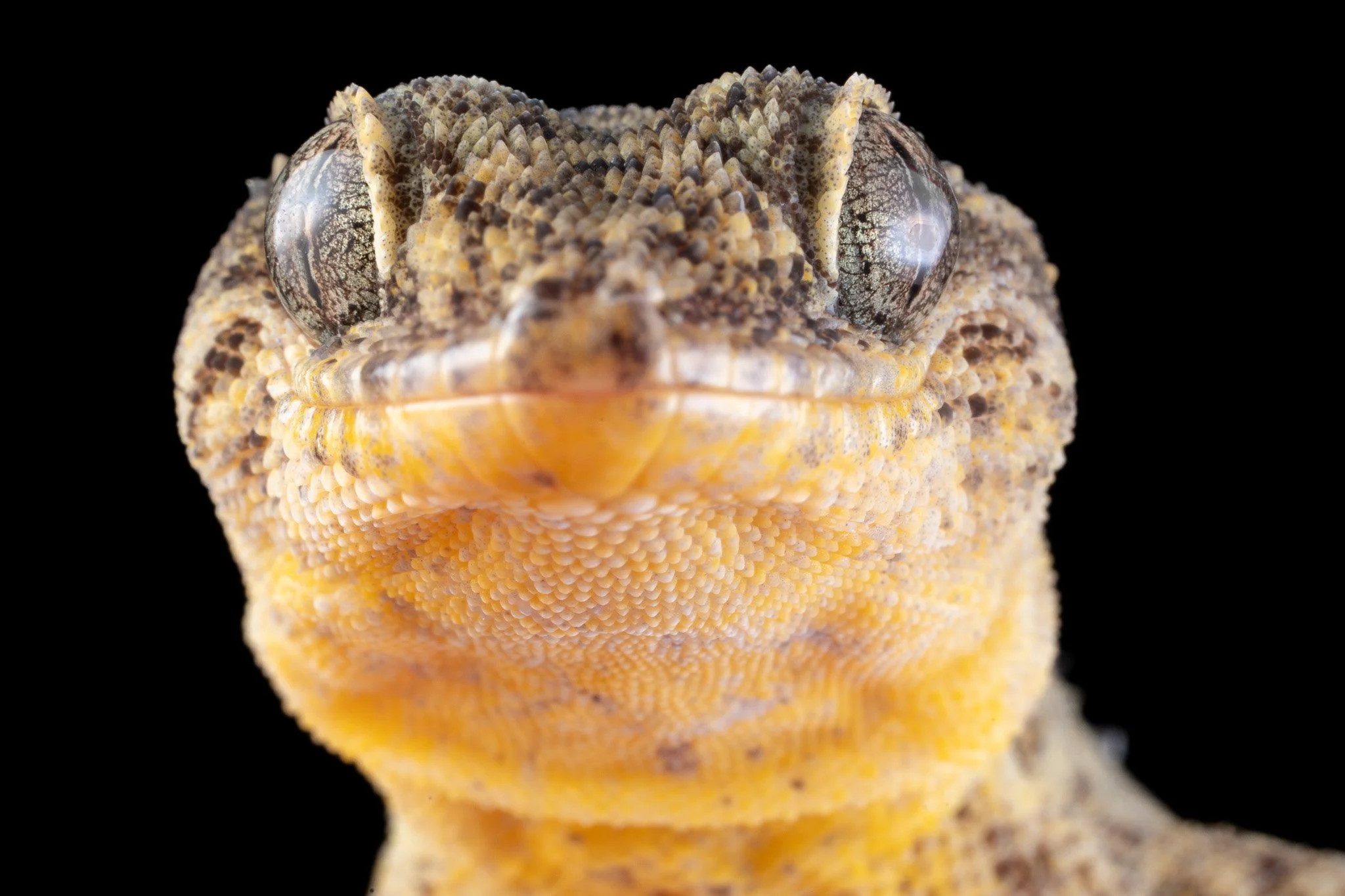
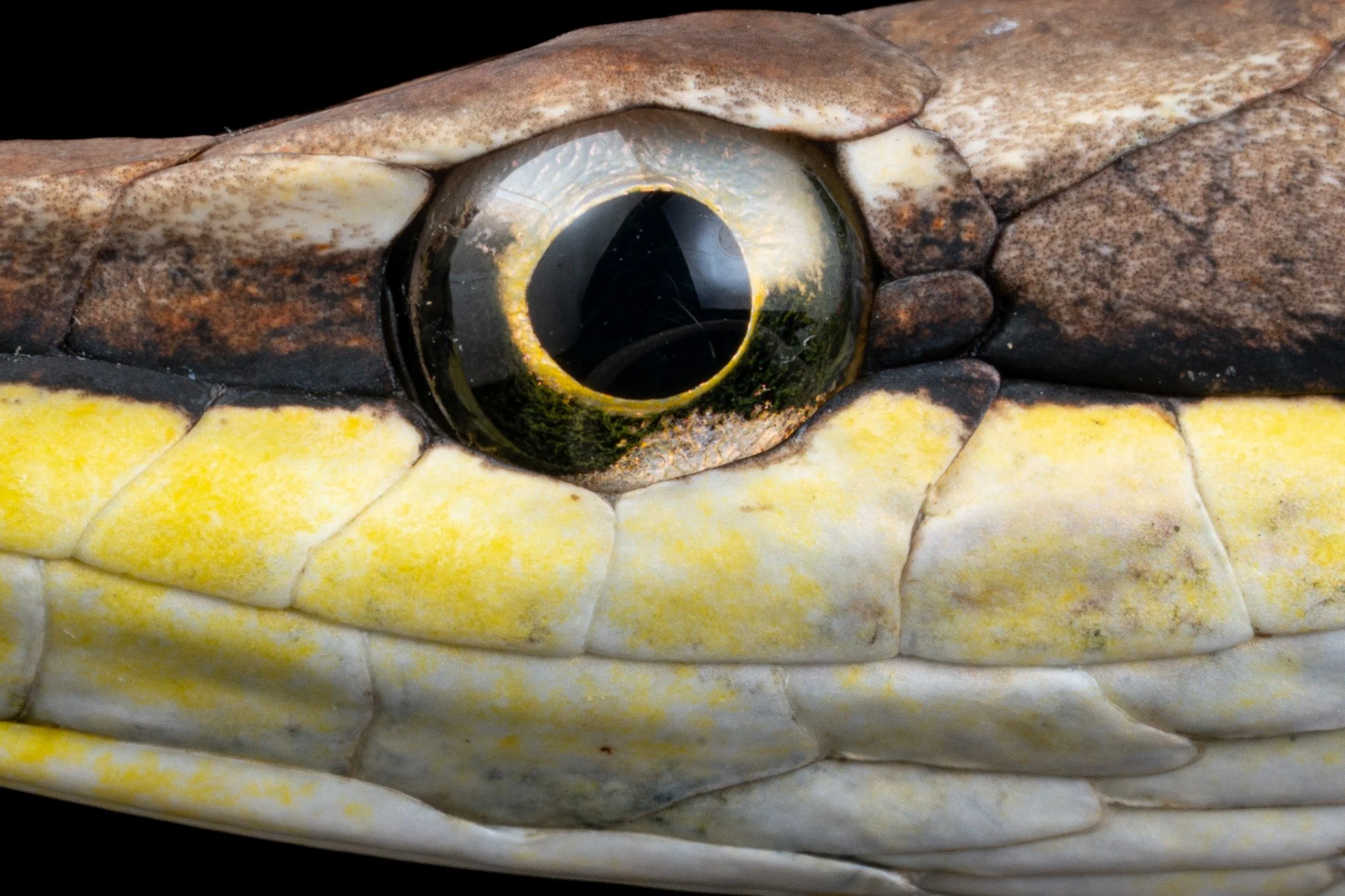
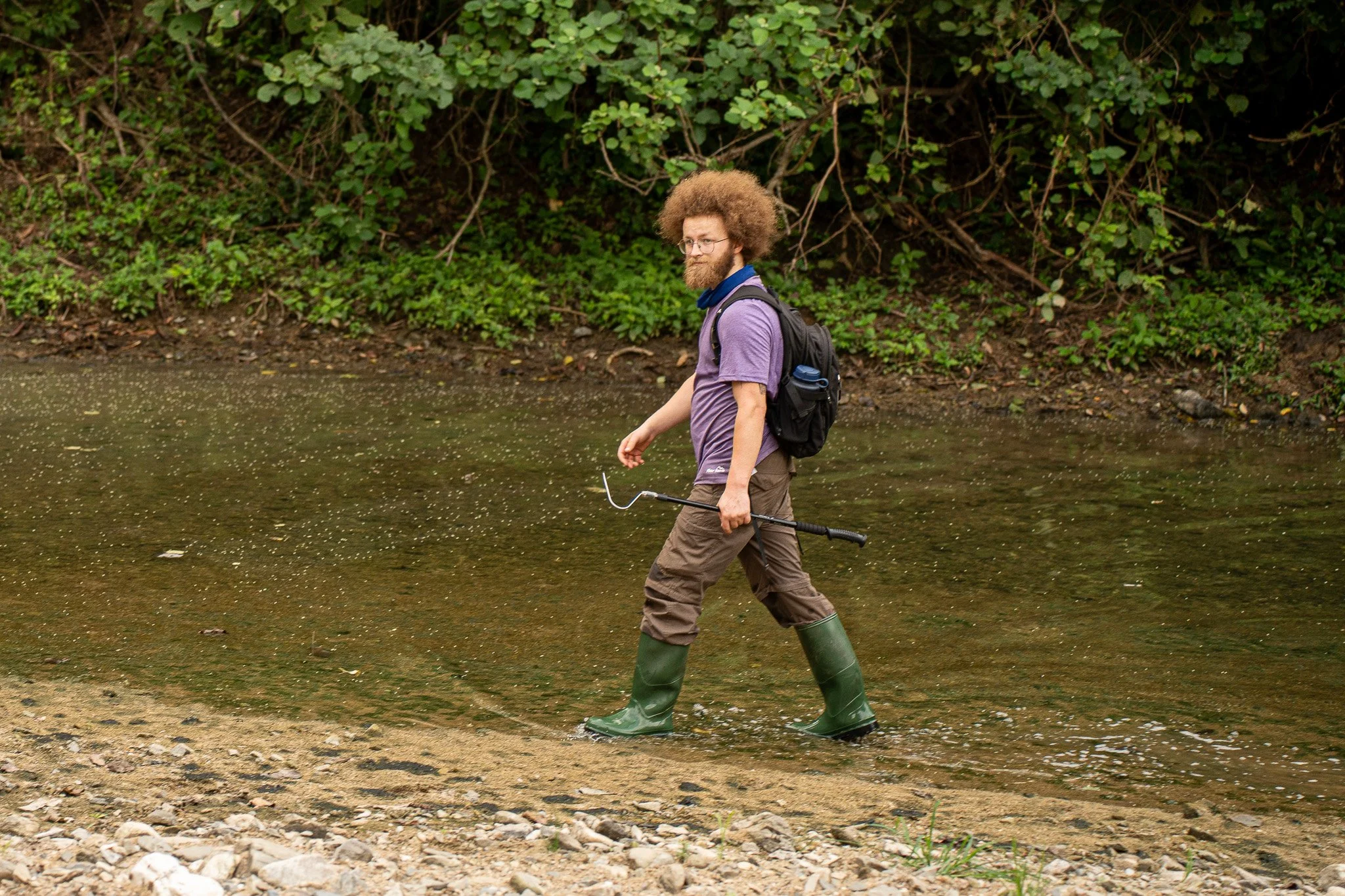
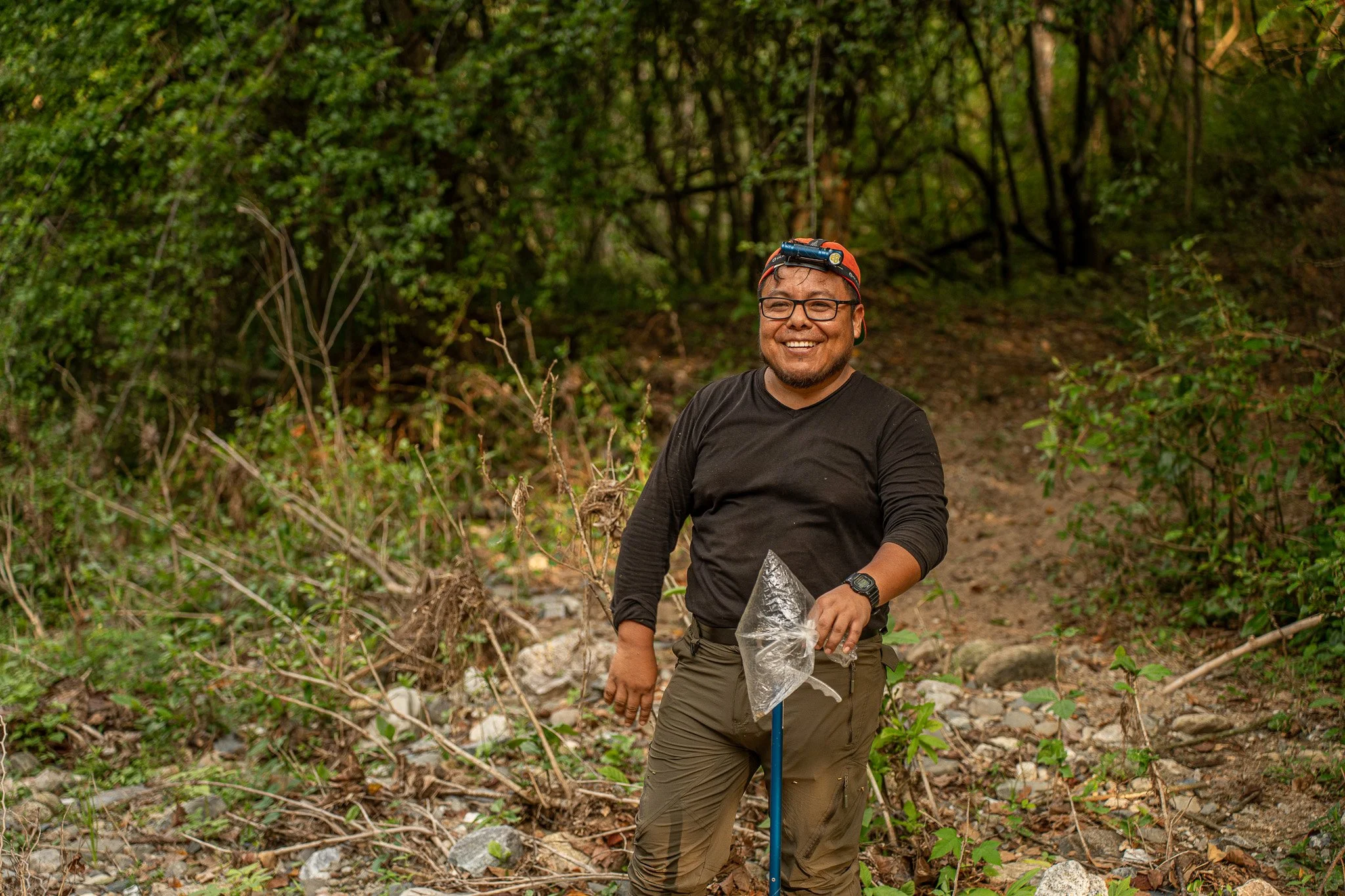
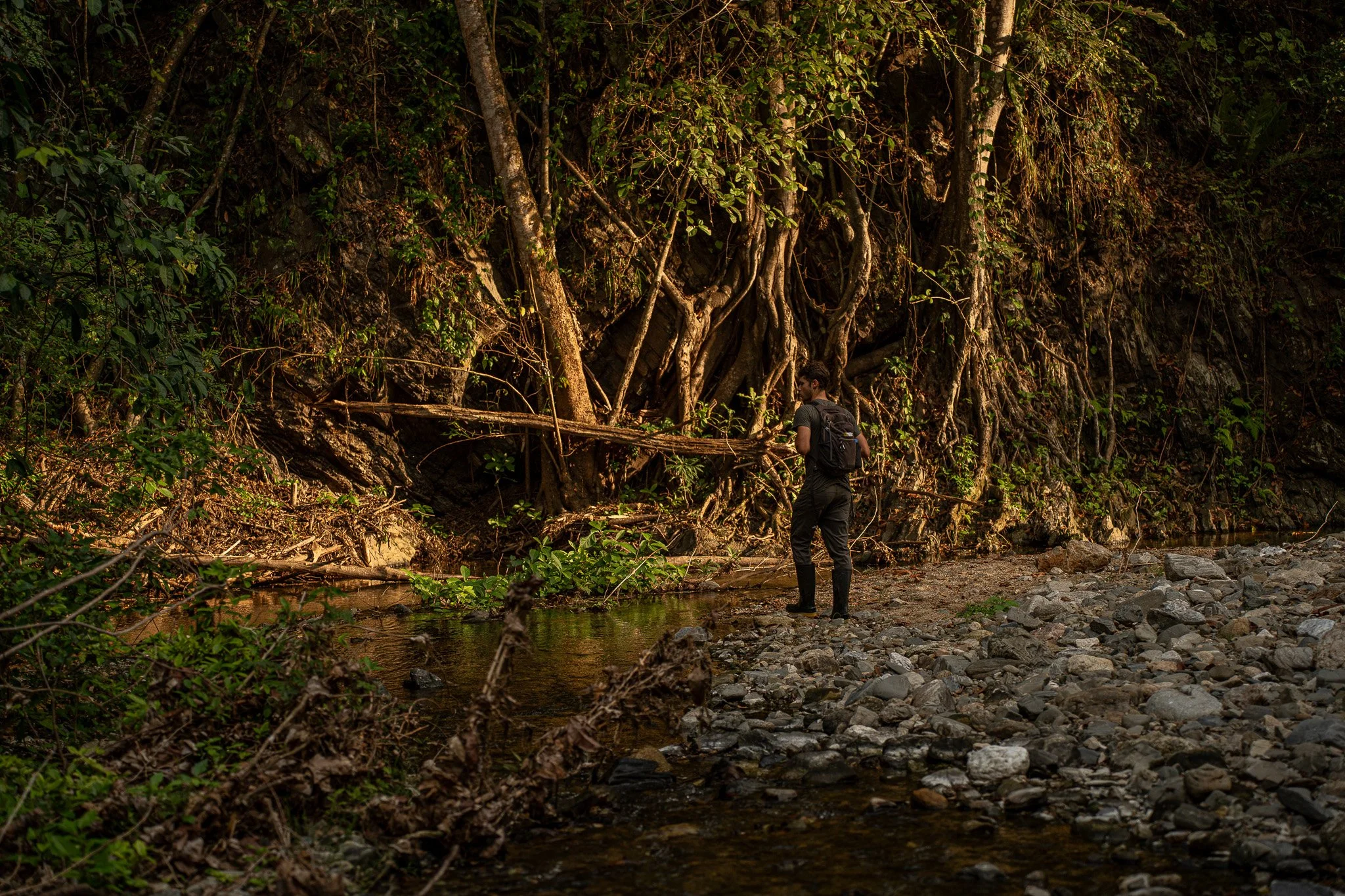
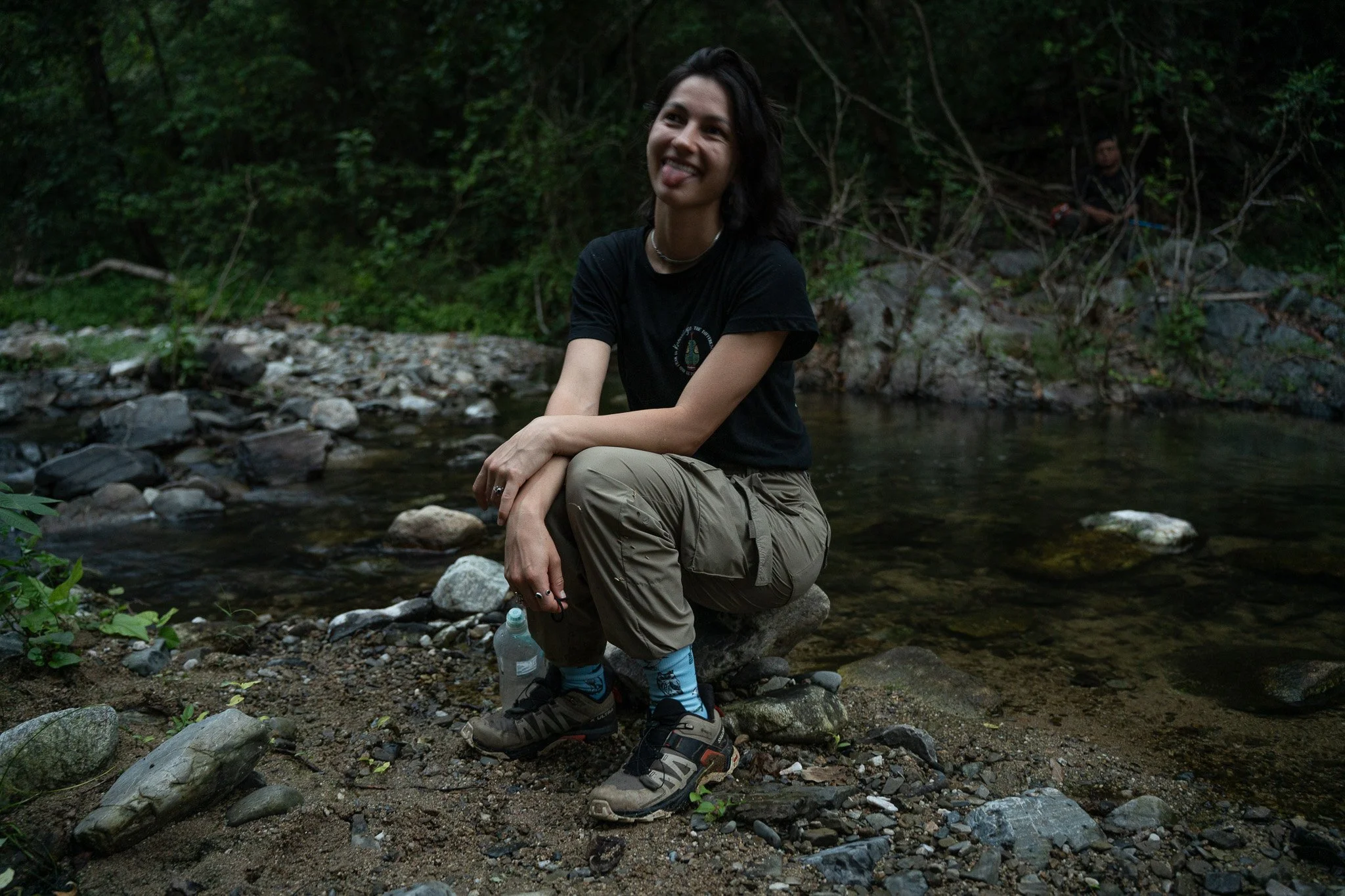
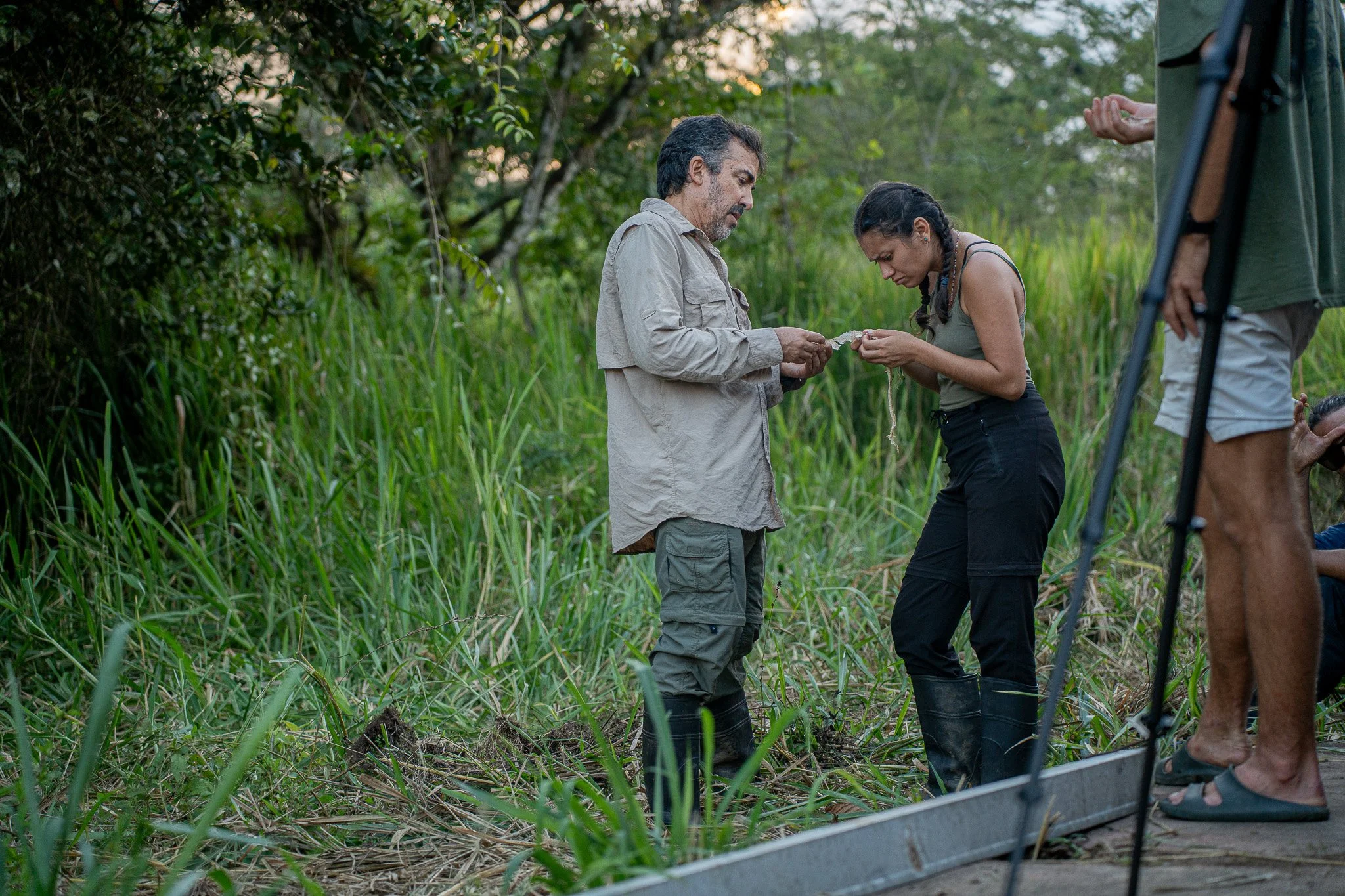
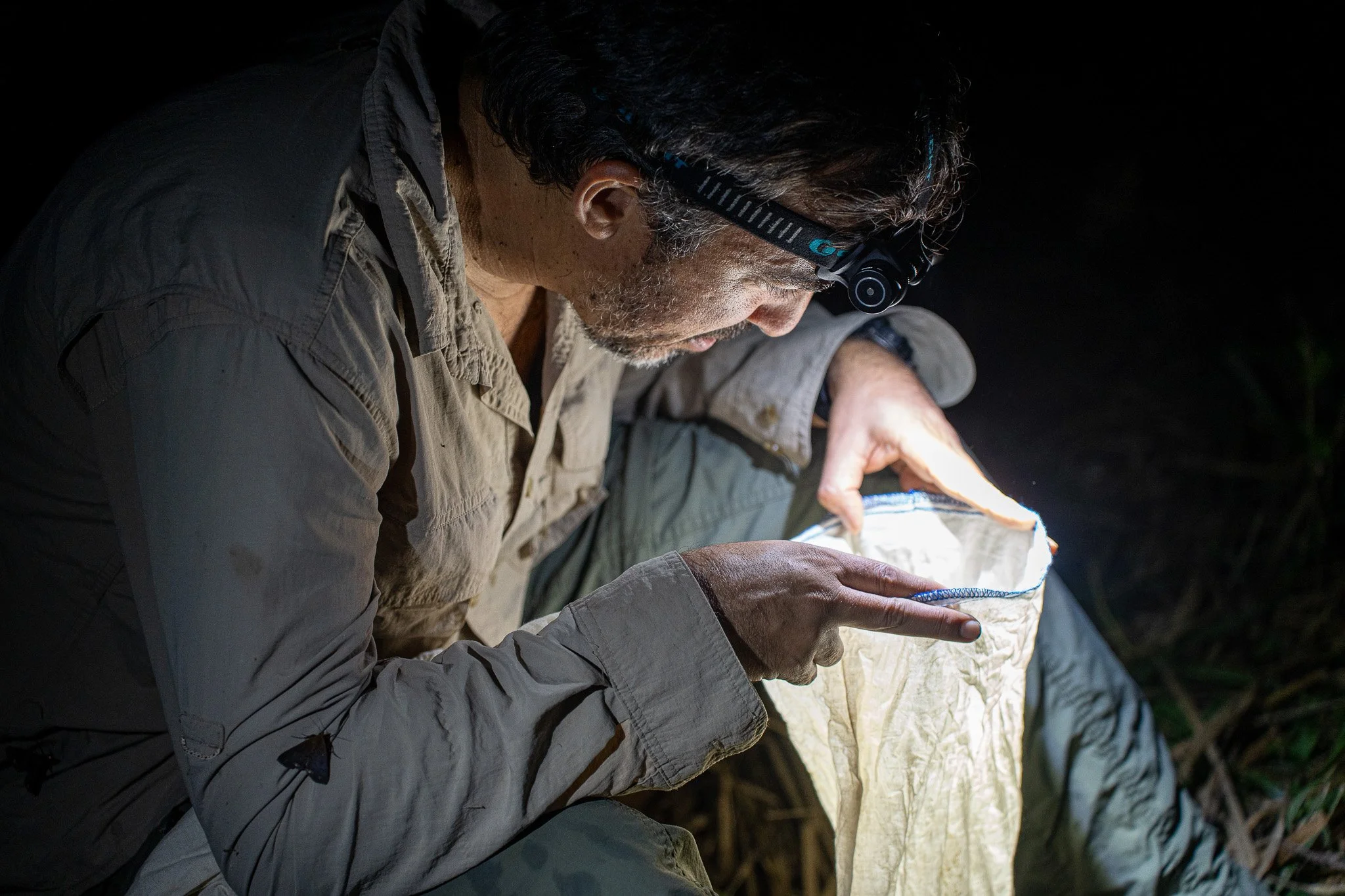
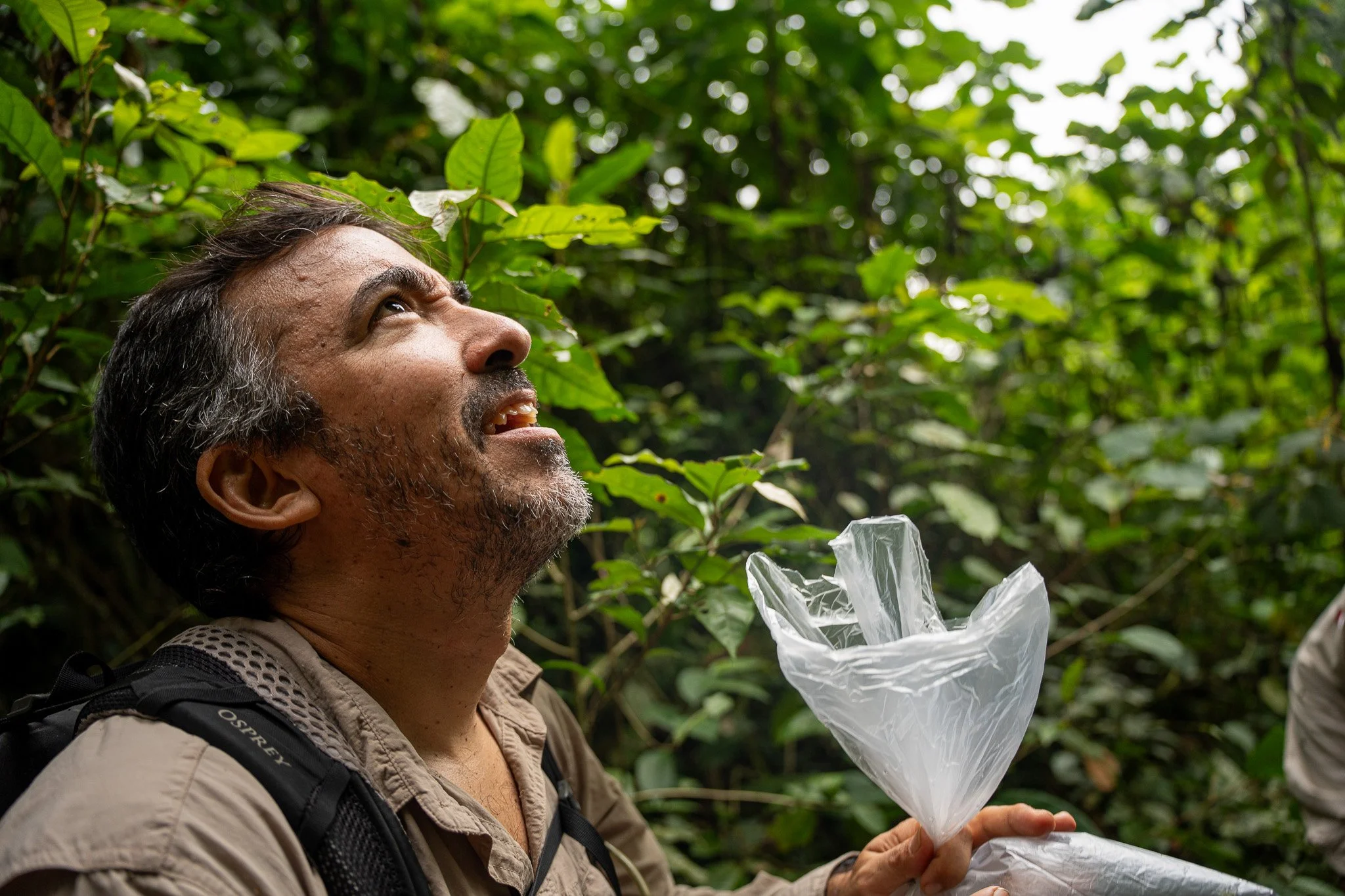
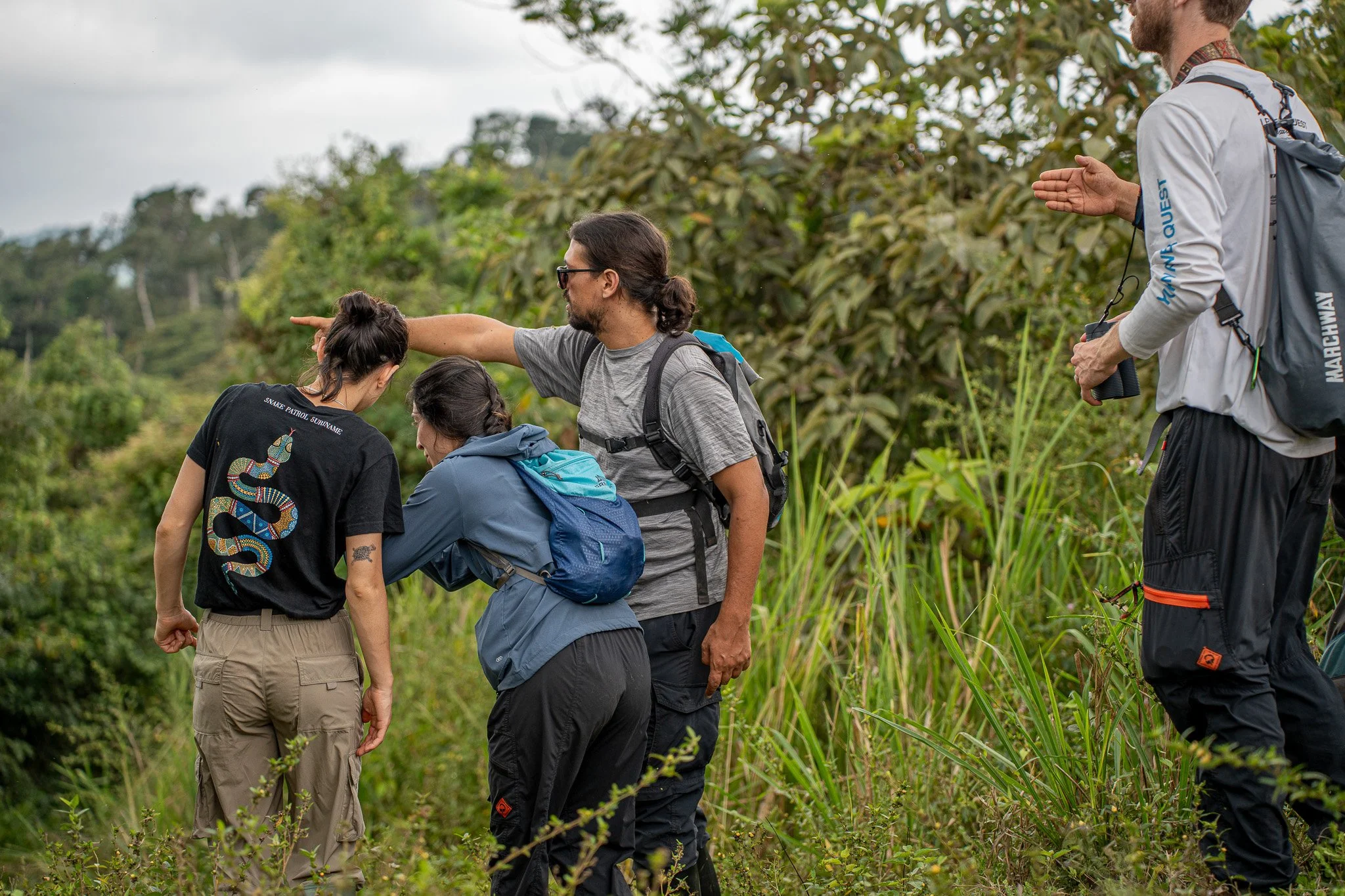
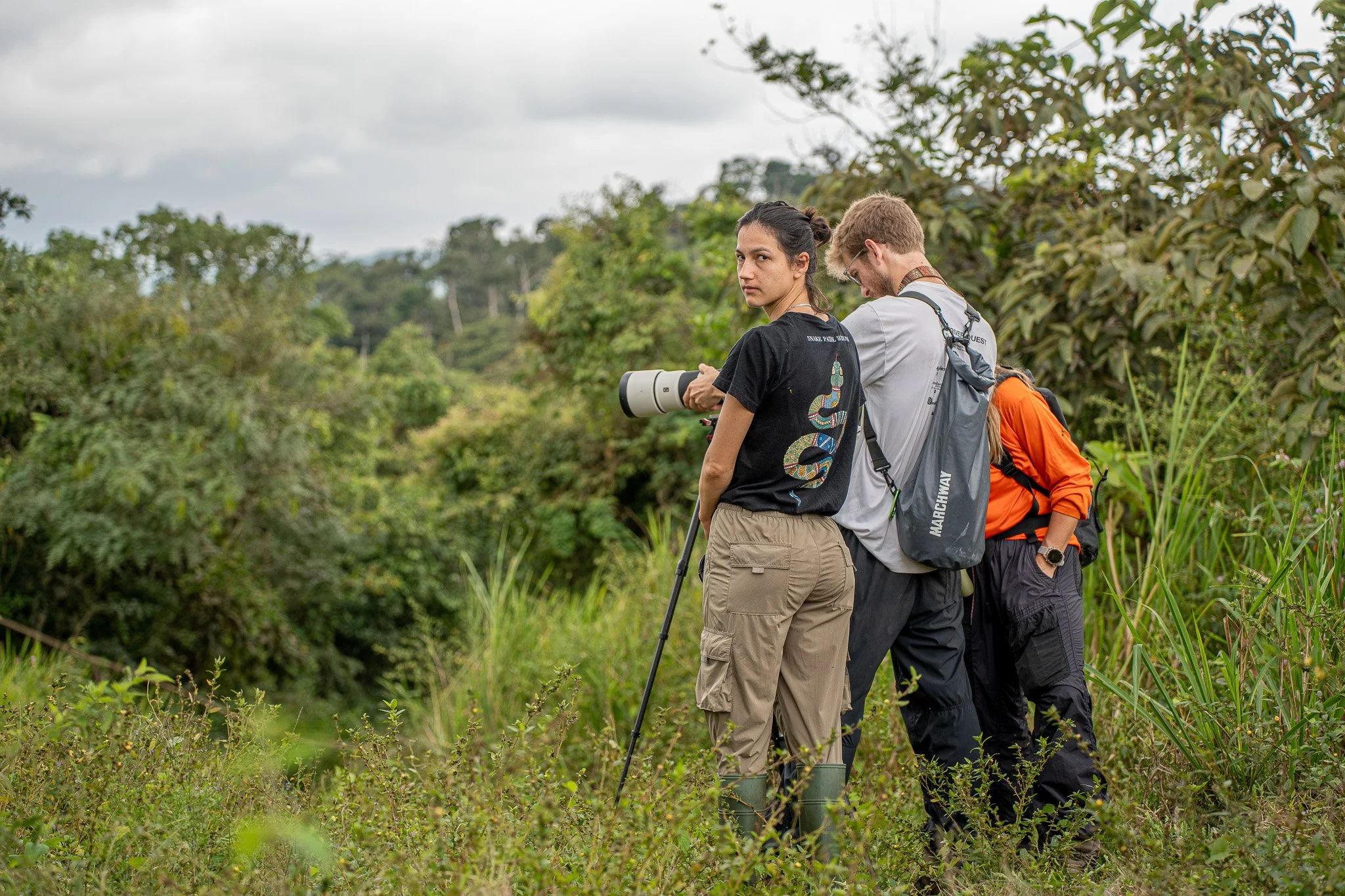
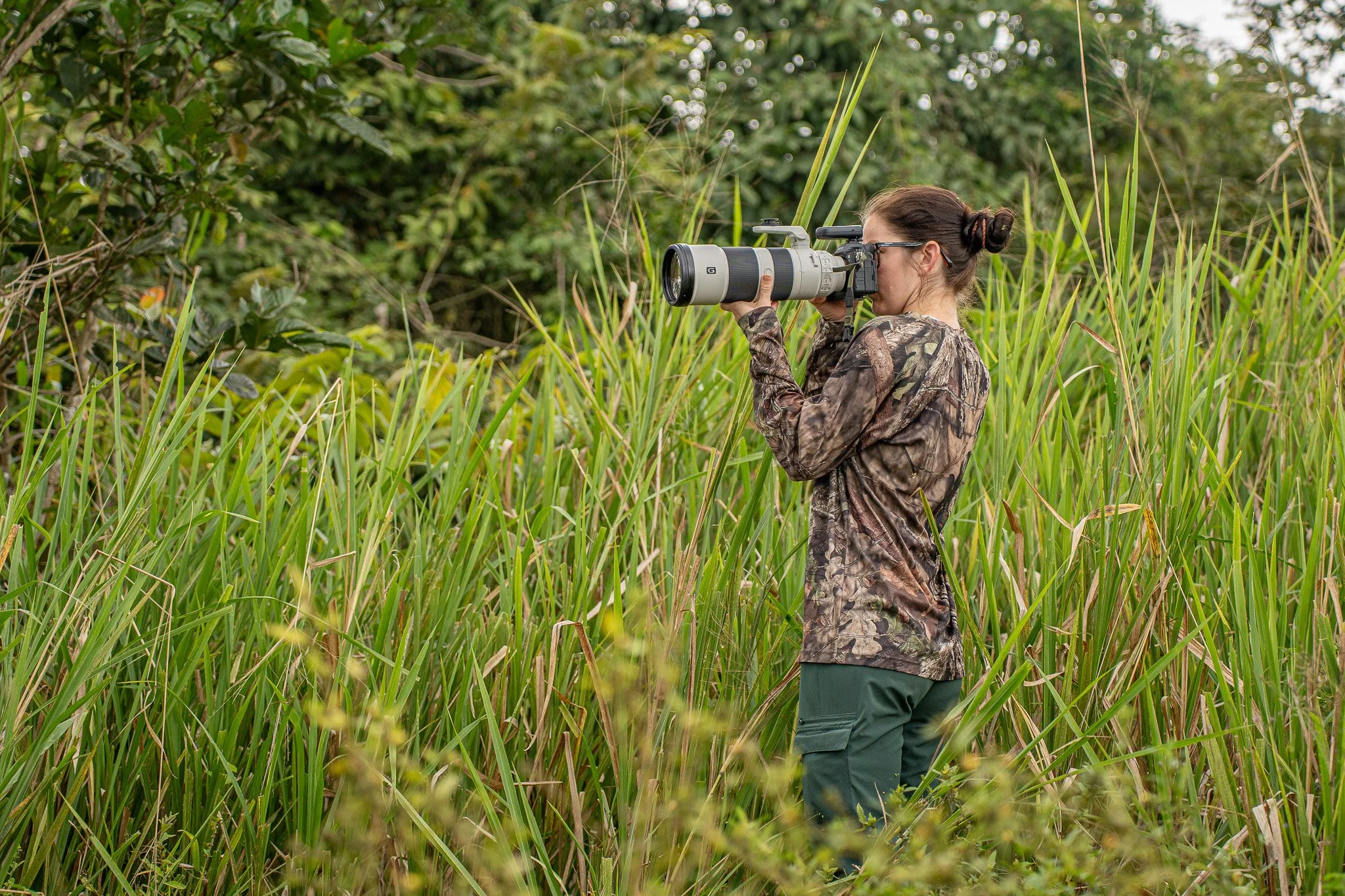
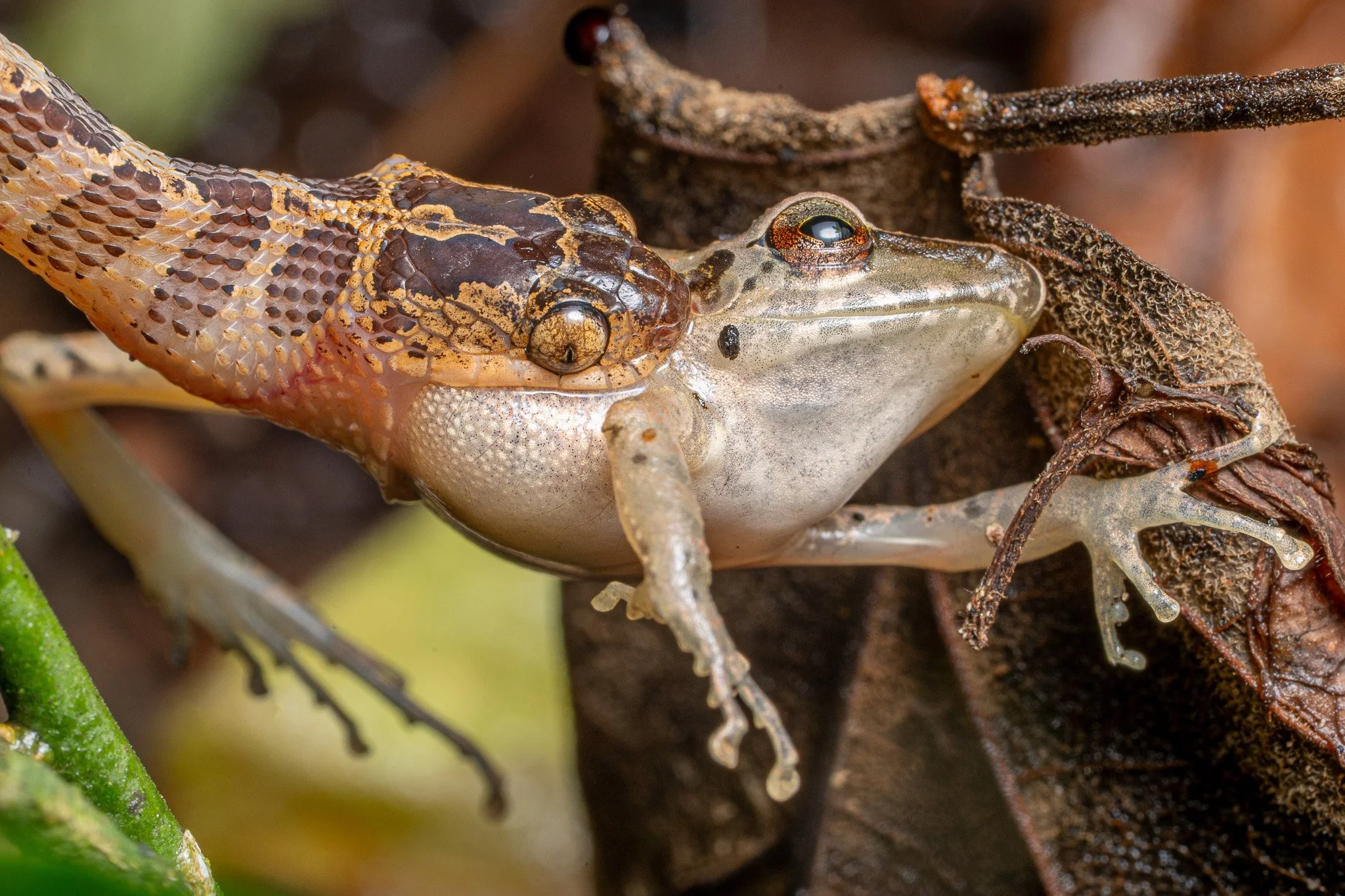
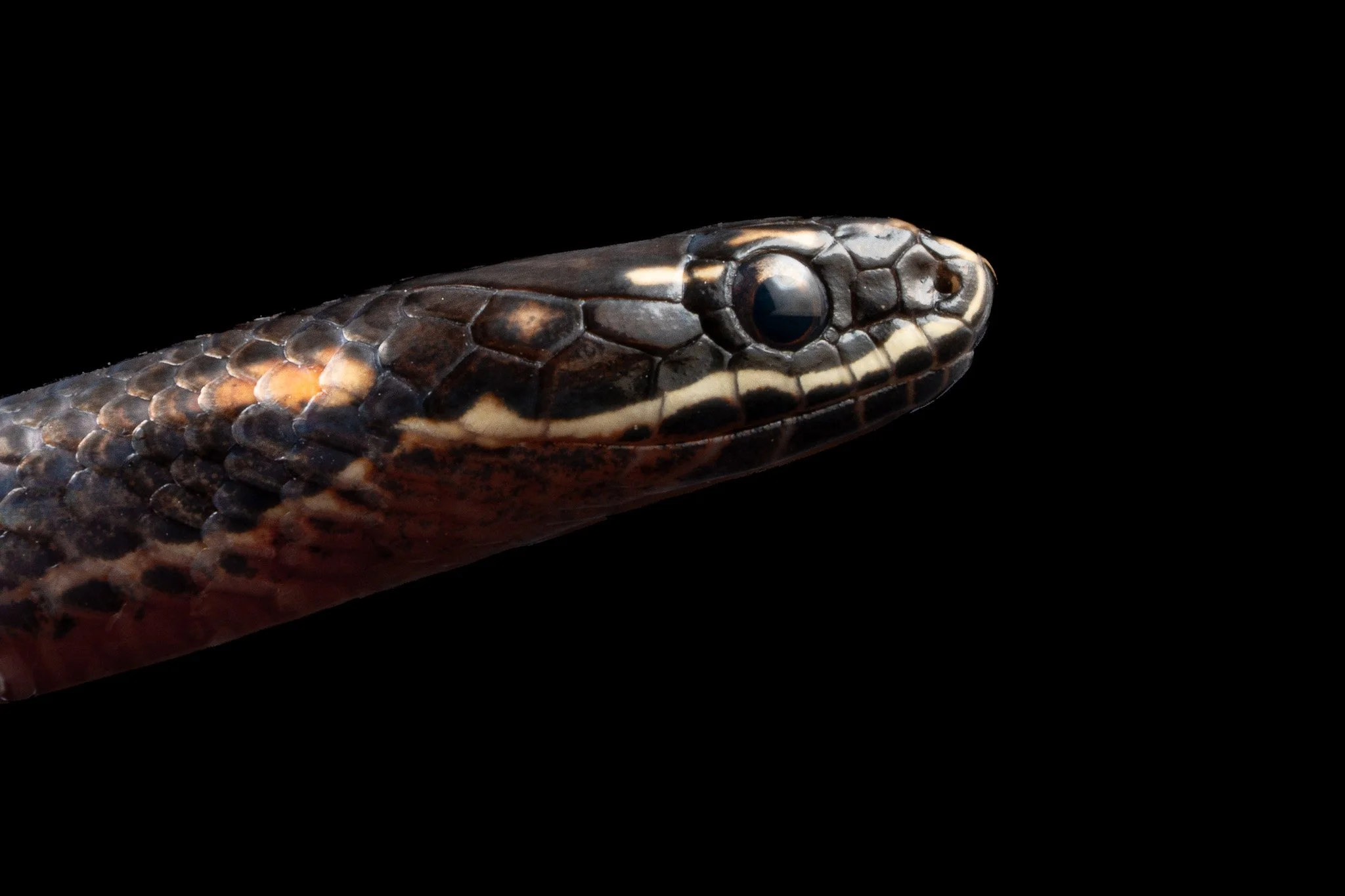
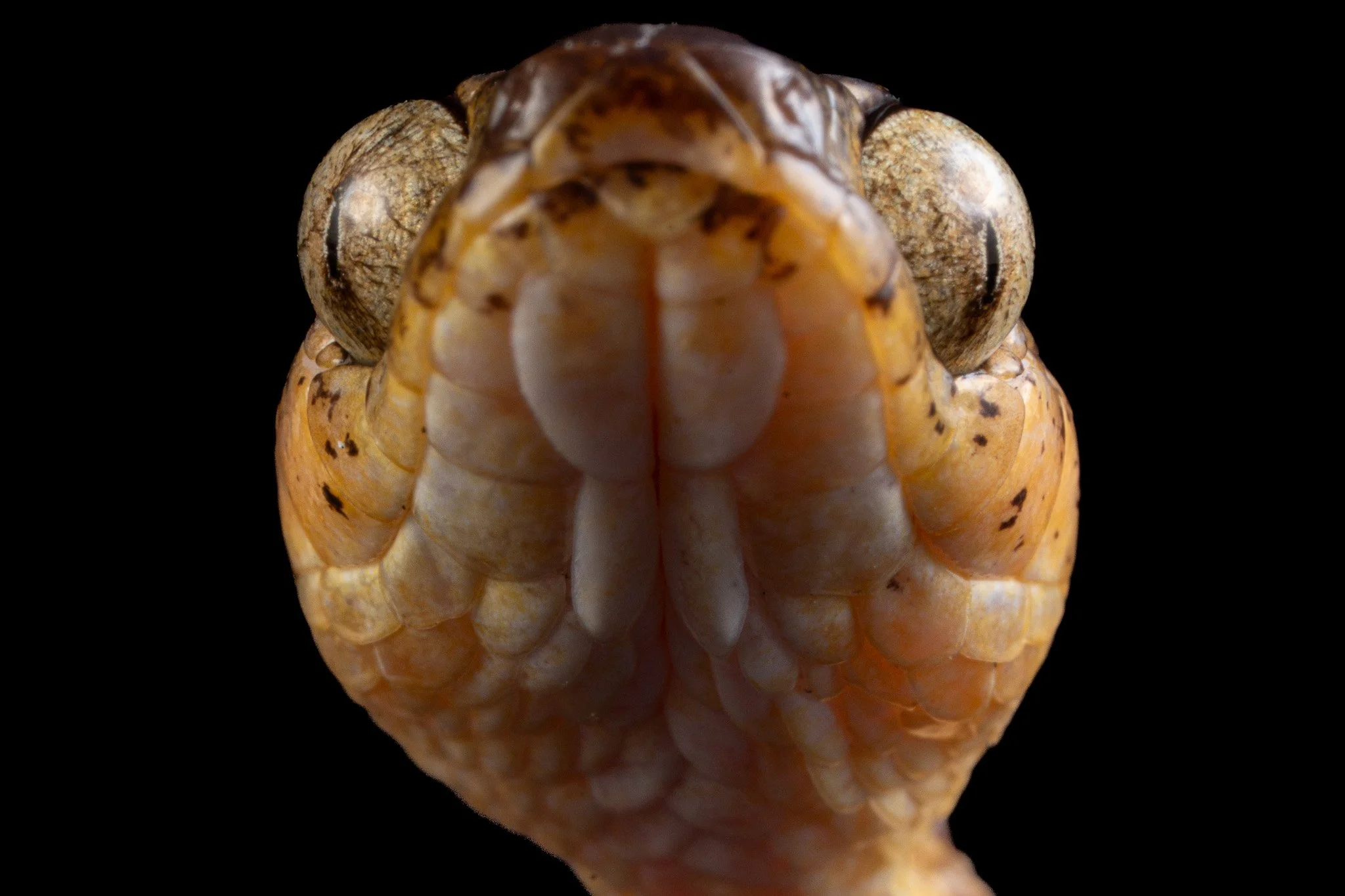
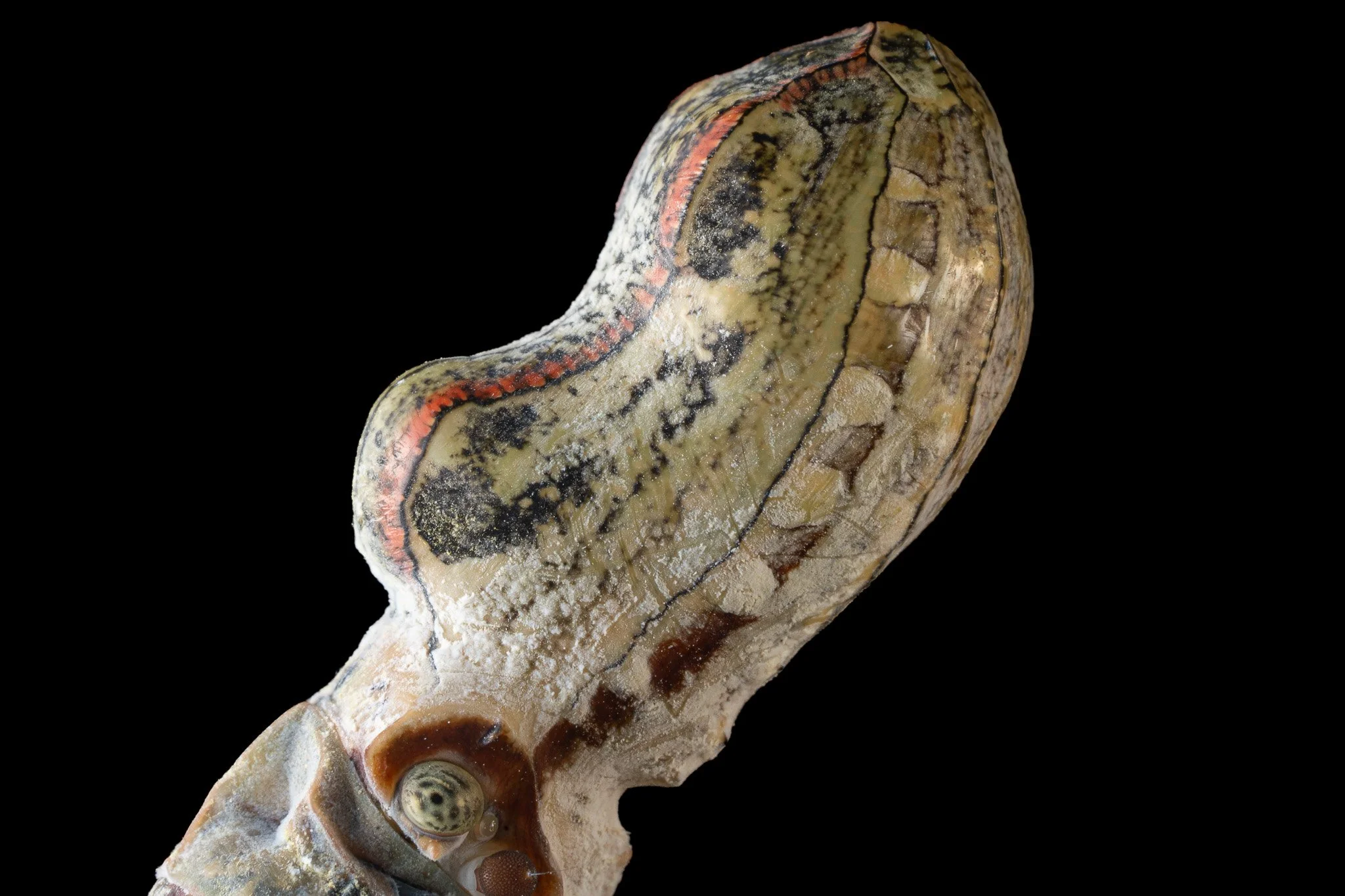
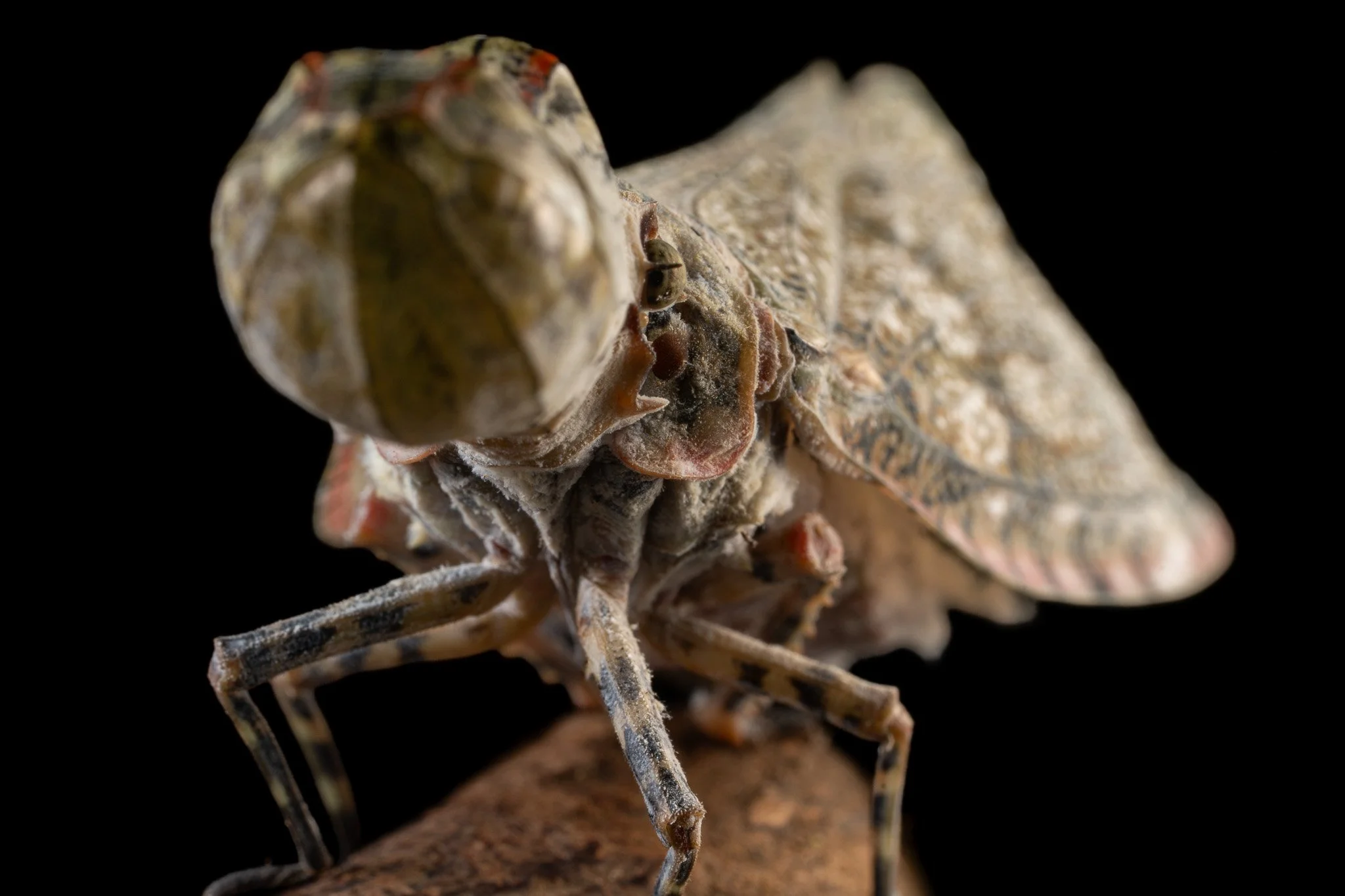
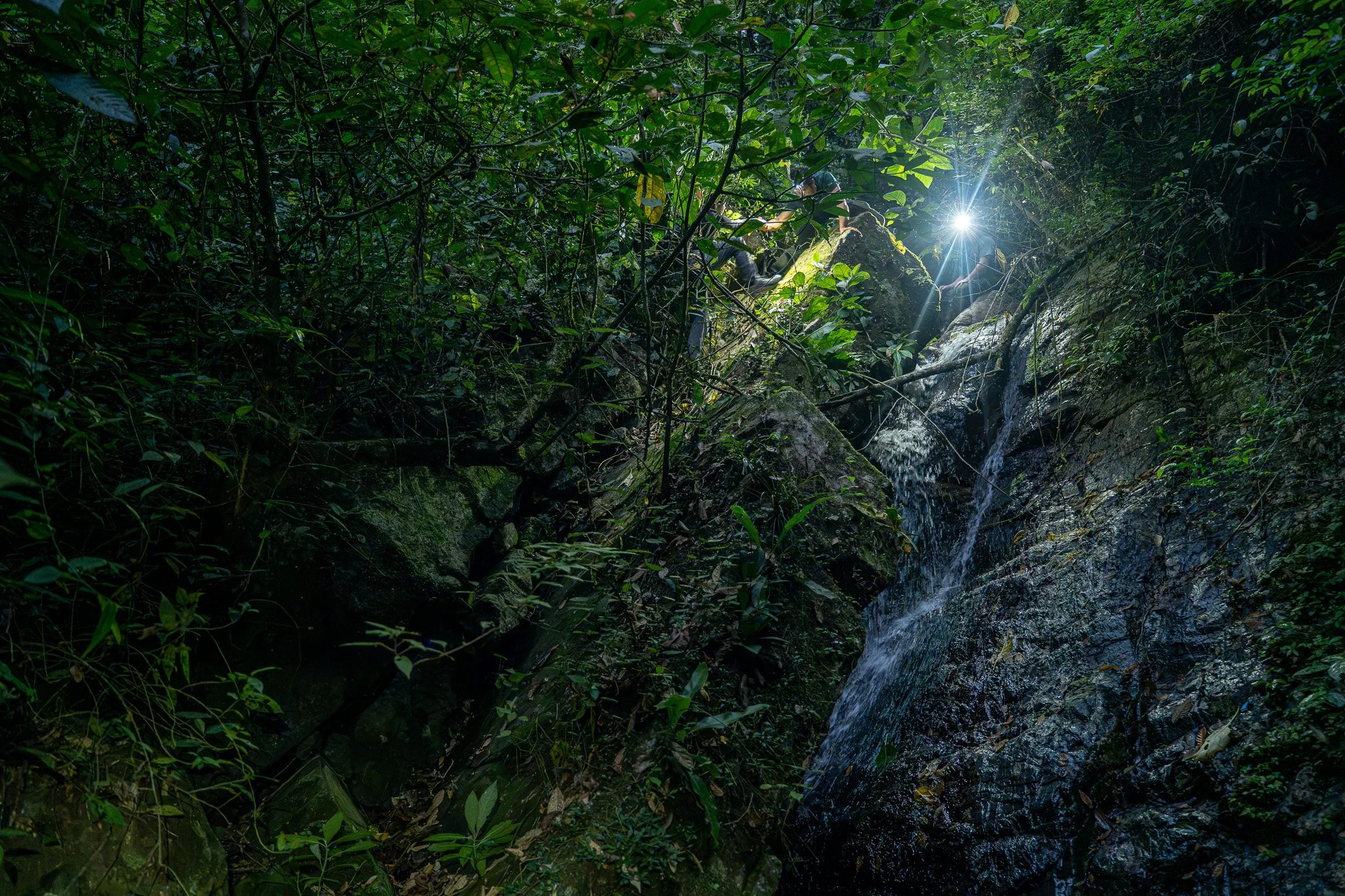
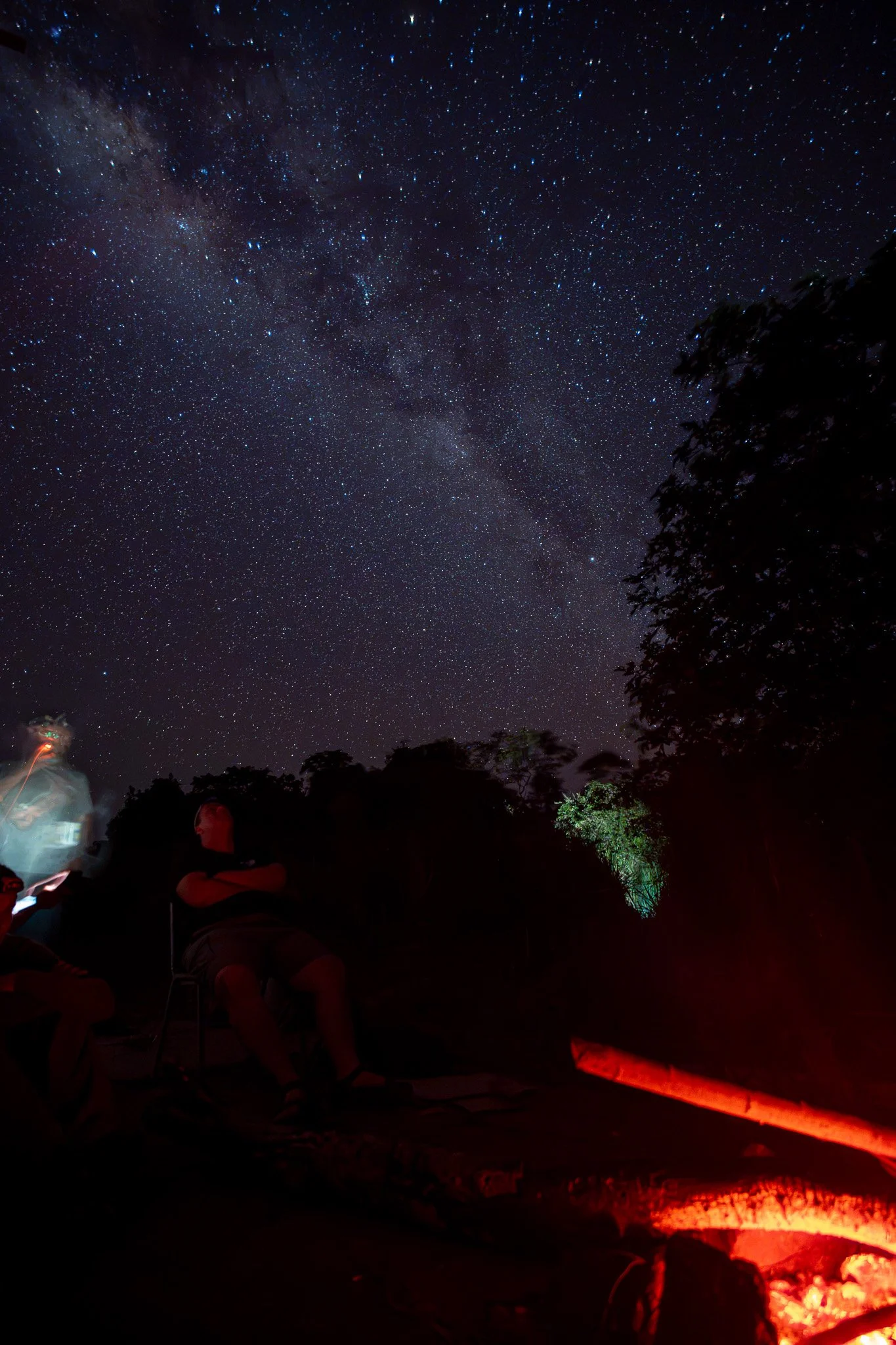
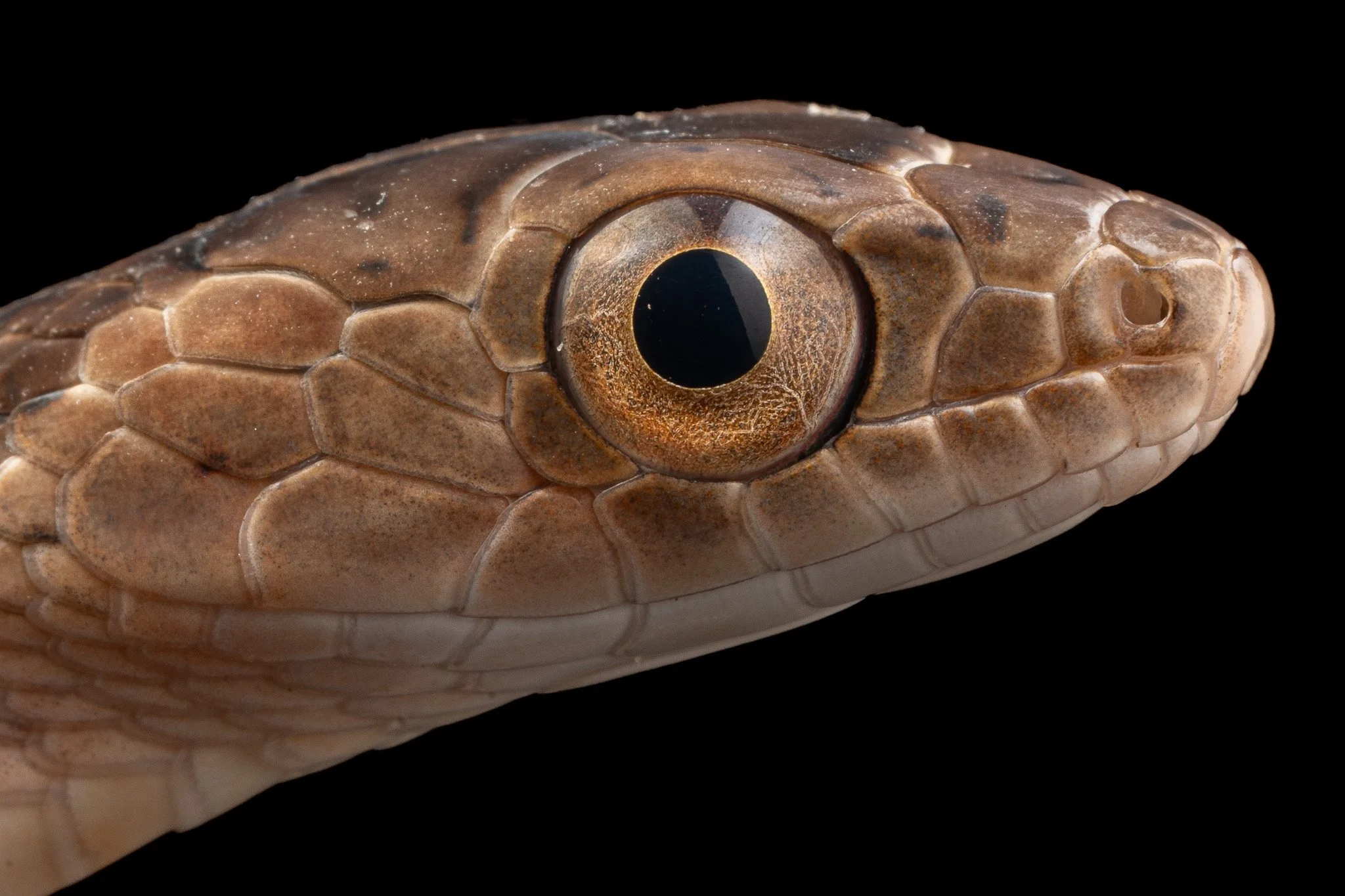
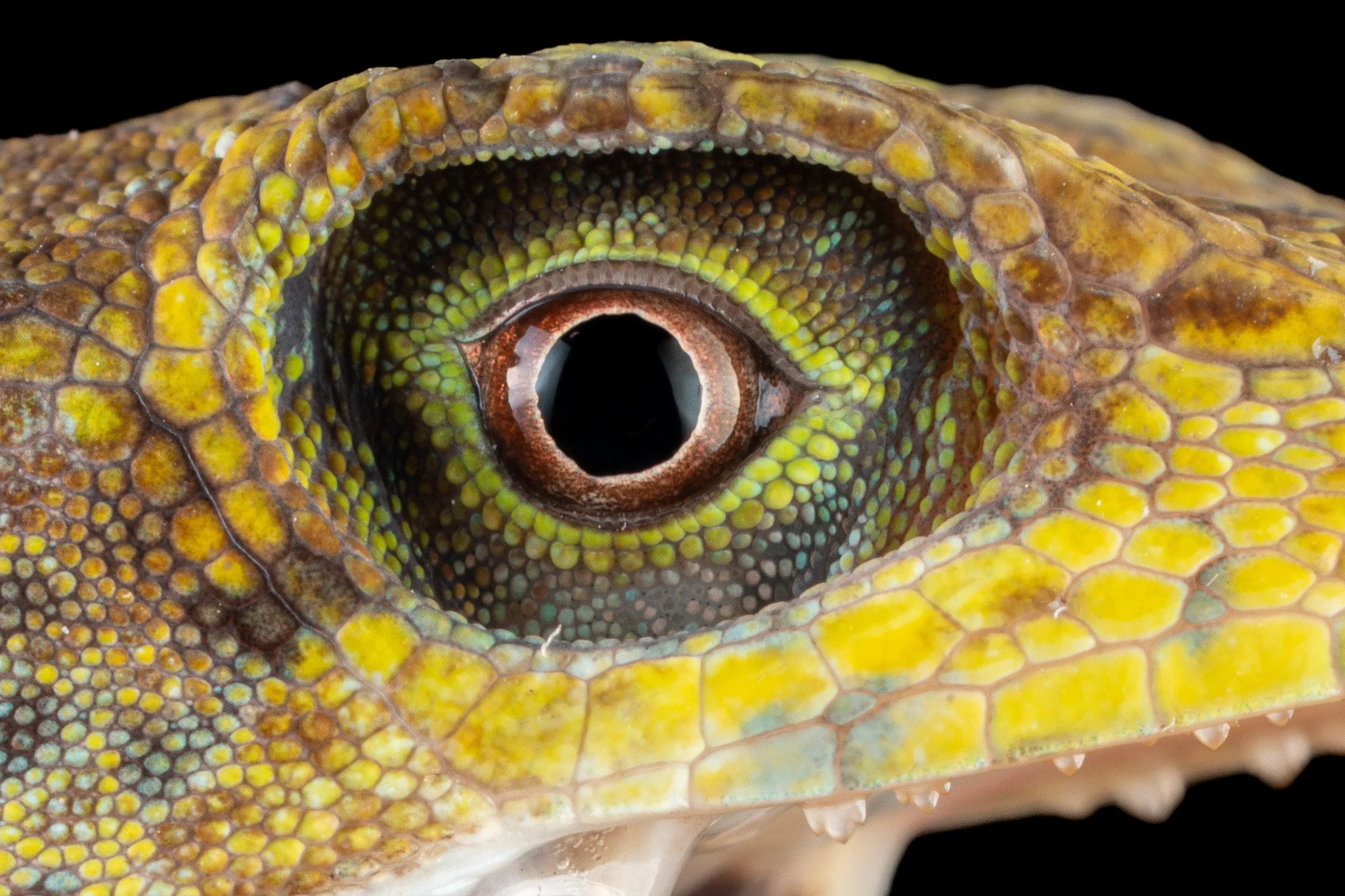
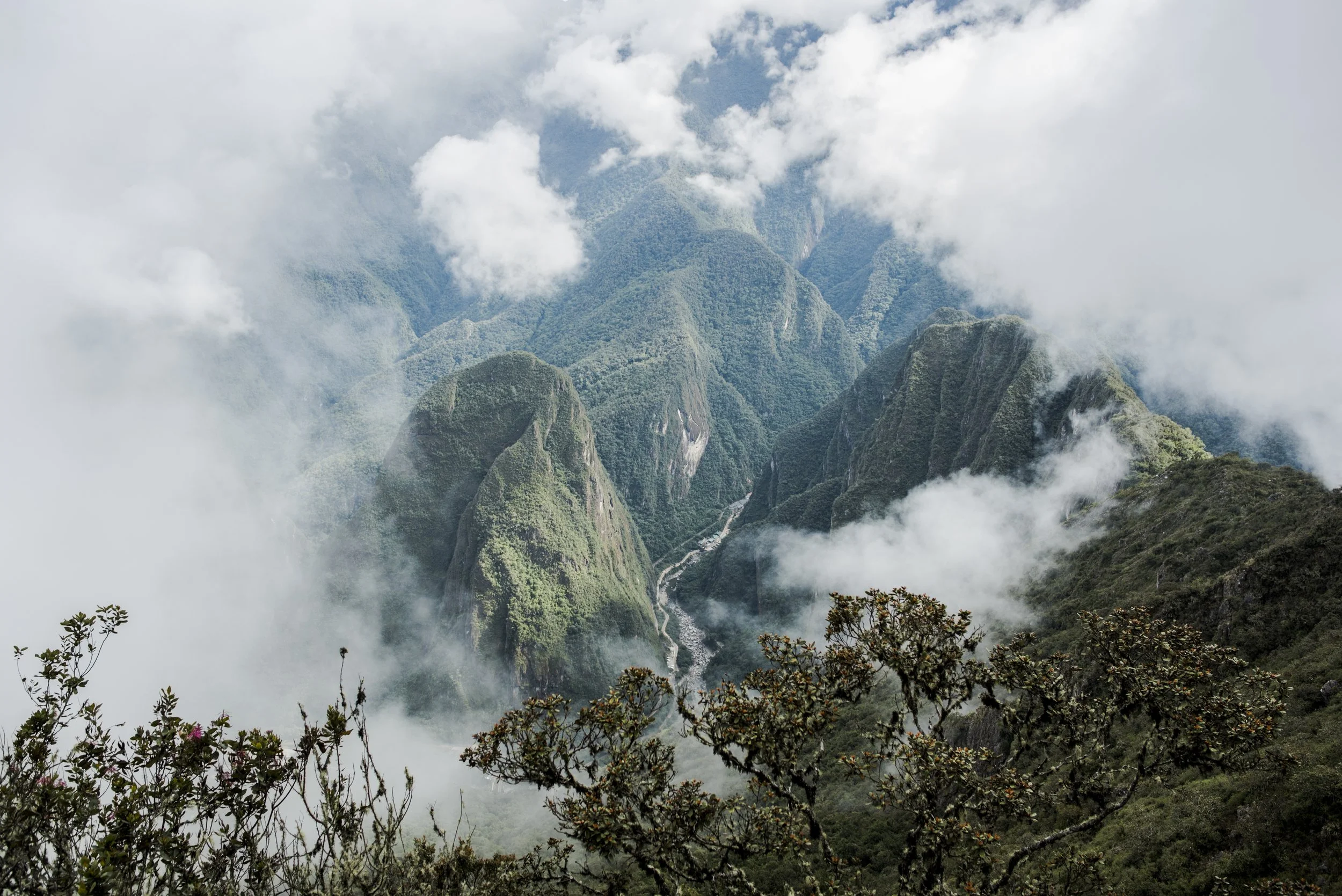
Why here, why now?La Pampa del Burro in Peru’s 10-20 million year old Andean–Amazonian cloud forests, shaped by Andean uplift and climatic evolution, is a biodiversity hotspot where exceptional habitat diversity and isolation have fostered unique amphibian and reptile lineages, many of which we have yet to recognize as their own species. The region’s rugged terrain, limited historical fieldwork, and major gaps in species inventories and genetic research make it a vital frontier for herpetological expeditions and taxonomic discoveries.
The Pampa del Burro cloud forests of northern Peru are threatened by deforestation for agriculture and cattle ranching, illegal logging, road construction, and climate change; all of which fragment habitats, disrupt forest microclimates, and put endemic amphibians and reptiles at risk before their biodiversity is fully documented. The protected area is only 2,000 hectares, which is extremely small. It backs up to uncontrolled and extensive foothills.
Pampa del Burro is a private conservation area managed by a local community, enthusiastic about conserving their natural heritage. Therefore, the information gathered during this expedition will be valuable in helping community members better understand the largely unexplored wildlife that surrounds them and develop appropriate strategies for managing local species. Ultimately, this expedition will contribute to expanding scientific knowledge, raising environmental awareness, and strengthening the relationship between local communities and their natural environment.
Joining this expedition implies you will be on a team responsible for discovering reptile and amphibian range extensions, new records for the entire country of Peru, and POSSIBLY one or more new species to science itself.
the expedition has been designed in such a way that by joining us, youR presence alone will be making the entire project a reality.
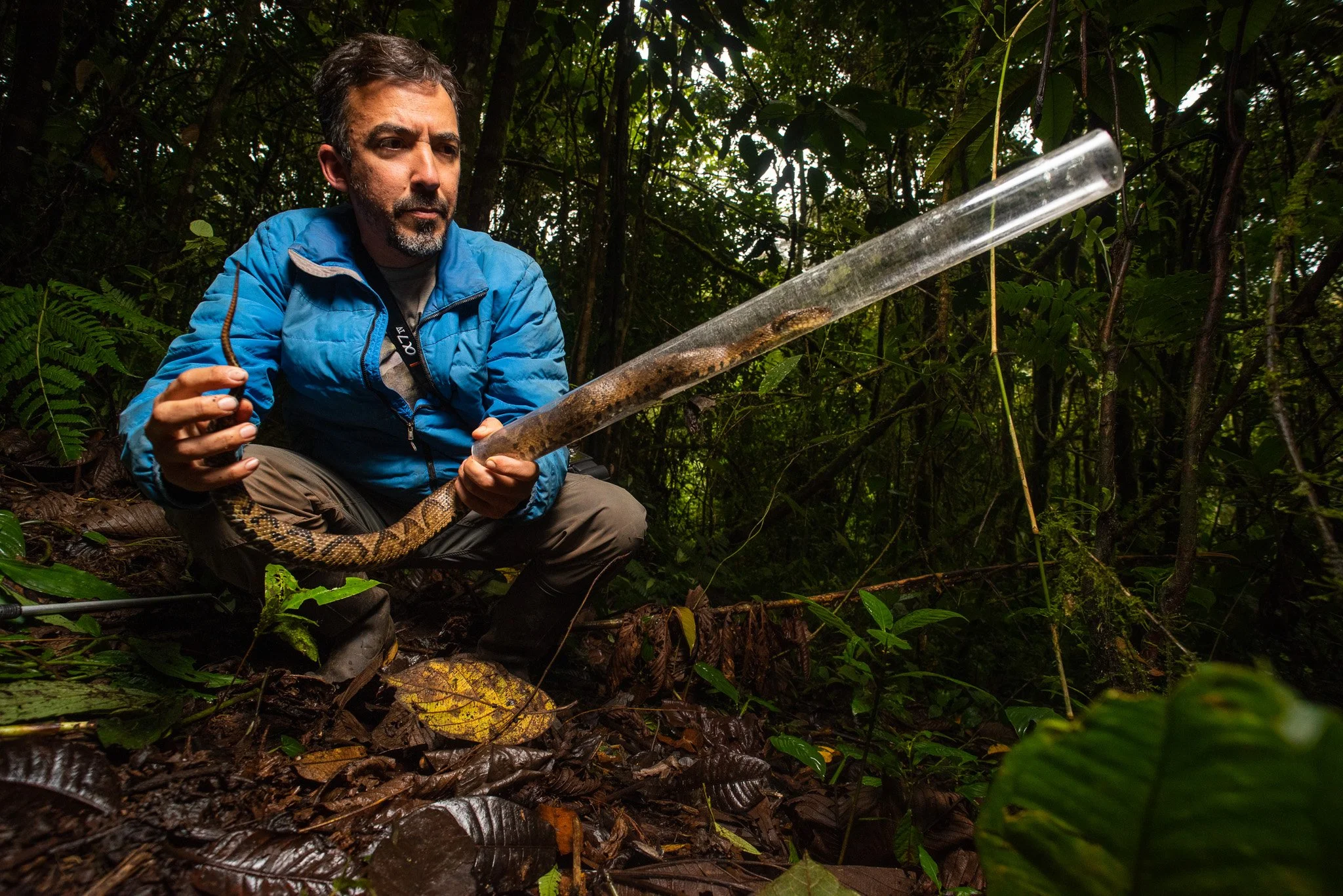
iph & serpentine align technical insight, disciplined execution, and decades of experience across the scientific community to provide measurable data collection & implementation across academic, conservation, and environmental advocacy domains.
this will be the most comprehensive expedition to pampa del burro on record, THE FIRST TO WELCOME AN INTERNATIONAL TEAM, and only the second ever organized. On our 2026 north peru expedition, we catalogued at least 15 new country records (peru), and likely 1 new species to science.
we also recorded at least 1 new bird record for peru. our 2026 expedition will be published by iph as they complete their lab work and study the specimens.
IPH: El Instituto Peruano de Herpetología
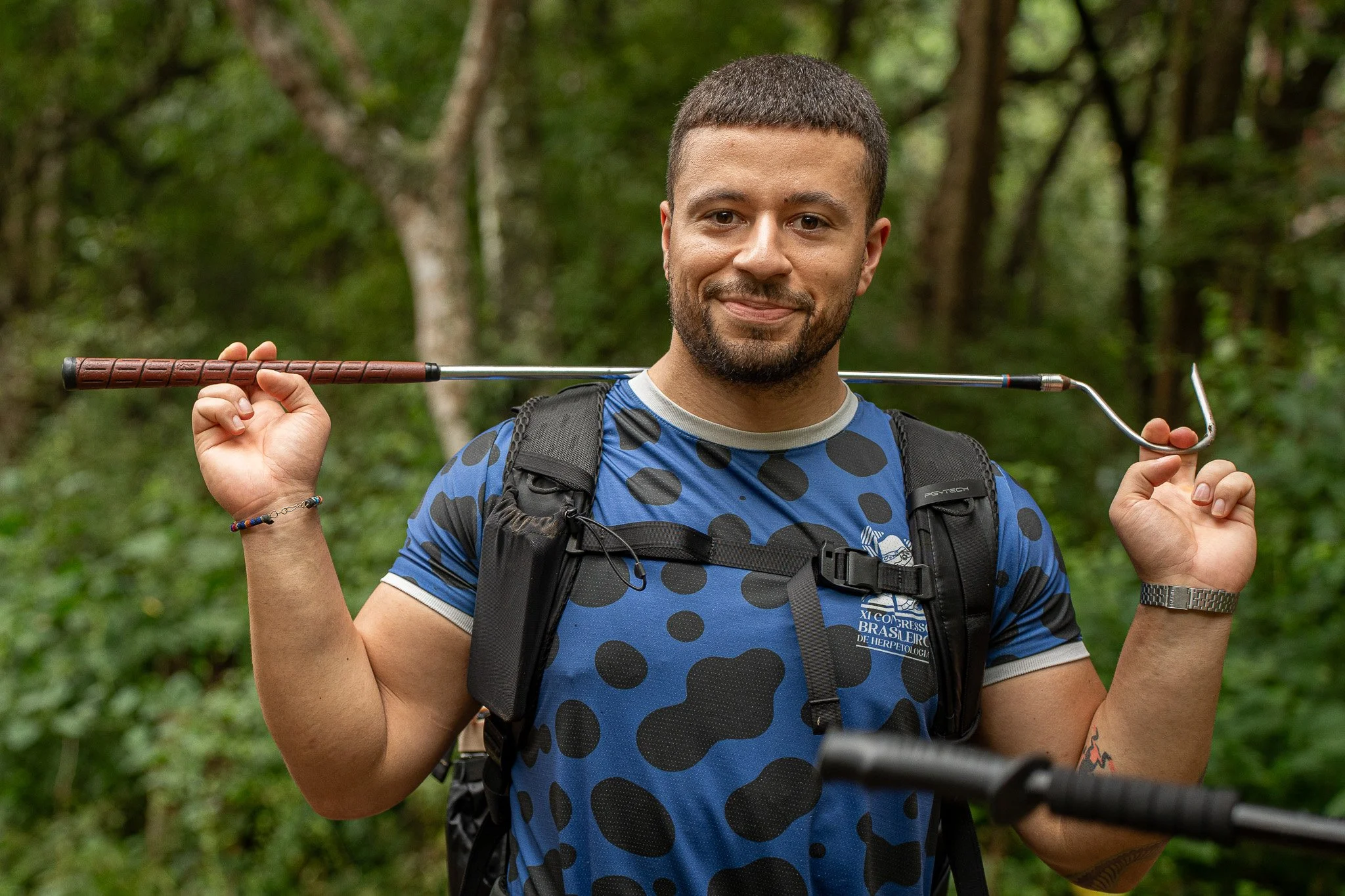
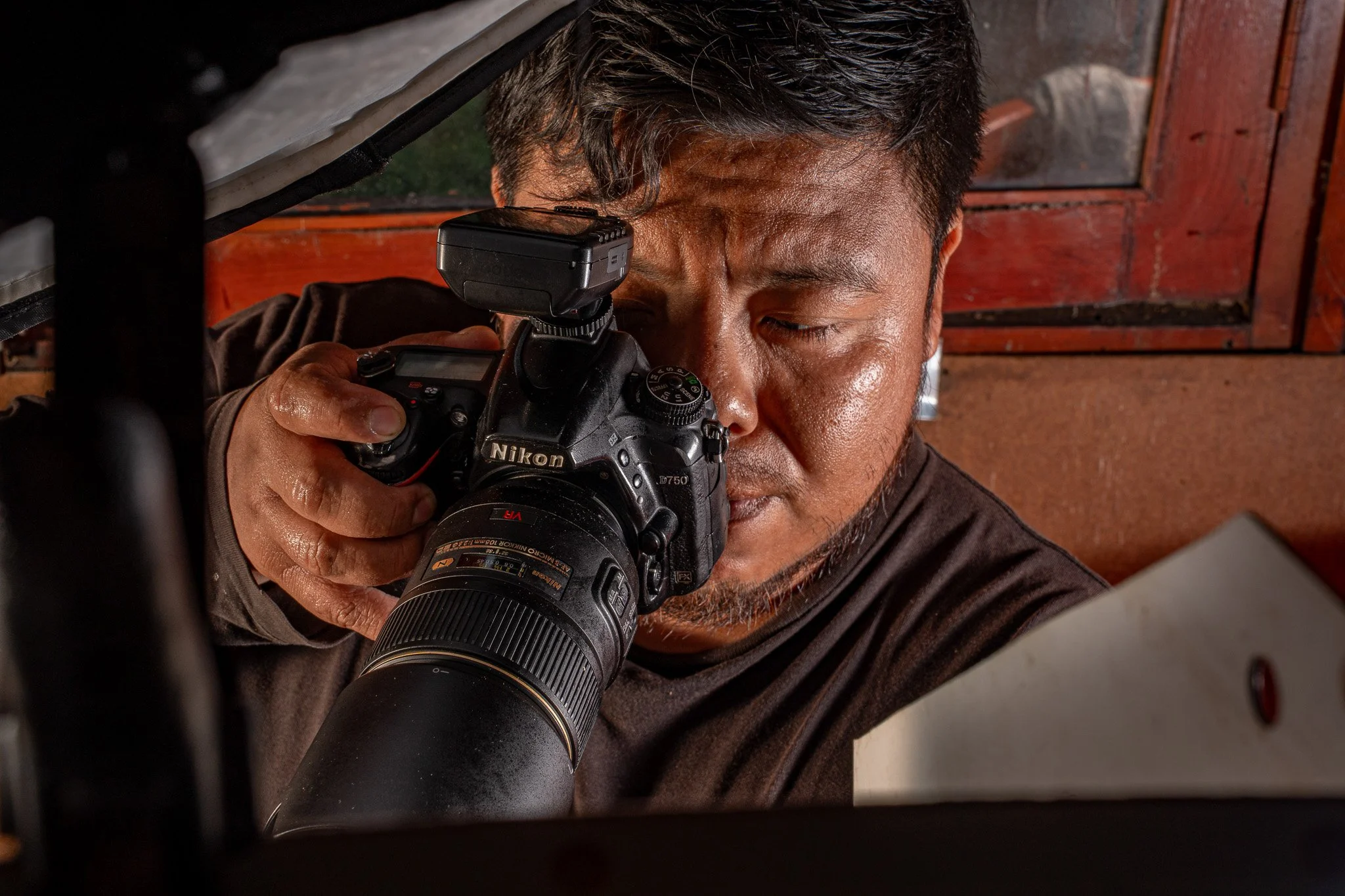
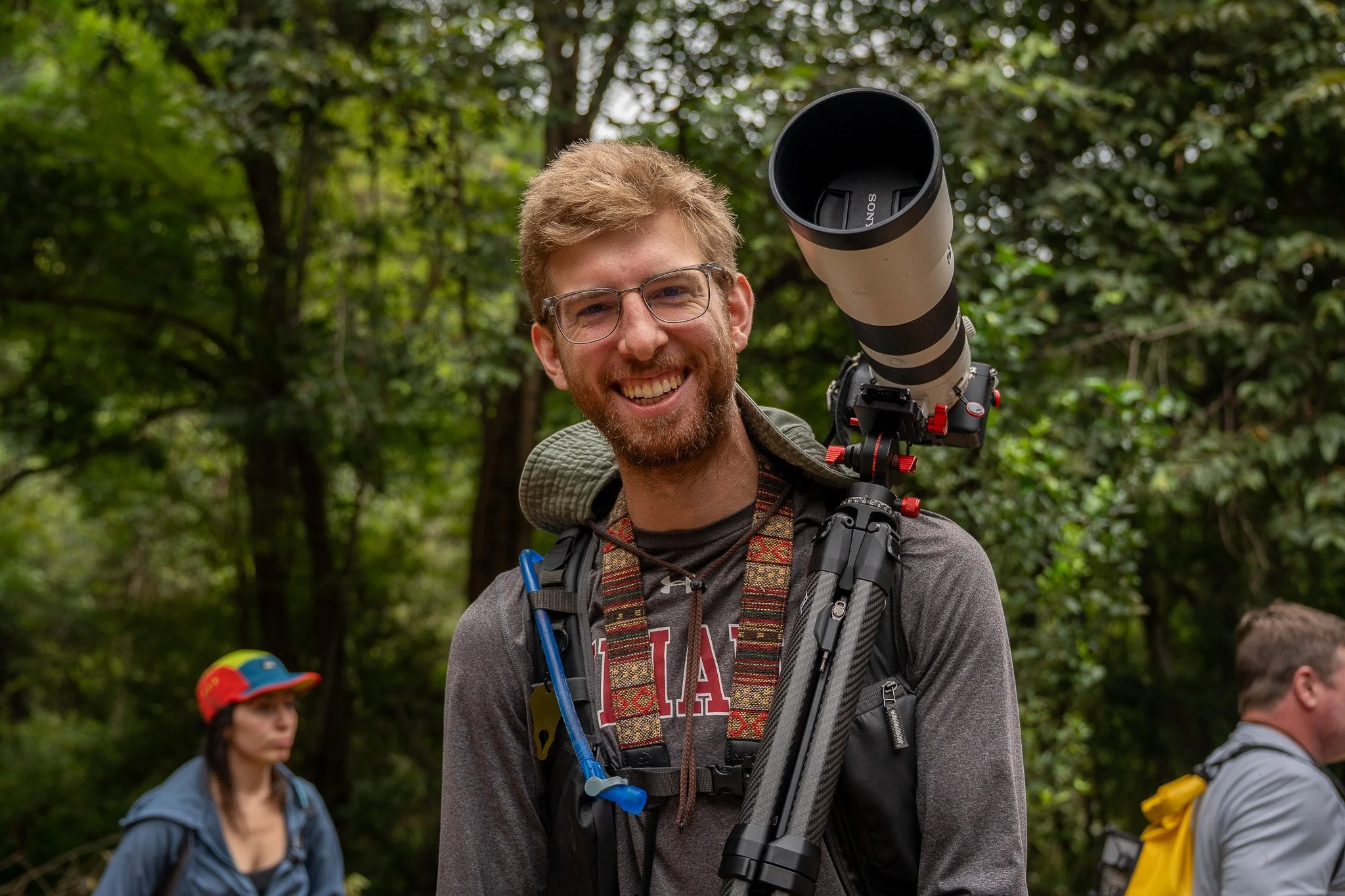
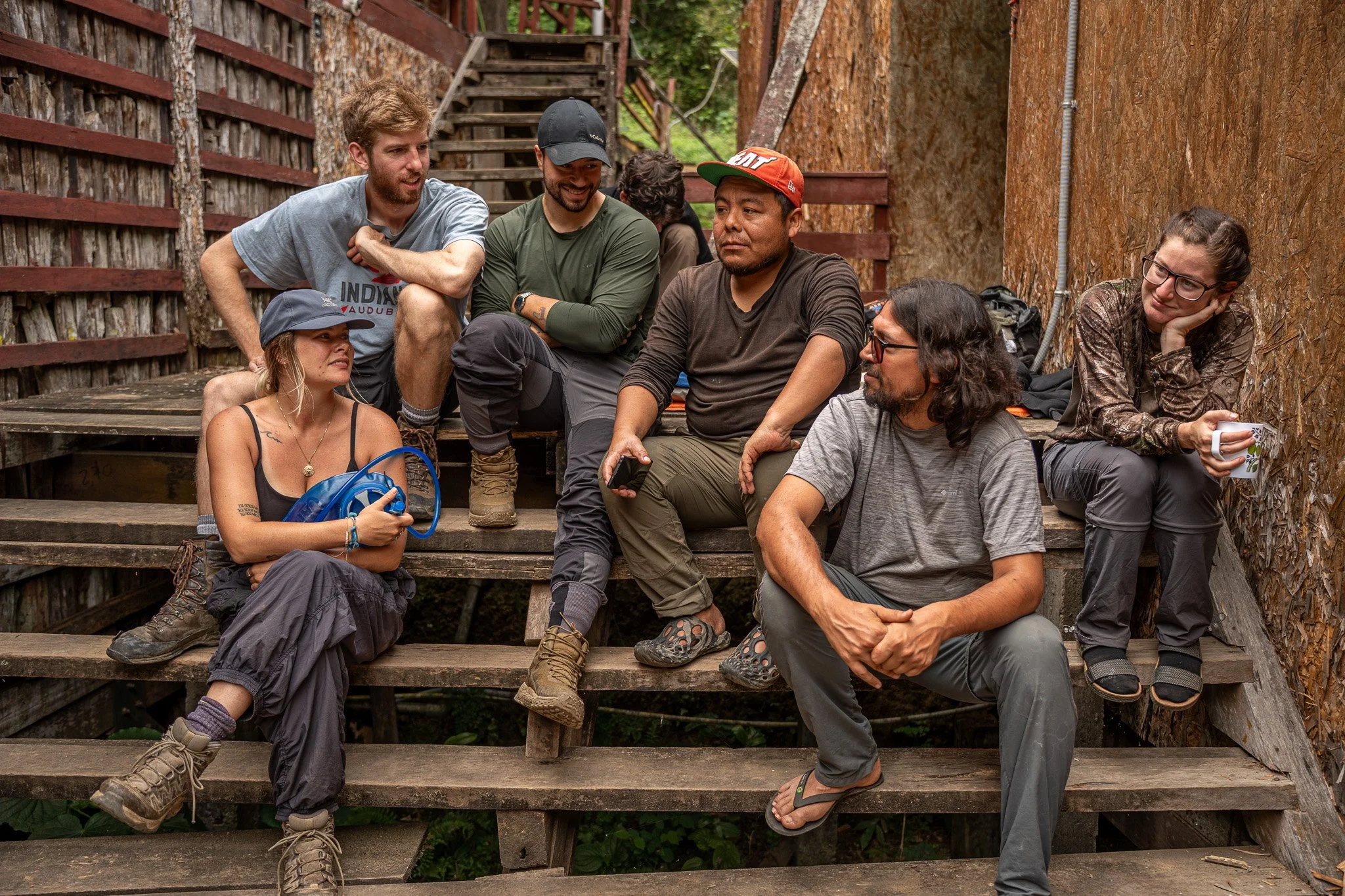
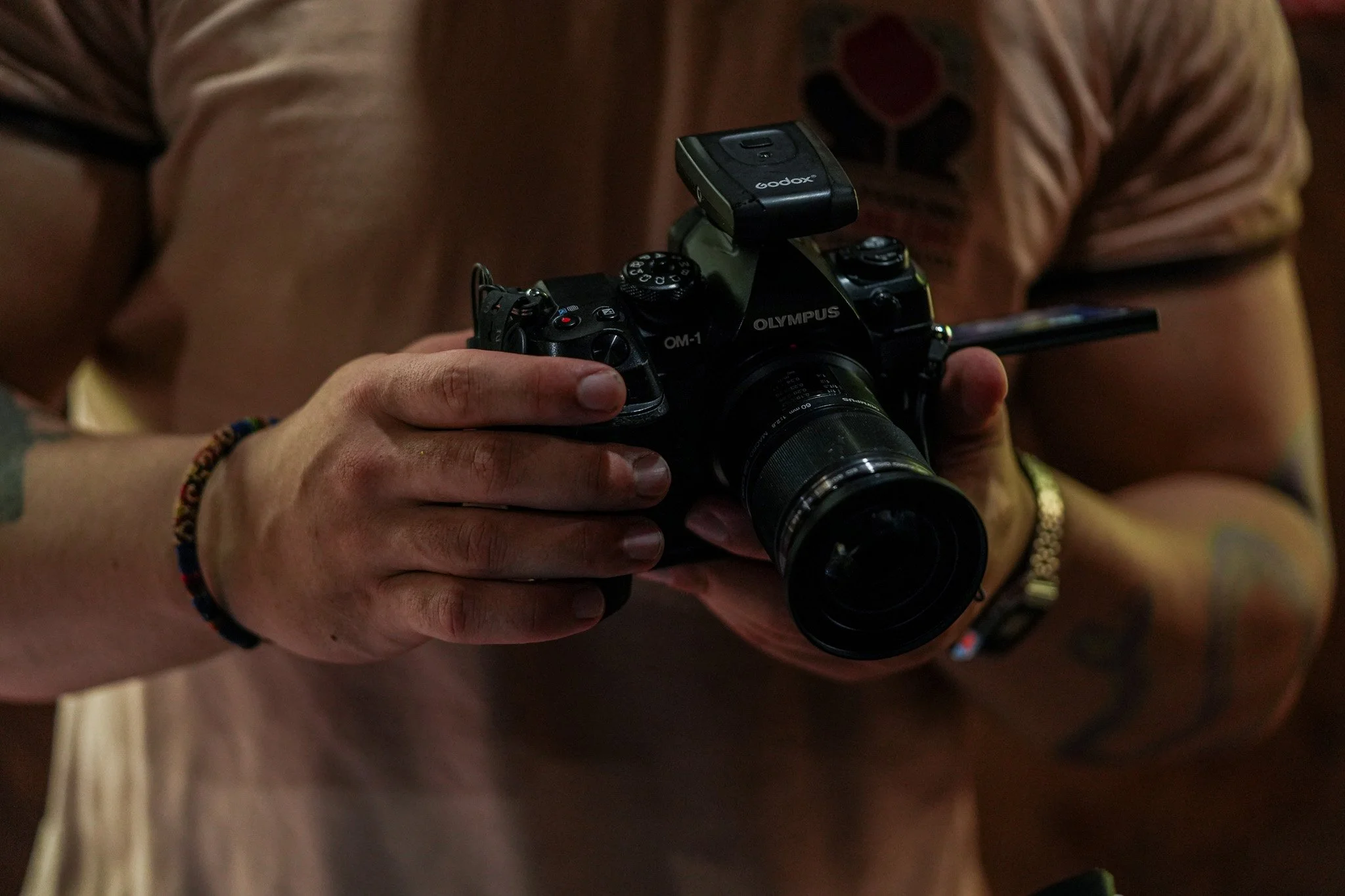
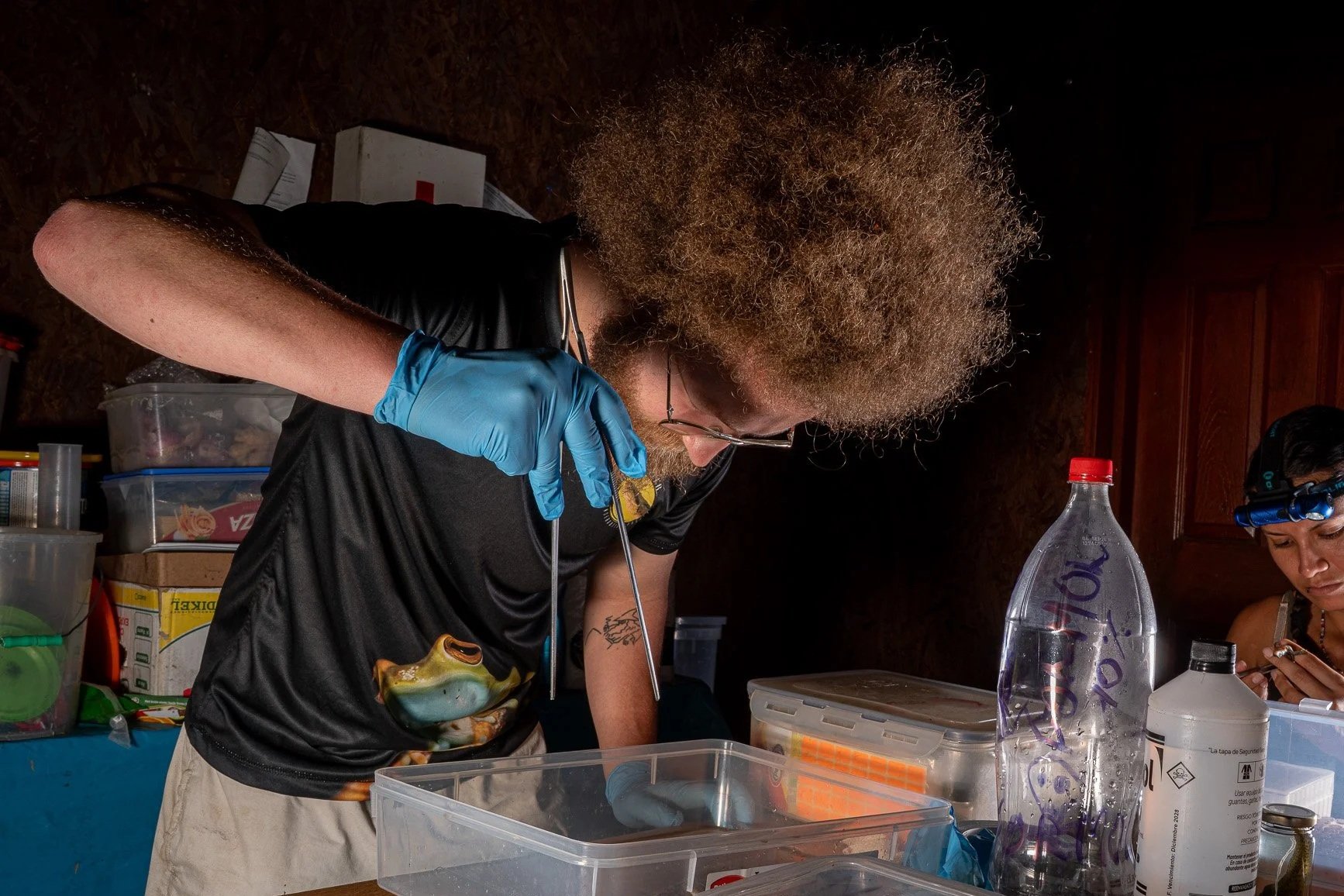
GUIDES, SCIENTISTS, AND PHOTOGRAPHERS:
-
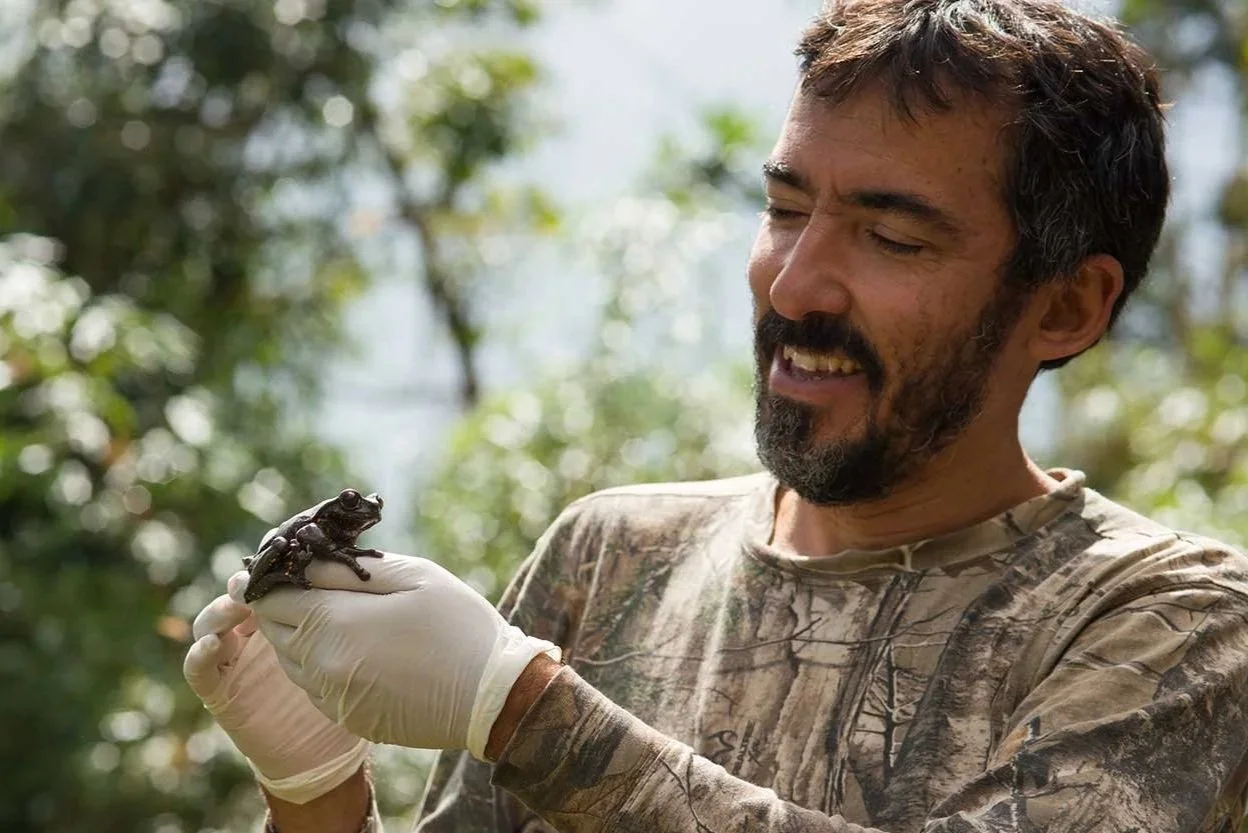
Pablo Venegas
IPH President & Founding Partner, Taxonomist, Veterinarian, and Researcher
-
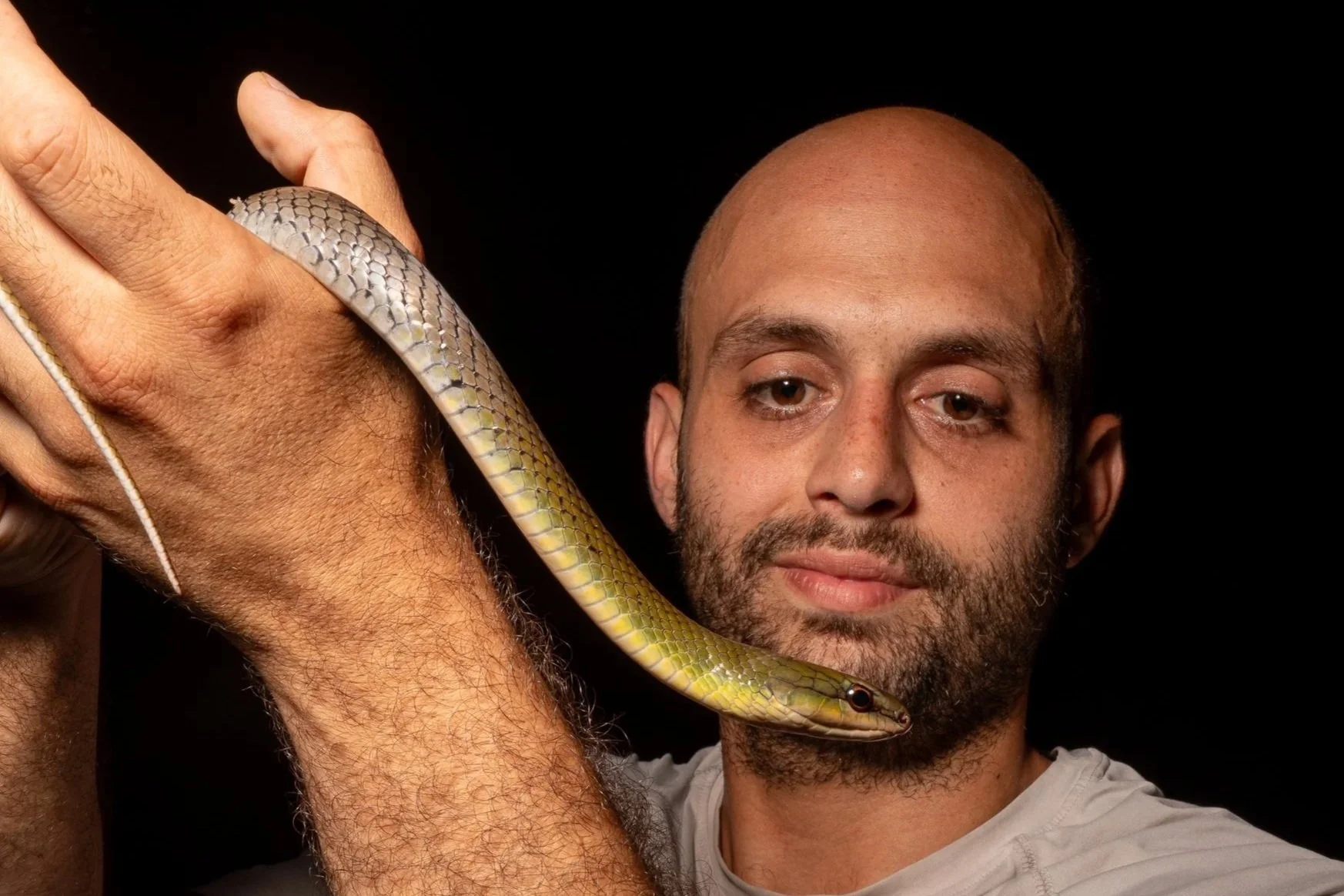
Michael Gulman
Taxonomist & Associate Researcher
-

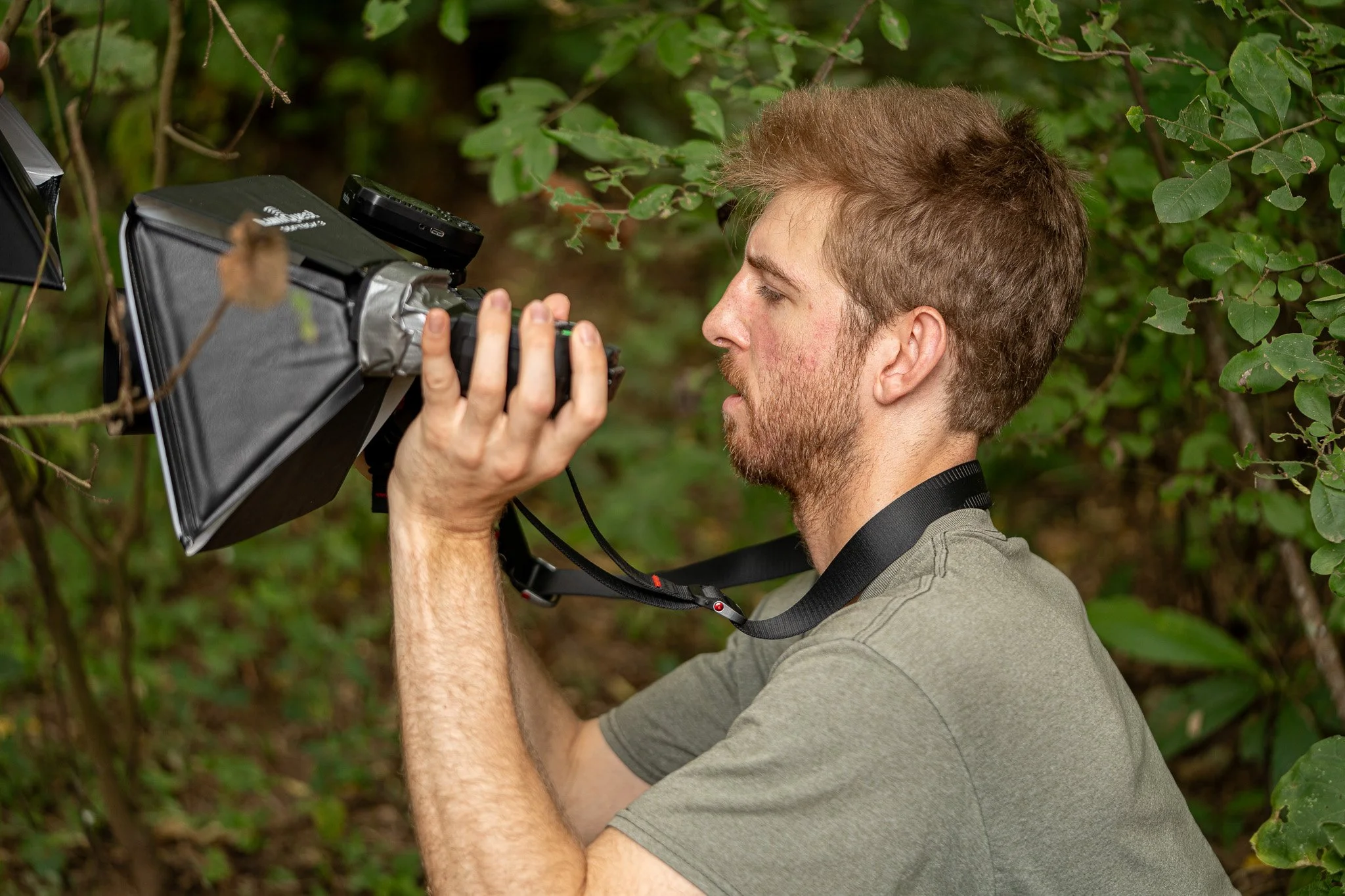
Ian Breland
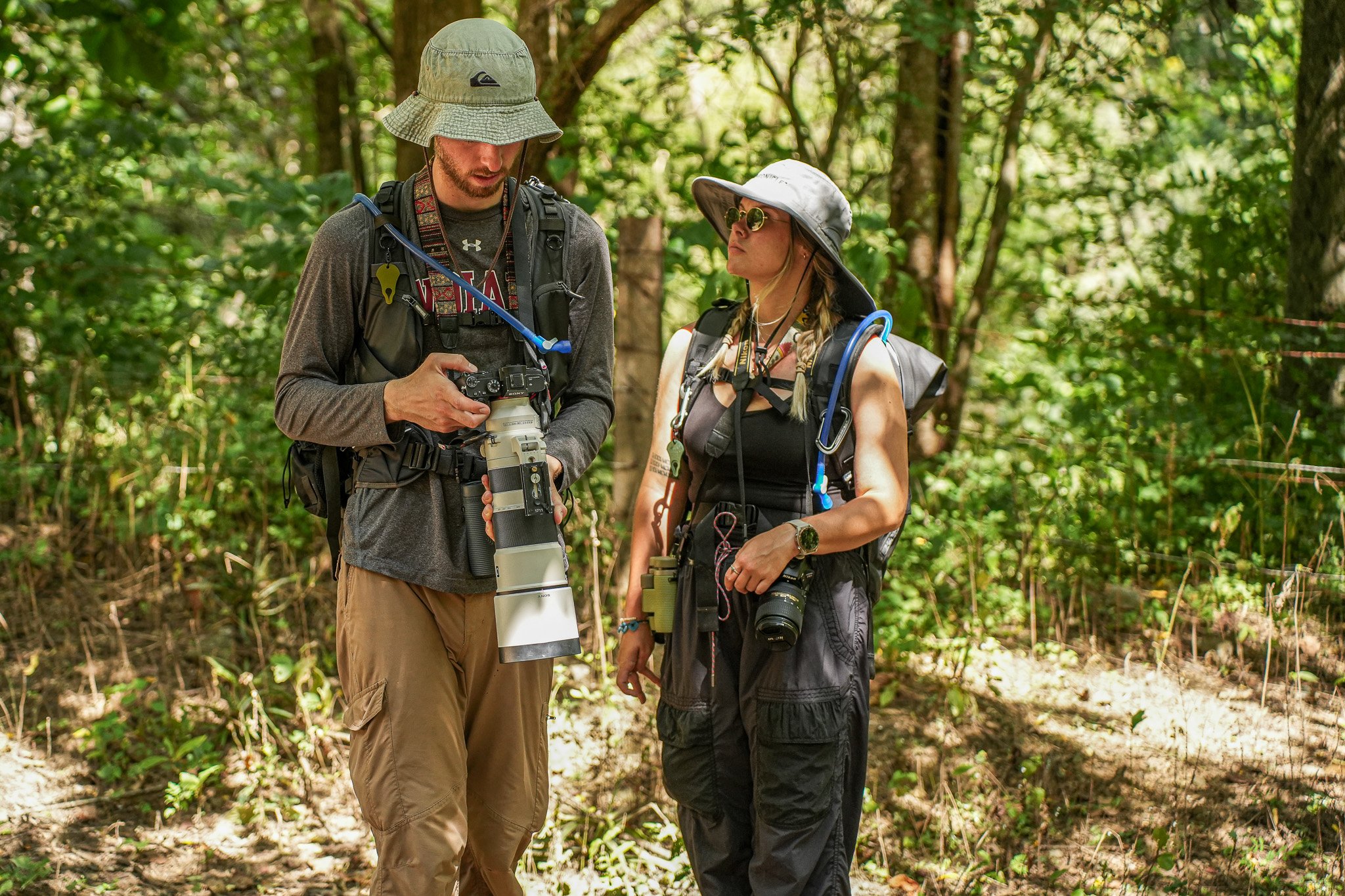
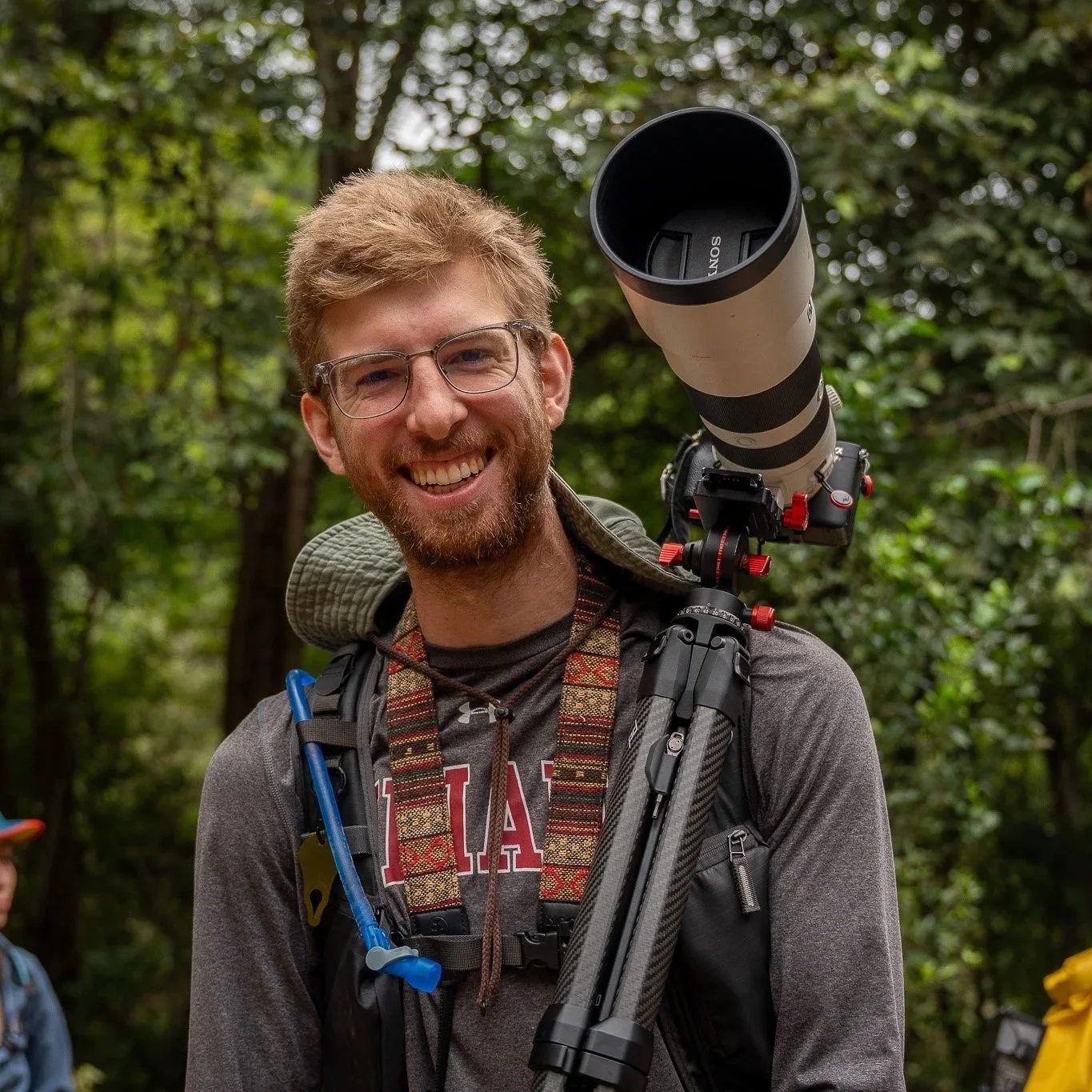
Expedition Guide & Photographer
-
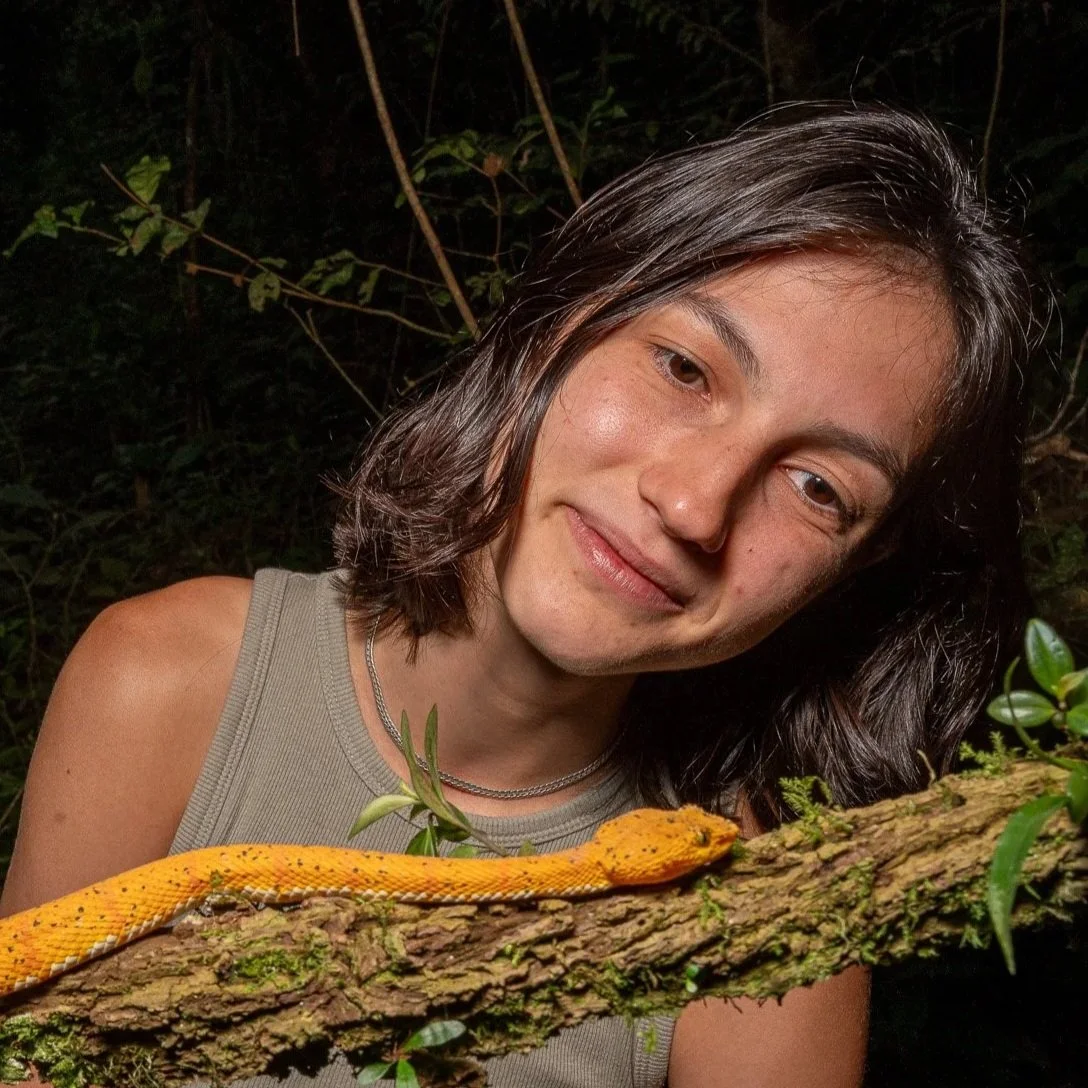
Emilie maranda
Field Operations Manager
-
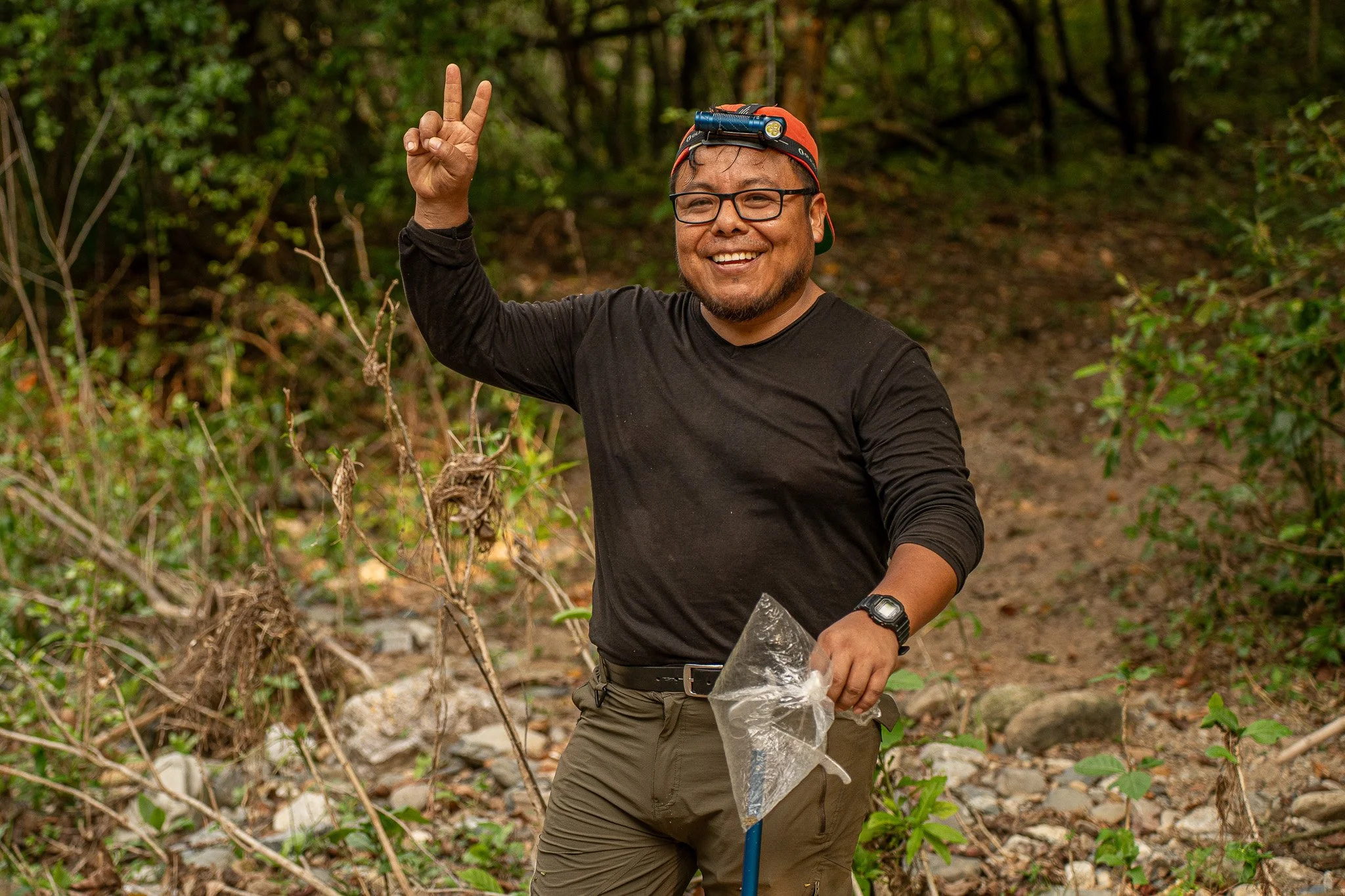
Eduardo Quispe Salcedo
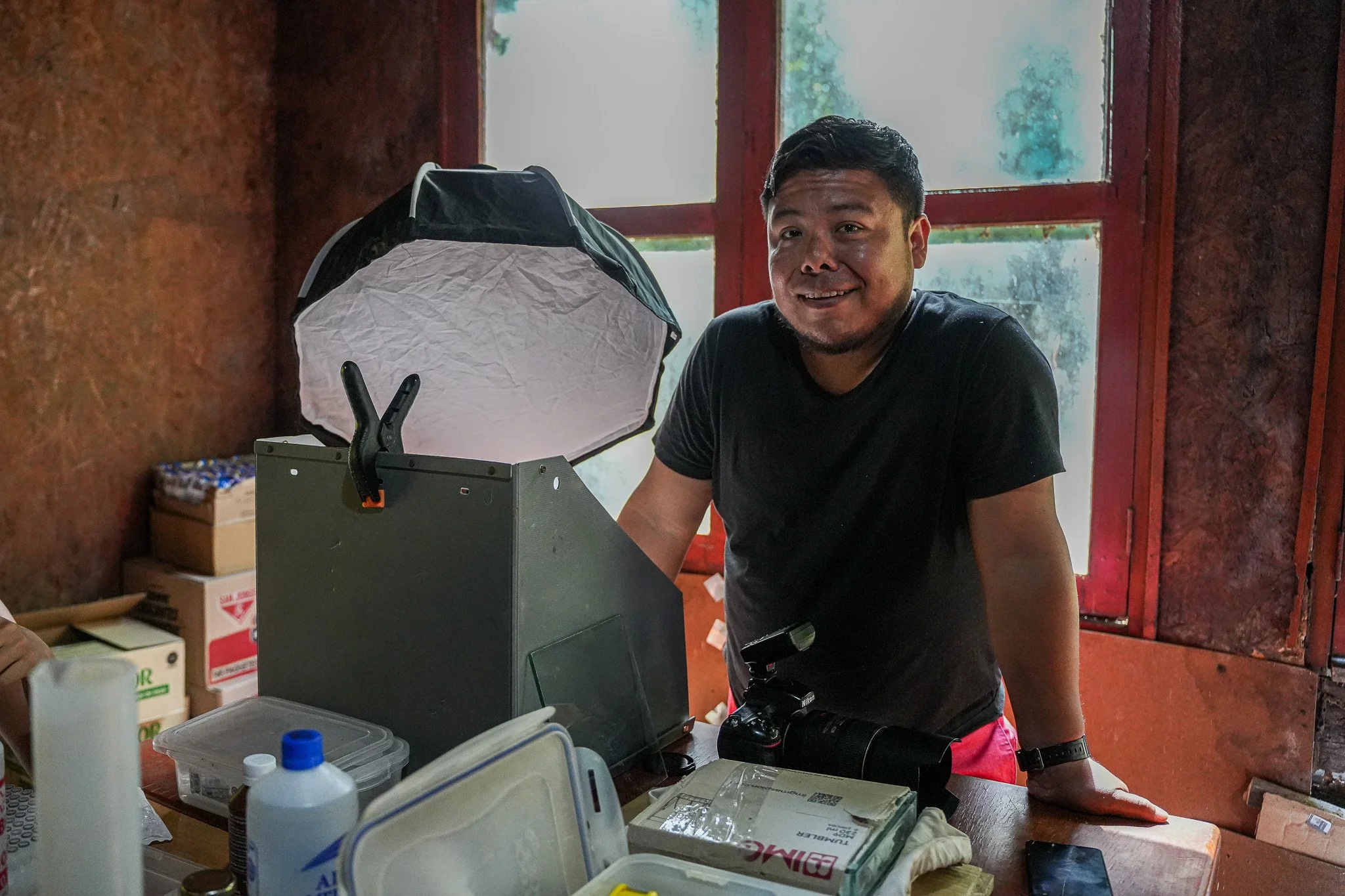
Photographer & Researcher
-
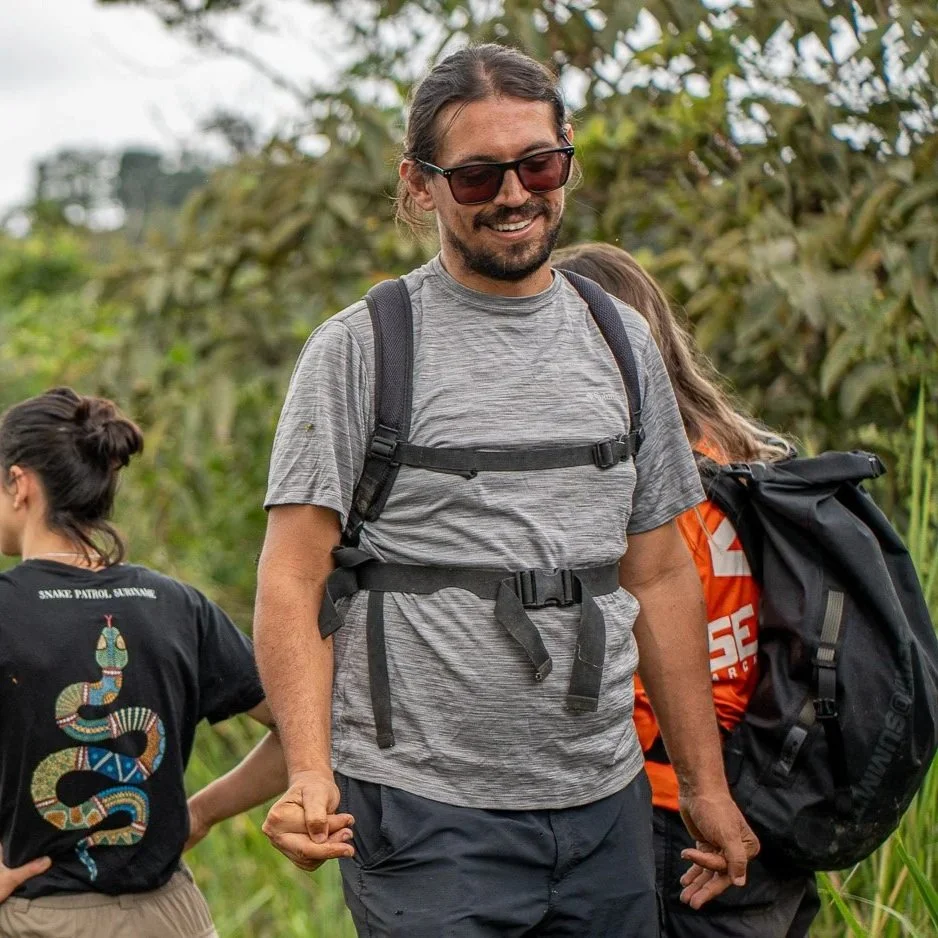
Santiago Bullard Cunliffe
Logistics Expert
-
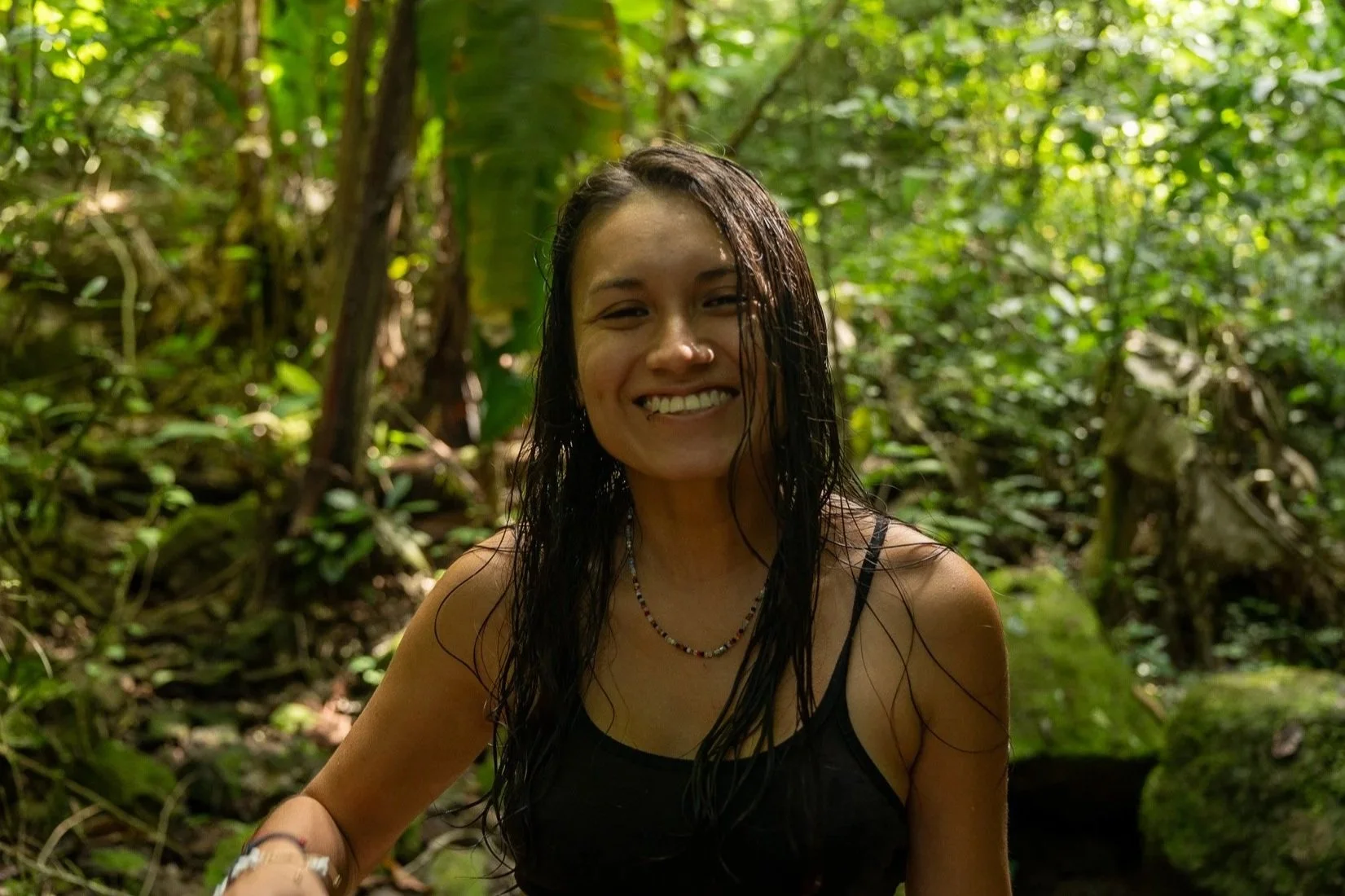
Jasmin Lucero Odar
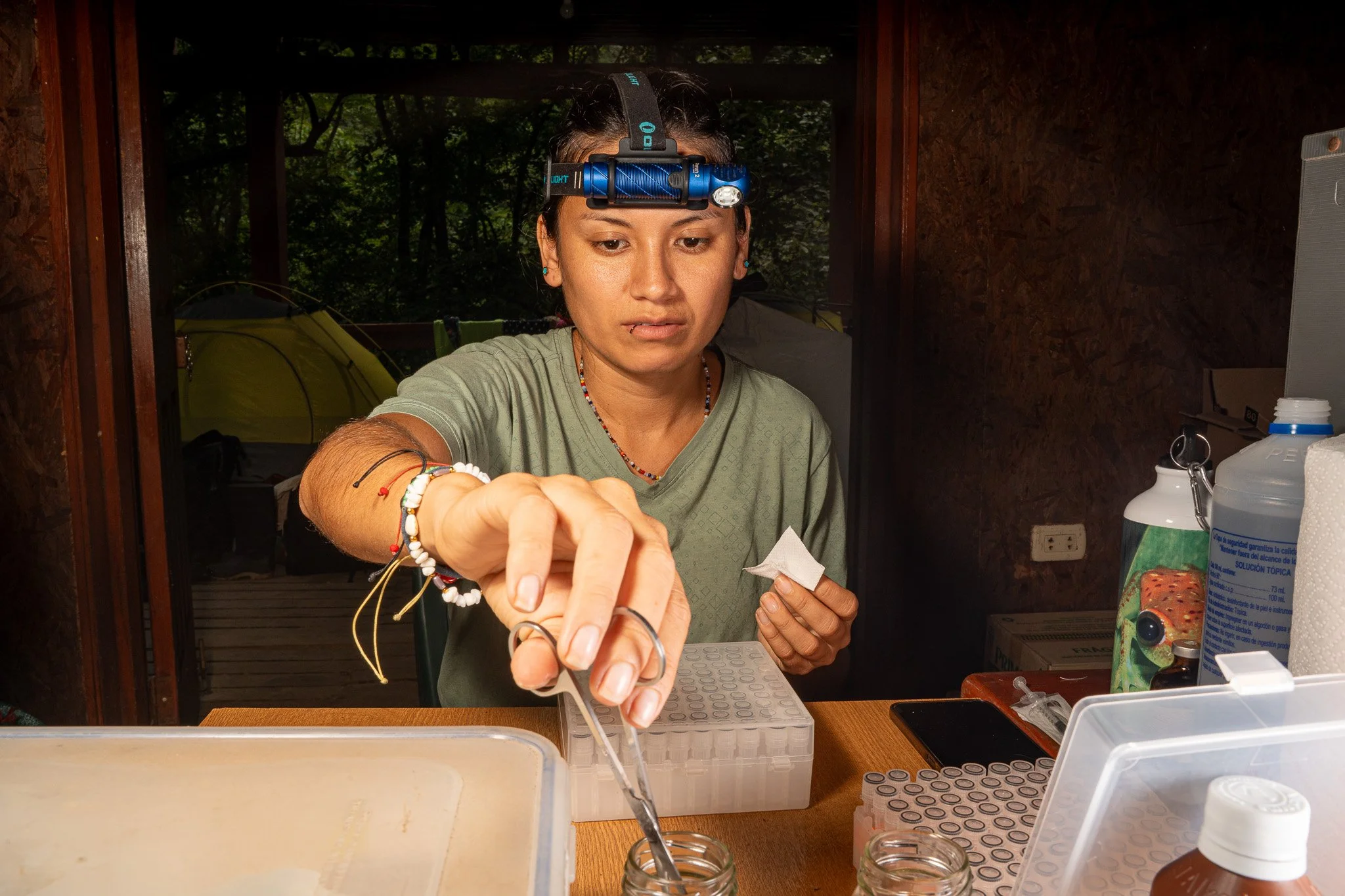
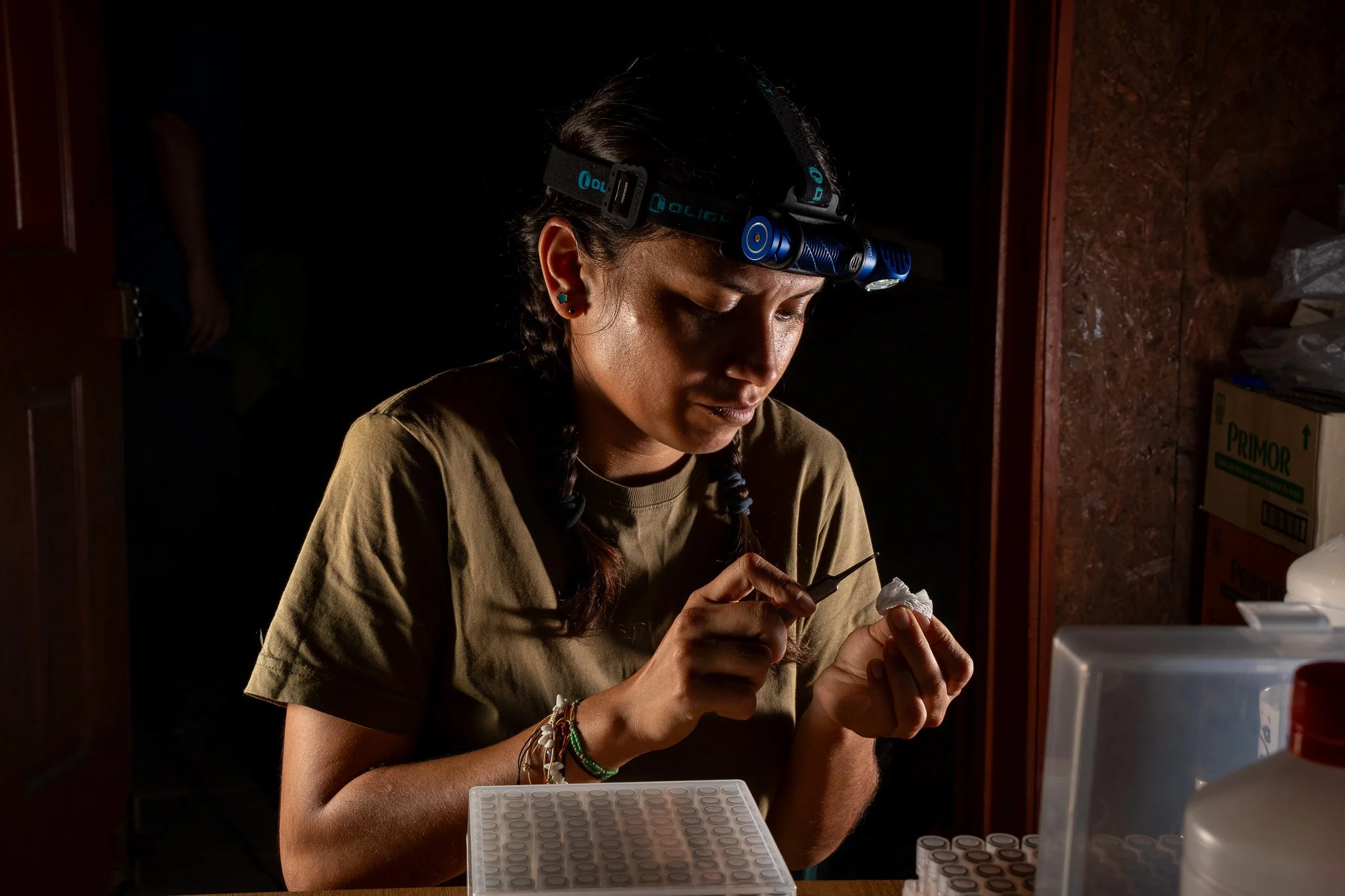
Specimen Preparation and Researcher
-
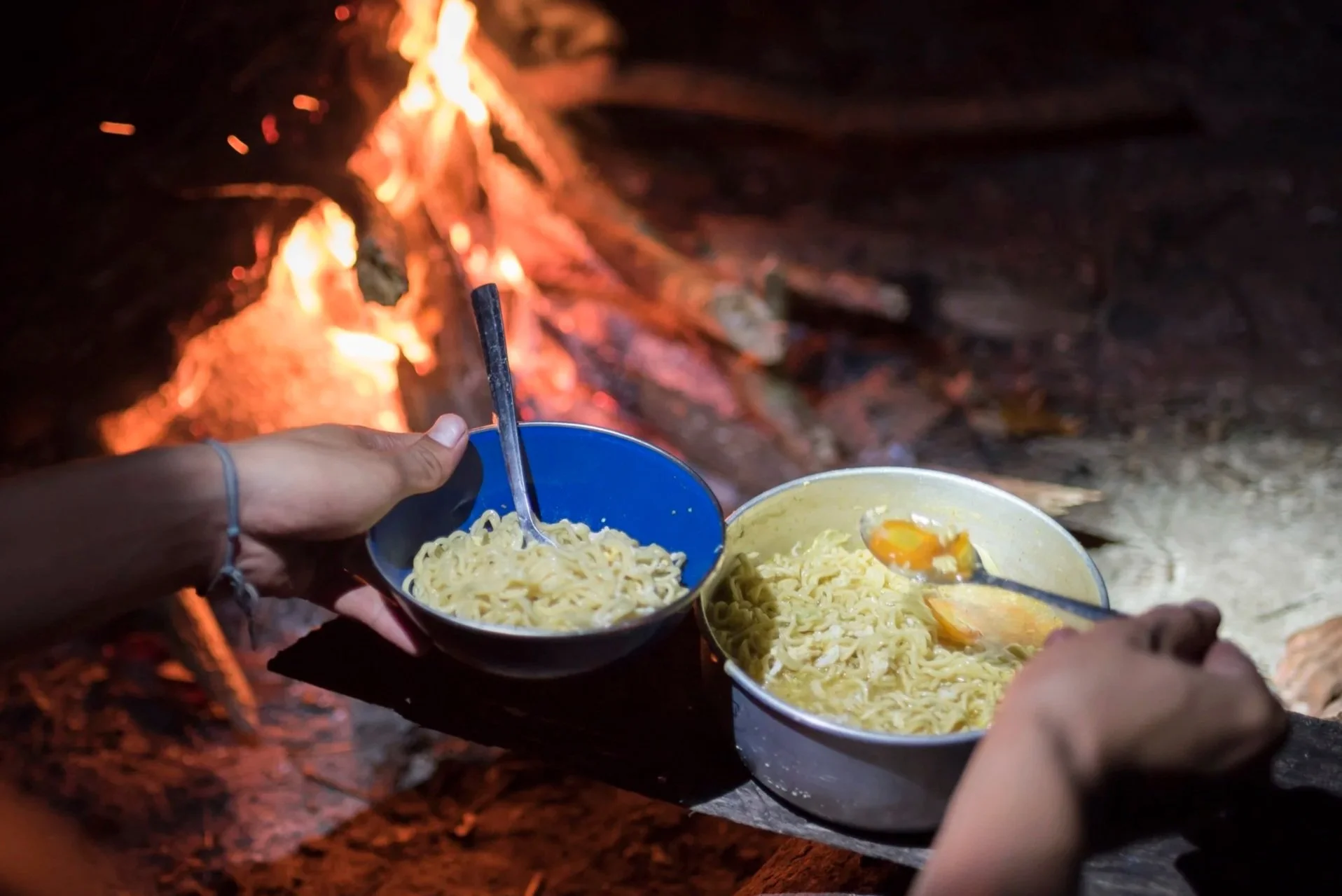
THE CAMP COOK(S)
The most critical members of the team, we often employ enthusiastic locals for this undertaking.
-
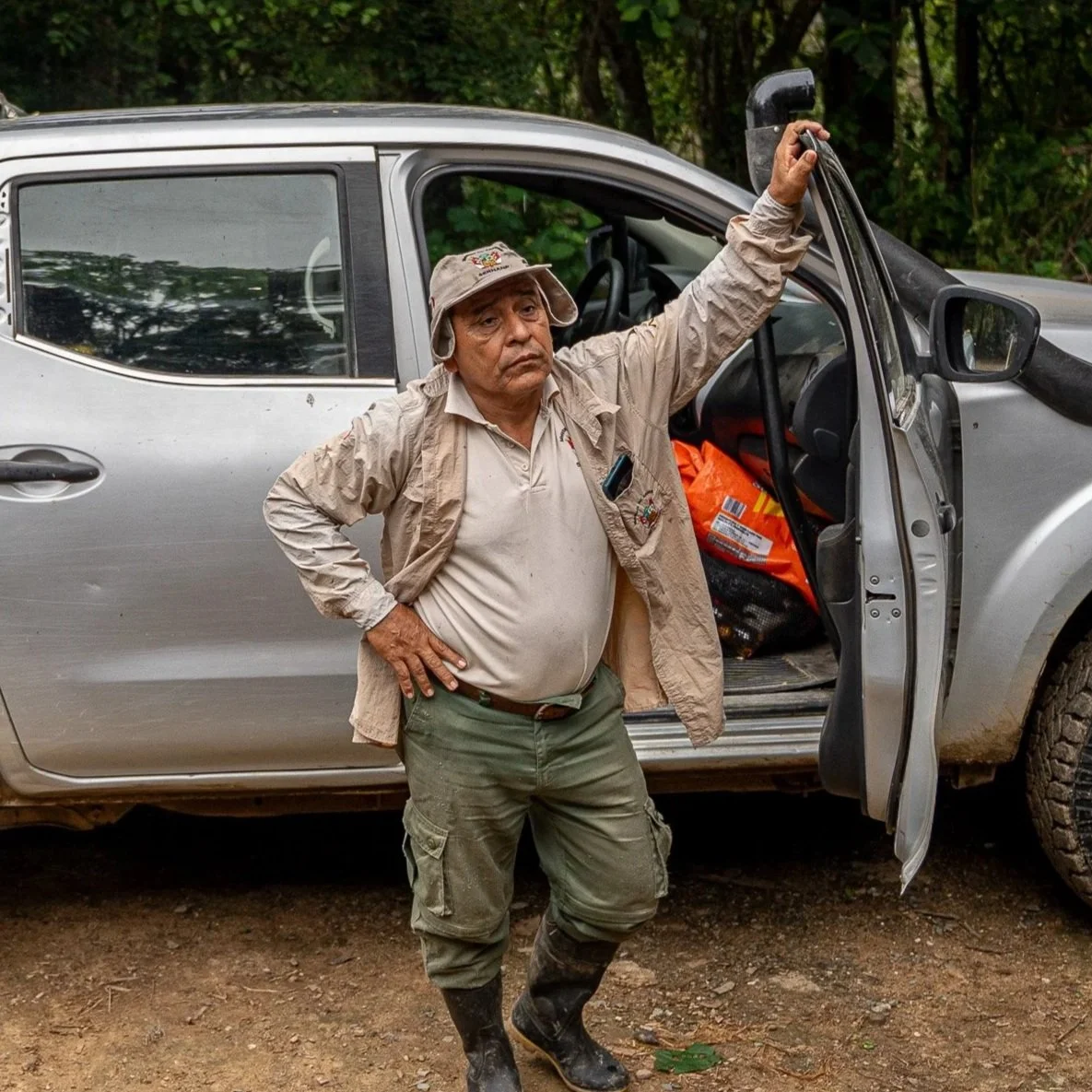
SERNANP & OTHER COLLABORATORS
We are collaborating with local governments and community members to make this expedition a reality.
THE ITINERARY:
MAY 14: DEPART FROM TARAPOTO FOR BASE CAMP 1
On day 1 of the expedition, we will gather together from the same hotel to meet our transportation and begin the process of entering the jungle.
We will be starting from a lovely Amazonian city known as Tarapoto, and you will need to arrive on the 13th (the day before) so that we’re all ready to go first thing in the morning on the 14th. Travel time will be an estimated half-day, however our progress is entirely dependent upon road conditions and weather.
The “Super El Niño” may affect seasonal expectations for climate, however we project it to be a positive effect for us. Before reaching camp, our final sign of civilization will be Esperanza/Pampas del Burro. We can get some snacks and groceries here if desired.
On night 1, we will likely head out after dinner to begin herping if the schedule allows. The hike into this camp will be around 2 hours from dropoff. Main priorities today/tonight are to establish camp (tents, communal areas, cooking area) and the field lab.
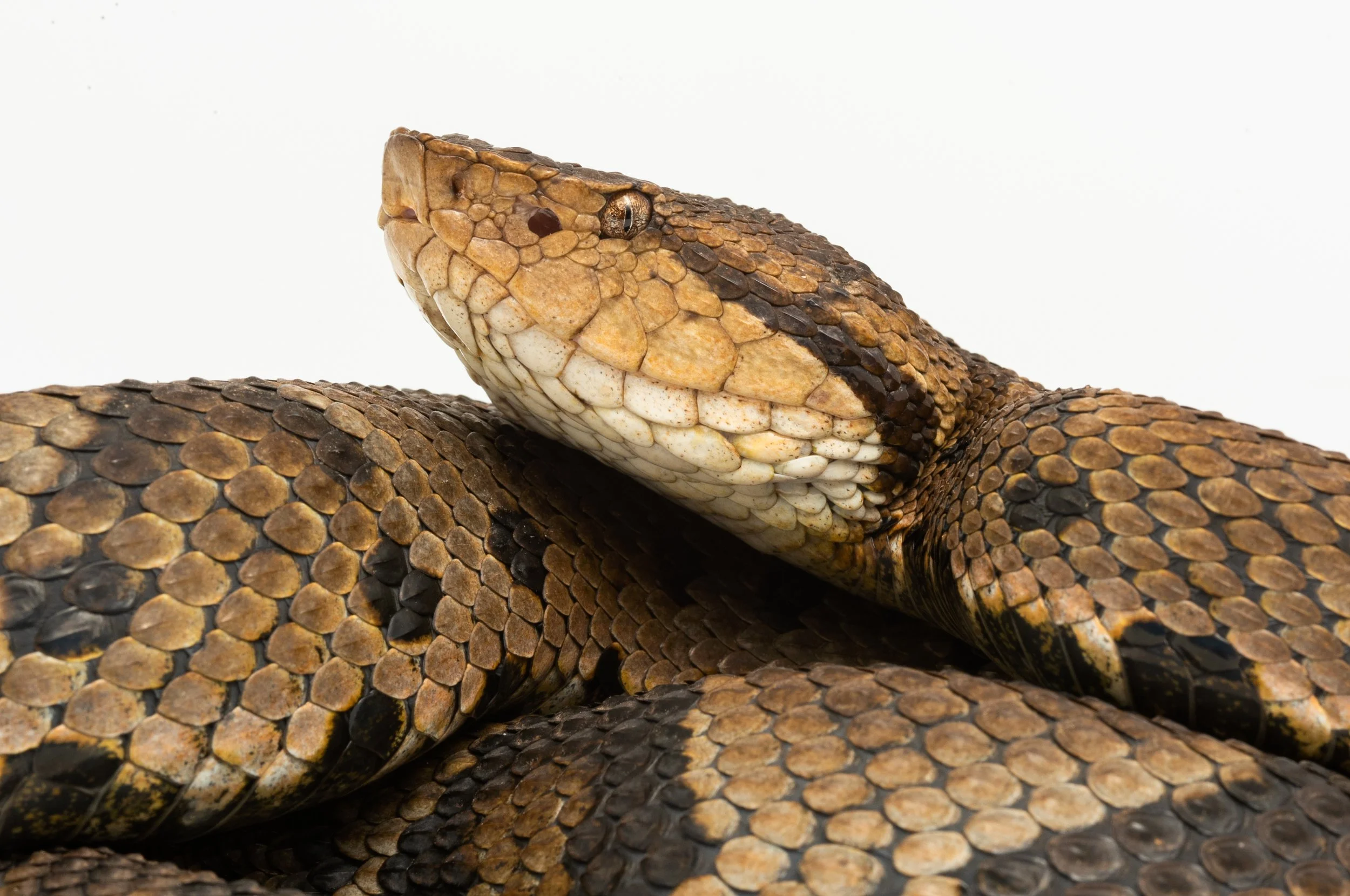
MAY 15- 20: survey camp 1 & surroundings
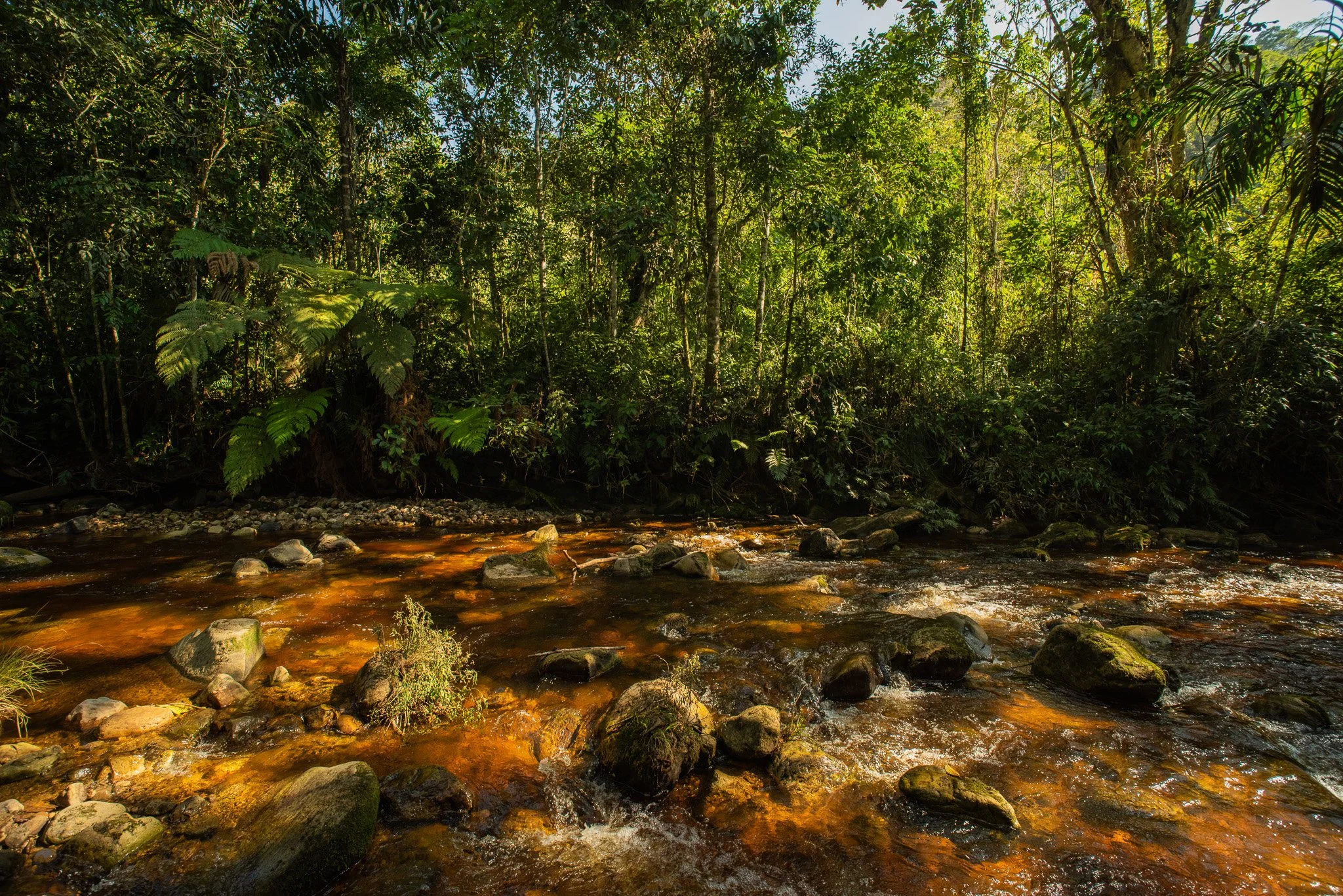
Our first camp will be located in the heart of Area de Conservacion Regional Cordillera Escalera, where we will explore streams, forest interiors, and the distinctive white-sand scrublands.
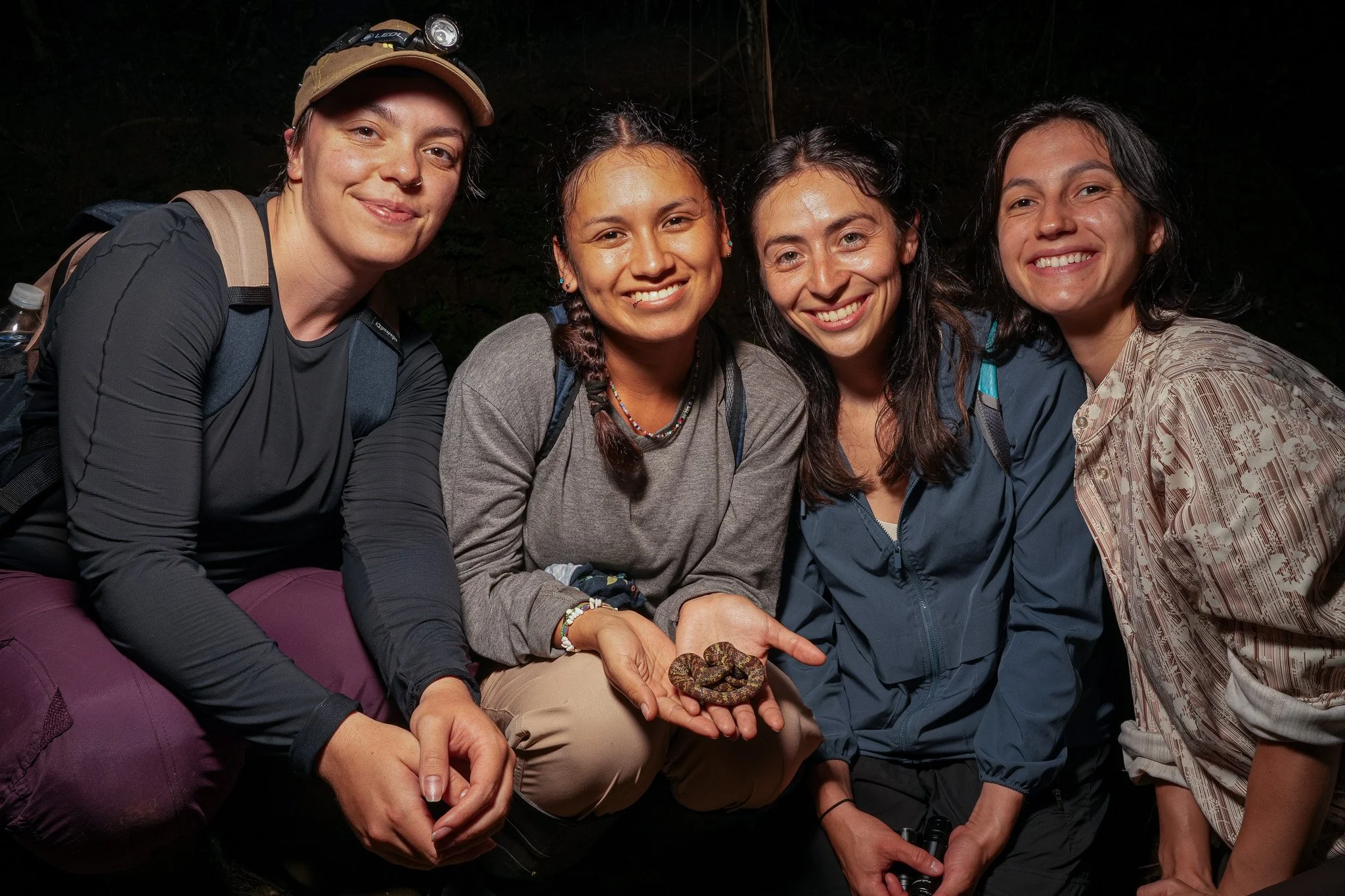
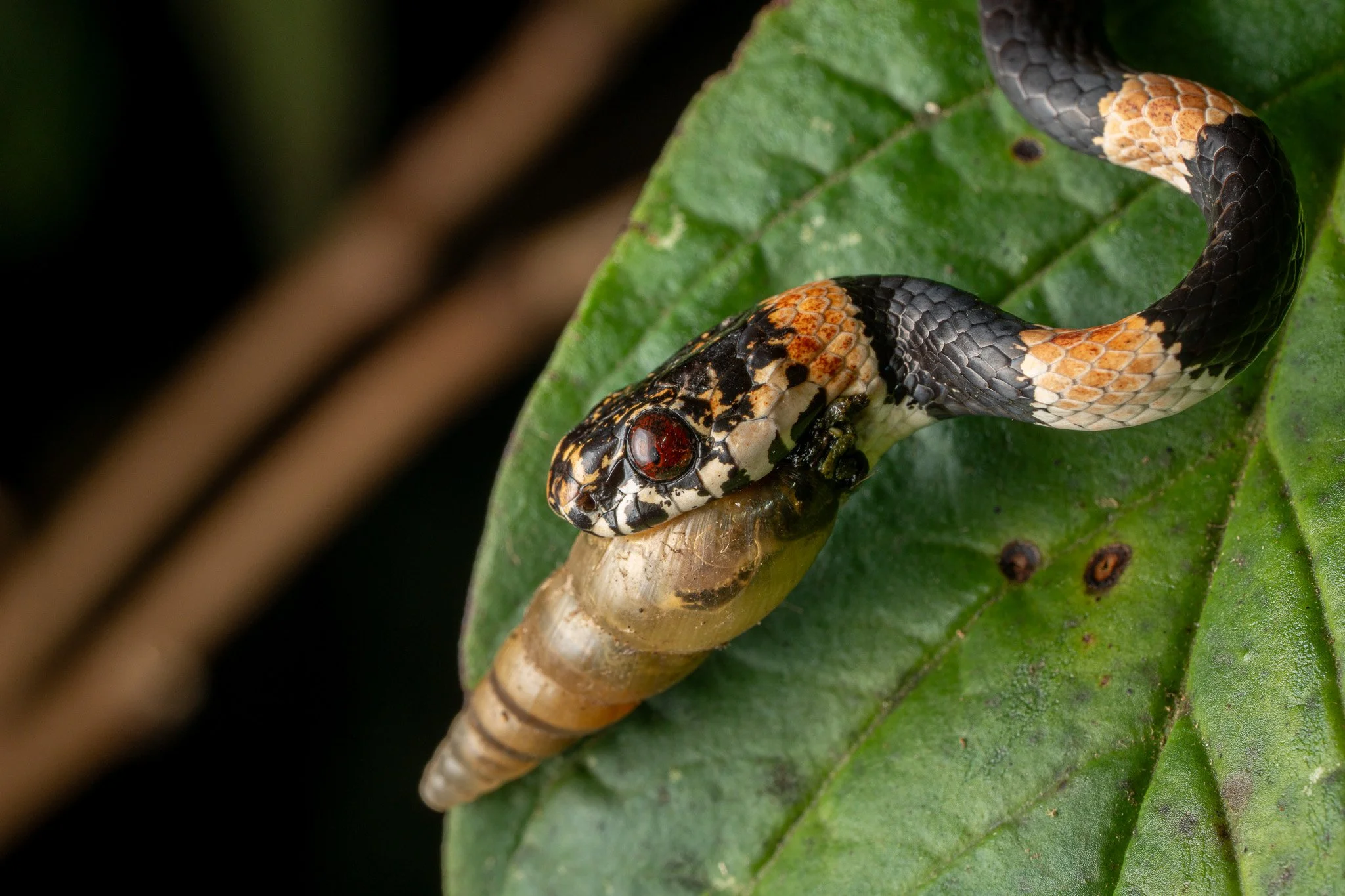
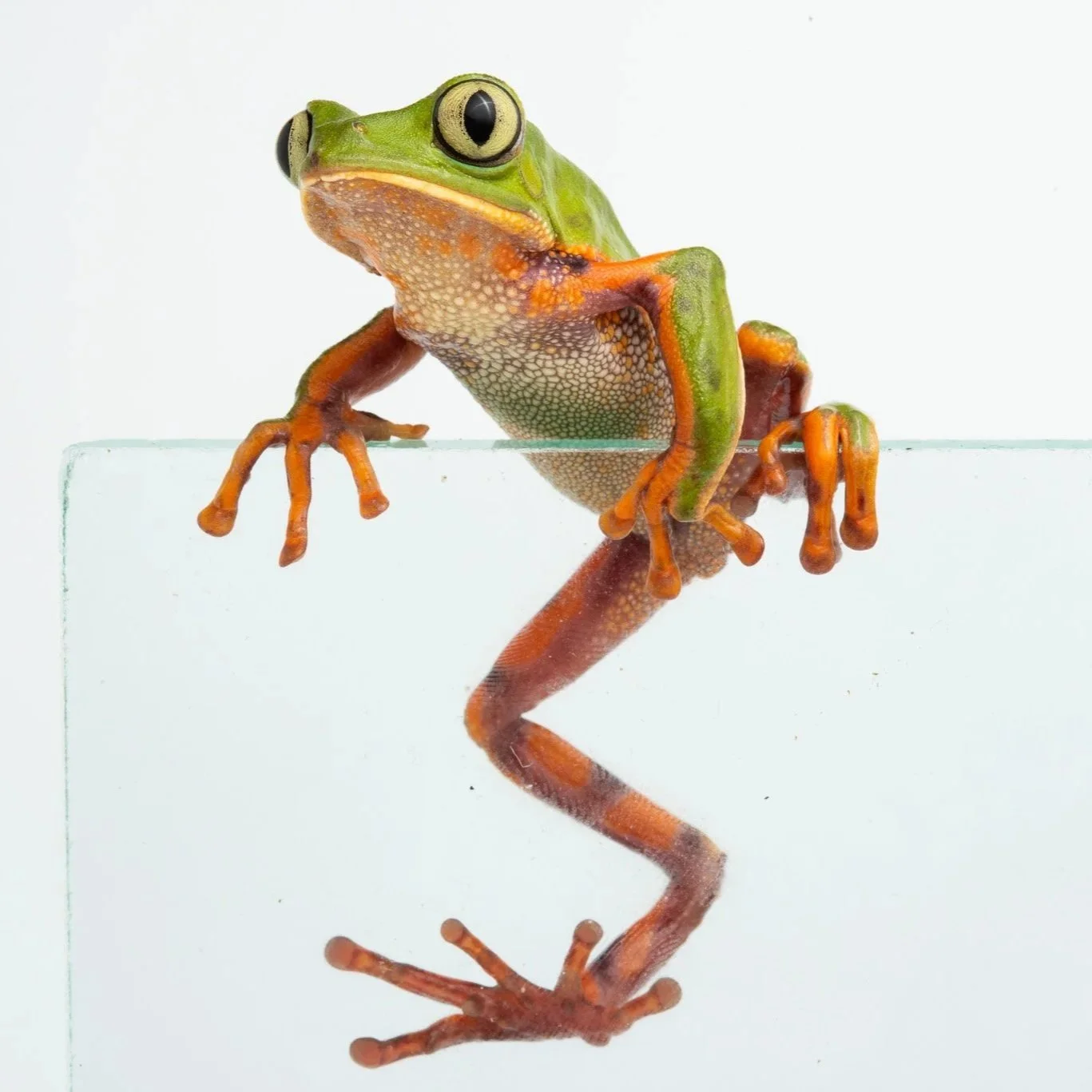
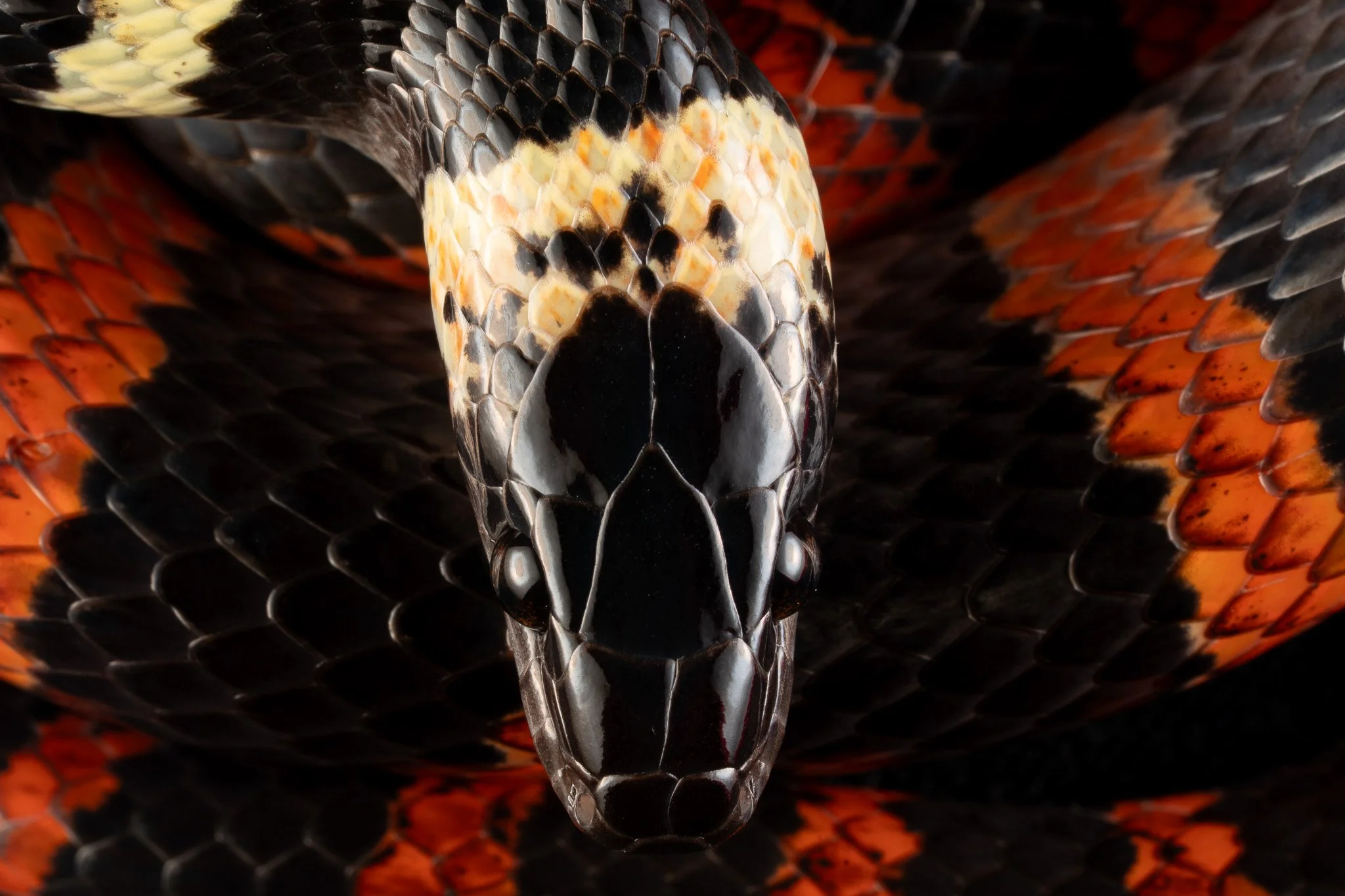
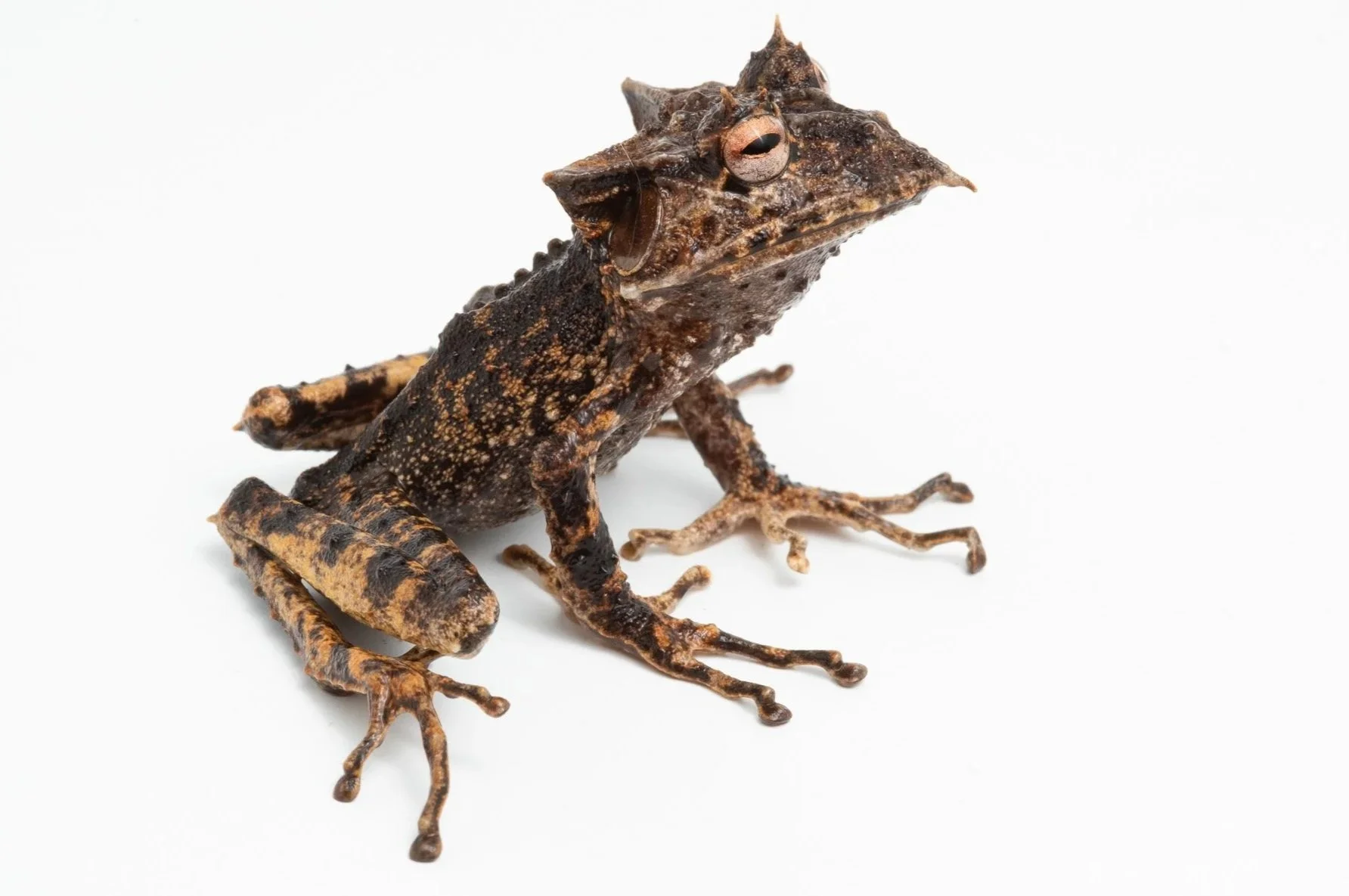
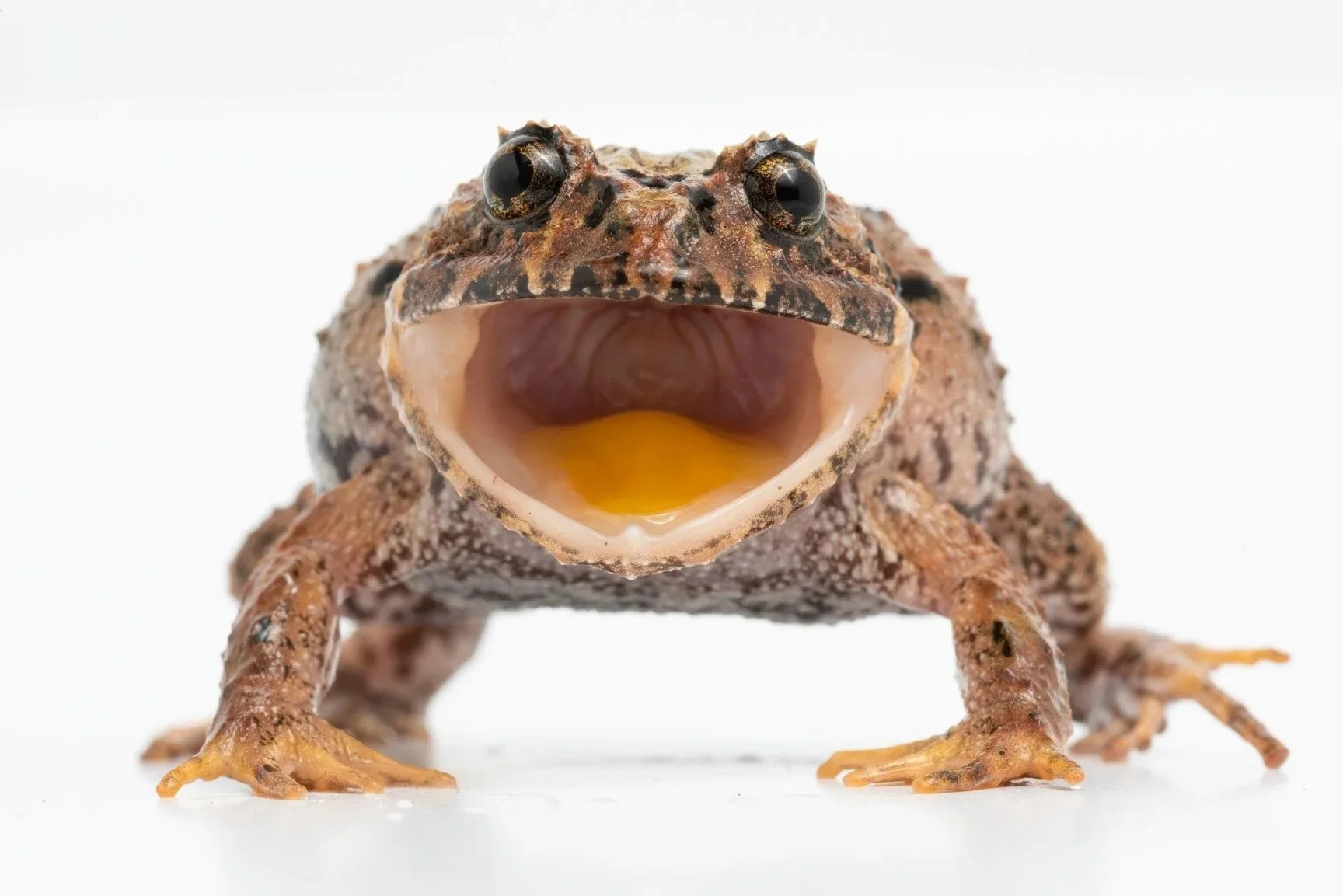
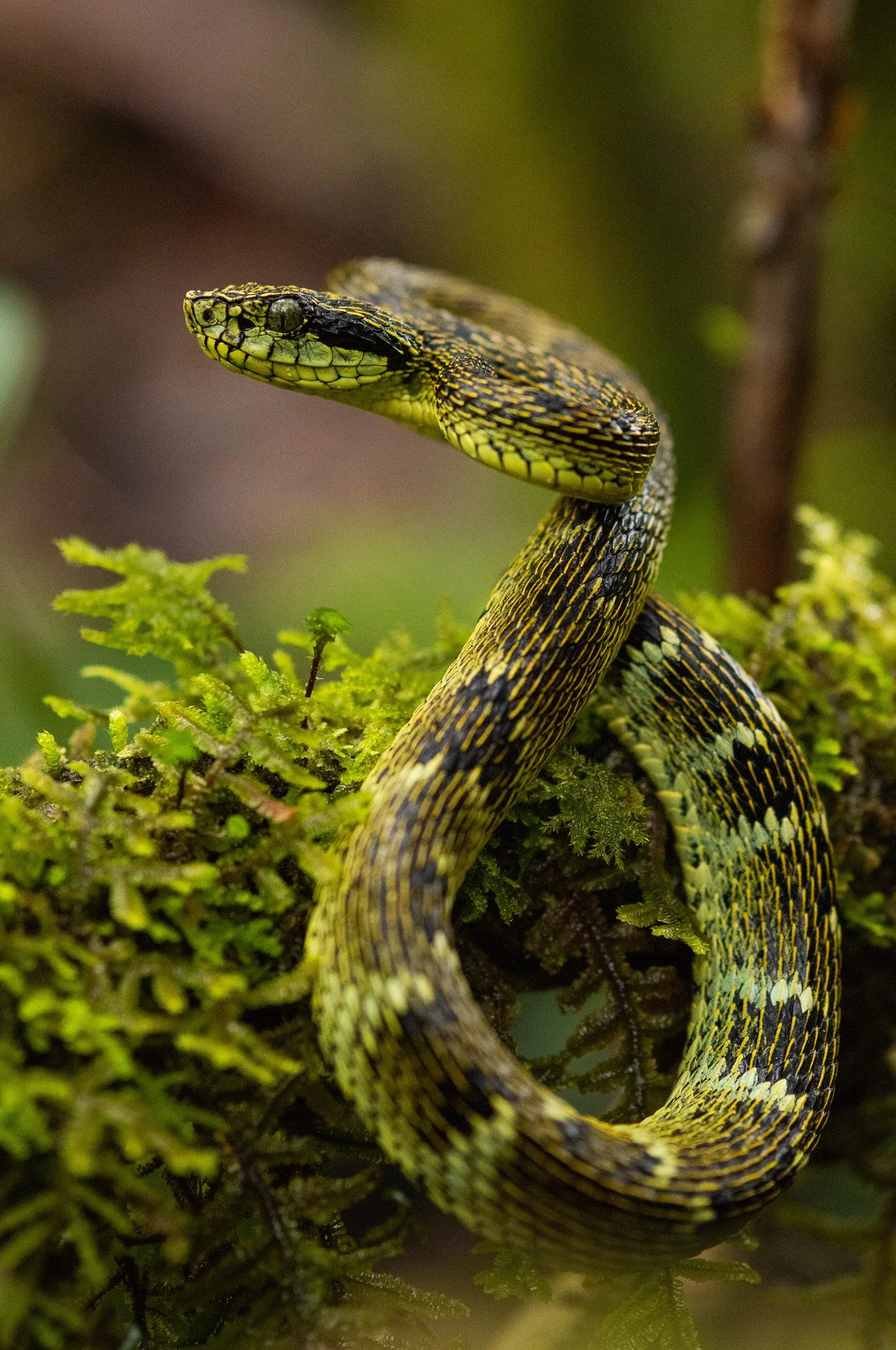
At night, we will search streams for glass frogs and tree frogs, while forest surveys will focus on terrestrial-breeding frogs, including species of Pristimantis, Strabomantis, and Noblella. We will also search for snakes such as Bothrocophias microphthalmus and Bothrops pulcher, as well as lizards such as Anolis soinii and potentially undescribed species of Petracola and Alopoglossus.
Our exploration will extend beyond the main forest formations into white-sand scrublands, where we will look for distinctive species such as Stenocercus aculeatus and Phyllomedusa duellmani. Some voluntary hikes may be on the extreme side.
This first camp will introduce us to the extraordinary diversity of habitats within Pampa del Burro and provide our first opportunity to investigate the relationships between these unusual environments and their amphibian and reptile communities.
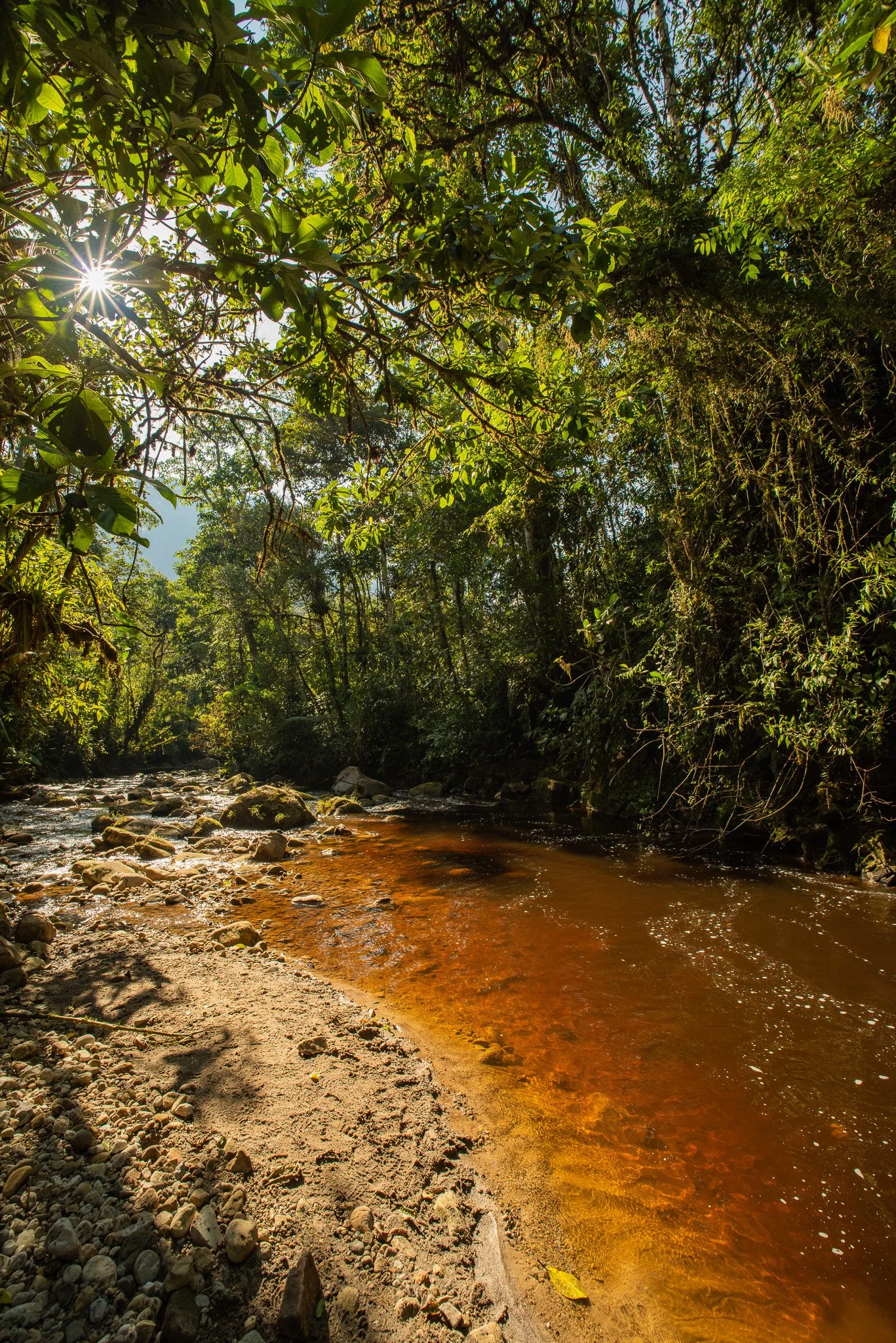
may 20-25: hike to camp 2, survey the area
On the morning of the 20th, we will be packed up and ready to head out for the 2nd stage of the expedition. We’ll establish a new campsite for the next week. Hike to the base camp is an estimated 2 hours.
At our second camp, we will venture into a canyon-like landscape along a tributary of the Imaza River. Here, riparian forests with a taller canopy contrast sharply with the low vegetation of the white-sand forests, creating an opportunity to explore a different set of habitats and species.
Along the streams and beneath the forest canopy, we will search for reptiles such as Enyalioides dickinsoni, Chironius leucometapus, C. monticola, and Micrurus annellatus. We will also look for glass frogs, including Rulyrana mcdiarmidi and Nymphargus posadae.
Moving through this rugged landscape as a team, we will investigate how the transition from low-canopy white-sand forests to taller riparian vegetation influences the species we encounter. Each outing will add another piece to our understanding of Pampa del Burro’s biodiversity.
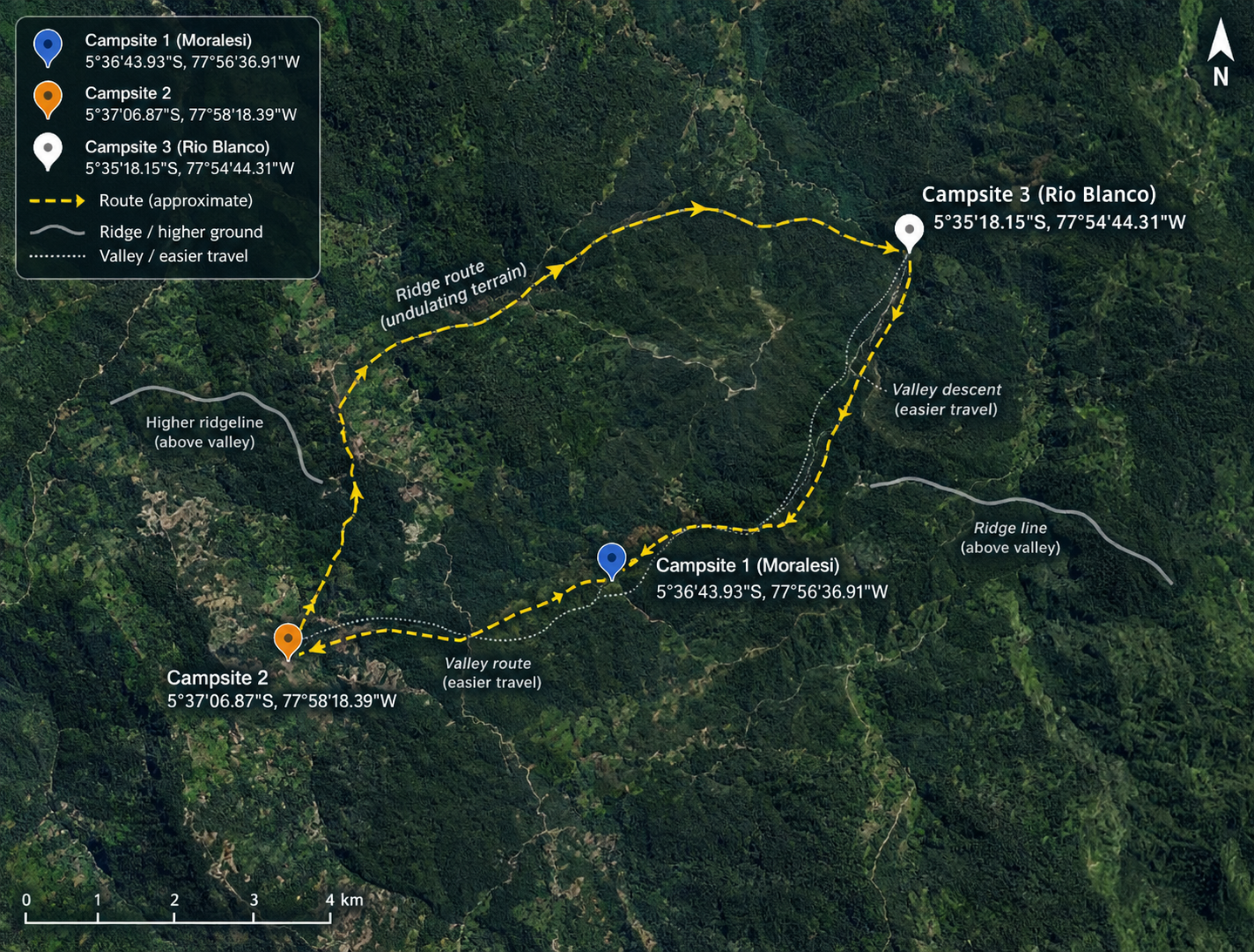
THE EXPEDITION ROUTE
This visual showcases our estimated route between camp 1 (blue), camp 2 (orange), and camp 3 (white).
The reality of our true route traversing these mountains, valleys. streams, and ridges will depend highly on weather, local intel, schedules, and the overall possibility that plans can change.
That’s what makes these trips exciting for us!
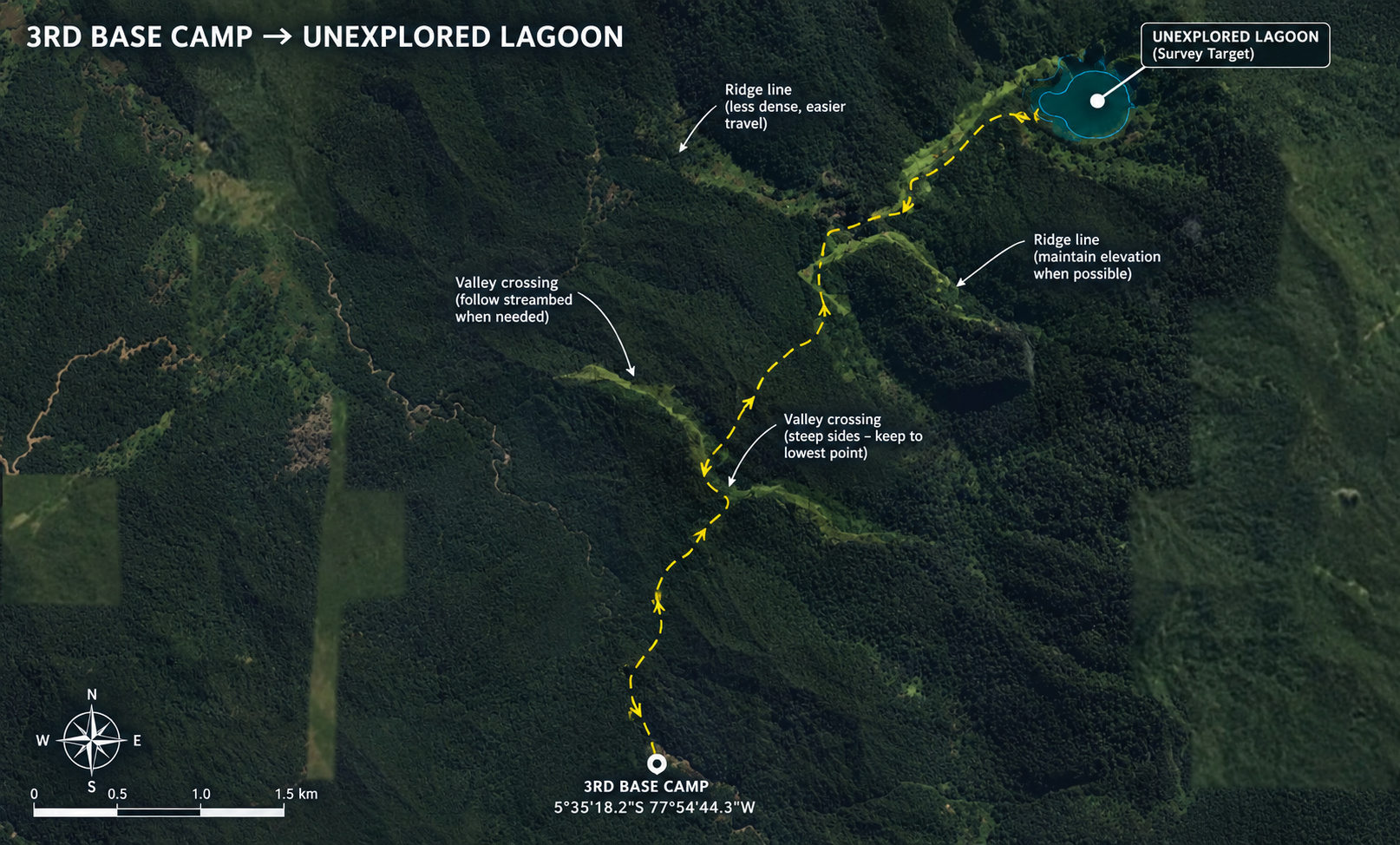
This is a zoomed-in visual from camp 3 (white, bottom center). One of our primary goals is to survey a lagoon accessible from the final camp. It will be an out-and-back exploratory mission, likely overnight.
As you can see, we have several approach options which will be more clear to choose from once we are there in person.
THE ITINERARY (continued):
MAY 25-30: hike to camp 3, survey a new environment
On the morning of the 25th, we head out for yet another base camp. This will be the longest of the transfers between camps, around a half-day (ad)venture.
This final camp will take us to one of the most exciting destinations of the expedition: the remote Río Blanco watershed, in the farthest reaches of the conservation area.
This is a region that has never been scientifically surveyed. We do not yet know which amphibians and reptiles inhabit these forests, making this the expedition’s most unpredictable stage.
The landscape includes the region’s characteristic white-sand forests as well as taller riparian forests, set within steep & mountainous terrain. With five days to explore this remote watershed, we will make the most of every opportunity to survey its habitats and document its wildlife.
What species will we encounter? Will we find species already known from elsewhere in Pampa del Burro, or discover populations that expand our understanding of their distributions? Could some of the animals we encounter represent species that have yet to be described?
We can not know until we get there. That uncertainty is precisely what makes exploring an unstudied landscape so exciting.
By the end of this final camp, we hope to have added valuable new information to the biodiversity inventory of Pampa del Burro and helped lay the groundwork for future research in this remarkable corner of the Tropical Andes.
may 30: hike to our vehicles and depart for tarapoto
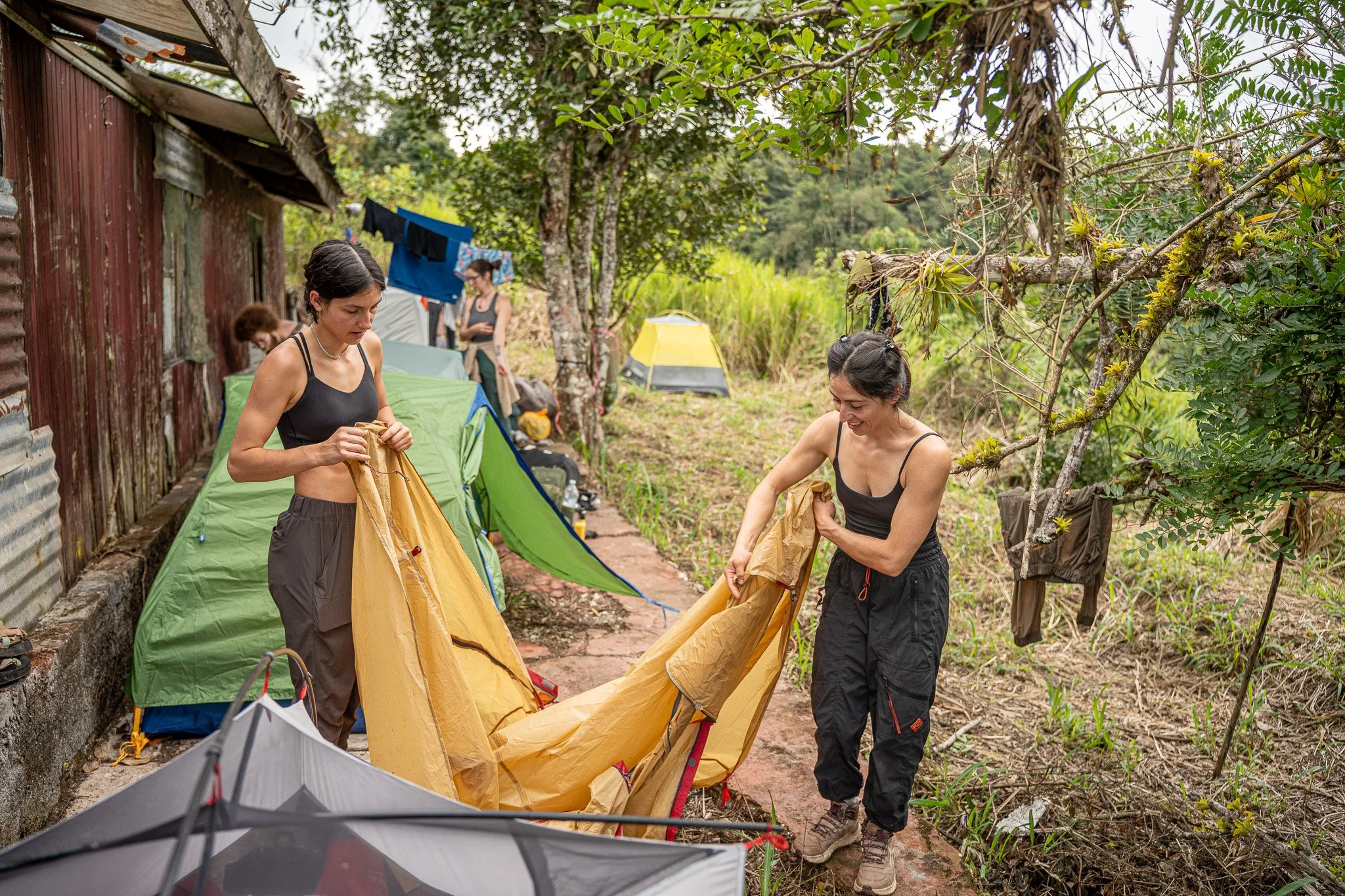
On the final morning in the field, we will break camp and work as a team to get all of the gear, equipment, specimens, and remaining food/trash loaded up for the hike out. We will practice Leave No Trace (LNT) principles at all times during the trip.
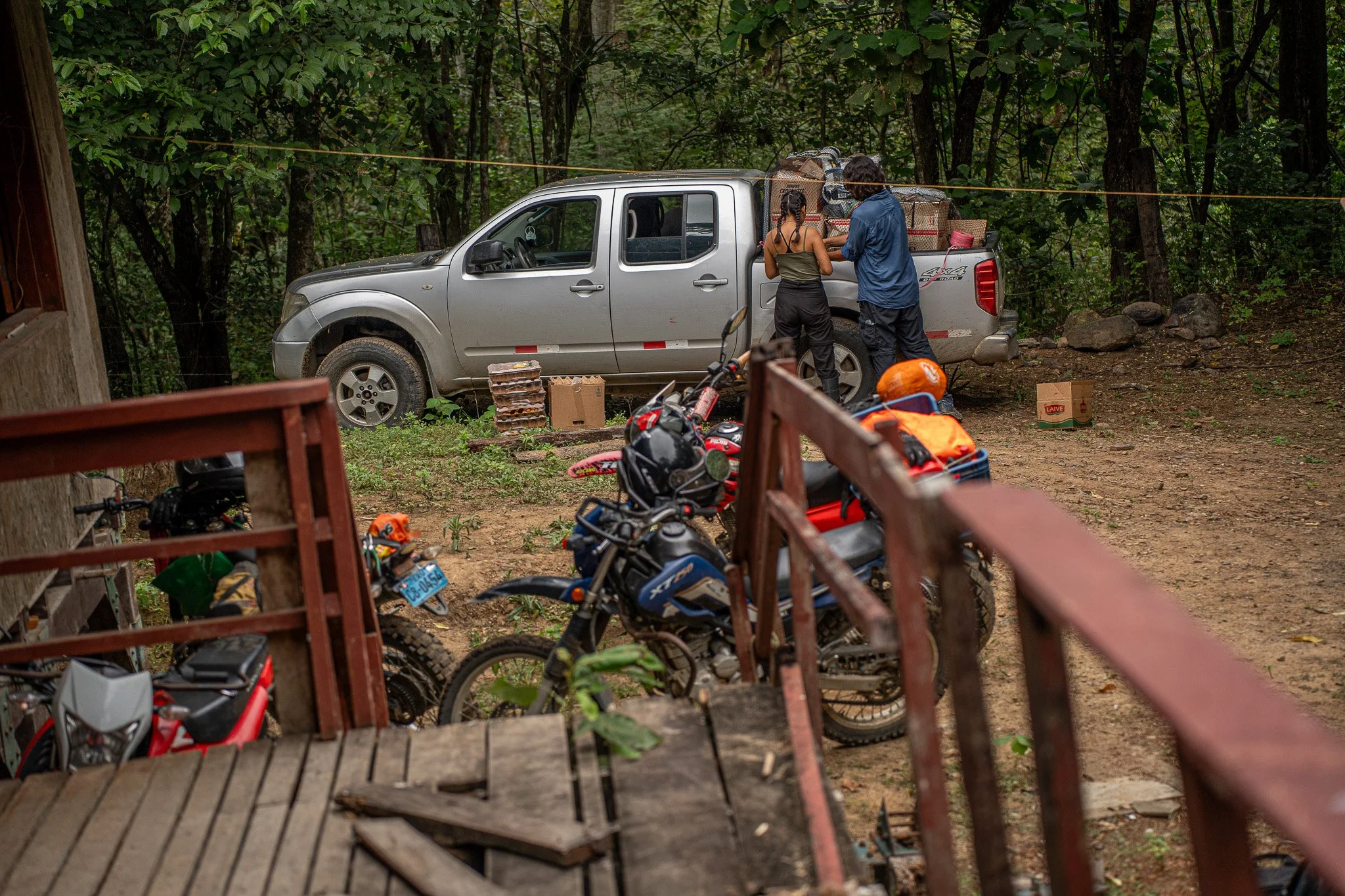
Our aim is to efficiently move the whole team out from the final camp before midday, so that we can reach the vehicles and get on the road for Tarapoto. This drive will be unpredictable based on recent rainfall, so we want to stay on schedule if we can. We will also be quipped with chainsaws in the case of fallen trees blocking the way out.
Once we reach Tarapoto, we’ll be able to have a night together in town and stay at a local hotel. The hotel price for the final night is covered by us in the cost of the trip. We’ll get some long-awaited fancy meals and enjoy civilization for the first time in a while.
may 31: end of expedition, airport transfer in tarapoto
Our final morning together, this is the day you can book to fly out of Tarapoto for Lima, or wherever your next destination takes you.
We will be arranging taxis for airport transfers depending on departure times.
Note: This town is very nice with lots to offer, so we recommend staying for a few days or coming early to truly experience it!
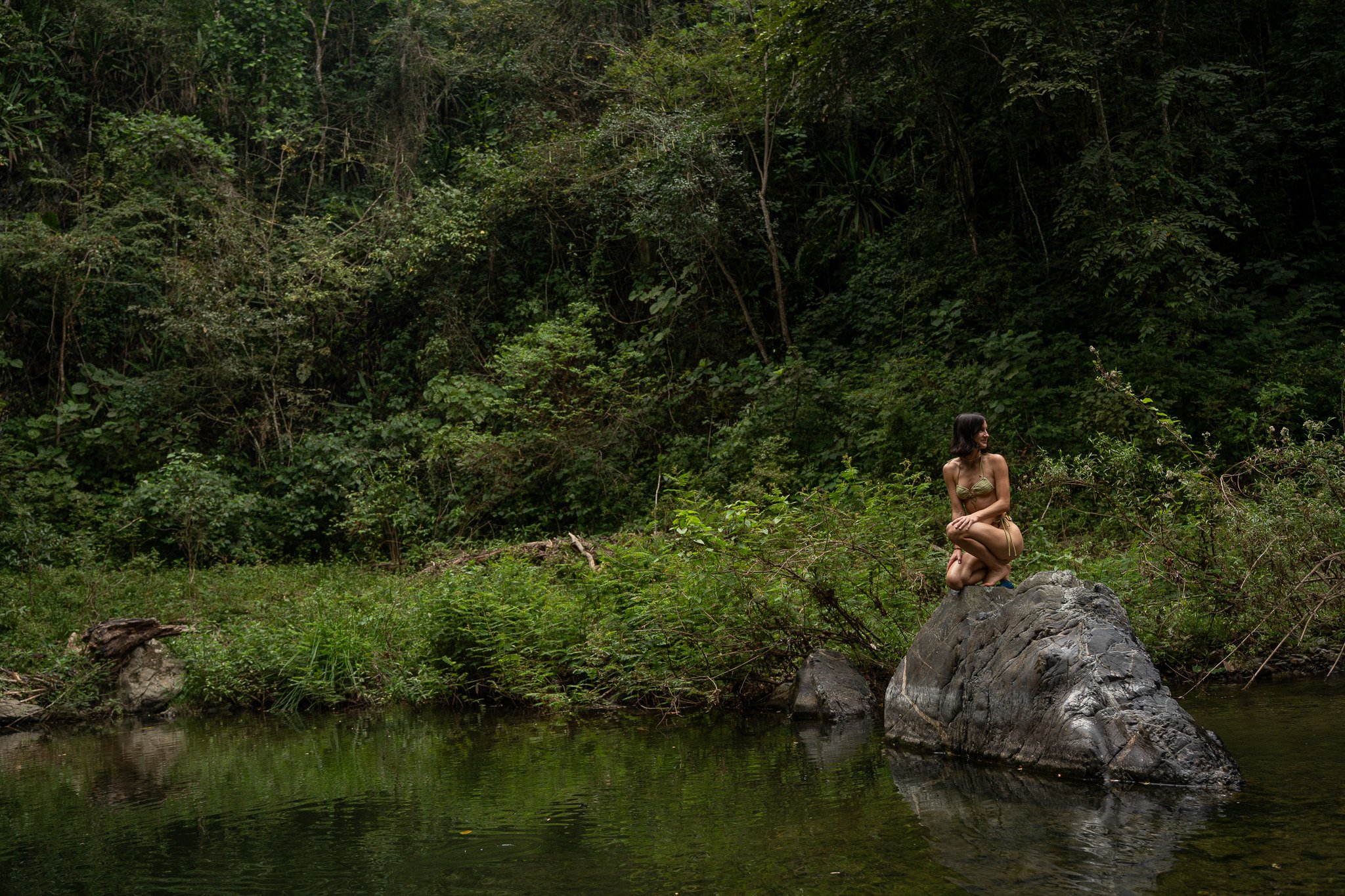
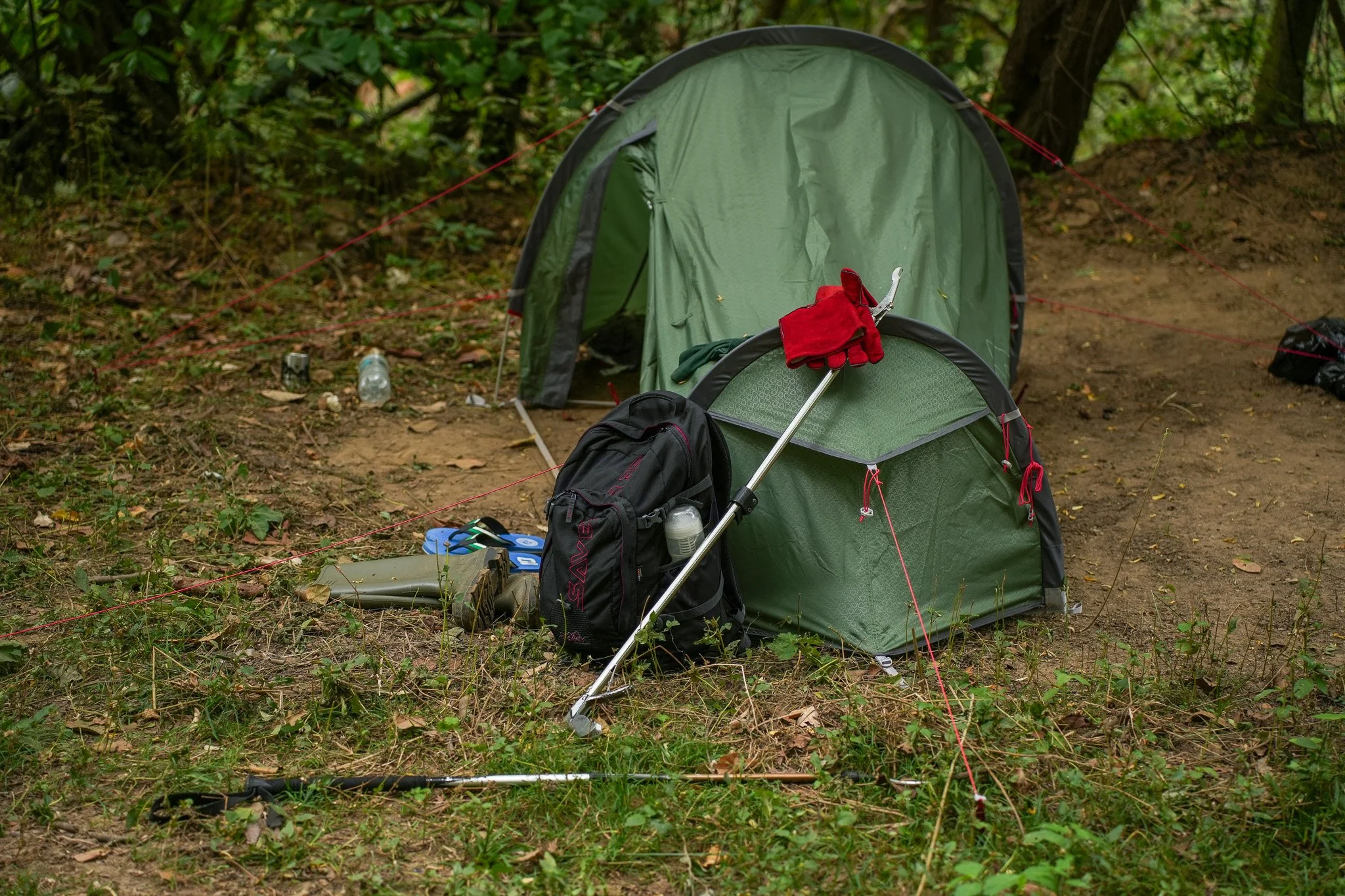
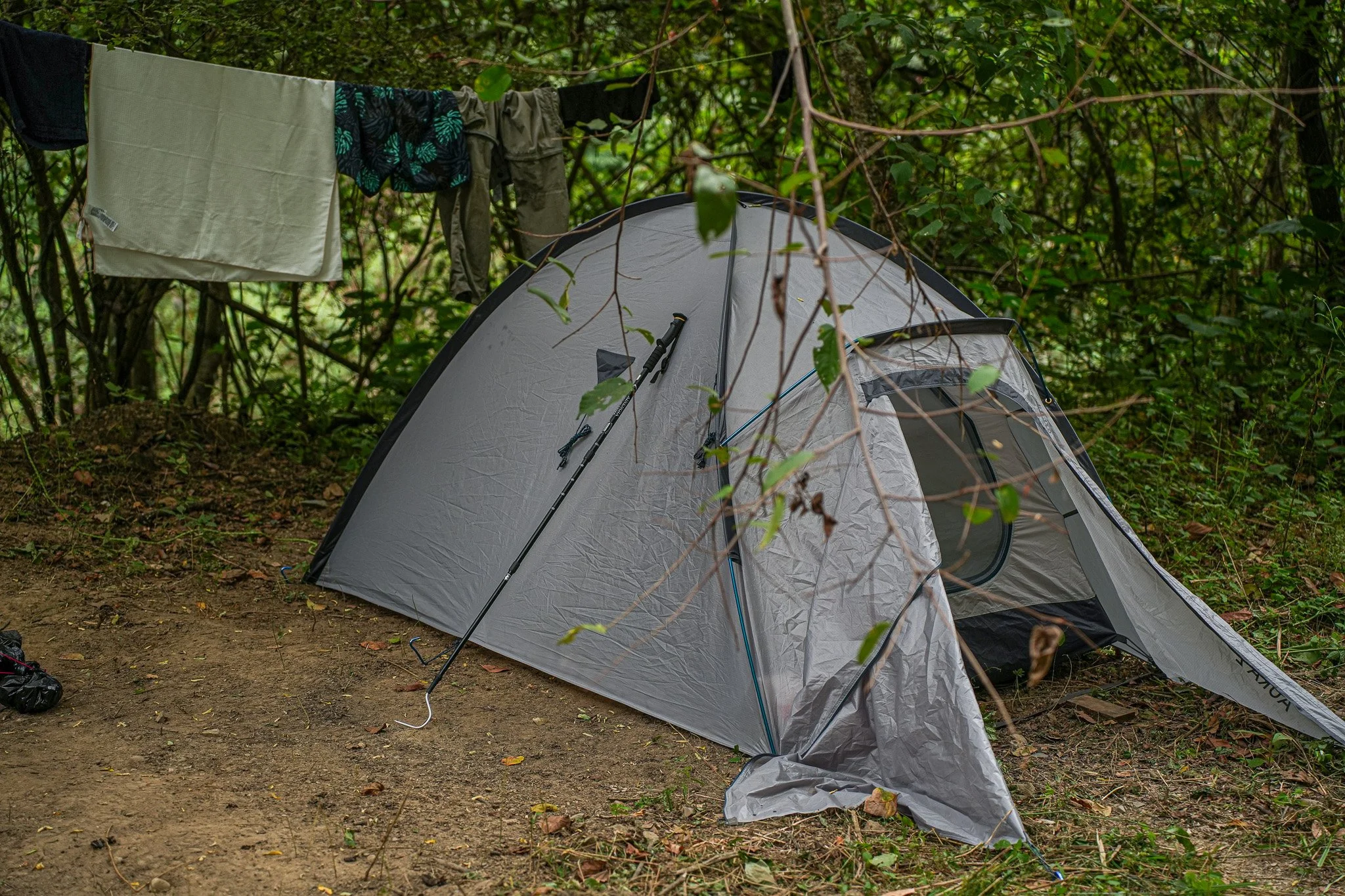
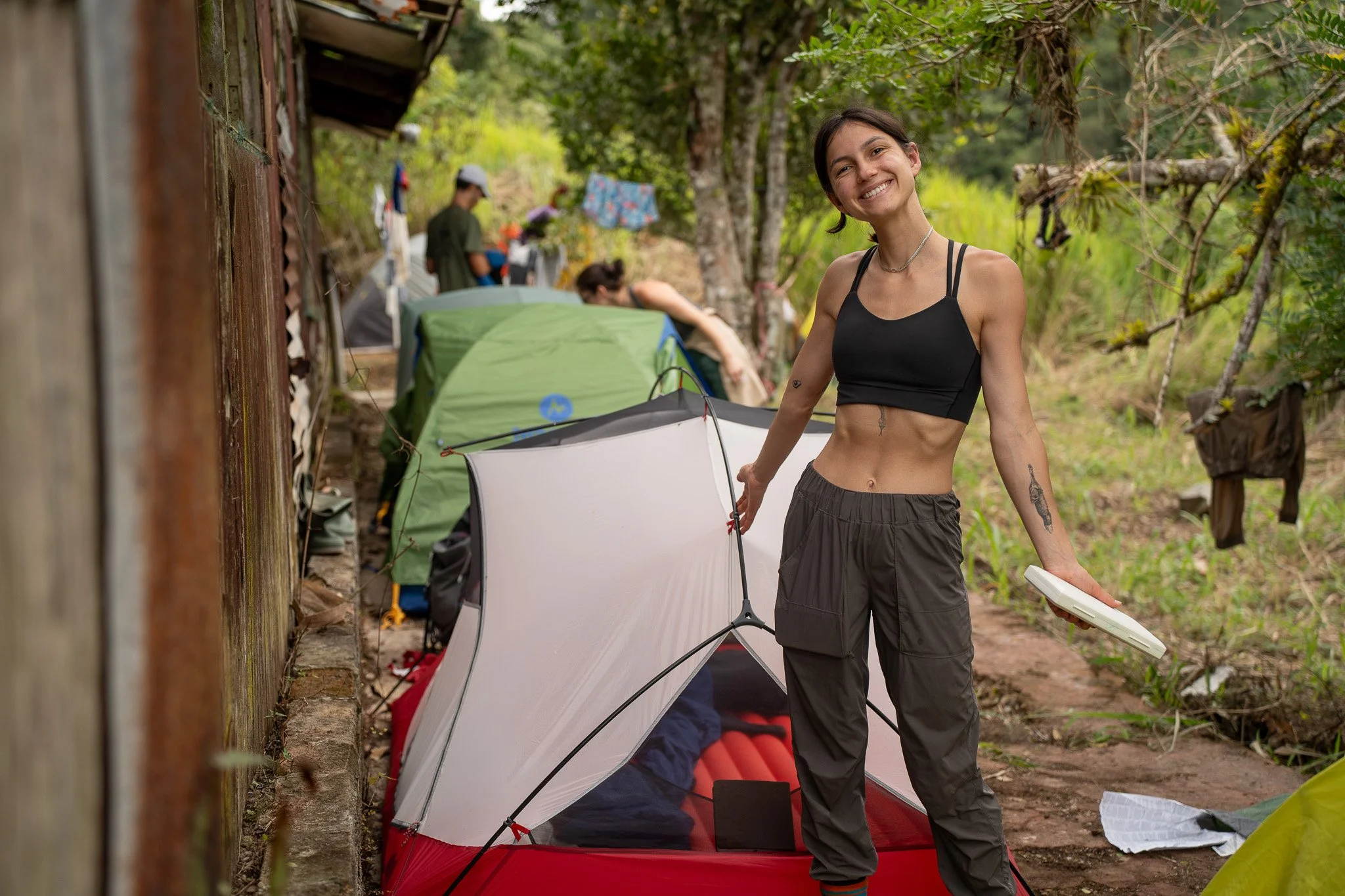
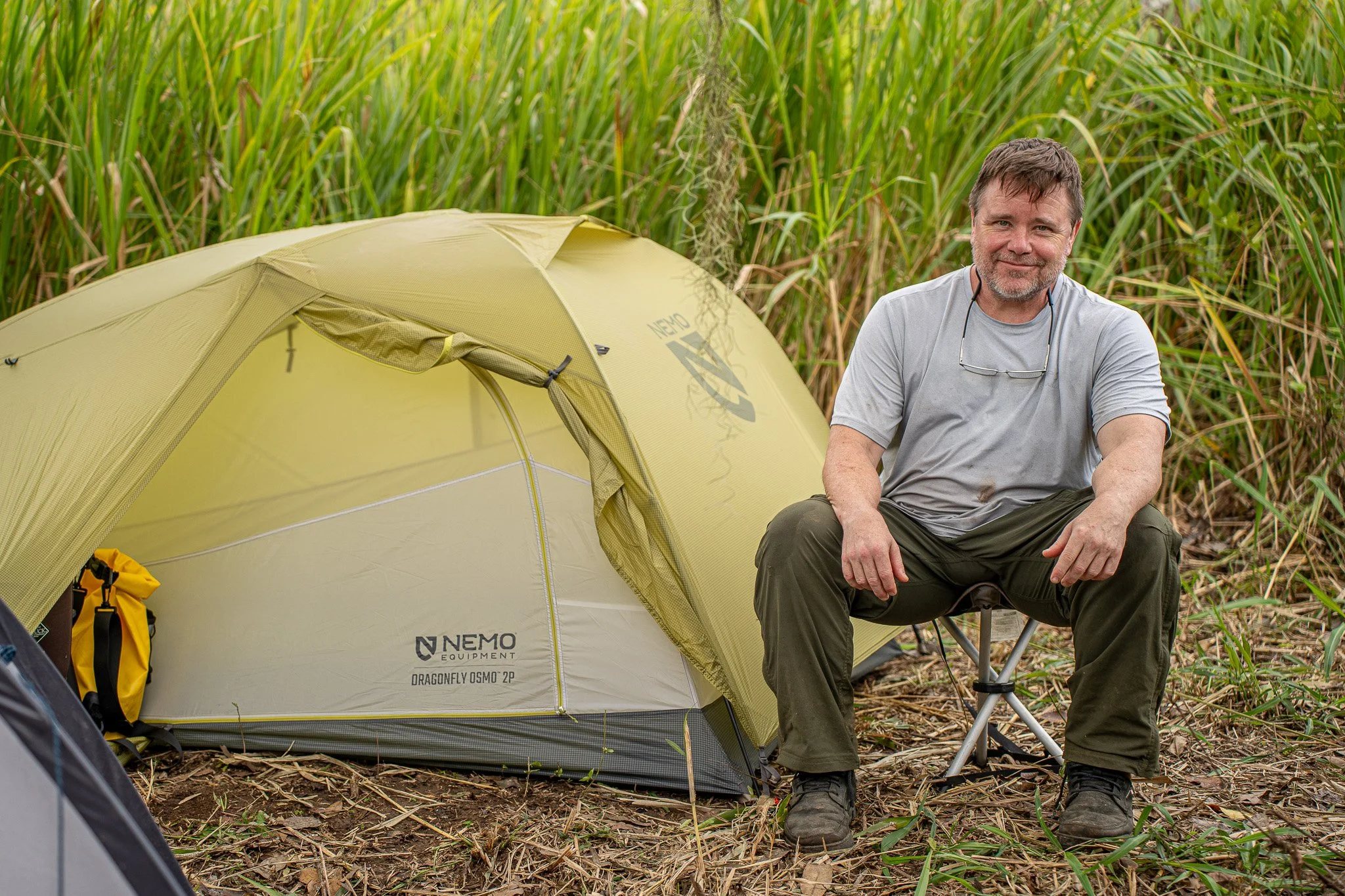
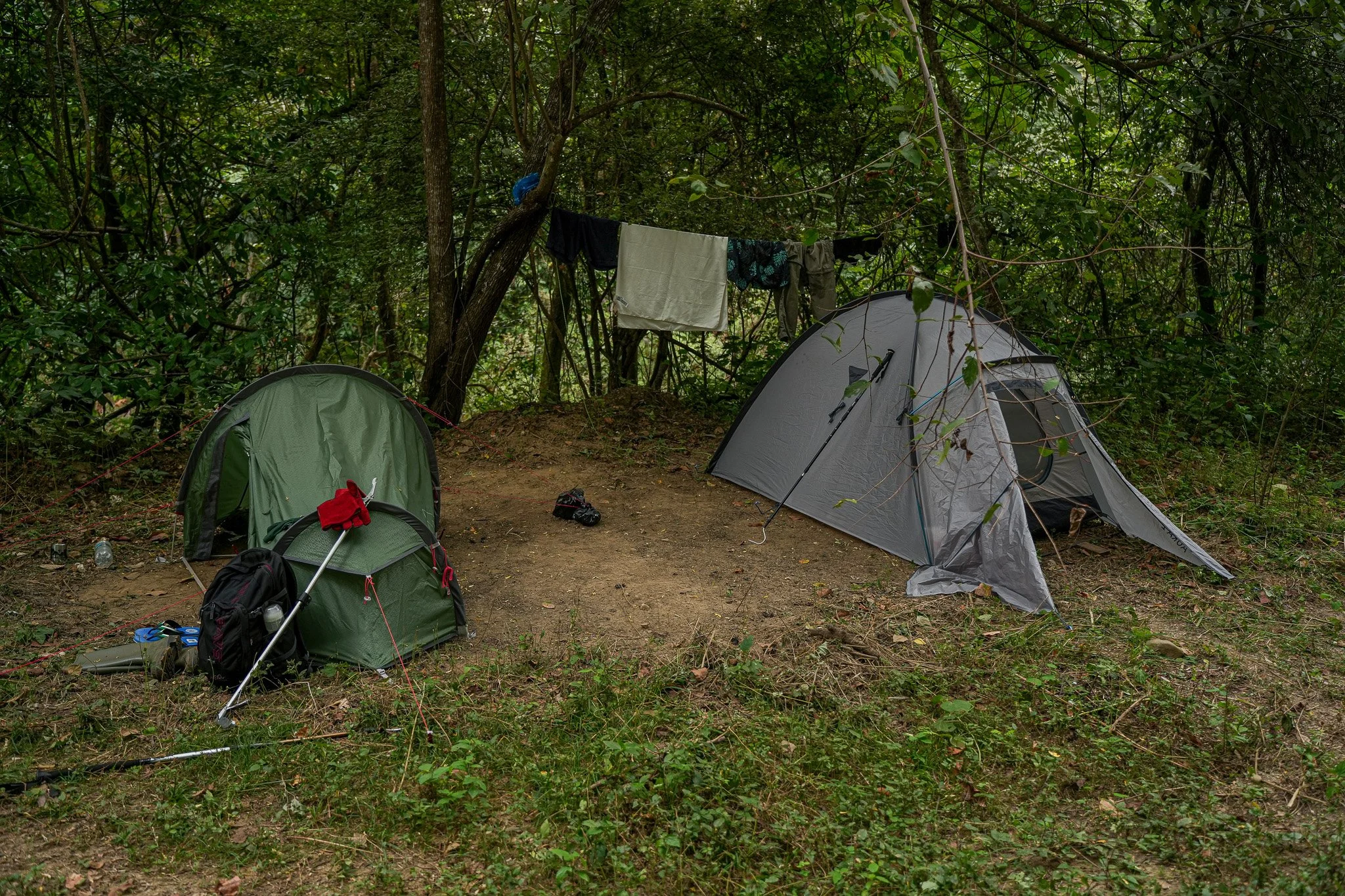
base camp is primitive- but awesome.
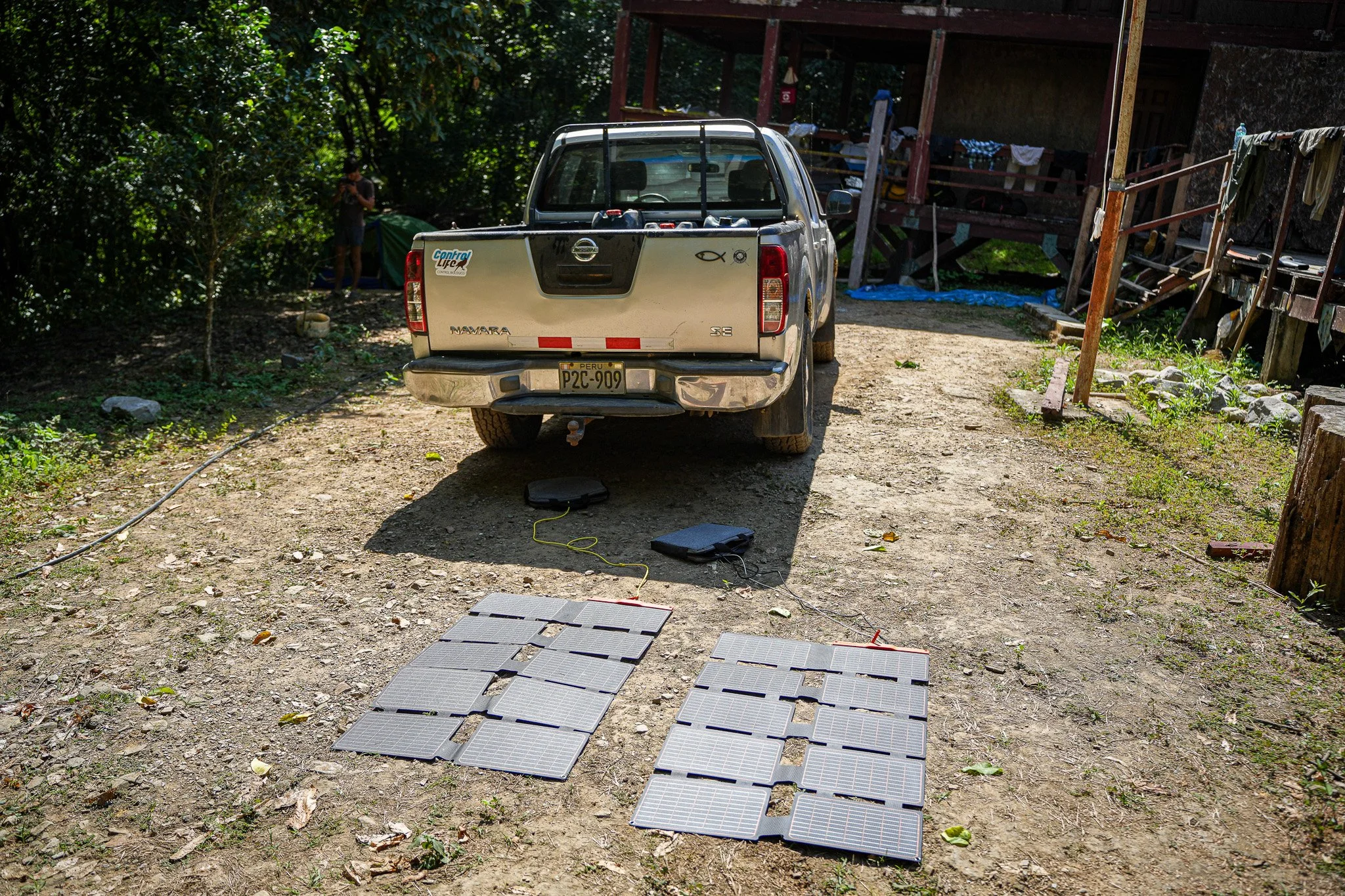
This is a unique expedition. Our research trips are “expeditions” in the purest sense, which means we will:
Dig our own men’s/women’s/nonbinary latrines (toilets)
Filter our own water, communally and personally
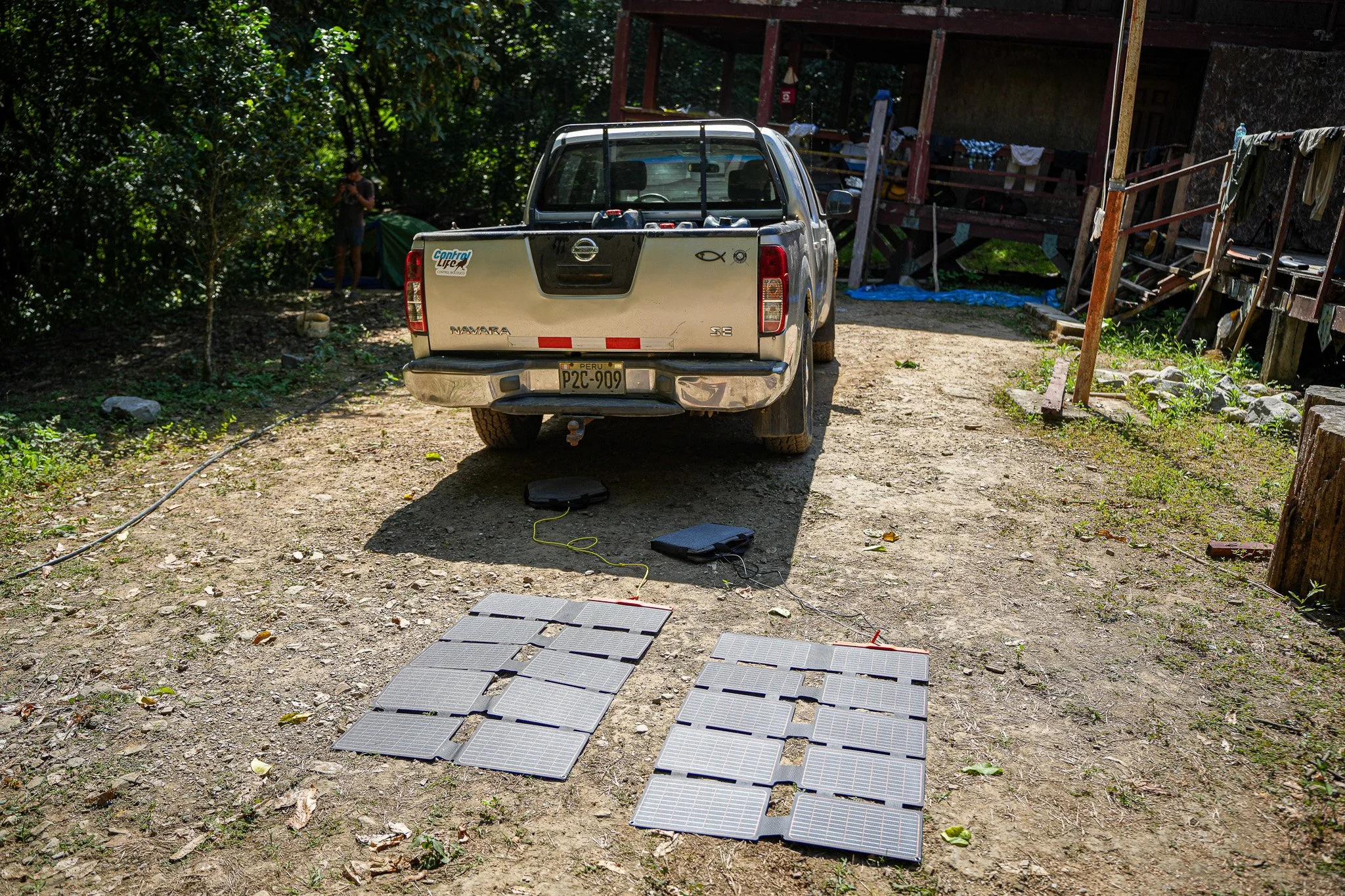
Rely primarily on solar power or extra batteries at all times
Rely on basic foods such as rice, eggs, pasta, lentils, and beans
Bring all personal camping gear (more info below)
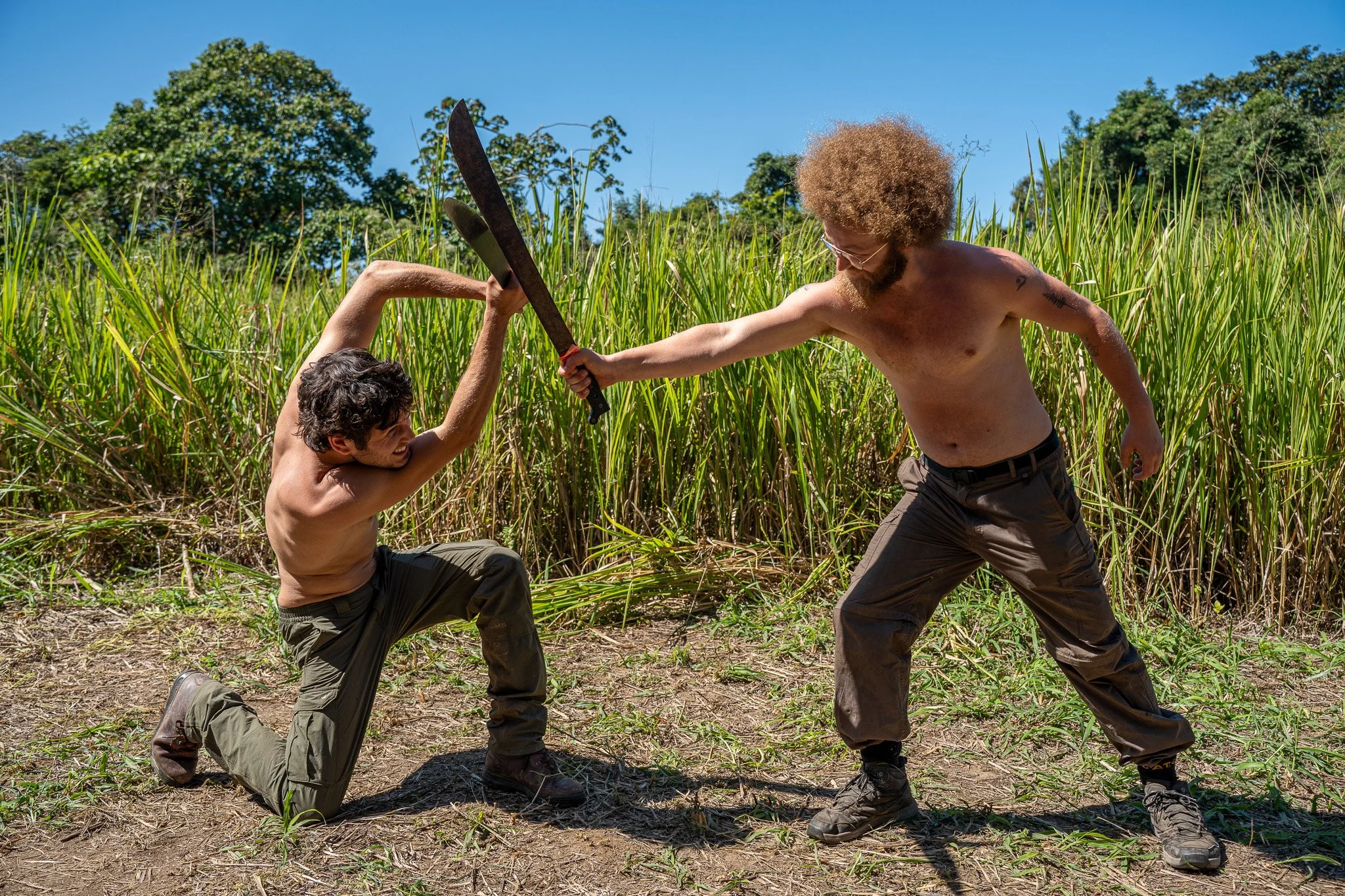
Work as a cohesive unit, helping each other when and where needed!
CHECK OUT SPECIES RECORDED ON THE ONE OTHER EXPEDITION BY A SMALL TEAM OF IPH MEMBERS YEARS AGO:
This file shows the confirmed species present in some of the camps we will be calling home, including the several new-to-science records mentioned above.

PHYSICAL FITNESS DISCLAIMER
we welcome absolutely everyone on all of our expeditions, research included. you do not need to be a scientist, taxonomist, experienced world traveler, or “professional” field herper. no age is too old, however guests must be over 18.
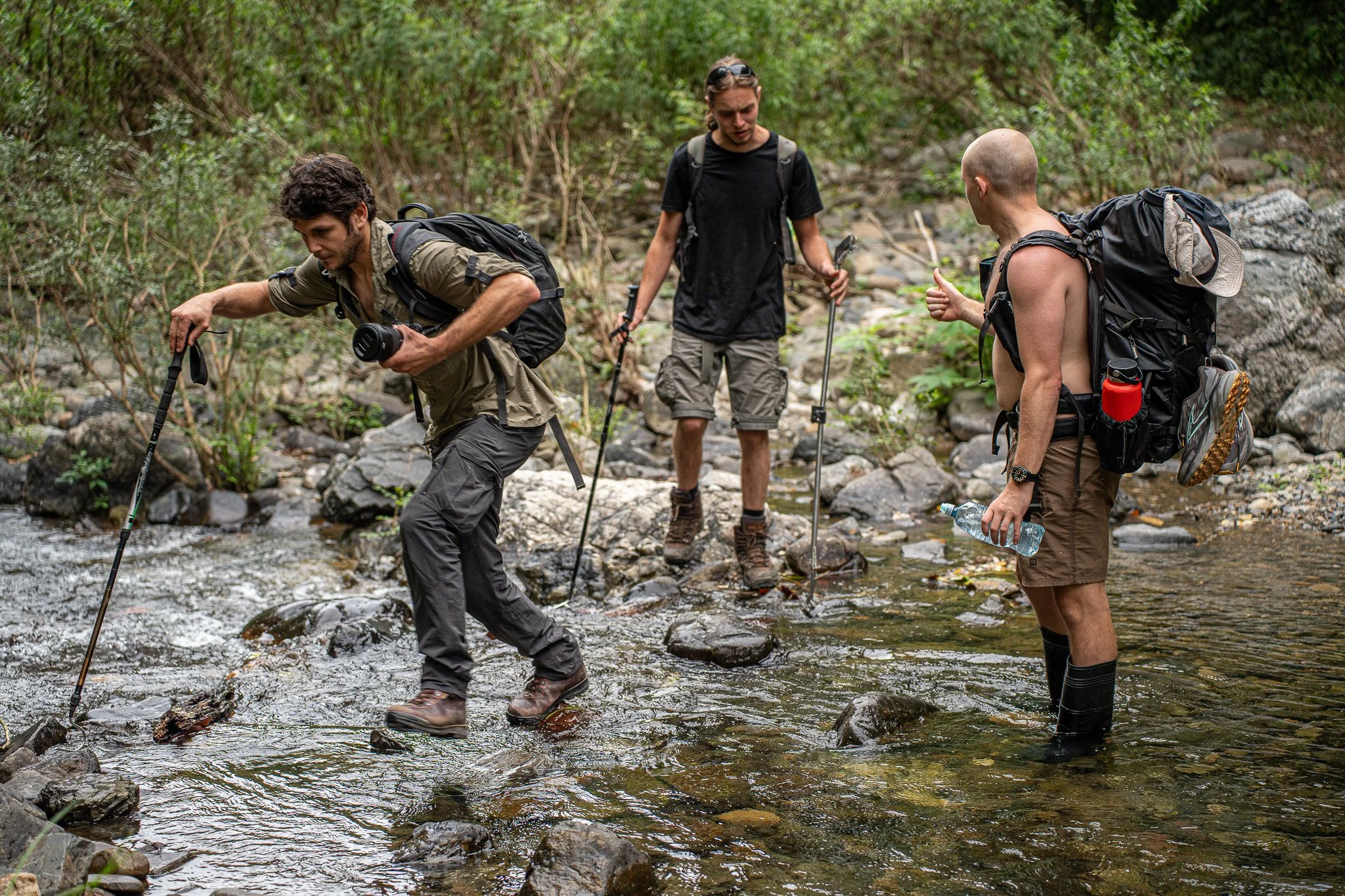
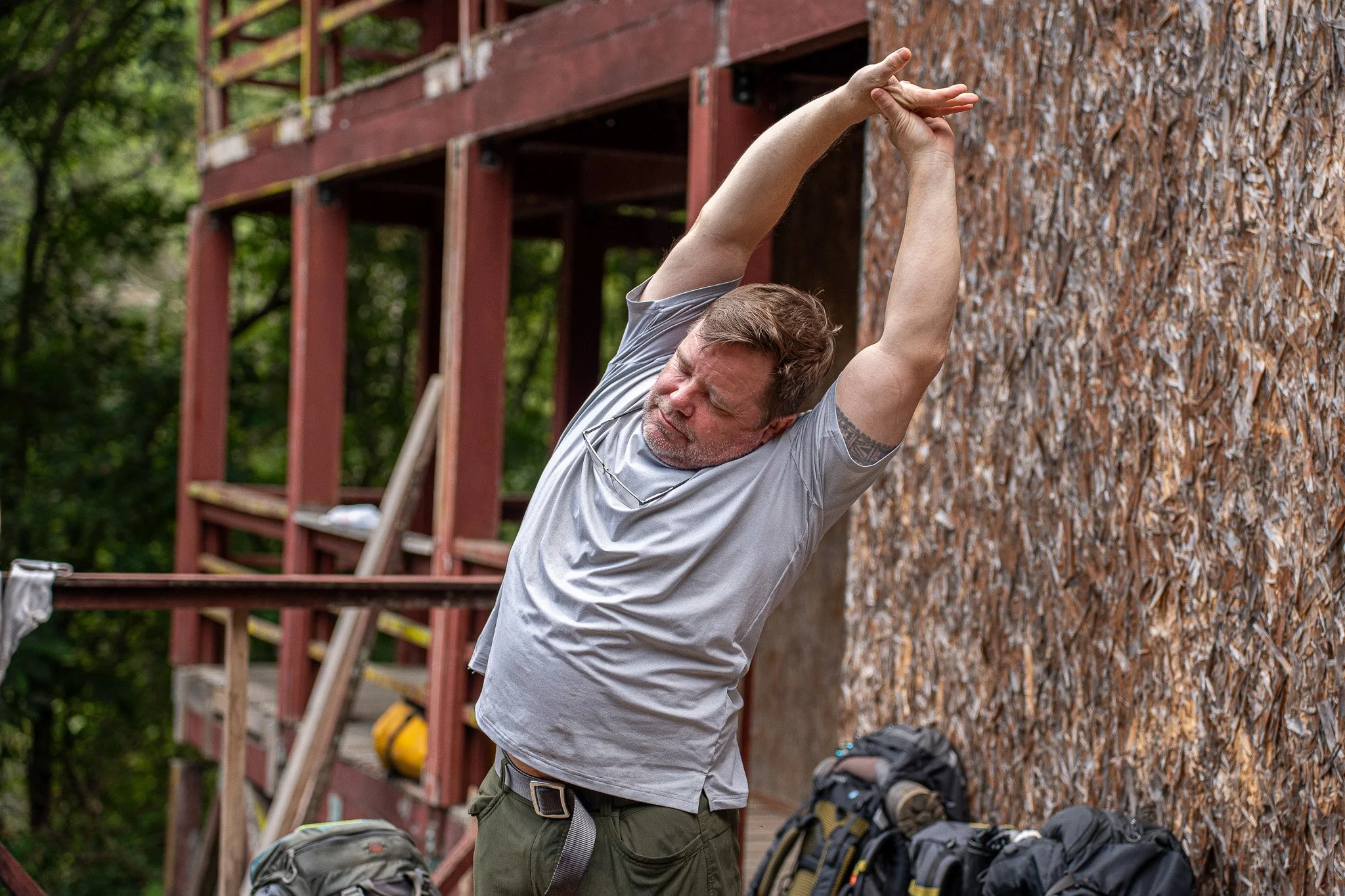
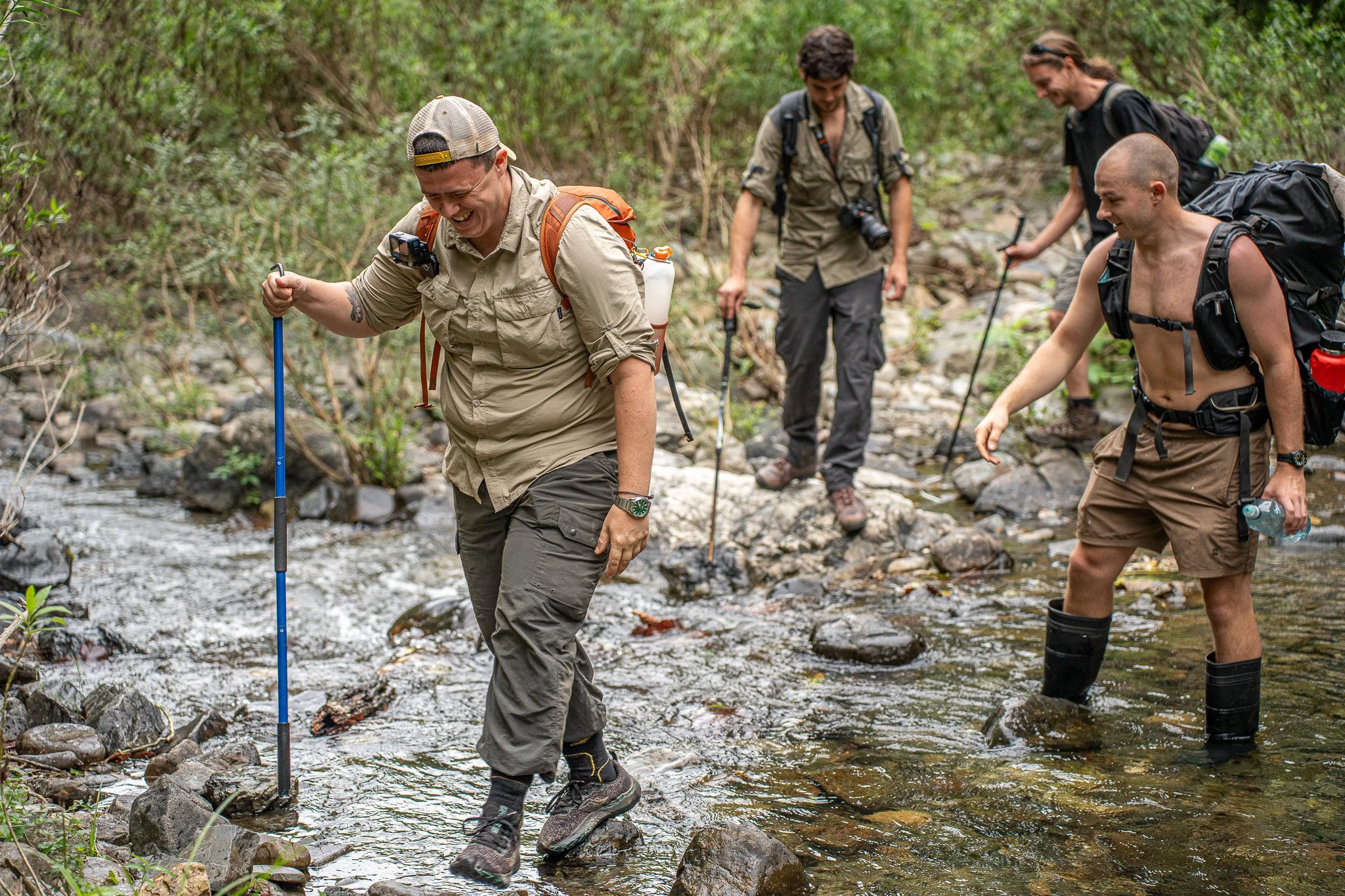
we do want to be transparent about the physical and environmental demands of an opportunity like this. you must be able to carry your own gear for 5-10 kilometers on your own back, be capable of trekking up rugged inclines and through diverse terrain, as well as willing to endure the andean amazon elements for nearly 3 weeks at a time.
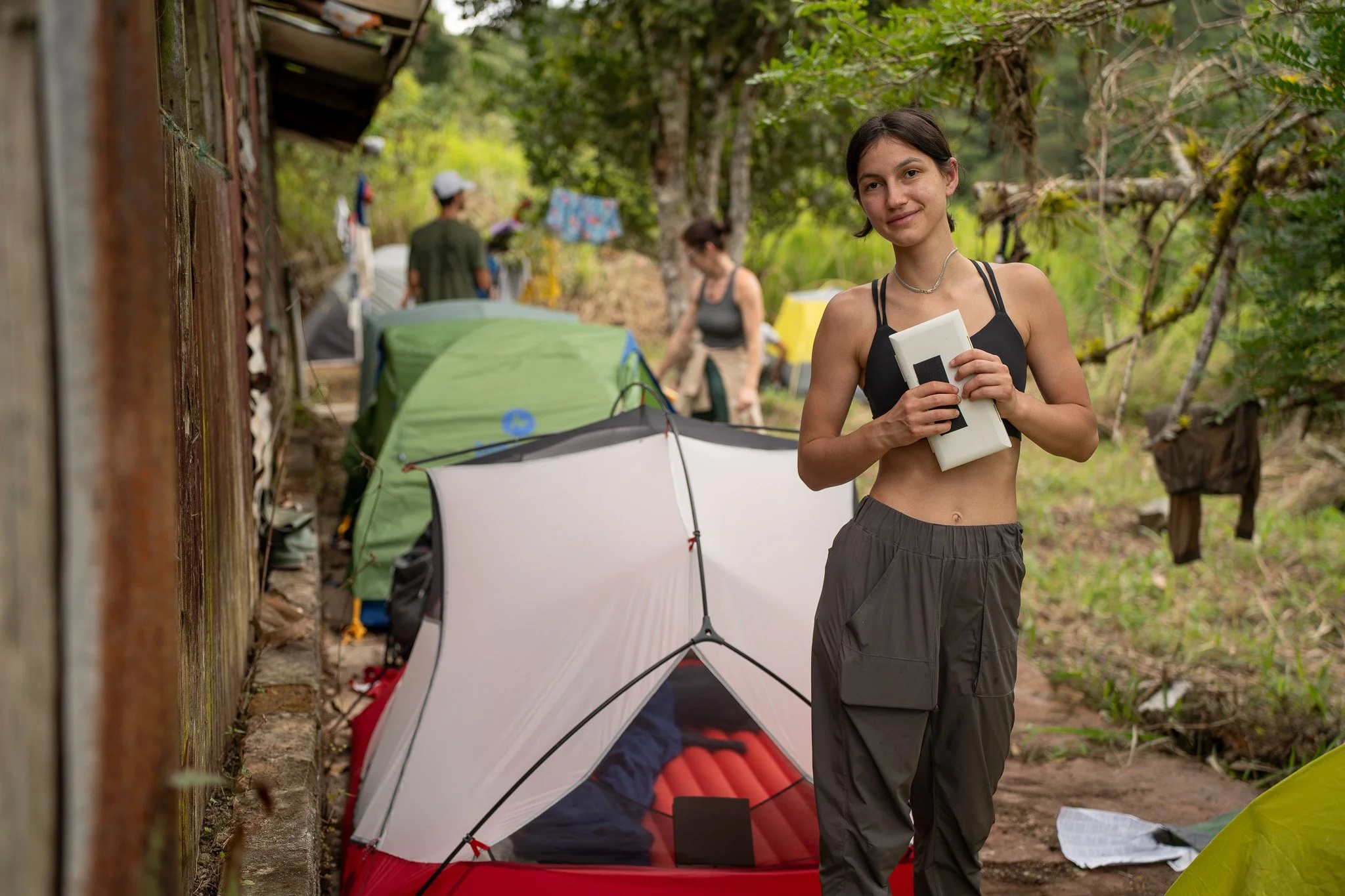
you will need to bring some specific personal gear for this trip.
This includes the following:
Tent w/ rainfly (1-2 person backpacking tent is ideal)
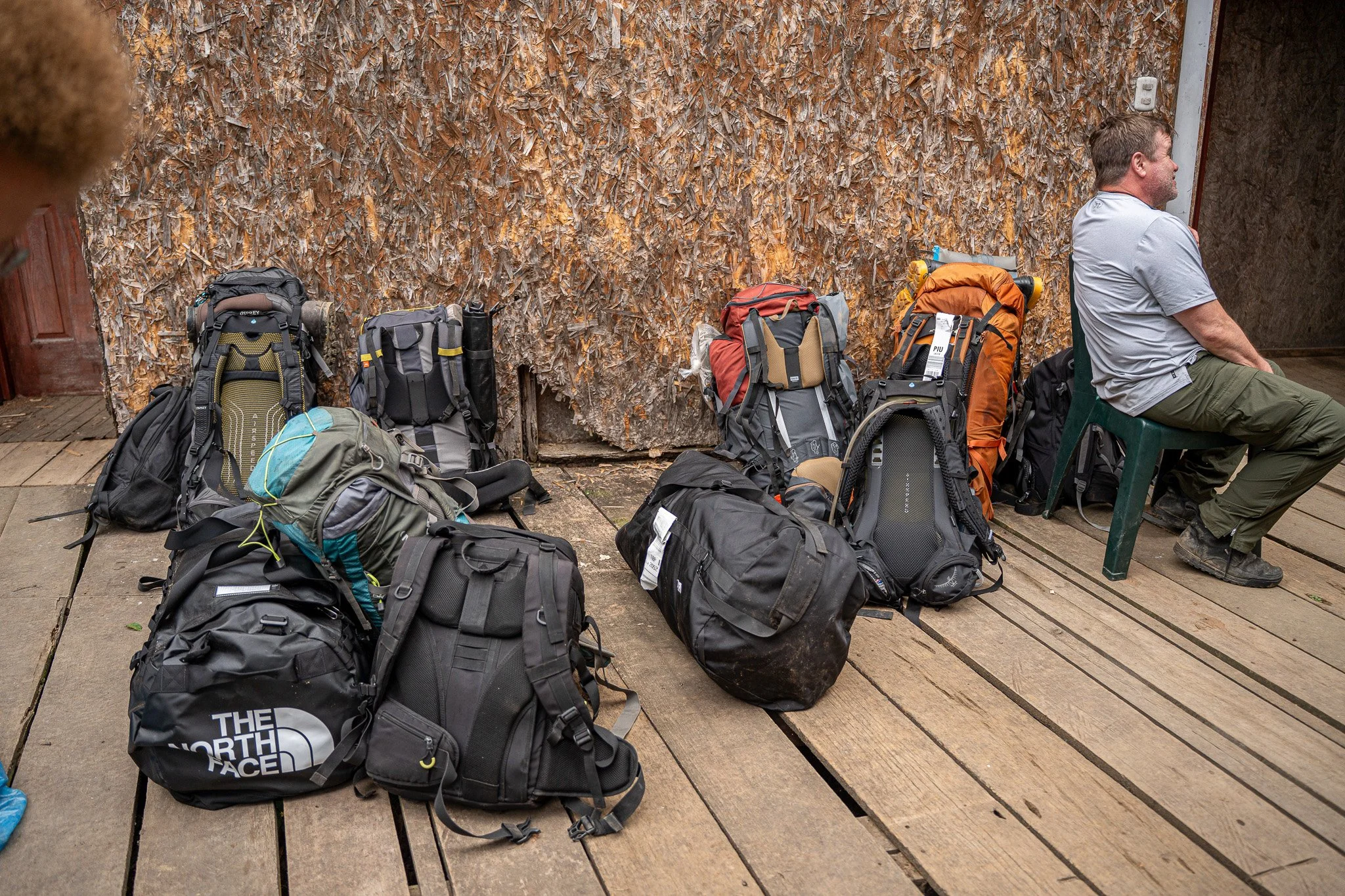
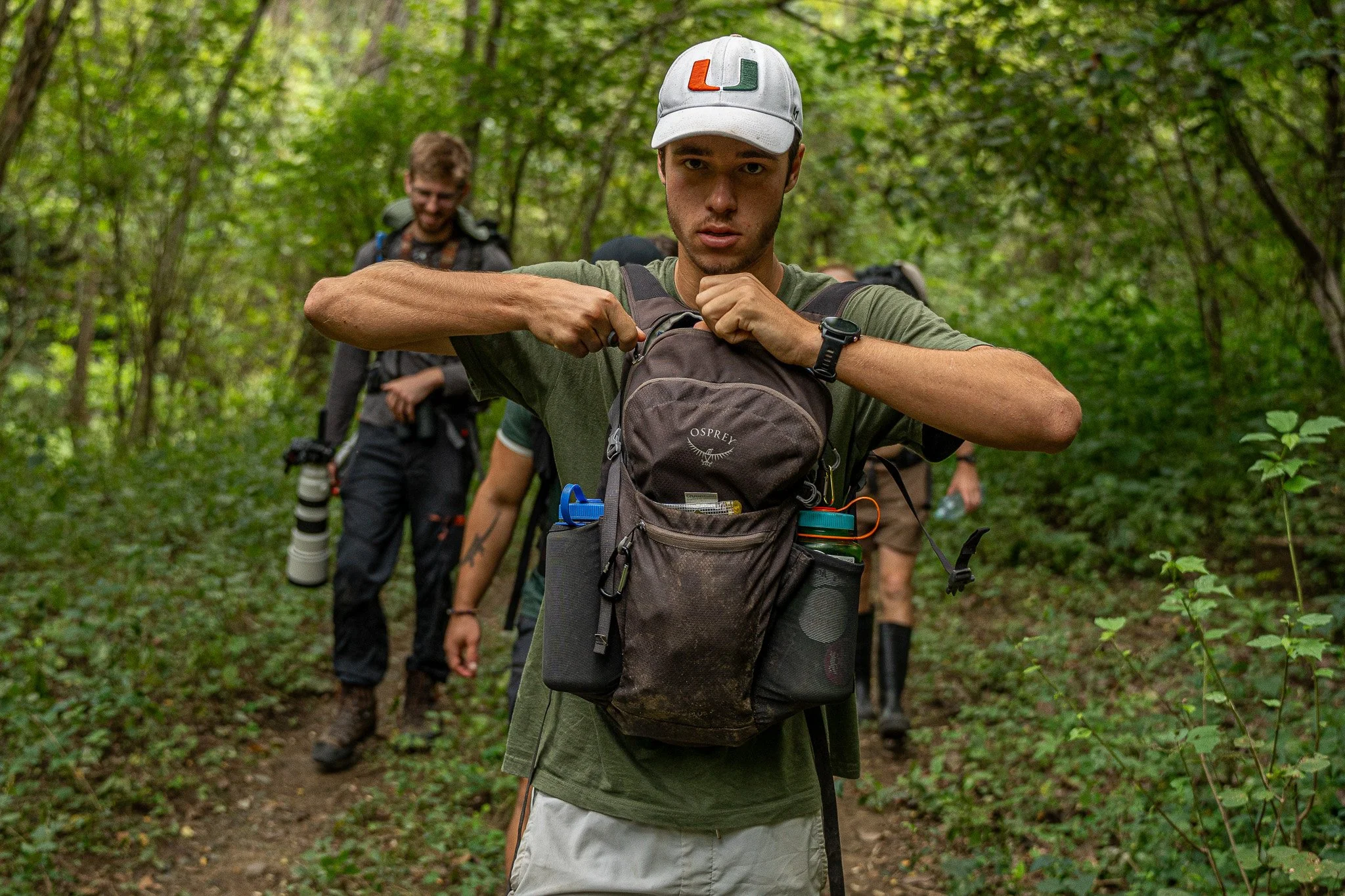
NO SUITCASES PLEASE (Osprey is our recommended backpack brand)
Sleeping bag (mid-range temp rating)
Sleeping Pad
Solar Charger and/or LOTS of extra batteries for headlamp
See below for our STANDARD packing list, which includes everything else that recommend for our ecotourism trips:
INCLUDED:
“LODGING” (CAMPING) FROM MAY 14-30
HOTEL ON MAY 31
TRANSPORT FROM MAY 14-31
SCIENTIFIC COLLECTION PERMITS
CO-AUTHOR OPPORTUNITIES FOR RELATED DISCOVERIES WHEN PUBLISHED
X3 MEALS PER DAY + SNACKS
24/7 MENTORS AND GUIDES
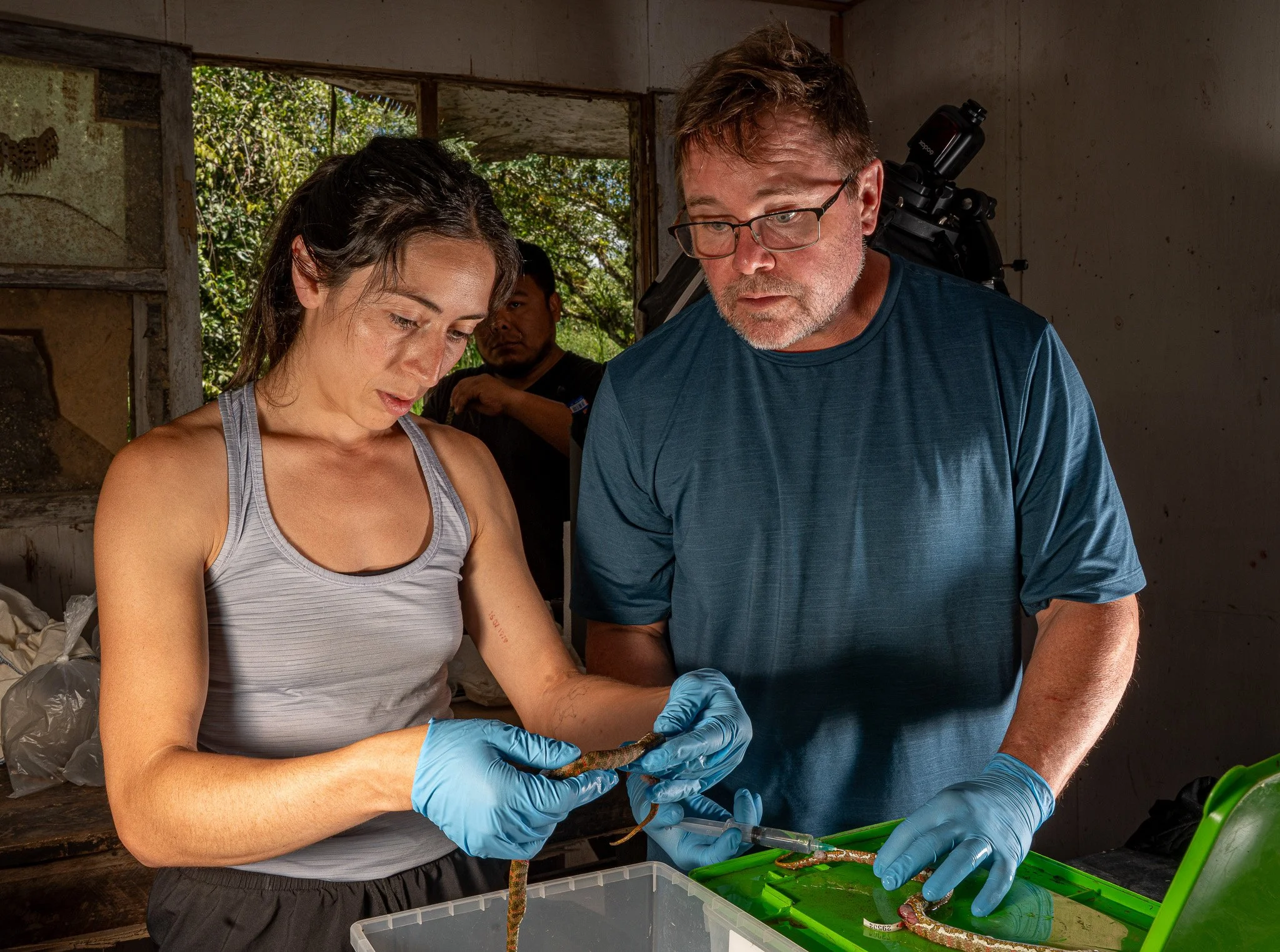
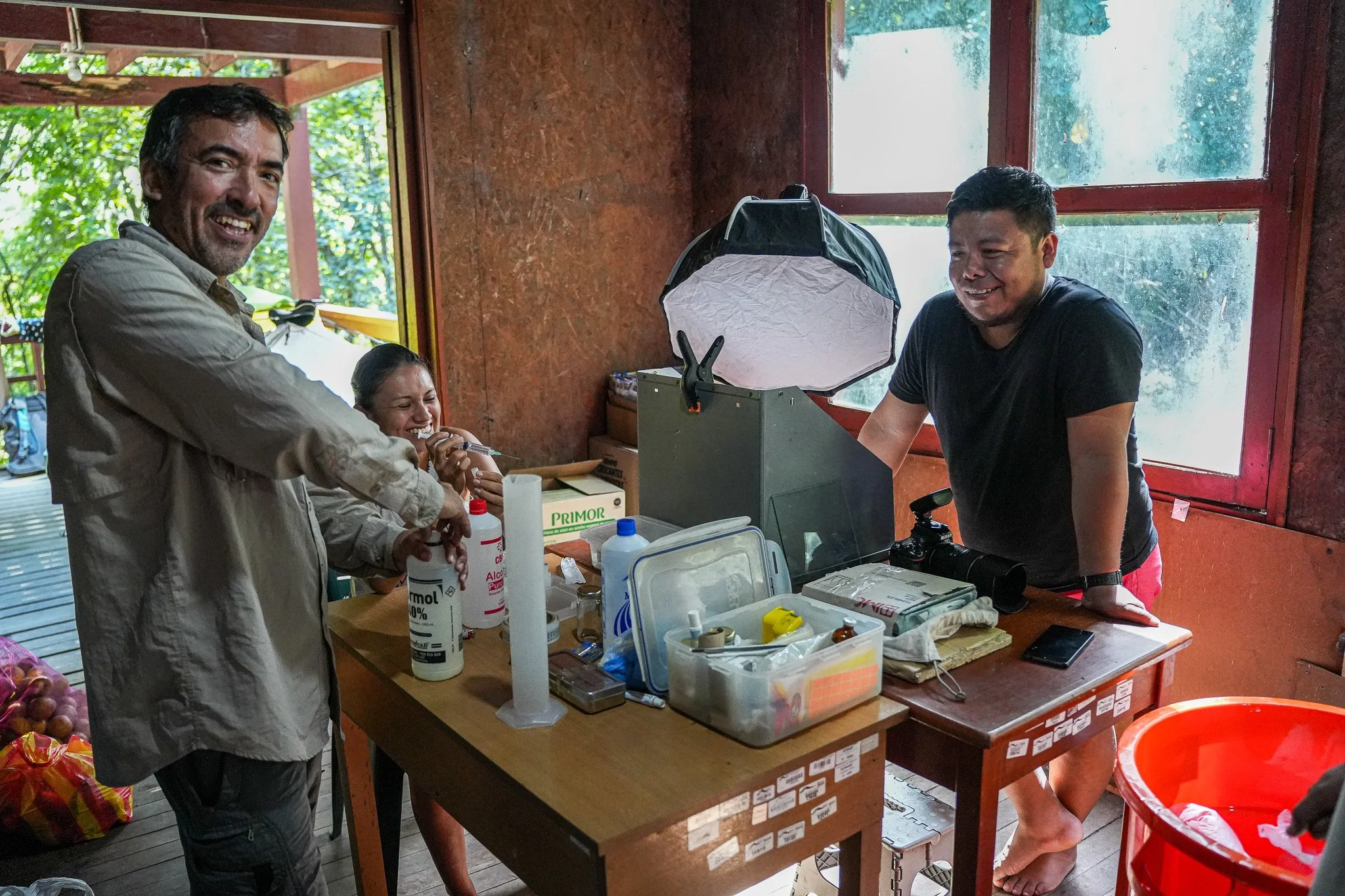
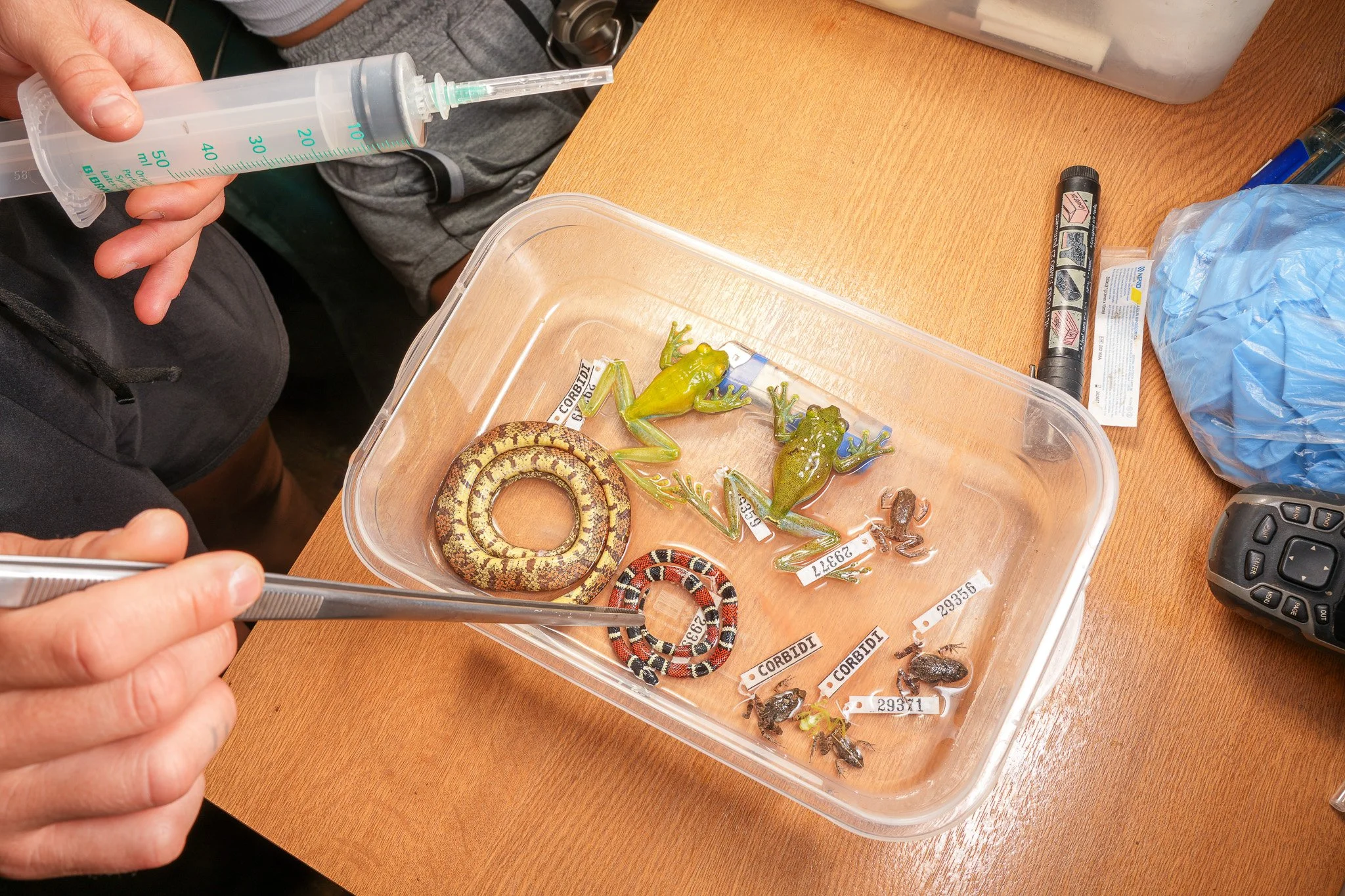
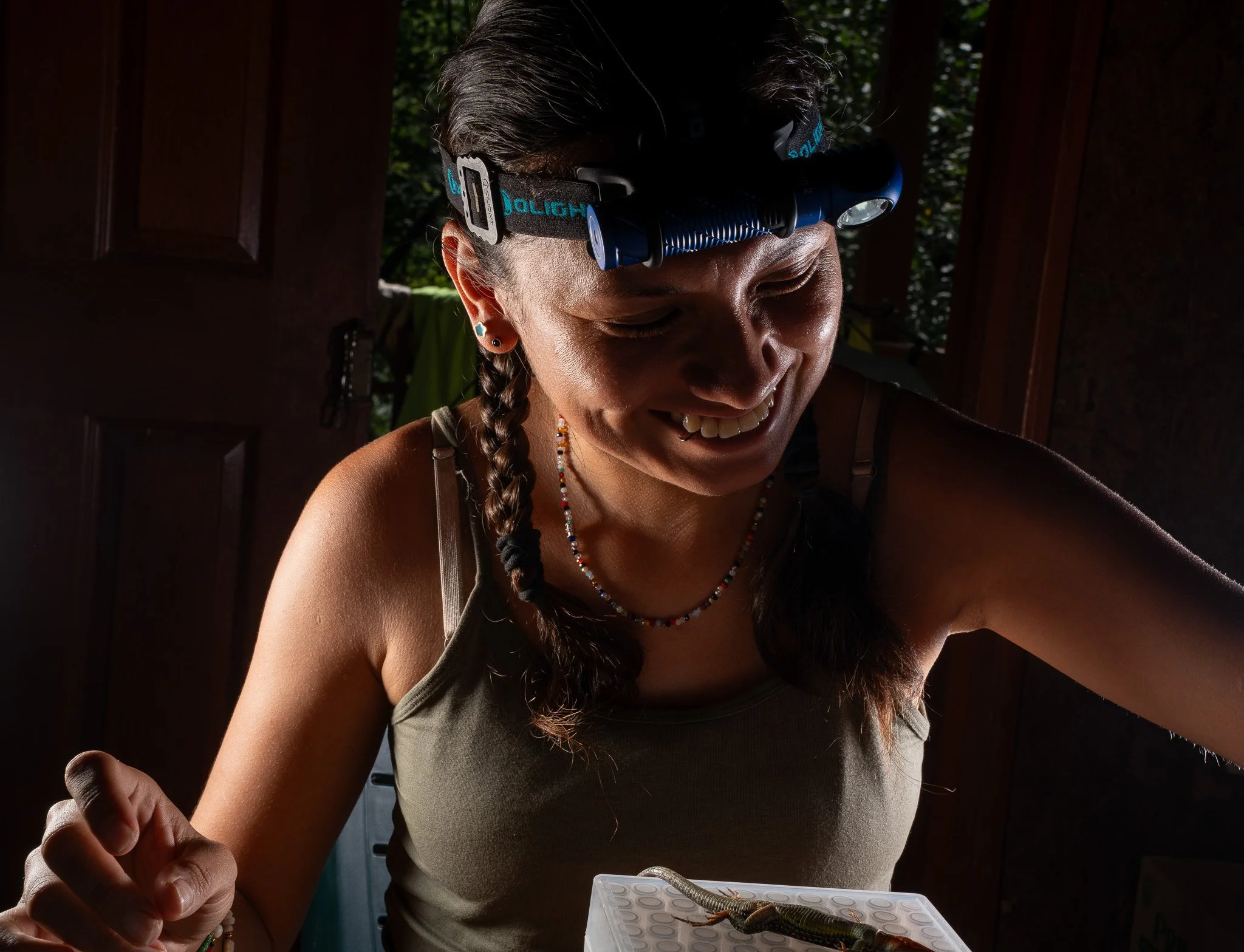
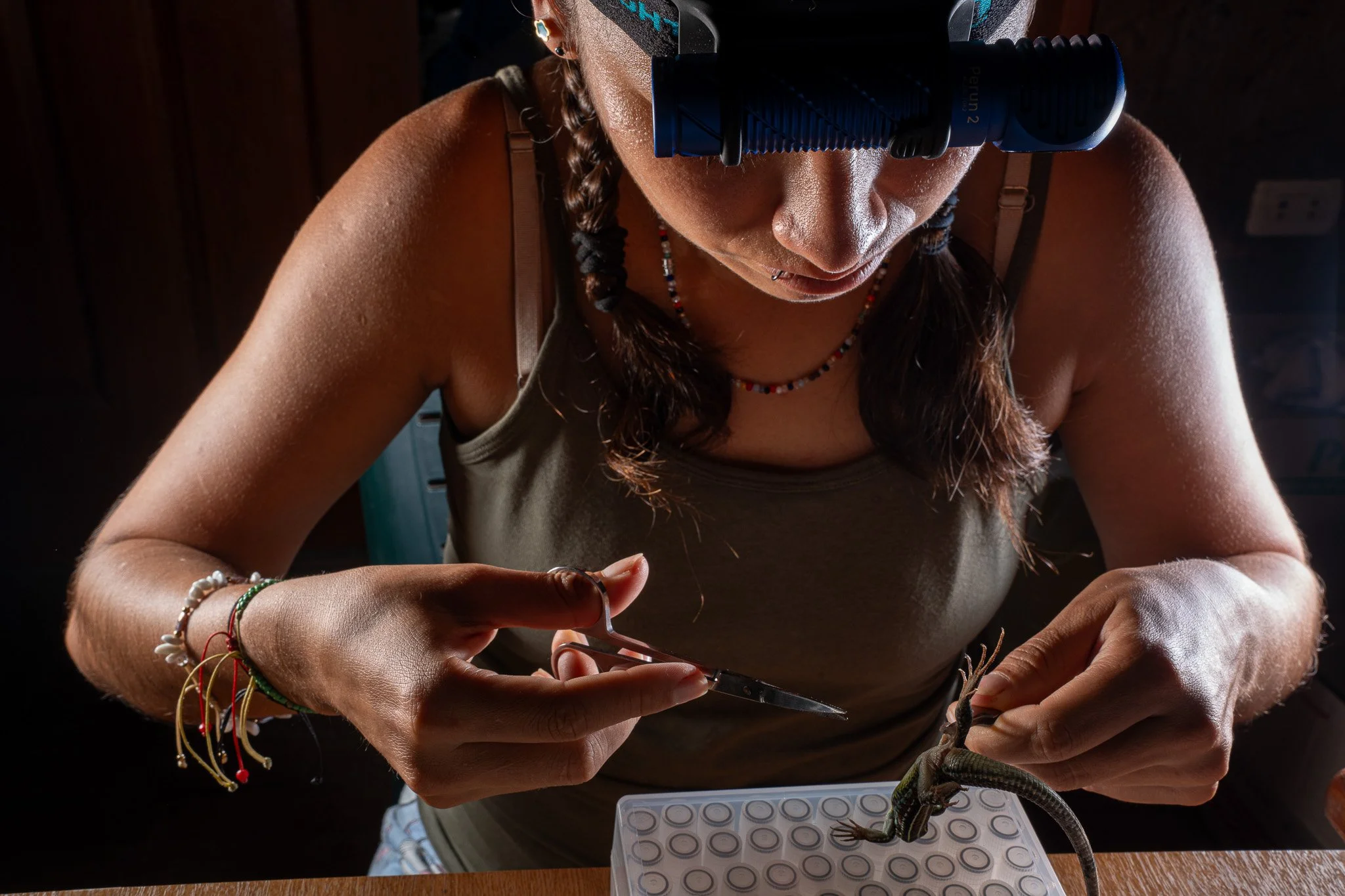
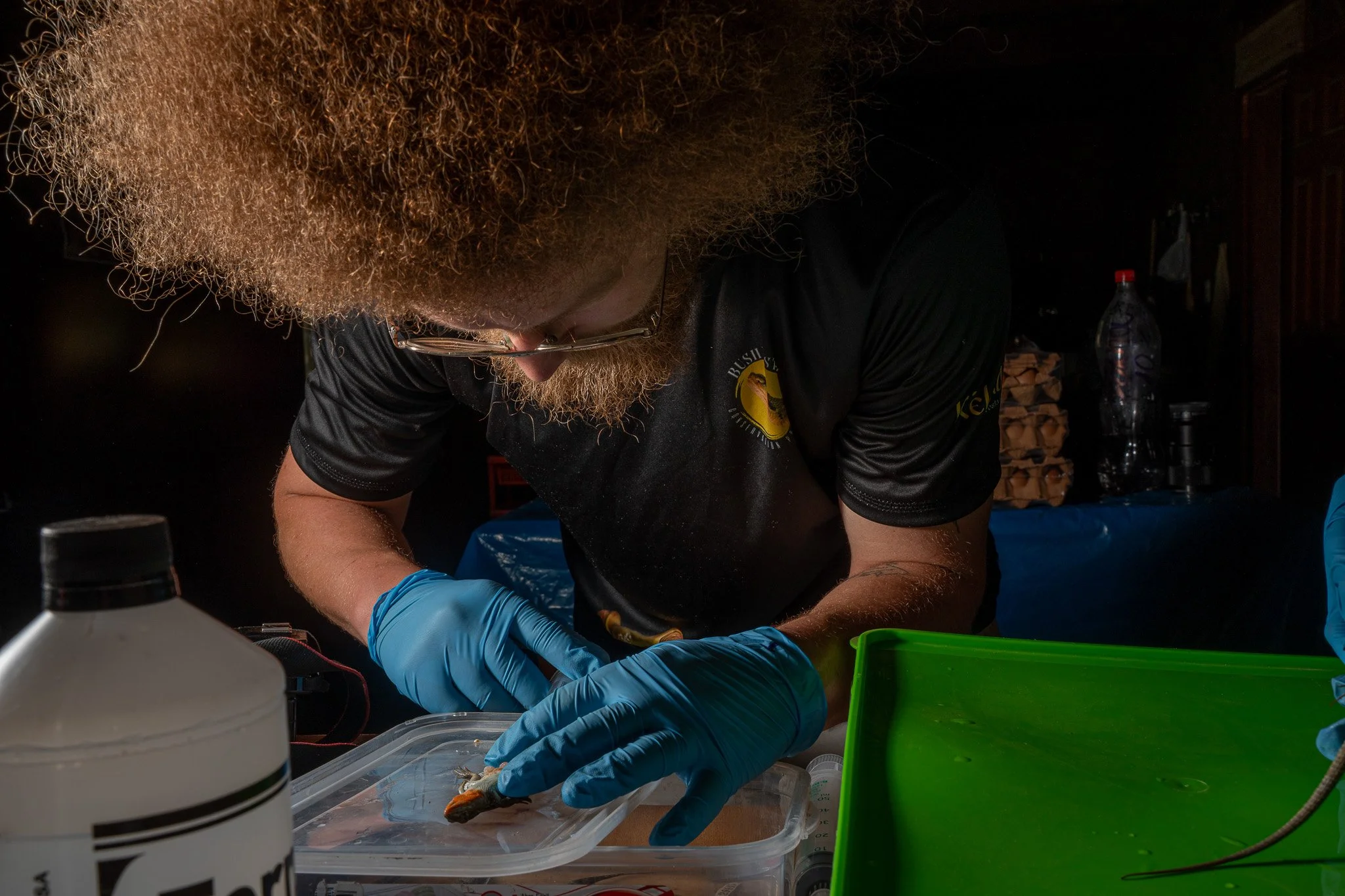
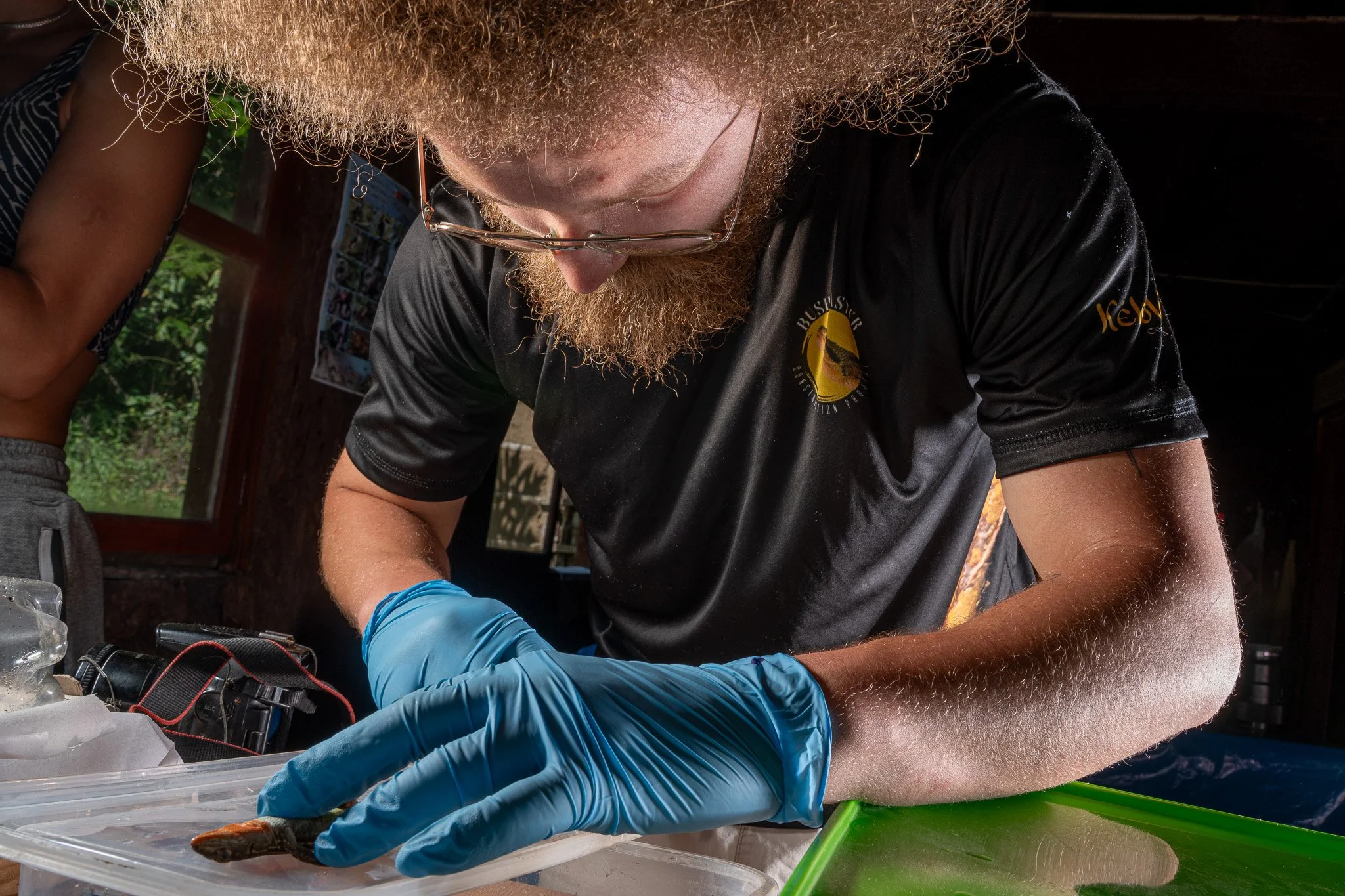
DATA COLLECTION & SPECIMEN PREP WORKSHOPS/HANDS-ON OPPORTUNITIES
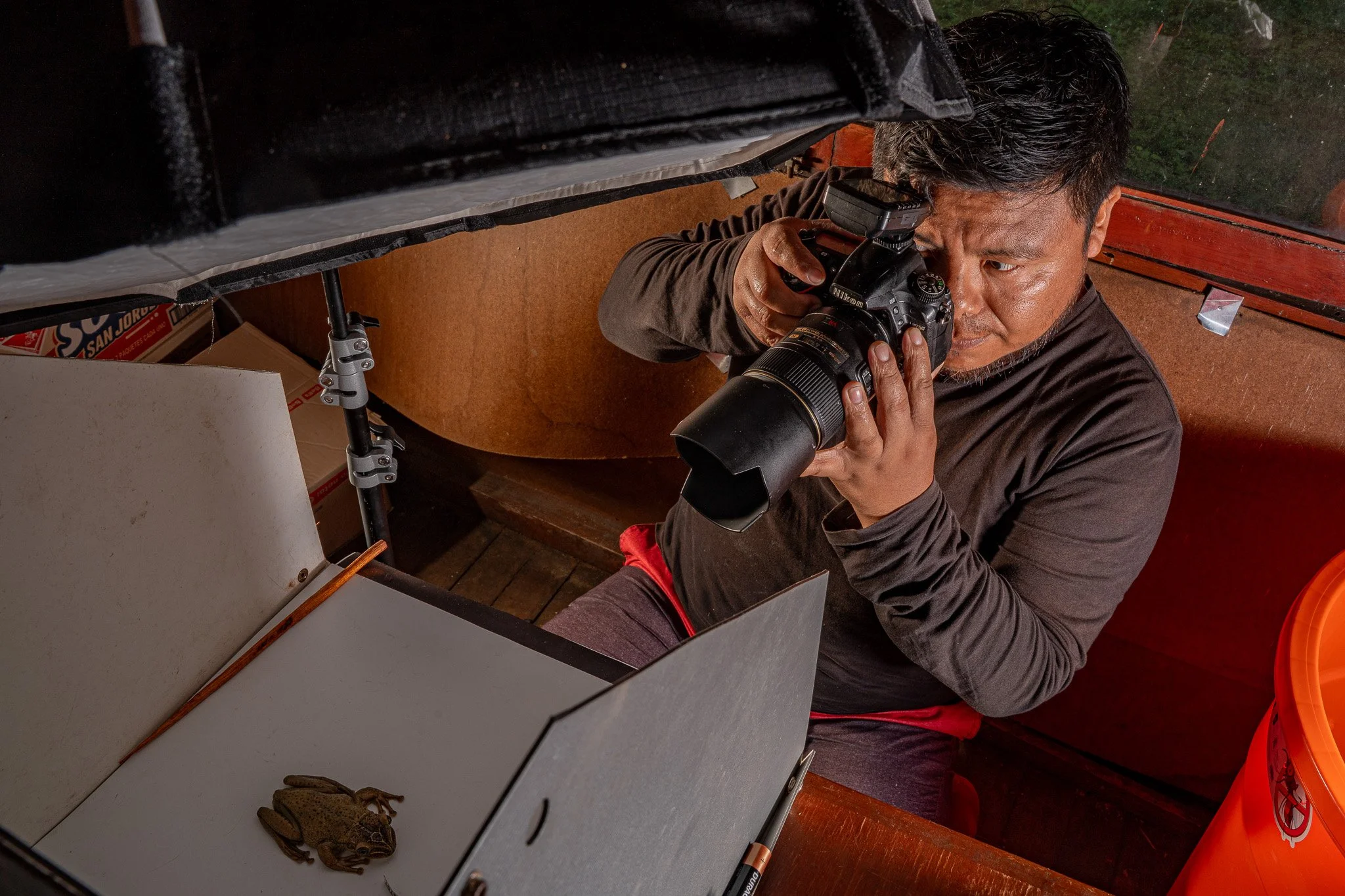
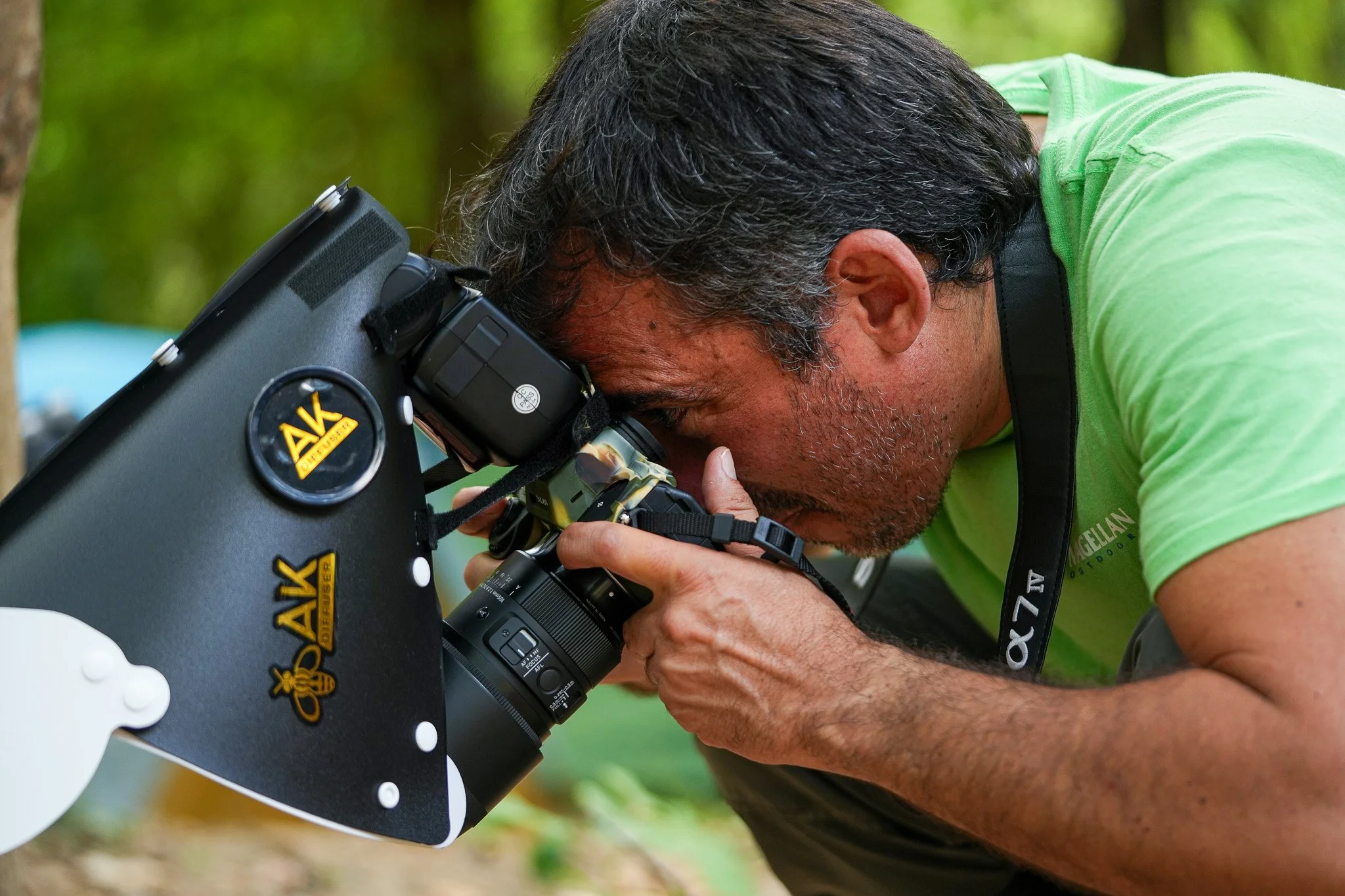
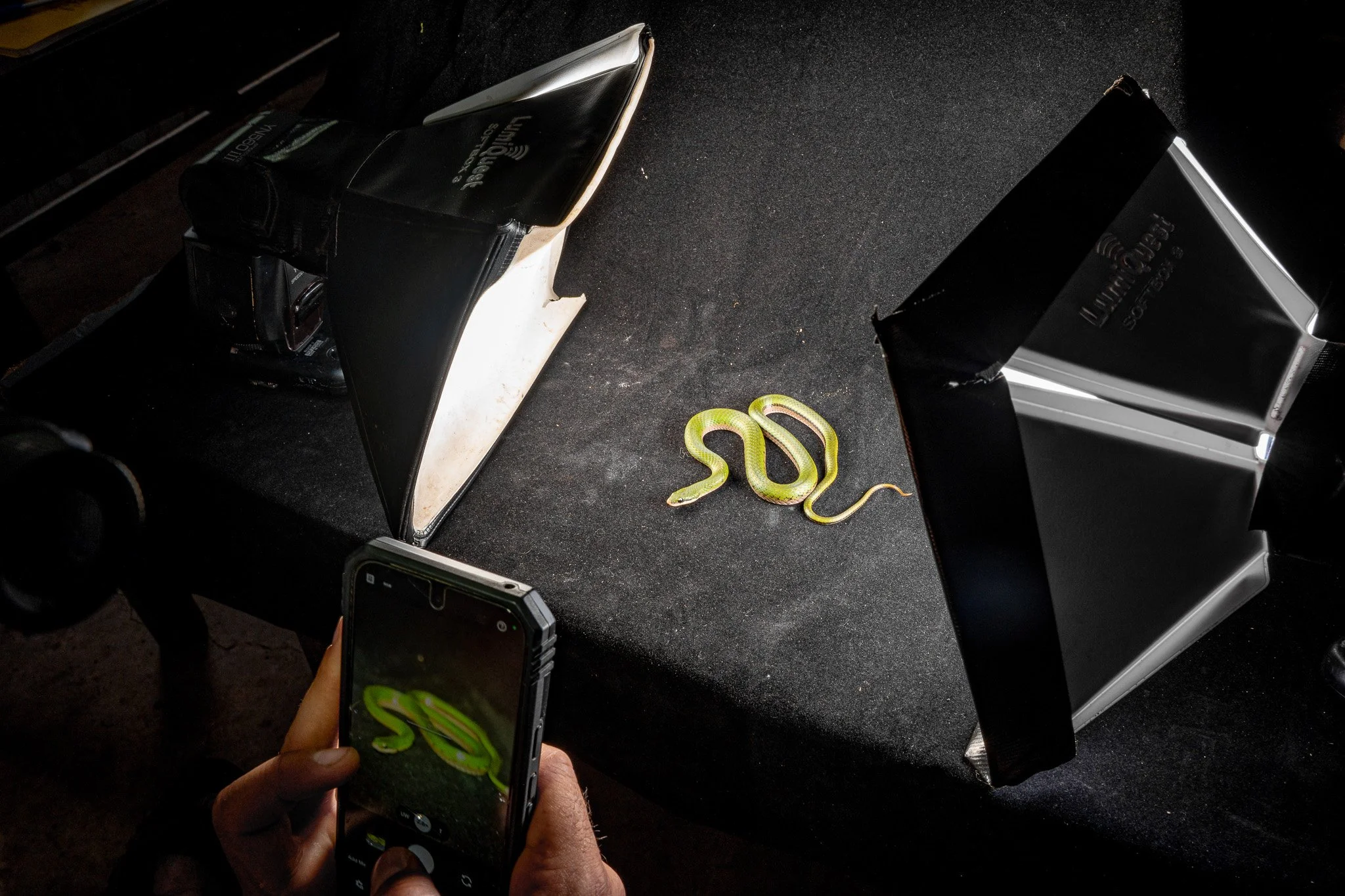
COMPREHENSIVE PHOTO WORKSHOPS
WHAT WE COVER, WHAT WE DON’T, AND ADDITIONAL INFORMATION:
NOT INCLUDED:
INTERNAL OR EXTERNAL FLIGHTS
VISA/ENTRY FEE IF APPLICABLE
HOTEL MAY 13TH IN TARAPOTO
ALCOHOLIC BEVERAGES/ADDTL. GROCERIES
CRITICAL NOTES:
YOU MUST FLY INTO LIMA FIRST, THEN TAKE A CHEAP INTERNAL FLIGHT TO TARAPOTO
AIM TO LAND IN TARAPOTO ON MAY 13 PLEASE!
WE RECOMMEND ALWAYS BRINGING YOUR YELLOW FEVER VACCINE CARD, ESPECIALLY IF YOU HAVE A LAYOVER IN A "DESIGNATED HIGH RISK COUNTRY
WE DO NOT RECOMMEND ANY ADDITIONAL VACCINES FOR THIS REGION, HOWEVER PLEASE CONSULT A TRAVEL DOCTOR IF YOU ARE UNSURE OF YOUR DECISION
SCIENTIFIC COLLECTION DISCLAIMER:
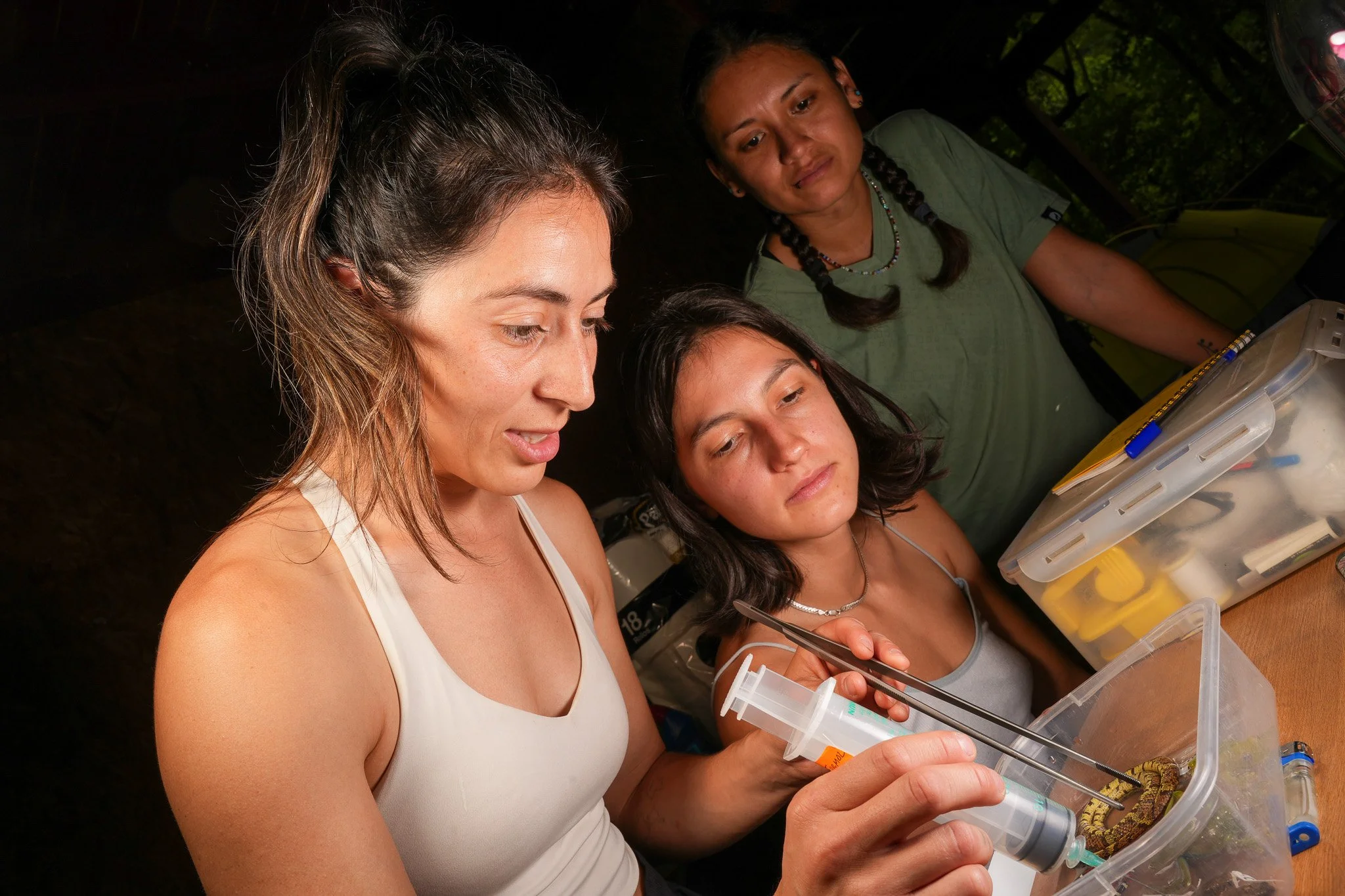
This expedition operates under approved scientific collection permits and follows all local, national, and international wildlife regulations. Specimen collection is conducted solely for legitimate scientific and conservation purposes, including documenting regional biodiversity, refining species identification, and supporting ecological and taxonomic research.
All work is performed ethically and responsibly, with minimal impact on wild populations. Every specimen collected is handled with respect, properly documented, and deposited into recognized research or museum collections, where it can contribute to long-term studies on distribution, evolution, and conservation.
Participants will gain hands-on experience in professional field herpetology, including:
Responsible specimen handling and field documentation techniques
Data collection methods used in biodiversity surveys and research
Introduction to museum preparation and specimen cataloging
Field identification and taxonomy of local reptile and amphibian species
Night surveys, environmental sampling, and habitat assessment practices
Comprehensive wildlife photography workshops in both research and hobbyist settings
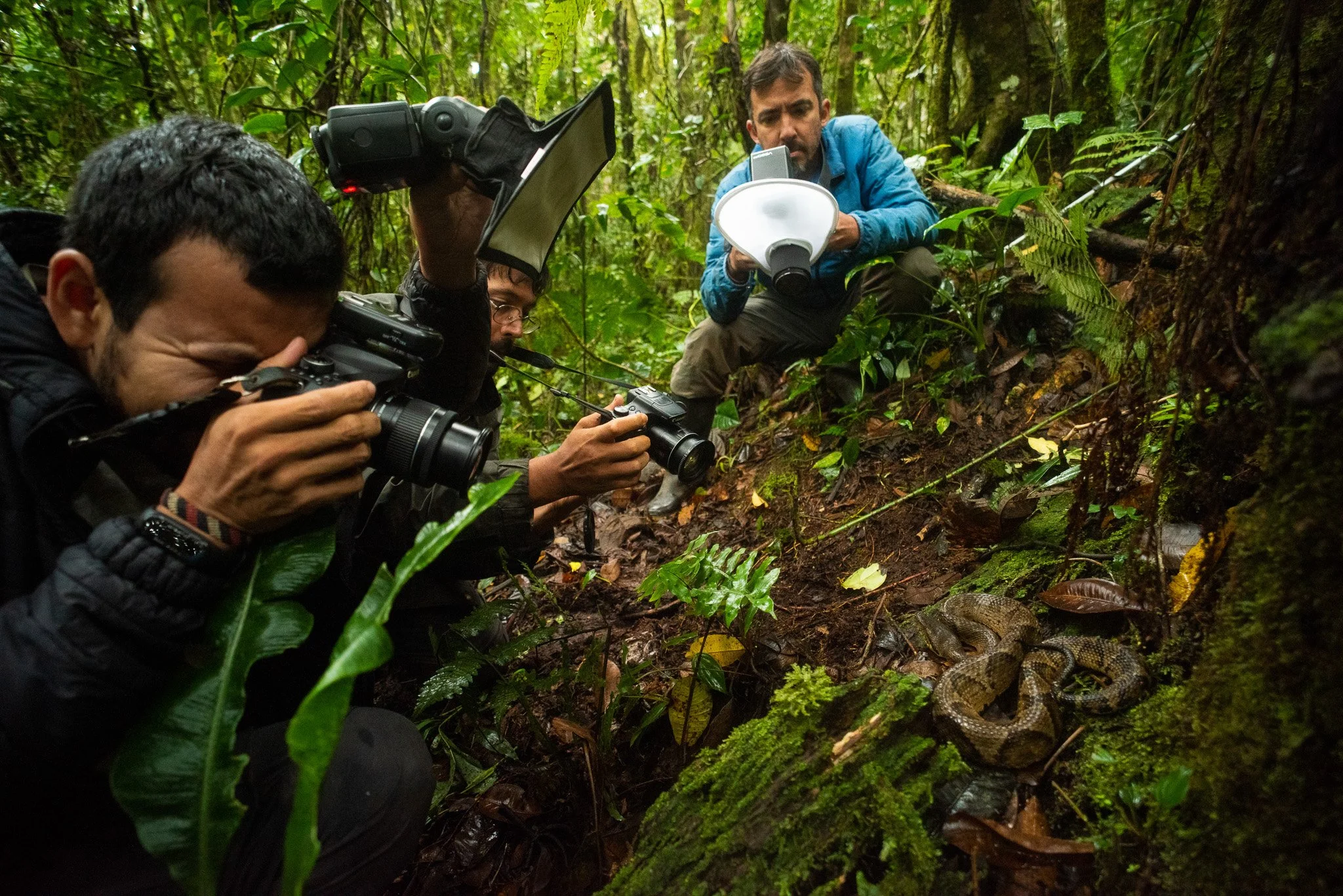
This is an opportunity to actively take part in real-world science—to work alongside researchers, contribute to meaningful data collection, and deepen your understanding of how scientific knowledge of herpetofauna is built.
Every participant plays a truly critical role in advancing the conservation and study of these incredible animals. If you are not personally comfortable being present on a project that collects certain species of interest to better inform conservation decisions, this is entirely understandable; however an expedition of this nature might not be the best option for you.
WE HOPE TO SEE YOU OUT THERE!